Stroller Ride-On Boards: How to Choose and Use One Safely
Learn how stroller ride-on boards work, what to check before buying, and how to use one safely for your older child on everyday walks.

On this page
- What a ride-on board does
- Who might find one useful
- Check compatibility before buying
- Choose a board for your routine
- Compare the main travel choices
- Age and ability matter more than a birthday
- Set up and use the board with care
- Safety checks before every outing
- Walking, steering, and stopping
- Public transport, travel, and storage
- Common mistakes to avoid
- Product guidance in Australia, the UK, the US, and Canada
- How to decide if it suits your family
- Frequently asked questions
- Sources and further guidance
- Sources
Short answer: A stroller ride-on board attaches behind a pram or stroller. An older child can stand on it while an adult pushes. It may help when one child wants to walk and another needs the pram. It does not suit every child, stroller, or trip. Check the board maker’s age and weight limits. Check that it fits your exact stroller model. Read both instruction manuals before each first use.
A ride-on board is sometimes called a buggy board, stroller board, or buggy platform. These names can describe different products. Some boards have a seat. Some have a standing platform only. Some connect to several stroller models, while others fit just one range. Do not assume that two boards with similar shapes work the same way.
There is no source in the checked library that gives country-by-country rules for ride-on boards. So this guide does not claim that a board meets a particular standard, or that a feature makes it safe. The national bodies named below provide broader product or pram guidance. Ask the maker or your local product safety body about a specific board.
What a ride-on board does
A ride-on board is a small platform attached to the rear of a stroller. The child stands on the platform and holds a handle, the stroller, or another support provided by the maker. The adult steers and pushes the stroller as usual.
Some models include a small seat that attaches to the board. The child can then sit or stand, if the instructions allow both ways. Other models have no seat. Some boards can fold or lift when nobody is riding. These details vary by product, so check the manual.
A board does not turn a single stroller into a tested double stroller. It changes how the stroller moves and how much room it needs. The adult may need to stand farther back or take shorter steps. The board may also affect access to the basket, brake, or folding parts.
A board is not a toy scooter. A child should not ride it alone, push away from the stroller, or use it on its own. It is an accessory for use with the named stroller and under adult control.
Who might find one useful
A board may help a family with a baby and an older child. The older child may walk for part of an outing and ride when tired. The baby can stay in the stroller. This can be easier to steer than bringing two strollers.
It may also help on short trips where a child’s walking pace changes often. A parent can keep both children close while crossing a car park or walking through a busy place. The child still needs to understand simple instructions and stay on the board as directed.
A board may not be useful if your older child prefers walking, needs a proper seat, or cannot stand safely on the platform. It may also be a poor match if the stroller is not approved for that board. Do not try to make a board fit with straps, cords, clamps, or other parts that the maker did not provide.
Consider the whole outing. A board can be awkward on narrow paths, rough ground, steep slopes, crowded buses, or stairs. It may make the stroller longer. You might need to lift the board or remove it for storage or transport. Think about where you will use it most.
Check compatibility before buying
Compatibility is the first practical check. Find the exact stroller name and model number. Then compare it with the board maker’s approved fit list. A broad claim such as “fits most strollers” does not confirm that it fits yours.
- Check the model list. Use the maker’s current fit guide or ask its customer service team.
- Check the stroller frame. The attachment points must match the frame shape and position.
- Check the rear wheels. The board must not rub against a wheel or stop it turning.
- Check the brake. You must still reach and use the brake as the stroller manual explains.
- Check the basket. The board or child must not block access or press on the basket.
- Check folding. Find out whether the stroller can fold with the board attached.
- Check the handle. You need a comfortable place to hold and steer the stroller.
- Check both manuals. Follow the limits and setup steps for the stroller and board.
Do not judge fit by appearance alone. A connector can seem secure while sitting at the wrong angle. A frame can also flex in ways that are not easy to spot. If the maker does not confirm the match, choose a listed option or contact the maker.
If you already own a board, check that its parts are complete and undamaged. Look for the product name, model, and manual. Do not use a board with a missing connector or a part that has been replaced by an improvised piece.
Prams & Strollers worth a look
Real products from our catalogue. We don't show star ratings or review counts; check the current price, stock and reviews on Amazon before you buy.
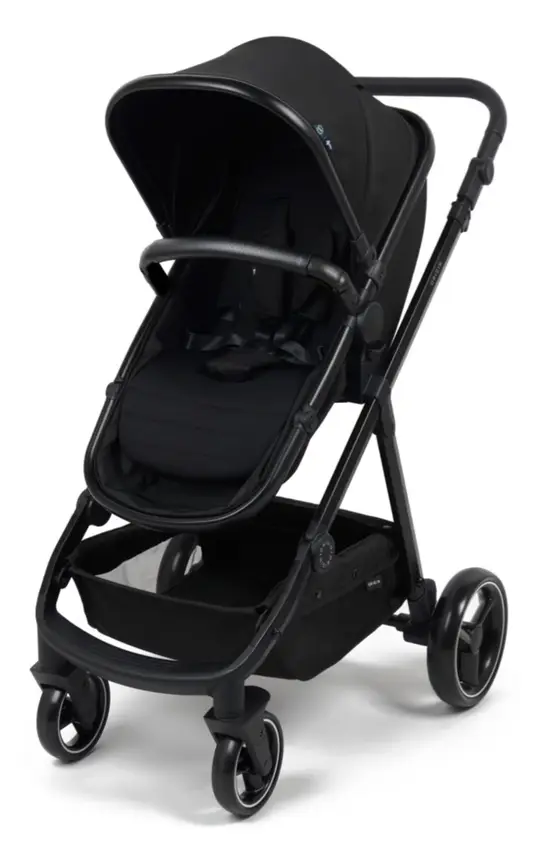
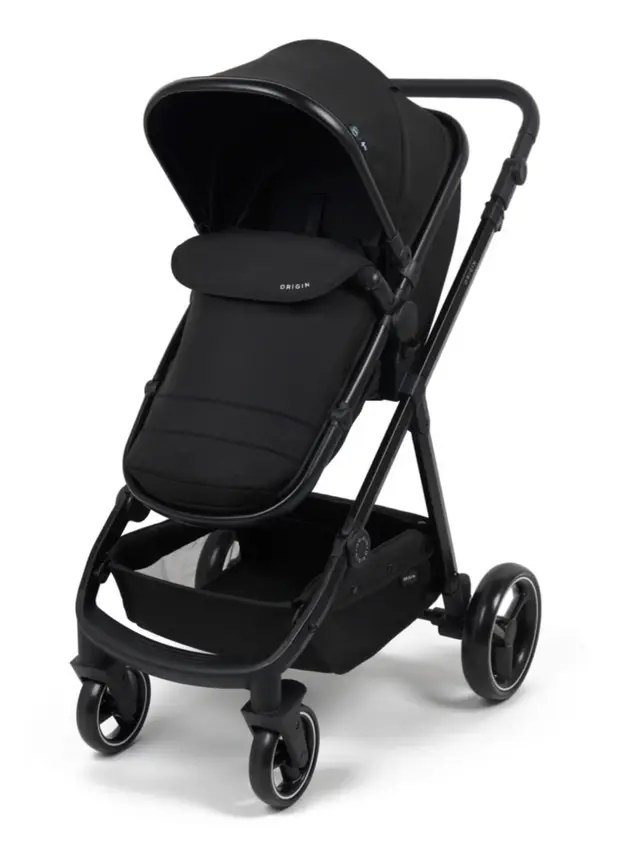
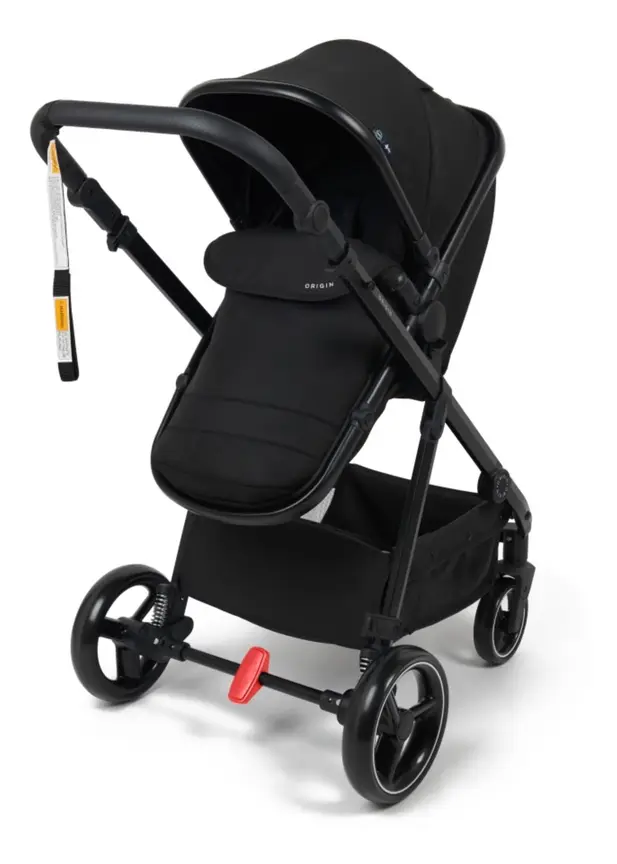
4baby Origin Stroller
A budget pram whose seat turns into a bassinet. The seat can face you or face the world.
Read our full review →
Baby Jogger City Mini GT2
Long-running, lighter all-terrain stroller with a famously simple one-hand strap fold.
 Reviewed
Baby Jogger City Tour 2
A 6.5 kg stroller with a near-flat recline. It folds small and comes with a carry bag.
Read our full review →
Choose a board for your routine
Start with the places you go. A wide board can feel different in a shop aisle than on a clear footpath. A board with a seat may take more room. A board that folds may be easier to store, but you still need to follow its folding steps.
Consider these points while comparing options:
- Standing or sitting: choose only a setup the maker permits for your child’s age and size.
- Child limits: check the stated age, height, and weight limits. Do not guess from the board’s appearance.
- Attachment: check how the connectors fit and how the maker says to secure them.
- Foot space: check whether the adult can walk without kicking the board or child.
- Steering: consider whether you can keep a firm two-handed grip and see the path ahead.
- Storage: check how the board folds, lifts, detaches, and fits in your home or car.
- Cleaning: ask how to clean the platform and connectors. Follow the care instructions.
- Parts: check whether replacement parts and instructions are available from the maker.
Try the setup in a safe, open area before relying on it for a long outing. The adult should push the empty stroller first. Then test it with the child, on level ground, if the instructions allow. Stop if the board shifts, rubs, catches, or makes steering hard.
Do not buy based only on a photo, a sales label, or a claim that a board is “universal”. Ask for the exact compatibility information. Keep a copy of the manual with your family’s stroller notes.
Compare the main travel choices
There are several ways to move two young children. The best choice depends on the children, the route, and the stroller. This table describes general differences. It does not rate any product or promise that a choice will suit every family.
| Choice | What it offers | What to check | May suit |
|---|---|---|---|
| Ride-on board | Older child stands behind a stroller | Exact fit, child limits, adult walking space, steering, brake access | Short trips with a child who can follow instructions |
| Board with seat | Some models allow a child to sit on the board | Whether sitting is allowed, seat setup, child limits, added length | A child who needs a rest, if the maker permits this use |
| Double stroller | Two children have stroller seats | Doorways, weight, folding, seat limits, storage, route width | Longer outings or children who cannot stand on a board |
| Single stroller and walking child | One child rides while the other walks | Distance, crossings, tiredness, and the child’s ability to stay close | Short, familiar routes with a child who walks safely |
| Two separate strollers | Each child has a separate stroller | Whether two adults are available, space, and transport needs | Some trips where one adult can push each stroller |
A double stroller can be larger and heavier to store. A ride-on board can be less bulky, but it does not provide the same support as a stroller seat. Walking beside the stroller costs nothing to attach, but it asks more of the child and adult. Compare the choice with your real routes, not an ideal day.
Age and ability matter more than a birthday
Children develop at different speeds. A child’s age alone cannot show whether they can use a board safely. Read the board maker’s age and size limits. Also think about what your child can do today.
Before using a board, consider whether your child can:
- stand steadily on the platform, if it is a standing board;
- hold the handle or support as directed;
- stay on the board while the stroller moves;
- get on and off only when the adult says it is safe;
- follow simple directions near people, kerbs, and driveways;
- tell the adult when they feel tired or uncomfortable.
These are practical questions, not a substitute for the product’s stated limits. If your child is unsure on their feet, falls often, or cannot follow directions, use another travel plan. Ask a health professional if your child’s balance or movement raises a concern.
Young children can change their minds quickly. A child who stands well at home may freeze in a crowd or try to step off when excited. Stay close. Keep watching. Never assume that the attachment removes the need for adult attention.
Do not let a child ride on a board while the stroller is moving if the child is outside the maker’s stated limits. Do not carry more children than the stroller and board instructions allow. Do not let another child sit on the stroller basket or frame.
Set up and use the board with care
Read the instructions before assembly. Use only the parts supplied or approved by the maker. If a step is unclear, contact the maker before using the board.
- Park the stroller. Put it on level ground and apply its brake, as its manual directs.
- Check the parts. Make sure every connector and fastener is present and undamaged.
- Attach the board. Follow the listed fit and setup steps for your stroller model.
- Check the connection. Look for the maker’s stated signs of a secure fit. Do not add extra ties or straps.
- Check movement. Walk the stroller slowly without a child aboard. Look for rubbing or blocked wheels.
- Check access. Confirm that the brake and handle work as intended.
- Help the child on. Keep the stroller still. Follow the board’s instructions for getting on and off.
- Start slowly. Use a clear, level area first. Watch the child and the path.
Keep both hands on the stroller handle when the child is riding, unless the stroller maker gives different instructions. Walk at a pace that lets the child stay balanced. Do not run, skate, cycle, or pull the stroller with a moving vehicle.
Use the brake whenever you stop. Tell the child to wait until the stroller is still before stepping off. Hold the stroller steady while the child gets on or off. Do not let the child jump onto a moving board.
Check the route as you go. Avoid steps, steep slopes, loose stones, deep sand, and places where the board could catch. Take care at kerbs and doorways. If the route becomes hard to steer, stop and choose another way.
Safety checks before every outing
A quick check can help you spot damage or a poor fit. It does not prove that a product is safe. Follow the maker’s checks and stop using the board if anything seems wrong.
- Check that the board is the right model for the stroller.
- Look for cracks, bent parts, loose screws, and worn connectors.
- Check that the platform is clean and dry.
- Check that the wheels can turn freely.
- Check that the stroller brake still works.
- Check that the board does not block your steps or push your feet into the wheels.
- Check that your child wears shoes that stay on and allow steady footing.
- Make sure bags do not hang from the board or its connectors.
- Keep the child within the board’s stated limits.
Do not use a board with a broken part, a loose connection, or an unknown repair. Contact the maker about damage and replacement parts. Do not keep using it because it “seems fine”. A part can fail while moving.
Check for product recalls before buying second-hand and from time to time during use. In Australia, Product Safety Australia lists recalls and safety alerts. The UK Office for Product Safety and Standards handles product safety work. In the US, the Consumer Product Safety Commission provides product safety information. In Canada, Health Canada provides recalls and safety alerts.
Check the exact model and seller details when looking at a recall. A recall may cover only certain batches or dates. Follow the recall notice and the maker’s instructions. Do not pass on a recalled or unsafe product.
Side by side: more prams & strollers to compare
Real products from our catalogue. We don't show star ratings or review counts; check the current price, stock and reviews on Amazon before you buy.
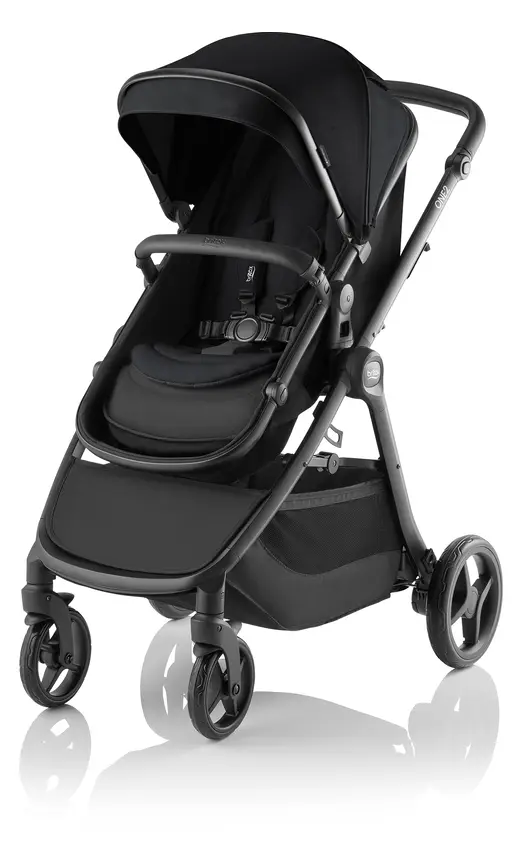
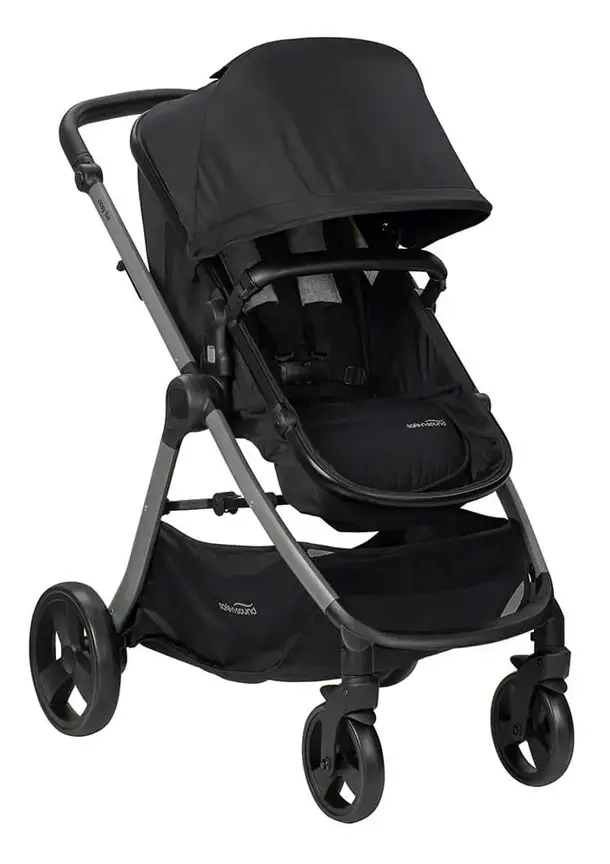

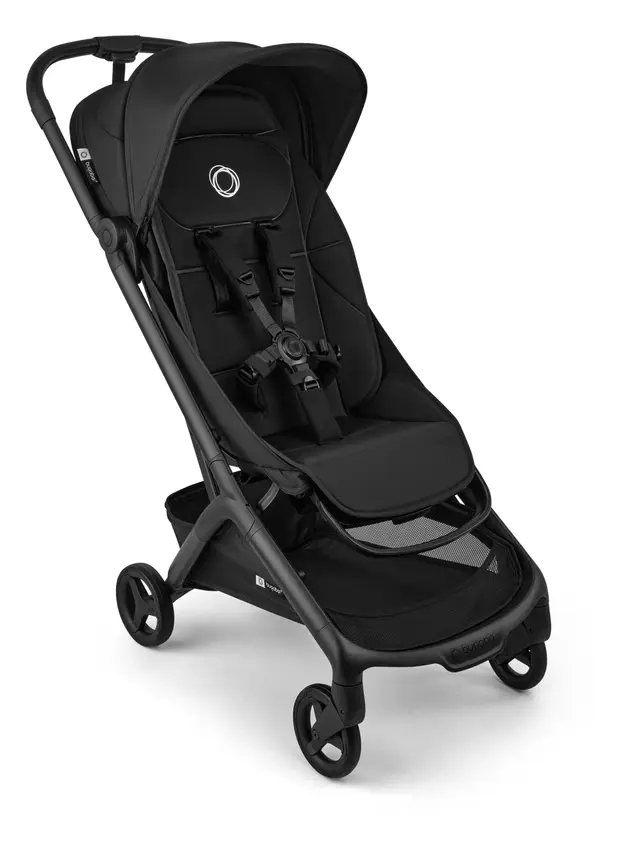
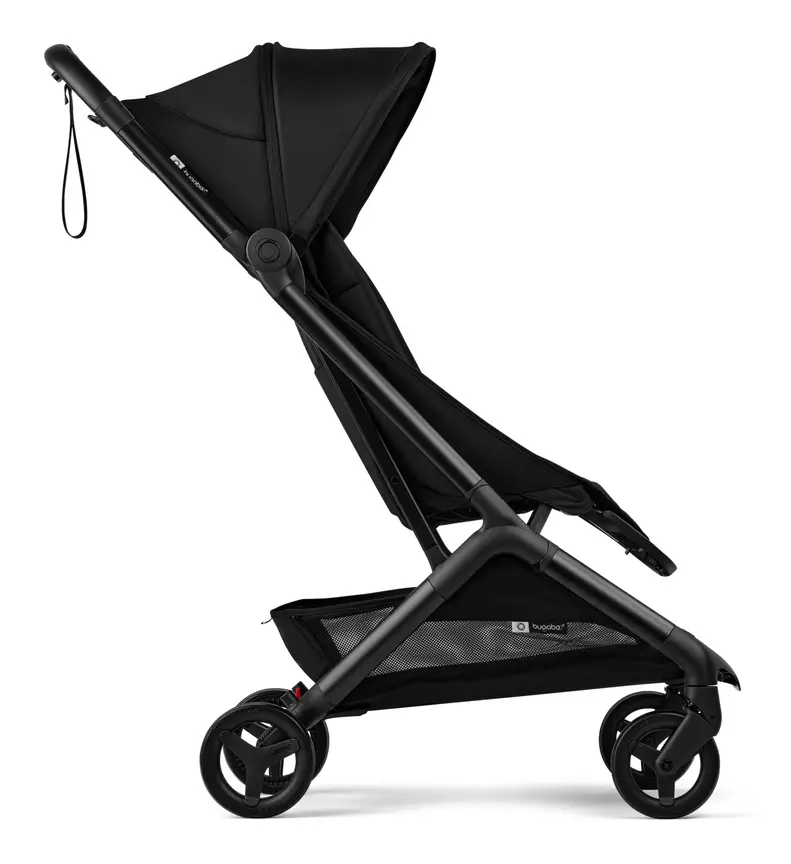


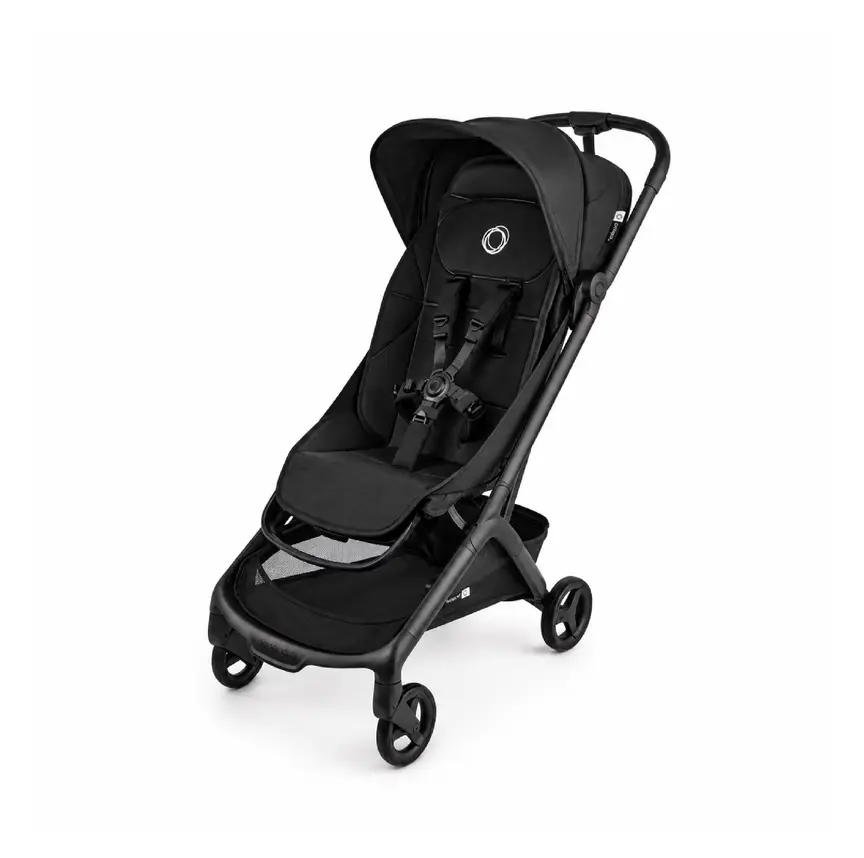
Bugaboo Butterfly
Bugaboo's cabin-friendly compact stroller with a one-second fold — the travel partner to a Fox, not a replacement for it.
Bugaboo Butterfly 2
The newer Butterfly. It folds in about one second, has a lay-flat seat and a bigger basket with a back pocket.
Read our full review →Walking, steering, and stopping
A board changes where the adult walks. It may bring your feet closer to the rear wheels. You may need shorter steps or a different position. If you cannot walk naturally or steer with control, stop using the board.
Practise turning in a clear place. A stroller with a board may need more room to turn around. Keep away from walls, shelves, and other people while you learn how it moves. Do not practise near traffic or on a slope.
Give yourself extra room when stopping. The board and child extend behind the stroller. Check behind you before reversing or turning. Avoid moving backwards with the child aboard unless the product instructions clearly allow it and you can see the path.
On a slope, use the stroller and board only as their makers allow. A child’s weight can change how the stroller feels. Do not test limits on a steep hill. If you are not sure that you can control the stroller, find a flatter route or leave the board at home.
When crossing a road or driveway, follow local road safety advice. Stop at the edge. Keep the child close and still. The adult should choose when and where to cross. Never let the child step off toward traffic.
Public transport, travel, and storage
A board may be useful on some public transport trips, but space rules vary. A bus, train, or airport may have limits on where a stroller can go. Check the transport provider’s current rules before travelling.
Before boarding, decide whether the board must be removed. Keep the child with you while you do this. Do not let the child stand on the board in a moving bus or train unless the transport provider and product instructions allow it. Secure the stroller as the transport staff direct.
At an airport, check the airline’s stroller rules and the airport’s handling steps. A board may need to be removed or checked separately. Keep small parts together so they are not lost. Do not assume that a board can stay attached through security or at the gate.
When loading a car, follow the board’s storage instructions. Keep it from moving around in the vehicle. Do not leave it where it can block the driver’s view or become a loose object.
At home, store the board where a young child cannot climb on it. Keep straps, cords, and small parts out of reach. If the board folds, store it in the locked position only if its manual says to do so.
Common mistakes to avoid
- Assuming universal fit: similar frames can need different connectors. Check the exact model list.
- Guessing the child’s limits: use the label and manual. Do not estimate by age or size alone.
- Adding an unapproved strap: extra ties can catch, loosen, or change how the board moves.
- Ignoring the brake: check access and function before each outing.
- Overloading the stroller: follow the separate limits for the stroller, basket, and board.
- Rushing before practice: learn the turning and stopping feel on clear, level ground.
- Letting the child step off while moving: stop first and hold the stroller steady.
- Using it on every route: stairs, narrow spaces, and rough paths may make a board unsuitable.
- Ignoring damage: stop if a connector cracks, bends, or comes loose.
- Leaving the child unwatched: the adult must stay close and pay attention.
Also avoid relying on marketing words such as “safe”, “universal”, or “all terrain” without checking the details. Ask what the maker means for your stroller, child, and route. Keep the answer with the product information.
Product guidance in Australia, the UK, the US, and Canada
National product rules differ. The checked sources do not set out a single ride-on board rule for all four countries. They also do not confirm that a board follows a named standard. Do not treat a pram standard as proof that a separate board is covered.
| Country | Official body named in the checked library | Useful guidance | What to do about a ride-on board |
|---|---|---|---|
| Australia | Product Safety Australia, part of the Australian Competition and Consumer Commission | Consumer guidance for prams and strollers, plus recalls and safety alerts | Check stroller advice and recall notices. Ask the board maker about its fit and limits. |
| United Kingdom | Office for Product Safety and Standards | National product safety information and consumer safety work | Check current product safety information and contact the maker about the named model. |
| United States | Consumer Product Safety Commission | Consumer product safety information and recall notices | Search for the product and follow any notice. Confirm compatibility with the maker. |
| Canada | Health Canada | Recalls and safety alerts for consumer products | Check alerts and ask the maker about the board’s approved use. |
For Australia, the listed pram guidance concerns prams and strollers. A separate accessory may have its own instructions. The guidance does not mean every board is approved for every pram.
For the UK, the Office for Product Safety and Standards is the named national body in this source library. For the US, the Consumer Product Safety Commission is the named product safety body. For Canada, Health Canada provides the listed recall service. Check local rules where you live because product laws can change.
If you cannot find clear information for your board, contact the maker or your national product safety body. Give them the brand, model, and a photo of the label. Do not rely on a seller’s answer when the maker’s instructions are available.
How to decide if it suits your family
Make a short list of your usual trips. Note the ground, crowds, stairs, and transport. Think about how long your older child can walk. Then compare a board with walking, a double stroller, or two strollers.
A board may suit your family if the exact stroller fit is confirmed. Your child must meet the stated limits. You also need enough room to walk and steer. The route should let you stop and turn with control.
Choose another option if the child needs a supported seat, the stroller maker does not approve the fit, or you cannot use the brake easily. The same applies if the board blocks your steps or makes steering hard.
You do not need a board because other families use one. It is an optional accessory. A simple plan that works for your family is enough. You can also try borrowing a compatible board before buying, if the owner can provide the correct instructions and all parts.
More options, from budget to premium
Real products from our catalogue. We don't show star ratings or review counts; check the current price, stock and reviews on Amazon before you buy.
 Reviewed
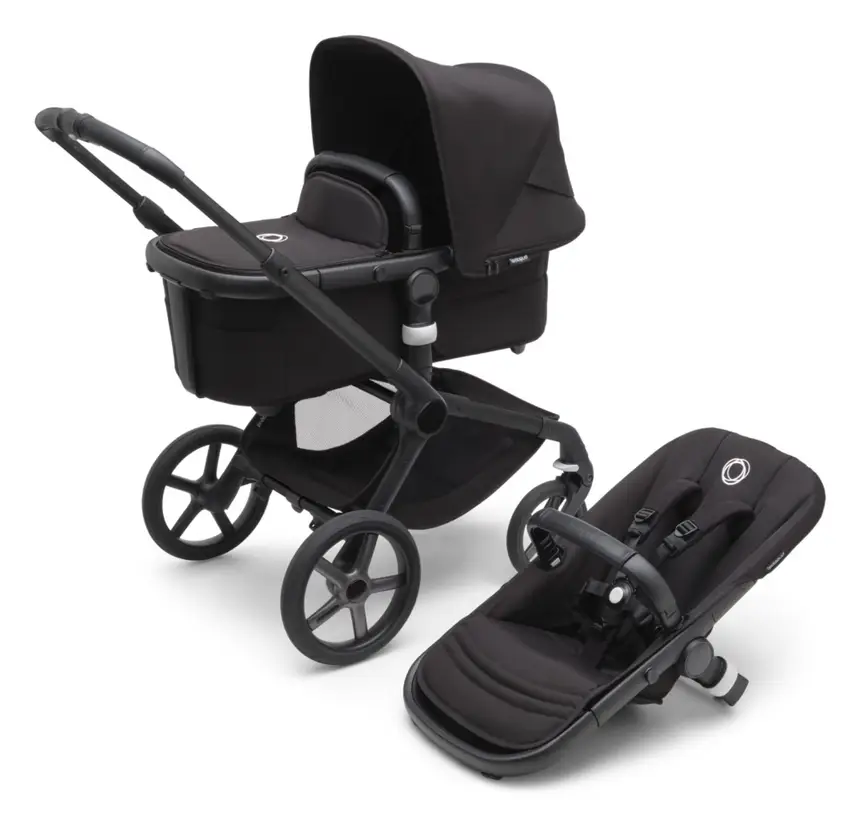
Bugaboo Fox 5
Bugaboo's flagship all-terrain pram: big-wheel suspension ride, one-piece fold, bassinet from birth and a seat rated to 22 kg.
Read our full review →

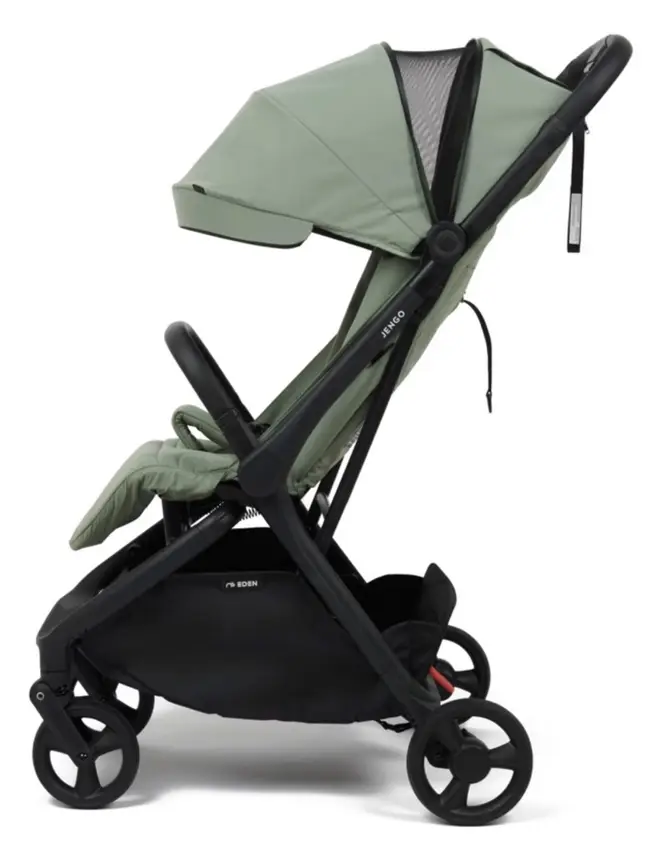
Jengo Eden Compact Stroller
A budget compact stroller from birth to 22 kg. It folds with one hand and has a big basket.
Read our full review →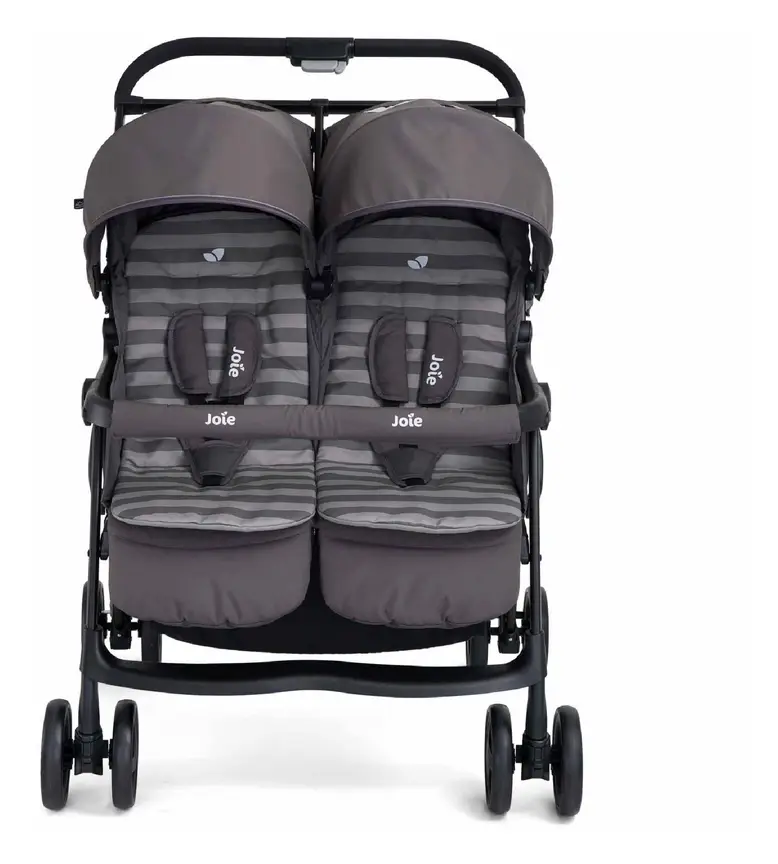
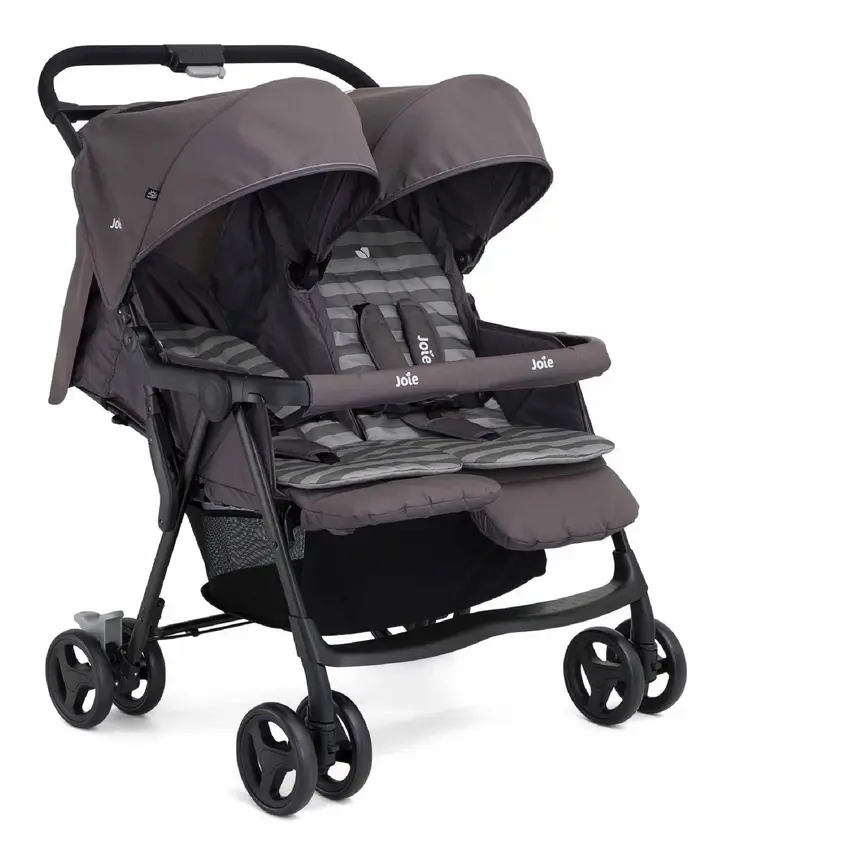

Joie Aire Twin
A lower-cost side-by-side double. Each seat lies flat and reclines on its own.
Read our full review →Frequently asked questions
Can I attach any ride-on board to any stroller?
No. Check the exact stroller model against the board maker’s approved fit list. Similar-looking frames can need different connectors. Do not force a fit or add homemade straps.
Is a stroller ride-on board safe?
No product can be called safe for every child and situation. Follow the board and stroller instructions. Check fit, limits, condition, steering, and brake access. Stop if anything shifts or feels hard to control.
What age can a child use a board?
There is no single age that applies to every board. Read the maker’s age, height, and weight limits. Also consider whether your child can stand steadily and follow simple directions.
Can a child sit on a ride-on board?
Only if that model includes a seat and its instructions allow sitting. Use the seat only within the stated limits. Do not add a separate seat to a standing board.
Can I use a board on public transport?
It depends on the transport provider, the route, and the board. Check current rules before travelling. You may need to remove the board or keep the child off it while boarding.
Can I use a board with a newborn in the stroller?
That depends on the stroller and board instructions. The baby must be within the stroller’s stated use and limits. The older child must also meet the board’s limits. Do not let the combined load exceed any stated limit.
Can I use the board on rough ground or hills?
Use it only where both makers allow. Rough ground and slopes can make steering and stopping harder. If you cannot control the stroller comfortably, choose another route or travel setup.
Do ride-on boards have a safety standard?
The checked source library does not identify a specific standard for these boards. Do not claim that a board follows a standard unless the maker gives clear proof for that exact model. Ask the relevant product safety body if you need help.
How do I clean a board?
Follow its care instructions. Use only the cleaning method the maker allows. Dry the platform and connectors before use. Do not soak parts unless the manual says that is permitted.
What should I do if the board becomes loose?
Stop in a safe place. Remove the child from the board while the stroller is still. Do not use it again until the maker has explained the repair or replacement steps.
Sources and further guidance
- Product Safety Australia – Prams and strollers guide
- Product Safety Australia – Product safety news
- Product Safety Australia – Recalls
- UK Office for Product Safety and Standards
- U.S. Consumer Product Safety Commission – Consumer product safety information
- Health Canada – Recalls and safety alerts
Disclaimer: This guide is general information, not medical or legal advice. Product instructions and local rules can change. Check the current manuals and official guidance. Always supervise your child. Some links may be affiliate links. If you buy through one, BabyGearFinder may earn a commission at no extra cost to you.
Sources
Related guides
More Car Seats & Travel →
Baby Car Seat Mirrors: How to Choose and Use One Safely

Infant Travel Cribs and Portacots: How to Choose and Use One Safely

Neck Wallets for Travel: How to Choose and Use One Safely