














Portable Pram Rockers: How They Work, When They Help, and Safe Use
Portable pram rockers explained in plain language: when they help, how to pick a safe one, battery and strap checks, and safe sleep rules for AU, UK, US and…

On this page
- Key points
- What a portable pram rocker is and how it works
- When a portable rocker actually helps (and when it does not)
- How to choose a portable baby rocker
- Portable pram rockers vs other ways to soothe your baby
- Safety rules for prams, rockers, and baby sleep
- Guidance and standards in Australia, the UK, the US, and Canada
- Age stages: from newborn to active toddler
- Common mistakes parents make with portable rockers
- Frequently asked questions
- Sources
Short answer: A portable pram rocker is a small clip-on motor. It straps to a pram handle and rocks the pram gently when you stop walking. It can help settle a fussy baby while you sit at a cafe or wait in line. Still, it is not a must-have item for every parent. Always lock the pram brakes, stay close, and move your baby to a flat, firm cot for regular sleep.
This guide uses plain advice from official safety and health groups. We look at rules in Australia (Product Safety Australia and Red Nose), the UK (The Lullaby Trust and the NHS), the US (the Consumer Product Safety Commission and the American Academy of Pediatrics), and Canada (Health Canada and the Canadian Paediatric Society).
Key points
- What it is: A small device that straps onto a pram or stroller handle. It mimics the gentle sway of pushing.
- Not for every family: Many babies settle fine without one. Some babies only calm down when held or walked.
- Lock the wheels: Always put the pram brake on before you turn a rocker on.
- Stay right there: Never leave a baby alone in a pram, even if the rocker is running.
- Flat is safest for sleep: Prams and tilted seats are not safe for long or overnight sleep.
- Prams only: Do not strap a pram rocker onto a cot, bassinet, or car seat.
- Check the batteries: Look for tight battery covers that little fingers cannot open.
What a portable pram rocker is and how it works
Many babies fall asleep while their pram is rolling. Then the wheels stop at a red light or a cafe table, and the baby wakes up right away. A portable pram rocker, such as the Rockit, is made for that exact moment.
It is a small plastic pod with a strap or bracket. You attach it to the frame or handle of your pram or stroller. Inside the pod is a tiny weight on a motor. When you press the button, the weight shifts back and forth. That creates a soft, steady rocking motion across the pram.
Most models let you turn the speed up or down. Some run on AA batteries, and others charge with a USB cable. Many also switch off on their own after a set time, so the battery does not run flat.
Why gentle motion calms many babies
Before birth, a baby spends months floating in warm fluid. Every time the mother walks, the baby feels a soft sway. After birth, steady movement often feels familiar and safe. It can help a tired baby relax when the room is busy or noisy.
What a portable rocker does not do
A clip-on rocker is a helper for short pauses. It does not replace a safe cot or bassinet. It does not keep a baby safe if you walk away. It also will not calm every baby. If a baby is hungry, too hot, cold, or needs a clean nappy, rocking will not fix the problem.
Prams & Strollers worth a look
Real products from our catalogue. We don't show star ratings or review counts; check the current price, stock and reviews on Amazon before you buy.
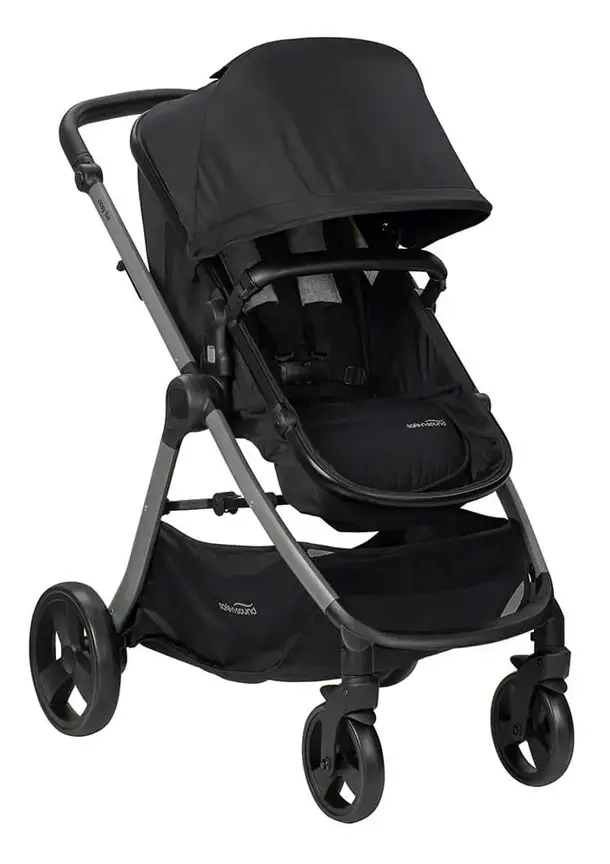
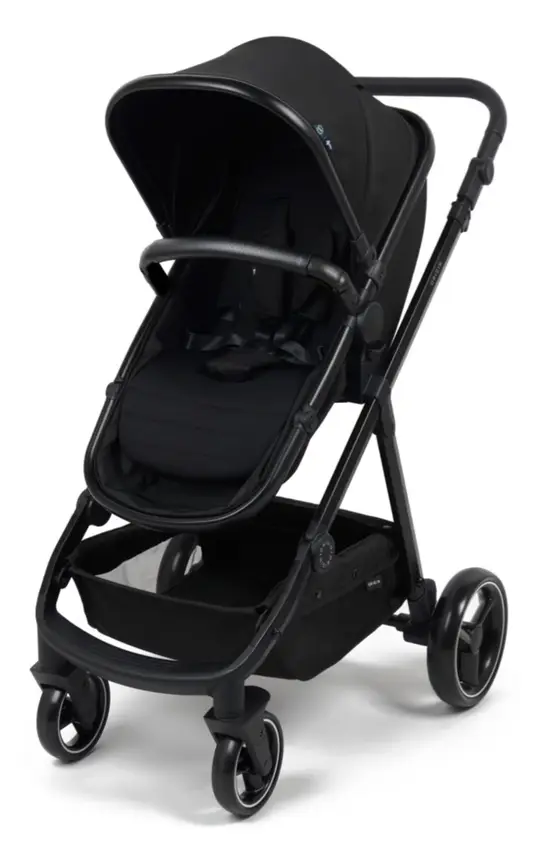
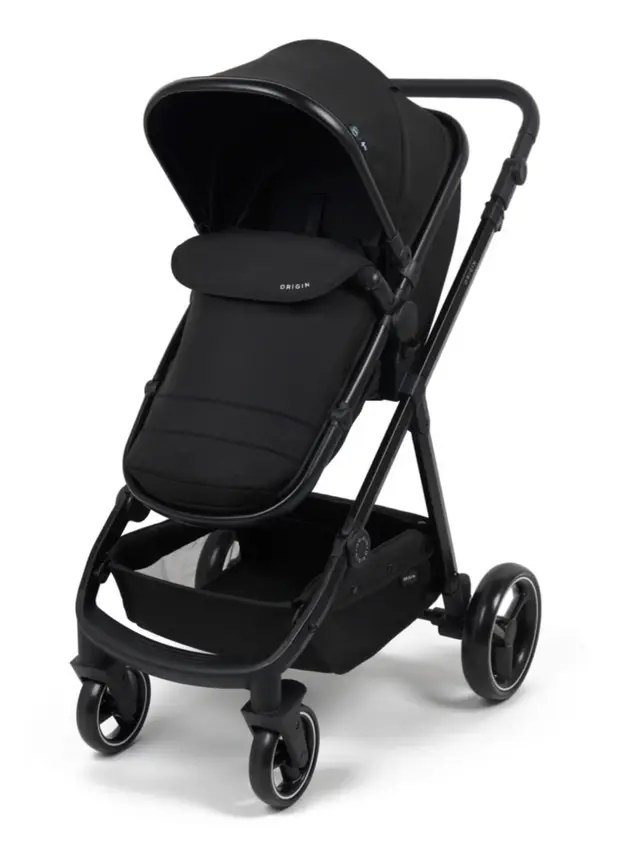
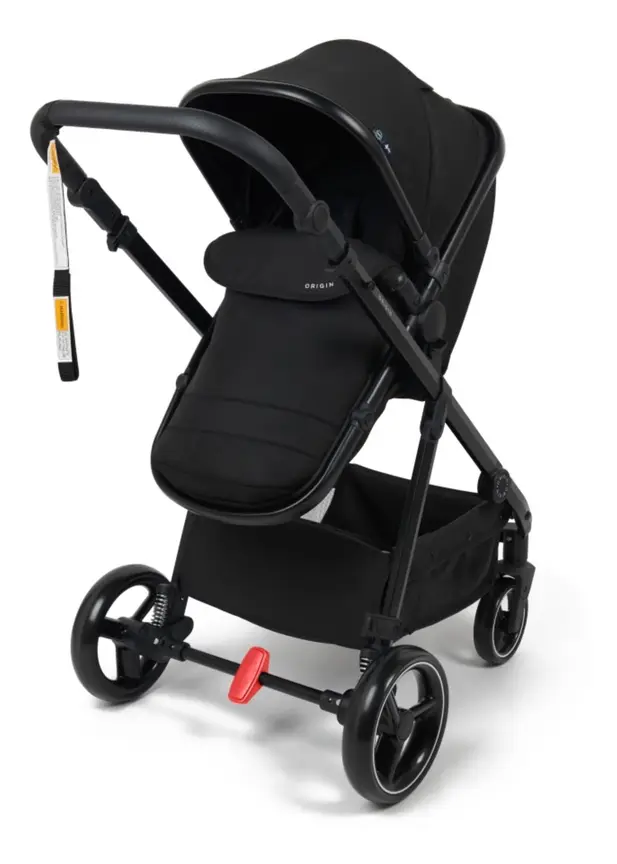
4baby Origin Stroller
A budget pram whose seat turns into a bassinet. The seat can face you or face the world.
Read our full review →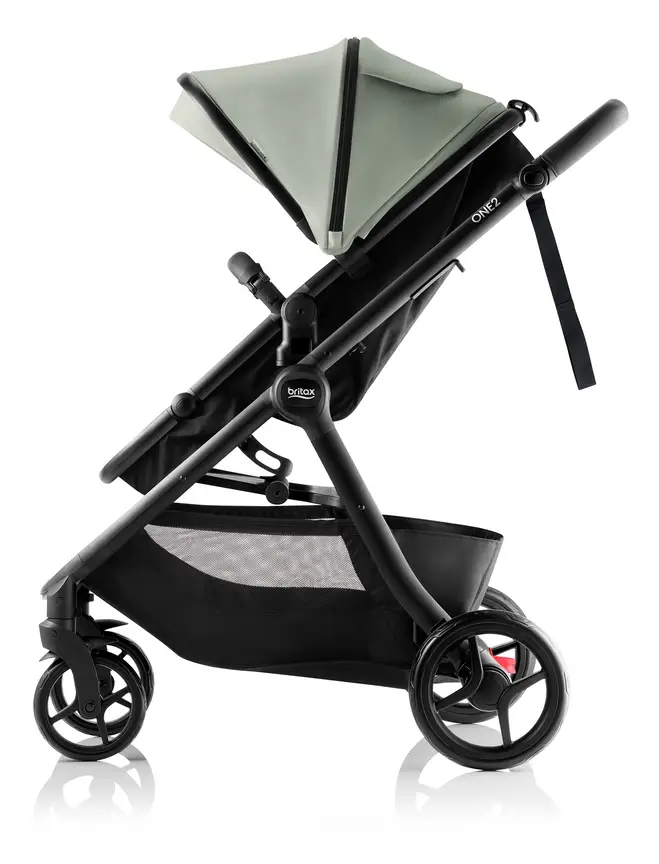
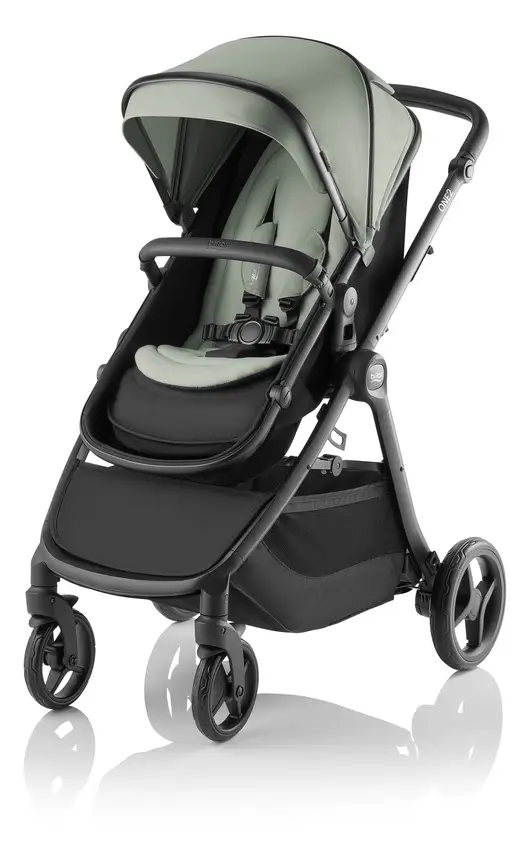


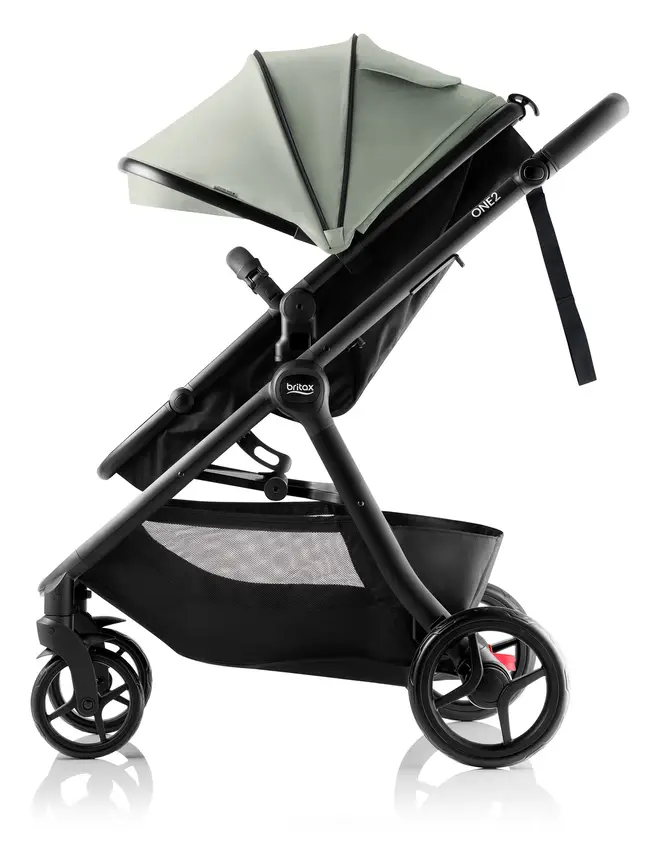


Britax One2
A pram that starts as a single and can take a second child. The seat turns into a lie-flat bassinet.
Read our full review →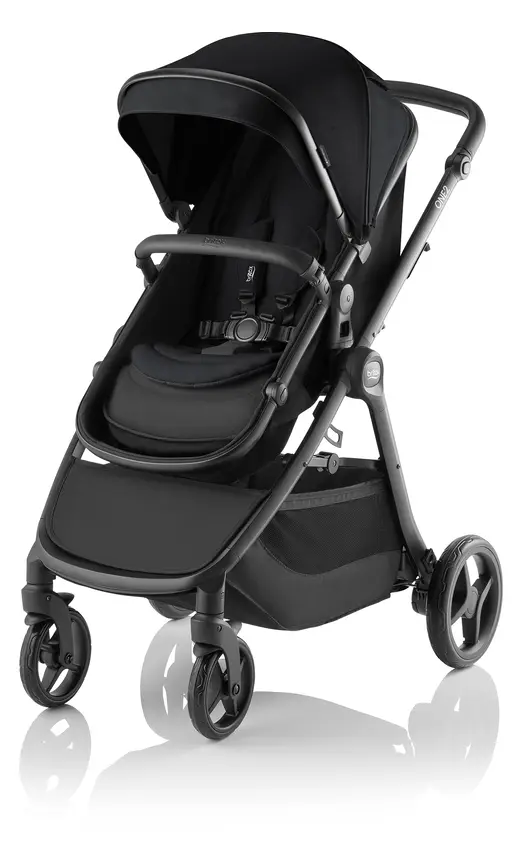
When a portable rocker actually helps (and when it does not)
Ads often say every parent needs a portable rocker. That is not true. Some families use one every day, while others never take it out of the box. Knowing when it helps can save you money and clutter.
Five times a portable rocker can be handy
- Stopping at a cafe or eating a meal: You can sit down for a hot drink while the pram keeps moving gently beside your chair. You still watch your baby the whole time.
- Waiting at clinics, shops, or school pickup: When you have to stand still in a queue, the rocker keeps the rhythm going so your baby stays calm.
- Caring for an older child at the same time: If you need both hands to help a toddler with shoes or a snack, the rocker can keep the baby settled next to you.
- Giving tired arms a break: Pushing a pram back and forth over a doorstep for twenty minutes can ache your back and shoulders. A rocker takes over the movement while you rest nearby.
- Short trips and travel: A small pod fits easily in a nappy bag. It is much lighter to pack than a bulky floor bouncer or swing.
When a portable rocker is not the right tool
- Overnight or long daytime sleep: Babies should sleep on a firm, flat mattress in a clear cot or bassinet, not in a pram seat.
- Babies who hate the pram: If your baby cries as soon as they go in the pram, a rocker will rarely change their mind. A baby carrier or sling may suit them better.
- Uneven or sloped ground: Never park a pram on a hill or bumpy slope to use a rocker. Even with brakes on, a slope adds roll-away risk.
- Flimsy travel strollers: Some ultra-light strollers shake too much or barely move at all, depending on the frame.
How to choose a portable baby rocker
If you decide to try a portable pram rocker, keep your checklist simple. Focus on fit, safety, and ease of use.
1. Fit and bracket design
Check how the rocker attaches to your pram. Most use a strap with a plastic clip or a rotating mount. Make sure the mount holds tight on round or oval handlebars without slipping. Check that it sits outside your baby's reach, high on the frame.
2. Power type and battery safety
You will usually see two power types: replaceable AA batteries or a built-in rechargeable lithium-ion battery.
- AA batteries: Easy to swap out when flat. Make sure the battery door needs a screwdriver or a firm tool to open, so a child cannot get inside.
- USB rechargeable: Saves buying spare batteries. Charge it with the cable that comes in the box, and unplug it once full.
- Avoid coin or button batteries: Small, flat coin batteries are a severe choking and burn hazard if swallowed. Never buy a baby gadget if a child can open the battery slot.
3. Speed control and auto shut-off
Look for a dial or button that lets you adjust the strength. A heavy twin pram needs a stronger shake than a light single stroller. An auto shut-off timer is also useful. It stops the motor after a short cycle, which saves battery power and reminds you to check on your baby.
4. Noise level
Most rockers make a soft hum. A quiet motor is nice at a library or cafe. If a motor clicks or rattles loudly, it can wake a light sleeper instead of soothing them.
5. Weather resistance and cleaning
Prams go outside in light drizzle, dust, and spilled drinks. Pick a model with a sealed outer shell that wipes clean with a damp cloth. Do not submerge an electric rocker in water.
6. Recall checks
Before you buy any baby gadget, especially secondhand, check government recall lists. In Australia, check Product Safety Australia. In the UK, check the Office for Product Safety and Standards. In the US, check the Consumer Product Safety Commission. In Canada, check Health Canada's recalls page.
Portable pram rockers vs other ways to soothe your baby
A clip-on rocker is just one option. Many parents already have other ways to calm a baby. Here is how they compare.
| Option | Best for | Portability | Safe for overnight sleep? | Main catch |
|---|---|---|---|---|
| Portable pram rocker | Short pauses out and about while you watch | Very small, fits in a bag | No | Needs batteries or charging; only works on a pram |
| Rocking the pram by hand | Quick stops anywhere | Always with you, costs nothing | No | Tires your arms and keeps one hand busy |
| Baby carrier or sling | Hands-free walking and cuddling | Folds into a bag | No (follow TICKS carrier checks) | Can feel warm in summer; takes practice to fit |
| Floor bouncer or rocker | Short awake play at home | Bulky to travel with | No | Takes up floor space; stop using once baby tries to sit |
| Flat cot or bassinet | All routine naps and night sleep | Stays at home (or use a portacot) | Yes (when bare and flat) | Does not rock on its own |
Notice a clear pattern in the table. None of the moving seats or prams are safe for unsupervised sleep. Only a flat, firm, clear cot or bassinet meets safe sleep rules.
Safety rules for prams, rockers, and baby sleep
Adding a gadget to a pram means you need to follow both pram safety rules and safe sleep rules. Health experts across Australia, the UK, the US, and Canada agree on the main points.
Always lock the pram brakes
Before you switch a rocker on, press the pram brake firmly. Give the handle a gentle nudge to check that the wheels do not roll. Park on flat, level ground, away from roads, driveways, steps, and swimming pools.
Use the harness every time
Strap your baby in using the pram's full harness, including the shoulder and waist straps if your pram has them. A moving pram can shift a wriggly baby toward the edge. Never leave loose blankets, toys, or straps hanging near your baby's face.
Keep the airway open (avoid chin-to-chest slump)
Newborn babies have heavy heads and weak neck muscles. In a tilted or upright stroller seat, a baby's head can flop forward onto their chest. This bends their windpipe and makes it hard to breathe. Experts call this positional asphyxiation. It happens quietly and fast.
If your baby is under six months old, use a pram seat or bassinet attachment that lies completely flat. Even then, keep your eyes on your baby so you can see their face clearly at all times.
Do not use a pram for routine sleep
The American Academy of Pediatrics, The Lullaby Trust in the UK, Red Nose in Australia, and Health Canada all say the same thing. The safest place for a baby to sleep is on their back, on a firm, flat mattress, in a clear cot or bassinet. If your baby falls asleep during a walk, watch them closely. Move them to a flat cot as soon as you get home.
Never attach a pram rocker to a cot, bassinet, or car seat
A pram rocker is built for a pram frame. Strapping it to a cot rail, a bassinet stand, or a car seat handle can cause trouble:
- It can loosen screws or joints on furniture that was not built to vibrate.
- It can fall off into the sleep space, creating a bump or suffocation hazard.
- It can tempt parents to leave a baby sleeping in a car seat inside the house. Red Nose and The Lullaby Trust warn parents to take sleeping babies out of car seats when the car ride ends.
Check battery and charging safety
If your rocker uses a built-in lithium-ion battery, follow basic fire safety advice from Fire and Rescue NSW. Use only the charger made for the device. Charge it on a hard, flat surface like a kitchen bench, never on a bed, sofa, or carpet. Unplug it when it is charged. If the battery case swells, cracks, gets very hot, or smells odd, stop using it at once.
If your rocker uses replaceable batteries, check the cover screw often. Keep spare batteries locked away high up, out of sight and reach of children. Product Safety Australia warns that button and coin batteries can burn through a child's throat in just two hours if swallowed.
Side by side: more prams & strollers to compare
Real products from our catalogue. We don't show star ratings or review counts; check the current price, stock and reviews on Amazon before you buy.

Bugaboo Donkey 5
Converts from single to side-by-side double (siblings or twins) by widening the frame.

Bugaboo Dragonfly
Bugaboo's city pram: smaller footprint and lighter than the Fox, built for footpaths, lifts and car boots rather than bush tracks.
 Reviewed
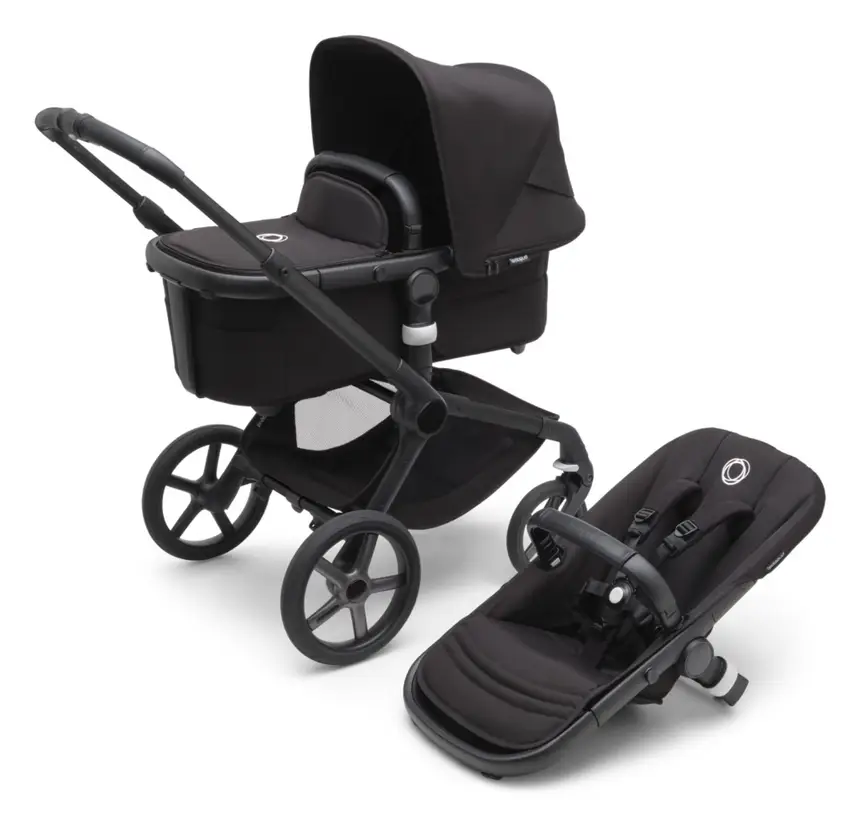
Bugaboo Fox 5
Bugaboo's flagship all-terrain pram: big-wheel suspension ride, one-piece fold, bassinet from birth and a seat rated to 22 kg.
Read our full review →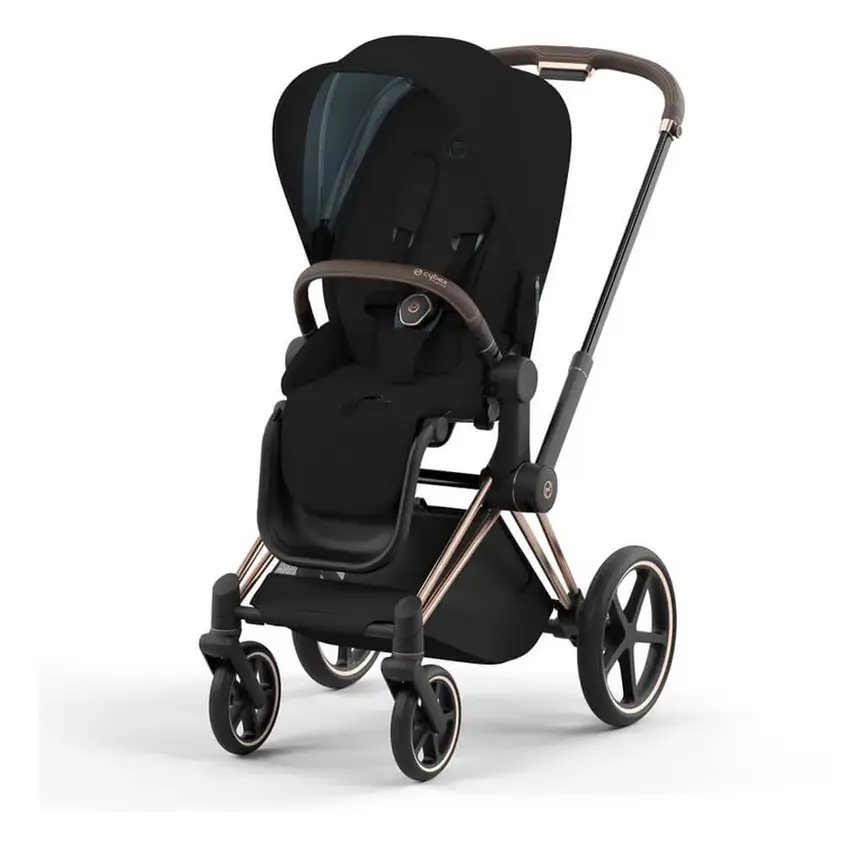
Cybex Priam
Fashion-forward luxury pram with interchangeable seat/bassinet units and an all-terrain option.
Guidance and standards in Australia, the UK, the US, and Canada
There is no single world safety standard just for clip-on pram rockers. Instead, safety rules cover the pram itself, any batteries or electronics, toys or small parts, and infant sleep products. The table below shows the main bodies and standards in each country.
| Topic | Australia | UK | US | Canada |
|---|---|---|---|---|
| Consumer safety body | ACCC / Product Safety Australia | Office for Product Safety and Standards (OPSS) | Consumer Product Safety Commission (CPSC) | Health Canada |
| Safe sleep guidance | Red Nose Australia | The Lullaby Trust and NHS | American Academy of Pediatrics (AAP) and NICHD | Canadian Paediatric Society and Health Canada |
| Pram and stroller standard | AS/NZS 2088 | BS EN 1888 | ASTM F833 | Health Canada carriage and stroller rules |
| Cot or crib standard | AS/NZS 2172 | BS EN 716 | ASTM F1169 | Health Canada crib and cradle rules |
| Toy and small parts standard | AS/NZS ISO 8124 (or AS/NZS 8124) | BS EN 71 (and EN 71) | ASTM F963 | Health Canada toy safety rules |
Some countries also have strict laws on inclined sleep products. In the US, the Safe Sleep for Babies Act bans inclined sleepers with an angle over ten degrees. In Australia, Product Safety Australia has a mandatory standard for infant sleep products that requires safe, flat sleep warnings and firm surfaces. In the UK, floor bouncers and rockers are covered by BS EN 12790, which makes clear they are not for overnight sleep. In every country, the rule is simple: flat, firm, and on the back for sleep.
Age stages: from newborn to active toddler
How you use a pram and a portable rocker changes as your baby grows. Use this age guide to check what makes sense at each stage.
| Age stage | What your baby is doing | How to use a pram and rocker safely |
|---|---|---|
| 0 to 3 months | Weak neck control. Strong startle reflex. Needs flat support. | Use a flat pram bassinet or lie-flat seat. Keep the rocker high on the handle. Watch your baby's face and breathing. |
| 3 to 6 months | Better head control. Starts reaching and grabbing things. | Make sure no straps or cords hang into the pram. Keep the rocker out of reach. |
| 6 to 12 months | Sits up, leans forward, and pulls on parts of the pram. | Use the 5-point harness every trip. Check if your baby can reach the handle. Move the rocker to a lower frame bar if needed, or stop using it. |
| 12 months and up | Active toddler, climbs in and out, often needs less motion to settle. | Most toddlers outgrow pram rockers. Always lock brakes and keep small parts out of reach. |
Every child grows at a different pace. Follow what your child can reach and do, not just their age in months.
Common mistakes parents make with portable rockers
Most problems with pram gadgets happen when tired parents take shortcuts. Here are the main mistakes to avoid.
| Do | Don't |
|---|---|
| Lock the pram brakes on flat ground first | Use a rocker on a slope or with brakes unlocked |
| Stay beside the pram and check your baby often | Leave your baby alone in the hallway, garden, or cafe |
| Mount the rocker high and tight per the manual | Let straps or cords dangle inside the pram |
| Move your sleeping baby to a flat cot at home | Let a baby sleep in a tilted pram seat for hours |
| Keep the pram hood open enough for fresh air | Drape a heavy blanket or muslin over the pram |
| Charge USB batteries on a hard surface and unplug | Charge on a sofa or bed, or leave plugged in overnight |
Drape covers trap heat fast
Parents often drape a cloth over a pram while a rocker runs to block out light. Do not do this. Red Nose and Kidsafe warn that covering a pram blocks airflow and raises the temperature inside very fast, even in mild weather. Use the pram's built-in ventilated sun shade instead, and park in natural shade.
Overloading the pram handle
Hanging heavy shopping bags on the handle while a small motor shakes it can make a light stroller tip backward. Always put heavy bags in the under-seat basket instead.
More options, from budget to premium
Real products from our catalogue. We don't show star ratings or review counts; check the current price, stock and reviews on Amazon before you buy.

Joie Nitro Stroller
A light, low-cost umbrella stroller with a flat recline, so it works from birth.

Maxi-Cosi Zelia 3
A mid-price pram with a carrycot that changes into a seat, so one frame covers birth to toddler.

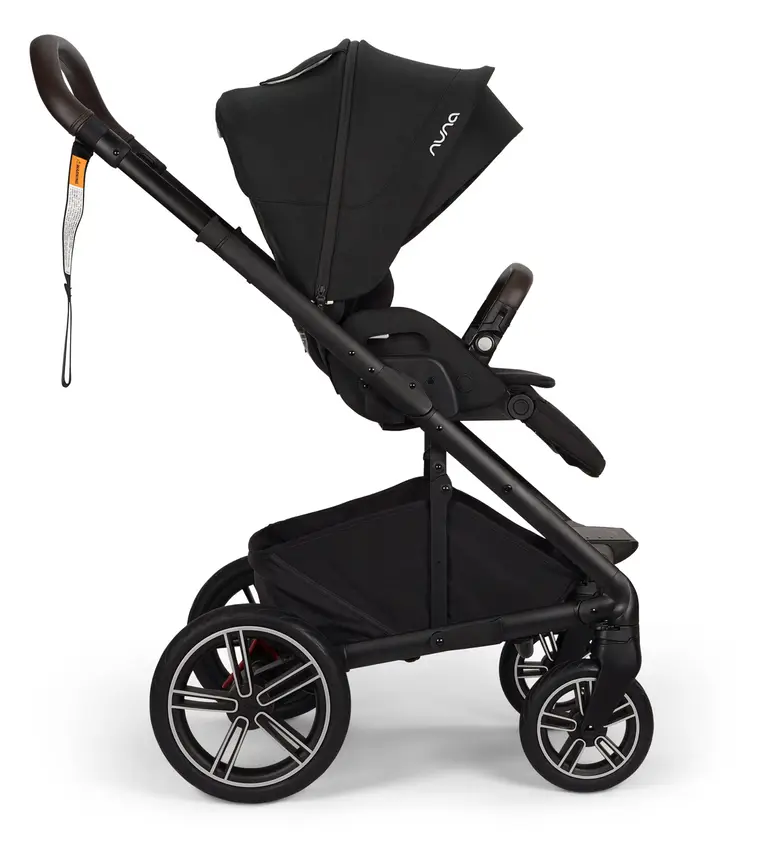
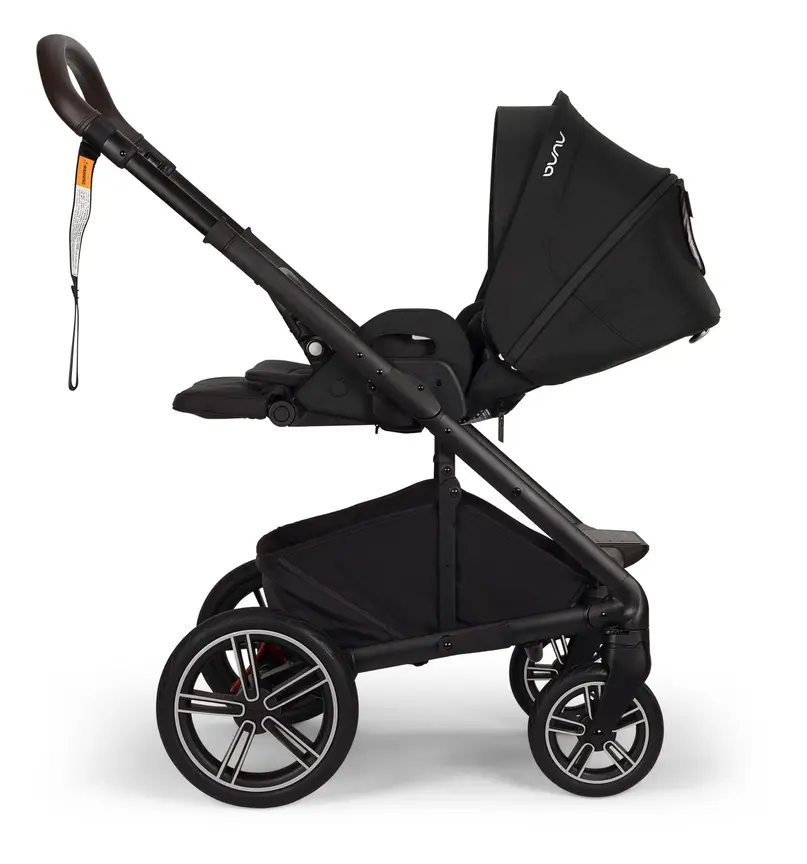
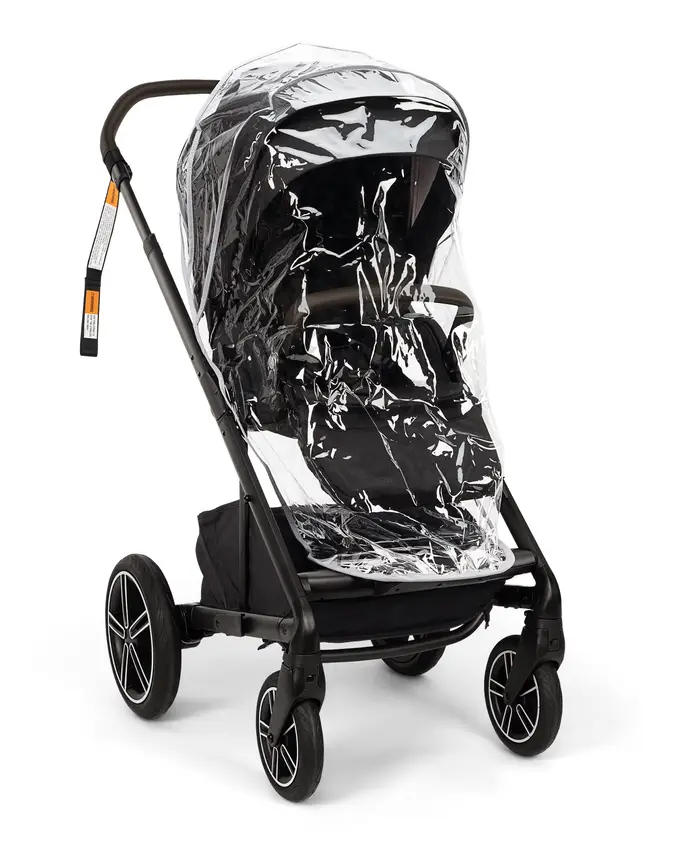

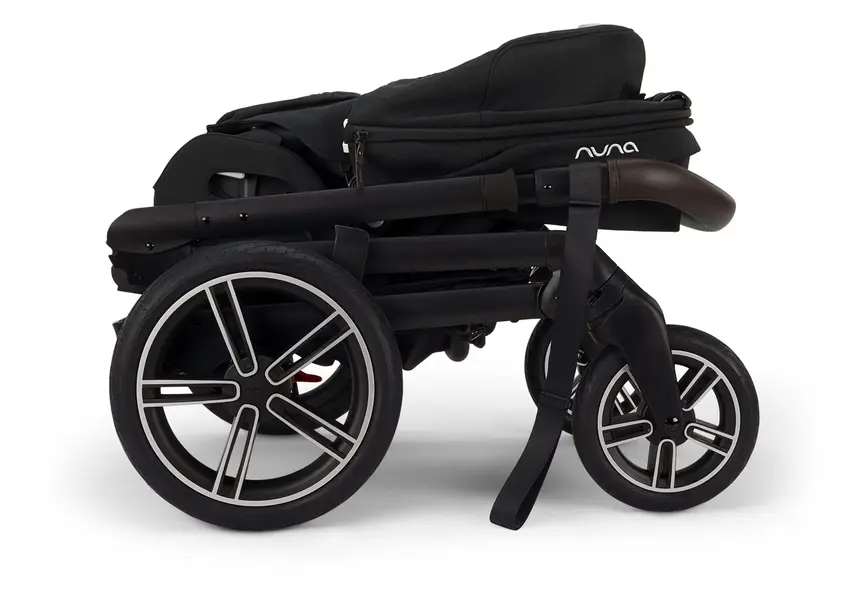

Nuna MIXX Next
A full-size pram with four ways to ride: capsule, bassinet, parent-facing seat or world-facing seat.
Read our full review →Frequently asked questions
Can a portable rocker be used on a cot or bassinet?
No. A portable pram rocker is designed only for prams and strollers. Do not attach it to a cot, crib, bassinet, or car seat. Health bodies like Red Nose, The Lullaby Trust, the AAP, and Health Canada advise putting babies to sleep on a firm, flat, still surface. Attaching a vibrating pod to a cot can loosen parts or create a fall hazard inside the sleep space.
Is it safe for a baby to sleep in a pram with a rocker on?
It is only okay for a short, supervised nap while you are right there watching, and only if the baby is lying flat in a pram bassinet or lie-flat seat. Do not leave your baby unattended. Do not use a pram or tilted seat for routine daytime naps or overnight sleep. Once you get home, move your baby onto their back in a clear cot or bassinet.
Do portable pram rockers work on every pram or stroller?
Most clip-on rockers fit standard round or oval pram handles. However, the rocking feel varies a lot. Heavy prams with stiff suspension may need a higher speed setting to move. Very light umbrella strollers can sometimes rattle instead of swaying smoothly. Always check the maker's fit guide and test it gently with the brakes locked before putting your baby inside.
Are rechargeable rockers safer than button-battery gadgets?
In general, yes, as long as you charge them safely. Button and coin batteries can cause fatal internal burns if a child swallows one. USB-rechargeable rockers or AA models with screw-shut doors avoid coin batteries. Still, you must follow lithium-ion battery rules: use the right cable, charge on a hard surface away from beds and couches, and stop using any unit that swells or overheats.
At what age should you stop using a pram rocker?
Stop using a pram rocker as soon as your baby can reach it, pull on the strap, or try to put it in their mouth. Many babies also need less rocking to settle once they pass six to nine months. Always follow any age or weight limits in the maker's manual.
Does a baby need a portable rocker to sleep well?
No. A portable rocker is an optional convenience, not a basic need. Millions of babies settle well with a walk, gentle patting, a safe wrap in the early weeks, or a quiet routine in a flat cot. If your budget is tight, skip the gadget and spend your money on a safe cot, a firm mattress, and a well-made pram.
Sources
- Product Safety Australia – Prams and strollers guide
- Product Safety Australia – Settle baby to sleep safely
- Product Safety Australia – Button batteries guide
- Fire and Rescue NSW – Lithium-ion batteries: shop, charge and recycle safely
- The Lullaby Trust (UK) – Sleeping products
- NHS – Helping your baby to sleep
- American Academy of Pediatrics (US) – A parent's guide to safe sleep
- Caring for Kids (Canadian Paediatric Society) – Safe sleep for babies
Related guides
More Sleep & Nursery →
Security Blankets and Muslin Loveys: When Are They Safe for Sleep?
Under-Mattress Breathing Sensor Pads: How They Work, Mattress Fit and Safe Use
Merino Wool Baby Sleep Sacks: How They Work, How to Choose, and Safe Sleep Rules
