Baby Car Seat Mirrors: How to Choose and Use One Safely
Learn what a baby car seat mirror can and cannot do, how to fit one safely, and when to skip it to keep your attention on the road.

On this page
- What a back seat mirror does
- What it cannot do
- Choosing whether to use a mirror
- Mirror types and trade-offs
- How to fit a mirror with care
- Before each journey
- Keep your eyes on the road
- Age and car seat stages
- Advice in Australia, the UK, the US, and Canada
- Common mistakes to avoid
- When to remove it
- Travelling with more than one child
- Long drives and planned stops
- Buying and checking a mirror
- Frequently asked questions
- Sources and further guidance
- Sources
Short answer: A back seat mirror can help you see a child in a rear-facing car seat. It is optional. It does not make a car seat safer or replace a properly fitted restraint. Any glance away from the road takes your attention from driving. Pull over in a safe place before checking or helping your child. If a mirror blocks your view, moves, or distracts you, remove it.
Car seat advice comes from different bodies in each country. In Australia, check Product Safety Australia and your state or territory road authority. In the UK, check the Office for Product Safety and Standards and GOV.UK. In the US, check the National Highway Traffic Safety Administration. In Canada, check Transport Canada and the Canadian Paediatric Society. Their guidance centres on a correct car seat, correct installation, and careful use.
What a back seat mirror does
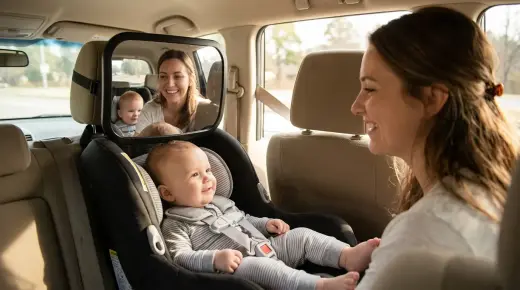
A back seat mirror is an extra mirror fitted near a child who faces the rear of the car. It is usually fixed to a rear headrest. The driver can see the child through the car's normal rear-view mirror.
Some parents find this reassuring. It may help them see whether a child is awake or upset. It can also help a parent check the child's position before setting off. These are possible uses, not safety benefits proven for every family.
A mirror cannot tell you if a child is breathing normally. It cannot tell you if a harness is tight enough. It cannot show every part of the child or restraint. It cannot replace stopping to help a child who needs attention.
It is also not a required car seat accessory. A family can safely travel without one. If you feel more distracted while using it, you do not need to keep it.
What it cannot do
A mirror does not protect a child in a crash. The child restraint does that when it suits the child, is installed correctly, and is used as its maker explains.
A mirror does not make it safe to turn around while driving. Do not reach back, lean over, or use a phone to watch a child. If you need to check a child, find a safe place to stop first.
A mirror also cannot confirm that the child is comfortable or secure. A child can look settled while a harness is loose or twisted. Before each trip, check the restraint and harness directly.
Do not treat a reflection as a medical monitor. If your child seems unwell or has trouble breathing, stop when safe and seek help. If there is an emergency, call your local emergency number.
Choosing whether to use a mirror
Start with your car and restraint. Read both instruction books. Check whether the car seat maker permits a mirror or other accessory near the restraint. Some makers warn against accessories they have not approved. Follow the instructions for your exact model.
Check your view from the driver's seat. A mirror should not block the road view through the rear window. It should not hide a headrest, child restraint, or another road user. It should not force you to move the car's original rear-view mirror into a poor position.
Think about your own attention. If seeing the reflection makes you look at it often, it may distract you. If you can see your child without changing your driving focus, it may suit you better. Each driver and car is different.
Do not buy a mirror because an advert promises safety, calm, or fewer cries. Those results are not guaranteed. Choose only if the mirror fits your car, follows the instructions, and helps your routine without drawing your eyes from the road.
Mirror types and trade-offs
Products vary. Some use a flat mirror. Others use a curved surface for a wider view. Many attach to a rear headrest with straps. Some attach to a window or another surface. The attachment method must suit your car and the product instructions.
| Type | Possible benefit | Things to check |
|---|---|---|
| Rear headrest mirror | Can show a rear-facing child through the front mirror. | Check the headrest fit, strap security, car seat instructions, and rear window view. |
| Window-mounted mirror | May suit a car without a useful rear headrest. | Check that it does not affect visibility, fall, or conflict with window use. |
| Mirror with a wider curved view | May show more of the back seat. | Images can look smaller or distorted. Check that you can judge what you see. |
| No mirror | Leaves fewer items in the car and avoids another visual cue. | Use the same safe restraint checks before each trip. Stop safely when help is needed. |
| Electronic camera or monitor | May show a view on a screen. | It can draw more attention. Check power, mounting, privacy, and car seat instructions. |
No type is right for every car. The safest choice is one that does not interfere with the restraint or driver.
Car Seats & Capsules worth a look
Real products from our catalogue. We don't show star ratings or review counts; check the current price, stock and reviews on Amazon before you buy.

Babylove ezymove Booster
A very light, low-cost booster for about 4 to 8 years. It folds flat for storage.
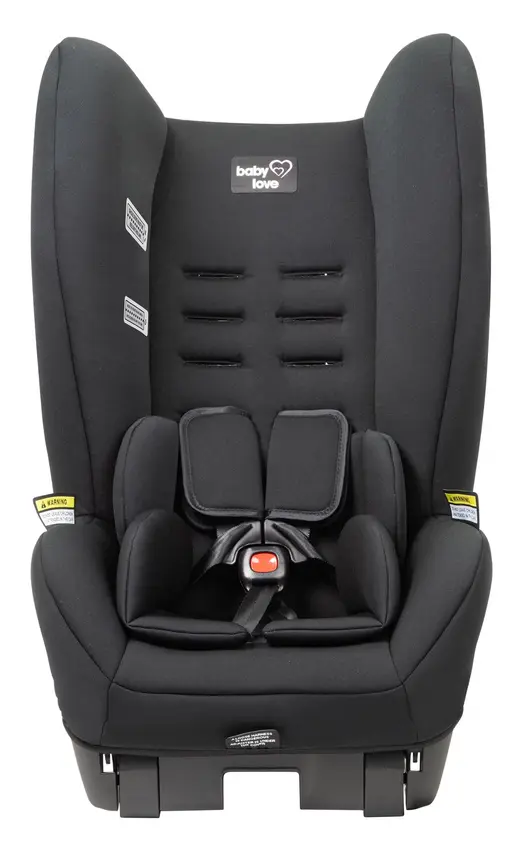
Babylove ezyone2
A very low-cost convertible seat. Rear-facing to about 12 months, then forward-facing to about 4 years.
 Reviewed
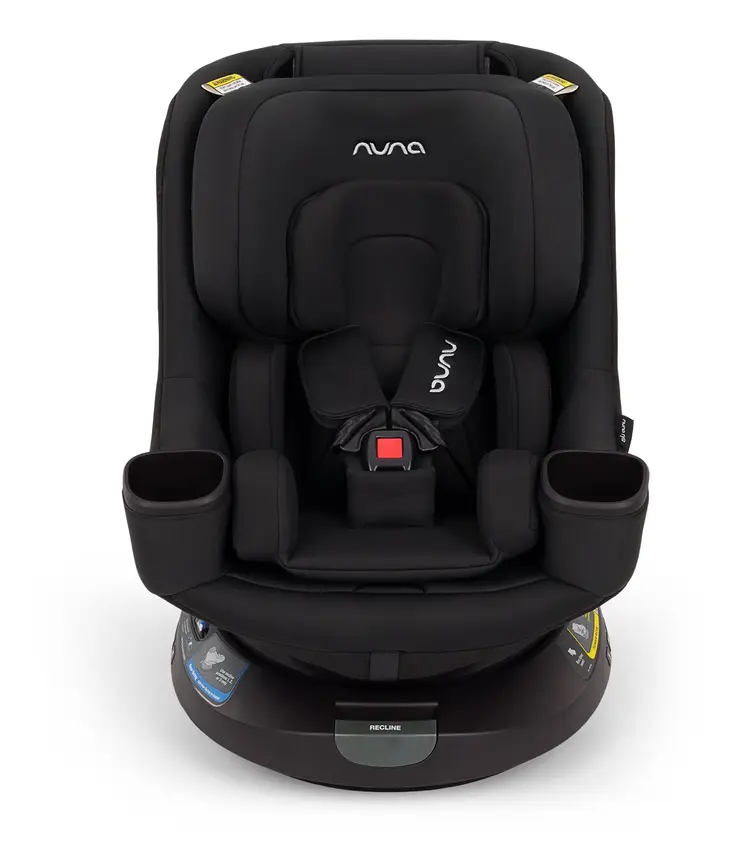
Nuna Rylo 360
A premium seat that spins 360° to help you lift baby in and out. Rear-facing up to about 30 months.
Read our full review →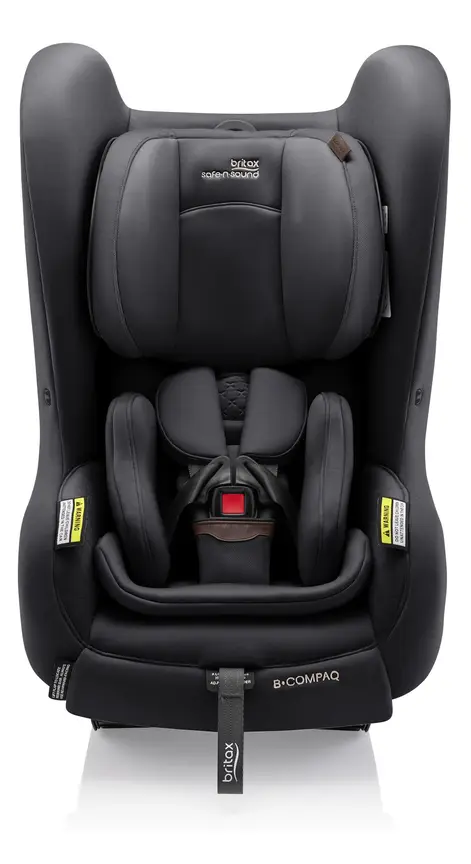 Reviewed
Britax Safe-n-Sound B-Compaq Lux
A convertible seat made for small cars with little room in the back.
Read our full review →How to fit a mirror with care
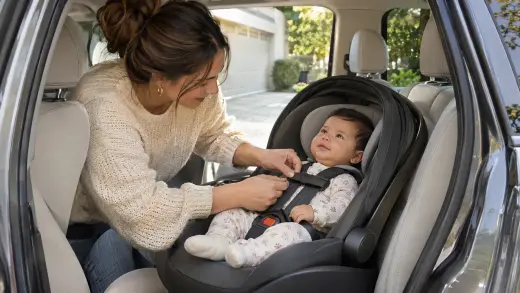
Fit the mirror before the trip, while the car is parked. Ask another adult to help if the view is hard to check. Never adjust it while driving.
- Read the instructions. Check the mirror instructions and the car seat instructions. Do not use it if either maker says not to.
- Choose a permitted place. Use only the position and attachment method given by the mirror maker. Do not attach it to the car seat unless both makers allow that use.
- Secure each strap or fitting. Tighten it as directed. Keep straps away from the child's face, hands, and harness.
- Check the car seat. Make sure the mirror does not touch, press, or change the restraint. The restraint must stay fitted as its instructions show.
- Check the driver's view. Sit in the normal driving position. Confirm the mirror does not block the rear window or other views you need.
- Check the reflection while parked. Adjust it before starting the car. Do not reach back after setting off.
- Give it a gentle check. Make sure it is secure. Do not pull hard or use force that could damage the headrest or fitting.
If a mirror will not stay in place, remove it. Do not add cords, clips, tape, or other parts that the maker did not provide. Loose items can move around in a crash or sudden stop.
Before each journey
A quick check before setting off helps you focus on the road. Make these checks while parked.
- Check that the child restraint suits your child's size and stage.
- Check that the restraint is installed as its own instructions show.
- Check the harness for twists and follow the maker's fit instructions.
- Check that the child is positioned as the restraint maker shows.
- Check that the mirror remains secure and does not block your view.
- Put loose objects away. Secure bags and other items in the car.
- Set the rear-view mirror for driving. Do not move it to watch the child at the cost of road visibility.
Do not use a mirror as a reason to loosen a harness or add items to the car seat. The restraint instructions decide what belongs with the seat.
Keep your eyes on the road
Driving needs your attention. A quick glance can become a longer look, especially if a child is crying or moving. Keep watching the road and traffic. Do not turn around to speak to or reach a child while the car is moving.
If a child cries, wait until you can stop in a safe place. Park away from moving traffic when possible. Then check the child and restraint. Do not stop in a live traffic lane or another unsafe place.
If another adult is in the car, they can help the child while you drive. They should not loosen the harness or change the restraint setup. The driver still needs to concentrate on driving.
Never hold a phone or tablet to watch a child while driving. Do not set up a video call or record while driving. A screen can draw your eyes away from the road.
Age and car seat stages
Mirror use does not set a child's car seat stage. Follow the restraint maker's limits and your local rules. A child should use a restraint that suits their size and stage.
Babies usually travel in a rear-facing restraint. This supports the head and body in a crash. Keep a child rear-facing for as long as the restraint allows and local rules support. Do not turn the seat forward early just to see the child more easily.
As a child grows, the next restraint stage depends on the seat's limits and local rules. Age alone may not tell you when to change. Check the labels and instructions. Get help from a trained child restraint fitter where available.
A mirror is most often discussed with rear-facing seats because the driver cannot see the child directly. It is not a reason to use a different seat or change the direction of travel.
Advice in Australia, the UK, the US, and Canada
Local car seat rules differ. A mirror does not change those rules. Check the current advice where you live and follow the restraint maker's instructions.
| Country | Official bodies to check | Useful focus |
|---|---|---|
| Australia | Product Safety Australia (ACCC) and your state or territory road authority. | Choosing, fitting, and using a child restraint under local road rules. |
| United Kingdom | Office for Product Safety and Standards and GOV.UK. | Approved child seats and the rules for children travelling in cars. |
| United States | National Highway Traffic Safety Administration (NHTSA). | Car seat choice, installation, and use for a child's size. |
| Canada | Transport Canada and the Canadian Paediatric Society. | Car seat choice, installation, and use under provincial or territorial rules. |
Australia's Product Safety Australia car seat guide and state road authority pages explain local requirements. GOV.UK explains UK child car seat rules. NHTSA gives US car seat guidance. Transport Canada and the Canadian Paediatric Society give Canadian advice. Use the source for your country, since rules can differ.
Side by side: more car seats & capsules to compare
Real products from our catalogue. We don't show star ratings or review counts; check the current price, stock and reviews on Amazon before you buy.
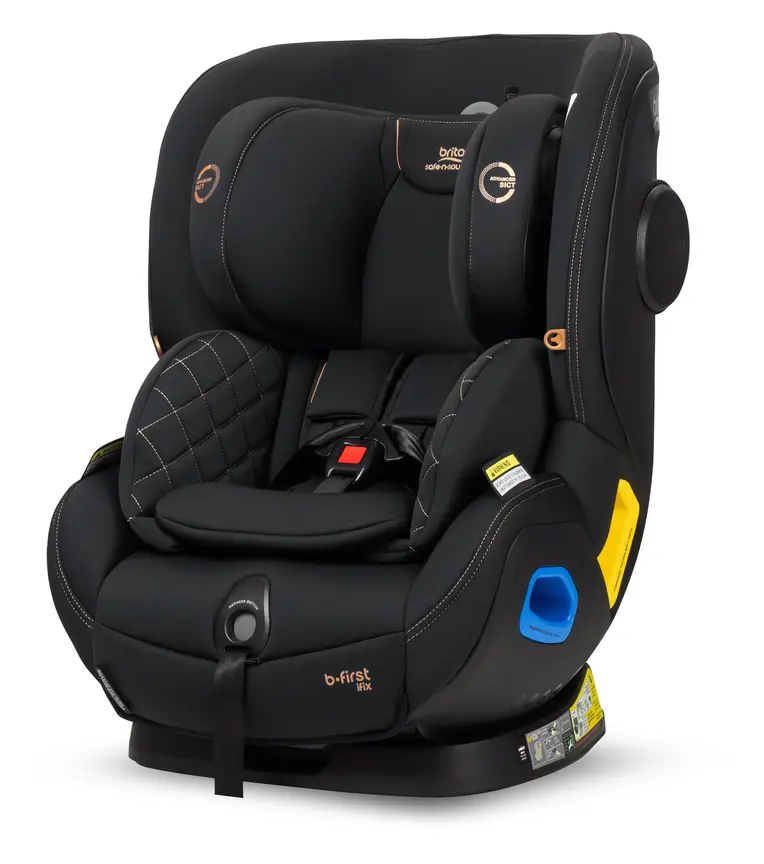
Britax Safe-n-Sound b-first+
Convertible seat from Britax's Australian Safe-n-Sound range with SICT deployable side-impact protection.

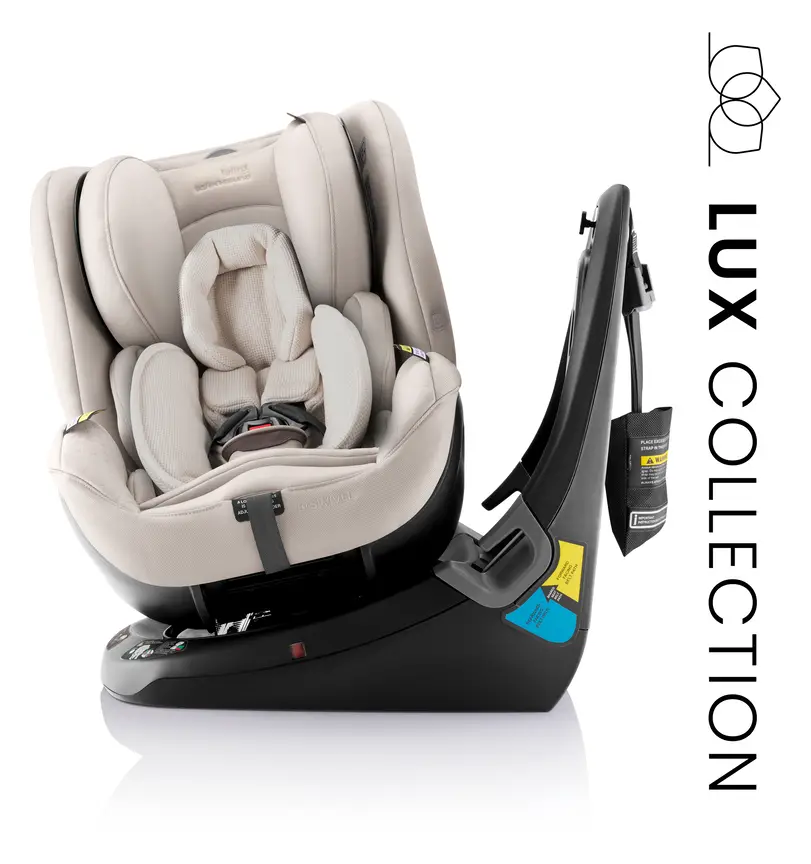
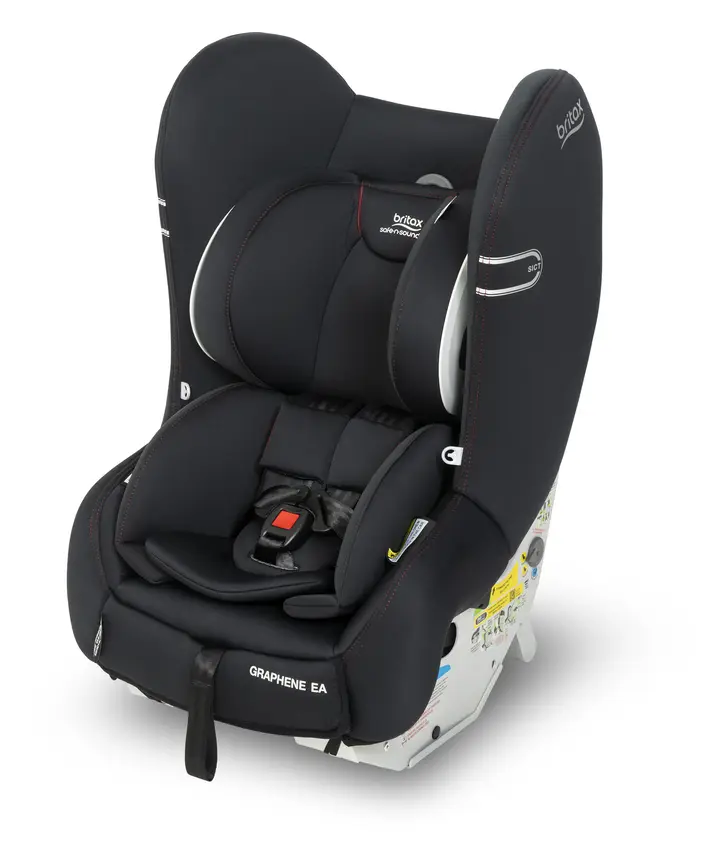
Britax Safe-n-Sound Graphene EA
Britax's Australian convertible seat with SICT side-impact technology, designed to reduce crash energy reaching your child's chest.
Common mistakes to avoid
- Looking at the mirror too often. Keep your attention on driving. Stop safely if you need a closer check.
- Turning around while moving. Do not reach back or twist your body. Pull over first.
- Assuming the mirror proves the child is safe. Check the restraint and harness directly before travel.
- Attaching it to the car seat without approval. Follow both product makers' instructions. If unsure, leave it off.
- Using a loose or damaged mirror. Replace or remove it if a strap, fitting, or surface is damaged.
- Letting it block a window. Keep the driver's normal view clear.
- Adding toys or cords. Do not hang items from the mirror or add unapproved parts.
- Turning a rear-facing seat forward for a better view. Follow the child's restraint limits and local rules.
- Believing broad marketing claims. A mirror cannot prevent a crash or guarantee a calm journey.
When to remove it
Remove the mirror if it slips, cracks, or will not stay fixed. Remove it if it blocks your view or makes you look away from the road. Also remove it if the car seat maker says not to use it.
Remove it before changing cars if the fitting does not suit the new headrest. Recheck the instructions each time you move it. Do not assume a fitting that worked in one car is safe in another.
If a mirror is damaged, do not repair it with home-made straps or glue. Replace it only with a product used as its maker directs. Check official recall pages if you have a safety concern about a product.
Travelling with more than one child
A mirror may show only one part of the back seat. It may not show every child or every restraint. Check each child's position before driving. Do not rely on one reflection to check several seats.
Place each child restraint as its maker and car instructions allow. Make sure the restraints do not press against each other in a way the instructions forbid. If the layout is difficult, ask a trained fitter or local child passenger safety service for help.
Keep bags, toys, and other loose objects secured. A loose object can move during a sudden stop. Avoid hanging toys from a mirror. They can obscure the view or become loose.
If another adult travels with you, agree who will respond to the children. The driver should keep focus on the road. The passenger can help when safe, while leaving the child's harness and restraint setup unchanged.
Long drives and planned stops
Plan breaks on longer journeys. A mirror does not replace a break or a direct check. Stop in a safe place to comfort, feed, or change a baby. Never try to feed or change a child while the vehicle is moving.
When you stop, park away from traffic where possible. Before opening a door, check for cyclists, cars, and other hazards. Take the child out only when it is safe to do so.
Babies should not be left unattended in a car. Do not leave a child alone, even for a short errand. A mirror does not help if you are away from the car.
At the end of a trip, follow safe sleep advice. A car seat is made for travel. If a baby falls asleep in the seat, take them out when you reach your destination and place them on a firm, flat sleep surface when practical.
Buying and checking a mirror
Before buying, check that the mirror can be fitted in your vehicle. Compare the instructions with your car's headrests and child restraint. If the maker does not clearly explain fitting, contact them before use.
Look for clear instructions, a secure attachment, and a surface that is easy to clean. Check that the mirror can be removed without altering the vehicle or restraint. Do not assume that a large mirror is better. A larger view may still be distracting.
Check the product for damage when it arrives. Look over straps, buckles, joints, and the mirror surface. Do not use it if parts are missing or cracked. Keep the instructions for later checks.
Check official recall information if a product is recalled or you hear of a safety concern. In Australia, Product Safety Australia lists recalls. Canada has Health Canada's recalls and safety alerts. Follow local recall advice and the maker's instructions.
More options, from budget to premium
Real products from our catalogue. We don't show star ratings or review counts; check the current price, stock and reviews on Amazon before you buy.

Britax Safe-n-Sound Hi Liner SG
A high-back booster for about 4 to 8 years. A clip keeps the seatbelt in the right place.

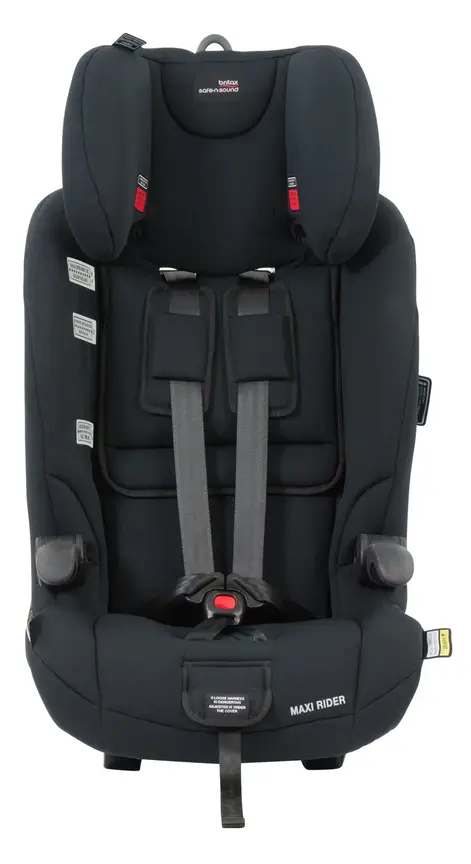
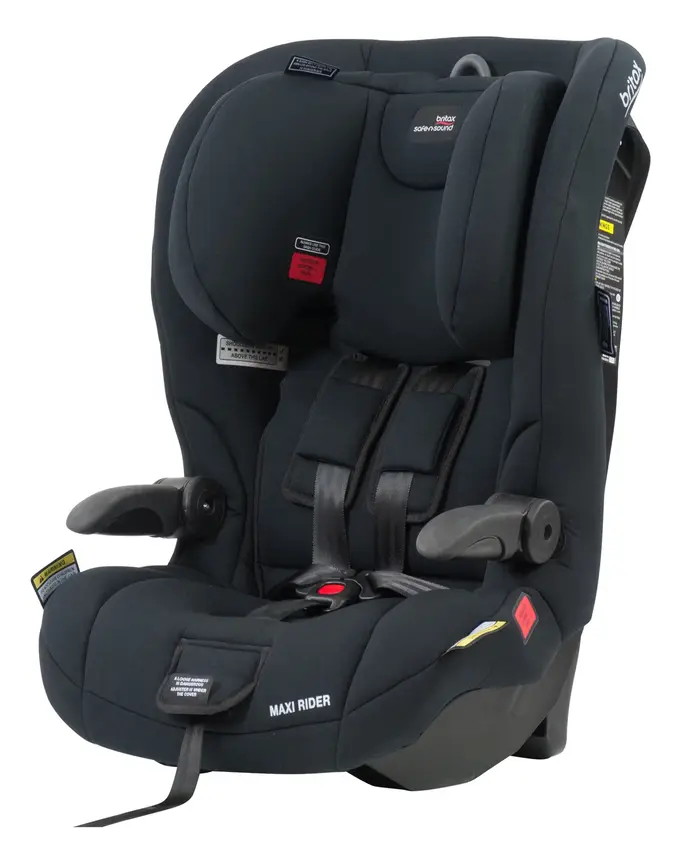
Britax Safe-n-Sound Maxi Rider
A seat with a harness from 12 months to about 4 years. Then it becomes a booster up to 6–8 years.
Read our full review →
Britax Safe-n-Sound Atlas-GRO II Harnessed Car Seat
Harnessed booster seat
Frequently asked questions
Do I need a baby car seat mirror?
No. It is an optional accessory. A child can travel safely without one when the correct restraint is fitted and used properly.
Are car seat mirrors safe?
That depends on the product, fit, car, and driver. Follow the mirror and car seat instructions. Do not use it if it blocks your view, comes loose, or distracts you.
Can I look at my baby through the mirror while driving?
Keep your attention on driving. Do not stare at the mirror or turn around. If you need to check or help your baby, stop in a safe place first.
Where should I attach a back seat mirror?
Use only the place and method shown in the mirror instructions. Check that the car seat maker allows it. Do not attach it to the restraint unless the makers permit this.
Can a mirror show whether my baby is breathing?
No. A reflection cannot reliably show breathing or health. If you are worried, stop safely and check your baby directly.
Should I turn my baby's seat forward so I can see them?
No. Do not change a child's seat direction to make viewing easier. Follow the restraint instructions and local rules for the child's size and stage.
Can I use a mirror with any car seat?
Do not assume it fits every seat. Check the car seat instructions and the mirror instructions. If either maker says not to use it, leave it off.
What if my baby cries during a drive?
Keep driving only while it is safe to do so. Find a safe place to stop, then check your child. Do not reach back or unfasten the harness while moving.
Can I use a mirror in a car without rear headrests?
Only if the mirror maker gives a suitable fitting method for your car. Do not improvise with cords, tape, or other parts. If it cannot be fitted as directed, skip it.
Should I adjust the mirror while driving?
No. Set it while parked. If it moves during a trip, stop in a safe place before adjusting or removing it.
Can a mirror replace a second adult in the car?
No. It is only a reflection. It cannot comfort a child, fix a restraint, or respond to a problem. Stop safely when your child needs help.
Sources and further guidance
- Product Safety Australia (ACCC): Car seats guide
- GOV.UK: Child car seats: the rules
- NHTSA: Car seats and booster seats
- Transport Canada: Child car seat safety
- Canadian Paediatric Society: Car seat safety
- Pregnancy, Birth and Baby: Car safety for babies
- American Academy of Pediatrics: Car seats
Disclaimer: This article gives general information. It does not replace advice from your child's health professional or the instructions for your car and child restraint. Follow local road rules and seek qualified help with installation if needed. Some links may be affiliate links. We may earn a commission if you buy through them, at no extra cost to you.
Sources
- Product Safety Australia (ACCC) – Car seats guide
- GOV.UK – Child car seats: the rules
- NHTSA (US) – Car seats and booster seats
- Transport Canada – Child car seat safety
- Caring for Kids (Canadian Paediatric Society) – Car seat safety
- Pregnancy, Birth and Baby (Australia) – Car safety for babies
- HealthyChildren.org (AAP) – Car seats: information for families