













Stroller and Car Seat Combos: Benefits, Risks, and How to Choose
How a stroller and car seat combo works, its real pros and cons, safe sleep rules, and safety standards for Australia, the UK, the US and Canada.

On this page
- Key points
- What a stroller and car seat combo is
- The real benefits of a stroller and car seat combo
- The downsides nobody tells you about
- Travel system combo vs buying separately: side-by-side comparison
- Safe sleep and car seat time limits
- How to choose the right combo for your life
- Safety standards in Australia, the UK, the US and Canada
- How combos fit each stage of your child's growth
- Common mistakes parents make with combos
- Frequently asked questions
- Sources
Short answer: A stroller and car seat combo lets you move a baby from the car to the pram in seconds. You do not need to unbuckle your baby for short errands. This saves time and protects your back. However, the infant car seat only lasts for the first several months, and it is not a safe bed for long sleeps.
This guide covers how combos work, when they help, and when buying separately makes more sense. It follows official advice from Australia, the UK, the US and Canada.
Key points
- What it is: A matching infant car seat (also called a baby capsule) and stroller frame that click together.
- Main benefit: Quick car-to-pram transfers without waking a sleeping baby during short trips.
- Main limit: Babies outgrow infant car seats quickly, often before their first birthday.
- Sleep rule: A car seat is for travel, not long naps. Move your baby to a firm, flat bed when you get home.
- Car fit first: Always check that the car seat fits your car before you buy the combo.
- Local standards: Buy a combo certified for your own country. Overseas models may be illegal to use on your roads.
What a stroller and car seat combo is
Shops often call a stroller and car seat combo a "travel system". It pairs a rear-facing infant car seat with a matching stroller. The infant seat is also known as a baby capsule in Australia or an infant carrier in the UK, US and Canada.
Most travel systems come with three main parts:
- The infant car seat: A lightweight, rear-facing seat with a carry handle.
- The car base: A base that stays buckled or latched inside your car. The seat clicks onto it.
- The stroller: A frame with wheels and a regular toddler seat. The infant car seat clicks onto the frame, sometimes using small plastic adapters.
Some combos also include a flat bassinet attachment. Others have a stroller seat that reclines flat enough for a newborn. When you arrive at the shops, you unclip the infant seat from the car base and click it onto the stroller. Your baby stays buckled in the whole time.
Car Seats & Capsules worth a look
Real products from our catalogue. We don't show star ratings or review counts; check the current price, stock and reviews on Amazon before you buy.

Babylove ezymove Booster
A very light, low-cost booster for about 4 to 8 years. It folds flat for storage.
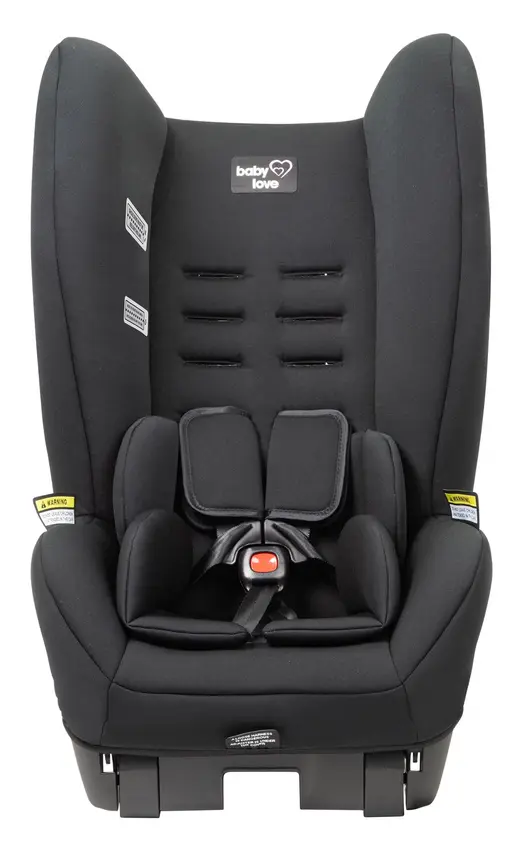
Babylove ezyone2
A very low-cost convertible seat. Rear-facing to about 12 months, then forward-facing to about 4 years.
 Reviewed
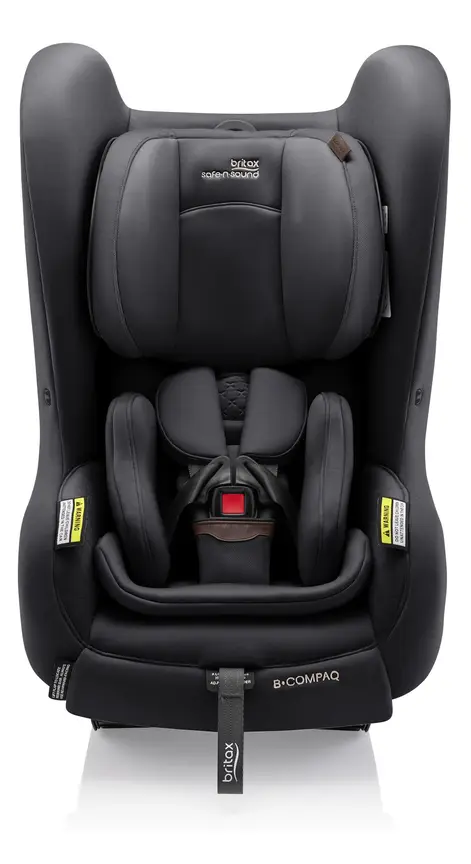
Britax Safe-n-Sound B-Compaq Lux
A convertible seat made for small cars with little room in the back.
Read our full review →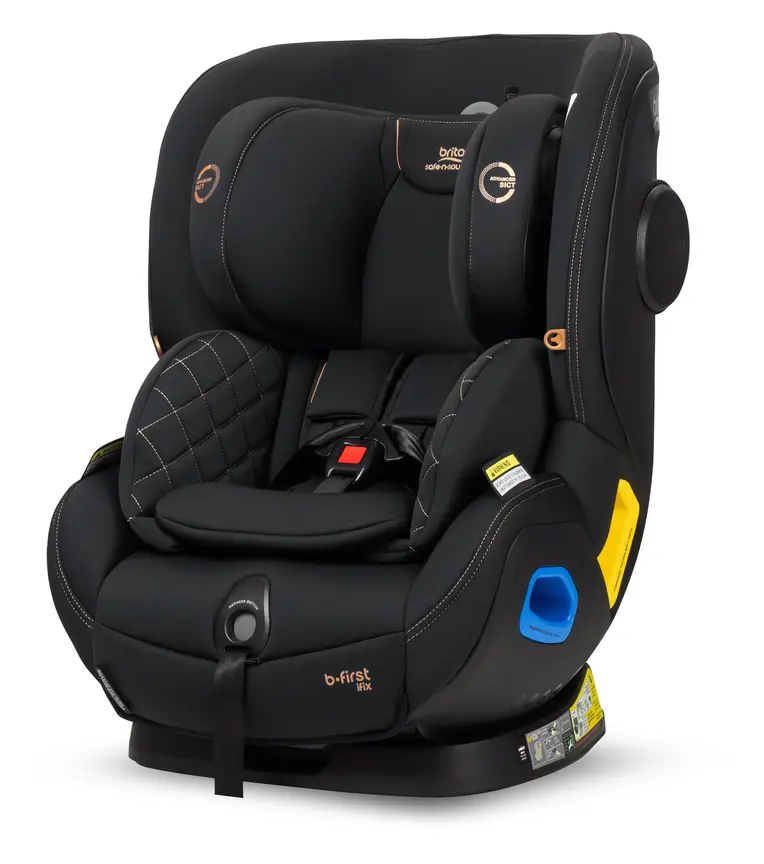
Britax Safe-n-Sound b-first+
Convertible seat from Britax's Australian Safe-n-Sound range with SICT deployable side-impact protection.
The real benefits of a stroller and car seat combo
A travel system will not solve every outing problem. Still, it offers clear, practical wins during the first months of your baby's life.
1. Easier transitions for short errands
Newborns sleep a lot, often in short bursts. Moving a sleeping baby out of a car seat, into a pram, and back again can wake them up. With a combo, you lift the infant seat out of the car and click it onto the stroller frame.
This works well for quick stops. Think of picking up groceries, dropping an older child at school, or walking into a clinic. You spend less time unbuckling and re-buckling straps in a car park.
2. Less strain on your back and arms
An infant car seat feels light when it is empty. Once you add a growing baby, carrying it by the handle gets heavy fast. Carrying a capsule on one arm can twist your back and hurt your shoulders.
Clicking the seat onto stroller wheels takes that weight off your body. This helps if you are healing after birth, including after a caesarean section. It also helps grandparents or carers who may struggle with heavy lifting.
3. Guaranteed parts compatibility
When you buy a stroller and a car seat from different brands, they might not fit together. You may need to hunt for third-party adapters or find out none exist. A combo removes that guesswork.
The manufacturer tests the stroller frame and infant seat as one unit. The locks click in cleanly. You know the weight limits and latch points match.
4. Less clutter in a small car boot
If you only use the stroller frame with the infant seat, you can often leave the larger toddler seat at home. Some frames fold up very small when the main seat is off. This leaves more boot space for shopping bags, a nappy bag, or family luggage.
5. One purchase, less decision fatigue
Buying baby gear can feel overwhelming. A combo lets you tick off two big items in one step. You do not need to compare dozens of separate car seats and prams just to check if they click together.
The downsides nobody tells you about
Marketing photos make travel systems look effortless. In daily life, they have real limits you should know before you spend your money.
1. The infant car seat has a short lifespan
An infant car seat only fits young babies. Most children outgrow it by height or weight within their first year. Some tall babies outgrow it even sooner.
Once your baby reaches the height marker or weight limit on the seat, you must stop using it. You will then need to buy a larger rear-facing convertible car seat anyway. So a combo does not replace the need for a bigger car seat later.
2. The stroller might not be the best long-term pram
You will use the stroller for three or four years. You will only use the infant car seat for several months. Sometimes, a combo pairs an average stroller with a good car seat, or the other way around.
If the stroller is heavy, hard to fold, or has shaky wheels, you are stuck with it long after the infant seat is packed away. Always judge the stroller on its own merits first.
3. Extra car bases cost extra
If your family uses two cars, one car base can feel limiting. You can buy a second base for the other car, which adds to the cost. Some infant seats can also be installed using only the car seatbelt without a base, though this takes more time each trip.
4. A car seat is not a safe bed
Many parents think a travel system means their baby can nap in the capsule for hours while they shop or visit friends. Health bodies warn against this. Keeping a baby slumped in a car seat for too long can affect their breathing. We cover these safety rules in detail below.
Travel system combo vs buying separately: side-by-side comparison
Your other main option is buying a pram (with a flat bassinet or lie-flat seat) and a separate rear-facing convertible car seat. A convertible seat stays fixed in the car from birth until around four years old or more. Here is how the two setups compare.
| Feature | Stroller and car seat combo | Convertible car seat + separate pram |
|---|---|---|
| Newborn car-to-pram transfer | Click the infant seat straight onto the stroller. | Unbuckle baby and move them to the pram by hand. |
| How long the car seat lasts | Short term, usually under 12 months. | Long term, often from birth to 4 years or older. |
| Safe for long walks or naps | No. Use a flat pram seat or bassinet instead. | Yes, if the pram lies completely flat. |
| Second-car convenience | Easy to move the infant seat between cars. | Harder to move. Often needs a second car seat. |
| Stroller choice | Limited to the brand or compatible models. | Full choice of any pram that suits your lifestyle. |
| Long-term cost | Higher total cost if you buy a convertible seat later. | Often lower over four years, as you buy one car seat. |
| Boot space with newborn | Frame + infant seat can be compact. | Pram + bassinet can take more boot space. |
Neither choice is right for everyone. If you drive often for short trips, a combo is very handy. If you mostly walk from home or use public transport, a good lie-flat pram and a fixed convertible car seat may serve you better.
Safe sleep and car seat time limits
This is the most important safety topic for any travel system owner. A car seat is designed to protect your baby in a crash. It is not designed as a sleeping space.
Why long sleeps in a car seat are risky
Newborns have heavy heads and weak neck muscles. When a baby sits upright or semi-upright in a car seat, their head can slump forward. Their chin can press down onto their chest.
This chin-to-chest position can narrow or block their airway. A sleeping baby will not always wake up if they struggle to breathe. Sitting upright for long periods can also put stress on a young baby's developing spine and hips.
What official health bodies say
Leading safe sleep groups in all four countries give the same core advice:
- Australia (Red Nose): Take your sleeping baby out of their car seat as soon as you get home or reach your destination. Place them on their back on a firm, flat mattress in a cot or bassinet.
- UK (The Lullaby Trust): Avoid leaving a baby in a car seat for long periods. On long drives, stop for regular breaks and take your baby out of the seat. Move a sleeping baby to a firm, flat sleep surface once you arrive.
- US (American Academy of Pediatrics): Car seats and strollers are not safe for routine sleep. If a baby falls asleep in a car seat, move them to a flat, firm crib or bassinet as soon as possible.
- Canada (Canadian Paediatric Society and Health Canada): Never leave a baby to sleep in a car seat, stroller, or swing unattended. Always place your baby on their back on a flat, firm surface for sleep.
Simple habits to stay safe
- Use a flat pram for walks: If you are going for a long walk, put your newborn in a flat bassinet or a fully flat pram seat instead of the car capsule.
- Watch the angle: Make sure the car seat sits at the exact angle shown in the manual. In the car, too upright can make the head slump.
- Never place a capsule on high surfaces: Never put a car seat with a baby inside on a table, kitchen bench, or bed. A wriggling baby can tip the seat off the edge.
- Keep the hood open indoors: Retract the sun canopy when you go inside a warm shop or house so your baby does not overheat.
Side by side: more car seats & capsules to compare
Real products from our catalogue. We don't show star ratings or review counts; check the current price, stock and reviews on Amazon before you buy.
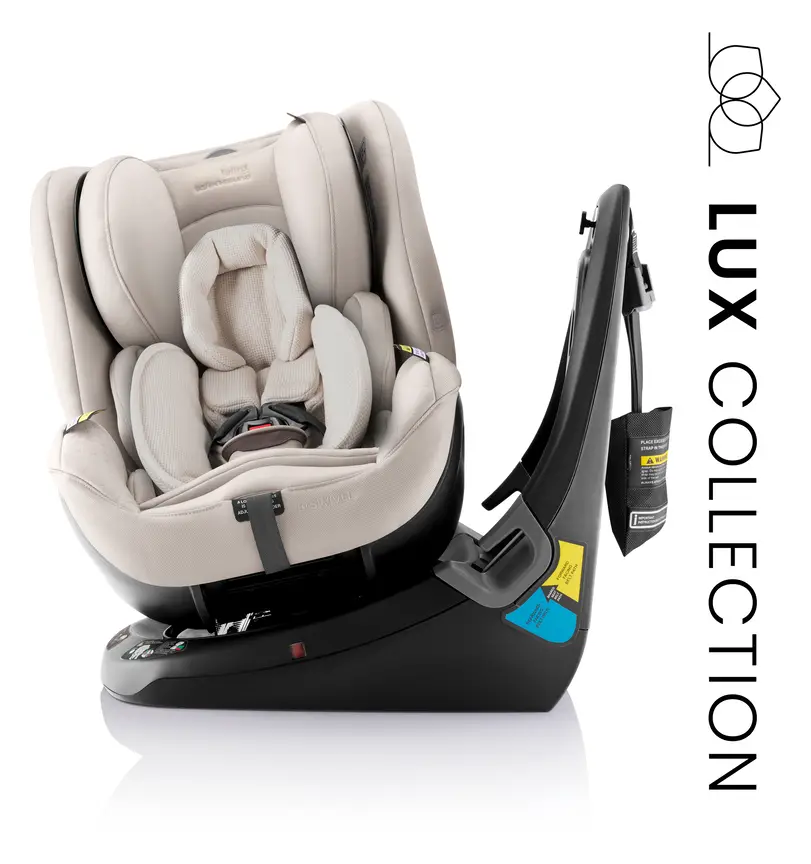
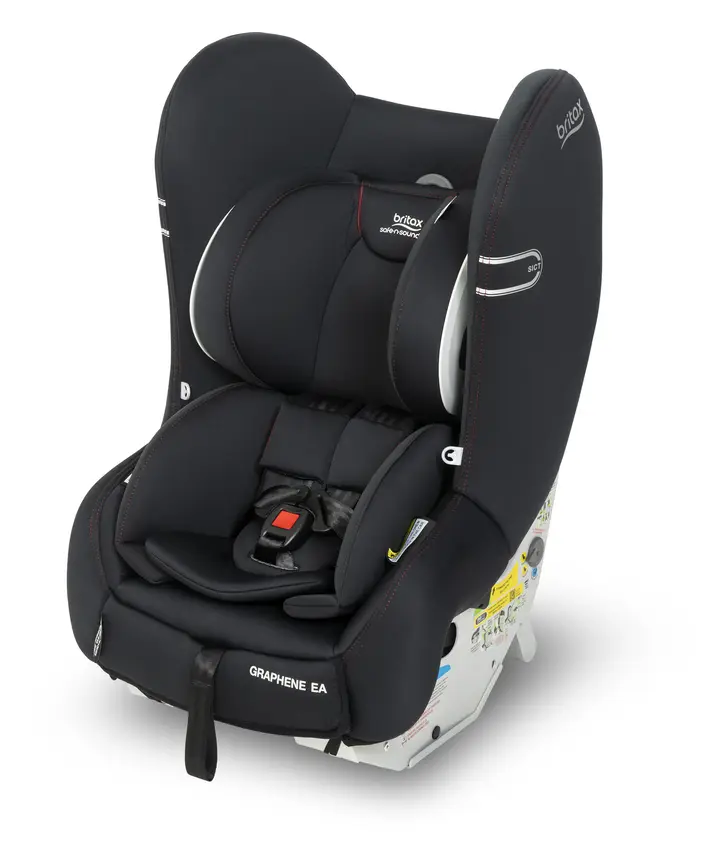
Britax Safe-n-Sound Graphene EA
Britax's Australian convertible seat with SICT side-impact technology, designed to reduce crash energy reaching your child's chest.

Britax Safe-n-Sound Hi Liner SG
A high-back booster for about 4 to 8 years. A clip keeps the seatbelt in the right place.

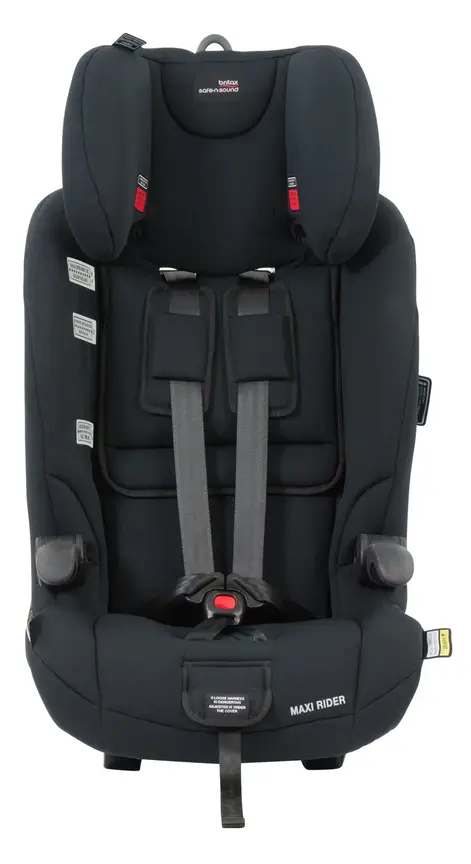
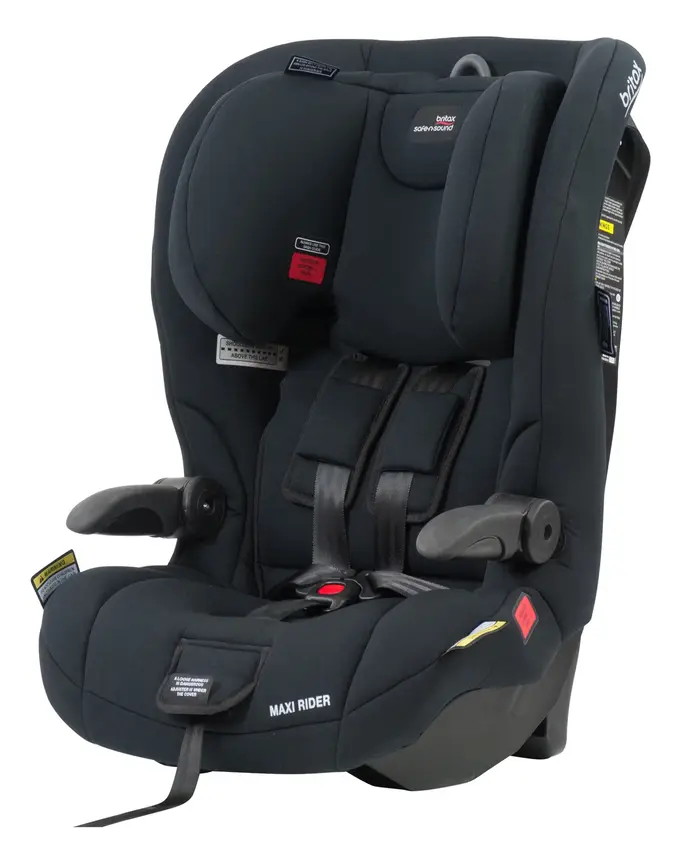
Britax Safe-n-Sound Maxi Rider
A seat with a harness from 12 months to about 4 years. Then it becomes a booster up to 6–8 years.
Read our full review →How to choose the right combo for your life
Do not start by looking at colours or trendy designs. Start with your car, your home, and where you walk every day.
1. Check if the car seat fits your vehicle
Rear-facing infant seats take up a lot of front-to-back space. Before you buy, check if the seat fits in your back row without squashing the front passenger seat. If you drive a small car, measure the space or test a floor model at a shop.
Check how the seat attaches to your car:
- Australia: Seats use the car seatbelt plus a mandatory top tether strap, or ISOFIX connectors plus a top tether strap. Check where your car's top tether anchor points are.
- UK: Many seats use ISOFIX bases with a support leg or top tether, or a seatbelt fit.
- US and Canada: Seats use LATCH (called UAS in Canada) lower anchors or the vehicle seatbelt. Check your car owner's manual for the exact anchor rules.
2. Measure your car boot and check the fold
Fold the stroller and check if it fits easily into your boot. Some large strollers only fit if you take the wheels off. Doing that in the rain gets old very fast.
Try folding the stroller with one hand. You will often be holding your baby with the other hand. Check how heavy the frame is to lift up to boot height.
3. Match the wheels to your footpaths
Think about where you push your pram most days:
- Smooth pavements, malls, and buses: Smaller, lighter wheels and a narrow frame steer easily through tight aisles.
- Bumpy footpaths, grass, and gravel: Larger wheels with good suspension give your baby a smoother ride. Air-filled tyres handle rough ground best, though foam-filled tyres never go flat.
4. Check the main stroller seat for later
Your child will sit in the main stroller seat for years after the capsule is gone. Look for a seat that:
- can face both you and the world ahead;
- reclines flat or near-flat for toddler naps;
- has a five-point harness that adjusts easily as your child grows;
- has a large sun canopy with good airflow mesh;
- has a higher weight limit so your child does not outgrow it at age two.
5. Test the handle height and basket
If two parents or carers are very different heights, look for an adjustable handlebar. Push the stroller around the shop to make sure your feet do not kick the back axle when you walk. Also check the under-seat basket. Make sure you can reach it even when the seat is reclined.
Safety standards in Australia, the UK, the US and Canada
Every country has its own laws for car seats and strollers. A car seat sold in one country is often illegal to use in another country, even if it is from a famous brand. This is because crash tests, buckles, and anchor systems differ.
Never buy a car seat or combo from an unverified overseas website. Always buy one certified for the country where you live and drive.
| Country | Main safety bodies | Car seat standard | Stroller standard |
|---|---|---|---|
| Australia | ACCC / Product Safety Australia, Standards Australia, Red Nose, Kidsafe | AS/NZS 1754 | AS/NZS 2088 |
| United Kingdom | Office for Product Safety and Standards (OPSS), RoSPA, The Lullaby Trust, NHS | R129 (i-Size) or R44 | BS EN 1888 |
| United States | CPSC, NHTSA, American Academy of Pediatrics (AAP) | FMVSS 213 | ASTM F833 |
| Canada | Health Canada, Transport Canada, Canadian Paediatric Society | CMVSS 213 | Health Canada stroller rules |
Here is what to look for on the product label in each region:
- Australia: Look for the red-and-black AS/NZS 1754 tick on the car seat and AS/NZS 2088 compliance on the pram. In Australia, a pram must also have a wrist tether strap and a red parking brake.
- United Kingdom: Look for an orange approval label showing R129 (or UN R129). Older R44 seats are still legal to use if already owned, though R129 is the newer standard for side-impact testing. Check for BS EN 1888 on the pushchair.
- United States: Look for a label stating the car seat meets FMVSS 213. Check that the stroller meets ASTM F833 and register both products with the maker for recall alerts.
- Canada: Look for the National Safety Mark (a maple leaf symbol) showing CMVSS 213 compliance on the car seat. Strollers must meet Health Canada's carriages and strollers rules, including brake, lock, and harness checks.
How combos fit each stage of your child's growth
Knowing when to switch seats keeps your child safe and comfortable.
| Stage | What to use | Key safety check |
|---|---|---|
| Newborn to around 6–12 months | Infant car seat in the car; flat bassinet or lie-flat pram for long walks; infant seat on stroller only for short errands. | Keep baby rear-facing. Watch the shoulder height markers on the car seat, not just age. |
| Around 6–12 months to 4 years | Rear-facing convertible car seat in the car; main stroller seat in upright or reclined positions. | Keep your child rear-facing as long as the seat's height and weight limits allow. |
| Toddler years (up to stroller limit) | Forward-facing harnessed car seat (when rear-facing limit is reached); main stroller seat for tired legs. | Always use the five-point harness in the stroller and the parking brake when stopped. |
Health and road safety groups in Australia, the UK, the US and Canada all advise keeping children rear-facing in the car for as long as possible. Rear-facing seats protect a young child's head, neck, and spine far better in a crash.
Common mistakes parents make with combos
Even careful parents make simple mistakes when setting up or using a travel system. Avoid these common traps.
1. Leaving a baby to sleep in the capsule all day
It is tempting to bring the capsule inside and let your baby finish a two-hour nap in it. Do not do this. Move your baby gently to a flat cot or bassinet as soon as you get home.
2. Skipping the car seat check or forgetting the tether
A loose car seat cannot protect your baby in a crash. Read both your car manual and car seat manual carefully. In Australia, always attach the top tether strap correctly. In any country, the seat should not move more than a tiny amount at the belt path when you tug it firmly. If you are unsure, book a fit check with a certified car seat fitter.
3. Using thick coats or aftermarket padding
Puffy winter jackets, thick sleeping bags, or fluffy store-bought head inserts create empty space under the harness. In a crash, the padding squashes flat and the straps become too loose. Buckle your baby in thin everyday clothes, then tuck a light blanket over the top of the buckled harness if it is cold.
4. Buying a second-hand car seat with unknown history
Plastic wears down over time, especially in hot cars. A seat that was in even a minor crash may have hidden cracks inside. Never buy a second-hand car seat unless you know its full history, know it has never been in a crash, and check its expiry date. Transport Canada and other regulators warn against using expired or crash-involved seats.
5. Hanging heavy bags on the stroller handle
Nappy bags and shopping bags hung from the handlebar can tip the whole stroller backwards, especially when using a light frame with a capsule. Put heavy bags in the under-seat basket instead.
6. Forgetting the wrist strap and parking brake
Always put the parking brake on before you let go of the stroller, even on flat ground. Use the wrist tether strap on slopes, near roads, and near train platforms.
7. Covering the stroller with a blanket in hot weather
Drapping a muslin cloth or blanket over the hood traps heat inside. Even thin fabric can make the air around your baby much hotter. Instead, use the built-in canopy, keep mesh vents open, and seek shade.
More options, from budget to premium
Real products from our catalogue. We don't show star ratings or review counts; check the current price, stock and reviews on Amazon before you buy.

Britax Safe-n-Sound Atlas-GRO II Harnessed Car Seat
Harnessed booster seat
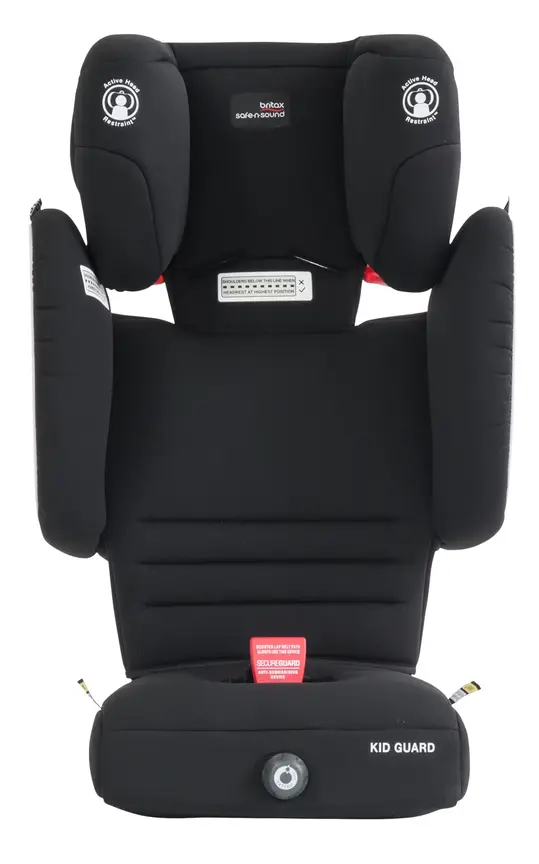

Britax Safe-n-Sound QuickFix Convertible Car Seat
Convertible car seat (ISOFIX)
Frequently asked questions
Can a newborn sleep in a car seat attached to a stroller?
Only for short trips while you are watching them. Car seats hold babies in a curved position that can make their chin drop onto their chest and block breathing. For long walks or regular naps, use a flat bassinet or a lie-flat pram seat. When you get home, move your sleeping baby to a firm, flat cot or bassinet.
How long can a baby use the infant car seat part of a combo?
Most babies use an infant car seat for about six to twelve months. Do not go by age alone. Check the shoulder height markers or the height and weight limits printed on the seat shell. As soon as your baby hits any upper limit, move them to a larger rear-facing convertible car seat.
Is it cheaper to buy a combo or buy a pram and car seat separately?
A combo can save money upfront compared to buying a separate infant capsule and stroller. However, because babies outgrow infant capsules quickly, you will still need to buy a bigger convertible car seat within the first year. Over four years, buying a lie-flat pram plus one convertible car seat from birth is often cheaper.
Can I use a car seat from another country if I move or travel?
Often no, especially if you move permanently. Car seats must meet the exact road laws of the country you are driving in. For example, a US or UK seat is not legal for daily use in Australia, and an Australian seat is not legal in the US or Canada. Check local road rules before travelling with your seat.
Do I need a bassinet attachment if I already have a car seat combo?
It helps if you plan to go on long walks with your newborn. A flat bassinet lets your baby lie flat on their back with open airways. Some strollers do not need a separate bassinet because their main seat reclines completely flat for newborns. Check your stroller's manual to see if the main seat is approved from birth.
Are second-hand stroller and car seat combos safe to buy?
A second-hand stroller frame can be fine if you check the brakes, frame locks, harness, and recall lists. A second-hand car seat is much riskier. Only use a second-hand infant seat if it comes from someone you trust, has never been in any crash, has all its parts and manual, and is well within its expiry date.
Sources
- Product Safety Australia – Prams and strollers guide
- Product Safety Australia (ACCC) – Car seats guide
- Red Nose Australia – Take your sleeping baby out of their car seat when you get home
- The Lullaby Trust (UK) – Car seats
- Child Car Seats (UK, RoSPA) – Choosing and using
- HealthyChildren.org (AAP) – Car seats: information for families
- Transport Canada – Stage 1: rear-facing seats
- Caring for Kids, Canadian Paediatric Society – Car seat safety
Related guides
More Car Seats & Travel →
Travelling with Kids: How to Choose and Use a Travel Stroller

Travelling with Kids: How to Choose and Use a Convertible Travel Car Seat

Portable Travel Cribs: Benefits, Safety Checks, and How to Choose One
