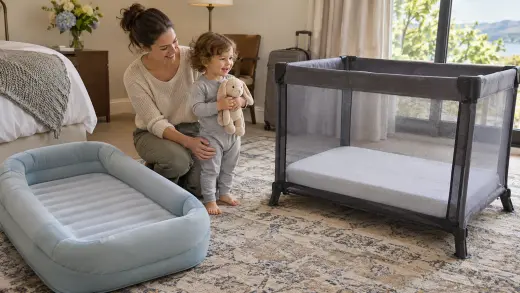
Infant Travel Cribs and Portacots: How to Choose and Use One Safely
How to choose and use an infant travel crib or portacot safely. Compare types, check AU, UK, US and Canada safety rules, and set up a clear sleep space.
On this page
- Key points
- What an infant travel crib is and when you need one
- Types of infant travel cribs compared
- How to choose a safe travel crib
- Travel cribs by age and stage
- Safety standards and official advice in Australia, the UK, the US and…
- How to set up a travel crib safely in a new place
- Common mistakes parents make with travel cribs
- Flying and road trips with a travel crib
- Checking a second-hand or borrowed travel crib
- Frequently asked questions
- Sources
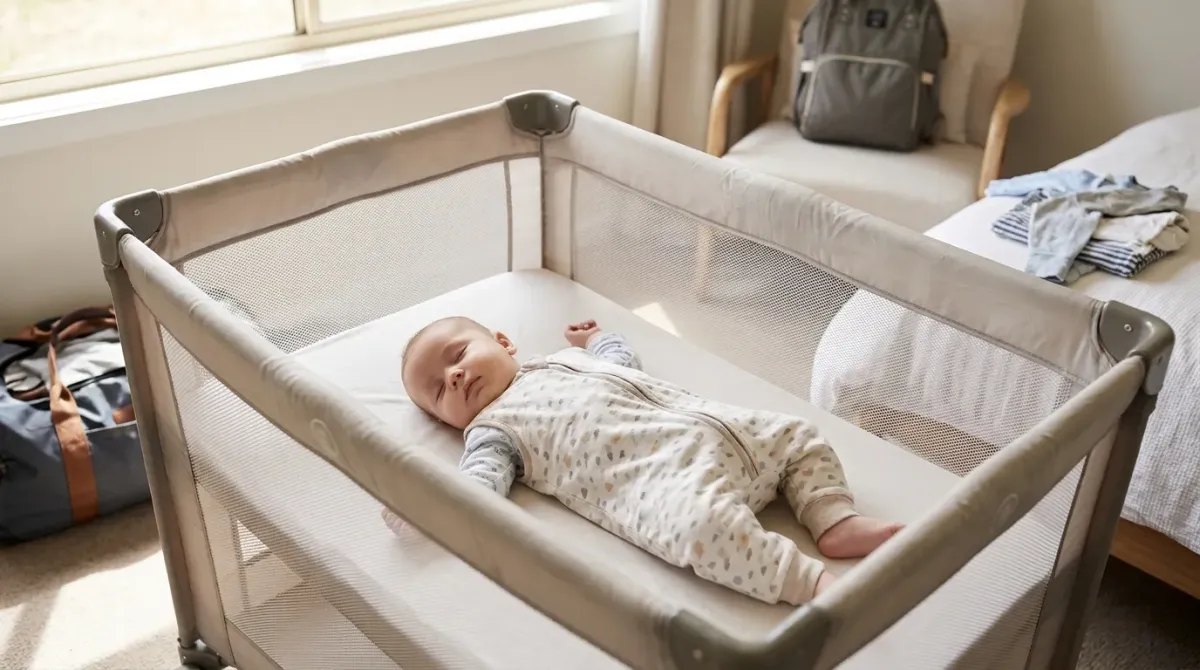
Short answer: A safe infant travel crib gives your baby a firm, flat, clear place to sleep away from home. Pick one that meets your country's safety standard, has breathable mesh sides, and locks firmly on all sides. Use only the mattress that comes with it. Never add extra pads, pillows, or loose blankets. Always lay your baby on their back to sleep.
This core advice is shared by Red Nose and Product Safety Australia, The Lullaby Trust and the NHS in the UK, the American Academy of Pediatrics (AAP) and the CPSC in the US, and Health Canada and the Canadian Paediatric Society.
Key points
- Firm and flat: Your baby needs a firm, flat mattress with no gaps around the edges.
- Original mattress only: Never add a folded blanket, foam pad, or second mattress inside the crib.
- Lock check: Pull and press the rails and base every time you set it up. Make sure every lock clicks into place.
- Clear space: Keep the crib empty. Use only a tight fitted sheet and a safe baby sleeping bag.
- Safe spot: Place the crib away from blind cords, curtains, heaters, and wall plugs.
- Know the limits: Stop using a raised bassinet insert as soon as your baby rolls or pushes up. Stop using the crib when your baby can climb out.
What an infant travel crib is and when you need one
An infant travel crib is a folding bed made for babies and young toddlers. In Australia and New Zealand, people often call it a portacot. In the UK, it is usually called a travel cot. In the US and Canada, many parents call it a play yard or playpen.
Whatever name is on the box, the job is the same. It gives your baby a safe, familiar sleep space when you are away from home. You might use one at a grandparent's house, in a hotel, at a holiday rental, or in a tent.
Why makeshift beds are unsafe
When you are tired on a trip, it can be tempting to let your baby sleep somewhere else. Health groups warn against makeshift sleep spots.
- Adult beds: Soft mattresses, pillows, and heavy quilts can block a baby's breathing. Babies can also roll off or get trapped between the bed and a wall.
- Sofas and armchairs: A baby can slip down between cushions and suffocate.
- Car seats and prams: These are for travel, not long sleeps. A baby's head can slump forward and narrow their airway. Move a sleeping baby to a flat crib as soon as you stop.
- Air mattresses and beanbags: These are far too soft and can mould around a baby's face.
A proper travel crib removes these risks. It sets clear boundaries and keeps your baby on a firm, flat surface.
Cots, Bassinets & Bedside Sleepers worth a look
Real products from our catalogue. We don't show star ratings or review counts; check the current price, stock and reviews on Amazon before you buy.
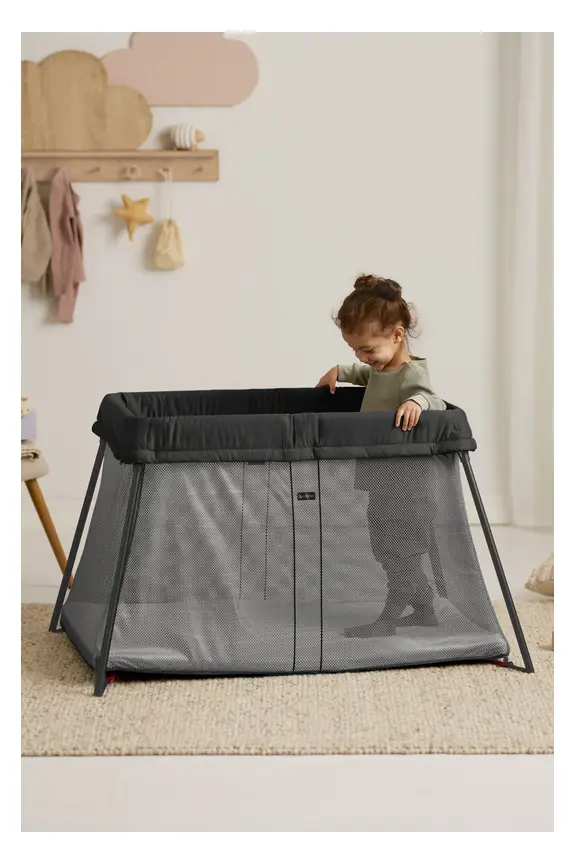
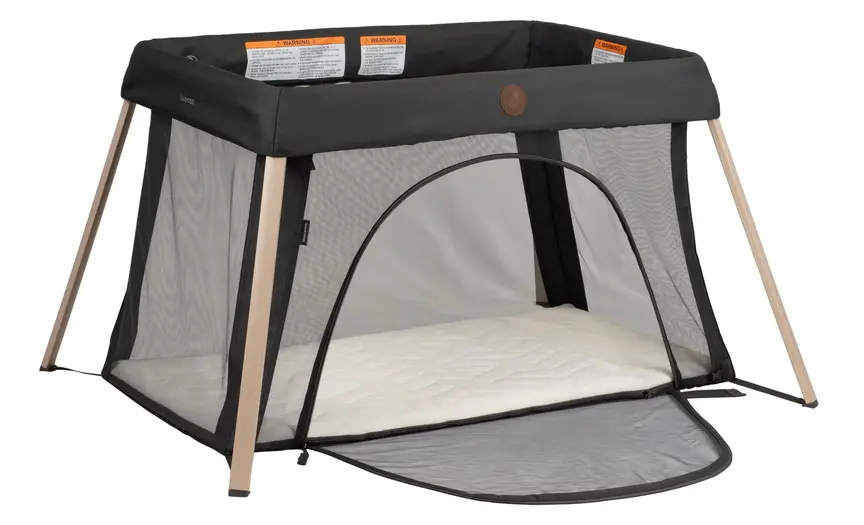
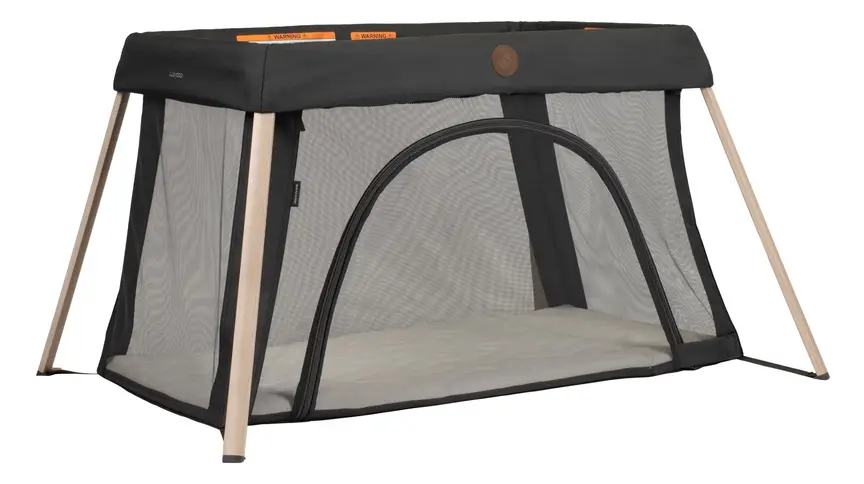

Maxi-Cosi Calao Light Travel Cot
A light travel cot with a newborn level and a toddler level, a side zip and a travel bag.
Read our full review →

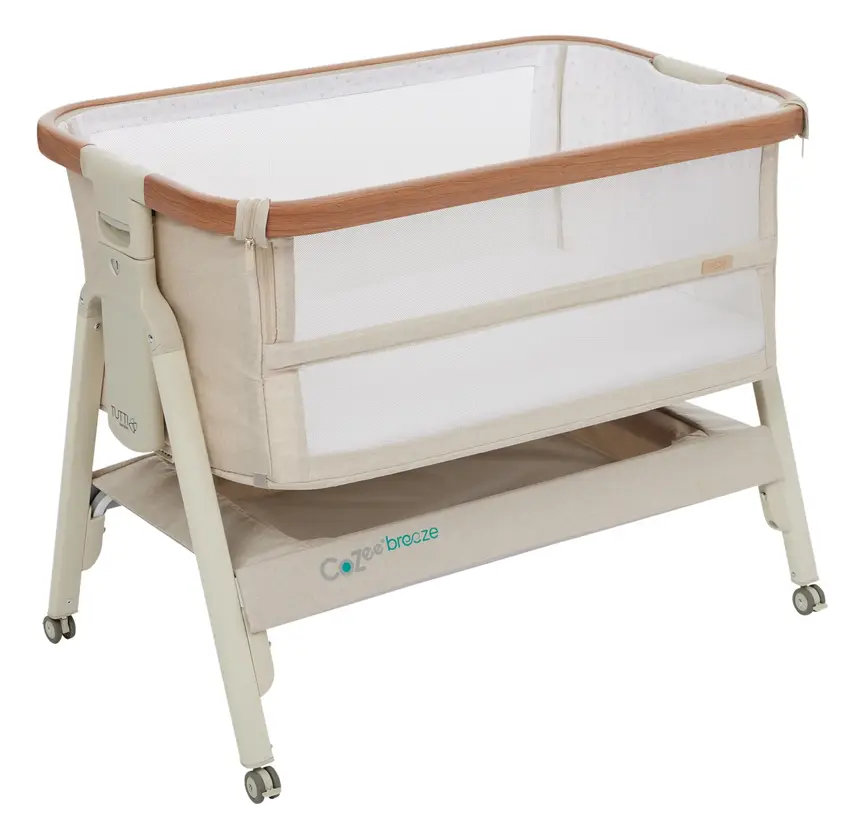
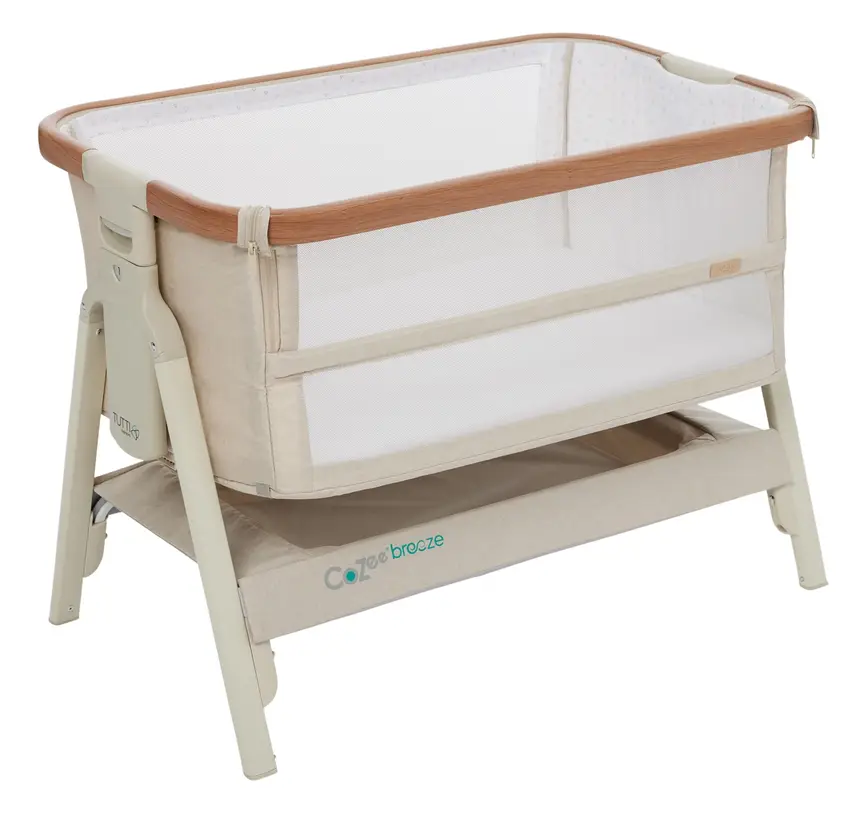
Tutti Bambini CoZee Breeze Lite
A bedside sleeper that opens or folds in about 30 seconds, with mesh sides and a travel bag.
Read our full review →Compare all cots, bassinets & bedside sleepers in our reviews →
Types of infant travel cribs compared
Not all travel cribs look or fold the same way. Each style suits a different kind of trip and a different age. Here are the main types you will see in shops.
1. Classic folding portacot or play yard
This is the most common style. It has a metal or plastic frame with four mesh walls and a raised base. The top rails snap into place when you pull them up. The whole unit folds into a long, rectangular bag.
These cribs are sturdy and often cost less than lightweight models. Many include a removable raised bassinet insert for newborns. Some also clip on a change tray. The downside is weight and bulk. They can be heavy to carry through an airport and take up boot space.
2. Lightweight pop-up or zip-open travel crib
This style is built for easy carrying. The frame is lighter, and the mattress often sits directly on the floor inside the mesh walls. Because the mattress rests on the floor, there is no weight limit on the frame base.
These cribs fold down small enough to fit into a large suitcase or overhead bag. They are popular with families who fly often. They are also handy if you carry luggage up stairs. Make sure the floor surface underneath is clean, dry, and flat.
3. Travel bassinet or bedside sleeper
Travel bassinets are small, lightweight beds for newborns. Some sit on short folding legs, while others sit on a wide flat base. They take up very little space in a hotel room.
The catch is their short lifespan. Most bassinets are only safe until your baby shows signs of rolling or reaches the weight limit. That often happens around 3 to 5 months of age. After that, you need a full-size portacot or travel crib.
4. Travel sleep tents and domes
Some products look like small zip-up tents with a thin mat inside. While they pack down tiny, parents need to be careful. Check if the tent meets a real infant sleep standard in your country. Look closely at airflow, fabric strength, and mattress firmness. Do not use a beach tent or camping tent made for shade as a baby bed.
| Type | Best age | Weight and size | Mattress position | Best for | Main watch-out |
|---|---|---|---|---|---|
| Classic folding portacot | Birth to toddler (about 15 kg, check label) | Heavier and bulky when folded | Raised slightly off the floor | Road trips, grandparent homes, longer stays | Heavy to carry on planes; check rail locks click |
| Lightweight travel crib | Birth to toddler (check label) | Light and compact; fits in luggage | Often rests directly on the floor | Flights, train trips, small hotel rooms | Needs a clean, dry, level floor; check cold floor draughts |
| Travel bassinet | Newborn until rolling signs | Very light and small | Low frame or wide base | Short trips in the first 3 months | Outgrown very quickly once baby rolls |
| Travel sleep tent | Varies by model; check maker limits | Very small and light | Thin mat on the floor | Light packing, daytime shade (if rated) | Many are not tested as safe sleep cots; check airflow |
How to choose a safe travel crib
Good marketing can hide poor design. Before you buy or borrow a travel crib, check these six safety details.
1. A firm, flat, well-fitted mattress
A baby's mattress must be firm and flat. If a mattress is too soft, a baby's face can sink into it if they turn onto their tummy. This can block their nose and mouth.
Australia uses a firmness test under standard AS/NZS 8811.1. The UK tests cot mattresses under BS EN 16890, and the US uses ASTM F2933. You do not need lab gear to check firmness at home. Press your hand firmly into the middle and corners of the mattress. It should feel firm and spring back right away. It should not stay dented.
Check the edges too. The mattress must fit tightly against the walls of the crib. There must be no gaps where a baby's head, arm, or leg could get trapped. Use only the mattress made for that exact crib.
2. Breathable mesh sides
All four sides should have fine, strong mesh panels. Mesh lets air flow through the crib and stops stale, warm air from building up. It also lets you see your baby clearly from your own bed.
Check the size of the mesh holes. They should be tiny so a baby's fingers, toes, or buttons cannot catch in them. Pull gently on the seams where the mesh meets the fabric trim. The stitching should be tight with no loose threads.
3. Strong locks and a steady frame
Every folding crib relies on latches to stay open. Look for dual-action locks. These need two steps to release, such as squeezing a button while lifting a rail. A baby or older toddler should not be able to undo them by accident.
Once the crib is open, push down gently on each top rail. None of the rails should dip or unlock. Shake the frame lightly. It should stand steady without wobbling. Check that there are no sharp edges, exposed screws, or pinch points near the hinges.
4. No raised corner posts or loose cords
Corner posts should sit flush with the top rails. Tall posts or knobs on the corners can snag a baby's sleeping bag or clothing. This creates a strangulation risk when a baby stands up. Also avoid cribs with dangling straps, long ties, or loops inside the sleep area.
5. Weight, packed size, and ease of setup
Think about how you will carry the crib. If you travel by car, a slightly heavier crib with wheels on one end is easy to manage. If you fly or take trains, look for a model under 6 or 7 kilograms that comes with a padded carry bag.
Read how the crib folds and unfolds. Some cribs take ten seconds to pop open. Others need a strict order of steps, or the rails jam. If a crib is hard to lock in the shop, it will be even harder at midnight in a dark hotel room.
6. Washable fabrics and clean surfaces
Babies spit up, drool, and leak through nappies. Pick a travel crib with zip-off fabric covers that can go in the washing machine. Check that the mattress cover wipes clean with warm water and mild soap. Quick-drying materials save a lot of stress on a short trip.
Travel cribs by age and stage
Your baby's needs change fast in the first two years. A setup that works for a newborn can become unsafe a few months later.
| Age stage | What your baby can do | Safe travel crib setup | When to change |
|---|---|---|---|
| Newborn to 3 months | Cannot roll; sleeps on back; needs close care | Main crib base or a certified raised bassinet insert; firm flat surface; room share | Stop using the raised insert at the first sign of rolling or pushing up |
| 3 to 6 months | Starts rolling, kicking, and lifting head | Main lower base of the travel crib only; no bassinet insert; no wrapping | Lower immediately if still using an upper level |
| 6 to 12 months | Sits up, crawls, and pulls up on the sides | Main lower base; check rail locks daily; keep all toys and bags out | Check weight limit and make sure nothing can be used as a step |
| 12 to 24+ months | Stands, bounces, and may try to climb | Main lower base until child tries to climb out or hits height/weight limit | Move to a floor mattress or safe toddler bed as soon as climbing starts |
Newborns and bassinet inserts
Many folding portacots come with a clip-in mesh insert that raises the mattress higher. This saves your back when lifting a newborn in and out. If you use one, make sure it clips in evenly all the way around. The mattress inside the insert must stay completely flat, never tilted.
Stop using the raised insert as soon as your baby shows any sign of rolling, pushes up on hands and knees, or reaches the maker's weight limit. Do not wait until your baby is already climbing. Once they roll, they belong on the lower base.
Older babies and toddlers
Once your baby can sit and pull up, check that no clip-on extras are left attached. Remove any change table attachments or toy bars when your baby is sleeping. A baby can push against them or get trapped underneath.
Every travel crib has a maximum height and weight limit printed on the label. Stop using the crib as soon as your child reaches either limit. You should also stop if your child tries to climb over the top rail. A fall from the top of a crib can cause serious head or neck injuries.
Safety standards and official advice in Australia, the UK, the US and Canada
Safety rules vary slightly around the world, even though the safe sleep basics are the same. If you buy a crib in one country and travel to another, check the local rules. Never buy an unlabelled travel crib from an unknown online seller.
| Country | Key product standard or rule | Official safety and health bodies | Main advice for travel cribs |
|---|---|---|---|
| Australia | AS/NZS 2195 (folding cots), AS/NZS 8811.1 (mattress firmness), AS/NZS 2172 (household cots) | ACCC / Product Safety Australia, Red Nose, Raising Children Network, Standards Australia | Must meet mandatory folding cot standard; use original firm mattress only; never add extra padding; place on back in clear space |
| UK | BS EN 716 (children's cots and folding cots), BS EN 16890 (mattresses), BS EN 1130 (cribs) | Office for Product Safety and Standards (OPSS), The Lullaby Trust, NHS | Use a firm, flat, waterproof mattress; keep cot clear of toys and loose bedding; room temperature 16 to 20°C |
| US | ASTM F406 (play yards and non-full-size cribs), ASTM F2933 (mattresses), plus federal play yard and infant sleep rules | Consumer Product Safety Commission (CPSC), American Academy of Pediatrics (AAP), NICHD Safe to Sleep | Check for CPSC compliance and recalls; bare sleep surface with fitted sheet only; stop bassinet insert when baby rolls |
| Canada | Federal safety rules for playpens and cribs (check Health Canada label and recall list) | Health Canada, Canadian Paediatric Society (Caring for Kids) | Use a crib, cradle, or bassinet for daily sleep; playpens are not recommended for regular unsupervised sleep at home, only short-term travel when needed |
What this means for travelling families
Notice one important difference in Canada. Health Canada and the Canadian Paediatric Society remind parents that a playpen is not as strong as a full-size wooden crib. They advise against using a playpen for everyday sleep at home. However, if you are travelling and no standard crib is available, a compliant playpen is a much safer choice than an adult bed or sofa.
In Australia, Product Safety Australia enforces a strict mandatory standard for folding cots based on AS/NZS 2195. This checks rail lock strength, mesh strength, gaps, and warning labels. Red Nose and Raising Children Network both warn parents never to add a second mattress to a portacot, because babies can slip between the extra pad and the soft mesh wall.
In the UK, The Lullaby Trust and the NHS stress keeping the travel cot completely clear. Do not hang muslin cloths over the sides to block light. Covering a travel cot traps heat and blocks fresh air.
In the US, the CPSC requires play yards and cribs to meet federal safety rules aligned with ASTM F406. The AAP advises room-sharing on a separate, firm, flat surface for at least the first six months, including on holidays.
Side by side: more cots, bassinets & bedside sleepers to compare
Real products from our catalogue. We don't show star ratings or review counts; check the current price, stock and reviews on Amazon before you buy.
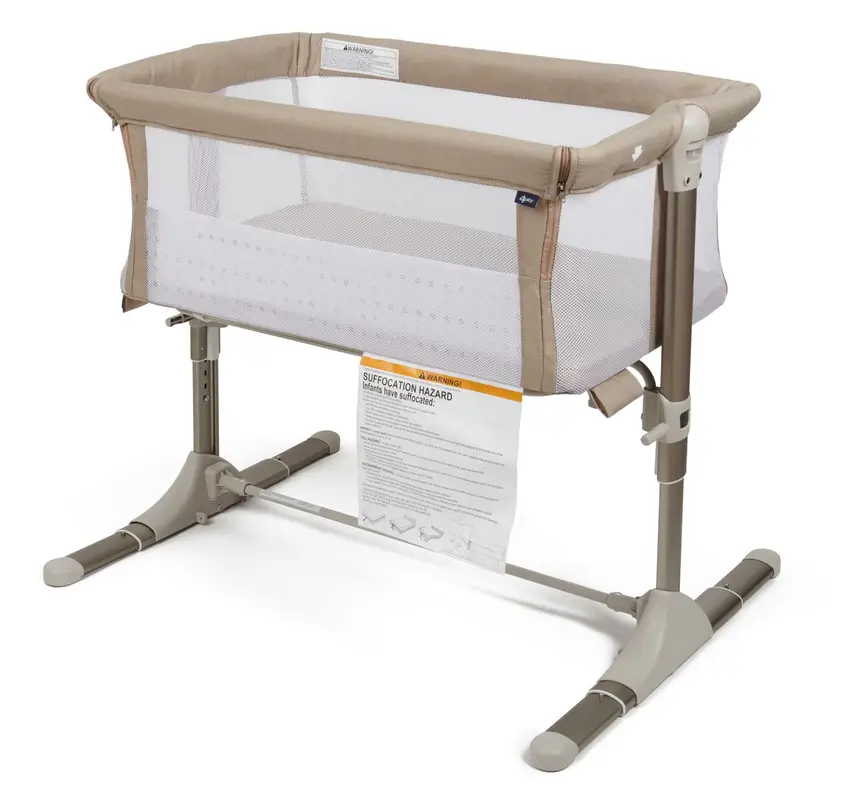
4baby Snuggle Cuddle Bedside Sleeper
A low-cost bassinet that turns into a bedside sleeper, with 4 heights and mesh sides.
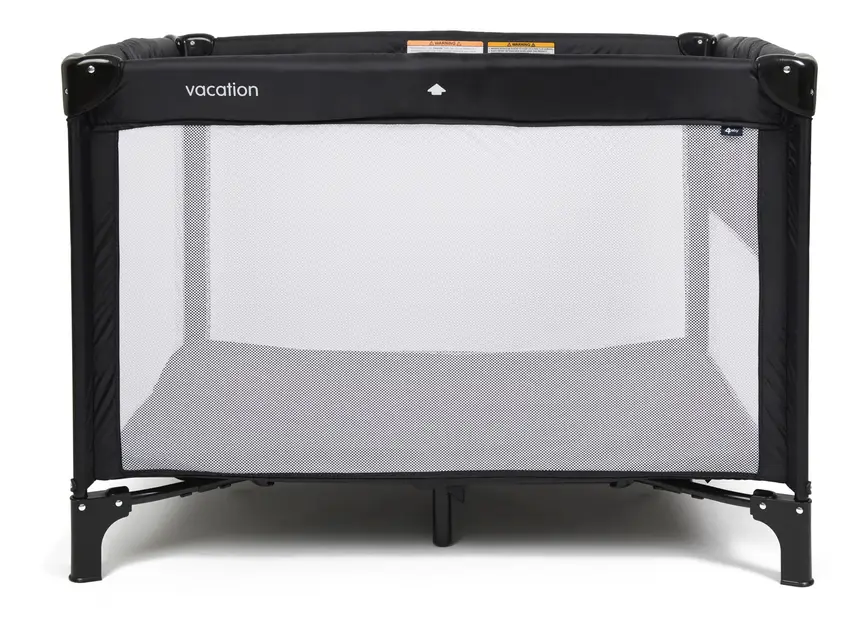
4baby Vacation Portacot
A low-cost portacot with a padded mattress and mesh sides.
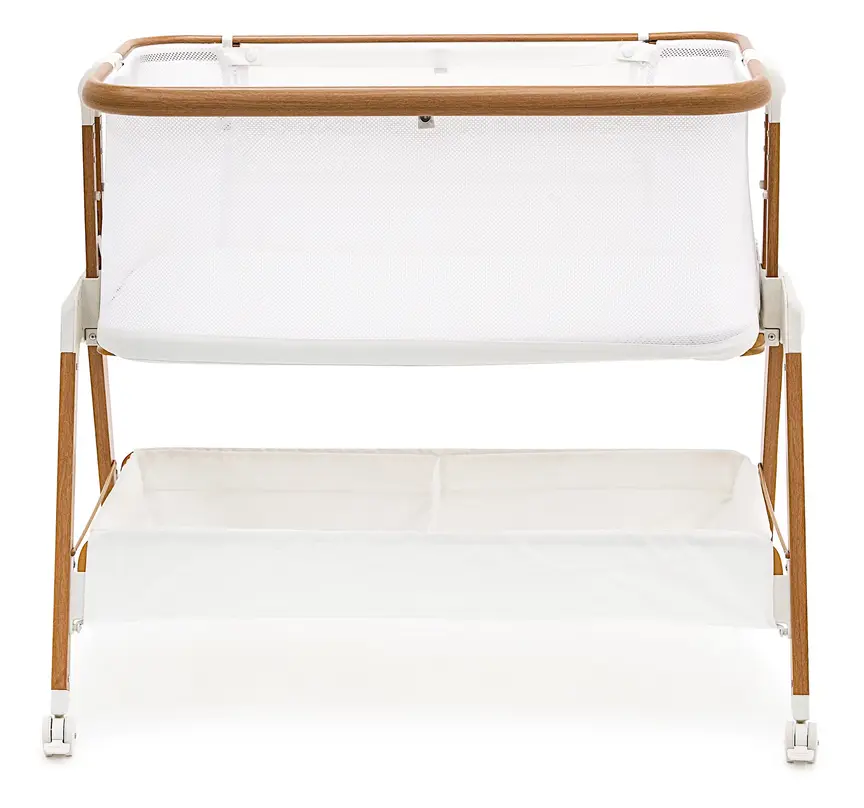
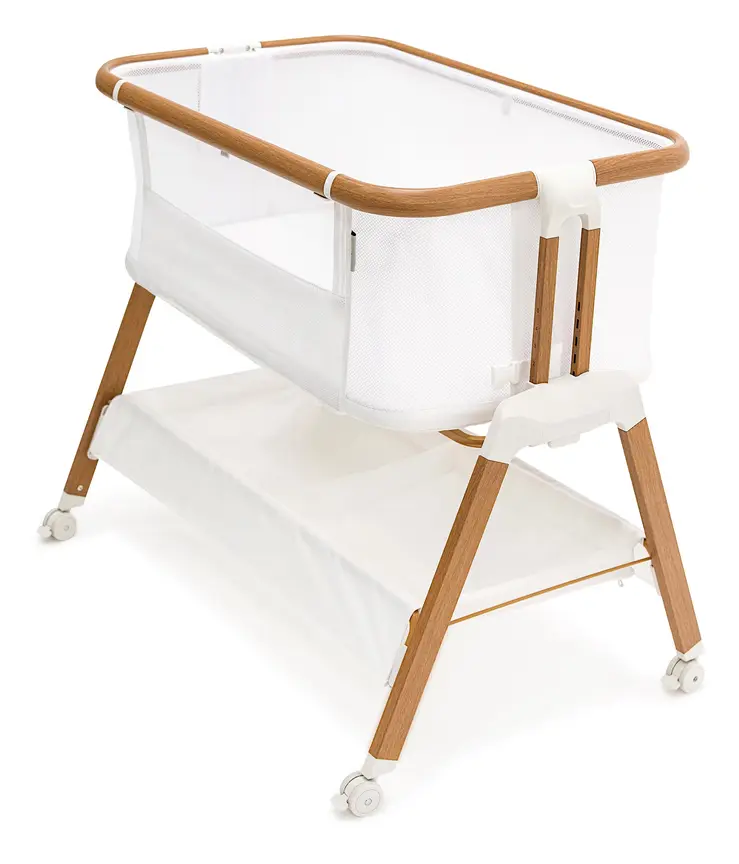
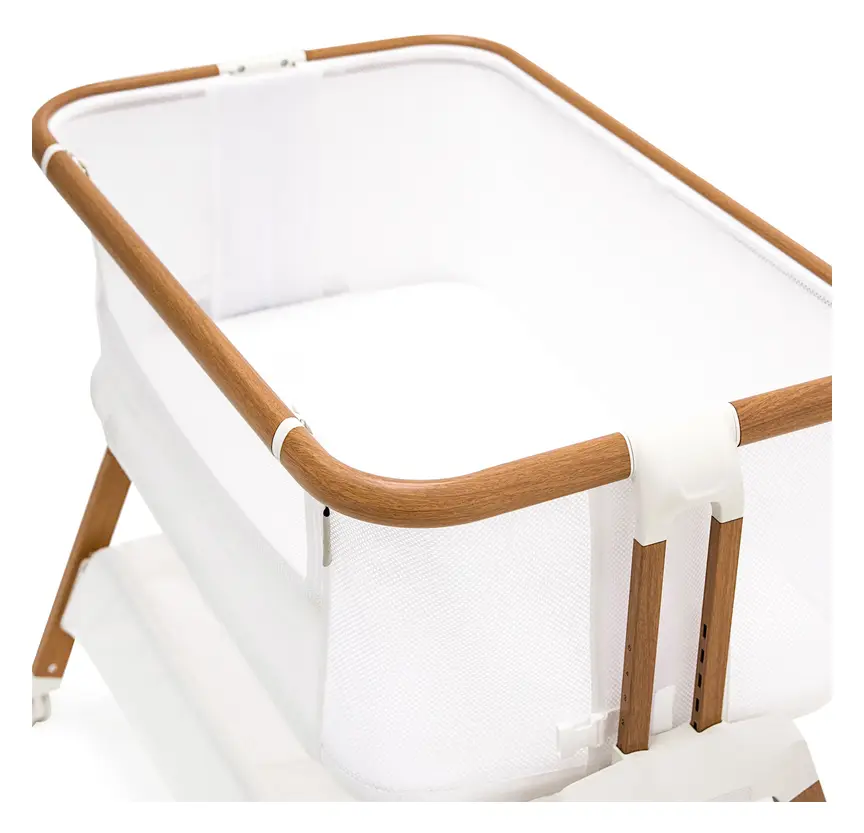
BabyRest Alfie2 Bedside Bassinet
A bedside bassinet with 5 heights, a drop-down side, wheels and an insect net.
Read our full review →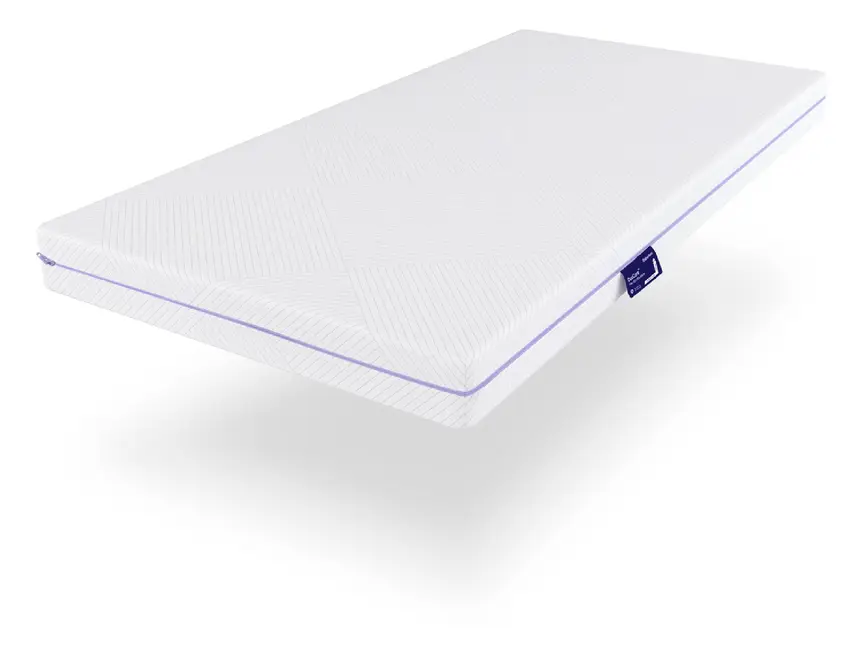
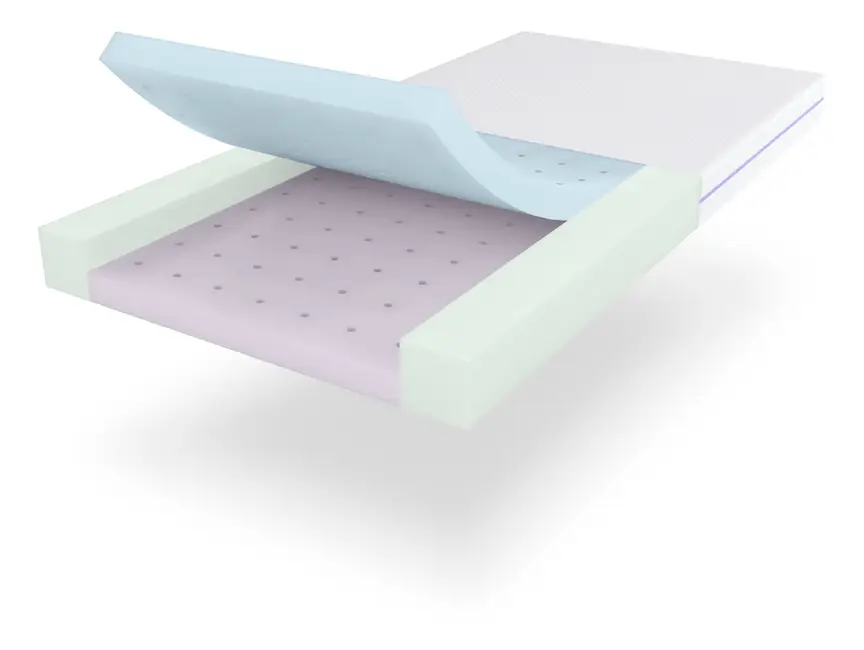

BabyRest Duocore Bamboo Cot Mattress
A two-sided mattress: a baby side to 12 kg and a toddler side from 12 kg to about 4 years.
Read our full review →Compare all cots, bassinets & bedside sleepers in our reviews →
How to set up a travel crib safely in a new place
A safe crib can still be risky if you put it in the wrong spot or set it up in a rush. Follow these steps every time you arrive somewhere new.
Step 1: Practise at home first
Open and fold your travel crib two or three times before your trip. Learn the exact order of steps. For most folding portacots, you must lock all four side rails first before pushing the centre of the floor down. If you push the floor down first, the rails will not lock.
Step 2: Check every lock and seam
Once the crib is open, press down firmly on the middle of all four top rails. They should feel solid and not bend inward. Check that the mattress base lies completely flat. If the mattress uses Velcro tabs or straps underneath to hold it to the frame, fasten every one of them.
Step 3: Pick a safe spot in the room
Look around the room at your baby's reach, not just yours. Place the travel crib well away from:
- Window blinds and curtains: Loose cords can strangle a child. Move the crib well out of reach.
- Windows: Avoid direct sun, cold draughts, and open windows.
- Heaters, radiators, and air vents: Babies cannot move away if they get too hot or too cold.
- Wall plugs, lamps, and baby monitor cords: Keep all electrical cords at least one metre away from the crib.
- Shelves and wall frames: Nothing should hang above the crib that could fall in.
Step 4: Keep the sleep space completely clear
Dress the mattress with one tight fitted sheet made for that travel crib. Do not use a loose adult sheet tucked underneath, because it can come undone and cover your baby's face.
Leave everything else out of the crib. That means no pillows, no quilts, no loose blankets, no soft toys, and no cot bumpers. Babies do not need pillows. A bare crib is the safest crib.
Step 5: Dress your baby for the room
Hotel rooms and guest bedrooms can be warmer or cooler than your home. The Lullaby Trust suggests a room temperature of about 16 to 20°C as a comfortable guide. Feel the back of your baby's neck or tummy to check if they are warm. Hands and feet often feel cool even when a baby is comfortable.
Use a baby sleeping bag with a fitted neck and armholes or sleeves, and no hood. Make sure it is the right size so your baby cannot slip down inside. Never put a hat or beanie on your baby for sleep indoors, because babies lose extra heat through their heads.
Step 6: Check lighting and noise
If the room is bright, use the room's curtains or blinds rather than draping a cloth over the travel crib. Red Nose and The Lullaby Trust warn that draping blankets or muslins over a cot or pram can cause dangerous overheating.
Common mistakes parents make with travel cribs
Most travel crib accidents happen because of small habits that seem harmless at the time. Avoid these common mistakes.
- Adding extra padding: Travel crib mattresses feel thin compared to adult beds. Parents often add a folded blanket, towel, or foam pad to make it softer. This is very dangerous. A baby can roll into the soft fold or get wedged between the extra pad and the flexible mesh side.
- Using an unverified hotel cot: Hotels sometimes bring out old, worn cots. Always inspect a hotel cot before you use it. Check the locks, look for holes in the mesh, check for missing screws, and make sure the mattress fits tightly with no gaps. If it looks broken or unsafe, ask for another one or do not use it.
- Leaving the bassinet insert in too long: Once your baby starts trying to roll, they can tip or fall out of a raised bassinet insert.
- Letting older siblings climb in: Toddlers love to jump in portacots. This can bend the frame, weaken the locks, or tear the mesh. Keep older children out of the baby's travel crib.
- Forgetting the Velcro or floor straps: Many portacot mattresses fold around the outside of the crib for transport and have straps that pass through the floor to lock them down. If you skip those straps, a baby can lift the edge of the mattress and get trapped underneath.
- Using a travel crib for an older toddler who climbs: Once a child can lift a leg onto the top rail, the crib is no longer safe.
Flying and road trips with a travel crib
Getting your travel crib from home to your destination takes a bit of planning.
Flying with a travel crib
Most airlines let you check a travel crib or portacot as part of your baby luggage allowance, though rules vary by airline and ticket type. Check your airline's website before you pack. Compact travel cribs that fit inside a standard suitcase save you from carrying an extra bag through the terminal.
If you check a travel crib into the hold, put it inside a tough padded travel bag. Baggage handlers stack heavy cases on top of soft bags. A padded bag helps protect the plastic joints and rails from cracking. When you land, open the crib and check every lock before your baby sleeps in it.
Road trips and camping
In a car, pack the folded travel crib low in the boot or secure it behind the back seats. Never leave a heavy folded portacot loose on the back seat next to your child's car seat. In a sudden stop or crash, loose gear becomes a heavy projectile.
If you go camping, Red Nose advises keeping the same safe sleep rules inside a tent. Keep the baby on a firm, flat surface, clear of sleeping bags, pillows, and tent walls. Watch the temperature closely, as tents get very hot in the sun and very cold overnight.
Checking a second-hand or borrowed travel crib
Borrowing a travel crib from a friend or buying one second-hand can save money. Still, you must check it carefully first.
- Check for recalls: Search the brand and model name on Product Safety Australia recalls, the UK OPSS product recall page, CPSC recalls in the US, or Health Canada recalls.
- Look for a compliance label: Make sure the crib has a permanent safety standard label and weight limit printed on it.
- Test all locks: Open it fully and push down hard on every rail. If a lock slips or feels sticky, do not use the crib.
- Inspect the mesh and fabric: Look for tears, holes, loose threads, or frayed straps. Small tears grow fast once a baby pokes at them.
- Check the mattress: Make sure it is the original mattress, not a cut-down foam piece. Check that it is still firm, flat, and free of mould or damp smells.
- Read the manual: Search the maker's website for the instruction manual if the paper copy is missing.
More options, from budget to premium
Real products from our catalogue. We don't show star ratings or review counts; check the current price, stock and reviews on Amazon before you buy.
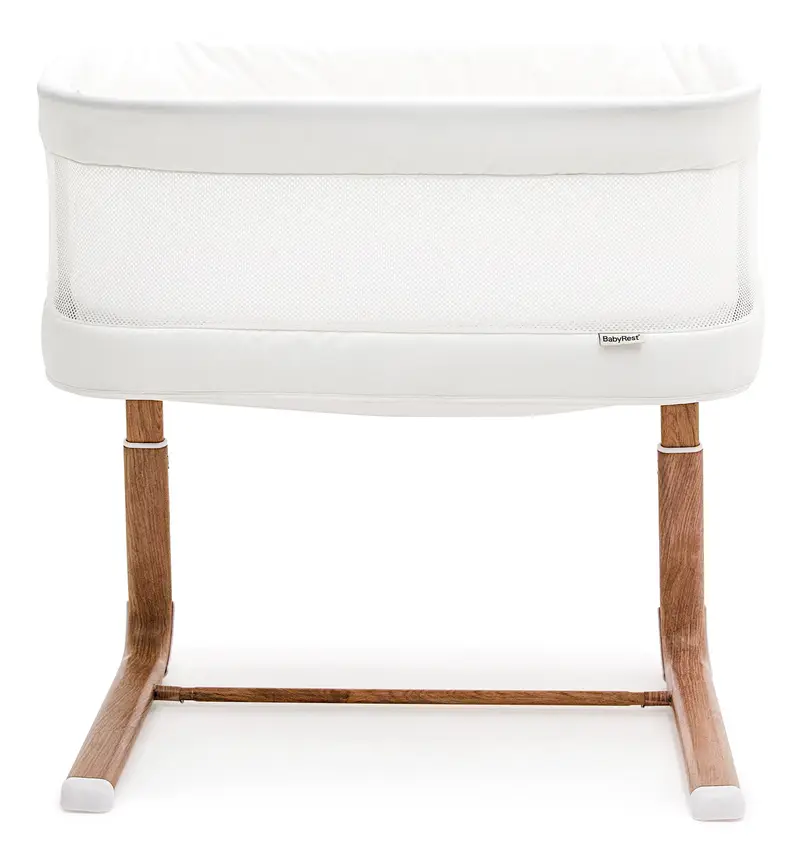
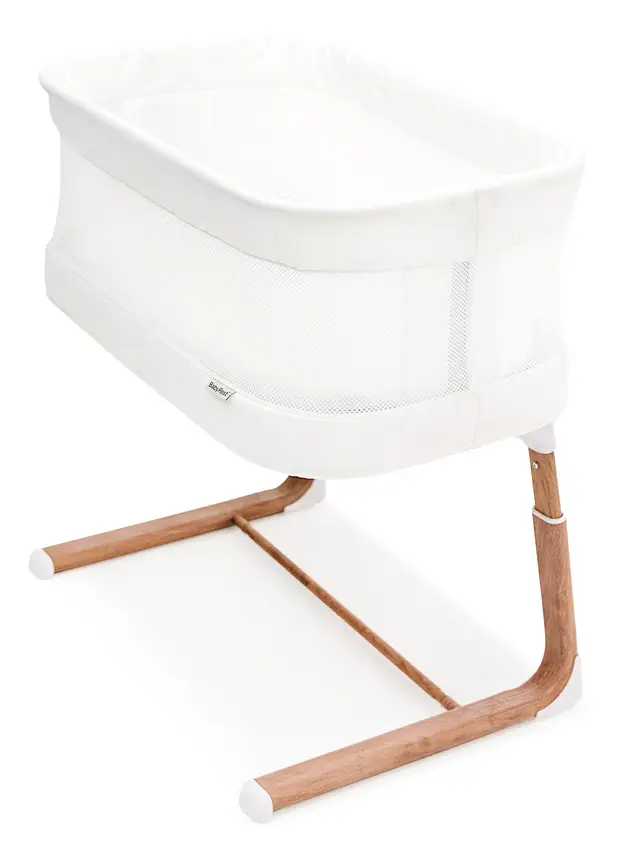
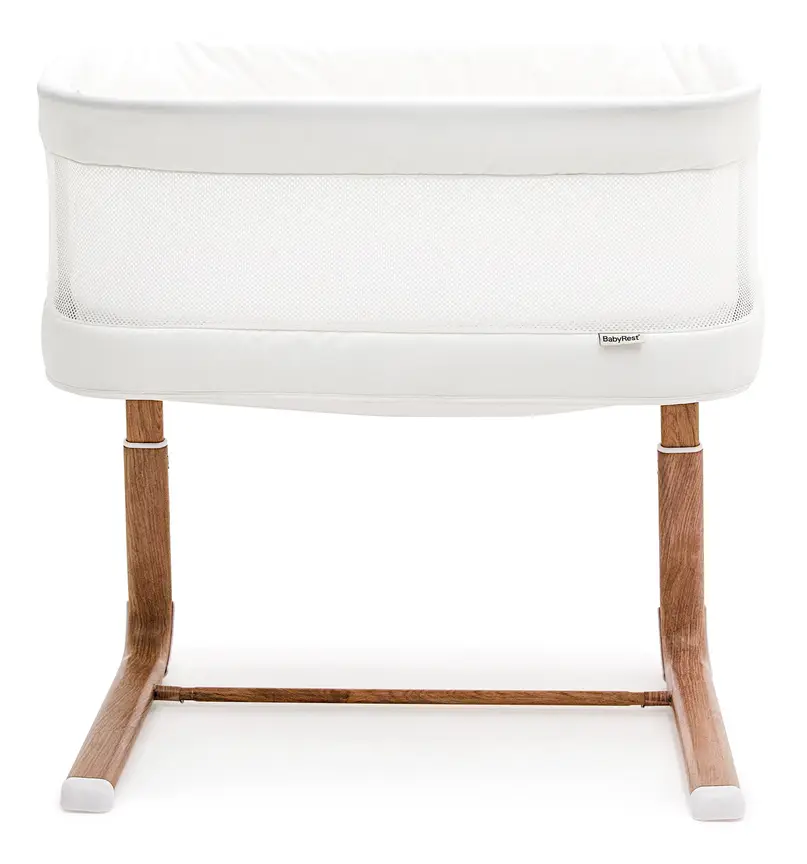


BabyRest Swan Smart Bassinet
A bassinet that rocks by itself when baby stirs, with 3 rocking levels, lullabies and a remote.
Read our full review →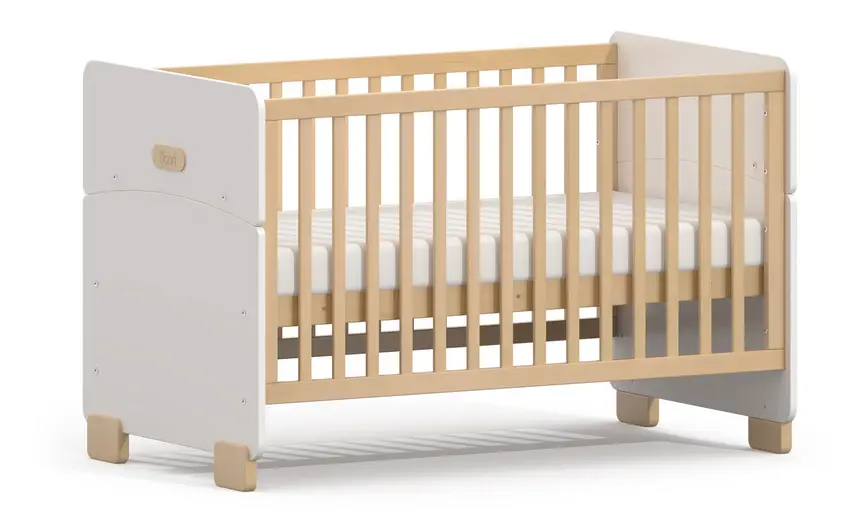

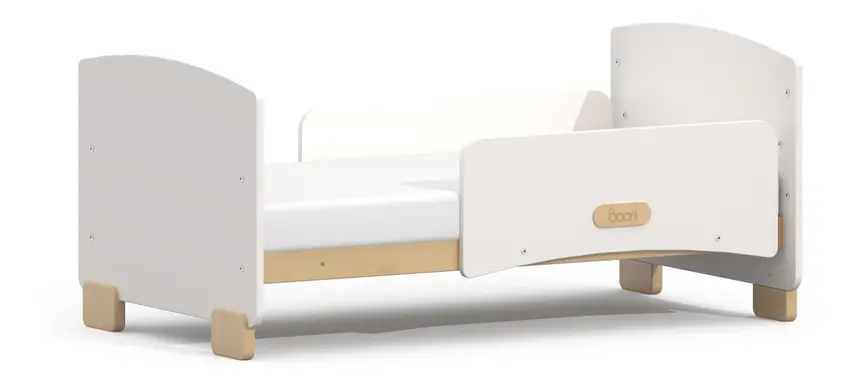

Boori Matilda Cot Bed
A cot that turns into a toddler bed using its own end panels. No extra kit needed.
Read our full review →
Boori Oasis Oval Cot
A curved solid beech cot on lockable wheels, with two base heights.
Compare all cots, bassinets & bedside sleepers in our reviews →
Frequently asked questions
Can my baby sleep in a travel crib every night?
A travel crib is made for short-term travel and occasional naps, not as a permanent bed. A standard wooden household cot with a proper cot mattress gives better long-term support and sturdier rails. In Canada, Health Canada specifically advises against using a playpen for regular unsupervised sleep at home. If you need a temporary sleep space for a few nights away, a compliant travel crib is safe when set up properly.
Can I put an extra mattress or padded topper in a portacot?
No. Never add an extra mattress, foam topper, sheepskin, or folded blanket inside a travel crib. Travel crib mattresses feel thin on purpose. They are designed to be firm and flat so your baby's face cannot sink in. Extra padding creates soft spots and gaps along the flexible mesh walls where a baby can get trapped and suffocate.
When should my baby stop using a travel crib?
Stop using the travel crib as soon as your baby reaches the height or weight limit on the label, or as soon as they try to climb out. Many travel cribs have a weight limit around 14 or 15 kilograms, or a height limit around 89 centimetres, though this varies by model. Always check your own crib's label. If your child starts lifting a leg over the side, move them to a floor mattress or safe toddler bed right away.
Are pop-up travel tents safe for newborns?
Be very careful with pop-up tents. Many pop-up shade tents are made for the beach or park and are not tested as safe sleep products. Only use a pop-up sleep product if it clearly meets your country's infant sleep safety standard, has strong breathable mesh, and has a firm, flat mattress that fastens securely. When in doubt, choose a certified portacot or travel crib instead.
How do I check if a hotel travel cot is safe?
Inspect the hotel cot as soon as it arrives in your room. Check that the rails lock firmly and do not dip when you push down. Look for holes in the mesh, bent tubes, or missing parts. Press the mattress to make sure it is firm and flat, and check that there are no gaps between the mattress and the sides. Ask for a fitted cot sheet only, and remove any loose blankets or pillows the hotel staff may have left inside.
Is it safe to buy a second-hand travel crib?
Yes, as long as it passes a full safety check. Make sure it meets current safety standards, has not been recalled, and comes with its original firm mattress and instructions. Test every rail lock and inspect the mesh for any rips. If anything is broken, missing, or mouldy, do not use it.
What should my baby wear to sleep in a travel crib?
Dress your baby in light, breathable layers to match the room temperature, just as you would at home. A baby sleeping bag with a fitted neck and armholes is a safe choice because it keeps your baby warm without loose blankets. Keep your baby's head and face uncovered, and never use a hat or beanie indoors for sleep.
Sources
- Product Safety Australia (ACCC) – Folding cots mandatory standard
- Red Nose Australia – Portable and folding cots
- Raising Children Network – Safe cots, portacots and mattresses
- The Lullaby Trust (UK) – Safer sleep on holiday
- NHS (UK) – Reduce the risk of sudden infant death syndrome
- American Academy of Pediatrics (US) – A parent's guide to safe sleep
- CPSC (US) – Safe sleep: cribs and infant products
- Caring for Kids, Canadian Paediatric Society – Safe sleep for babies
Related guides
More Car Seats & Travel →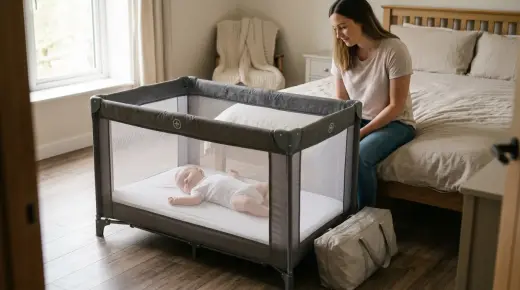
Travel Cots and Portable Cribs: How to Choose a Safe Folding Cot for Every Trip and Budget

Neck Wallets for Travel: How to Choose and Use One Safely
Portable Travel Cribs: Benefits, Safety Checks, and How to Choose One