Seatbelt vs LATCH or ISOFIX: How to Install a Child Car Seat
Learn when to install a child car seat with the vehicle belt or lower anchors. Check your seat and car manuals, weight limits and fit.
On this page
- What the terms mean
- The 65-pound question
- How to choose between the belt and lower anchors
- Comparison: vehicle belt and lower anchors
- Before you install the seat
- Installing with lower anchors
- Installing with the vehicle belt
- Rear-facing and forward-facing use
- Why one seat can feel loose in one car
- Safety rules across Australia, the UK, the US and Canada
- Age and stage checks
- Common installation mistakes
- When to get fitting help
- Frequently asked questions
- Sources and further guidance
- Sources
Short answer: A child car seat can often be fitted with either the vehicle seat belt or the lower anchors. Use the method allowed by both the car seat and vehicle manuals. The seat must fit the child, fit the vehicle, and be installed as its maker directs. There is no single weight limit that applies to every seat. Check the labels and manuals before each installation.
In Australia, the main consumer safety source is Product Safety Australia, part of the ACCC. In the UK, GOV.UK explains the rules, and the Office for Product Safety and Standards oversees product safety. In the US, the National Highway Traffic Safety Administration (NHTSA) gives car seat guidance. In Canada, Transport Canada and the Canadian Paediatric Society provide car seat advice. Rules and seat designs differ by country.
What the terms mean
A vehicle seat belt is the belt built into the car. It holds the child seat in place when fitted through the path shown in the seat manual. The exact path can change between rear-facing and forward-facing use.
Lower anchors are metal points built into some vehicle seats. They connect to matching hooks or connectors on a child seat. In the US, this system is called LATCH. The letters mean Lower Anchors and Tethers for Children. In Canada, the term UAS is also used. In Australia and the UK, people often say ISOFIX when discussing compatible anchor systems.
These names do not mean every system is the same. Anchor shapes, rules and permitted use vary. A seat made for one country may not be approved or suitable in another. Buy and use a seat that meets the rules where the vehicle is registered.
A top tether is a strap that connects the top of some forward-facing seats to an anchor in the vehicle. It helps limit how far the seat moves forward in a crash. A support leg is a post that extends from some seats to the vehicle floor. Use these parts only when the car seat and vehicle manuals allow them.
The 65-pound question
The title of this guide mentions a 65-pound lower anchor limit. That number is not a universal rule. Some US seats have a combined child-and-seat weight limit for lower-anchor use. Other seats set a child weight limit. Some seats use different limits in different modes. The labels and manuals give the limit for that particular seat.
Do not assume that every seat stops using lower anchors at the same weight. Do not assume a seat can use lower anchors until a child weighs 65 pounds. The limit may be lower, and the child’s weight may be counted in different ways.
When the seat reaches its stated lower-anchor limit, switch to the vehicle belt if the manual permits it. Keep using the top tether if the manual requires it for that forward-facing mode. A lower-anchor weight limit does not mean the child has outgrown the seat. It means that one installation method has reached its allowed limit.
Seats sold in Australia, the UK and Canada may use different labels and rules. Do not apply a US weight figure to a seat from another market. Read the instructions for the exact seat model and version.
How to choose between the belt and lower anchors
First, check the car seat manual. It says which installation methods are allowed for the child’s direction and seat mode. Then check the vehicle manual. It shows where the anchors are and which seating positions can use them.
If both manuals allow either method, choose the one that gives a correct, secure fit in that vehicle. A lower-anchor installation is not automatically safer than a belt installation. A belt installation is not automatically safer either. Correct use matters more than the method name.
Consider these points:
- Seat position: The vehicle may have lower anchors in some positions, but not others.
- Seat mode: The allowed method can change when the child seat changes direction or configuration.
- Weight limit: Find the lower-anchor limit in the manual and on the seat label.
- Fit: Some seats are easier to tighten with a belt in a particular vehicle. Try the approved method that produces a firm installation.
- Other passengers: A wide seat or its connectors may affect nearby seating. Follow both manuals.
- Travel: A seat from another country may not meet local rules or fit local cars.
Never use the belt and lower anchors together unless the child seat maker explicitly says that combination is allowed. Most seats call for one method at a time. Using both without approval can change how the seat works in a crash.
Car Seats & Capsules worth a look
Real products from our catalogue. We don't show star ratings or review counts; check the current price, stock and reviews on Amazon before you buy.
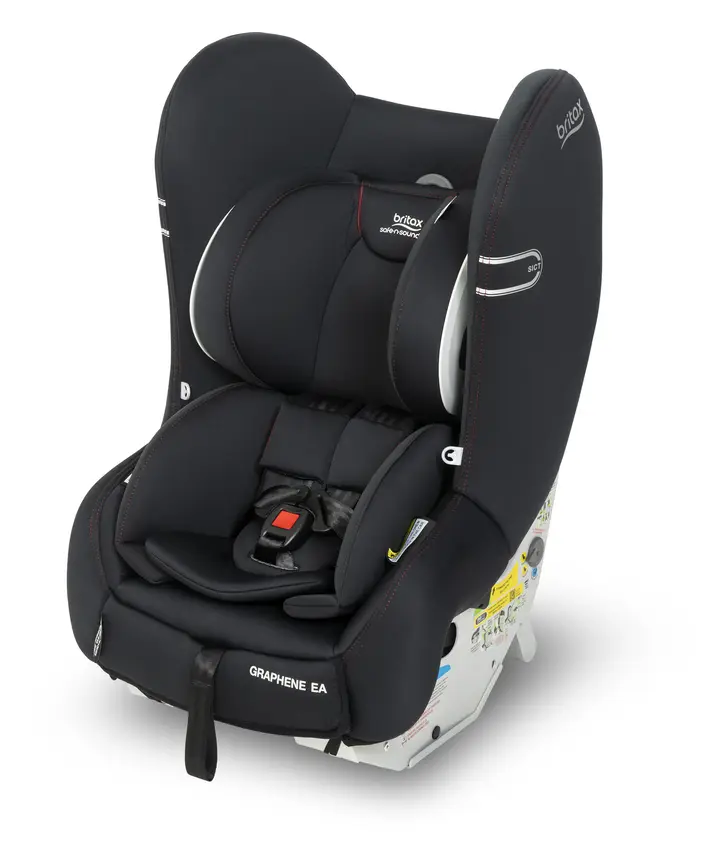
Britax Safe-n-Sound Graphene EA
Britax's Australian convertible seat with SICT side-impact technology, designed to reduce crash energy reaching your child's chest.

Britax Safe-n-Sound Hi Liner SG
A high-back booster for about 4 to 8 years. A clip keeps the seatbelt in the right place.

Britax Safe-n-Sound QuickFix Convertible Car Seat
Convertible car seat (ISOFIX)
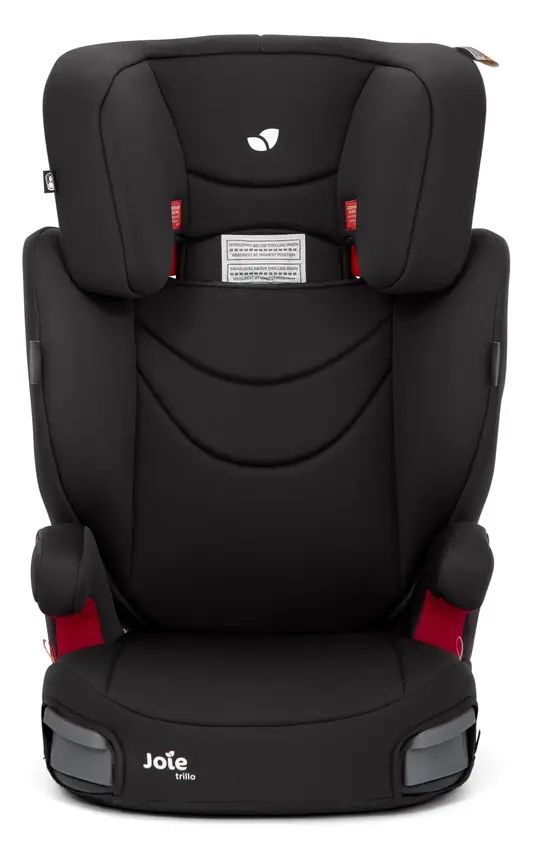
Joie Trillo
A high-back booster with a 7-position headrest that grows with your child.
Comparison: vehicle belt and lower anchors
| Point to check | Vehicle seat belt | Lower anchors |
|---|---|---|
| What connects the seat? | The vehicle belt passes through the correct belt path. | Seat connectors attach to the vehicle’s matching anchors. |
| Where can it be used? | Where the vehicle and seat manuals allow the installation. | Only in positions with approved, accessible anchors. |
| Weight rule | Follow the seat manual’s belt installation rules. | Follow the seat’s stated lower-anchor limit and how it counts weight. |
| Top tether | May be required for some forward-facing installations. | May also be required. Lower anchors do not replace the tether. |
| Common check | Use the correct belt path and lock or tighten the belt as instructed. | Confirm each connector is attached to the correct anchor. |
| Can methods be combined? | Only if the exact seat manual says that using both is allowed. | |
| Best choice | The approved method that gives a correct fit in that vehicle. | |
Before you install the seat
Set aside time to read both manuals. Keep them in the car or save an accessible copy. Check the child seat label for its model, direction, height or weight limits, and installation instructions.
- Check that the seat is approved for use in your country.
- Check that the seat is not damaged, recalled, or past its stated service life.
- Confirm that the child is within the seat’s limits for the chosen mode.
- Find the vehicle’s approved seating positions and anchor locations.
- Check whether the vehicle seat has a head restraint or shape that affects installation.
- Remove thick coats or bulky clothing from the child before harnessing.
- Make sure the seat does not block the driver’s view or prevent safe use of nearby belts.
Second-hand seats need careful checks. You need to know their history and have all parts and instructions. Avoid a seat with unknown crash history, missing parts, cracks, or a label you cannot read. Ask the maker or a trained fitting service if you cannot confirm its condition.
Installing with lower anchors
Use lower anchors only where both manuals permit them. The anchors are usually in the gap between the vehicle seat back and cushion. Their location can be marked with a small label or symbol.
- Choose the correct position. Confirm that the vehicle has anchors there and allows their use for that seat.
- Set the child seat direction. Use the rear-facing or forward-facing setup required for the child.
- Find the right connector path. Some seats have separate paths for different directions. Check the manual.
- Attach each connector. Connect the hooks or clips to the matching anchors. Check that they face and lock as shown.
- Tighten the strap. Press the seat down as directed and remove slack. Do not add a towel or other item unless the manual allows it.
- Check movement. Hold the seat near the belt path and pull it side to side and front to back. Follow the maker’s movement check and local guidance.
- Add the tether or support leg if required. Use only the approved anchor or floor area described in the manuals.
- Check the child fit. Adjust the harness and head support for the child’s size.
Do not attach a lower-anchor connector to a luggage hook, cargo tie-down, or another metal point. It must connect to the proper child seat anchor. Never use an anchor location just because it looks strong.
Installing with the vehicle belt
A belt installation can be a good option when lower anchors are unavailable, not allowed, or past their limit. The seat manual shows which belt path to use and how to lock or tighten the belt. Vehicle belts work in different ways, so follow the instructions for your car and seat.
- Choose an approved seat position. Check the vehicle manual for child seat use in that position.
- Use the correct belt path. Route the belt through the path for the seat’s direction and mode.
- Remove twists. Check that the belt lies flat and is not trapped around the seat shell.
- Lock or tighten the belt as directed. The method depends on the vehicle and seat. Do not guess.
- Press and tighten. Apply pressure where the manual shows. Remove slack without forcing parts out of position.
- Check movement. Test the seat at the belt path, as the seat maker instructs.
- Attach the top tether if required. Use the correct tether anchor, not a cargo hook.
- Check the child’s harness. The harness should fit snugly and follow the seat’s guidance.
Some vehicle belts need a locking clip or another approved device. Use one only if the vehicle or seat manual tells you to. Do not add a clip from another seat or a hardware shop.
Rear-facing and forward-facing use
Many child safety groups advise keeping children rear-facing until they reach the seat’s rear-facing height or weight limit. The child’s age alone does not show when to turn a seat. Follow the seat label and local rules.
A rear-facing seat often uses a different belt path from a forward-facing seat. The permitted lower anchors may also differ. Check the manual each time you change the setup.
When a child is ready for a forward-facing seat, use the top tether if the seat and vehicle instructions require it. The tether is a separate part from the lower-anchor connectors. A belt installation may still need the tether. Lower anchors do not replace it.
Do not move a child to a booster just because their feet touch the vehicle seat or their legs look bent. Keep them in the correct restraint until they reach its stated limits, then follow local rules for the next stage.
Side by side: more car seats & capsules to compare
Real products from our catalogue. We don't show star ratings or review counts; check the current price, stock and reviews on Amazon before you buy.
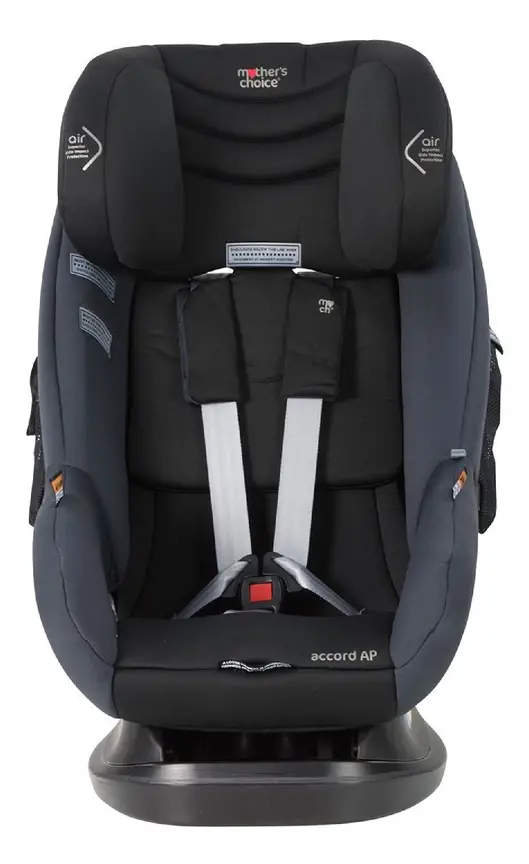
Mother's Choice Accord AP
A lower-cost convertible seat. It stays rear-facing to about 30 months and has ISOFIX connectors.

Babylove ezymove Booster
A very light, low-cost booster for about 4 to 8 years. It folds flat for storage.
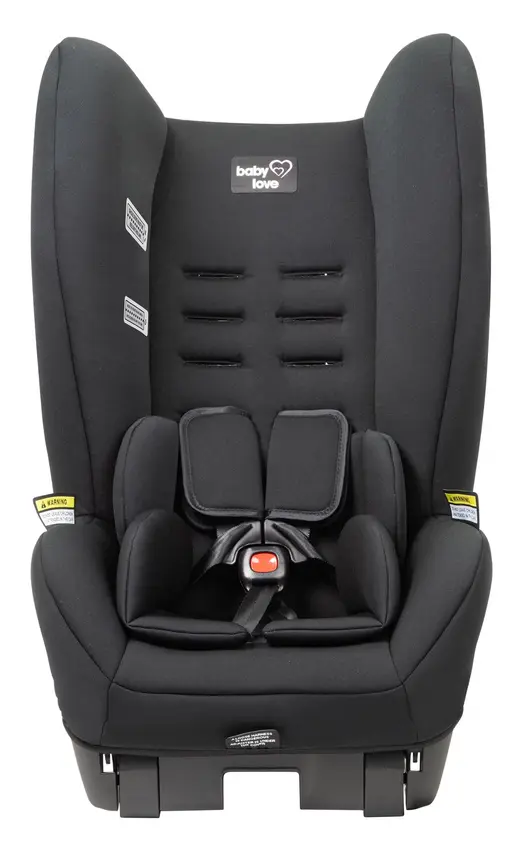
Babylove ezyone2
A very low-cost convertible seat. Rear-facing to about 12 months, then forward-facing to about 4 years.
 Reviewed
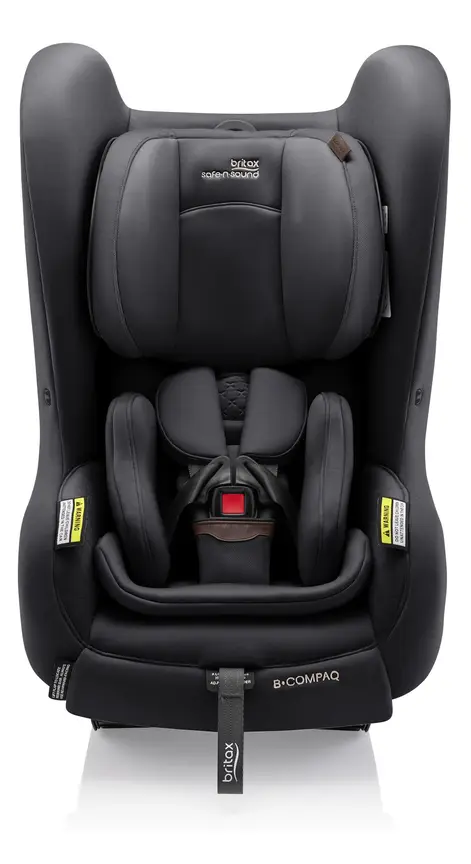
Britax Safe-n-Sound B-Compaq Lux
A convertible seat made for small cars with little room in the back.
Read our full review →Why one seat can feel loose in one car
Vehicle seats differ in shape, cushion firmness, belt design and anchor position. Child seats also vary. A seat that installs easily in one car may take more care in another.
Some movement at the top of a child seat can be normal. The important check is at the belt path or anchor path, where the seat is secured. Follow the maker’s test method. Do not judge the installation by pushing the top of a tall seat.
If the seat cannot be made secure using an approved method, try another allowed seating position or method. Check the manuals again. A qualified child seat fitting service can help. Do not use an unapproved accessory to fill a gap or stop movement.
Safety rules across Australia, the UK, the US and Canada
Each country has its own approval marks, vehicle rules and seat designs. A lower-anchor name or connector that looks familiar does not prove that a seat is approved locally. Use a seat sold for the country where you will use it.
| Country | Official body or guidance | What to check |
|---|---|---|
| Australia | Product Safety Australia (ACCC), state and territory road agencies, and the AS/NZS 1754 seat standard. | Use an approved child restraint and follow its manual and local road rules. Check the tether and anchor instructions for your vehicle. |
| United Kingdom | GOV.UK, the Office for Product Safety and Standards, and RoSPA’s Child Car Seats service. | Check that the seat suits the child and vehicle. Follow the seat’s belt, ISOFIX and tether instructions. |
| United States | NHTSA, the National Highway Traffic Safety Administration, and the American Academy of Pediatrics. | Follow the seat and vehicle manuals. Check the lower-anchor limit and whether it counts the child alone or child plus seat. |
| Canada | Transport Canada and the Canadian Paediatric Society. | Use a seat approved for Canada. Follow the vehicle and seat manuals for UAS or belt use and tethering. |
Australia’s AS/NZS 1754 is a child restraint standard. The code applies to child restraints sold for that market. It does not mean every seat has the same anchor system. The UK has seats approved under different rules, including R129 and R44. The US uses FMVSS 213 for child restraint systems. Canada uses CMVSS 213. These codes are not interchangeable. A seat approved in one market may not be legal in another.
When travelling, do not assume a seat from home can be used in another country. Check that the seat is legal there and fits the vehicle. If hiring a car, ask about a suitable local seat and arrange fitting help if needed.
Age and stage checks
Age is only a rough guide. The seat’s height and weight limits decide whether it still fits. Local laws may also set minimum stages. Check these points whenever your child grows or you change vehicles.
| Stage | What to check | Installation focus |
|---|---|---|
| Baby in a rear-facing seat | Baby meets the seat’s minimum size and harness requirements. | Use the rear-facing path and the allowed belt or anchor method. Check the recline angle. |
| Growing rear-facing child | Head, height and weight remain within the seat limits. | Keep the seat rear-facing until its stated limit, where local rules permit. |
| Forward-facing child seat | Child meets the seat’s transition requirements. | Use the correct path and tether when required. Recheck the lower-anchor limit. |
| Booster stage | Child fits the booster and can sit correctly for the whole trip. | Use the vehicle belt exactly as the booster manual shows. |
| New vehicle or borrowed seat | Seat is approved, complete and compatible with that vehicle. | Start again with both manuals. Never rely on memory alone. |
Common installation mistakes
- Using the wrong limit: A weight limit from another seat or country may not apply.
- Counting weight incorrectly: Some limits include the seat’s weight. Read the exact wording.
- Using both systems without approval: Do not combine belt and lower anchors unless the manual permits it.
- Forgetting the tether: A forward-facing seat may need a top tether with either installation method.
- Using the wrong anchor: Cargo hooks and other metal loops are not necessarily tether or lower anchors.
- Routing through the wrong path: Direction and mode can change the correct path.
- Leaving slack: A loose belt or anchor strap can let the seat move too much.
- Twisting a belt or strap: Twists can stop it lying flat as intended.
- Adding unapproved padding: Towels, mats and clips can change how the seat fits.
- Ignoring the vehicle manual: Not every seating position supports every method.
- Turning too soon: Follow the rear-facing limits, not a calendar date.
- Assuming an indicator proves everything: Check the full installation and the child’s fit.
When to get fitting help
Get help if the manuals are unclear, the seat moves at its securing path, a belt will not stay tight, or the seat touches another part in a way the maker does not allow. Also ask for help if your vehicle has unusual belts or anchor locations.
Use a trained child seat fitting service recognised in your country. In Australia, state and territory road safety agencies can direct families to fitting help. In the UK, RoSPA offers child seat guidance. In the US, NHTSA provides car seat inspection station information. In Canada, Transport Canada provides seat safety guidance and local services may offer checks.
Bring the child, car seat and vehicle if possible. A fitting check should include the installation and the harness fit on the child. Ask the fitter to show you how to repeat the steps yourself.
More options, from budget to premium
Real products from our catalogue. We don't show star ratings or review counts; check the current price, stock and reviews on Amazon before you buy.
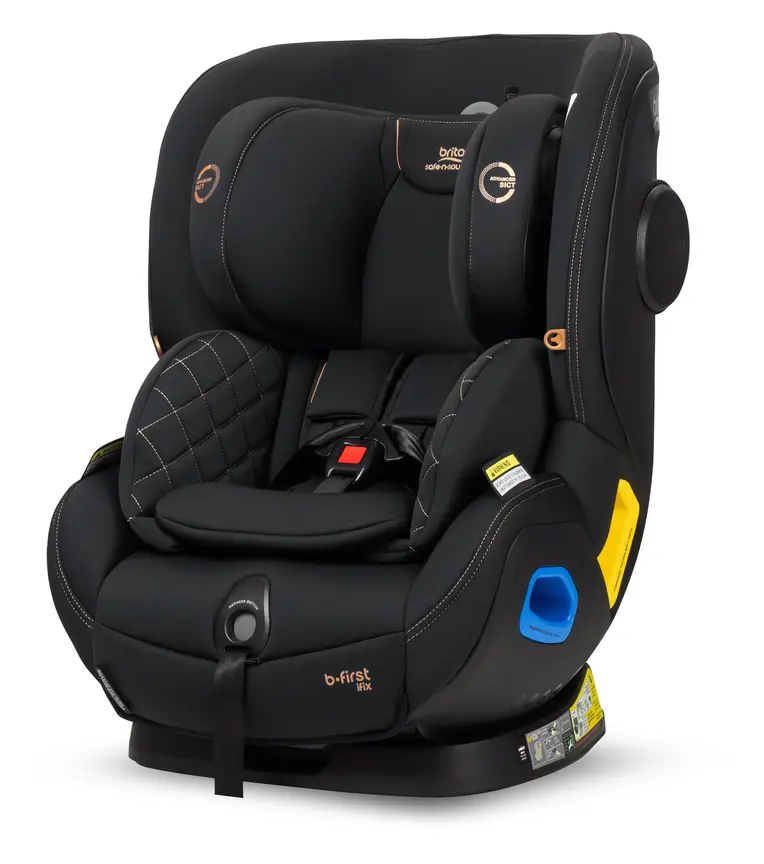
Britax Safe-n-Sound b-first+
Convertible seat from Britax's Australian Safe-n-Sound range with SICT deployable side-impact protection.
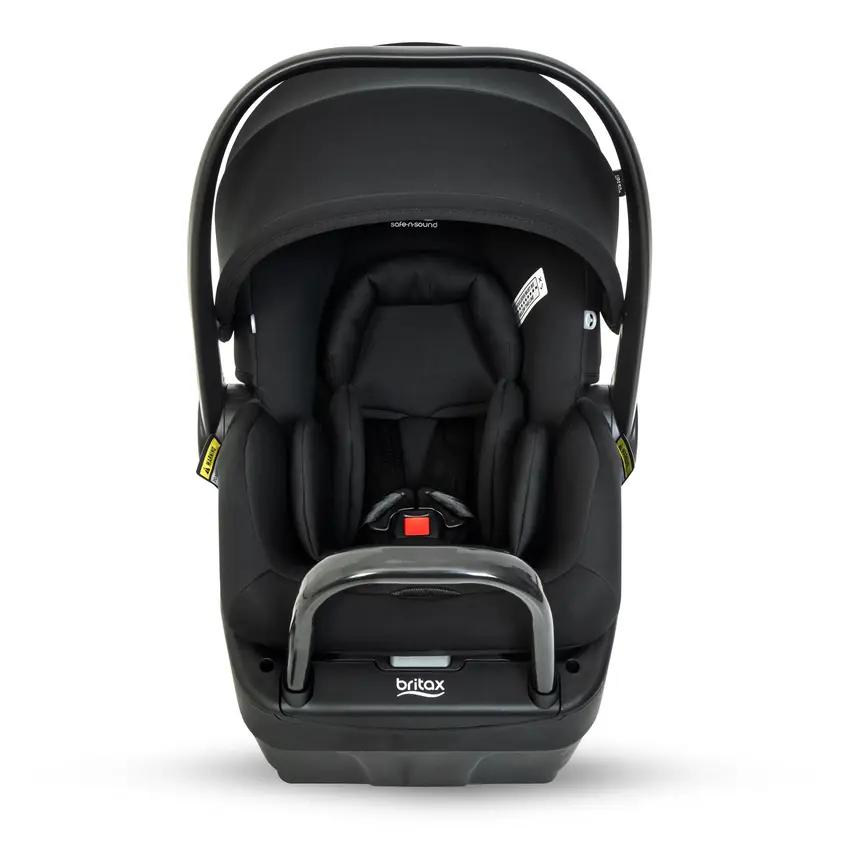
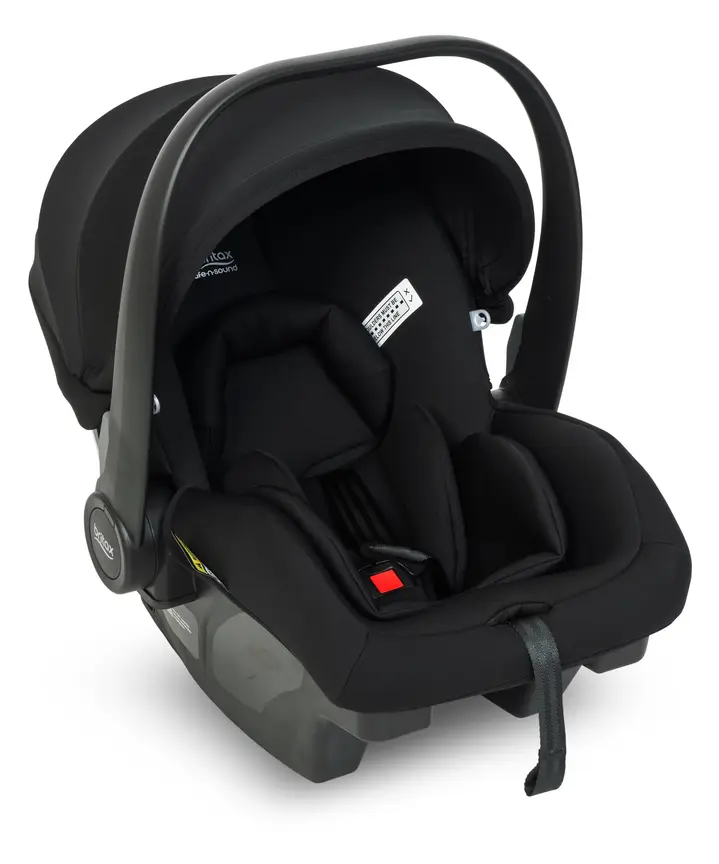
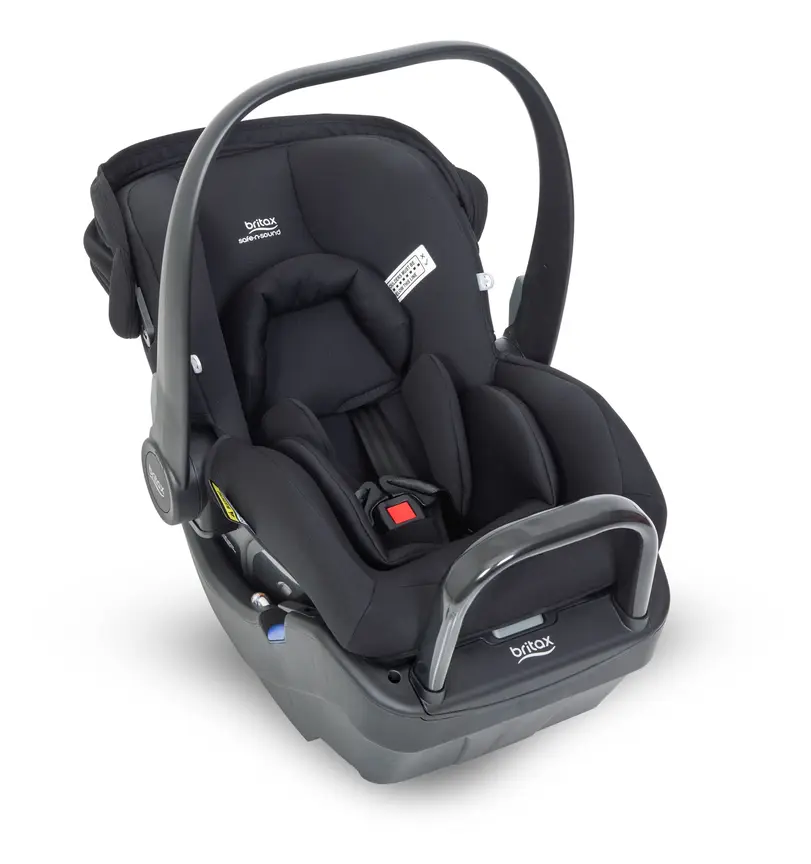
Britax B-Pod Lite
A newborn capsule with a ClickTight base, which makes a firm install simpler.
Read our full review →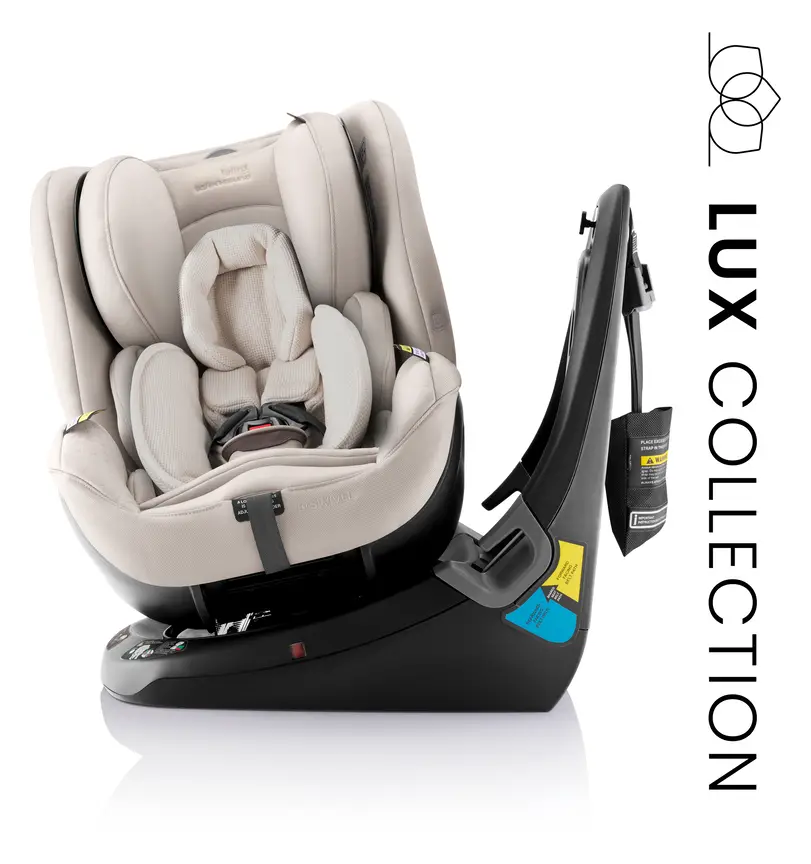
Frequently asked questions
Is a lower-anchor installation safer than a seat belt?
Neither method is automatically safer. Both can be safe when the seat and vehicle allow them and the installation follows the manuals. Choose the method that gives a correct fit.
Does every car seat have a 65-pound lower-anchor limit?
No. The number in the title is not a universal limit. Check the exact seat label and manual. The limit and the way weight is counted can differ.
Does the 65-pound limit include the car seat’s weight?
It depends on the seat. Some instructions give a combined limit for the child and seat. Others state a child weight limit. Read the wording for your model.
What should I do when my child reaches the lower-anchor limit?
Switch to the vehicle belt if the seat manual allows it. Keep using any required tether. The child may still fit the seat; only the anchor method has reached its limit.
Can I use the seat belt and lower anchors together?
Only if the seat maker says this is allowed for that exact seat and mode. Otherwise, use one approved method at a time.
Can I use lower anchors in the middle seat?
Only if the vehicle manual shows anchors there, or specifically permits another approved setup. Do not borrow anchors from the side seats unless both manuals allow it.
Does ISOFIX mean the seat is safe in every car?
No. The car and seat must be compatible. Check the permitted seating position, support leg or tether rules, and the seat’s local approval.
Do I still need a top tether when using lower anchors?
Some forward-facing installations require a top tether. The tether is separate from lower anchors. Follow the seat and vehicle manuals.
Can I use a seat bought overseas?
Do not assume it is legal or suitable. Approval marks and fitting systems differ by country. Check local rules before using it.
How tight should the installed seat be?
Use the check described by the seat maker and local guidance. Test near the belt or anchor path. Do not judge only by movement at the top.
Sources and further guidance
- Product Safety Australia (ACCC): Car seats guide
- Raising Children Network: Child car seats and restraints
- GOV.UK: Child car seats, the rules
- Child Car Seats UK (RoSPA): ISOFIX seats, top tethers and support legs
- NHTSA: Car seats and booster seats
- American Academy of Pediatrics: Car seats, information for families
- Transport Canada: Child car seat safety
- Canadian Paediatric Society: Car seat safety
This article is general information. Always follow your child seat and vehicle manuals, and seek qualified fitting help if unsure. BabyGearFinder may earn a commission from qualifying affiliate links. This does not change our advice.
Sources
- Raising Children Network – Child car seats and restraints
- GOV.UK – Child car seats: the rules
- Child Car Seats (UK, RoSPA) – Isofix seats, top tethers and support legs
- NHTSA (US) – Car seats and booster seats
- Transport Canada – Child car seat safety
- Caring for Kids (Canadian Paediatric Society) – Car seat safety
Related guides
More Car Seats & Travel →
ISOFIX vs Seatbelt Car Seat Installation: Top Tethers, Support Legs and Anti-Rebound Bars Explained

ISOFIX (LATCH) vs Seatbelt Installation: Top Tether Rules and Fitment Checks

Backless Booster vs High-Back Booster Seat: Belt Guides, Side Wings and Which Is Safer