How Long Can a Baby Stay in a Capsule? The '2-Hour Rule', Sleep and Travel Systems Explained
There is no legal time limit, but experts advise a break about every 2 hours and moving a sleeping baby out of the capsule as soon as you arrive. Here is why.

On this page
- Key points
- What a capsule is
- Why the capsule position matters
- What "the 2-hour rule" really means
- What the advice is in each country
- When you arrive: move them, don't leave them
- Travel systems: capsules on prams
- Capsule vs pram bassinet vs cot
- Fitting and the extras to avoid
- Planning a long road trip with a baby
- Hot and cold weather
- Signs your baby needs a break now
- Capsule use by age
- Choosing a capsule or travel system
- Babies born early or small
- Short trips around town
- When someone else is driving
- Common mistakes to avoid
- FAQ
- Sources
Short answer: There is no legal time limit for how long a baby can be in a capsule (infant car seat). But health groups advise taking a break about every two hours on car trips, and taking your baby out of the seat at each stop. If your baby falls asleep, check on them often. When you arrive, take them out straight away, even if it wakes them. A capsule is for travel, not a place to sleep.
Red Nose (Australia), the Lullaby Trust (UK), the American Academy of Pediatrics (US) and Health Canada all agree on this.
Key points
- Plan a break about every two hours on long drives. Take your baby fully out of the seat.
- Check a sleeping baby often. Product Safety Australia suggests about every hour on long trips.
- Take your baby out as soon as you arrive. Do not let them finish their nap in the capsule.
- Why: a capsule holds a baby in a curled position. Their chin can drop onto their chest and make it hard to breathe.
- Travel systems (a capsule clipped onto a pram) follow the same rule. Move a sleeping baby to a flat bed when you can.
- No add-on inserts or padding unless the capsule maker supplies or approves them.
What a capsule is
A capsule is a rear-facing car seat for babies. It has a carry handle and clicks in and out of a base that stays in the car. Different countries use different names:
- Australia: baby capsule.
- UK: infant carrier or group 0+ / i-Size infant seat.
- US and Canada: infant car seat or rear-facing-only seat.
Capsules are great for the first months. You can carry a baby from the car to the house without unbuckling them. But that convenience can tempt parents to leave babies in them too long.
Why the capsule position matters
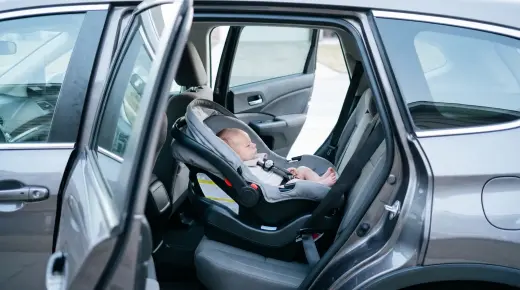
A capsule protects a baby in a crash very well. It is fitted at a set angle and shaped to hold the body. But that half-sitting, curved position is not good for sleep.
Young babies have heavy heads and weak neck muscles. When they fall asleep, their head can slump forward until their chin rests on their chest. This can squeeze the airway (the tube air goes down). A sleeping baby may not be able to lift their head to fix it. This is called positional asphyxia. In plain words, the baby's position makes it hard to breathe.
Red Nose says capsules and car seats are not recommended for sleep, even when someone is watching. The AAP in the US also says that if your baby falls asleep in a car seat, you should move them to a firm, flat surface as soon as you can.
In a moving car, your baby must be in a properly fitted car seat. That is the safest place for them. Once the car stops, the safest place to sleep is a cot or bassinet, flat on their back.
What "the 2-hour rule" really means
You will often hear about a "2-hour rule" for capsules. It is not a law. It is a sensible guide for planning breaks on longer trips.
- Plan a stop roughly every two hours. Take your baby out for a cuddle, a feed and a nappy change. Let them stretch out flat.
- Check more often if they are asleep. Look at their face and breathing.
- Newborns need extra care. Keep early trips short when you can. On longer drives, have an adult sit in the back to watch a very young baby.
- It is not a timer for sleep at home. The two-hour figure is about car trips. At home, a capsule is not a sleep space at all.
- Follow your seat's manual. Some makers give their own advice on trip length for newborns.
Prams & Strollers worth a look
Real products from our catalogue. We don't show star ratings or review counts; check the current price, stock and reviews on Amazon before you buy.

Baby Jogger City Mini GT2
Long-running, lighter all-terrain stroller with a famously simple one-hand strap fold.
 Reviewed
Baby Jogger City Tour 2
A 6.5 kg stroller with a near-flat recline. It folds small and comes with a carry bag.
Read our full review →
Joie Pact Pro
A 6.3 kg travel stroller from birth to 22 kg. You can clip a Joie Gemm or i-Gemm capsule on top.



Nuna TRVL LX
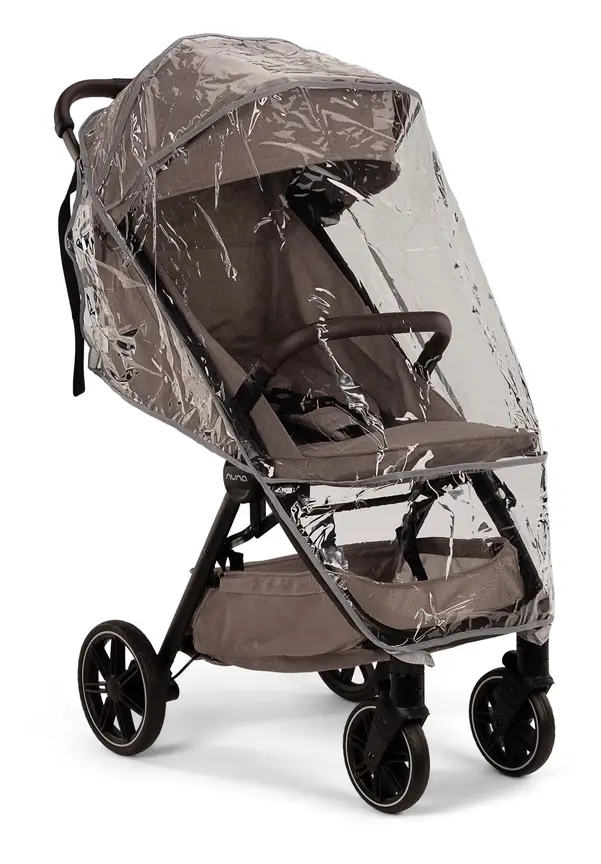
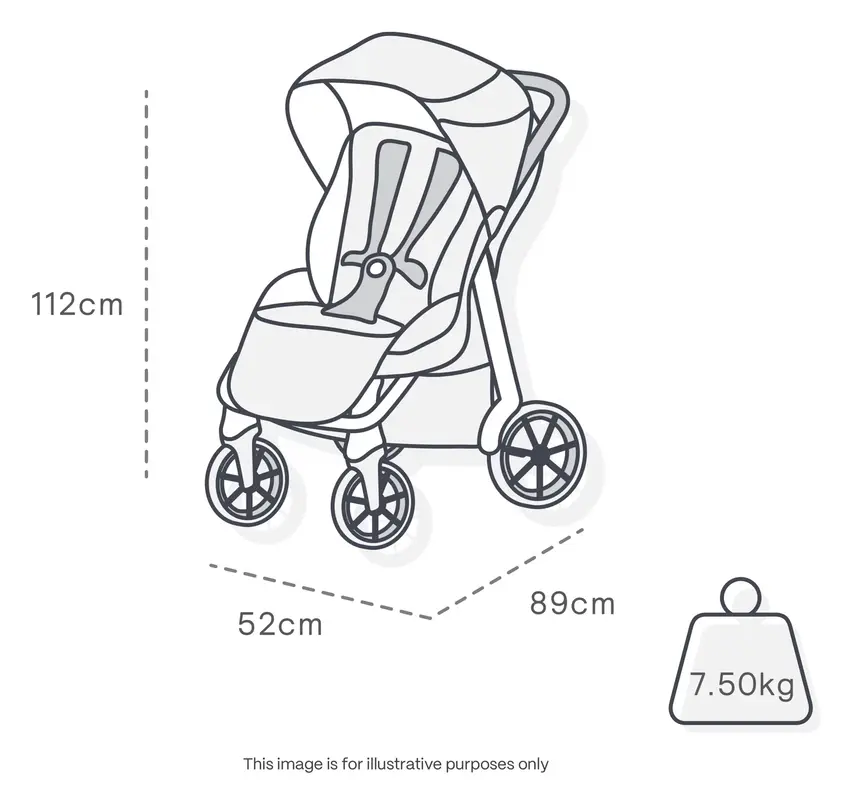
A premium compact stroller with a lie-flat seat. It takes the Nuna KLIK Plus capsule on the armbar.
Read our full review →What the advice is in each country
| Country | Who says it | Main advice |
|---|---|---|
| Australia | Red Nose, Product Safety Australia, Pregnancy Birth and Baby | Breaks about every two hours. Check a sleeping baby often. Take baby out as soon as you get home |
| UK | The Lullaby Trust | Car seats are for travel, not sleep. Take regular breaks on long trips and take baby out of the seat |
| US | AAP, NHTSA | Car seats are not for routine sleep. Move a sleeping baby to a firm, flat surface as soon as you can |
| Canada | Health Canada, Transport Canada | Car seats are for travel. For sleep, use a crib, cradle or bassinet |
When you arrive: move them, don't leave them
It is tempting to carry a sleeping baby inside in the capsule and let them finish their nap. Red Nose says always take your baby out of the car seat as soon as you get home, even if it wakes them.
How to move a sleeping baby from the capsule
- Have the cot or bassinet ready before you lift your baby out.
- Undo the harness gently. Slide the straps off one arm at a time.
- Support the head and neck with one hand and the bottom with the other.
- Lift your baby close to your chest.
- Lay them on their back in the cot or bassinet, feet near the bottom.
- If they wake, that is okay. Resettling is far safer than leaving them curled up in a seat.
Travel systems: capsules on prams
Many prams accept a capsule using adapters. This is called a travel system. You can move a sleeping baby from the car to the pram without unbuckling them. That is handy for a quick errand, but the capsule is still a capsule, with the same curved position.
- Keep capsule-on-pram time short, and keep checking your baby.
- For a longer walk or a nap on the go, use a pram bassinet or a lie-flat seat that the maker says suits your baby's age.
- Move your baby to a cot or bassinet for sleep once you reach your destination.
- Make sure the capsule clicks firmly onto the pram adapters. Check the pram's brake is on when you stop.
Capsule vs pram bassinet vs cot
| Capsule | Pram bassinet or lie-flat seat | Cot or bassinet | |
|---|---|---|---|
| Main use | Car travel | Walks and outings | Sleep at home |
| Baby's position | Curved, half-sitting | Flat | Flat |
| OK for sleep? | Only while travelling, with checks | Supervised naps on the go, if the maker says so | Yes, for every sleep |
| How long? | Breaks about every 2 hours | Follow maker's limits | All night |
Fitting and the extras to avoid
- Fit it correctly. Use a trained fitting service, or follow the capsule and car manuals carefully. A wrong recline angle makes slumping more likely. In Australia, use an authorised fitting service. In the US and Canada, look for a certified child passenger safety technician.
- Check the recline indicator every time you put the capsule or base in the car.
- Snug harness, no puffy clothes. Thick jackets stop the harness fitting snugly. Dress your baby in thin layers and tuck a blanket over the buckled harness.
- No add-on inserts or padding. Red Nose has warned parents about social media "hacks" for capsules. Only use inserts and extras supplied with your capsule or approved by its maker.
- No rolled towels or head wedges unless your capsule's manual says to.
- Never leave a baby alone in a car, even for a moment.
- Never put a capsule on a bed, sofa or table. It can tip or fall.
Planning a long road trip with a baby
- Map your stops roughly every two hours, at places where you can lay your baby down to change and stretch.
- Time departures around naps, so naps happen while you drive. Have an adult in the back where possible.
- At each stop, take your baby fully out of the capsule. Feed, change and give them some tummy time on a mat.
- Allow extra time. Trips with a baby take longer. That is normal.
- Pack a portacot, or check that where you are staying has a safe cot. The first thing you do on arrival is move your baby to a flat bed.
- Share the driving if you can, so tired adults are not driving.
Hot and cold weather
Hot weather
- Cool the car before you put your baby in.
- Dress your baby in one light layer.
- Use window shades that do not block the driver's view.
- Do not cover the capsule with a blanket or cloth. It traps heat.
- Check for sweating and red cheeks often.
Cold weather
- Dress your baby in thin layers, not a puffy snowsuit.
- Buckle the harness first, then put a blanket over the top.
- Only use covers made or approved by the capsule maker.
- Warm up the car first if you can.
Side by side: more prams & strollers to compare
Real products from our catalogue. We don't show star ratings or review counts; check the current price, stock and reviews on Amazon before you buy.
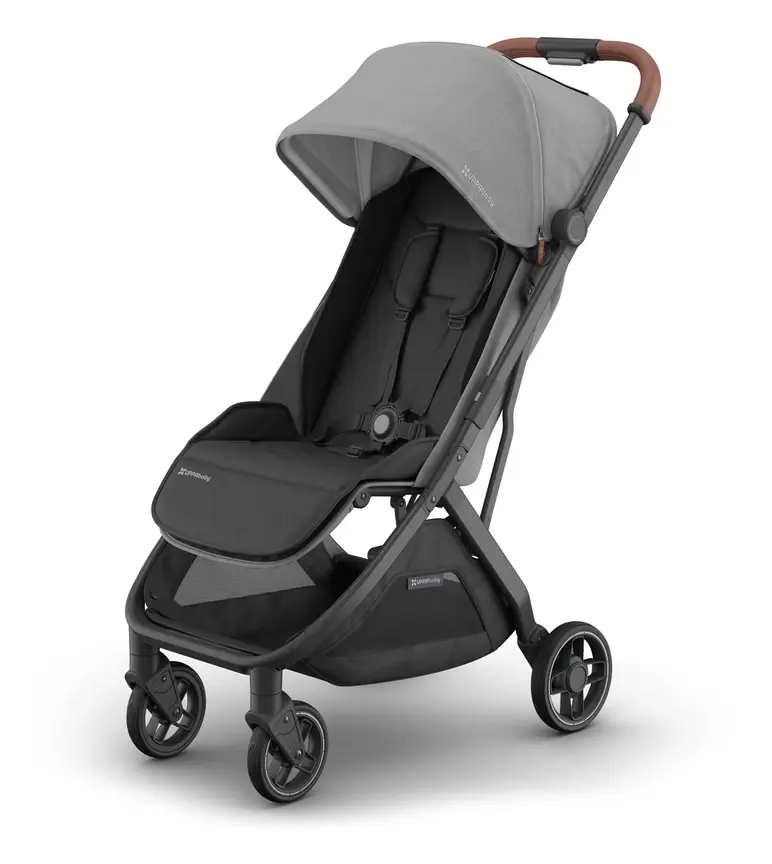


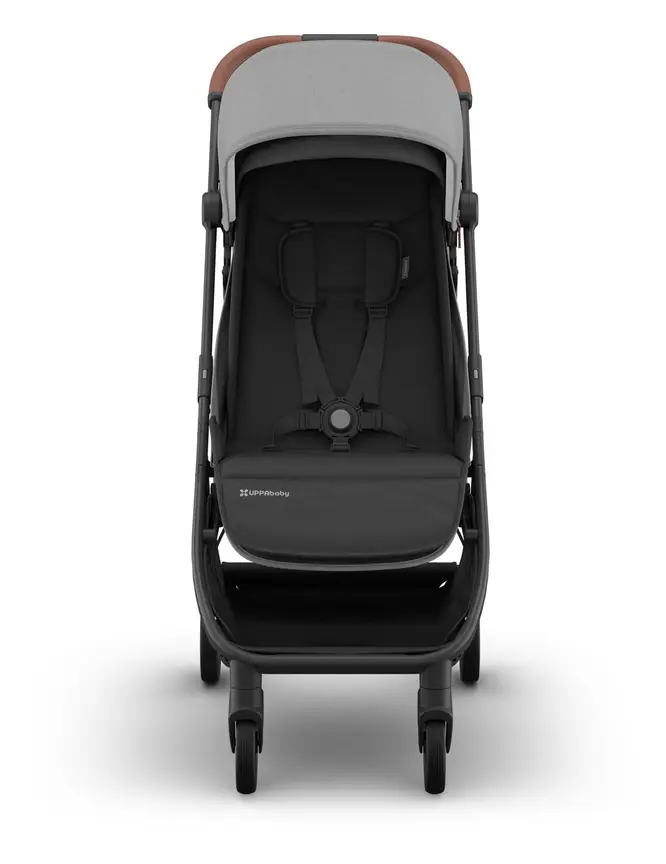


UPPAbaby Minu V3
A slim travel stroller that folds with one hand, stands on its own and is sized for plane overhead lockers.
Read our full review →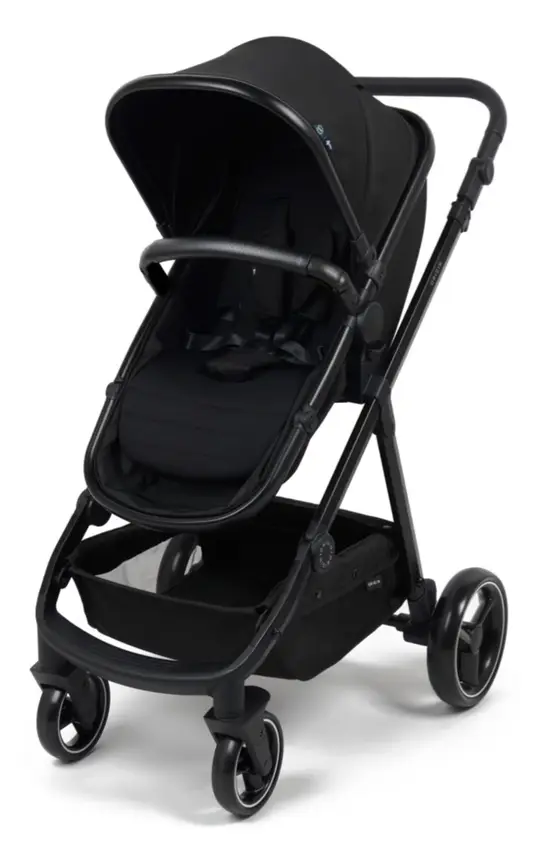
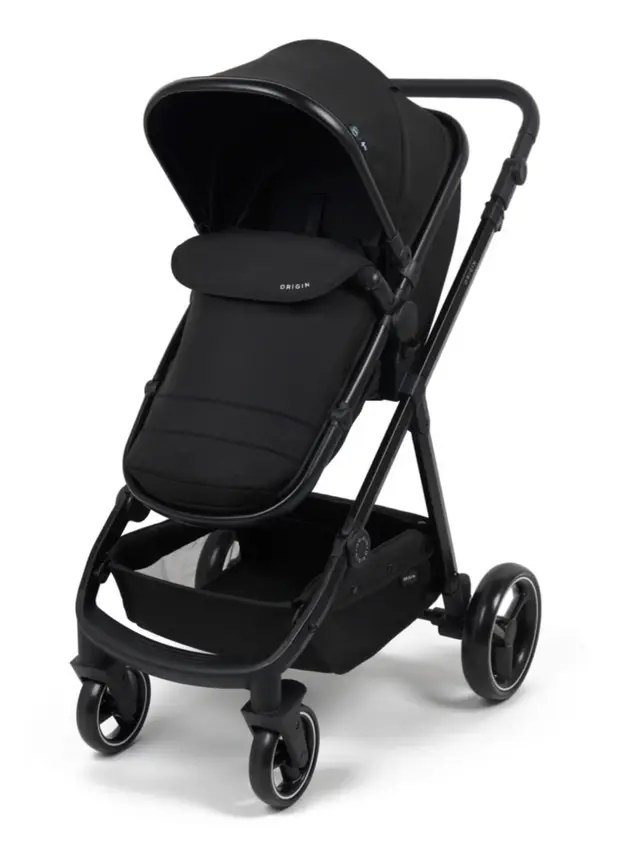
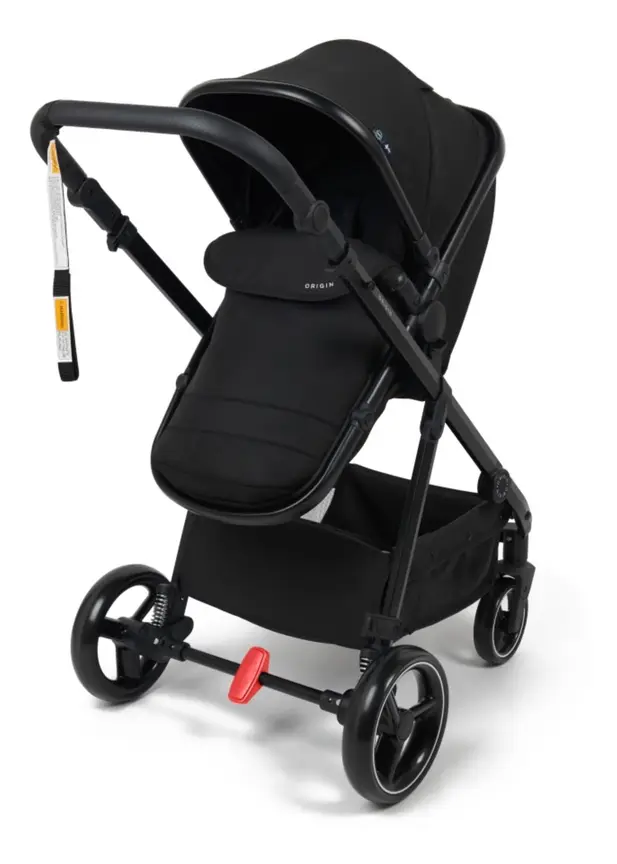
4baby Origin Stroller
A budget pram whose seat turns into a bassinet. The seat can face you or face the world.
Read our full review →

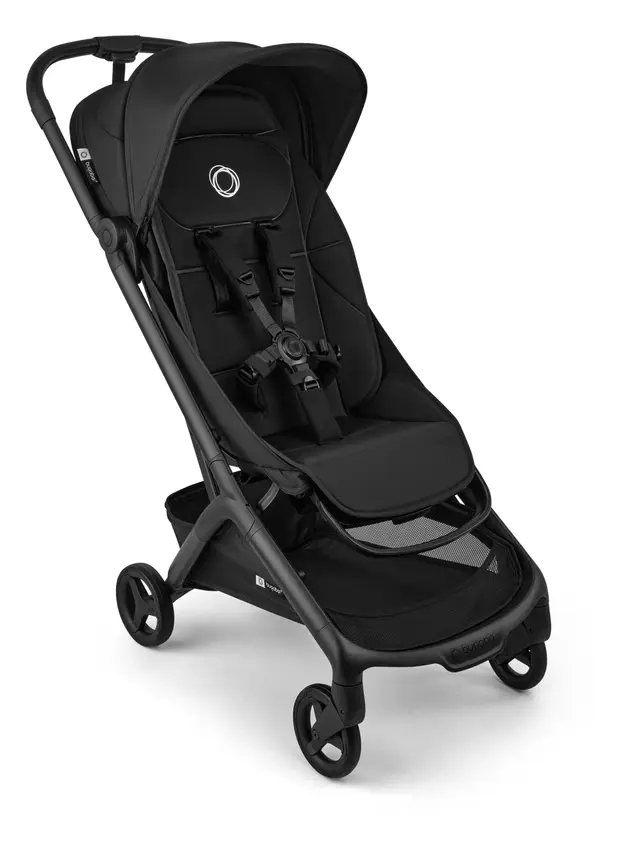
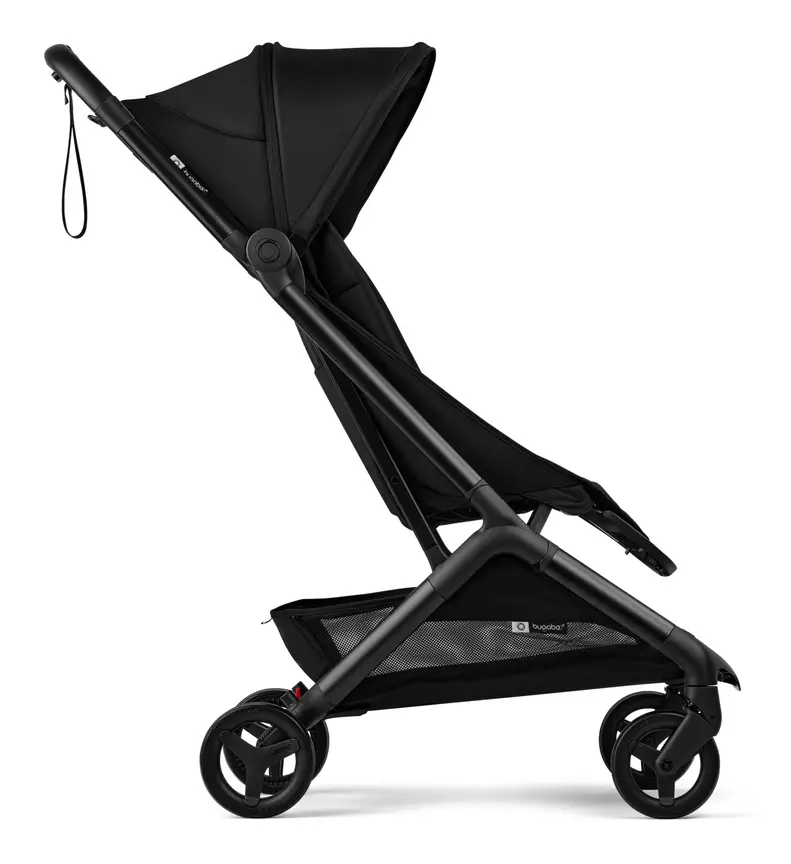


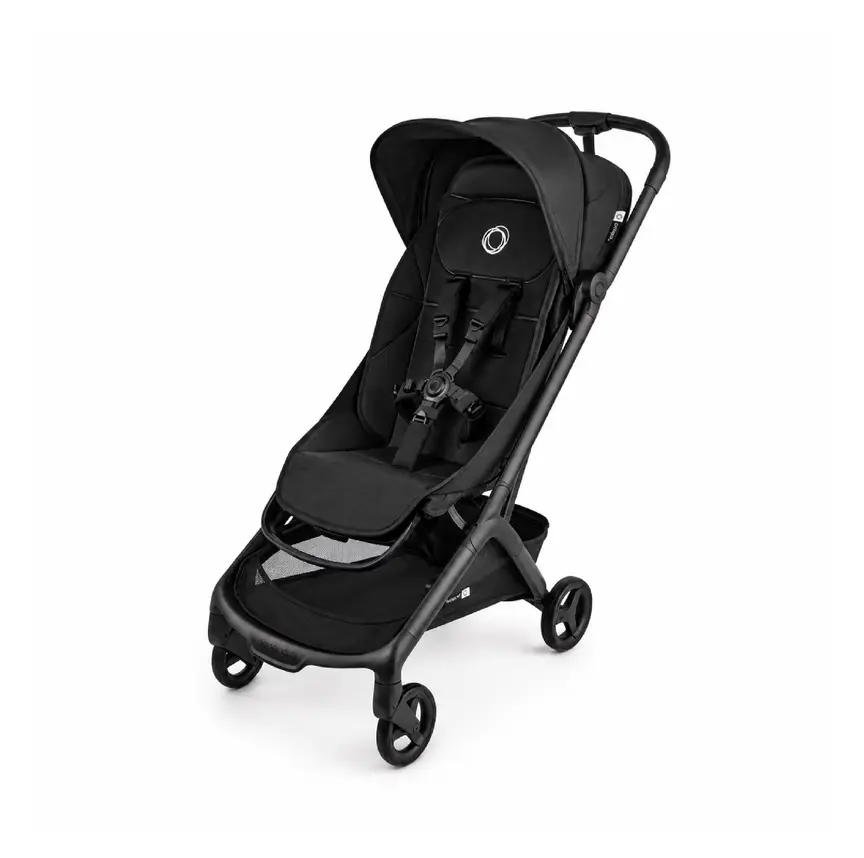
Bugaboo Butterfly
Bugaboo's cabin-friendly compact stroller with a one-second fold — the travel partner to a Fox, not a replacement for it.
Signs your baby needs a break now
Do not wait for the two-hour mark if something does not look right. Pull over safely and take your baby out if you notice:
- their chin has dropped towards their chest, or their head has slumped to one side and stayed there;
- their breathing sounds noisy, strained or unusual;
- their colour looks pale or blue around the lips;
- they seem very hot and sweaty;
- they have been very quiet and still for a long time and you cannot see their face.
In an emergency, call your local emergency number: 000 in Australia, 999 or 112 in the UK, or 911 in the US and Canada. A well-fitted capsule should hold your baby's head well, so slumping is also a sign to get the fit checked.
Capsule use by age
| Age | What to know |
|---|---|
| Newborn to 1 month | Keep trips short where you can. Have an adult watch from the back on longer drives. |
| 1 to 4 months | Babies hold their heads a little better, but still slump when asleep. Keep breaks regular. |
| 4 months until it is outgrown | Check the capsule's shoulder marker or height and weight limits. Move to a convertible seat, still rear-facing, when your baby outgrows it. |
Choosing a capsule or travel system
- Approved for your country. AS/NZS 1754 in Australia, R129 (i-Size) in the UK, FMVSS 213 in the US, and CMVSS 213 with the Canadian label in Canada.
- Fits your car. Try the base in your car before you buy. Check it reaches the right recline angle.
- Easy to use correctly. A clear recline indicator, simple harness adjusters and a base that clicks in firmly help you get it right every time.
- Weight to carry. Capsules get heavy with a baby inside. Lift it in the shop.
- Pram match. If you want a travel system, check which prams and adapters work with the capsule.
- Size limits. Some capsules last longer than others before your baby outgrows them.
- Hire or buy. In Australia, many councils, hospitals and groups hire out capsules with fitting. Check the hire seat is in date and complete.
Babies born early or small
Babies born early (premature) or with a low birth weight can be at higher risk of breathing trouble when sitting curled up. Some hospitals check how a premature baby breathes in their car seat before they go home. Ask your hospital team for advice about car travel, and follow it. Keep early trips short, and have an adult watch your baby on every trip.
Short trips around town
Most car trips are short, like a drive to the shops or to childcare. The same rules still apply:
- Buckle up properly every time, even for a two-minute drive.
- Do not leave your baby in the capsule once you arrive, unless you are moving straight to another car trip.
- If you have lots of short stops, take your baby out between them when you can.
- Avoid using the capsule as a seat in shops or cafes for long periods.
When someone else is driving
Grandparents, babysitters and childcare drivers may not know the latest advice. Tell them:
- take a break about every two hours on long trips;
- check a sleeping baby often;
- take the baby out of the capsule as soon as they arrive;
- never add blankets under the harness or over the capsule.
Show them how to click the capsule in, check the recline indicator and tighten the harness.
More options, from budget to premium
Real products from our catalogue. We don't show star ratings or review counts; check the current price, stock and reviews on Amazon before you buy.
Bugaboo Butterfly 2
The newer Butterfly. It folds in about one second, has a lay-flat seat and a bigger basket with a back pocket.
Read our full review →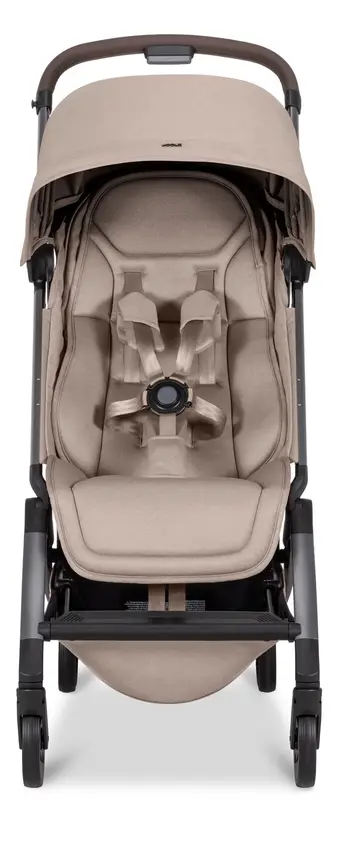


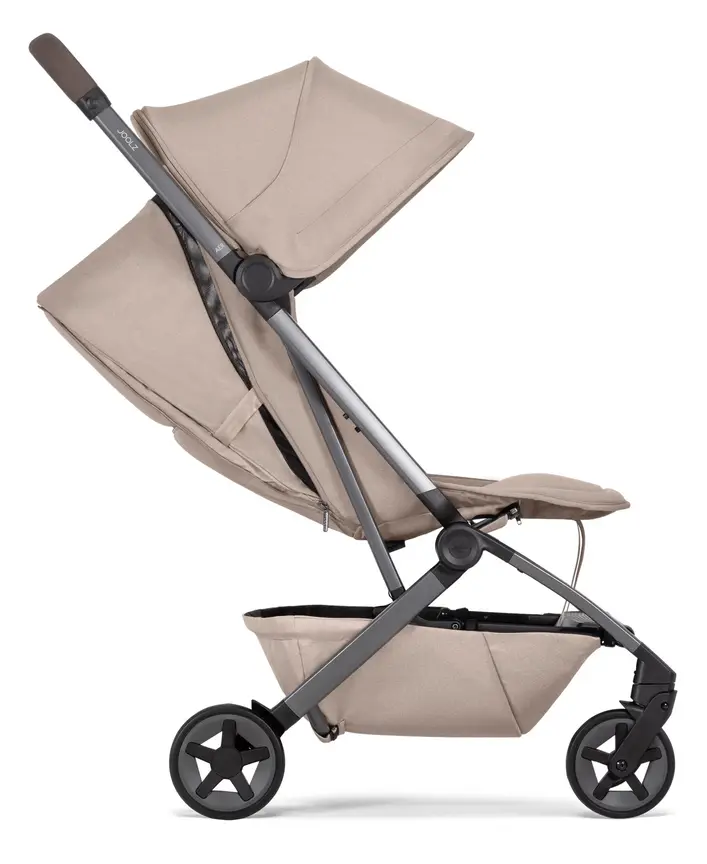


Joolz Aer2
A 6.5 kg stroller with a fast one-hand fold, deep recline from newborn and a UPF50+ sun hood.
Read our full review →
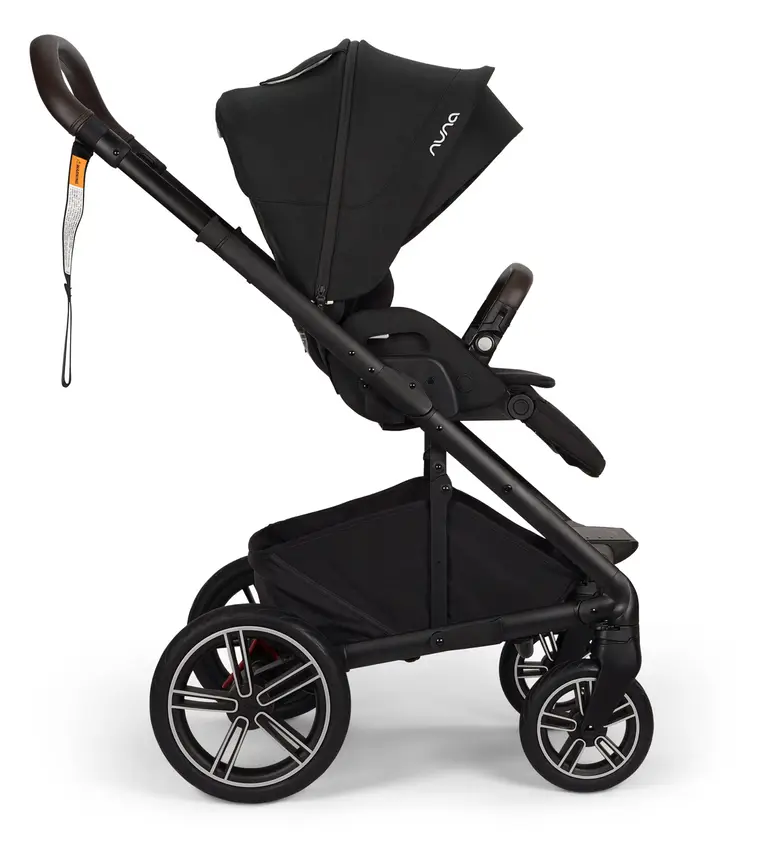
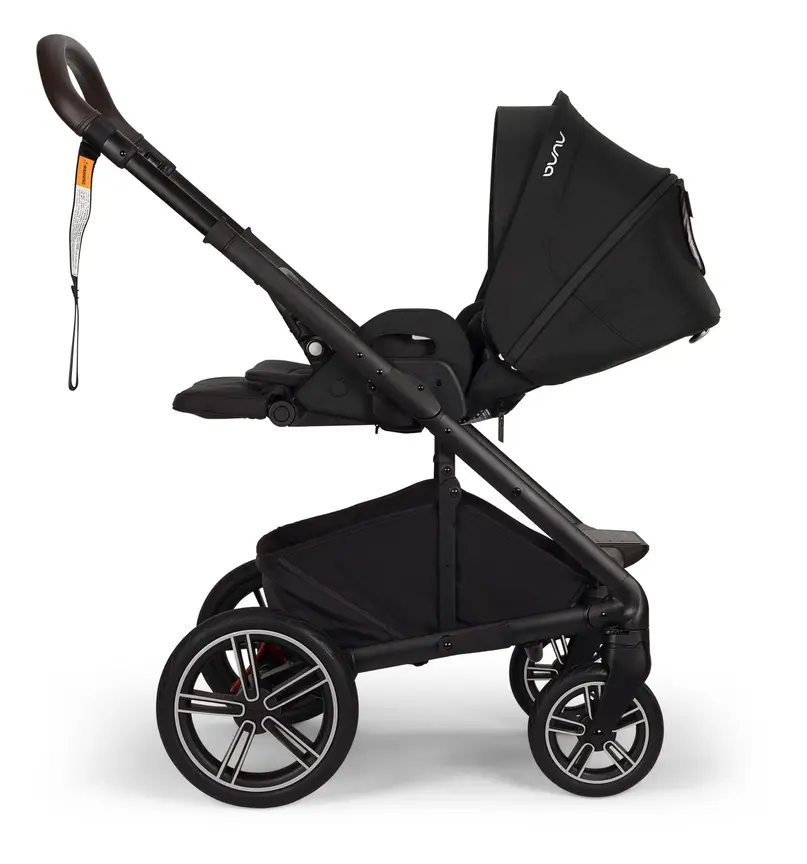
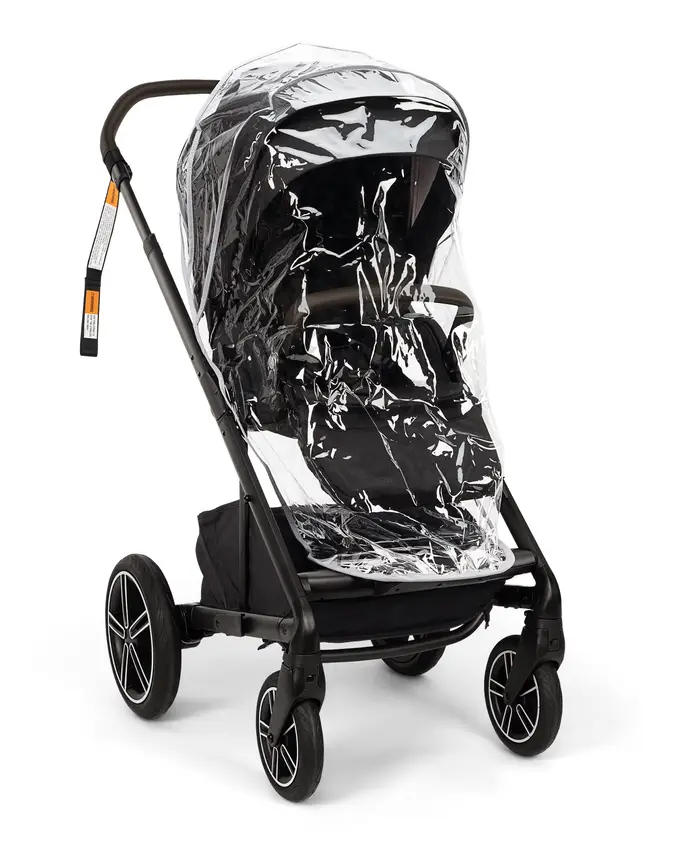


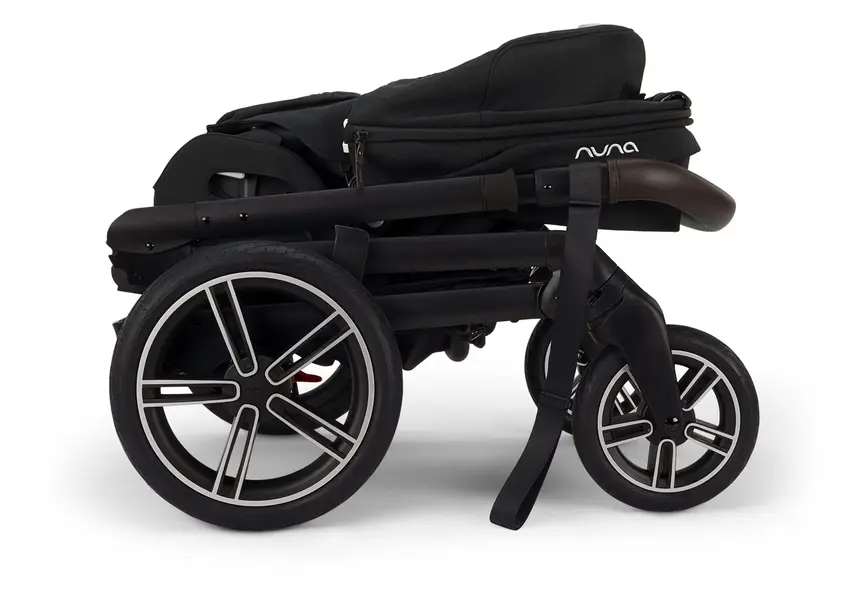

Nuna MIXX Next
A full-size pram with four ways to ride: capsule, bassinet, parent-facing seat or world-facing seat.
Read our full review →Common mistakes to avoid
- Letting a baby finish their nap in the capsule at home or at a cafe.
- Using the capsule as a baby seat indoors for long periods.
- Driving for hours without a break. Plan stops.
- Puffy jackets under the harness.
- Adding head supports or inserts that did not come with the capsule.
- Draping a blanket over the capsule for shade or quiet.
- Leaving a capsule on a raised surface.
FAQ
Is there a legal time limit for babies in capsules?
No. Health groups recommend breaks about every two hours on trips and checking a sleeping baby often, but there is no legal limit in Australia, the UK, the US or Canada.
Can my baby nap in the capsule at home if I am watching?
Red Nose does not recommend it, even when someone is watching. Move your baby to a cot or bassinet.
Is it okay to click the capsule onto the pram for a walk?
For short trips, yes, if you keep checking your baby. For longer outings and naps, use a bassinet or lie-flat pram seat suited to your baby's age.
My baby always falls asleep in the car. What should I do when we get home?
Take them out straight away and lay them on their back in their cot or bassinet, even if it wakes them.
What should my baby wear in the capsule?
Thin, comfortable layers, so the harness fits snugly. Put any blankets over the buckled harness, never underneath it. Skip hats in a warm car, because babies lose heat through their heads.
Can I feed my baby in the capsule while we drive?
No. Stop the car and take your baby out to feed. A baby should never be fed with a propped bottle while travelling.
When does my baby outgrow the capsule?
When they reach its shoulder marker, height or weight limit, whichever comes first. Then move to a convertible seat and keep it rear-facing.
Should I carry the capsule into the house with my baby in it?
It is fine to carry it in for a moment if that is easier, but take your baby out as soon as you are inside. Put the capsule on the floor, never on a bench or bed, while you lift them out.
My baby screams when I take them out to move them. Is it worth it?
Yes. A crying baby who is safe on their back is better than a quiet baby asleep in a curled position. Most babies get used to the move. Try a calm, dark room and gentle patting to resettle them.
Can I use a car seat mirror?
Only a crash-tested mirror approved by your car seat or car maker. It can help you glance at your baby without turning around. Never take your eyes off the road for long. If you are worried about your baby while driving, pull over somewhere safe and check them properly.
Is the capsule safe on a plane?
Some capsules are approved for aircraft use. Check the label and ask your airline before you fly. On long flights, the same idea applies: take your baby out for feeds, changes and cuddles when the seatbelt sign is off.
Sources
- Red Nose Australia – Take your sleeping baby out of their car seat when you get home
- Red Nose Australia – Keeping baby safe in the car
- Red Nose Australia – Research on risks of infants sleeping in car seats
- Red Nose Australia – Unsafe social media hacks on baby capsules
- Product Safety Australia (ACCC) – Car seats guide
- Pregnancy, Birth and Baby (Australia) – Car travel with babies and children
- Kidsafe – National best practice guidelines: safety of children in motor vehicles
- The Lullaby Trust (UK) – Car seats
- American Academy of Pediatrics (US) – A parent's guide to safe sleep
- NHTSA (US) – Car seats and booster seats
- Health Canada – Safe sleep tips
- Health Canada – Stroller and carriage safety
- Transport Canada – Child car seat safety
Related guides
More Car Seats & Travel →
Long-Range Audio-Only DECT Baby Monitors: Why Zero-Screen Units Still Win for Backyard, Camping, and Travel

Portable Travel Bassinets and Pop-Up Infant Domes: Safe Sleep, Floor Insulation, Sun Canopies, and Packing

Overnight Sleep-Approved Stroller Bassinets: Breathable Bases, Stands, and Travel Safety