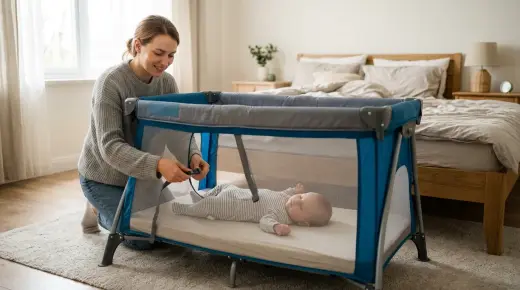
Long-Range Audio-Only DECT Baby Monitors: Why Zero-Screen Units Still Win for Backyard, Camping, and Travel
Why audio-only DECT baby monitors beat video units for backyard, camping and travel use. Buying tips, cord safety and AU, UK, US and Canada advice.
On this page
- Key points
- What an audio-only DECT baby monitor is
- Why zero-screen audio units still win
- How DECT, video, and Wi-Fi monitors compare
- Using an audio monitor in the backyard
- Using an audio monitor while camping
- Using an audio monitor for travel and hotels
- How to choose a long-range audio monitor
- Baby monitor safety by age
- Official safety advice in Australia, the UK, the US and Canada
- Cord safety and safe placement
- Common mistakes to avoid
- Frequently asked questions
- Sources
Short answer: A long-range, audio-only DECT baby monitor is often the best pick for the backyard, camping, and travel. It has no screen to drain the battery. It does not need Wi-Fi or mobile data. It works through thick walls better than many video units. Best of all, it lets you hear your baby clearly without a bright screen glowing beside your bed.
No baby monitor replaces safe sleep rules or adult care. Health groups in Australia (Red Nose), the UK (The Lullaby Trust), the US (American Academy of Pediatrics), and Canada (Canadian Paediatric Society) all agree on this. A monitor is just a tool to help you hear your baby from another room or outside.
Key points
- No internet needed: DECT units talk straight to each other using radio waves. They work in tents, cabins, and hotels with poor Wi-Fi.
- Longer battery life: Without a video screen, the parent unit can run for hours on one charge or on standard batteries.
- Better sleep for parents: No glowing screen means less blue light in your bedroom at night.
- Cord safety comes first: Keep the baby unit and its power cord well away from the cot so your child cannot reach them.
- Check the radio band when travelling: DECT 6.0 is made for North America. Australia, New Zealand, and the UK use a different DECT band.
- No monitor prevents SIDS: Official safe sleep advice is always the most important layer of safety.
What an audio-only DECT baby monitor is
An audio-only DECT baby monitor has two small parts. One part stays near your baby's sleep space. This is the baby unit. The other part stays with you. This is the parent unit.
DECT stands for Digital Enhanced Cordless Telecommunications. You do not need to remember the long name. Just know it is a private radio link made for clear sound.
Old baby monitors used simple radio waves that neighbours could sometimes hear. Static and crackles were common. DECT fixes that. It scrambles the sound so only your parent unit can hear it. It also cuts out background hiss.
Why some boxes say DECT 6.0
You will often see "DECT 6.0" on monitors sold in the US and Canada. That is just the marketing name for the radio band used in North America. In Australia, New Zealand, the UK, and Europe, DECT monitors work the same way, but they use a slightly different radio band set by local rules.
The "6.0" does not mean it is six times better or six times faster. It simply tells you which radio band the monitor uses. Both types give you clear, private sound with no screen.
Why zero-screen audio units still win
Video monitors and phone-app cameras are very popular today. Still, many parents end up buying a simple audio-only DECT monitor as well. Some use it every day. Others keep it for trips and outdoor naps.
Here is why a zero-screen unit often works better in real life.
1. Much longer battery life
A video screen uses a lot of power. Even a good video monitor can go flat in a few hours if you leave the screen on. An audio-only unit has no screen to light up. Many units can last through the whole night and part of the day on one charge.
2. Stronger reach through walls and trees
Sound takes far less data to send than live video. Because of this, audio-only DECT monitors often reach further than video monitors. They can hold a signal through brick walls, wooden floors, and backyard trees where a video picture might freeze or drop out.
3. Works without Wi-Fi or mobile signal
Wi-Fi monitors need a home router and a strong signal. Take one to a campsite, a caravan park, or a friend's house, and it may not connect at all. Hotel Wi-Fi often has a sign-in page that blocks smart baby cameras. A DECT monitor pairs with its own parent unit straight out of the box. You plug it in, turn it on, and it works.
4. Better privacy
Any camera linked to the internet can be a target if you do not lock down your account and password. Government cyber safety teams in Australia, the UK, and Canada warn parents to secure smart baby gear. An audio-only DECT unit does not connect to the internet at all. Nobody can log into it from across the world.
5. Less stress and better rest for parents
Many new parents find themselves staring at a video screen all night. Every tiny twitch wakes them up. With a sound-only monitor, you rest in the dark. You hear your baby when they cry or fuss, and you sleep when they are quiet.
Baby Monitors worth a look
Real products from our catalogue. We don't show star ratings or review counts; check the current price, stock and reviews on Amazon before you buy.

VTech BM2220 Digital Audio Baby Monitor
A low-cost sound-only monitor with two-way talk, a room temperature sensor and a night light.
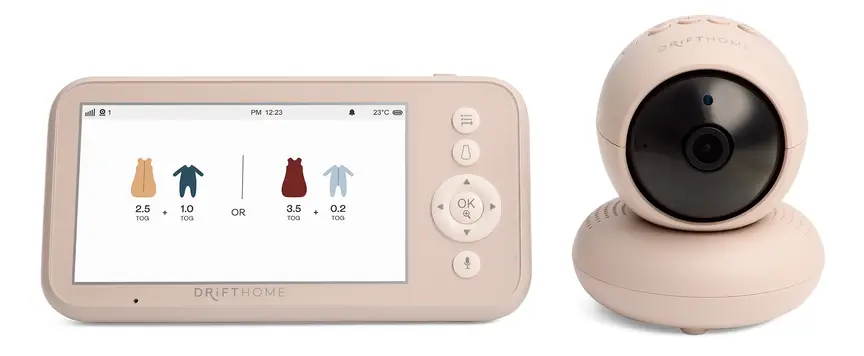
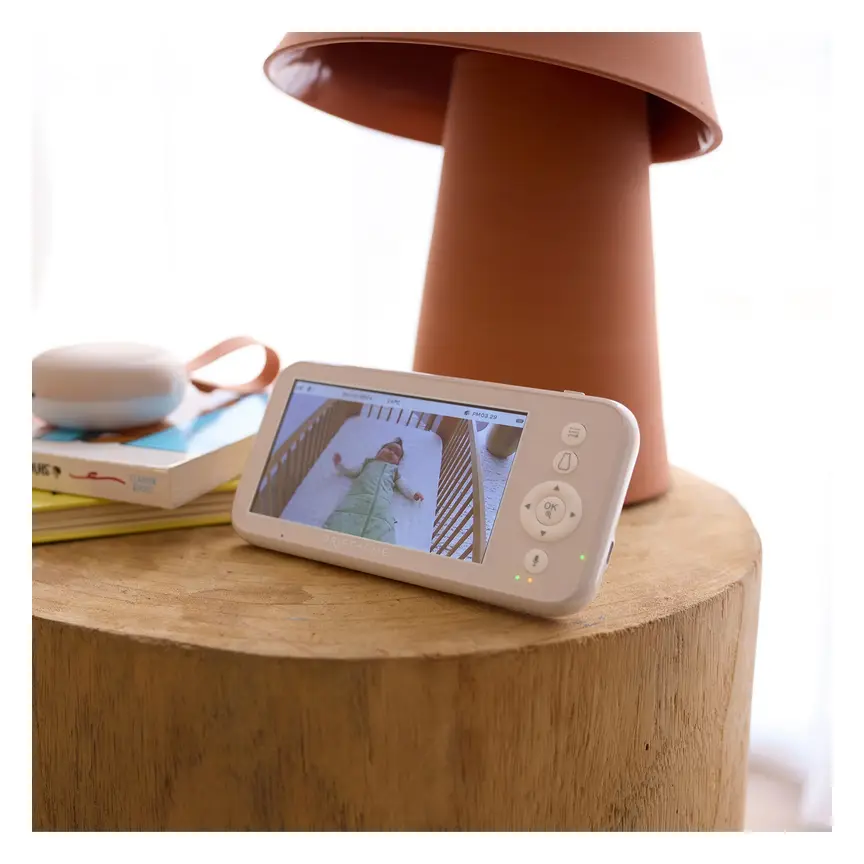
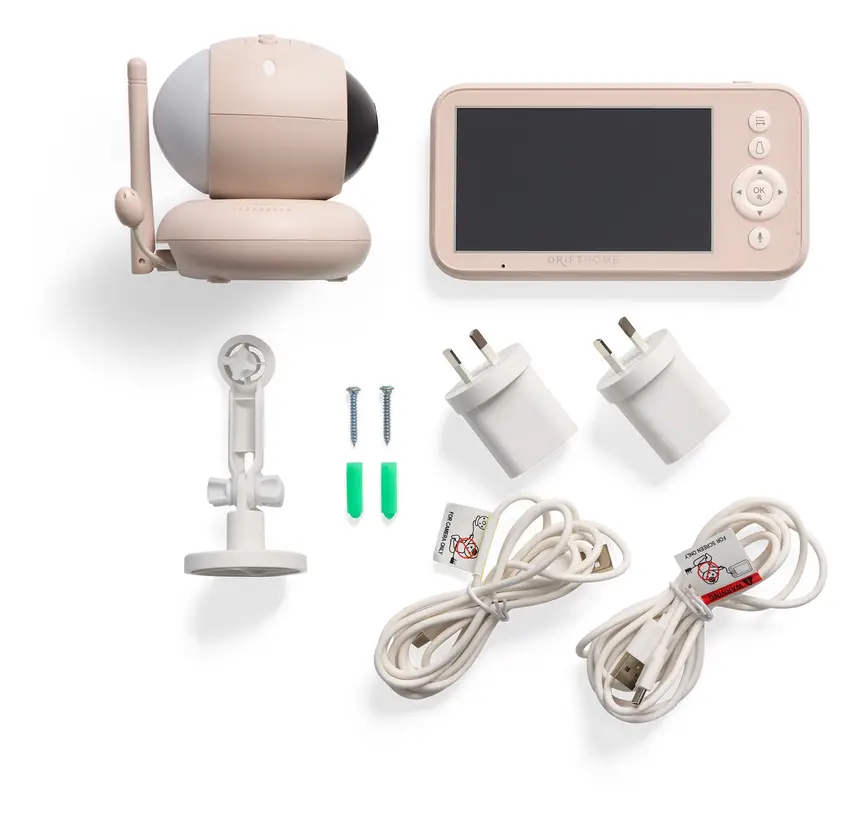
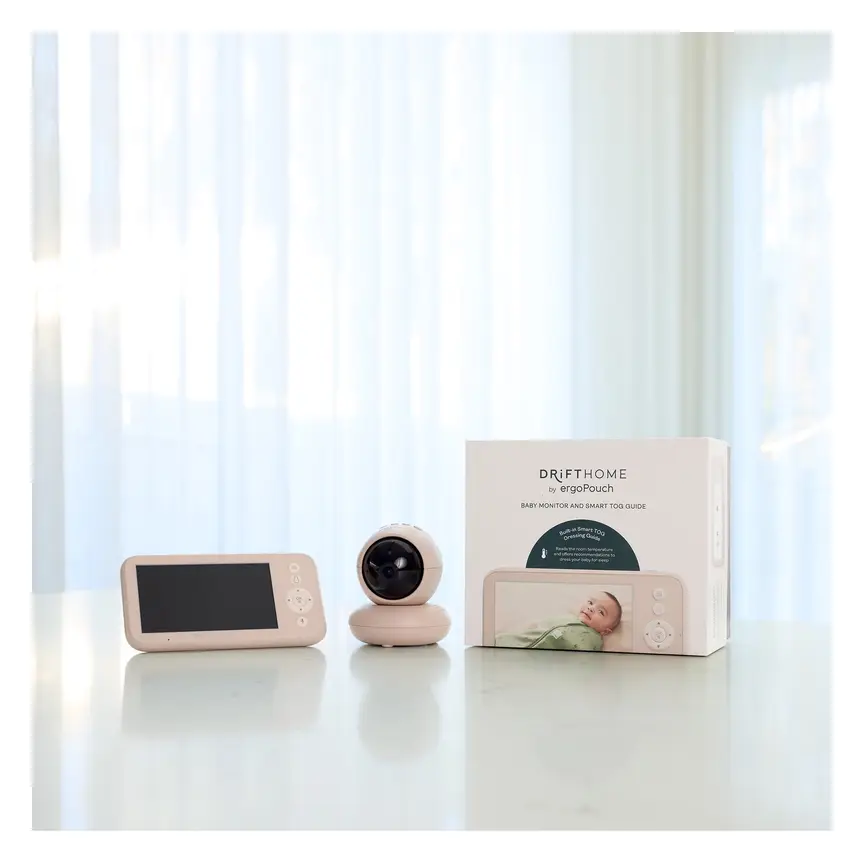

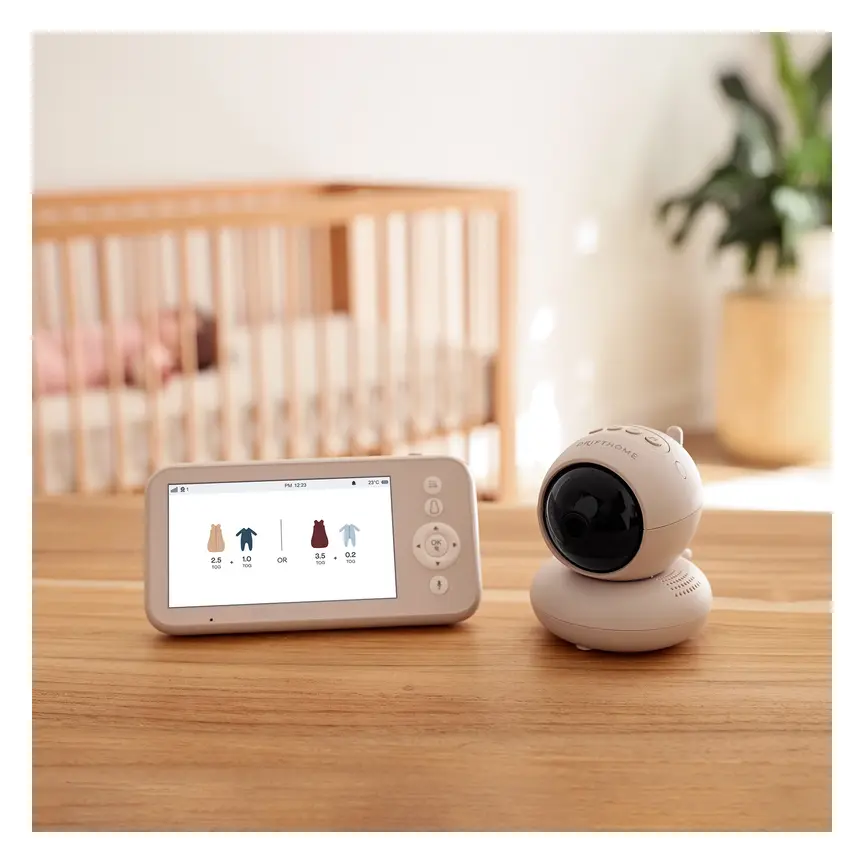
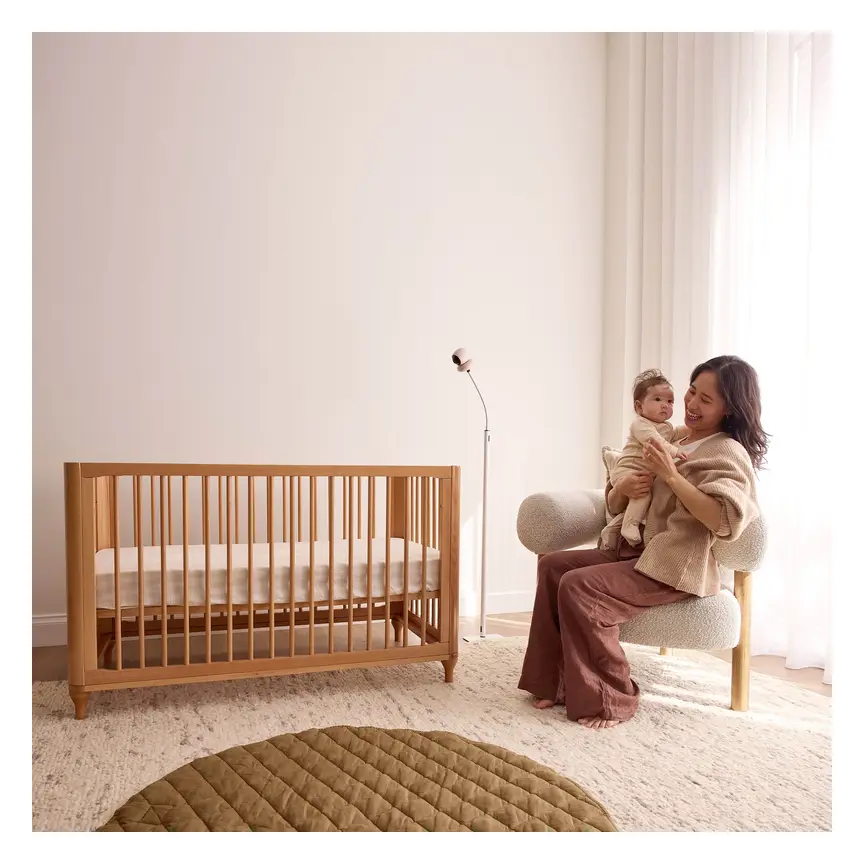

ergoPouch Drifthome Baby Monitor
A non-Wi-Fi monitor with a built-in TOG dressing guide and up to 300 m range.
Read our full review →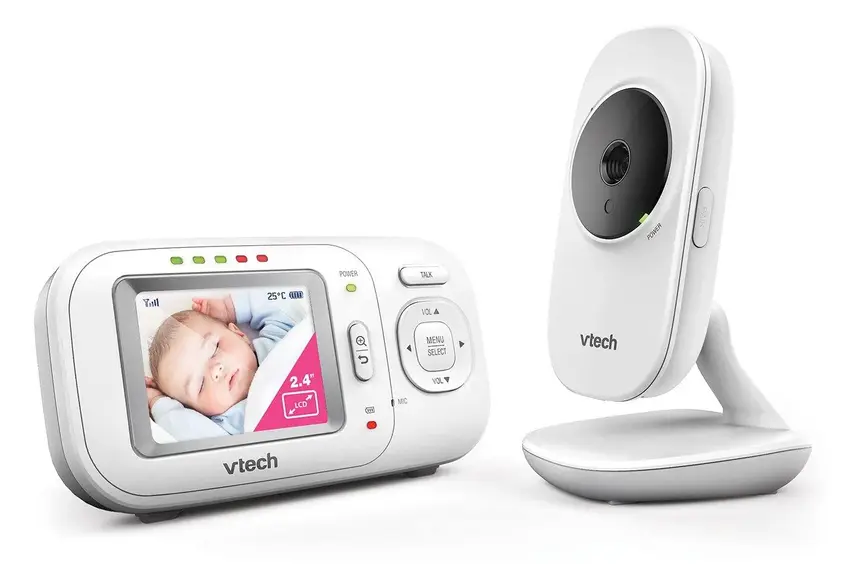
VTech BM2700 Video and Audio Baby Monitor
Non-wifi video monitor

How DECT, video, and Wi-Fi monitors compare
Every monitor type suits a different job. The table below compares the three main kinds side by side.
| Feature | Audio-only DECT monitor | Non-Wi-Fi video monitor | Wi-Fi app monitor |
|---|---|---|---|
| Screen | No screen. Sound and small lights only. | Built-in screen on the parent unit. | Uses your phone or tablet screen. |
| Outdoor and wall range | Usually the longest reach in real homes and yards. | Medium reach. Video drops out sooner through thick walls. | Works anywhere you have Wi-Fi and phone data. |
| Battery life on parent unit | Long. Often lasts a full night or more. | Shorter. Screen drains the battery fast. | Depends on your phone battery. |
| Needs internet? | No. Works anywhere with power. | No. Works anywhere with power. | Yes. Fails if the Wi-Fi drops out. |
| Privacy risk | Very low. Closed radio link only. | Low. Closed radio link only. | Higher. Needs strong passwords and updates. |
| Best use | Backyard, camping, hotels, and older babies. | Checking on newborns or toddlers who climb. | Checking in from work or when away from home. |
You do not have to pick only one style forever. Many families use a video monitor in the nursery at home and keep an audio-only DECT unit in the travel bag.
Using an audio monitor in the backyard
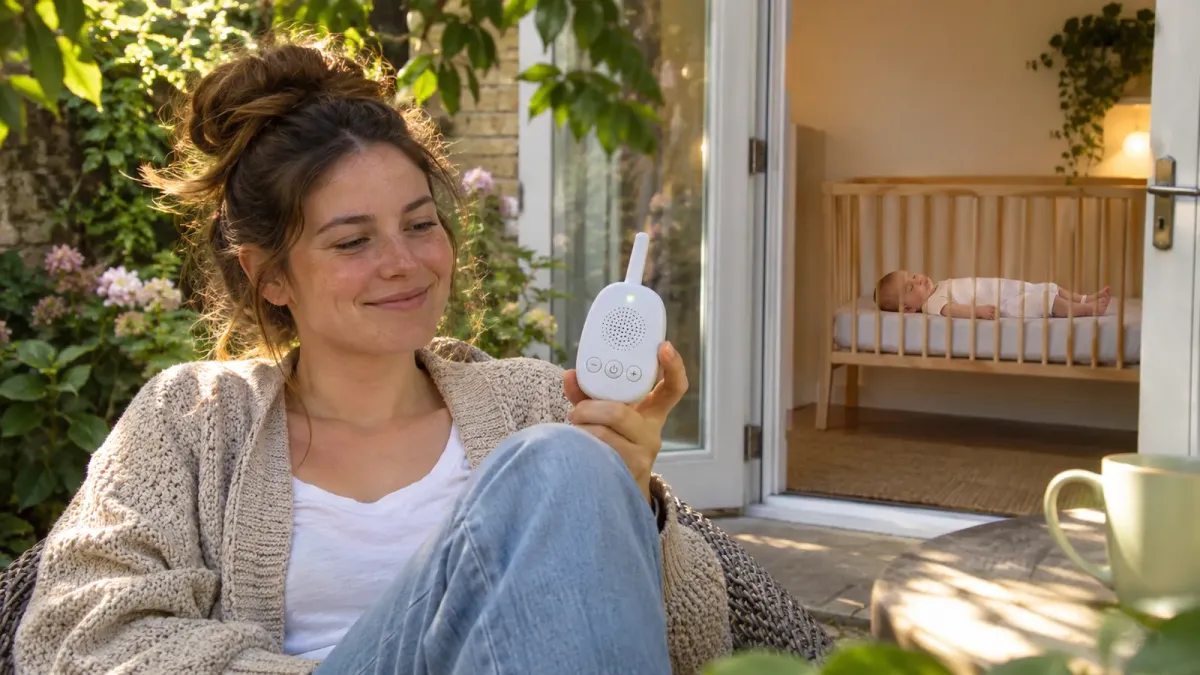
Parenting does not stop when your baby naps. You might want to hang washing, pull weeds, or sit on the deck while your baby sleeps inside. A long-range audio monitor lets you step outside and still hear them.
Test the range before you trust it
Boxes often print a big range number measured in a flat, empty field. Your home is not an empty field. Brick walls, metal roofs, concrete slabs, and big trees all block radio waves.
Before you rely on the monitor outside, test it. Put the baby unit in the nursery. Play a steady sound near it, like a quiet radio or a voice memo on a phone. Walk around your whole yard with the parent unit.
- Check the back fence and the garden shed.
- Check the laundry or garage if it has metal walls.
- Listen for beeps that warn you the signal is weak.
If the signal drops in one corner, try moving the baby unit slightly closer to a window or doorway. Even a small move away from a thick brick wall can help. Always keep the baby unit well out of reach of the cot.
Backyard safety reminders
A monitor lets you hear your baby inside. It does not make it safe to leave an older child alone in the yard. Keep these rules in mind:
- Water safety: Never leave a baby or toddler near a pool, spa, paddling pool, or bucket of water, even for a moment. A monitor is no help if a child is near water.
- Weather: Keep the parent unit out of direct sun and rain. Most baby monitors are not waterproof.
- Outdoor noise: Lawn mowers, traffic, and wind can drown out the speaker. Use a unit with flashing sound lights or a vibrate alert when you are outside.
Using an audio monitor while camping
Camping with a baby or toddler is much easier when you can sit by the fire or cook dinner after bedtime. There is usually no Wi-Fi at a campsite, so an audio-only DECT monitor is ideal.
Power options for camping
In a house, you plug the baby unit into a wall socket. In a tent or caravan, you may not have mains power. Look closely at how both units get power before you buy:
- Standard AA or AAA batteries: Some audio monitors let both the baby unit and the parent unit run on normal batteries. That is handy when you have no power at all.
- USB power cables: Newer models often use standard USB plugs. You can run them from a portable power bank or a car USB port.
- Fixed wall plugs: Many older DECT units only work with a wall plug on the baby unit. You would need a powered campsite or a portable power station to run them.
Pack spare batteries or a charged power bank. Cold nights drain batteries faster than warm nights.
Keep the units dry and safe
Tents get damp inside overnight from dew and breath. Keep both units off the tent floor so moisture does not get inside. Place the baby unit on a dry bag, crate, or high shelf out of your child's reach.
Safe sleep while camping
Red Nose Australia has clear rules for safe sleep when camping. A monitor cannot fix an unsafe sleep spot. Follow these steps every night:
- Always put your baby on their back to sleep.
- Use a safe travel cot (portacot) with a firm, flat mattress that fits tightly.
- Never let a baby sleep on an adult air mattress, beanbag, or soft camping mat.
- Keep the sleep space clear of loose blankets, pillows, and soft toys.
- Do not sleep a baby in a car seat or capsule overnight.
- Keep your baby's head and face uncovered, and dress them for the night temperature.
If your baby is under 6 months old, health groups advise sharing the same tent or room with them at night. Use the monitor only for short times when you are right outside the tent and awake.
Using an audio monitor for travel and hotels
Travelling with a young child often means sharing a hotel room or Airbnb. Sometimes your baby goes to sleep early while you sit on the balcony, in the next room, or in the kitchenette.
An audio-only DECT monitor shines on holidays for four reasons:
- Tiny size: Two small audio units take up almost no space in a suitcase.
- No hotel Wi-Fi headaches: Hotel networks often block smart cameras from connecting. DECT does not use the hotel network.
- Quick setup: You can set it up in one minute after a long flight or drive.
- Works in thick-walled buildings: Old stone cottages and concrete apartments can block weak signals, and DECT often handles them well.
Check power and radio rules before you fly
If you travel to another country, check two things first:
- Power plugs and voltage: A monitor bought in North America may only handle 110–120 volts. Plugging it into a 230–240 volt socket in Australia or the UK without a voltage converter can burn it out. Check the label on the charger. USB-powered monitors are much easier for travel because any safe local USB adapter works.
- Radio bands: DECT 6.0 units from the US or Canada use a radio band that can clash with mobile networks in Australia, the UK, and Europe. It can also be against local radio laws to use them there. Buy a monitor made for the region where you live and travel most.
If your monitor has built-in lithium-ion batteries, pack it in your carry-on bag when flying. Aviation safety rules in Australia, the US, the UK, and Canada restrict spare lithium batteries in checked luggage.
Side by side: more baby monitors to compare
Real products from our catalogue. We don't show star ratings or review counts; check the current price, stock and reviews on Amazon before you buy.


Eufy Baby Monitor E20
A monitor that works with or without Wi-Fi. You can share the app with up to 5 family members.
Read our full review →
Eufy Baby Monitor E21
The step-up Eufy monitor. It works with or without Wi-Fi and shares with up to 5 people.

Eufy SpaceView Pro
Budget-friendly closed-system monitor with a large parent screen and pan/tilt camera.

Infant Optics DXR-8 PRO
No app, no cloud, no subscription: a dedicated parent screen on a closed radio link, with interchangeable lenses.
How to choose a long-range audio monitor
Audio monitors are simple, which is part of their charm. Still, a few small features make a big difference in daily use.
Features that are worth having
- Out-of-range alert: This beeps if you walk too far away or if the baby unit loses power. Without it, a silent monitor could trick you into thinking your baby is asleep when the link is actually dead.
- Low-battery alert: Gives you warning before the parent unit shuts off.
- Sound-level lights: A row of LED lights that glow when your baby makes noise. This helps when you are talking to friends, cooking, or mowing the lawn.
- Vibrate alert: Handy in noisy places or if you clip the parent unit to your pocket.
- Two-way talk: Lets you press a button to speak to your baby. This works best for toddlers who understand your voice and just need reassurance.
- Clip or stand: A belt clip lets you carry the unit hands-free while doing chores.
- ECO or sound-activated mode: Cuts power use and turns off steady background hiss until your baby makes a sound.
Features you can skip
- Built-in lullabies: They are often tinny and can wake a baby if pressed by mistake.
- Bright night-lights on the baby unit: Babies sleep best in a dark or very dim room.
- Room temperature alerts you cannot trust: Many monitors sit near a warm power brick or wall, so the reading can be off. Feel your baby's chest or back of the neck instead.
- Breathing or oxygen alarms: Medical groups do not advise healthy babies to use home breathing or heart-rate monitors.
Baby monitor safety by age
Your baby's needs change fast in the first two years. How you use an audio monitor changes too.
| Age stage | Sleep and safety focus | How to use your audio monitor |
|---|---|---|
| Newborn to 6 months | Room-sharing is advised in AU, UK, US, and Canada. Back to sleep, clear cot. | Use mainly for daytime naps when you are in another room or right outside. |
| 6 to 12 months | Baby starts sitting, pulling up, and grabbing anything near the cot. | Move the baby unit and cord further away. Check reach as the mattress drops. |
| 12 to 24 months | Toddler may climb or throw toys. More travel and camping trips. | Keep the unit on a high shelf out of reach. Great for camping and holidays. |
| 2 years and up | Moving to a toddler bed. Child can get out of bed and walk around. | Keep cords hidden or cordless. Two-way talk can help settle them back to bed. |
Never assume a baby cannot reach a cord just because they could not reach it last month. Babies grow and learn to stand quickly.
Official safety advice in Australia, the UK, the US and Canada
Health and product safety bodies in all four countries give very similar advice on baby monitors. The table below shows what each country's leading groups say.
| Topic | Australia | UK | US | Canada |
|---|---|---|---|---|
| Lead safety and sleep bodies | Red Nose Australia and ACCC (Product Safety Australia) | The Lullaby Trust, NHS, and OPSS | American Academy of Pediatrics (AAP) and CPSC | Canadian Paediatric Society (Caring for Kids) and Health Canada |
| Do monitors prevent SIDS? | No. Red Nose says monitors are not proven to reduce sudden infant death risk. | No. The Lullaby Trust says no monitor can prevent SIDS. | No. The AAP advises against monitors marketed to prevent SIDS. | No. Safe sleep habits and room-sharing are what protect babies. |
| Room-sharing | Sleep baby in your room for the first 6 to 12 months. | Sleep baby in your room for the first 6 months. | Room-share without bed-sharing for at least 6 months. | Room-share for the first 6 months. |
| Cord safety | Keep all cords out of reach of cots and playpens. | Keep cords well away from the cot. | CPSC warns to keep cords at least 3 feet (about 1 metre) from the crib. | Keep cords out of reach so children cannot pull or wrap them. |
| Smart device security | Department of Home Affairs sets smart device security rules. | UK PSTI rules require basic security on smart devices. | FCC and CPSC warn about securing connected gear. | Get Cyber Safe advises strong passwords and updates, or non-Wi-Fi gear. |
Notice that every single group puts safe sleep habits first. Always place your baby on their back, on a firm and flat surface, with no loose bedding, pillows, or bumpers.
Cord safety and safe placement
The biggest physical hazard of any baby monitor is not the radio signal. It is the power cord.
The U.S. Consumer Product Safety Commission (CPSC) warns that babies and toddlers can strangle in baby monitor cords. Tragedy has happened when a child pulled a loose cord into the cot and got tangled in it.
Follow these cord rules every single time you set up your monitor:
- Keep the unit away from the cot: Place the baby unit and its cord at least 1 metre (about 3 feet) away from the edge of the cot, bassinet, or playpen.
- Never put the unit inside the cot: Do not clip it to the cot rails or rest it on the mattress.
- Hide or cover cords: If a cord runs down a wall, use cord covers or run it behind heavy furniture that your child cannot move.
- Check the travel cot too: Hotel rooms and tents can be cramped. Never let a cord drape near a travel cot.
- Battery power helps: If you use a battery-powered baby unit while camping or travelling, there is no power cord at all.
Also check battery doors on small parent units. Make sure any battery cover closes tightly so a toddler cannot open it and swallow small batteries.
Common mistakes to avoid
Even simple baby gear can cause trouble if you use it the wrong way. Watch out for these common slips.
1. Believing the open-air range on the box
A range printed on a box is tested in clear outdoor air with no walls. Real houses and campsites with trees, caravans, and sheds cut that distance down. Always walk-test your unit in the exact spot you plan to use it.
2. Turning off the out-of-range beep
Some parents mute alerts because they find them annoying. That is risky. If the baby unit gets unplugged or you walk too far away, you need to know right away.
3. Placing the baby unit right next to a white noise machine
If you use white noise in the nursery, put the baby monitor across the room from the noise machine. Otherwise, the microphone will pick up the steady hiss and drown out your baby's soft cries.
4. Leaving the microphone sensitivity too high
If sensitivity is turned all the way up, you will hear every rustle of a sheet or breeze outside a tent. Set it so you hear clear cries and fussing, without constant background noise.
5. Using a monitor instead of safe sleep habits
A monitor does not make tummy sleeping, soft mattresses, or loose blankets safe. Keep the cot clear and flat, whether you have a monitor on or not.
6. Packing an overseas unit without checking the plug and band
Bringing a DECT 6.0 unit from the US to Australia or the UK can cause radio interference and power-plug trouble. Check voltage labels and local rules before you pack.
More options, from budget to premium
Real products from our catalogue. We don't show star ratings or review counts; check the current price, stock and reviews on Amazon before you buy.
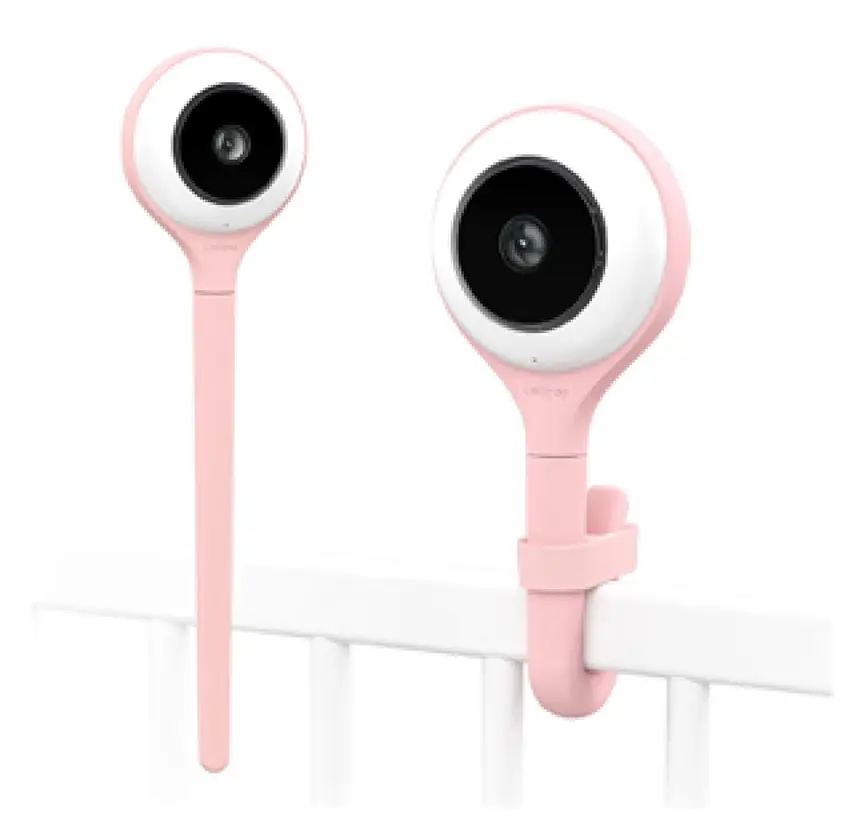
Lollipop Smart Baby Camera
A Wi-Fi camera with AI cry, noise and crossing alerts and 1080p video.
 Reviewed
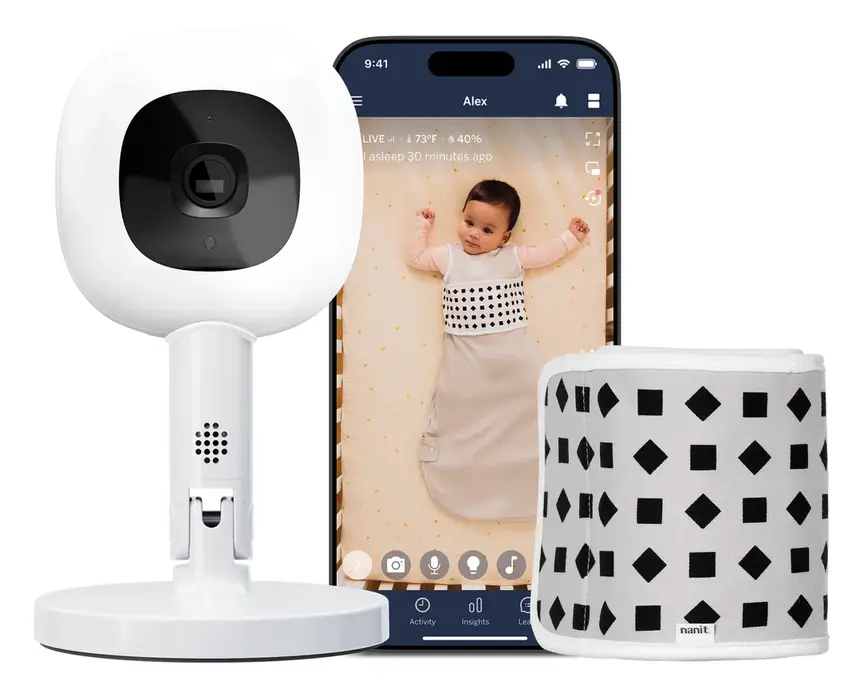
Nanit Pro Camera
Overhead 1080p Wi-Fi camera that tracks sleep and — with patterned Breathing Wear — breathing motion, without any electronics on the baby.
Read our full review →
Oricom Babysense7 Breathing & Movement Monitor
A sensor pad listed as a medical device on the Australian Register of Therapeutic Goods. It sounds an alarm if it stops sensing breathing movement.
Frequently asked questions
Is an audio-only DECT monitor better than a video monitor?
It depends on where you use it. For the backyard, camping, and travel, audio-only DECT usually wins. It has longer battery life, needs no Wi-Fi, packs small, and often reaches further through walls. A video monitor is handier in a nursery at home when you want to see if a toddler is standing up or just talking in their sleep.
Do DECT baby monitors need Wi-Fi or mobile data?
No. A standard DECT monitor creates its own private radio link between the baby unit and the parent unit. You do not need a router, an app, or mobile reception. That is why it works so well in tents, cabins, and hotels.
Can someone hack a DECT baby monitor?
DECT monitors do not connect to the internet, so nobody can hack them online from another place. They also scramble the radio signal between the two units, so a neighbour with a baby monitor cannot easily listen in.
Can I use a US DECT 6.0 monitor in Australia, New Zealand, or the UK?
No, you should not. DECT 6.0 uses a North American radio band that is not approved for baby monitors in Australia, New Zealand, or the UK. It can clash with local mobile phone networks, and the power plug may not match local voltage. Always buy a DECT monitor approved for the country where you live.
How far away should I put the baby unit from the cot?
Place the baby unit and its power cord at least 1 metre (3 feet) away from the cot or travel cot. Never place the unit inside the cot or clip it to the rails. A DECT microphone is sensitive enough to pick up your baby's voice from across a normal bedroom.
Are breathing or movement monitors worth buying instead?
Health bodies in Australia (Red Nose), the UK (The Lullaby Trust), the US (AAP), and Canada (Canadian Paediatric Society) say healthy babies do not need breathing or oxygen monitors. Research has shown consumer pulse oximetry monitors can give false alarms or miss real drops. Safe sleep habits and room-sharing are what keep your baby safest.
Can I use an audio monitor when camping with a newborn?
For babies under 6 months, health groups advise sleeping in the same room or tent as your baby. You can use an audio monitor for short periods when you are awake right outside the tent. Still follow all safe sleep rules: firm flat surface, on the back, and no loose blankets.
Sources
- Red Nose Australia – Baby monitors
- The Lullaby Trust (UK) – Baby monitors
- U.S. Consumer Product Safety Commission – Infants and toddlers can strangle in baby monitor cords (Publication 5066)
- Caring for Kids (Canadian Paediatric Society) – Safe sleep for babies
- Red Nose Australia – Safe sleep while camping
- The Lullaby Trust (UK) – Safer sleep on holiday
- Get Cyber Safe (Government of Canada) – Cyber security tips for your baby gear
- American Academy of Pediatrics (US) – A parent's guide to safe sleep
Related guides
More Car Seats & Travel →
How Long Can a Baby Stay in a Capsule? The '2-Hour Rule', Sleep and Travel Systems Explained

Multi-Port GaN Travel Chargers for Family Trips: Powering Monitors, Warmers, Sound Machines and Pumps From One Plug
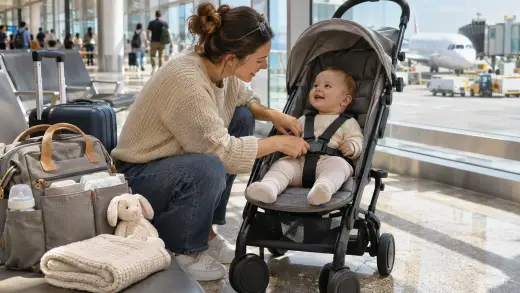
Baby Travel Gear: What You Need for Safer, Easier Trips