














Portacot and Travel Cot Safety: The Mattress Rule, Locking Rails and How Long to Use One
Portacots and travel cots are safe for short stays when every rail is locked and you use only the supplied mattress. Why extra padding is dangerous, and…
On this page
- Key points
- What a portacot is
- Why the "supplied mattress only" rule matters so much
- Safety rules in each country
- Setting up a portacot safely: step by step
- Using the bassinet insert
- How long can a baby sleep in a portacot?
- Portacot vs full-size cot
- Choosing a portacot: what to look for
- Travelling with a portacot
- Portacot use by age
- Helping your baby sleep away from home
- Hotel, holiday-rental and hire portacots
- Buying or borrowing second-hand
- Cleaning and care
- Using a portacot for play
- Common mistakes to avoid
- FAQ
- Sources
Short answer: A portacot (also called a travel cot, portable cot or play yard) is safe for sleep when it meets your country's safety rules, every rail is locked, and you use only the thin mattress that came with it. Never add a second mattress, a folded quilt or extra padding. That can make gaps where a baby gets wedged and cannot breathe. Portacots are made for travel and short stays, not as your baby's everyday bed.
Key points
- Supplied mattress only. This is the most important rule, in every country.
- Lock every rail. Check each top rail clicks into place and holds when you press down.
- Short-term use. Red Nose says portacots are for occasional or short-term use, like travel or visits.
- Weight limit. Check your manual. Red Nose notes many are limited to about 15 kg, but limits vary.
- Safety rules. In Australia, folding cots have a mandatory standard. From 19 January 2026 they also fall under the ACCC's Infant Sleep Products Safety Standard. The UK, US and Canada have their own rules too.
- Second-hand? It needs its original mattress, its instructions, its safety label and a clean recall check.
What a portacot is
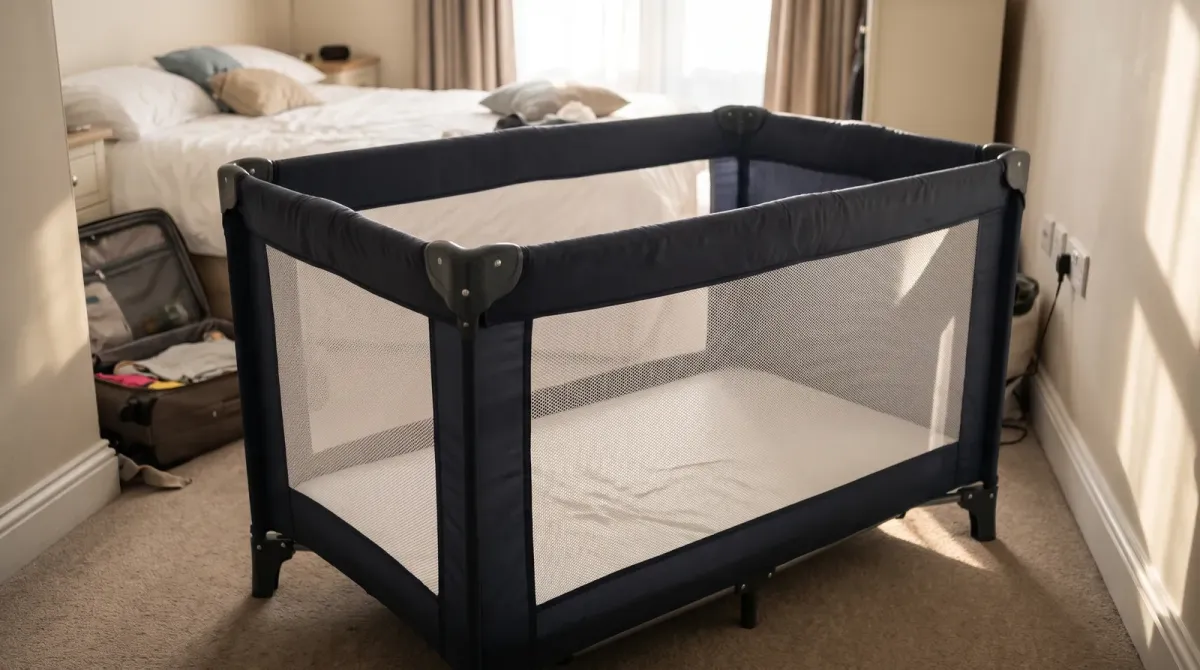
A portacot is a cot that folds up into a bag. It usually has a light metal frame, mesh sides and a thin, firm mattress that sits on the floor of the cot. Different countries use different names:
- Australia: portacot, portable cot or folding cot.
- UK: travel cot.
- US and Canada: play yard or playpen. Many are sold for both sleep and play.
Portacots are handy for holidays, visits to grandparents, and a nap space in the living room. Some have a raised bassinet insert for young babies, and a change table on top.
Why the "supplied mattress only" rule matters so much
A portacot mattress is thin and firm. Many parents worry it looks uncomfortable. That thinness is on purpose. The mattress is made to fit flush against the mesh sides.
Adding a thicker mattress, a second mattress, or padding underneath causes two big dangers:
- Gaps appear. A mattress that does not match the cot leaves spaces at the edges. A baby can slip into a gap face-first and get stuck. This is a suffocation risk.
- The surface gets soft. Extra layers make a soft, uneven bed. A baby's face can sink into it. The ACCC warns that babies can suffocate if a cot has extra mattresses, bedding, pillows, bumpers or folded quilts.
This rule is so important that, in Australia, the warning is required by law on every folding cot. The ACCC has recalled folding cots just because the warning was missing. In the US, the CPSC also warns parents not to add extra mattresses or padding to play yards. The UK's Lullaby Trust says a baby's mattress should be firm, flat and fit the cot with no gaps.
But isn't my baby uncomfortable?
No. Babies do not need a soft bed. A firm, flat surface is the safest place for them to sleep. Adults like soft beds. Babies are safest on firm ones.
Safety rules in each country
| Country | Who sets the rules | What applies |
|---|---|---|
| Australia | ACCC / Product Safety Australia | Mandatory folding cots standard, plus the Infant Sleep Products Safety Standard from 19 January 2026 |
| UK | Office for Product Safety and Standards | Travel cots are made to the European cot standard (BS EN 716) |
| US | Consumer Product Safety Commission (CPSC) | Federal play yard rules. Look for a label saying it meets CPSC rules |
| Canada | Health Canada | Playpens must meet the Playpens Regulations |
If you are travelling, look for the destination country's label on any cot you are given.
Cots, Bassinets & Bedside Sleepers worth a look
Real products from our catalogue. We don't show star ratings or review counts; check the current price, stock and reviews on Amazon before you buy.
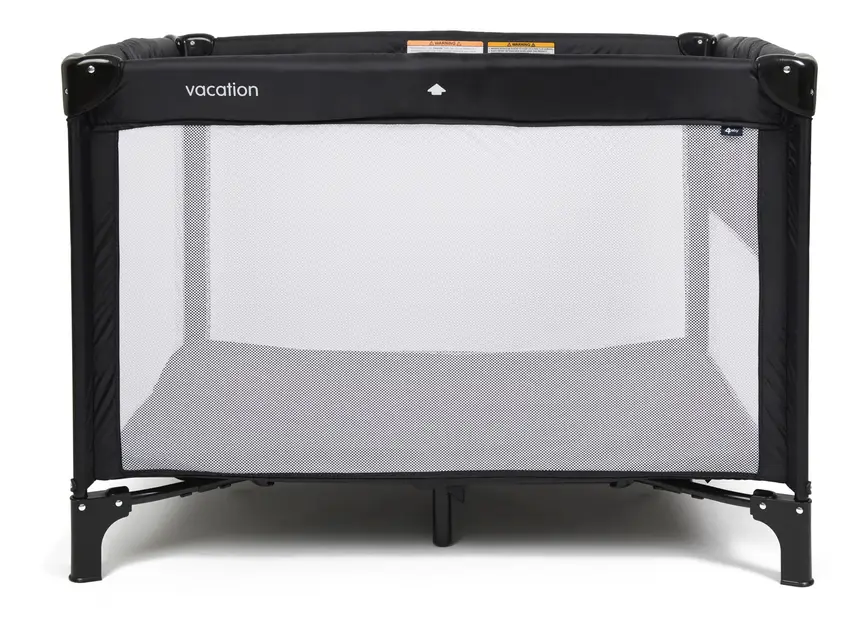
4baby Vacation Portacot
A low-cost portacot with a padded mattress and mesh sides.
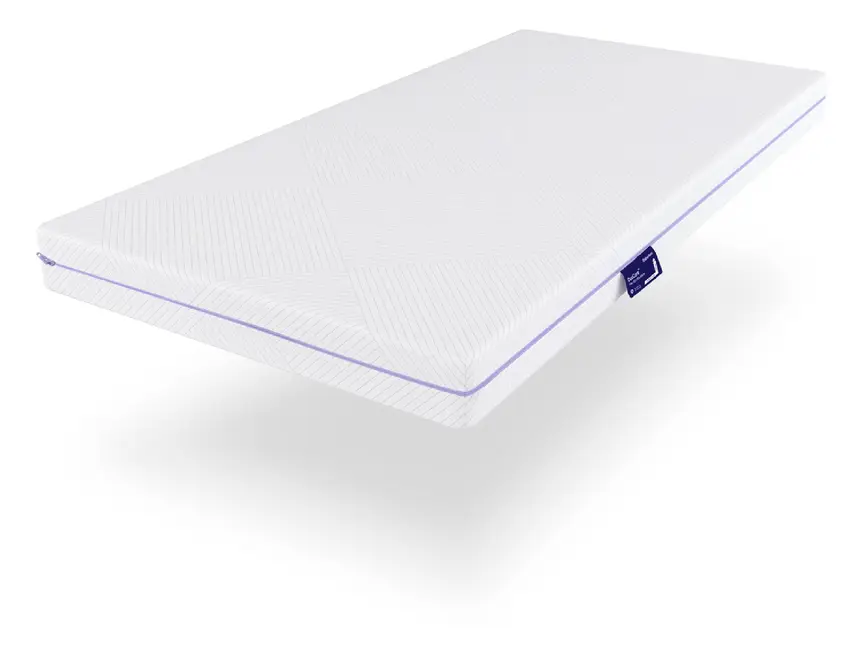
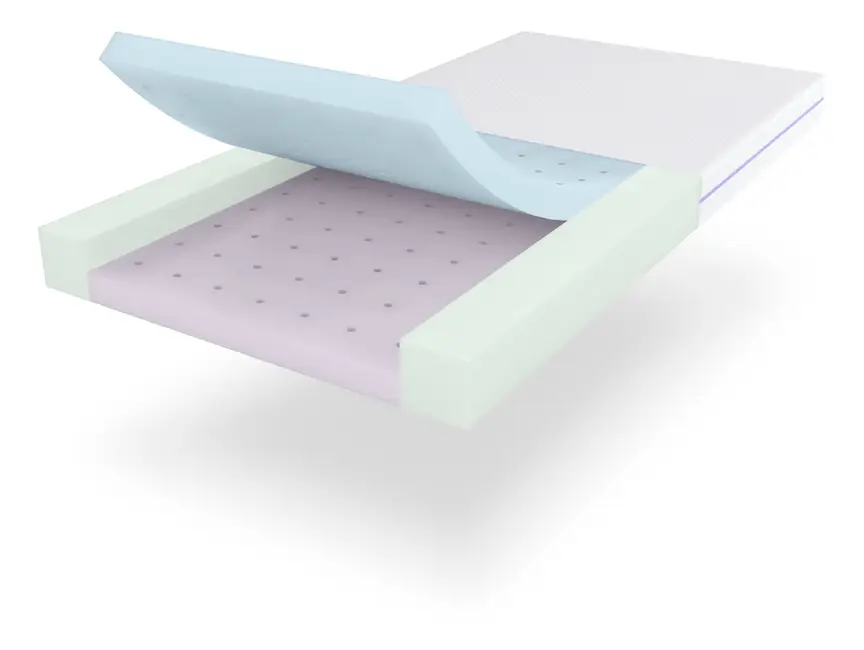

BabyRest Duocore Bamboo Cot Mattress
A two-sided mattress: a baby side to 12 kg and a toddler side from 12 kg to about 4 years.
Read our full review →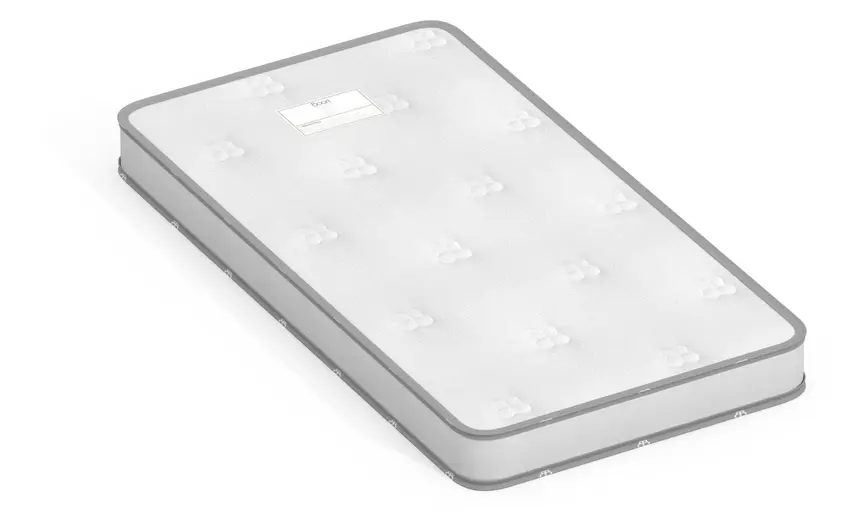
Boori Pocket Spring Mattress (standard cot)
A pocket spring cot mattress that comes rolled. Let it expand for up to 24 hours.
Compare all cots, bassinets & bedside sleepers in our reviews →
Setting up a portacot safely: step by step
- Read the label first. Check it says the cot meets your country's rules. Find the weight and age limits.
- Open the frame. Pull up each top rail until it clicks. Many models need the centre of the floor kept up while you lock the rails.
- Test every rail. Press down firmly on each one. It should not fold or move.
- Lock the floor. Push the centre of the floor down last, if your model works that way.
- Add the supplied mattress, padded side up. It should lie flat and fill the base with no gaps. Then stop. No extra mattress, topper, pillow or folded quilt.
- Add one fitted sheet made for that mattress. A loose adult sheet can come off and cover your baby's face.
- Check the spot. Keep the cot away from blind and curtain cords, heaters, power points and anything a baby could pull in. Leave no gap between the cot and a wall or furniture.
- Put your baby down safely. On their back, feet at the bottom of the cot, in a sleeping bag or with light bedding tucked in firmly. No toys or bumpers.
Using the bassinet insert
Some portacots come with a raised bassinet level for young babies. This saves your back.
- Use it only exactly as the instructions say, with its own mattress or pad.
- Stop using it at the weight or stage limit, often when your baby starts to roll or push up.
- Never put the bassinet insert in and also leave the main mattress on the floor in a way the instructions do not show.
- In Australia, these sleep areas must meet the infant sleep products standard's flat-surface rules from 19 January 2026.
How long can a baby sleep in a portacot?
Portacots are made for travel, holidays and visits. Red Nose says they are for occasional or short-term use and are not a permanent replacement for a standard cot. Product Safety Australia's long-standing advice is stricter: folding cots should be a temporary sleep place for no more than a few days.
If your baby sleeps in a portacot every night at home, plan to move them to a full-size cot that meets your country's household cot rules.
Stop using the portacot when your child:
- reaches the weight limit in the manual;
- can climb or lever themselves over the side;
- is taller than the height limit the manual gives.
Use whichever comes first.
Portacot vs full-size cot
| Portacot / travel cot | Full-size cot | |
|---|---|---|
| Best for | Travel, visits, short stays | Every night at home |
| Mattress | Thin, firm, supplied with the cot | Thicker, firm, bought to fit |
| Sides | Mesh | Timber or metal bars |
| Folds up? | Yes | No |
| Typical use | A few months to about 2 to 3 years, short stays | Birth to about 2 to 3 years |
| Main risks | Extra mattresses, unlocked rails, torn mesh | Old cots, gaps, soft bedding |
Choosing a portacot: what to look for
Portacots look much the same in the shop, but they are not all equal. Check these things before you buy.
- A safety label. The box and the cot itself should say it meets your country's rules. Be careful with very cheap cots from overseas websites. Some do not meet any standard.
- Easy locks. Try folding and unfolding it in the shop. You should be able to hear and feel each rail lock. If it is hard to set up, you are more likely to make a mistake when you are tired.
- Firm, tight mesh. The mesh should be firm with small holes, so fingers and buttons cannot get caught.
- A mattress that fits. Lay the supplied mattress in. It should fill the base edge to edge.
- Weight and size limits. Higher limits mean you can use it for longer.
- Weight to carry. If you will take it on planes or in a small car boot, a lighter model helps. Check the folded size too.
- Extras you will really use. A bassinet level can help with a newborn. A change table on top is handy for some families. More parts means more to check, so skip extras you do not need.
Travelling with a portacot
- Practise at home first. Set it up a few times before the trip, so you know how every lock works.
- Pack the mattress and instructions. Keep the instructions in the bag. Take a photo of them on your phone.
- Bring familiar things. Your baby's own sleeping bag and sheet can help them settle in a new place.
- Flying: many airlines let you check in a portacot. Ask your airline. Check the cot for damage when you collect it.
- Car trips: pack it last so it is easy to reach when you arrive.
- Check the room. Look for cords, open windows, heaters, balconies and stairs near where the cot will go.
Side by side: more cots, bassinets & bedside sleepers to compare
Real products from our catalogue. We don't show star ratings or review counts; check the current price, stock and reviews on Amazon before you buy.


Bugaboo Stardust Plus
A pop-up portacot with a bassinet, for naps at home or away.
Read our full review →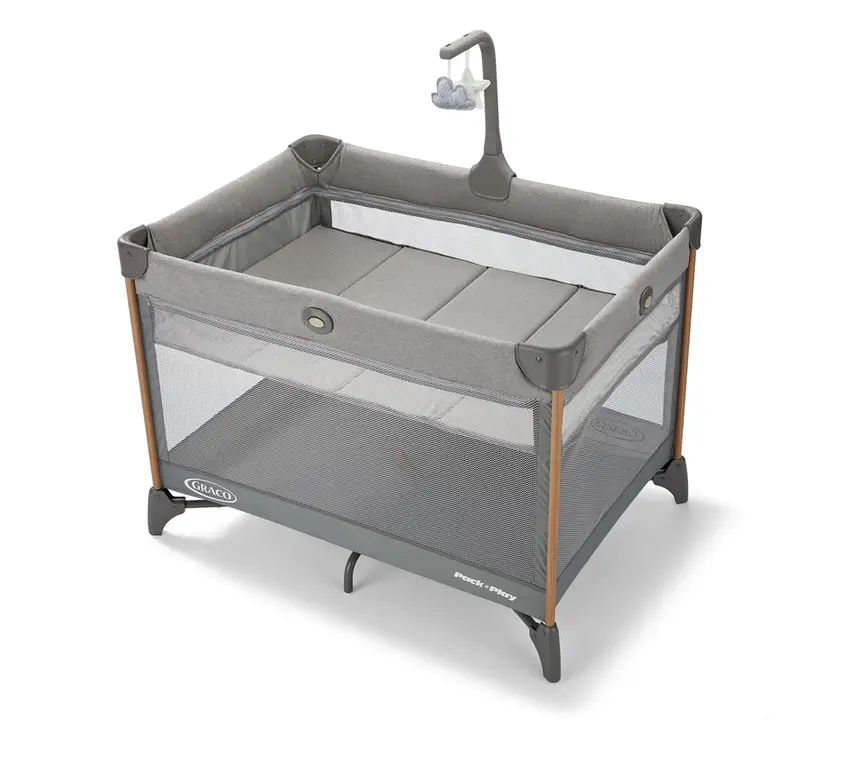

Jengo Mila Cot
A timber cot with two base heights and teething rails.

Jengo Voyager 3-in-1 Portacot
A portacot with a newborn bassinet level and a changer on top.
Compare all cots, bassinets & bedside sleepers in our reviews →
Portacot use by age
| Age (roughly) | How to use it |
|---|---|
| Newborn to rolling | Bassinet insert if your model has one, used as the instructions say. On the back, nothing else inside. |
| Rolling to sitting | Move to the floor level with the supplied mattress. Sleeping bag with arms out. |
| Sitting to standing | Floor level only. Remove anything your baby could stand on. |
| Toddler | Stop at the weight or height limit, or once your child can climb out. |
Helping your baby sleep away from home
A new place can unsettle a baby. These tips can help:
- Keep your usual bedtime routine: bath, feed, story, sleeping bag, then the cot.
- Bring something that smells like home, such as their usual sheet. Do not add soft toys or pillows to the cot.
- Use the same sounds if you have them at home, like gentle white noise at a low level, away from the cot.
- Expect a night or two of waking. Most babies settle once they are used to the new room.
- Keep the safe sleep rules the same as at home, even on holiday.
Hotel, holiday-rental and hire portacots
Portacots at hotels and holiday homes get used a lot and are often missing parts. Before you use one:
- Check the label and mattress. It should have a safety label and its original mattress. Ask for another cot if it comes with a separate foam mattress, or if staff offer to "add a second mattress for comfort".
- Check every lock yourself, even if it is set up when you arrive.
- Look for damage. Torn mesh, cracked joints or missing hinge covers mean you should ask for a different cot.
- Bring your own sheet and sleeping bag, so you know they fit and suit your baby.
- Remove extras. Take out any pillows, blankets or toys left in the cot.
Buying or borrowing second-hand
A used portacot can be fine. Check all of these:
- The safety label is still attached and easy to read.
- The original mattress comes with it. Never pair a cot with a different mattress.
- The instructions come with it, or you can download them from the brand's website.
- It is not too old. Raising Children Network suggests second-hand cots be less than 5 years old. Red Nose says cots under 10 years old with the standards tag still attached should still meet the rules. Newer is better.
- It has not been recalled. Search the brand and model on productsafety.gov.au (Australia), cpsc.gov (US), gov.uk product recalls (UK) or Health Canada's recalls site.
- Everything works. Every rail locks firmly, the mesh has no holes, and the frame has no cracks or missing parts.
Cleaning and care
- Wipe the frame and mesh with mild soapy water.
- Let everything dry fully before folding, to stop mould.
- Follow the label for washing the mattress cover.
- Store it in its bag, out of the sun and away from heat.
- Check the locks and mesh every time you set it up. A tear in the mesh can trap fingers, toes or buttons. Replace the cot if the mesh is torn.
Using a portacot for play
Many families use a portacot as a safe play space. That is fine, with a few rules:
- Keep the sides up and locked whenever your baby is inside.
- Do not leave strings, cords or large toys inside that your child could climb on.
- Remove toys before sleep. A play space and a sleep space are not the same.
- Never leave a baby in a portacot with one side down. Babies can roll into the loose mesh and get trapped.
More options, from budget to premium
Real products from our catalogue. We don't show star ratings or review counts; check the current price, stock and reviews on Amazon before you buy.
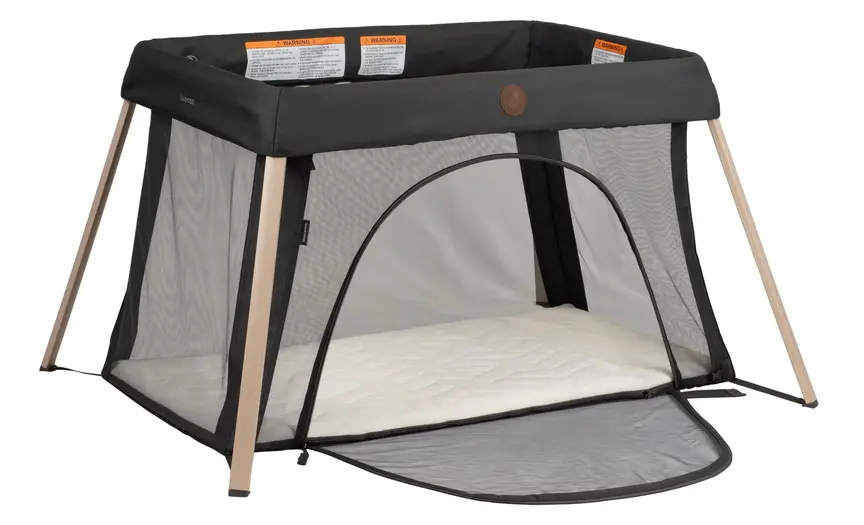
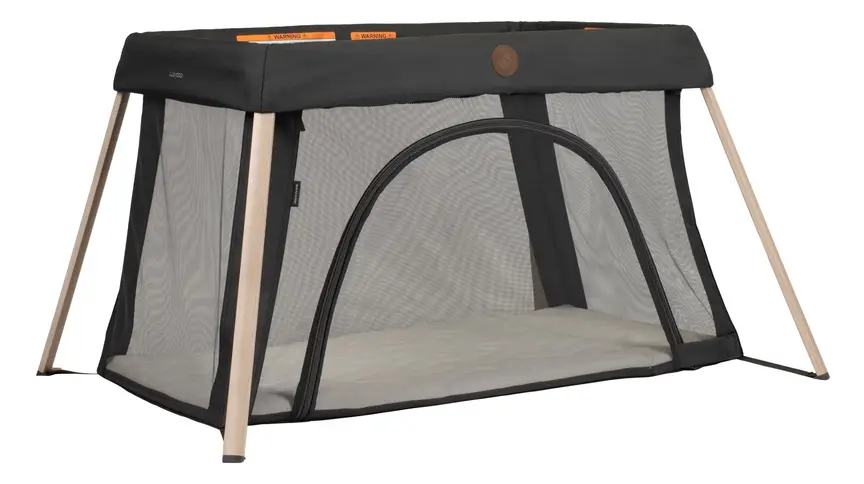

Maxi-Cosi Calao Light Travel Cot
A light travel cot with a newborn level and a toddler level, a side zip and a travel bag.
Read our full review →

Stokke Sleepi Mattress
A firm mattress with breathable mesh layers, made to fit the Stokke Sleepi bed.
Compare all cots, bassinets & bedside sleepers in our reviews →
Common mistakes to avoid
- Adding a second mattress or padding. The most dangerous mistake. Use only the supplied mattress.
- Not locking a rail. A rail that is not locked can fold and trap a baby's neck. Press every rail before use.
- Using an adult sheet. It can come loose. Use a fitted sheet for that mattress size.
- Using it as the everyday bed for months. Move to a full-size cot for regular sleep at home.
- Using a damaged hotel cot. Ask for another one, or bring your own.
- Placing it next to a window or curtain. Cords can wrap around a baby's neck.
- Keeping it past the limit. A child who can climb out can fall.
FAQ
Can I put a thicker mattress in a portacot to make it comfier?
No. Use only the mattress supplied with the cot. An extra or different mattress can make gaps where a baby can get wedged, and a softer surface raises the risk of suffocation.
Can my baby sleep in a portacot every night?
Portacots are made for travel and short stays. For everyday sleep at home, use a full-size cot that meets your country's cot rules.
What weight limit do portacots have?
It depends on the model. Red Nose says many are limited to around 15 kg. Always follow your cot's instructions.
Is a bassinet insert in a portacot safe for a newborn?
Use it only exactly as the maker describes, with its own mattress, and stop at the stated limits.
How do I check a portacot for recalls?
Search the brand and model on your country's recall website: productsafety.gov.au/recalls in Australia, cpsc.gov in the US, gov.uk in the UK, or Health Canada's recalls site. If you find a recall, follow the supplier's instructions straight away.
Can I buy an aftermarket mattress made for my portacot?
Only use a replacement if the cot's own maker sells it as a direct replacement for that exact model. A "universal" travel cot mattress may not fit, and a thicker one can be dangerous.
My portacot is hard to fold. Is that normal?
Many portacots need the floor centre pulled up before the rails will unlock. Read the instructions. Never force a lock. If a lock is broken or sticky, do not use the cot until it is fixed or replaced by the maker.
Can I put a portacot on a soft rug or carpet?
Yes, as long as the floor is flat and the cot stands steady. Do not put it on a bed, sofa or any raised surface.
Is a play yard the same as a portacot?
Mostly. "Play yard" is the usual name in the US and Canada. If it is sold for sleep, the same safety rules apply: supplied mattress only, every rail locked, baby on their back.
Should I use a sleeping bag or blanket in a portacot?
A sleeping bag that fits well is easiest. It stays in place and keeps your baby's face clear. If you use a blanket, make it light and tuck it firmly under the mattress at the sides and bottom, no higher than your baby's chest.
Can two children share a portacot?
No. Each baby or toddler needs their own safe sleep space.
Sources
- Red Nose Australia – Portable and folding cots
- Red Nose Australia – Cots (portable or folding)
- Product Safety Australia – Folding cots mandatory standard
- Product Safety Australia (ACCC) – Infant sleep products mandatory standards
- Product Safety Australia – Household cots guide
- Raising Children Network – Safe cots, portacots and mattresses
- Product Safety Australia – Recalls
- The Lullaby Trust (UK) – Mattresses
- The Lullaby Trust (UK) – Safer sleep advice
- CPSC (US) – Safe sleep: cribs and infant products
- American Academy of Pediatrics (US) – A parent's guide to safe sleep
- Health Canada – Playpen safety
- Health Canada – Safe sleep tips
Related guides
More Sleep & Nursery →
Cot Mattress Safety: Firmness, the Two-Finger Gap Rule and What Not to Add
Cot Safety: Bar Gaps, Mattress Fit, Teething Rails and What the Rules Require

Do Toddlers Need Neck Pillows? Safety, Sleep and Travel Advice
