Waterproof Bassinet Sheets and Mattress Protectors: How to Choose Safely
How to pick waterproof bassinet sheets and mattress protectors safely: tight fit, firm flat surface, no padding, and rules for AU, UK, US and Canada.

On this page
- Key points
- What waterproof bassinet sheets and mattress protectors are
- Why a dry, firm mattress matters for safe sleep
- How to choose a safe waterproof protector or sheet
- Comparing waterproof bassinet bedding options
- What to check as your baby grows
- Safety rules in Australia, the UK, the US and Canada
- Step-by-step: how to set up and wash bassinet bedding
- Common mistakes to avoid
- How many waterproof sheets or protectors do you need?
- What to do after a leak at night
- Frequently asked questions
- Sources
Short answer: A waterproof bassinet sheet or mattress protector keeps wee, spit-up and milk out of the mattress. Choose a thin, flat protector that fits tightly with no loose folds. Never use a thick, soft or padded protector. Always put a tight cotton fitted sheet over a protector if the instructions say so. Keep the bassinet clear of everything else. Always lay your baby on their back.
Safe sleep rules on firm, flat, clear sleep spaces are the same in Australia (Red Nose and Product Safety Australia), the UK (The Lullaby Trust and NHS), the US (American Academy of Pediatrics and CPSC) and Canada (Health Canada and the Canadian Paediatric Society).
Key points
- Keep the mattress dry: Babies spit up and leak through nappies (diapers). Moisture inside foam can grow mould and bacteria.
- Stay firm and flat: Never add soft padding, quilting or fleece on top of the mattress.
- Check the fit: A loose sheet or protector can bunch up and cover your baby's face.
- Skip loose pads: Avoid flat waterproof mats or plastic sheets that do not wrap tightly under the mattress.
- Keep it simple: Use one fitted protector and one tight fitted sheet, or one waterproof fitted sheet.
- Keep the bassinet clear: No pillows, bumpers, loose blankets or toys in the sleep space.
What waterproof bassinet sheets and mattress protectors are
Babies spend many hours asleep in their first months. Leaks happen almost every day. Milk dribbles out. Nappies overflow. Sweat builds up on warm nights.
Without a waterproof barrier, liquid soaks straight into the bassinet mattress. Most bassinet mattresses have a foam core. Once liquid gets inside foam, it is very hard to wash out. It can leave smells, stains and damp spots that grow mould.
Waterproof bedding stops liquid before it reaches the mattress. You can buy this protection in a few main forms:
- Waterproof mattress protector: A thin fitted cover that wraps around the mattress. You put a normal cotton fitted sheet over the top.
- Waterproof fitted sheet: A two-in-one sheet. It has a soft fabric top and a thin waterproof backing underneath. You do not need a second sheet on top.
- Built-in waterproof mattress cover: Many new bassinet and cot mattresses come with a sealed, wipe-clean outer cover. You only need a tight fitted sheet over it.
- Zip-off waterproof cover: Some mattresses have a removable waterproof cover you can unzip and wash.
Each option works well if it stays flat, firm and tight. The wrong type, such as a thick quilted pad or a loose plastic sheet, can make the sleep space unsafe.
Why a dry, firm mattress matters for safe sleep
A baby's sleep surface needs to be firm, flat and clean. Health groups around the world repeat this rule. Soft or uneven surfaces raise the risk of suffocation.
1. Firmness protects your baby's airway
Newborns have weak neck muscles. If a mattress or pad is soft, a baby's head can sink into it. If the baby turns their head to the side, soft fabric can press against their nose and mouth. A firm mattress holds its shape under the baby's weight.
Red Nose Australia, The Lullaby Trust in the UK, the American Academy of Pediatrics (AAP) and Health Canada all say the sleep surface must be firm. Adding a thick, puffy or quilted mattress protector makes a firm mattress soft. Even a thin layer of extra foam or wadding can change how the surface feels.
2. A tight fit stops fabric from bunching
Anything loose in a bassinet is a hazard. If a sheet or protector is too big, it can slip off a corner. Loose fabric can fold over a baby's face and block their breathing.
Strong elastic around the whole edge helps hold the sheet in place. The sheet should stretch smoothly across the top with no wrinkles or sagging spots.
3. Dry foam prevents mould and smells
Dampness inside a mattress is bad for your baby. Mould spores and bacteria grow fast in warm, wet foam. Breathing in mould can irritate a baby's lungs and skin.
Wiping a sealed surface or washing a thin protector takes minutes. Trying to dry a soaked foam mattress takes days. It rarely gets the inside truly clean. If a foam mattress gets soaked, stained or mouldy, it is often safer to replace it.
4. Second-hand mattresses need extra care
The Lullaby Trust in the UK advises parents to use a new, clean, firm mattress for each baby if they can. If you use a second-hand mattress, check it carefully first. Make sure it has a waterproof cover with no tears, cracks or sagging. A broken waterproof layer lets moisture inside, where bacteria can stay hidden.
Cots, Bassinets & Bedside Sleepers worth a look
Real products from our catalogue. We don't show star ratings or review counts; check the current price, stock and reviews on Amazon before you buy.
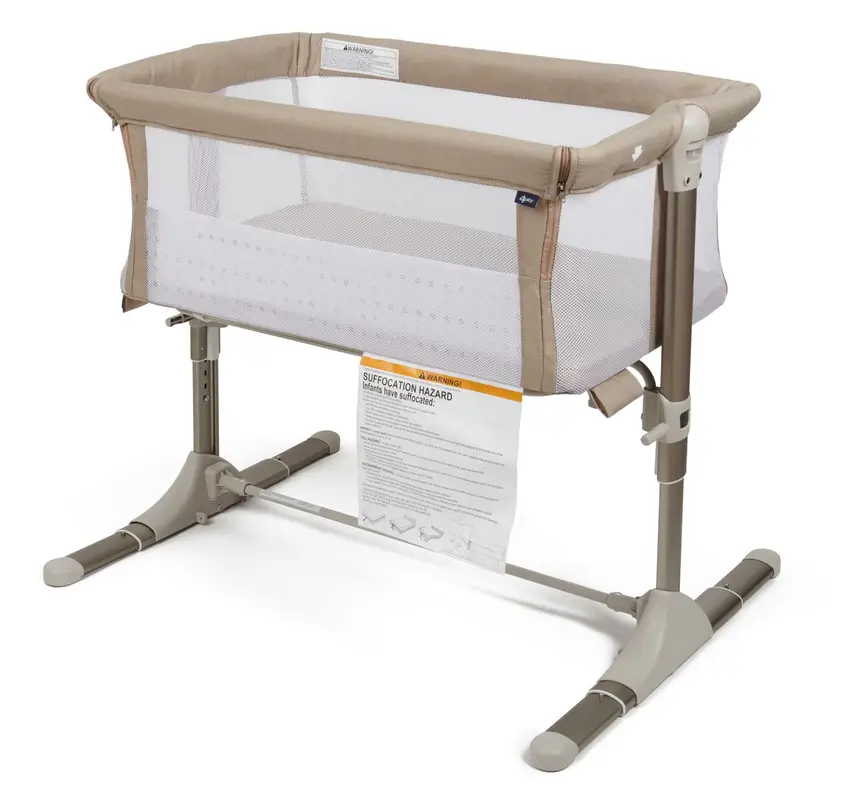
4baby Snuggle Cuddle Bedside Sleeper
A low-cost bassinet that turns into a bedside sleeper, with 4 heights and mesh sides.
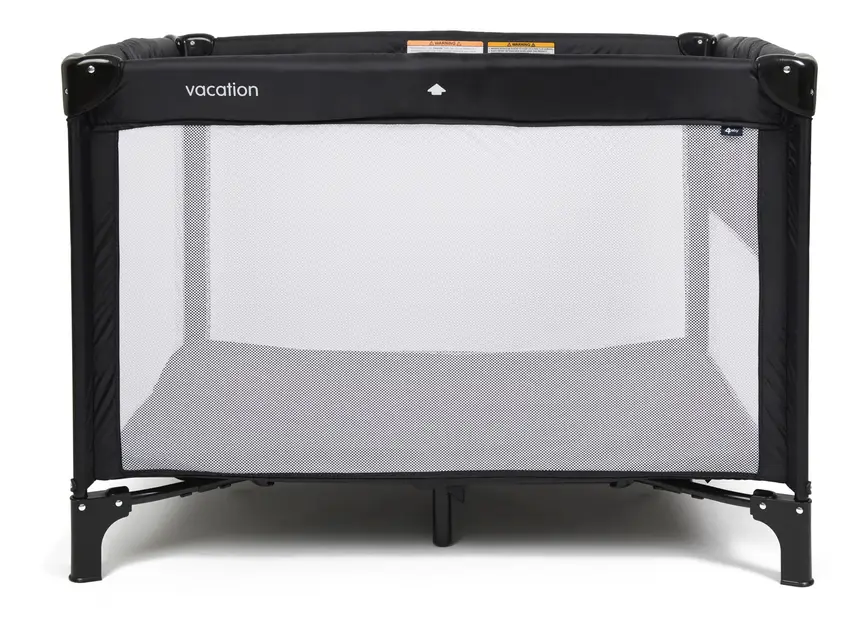
4baby Vacation Portacot
A low-cost portacot with a padded mattress and mesh sides.
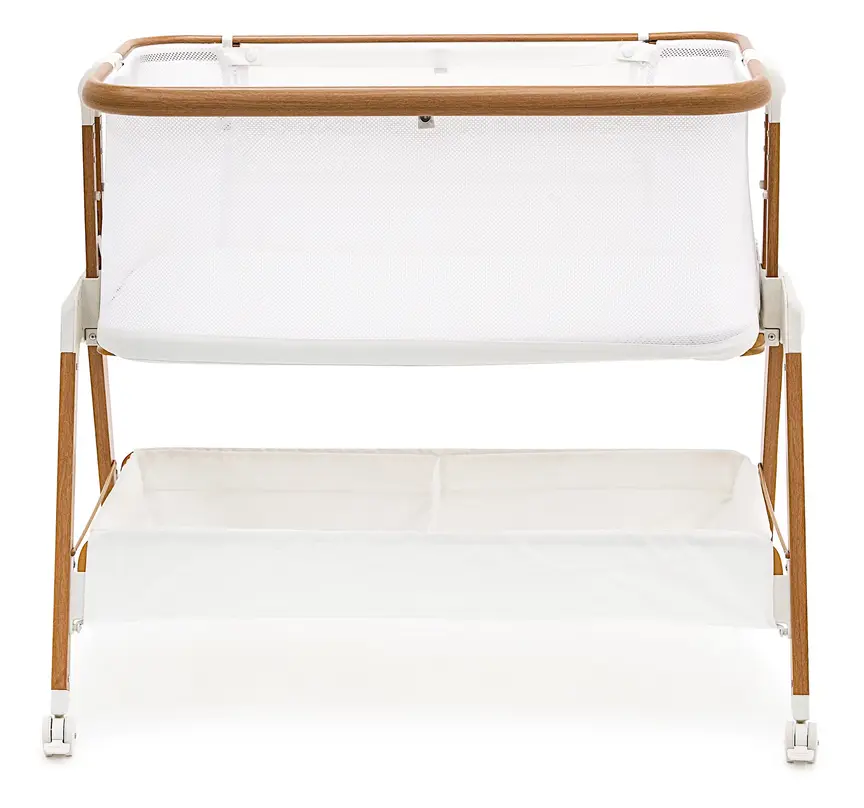
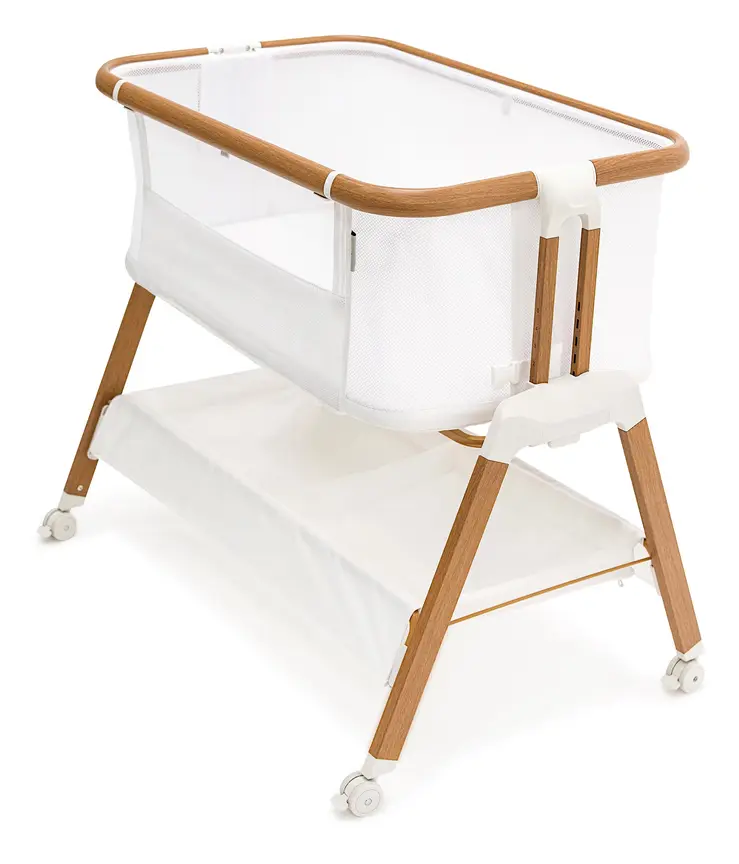
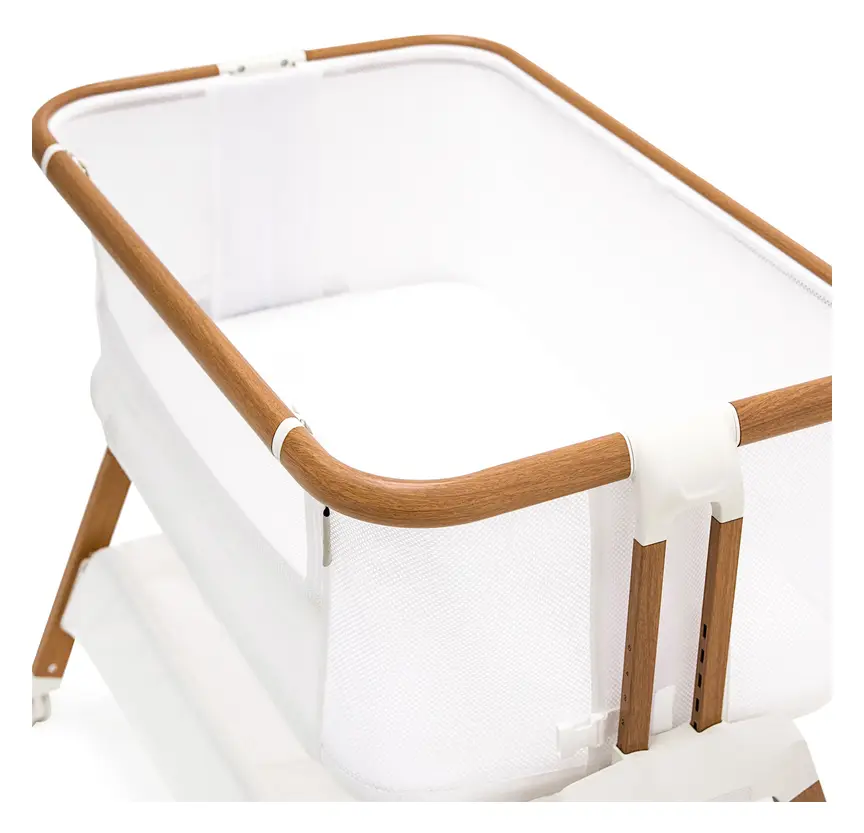
BabyRest Alfie2 Bedside Bassinet
A bedside bassinet with 5 heights, a drop-down side, wheels and an insect net.
Read our full review →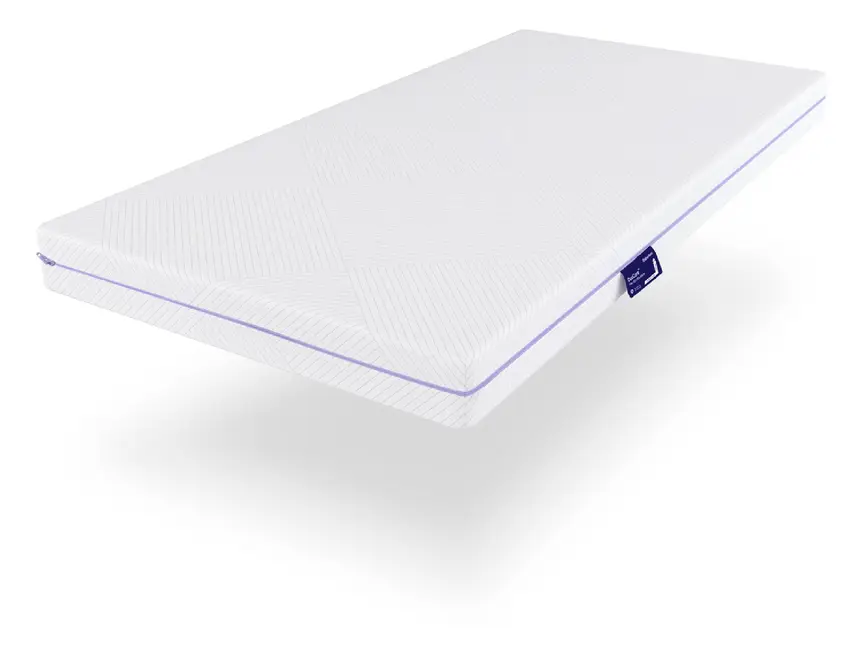
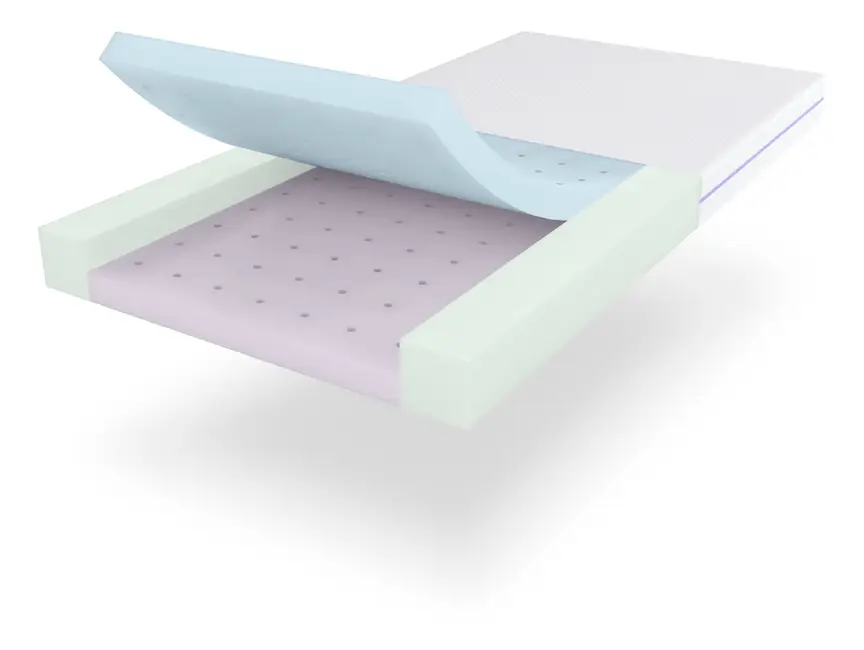

BabyRest Duocore Bamboo Cot Mattress
A two-sided mattress: a baby side to 12 kg and a toddler side from 12 kg to about 4 years.
Read our full review →Compare all cots, bassinets & bedside sleepers in our reviews →
How to choose a safe waterproof protector or sheet
Shops sell dozens of protectors in different shapes and fabrics. Focus on safety and fit first, not cute prints or extra padding.
Check the exact size and shape
Bassinets do not all share one standard size. Some are oval. Some are round. Some are narrow rectangles. Others have curved corners or tapered ends.
Measure the length, width and thickness of your bassinet mattress before you buy. Check the maker's label on the packaging. A sheet made for a standard rectangular bassinet may bunch up on an oval mattress. Never fold extra fabric under a tiny mattress if it makes the mattress curl up at the edges.
Look for a thin, non-padded design
Press your hand down on the protector. It should feel flat and thin, like a normal sheet with a light backing. Skip anything called "quilted", "plush", "pillow-top" or "extra-padded".
Do not buy waterproof pads stuffed with thick polyester wadding. They feel cosy to adults, but they are too soft for babies.
Choose a quiet, soft top layer
Old-style vinyl and PVC sheets often make a loud crinkle sound when a baby moves. That noise can wake a light sleeper. Cheap plastic also traps heat and makes babies sweaty.
Look for a soft cotton, bamboo or brushed knit top layer bonded to a thin polyurethane (PUL) backing. PUL is thin, flexible and quiet. It blocks liquid while staying flat against the mattress.
Check for breathability and heat build-up
Overheating is a known risk factor for sudden infant death. Waterproof layers stop liquid, so they naturally hold a little more warmth than plain cotton.
To keep your baby comfortable, choose a thin protector with a natural cotton top layer. Do not layer two or three waterproof pads on top of each other. Extra layers trap heat and make the mattress softer.
Check the elastic and seams
A fitted protector or sheet should have strong elastic all the way around the skirt. Check the stitching at the corners. Weak elastic stretches out after a few washes and stops holding tight.
Avoid protectors with loose ribbons, ties, buttons or decorative tags. Babies can pull on loose parts or get tangled in ties.
Watch for strong chemical smells
Some cheap plastic covers give off a strong smell out of the packet. Air new bedding before using it. Wash it according to the label before your baby sleeps on it. If a plastic cover stays sticky or smells harsh after washing, do not use it.
Comparing waterproof bassinet bedding options
Different families like different setups. Here is how the four main waterproof options compare for safety, comfort and daily washing.
| Option | How it works | Safety and fit | Washing and drying | Best for |
|---|---|---|---|---|
| Waterproof mattress protector + cotton sheet | A thin waterproof cover goes on first, then a tight cotton fitted sheet. | Safe if both layers are thin, flat and tight. | You only wash the top sheet after small dribbles. Wash both after big leaks. | Everyday home use when you already own cotton sheets. |
| Waterproof fitted sheet (2-in-1) | One fitted sheet with a soft top and waterproof underside. | Very neat fit. Less chance of layers shifting. | Takes longer to dry than plain cotton. Keep two or three spares. | Parents who want quick 2:00 AM sheet changes. |
| Built-in wipe-clean mattress cover | The mattress itself has a sealed waterproof outer skin. Use one fitted cotton sheet on top. | Best fit because there is no extra cover to bunch up. | Wipe the mattress dry with mild soap and water. Wash the cotton sheet. | Bassinets that already come with a waterproof mattress. |
| Flat waterproof pad or liner (not fitted) | A loose rectangular pad laid on top of the sheet. | Not safe for unsupervised sleep. Edges can lift or fold over the baby's face. | Easy to pull off and wash, but unsafe for sleep. | Change tables only, never inside a sleeping bassinet. |
For sleep, always choose a fitted option that wraps securely under the mattress. Save flat, unattached waterproof mats for the change table or nappy bag.
What to check as your baby grows
Your baby's sleep setup changes fast in the first year. What works for a tiny newborn may not work at four months.
Newborn to around 3 months
Newborns feed often, day and night. Spit-up and runny newborn poo leaks are very common at this stage. Having two or three fitted waterproof sheets or protectors makes night changes much easier.
Keep the bassinet completely clear. Use only the firm mattress, a tight protector if needed, and one snug fitted sheet. Dress your baby in a safe wrap or a fitted baby sleeping bag. Always put them down on their back.
Around 3 to 6 months (signs of rolling)
Once your baby starts kicking strongly, scooting or trying to roll, check the bedding every day. Active babies can pull loose corners free with their heels.
Also check your bassinet's weight and milestone limits. Most bassinets are only safe until your baby starts to roll, push up on hands and knees, or reach the maker's weight limit. At that point, move your baby to a cot (crib).
Moving to a cot (crib)
When you move to a full-size cot, you will need new waterproof protectors and sheets made for that exact cot mattress size. Never stretch a small bassinet sheet onto a cot mattress. Never fold a big cot sheet under a bassinet mattress.
In a cot, check the gap between the mattress and the cot sides. Product Safety Australia says there should be no gap larger than 20 millimetres (about two fingers) between the mattress and the cot sides or ends when centred. A tight sheet should never pull the mattress edges up and create a gap.
Portacots and travel cots
Portacots (travel cribs) usually come with a thin folding mattress that already has a wipe-clean surface. Never add an extra soft mattress or thick waterproof pad inside a portacot.
If you use a sheet on a portacot, use only one made by the portacot maker for that model. Loose sheets in a portacot can trap a baby between the mattress and the mesh wall.
Older babies and toddlers
Toddlers drink more water and milk. They may leak through heavy night nappies. A durable waterproof cot mattress protector still helps keep the cot mattress clean until your child moves to a toddler bed.
Safety rules in Australia, the UK, the US and Canada
Rules for bassinets, mattresses and bedding are very similar across Australia, the UK, the US and Canada. Every major health and safety body warns against soft bedding and loose covers.
| Country | Main safety and health bodies | Relevant standards | Core advice on mattresses and protectors |
|---|---|---|---|
| Australia | Red Nose Australia, Product Safety Australia (ACCC), Raising Children Network, Standards Australia | AS/NZS 2172 (household cots), AS/NZS 8811.1 (mattress firmness test) | Firm, flat, clean mattress that fits snugly with no gaps. Use only a tight fitted sheet. Keep soft bedding and pads out of the sleep space. |
| United Kingdom | The Lullaby Trust, NHS, UK Office for Product Safety and Standards | BS EN 1130 (cribs and bassinets), BS EN 16890 (cot mattresses) | Firm, flat, waterproof mattress in good condition. Cover with a single fitted sheet. No pillows, duvets, cot bumpers or soft pods. |
| United States | American Academy of Pediatrics (AAP), U.S. Consumer Product Safety Commission (CPSC), NICHD Safe to Sleep | ASTM F2194 (bassinets and cradles), ASTM F1169 (full-size cribs) | Firm, flat, non-inclined sleep surface with a tight fitted sheet. No mattress toppers, soft pads, blankets or loose items. |
| Canada | Health Canada, Canadian Paediatric Society (Caring for Kids) | National crib, cradle and bassinet safety rules | Firm, flat mattress with only a fitted sheet. Keep the sleep space free of soft bedding, quilts, bumper pads and extra cushions. |
Notice that all four countries agree on the big picture. A waterproof cover is fine when it is thin, firm and fitted tightly. Anything thick, padded, loose or angled is unsafe.
What about mattress firmness rules?
In Australia, Standards Australia has a voluntary firmness test called AS/NZS 8811.1. It checks whether a baby's face could sink into a mattress or pad. The Lullaby Trust in the UK and the CPSC in the US also stress that infant mattresses must stay firm and flat.
You should check firmness with any protector and sheet already on the mattress. If the mattress feels soft or spongy after you put the protector on, take the protector off.
Side by side: more cots, bassinets & bedside sleepers to compare
Real products from our catalogue. We don't show star ratings or review counts; check the current price, stock and reviews on Amazon before you buy.
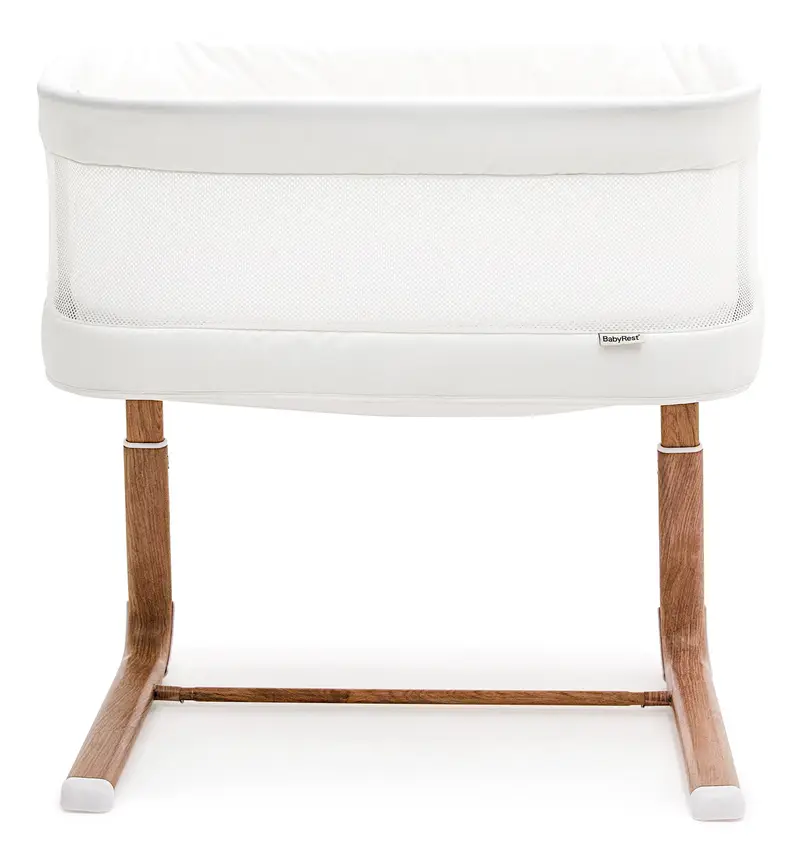
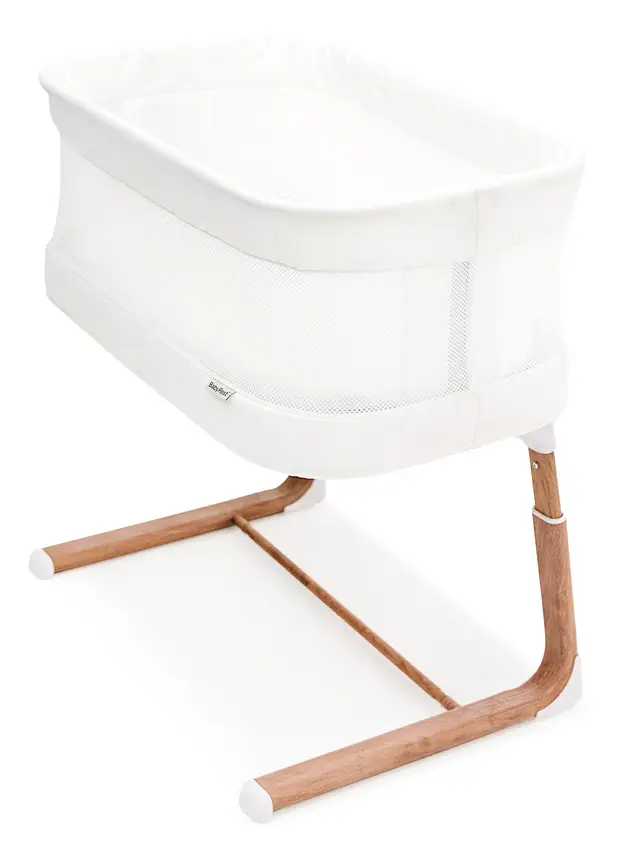
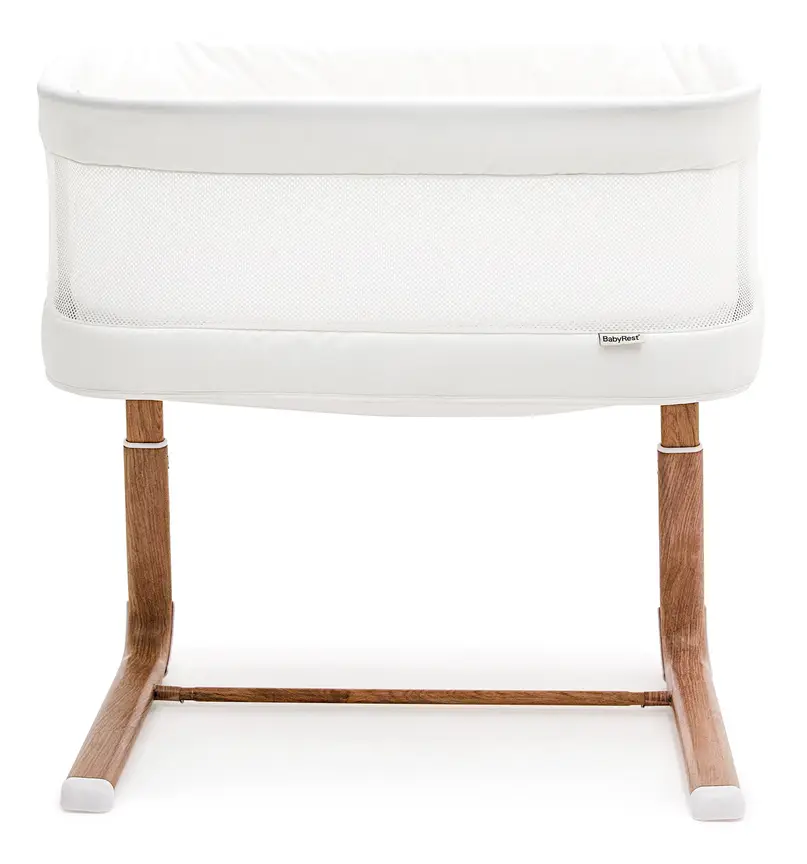


BabyRest Swan Smart Bassinet
A bassinet that rocks by itself when baby stirs, with 3 rocking levels, lullabies and a remote.
Read our full review →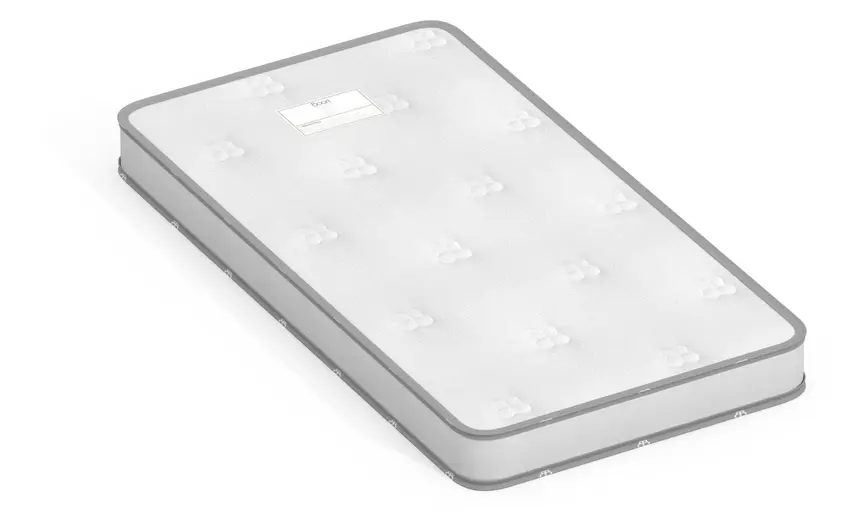
Boori Pocket Spring Mattress (standard cot)
A pocket spring cot mattress that comes rolled. Let it expand for up to 24 hours.


Bugaboo Stardust Plus
A pop-up portacot with a bassinet, for naps at home or away.
Read our full review →
Jengo Voyager 3-in-1 Portacot
A portacot with a newborn bassinet level and a changer on top.
Compare all cots, bassinets & bedside sleepers in our reviews →
Step-by-step: how to set up and wash bassinet bedding
Setting up and washing waterproof bedding the right way keeps your baby safe. It also helps the fabric last longer.
- Inspect the mattress first. Make sure the bassinet mattress is flat, firm and dry. Check that it fits the bassinet base with no wide gaps at the sides.
- Check if you even need a protector. If the mattress already has a smooth, sealed waterproof cover, you can skip an extra protector. Put a fitted sheet straight on.
- Fit the waterproof protector. Stretch the protector smoothly over all corners. Tuck the elastic edge well underneath the mattress.
- Add the fitted sheet. Pull a clean, tight cotton fitted sheet over the protector. Make sure there are no wrinkles or baggy corners.
- Do the tug and flatness test. Run your flat hand across the middle. It should feel firm, not squishy. Gently tug the middle of the sheet. It should not lift away from the mattress easily.
- Check the mattress edges. Make sure tight elastic has not bent a thin bassinet pad upward like a bowl. If the edges curl up, the sheet is too small.
- Wash gently after leaks. Rinse off solids or milk in cool water first. Machine wash in warm or cool water with mild baby-safe detergent.
- Avoid fabric softener and bleach. Fabric softener can coat the fabric and break down the waterproof backing. Bleach can damage the waterproof layer and make it peel.
- Dry on low heat or line dry. High heat in a tumble dryer can melt or crack thin waterproof linings. Hang protectors in the shade, or use the lowest dryer setting if the care label allows it.
- Check for peeling before reuse. Before putting a washed protector back on, check the underside. If the waterproof film is cracking, flaking or peeling, throw it away and replace it.
Common mistakes to avoid
Even careful parents can make small bedding mistakes when they are tired. Watch out for these common traps:
- Using a quilted or padded protector: Extra cushioning makes the sleep surface too soft. Babies need a firm surface.
- Using loose puppy-style pads or flat liners: Flat waterproof mats can slide around and fold over your baby's face during sleep.
- Layering sheets ("lasagne" layering): Some parents layer protector, sheet, protector, sheet to save time at night. Too many layers can make the surface uneven. They also trap heat and stop the top sheet from gripping the mattress tightly.
- Using a pillowcase on a bassinet pad: Standard adult pillowcases are not shaped for bassinet pads. They can slip off or leave loose fabric near your baby's head.
- Putting plastic bags or non-breathable tarps under sheets: Never put a plastic bag, shower curtain or household plastic over a mattress. Loose plastic is a severe suffocation hazard.
- Leaving a damp mattress to dry under a new sheet: If milk or wee soaked through into the foam, putting a dry sheet on top traps moisture inside. Dry and clean the mattress properly first.
- Ignoring curled mattress edges: Thin bassinet pads bend easily if a fitted sheet shrinks in the wash. If the mattress curls, stop using that sheet.
- Putting waterproof bedding in the dryer on hot: One hot tumble cycle can ruin the waterproof membrane. It can also shrink the cotton top so it no longer fits.
How many waterproof sheets or protectors do you need?
You do not need a huge cupboard full of baby bedding. Two or three sets is plenty for most families:
- One on the bassinet.
- One in the wash or drying on the line.
- One clean spare ready for middle-of-the-night leaks.
If your baby has reflux and spits up often, having four fitted sheets can save you from doing laundry every single day. Having spares also means you never feel tempted to use an ill-fitting sheet while waiting for the wash to dry.
What to do after a leak at night
Middle-of-the-night leaks are stressful when you are half asleep. Having a simple plan helps you fix the bed fast and keep it safe.
- Pick up your baby first. Put them somewhere safe, such as a clean play mat or with another adult, while you strip the bed.
- Remove the wet sheet and protector. Pull off both layers if wee or milk soaked through to the protector.
- Wipe the mattress. Use a clean damp cloth with a drop of mild soap, then wipe with plain water. Dry it well with a clean towel before putting fresh bedding on.
- Put on one dry protector and one dry sheet. Check that the corners are tucked well under the mattress and the top feels flat.
- Do not improvise with towels. Never lay a folded bath towel or muslin wrap over a wet patch to get through the night. Loose towels are unsafe in a baby's sleep space.
More options, from budget to premium
Real products from our catalogue. We don't show star ratings or review counts; check the current price, stock and reviews on Amazon before you buy.
 Reviewed
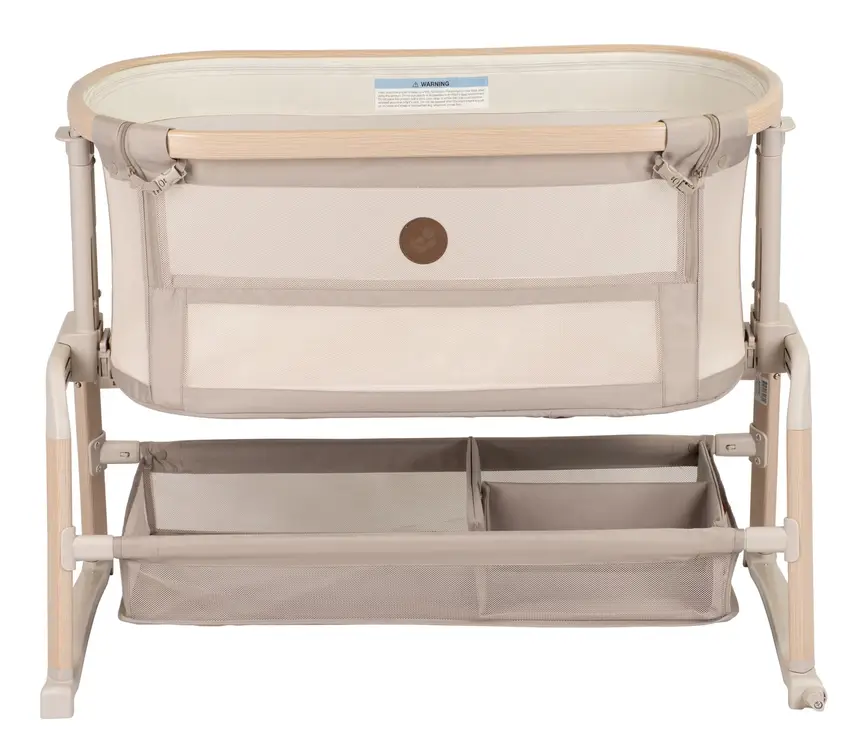
Maxi-Cosi Iora Lux
A bedside bassinet with 4 heights and 3 slide positions, with a 2-year warranty.
Read our full review →
Stokke Sleepi Mattress
A firm mattress with breathable mesh layers, made to fit the Stokke Sleepi bed.
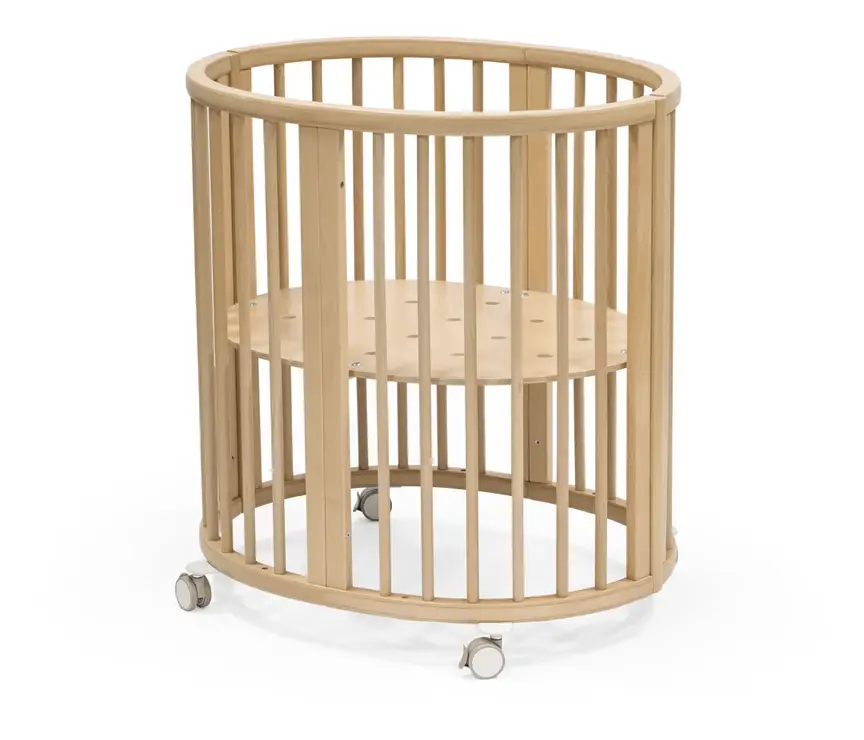


Stokke Sleepi Mini
A beech wood oval crib for newborns, with rods and a holed base for airflow.
Read our full review →Compare all cots, bassinets & bedside sleepers in our reviews →
Frequently asked questions
Do I need a waterproof protector if my bassinet mattress is already waterproof?
No, you do not have to add one. If your mattress has a sealed, wipe-clean cover, a single tight fitted cotton sheet is enough. Some parents still like a thin washable protector to save time wiping down the mattress at night. Just make sure it is flat, unpadded and fits tightly.
Are waterproof bassinet sheets safe for newborns?
Yes, as long as they are thin, flat, unpadded and fit the mattress tightly. Make sure the sheet stays smooth with no loose corners or wrinkles. Always lay your newborn on their back on a clear, firm sleep surface.
Can a waterproof mattress protector make my baby too hot?
Thick vinyl or plastic covers can trap heat and make babies sweaty. Choose a thin protector with a natural cotton or bamboo top layer. Dress your baby lightly for the room temperature. Never stack multiple waterproof layers on top of each other.
Is it safe to layer two sheets and two protectors in a bassinet?
No. Layering several sheets and protectors can trap extra heat and make the sleep surface softer. It can also stop the outer sheet from gripping the mattress corners properly. Use only one thin fitted protector (if needed) and one tight fitted sheet, or one 2-in-1 waterproof fitted sheet.
Can I use a flat waterproof change mat inside a bassinet?
No. Flat, unattached pads can shift, bunch up or fold over your baby's face while they sleep. Only use fitted protectors and fitted sheets that wrap snugly under the mattress. Keep flat waterproof mats for change tables only.
How do I know if a sheet or protector fits safely?
Put it on the mattress and check four things. First, the surface is flat and firm when you press it. Second, the mattress itself does not bend or curl at the edges. Third, the elastic grips well underneath the mattress. Fourth, you cannot easily pull loose fabric up in the middle.
When should I replace a waterproof mattress protector?
Replace it straight away if the elastic goes loose, the seams rip, or the waterproof backing starts to crack, flake or peel. Peeling film can leave small flakes in the bedding. It will also no longer stop leaks from reaching the mattress.
Sources
- Red Nose Australia – What is a safe mattress?
- Product Safety Australia – Bassinets and cradles guide
- Raising Children Network – Safe cots, portacots and mattresses
- The Lullaby Trust (UK) – Mattresses and bedding
- NHS (UK) – Reduce the risk of sudden infant death syndrome
- American Academy of Pediatrics (US) – A parent's guide to safe sleep
- CPSC (US) – Safe sleep: cribs and infant products
- Caring for Kids (Canadian Paediatric Society) – Safe sleep for babies
Related guides
More Sleep & Nursery →
Bassinet Sheets and Mattress Protectors: How to Choose and Use Them Safely
Waterproof Bassinet Sheets and Mattress Protectors: A Safe, Simple Guide
Waterproof Mattress Protectors and Fitted Sheets: Cotton vs Polyurethane