Bassinet Mattress Firmness and Thickness Rules: Why Extra Pads Are Unsafe
Why bassinet mattresses must be firm, flat, and thin, and why adding an extra pad, topper, or cushion is unsafe for your baby.

On this page
- Key points
- Why bassinet mattresses are so thin and firm
- Why extra pads, toppers, and cushions are unsafe
- What the rules say in Australia, the UK, the US and Canada
- Original pad vs extra pad vs cot mattress
- Bedside sleepers, travel bassinets, and portacots
- Age stages: from newborn to moving to a cot
- How to check if your bassinet mattress is firm enough
- How to set up a safe bassinet without extra padding
- Common mistakes parents make with bassinet mattresses
- Frequently asked questions
- Sources
Short answer: A bassinet mattress must be firm, flat, and thin. Never add an extra pad, topper, cushion, or folded blanket on top of it. Only use the thin mattress that came with your bassinet. Extra padding raises the risk of suffocation, entrapment, and overheating.
This rule is the same in Australia (Red Nose and Product Safety Australia), the UK (The Lullaby Trust and NHS), the US (American Academy of Pediatrics and CPSC), and Canada (Health Canada and the Canadian Paediatric Society).
Key points
- Use only the original pad: Only use the firm, thin mattress made for your exact bassinet model.
- No extra pads: Do not add a 1-inch topper, foam pad, quilt, or sheepskin under or over the sheet.
- Firm and flat: The surface must not dip, sag, or hold the shape of your baby's head.
- Tight fit: There must be no gaps between the mattress edge and the bassinet wall.
- Thin waterproof cover: If you use a mattress protector, choose a thin, tight, flat one.
- Clear space: Keep pillows, loose blankets, bumpers, and toys out of the bassinet.
Why bassinet mattresses are so thin and firm
Many new parents pick up a bassinet mattress and feel surprised. It feels thin. It feels hard. Some parents worry their newborn will not sleep well on it.
That thin, firm design is not a flaw. Makers build bassinet pads that way on purpose to keep your baby alive and safe.
Newborn airways need a flat surface
A newborn baby has weak neck muscles and a heavy head. They cannot lift their head well if something presses against their nose or mouth. On a firm, flat pad, your baby's head rests on top of the surface. Their nose and mouth stay clear so air can flow freely.
On a soft pad, the heavy head sinks in. The fabric can press up around your baby's cheeks and nose. If your baby turns their face to the side, they can breathe in their own stale air. That lowers oxygen levels fast.
Why thickness is strictly limited
Bassinets have short walls compared to full-size cots. In many countries, rules limit how thick a bassinet pad can be. Many pads are around 2.5 to 3.8 centimetres thick, which is about 1 to 1.5 inches.
A thin pad keeps the bassinet walls tall enough to hold your baby safely inside. If you put a thicker pad inside, your baby sits higher up. Then the walls become too short to stop a moving baby from tipping out.
A thin pad also stays firm across the whole base. Thick foam compresses more under a baby's weight and creates a dip.
Cots, Bassinets & Bedside Sleepers worth a look
Real products from our catalogue. We don't show star ratings or review counts; check the current price, stock and reviews on Amazon before you buy.
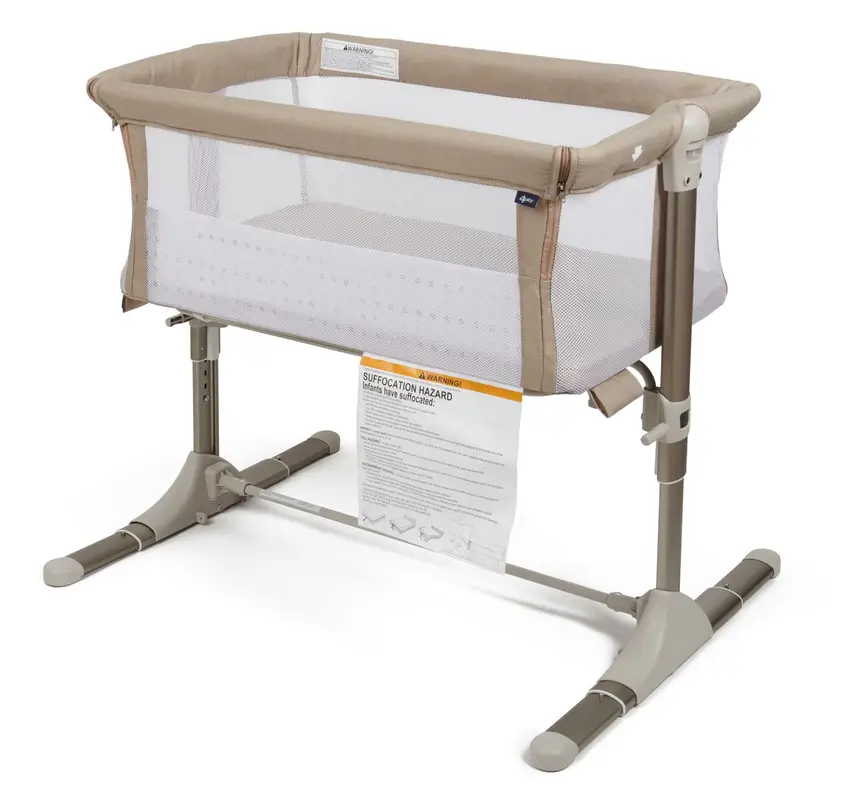
4baby Snuggle Cuddle Bedside Sleeper
A low-cost bassinet that turns into a bedside sleeper, with 4 heights and mesh sides.
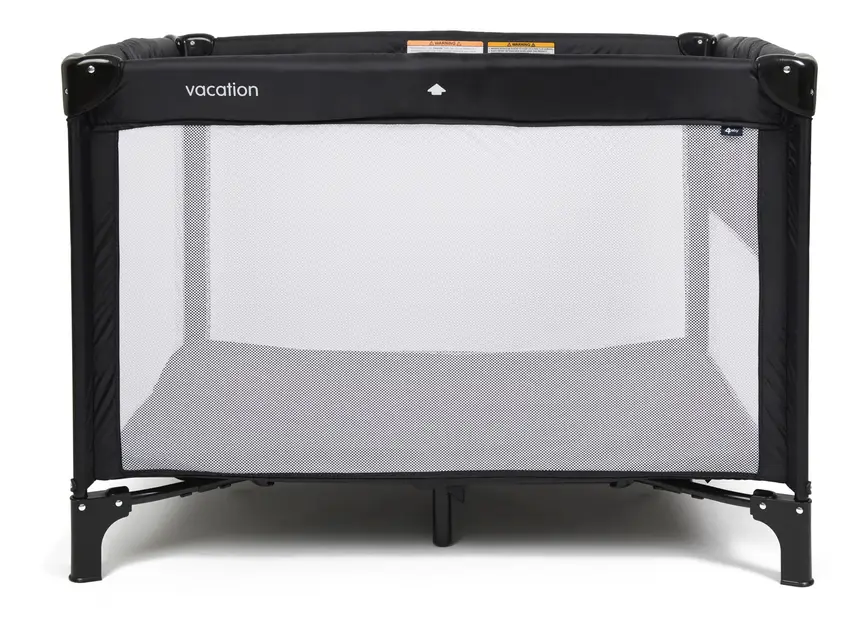
4baby Vacation Portacot
A low-cost portacot with a padded mattress and mesh sides.
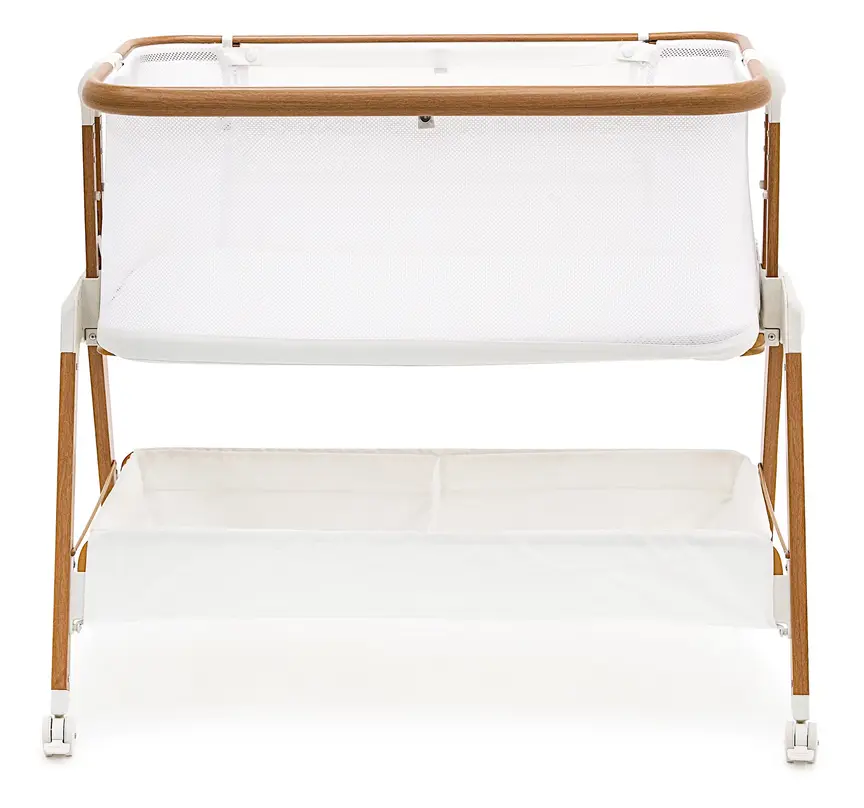
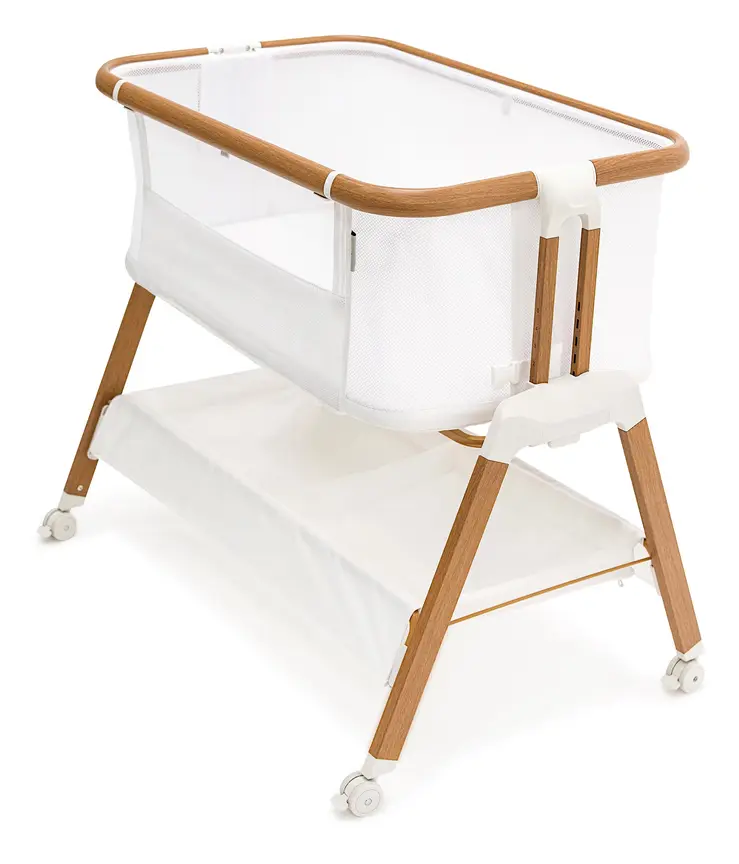
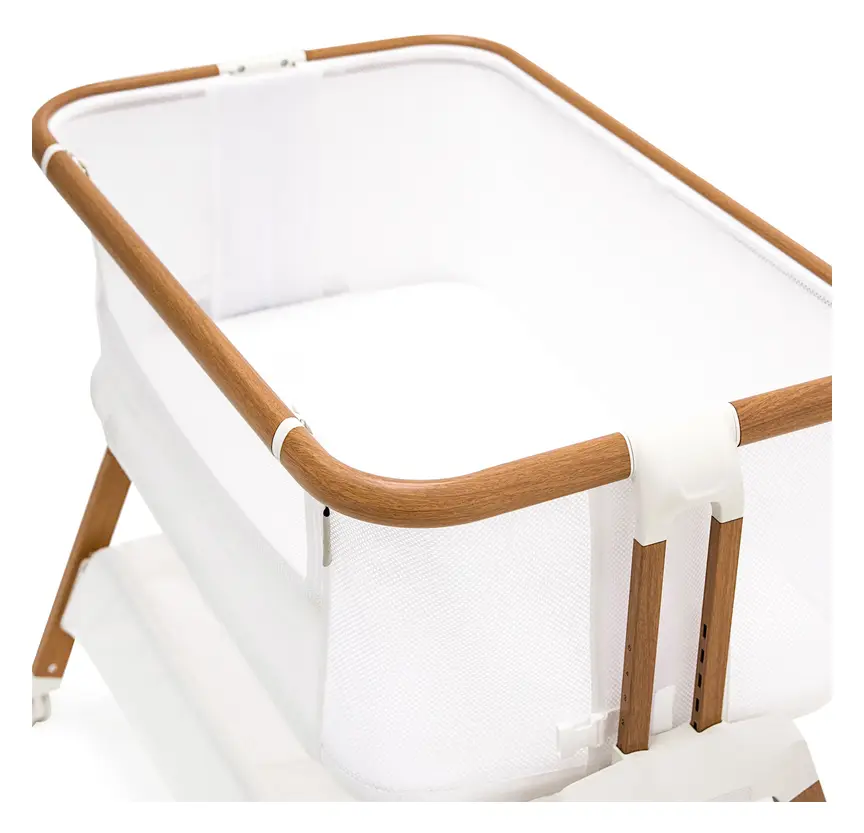
BabyRest Alfie2 Bedside Bassinet
A bedside bassinet with 5 heights, a drop-down side, wheels and an insect net.
Read our full review →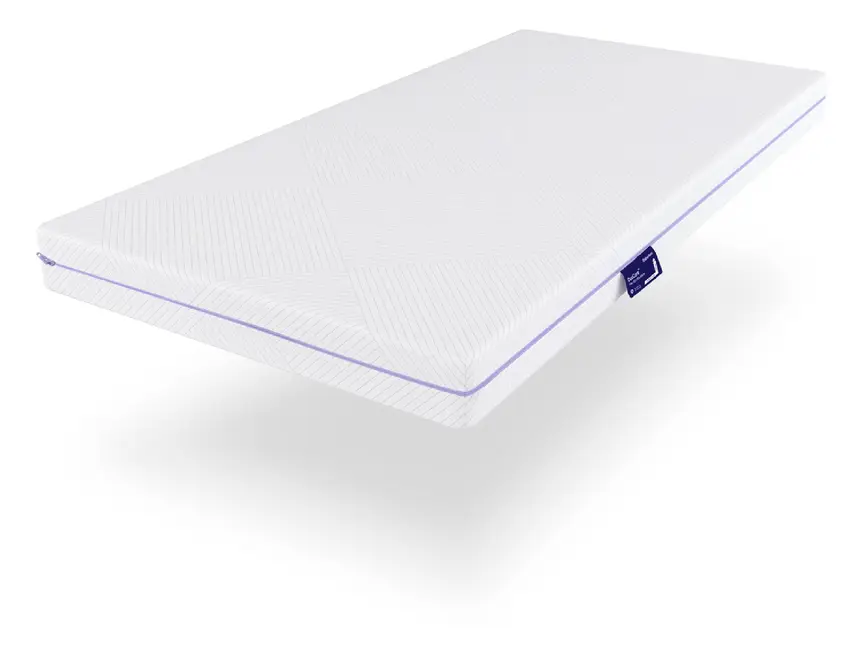
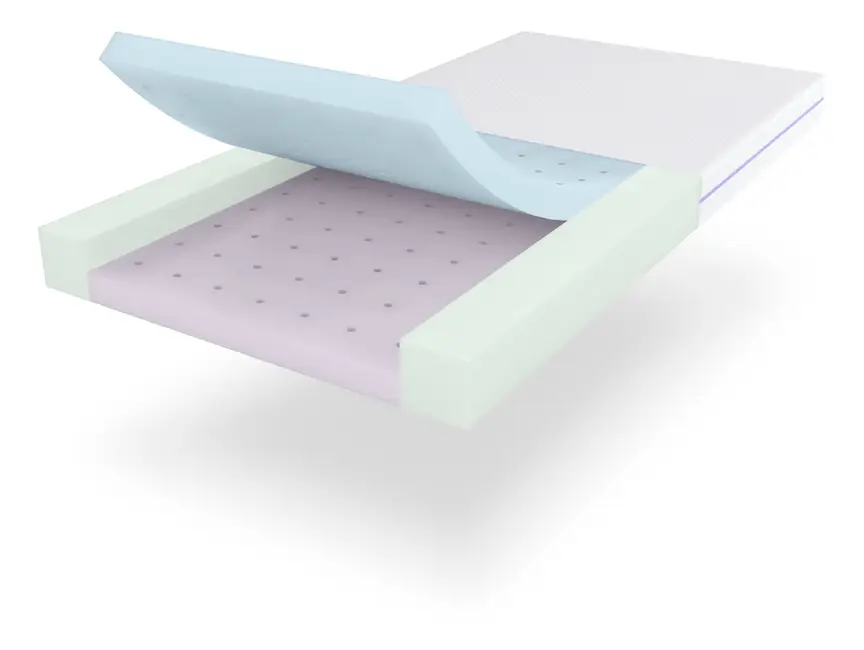

BabyRest Duocore Bamboo Cot Mattress
A two-sided mattress: a baby side to 12 kg and a toddler side from 12 kg to about 4 years.
Read our full review →Compare all cots, bassinets & bedside sleepers in our reviews →
Why extra pads, toppers, and cushions are unsafe
Online shops sell many "comfort" pads, quilted toppers, and 1-inch replacement cushions for bassinets. Their ads often promise better sleep. Safety groups in every country warn parents not to buy or use them.
1. Suffocation risk
Soft foam, memory foam, and quilted toppers give way under a baby's head. Even a small dip can block a tiny airway. If a baby rolls onto their side or tummy, a soft pad can seal off their nose and mouth.
2. Gaps and entrapment
An extra pad rarely fits the exact shape of your bassinet. Most bassinets have curved corners or tapered walls. A generic pad leaves small pockets along the sides.
A baby can wiggle into the gap between the pad and the side wall. Their face can get trapped against the wall or under the edge of the topper. Even mesh sides do not make a gap safe. A baby's nose and mouth can still get wedged in the space.
3. Two pads are worse than one
Never stack a second pad on top of the original mattress. Stacking makes the whole bed unstable. The top pad can slide or bunch up when your baby moves. A baby can also slip between the two layers.
4. Overheating
Babies cannot cool themselves down as easily as older children and adults. Thick foam and padded toppers trap body heat around your baby. Overheating is a known risk factor for sudden infant death.
5. Reduced wall height
Adding a 1-inch or 2-inch topper lifts your baby closer to the top rail. Once your baby starts wriggling or pushing up, that lost height makes falls much more likely.
6. "Breathable" claims do not make a topper safe
Some extra pads claim to be "breathable" or "airflow" tested. Safety bodies do not accept those claims as proof of safety. No extra pad has been shown to lower the risk of sudden infant death. Firm, flat, and clear is what keeps babies safe.
What the rules say in Australia, the UK, the US and Canada
Health and product safety groups across Australia, the UK, the US, and Canada agree on the core rules. Every country tells parents to use a firm, flat mattress with no extra padding.
| Country | Key safety bodies | Main guidance on bassinet pads | Relevant standards |
|---|---|---|---|
| Australia | Red Nose, Product Safety Australia (ACCC), Raising Children Network | Use a firm, clean, flat, well-fitting mattress. Never add extra padding, soft bedding, or tilted wedges. | AS/NZS 8811.1 (firmness test), AS/NZS 2172 (cots) |
| UK | The Lullaby Trust, NHS, Office for Product Safety and Standards (OPSS) | Use a firm, flat, waterproof mattress in good condition. Do not use pods, nests, or extra soft toppers. | BS EN 1130 (cribs), BS EN 16890 (mattresses) |
| US | American Academy of Pediatrics (AAP), CPSC, NICHD Safe to Sleep | Use only the mattress made by the maker for that bassinet. Never add a supplemental mattress, topper, or pad. | ASTM F2194 (bassinets and cradles) |
| Canada | Health Canada, Canadian Paediatric Society (Caring for Kids) | Use a firm, flat surface with only a fitted sheet. Keep extra pads, quilts, pillows, and positioners out. | Canadian cribs, cradles and bassinets safety rules |
In Australia, the federal government also sets mandatory safety rules for infant sleep products. These rules require flat sleep surfaces and clear safety warnings on bassinets. In the US, federal safety rules strictly limit bassinet mattress thickness and require a firm surface. In the UK and Canada, safety laws also require firm, properly sized mattresses that leave no dangerous gaps.
Original pad vs extra pad vs cot mattress
Parents often wonder how a thin bassinet pad compares to a full-size cot mattress. They also wonder why an extra topper is so different. Here is a clear side-by-side look.
| Feature | Original bassinet pad | Aftermarket extra pad or topper | Firm full-size cot mattress |
|---|---|---|---|
| Firmness | Firm and flat, tested with the bassinet | Often soft, spongy, or quilted | Firm and flat, made to pass firmness tests |
| Thickness | Thin, usually around 2.5 to 3.8 cm | Adds extra height, reducing safe wall depth | Thicker, built for deep cot sides |
| Edge fit | Cut to match the exact bassinet shape | Often leaves side gaps or bunches up | Must fit the cot with no wide gaps |
| Safe to use? | Yes, when clean, flat, and undamaged | No, unsafe to add or swap in | Yes, inside the matching cot only |
| Cleaning | Usually has a wipe-clean vinyl or firm cover | Fabric toppers can trap moisture and mould | Wipe-clean cover or thin fitted protector |
A full-size cot mattress is thicker because a cot has much taller sides. Even in a cot, the mattress must still be firm and flat. Never try to cut down a cot mattress or foam block to fit inside a bassinet.
Bedside sleepers, travel bassinets, and portacots
Many families use more than one sleep space. You might have a bedside sleeper by your bed. You might also use a travel bassinet or a folding portacot.
The exact same mattress rules apply to every one of these products. Only use the thin, firm pad that came in the box with that product.
Why portacots also have thin pads
A portacot mattress often feels like a thin board covered in light foam. It is built that way for safety. Folding mesh sides flex when a baby leans against them.
If you add an extra foam mattress inside a portacot, your baby can roll into the corner. They can get wedged between the extra pad and the soft mesh wall. That creates a serious risk of suffocation.
Bedside sleepers and drop-down sides
Bedside sleepers attach next to an adult bed. Check that the sleeper locks tightly to your bed frame with no gap. Keep your own pillows, quilts, and sheets far away from the sleeper.
Never place an extra cushion inside a bedside sleeper to raise the mattress up to your bed height. Always adjust the legs of the frame instead. If you are not using it attached to the bed, zip the side wall all the way up.
Side by side: more cots, bassinets & bedside sleepers to compare
Real products from our catalogue. We don't show star ratings or review counts; check the current price, stock and reviews on Amazon before you buy.
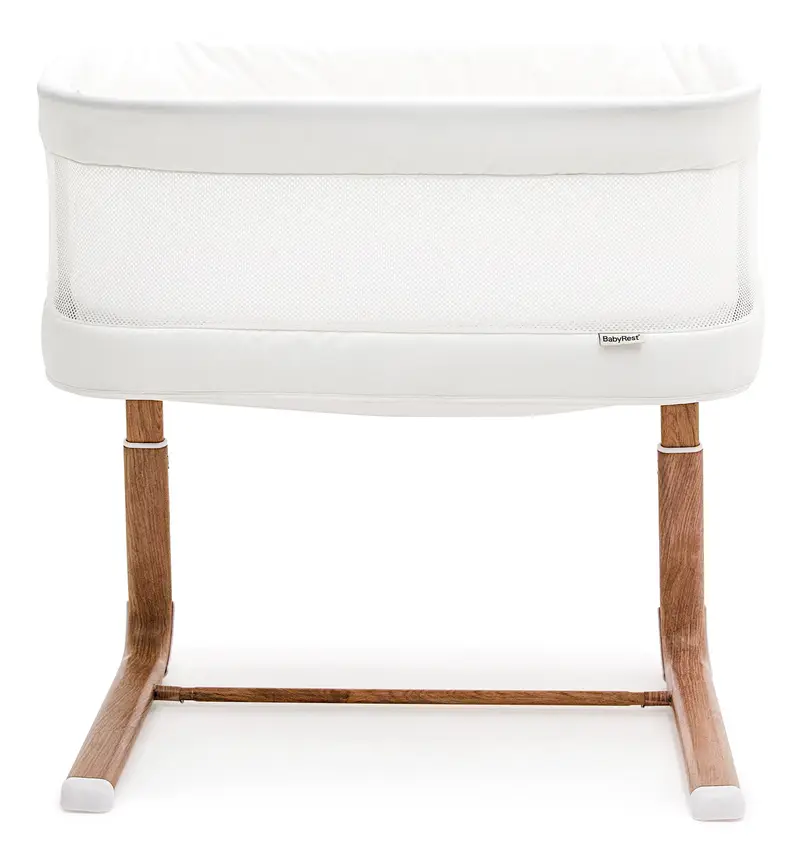
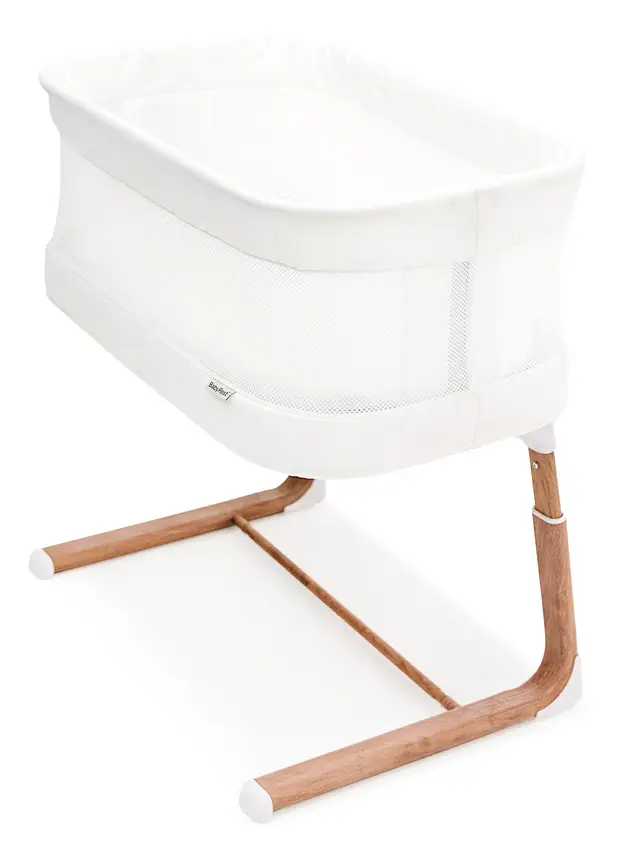
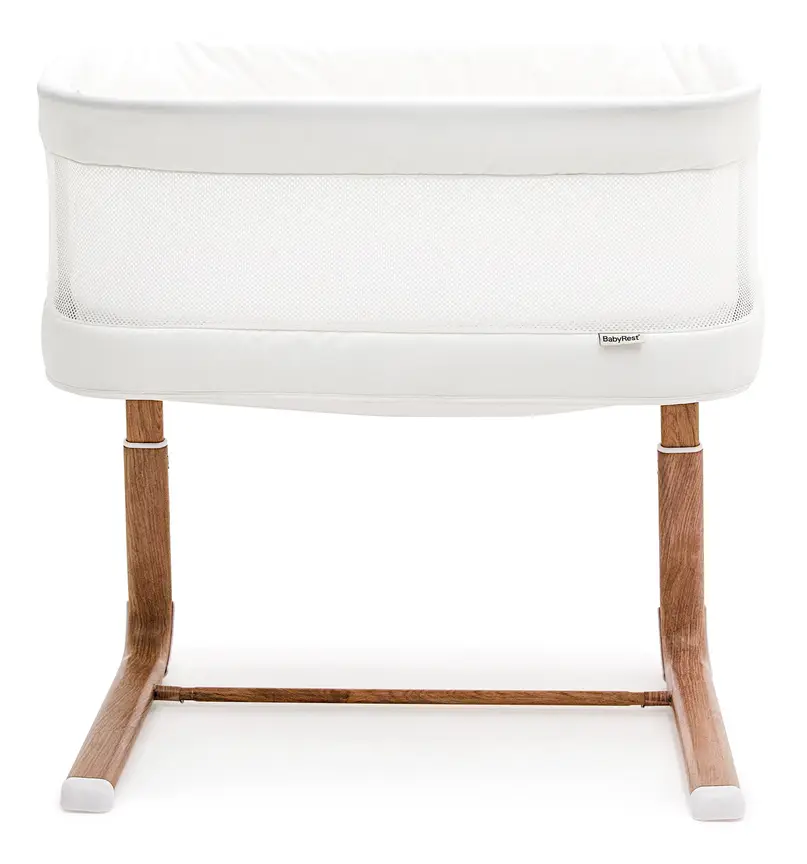


BabyRest Swan Smart Bassinet
A bassinet that rocks by itself when baby stirs, with 3 rocking levels, lullabies and a remote.
Read our full review →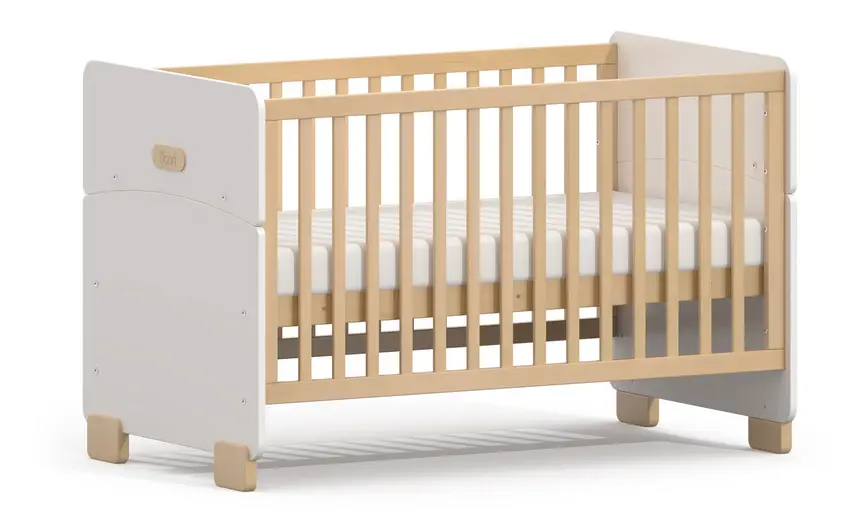

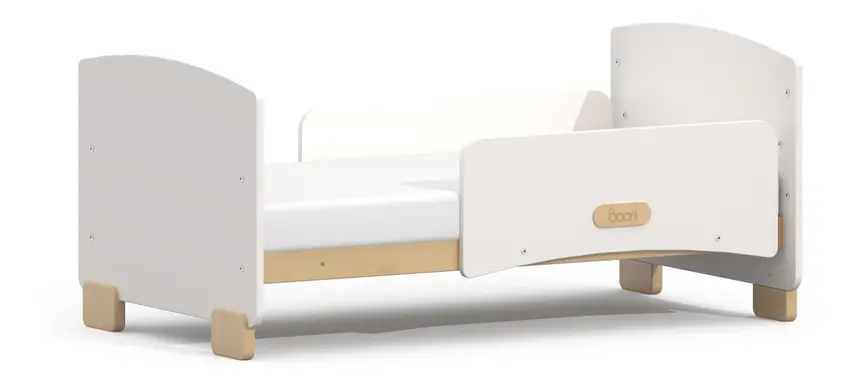

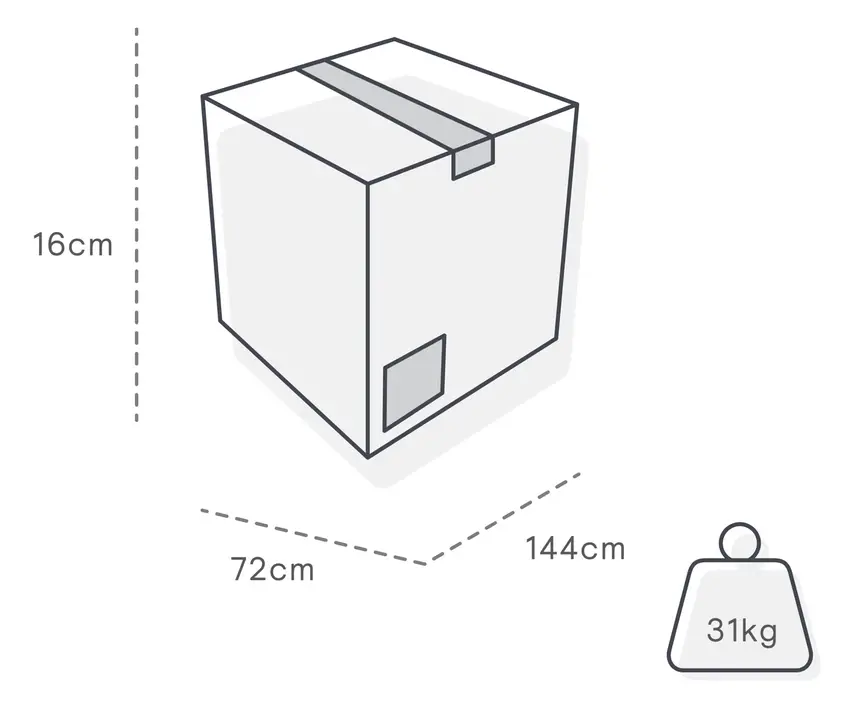
Boori Matilda Cot Bed
A cot that turns into a toddler bed using its own end panels. No extra kit needed.
Read our full review →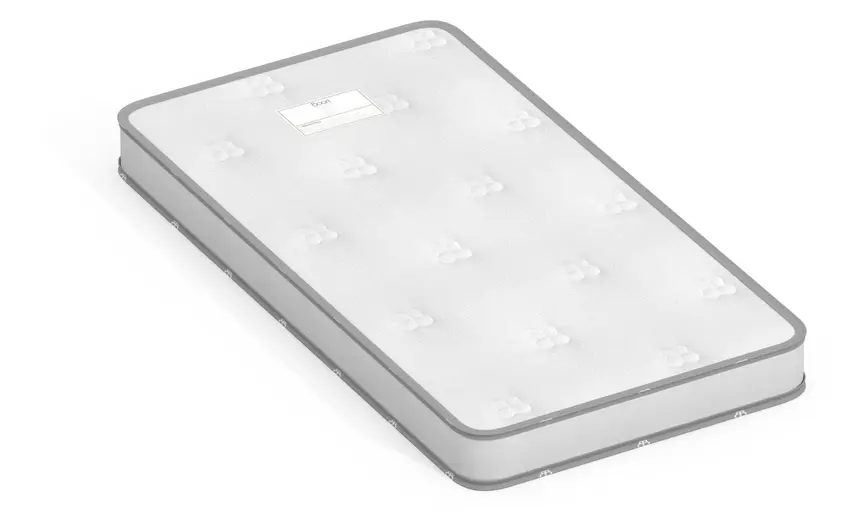
Boori Pocket Spring Mattress (standard cot)
A pocket spring cot mattress that comes rolled. Let it expand for up to 24 hours.


Bugaboo Stardust Plus
A pop-up portacot with a bassinet, for naps at home or away.
Read our full review →Compare all cots, bassinets & bedside sleepers in our reviews →
Age stages: from newborn to moving to a cot
A bassinet is only a short-term bed. Babies grow fast, and their sleep needs change in just a few months.
Newborn to 6 weeks
Your baby sleeps for short bursts day and night. They stay mostly where you put them down. A firm, thin bassinet pad with one tight fitted sheet is all they need.
6 weeks to 3 months
Your baby starts kicking more and waving their arms. Check the bassinet pad every week to make sure it still lies flat. Check that the fitted sheet stays tight and smooth.
3 to 6 months, or first signs of rolling
Some babies start trying to roll or push up on their hands. Once your baby shows any sign of rolling, stop using the bassinet. Move them to a full-size cot with a firm cot mattress.
Also move them if they reach the maker's weight limit or look cramped. Never wait until your baby can climb or tip over the side.
How to check if your bassinet mattress is firm enough
You do not need special lab tools to check a mattress at home. Use these simple checks before your baby sleeps on it.
1. The hand press check
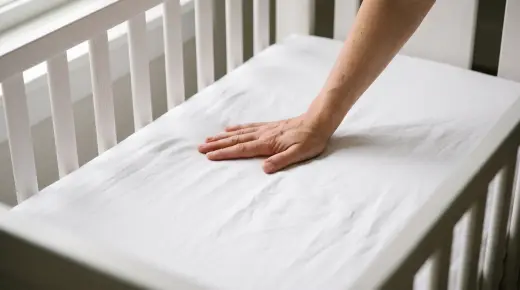
Press your flat hand firmly into the centre of the mattress. Lift your hand away. The surface should spring back right away. It should not leave a dent or the shape of your fingers. Check the edges and corners too.
2. The Consumers' Federation of Australia home test
In Australia, the Consumers' Federation of Australia and Red Nose share a simple home test for baby mattresses. It uses everyday milk cartons and books to see if a mattress sinks too far under a baby's head weight. If the surface dips too deeply around the test weight, the mattress is too soft and unsafe for a baby.
3. The two-finger gap check
Push the mattress gently to one side of the bassinet. Try to slide your fingers between the mattress edge and the wall. If you can fit more than two fingers in the gap, the pad is too small. A tight fit stops your baby's head or limbs from getting trapped.
4. The flat level check
Look at the mattress from the side. Make sure it lies completely flat. Some portable bassinets and folding frames can bow or tilt in the middle over time. Never use a mattress that sags, tilts, or has a raised pillow end.
How to set up a safe bassinet without extra padding
A safe bassinet looks very plain. That plain setup is what keeps your baby safe while they sleep. Follow these steps every time you make the bed.
- Start with the original pad. Check that it is clean, dry, and free from rips or dents.
- Add a thin waterproof cover if needed. Many bassinet pads already wipe clean. If yours does not, use a thin, flat, fitted waterproof protector. Skip quilted or puffy protectors.
- Put on one fitted sheet. Use a cotton fitted sheet made for that exact bassinet pad. Pull it tight so there are no wrinkles or loose corners. A sheet that is too tight can curl the edges of a thin pad up like a taco. If the pad curls, the sheet is too small.
- Keep the bassinet empty. Put nothing else inside. No pillows, no cot bumpers, no rolled towels, no sleep positioners, and no soft toys.
- Place your baby on their back. Always lay your baby flat on their back for every sleep, day and night.
- Dress your baby for the room. Use a safe baby sleeping bag or light wrap instead of loose blankets. Make sure their head and face stay uncovered.
Common mistakes parents make with bassinet mattresses
Even careful parents can make small changes that create big risks. Watch out for these common mistakes.
Buying a "more comfortable" pad online
Many parents feel guilty when they touch the thin pad in the box. So they order a plush aftermarket pad online. Remember that babies do not need soft beds like adults do. A firm surface feels normal and safe to a newborn.
Putting a towel or blanket under the sheet
Some parents fold a bath towel or fleece blanket under the fitted sheet to add softness or soak up spit-up. This creates the same suffocation and overheating risk as a foam topper. It can also make the sheet come loose.
Using a warped or secondhand pad
Secondhand bassinets are popular because babies outgrow them fast. But old foam breaks down. It can get soft spots, dips, or mould inside. If a secondhand pad smells musty, feels soft, or does not sit flat, do not use it. Contact the original maker to buy a real replacement pad for that exact model.
Using a sheet that is too small
Because bassinet pads are thin, a tight cot sheet or small elastic sheet can bend the pad upwards. Always check that the corners stay flat on the bassinet base after you put the sheet on.
Keeping a baby in the bassinet too long
Bassinets are only for young babies. Most makers set a weight limit or a milestone limit. As soon as your baby starts trying to roll, or pushes up on their hands and knees, move them to a full-size cot. Keeping an active baby in a shallow bassinet risks falls and entrapment.
More options, from budget to premium
Real products from our catalogue. We don't show star ratings or review counts; check the current price, stock and reviews on Amazon before you buy.

Jengo Voyager 3-in-1 Portacot
A portacot with a newborn bassinet level and a changer on top.
 Reviewed
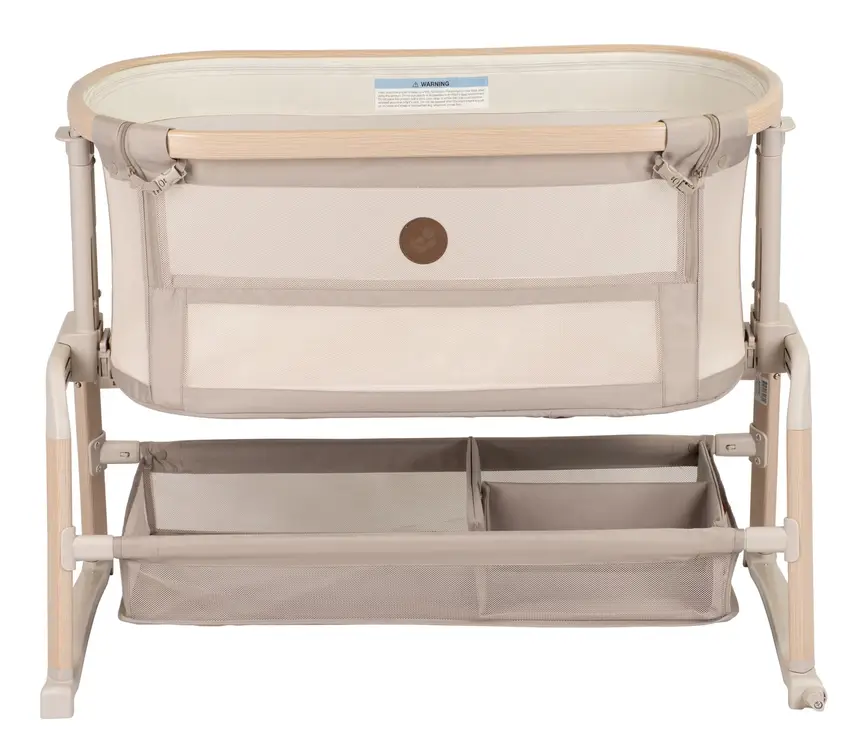
Maxi-Cosi Iora Lux
A bedside bassinet with 4 heights and 3 slide positions, with a 2-year warranty.
Read our full review →
Stokke Sleepi Mattress
A firm mattress with breathable mesh layers, made to fit the Stokke Sleepi bed.
Compare all cots, bassinets & bedside sleepers in our reviews →
Frequently asked questions
My baby seems uncomfortable on the thin pad. What can I do?
First, remember that babies are not used to soft mattresses. Adults like soft beds, but newborns sleep safely on firm ones. If your baby wakes often, check their nappy, feed them, or check if the room is too hot or cold. You can also wrap a young newborn safely or use a fitted sleeping bag. Never soften the mattress.
Can I put a folded towel or blanket under the sheet to make it softer?
No. Never put towels, blankets, or extra layers under the sheet. They make the surface too soft, trap heat, and can bunch up under your baby. If you want to protect the pad from leaks, use one thin, flat, fitted waterproof protector made for that pad.
Are breathable or mesh bassinet toppers safe?
No. Safety groups in Australia, the UK, the US, and Canada warn against adding any topper or supplemental pad, even if the label says "breathable". Breathable fabric does not prevent a baby's face from sinking into soft padding or getting stuck in a side gap.
What if my baby has reflux and needs their head raised?
Do not tilt the bassinet mattress or put wedges, towels, or pillows under it. Health experts advise keeping babies flat on their back even if they have reflux. Tilting a baby can make them slide down into a dangerous position where their chin drops onto their chest. If you are worried about reflux, speak to your doctor or child health nurse.
Can I buy a replacement mattress for a secondhand bassinet?
Yes, if you buy the exact replacement mattress made by the original brand for that model. Do not buy a generic "universal" pad from a third-party seller. Generic pads often fail the firmness test or leave unsafe gaps around the sides. If the maker no longer sells the right pad, it is safer not to use that bassinet.
What about sheepskins, lambswool, or soft fleece liners?
Do not put sheepskins, lambswool, or fleece liners in a bassinet. They create a soft, furry surface that can cover your baby's nose and mouth. They also trap heat and make your baby too warm. Keep the sleep surface firm, smooth, and free of fluffy layers.
Is a firm mattress bad for my baby's back or head shape?
No. A firm, flat mattress supports your baby's growing spine safely. Some babies get a slight flat spot on the back of their head from lying on their back. To help prevent this, give your baby plenty of supervised tummy time when they are awake. You can also turn their head gently to face a different side each time you lay them down.
When should I move my baby from a bassinet to a cot?
Move your baby to a cot as soon as they show signs of rolling, can push up on their hands, or reach the bassinet's weight limit. Check the label on your bassinet for the exact limit. When you move them, set up the cot with a firm, flat cot mattress and keep the space completely clear.
Sources
- Red Nose Australia – What is a safe mattress?
- Product Safety Australia – Bassinets and cradles guide
- Standards Australia – AS/NZS 8811.1:2013 Test for firmness
- Consumers' Federation of Australia – At-home test to identify dangerously soft baby mattresses
- The Lullaby Trust (UK) – Mattresses and bedding
- American Academy of Pediatrics (US) – A parent's guide to safe sleep
- Caring for Kids, Canadian Paediatric Society – Safe sleep for babies
Related guides
More Sleep & Nursery →
Mesh Bassinet Walls: How Airflow Works, What They Do, and Safe Sleep Rules

Under-Mattress Breathing Sensor Pads: How They Work, Mattress Fit and Safe Use
Cot Safety: Bar Gaps, Mattress Fit, Teething Rails and What the Rules Require