














When to Move From a Cot to a Bed: Why Many Toddlers Do Best Waiting Until 2½ to 3
Why many toddlers sleep better staying in a cot until about 2½ to 3, the signs it's time to move sooner, and how to make the switch to a bed safely.

On this page
- Is there a "right" age to move from cot to bed?
- Why many families wait until around 2½ to 3
- Signs it's time to move, whatever the age
- Cot vs bed: pros and cons for toddlers
- Keeping the cot safe while you wait
- Choosing the next bed
- Make the house safe before the move
- How to make the switch
- Sleep needs at this age
- What the first few weeks often look like
- Setting up a toddler's bedroom: a checklist
- A bedtime routine for 2 to 3 year olds
- Fears, nightmares and the new bed
- Special situations
- Advice and standards in different countries
- Saving money on the move
- Common mistakes to avoid
- FAQ
- Sources
Short answer: there's no rule that says your child must move to a bed at a certain age. Red Nose says the move from cot to bed usually happens between 2 and 3½ years, and that the right time is when your child starts climbing out of the cot. Many families find that waiting until around 2½ to 3 years, if the cot is still safe, works well. By then most children can understand simple rules like "stay in your bed", and they're less likely to wander at night. But if your toddler is climbing out sooner, safety comes first: move them to a low bed straight away, whatever their age.
Key points
- Typical age: 2 to 3½ years, Red Nose says, but as early as 18 months for climbers.
- Why wait if you can: older toddlers understand bedtime rules better and are less likely to get up and wander.
- Move sooner if: your child climbs out or nearly can, has outgrown the cot, or the cot is no longer safe.
- Safest next bed: a mattress on the floor or a low toddler bed, away from the wall.
- Safe room: anchor furniture, secure windows, block stairs, tie up cords and lock away medicines before the move.
Is there a "right" age to move from cot to bed?
No. Health and safety groups don't set a fixed age. What matters is your child's safety and readiness. Red Nose describes the typical age range as 2 to 3½ years, and says it can be as early as 18 months when a child starts to climb.
You may see advice online that says you "should" wait until a certain age. That's not a safety rule. It's a practical tip: for many families, the move goes more smoothly when children are a bit older. If your child is climbing, though, waiting is not safe.
Why many families wait until around 2½ to 3
Understanding and following rules
Around 2½ to 3 years, many children start to understand simple instructions, like "stay in bed until the light changes" or "call out if you need me". Younger toddlers often can't remember or follow these yet, so a bed with no sides can lead to lots of getting up.
Less night wandering
A child in a cot stays put. A child in a bed can get up at night and go anywhere in the house. That brings risks like stairs, kitchens, bathrooms and climbing furniture. Older toddlers are often a bit more settled at night and less likely to roam.
Better sleep for everyone
Many parents find that moving a young toddler leads to more bedtime battles and early waking for a while. If your toddler sleeps well in a safe cot, there's often no rush to change.
Fewer big changes at once
Between 1 and 3 years, a lot happens: walking, talking, weaning, child care, toilet training, perhaps a new baby. Staying in the cot a little longer means one less change to manage.
Signs it's time to move, whatever the age
- Climbing: Red Nose says to move your child once they're climbing out and look likely to succeed.
- Height: the top rail is at chest level or lower when your child stands on the mattress.
- Size: your child has outgrown the cot's length or the maker's limits.
- Cot condition: the cot is damaged, has loose parts, or no longer meets current safety standards.
- Toilet training: some children need to get up to use the toilet at night once they're trained. A bed can help, though many families manage with a cot for a while.
If any of these apply, move your child even if they're younger than 2½.
Cot vs bed: pros and cons for toddlers
| Staying in the cot | Moving to a bed | |
|---|---|---|
| Safety at night | Child stays in one safe space (if they're not climbing) | Child can get up and roam; the room and house must be safe |
| Falls | Risk rises sharply once a child starts climbing over the rail | Low beds and floor beds have short falls; high beds need rails or soft landings |
| Bedtime | Often easier for younger toddlers | May lead to more getting up for a few weeks |
| Independence | Needs an adult to get them up | Child can get in and out by themselves |
| Cost | Uses what you have | May need a new bed, mattress and rails |
Cots, Bassinets & Bedside Sleepers worth a look
Real products from our catalogue. We don't show star ratings or review counts; check the current price, stock and reviews on Amazon before you buy.

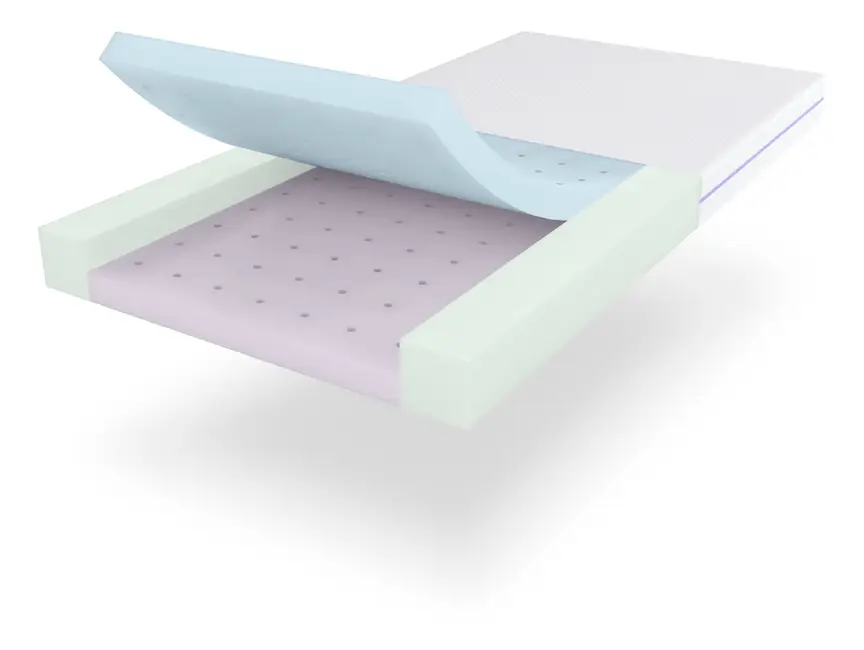

BabyRest Duocore Bamboo Cot Mattress
A two-sided mattress: a baby side to 12 kg and a toddler side from 12 kg to about 4 years.
Read our full review →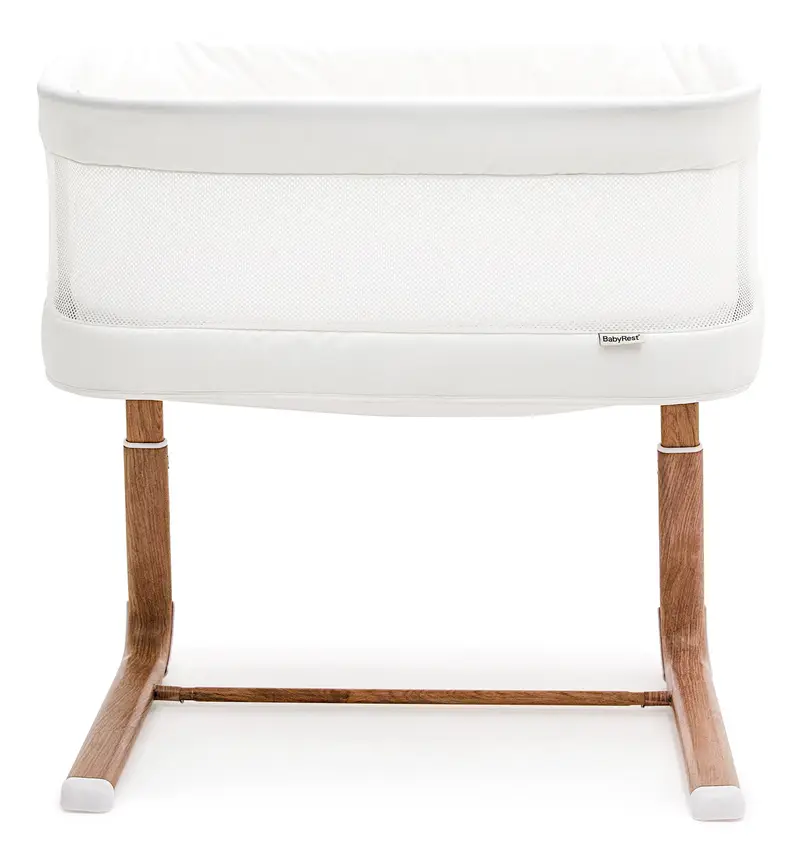
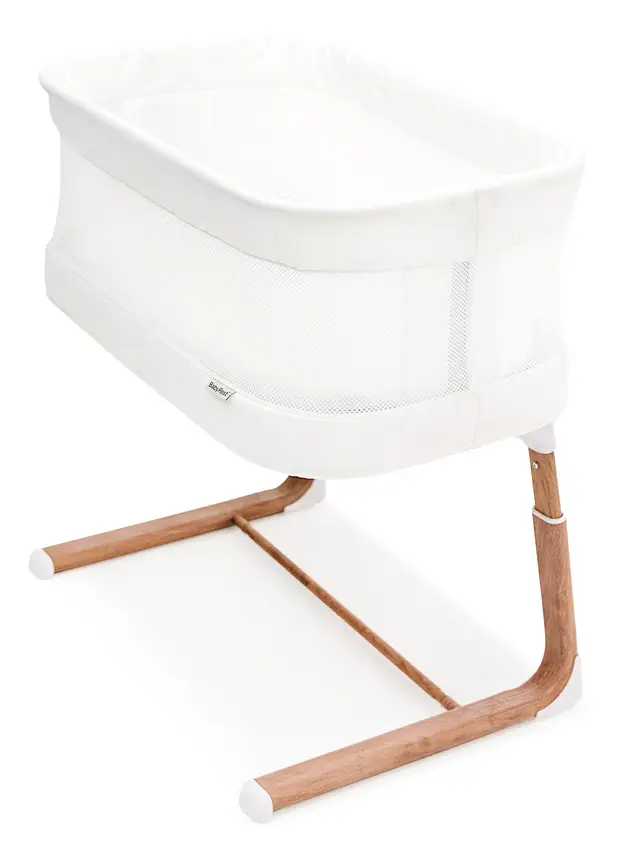


BabyRest Swan Smart Bassinet
A bassinet that rocks by itself when baby stirs, with 3 rocking levels, lullabies and a remote.
Read our full review →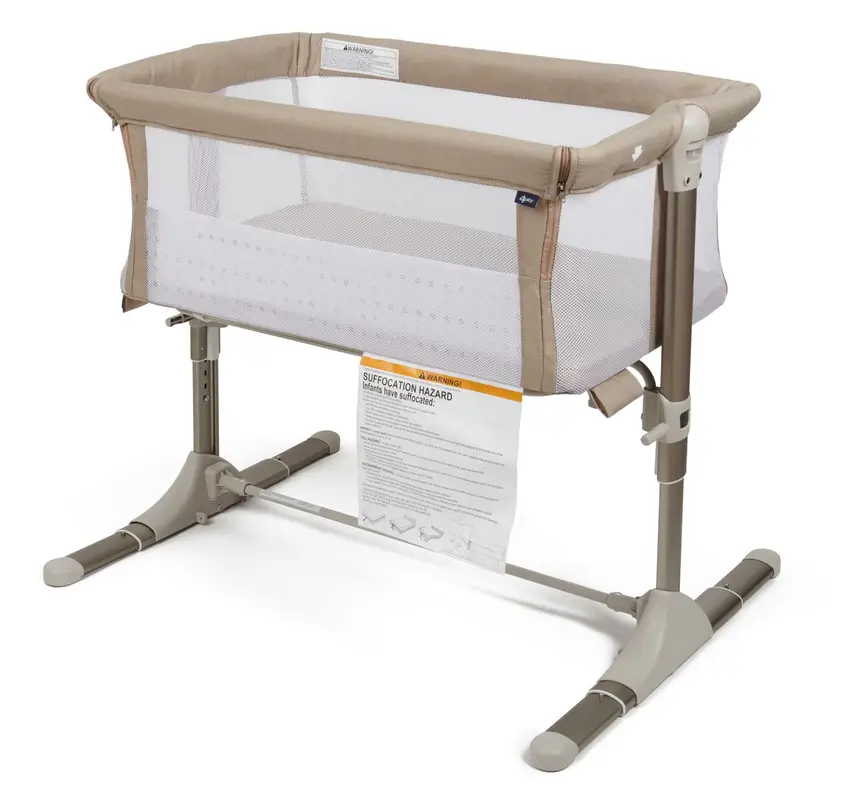
4baby Snuggle Cuddle Bedside Sleeper
A low-cost bassinet that turns into a bedside sleeper, with 4 heights and mesh sides.

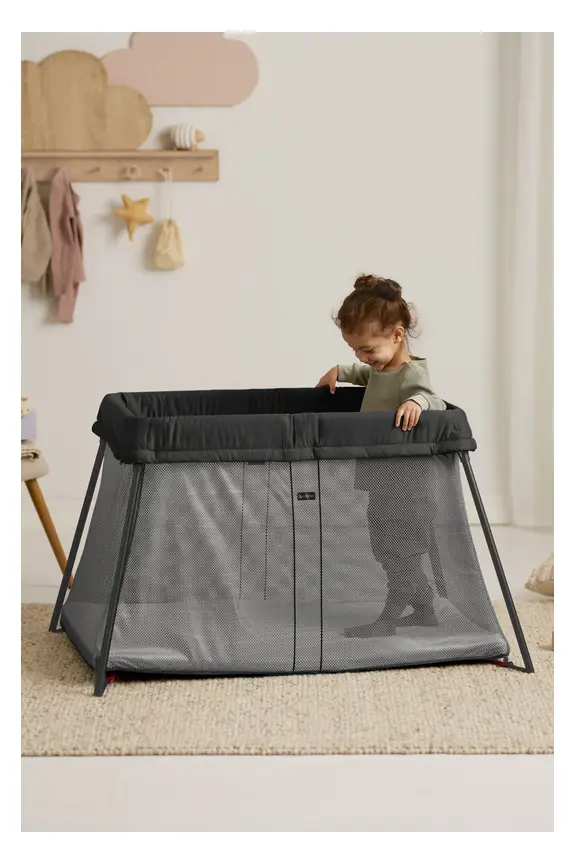
4baby Vacation Portacot
A low-cost portacot with a padded mattress and mesh sides.
Compare all cots, bassinets & bedside sleepers in our reviews →
Keeping the cot safe while you wait
If you're keeping your toddler in the cot for longer, check it regularly:
- Mattress on the lowest setting. Product Safety Australia says to lower it once your child can sit, kneel or pull up.
- No climbing aids: no large toys, pillows, bumpers or stacked blankets in the cot.
- Cot away from furniture, windows and blind cords.
- Check for wear: loose screws, cracked slats, teeth marks and peeling paint.
- Sleeping bag: a well-fitted sleeping bag keeps your toddler warm and makes climbing harder.
- Watch for climbing attempts. Once your child gets a leg over, it's time to move.
Choosing the next bed
Red Nose suggests a toddler bed as a safer step than a full-size bed, because the lower height reduces the risk of injury if a child falls out. A mattress on the floor is lower still.
| Bed type | Height | Best for | Safety notes |
|---|---|---|---|
| Floor mattress | Lowest | Younger climbers; families on a budget | Firm mattress, away from the wall, area kept clear |
| Toddler bed | Low | Most children moving from a cot | Often uses the cot mattress; check it's stable |
| Converted cot | Cot height | Children who like their cot | Use only the maker's kit |
| Single bed with rail | Higher | Older toddlers and preschoolers | Rail with no gaps bigger than 95 mm, fitted tightly to the mattress (Red Nose) |
| Bunk bed | High | Older children | Not recommended for children under 9 on the top bunk (Red Nose) |
Make the house safe before the move
Red Nose lists six hazards to check before your child moves to a bed. A child who can get out of bed can reach far more of the house, especially at night.
- Falls: block stairs with gates and stop windows opening wide enough for a child to fall through.
- Drowning: remove access to water, including pet bowls, buckets, baths and pools.
- Strangulation: keep cords, strings and mobiles out of reach, including curtain and blind cords.
- Poisoning: lock away medicines and cleaning products.
- Entrapment: place the bed away from the wall so your child can't fall into a gap.
- Burns and electric shock: keep heaters, appliances and power points away from the bed.
Also anchor tall or heavy furniture and TVs to the wall. Red Nose and Product Safety Australia both warn about furniture tipping onto climbing children.
How to make the switch
- Talk about it. Read a story about a "big bed" and let your child help choose sheets.
- Set it up in the same spot, if there's room, so the room still feels familiar.
- Keep the routine exactly the same: bath, teeth, pyjamas, story, cuddle, bed.
- Keep the sleeping bag if your child likes it. Choose a walking-style bag with foot openings once they're up and about.
- Set one simple rule: "We stay in bed until morning" or "until the light turns green".
- Calm returns: if your child gets up, walk them back with as few words as possible, every time.
- Praise success in the morning.
- Give it two weeks. Most children adjust in that time.
Sleep needs at this age
Australian guidelines say toddlers aged 1 to 2 need 11 to 14 hours of sleep in 24 hours, including naps, and preschoolers aged 3 to 5 need 10 to 13 hours. The American Academy of Pediatrics gives the same ranges. A child who is well rested at bedtime is less likely to fight the new bed. Most toddlers still have one nap after lunch; many drop it between 3 and 5 years.
What the first few weeks often look like
Every child is different, but many families see a pattern like this:
- The first night or two: excitement. Your child may love the new bed, or may test it straight away by getting up again and again.
- Days 3 to 7: the "testing" phase. The novelty wears off and your child works out they can get out of bed. This is when calm, boring returns matter most.
- Week 2: things usually settle if you stay consistent. Getting up becomes less fun when nothing exciting happens.
- Later setbacks: illness, holidays or big changes can bring back night visits for a while. Go back to the same calm approach.
If things are still very hard after a few weeks, talk to your child health nurse, health visitor or doctor. Parenting services can also help with toddler sleep.
Side by side: more cots, bassinets & bedside sleepers to compare
Real products from our catalogue. We don't show star ratings or review counts; check the current price, stock and reviews on Amazon before you buy.
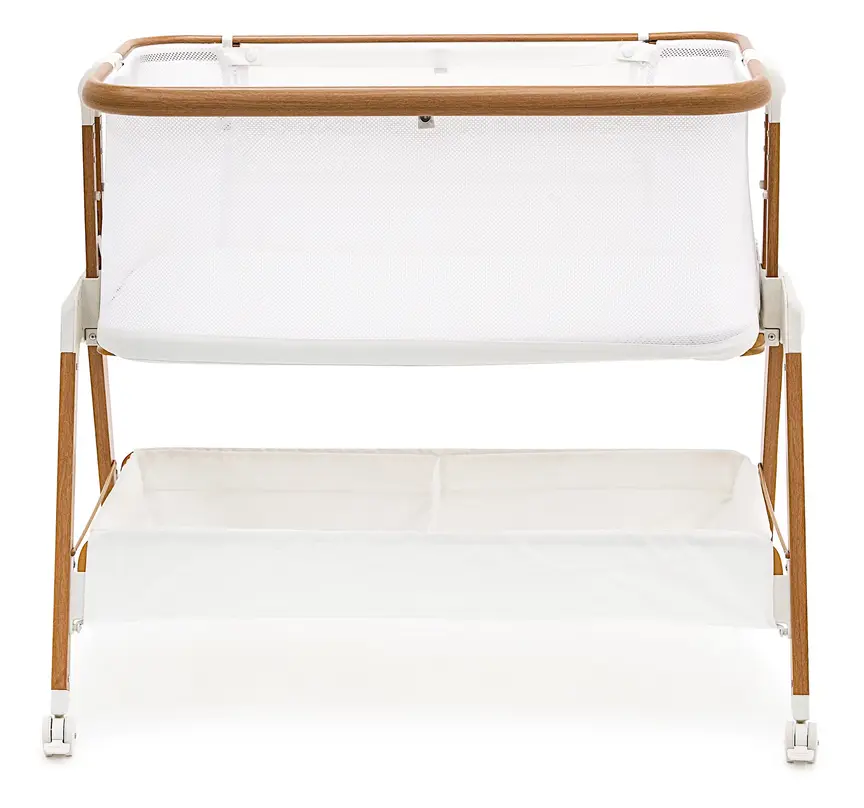
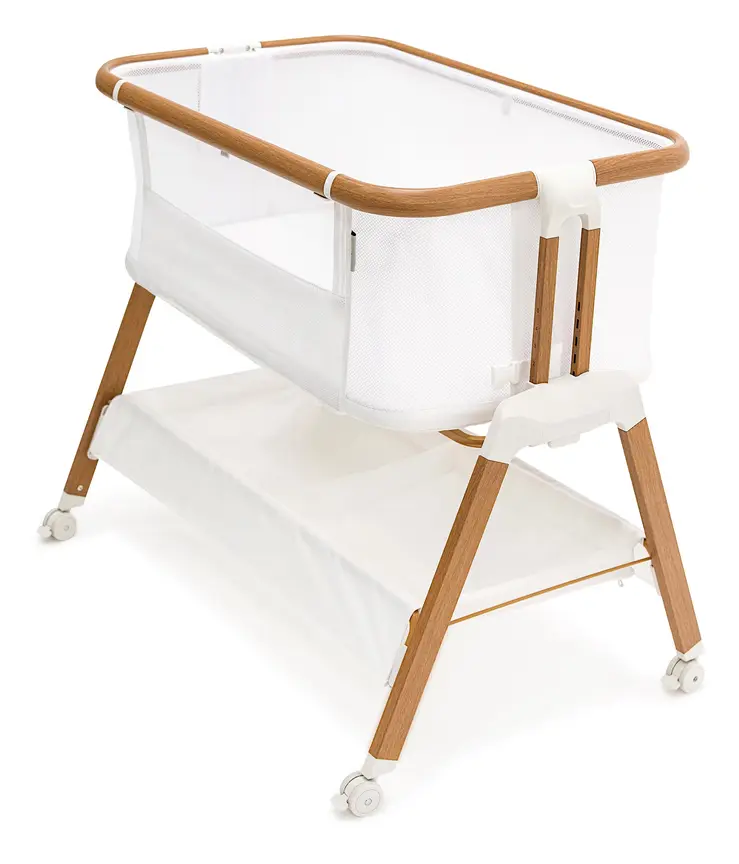
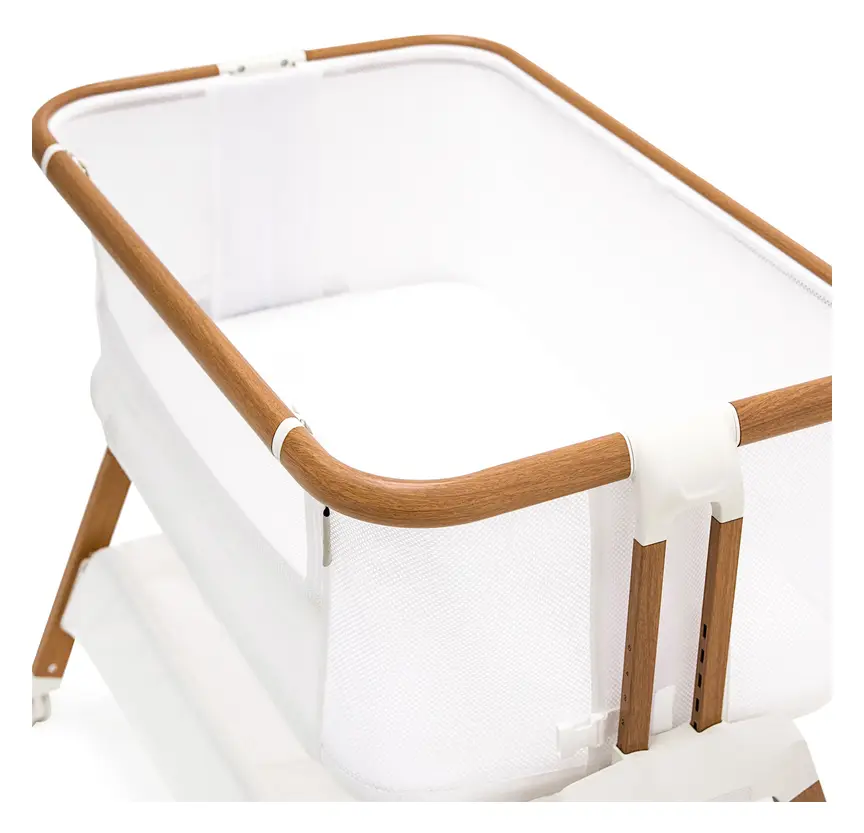
BabyRest Alfie2 Bedside Bassinet
A bedside bassinet with 5 heights, a drop-down side, wheels and an insect net.
Read our full review →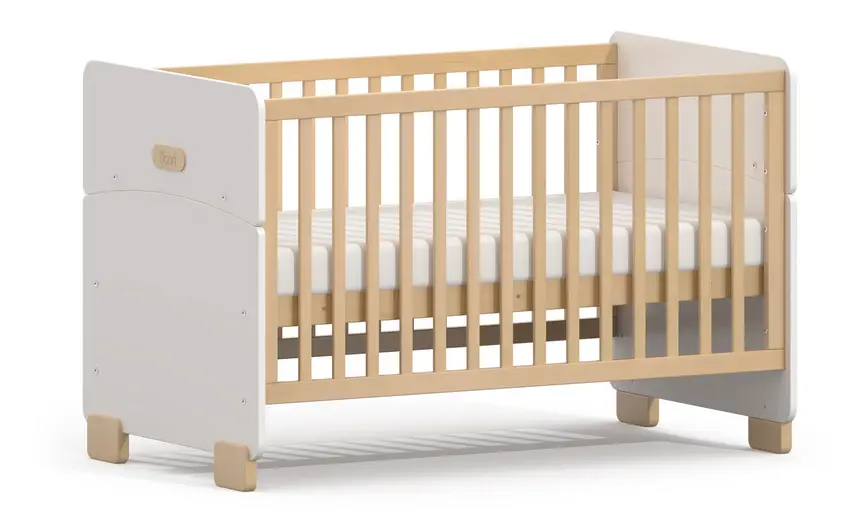



Boori Matilda Cot Bed
A cot that turns into a toddler bed using its own end panels. No extra kit needed.
Read our full review →
Boori Oasis Oval Cot
A curved solid beech cot on lockable wheels, with two base heights.
Compare all cots, bassinets & bedside sleepers in our reviews →
Setting up a toddler's bedroom: a checklist
| Area | What to check |
|---|---|
| Bed | Low bed or floor mattress, firm mattress that fits the frame, away from the wall, no gaps |
| Bedding | Fitted sheet; sleeping bag or a light blanket; one small pillow is fine for many children over 2 |
| Furniture | Drawers, shelves and wardrobes anchored to the wall; no furniture under the window |
| Windows | Locks or guards so they can't open wide; cords tied up out of reach |
| Power | Power point covers; no heaters, lamps or chargers near the bed |
| Small items | No button batteries, coins, magnets or small toy parts within reach |
| Doorway | A safety gate if your child wanders at night; never a lock |
| Light | A dim night light if your child likes one |
A bedtime routine for 2 to 3 year olds
A short, predictable routine helps toddlers know what's coming and makes the new bed feel safe. Keep it to around 20 to 30 minutes. For example:
- Quiet play or a bath.
- Pyjamas and a clean nappy or a trip to the toilet.
- Brush teeth.
- One or two books in or near the bed.
- A song, a cuddle and a simple goodnight phrase.
- Lights out, and you leave the room.
Picture charts showing each step can help toddlers follow along. Let them choose small things, like which book or which pyjamas, so they feel in control without changing the routine itself.
Fears, nightmares and the new bed
Around 2 to 3 years, many children start to have fears of the dark, monsters or being alone. A new bed can bring these out. Some gentle ideas:
- Listen and take the fear seriously, even if it seems silly.
- A dim night light and the door slightly open can help.
- A favourite soft toy is fine in bed for most children over 12 months.
- Check on your child briefly and calmly, then leave again.
- Avoid scary shows or books before bed.
Nightmares are common and usually pass. If your child is very scared every night, or sleep problems carry on for weeks, talk to your doctor.
Special situations
A new baby is coming
If the new baby needs the cot, try to move your toddler a couple of months before the birth, so they don't link losing their cot with the baby. If your toddler isn't ready, borrowing or buying a second safe cot is fine.
Toilet training
Some families wait until after toilet training to move to a bed, and others do it so their child can get up to use the potty. If your child is in a bed, leave a dim night light on and a clear path to the toilet or potty.
Twins
Twins often move at different times. If one starts climbing, they may need to move first. Keep both rooms or areas safe, as one may help the other climb.
Children with additional needs
Some children need special beds or more support. Talk to your child's doctor or occupational therapist about safe options.
Advice and standards in different countries
| Country | Where to look | What to know |
|---|---|---|
| Australia | Red Nose; Product Safety Australia | Cots must meet the mandatory cot standard. Red Nose has advice on moving to a bed, bed rails and bunk beds. |
| United Kingdom | NHS; RoSPA | Cots are made to BS EN 716. RoSPA and the NHS give advice on preventing falls from furniture and beds. |
| United States | CPSC; American Academy of Pediatrics | Full-size cribs must meet federal standards. The CPSC warns about furniture and TV tip-overs. |
| Canada | Health Canada | Cribs must meet the Cribs, Cradles and Bassinets Regulations. Check recalls before buying used beds or rails. |
Saving money on the move
- Use a floor mattress first. It costs little and is very safe for young toddlers.
- Reuse the cot mattress in a toddler bed if it fits snugly.
- Convertible cots can save buying a toddler bed, if you use the maker's kit.
- Second-hand beds are fine if they're sturdy and complete, with no recalls. Buy a new mattress if you can, so you know it's clean and firm.
- Skip extras. Themed beds, canopies and lots of cushions aren't needed and can add hazards.
More options, from budget to premium
Real products from our catalogue. We don't show star ratings or review counts; check the current price, stock and reviews on Amazon before you buy.
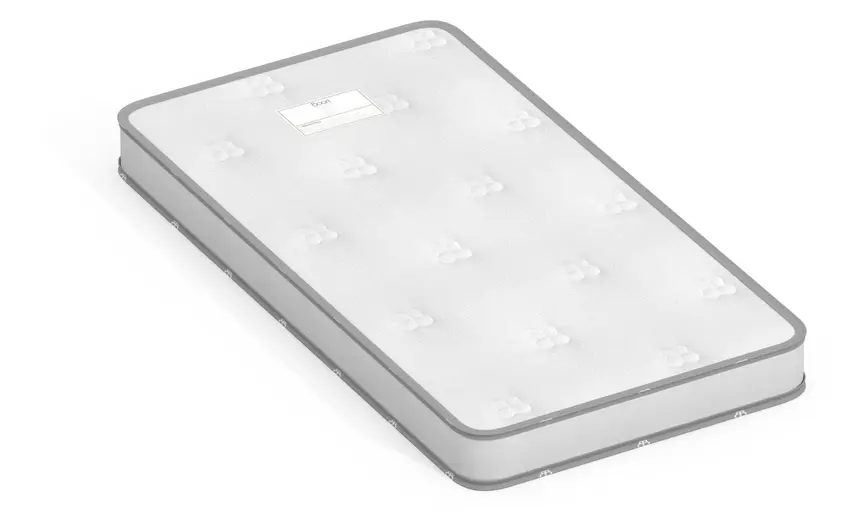
Boori Pocket Spring Mattress (standard cot)
A pocket spring cot mattress that comes rolled. Let it expand for up to 24 hours.


Bugaboo Stardust Plus
A pop-up portacot with a bassinet, for naps at home or away.
Read our full review →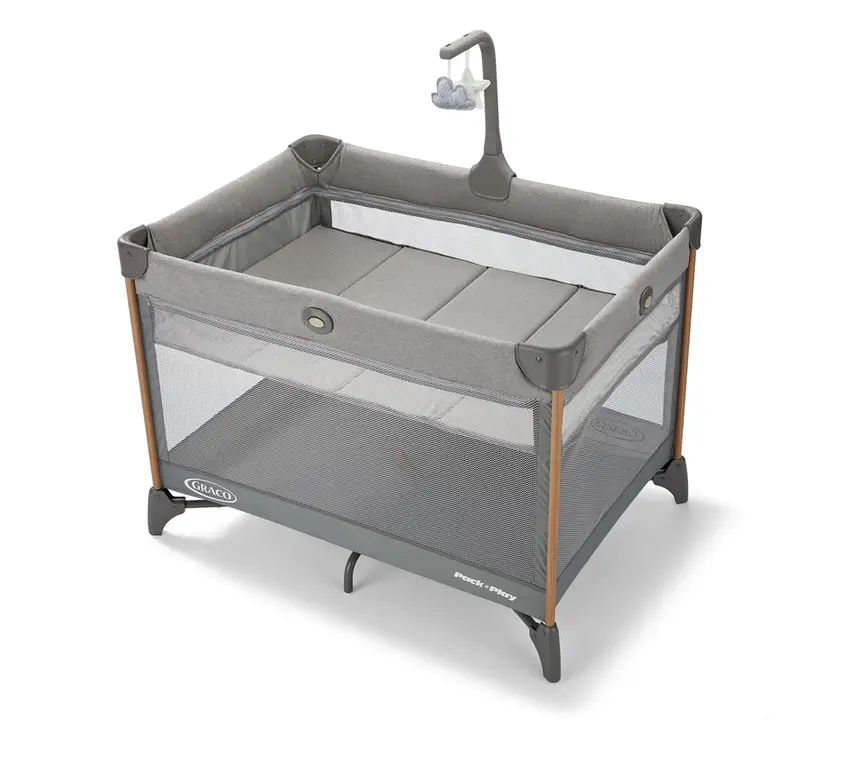
Compare all cots, bassinets & bedside sleepers in our reviews →
Common mistakes to avoid
- Moving too early just because of age when your child is happy and safe in the cot.
- Waiting too long once your child is climbing.
- Going straight to a high bed without a rail or soft landing.
- Not checking the house for hazards a wandering child can reach.
- Using a bed rail with gaps.
- Changing too many things at once.
- Letting a young child sleep on the top bunk.
FAQ
What age do most children move to a bed?
Red Nose says usually between 2 and 3½ years.
Is it bad to move my child to a bed at 18 months?
Not if they're climbing out. Safety comes first. Choose a floor bed or low toddler bed and make the room safe.
My 3-year-old is still in a cot. Is that OK?
Yes, as long as they fit, aren't climbing out and the cot is in good condition.
Should I use a toddler bed or go straight to a single bed?
A toddler bed or floor mattress is lower, so falls are shorter. A single bed with a properly fitting rail is also an option for older toddlers.
Will moving to a bed make my child sleep worse?
Some children wake or get up more for a week or two. A steady routine and calm returns usually sort it out.
Can I lock the bedroom door at night?
Don't lock it. A safety gate across the doorway is a safer way to keep your child in their room.
Does my toddler need a pillow in their new bed?
Babies under 12 months should never have a pillow. For toddlers, pillows aren't needed, but many families add a small, flat pillow once their child is in a bed, often from around 2 years. Choose a firm, low pillow made for children.
What if my child keeps coming into our bed?
Decide what works for your family. If you want them in their own bed, walk them back calmly each time. If you choose to let an older toddler sleep with you sometimes, keep your bed safe: no gaps, no soft heavy bedding near their face, and no alcohol, drugs or smoking.
Should siblings share a room after the move?
Many families have siblings share once the younger child is in a bed. Keep the room safe for the youngest child: no small toys within reach, furniture anchored, and no top bunk for children under 9. Older siblings may need help keeping their things away from a curious toddler.
How do I know my toddler is really ready, not just curious?
Readiness is less about age and more about behaviour. A child who can follow a simple two-step instruction, tells you when they need something, and isn't climbing out of the cot is often ready for a smooth move. A child who climbs out needs to move for safety, even if they don't seem "ready" in other ways.
Sources
- Red Nose Australia – When to move from cot to bed
- Red Nose Australia – Making your home safe before moving a child from a cot to a bed
- Red Nose Australia – How to prevent furniture accidents in the home
- Red Nose Australia – When can I sleep my child in a bunk bed?
- Australian Government Department of Health – Sleep guidelines for toddlers and preschoolers
- AAP HealthyChildren.org – Healthy sleep habits: how many hours does your child need?
- Product Safety Australia – Household cots guide
- RoSPA (UK) – Preventing falls in children
- NHS – Baby and toddler safety
Related guides
More Parental Tips →
Moving Your Baby from Bassinet to Cot: When to Switch, Room Sharing and Gentle Settling

Choking First Aid for Babies and Toddlers: Back Blows, Chest Thrusts and When to Start CPR

Ear Infections in Babies and Toddlers: Signs, Pain Relief and When to Get Help
