Moving From a Cot to a Toddler Bed: How to Keep Your Child Safe and Stop Bedtime Battles
When to move your child from a cot to a toddler bed, how to make the whole bedroom safe, and simple ways to stop bedtime battles.

On this page
- Key points
- When to move from a cot to a toddler bed
- Safety standards and official advice in four countries
- Choosing the right first big bed
- How to make the whole bedroom safe
- Step-by-step plan for moving to the new bed
- How to stop bedtime battles and keep them in bed
- Common mistakes to avoid
- Frequently asked questions
- Sources
Short answer: Keep your child in their cot (or crib) until they try to climb out, or until they reach about 2 to 3.5 years old. Before you switch to a bed, make the whole bedroom safe. Bolt tall furniture to the wall, lock windows, and remove loose blind cords. Use a calm bedtime routine and walk your child quietly back to bed if they get up.
Moving from a cot to a toddler bed is a big step. Your child suddenly has the freedom to get out of bed at night. This can lead to safety risks and bedtime battles if you rush the move. With a safe room and a steady plan, most families settle into the new bed within a couple of weeks.
Key points
- Wait if you can: A cot keeps your child safe. Do not rush the move unless they are climbing out or too tall.
- Climbing is the main trigger: Once a child can climb over the rail, a cot is no longer safe.
- The room becomes the cot: Childproof the entire bedroom before the first night in a bed.
- Anchor heavy furniture: Bolt drawers, shelves, and wardrobes to the wall so they cannot tip over.
- Check cords and windows: Keep blind cords out of reach and fit window locks or guards.
- Keep the routine steady: Use the same bath, book, and lights-out steps you used in the cot.
- Stay calm and boring: If your child leaves the bed, guide them back gently with very little talking.
When to move from a cot to a toddler bed
There is no single right age to move to a bed. Every child grows and matures at their own pace. Red Nose Australia notes that most children are ready between 2 and 3.5 years old. Moving earlier can work if needed, but waiting often makes bedtime much easier.
Younger toddlers do not yet understand invisible rules. A two-year-old may not grasp why they must stay in bed when there are no bars to stop them. An older toddler understands simple rules much better. If your child sleeps happily in their cot and stays inside it, leave them there for now.
Clear signs it is time to move
- Climbing out: Your child tries to climb over the cot rail, or has already climbed out.
- Height limit: The top of the cot rail sits below your child's chest when they stand up.
- Weight or size limit: Your child has reached the size limit listed by the cot maker.
- Asking for a bed: An older toddler asks for a big bed and understands the bedtime rules.
What to check before you decide
Sometimes a child tries to climb out just once. Before you dismantle the cot, check a few simple things. Make sure the mattress base is on its lowest setting. Remove any cot bumpers, large toys, or pillows that your child could step on to boost themselves up.
Check what your child wears to bed. A loose sleeping bag can make climbing harder, which helps keep some toddlers safely inside the cot. Never use a sleeping bag if your child can still climb with it on, as tangled legs make falls worse.
What if a new baby is arriving?
Many parents move their toddler because a new baby needs the cot. If you plan to do this, make the move at least two to three months before the baby arrives. You want your toddler to feel settled before the baby comes home. Otherwise, your toddler may feel pushed out of their bed by the new baby.
Another good option is to keep the toddler in the cot and let the newborn sleep in a safe bassinet at first. Most babies use a bassinet for the first few months. This buys your older child extra time to mature before moving to a bed.
Cots, Bassinets & Bedside Sleepers worth a look
Real products from our catalogue. We don't show star ratings or review counts; check the current price, stock and reviews on Amazon before you buy.
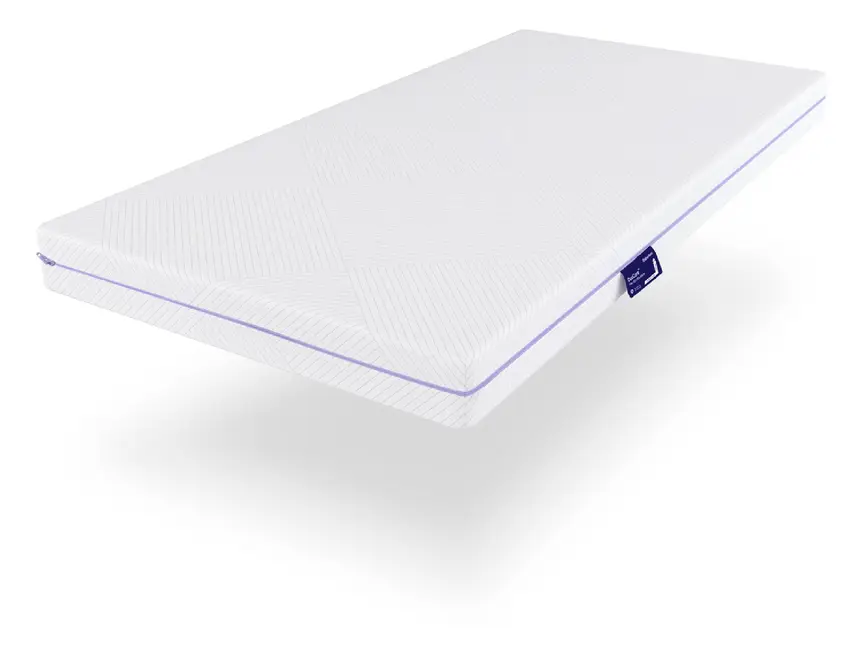
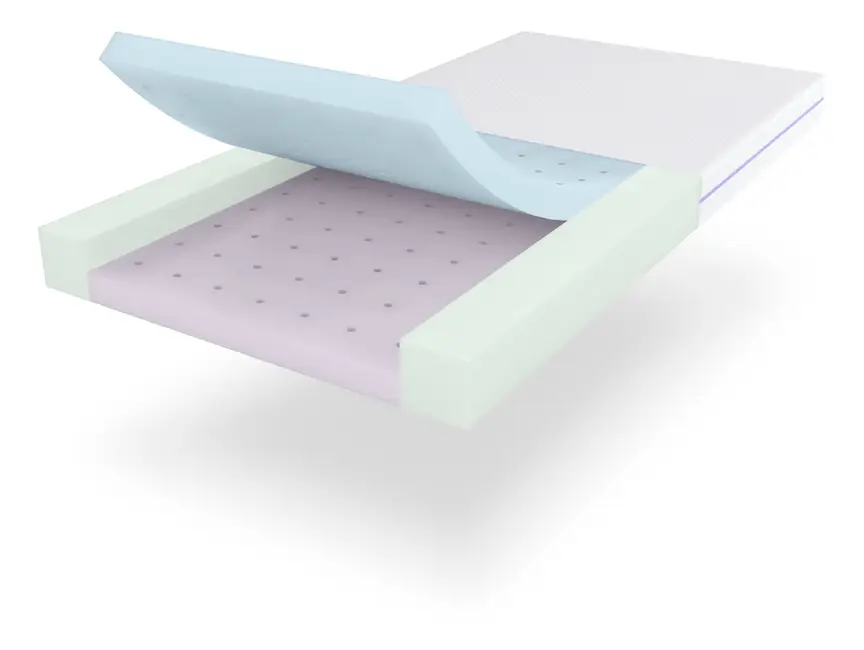

BabyRest Duocore Bamboo Cot Mattress
A two-sided mattress: a baby side to 12 kg and a toddler side from 12 kg to about 4 years.
Read our full review →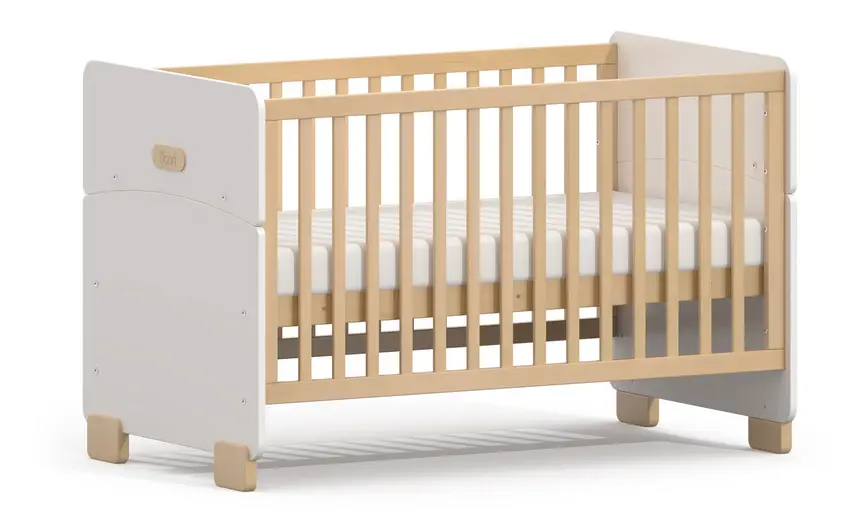



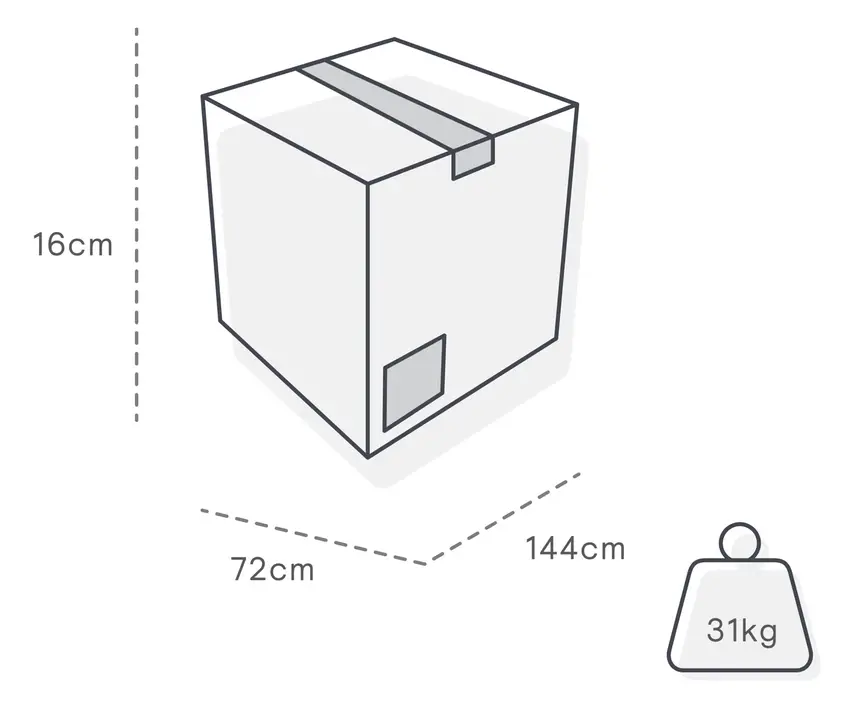
Boori Matilda Cot Bed
A cot that turns into a toddler bed using its own end panels. No extra kit needed.
Read our full review →
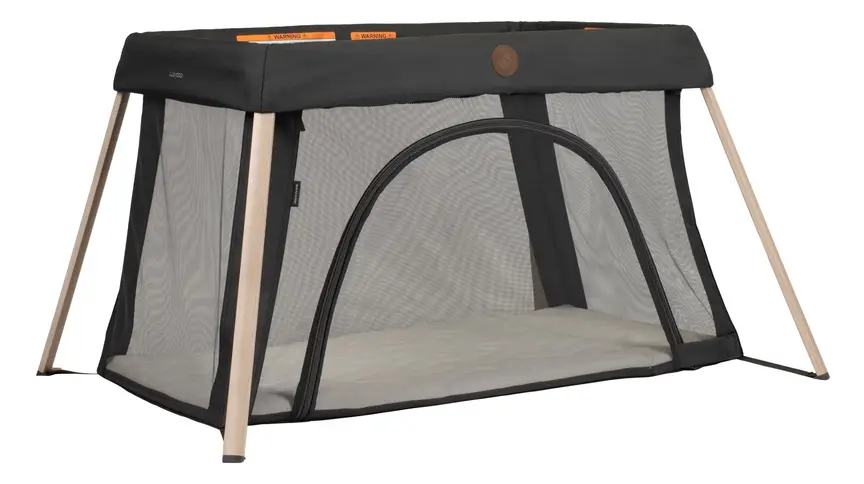

Maxi-Cosi Calao Light Travel Cot
A light travel cot with a newborn level and a toddler level, a side zip and a travel bag.
Read our full review →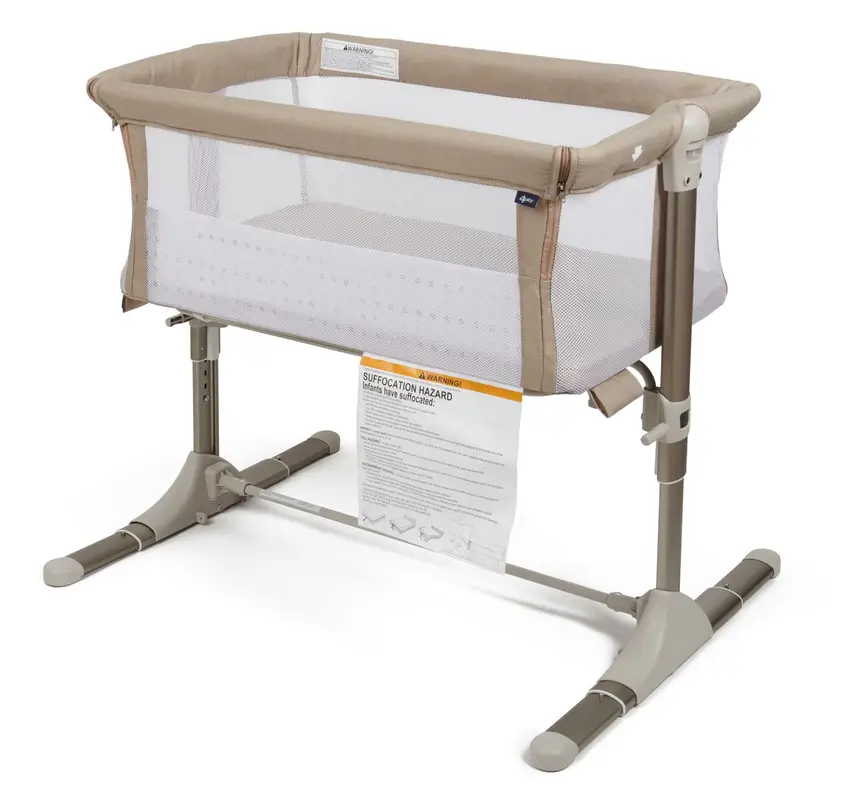
4baby Snuggle Cuddle Bedside Sleeper
A low-cost bassinet that turns into a bedside sleeper, with 4 heights and mesh sides.
Compare all cots, bassinets & bedside sleepers in our reviews →
Safety standards and official advice in four countries
Health and safety groups in Australia, the UK, the US, and Canada give very similar advice on moving out of a cot. They all focus on waiting until your child is ready, using safe sleep gear, and making the whole room safe.
| Topic | Australia | UK | US | Canada |
|---|---|---|---|---|
| Main bodies | Red Nose Australia, ACCC / Product Safety Australia, Kidsafe | NHS, The Lullaby Trust, RoSPA, OPSS | American Academy of Pediatrics (AAP), CPSC | Caring for Kids (CPS), Health Canada |
| When to move | Often 2 to 3.5 years, or when climbing out | When child can climb out or outgrows the cot | When child climbs out or reaches the height limit | When child tries to climb out or outgrows the crib |
| Cot standard | AS/NZS 2172 | BS EN 716 | ASTM F1169 | Canadian crib safety rules |
| Toddler bed focus | Check room safety before moving; no loose cords or tip-over risks | Clear room of hazards, fit stair gates, lock windows | Follow ASTM F2933 for toddler beds; anchor furniture | Safe mattress fit, secure room, keep cords away |
| Bunk beds | Not safe for children under 9 years | Not safe for young children; top bunk is for older kids | Top bunk only for children 6 years and older | Top bunk only for children 6 years and older |
Always check the label on your cot or toddler bed. In Australia, cots must meet AS/NZS 2172. In the UK, look for BS EN 716. In the US, full-size cribs meet ASTM F1169, and toddler beds meet ASTM F2933. These rules check bar spacing, frame strength, and safe mattress fit.
Choosing the right first big bed
You do not have to buy a special toddler bed. Several safe options work well for a child leaving the cot. Your choice depends on your budget, bedroom space, and how much your child moves in their sleep.
1. Convertible cot bed
Many cots convert into a toddler bed by taking off one side rail. Some include a half-rail to stop your child rolling out. This is often the easiest switch because your child keeps the same mattress and frame. It feels familiar and sits very low to the ground.
2. Toddler bed
A toddler bed uses a standard cot mattress, so your fitted sheets still fit. It sits close to the floor and often has small side guards near the head. Because it is small, it leaves more play space in a compact bedroom. Most children outgrow a toddler bed by age 4 or 5.
3. Floor mattress
Some parents put the cot mattress or a firm single mattress straight onto the floor. This cuts out the risk of falling from a height. If you do this, lift the mattress up against a wall once a week to air it out. This stops mould growing underneath in damp rooms.
Keep the mattress away from walls or heavy furniture. A child can get stuck in a narrow gap between a mattress and a wall. Leave a clear space around the edges, or push the mattress flush against a smooth, flat wall with zero gap.
4. Low single bed
Moving straight to a single bed saves money because it lasts for years. Pick a low frame without tall headboards or sharp corners. If the bed is off the floor, put a soft rug or folded quilt beside it at first. You can also place the bed against a wall on one side, making sure there is no gap for a child to slip into.
Comparison of first bed options
| Bed type | Mattress size | Fall risk | How long it lasts | Main pros and cons |
|---|---|---|---|---|
| Convertible cot bed | Cot mattress | Very low | Up to about 4 years | Feels familiar; uses current sheets; takes up same space |
| Toddler bed | Cot mattress | Very low | Up to about 4 or 5 years | Small footprint; low to floor; short lifespan |
| Floor mattress | Cot or single | Almost none | Until you add a frame | Very safe for wrigglers; needs airing to stop mould |
| Low single bed | Single mattress | Medium | Through childhood | Long-term value; higher off floor; needs careful room layout |
Be careful with add-on bed rails
Portable mesh or plastic bed rails seem like a good way to stop falls. However, health groups warn that some add-on rails can trap a young child between the rail and the mattress. Never use an add-on bed rail for a child under 2 years old. If you use one for an older toddler, check that it fits tightly against the mattress with no gaps. Often, a lower bed or a floor mattress is safer than an add-on rail.
How to make the whole bedroom safe
Once your child sleeps in a bed, they can get up while you are asleep. Red Nose Australia stresses that you must treat the whole bedroom like a giant cot. Walk around the room on your hands and knees to spot dangers at your child's eye level.
Bolt tall furniture to the wall
Toddlers love to climb drawers and bookshelves. Heavy furniture can tip over in seconds and crush a child. The ACCC in Australia and the CPSC in the US both warn that toppling furniture causes serious injuries and deaths every year.
- Anchor chests of drawers, bookcases, wardrobes, and bedside tables to the wall with brackets or straps.
- Never put a television on a chest of drawers without anchoring both the TV and the furniture.
- Keep heavy toys and tempting items on low shelves so your child does not climb to reach them.
- Fit drawer latches if your child likes to pull drawers out and use them as stairs.
Remove blind and curtain cord dangers
Loose blind and curtain cords can wrap around a child's neck. This is a silent and fast danger, especially near a bed. Product Safety Australia and safety groups in the UK, US, and Canada warn parents to check every window in the home.
- Choose cordless blinds or curtains wherever you can.
- Never place a bed or chair near a window with cords.
- Clip all loops and loose cords high up on the wall using proper cleats or tensioners.
Secure windows and balcony doors
A curious toddler can push open a window or lean against a flyscreen. Flyscreens keep bugs out, not children in. Fit window locks or guards so windows cannot open wider than 10 centimetres (about 4 inches). Make sure an adult can still open the window quickly in case of a fire. Keep beds and toy boxes away from windows so your child cannot climb up to the sill.
Cover power points and hide cords
When your child explores the room at night, electrical outlets and cords are easy targets. Fit safety plugs or outlet covers over empty sockets. Tuck lamp cords, heater cords, and baby monitor cords behind heavy anchored furniture, or run them inside plastic cord covers taped to the wall. Keep the baby monitor camera and its cord at least one metre away from the bed.
Clear small objects, batteries, and bags
Check under the bed and inside drawers for choking hazards. Button batteries, coins, marbles, and small parts from older siblings' toys must stay out of reach. Button batteries can cause fatal burns inside the throat if swallowed. Keep plastic bags and nappy sacks out of the bedroom too, as toddlers can pull them over their faces.
Think about doors, stairs, and heaters
If your bedroom is upstairs, fit a hardware-mounted safety gate at the top of the stairs. Pressure-mounted gates can pop loose if a child pushes hard against them, so never use them at the top of stairs. You can also put a safety gate in your child's bedroom doorway if you want to keep them out of the hallway at night.
Never lock your child's bedroom door from the outside. In an emergency like a fire, you need fast access, and your child needs a safe way out. If you use a heater in winter, keep it well away from bedding and curtains. A wall-mounted panel heater or central heating is safer than a portable fan heater in a toddler's room.
Choose safe bedding for a toddler
Babies under 12 months should never have pillows, quilts, or loose blankets. Once your child is over 12 months and in a toddler bed, you can introduce a light blanket or a low, firm pillow if they want one. Many toddlers still kick off blankets and get cold. A toddler sleeping bag with legs (often called a walker sack) keeps them warm and safe without loose covers. If you use a quilt or duvet, pick a lightweight one that fits the bed neatly.
Wait before using a bunk bed
Bunk beds are not safe for toddlers. Children under 9 years old in Australia (and under 6 in the US and Canada) should not sleep on the top bunk. Young children can fall from the ladder or roll over the guard rail while half asleep. Even the bottom bunk is best saved for older children if an older sibling might climb up and down at night.
Side by side: more cots, bassinets & bedside sleepers to compare
Real products from our catalogue. We don't show star ratings or review counts; check the current price, stock and reviews on Amazon before you buy.

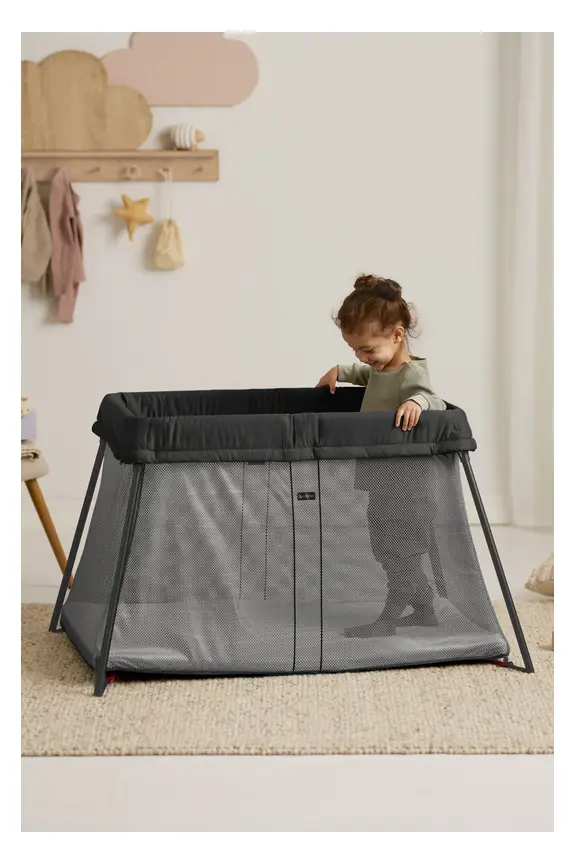
4baby Vacation Portacot
A low-cost portacot with a padded mattress and mesh sides.
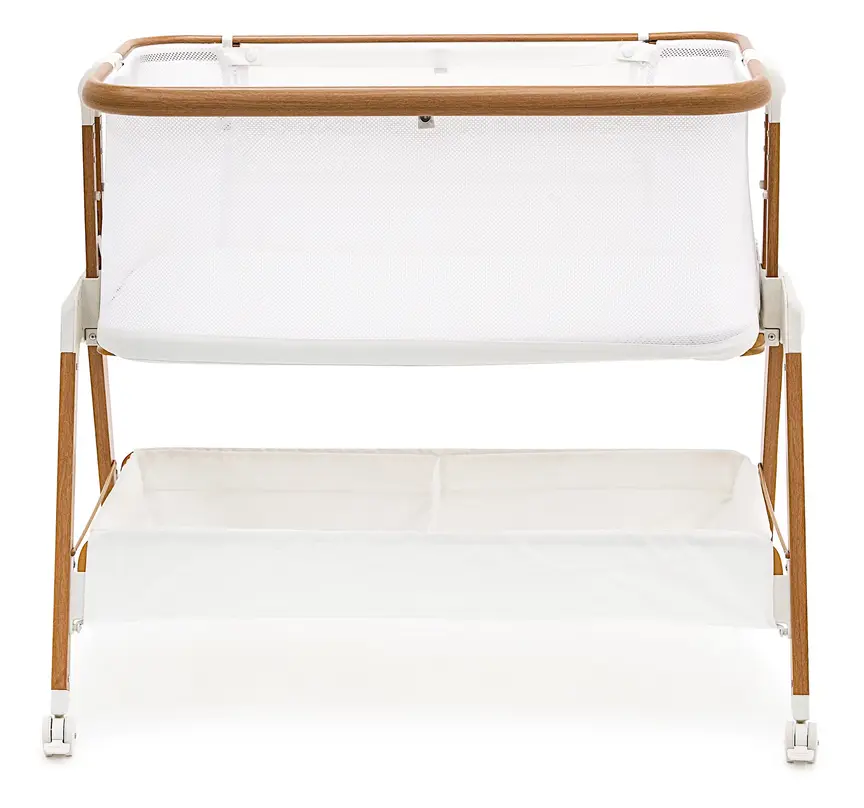
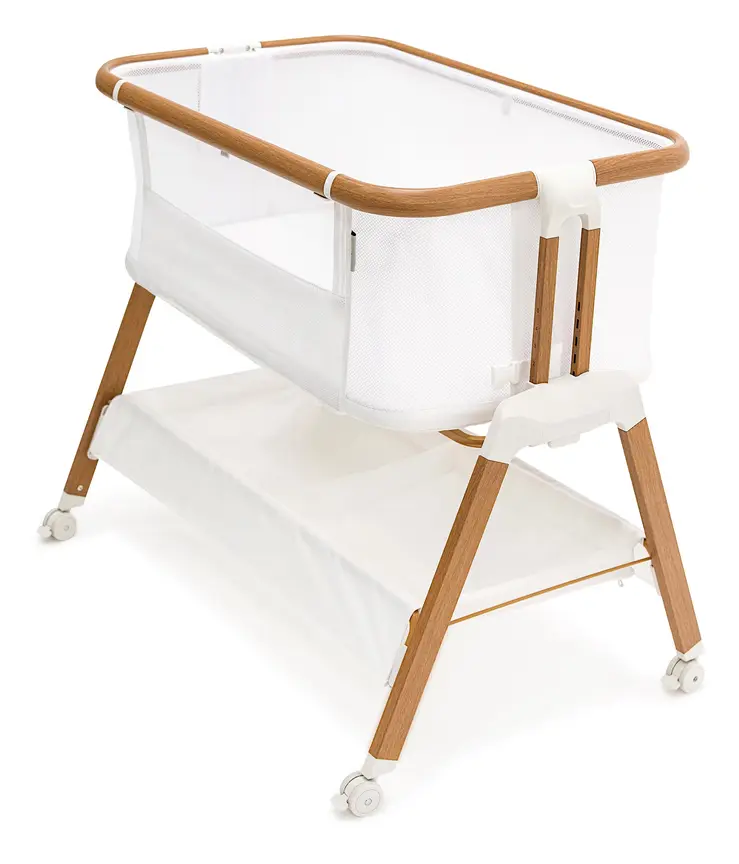
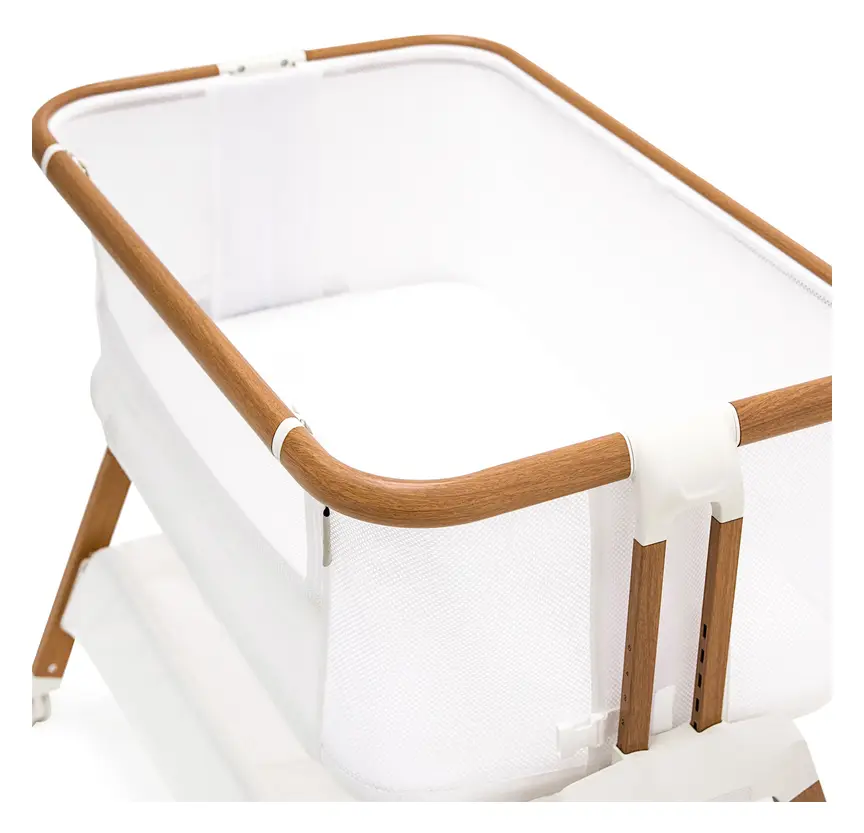
BabyRest Alfie2 Bedside Bassinet
A bedside bassinet with 5 heights, a drop-down side, wheels and an insect net.
Read our full review →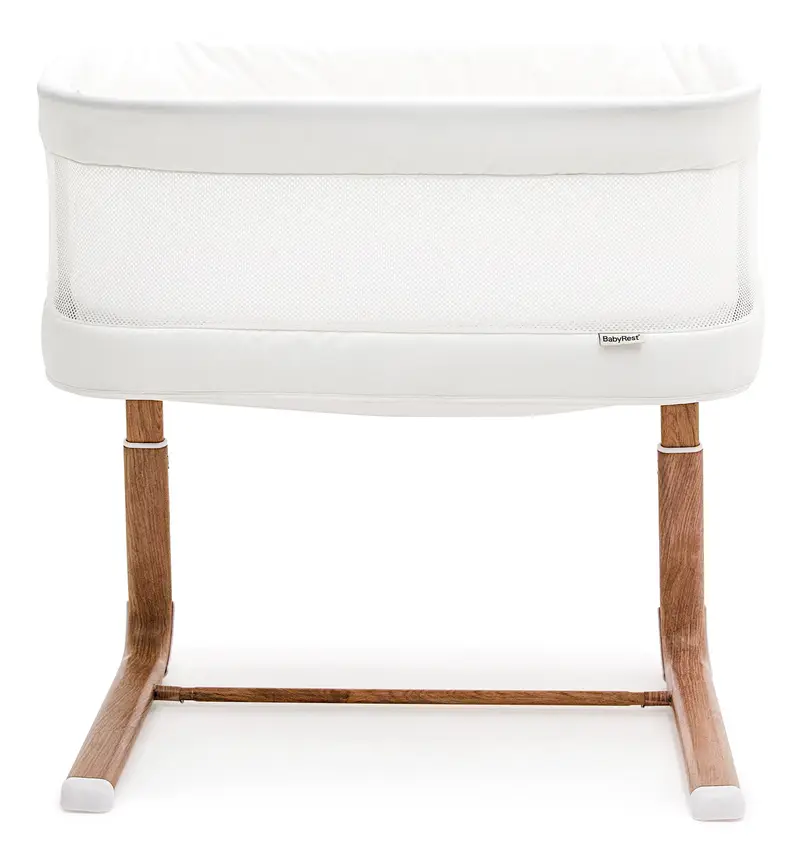
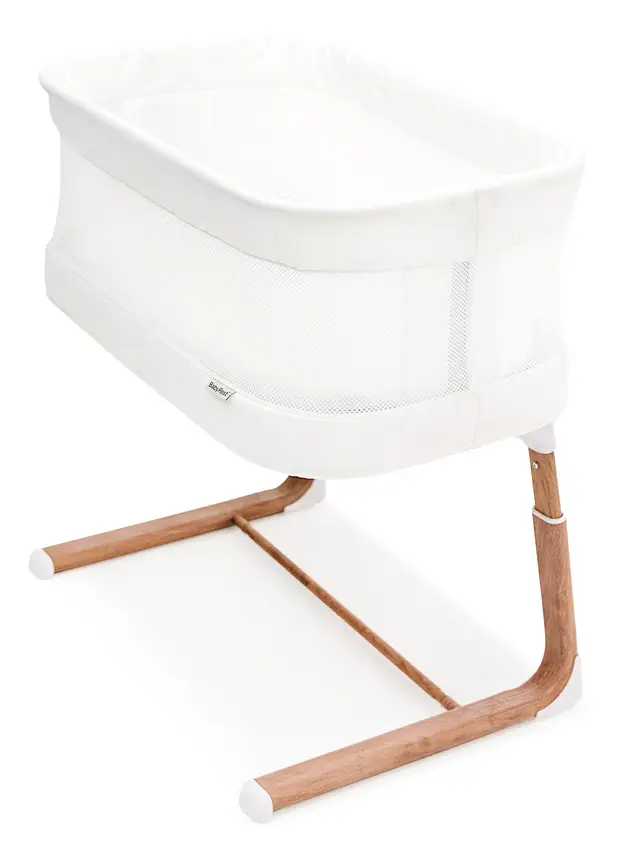
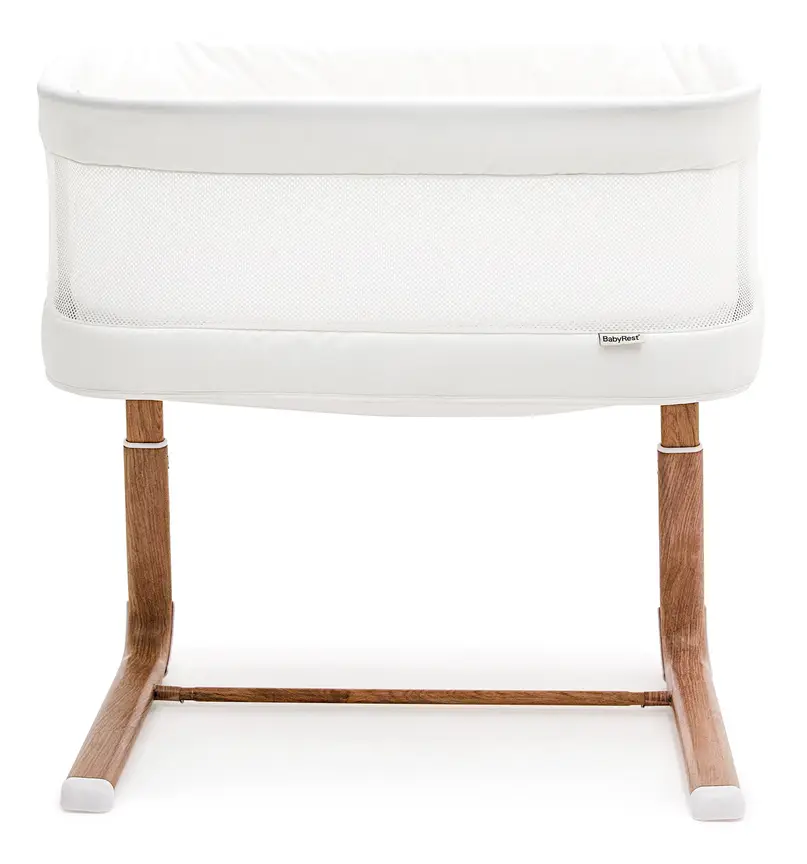


BabyRest Swan Smart Bassinet
A bassinet that rocks by itself when baby stirs, with 3 rocking levels, lullabies and a remote.
Read our full review →Compare all cots, bassinets & bedside sleepers in our reviews →
Step-by-step plan for moving to the new bed
A calm, planned move works better than a sudden swap late at night. Follow these simple steps to help your child feel proud and safe.
- Pick a quiet week: Do not move to a bed at the same time as potty training, starting daycare, or weaning off a dummy. Change one big thing at a time.
- Make the room safe first: Finish anchoring furniture, fixing cords, and checking windows before you set up the bed.
- Involve your child: Let your toddler help take down the cot or pick a fitted sheet for the new bed. Keep it upbeat and relaxed.
- Put the bed in the same spot: Place the new bed in the exact corner where the cot used to sit. This keeps the room feeling familiar in the dark.
- Keep familiar sleep items: Use the same sleeping bag, comforter, or soft toy your child already loves.
- Practise during the day: Let your child lie on the new bed and read a story there in the afternoon before their first night.
- Start with night sleep: Nighttime sleep drive is stronger than daytime nap drive, so the first night is often easier than the first nap.
How to stop bedtime battles and keep them in bed
The novelty of a new bed wears off fast. Within a few nights, many toddlers realise they can walk out of their room. This is normal. Your job is to stay calm, clear, and predictable.
Keep a short, steady bedtime routine
A clear wind-down routine tells your child's brain that sleep is coming. Keep it to 20 or 30 minutes and do the steps in the same order every night:
- Warm bath or wash
- Pyjamas and brushing teeth
- One or two short books in dim light
- A cuddle and your goodnight phrase
- Lights out (or a dim, warm-toned nightlight)
Avoid screens for at least an hour before bed. Bright blue light from tablets and TVs makes it harder for toddlers to feel sleepy. Keep the room cool, dark, and quiet.
Use the quiet return-to-bed method
When your child gets out of bed, do not shout, lecture, or start a chat. Attention—even grumpy attention—rewards getting up. Instead, act like a calm robot:
- Take your child gently by the hand the moment they come out.
- Walk them straight back to their bed without turning on bright lights.
- Say one short, calm line, such as "It is sleep time. Back in bed."
- Tuck them in and leave the room right away.
- Repeat the exact same steps every time they get up.
The first two or three nights can take many trips back to bed. Stay patient. Once your child sees that getting up leads to nothing fun, they usually stop testing the boundary.
Try a bedtime pass for older toddlers
For children aged 2.5 to 4 years, a "bedtime pass" can stop endless requests for water or hugs. Give your child one card or token at lights out. Tell them they can trade the pass for one quick trip out of bed, like one hug or one sip of water. Once they hand over the pass, there are no more trips out until morning. If they keep the pass all night, praise them in the morning.
Use a wake-up clock or visual cue
Toddlers cannot tell the time. If they wake at 5:00 AM, they do not know it is still night. A simple sleep trainer clock that glows soft yellow or green at wake-up time gives them a clear rule. Tell them, "Stay in bed until the clock turns yellow." Keep the clock dim at night so it does not disturb their sleep.
Give praise in the morning
Focus on what goes right. When your child stays in bed, give them big praise at breakfast. A simple sticker chart for staying in bed can work well for children aged 3 and up. Keep rewards small and immediate, like a sticker on a chart right after waking up.
Common mistakes to avoid
Even well-meaning parents run into a few common traps during the cot-to-bed move. Avoiding these makes the switch much smoother.
- Moving too early: Moving an 18-month-old because they look big in a cot often leads to weeks of broken sleep. Wait until closer to age 2.5 or 3 if they are not climbing out.
- Skipping bedroom childproofing: Do not wait to see if your child will get out of bed. Anchor furniture and fix cords before the first night.
- Changing too many things at once: Moving to a bed, starting toilet training, and taking away a dummy in the same week overwhelms a toddler. Space big changes out.
- Lying down with them if you don't want to keep doing it: If you lie beside your child until they fall asleep on night one, they will expect you there every time they wake at 2:00 AM.
- Giving up after two hard nights: Going back to the cot after two tough nights confuses your child. Only return to the cot if you moved too early and your child was not climbing out.
- Putting toys in the bed: Cars, noisy toys, and lots of books on the bed turn sleep space into play space. Keep just one or two soft comforters in bed.
More options, from budget to premium
Real products from our catalogue. We don't show star ratings or review counts; check the current price, stock and reviews on Amazon before you buy.

Boori Oasis Oval Cot
A curved solid beech cot on lockable wheels, with two base heights.
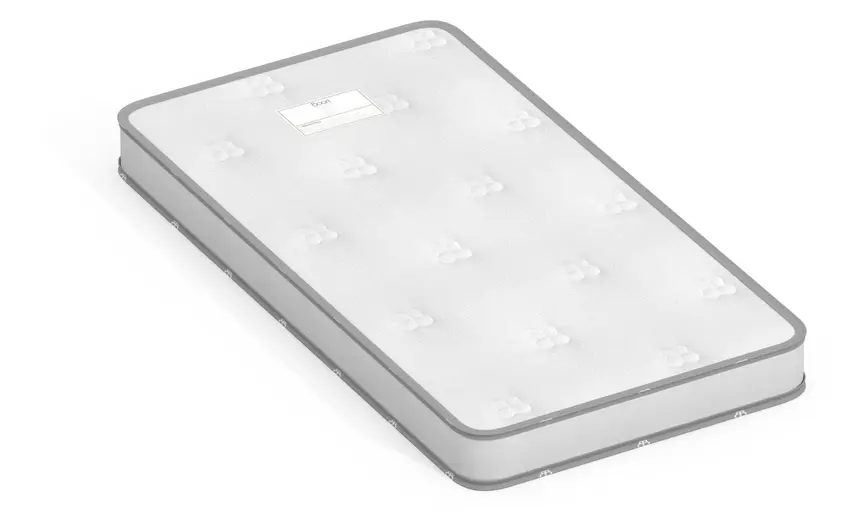
Boori Pocket Spring Mattress (standard cot)
A pocket spring cot mattress that comes rolled. Let it expand for up to 24 hours.


Bugaboo Stardust Plus
A pop-up portacot with a bassinet, for naps at home or away.
Read our full review →Compare all cots, bassinets & bedside sleepers in our reviews →
Frequently asked questions
What should I do if my toddler keeps falling out of bed?
If your child rolls out often, use a floor mattress or a very low toddler bed. Put a soft rug or gym mat beside the bed to cushion falls. Make sure there is nothing hard or sharp near the bed, like a bedside lamp or wooden toy box. Avoid add-on bed rails for children under 2 years old because of trapping risks.
My child falls asleep on the floor by the door. Is that okay?
Yes, as long as the room is warm, safe, and clear of hazards. Many toddlers walk to the door, get tired, and fall asleep on the carpet during the first week. Once they are deeply asleep, you can gently lift them back into bed. Over time, most children learn to stay in the bed itself.
Should I close my toddler's bedroom door at night?
Fire safety experts often suggest closing bedroom doors at night to slow down smoke and fire. If your child feels scared with the door shut, you can leave it slightly ajar while they fall asleep and close it when you go to bed. Never lock the door from the outside. Use a safety gate in the doorway if you need to keep your toddler safely inside the room.
How long do bedtime battles usually last after moving to a bed?
Most children settle into their new bed within one to two weeks. The first three to five nights are usually the hardest as they test their new freedom. If you stay calm and stick to the same bedtime routine every night, the novelty wears off quickly.
Can I move my child back to the cot if the bed isn't working?
If your child was not climbing out of the cot and is under 2.5 years old, it is completely fine to put the cot back up and wait a few months. However, if your child has already climbed out of the cot, do not put them back in it. Climbing out of a cot carries a real risk of head and arm injuries.
What if my toddler wakes up and comes into my bed at 3:00 AM?
Decide ahead of time what rule works for your family. If you want your child to sleep in their own room all night, walk them quietly back to their bed every time they appear. Keep the lights off and skip long chats. Consistency at 3:00 AM is hard when you are tired, but it teaches your child to stay in their own bed.
Sources
- Red Nose Australia – When to move from cot to bed
- Red Nose Australia – Making your home safe before moving a child from a cot to a bed
- Product Safety Australia – Toppling furniture and televisions guide
- Product Safety Australia – Blinds, curtains and window fittings guide
- NHS – Baby and toddler safety
- AAP HealthyChildren.org – Safety for your child: 2 to 4 years
- CPSC (US) – Anchor It! furniture tip-over prevention
- Caring for Kids (Canadian Paediatric Society) – Healthy sleep for your baby and child
Related guides
More Parental Tips →
Moving Out of the Swaddle Safely: When to Stop Wrapping and How to Switch Your Rolling Baby to a Sleeping Bag

Moving from 2 Naps to 1 (13 to 18 Months): Shifting Lunchtime and Bedtime

Independent Play from Birth to Age Three: How to Support Your Child Without Taking Over