Anti-Rebound Bar vs Load Leg in Car Seats: What Each One Does for Your Baby
Anti-rebound bar vs load leg: what each part does in a rear-facing car seat crash, how a top tether compares, and the AU, UK, US and Canada rules.

On this page
- What happens to a rear-facing seat in a crash
- The load leg (support leg): how it works
- The anti-rebound bar: how it works
- The top tether, and why Australia is different
- Load leg vs anti-rebound bar vs top tether: side by side
- Rules in Australia, the UK, the US and Canada
- How to choose: load leg, anti-rebound bar, or neither?
- How this changes as your child grows
- Fitting checklist
- Common mistakes
- Price and value
- FAQ
- Sources
Short answer: A load leg and an anti-rebound bar both stop a rear-facing car seat from swinging too much in a crash. They just work at different moments. The load leg stands on the car floor. It stops the seat tipping forward in the first part of a crash. The anti-rebound bar sits against the back of the car seat it is fitted to. It stops the seat flipping back towards the rear window in the second part of a crash. In Australia, car seats use a strap called a top tether that does a similar job. The best feature is simply the one your seat's own instructions tell you to use, fitted exactly as they say.
Key points
- The American Academy of Pediatrics (AAP) says a load leg cuts down forward movement early in a crash. An anti-rebound bar cuts down the bounce back towards the rear later in the crash.
- In the UK and Europe, a seat that clips into ISOFIX points uses either a top tether strap or a support leg to stop it tipping or turning in a crash.
- In Australia, rear-facing and forward-facing car seats must be fitted with a top tether strap, says Kidsafe.
- A load leg must never stand on the lid of a storage box under the car floor. The lid can break in a crash.
- No extra part can make up for a loose seat or loose harness straps. Fitting the seat well matters most.
What happens to a rear-facing seat in a crash
Most bad crashes are front-on crashes. The car stops very fast. Everything inside keeps moving forward for a moment.
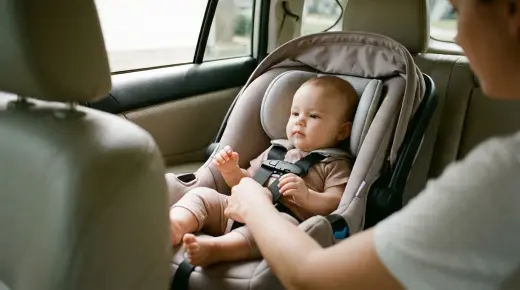
A baby in a rear-facing seat is pushed back into the seat. The hard shell of the seat holds the baby's back, neck and head all together. This spreads the force over the whole body. That is why experts in Australia, the UK, the US and Canada all say: keep your baby rear facing for as long as they fit the seat.
But the seat itself still moves. It is held tight at the bottom, by the car's seat belt or by clips into the car. The top of the seat is freer. So in a crash, two things happen:
- Tip forward. In the first split second, the top of the seat tips towards the front of the car and down into the car seat back.
- Bounce back. As the car comes to a stop, the seat bounces back the other way, towards the rear window. This is called "rebound".
Less swinging is better. When the seat swings less, the shell keeps holding the baby's head and neck in the safe zone. There is also less chance of the seat hitting the front seat. Load legs, anti-rebound bars and top tethers are all ways to control this swing.
The load leg (support leg): how it works
A load leg is a strong metal or plastic leg. It comes down from the front of the car seat base to the car floor. You slide it down until the foot sits firm on the floor. Many have a little window that turns green when it is set right.
In a front-on crash, the base wants to tip forward and down. The leg is already standing on the floor, so it pushes back. Part of the crash force goes into the floor of the car instead of into the soft car seat cushion. The AAP puts it simply: load legs reduce forward movement in the first phase of a crash.
The UK Child Car Seats website (run with the road safety charity RoSPA) says a support leg is easier to use than a top tether. It also gives an important warning. Some cars have hidden storage boxes under the floor of the back seat area. If the leg stands on the lid of one of these boxes, the lid can give way in a crash. Then the leg can't do its job. Car seat makers usually list which cars this affects. Some sell a filler block for the box.
Where you see load legs
Load legs are common on ISOFIX seats sold in the UK and Europe. (ISOFIX is a set of two metal clips built into the car, between the seat back and seat cushion. The car seat clicks onto them.) The UK and European rules let these seats use either a load leg or a top tether to stop them tipping. In the US and Canada, load legs are an extra feature on some seats. They are not required by law.
The anti-rebound bar: how it works
An anti-rebound bar is a U-shaped or straight bar at the foot end of a rear-facing seat. That is the end closest to the back of the car seat it is fitted to. When the seat is put in, the bar presses on the back of the car seat, or sits very close to it.
It does its job later in the crash. After the seat tips forward, it bounces back. The bar hits the car seat back and stops the car seat flipping too far back. The AAP says anti-rebound bars protect the child during the second phase of a crash.
Some seats have a flat panel or a brace instead of a bar. The UK Child Car Seats site says some rear-facing seats have a brace that rests against the back of the front seat. It does a similar job.
Car Seats & Capsules worth a look
Real products from our catalogue. We don't show star ratings or review counts; check the current price, stock and reviews on Amazon before you buy.
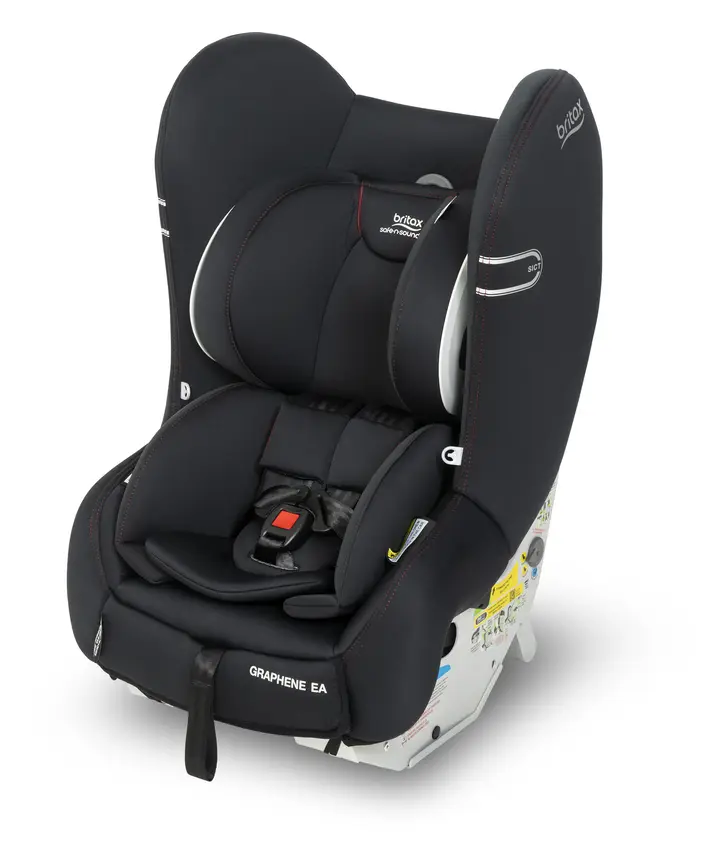
Britax Safe-n-Sound Graphene EA
Britax's Australian convertible seat with SICT side-impact technology, designed to reduce crash energy reaching your child's chest.

Babylove ezymove Booster
A very light, low-cost booster for about 4 to 8 years. It folds flat for storage.
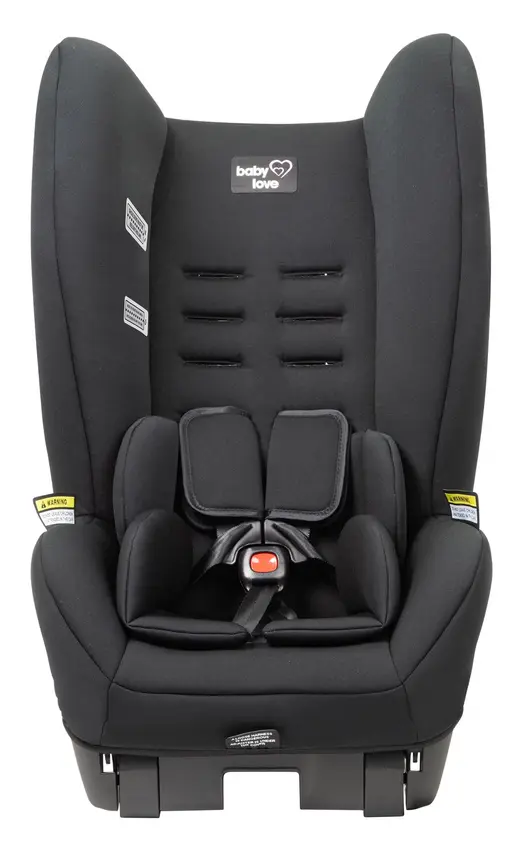
Babylove ezyone2
A very low-cost convertible seat. Rear-facing to about 12 months, then forward-facing to about 4 years.

The top tether, and why Australia is different
Australia has its own car seat standard, called AS/NZS 1754. (A "standard" is a set of design and crash test rules a product must pass.) Product Safety Australia says every car seat sold in Australia must meet the mandatory standard based on it.
One big feature of Australian car seats is the top tether strap. This is a strong strap from the top of the car seat to a hook point in the car. The hook point is behind the back seat: on the parcel shelf, the back of the seat, the roof or the boot floor, depending on the car. Kidsafe's national guidelines say rear-facing and forward-facing car seats must be fitted with a top tether, and that you must always use it, even on seats that also clip into ISOFIX points. These guidelines were made by Kidsafe and Neuroscience Research Australia and approved by Australia's National Health and Medical Research Council.
Because the tether holds the top of the seat, it also limits how much the seat swings in a crash. That is one reason you see fewer load legs and anti-rebound bars on Australian seats. They are not "missing". The seat was designed and crash tested as one whole system with a tether.
Here is the main lesson for every family, in every country. A car seat is tested as a whole. If the instructions say use the tether, use it. If they say use the load leg, use it. If they say fit the anti-rebound bar when rear facing, fit it. Don't add, remove or swap parts. All four countries' safety bodies say the same.
Load leg vs anti-rebound bar vs top tether: side by side
| What to compare | Load leg | Anti-rebound bar | Top tether (rear facing) |
|---|---|---|---|
| Where it is | Front of the base, down to the floor | Foot end of the seat, against the car seat back | Strap from the top of the seat to a hook point in the car |
| Main job | Stops the seat tipping forward early in a crash | Stops the seat bouncing back later in a crash | Limits how far the seat moves overall |
| Where it's common | UK and Europe ISOFIX seats; extra feature in the US and Canada | Some US, Canadian and European rear-facing seats | All Australian and New Zealand car seats |
| Most common mistake | Standing on a storage box lid, or not touching the floor | Left off, or fitted in the wrong mode | Loose strap, wrong hook point, strap falling into a seat gap |
| How to check it | Window shows green; foot flat on solid floor | In place, touching or near the seat back as the manual says | No slack, but not so tight it lifts the seat |
| Can you add one yourself? | No. Only if the maker made it for your exact seat | No. Only if the maker made it for your exact seat | No. Use the tether your seat came with |
Rules in Australia, the UK, the US and Canada
| Country | Rule or standard | What it means here | Who to ask |
|---|---|---|---|
| Australia | Mandatory standard based on AS/NZS 1754, plus state and territory road rules | Car seats use a top tether. By law, babies ride rear facing until at least 6 months old. | Product Safety Australia, Kidsafe, your state road authority, Child Car Seats ratings |
| United Kingdom | UN rules R129 (also called i-Size) or the older R44. Look for a label with a capital "E" in a circle. | ISOFIX seats use a support leg or a top tether. Height-based seats must stay rear facing until your child is over 15 months old. | GOV.UK, Child Car Seats (RoSPA) |
| United States | Federal Motor Vehicle Safety Standard 213, run by NHTSA (the US road safety agency) | Load legs and anti-rebound bars are extra features. Fitting with the seat belt or the LATCH clips is equally safe when done right. | NHTSA, the AAP, certified car seat technicians |
| Canada | Canada Motor Vehicle Safety Standard 213, run by Transport Canada, plus province rules | Fit with the lower clips (called UAS in Canada) or the seat belt. Only use parts that came with the seat. | Transport Canada, your province's road safety office, local car seat clinics |
Two things are true everywhere. First, buy a seat that is approved for the country you drive in. Each country has its own approval label, and parts don't swap between versions of the "same" seat. Second, use the parts the way the instructions say. Transport Canada warns that things that did not come with your seat, like seat protectors or comfort pads, may not be safe. Product Safety Australia warns against extras like head supports for the same reason.
How to choose: load leg, anti-rebound bar, or neither?
You can only use parts that come with a seat approved in your country. So the real choice is which seat to buy. Ask yourself these questions.
- What is legal where you drive? In Australia you will be choosing from AS/NZS 1754 seats, which all use a tether. In the UK, look for R129 (i-Size). In the US and Canada, look for the label that says the seat meets FMVSS 213 or CMVSS 213.
- What does your car allow? Look at the floor in front of where the seat will go. If there is a storage box under the floor, a load-leg seat may not be allowed in that spot. Check the seat maker's car fit list. Check your car's handbook for tether points and ISOFIX, UAS or LATCH clips.
- How much room is there for the front passenger? Rear-facing seats with bars take up room. If the front passenger has to sit squashed up near the dashboard, that is a safety problem too.
- Will you move the seat between cars a lot? A load-leg base that stays in one car is easy every day. If you swap cars often, pick a seat you can fit well every single time. A simple seat fitted well beats a fancy seat fitted badly.
- Can you get it checked? Kidsafe's guidelines say trained fitting services have been shown to halve the number of seats that are used wrongly. Book a check, whatever seat you choose.
Crash test results can help too. In Australia, the Child Car Seats website shows independent safety and ease-of-use ratings for real models. Look up the current ratings yourself, because new models are added over time.
Side by side: more car seats & capsules to compare
Real products from our catalogue. We don't show star ratings or review counts; check the current price, stock and reviews on Amazon before you buy.
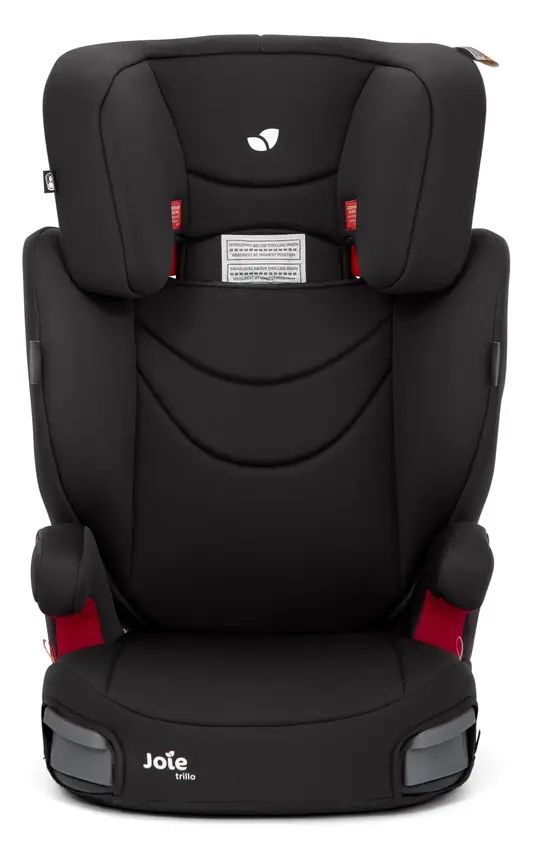
Joie Trillo
A high-back booster with a 7-position headrest that grows with your child.

 Reviewed
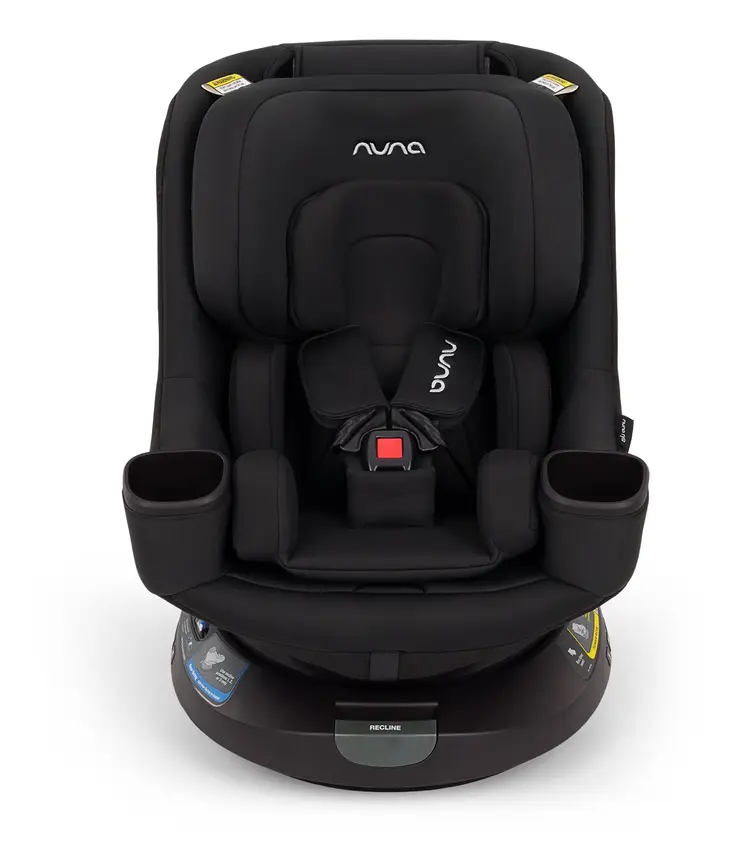
Nuna Rylo 360
A premium seat that spins 360° to help you lift baby in and out. Rear-facing up to about 30 months.
Read our full review →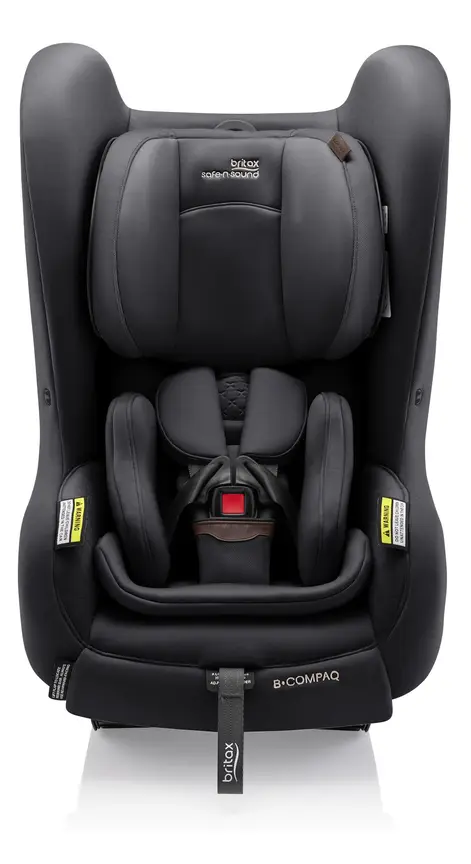 Reviewed
Britax Safe-n-Sound B-Compaq Lux
A convertible seat made for small cars with little room in the back.
Read our full review →How this changes as your child grows
Newborn to about 12 months
Your baby must ride rear facing. Australian law says rear facing until at least 6 months. Kidsafe says keep going for as long as your baby fits the seat. In the UK, height-based seats must stay rear facing until over 15 months. If your baby capsule (infant carrier) has a separate base, that is where a load leg would be.
About 12 months to 3–4 years
Many families move to a bigger seat that can stay rear facing for longer. In the US, Canada and Europe, some of these seats have anti-rebound bars or load legs for rear-facing use. Kidsafe says extended rear-facing seats suit children up to about 2–3 years. Always set the harness to the right height for your child's shoulders, using the shoulder height markers on the seat.
Forward facing with a harness
Once your child faces forward, the top tether is the key part in every country. The AAP says always use the top tether on a forward-facing seat. Load legs and anti-rebound bars are mostly for rear-facing mode. Your manual will say which parts stay on.
Booster seats
Boosters work in a different way. The car's adult seat belt holds your child, and the booster lifts them so the belt sits in the right place. Some boosters clip into the car or have a tether so they don't fly around when empty. They don't have load legs or anti-rebound bars.
Fitting checklist
- Read the car seat manual and the car seat part of your car's handbook first.
- Fit the seat the way the manual allows for that spot in the car: ISOFIX/UAS/LATCH clips or the seat belt, plus the tether where needed.
- Hold the seat where the belt or clips go and shake it. Car seat technicians in the US and Canada often say it should move less than about 2.5 cm (1 inch) side to side. Your manual may have its own test.
- Load leg: lower it until the foot is flat on solid floor and the window (if there is one) shows green. Never on a storage box lid or a bump in the floor mat.
- Anti-rebound bar: fit it in rear-facing mode if the manual says so. Place it against or near the car seat back as shown.
- Top tether: clip it to the right hook point for that seat. Pull out all the slack. Don't pull so hard that the car seat lifts off the cushion (Kidsafe warns about this). Make sure the strap can't slip into a gap in a split fold-down back seat.
- Check the tilt (recline) marker after you tighten everything. Tightening can change the angle.
- Check the harness every trip. No twists. Snug at the shoulders. Try to pinch the strap near the collarbone. If you can pinch a fold of strap, tighten it. Product Safety Australia uses the same pinch test.
Common mistakes
- Thinking a feature makes up for a loose seat. Kidsafe's guidelines say the risk of life-threatening injury is 4 to 6 times higher when a seat is fitted wrongly or the child is strapped in wrongly. A loose seat with a load leg is still a loose seat.
- Leaving the anti-rebound bar at home. Bars that come off are easy to forget when you move the seat to another car.
- Load leg on a hollow floor. The UK Child Car Seats site warns about this.
- Buying a seat made for another country. A US or UK seat may look like an Australian or Canadian one, but it was approved under different rules. In Australia, only seats that meet the Australian standard are legal. Transport Canada also warns parents about buying seats across the border.
- Adding extras. Pads, head supports, seat protectors and anything wedged under the seat that didn't come with it can change how the seat moves in a crash. Product Safety Australia, Kidsafe and Transport Canada all warn against this.
- Using a seat after a crash, or when it's too old. Product Safety Australia says don't use a second-hand seat that has been in a crash or is over 10 years old. Many makers set a shorter life. Check the date label on your seat.
- Big puffy coats. Thick coats squash flat in a crash and leave the straps loose. The AAP says dress your baby in thin layers and put a blanket over the top of the buckled harness if they're cold.
Price and value
Seats with load legs or anti-rebound bars are often mid-priced or dearer, partly because they often come with an ISOFIX base and other extras. A higher price does not always mean better crash protection. Compare independent crash ratings where you live. Check the seat's height and weight limits. A seat your child can use rear facing for longer is often better value. Check the expiry date too. And check that you can buy spare parts, like a new bar, leg or base, for your exact model if one gets lost or broken.
More options, from budget to premium
Real products from our catalogue. We don't show star ratings or review counts; check the current price, stock and reviews on Amazon before you buy.
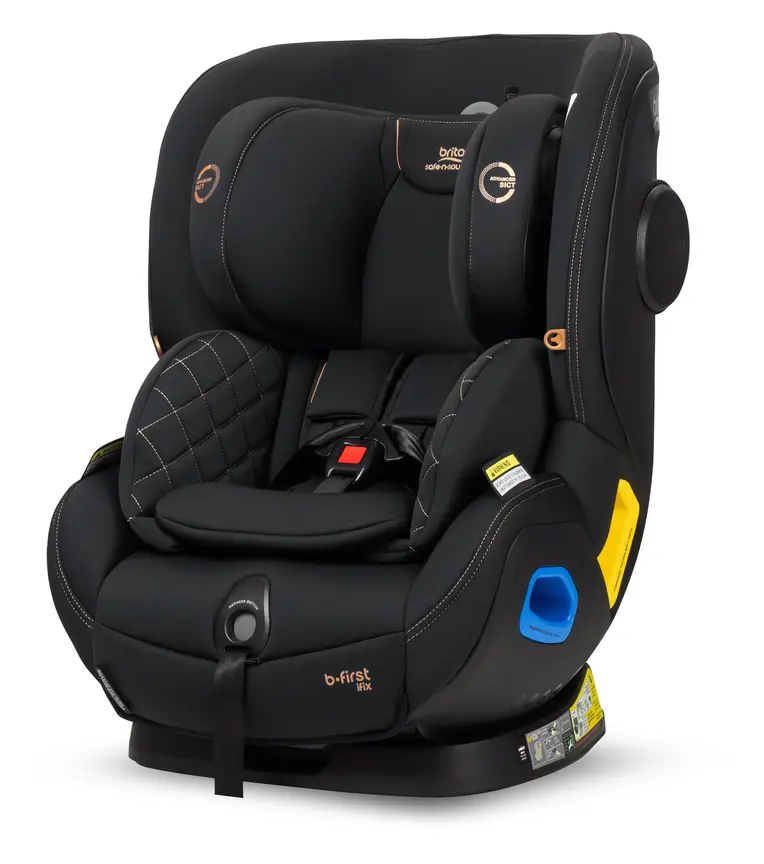
Britax Safe-n-Sound b-first+
Convertible seat from Britax's Australian Safe-n-Sound range with SICT deployable side-impact protection.
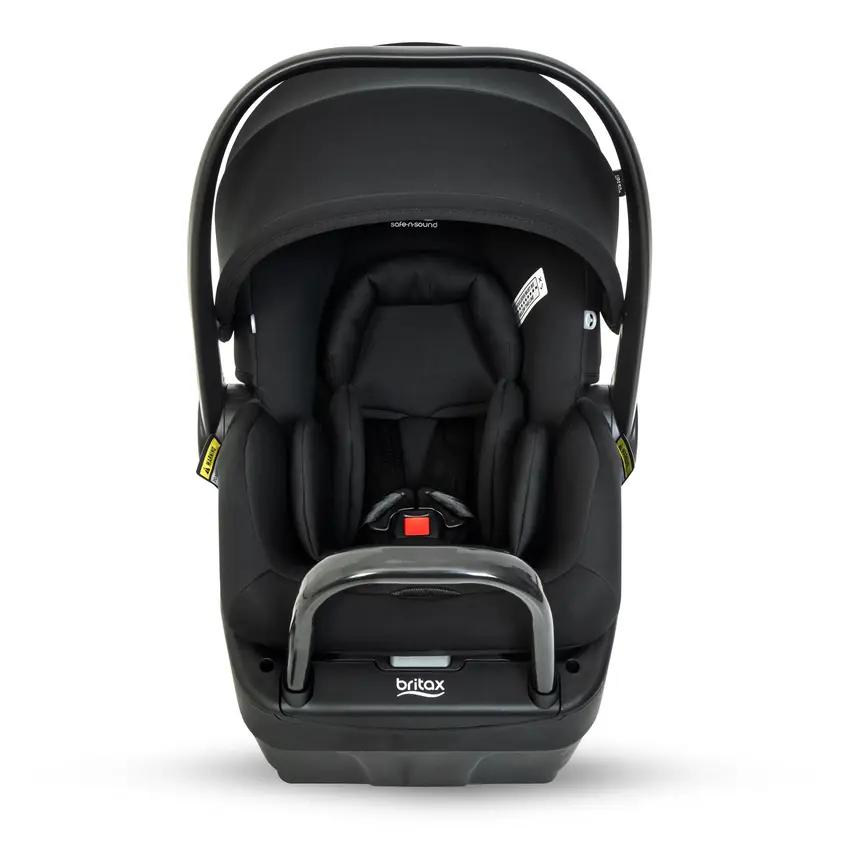
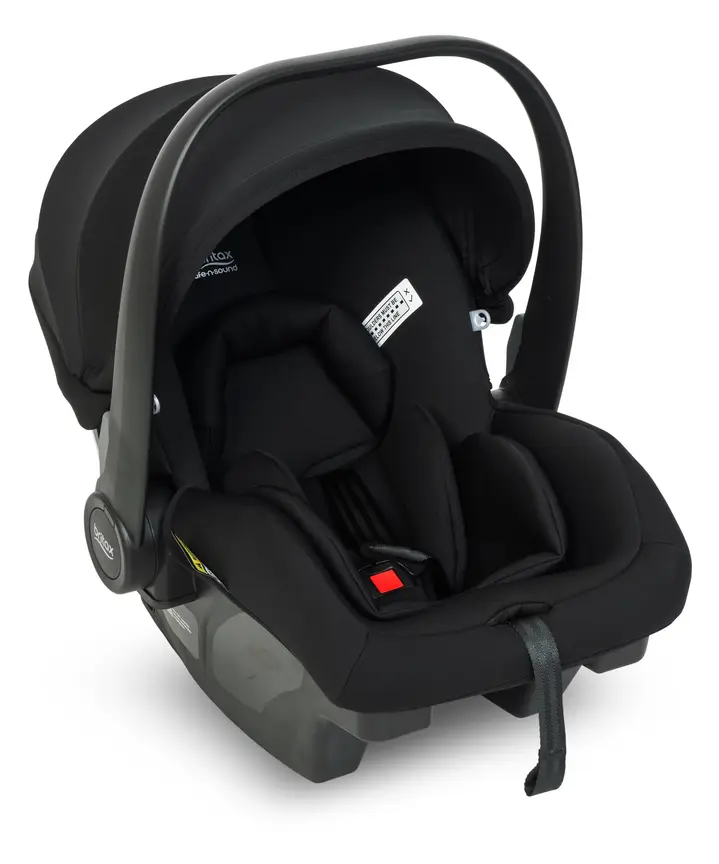
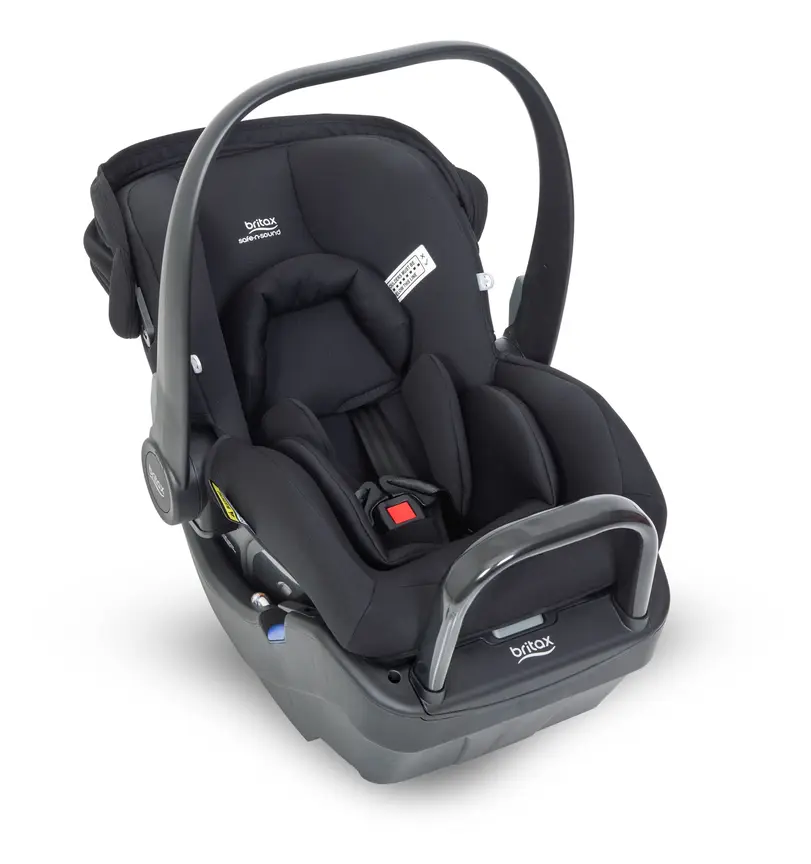
Britax B-Pod Lite
A newborn capsule with a ClickTight base, which makes a firm install simpler.
Read our full review →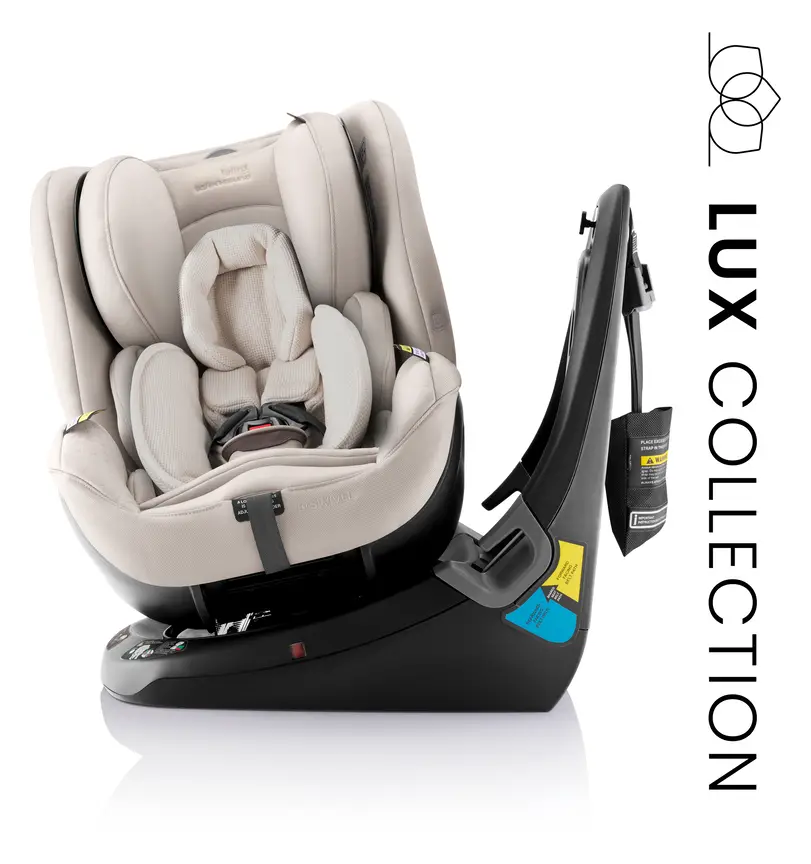
FAQ
Is a load leg safer than an anti-rebound bar?
They do different jobs, so one doesn't replace the other. The AAP says load legs cut down forward movement in the first part of a crash, and anti-rebound bars cut down the bounce back in the second part. Some seats have both. What matters most is that your seat is approved in your country and fitted exactly as the instructions say.
Why don't many Australian car seats have a load leg?
Australian seats are built and crash tested around a top tether strap. Kidsafe says you must always use it on rear-facing and forward-facing seats. The tether controls how much the seat moves, so the whole seat is designed around it. Some Australian seats have extra parts too. Use whatever your seat came with, the way the manual says.
Can I buy a load leg or anti-rebound bar and add it myself?
Only if it's a genuine part from your seat's maker, made for your exact model and country version. Add-ons from other brands were never crash tested with your seat. Product Safety Australia, Kidsafe and Transport Canada all warn against adding things that didn't come with the seat.
Can I put a load-leg seat in the middle seat?
Sometimes. Many middle seats have a hump in the floor, a storage box, or no ISOFIX clips. Check the seat maker's car list and your car handbook. If the leg can't stand flat on solid floor, pick another spot, or another way of fitting that your manual allows.
Does the anti-rebound bar have to touch the car seat?
Follow your manual. Some say the bar must touch the car seat back. Others allow a small gap. Don't push the front seat back so hard that it shoves the car seat out of its correct tilt.
Do I still need a top tether if my seat has a load leg?
In Australia, yes. The standard and the Kidsafe guidelines say to use the tether. In the UK and Europe, an ISOFIX seat uses either a tether or a support leg, depending on the design. In the US and Canada, the tether must be used on forward-facing seats. Rear facing, use it only if your manual says so.
Should I keep my toddler rear facing because the seat has an anti-rebound bar?
Keep your child rear facing for as long as they fit the seat's rear-facing height and weight limits. That's the advice in all four countries. The bar is part of what makes rear facing work well. It isn't a reason on its own.
Where can I get my car seat checked?
In Australia, contact Kidsafe, your state road authority or an authorised fitting service. In the UK, many shops and local councils offer fitting checks. In the US, find a certified child passenger safety technician through NHTSA. In Canada, Transport Canada suggests local car seat clinics.
Sources
- AAP HealthyChildren.org – Car seats: information for families
- Child Car Seats (UK, RoSPA) – Isofix seats, top tethers and support legs
- Child Car Seats (UK) – i-Size seats (R129)
- GOV.UK – Child car seats: the law
- Product Safety Australia (ACCC) – Car seats guide
- Kidsafe Australia / NeuRA – National best practice guidelines for the safety of children in motor vehicles
- Child Car Seats Australia – independent car seat safety ratings
- Transport Canada – Installing a rear-facing child car seat
Related guides
More Car Seats & Travel →
Are Cheap Convertible Car Seats Safe? What a Lower Price Does and Doesn't Mean
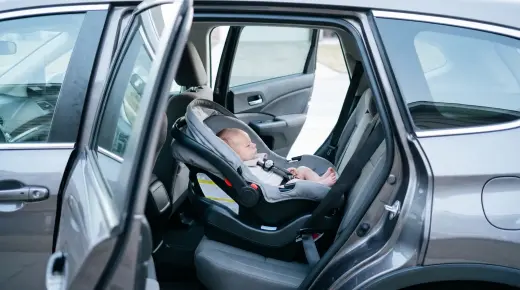
Convertible Car Seat vs Infant Capsule: Safety, Cost Per Year and Your Baby's Back
Baby Travel Gear: What You Need for Safer, Easier Trips