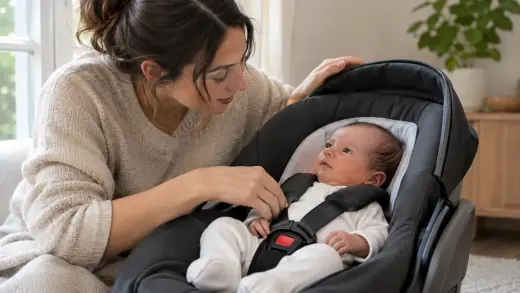
Car Seat Travel Bags and Backpacks: How to Protect Your Seat on Trips
How to choose and use a car seat travel bag or backpack. Learn how to protect your seat on flights and road trips, plus safety rules in AU, UK, US and Canada.

On this page
- Key points
- What a car seat backpack is and what it does
- What a travel bag can and cannot protect
- Types of car seat travel bags compared
- How to choose the right car seat bag
- Car seat size, age stages, and bag fit
- Flying with a car seat: cabin, gate check, or bag drop
- How to pack and carry a car seat backpack safely
- Car seat rules in Australia, the UK, the US, and Canada
- Checking and cleaning your seat after a trip
- Common mistakes to avoid
- Frequently asked questions
- Sources
Short answer: A car seat travel bag or backpack keeps your child's car seat clean and easy to carry on trips. It stops dirt, rain, and snagged straps. It does not stop hard knocks in a plane cargo hold. To protect your child and your seat on a flight, use the seat in the cabin if you can, or pack it in a padded bag or hard case for the hold.
This guide covers how car seat bags work, how to pick one, and how to pack and check your seat. It also explains car seat rules in Australia (ACCC and Product Safety Australia), the UK (GOV.UK and RoSPA), the US (FAA and AAP), and Canada (Transport Canada and the Canadian Paediatric Society).
Key points
- Dirt and strap cover: A car seat backpack keeps fabric clean and stops loose straps from catching on belts or trolleys.
- Not crash armour: A soft bag alone will not stop hidden cracks if a heavy suitcase lands on the seat.
- Hands-free carrying: Backpack straps let you hold your child or push a pram through busy airports.
- Check the fit: Convertible seats and infant capsules have different shapes. Measure your seat before you buy a bag.
- Inspect after every flight: Check the plastic shell, foam, straps, and buckle before you put your child back in the seat.
- Destination laws differ: A seat certified in one country is often not legal to use in cars in another country.
What a car seat backpack is and what it does
A car seat backpack is a large zip-up bag shaped to hold a child car seat. It has two padded shoulder straps on the back so you can wear it like a rucksack. Many models also have a top grab handle and a chest strap.
Without a bag, a car seat is awkward to carry. It is bulky, heavy, and has dangling harness straps, tether straps, and metal clips. If you carry it bare, the straps drag on the ground and the fabric picks up grease and dust.
A travel backpack solves that carrying problem. You zip the seat inside, put the bag on your back, and keep both hands free. Your hands can hold a toddler, push a stroller, or pull a suitcase.
How it differs from a standard nappy backpack
A nappy backpack holds bottles, wipes, and spare clothes. A car seat backpack is much bigger. It is built to hold a rigid plastic car seat shell that can weigh several kilograms.
Some car seat bags have small outside pockets for a book, wipes, or a travel blanket. Even then, the main job of the bag is holding the seat, not replacing your everyday baby bag.
What a travel bag can and cannot protect
Parents often buy a car seat bag hoping it will keep the seat safe during a flight. It helps, but you need to know its limits.
What a good bag protects against:
- Dirt, mud, and spills: Airport floors, cargo holds, and wet pavements are dirty. A water-resistant bag keeps grime off the seat cover.
- Snagged straps and lost parts: Baggage belts can catch loose tether straps or rip off cup holders and newborn inserts. A zipped bag keeps everything together.
- Light scuffs and scratches: Thick fabric stops the plastic shell from getting scraped in a car boot or storage room.
- Rain and dust: When you store a spare seat in a garage or boot, a bag keeps spiders, dust, and dampness out.
What a soft bag cannot stop:
- Heavy drops: Baggage handlers move fast. A car seat can fall off a trolley onto concrete.
- Crushing weight: Heavy suitcases can pile on top of a checked seat in the hold.
- Hidden damage: Foam inside the seat can crack under the fabric where you cannot see it.
Because of this risk, the American Academy of Pediatrics (AAP) and the US Federal Aviation Administration (FAA) advise putting young children in an approved car seat in their own aeroplane seat when flying. That keeps your child safer in turbulence and keeps the seat out of the cargo hold.
Car Seats & Capsules worth a look
Real products from our catalogue. We don't show star ratings or review counts; check the current price, stock and reviews on Amazon before you buy.
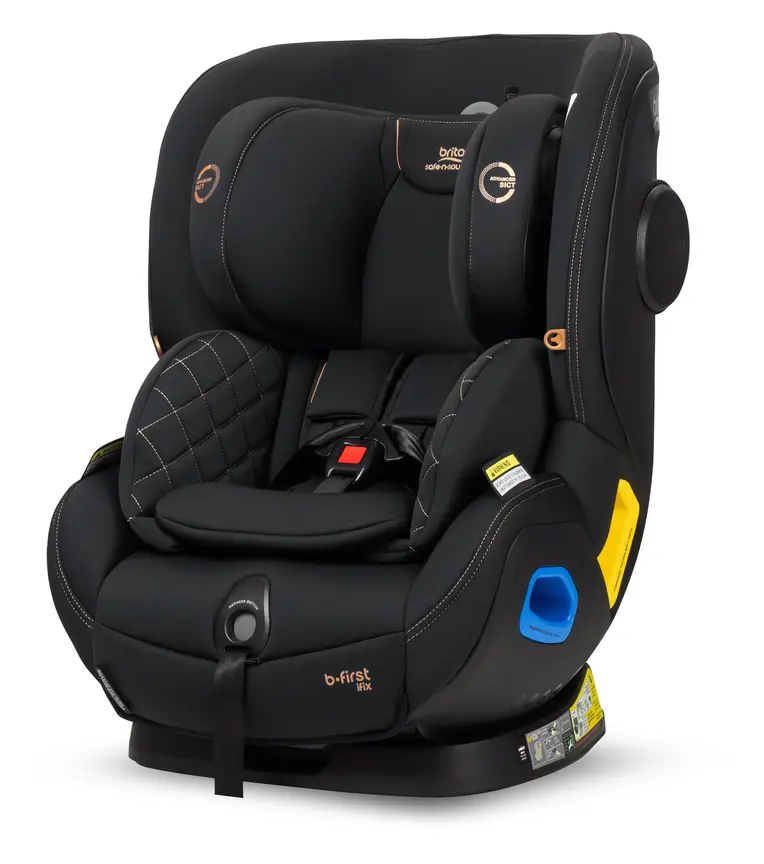
Britax Safe-n-Sound b-first+
Convertible seat from Britax's Australian Safe-n-Sound range with SICT deployable side-impact protection.
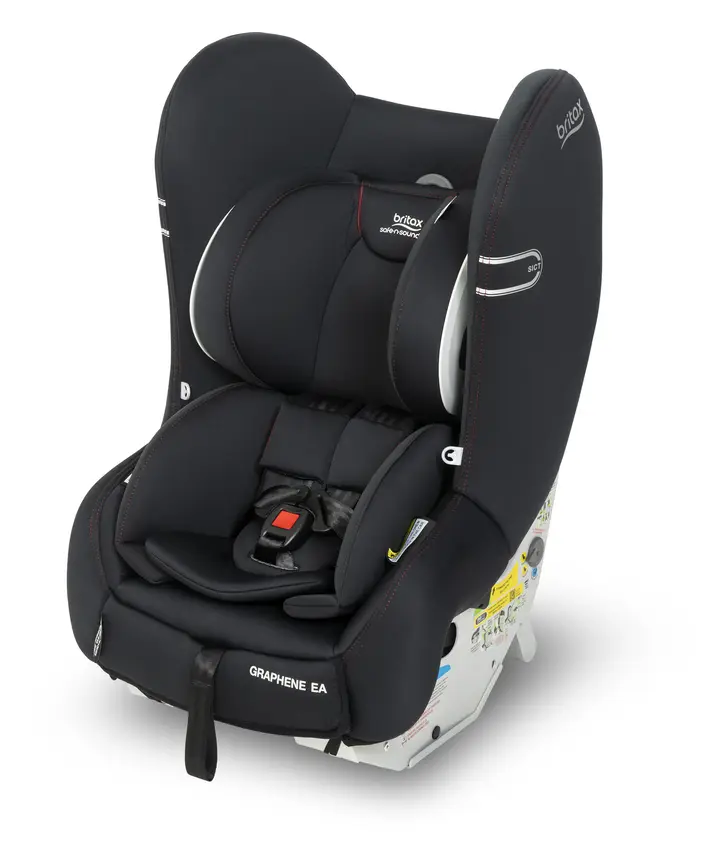
Britax Safe-n-Sound Graphene EA
Britax's Australian convertible seat with SICT side-impact technology, designed to reduce crash energy reaching your child's chest.
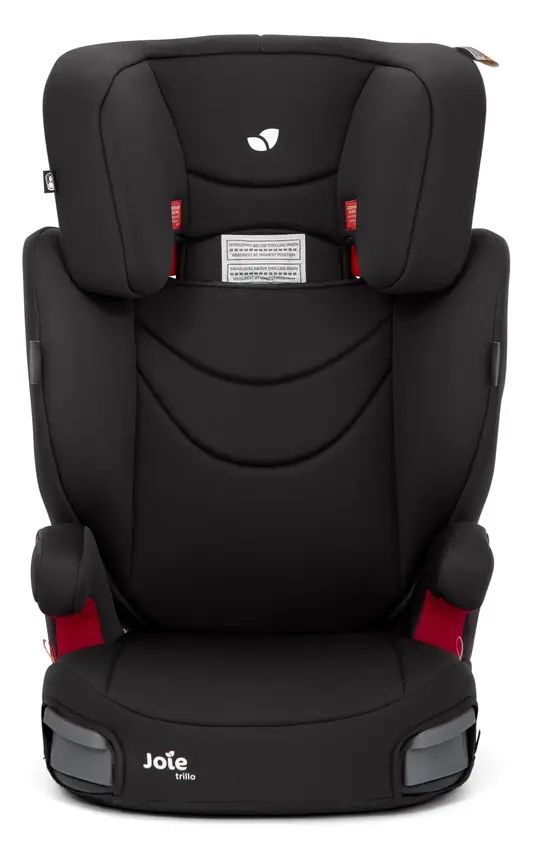
Joie Trillo
A high-back booster with a 7-position headrest that grows with your child.

Babylove ezymove Booster
A very light, low-cost booster for about 4 to 8 years. It folds flat for storage.
Types of car seat travel bags compared
Not all car seat bags offer the same protection or comfort. Here is how the four main styles compare.
| Bag type | Padding | How you carry it | Best use | Main downside |
|---|---|---|---|---|
| Thin drawstring or unpadded bag | None | Single handle or shoulder strap | Keeping dust off in a car boot or cupboard | Little protection against drops or tears |
| Padded car seat backpack | Light to medium foam | Two shoulder straps on your back | Walking through airports with hands free | Heavy on your shoulders for long walks |
| Wheeled car seat bag | Medium to thick foam | Pull handle and wheels, sometimes backpack straps too | Long airport walks with heavy convertible seats | Wheels add weight and can break if tossed |
| Hard-shell travel case | Rigid outer shell plus foam | Pull handle and wheels | Checking a seat into the plane hold when needed | Bulky to store at your destination |
For short road trips or storage at home, a simple unpadded bag is fine. For air travel, choose at least a padded backpack or wheeled bag. If you must check a heavy seat as luggage, a hard-shell case or the original cardboard box with foam offers more crush protection than cloth alone.
How to choose the right car seat bag
Before you buy a car seat backpack, check these practical details.
1. Check the size and shape
Car seats vary a lot in height and width. Infant capsules are compact, especially without their car base. Rear-facing and forward-facing convertible seats are tall and wide. High-back boosters are often slim but tall.
Measure your seat at its tallest, widest, and deepest points. Compare those numbers with the inside size of the bag. A bag that is too tight will strain the zip. A bag that is too loose lets the seat bounce around inside.
2. Look at the padding and base
A thin nylon sack tears easily on rough baggage belts. Look for thick fabric, strong stitching at the handles, and foam padding on the sides and top. A reinforced, wipe-clean base stops the bottom from wearing through when you set it down on rough ground.
3. Check the straps and comfort
A convertible car seat can feel heavy very quickly. Look for wide, padded shoulder straps and a chest clip. A waist belt helps shift some weight off your shoulders onto your hips. Make sure you can tuck the backpack straps away into a flat pocket before you hand the bag to airline staff. Dangling backpack straps can catch on airport conveyor belts.
4. Check the zip and openings
A wide U-shaped zip or full clamshell opening makes loading much easier than a narrow top opening. Try lifting the seat in and out at home before your trip. Double zips let you add a small luggage lock if you want, though keep in mind security staff may need to open the bag to inspect it.
5. Water resistance and easy cleaning
Bags get dragged through puddles on airport tarmacs. Water-resistant fabric keeps rain out. Smooth lining on the inside lets you wipe up crumbs or spills with a damp cloth.
6. Fold-down size
Once you install the car seat in a hire car or taxi, you have to store the empty bag. Some padded backpacks fold flat or roll into a small pouch. Hard cases do not fold down, so think about where you will keep one in a small hotel room or hire car boot.
Car seat size, age stages, and bag fit
Your child's age and seat stage change what kind of bag works best.
| Child stage | Seat type | Weight and bulk | Best bag style |
|---|---|---|---|
| Newborn to about 6–12 months | Infant capsule (carrier) | Lighter, compact without the base | Padded backpack or capsule travel bag; often fits on a pram frame instead |
| Baby to about 4 years | Convertible rear/forward-facing seat | Heavy and bulky | Wheeled padded bag or sturdy padded backpack with waist strap |
| Older child (about 4 to 8+ years) | High-back booster seat | Medium weight, tall | Tall padded backpack or wheeled bag |
| School-age child (check local height rules) | Backless booster cushion (where legal) | Very light and small | Small carry tote or backpack; often fits inside a normal suitcase |
Note on booster cushions: in Australia, backless foam booster cushions are not recommended in place of a proper high-back booster or harness seat, and local rules vary by state and country. Always check the rules where you live and where you are travelling.
Flying with a car seat: cabin, gate check, or bag drop
You usually have three ways to take a car seat on a plane. Each option works differently with a travel bag.
Option 1: Use the car seat on the plane
This is the safest way for a young child to fly, according to the FAA and AAP. You buy a plane seat for your child and strap the car seat into it using the aircraft seatbelt.
Check two things before you book:
- Airline approval: Your seat must be approved for aircraft use under your airline's rules. Check the label on the seat and contact the airline ahead of time. Many Australian seats need a top tether in a car, which plane seats do not have, so check with your airline before assuming it can be used on board.
- Seat width: Measure the car seat base. Some wide seats do not fit between economy armrests.
If you use the seat in the cabin, you can still use a lightweight backpack to carry the seat through the terminal. Take the seat out at the gate, fold the bag, and put it in the overhead locker.
Option 2: Gate-check the car seat
With gate-checking, you carry or wheel the seat right up to the boarding gate. Staff tag it and place it in the hold last, then hand it back near the aircraft door or at the baggage carousel.
Gate-checking reduces how many conveyor belts and sorting machines the seat goes through. Put the seat in a padded backpack and tuck the backpack straps into their storage pocket right before you hand it over.
Option 3: Check it at the bag drop desk
If you check the car seat at the main desk, it travels on conveyor belts with heavy suitcases. This gives the highest chance of bumps and drops.
If you must check it at the desk, use a sturdy padded bag, a hard case, or the original box with foam inserts. Tape your name and phone number inside and outside the bag.
What airlines allow inside the bag
Many airlines let you check one car seat and one pram free of charge for a child. However, some airlines check the weight or inspect the bag. If they see shoes, coats, or heavy items stuffed inside the car seat bag, they may charge a normal bag fee or ask you to move them.
Heavy hard items inside the bag can also press against the car seat plastic and damage it. Keep the bag for the car seat itself, or add only soft, light items like a folded blanket if the airline allows it.
Side by side: more car seats & capsules to compare
Real products from our catalogue. We don't show star ratings or review counts; check the current price, stock and reviews on Amazon before you buy.
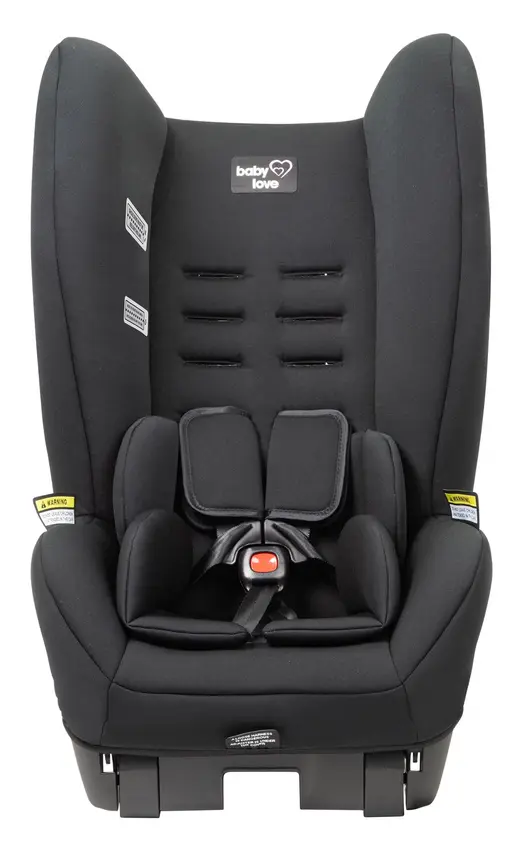
Babylove ezyone2
A very low-cost convertible seat. Rear-facing to about 12 months, then forward-facing to about 4 years.
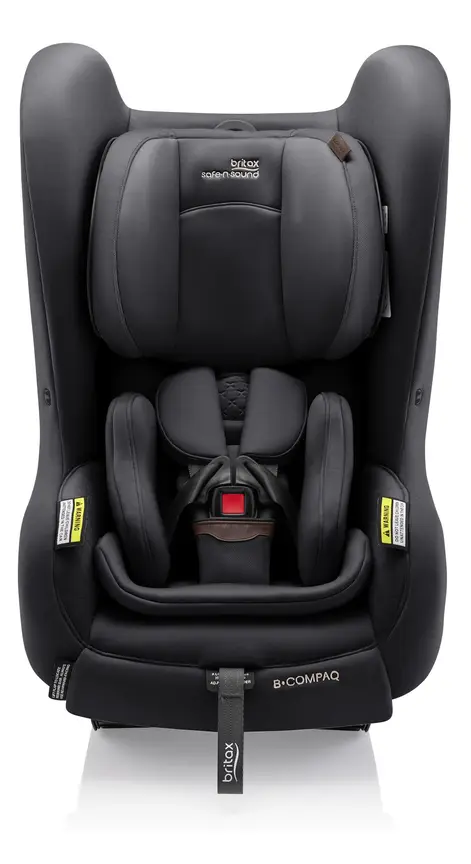 Reviewed
Britax Safe-n-Sound B-Compaq Lux
A convertible seat made for small cars with little room in the back.
Read our full review →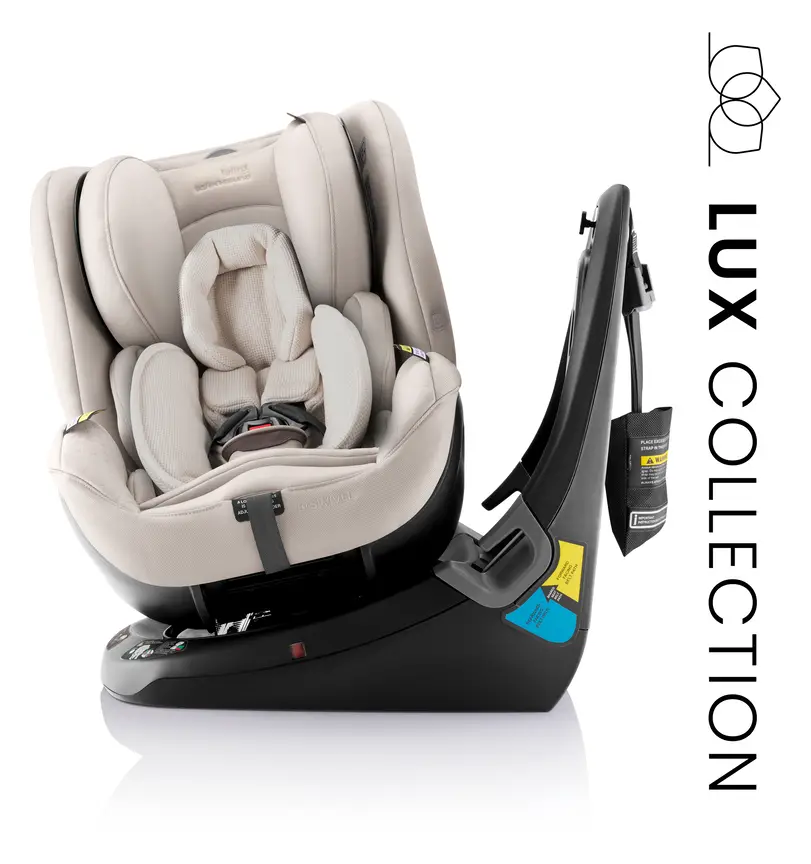

Britax Safe-n-Sound Hi Liner SG
A high-back booster for about 4 to 8 years. A clip keeps the seatbelt in the right place.
How to pack and carry a car seat backpack safely
Packing the seat the right way protects both the car seat and your back.
- Clean the seat first: Shake out crumbs and wipe sticky spots. Never pack a damp seat into a zipped bag, or mould can grow.
- Remove loose parts: Take off clip-on cup holders, toys, and sun shades if they stick out. Put them in a small pouch inside the bag, or in your hand luggage.
- Buckle and tighten the harness: Fasten the harness buckle and chest clip, then pull the straps snug. Loose straps can twist or get caught in the bag zip.
- Coil the top tether and anchor straps: Roll up the tether strap and ISOFIX or LATCH connectors, and tuck them into their storage slots on the seat.
- Recline or adjust the headrest: Lower the headrest to its shortest setting if that makes the seat fit better without forcing it.
- Place it in the bag: Slide the seat in gently. Do not force the zip over sharp plastic edges.
- Tuck away carry straps before check-in: If handing the bag to airline staff, zip or tuck the backpack straps away so they cannot snag on rollers.
- Lift with care: Bend your knees, hold the seat close to your body, and fasten the chest and waist straps on the backpack before walking far.
Car seat rules in Australia, the UK, the US, and Canada
A big trap for travelling families is assuming a car seat from home is legal in another country. In fact, road laws and safety standards differ between Australia, the UK, the US, and Canada.
| Country | Official bodies | Car seat standard | Key rule for travellers |
|---|---|---|---|
| Australia | ACCC / Product Safety Australia, Raising Children Network, state road authorities | AS/NZS 1754 | Seats bought overseas do not meet Australian law and cannot be used in Australian cars. Top tethers are required on most seats. |
| United Kingdom | GOV.UK, RoSPA, Office for Product Safety and Standards | UN R129 (i-Size) and UN ECE R44 | Only seats meeting approved European/UK standards are legal in UK cars. Children must use a seat until 12 years old or 135 cm tall, whichever comes first. |
| United States | NHTSA, FAA, American Academy of Pediatrics (AAP) | FMVSS 213 | Seats used on US roads must meet the US standard. FAA-approved seats can also be used on planes. |
| Canada | Transport Canada, Canadian Paediatric Society (Caring for Kids) | CMVSS 213 | Seats used in Canadian cars must carry the National Safety Mark showing they meet Canadian rules, which differ slightly from US rules. |
What this means for your trip:
- Travelling within your own country: Bringing your own seat in a travel backpack works well. You know the seat's history and your child knows how it feels.
- Travelling to another country: Check the destination's law before you pack your seat. In many cases, it is safer and easier to hire a certified seat from a trusted local hire company or buy an approved seat when you arrive.
- Never buy second-hand seats blind: Health and safety groups in all four countries warn against using a seat with an unknown crash history, missing parts, or expired plastic.
Checking and cleaning your seat after a trip
Once you land or arrive at your destination, take five minutes to inspect the car seat before installing it.
Post-trip safety check
- Look at the travel bag: Tears, grease marks, or crushed corners on the bag show the seat took a hard knock.
- Check the plastic shell: Run your hands over the back, base, and sides. Look for cracks, stress marks (white lines in dark plastic), or bent parts.
- Lift the cover carefully: Peek at the energy-absorbing foam under the cover, following your manual. Cracked foam means the seat may not protect your child in a crash.
- Test the buckle and harness: Click the buckle in and out. Pull the adjuster strap to make sure the harness tightens smoothly and locks firmly.
- Check the tether and lower anchors: Look for frayed webbing or bent metal hooks.
If you find damage, or if you see the seat was dropped hard, contact the car seat maker right away. Do not guess if a cracked seat is still safe.
Cleaning your car seat and travel bag
- Follow the manual: Car seat covers can usually be removed and washed gently in cold water, then air-dried. Never tumble-dry a cover unless the manual says it is safe.
- Never soak harness straps: Washing or soaking harness webbing in soap, bleach, or disinfectant can weaken the fibres. Wipe straps gently with a damp cloth and plain water only, unless your manual gives other steps.
- Wash the travel bag: Most backpacks can be wiped down with mild soap and water and left open to dry completely before folding away.
Common mistakes to avoid
- Assuming a soft bag makes checking a seat risk-free: A fabric backpack stops dirt and scratches, not heavy impact damage.
- Leaving backpack straps dangling at check-in: Loose straps get caught in airport belts and can rip the bag or the seat inside.
- Stuffing heavy items inside the bag: Hard shoes, locks, or bottles can crack the seat shell or bend adjusters during transit.
- Using an overseas car seat in a hire car without checking laws: An Australian seat is not legal in the US, and a US seat is not legal in Australia or the UK.
- Using car seat mirrors or unapproved add-ons: Extra pads, strap covers, or heavy mirrors that did not come with the seat can be unsafe in a crash. Keep the seat free of unapproved add-ons.
- Leaving a baby sleeping in a car seat after the trip: Red Nose (Australia), The Lullaby Trust (UK), the AAP (US), and the Canadian Paediatric Society all warn not to let babies sleep in a car seat outside the car. Once you arrive, move your baby to a firm, flat sleep surface on their back.
- Putting the seat away damp: Zipped bags trap moisture and grow mould quickly. Always dry both the seat and the bag before storage.
More options, from budget to premium
Real products from our catalogue. We don't show star ratings or review counts; check the current price, stock and reviews on Amazon before you buy.

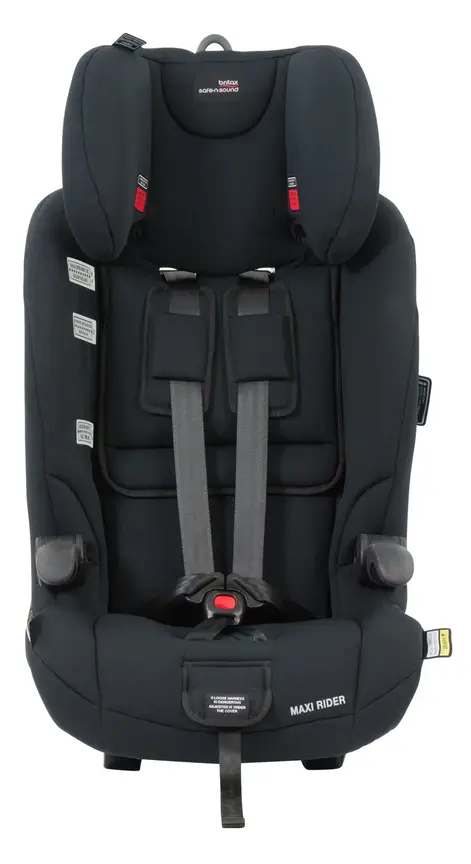
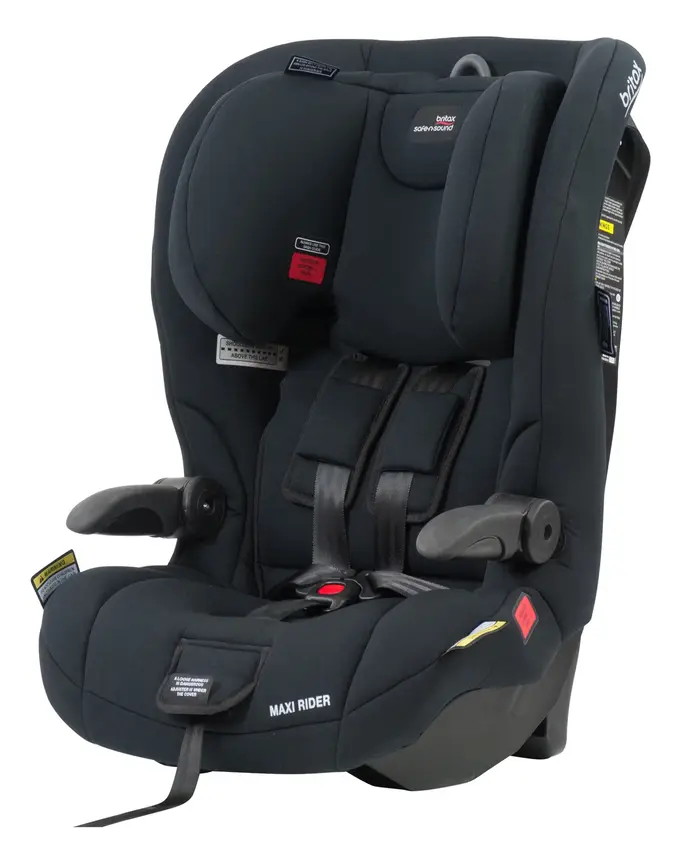
Britax Safe-n-Sound Maxi Rider
A seat with a harness from 12 months to about 4 years. Then it becomes a booster up to 6–8 years.
Read our full review →
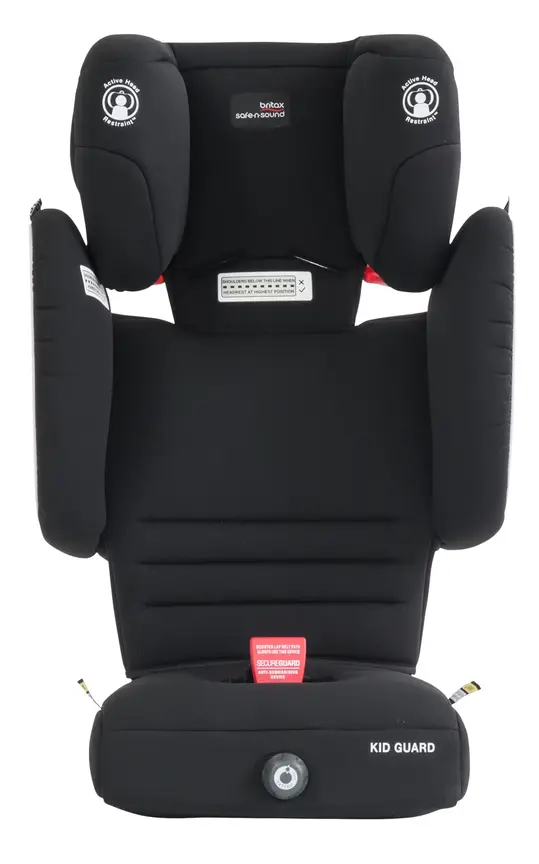
Britax Safe-n-Sound Atlas-GRO II Harnessed Car Seat
Harnessed booster seat
Frequently asked questions
Can a car seat backpack protect my seat from baggage damage on a plane?
It protects the seat from dirt, rain, scratches, and snagged straps. It does not guarantee protection against heavy drops or crushing weight in the cargo hold. Padded bags help with light bumps, while hard cases give more crush protection. Using an approved seat in the cabin is the safest option when possible.
Should I gate-check my car seat or check it at the bag drop desk?
If your child does not have their own plane seat, gate-checking is usually gentler than checking at the main desk. At the gate, the seat skips the main airport conveyor belts and sorting chutes. Always tuck the backpack straps away before handing the bag to staff.
Can I pack nappies or clothes inside my car seat backpack?
Check your airline's rules first. Many airlines only allow the car seat itself inside a free checked car seat bag. Even if allowed, never pack hard or heavy items that could press into the seat shell or foam. Soft, light items like a blanket are less risky if the airline permits them.
Do I need a different car seat if I travel to another country?
Often yes. Australia (AS/NZS 1754), the UK (UN R129 and UN ECE R44), the US (FMVSS 213), and Canada (CMVSS 213) each have their own car seat laws and standards. A seat from one country is usually not legal to use in cars in another. Check the rules at your destination before you fly.
How do I know if my car seat was damaged during a flight?
Inspect the seat before you use it. Check the travel bag for tears or crush marks. Look over the plastic shell and foam under the cover for cracks or white stress lines. Test the buckle, harness adjuster, and tether straps. If anything looks bent, cracked, or frayed, contact the maker before using the seat.
Can I wash the car seat harness straps if they get dirty while travelling?
Do not soak, machine-wash, or use harsh cleaners on car seat harness straps. Harsh soaps and soaking can weaken the webbing and ruin flame-resistant treatments. Wipe straps gently with a damp cloth and plain water, and follow the exact steps in your car seat manual.
Is it safe to let my baby sleep in the car seat after we arrive?
No. Car seats are designed for travel, not for long sleep outside the car. Once you arrive at your hotel or home, take your baby out of the car seat and place them on their back on a firm, flat cot or bassinet mattress.
Sources
- Product Safety Australia (ACCC) – Car seats guide
- Raising Children Network – Child car seats and restraints
- RoSPA (UK) – Child car seats
- GOV.UK – Child car seats: the rules
- AAP HealthyChildren.org – Flying with baby
- FAA (US) – Flying with children
- Transport Canada – Child car seat safety
- Caring for Kids (Canadian Paediatric Society) – Car seat safety
Related guides
More Car Seats & Travel →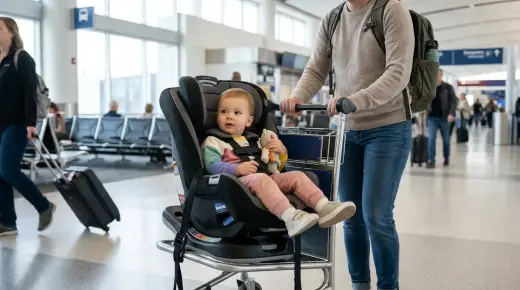
Travel Car Seat Carts and Backpacks: Moving Through Airports Without Carrying Heavy Gear
Pram Travel Bags: How to Protect Your Stroller and Check Airline Rules

Travelling with Kids: How to Choose and Use a Convertible Travel Car Seat