














Why Rear-Facing Car Seats Protect Young Children, and When to Turn Them Around
Learn how rear-facing seats support young children in a crash, how to check fit, and when to move forward using official advice from four countries.

On this page
- Key points
- Why rear-facing can help in a crash
- What the seat limits mean
- Does a child need to turn at age one, two or four?
- Age stages: what to check as your child grows
- Legroom and comfort: what parents should know
- How to fit and use the seat each trip
- Check the fit before every journey
- Winter coats, harnesses and everyday clothing
- Common mistakes to avoid
- Safety guidance in Australia, the UK, the US and Canada
- Choosing a seat for longer rear-facing use
- After a crash, recall or change of vehicle
- Frequently asked questions
- Sources and further guidance
- Sources
Short answer: Keep your child rear-facing until they reach the rear-facing height or weight limit for their seat. A rear-facing seat supports a young child’s head, neck and back during a crash. It does not mean every child should stay rear-facing until age four. The right time depends on the seat, your child’s size and local rules.
Australia’s Product Safety Australia, the UK’s Department for Transport and NHS, the US National Highway Traffic Safety Administration (NHTSA) and American Academy of Pediatrics (AAP), and Canada’s Transport Canada and Canadian Paediatric Society all give car-seat guidance. Their advice varies in detail. Always follow the law where you drive, the seat instructions and your child’s fit.
Key points
- Use a rear-facing seat for as long as your seat allows your child to fit safely.
- Check the seat’s height and weight limits. Age alone does not show whether your child has outgrown it.
- Legs bent or touching the vehicle seat do not, by themselves, mean a child must turn forward.
- Install the seat as its maker directs. Use a seat approved for your country.
- Do not add unapproved padding or accessories.
- Move to a forward-facing seat only when your child outgrows the rear-facing limits, and follow local law.
Why rear-facing can help in a crash
A crash makes the car slow down very quickly. A child’s body keeps moving until the seat and harness hold it. In a rear-facing seat, the shell supports much of the child’s head, neck and back. The force spreads across the back of the seat.
In a forward-facing seat, the harness holds the child’s shoulders and hips. The head moves forward before the rest of the body stops. This can place more strain on a young child’s neck. Rear-facing changes how the seat supports the child. It cannot prevent every injury.
Young children have bodies that are still growing. Their heads are large compared with their bodies. Their bones and neck muscles are still developing. This is one reason child safety groups advise keeping children rear-facing within the limits of their seat.
Do not treat “until age four” as a rule for every child. Some children reach a seat’s rear-facing limit earlier. Others fit within it for longer. Use the size limits printed on the seat and in its manual.
What the seat limits mean
Every seat has instructions for a child’s size and fit. These can include a minimum and maximum weight, a height range, and a harness position. Some seats use height markers or rules about where the child’s head must sit. Read the manual for your exact model.
A child may reach the stated height limit before the weight limit. Or the child may reach the weight limit first. Either can mean it is time to change seats or seat direction. Do not guess from the child’s age or clothing size.
Check the limits again as your child grows. A child who fit last month may now be close to a limit. If the manual is missing, ask the seat maker for a copy. Do not rely on a general guide to replace instructions for your seat.
Car Seats & Capsules worth a look
Real products from our catalogue. We don't show star ratings or review counts; check the current price, stock and reviews on Amazon before you buy.
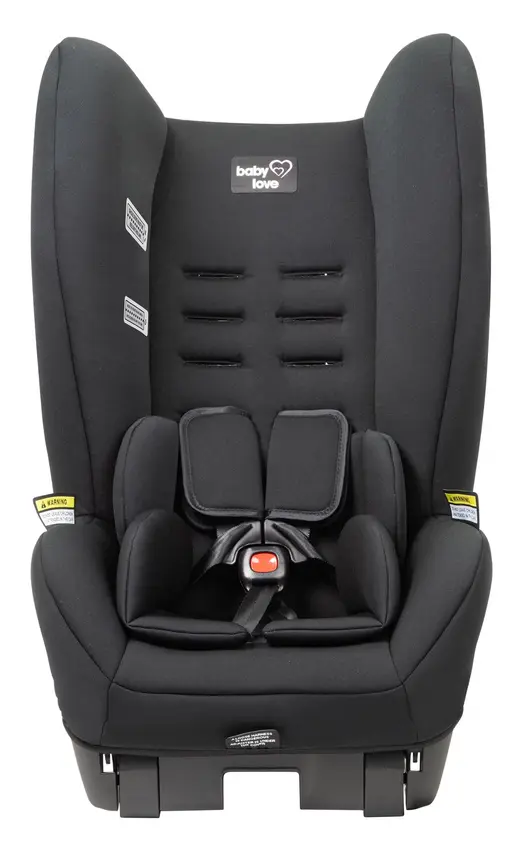
Babylove ezyone2
A very low-cost convertible seat. Rear-facing to about 12 months, then forward-facing to about 4 years.

Maxi-Cosi Pria
A convertible seat that goes from rear-facing to forward-facing, with a belt lock to help get a firm fit.
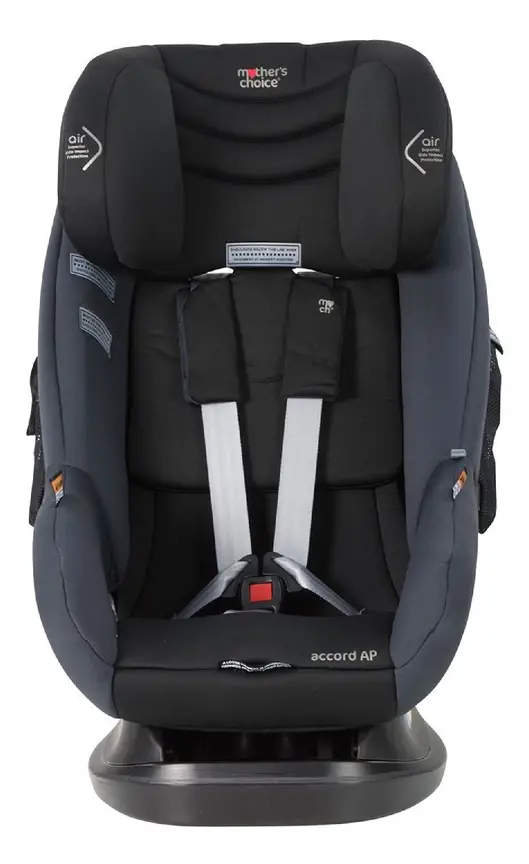
Mother's Choice Accord AP
A lower-cost convertible seat. It stays rear-facing to about 30 months and has ISOFIX connectors.
 Reviewed
Nuna REVE
A convertible seat from birth to about 4 years, rear-facing to about 30 months, with a no-rethread harness.
Read our full review →Does a child need to turn at age one, two or four?
No single birthday applies to every child or every country. Seat laws differ. So do the limits and labels on seats sold in different places. The best next step is to check three things: your local law, your seat manual and your child’s current fit.
In Australia, children must use an approved child restraint that suits their age and size. The rules set minimum ages for rear-facing and forward-facing stages. A seat’s own limits still matter. Product Safety Australia advises families to use the seat as directed and check that it is fitted correctly.
In the UK, the law requires a suitable child car seat for children under a certain age and height. The seat’s instructions set how it can be used. Some seats are approved under R129, which uses the child’s height to guide use. A seat approved under R44 may use weight limits. Check the label and manual.
In the US, NHTSA and the AAP advise keeping children rear-facing until they reach the highest height or weight allowed by their seat. State laws differ. Check the rules where you live and travel.
In Canada, provincial and territorial laws differ. Transport Canada advises choosing a seat that fits the child and vehicle, and following its instructions. Check your province or territory’s rules as well.
Age stages: what to check as your child grows
Newborns and young babies
Use a rear-facing seat that is approved for a newborn’s size. Check the seat’s minimum size and weight. A newborn should fit within those limits and sit as the maker shows. A child who is too small for the seat needs another approved option.
Follow the manual for the recline angle. The right angle helps keep the baby’s head in a safe position. Do not change the angle beyond what the seat allows. Make sure the harness is snug and sits in the position shown for rear-facing use.
Babies who can sit and move more
Keep using the rear-facing position while your child fits within its limits. Sitting without help does not mean a child is ready to face forward. Neither does reaching a certain month or birthday.
Check that the harness still fits. It should lie flat and be snug, with no twists. Set its height as the manual directs for rear-facing use. The seat should not move more than the amount the maker allows when you test it at the belt path.
Toddlers
A toddler can be rear-facing if the child still fits the seat. Bent legs are common. They may rest against the vehicle seat or sit crossed. This is usually a comfort matter, as long as the child fits the seat’s instructions.
When the child reaches any rear-facing limit, stop using that position. Check whether the seat allows forward-facing use. If it does, follow its age, size and installation rules. If it does not, you may need another approved seat.
Preschoolers and older children
Some seats allow rear-facing use for larger children. If your child fits those limits, you can keep using that position. Do not force a child to stay rear-facing in a seat they have outgrown.
After a child moves forward-facing, use the seat’s harness and any top tether exactly as directed. Later, use a booster when the child meets the seat’s size rules. Keep using the booster until the vehicle belt fits the child properly and local rules allow a change.
Legroom and comfort: what parents should know
Many parents worry that a rear-facing toddler has no room for their legs. A child may sit with knees bent, legs crossed or feet against the vehicle seat. This can look cramped to an adult. It does not automatically make the seat unsafe.
Children often find different ways to sit. Check whether your child seems comfortable and can sit within the seat’s approved position. Follow the manual. Do not bend a child’s legs into a position that causes pain or force the seat against the front seat.
If your child complains, check the fit and space. Make sure nothing presses on their legs. Adjust the front vehicle seat only as allowed by its maker and the child seat manual. Never change the child seat’s angle or add a footrest unless the seat maker approves it for your model.
Children may sit with their feet up, cross their legs or rest them on the vehicle seat. These positions can change during a trip. A child does not need to keep their legs straight. Give them a break when it is practical on a long journey. Take the child out of the seat when you stop safely. Do not loosen the harness while the vehicle is moving.
Check the seat itself for signs that your child has outgrown it. The manual may show a head-height line or a required space above the head. It may also set a maximum height or weight. These rules matter more than how the legs look. If you cannot tell whether your child still fits, contact the seat maker or a trained fitter.
How to fit and use the seat each trip
- Read both manuals. Check the child seat instructions and the vehicle handbook. They explain where and how to install the seat.
- Choose an allowed seating place. Some vehicles have limits on which seats can be used. Never place a rear-facing seat in front of an active airbag.
- Install it as directed. Use the seat belt or approved lower anchors, as the manual permits. Do not use both unless the maker says to.
- Check the angle. Use the seat’s level guide or instructions. Do not guess or add items to change the angle.
- Check for movement. Hold the seat at the belt path. Follow the manual’s movement limit and fitting method.
- Buckle your child snugly. Lay the harness flat and remove slack. Follow the manual for where the straps and chest clip should sit.
- Use only approved items. Aftermarket inserts, toys and covers can change how a seat works. Use them only if the seat maker allows them.
- Check again after travel or changes. Recheck installation if the seat is moved, the vehicle changes or the seat is adjusted.
If you are unsure, seek help from a trained child-seat fitter or local safety service. In some places, public fitting services are available. Ask whether the person can check your specific seat and vehicle.
Check the fit before every journey
A quick check can help you spot problems before driving. First, look at the seat. It should be fitted in an allowed place. Its base should follow the angle shown in the manual. Check that the belt or anchor path matches the installation instructions.
Next, check the harness. It should lie flat and have no twists. Tighten it so it holds your child snugly. Use the manual’s check for harness tightness. Seat designs differ, so one check may not suit every model.
Check that the buckle is fastened fully. Make sure the harness is routed through the correct slots. For rear-facing use, the maker may require the straps to be at or below the child’s shoulders. Follow the manual for your seat.
Look around the seat. Remove items that could interfere with the harness or installation. Do not put loose toys where they could strike a child in a sudden stop. Use only accessories approved for that seat.
These checks take little time once they are familiar. Ask another adult to check if you are uncertain. A second look can help catch a twisted strap or a loose buckle. Stop and fix any problem before driving.
Side by side: more car seats & capsules to compare
Real products from our catalogue. We don't show star ratings or review counts; check the current price, stock and reviews on Amazon before you buy.
 Reviewed
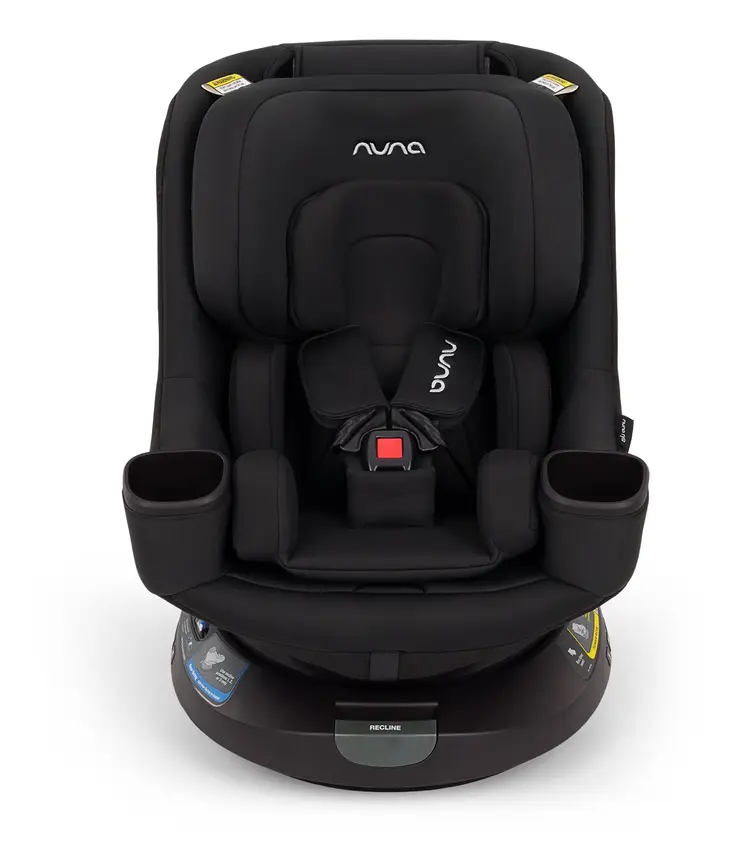
Nuna Rylo 360
A premium seat that spins 360° to help you lift baby in and out. Rear-facing up to about 30 months.
Read our full review →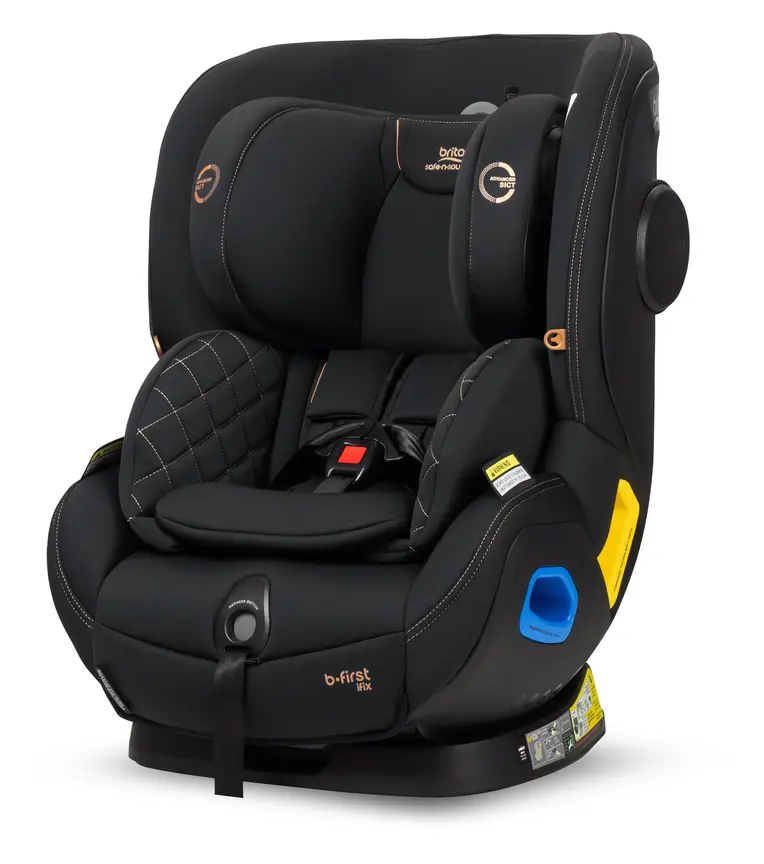
Britax Safe-n-Sound b-first+
Convertible seat from Britax's Australian Safe-n-Sound range with SICT deployable side-impact protection.
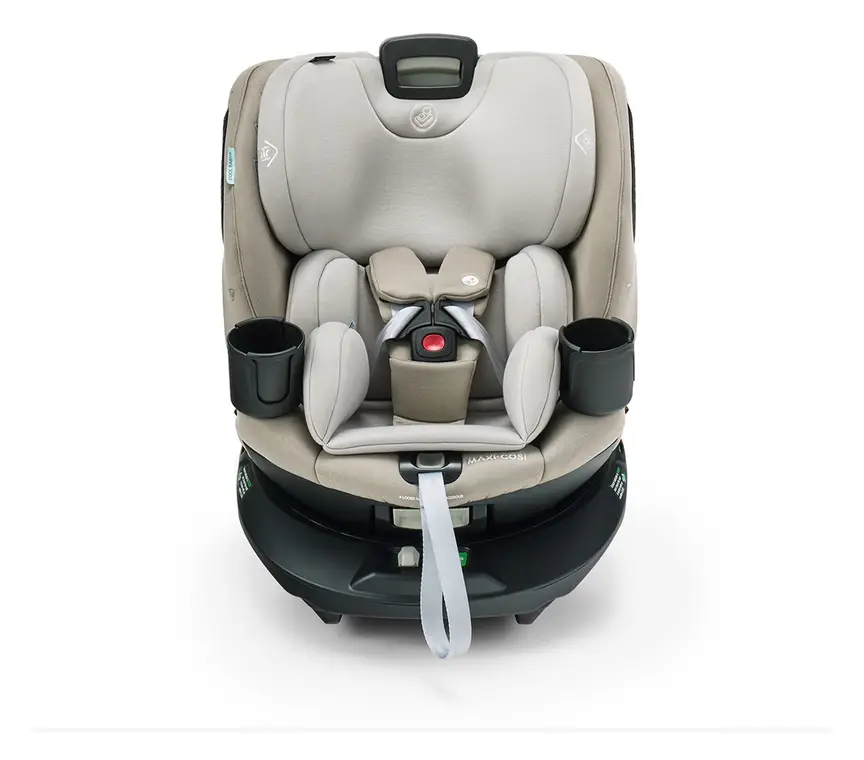

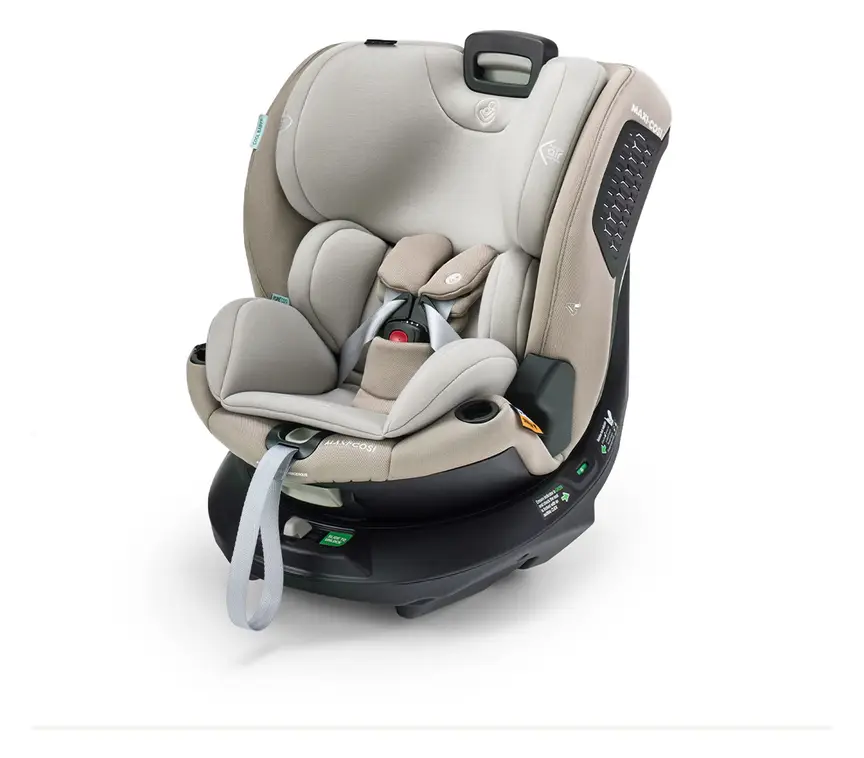

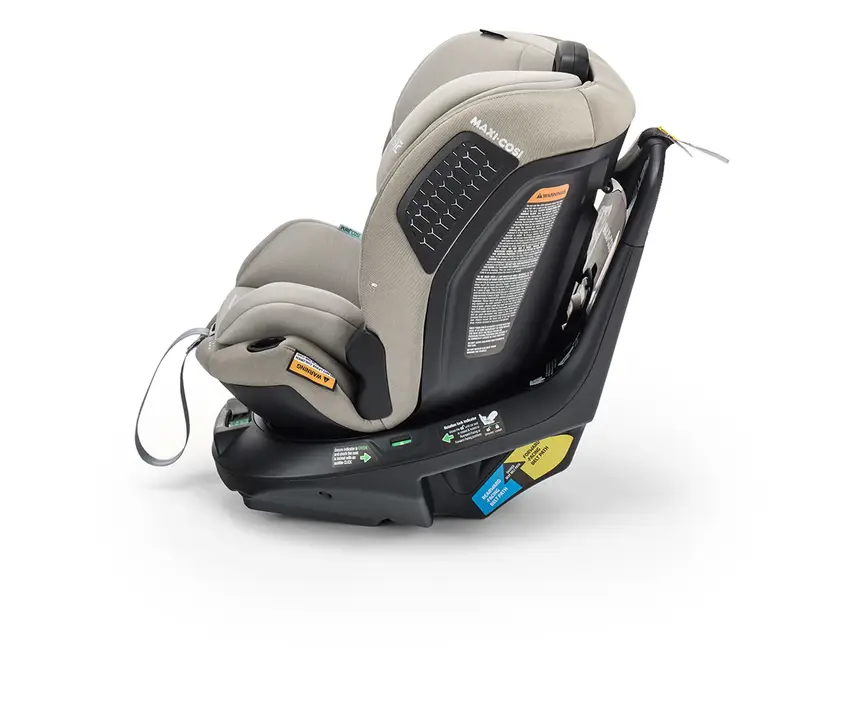
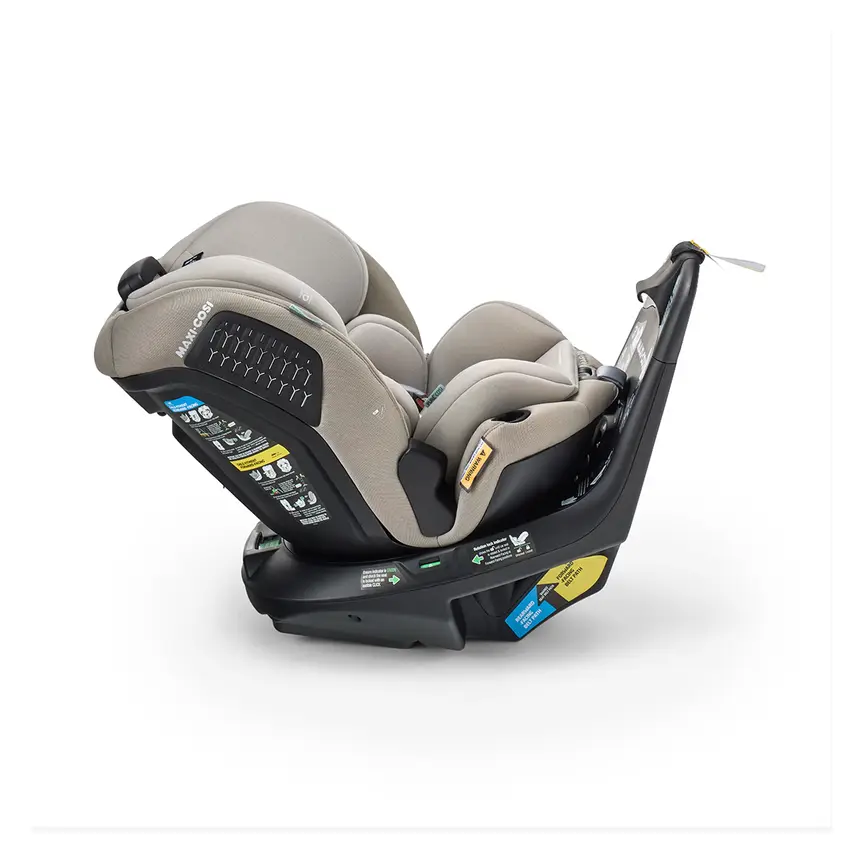

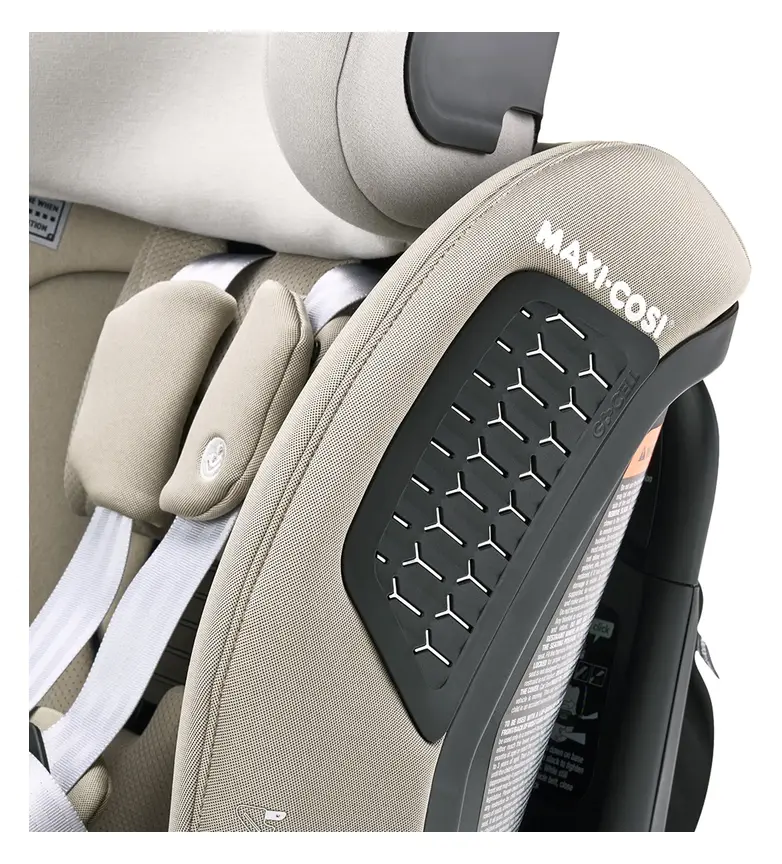
Maxi-Cosi Raia 360
A rotating seat with green check marks that show when the belt is tight enough.
Read our full review →
Babylove ezymove Booster
A very light, low-cost booster for about 4 to 8 years. It folds flat for storage.
Winter coats, harnesses and everyday clothing
Thick coats can compress during a crash. This may leave slack in the harness. Buckle your child in snugly, then add a blanket over the harness if needed. Do not put bulky clothing under the straps unless the seat maker says it is safe.
Check the harness each trip. It should not twist. You should not be able to pinch a fold of loose strap at the child’s shoulder, if your seat uses that check. Follow the exact method in the manual, because seat designs differ.
Do not loosen the harness to make a child more comfortable. Instead, check the strap height, clothing and seat fit. If your child’s shoulders or head reach a limit, follow the manual’s next step.
In warm weather, avoid adding thick covers over the seat. They can trap heat or affect the harness. Use a cover only if the seat maker approves it. Never cover the seat in a way that blocks your view of the child while driving.
Common mistakes to avoid
- Turning by age alone: Check the seat limits and local law first.
- Turning because legs bend: Bent legs do not alone show that a child has outgrown the seat.
- Using a seat from another country: A seat may not meet local approval rules. Use one approved where you live.
- Installing by memory: Seat and vehicle instructions can differ. Check both manuals.
- Adding unapproved items: Inserts, strap covers and toys can affect fit. Use only what the maker permits.
- Leaving harness slack: A loose harness may not hold the child as intended. Make it snug each trip.
- Ignoring recalls or damage: Check official recall notices and contact the maker after a crash or damage.
- Assuming all seats fit all cars: Test the seat in your vehicle before relying on it.
- Using a seat with missing instructions: Ask the maker for the right manual. Do not guess about how to install or adjust it.
- Changing the seat to solve discomfort: Do not add cushions or change the recline beyond the maker’s directions.
Safety guidance in Australia, the UK, the US and Canada
The main advice is to use an approved seat that fits the child, install it correctly and follow its instructions. The bodies and laws differ by country.
| Place | Official bodies | What families should check |
|---|---|---|
| Australia | Product Safety Australia (ACCC); state and territory road authorities; Raising Children Network | Use an approved restraint suited to the child. Check state or territory rules and the seat manual. |
| UK | Department for Transport; GOV.UK; NHS; RoSPA | Use a suitable child seat under the law. Check the seat’s approval label, size limits and instructions. |
| US | NHTSA; American Academy of Pediatrics (AAP) | Keep children rear-facing to the seat’s maximum limits where possible. Check state law and the seat manual. |
| Canada | Transport Canada; Canadian Paediatric Society | Use a seat approved for Canada. Check provincial or territorial law and the seat instructions. |
These bodies do not replace the manual for your seat. Laws can change, and rules can vary by state, province or territory. Check current local advice before travel.
Do not assume that a seat approved in one country is approved in another. Labels, testing rules and allowed fittings can differ. A seat bought while travelling may not meet the rules where you live. Check with the local transport or product safety authority before using it.
If you are moving between countries, plan ahead. Check whether your seat can legally be used at your destination. Ask the local authority if the rules are unclear. For a rental car, ask about an approved seat that suits your child. Check its condition and instructions before the trip.
Choosing a seat for longer rear-facing use
Look for a seat approved in your country and suitable for your child’s current size. If you want to use rear-facing longer, check the seat’s rear-facing limits before buying. A larger limit only helps if the seat also fits your vehicle and child.
Try the seat in your car when possible. Check that it can be installed at the allowed angle. Make sure the front passenger or driver can sit safely. Look at how the harness adjusts and whether you can tighten it without trouble.
Read the full manual before using the seat. Check how to clean it, which vehicle belts or anchors it allows, and what to do after a crash. Keep the manual where you can find it.
Think about who will buckle the child each day. A seat can be hard to use if the harness is difficult to reach. Ask the shop whether you can try the seat in your own vehicle. Do not buy based on a feature name alone. Check the limits and fitting steps in the manual.
Check the seat’s expiry date or service life. The maker gives this information in the manual or on the seat. Materials can wear over time. A seat may also be affected by a past crash or missing parts. Ask the maker if you cannot find clear advice.
Before buying second-hand, ask about the seat’s history. You need to know whether it has been in a crash, has all parts, and has its manual. Check for recalls and damage. If the history is unknown, choose another seat. A low price cannot make an uncertain seat safe.
After a crash, recall or change of vehicle
Follow the seat maker’s advice after any crash. The maker may say to replace the seat, depending on the crash and the seat. Do not decide by looking at the shell alone. Some damage may not be easy to see.
Check official recall notices for your seat’s make and model. A recall may ask you to stop using the seat or arrange a repair. Follow the instructions from the responsible authority and the maker. Keep proof of purchase and model details where possible.
When you move the seat to another vehicle, read both manuals again. A belt path or anchor that worked in one car may not work in another. Check the recline and seat movement after installation. If you use the seat in more than one car, learn the correct setup in each.
If a seat is damaged, missing a part or has unclear history, do not use it until the maker advises you. Contact the maker with the model name and serial details. Ask for help with parts and instructions. Do not use a substitute part unless the maker approves it.
More options, from budget to premium
Real products from our catalogue. We don't show star ratings or review counts; check the current price, stock and reviews on Amazon before you buy.
 Reviewed
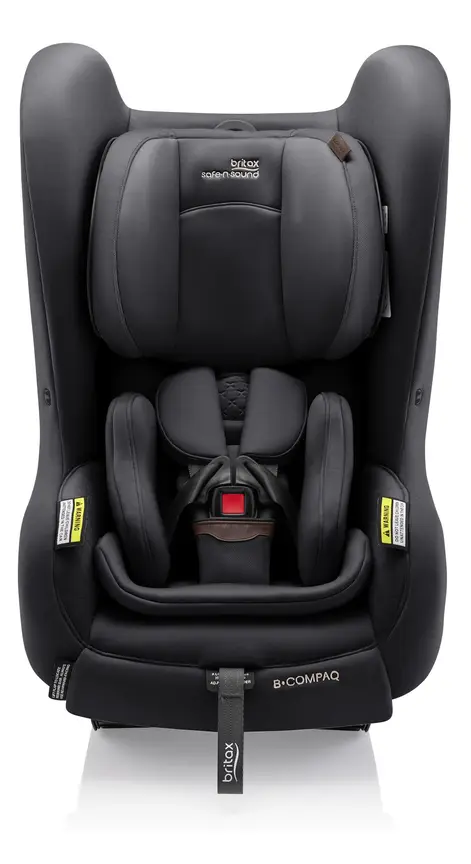
Britax Safe-n-Sound B-Compaq Lux
A convertible seat made for small cars with little room in the back.
Read our full review →
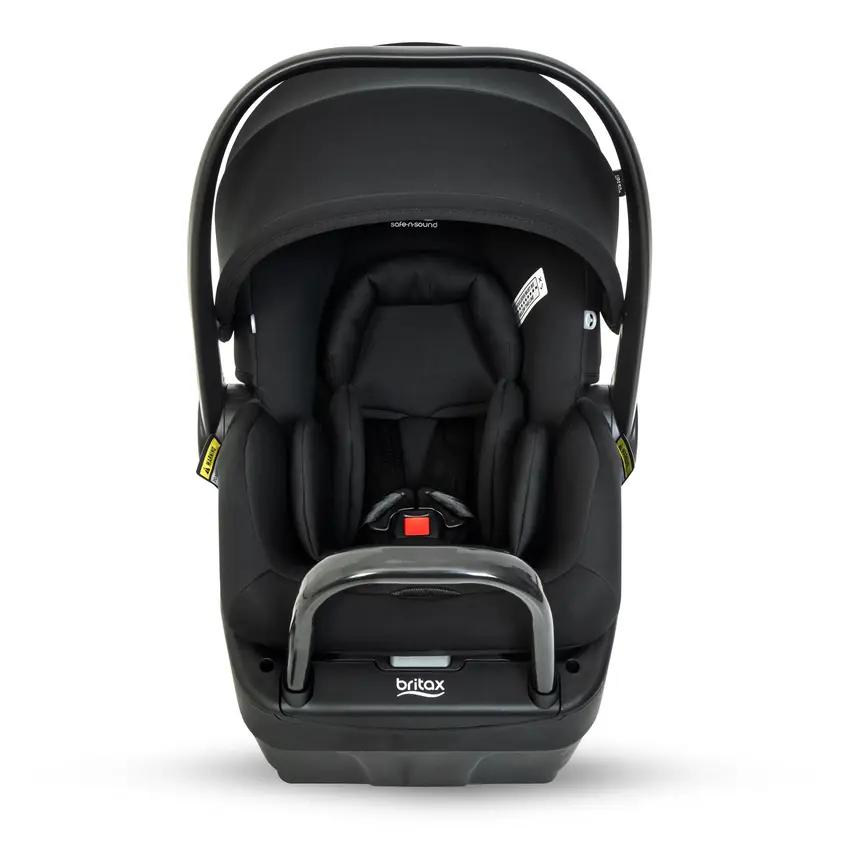
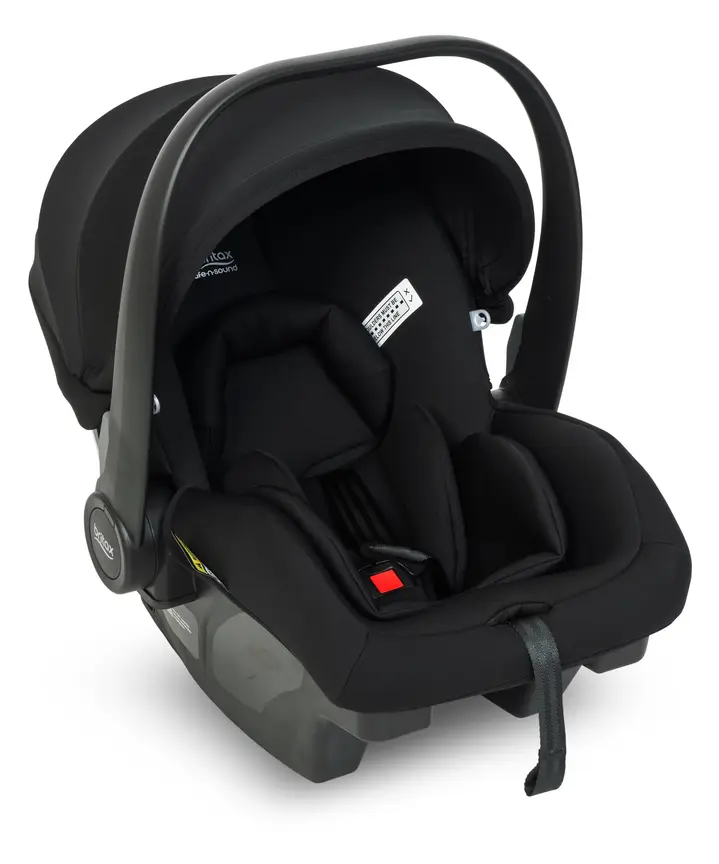
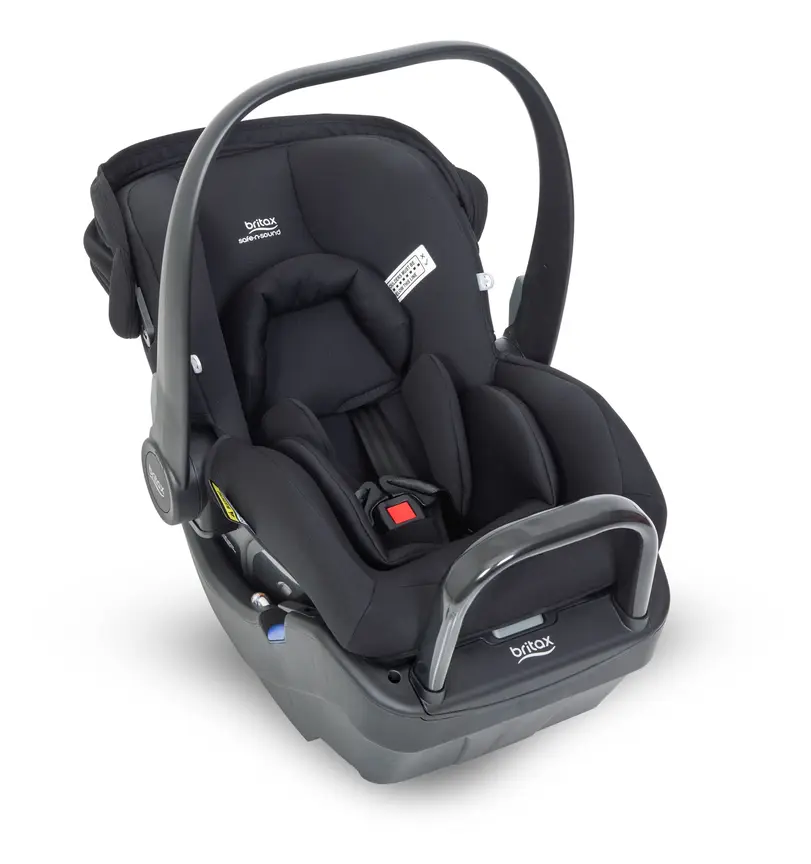
Britax B-Pod Lite
A newborn capsule with a ClickTight base, which makes a firm install simpler.
Read our full review →Frequently asked questions
Should every child stay rear-facing until age four?
No. Age four is not a rule for every child or seat. Keep your child rear-facing while they fit within the seat’s rear-facing limits and local law allows it. Then follow the seat manual for the next stage.
Are bent legs unsafe in a rear-facing seat?
Bent legs alone do not mean the seat is unsafe. Many toddlers sit with their knees bent or feet against the vehicle seat. Follow the seat manual and watch for pain, poor fit or a child who has reached a size limit.
Does rear-facing stop neck injuries?
No seat can prevent every injury. Rear-facing supports a young child’s head, neck and back in a different way during a crash. Use the seat correctly every trip to help reduce risk.
When should I turn my child forward-facing?
Turn only when your child has reached a rear-facing limit or when local rules require a change. Check the seat manual. If the seat allows forward-facing use, follow its minimum size and age rules.
Can I use a rear-facing seat in the front passenger seat?
Never use it in front of an active airbag. Airbags can seriously harm a child in a rear-facing seat. Check your vehicle manual and local law for allowed seating places.
Can I use a car seat bought overseas?
Do not assume it is legal or suitable. Each country has its own approval rules. Use a seat approved where you live and follow its instructions.
What if my child cries in the seat?
Check the harness, clothing, angle and fit. Make sure nothing is pressing on the child. Never loosen the harness while driving. If crying continues or you suspect pain, ask a health professional and check with the seat maker.
Do I need a new seat after a crash?
Follow the seat maker’s instructions. Rules can differ by seat and crash details. Contact the maker if you are unsure. Do not use a seat that is damaged or that the maker says must be replaced.
Can I use a cushion or footrest to give my child more room?
Only use an item if the seat maker approves it for your model. An unapproved item may change how the child sits or how the harness holds them. Check the manual or ask the maker before adding anything.
What if the seat does not fit my vehicle?
Do not force it into place. Check the seat and vehicle manuals for allowed seating places and fitting methods. Ask a trained fitter or the seat maker for help. You may need a different approved seat.
Can I leave my child in the seat after arriving?
A car seat is made for travel. When you arrive, take your child out and move them to a suitable place. Do not use the seat as a sleep space outside the vehicle.
Sources and further guidance
- Product Safety Australia (ACCC): Car seats guide
- Raising Children Network: Child car seats and restraints
- GOV.UK: Child car seats, the rules
- NHTSA: Car seats and booster seats
- American Academy of Pediatrics: Car seats, information for families
- Transport Canada: Stage 1, rear-facing seats
- Canadian Paediatric Society: Car seat safety
This article gives general information, not medical or legal advice. Follow your child seat instructions and local road rules. BabyGearFinder may earn a commission from qualifying affiliate links.
Sources
- Product Safety Australia (ACCC) – Car seats guide
- Raising Children Network – Child car seats and restraints
- GOV.UK – Child car seats: the rules
- NHTSA (US) – Car seats and booster seats
- HealthyChildren.org (AAP) – Car seats: information for families
- Transport Canada – Stage 1: rear-facing seats
- Caring for Kids, Canadian Paediatric Society – Car seat safety
Related guides
More Parental Tips →
Infant Torticollis and Head-Turn Preference: Gentle Stretches, Cot Position Swaps and When to See a Physio

Baby Rolling Onto Their Tummy in the Cot: What to Do, and When You Can Stop Turning Them Back

Water Beads, Balloons and Marbles: Keep These Choking Hazards Away from Children
