Baby Feeding Gear: What You Need at Each Stage
A simple guide to baby feeding gear, from bottles and breast pumps to first spoons and cups, with safe use tips and advice for four countries.

On this page
- Start with the way your baby is fed
- Feeding gear by age and stage
- Choosing bottles, teats, pumps, and storage items
- Choosing a high chair and first-food tools
- Comparing common feeding gear
- Materials, cleaning, and product claims
- Safe feeding habits matter more than extra gear
- Common mistakes when buying feeding gear
- Official advice in Australia, the UK, the US, and Canada
- Frequently asked questions
- Sources and further guidance
- Sources
Short answer: You do not need every new feeding product. Start with what suits your baby and how you feed them. A few clean bottles, a safe way to prepare milk, and a comfortable place to feed may be enough at first. Later, a stable high chair, small spoon, and open cup can help with meals. Follow your baby's cues. Use gear as a practical aid, not as a substitute for close care.
Feeding can mean breastfeeding, bottle-feeding expressed milk or formula, or a mix. Families make different choices. Your needs can also change over time. This guide covers common gear, what to check before buying, how needs change with age, and where to find trusted advice. Guidance comes from Australia’s NHMRC and Australian Breastfeeding Association, the UK’s NHS, the US Centers for Disease Control and Prevention (CDC), and Canada’s Canadian Paediatric Society (CPS).
Start with the way your baby is fed
Feeding gear should fit your routine. It should also be easy to clean and safe to use. A product that works for one family may not suit another. Think about who feeds your baby, where feeds happen, and what you can wash and store.
If you breastfeed
You may need very little equipment. Some parents find a nursing bra, breast pads, and a comfortable chair helpful. A pillow may support your arms, but it must not be used to prop a baby up alone. Keep your baby close and watch them throughout the feed.
A breast pump can help you express milk. Some parents use one often. Others rarely need one. Ask a health worker or lactation professional about pump type, fit, and cleaning. A poorly fitting breast shield may feel uncomfortable. Pump parts that touch milk need cleaning as the maker directs.
Milk storage containers can be useful if you express milk. Use containers intended for food or breast milk. Label stored milk with the date. Follow local guidance for storage time and temperature. The Australian Breastfeeding Association explains how to prepare and store expressed milk.
If you bottle-feed
Bottles can hold expressed breast milk or infant formula. Choose bottles that are easy to take apart and clean. Check them before use. Replace any bottle with cracks, damaged parts, or worn markings. Use a teat that fits the bottle and is in good condition.
There is no single bottle shape that works for every baby. Your baby may prefer one teat shape or flow. A faster flow is not automatically better. If milk runs from your baby's mouth, or they cough or struggle during feeds, pause and seek advice. A doctor, nurse, or feeding specialist can help check what is happening.
Do not prop a bottle against a cushion or leave your baby to feed alone. Hold your baby close, with their head supported. Let them pause when they need to. Never force them to finish a bottle.
If you use infant formula
Use the formula preparation instructions from your local health authority and the product label. Keep hands, bottles, and preparation areas clean. Measure water and powder exactly as directed. Do not add extra powder or water. Do not warm a bottle in a microwave, because it can heat unevenly and burn a baby's mouth.
Prepared formula needs safe handling and storage. Follow current local guidance for making, storing, and using it. Do not keep leftovers from a feed for the next one. If you are unsure about a feed, ask a health worker. The CDC, NHS, NHMRC, and CPS each give country-specific advice.
Feeding gear by age and stage
Age can offer a rough guide, but babies develop at different speeds. Follow advice from your health professional, especially if your baby was born early or has feeding needs. Do not start solids just because a product label gives an age.
| Stage | Gear that may help | What to keep in mind |
|---|---|---|
| Newborn feeding | Breastfeeding support, pump if needed, clean bottles if bottle-feeding | Choose gear for your feeding plan. Hold and watch your baby during feeds. |
| Expressing and shared feeds | Breast pump, milk containers, bottles, bottle brush | Clean and store items as local guidance and product instructions say. |
| Starting solid foods | Stable high chair, small spoon, bib, open cup | Wait for readiness signs and follow trusted feeding advice. |
| Growing into family meals | Washable plate or bowl, child-sized spoon, suitable cup | Keep a child seated and watched while eating and drinking. |
For many babies, solid foods begin around six months. Readiness matters too. Your baby should be able to hold their head steady and sit with support. They should show interest in food and be able to swallow it. Ask your health professional if you are not sure. Do not use feeding gear to rush a baby into solids.
Choosing bottles, teats, pumps, and storage items
Pick items you can use and clean as directed. Read the instructions before the first feed. Keep instructions where other carers can find them. Check product recalls in your country before buying used gear or accepting hand-me-downs.
Bottles and teats
Look for a bottle that comes apart without hidden areas that are hard to clean. Check that the teat fits securely. Inspect it often for tears, stickiness, or other damage. Replace worn parts as the maker says. A damaged teat can break or change how milk flows.
Do not cut, stretch, or enlarge a teat hole. Do not use a teat with a flow that seems too fast for your baby. Ask a health professional if feeding is painful, very slow, or stressful. Feeding support can help you find the cause.
Breast pumps
Choose a pump based on how often you expect to express and where you will use it. A hand pump needs no power. An electric pump can reduce hand effort. Some pumps are designed for one breast at a time. Others can express from both. No pump is right for every person.
Check which parts need cleaning after each use. Follow the maker's directions. Keep pump parts dry and stored safely. Do not share personal pump parts unless the pump is designed for multiple users and has the required separate parts.
If pumping hurts, stop and check the fit. Pain is not a sign that the pump is working well. A lactation professional can help adjust the fit and settings. Seek medical advice for ongoing pain or breast symptoms.
Milk containers and cool bags
Use clean containers made for food or breast milk. Make sure lids close well. Mark the date before storing milk. Follow official advice for storage limits. A cool bag can help during travel, but it does not replace safe temperature control. Check current local advice before a long trip.
Do not store milk in a container that is cracked or has an unclear history. Keep milk away from cleaning chemicals and raw foods. When travelling, pack milk so it cannot spill onto other items.
Choosing a high chair and first-food tools
A high chair can keep a baby upright during meals. It must be stable and used as its instructions say. Check the chair's size and the space around it. Place it on a level floor, away from tables, walls, cords, and hot items that a child could reach.
Use every strap the maker requires. Keep the straps in good condition. Do not let a child stand in the chair or climb in alone. Stay close and watch throughout the meal. Never leave a baby alone in a high chair, even for a short task.
Choose a chair that is easy to clean. Food can collect around seams and straps. Clean those areas after meals. Check for loose screws, broken parts, and damaged straps. Stop using the chair if it is damaged.
A small, soft-tipped spoon may make early feeds easier. A shallow bowl can help you offer small amounts. A bib can protect clothing, but it does not make a feed safer. Keep small removable parts away from babies. Do not give utensils that are sharp, broken, or too small for safe handling.
Some families use a suction bowl or a plate with a raised edge. These may reduce mess, but they are optional. A normal bowl can work too. Avoid spending more because a product promises to improve development or guarantee a clean meal. No bowl can replace supervision.
Comparing common feeding gear
This table shows what each item can do. It does not name a best product. The right choice depends on your baby, your feeding plan, and the instructions for the item.
| Item | May help with | Check before use | Key care point |
|---|---|---|---|
| Breast pump | Expressing milk for later or shared feeds | Comfort, correct parts, clear instructions | Clean parts that touch milk as directed. |
| Feeding bottle | Offering expressed milk or formula | Secure teat, clear markings, no damage | Hold your baby and watch the whole feed. |
| Milk storage container | Storing expressed milk | Food-safe use, clean lid, readable label | Follow local storage advice. |
| High chair | Keeping a baby seated for meals | Stability, working straps, correct setup | Stay close and supervise every meal. |
| Small spoon | Offering early tastes of food | Smooth edges and suitable size | Clean after use and check for damage. |
| Open cup | Practising sips when your baby is ready | Easy grip and no broken edges | Offer with an adult close by. |
Materials, cleaning, and product claims
Feeding products come in plastic, glass, silicone, and stainless steel. Each has practical strengths and limits. Glass can break if dropped. Plastic may wear or become cloudy. Silicone can tear. Metal may be hard for a young child to hold. Check the maker's care instructions and replace damaged items.
Do not assume that words such as “natural,” “non-toxic,” or “chemical-free” prove a product is safer. Look for clear material details and care instructions. Use items intended for feeding. Do not heat food or milk in a container unless its maker says it is suitable for that use.
Wash bottles, teats, pump parts, cups, and spoons as directed. Some items can be cleaned in a dishwasher. Others need hand washing. Follow the product instructions and local health advice. Let parts dry fully in a clean place. Do not use a bottle brush with damaged bristles.
Do not share used bottles or teats without checking their condition and cleaning them first. Ask the previous owner about damage, missing instructions, and recalls. Avoid items with unknown parts or unclear cleaning history.
Safe feeding habits matter more than extra gear
Use feeding products only for their intended purpose. Do not attach cords or toys to bottles, cups, or a baby's clothing. Keep small parts, packaging, and plastic bags away from children. Check for recalls through the official product safety service in your country.
Stay with your baby during feeds. Keep them in a safe position and watch for signs that they need a pause. Never leave a baby alone with a bottle. Never feed a baby while they are lying flat. If your baby seems to have trouble breathing, swallowing, or staying awake during feeds, seek medical help promptly.
At mealtimes, seat your baby upright and keep them within reach. Offer food that fits their stage and ability. Learn how to respond if a child chokes. A first aid course can help carers feel more prepared. Do not use a product or online trick as a choking treatment.
Feeding can be messy. That does not mean a special mat, bib, or gadget is required. A washable cloth under the chair may help. Keep the floor clear so adults do not slip. Clean spills soon after the meal.
Common mistakes when buying feeding gear
- Buying too much before birth: Start with a few useful items. Add more when your routine becomes clear.
- Choosing by appearance alone: Check fit, cleaning needs, instructions, and safety features.
- Assuming one teat suits every baby: Watch how your baby feeds and ask for help if it is difficult.
- Using a bottle prop: Hold your baby and watch them throughout the feed.
- Changing formula amounts: Measure exactly as the label and local health advice say.
- Starting solids because of a gadget: Use readiness signs and health guidance instead.
- Leaving a child in a high chair alone: Stay close and keep them in sight.
- Keeping damaged items: Replace cracked bottles, torn teats, or broken chair parts.
- Trusting every marketing claim: Check what the product does and what official advice says.
- Buying used gear without checking: Look for missing parts, damage, instructions, and recalls.
Official advice in Australia, the UK, the US, and Canada
Feeding advice is broadly similar, but local steps can differ. Follow the guidance where you live. Ask a health professional when your baby has special feeding needs.
| Country | Useful official body | Useful starting point |
|---|---|---|
| Australia | National Health and Medical Research Council (NHMRC); Australian Breastfeeding Association | Infant Feeding Guidelines and expressed milk advice |
| United Kingdom | National Health Service (NHS) | Formula preparation, bottle cleaning, and first foods |
| United States | Centers for Disease Control and Prevention (CDC) | Infant formula preparation and storage |
| Canada | Canadian Paediatric Society (CPS), through Caring for Kids | Feeding your baby in the first year |
Australia's NHMRC gives national infant feeding advice. The Australian Breastfeeding Association offers practical information about expressed milk. In the UK, the NHS explains formula preparation and bottle cleaning. In the US, the CDC gives formula handling advice. In Canada, the CPS shares feeding guidance through Caring for Kids.
These sources can help you check details before buying gear. They do not endorse a particular brand. Product instructions still matter. So do your baby's needs and advice from your care team.
Frequently asked questions
Do I need a breast pump before my baby is born?
Not always. Some parents express milk often. Others do not need a pump. You can decide after discussing your plans with a midwife, nurse, or lactation professional. If you buy one, learn how to fit and clean it.
How many bottles should I buy?
There is no set number for every family. It depends on how often you bottle-feed and how often you can wash them. Start with a small supply. Add more if your routine needs it. Keep every bottle clean and in good condition.
Can I warm a baby's bottle in the microwave?
No. A microwave can heat milk unevenly. Hot spots may burn your baby's mouth. Follow local advice for warming a feed. Test the temperature as advised before offering it.
When can my baby use a spoon and cup?
Many babies start learning with a spoon and cup when they are ready for solid foods. This is often around six months, but readiness matters. Ask your health professional if you are unsure. Stay with your baby while they eat or drink.
Are expensive feeding products better?
Price alone does not show whether an item suits your baby. Check how it works, how it cleans, and whether it meets your needs. Ignore promises that sound too broad or certain. A simple item may be enough.
Is a high chair safe if my baby can sit up?
Use a high chair only when your baby meets its instructions. Set it up on a level floor and use the straps as directed. Stay close during every meal. Sitting ability does not make supervision optional.
Can I use second-hand feeding gear?
Some items may be usable if they are clean, complete, and undamaged. Check for recalls and ask for the instructions. Do not use cracked bottles, worn teats, or a chair with broken parts. When the item's history is unclear, choose another option.
What if my baby refuses a bottle or spoon?
Pause and keep the feed calm. Do not force your baby to eat or drink. Try again another time if appropriate. If refusal continues or your baby is not feeding well, contact a health professional for advice.
Sources and further guidance
Use these official or peak-body sources for current advice. Follow the version for your country and your baby's needs.
- NHMRC – Infant Feeding Guidelines
- Australian Breastfeeding Association – Preparing expressed breastmilk
- NHS – How to make up baby formula
- NHS – Sterilising baby bottles
- CDC – Infant formula preparation and storage
- Canadian Paediatric Society – Feeding your baby in the first year
Disclaimer: This article offers general information only. It is not medical advice. Ask your doctor, midwife, nurse, or other qualified health professional about your baby's feeding needs. BabyGearFinder may earn a commission from qualifying purchases. This does not change the price you pay.
Sources
Related guides
More Feeding & Baby Food →
How to Choose a Baby Food Maker: Types, Safety, and What You Actually Need

Baby Fruit Feeders: What They Do, How to Use Them, and Safer Alternatives
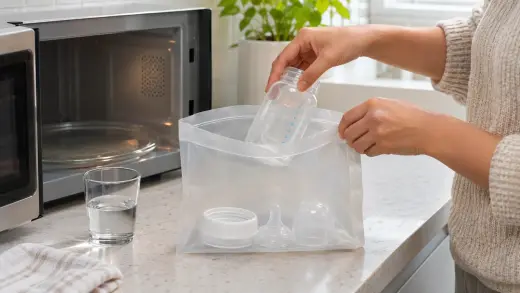
Microwave Steam Steriliser Bags: How to Sterilise Baby Gear Safely