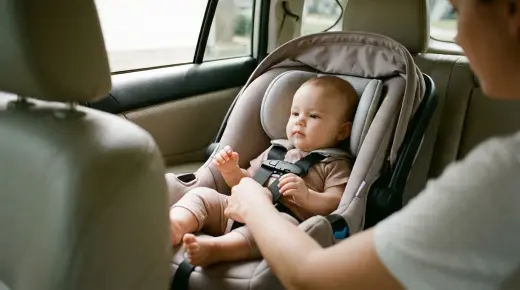
Split-Leg Sleep Sacks for Car Seats and Prams: Safe Transfers and Harness Rules
Learn how split-leg sleep sacks, travel sleeping bags, and footed sleep suits work with 5-point harnesses, plus safe car seat and cot transfer rules.
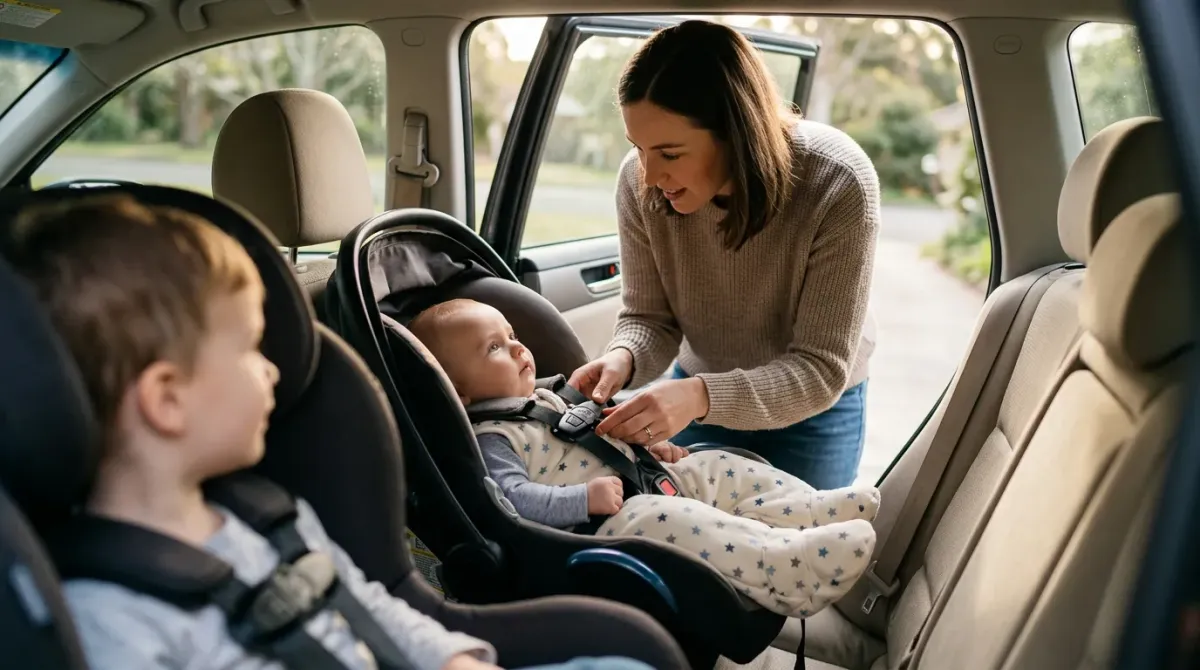
On this page
- Key points at a glance
- Why normal baby sleeping bags and 5-point harnesses do not mix
- What is a split-leg sleep sack, and what are the main types?
- Side-by-side comparison: sleepwear options for travel and transfers
- The golden rule of car seats: why fabric thickness (TOG) matters
- Why swaddling and arms-in pouches never work with harnesses
- A special note on slotted bags and chest clips (US & Canada vs AU & U…
- Why you must still move a sleeping baby out of the car seat at home
- Step-by-step: how to dress your baby for a winter night drive
- Using split-leg sleep sacks in prams and strollers
- Age stages and hip health: choosing the right style as your baby grows
- Materials, washing, and care tips for split-leg sleep sacks
- Official safety standards and rules in Australia, the UK, the US, and…
- What to look for when buying a split-leg sleep sack
- How to check your baby's temperature during transfers
- Common mistakes parents make (and what to do instead)
- Frequently asked questions
- Sources
Short answer: A standard closed baby sleeping bag does not work with a 5-point harness. You cannot use it safely in a car seat or a pram. The closed bottom blocks the crotch strap. That strap must sit right between your baby's legs. A split-leg sleep sack solves this problem. A travel sleeping bag with harness slots also works. Both let the crotch strap pass cleanly between the legs. Even so, you must only use thin, low-TOG fabrics in a car seat. Thick, padded, or puffy sleep suits add dangerous slack to the harness. They can also make your baby overheat very quickly. Once you get home, always take your sleeping baby out of the car seat. Put them onto a firm, flat cot or bassinet mattress right away.
This guide explains how split-leg sleep sacks and travel bags work. It covers when they are safe and when they are dangerous. We share rules from road safety and safe sleep groups in four countries. In Australia, these are Red Nose, Product Safety Australia, and Kidsafe. In the UK, they are The Lullaby Trust, RoSPA, and the NHS. In the US, they are the American Academy of Pediatrics (AAP) and NHTSA. In Canada, they are Transport Canada and the Canadian Paediatric Society.
Key points at a glance
- Standard sleep bags do not fit harnesses. You cannot buckle a 5-point harness over a closed sleeping bag. Never cut your own holes into a sleeping bag either.
- Split-leg designs work in two main ways. Some have two separate leg tubes like a jumpsuit. Others have built-in zipper vents at the front and back for the buckle.
- Keep car layers thin. Only thin cotton, bamboo, or merino layers belong under a car seat harness. Stick to around 0.2 to 1.0 TOG. Puffy or quilted sleep bags act like winter coats. They can fail in a car crash.
- Free the arms in a harness. Never put a baby into a car seat with their arms zipped inside a pouch. Do not do this in a pram either. Both arms must go through the shoulder straps.
- Car seats are not for home sleep. A split-leg sleep sack makes moving your baby from the cot to the car easier. It also helps when moving them from the car back into the cot. Never leave a baby sleeping in a capsule once the drive ends.
- Watch the temperature closely. Cars and prams warm up fast. You might use a warm split-leg suit for an icy walk in the pram. Unzip it as soon as you step into a heated shop, train, or car.
Why normal baby sleeping bags and 5-point harnesses do not mix
Almost every car seat, infant capsule, and modern pram uses a 5-point harness. This harness has five straps. Two straps go over the shoulders. Two straps go across the hips. One crotch strap comes up between your baby's legs. All five straps click into a central buckle over your baby's body.
That harness is there to protect your child in a crash. It also stops them from sliding out of a pram. To work properly, the straps must sit flat and snug against their body. The hip straps need to rest low across the pelvis and tops of the thighs. The crotch strap must come straight up between the legs. No fabric should bunch it down.
A normal baby sleeping bag is shaped like a closed bell or sack at the bottom. There are no leg holes at all. Putting a baby in a standard sleeping bag into a car seat causes three big problems:
- The crotch strap is blocked. Solid fabric sits between your baby's legs and the buckle. You cannot pull the crotch strap up between their thighs.
- Bunching the bag up is unsafe. Some parents try to pull the sleeping bag up around the baby's waist. They do this to reach the buckle. This leaves thick folds of fabric bunched behind the baby's back. It also bunches fabric under the chest straps. Those folds stop the harness from tightening properly.
- Skipping straps is deadly. Never leave the crotch strap unbuckled. Never clip only the shoulder straps. Your baby can slide down feet-first under the harness. Safety experts call this submarining. Their chin can drop to their chest and block their windpipe. They can even slip right out of the seat in a crash.
Never cut slits into a regular sleeping bag yourself to poke a buckle through. Cutting the fabric ruins the stitching. It creates loose threads that can wrap tightly around tiny fingers or toes. Also, a cut bag has not been tested for fire or sleep safety.
What is a split-leg sleep sack, and what are the main types?
Parents and brands use a few different names for wearable sleepwear that fits a buckle. Before you buy, learn the three main styles on the market. Each style works in a slightly different way.
1. Convertible sleep sacks (bag-to-suit designs)
These look like a normal bell-shaped sleeping bag when your baby is in their cot. However, they have a clever two-way or four-way zipper system along the bottom. By re-zipping the bottom edges together, the single sack splits into two loose leg tubes. You can switch it from cot mode to travel mode in a few seconds. You do not even have to take the garment off your baby.
2. Dedicated footed sleep suits (walker bags or sleep onesies)
These are permanent all-in-one suits shaped like loose pyjama coveralls. The legs are always separate. Many have fold-over cuffs at the ankles. You can fold the cuffs over to cover your baby's feet for sleep. You can flip them back to uncover the feet for walking toddlers. Because the legs are separate, a pram or car seat strap fits right between them. It works just like normal trousers.
3. Slotted travel sleeping bags (vented sacks)
This style does not split into two separate legs. Instead, it stays shaped like a sack. It has a vertical slit or small zippered opening on the front. It also has a matching opening on the back. You pass the crotch strap up through the back slot. It goes between your baby's legs inside the bag. Then it comes out through the front slot to click into the buckle. When you lift your baby out of the seat, you close the vent. A velcro tab or small zip keeps the hole shut. This stops little feet from getting stuck in the hole while in the cot.
Side-by-side comparison: sleepwear options for travel and transfers
Use this table to compare the four main ways parents dress babies for sleep and travel.
| Feature | Standard Closed Sleep Sack | Slotted Travel Sack (Harness Vent) | Convertible Split-Leg Sack | Footed Sleep Suit (Separate Legs) |
|---|---|---|---|---|
| Fits a 5-point car seat or pram harness? | No. It blocks the crotch strap completely. | Yes, if the vent lines up with your buckle and the fabric is thin. | Yes, when zipped into two legs and made of thin fabric. | Yes, if made of thin, non-puffy fabric. |
| Works with US and Canadian chest clips? | No. | Only if the front zip opens all the way down to the vent. | Yes. It sits flat under the chest clip like normal clothes. | Yes. It sits flat under the chest clip like normal clothes. |
| Ease of transfer (car to cot) | Hard. You must put the bag on after taking baby out of the seat. | Moderate. You must unbuckle and thread the strap back out of the slot. | Easy. Unbuckle, lift baby out, and re-zip into a sack if you wish. | Very easy. Unbuckle and lift baby straight into the cot. |
| Hip room for newborns | Great, if the bag is wide at the bottom. | Good, though the strap inside the bag divides the lower space. | Good in sack mode. Check that the leg tubes are loose in suit mode. | Must be sized generously so the legs can bend like a frog. |
| Best age stage | Birth onwards (for cot and bassinet sleep only). | Young babies who stay mostly still during transfers. | 4 months to 3 years (good for daycare and car trips). | Active babies, standing infants, and walking toddlers. |
Prams & Strollers worth a look
Real products from our catalogue. We don't show star ratings or review counts; check the current price, stock and reviews on Amazon before you buy.
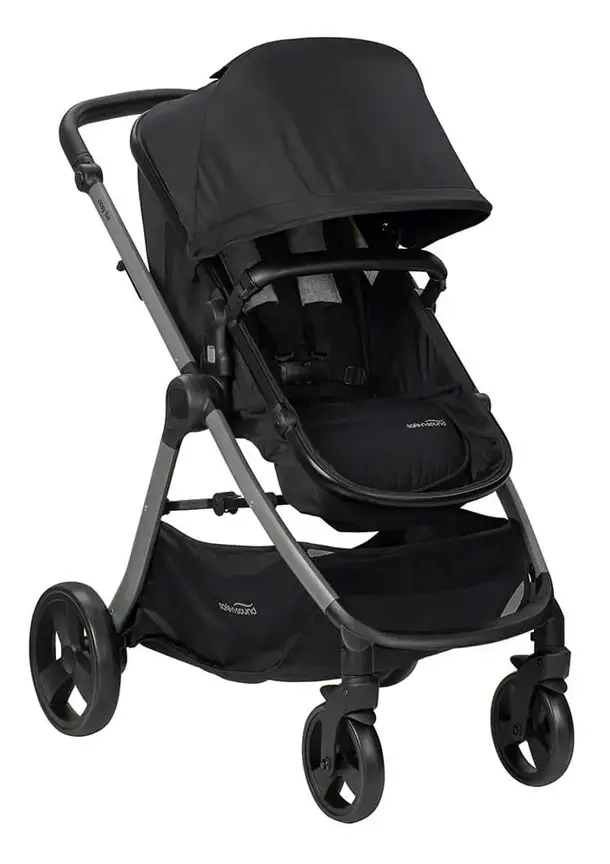
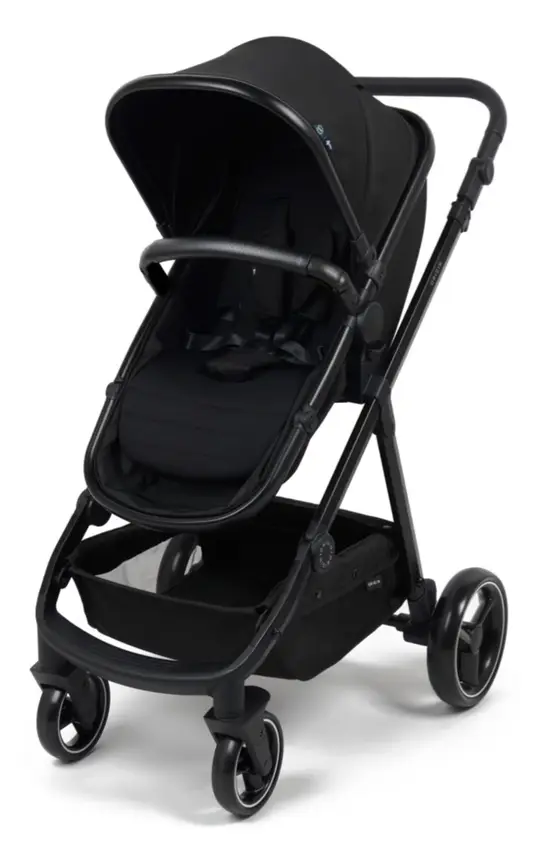
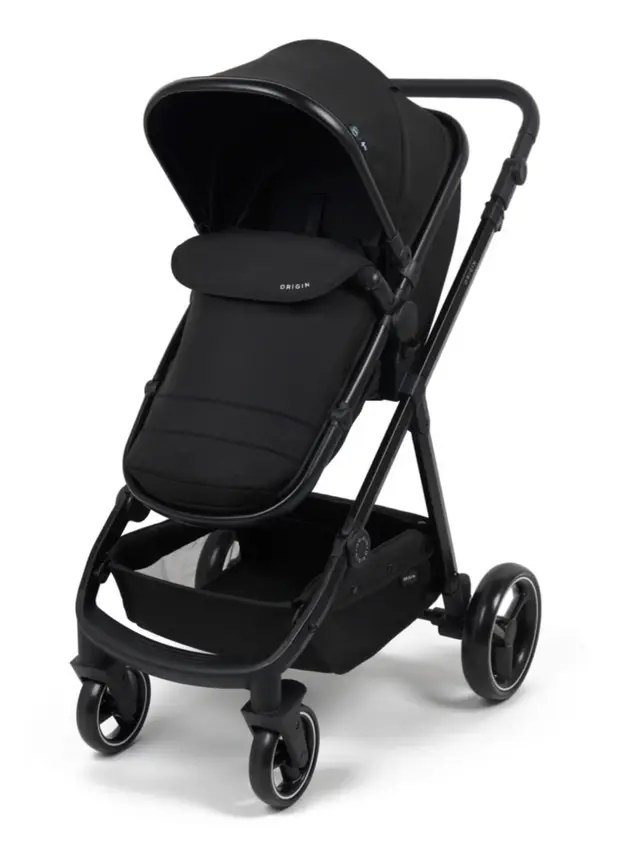
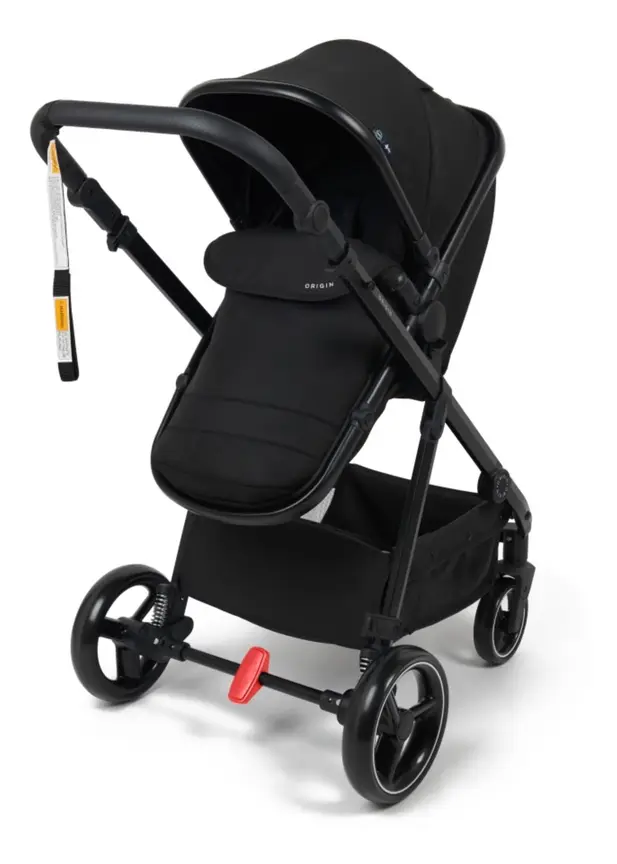
4baby Origin Stroller
A budget pram whose seat turns into a bassinet. The seat can face you or face the world.
Read our full review →
Baby Jogger City Mini GT2
Long-running, lighter all-terrain stroller with a famously simple one-hand strap fold.
 Reviewed
Baby Jogger City Tour 2
A 6.5 kg stroller with a near-flat recline. It folds small and comes with a carry bag.
Read our full review →The golden rule of car seats: why fabric thickness (TOG) matters
A sleep sack with split legs or a harness slot is not always safe for a car seat. In fact, many winter split-leg suits sold in shops are dangerous under a car seat harness.
Road safety bodies in all four countries warn against bulky or padded clothing in car seats. In Australia, this includes Kidsafe and Transport for NSW. In the UK, it includes RoSPA and The Lullaby Trust. In the US, it includes NHTSA and the AAP. In Canada, it includes Transport Canada and Caring for Kids.
What happens to puffy fabric in a crash
TOG stands for Thermal Overall Grade. It is a simple measure of how warm a fabric is. Winter sleep sacks and quilted suits are usually rated 2.5 TOG or 3.5 TOG. They get their warmth from a layer of fluffy batting, wadding, or fleece. This soft filling sits between two layers of fabric and traps air.
Imagine strapping a baby into a car seat wearing a padded 2.5 TOG or 3.5 TOG suit. The harness feels tight against the outside of the puff. However, in a sudden stop or crash, the force squashes all the air out of the padding right away. That creates a big gap between your baby's body and the straps. With slack in the harness, your baby can be thrown forward. They can even slip right out of the shoulder straps.
Which TOG ratings can go in a car seat?
- 0.2 TOG to 1.0 TOG (Thin, unpadded layers): These are safe for car seats. They are made of single or double layers of flat cotton jersey, muslin, bamboo, or fine merino wool. They have no fluffy filling inside. They feel no thicker than normal pyjamas or a light cardigan.
- 1.5 TOG to 2.0 TOG (Lightly quilted): Check these carefully with the pinch test and harness test below. Many 1.5 TOG bags have polyester filling that squashes down. If it has batting inside, keep it out of the car seat.
- 2.5 TOG to 3.5+ TOG (Padded winter bags and snowsuits): Never use these under a car seat harness. They are far too thick for the straps. They also cause dangerous overheating inside a car.
How to do the two-step car seat harness check
The AAP and Transport Canada share a simple test. Use it whenever you wonder if a split-leg sleep sack is too bulky for the car seat:
- Step 1: Strap your baby in wearing the split-leg sack. Buckle the harness. Pull the tightening strap until it passes the pinch test. This means you cannot pinch a fold of strap webbing between your thumb and finger at the collarbone.
- Step 2: Take the sack off without loosening the straps. Unbuckle the harness without touching the adjuster strap. Take your baby out of the seat. Remove the split-leg sleep sack, leaving just their thin base layer on. Put your baby back in and buckle the harness.
- Step 3: Check the straps again. Do the pinch test at the collarbone now. Can you pinch a fold of webbing? If yes, the sleep sack was adding hidden slack. It is too thick for the car seat.
What if it is freezing outside and you need extra warmth in the car? First, buckle your baby in wearing thin clothes or a thin 0.5 TOG split-leg suit. Next, lay a warm blanket or their thick sleep bag over the top of the buckled harness. Once the car heater warms the cabin up, lift that top layer right off. You do not even have to unbuckle your baby.
Why swaddling and arms-in pouches never work with harnesses
Some newborn sleep sacks have zip-up wing sleeves or wrap bands. These are made to hold a young baby's arms inside the bag against their chest. Parents sometimes ask if they can use a split-leg swaddle sack with the arms zipped in while buckled up.
The answer is a strict no. In a 5-point harness, both of your baby's arms must be free. They must come out through the armholes:
- The two shoulder straps must pass over your baby's shoulders. They need to sit down between the torso and the arms.
- If a baby's arms are trapped inside a pouch, the shoulder straps have nowhere to hold. They can slip off the sloped sides of the pouch. This leaves the upper body unrestrained in a crash.
- In a pram or stroller, a baby with trapped arms cannot steady themselves. They cannot push their face clear if they slump forward.
Also, safe sleep bodies in Australia (Red Nose), the UK (Lullaby Trust), the US (AAP), and Canada (Health Canada) agree on another rule. Arms-in wrapping must stop at the very first sign of rolling. For any car seat or pram trip, always free both arms before buckling up.
A special note on slotted bags and chest clips (US & Canada vs AU & UK)
How car seat harnesses fasten across the chest depends on the country you live in:
- Australia and New Zealand (AS/NZS 1754) and the UK/Europe (UN R129 and UN ECE R44): Car seats do not have a separate plastic chest clip. All five straps meet at one central crotch buckle. In Australia, road rules ban adding extra chest clips that did not come tested with the seat.
- The United States (FMVSS 213) and Canada (CMVSS 213): Every car seat has both a crotch buckle and a plastic chest clip. You slide the chest clip up to armpit level. It holds the shoulder straps in the right spot before a crash.
Why does this matter when shopping for a travel sleep sack? Suppose you live in the US or Canada and buy a slotted sack. That is the kind with just a small slit at the bottom for the crotch buckle. You may run into a big problem. Many slotted bags have a front zipper that zips from the bottom up. Others do not open all the way down to the slot. Because of this, you cannot close the front of the sack over both the crotch buckle and the chest clip. The harness straps would have to sit inside the sack against the baby's chest. Or the whole sack would have to sit bunched up under the harness.
True split-leg sleep sacks and footed sleep suits avoid this problem in every country. Your baby wears the suit just like a pair of trousers and a shirt. The entire 5-point harness buckles right over the outside of the suit. The US or Canadian chest clip slides up to the armpits with nothing in the way.
Why you must still move a sleeping baby out of the car seat at home
Many ads for split-leg and slotted sleep sacks promise easy, unbroken sleep transfers. Parents often hope they can buckle a sleeping baby into a capsule, drive home, and bring the capsule inside. Then they want to leave the baby asleep inside the capsule on the floor.
Safe sleep authorities across the world warn strongly against doing this:
- Red Nose Australia has a very clear rule: take your sleeping baby out of their car seat when you get home. Leaving infants to sleep in a car seat outside the car is dangerous. It brings serious risks of airway blockage and suffocation.
- The Lullaby Trust (UK) and NHS warn that babies should never sleep in a car seat when not travelling. They also advise taking regular breaks on long drives. Try not to keep a young baby in a car seat for more than 2 hours at a time.
- The American Academy of Pediatrics (AAP) and CPSC (US) state that car seats, strollers, and swings are not safe for routine sleep. If a baby falls asleep in one, move them to a firm, flat crib or bassinet. Do this as soon as it is safe and practical.
- Health Canada and Caring for Kids (Canadian Paediatric Society) state that car seats are for travel only. Once you reach your stop, move your baby to a crib, cradle, or bassinet on their back.
Why sitting at an incline is risky for baby sleep
A young baby has a large, heavy head and very weak neck muscles. In a semi-upright car seat or capsule, their head can easily flop forward onto their chest. This bends their soft windpipe like a kinked garden hose. It makes breathing hard or blocks air completely. Doctors call this silent danger positional asphyxiation. Taking a capsule off its car base and putting it on the floor at home makes things worse. Floor angles often tilt the seat so the head slumps even more.
The right way to use a split-leg sleep sack for transfers
A split-leg sleep sack is not an excuse to leave your baby in a car seat. Its real job is making the cot-to-car and car-to-cot transfer quick and calm. That way, your baby settles right back to sleep on a flat mattress:
- Leaving home early in the morning or late at night: Dress your baby in a thin (0.5 or 1.0 TOG) split-leg sleep sack. Keep the legs separated. Buckle them safely into the car seat. Add a blanket over the top of the straps if it is cold outside.
- Arriving home with a sleeping baby: As soon as you park, unbuckle the 5-point harness. The straps sit on the outside of the split-leg suit. Because of this, you do not have to pull arms out of sleeves. You do not have to wrestle with zippers while they are in the seat.
- Placing into the cot: Lift your baby gently out of the car seat. Lay them flat on their back in their bare cot or bassinet. If your convertible sack has a bag mode, you can zip it back into a bag if you wish. If the bedroom is cool, warm the room rather than putting loose blankets in the cot.
Step-by-step: how to dress your baby for a winter night drive
Cold nights are when parents struggle most with car seat transfers. Follow this simple routine to keep your baby both warm and safe:
- Start with a thin base layer indoors. Put your baby in a cotton singlet and a normal footed cotton onesie.
- Put on a low-TOG split-leg sack. Zip them into a thin 0.5 TOG or 1.0 TOG convertible sack or footed suit. Set the zippers so the two legs are separate.
- Warm the car up first if you can. On frosty nights, start the car a few minutes early so the cabin is not icy.
- Carry your baby out with a wrap blanket over them. Hold a warm blanket around your baby while walking from the house to the car. Lift the blanket off right before you put them in the seat.
- Buckle the 5-point harness snugly. Fasten the shoulder, hip, and crotch straps directly over the thin split-leg suit. Do the pinch test at the collarbone to be sure there is no slack.
- Tuck a blanket over the buckled straps. Lay your warm blanket over your baby's legs and torso, on top of the harness. Keep it below their chin so their face is completely clear.
- Remove the top blanket once the car is warm. After ten minutes of driving with the heater on, reach back (or ask a passenger) to pull the loose blanket off. Your baby will stay comfortable in their thin split-leg suit without overheating.
- Transfer straight to the cot at home. Unbuckle the harness, carry your baby inside, and place them flat on their back in their cot.
Side by side: more prams & strollers to compare
Real products from our catalogue. We don't show star ratings or review counts; check the current price, stock and reviews on Amazon before you buy.

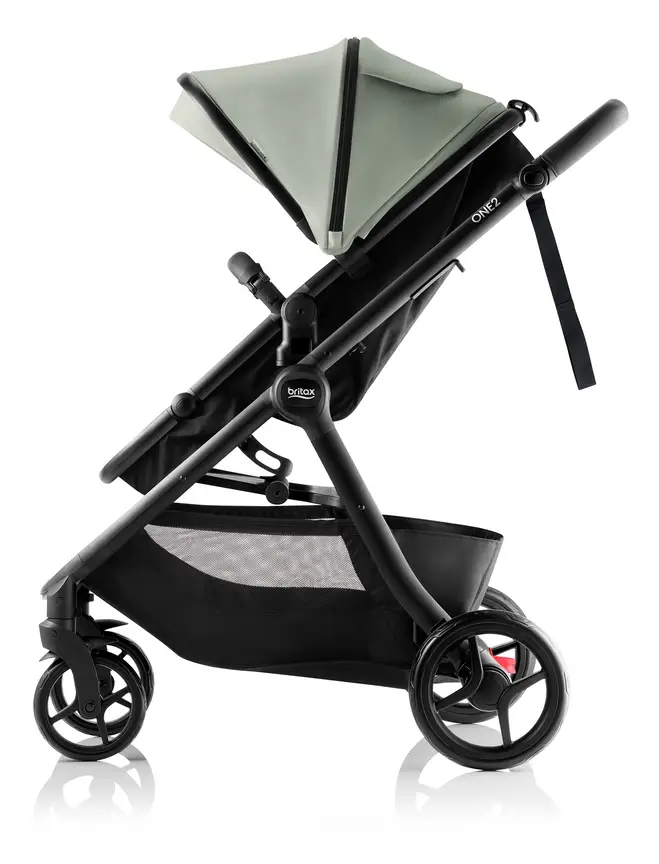
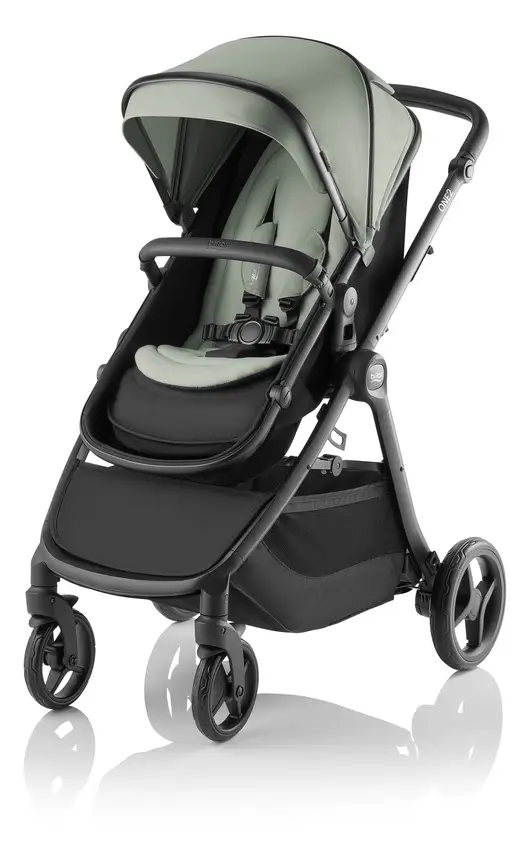


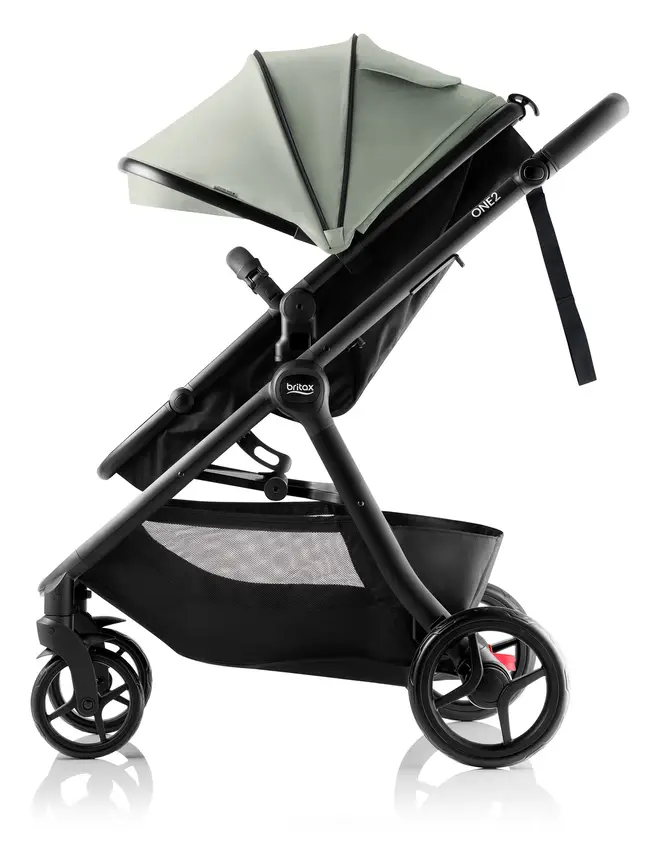


Britax One2
A pram that starts as a single and can take a second child. The seat turns into a lie-flat bassinet.
Read our full review →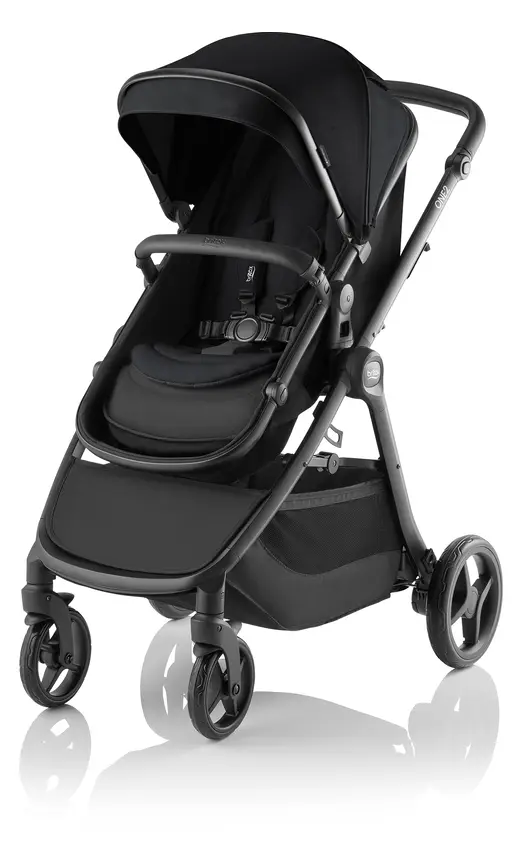

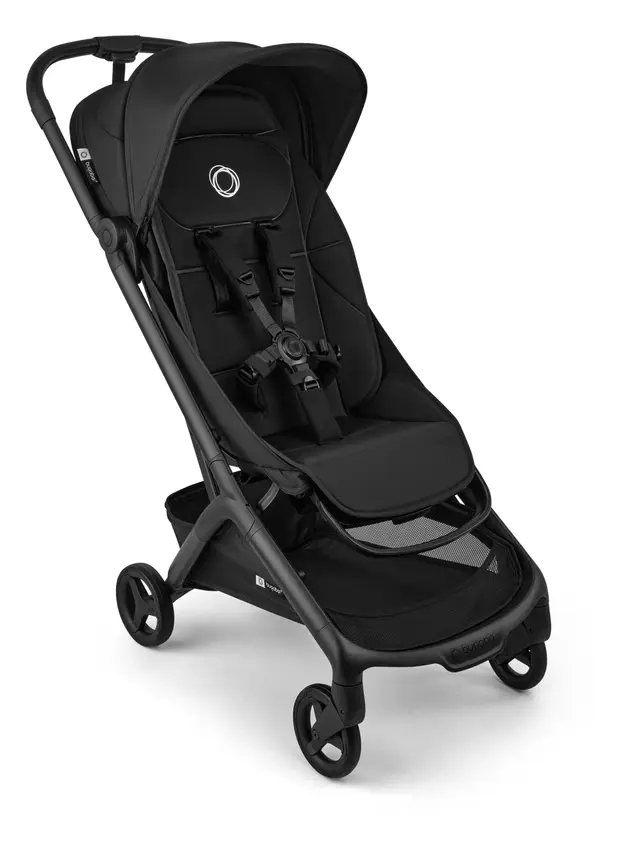
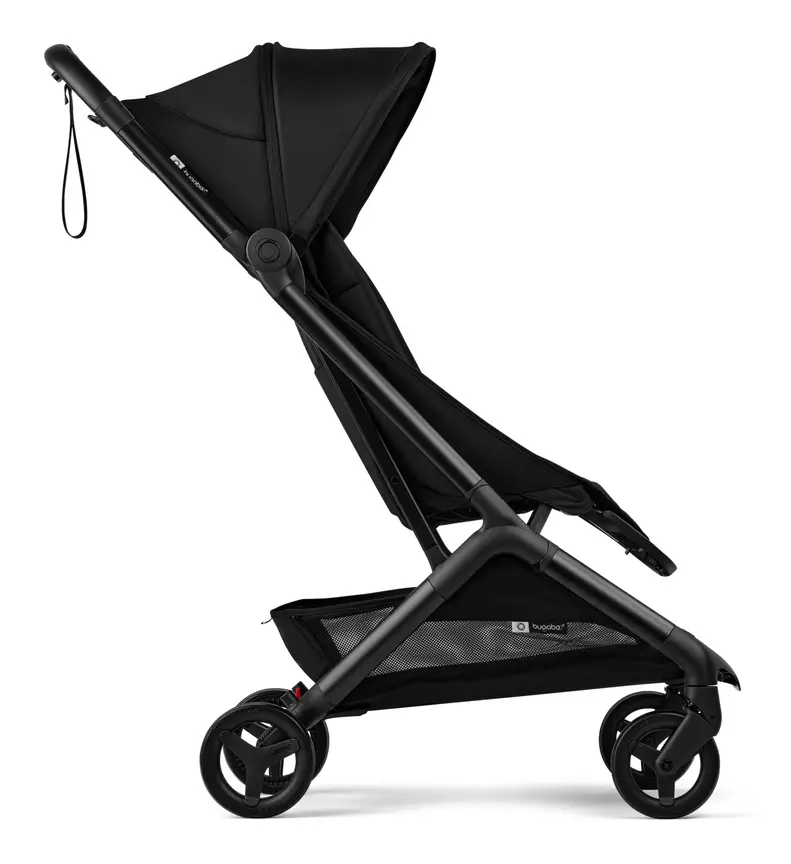


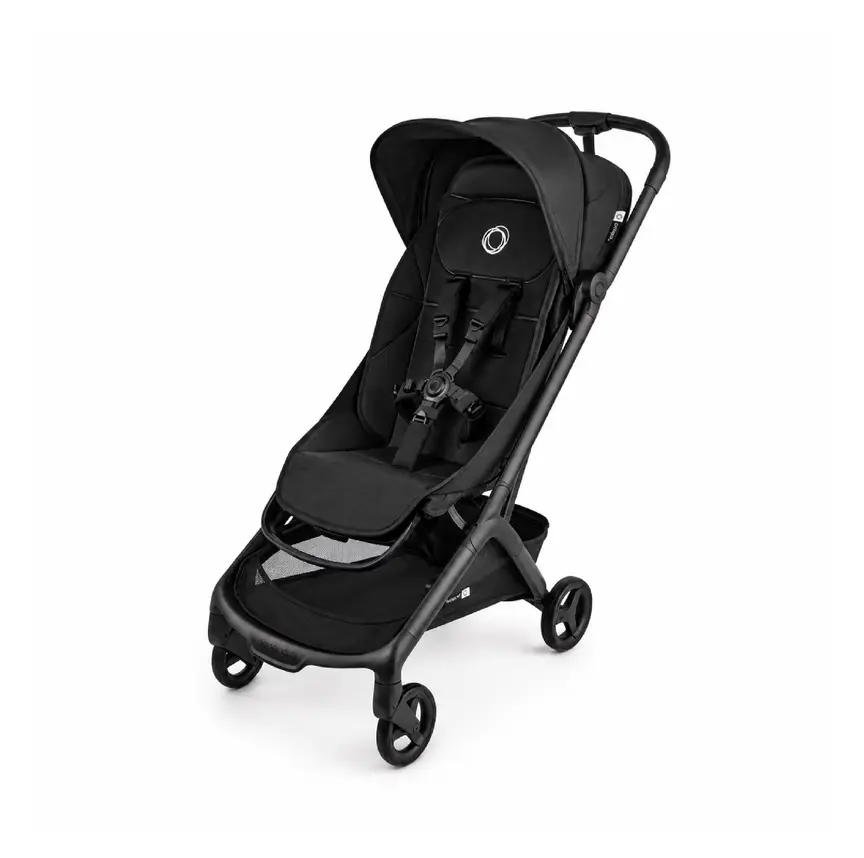
Bugaboo Butterfly
Bugaboo's cabin-friendly compact stroller with a one-second fold — the travel partner to a Fox, not a replacement for it.
Using split-leg sleep sacks in prams and strollers
Prams and strollers have slightly different rules from car seats. They do not face high-speed car crash forces. Even so, fall prevention, airway safety, and temperature control still matter every time you walk out the door.
1. Always buckle the 5-point pram harness
Prams and strollers must have a harness to stop falls and entrapment. This is required under the Australian and New Zealand standard (AS/NZS 2088). It is also required under the UK and European standard (BS EN 1888) and the US standard (ASTM F833). Always buckle the crotch, waist, and shoulder straps. Do this even in a deeply reclined stroller seat. A split-leg sleep sack or footed suit lets you click all five points of the pram harness comfortably.
2. Flat bassinet attachments vs upright stroller seats
- Flat pram carrycot or bassinet attachment: Some prams have a completely flat, firm carrycot attachment with no harness inside. In these, your baby can wear a normal closed sleeping bag. Or they can wear a split-leg sack zipped into bag mode, lying flat on their back.
- Reclining or upright stroller seat: A stroller seat requires the 5-point harness. Therefore, you must use split legs or a harness slot. Remember that upright or semi-reclined stroller seats are for supervised walks. They are not for long, unsupervised naps at home.
3. Warmer TOGs in the pram (and the indoor unzip rule)
A pram does not rely on crash-tight webbing like a car seat does. Because of this, you can use a warmer 2.5 TOG split-leg sleep suit for a freezing outdoor walk. Just make sure the pram harness still holds your baby firmly in place. However, The Lullaby Trust and Red Nose warn about overheating when moving indoors. Cold outdoor air and heated indoor air are very different. The moment you push the pram into a warm shop, café, bus, or house, unzip the front of the sleep sack right away. This lets heat escape so your baby can cool down. Never drape a muslin cloth or blanket over the pram hood. Covering the hood traps hot air inside like an oven.
Age stages and hip health: choosing the right style as your baby grows
Your baby's hips, rolling skills, and standing milestones change over time. Different stages call for different features in a sleep sack.
Newborns to 3 months
In the first few months, a baby's hip sockets are made of soft cartilage. The International Hip Dysplasia Institute, Red Nose, and the AAP all share the same advice. A baby's legs need plenty of room to bend up and fall open at the hips like a frog. If you use a split-leg or slotted bag with a young baby, check the fit around the hips and thighs. It must be wide and relaxed, never tight like skinny jeans. Also check that the neck opening is snug. Your newborn must not be able to slip their head down inside the bag.
3 to 6 months (the rolling stage)
Soon your baby will show signs of rolling onto their side or tummy. From that day on, both arms must be completely free. Split-leg sacks with sleeves or armholes work well here. Just make sure the legs have enough room for your baby to kick and roll freely in their cot. The fabric should not twist tightly around their knees.
6 to 18 months (standing and cruising in the cot)
Around this age, babies learn to pull themselves up to stand at the cot rails. Many babies love a split-leg sleep suit now because their feet are free to grip the mattress. Other parents prefer a convertible sack that zips back into a closed bag at bedtime. A closed bag makes it harder for a toddler to lift a leg up and climb the cot bars. Remember one crucial cot rule. As soon as your baby can sit or pull up, lower the cot mattress base to its lowest setting. This helps stop them from toppling over the side.
18 months to 3+ years (toddlers and big beds)
Eventually, your toddler will move out of a cot and into a toddler bed or floor bed. At this point, a standard closed sleeping bag becomes a big tripping hazard. A child who gets out of bed in the dark can easily fall if their feet are trapped in a bag. A split-leg sleep sack or footed sleep suit is much safer here. Look for one with non-slip silicone grip dots on the soles of the feet. Your toddler can walk safely to the bathroom or your bedroom while staying warm all night.
Materials, washing, and care tips for split-leg sleep sacks
Because split-leg sleep sacks go from the cot to the car seat and pram, they get dirty faster than normal bedding. Picking the right fabric makes daily washing much easier.
- Choose breathable natural fibres: Look for 100% cotton, organic cotton, bamboo viscose, or merino wool. Natural fibres breathe well and help stop your baby from getting sweaty against the foam of a car seat or pram liner.
- Avoid cheap synthetic fleece for car trips: Polyester fleece traps heat and moisture very quickly. In a car seat with foam padding behind your baby's back, fleece can make a baby overheat in minutes.
- Close all zippers before washing: Convertible split-leg sacks have long two-way or four-way zippers. Always zip them completely shut and turn the sack inside out before putting it in the washing machine. This stops the zipper teeth from snagging on other baby clothes.
- Inspect zipper tracks and poppers often: Every time you wash the sack, check the zipper sliders, press-studs, and seams. If a press-stud is loose, stop using the garment immediately. A loose metal or plastic snap is a serious choking hazard for a baby.
- Buy two thin sacks for rotation: Nappy leaks and car sickness happen when you least expect them. Having one thin 0.5 or 1.0 TOG split-leg sack in the wash and one clean in the drawer saves stress before early morning drives.
Official safety standards and rules in Australia, the UK, the US, and Canada
You should always check the care label on a sleep sack and the sticker on your car seat. Here is how the safety rules line up across all four countries.
| Country | Safe Sleep & Garment Guidance | Car Seat Standard & Harness Rules | Pram & Stroller Standard |
|---|---|---|---|
| Australia | Red Nose & Product Safety Australia (ACCC): A sleeping bag must have a fitted neck, armholes, and no hood. Fire hazard warning labels are mandatory on children's nightwear. | AS/NZS 1754 (Kidsafe & Transport for NSW): The 5-point or 6-point harness must be firm with no bulky clothing underneath. Remove your sleeping baby from the seat at home. | AS/NZS 2088: Requires a 5-point harness, wrist tether strap, red brake lever, and clear warning labels. |
| United Kingdom | The Lullaby Trust, NHS & OPSS: Sleep bags tested to BS EN 16781 check neck size, zip safety, and TOG warmth ratings. Keep the room at 16–20°C. | UN R129 (i-Size) & UN ECE R44 (RoSPA & GOV.UK): Remove winter coats and thick suits before buckling. Take breaks on long trips. Never use for sleep at home. | BS EN 1888: Covers frame stability, locking brakes, and 5-point harness security. |
| United States | AAP & CPSC: Use a bare crib with a firm, flat mattress. Wearable blankets are safer than loose bedding. Avoid all weighted sleep sacks and swaddles. | FMVSS 213 & FMVSS 302 (NHTSA & AAP): The harness must pass the pinch test at the shoulder. Place the chest clip at armpit level. No puffy layers under straps. | ASTM F833 (for carriages and strollers) & ASTM F2194 (for bassinets and cradles). |
| Canada | Health Canada & Caring for Kids (CPS): Place baby on their back on a firm, flat crib or bassinet surface. Strict children's sleepwear flammability rules apply. | CMVSS 213 (Transport Canada): Keep the harness snug with only one finger of room at the collarbone. Set the chest clip at armpit level. Move a sleeping baby to a crib on arrival. | Carriages and strollers must meet Canadian federal restraint, brake, and stability regulations. |
What to look for when buying a split-leg sleep sack
Before you spend money on a travel sleep sack or convertible suit, check these six features:
- Snug neck and armholes: This is the number-one safety test for any sleeping bag. The Lullaby Trust and Red Nose explain why. If the neck hole is too big, a baby can wriggle down inside the bag and suffocate. Never buy a size up for your baby to grow into. Buy the exact size for your baby's current weight and chest measurement.
- No hoods, cords, or ribbons: Sleepwear for a cot or car seat must never have a hood, drawstring, or loose ties. Hoods cause overheating and can cover your baby's face. Cords and strings are a strangulation hazard.
- Flat, covered zippers: When your baby is buckled into a car seat, the harness presses against their chest and groin. Look for a sleep sack with a flat plastic zipper. Check for a soft fabric zip guard at the neck and crotch. That way, the buckle will not press hard metal against their skin.
- Easy nappy-change access: A two-way zipper or leg poppers make life much easier. They let you change a wet nappy at a roadside rest stop without taking your baby's arms out of the top half.
- Fold-over foot cuffs (for separate-leg suits): Built-in fold-over cuffs at the ankles are very handy. You can tuck toes inside for warmth in the car or pram. Later, you can flip them open for barefoot grip when your toddler walks around the house.
- Zero added weights: Never buy a sleep sack or suit with weighted beads or heavy chest pads. The AAP and CPSC warn strongly against weighted sleepwear. Weights can press on a baby's soft ribcage, make breathing harder, and trap dangerous heat.
How to check your baby's temperature during transfers
Think about a typical morning outing. You move from a cool bedroom to a chilly driveway, into a heated car, and out into a sunny café. Your baby's surroundings can change by 10°C or more in half an hour. Babies cannot sweat or control heat as well as adults do. Overheating is a major risk factor for sudden infant death (SIDS).
- Do the chest or back check: Slide two fingers inside the collar of the sleep sack. Feel your baby's chest or the back of their neck. Their skin should feel warm and dry. Does it feel hot, clammy, or sweaty? If so, they are too warm. Unzip the sack or remove a layer straight away.
- Do not go by cold hands or feet: It is completely normal for a baby's hands and feet to feel cool. Do not add extra blankets just because their fingers or toes feel cool.
- Skip hats indoors and in the car: Babies let out most of their extra heat through their heads. You might put a beanie on your baby to walk out to the car in winter. Take that beanie off as soon as you shut the car doors and turn the heater on. Never let a baby sleep in a cot wearing a hat or hood.
More options, from budget to premium
Real products from our catalogue. We don't show star ratings or review counts; check the current price, stock and reviews on Amazon before you buy.
Bugaboo Butterfly 2
The newer Butterfly. It folds in about one second, has a lay-flat seat and a bigger basket with a back pocket.
Read our full review →
Bugaboo Donkey 5
Converts from single to side-by-side double (siblings or twins) by widening the frame.

Bugaboo Dragonfly
Bugaboo's city pram: smaller footprint and lighter than the Fox, built for footpaths, lifts and car boots rather than bush tracks.
Common mistakes parents make (and what to do instead)
| Common Mistake | Why It Is Risky | What to Do Instead |
|---|---|---|
| Buckling a baby into a car seat wearing a thick 2.5 or 3.5 TOG winter sleep suit. | The puffy filling flattens in a crash, leaving slack in the harness. It also overheats the baby once the car warms up. | Use a thin 0.2 to 1.0 TOG split-leg suit under the harness. Lay a warm blanket over the buckled straps and remove it when the car is warm. |
| Leaving a sleeping baby in the capsule on the living room floor because they stayed asleep. | The inclined angle lets the baby's heavy head flop forward onto their chest. This narrows their airway (positional asphyxiation). | Always unbuckle and lift your baby out of the car seat as soon as you arrive home. Lay them flat on their back in their cot or bassinet. |
| Cutting a hole in the bottom of a normal sleeping bag so the crotch buckle can poke through. | It creates loose threads that can tangle tightly around toes. It also weakens the bag's tested seams. | Buy a proper split-leg sleep sack, footed suit, or factory-sewn slotted bag. Or take the normal bag off before buckling up. |
| Putting a baby into a car seat or pram with their arms zipped inside a swaddle wing bag. | Shoulder straps cannot hold a baby whose arms are trapped inside a pouch. Also, a rolling baby cannot push their face clear. | Always take both arms out through the armholes before placing your baby into any 5-point harness. |
| Buying a larger sleep sack size so it lasts two winters. | An oversized neck opening lets a baby slide down inside the bag. The fabric can cover their nose and mouth. | Buy the exact size for your baby's current weight and length. Check that the neck hole cannot pull up over their chin. |
Frequently asked questions
Can I use a normal baby sleeping bag in a car seat or pram?
No. A standard closed sleeping bag has no leg openings. Because of this, the crotch strap of a 5-point harness cannot come up between your baby's legs. Never bunch a sleeping bag up around your baby's waist to reach the buckle. Never leave the crotch strap undone either. For a car seat or a harnessed pram seat, use normal legged clothes. Or use a thin split-leg sleep sack or thin footed sleep suit.
What TOG split-leg sleep sack is safe for a car seat?
Stick to thin, unpadded fabrics rated between 0.2 TOG and 1.0 TOG. These are made from flat layers of cotton, bamboo, or merino wool. They have no fluffy polyester wadding inside. Always run the two-step pinch test to be sure the suit does not add slack to the harness. Save thick 2.5 TOG or 3.5 TOG padded suits for the cot or cold pram walks only.
Are travel sleep sacks with a buckle slot safe for US and Canadian car seats?
Often they do not fit properly. Australian, UK, and European car seats only buckle at the crotch. In contrast, US and Canadian car seats have a plastic chest clip at armpit level as well. Many slotted bags only have a small opening at the bottom for a crotch buckle. That means you cannot close the front of the bag over the chest clip. A true split-leg sleep sack or footed sleep suit works much better in the US and Canada. Both the crotch buckle and chest clip fasten cleanly on the outside of the suit.
If my baby falls asleep in the car wearing a split-leg sack, do I still have to move them to the cot when we get home?
Yes, every single time. Safe sleep groups in Australia (Red Nose), the UK (Lullaby Trust), the US (AAP), and Canada (Health Canada) all agree on this. Car seats are only for travel in a moving car. Sitting at an incline outside the car puts your baby in danger. Their heavy head can slump forward and block their airway. The real benefit of a split-leg sleep sack is a quick transfer. You can unbuckle the harness and lift your baby straight into their flat cot. You do not have to wake them up to wrestle them into pyjamas first.
Are split-leg sleep sacks bad for a newborn's hips?
They are fine for hip health as long as the lower half is cut wide and loose. A newborn's legs need room to bend up at the knees. Their hips need to fall open to the sides like a frog. Convertible sacks let you keep the bottom zipped as a wide bag in the cot. You only split the legs while your baby is buckled in the pram or car seat.
When should my toddler switch from a closed sleep sack to a split-leg sleep suit?
You can use a split-leg or footed suit at any age once it fits snugly at the neck and shoulders. However, it becomes a must once your toddler can climb out of their cot. It is also best when they move into a toddler bed or floor bed. A closed sack can trip a walking child who gets up in the dark. A split-leg suit with grip soles lets them walk safely without kicking off blankets.
Sources
- Red Nose Australia – Choosing the right sleep bag for your baby
- Red Nose Australia – Take your sleeping baby out of their car seat when you get home
- Product Safety Australia – Prams and strollers guide
- The Lullaby Trust (UK) – Car seat factsheet (PDF)
- The Lullaby Trust – How to dress your baby for sleep
- AAP HealthyChildren.org – Winter car seat safety tips
- U.S. CPSC – Commissioner statement: weighted infant swaddles and blankets are unsafe for sleep
- Caring for Kids (Canadian Paediatric Society) – Car seat safety
Related guides
More Car Seats & Travel →
Dummy and Pacifier Clips and Toy Straps: Safe Length Rules to Stop Strangulation

Portable Travel Bassinets and Pop-Up Infant Domes: Safe Sleep, Floor Insulation, Sun Canopies, and Packing
Portable White Noise Soothers for Prams and Car Seats: Volume, Placement and Safety