













Bassinet Attachments for Strollers: How to Choose and Use One Safely
Learn how stroller bassinets fit, what to check before buying, and how to use one safely for walks, naps, travel and your baby's changing stages.
On this page
- What a stroller bassinet is
- Why families consider one
- Five types and features to compare
- Check stroller and bassinet compatibility
- What to check before buying
- Safety during walks and naps
- Age stages: from newborn to sitting
- Safety standards and official advice by country
- Second-hand bassinets and recalls
- Common mistakes to avoid
- Frequently asked questions
- Sources and further guidance
- Sources
Short answer: A stroller bassinet can give a young baby a flat place to lie during walks. It must fit your stroller and be used as its maker directs. Check the age, weight and development limits. Use the harness if the instructions require it. Keep the bassinet clear of loose bedding and toys. A stroller bassinet is for supervised outings. For every sleep, use a safe sleep space that follows local health advice.
The old post named five products, but it gave no reliable proof that they are current or compatible. Some names referred to stands or full strollers, not bassinet attachments. Product ranges also change. This guide explains how to compare types and check a specific model before you buy.
What a stroller bassinet is
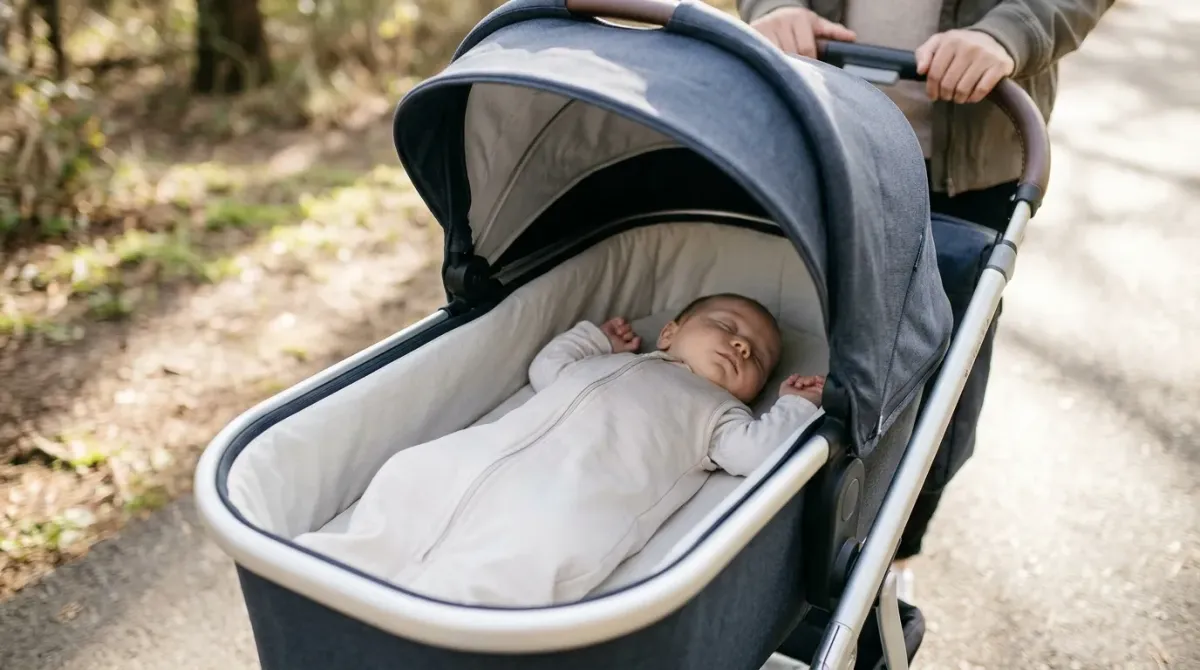
A stroller bassinet is a carrycot-shaped unit that locks onto a compatible stroller frame. It gives a baby a flat surface while an adult pushes the stroller. It may have a hood, mattress, fabric sides and carry handles. Features differ by model.
Some brands sell a bassinet with the stroller. Others sell it separately. A few stroller frames take a bassinet, a regular seat or a car seat. These parts are not interchangeable unless the maker says they are.
A bassinet attachment is not the same as a car capsule. A capsule is made for car travel and clicks into a vehicle base or seat belt. A stroller bassinet is not a car seat. Do not use it in a moving car.
It is also not automatically a cot or bedside sleeper. A unit may be approved for more than one use, but you must check its manual and label. Do not assume that a stroller attachment is safe for overnight sleep or unattended sleep.
Why families consider one
A flat bassinet can suit a newborn who is not ready for a stroller seat. It lets the baby lie down while an adult walks. Some families find this easier than carrying a separate pram and changing the baby between parts.
A bassinet may help when you need to move over uneven paths. The baby can lie flat while the stroller handles the ground. The stroller still needs to stay under your control. Avoid steep slopes, stairs and rough routes that the maker warns against.
Some bassinets lift off the frame. That can help when moving the unit inside. But a sleeping baby should not be carried by the bassinet unless its maker permits that use. Use the handles only as described. Locking points, balance and carry limits matter.
Convenience does not make a bassinet essential. A newborn can use a suitable stroller seat if its maker allows newborn use and the seat reclines as directed. A baby carrier may suit some short trips. A family may also prefer a separate pram. Choose based on your own trips, home and budget.
Five types and features to compare
Rather than ranking brands without current evidence, compare these five common choices. One stroller may offer several features in one unit. The best fit depends on your needs and the exact model.
| Type or feature | What it offers | What to check | May suit |
|---|---|---|---|
| Bassinet included with a stroller | One matched set, with parts designed to fit together. | Newborn use, limits, storage size and what comes in the box. | Families buying a full stroller system. |
| Bassinet sold as an add-on | May add a flat option to a stroller you already own. | Exact frame model, required adapters and current maker approval. | Families who own a compatible stroller. |
| Compact bassinet | May fold or store in less space than a larger unit. | Whether it remains approved for use on the stroller when folded or fitted. | Homes with limited storage or frequent car trips. |
| All-weather hood or cover | Can give shade or some shelter, depending on its design. | Ventilation, view of baby, fit and maker's weather advice. | Families walking in changing weather. |
| Lift-off bassinet | Can detach from the frame for moving or storage. | Whether carrying is allowed, handle locks and any separate sleep approval. | Families who need to lift the unit from the frame. |
These are comparison points, not safety grades. A feature name does not prove that a product is safe or suitable. Read the exact model's instructions and check local recalls.
Prams & Strollers worth a look
Real products from our catalogue. We don't show star ratings or review counts; check the current price, stock and reviews on Amazon before you buy.
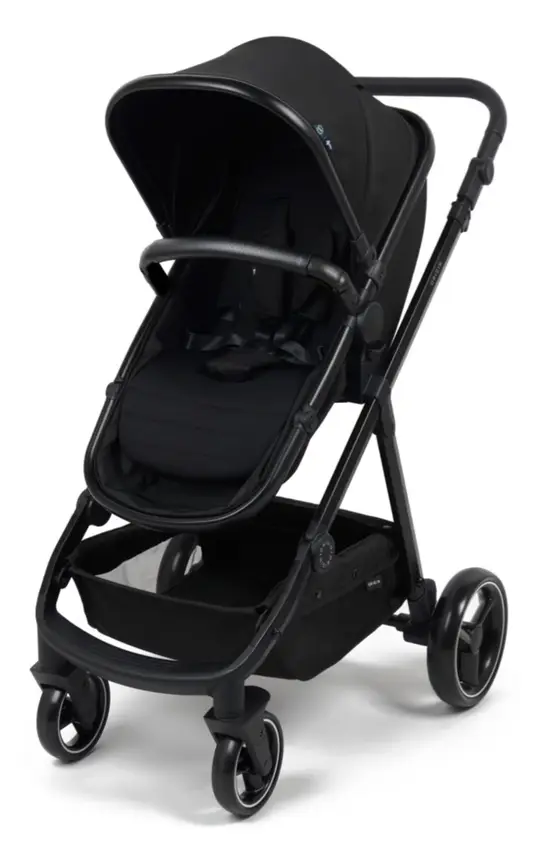
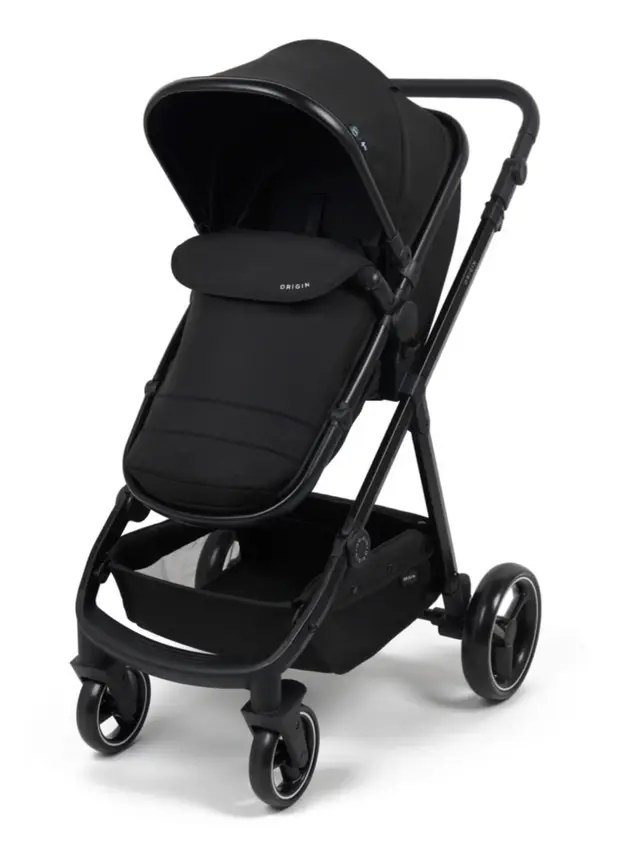
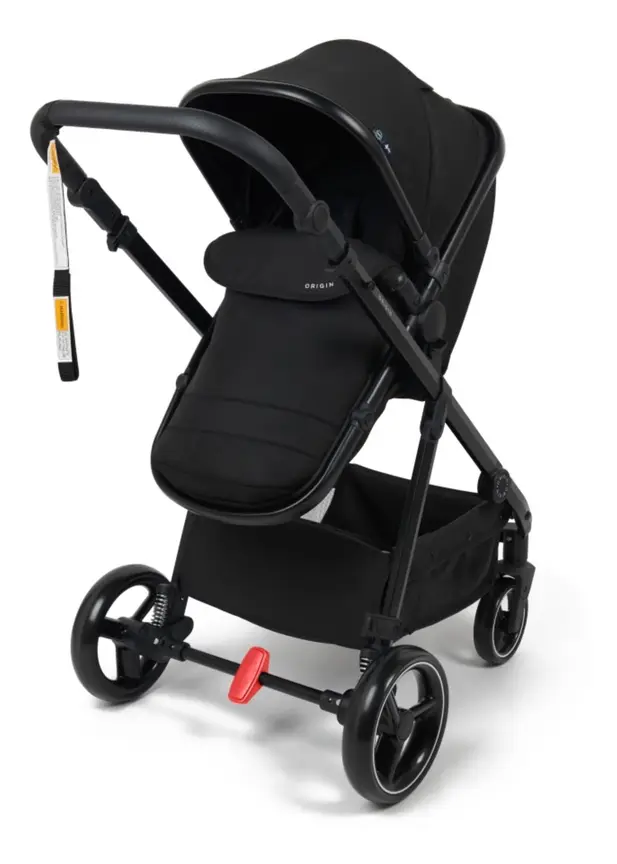
4baby Origin Stroller
A budget pram whose seat turns into a bassinet. The seat can face you or face the world.
Read our full review →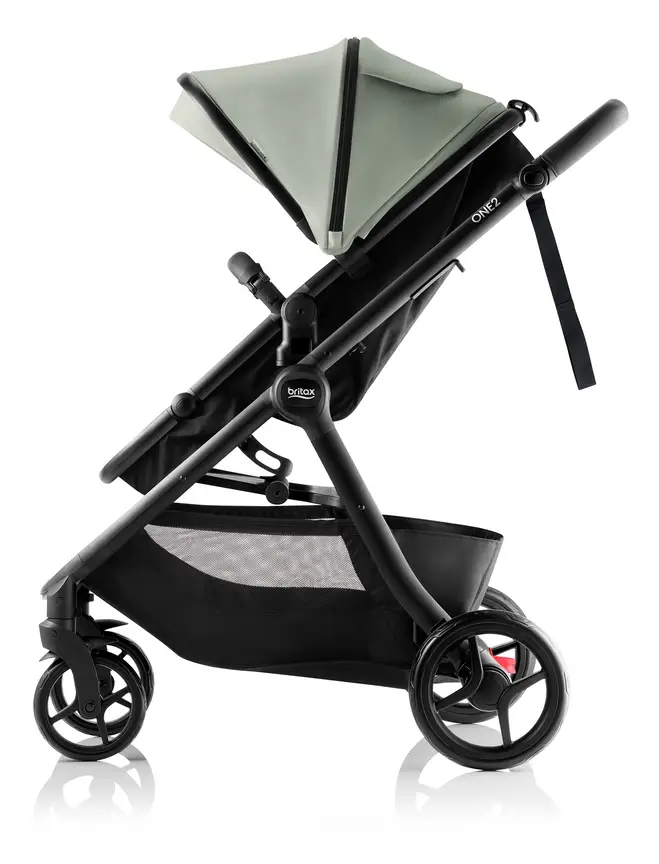
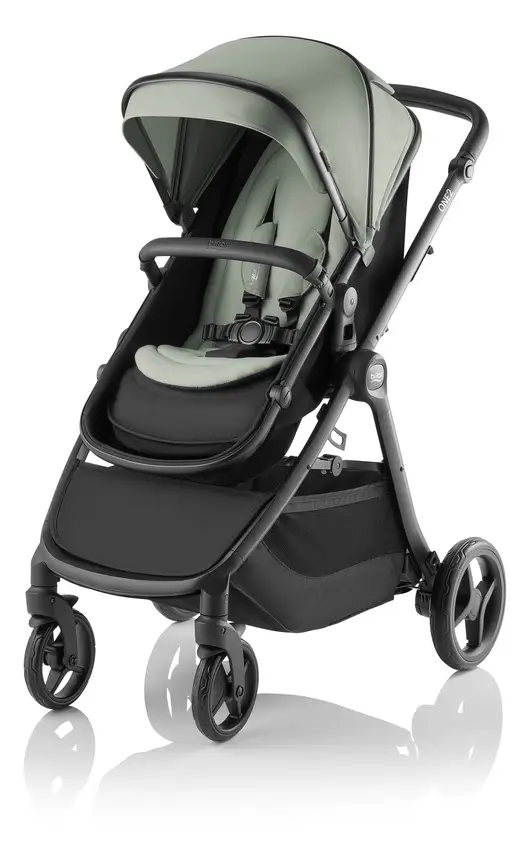


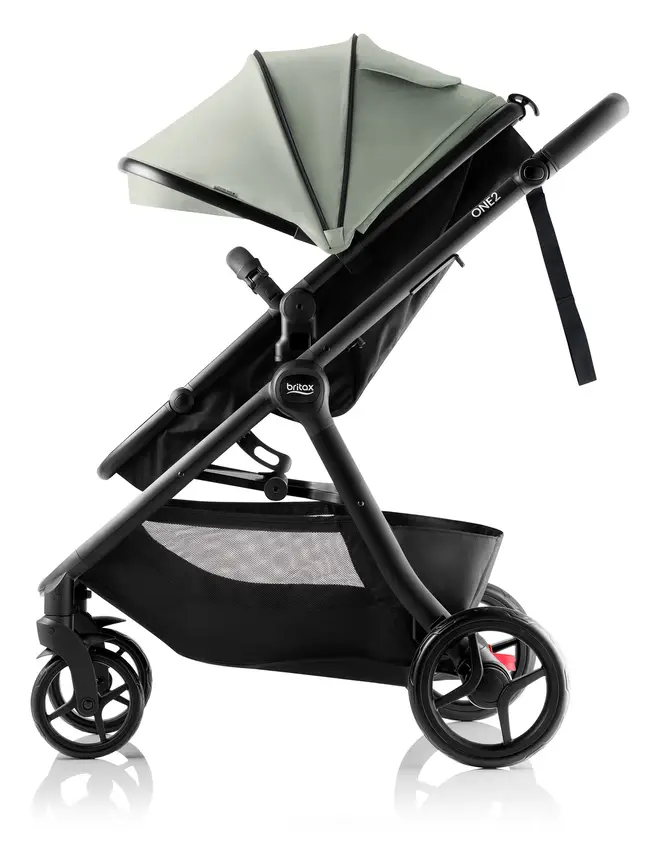


Britax One2
A pram that starts as a single and can take a second child. The seat turns into a lie-flat bassinet.
Read our full review →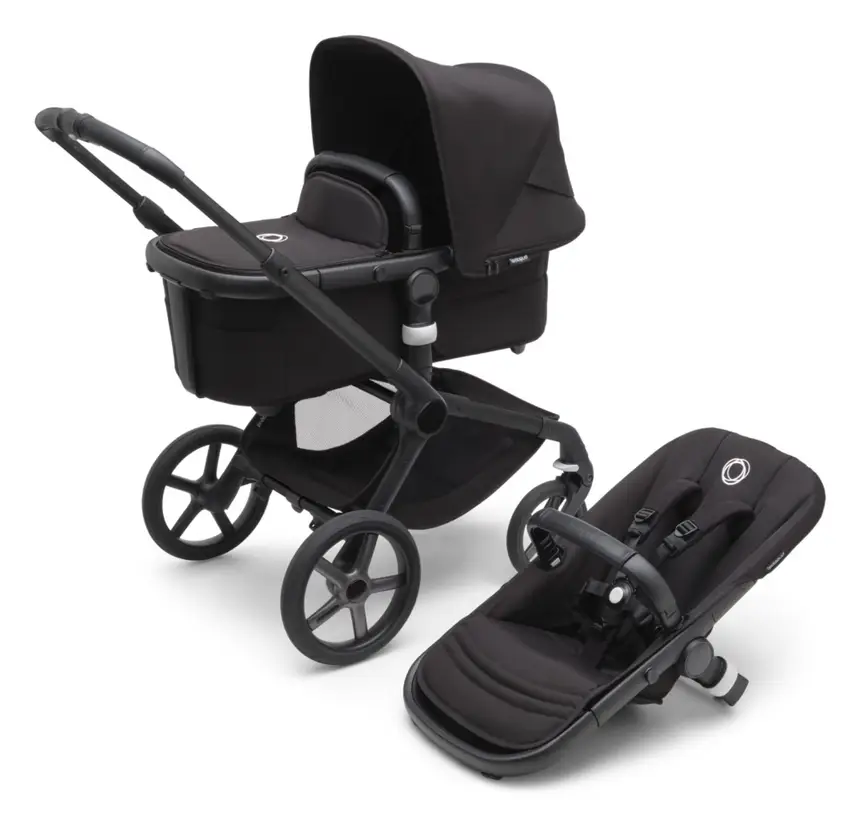 Reviewed
Bugaboo Fox 5
Bugaboo's flagship all-terrain pram: big-wheel suspension ride, one-piece fold, bassinet from birth and a seat rated to 22 kg.
Read our full review →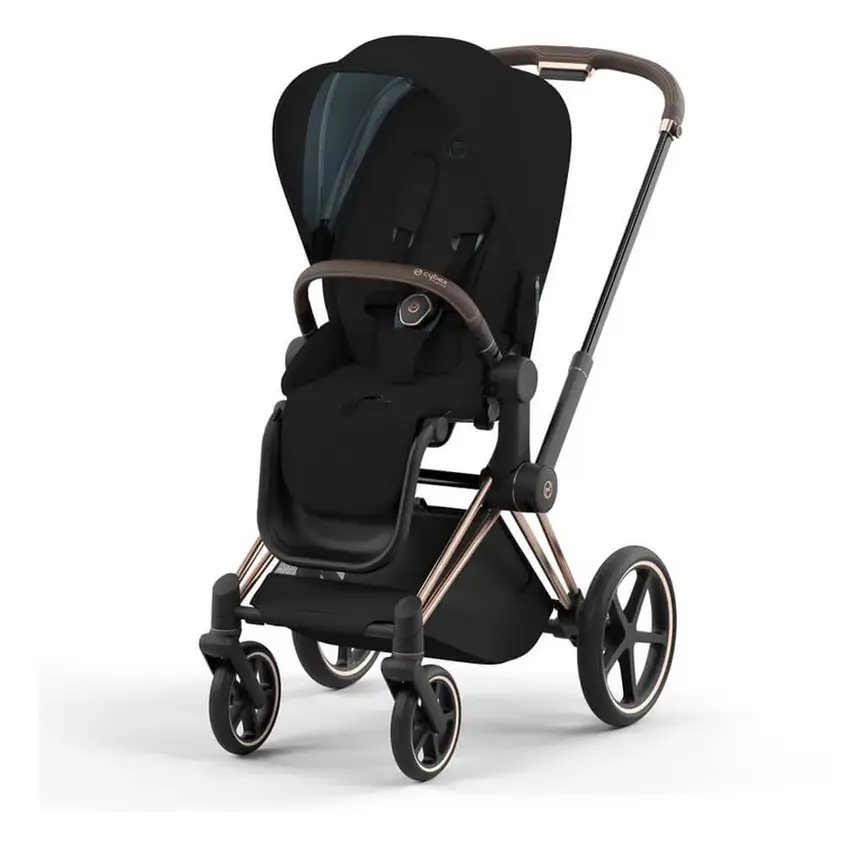
Cybex Priam
Fashion-forward luxury pram with interchangeable seat/bassinet units and an all-terrain option.
Check stroller and bassinet compatibility
Compatibility is the first practical check. A bassinet that looks as if it fits may not lock securely. A similar name or brand is not enough. Stroller frames can change between model years.
- Find the full stroller name, model and year on its label or manual.
- Find the full bassinet name and its model number.
- Use the stroller maker's current compatibility list.
- Check whether the maker requires specific adapters.
- Confirm whether the adapters come with the bassinet or cost extra.
- Check whether another seat or basket must be removed first.
- Ask the maker if the product is second-hand or its label is missing.
- Do not use a homemade, altered or unapproved adapter.
After fitting the bassinet, follow the maker's lock check. Tug gently where the instructions say to check. Look for each side to engage. If the bassinet rocks, slips or does not click into place, stop using it until the maker gives clear advice.
Do not force a part into place. Do not file, bend or tape a connector. Do not add a strap to hold the bassinet on. These changes can weaken the fit or hide a fault.
What to check before buying
Age, weight and movement limits
Read the age and weight limits on the bassinet and stroller. Also check what the maker says about development. Some products must stop being used when a baby can push up, roll or sit. The exact rule varies. Follow the instructions for your model.
Age alone is not enough. Babies reach movement stages at different times. Stop using the bassinet when any listed limit is reached. If the baby has outgrown it, switch to a suitable stroller seat that the maker approves.
Sleep surface and fit
Check that the mattress is the one made for that bassinet. It should sit flat and fit the space. Do not add a pillow, extra mattress, padding or folded blanket. These can change how the baby lies or create a hazard.
Check the fabric and seams for tears. Look at the mattress cover and any fasteners. A broken zip or loose part can create a problem. Ask the maker about replacement parts. Do not repair a structural part with household tape or glue.
Harness and restraint instructions
Some bassinets use a restraint. Others do not. Follow the exact instructions. If the manual tells you to use a harness, use it every time. Do not add a harness to a bassinet that was not made for one.
Check that straps are not twisted or damaged. They should fit as the manual shows. Keep straps away from the baby's face and neck. Never leave a baby unattended in a stroller.
Hood, mesh and airflow
A hood can shade a baby, but it must not block airflow or your view. Use only the hood and covers made for that bassinet. Do not drape a blanket or muslin over the opening. It can trap heat and make it harder to see the baby.
Check that any mesh panels are not torn or blocked. Follow the maker's advice about rain covers. Remove a rain cover indoors and whenever the maker says to remove it. A cover can reduce airflow and raise heat inside.
Cleaning and daily handling
Check how the cover comes off and how it can be washed. Some fabrics need gentle washing or spot cleaning. Follow the care label. Let parts dry fully before use.
Try fitting and removing the unit before your first outing. Practise with no baby inside. Check how it folds, where the adapters go and whether the bassinet fits your car boot. A product that is hard to handle can be a poor match for daily life.
Safety during walks and naps
Use the bassinet only for the purpose stated in its manual. Keep a hand on the stroller when it is in use. Use its brake whenever you stop. Do not leave a baby alone on a slope or near traffic, stairs or water.
Keep the baby in view. Check their face, breathing, temperature and position often. Do not cover the opening with cloth. Dress the baby for the weather and avoid overheating. Follow local health advice on sun and heat protection.
Keep the bassinet clear. Do not add pillows, loose blankets, stuffed toys or positioners. If the baby needs warmth, use clothing or a wearable layer that is suitable for the conditions. Ask a health professional if you are unsure what the baby should wear.
A stroller walk is not the same as a planned sleep at home. Red Nose says to move a sleeping baby from a car seat to a safe sleep surface after travel. Follow the bassinet maker's specific sleep instructions. At home, use a cot or bassinet designed and approved for sleep, with a firm, flat surface and clear space around the baby.
Age stages: from newborn to sitting
Newborn stage
In the newborn stage, a baby may need a flat position for travel in a stroller. Check whether the bassinet is suitable from birth. Read any limits on the length of use and the baby's size.
Newborns need close watching. Their heads and bodies should stay in the position shown by the maker. Stop and check the baby if their face is covered, their chin rests against their chest, or they seem too hot or unsettled.
Growing and starting to move
As a baby grows, they may begin to roll, push up or reach the bassinet's limits. This can happen before the age printed in a general guide. Check the baby and the instructions often.
Once the baby reaches a limit, move to the next approved option. Do not keep using the bassinet because it still looks roomy. Do not put extra supports inside to stop movement.
When a stroller seat may be right
A stroller seat may be suitable once the baby meets the seat's age and movement guidance. Some seats recline; others do not. Use only the positions approved for your baby's stage.
Check that the harness is adjusted as the maker explains. Do not add a head support or liner unless it is approved for that exact stroller. Aftermarket cushions can change the harness fit.
Side by side: more prams & strollers to compare
Real products from our catalogue. We don't show star ratings or review counts; check the current price, stock and reviews on Amazon before you buy.

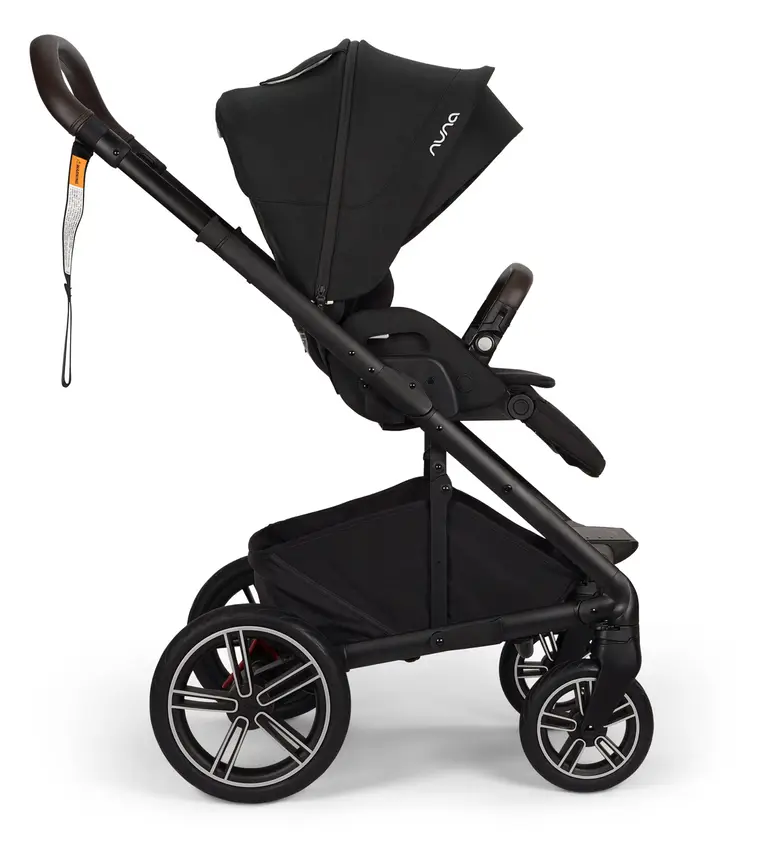
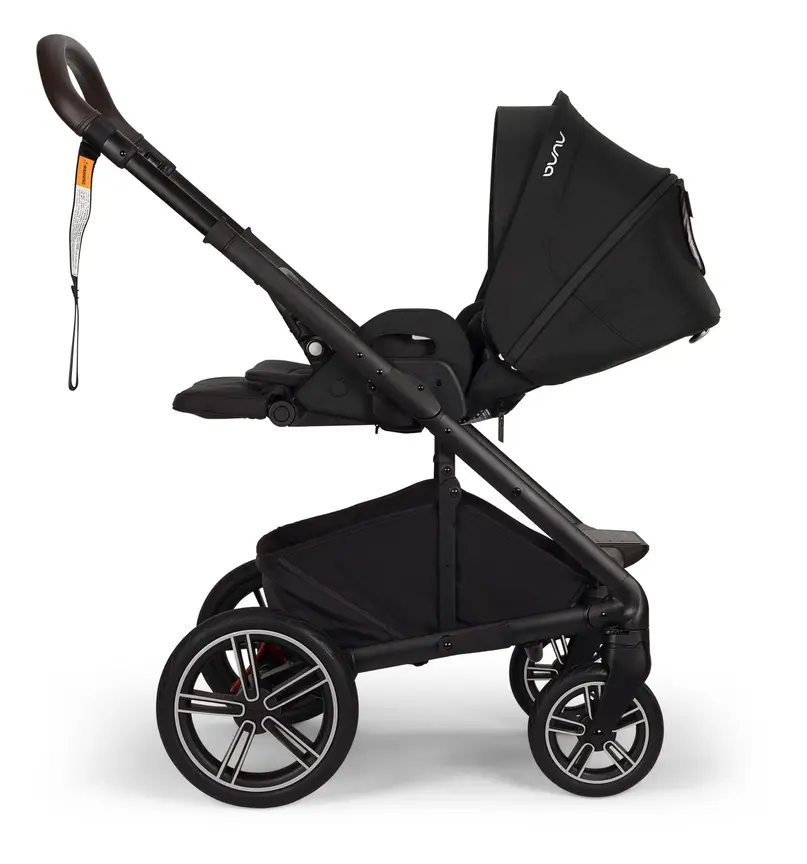
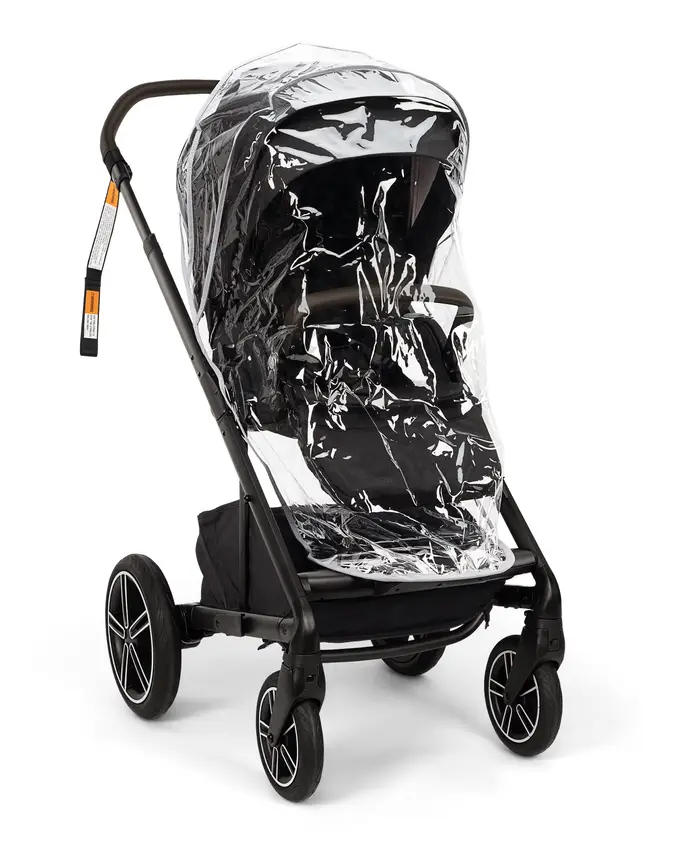

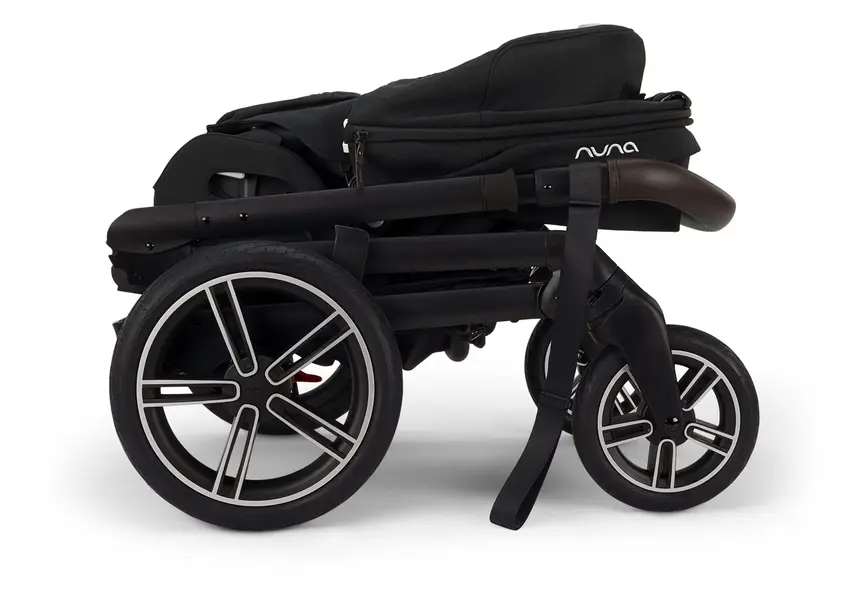

Nuna MIXX Next
A full-size pram with four ways to ride: capsule, bassinet, parent-facing seat or world-facing seat.
Read our full review →
Baby Jogger City Mini GT2
Long-running, lighter all-terrain stroller with a famously simple one-hand strap fold.
 Reviewed
Baby Jogger City Tour 2
A 6.5 kg stroller with a near-flat recline. It folds small and comes with a carry bag.
Read our full review →
Safety standards and official advice by country
Product rules differ by country. A label from one market may not show that the item meets another market's rules. Check the product's intended market, its instructions and any local recall notice.
| Country | Official bodies to know | Useful check |
|---|---|---|
| Australia | Product Safety Australia and the ACCC; Red Nose for safe sleep advice. | Read the pram and stroller safety guidance. Search Product Safety Australia's recall list. |
| United Kingdom | Office for Product Safety and Standards; The Lullaby Trust for safer sleep advice. | Check current product safety advice and follow the maker's instructions. |
| United States | U.S. Consumer Product Safety Commission; American Academy of Pediatrics through HealthyChildren.org. | Check CPSC recalls and safe sleep advice. Use the exact product as directed. |
| Canada | Health Canada; Canadian Paediatric Society through Caring for Kids. | Check recalls and product safety alerts. Follow Canadian safe sleep guidance. |
Australia's Product Safety Australia page gives advice for prams and strollers. The UK, US and Canada also publish product and child safety guidance. These sources do not approve every model. They help families check risks and recalls.
Do not rely on a claim such as “certified” without a clear name and proof. The ACCC is a regulator, not a general product certification stamp. Ask what body checked the product and what rule it checked. If the seller cannot explain, choose a product with clearer information.
Second-hand bassinets and recalls
A second-hand bassinet may save money, but it needs careful checks. Find the manual online from the maker. Confirm the model and the parts. Check for a recall in the country where you will use it.
- Look for cracks, bent parts, worn fabric and loose stitching.
- Check that every lock and adapter is present and works.
- Make sure the mattress is the correct one for that model.
- Check for changes, repairs or missing labels.
- Ask whether the product has been in a crash, fall or serious impact.
- Check recalls with the relevant safety body.
Do not use a product if you cannot identify it or confirm its parts. Do not rely only on a seller's memory. If a recalled product needs a repair or replacement, follow the official recall notice.
Common mistakes to avoid
- Buying by brand alone. Check the exact stroller and bassinet models.
- Assuming every bassinet is a sleep space. Read its intended use and sleep guidance.
- Using it in a car. A stroller bassinet is not a car seat.
- Adding soft items. Keep pillows, toys and loose bedding out.
- Covering the opening. Keep airflow and your view clear.
- Ignoring movement limits. Stop when the baby reaches any stated limit.
- Using an unapproved adapter. Use only parts listed by the maker.
- Leaving the baby alone. Stay close and keep the stroller under control.
- Assuming an old product is safe. Check its condition, parts and recalls.
Frequently asked questions
Can my newborn sleep in a stroller bassinet?
Check the exact bassinet manual. Some are made for sleep in stated settings. Others are intended for walks only. Do not assume that a flat shape makes a product safe for every sleep. At home, use a sleep space that follows your local health guidance.
Can I use a stroller bassinet in the car?
No, unless it is specifically made and approved as a car restraint, with clear instructions for that use. A regular stroller bassinet is not a car seat. Use a suitable, correctly fitted car seat for car travel.
How long can my baby use the bassinet?
Use it only until the first limit in the manual. Limits may include age, weight or a movement stage. Check the label and instructions. Stop as soon as your baby reaches any stated limit.
Can I put a blanket or toy inside?
Keep the bassinet clear of loose blankets, pillows and toys. They can cover a baby's face. Use clothing or an appropriate wearable layer for warmth, following health advice.
Does every stroller take a bassinet attachment?
No. Compatibility depends on the exact frame, model year and adapters. Check the stroller maker's list. Do not force a part to fit or use a homemade connector.
Is a bassinet attachment the same as a carrycot?
The words are sometimes used for similar products. The product's intended use matters more than its name. Check its label and manual for fitting, carrying and sleep instructions.
Can I cover the bassinet with a muslin cloth for shade?
Do not drape cloth over the opening. It can reduce airflow and hide the baby from view. Use the hood or shade made for the stroller, and follow the maker's advice.
What should I do if the bassinet does not lock?
Do not use it. Remove the baby, if present, and check the instructions. Confirm the right adapter and frame. Contact the maker if the lock still fails. Never tie or tape it in place.
More options, from budget to premium
Real products from our catalogue. We don't show star ratings or review counts; check the current price, stock and reviews on Amazon before you buy.
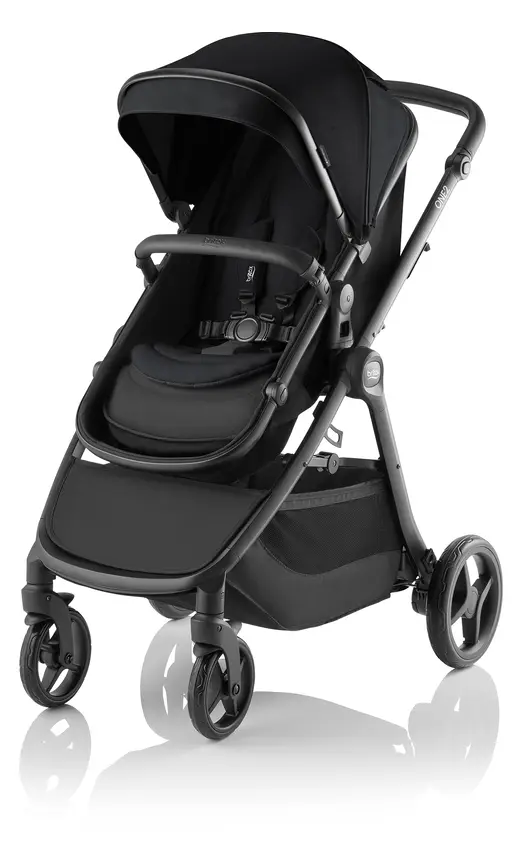
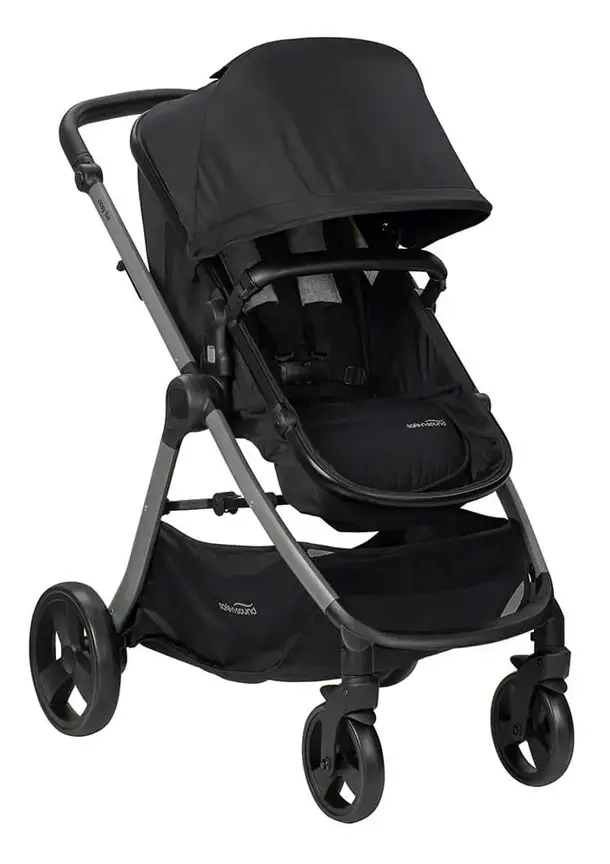

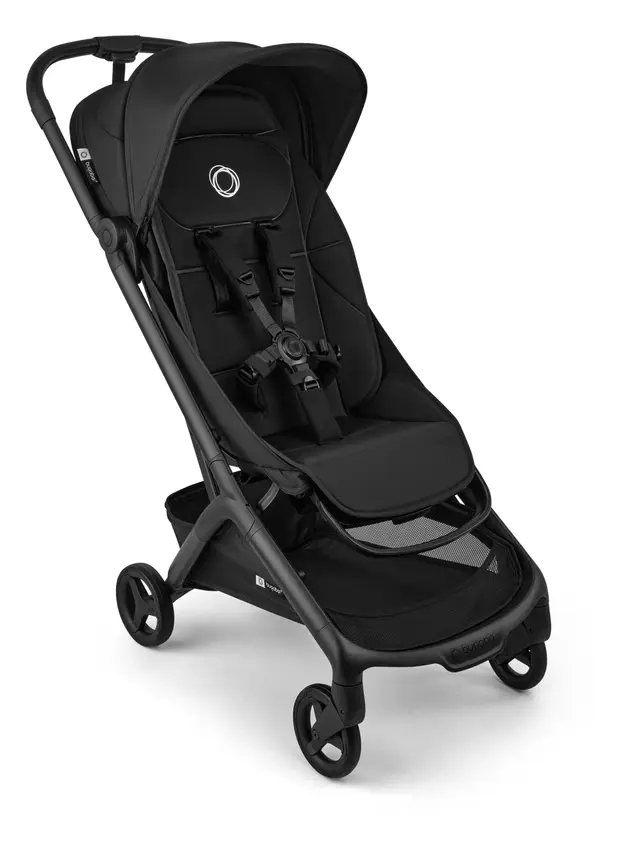
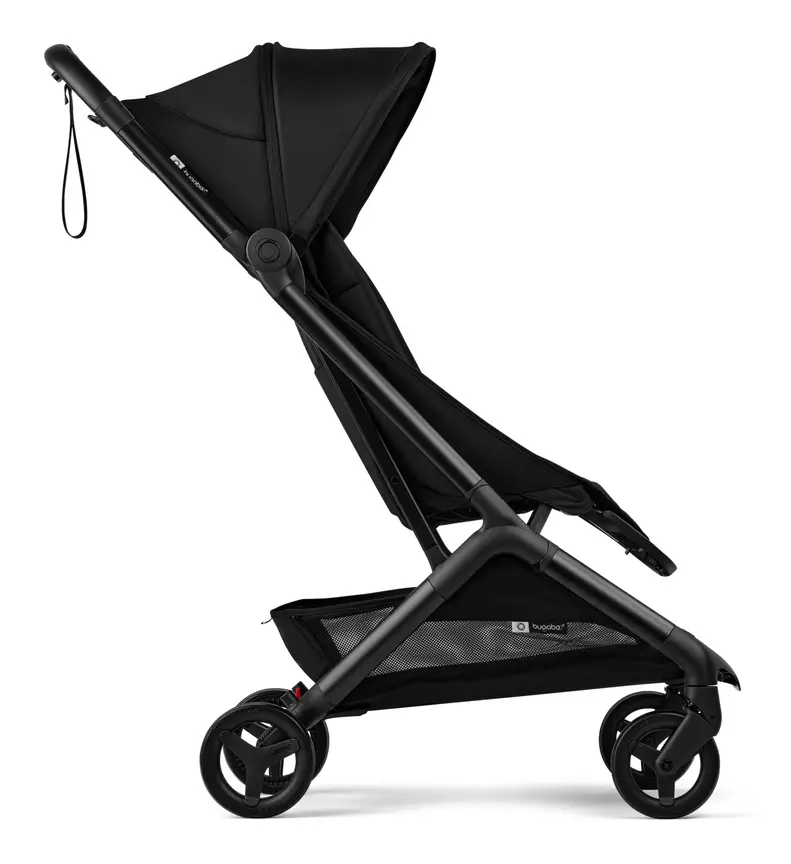


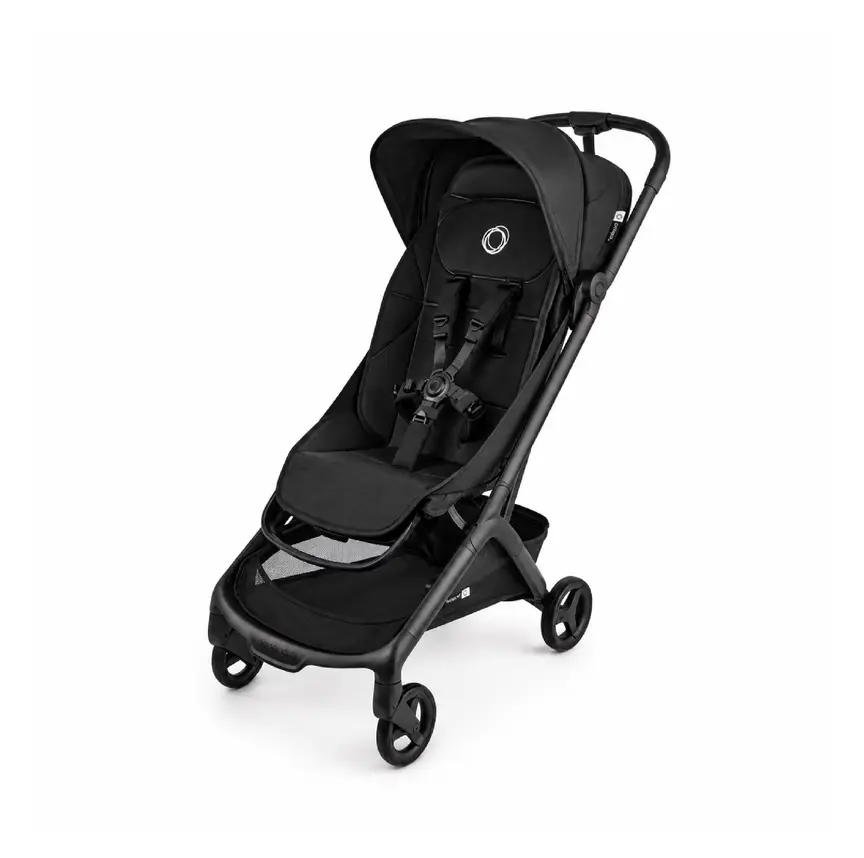
Bugaboo Butterfly
Bugaboo's cabin-friendly compact stroller with a one-second fold — the travel partner to a Fox, not a replacement for it.
Sources and further guidance
- Australia: Product Safety Australia, Prams and strollers guide.
- Australia: Product Safety Australia, Recalls.
- UK: Office for Product Safety and Standards.
- UK: The Lullaby Trust, Sleeping products.
- US: CPSC, Safe sleep for babies.
- Canada: Health Canada, Recalls and safety alerts.
- Canada: Canadian Paediatric Society, Safe sleep for babies.
This article shares general information. It is not medical advice. Follow the product manual and ask a health professional about your baby's needs.
Liability disclaimer: BabyGearFinder takes care to provide useful information, but product designs and guidance can change. Check current instructions, recalls and local advice before use. You are responsible for choosing and using products safely.
Affiliate disclaimer: BabyGearFinder may earn a commission if you buy through some links. This does not change the price you pay.
Sources
- Product Safety Australia – Prams and strollers guide
- Product Safety Australia – Recalls
- UK Office for Product Safety and Standards
- The Lullaby Trust (UK) – Sleeping products
- CPSC (US) – Safe sleep: cribs and infant products
- Health Canada – Recalls and safety alerts
- Caring for Kids (Canadian Paediatric Society) – Safe sleep for babies
Related guides
More Prams & Strollers →
Bassinet Strollers: What They Are, How They Help New Parents, and How to Use One Safely

Lightweight Prams and Strollers: How to Choose One That Steers Easily
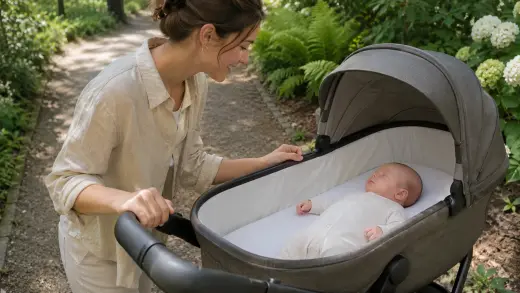
Bassinet Strollers for Newborns: Benefits, Safety Rules, and When to Switch
