Stroller Folding Mechanisms: One-Hand Folds and Two-Step Latches
Compare one-hand stroller folds and two-step latches. Learn what to check, how to fold safely, and which design suits your daily trips.
On this page
- What the folding terms mean
- How to compare the mechanisms
- Side-by-side comparison
- How to test a stroller in a shop
- Match the fold to your daily routine
- Age stages and stroller use
- Safety checks for folding and opening
- Cleaning and care around the folding joints
- Buying new or second-hand
- Safety guidance in Australia, the UK, the US and Canada
- Common mistakes
- Frequently asked questions
- Sources
- Sources
Short answer: A one-hand fold can be handy when you are carrying a child or a bag. A two-step latch may feel clearer when it has a separate lock. Neither name proves that a stroller is safer or easier. Try the exact model before buying. Check its instructions, folding lock, weight, folded size, and lifting points. Keep your child away from the frame while it moves. Always confirm that the frame locks open before placing your child inside.
A stroller fold is the way its frame closes for storage or travel. Makers use different designs. Some use a handle, button, strap, pedal, or latch. “Gravity fold” is not one standard design. It can describe a frame that folds down under its own weight after a release. The exact movement differs between models.
This guide compares folding styles. It does not rank brands. It does not claim that a certain design prevents injury. A good choice depends on your body, your child, your storage space, and the places you go.
What the folding terms mean
A one-hand fold is a claim about how many hands the maker expects you to use. The release may sit on the handle, seat, frame, or a strap. Some strollers need one hand for the release and another to guide the frame. A label alone cannot tell you how it feels in real use.
A two-step compact latch usually means you release one part, then move or lock another part. That may give you a clear sequence. It can also take more time or require both hands. The term “compact” usually refers to the folded shape. It does not guarantee that the stroller is light or easy to lift.
A gravity fold often uses the frame’s movement to help it close after a release. It may fold quickly on a level floor. You still need to control the frame. Do not let it fall or swing toward a child, another person, or a car.
These terms are not safety standards. They are descriptions used by sellers and makers. Look at the instruction manual and try the exact stroller. The same words can describe different actions.
How to compare the mechanisms
Start with the steps you will repeat. Think about where you will fold the stroller. You may use it beside a car, on a train platform, at home, or in a busy shop. The best design is the one you can control in those places.
- Count the actions. Note what you press, pull, lift, or turn. Check whether the seat or accessories must come off first.
- Check hand use. See whether one hand can release and guide the frame. Do not assume you can hold a child safely while folding.
- Check the lock. Look for a clear sign that the stroller is open and locked. Read how to confirm it.
- Check the folded shape. Measure the space where you plan to store it. Include the wheels and handle.
- Check the carry points. Find where your hands should go. Avoid lifting by a loose strap or a moving part.
- Check the weight. Lift it only if it is safe to do so in the shop. Ask staff to show the method.
- Check the setting. Try the fold on a level surface with the brake set, as the manual directs.
- Check access. See whether a folded frame stays closed while you carry or store it.
Test the stroller without a child in it. Keep fingers clear of joints and hinges. Ask a shop worker to demonstrate if the steps are unclear. Read the manual before your first outing.
Side-by-side comparison
| Point to compare | One-hand style | Two-step latch style |
|---|---|---|
| Basic action | Often uses one main release or pull. The frame may need guiding. | Usually has two distinct actions. Follow the stated order. |
| Hands needed in practice | May be possible with one hand, but the frame may still need support. | May need both hands, depending on the release and frame. |
| Learning the steps | Can feel quick after practice. The release may be hard to find at first. | The separate steps may be easy to remember. The sequence can vary. |
| Control while closing | Some frames close quickly. Keep a firm hold and guide the moving parts. | Separate actions may let you pause between steps. Do not force a latch. |
| Finger safety | Keep hands away from hinges and folding joints throughout the movement. | Keep fingers clear during both actions. Check the manual for hand positions. |
| Open-frame check | Confirm the frame has fully opened and the lock has engaged. | Confirm the frame has fully opened and the lock has engaged. |
| Carry and storage | Fold style does not tell you the weight or folded dimensions. | A compact label does not tell you the weight or folded dimensions. |
| Best way to judge | Try the real model, then repeat the steps at a comfortable pace. | Try the real model, then repeat the steps at a comfortable pace. |
The table shows common trade-offs, not rules for every stroller. A one-hand mechanism can still need careful control. A two-step mechanism can still be simple. Frame shape, release position, your reach, and the instructions all matter.
Prams & Strollers worth a look
Real products from our catalogue. We don't show star ratings or review counts; check the current price, stock and reviews on Amazon before you buy.


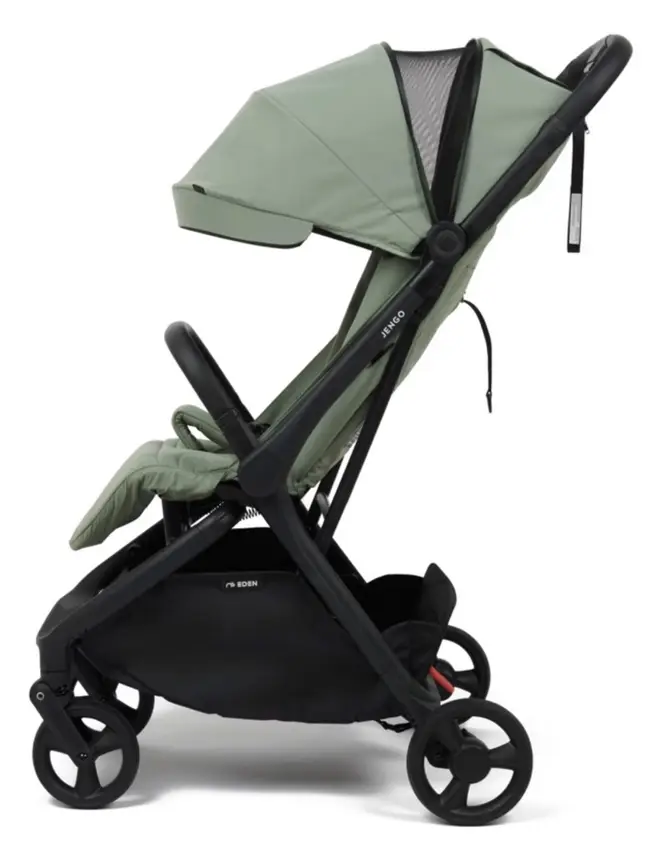
Jengo Eden Compact Stroller
A budget compact stroller from birth to 22 kg. It folds with one hand and has a big basket.
Read our full review →
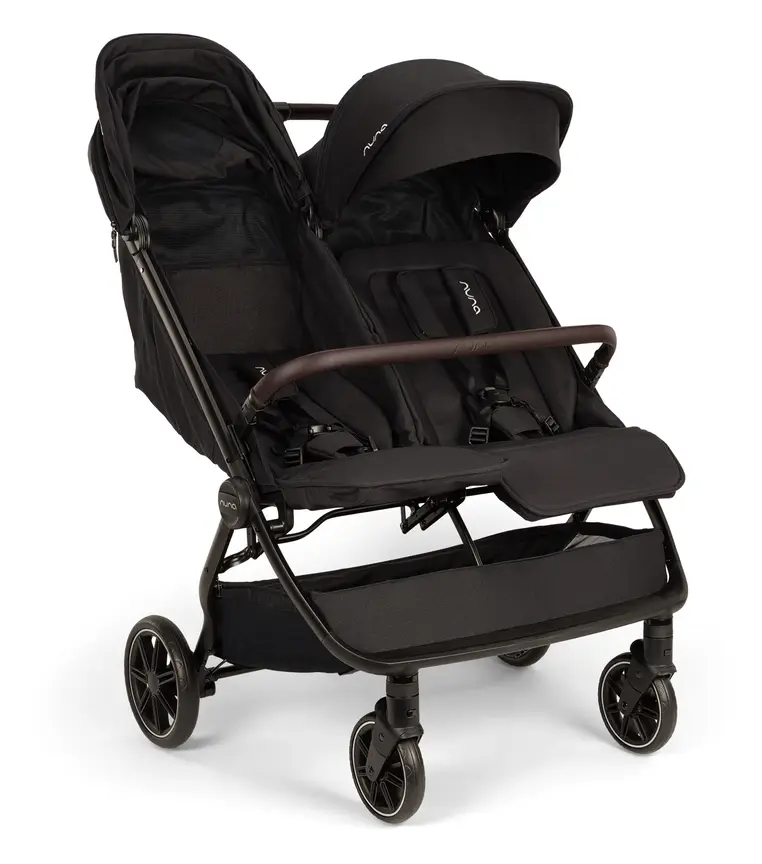
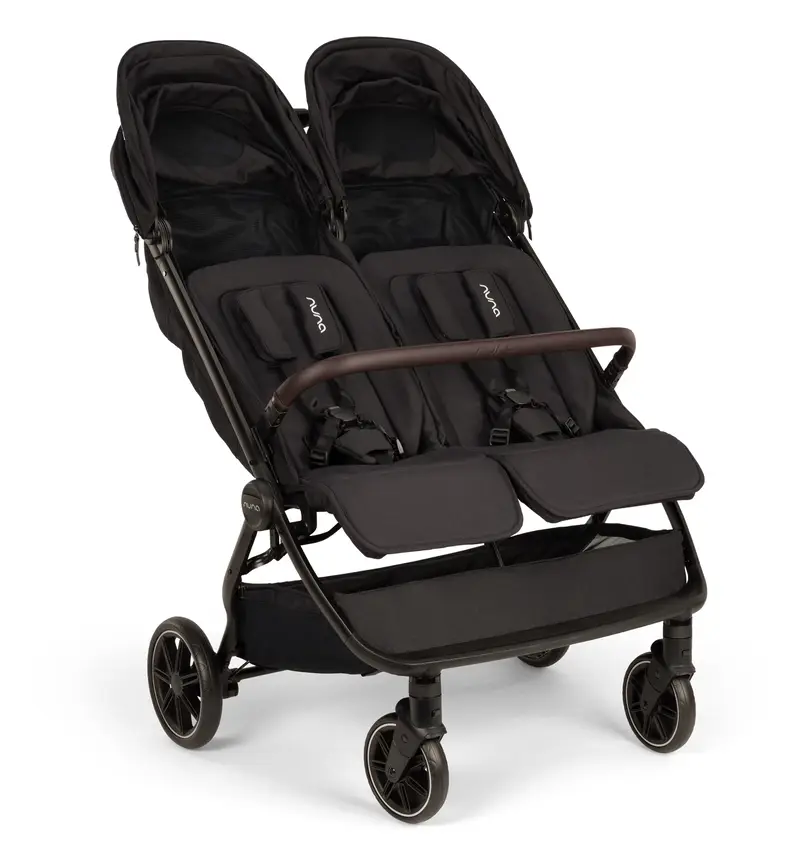
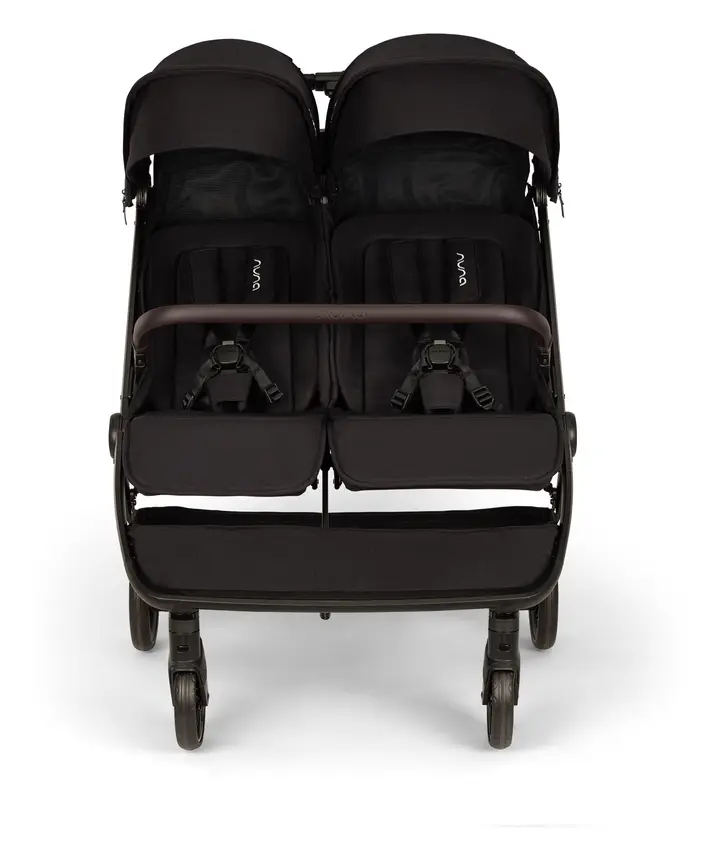
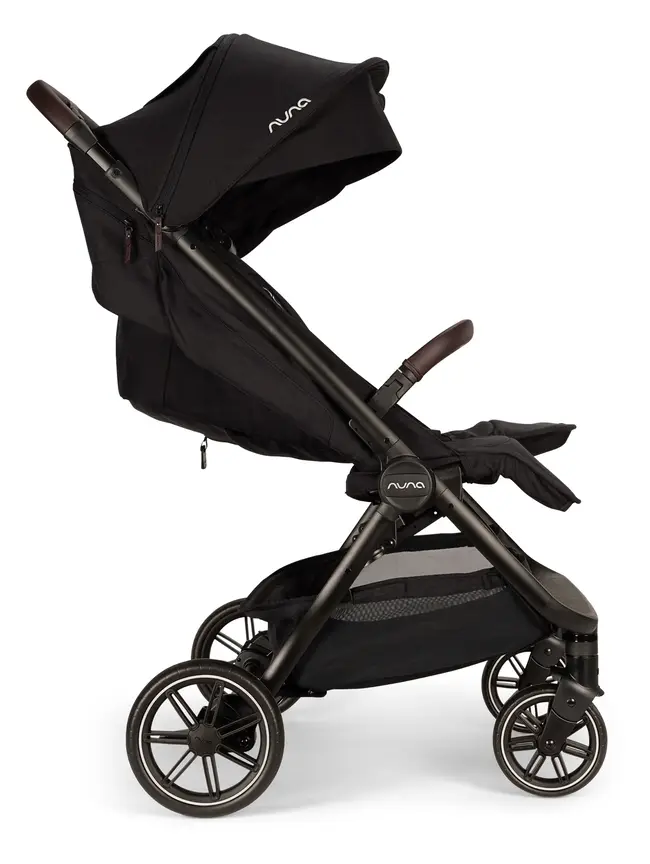
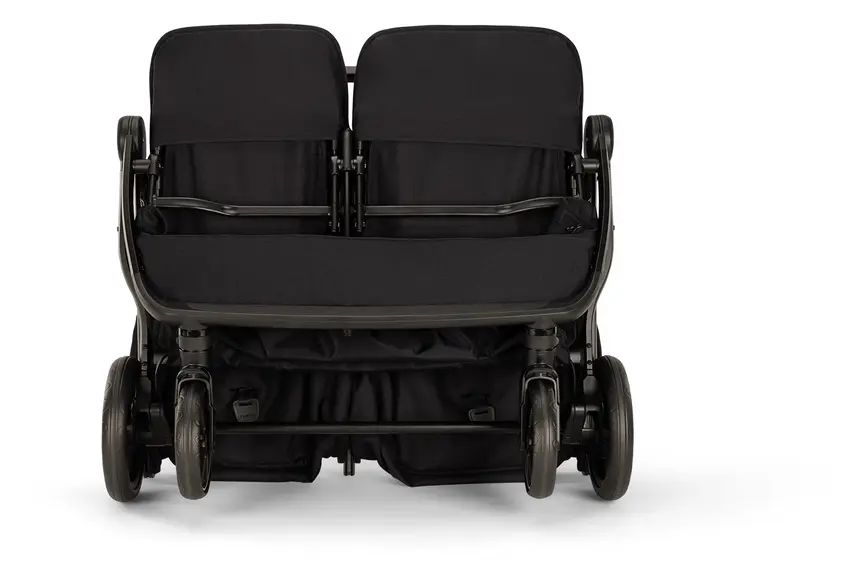
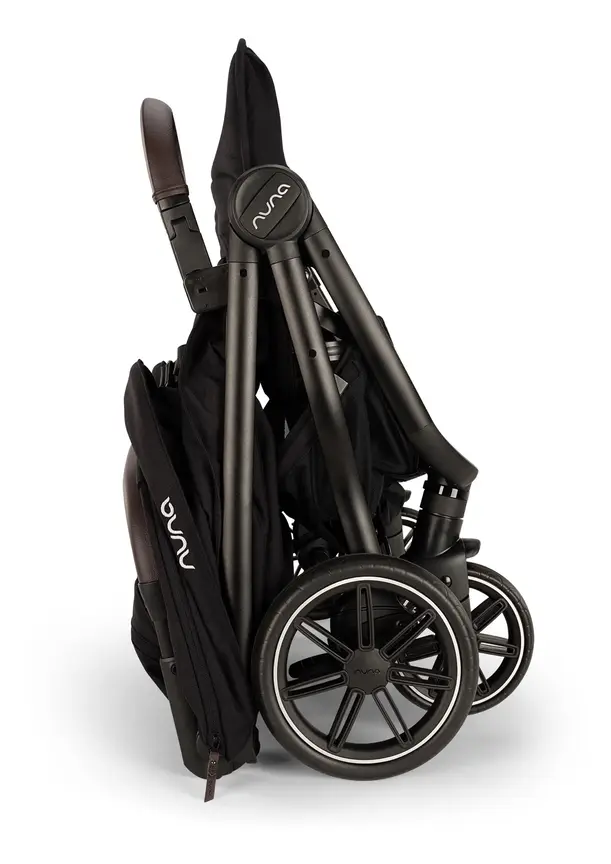
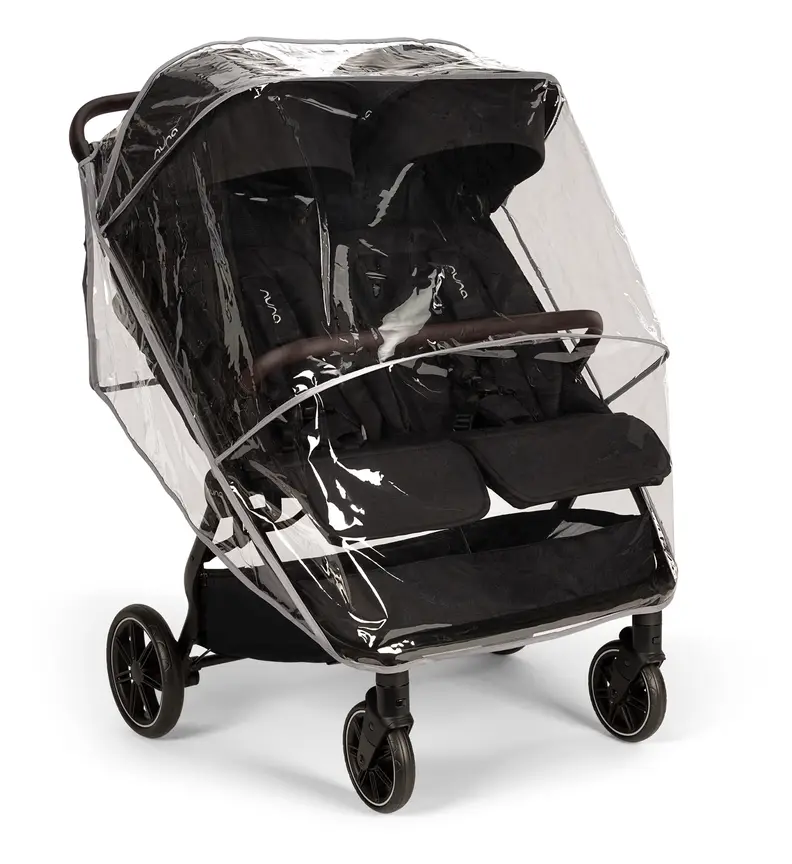
Nuna TRVL Dubl
A side-by-side double that folds with one hand and stands up. Each seat holds up to 22.7 kg.
Read our full review →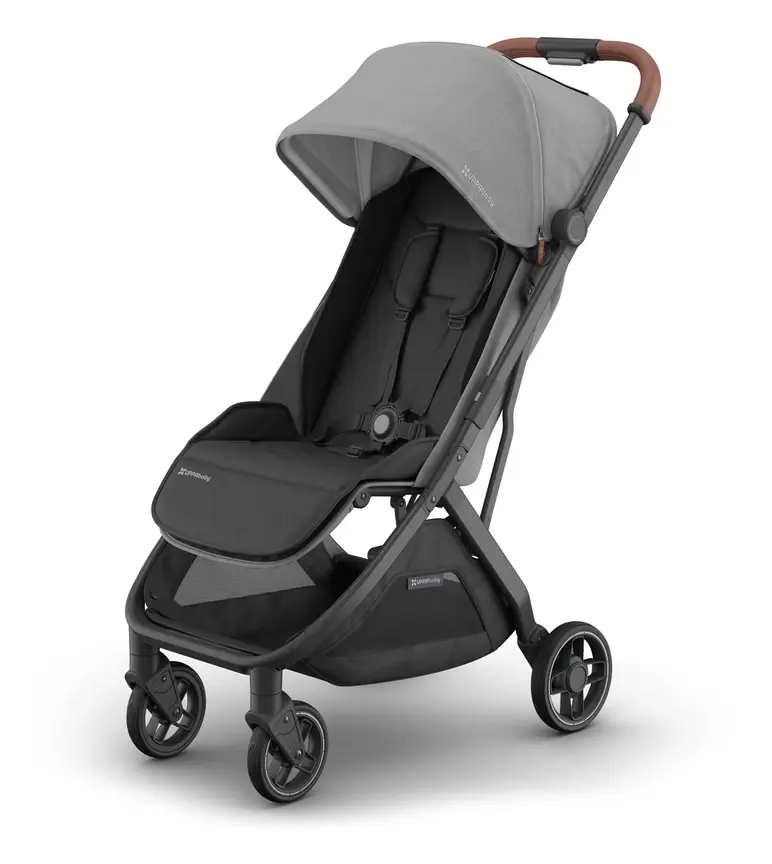


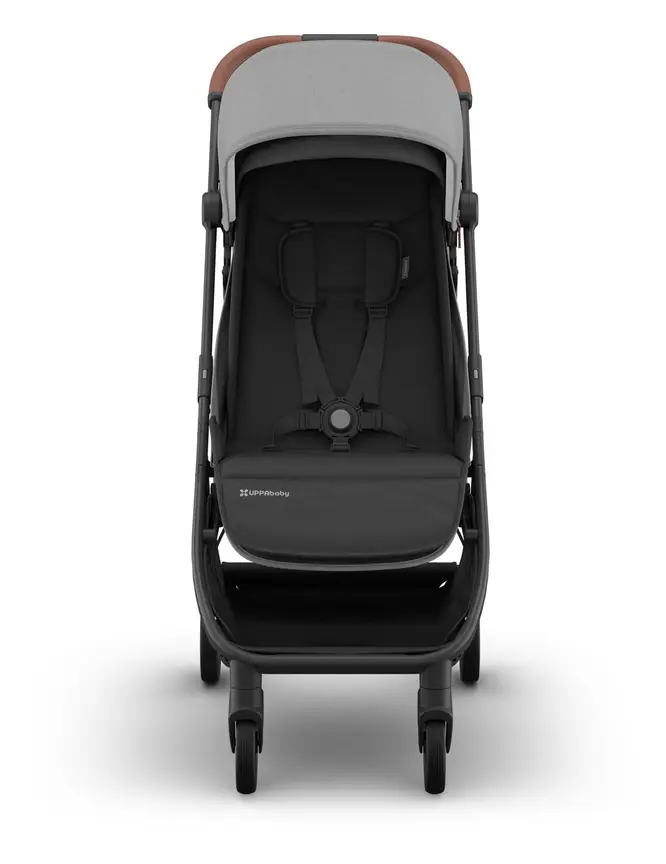


UPPAbaby Minu V3
A slim travel stroller that folds with one hand, stands on its own and is sized for plane overhead lockers.
Read our full review →
Baby Jogger City Mini GT2
Long-running, lighter all-terrain stroller with a famously simple one-hand strap fold.
How to test a stroller in a shop
Ask to try the model on a clear, level area. Do not practise near stairs, traffic, or other customers. Keep children away from the moving frame. Follow the maker’s steps, or ask staff to show them first.
- Set it up. Check that the wheels are in place and the frame is stable. Use the brake as directed.
- Find the release. Look for the button, strap, pedal, or latch. Ask what each part does.
- Fold it slowly. Keep your fingers away from joints. Watch how the frame moves.
- Check the closed lock. If the design has a transport lock, confirm how it engages.
- Lift only as shown. Ask where to hold the stroller. Do not lift it by the handle unless the manual allows that.
- Open it again. Follow the manual. Check that every lock is engaged before using the seat.
- Repeat the sequence. Try it more than once. Notice whether you can find each release without rushing.
Do not judge only by speed. You should be able to control the stroller without straining or guessing. If the action feels awkward, ask whether another model has a better release position. A staff demonstration does not replace reading the instructions at home.
Match the fold to your daily routine
Think about the trip from the pavement to storage. A stroller that folds easily in a shop may be harder to place in your car. Your own routine is the useful test.
For car trips
Measure the boot opening and the space inside. A folded stroller may fit through the opening but still take too much room. Check whether you must remove the wheels or seat. Include the shopping bags or other items you carry.
Practise loading an empty stroller. Keep the child safely out of the way. Do not put a child in a car seat or stroller while you manage a heavy frame. Secure loose parts so they do not move around during travel.
For public transport
Consider whether you can fold and carry the stroller without blocking a path. Check local transport rules before travelling. Operators may have limits or give priority to wheelchair access. A quick fold does not guarantee that a stroller is allowed on every service.
Keep your child close and under control during the change. If the stroller must be folded, use a safe place away from doors and platform edges. Ask another adult for help if the process is difficult.
For stairs and small homes
Stairs can make a heavy stroller difficult to manage. Do not carry a child in one arm and a stroller in the other if that feels unsafe. Use a lift or ramp when available. If you must carry the stroller, follow its manual and ask for help when needed.
Measure the storage space before buying. Check the folded height, width, and depth. Think about whether you can store it without blocking an exit or walkway. A small folded shape helps only if you can lift and place it safely.
For frequent folding
Repeated use makes simple steps valuable. Pick a mechanism you can remember and control. Check that the release works smoothly on the display model. Do not assume a stiff latch will become safe after use. Ask the seller or maker about care and service.
Age stages and stroller use
The fold mechanism does not decide when a baby can use a stroller. The seat, recline, support, and maker’s age and weight guidance matter. Check the manual for your exact model and configuration.
Newborn stage
Some strollers are approved for use from birth. Others need a separate bassinet or a compatible infant seat. Check that the maker lists your attachment as suitable for your child’s age and size. Do not add an unapproved cushion or head support.
A stroller seat is not a cot. If your baby falls asleep while travelling, follow local safe-sleep guidance. Check your baby often and move them to a firm, flat sleep space when practical. Red Nose Australia warns about risks when infants sleep in car seats. A stroller seat also should not be treated as a regular sleep space.
When your child gains head and body control
Use the seat settings stated in the manual. Keep the harness fastened as directed. Do not let a child stand on the seat or climb into the stroller alone. Stay close when the stroller is parked.
For toddlers
Check the maximum weight and any age guidance. These limits vary by model. A child may still need the harness even when they can sit steadily. Keep hands and feet clear while folding or unfolding the frame.
Do not let a child play with the folding latch. Store the stroller where a child cannot pull it down. Teach older children to stand back while an adult folds it.
Safety checks for folding and opening
Prams and strollers can have risks around moving parts, stability, brakes, and restraints. The fold is only one part of safe use. Product Safety Australia gives advice on choosing and using prams and strollers. It also lists Australia’s mandatory product safety requirements.
- Read the manual before use. Keep it where caregivers can find it.
- Check the frame, wheels, hinges, and locks before each outing.
- Do not use the stroller if a latch is damaged or does not hold.
- Keep a child away while folding or opening the frame.
- Use the brake when parked, as the maker directs.
- Fasten the harness whenever the child is seated.
- Keep bags within the maker’s stated limits. Hanging heavy bags on handles can affect stability.
- Do not leave a child alone in a stroller.
- Do not force a stuck latch. Find the cause using the manual or ask the maker.
- Check for product recalls in your country, especially with second-hand gear.
A stroller that looks locked may not be locked. Use the maker’s check. Some frames have a sound, indicator, or visible catch. Do not rely on sound alone unless the manual says it is enough.
Side by side: more prams & strollers to compare
Real products from our catalogue. We don't show star ratings or review counts; check the current price, stock and reviews on Amazon before you buy.
 Reviewed
Baby Jogger City Tour 2
A 6.5 kg stroller with a near-flat recline. It folds small and comes with a carry bag.
Read our full review →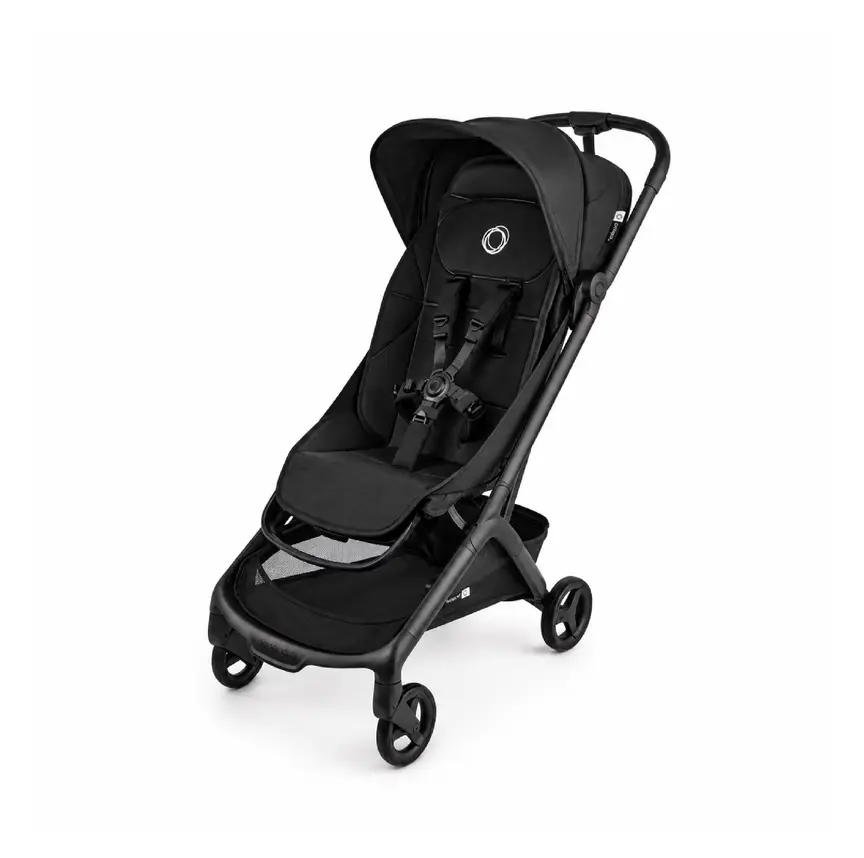
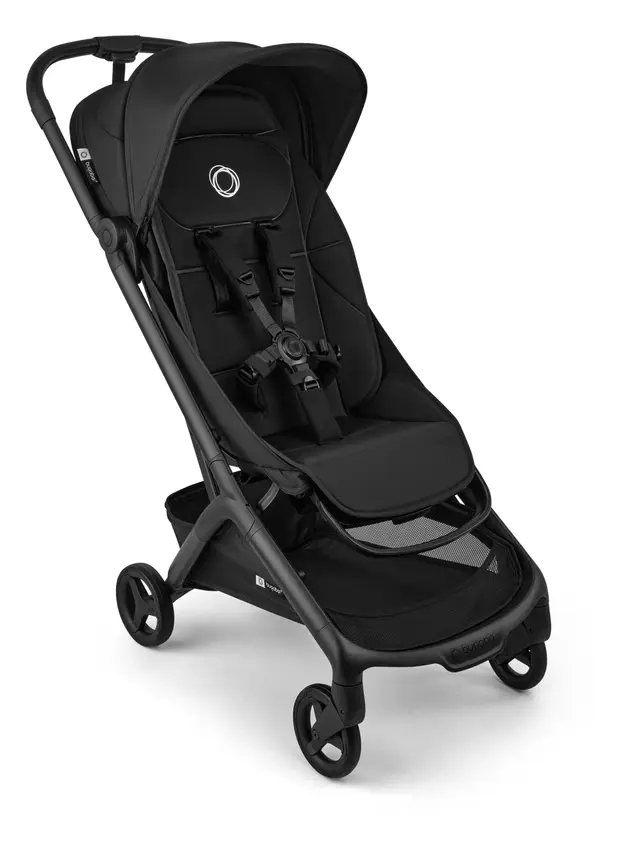
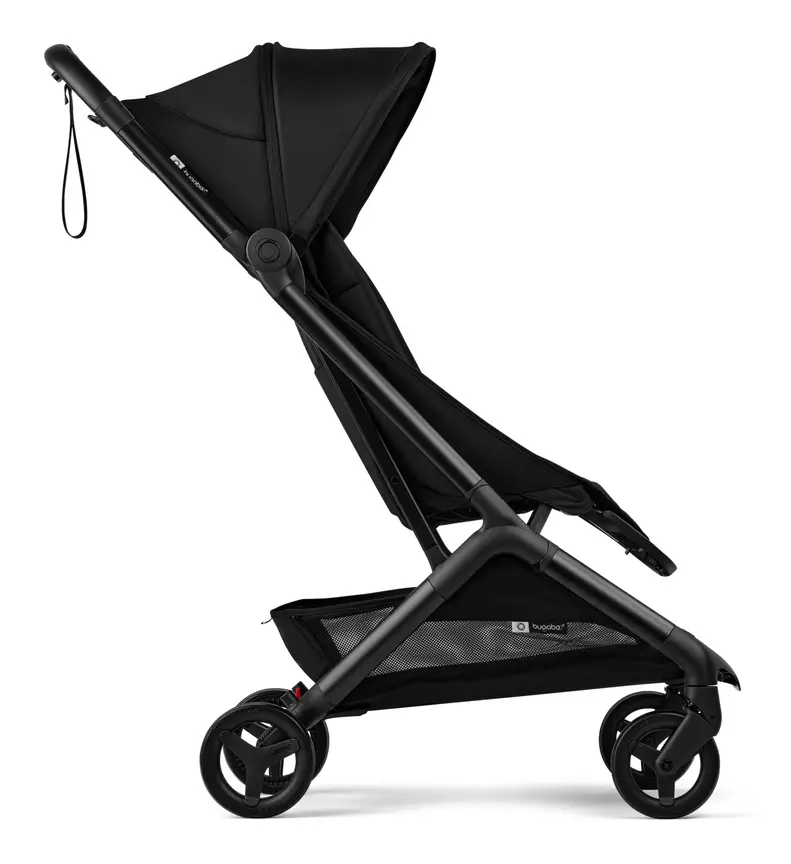


Bugaboo Butterfly 2
The newer Butterfly. It folds in about one second, has a lay-flat seat and a bigger basket with a back pocket.
Read our full review →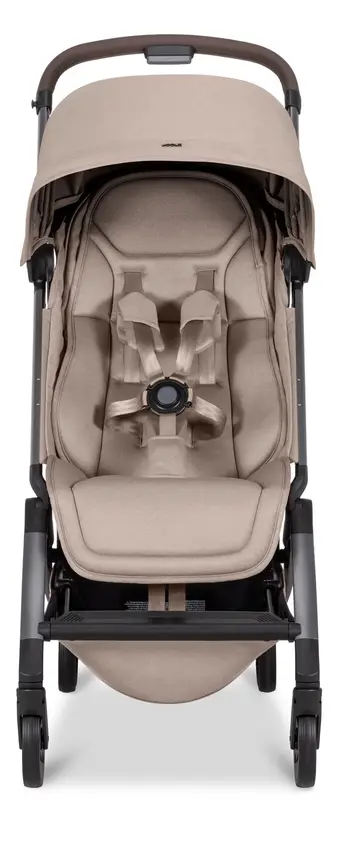


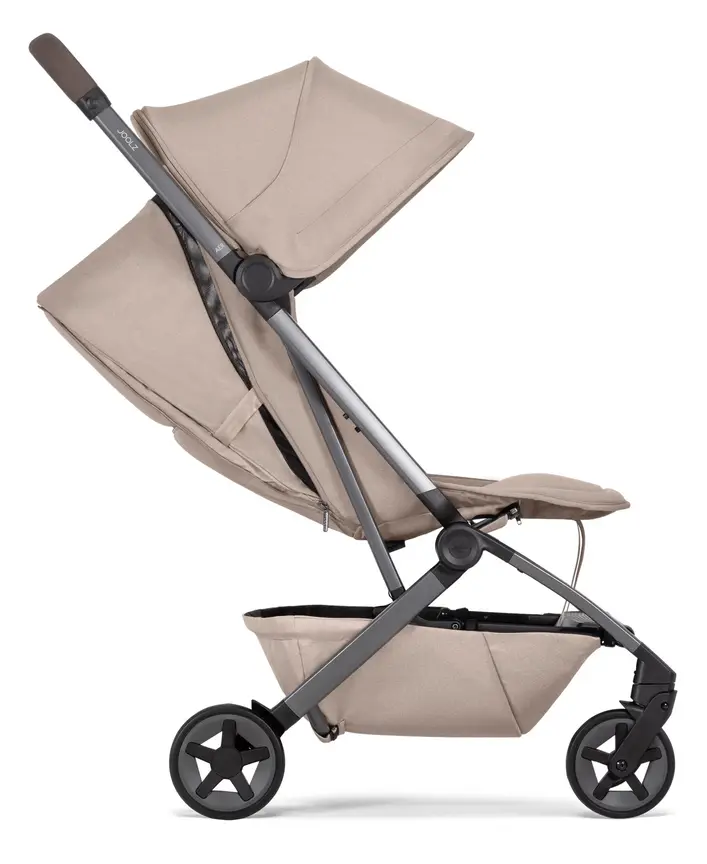


Joolz Aer2
A 6.5 kg stroller with a fast one-hand fold, deep recline from newborn and a UPF50+ sun hood.
Read our full review →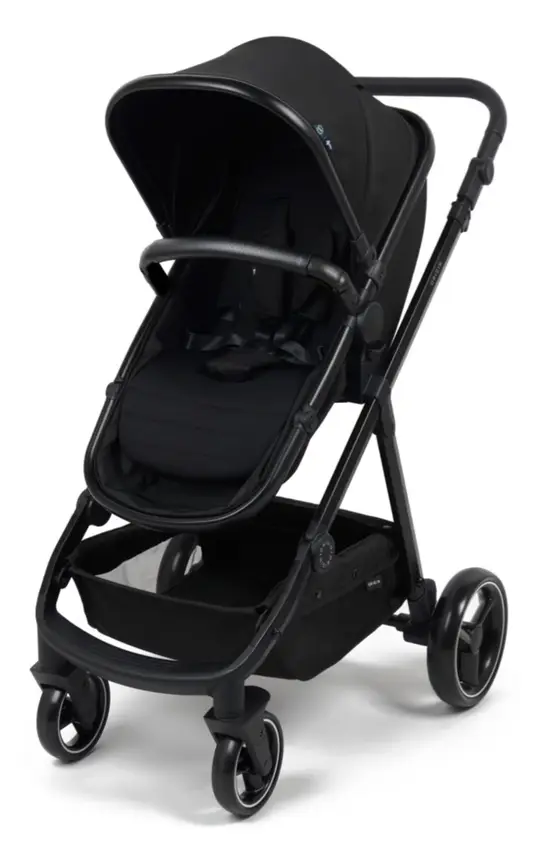
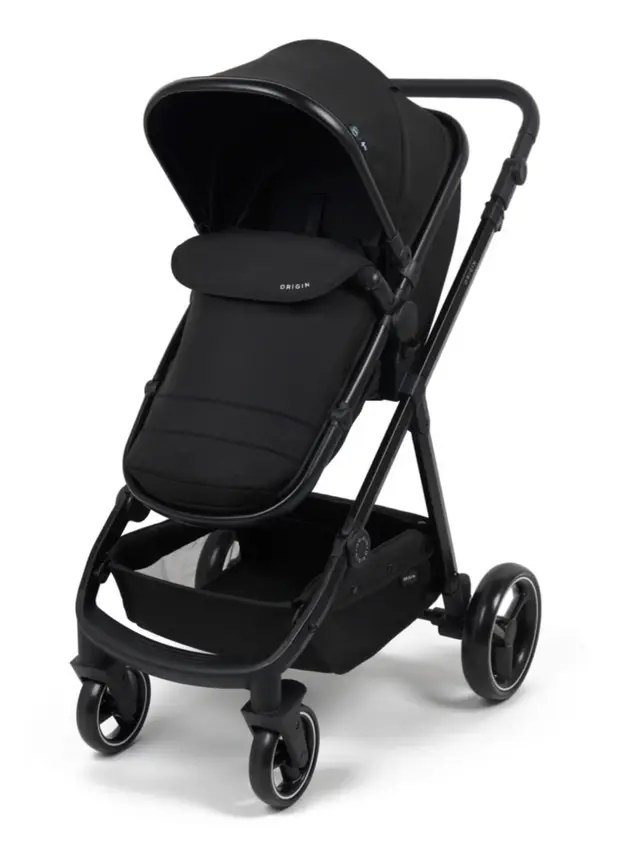
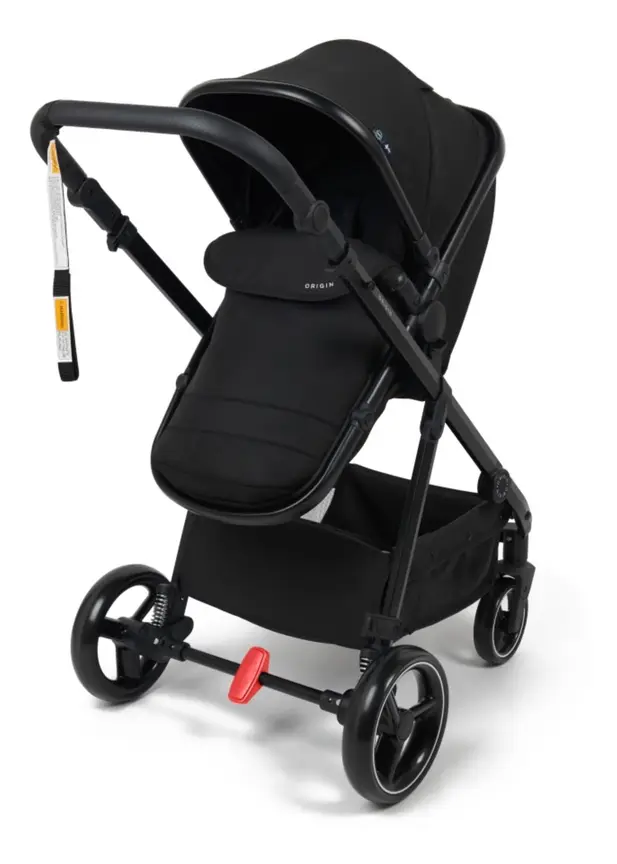
4baby Origin Stroller
A budget pram whose seat turns into a bassinet. The seat can face you or face the world.
Read our full review →Cleaning and care around the folding joints
Dirt can collect near wheels and moving joints. Clean the stroller as the manual says. Use only the products allowed by the maker. Strong cleaners or oils can damage some parts.
Before cleaning, remove your child and park the stroller securely. Keep fingers clear of hinges. Let wet parts dry before folding and storing. If fabric comes off for washing, follow its care label.
Check for loose screws, worn fabric, bent parts, or a latch that catches. Do not try to repair a safety part with tape, glue, or a spare part made for another model. Contact the maker or seller for the right repair advice.
If the stroller has been in a crash, dropped hard, or damaged, check the maker’s advice before using it again. A frame can have damage that is hard to see. Stop using it if the lock or frame no longer works as described.
Buying new or second-hand
For a new stroller, check that the model suits your child and daily use. Find the manual online or in the box. Check the model name and product safety information. Ask the seller about parts and repairs.
For a second-hand stroller, inspect it in person if possible. Confirm the model and age. Look for the manual and check recalls. Open and close it several times. Check that the frame locks both open and closed, if it has a closed lock.
Do not buy if the history is unclear and the stroller has damage, missing parts, or a faulty latch. Do not assume a low price means good value. Replacement parts may be hard to find. A stroller that cannot be checked properly is not a sound choice.
Safety guidance in Australia, the UK, the US and Canada
Rules and product standards differ by country. The folding style itself does not show that a stroller meets local requirements. Check the label, model details, manual, and official product safety advice where you live.
| Country | Official bodies and useful starting point | What to check |
|---|---|---|
| Australia | Product Safety Australia, part of the Australian Competition and Consumer Commission (ACCC) | Read its pram and stroller guide. Check the mandatory standard information and product recalls. |
| United Kingdom | Office for Product Safety and Standards (OPSS) | Check current product safety advice, the maker’s instructions, and any recall notice. |
| United States | U.S. Consumer Product Safety Commission (CPSC) | Search for recalls and safety notices for the exact model. Follow the product instructions. |
| Canada | Health Canada | Check recalls and safety alerts. Confirm that the stroller is suitable for sale and use in Canada. |
Australia’s pram and stroller mandatory standard is based on AS/NZS 2088. Check official Australian guidance for the current requirements. Do not rely on a seller’s general claim about “international standards”.
Standards and rules may change. A stroller bought overseas may not meet the requirements where you live. Check with the relevant official body before using an imported model. The sources below give starting points, not a model-by-model approval list.
Common mistakes
- Buying from the name alone. “One-hand” and “compact” do not explain every step. Test the actual model.
- Folding while holding a child. Put the child in a safe place first. Keep them away from the moving frame.
- Assuming a fast fold is safer. Speed does not replace control or a working lock.
- Ignoring the open lock. Always check the frame is fully open before use.
- Forcing a latch. Stop and check the manual. A jam can mean dirt, damage, or a missed step.
- Forgetting the boot opening. Measure the opening, not only the space inside the car.
- Carrying by the wrong part. Use the carry point named by the maker.
- Leaving bags on the handle. Extra weight can affect balance. Follow the maker’s limits.
- Skipping recall checks. Search the exact model name and number with your official product safety body.
- Using a stroller as a cot. Follow safe-sleep advice and the product’s intended use.
Frequently asked questions
Is a one-hand fold safer?
Not by itself. Safety depends on the whole stroller and how it is used. Check the frame, brakes, harness, locks, and instructions. Keep your child away from moving parts. Confirm that the frame locks open before use.
Does a gravity fold close by itself?
Some designs use gravity to help the frame fold. The exact action varies. You must still control the stroller and keep it clear of people and objects. Read the manual for your model.
Is a two-step latch harder to use?
It depends on the release and your hands. Separate steps may feel easy to follow. They may also take longer. Try the stroller before buying and see whether you can repeat the steps without strain.
Can I fold a stroller with my baby in it?
No. Take your child out first. Put them somewhere safe and keep them away from the frame. Then fold the empty stroller as the manual directs.
How can I tell if the stroller is locked open?
Use the maker’s check in the manual. Look for the stated indicator or lock position. Do not put your child in until the frame is fully open and secure.
Can my newborn use any stroller seat?
No. Check whether the maker approves that seat for newborn use. Some models need a specific bassinet or infant attachment. Follow the age, size, and setup instructions.
Should I buy a stroller because it is compact?
Only if its folded size and weight suit your needs. Measure your storage space and car opening. Try lifting it safely. Compact does not always mean light or easy to carry.
Can I use a second-hand stroller with a sticky latch?
Do not use it until the maker or a qualified repair service confirms it is safe. A latch that sticks may not hold as intended. Do not force it or make an improvised repair.
Where can I check for a recall?
Use the official product safety body for your country. Search by the brand, model, and product number. Check again before buying second-hand.
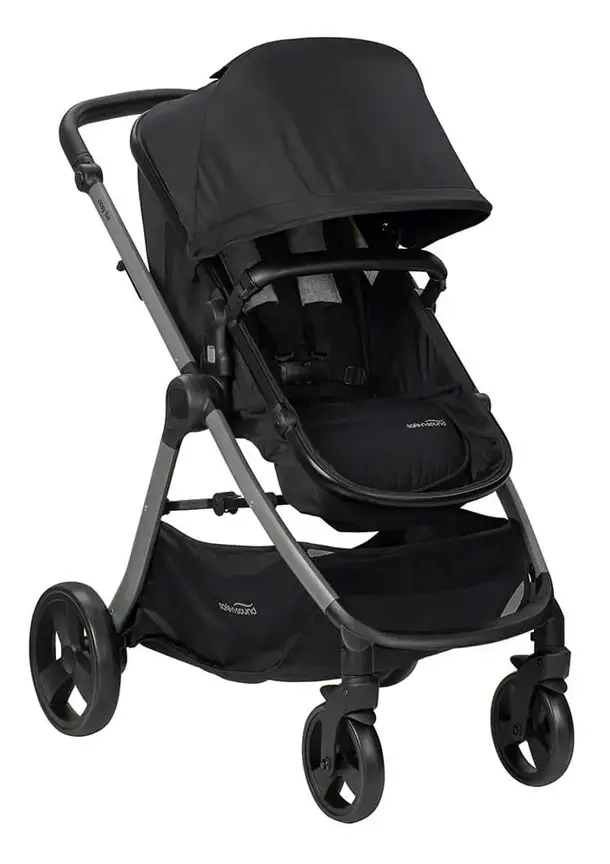
More options, from budget to premium
Real products from our catalogue. We don't show star ratings or review counts; check the current price, stock and reviews on Amazon before you buy.

Sources
- Product Safety Australia – Prams and strollers guide
- Product Safety Australia – Prams and strollers mandatory standard
- UK Office for Product Safety and Standards
- U.S. Consumer Product Safety Commission – Safe sleep and infant products
- Health Canada – Recalls and safety alerts
- Red Nose Australia – Risks posed by leaving infants to sleep in car seats
Disclaimer: This article gives general information only. It does not replace the stroller manual or advice from a health professional. Follow local product safety guidance. BabyGearFinder may earn a commission from qualifying affiliate links.
Sources
- Product Safety Australia – Prams and strollers guide
- Product Safety Australia – Prams and strollers mandatory standard
- UK Office for Product Safety and Standards
- CPSC (US) – Safe sleep: cribs and infant products
- Health Canada – Recalls and safety alerts
- Red Nose Australia – Research on risks of infants sleeping in car seats
Related guides
More Prams & Strollers →
Stroller Folding Latches: How to Check the Lock and Avoid Pinch Points

Second-Hand Stroller Safety Audit: 10 Checks Before Buying a Used Pram

Stroller Hand Muffs and Weather Shields: Choosing Gear for Cold Walks