














Second-Hand Stroller Safety Audit: 10 Checks Before Buying a Used Pram
How to check a second-hand pram or stroller before you buy. 10 safety checks for brakes, straps, locks, recalls and standards in AU, UK, US and Canada.

On this page
- Key points
- Why a second-hand stroller needs a careful check
- Checks 1 to 5: Labels, recalls, frame, brakes and straps
- Checks 6 to 10: Wheels, seat, canopy, cleanliness and parts
- Safety standards in Australia, the UK, the US and Canada
- Second-hand vs new stroller: side-by-side comparison
- How to match a used stroller to your baby's age
- How to inspect a stroller in person
- How to clean a second-hand stroller safely
- Common mistakes when buying a used pram
- Frequently asked questions
- Sources
Short answer: A second-hand pram or stroller can be safe and save you money. You just need to check it carefully before you pay. Always check the safety label, look up recalls, and test the brakes, frame locks and harness. Walk away if any safety part is broken, missing or rusted. Never buy a used car seat capsule with a stroller unless you know its full history.
Safety rules for strollers are set by government bodies in Australia (ACCC and Product Safety Australia), the UK (Office for Product Safety and Standards), the US (Consumer Product Safety Commission) and Canada (Health Canada). Every used pram should still meet the rules that keep babies safe today.
Key points
- Check recalls first: Ask the seller for the brand, model name and date on the label before you travel.
- Test the locks: Fold and unfold the frame three times. Make sure every lock clicks into place.
- Test the brakes: Lock the brake and push the stroller forward. The wheels should not roll or slip.
- Check the straps: A five-point harness must have no frays, tears or cracked buckles.
- Look for the wrist strap: In Australia, a wrist tether strap helps stop the pram rolling away on a slope.
- Check for mould and rust: Damp storage rots fabric and weakens metal joints.
- Skip unknown capsules: Do not use a used baby car seat if you do not know its crash history or expiry date.
Why a second-hand stroller needs a careful check
New prams cost a lot of money. Many families only use a pram for two or three years. Because of that, online marketplaces are full of used strollers in good shape.
Buying used helps your budget and cuts down on waste. Still, a pram takes a lot of wear. It gets pushed over rough paths, folded into car boots and left in garages or sheds.
Some damage is easy to spot, like a torn basket. Other faults are hidden. A hairline crack in a plastic hinge or a stretched brake cable can fail when you least expect it. Sunlight also weakens plastic and fabric over time.
Old strollers may also have been built under older safety rules. Design rules change when experts find new risks. A ten-point check takes about ten minutes and protects your baby from falls, trapped fingers and rollaways.
Prams & Strollers worth a look
Real products from our catalogue. We don't show star ratings or review counts; check the current price, stock and reviews on Amazon before you buy.
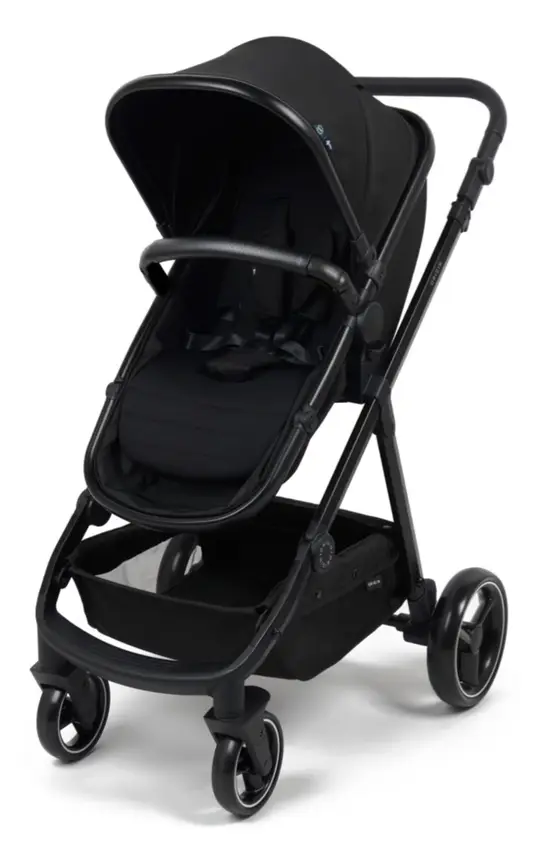
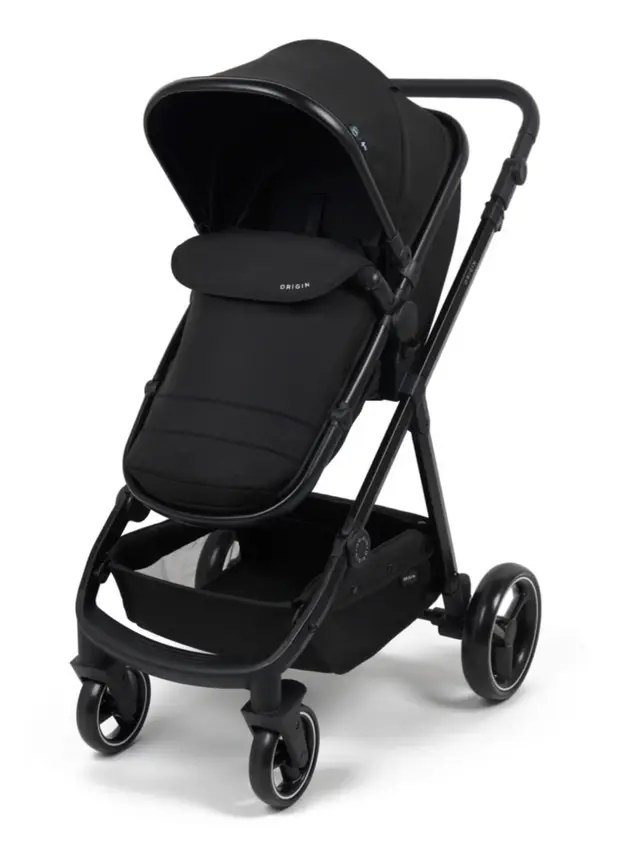
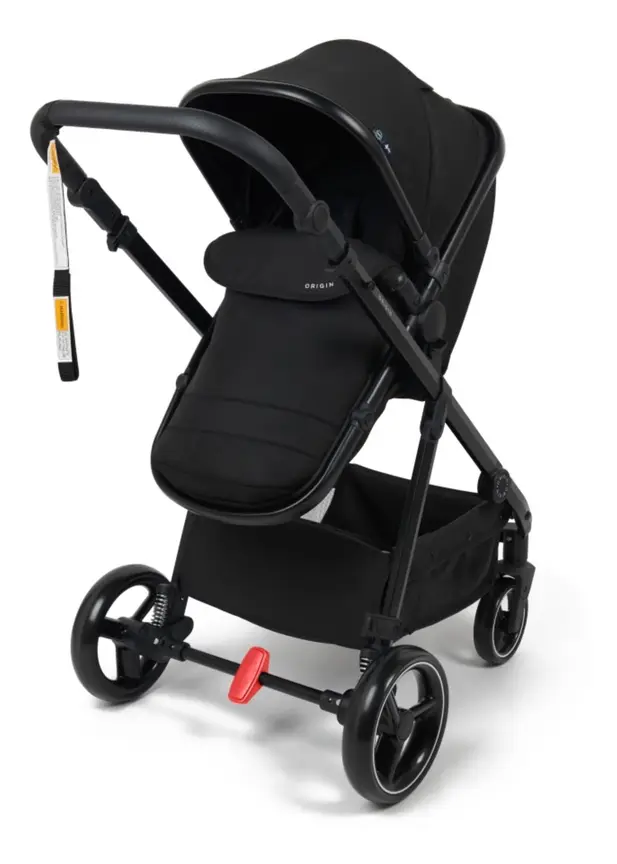
4baby Origin Stroller
A budget pram whose seat turns into a bassinet. The seat can face you or face the world.
Read our full review →
Baby Jogger City Mini GT2
Long-running, lighter all-terrain stroller with a famously simple one-hand strap fold.
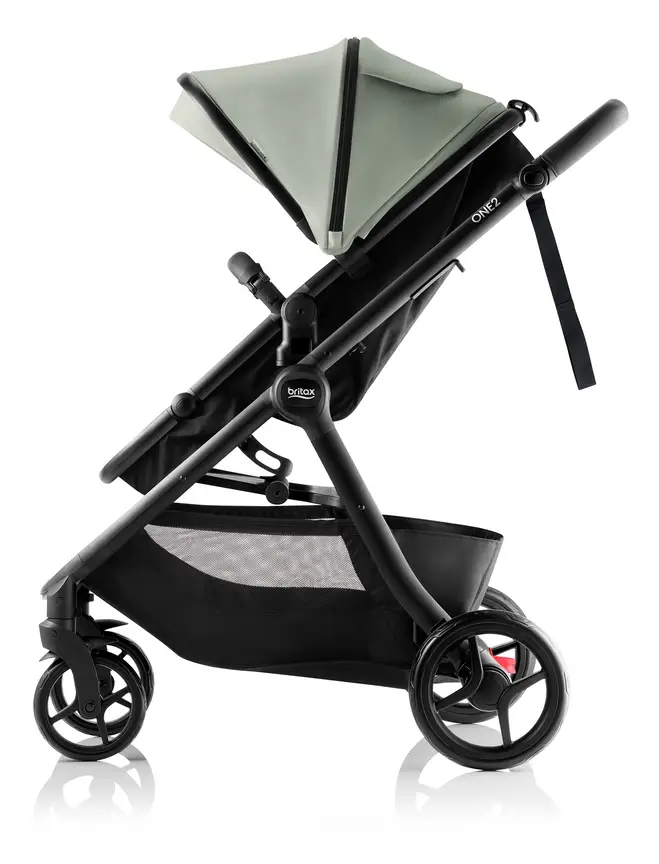
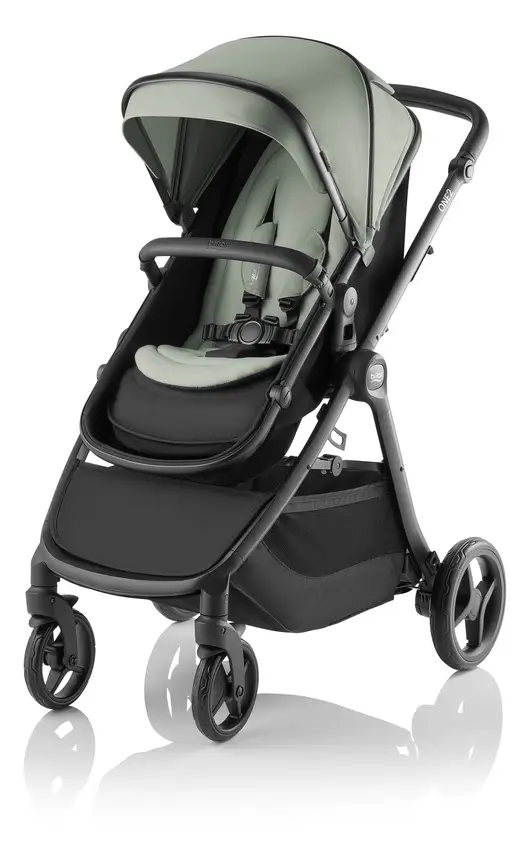


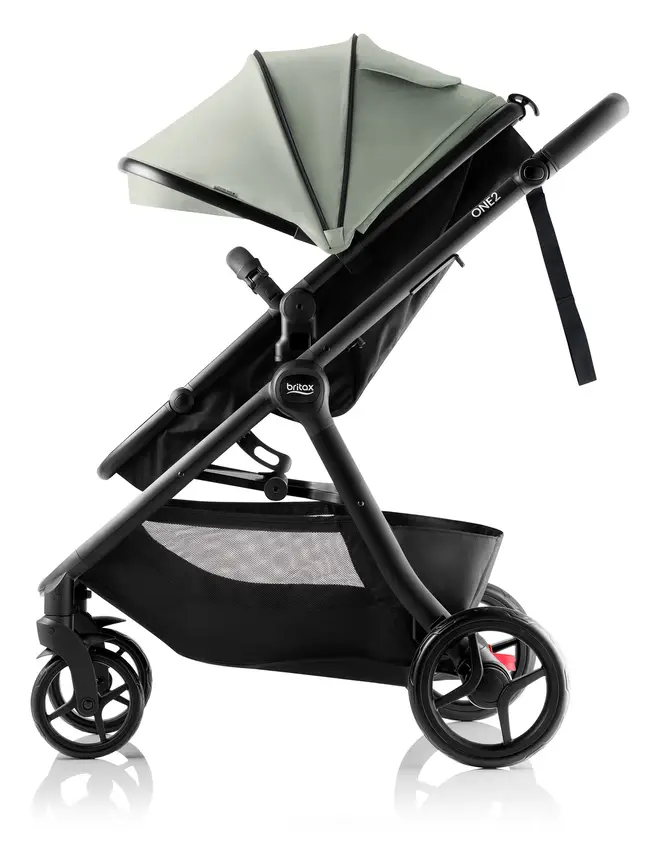


Britax One2
A pram that starts as a single and can take a second child. The seat turns into a lie-flat bassinet.
Read our full review →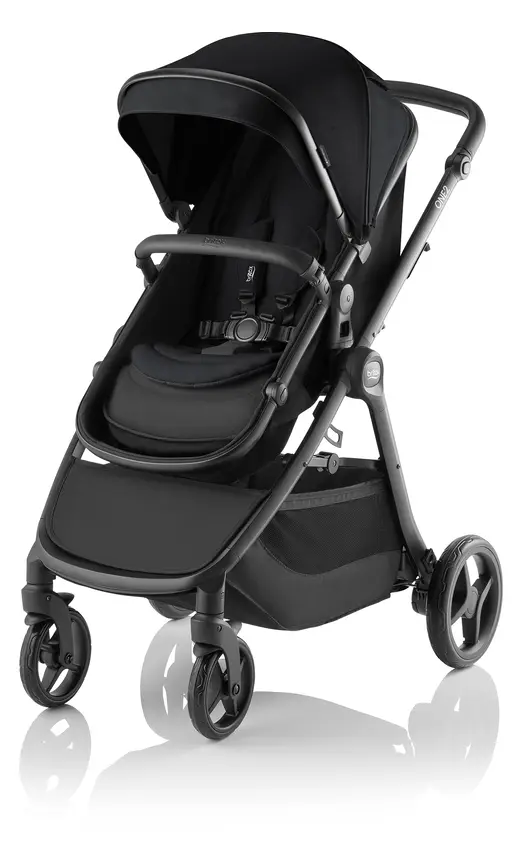
Checks 1 to 5: Labels, recalls, frame, brakes and straps
Start with the five checks that matter most for safety. If a stroller fails any of these five, do not buy it.
1. Check the safety label and model date
Every approved stroller has a permanent label stitched to the fabric or stamped on the frame. Look for the brand name, model number, batch or serial number and the date it was made.
Also look for the safety standard mark for your country. In Australia, look for AS/NZS 2088. In the UK, look for BS EN 1888. In the US, look for ASTM F833. In Canada, strollers must meet Canada's national stroller safety rules.
If the label is missing or too faded to read, be careful. Without a model name and date, you cannot check for recalls or order spare parts. Avoid unbranded imports sold online without a compliance label.
2. Check for recalls and safety alerts
Do this before you leave home. Ask the seller for a clear photo of the label. Then search the official recall website in your country:
- Australia: Product Safety Australia (productsafety.gov.au/recalls).
- UK: Office for Product Safety and Standards (OPSS) product recalls on GOV.UK.
- US: Consumer Product Safety Commission (CPSC) recalls list.
- Canada: Health Canada recalls and safety alerts.
If the model has been recalled, check what the fix was. Some recalls only need a free repair kit from the maker. Others mean the pram is unsafe and must not be used at all. If a needed repair kit has not been fitted, ask the seller or skip the sale.
3. Inspect the frame, hinges and folding locks
Stand the stroller up and look closely at the metal tubes and plastic joints. Look for bends, dents, cracks or stress marks. White lines on dark plastic mean the plastic has bent too far and may snap.
Fold and unfold the stroller three times. A safe pram should have a two-step or dual-action lock so it cannot fold by accident while your baby is inside. Listen for a sharp click when it locks open.
Push down gently on the handle once it is open. The frame should feel solid and not wobble or sag. Check all hinges for sharp edges or open gaps where tiny fingers could get pinched or trapped.
4. Test the brakes on a flat spot and a slope
Faulty brakes are a common reason used prams become unsafe. Press the foot brake down until it clicks. Now push the stroller forward and pull it back with both hands.
The locked wheels should stay still. If the wheels skid, click or slip, the brake teeth or cables may be worn out. Test the pram on a gentle slope if there is one nearby, such as a driveway.
Release the brake and check that it lifts cleanly without dragging on the wheel. If the pram has a hand brake on the handle, squeeze it while rolling to check that it slows the wheels smoothly.
5. Check the five-point harness and tether strap
A five-point harness holds your baby at both shoulders, both hips and between the legs. Pull on every strap to test the stitching. Look for frayed webbing, loose threads or chewed plastic.
Click all parts of the buckle together. They should snap shut firmly and stay locked when you tug them. Then press the release button. It should open cleanly for an adult, without sticking, while staying hard for a toddler to undo.
Make sure the harness adjusts smoothly to fit a smaller baby or a bigger toddler. Check that the crotch strap is strong and fixed well to the seat base. Without a crotch strap, a baby can slide down under the front bar.
Next, look for a wrist tether strap on the handle. Under AS/NZS 2088 in Australia, prams must have a tether strap. You loop it around your wrist so the pram cannot roll onto a road or down steps if you let go. Check that the strap is still attached and not torn.
Checks 6 to 10: Wheels, seat, canopy, cleanliness and parts
Once the frame, brakes and harness pass, check the parts that affect daily use, comfort and hygiene.
6. Check the wheels, tyres and swivel locks
Push the stroller in a straight line and turn tight circles. Watch all four wheels. They should spin freely without squeaking, grinding or wobbling side to side.
Look at the tread on the tyres. Foam or solid rubber tyres can wear flat in spots. Air-filled tyres can have slow leaks or cracked rubber walls. Spin each wheel and check that the axle pin holds it tight.
If the front wheels have swivel locks, lock them and push forward. They should stay straight. Unlock them and check that they turn smoothly again. Worn front bearings can make a pram veer to one side or shake at walking speed.
7. Test the seat recline and bassinet locks
Adjust the seat from upright to fully flat. Check every recline angle in between. The strap, lever or clasp must hold firm when you press your hand into the backrest.
If the stroller comes with a bassinet or carrycot, click it onto the frame. Tug upwards on the bassinet handles. It must lock tightly with no wobble. Check the mattress inside the bassinet. It should be firm, flat and fit snugly with no gaps around the edges.
Check the seat fabric for sagging. A stretched sling seat can curve a newborn's back too much and tip their chin forward.
8. Inspect the canopy, sun cover and airflow
Open the sun hood fully and fold it back. It should stay open without flopping down. Check the hinges inside the hood for snapped rods.
Look at any mesh peek-a-boo windows or air vents. Tears in mesh let insects in and can catch small fingers. Make sure the hood does not have loose cords or dangling tags near the baby's face.
Remember never to drape a thick blanket or towel over a pram hood to block the sun. Covering the opening traps heat inside and stops fresh air from moving around your baby. Look for a built-in ventilated sun shade instead.
9. Check for mould, rust, smells and stains
Pull back the seat liner, shoulder pads and basket liner. Look closely at the seams and the underside of the foam. Tiny black dots are often mould.
Mould grows fast when a wet pram is folded and stored in a shed or car boot. Surface dirt washes off, but deep mould inside seat foam is hard to remove and bad for a baby's lungs. Smell the fabric too. A musty smell or strong cigarette smoke odour is hard to get out.
Check metal rivets, springs and wheel axles for heavy rust. Light surface rust can be cleaned, but flaking rust weakens the frame and jams folding joints.
10. Check the manual, spare parts and accessories
Ask the seller if they still have the paper manual. If not, check on your phone that you can download the PDF manual from the maker's website. You need it to check the weight limit, folding steps and washing rules.
Check if the brand still makes spare parts like wheels, brake cables or harness clips. Older models from brands that have closed down are much harder to repair.
If the seller includes a belly bar, rain cover or cup holder, check them too. A cracked plastic rain cover can tear and cover a baby's face. Make sure any clips fit tightly.
Safety standards in Australia, the UK, the US and Canada
If you are buying a used stroller, knowing your country's rules helps you spot unsafe designs. Here is how the four countries compare.
| Country | Official safety body | Standard or rule | Key things covered |
|---|---|---|---|
| Australia | ACCC and Product Safety Australia | AS/NZS 2088 | Parking brake, wrist tether strap, two-step folding lock, five-point harness, red brake colour |
| UK | Office for Product Safety and Standards (OPSS) | BS EN 1888 | Frame strength, brake hold on slopes, restraint straps, stability, no finger traps |
| US | Consumer Product Safety Commission (CPSC) | ASTM F833 | Latch and hinge locks, brakes, harness strength, warning labels, cord and pinch hazards |
| Canada | Health Canada | Canada's national stroller safety rules | Brakes, restraint system, folding locks, small parts, sharp edges, stability |
In Australia, Product Safety Australia requires prams and strollers to have a red parking brake pedal, a tether strap and clear warning labels. In the UK, the OPSS and GOV.UK advise buyers to check labels and avoid unverified sellers. In the US, the CPSC warns parents to check for recalls on any second-hand nursery item. In Canada, Health Canada urges parents to check recall lists and inspect every lock before use.
Second-hand vs new stroller: side-by-side comparison
Sometimes a used stroller is a smart buy. Other times, a basic new stroller is safer and better value. Use this table to compare your options.
| What to compare | Buying second-hand | Buying ex-display or refurbished | Buying brand new |
|---|---|---|---|
| Upfront cost | Lowest cost | Medium cost | Highest cost |
| Warranty | Usually none | Often short store warranty | Full maker warranty |
| Recall risk | Higher; you must check | Usually checked by store | Lowest; current model |
| Wear and tear | Varies a lot | Light shop handling only | None |
| Spare parts | May be hard to find for old models | Usually easy to get | Easy to get |
| Best for | Parents who can inspect in person and want a higher-end model for less | Parents who want a discount with some store cover | Parents who want full warranty, fresh foam and latest safety updates |
Side by side: more prams & strollers to compare
Real products from our catalogue. We don't show star ratings or review counts; check the current price, stock and reviews on Amazon before you buy.
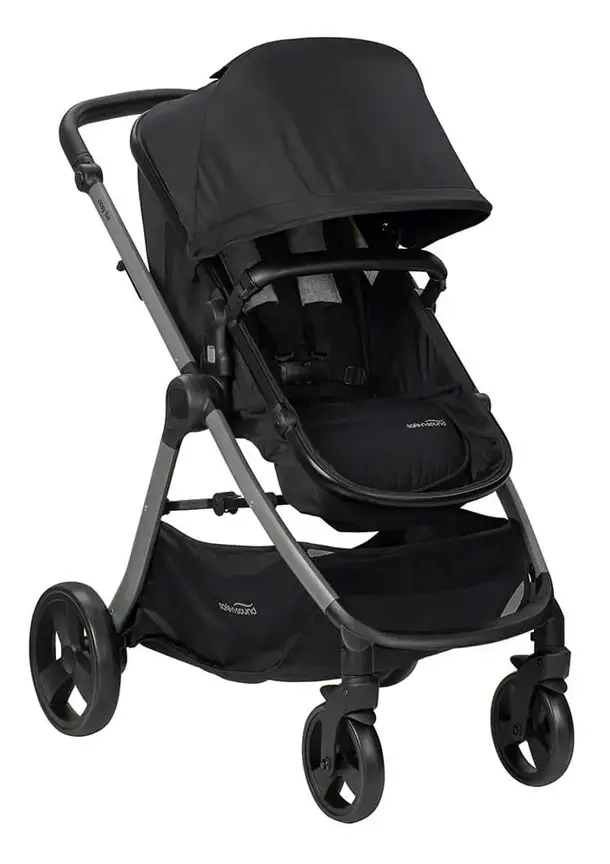

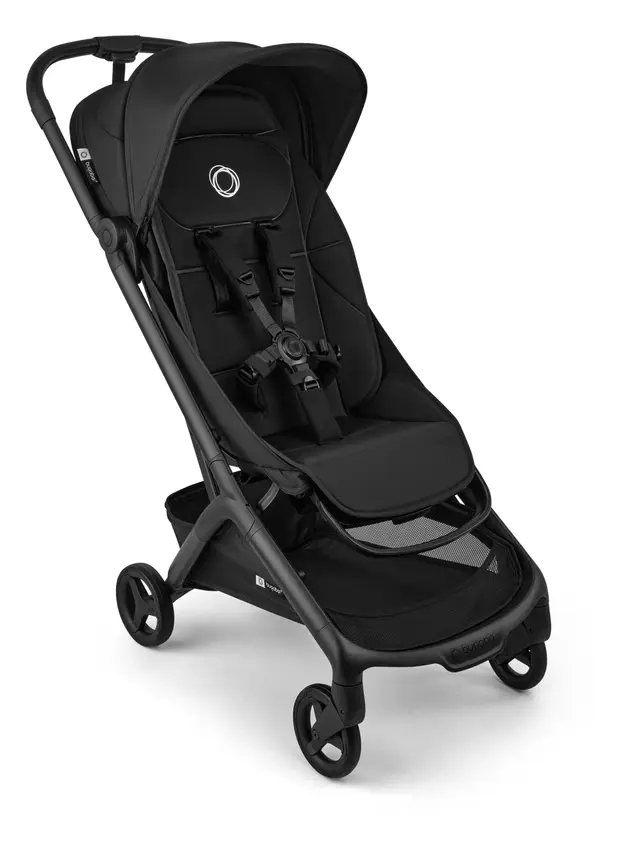
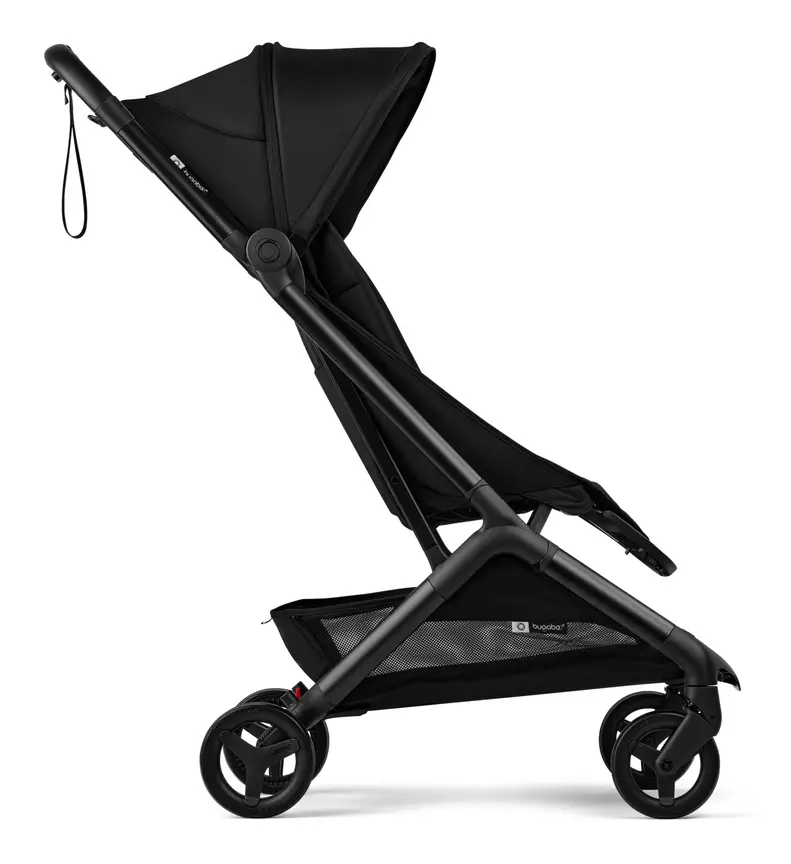


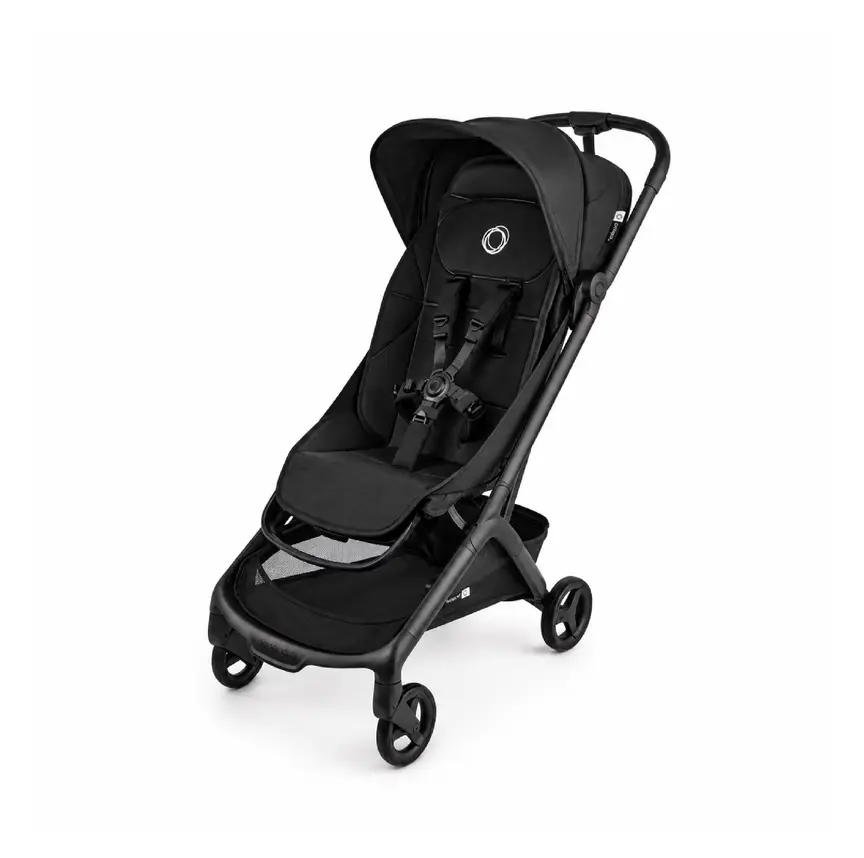
Bugaboo Butterfly
Bugaboo's cabin-friendly compact stroller with a one-second fold — the travel partner to a Fox, not a replacement for it.
Bugaboo Butterfly 2
The newer Butterfly. It folds in about one second, has a lay-flat seat and a bigger basket with a back pocket.
Read our full review →

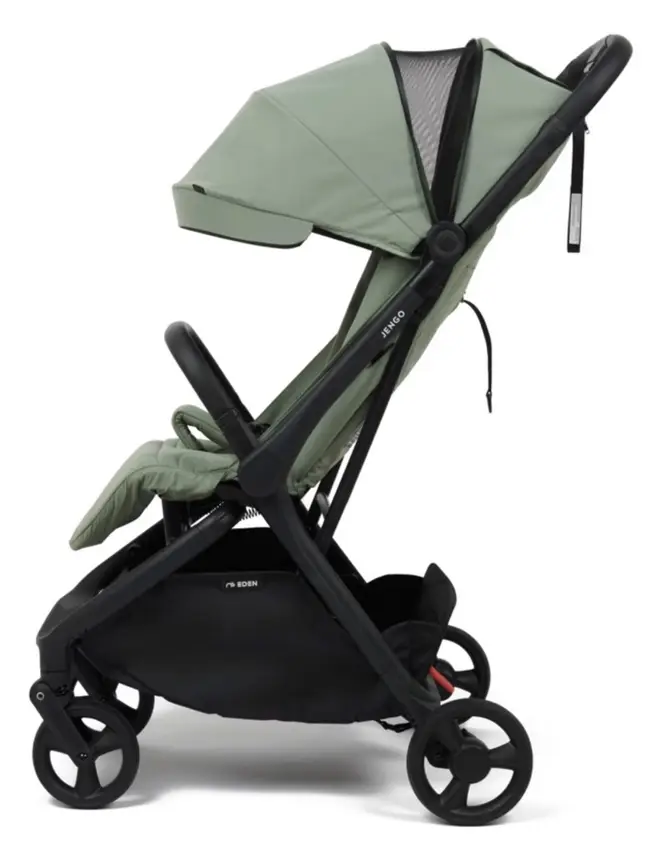
Jengo Eden Compact Stroller
A budget compact stroller from birth to 22 kg. It folds with one hand and has a big basket.
Read our full review →How to match a used stroller to your baby's age
A safe stroller also has to match your baby's age and stage. Buying the wrong style for a newborn can put their airway at risk.
Newborn to 6 months
Young babies have weak neck muscles and heavy heads. If they sit too upright, their chin can drop forward onto their chest. This can narrow their windpipe and make it hard to breathe.
For a newborn, you need either a stroller seat that reclines fully flat or a clip-on bassinet that is made for that exact model. Always use the harness in a reclining seat. In a bassinet, place your baby on their back on the firm, flat mattress with no pillows, bumpers or loose blankets.
Remember that a stroller or bassinet is for outings and supervised rests. Health groups like Red Nose in Australia, The Lullaby Trust in the UK, the American Academy of Pediatrics (AAP) in the US and Caring for Kids in Canada all advise that babies sleep safest at home on a firm, flat cot mattress on their back.
6 months to 18 months
Once your baby can sit up well on their own, they can use an upright stroller seat. They will also start grabbing, leaning forward and trying to stand up.
Use the five-point harness on every trip, even for a short walk to the car. Raising Children Network and Kidsafe in Australia warn that falls from prams happen fast when straps are left undone. Make sure the shoulder straps sit at or just below your baby's shoulders.
18 months to 3 or 4 years
Toddlers are heavier and often climb in and out of the stroller by themselves. Always check the maximum weight limit on the frame or in the manual before you buy a used pram for a toddler.
Lock the brake before your toddler climbs in or out, so the pram does not tip or roll away. Check that the footrest is strong and not cracked. A broken footrest can catch a child's shoe or ankle.
How to inspect a stroller in person
Never buy a used stroller sight unseen if you can avoid it. Use this simple plan when you meet the seller:
- Meet in good light. Daylight shows mould spots, rust, sun fade and plastic stress marks that indoor lights hide.
- Bring a heavy bag. Put a backpack or nappy bag of about 5 to 10 kg in the seat. Push the stroller around to test how the frame, wheels and brakes behave under real weight.
- Check the fold. Ask the seller to fold it first, then you fold and unfold it yourself. If it jams or needs brute force, walk away.
- Test it in your car boot. If the seller agrees, check that the folded pram actually fits in your car boot.
- Check every strap and clip. Undo and redo the five-point buckle and adjust the straps from tight to loose.
- Check the handle height. Push the pram for a minute. Make sure the handle feels right for your height and does not wobble.
- Be ready to walk away. Do not feel pressured to buy just because you drove there. Safety comes before politeness.
How to clean a second-hand stroller safely
Once you bring your used stroller home, give it a thorough clean before your baby rides in it.
- Read the maker's care label first. Some seat covers come off and can go in a gentle cold wash. Others must only be wiped by hand.
- Use mild soap and warm water. Scrub the frame, wheels, basket and plastic clips with a soft cloth or old toothbrush.
- Be gentle with harness straps. Never soak harness webbing in bleach or strong stain removers. Harsh chemicals can weaken the nylon fibres. Wipe straps with mild soapy water and rinse with a damp cloth.
- Vacuum crumbs from tracks. Use a vacuum nozzle to clear sand and food out of folding hinges and brake gears. Dry dirt grinds down moving parts.
- Dry everything completely. Leave the pram open in a dry, breezy spot until every pad and seam is bone dry. Folding a damp pram causes mould.
- Check wheel pins after cleaning. If you took the wheels off to wash them, click them back on and tug each wheel to make sure it is locked.
Common mistakes when buying a used pram
Even careful parents can miss a hidden trap. Watch out for these common mistakes.
Buying a "travel system" with an unknown car seat
Many sellers bundle a pram with a baby car seat capsule and adaptors. Be very careful with second-hand car seats. A car seat that has been in a crash can have hidden damage inside the shell, even if it looks fine.
Plastic and foam also break down over time. In Australia (AS/NZS 1754), the UK (R129 and R44), the US (FMVSS 213) and Canada (CMVSS 213), car seats must meet strict rules and have an age limit or expiry date. Only use a second-hand capsule if you know its full history, it has never been in a crash, it is within its safe lifespan, and it meets your country's current standard.
Ignoring missing parts
Sellers sometimes say, "You don't really need the crotch strap" or "The brake only sticks a little." Never accept a missing safety part. A stroller without a working brake, full five-point harness or intact tether strap is not safe to use.
Replacing missing parts can also cost more than you expect. Check the price and stock of replacement parts before you agree to buy.
Buying a pram made for another country
A pram bought overseas may not meet your local safety rules. For example, a pram brought from another country to Australia may have no wrist tether strap and no red brake pedal under AS/NZS 2088. Always check that the label matches your country's standard.
Hanging heavy bags on the handle
After you buy your pram, avoid hanging heavy shopping bags or nappy bags from the handle. Even a sturdy stroller can tip backwards onto the ground when the weight sits high behind the back wheels. Put heavy items in the under-seat basket instead.
Letting a baby sleep unsupervised in a pram
Babies often fall asleep on walks, and that is normal. Just keep an eye on them and check that their head has not slumped forward. Once you get home, move your sleeping baby to a safe, flat cot or bassinet, and take off any outdoor hats or thick jackets so they do not get too hot.
More options, from budget to premium
Real products from our catalogue. We don't show star ratings or review counts; check the current price, stock and reviews on Amazon before you buy.
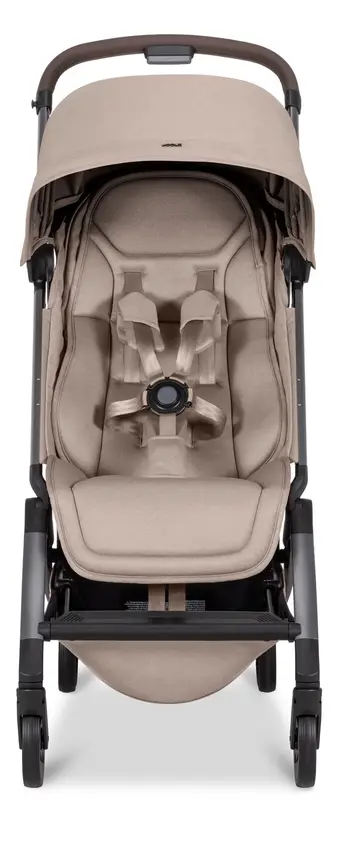


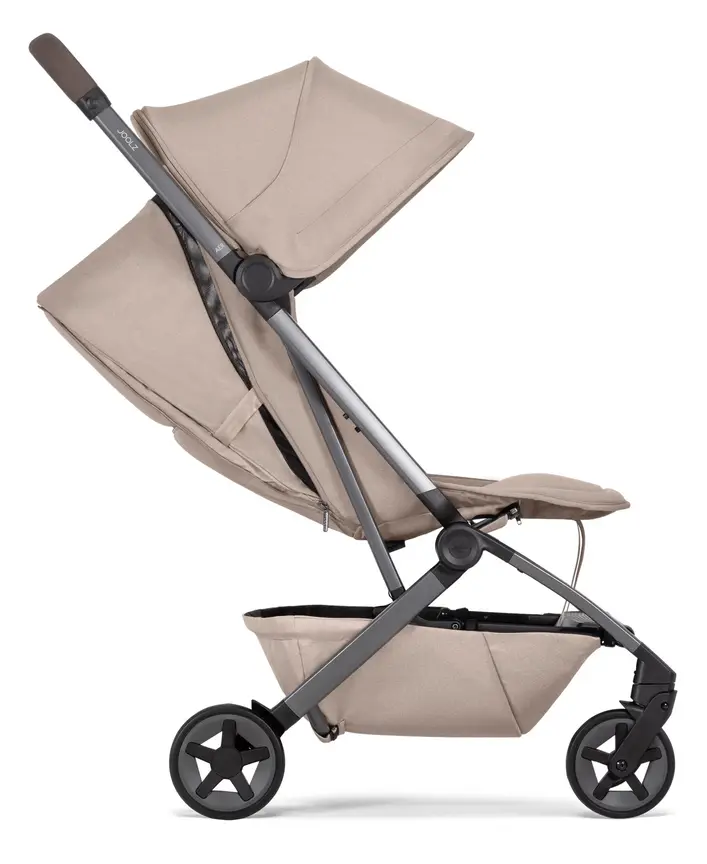


Joolz Aer2
A 6.5 kg stroller with a fast one-hand fold, deep recline from newborn and a UPF50+ sun hood.
Read our full review →
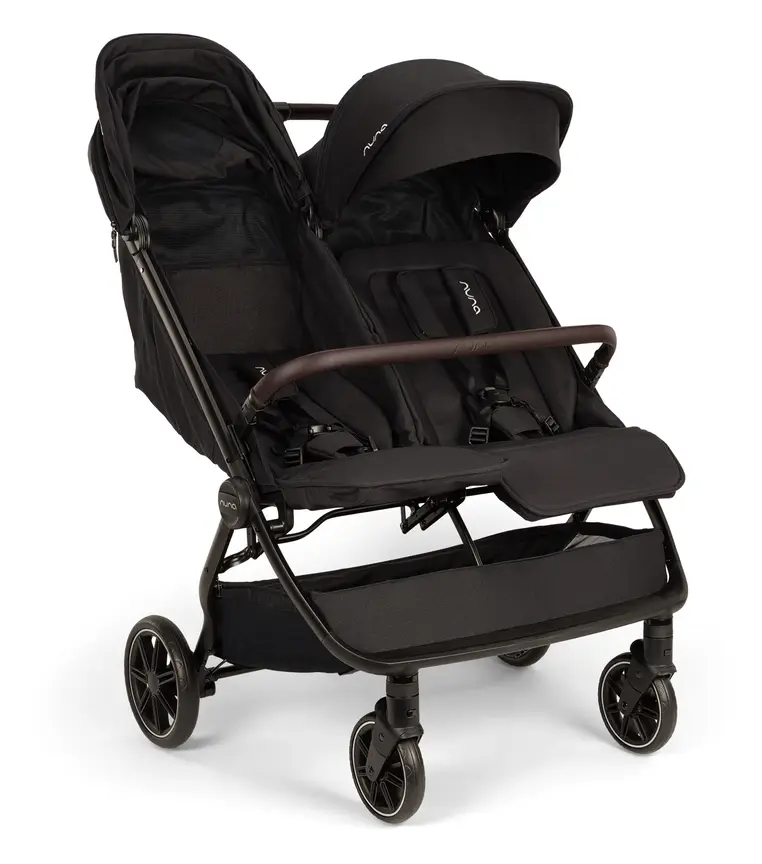
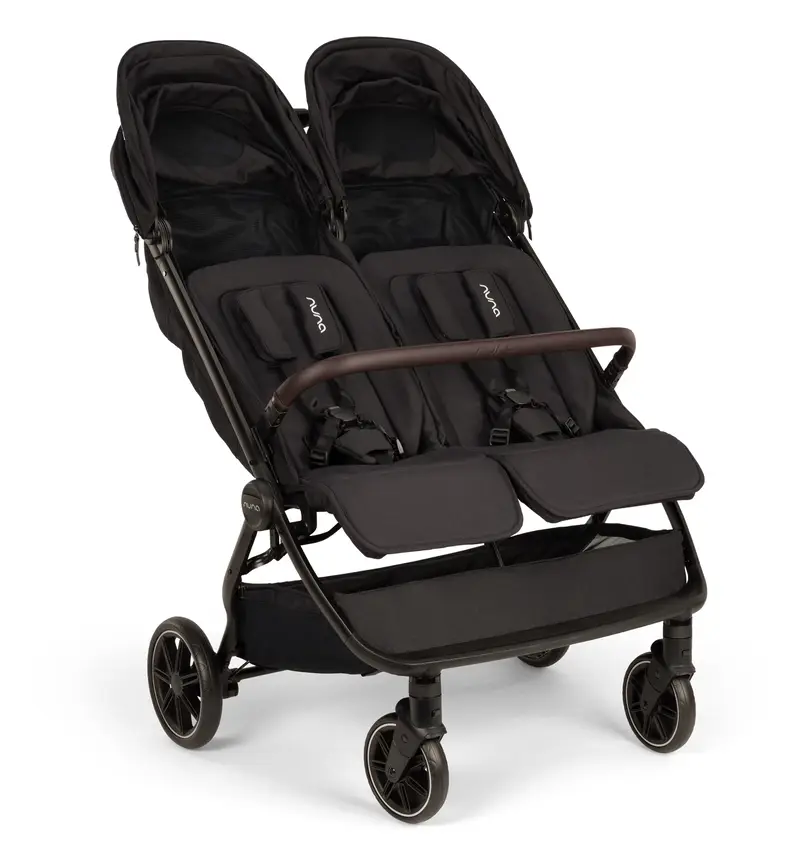
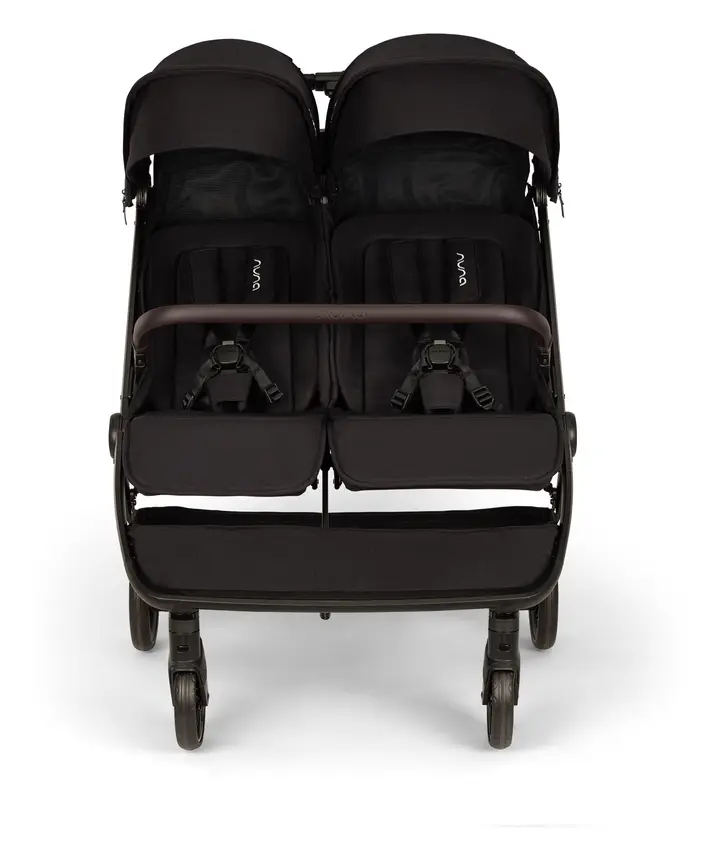
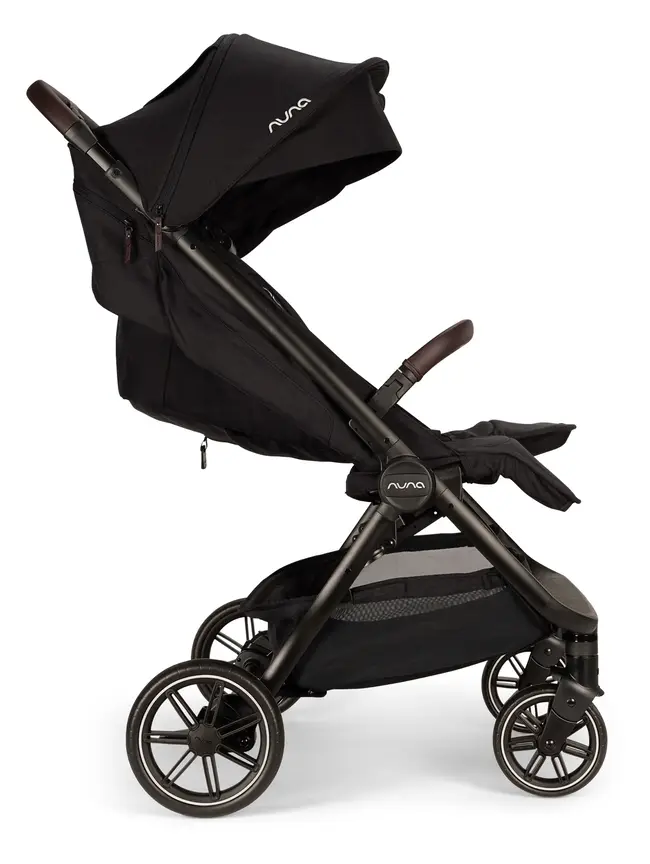
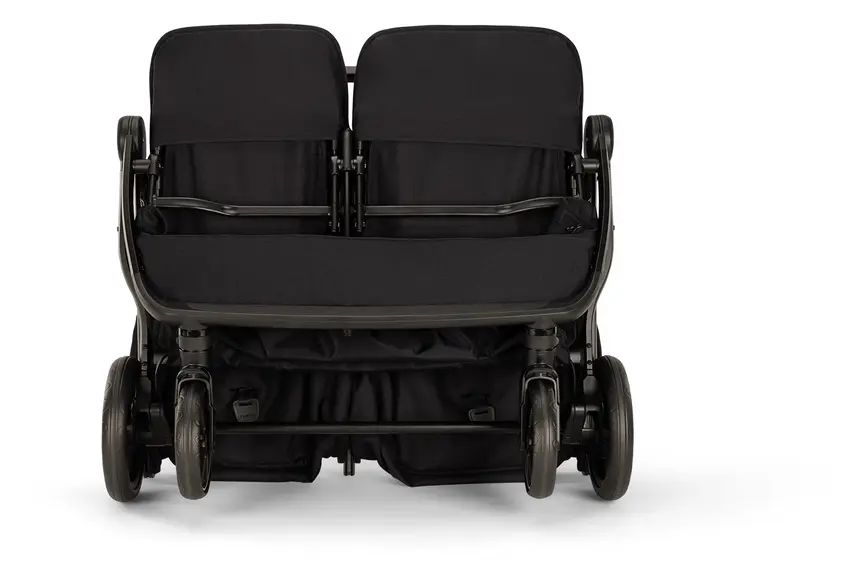
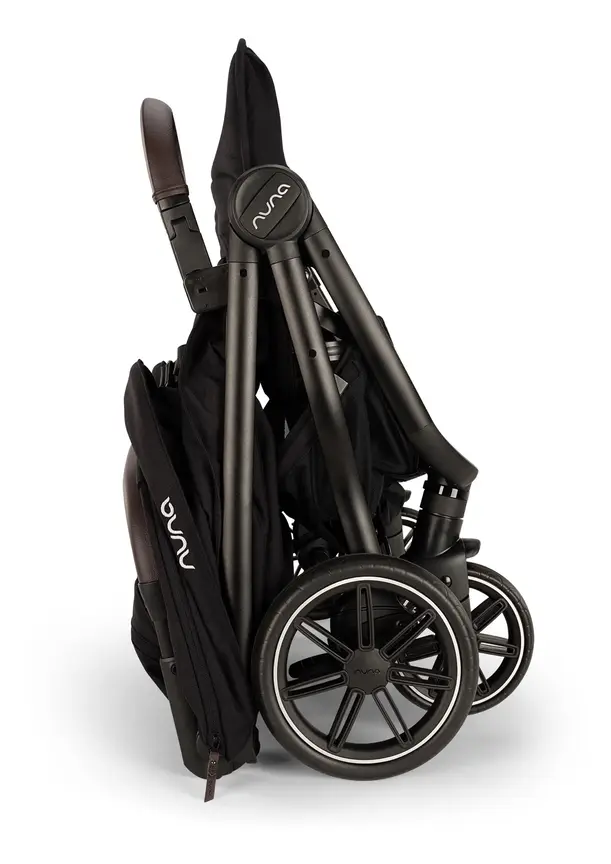
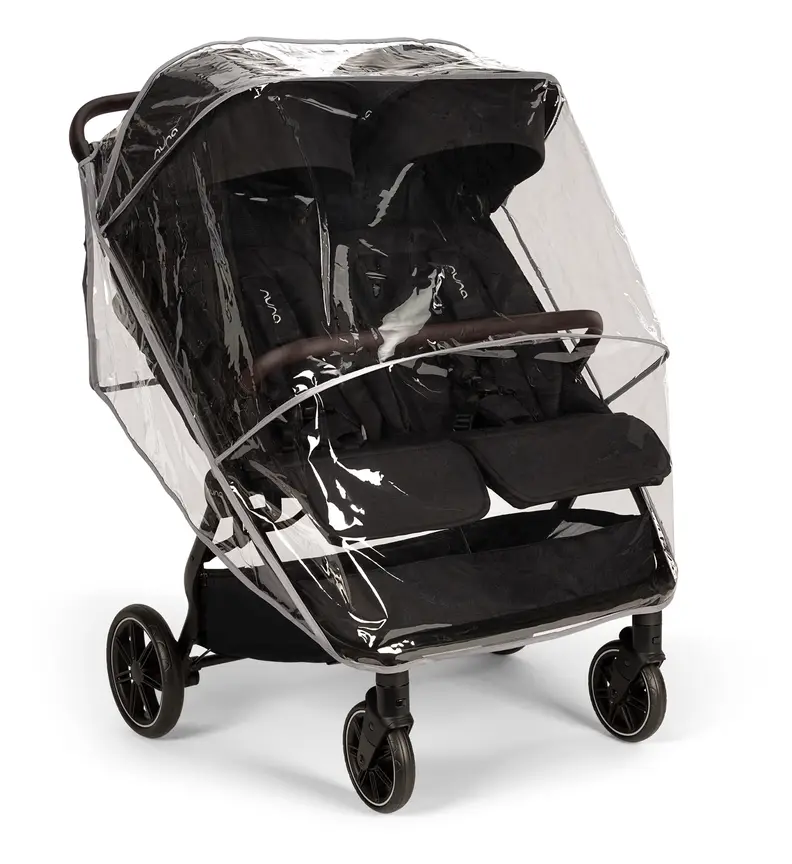
Nuna TRVL Dubl
A side-by-side double that folds with one hand and stands up. Each seat holds up to 22.7 kg.
Read our full review →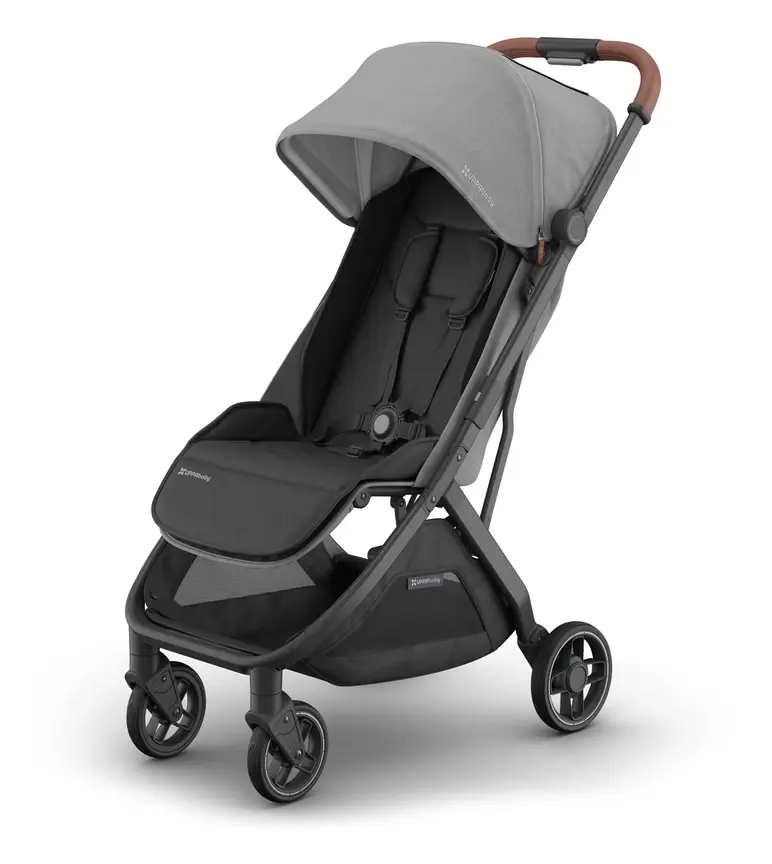


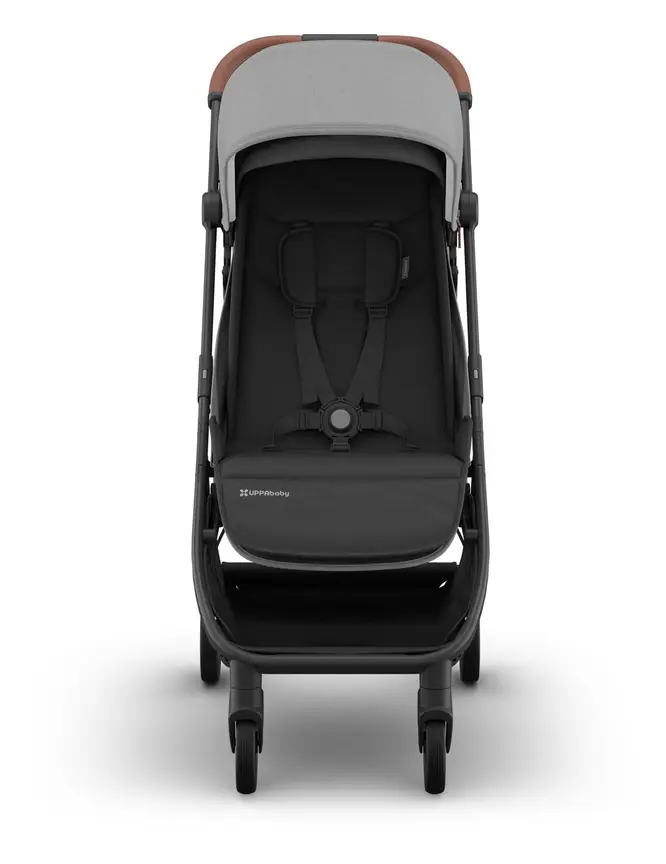


UPPAbaby Minu V3
A slim travel stroller that folds with one hand, stands on its own and is sized for plane overhead lockers.
Read our full review →Frequently asked questions
Is it safe to buy a second-hand stroller?
Yes, a second-hand stroller can be safe if it passes a full check. Make sure it has not been recalled, meets your country's safety standard, and has working brakes, locks and a five-point harness. If any safety part is broken, cracked or missing, do not buy it.
How old is too old for a second-hand pram?
There is no single expiry date for strollers like there is for car seats, unless the maker sets one. Still, older prams are more likely to have worn brakes, brittle plastic, mould or outdated safety designs. It is also harder to find spare parts for models that are many years old. Always check the date on the label and inspect the frame closely.
Should I buy a used stroller that comes with a baby car seat capsule?
Be very cautious. You can buy the stroller and leave the capsule behind, or ask for a lower price for the stroller alone. Only use a second-hand car seat capsule if you are certain it has never been in a crash, has all its parts and manual, meets your local car seat standard, and is well within its safe age limit.
What should I do if a second-hand stroller is missing the tether strap?
In Australia, a wrist tether strap is required under AS/NZS 2088 to stop the pram rolling away on slopes or near roads. Do not use a stroller without one if your local rules require it. Contact the pram maker to see if they sell an official replacement tether strap before you buy or use the pram.
Can my newborn sleep in a second-hand pram bassinet?
A newborn can take supervised naps in a pram bassinet during walks if the bassinet locks firmly onto the frame and has a firm, flat mattress. Always lay your baby on their back with a clear face and no loose blankets, toys or pillows. Never use a pram bassinet as an unsupervised overnight bed unless the maker clearly states it is tested and approved for overnight sleep.
How do I check if a used stroller has been recalled?
Ask the seller for the brand name, model name, serial number and manufacture date from the label. Then search your national recall site: Product Safety Australia, OPSS on GOV.UK, the CPSC in the US or Health Canada. If you cannot find a label on the stroller, do not buy it.
Sources
- Product Safety Australia – Prams and strollers guide
- Product Safety Australia – Prams and strollers mandatory standard
- Product Safety Australia – Recalls
- UK Government – Buy safe, be safe
- UK Office for Product Safety and Standards
- CPSC (US) – Safe sleep: cribs and infant products
- Health Canada – Recalls and safety alerts
- Raising Children Network – Falls prevention: babies and young children
Related guides
More Prams & Strollers →
Stroller Parking Brakes: Linked and Independent Brakes, Safety Checks, and Standards
Stroller Rockers and Pram Shakers: Safe Use, Features and Buying Guide

How to Check a Used Pram: Frame, Brakes, Fold and Safety
