













Flip-Flop Friendly Stroller Foot Brakes vs. Handlebar Hand Brakes: Downhill Control and Sand Resistance
Compare flip-flop friendly stroller foot brakes and handlebar hand brakes for steep hills, sand, and daily parking. Plain-English safety guide for parents.

On this page
- Key points
- How stroller foot brakes work
- How handlebar hand brakes work
- Side-by-side comparison: foot brakes vs. handlebar hand brakes
- Steep downhill control: why brake type matters
- Sand, grit, mud and beach paths
- Shoes, weather and everyday comfort
- How baby age and weight affect braking
- Safety standards and official rules by country
- How to test stroller brakes before you buy
- How to clean sand and salt off stroller brakes
- Common brake mistakes parents make
- Which brake should you choose?
- Frequently asked questions
- Sources
Short answer: Foot brakes and handlebar hand brakes do different jobs. A foot brake locks the wheels when you stop. A flip-flop friendly foot brake lets you press down to lock and press down to unlock, so you never hurt your bare toes. A handlebar hand drum brake lets you slow the pram down while you walk down steep hills. It also keeps sand out better because the brake sits sealed inside the wheel hub. For flat paths and shops, a flip-flop friendly foot brake is enough. For steep hills, jogging or sandy paths, look for a pram with a handlebar hand brake as well as a parking brake.
Safety rules for prams and strollers are similar in Australia (Product Safety Australia and Standards Australia), the UK (Office for Product Safety and Standards), the US (Consumer Product Safety Commission) and Canada (Health Canada). Every country requires a reliable parking brake that holds the stroller still on a slope.
Key points
- Two different jobs: Foot brakes are for parking. Handlebar hand drum brakes are for slowing down on the move.
- Flip-flop friendly pedals: Push-down pedals protect bare toes and thin summer shoes. Old hook-up pedals can hurt your foot or snap a strap.
- Steep hills: You cannot use a foot brake while walking. A hand brake lets you control speed on slopes and saves your wrists.
- Sand and grit: Sealed drum brakes hide inside the wheel hub, away from sand. Exposed foot brake bars can jam with wet sand and small stones.
- Wrist tether strap: Always loop the tether strap around your wrist on hills, even if you have a hand brake.
- Check both: Many prams with a handlebar hand brake still use a foot pedal for parking. Check how both work before you buy.
How stroller foot brakes work
A stroller foot brake is a parking brake. You use it when you stop moving. It locks the back wheels so the pram cannot roll away.
Most foot brakes work with a pin or gear teeth. When you press the pedal, a metal rod or pin slides into slots near the wheel hub. The wheel cannot turn until you lift the pin back out.
Old-style hook-up foot brakes
Many older or budget strollers use a simple lever bar between the back wheels. You push the bar down with your foot to lock the wheels. To unlock it, you hook the top of your foot under the bar and lift it up.
This design works fine in trainers or boots. It is painful in bare feet, sandals or flip-flops. The bar can scrape the top of your toes. It can also snap thin straps or catch on loose sandals when you try to lift it in a hurry.
What makes a foot brake flip-flop friendly
A flip-flop friendly foot brake never asks you to lift a pedal with your toes. You only ever press down. There are two common designs:
- Rocker pedal: The pedal tilts like a seesaw. Press the front or red side down to lock the brake. Press the back or green side down to release it.
- Push-push pedal: You press the same pedal down once to lock it. You press it down a second time to unlock it.
- One-touch bar: A full-width bar across the back axle that locks when stepped on, with a separate small release pedal beside it.
These designs are much kinder on bare feet, thongs and light summer shoes. They also work well in heavy winter boots because you do not need to wedge your toe under a tight bar.
How handlebar hand brakes work
When parents talk about a handlebar hand brake, they usually mean one of two things. It helps to know the difference before you shop.
1. Handlebar slowing brakes (drum or disc)
A slowing brake works like a bicycle brake. You squeeze a lever on the handlebar while you walk. A cable runs down the frame to the back wheels and slows them down.
Most slowing brakes on prams are drum brakes. A drum brake sits inside a closed metal shell at the centre of the wheel. When you squeeze the lever, pads inside the shell press outward against the drum. This slows the wheel smoothly without locking it instantly.
A few all-terrain and running prams use disc brakes instead. A disc brake has a flat metal rotor on the side of the wheel. When you squeeze the handle, pads pinch the rotor. Disc brakes give very strong stopping power, though the open rotor can collect mud or knock against kerbs.
2. Handlebar parking brakes
Some everyday city prams put the parking brake on the handlebar instead of down by the wheels. You pull a lever, flip a switch or twist a grip on the handle to lock the back wheels.
This is completely flip-flop friendly because your feet never touch a pedal. It also keeps your shoes clean in mud or puddles. However, a handlebar parking brake is still just an on-or-off lock. You must not pull it while rolling fast, or the pram could stop suddenly and tip.
Prams & Strollers worth a look
Real products from our catalogue. We don't show star ratings or review counts; check the current price, stock and reviews on Amazon before you buy.

Baby Jogger City Mini GT2
Long-running, lighter all-terrain stroller with a famously simple one-hand strap fold.

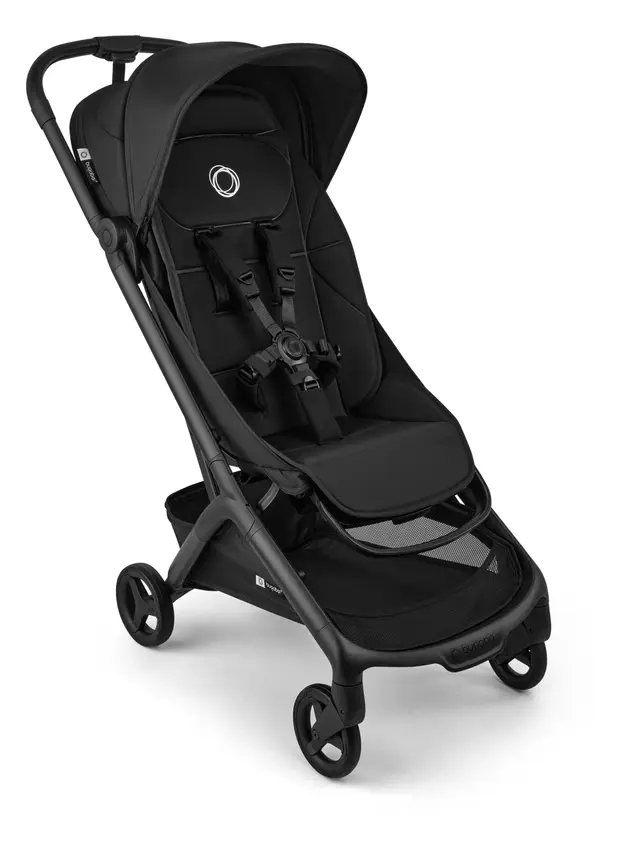
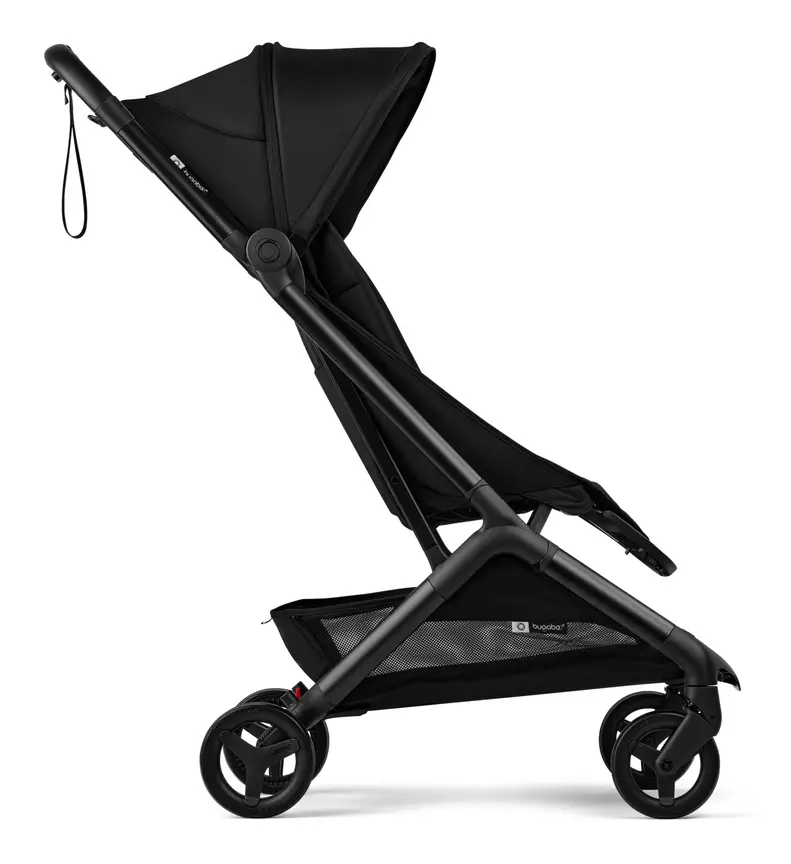


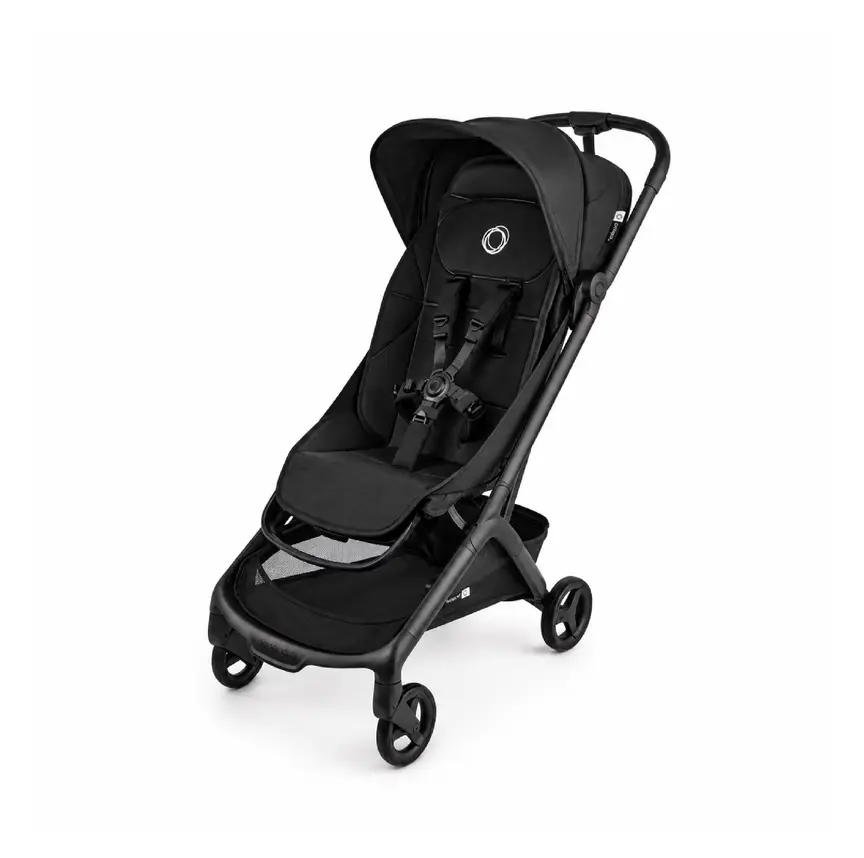
Bugaboo Butterfly
Bugaboo's cabin-friendly compact stroller with a one-second fold — the travel partner to a Fox, not a replacement for it.


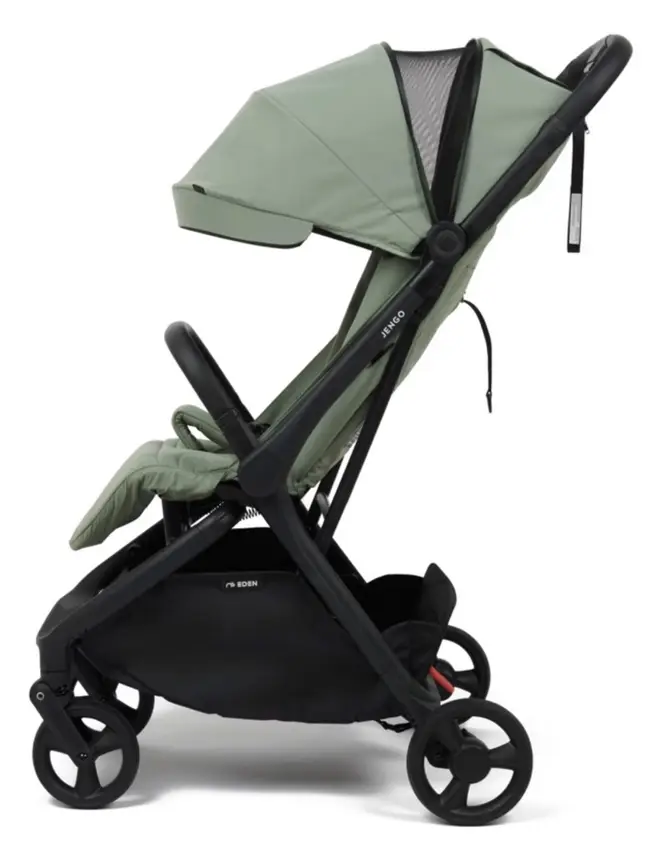
Jengo Eden Compact Stroller
A budget compact stroller from birth to 22 kg. It folds with one hand and has a big basket.
Read our full review →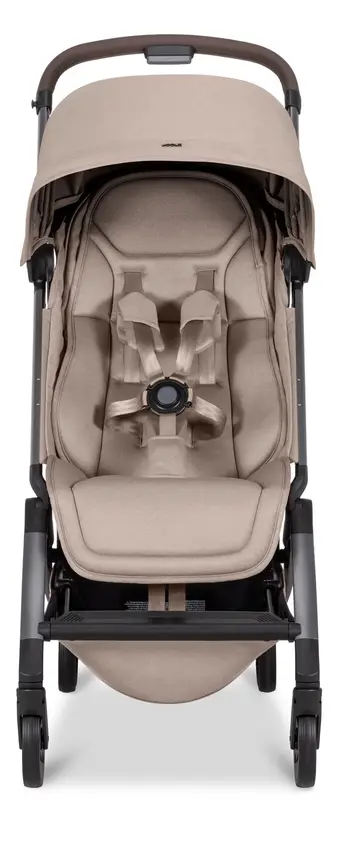


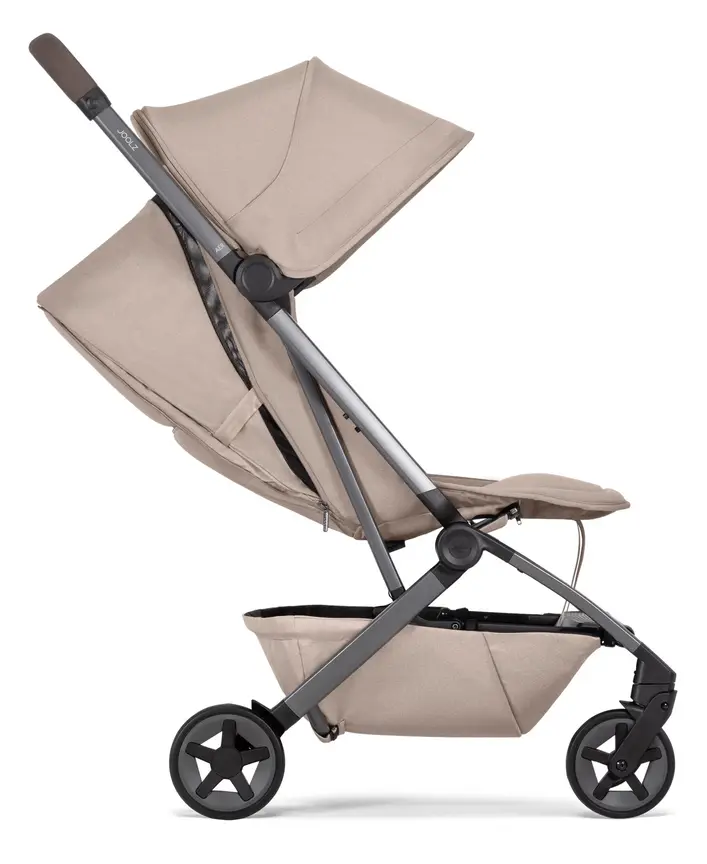


Joolz Aer2
A 6.5 kg stroller with a fast one-hand fold, deep recline from newborn and a UPF50+ sun hood.
Read our full review →Side-by-side comparison: foot brakes vs. handlebar hand brakes
Here is how the three main brake setups compare for everyday family walks, hills and beach trips.
| Feature | Flip-flop friendly foot brake | Handlebar hand drum brake | Handlebar parking brake |
|---|---|---|---|
| Main job | Parking when stopped | Slowing down while walking | Parking when stopped |
| Steep downhill control | None while moving | Strong, smooth speed control | None while moving |
| Flip-flop and bare-foot ease | High (push down only) | Needs a foot pedal for parking on many models | Highest (no foot pedal at all) |
| Sand and grit resistance | Fair; exposed pins can jam | Good; brake pads sit inside a sealed hub | Fair to good; cable stays up high, wheel locks vary |
| Extra weight on pram | Very light | Adds cables, levers and hub drums | Adds a cable and handle mechanism |
| Maintenance needed | Rinse sand and grit off the pins | Check cable tension; keep dry | Check cable and lock latch |
| Best for | Flat paths, shops, travel and parks | Steep hills, coastal paths, running and heavy loads | City streets, wet weather and open-toe shoes |
Steep downhill control: why brake type matters
Walking downhill with a pram is very different from walking on flat ground. Gravity pulls the pram forward. If you carry a toddler plus a full shopping basket, that push can feel heavy fast.
With a foot brake only, your arms and shoulders do all the braking. You have to lean back and pull the handlebar toward you. Over a long hill, this tires out your wrists, elbows and lower back.
If your shoes slip on wet leaves, loose gravel or steep concrete, you can lose your footing. A foot brake cannot help you while you are moving. You cannot step on a parking pedal while the wheels are spinning without risking a sudden jolt or trip.
How a hand drum brake helps on hills
A handlebar hand drum brake lets you feather the speed as you walk. "Feathering" just means squeezing the lever gently so the wheels turn more slowly. You stay upright and walk at a normal pace.
This gives you better balance on steep driveways, multi-storey car park ramps and hilly walking tracks. It also helps if you walk a dog on a lead with one hand and steer the pram with the other. One hand can still control the brake lever.
Do not forget the wrist tether strap
A hand brake only works while your hand is squeezing it. If you trip, drop the handle or let go to catch an older child, a pram without a lock can roll down the hill.
That is why a tether strap matters so much. A tether strap is a fabric loop attached to the pram frame. You slip your wrist through it before you start walking. If you let go, the strap keeps the pram attached to you so it cannot run into traffic or roll down a slope.
Always use the tether strap on hills, near roads, near train platforms and near water. Even the best hand brake does not replace a tether strap.
Sand, grit, mud and beach paths
Beach paths, gravel tracks and park playgrounds are tough on stroller brakes. Fine sand gets into tiny gaps. Wet sand dries into a hard crust. Small stones can wedge between moving parts.
How foot brakes cope with sand
Most foot brakes sit low to the ground right next to the back tyres. Every time the wheels spin on sandy or muddy ground, grit sprays straight onto the brake bar and locking pins.
- Jammed pins: Fine sand can pack into the slots on the wheel hub. The locking pin may only go halfway in, or get stuck and refuse to release.
- Stiff pedals: Grit works its way into the spring or hinge under the foot pedal. The pedal starts to feel crunchy and hard to press in flip-flops.
- Linkage bars: Many foot brakes link both back wheels with a thin metal rod or cable under the frame. Sand and salt can jam that linkage so one wheel locks while the other still spins.
How handlebar drum brakes cope with sand
Drum brakes handle sand better because the braking parts sit inside a closed metal drum at the wheel hub. Sand and splashes of muddy water stay outside the drum while you roll.
That does not mean drum brakes are magic or maintenance-free. Sand can still enter where the brake cable meets the drum arm. Salt air near the ocean can rust steel springs and inner cables over time. If the inner cable gets rusty or gritty, the hand lever will feel stiff and slow to spring back.
Still, compared with exposed disc rotors or open foot-brake gears, sealed drum brakes keep working much longer on sandy coastal paths.
What about deep, soft beach sand?
No normal stroller brake stops a pram from sinking in soft, dry sand. On soft sand, wide air-filled tyres matter more than the brake. You often need to pull the pram backwards behind you. Just remember to rinse the wheels and brakes as soon as you leave the beach.
Shoes, weather and everyday comfort
Think about what you actually wear on your feet most days. Many parents in warm places wear thongs, slides, sandals or go barefoot at the park. Parents in wet or cold places wear rain boots or thick winter shoes.
- Flip-flops and bare feet: Avoid hook-up brake bars completely. Choose a push-down rocker pedal, a push-push pedal or a handlebar parking brake.
- Wet weather: Mud and puddles splash the back axle. A handlebar parking brake keeps your shoes dry and clean. A hand drum brake also keeps working well in rain because the drum shields the pads from water.
- Cold weather and gloves: Thick winter gloves can make small plastic buttons on a handlebar harder to press. A wide foot pedal is often easier to step on when your hands are cold.
- Short or tall parents: Check that the foot pedal does not sit right where your toes kick while walking. Some tall parents hit low brake bars with their shins or toes on long strides.
How baby age and weight affect braking
A pram feels light when you push an empty display model in a shop. Real life is much heavier. As your child grows, the demands on your brakes grow too.
| Stage | Typical load | What this means for brakes |
|---|---|---|
| Newborn (0 to 6 months) | Tiny baby plus bassinet or capsule and nappy bag | Light total weight, but smooth stopping matters so you do not jolt a sleeping newborn. |
| Sitting baby (6 to 12 months) | Heavier baby plus snacks, water bottle and toys in the basket | Downhill pull starts to feel stronger. Check that the parking brake locks both back wheels evenly. |
| Toddler (1 to 3+ years) | Heavy child plus shopping, coats and balance bike or scooter | High downhill force. A handlebar slowing brake helps a lot on steep paths. Worn tyres can reduce brake grip. |
| Double or twin pram | Two children plus double gear | Very heavy load on hills. A hand slowing brake and strong dual-wheel parking lock are much safer. |
Also watch your tyres. Foam-filled or hard plastic tyres can wear smooth over time. When tyres lose their tread, a locked wheel can skid on smooth wet concrete or steep tiles, even when the brake is working properly.
Side by side: more prams & strollers to compare
Real products from our catalogue. We don't show star ratings or review counts; check the current price, stock and reviews on Amazon before you buy.

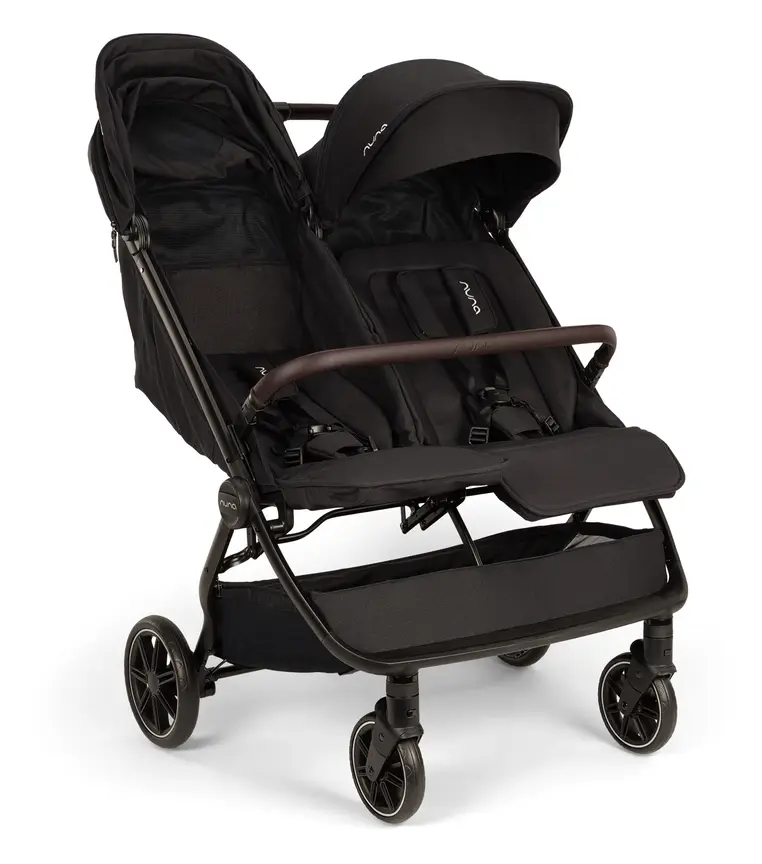
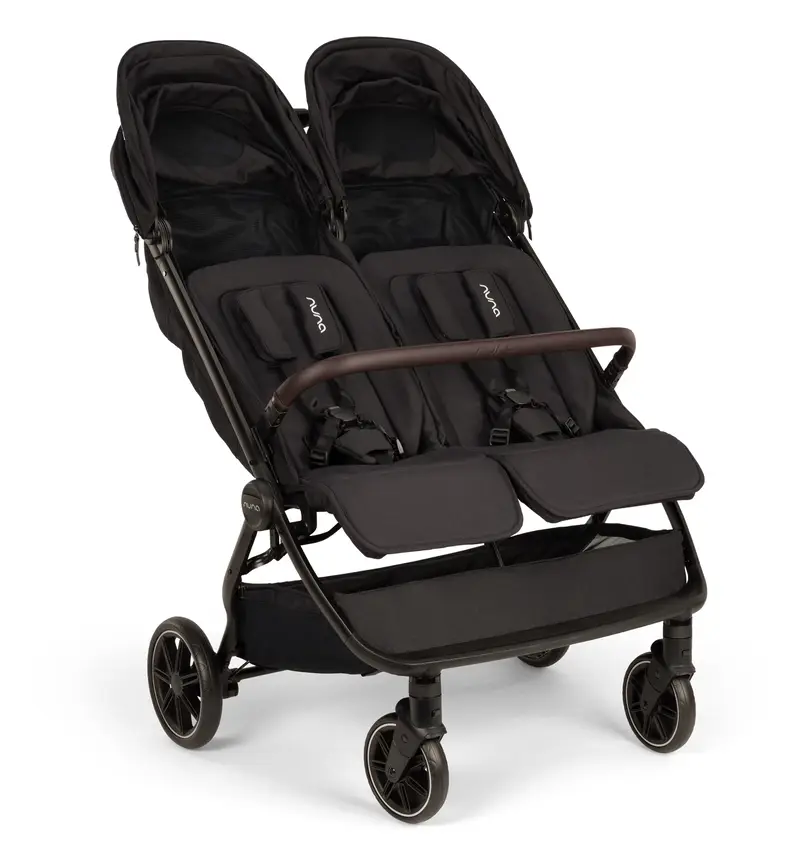
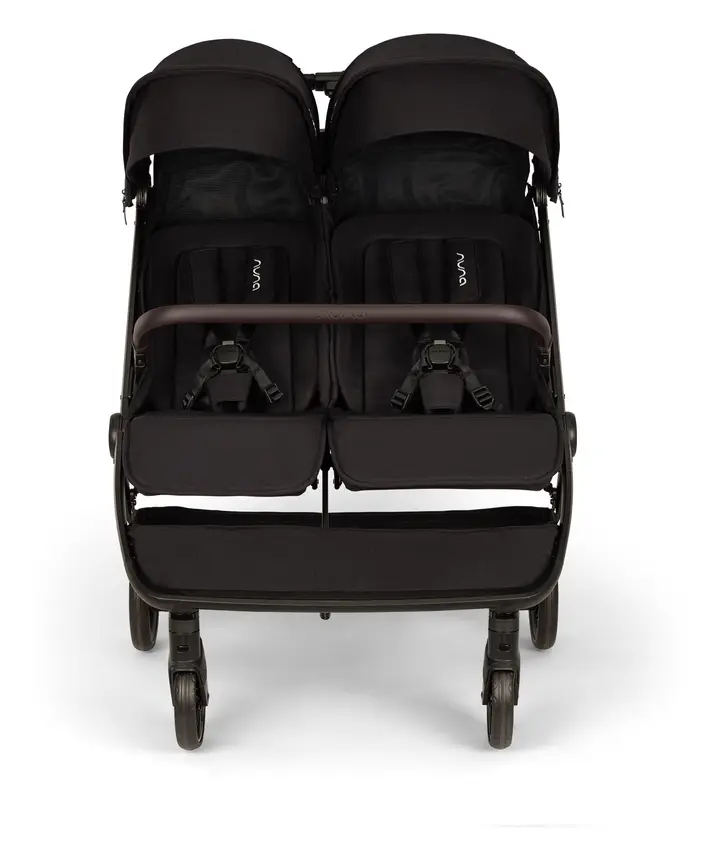
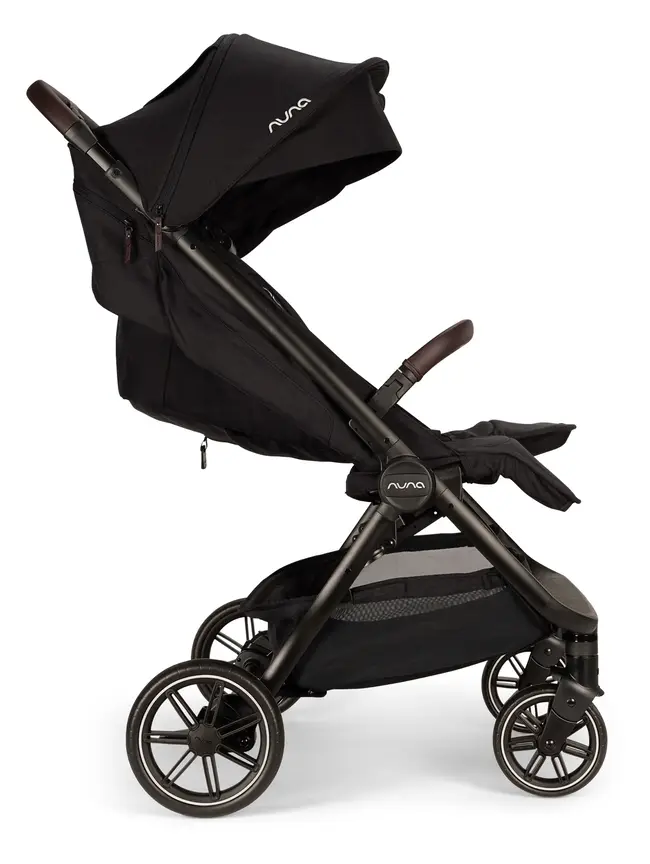
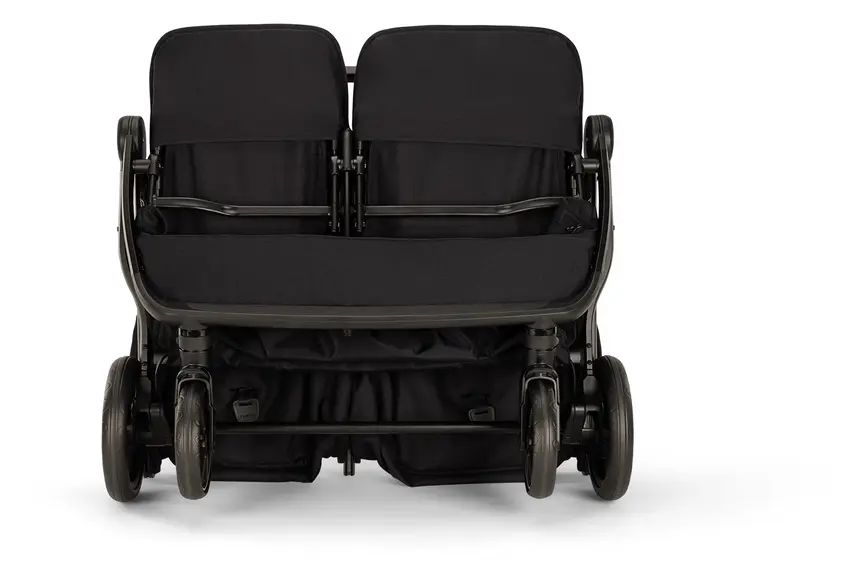
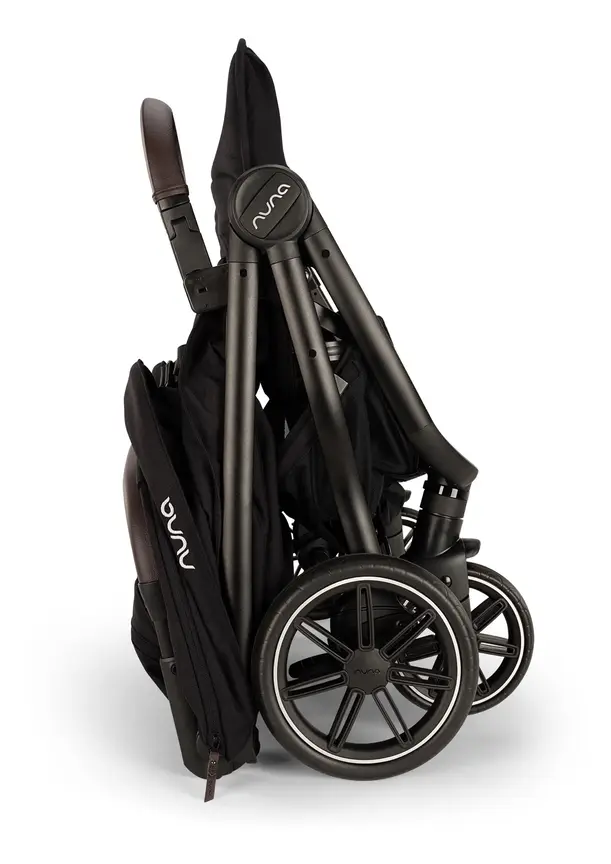
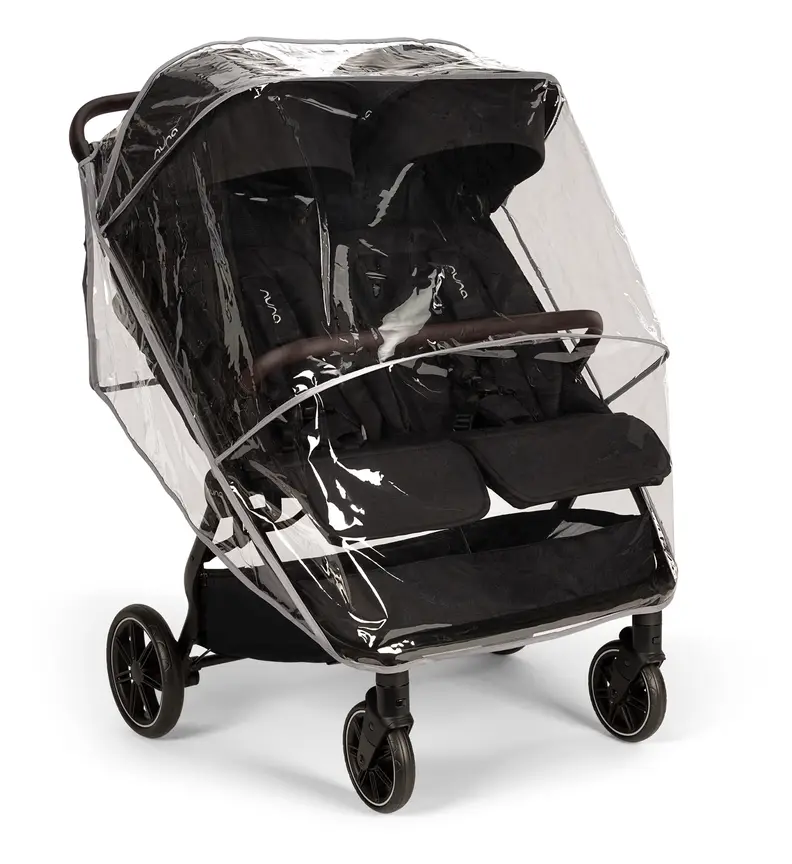
Nuna TRVL Dubl
A side-by-side double that folds with one hand and stands up. Each seat holds up to 22.7 kg.
Read our full review →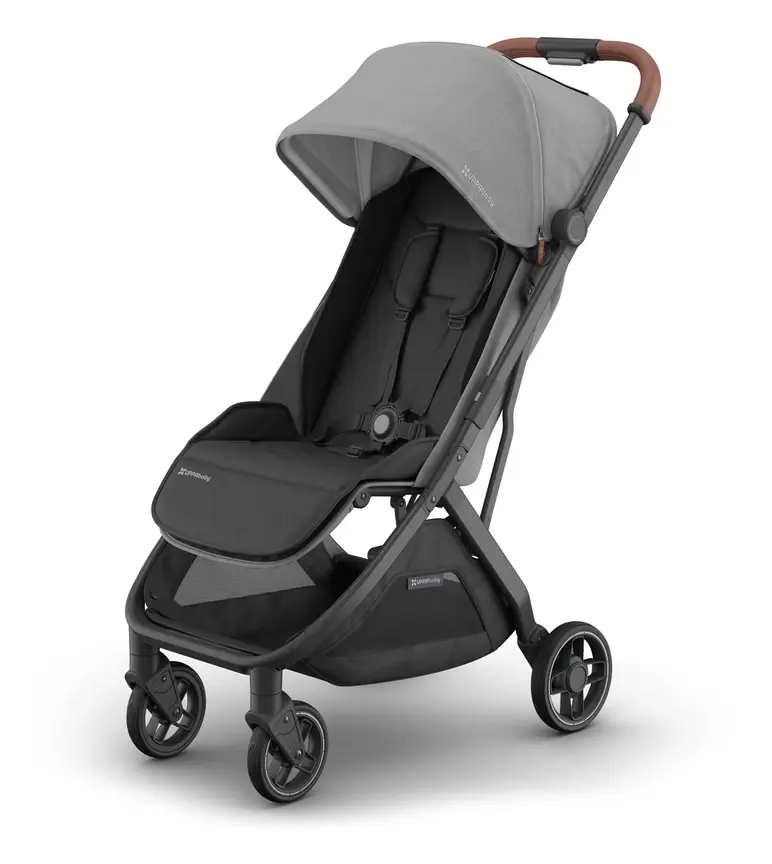


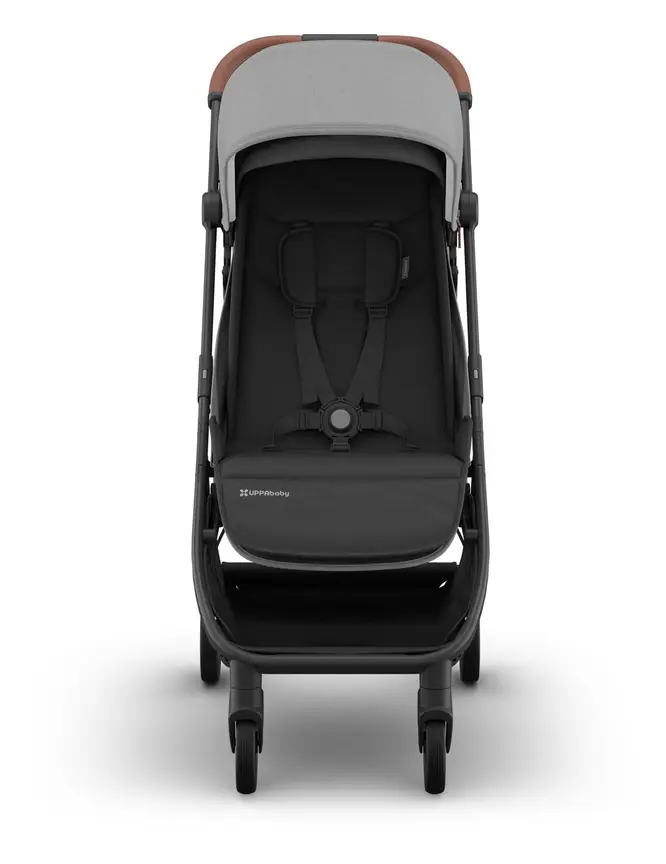


UPPAbaby Minu V3
A slim travel stroller that folds with one hand, stands on its own and is sized for plane overhead lockers.
Read our full review →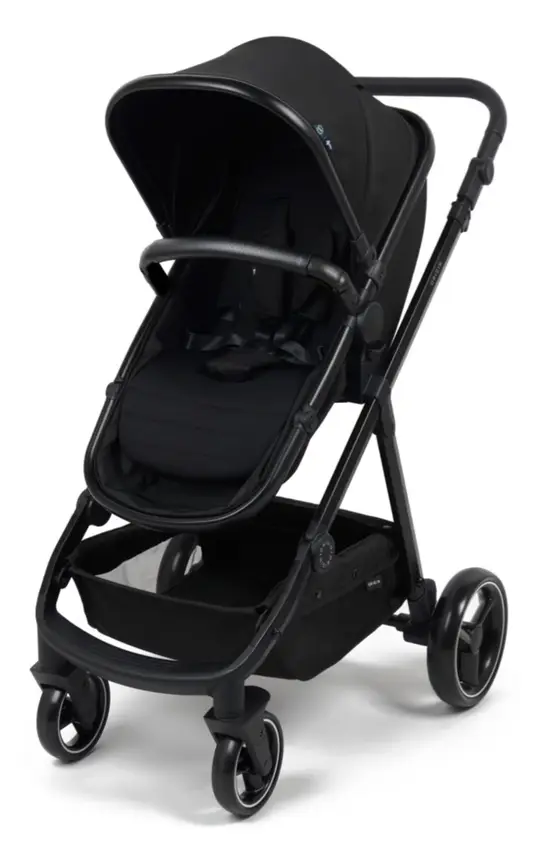
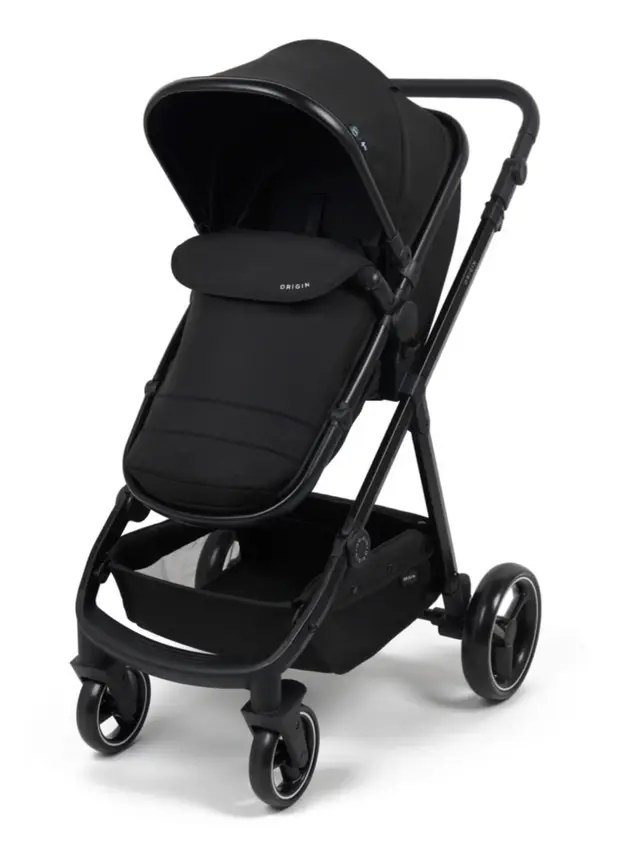
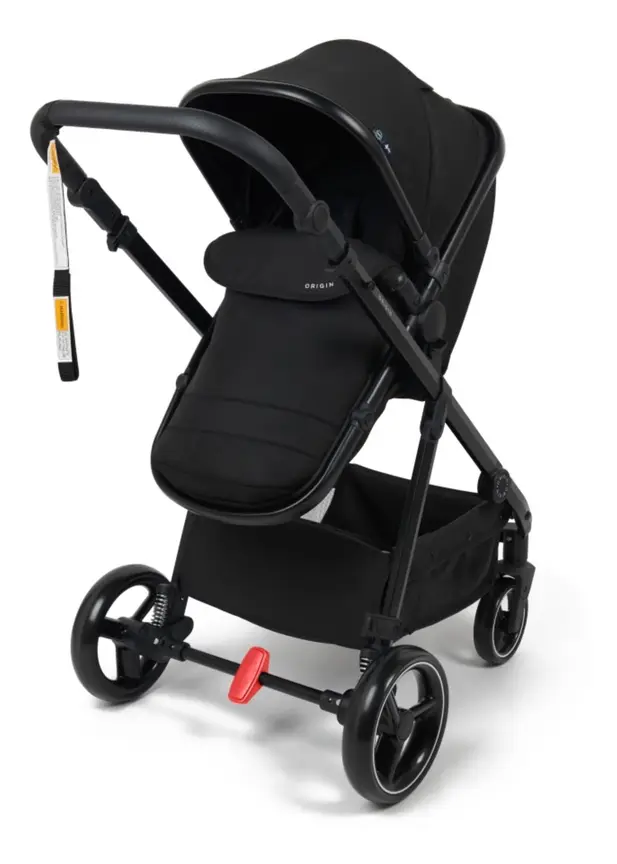
4baby Origin Stroller
A budget pram whose seat turns into a bassinet. The seat can face you or face the world.
Read our full review → Reviewed
Baby Jogger City Tour 2
A 6.5 kg stroller with a near-flat recline. It folds small and comes with a carry bag.
Read our full review →Safety standards and official rules by country
Prams and strollers are checked by national safety bodies to prevent roll-aways, tip-overs and finger traps. Always buy a pram that meets the official standard for your country. Avoid unverified grey-market imports sold online without safety labels.
| Country | Official safety body | Stroller standard | What it checks for brakes and slopes |
|---|---|---|---|
| Australia | ACCC / Product Safety Australia and Standards Australia | AS/NZS 2088 | Requires a parking brake that holds the stroller still on a test slope, a red-coloured brake actuator, and a wrist tether strap. |
| UK | Office for Product Safety and Standards (OPSS) and RoSPA guidance | BS EN 1888 | Requires effective parking devices that hold the pram steady on a slope and resist accidental release by a child. |
| US | Consumer Product Safety Commission (CPSC) | ASTM F833 | Federal stroller rule requires parking brakes to hold a loaded stroller on an inclined test surface without slipping. |
| Canada | Health Canada | Carriages and Strollers Regulations | Requires a reliable braking device that prevents wheels from turning on a sloped surface, plus safe harness restraints. |
In Australia, Product Safety Australia also notes that the parking brake lever or pedal should be coloured red so you can spot it fast. Never buy a second-hand pram if the brake is broken, missing a wheel lock or missing its tether strap.
How to test stroller brakes before you buy
Do not just glance at the brake in the store. Test it like you will use it every day.
- Wear your usual shoes: If you live in flip-flops or slides, wear them to the shop. Step on and off the brake ten times. Does anything pinch, scrape or catch?
- Check both back wheels: Lock the brake and try to push the pram forward and backward. Both back wheels should lock solid. If one wheel still turns, the linkage may be weak or poorly adjusted.
- Listen and feel for the click: A good parking brake clicks firmly into place. You should feel and hear when it is fully locked.
- Test the hand brake while rolling: If the pram has a handlebar drum or disc brake, push it along and squeeze the lever slowly. It should slow the pram smoothly without yanking to one side.
- Check the release: Make sure the brake does not unlock easily if a toddler kicks it or reaches down for it.
- Check the tether strap: Make sure the wrist strap is sturdy, comfortable and placed where you will actually use it.
How to clean sand and salt off stroller brakes
A five-minute clean after a beach or muddy park trip keeps brakes working for years. Never leave wet sand sitting inside the brake parts.
- Let dry sand fall off first: Wait until loose dry sand dries completely, then brush it out with a soft paintbrush or dry cloth. Wetting dry sand first can turn it into paste inside small gears.
- Rinse with fresh water: Use a gentle garden hose or a jug of clean water to rinse salt and grit away from the wheel hubs and brake pedal. Do not use a high-pressure washer, as it can force water and grit into sealed wheel bearings.
- Pop the wheels off if you can: Most prams have a quick-release button on the back wheels. Taking the wheels off makes it easy to wipe the axle and check for tangled hair or string.
- Dry everything well: Wipe metal pins, springs and cables with a dry towel. Leave the pram open in a shady, airy spot to dry completely.
- Use dry silicone spray, not thick grease: Thick oil or grease attracts more sand and turns into grinding paste. If a pedal feels sticky after cleaning, a light wipe or a tiny squirt of dry PTFE or silicone spray on the pivot helps without holding onto dust. Check your pram manual first to see what the maker recommends.
Common brake mistakes parents make
Most pram roll-away accidents happen during quick, everyday moments. Watch out for these common traps.
- Trusting flat-looking ground: A footpath, car park or train platform often slopes slightly towards the road or tracks. Always put the parking brake on every time you let go of the handle, even for two seconds.
- Half-locking the pedal: Sometimes a foot pedal hits the edge of a gear tooth instead of dropping fully into the slot. Give the pram a gentle nudge after locking the brake to be sure it holds.
- Using a handlebar parking brake while moving: Some parents confuse a handlebar parking lever with a bicycle slowing brake. Snapping a parking pin while rolling can damage the hub or tip the pram.
- Ignoring a loose cable: Handlebar drum brakes stretch slightly over time. If you have to squeeze the lever all the way to the grip before the pram slows down, the cable needs a quick adjustment.
- Hanging heavy bags on the handle: Heavy nappy bags on the handlebar pull the weight backwards. On a steep slope, that can lift the front wheels or make a parked pram tip over backward, even with the brake locked.
- Forgetting the harness: A brake stops the pram, not the baby. Kidsafe Australia and Raising Children Network remind parents to always use the five-point harness so a child cannot climb or fall out when you stop.
Which brake should you choose?
Match the brake to where you actually walk most weeks:
- Mostly flat footpaths, shops and cafés: A flip-flop friendly rocker or push-push foot brake is light, simple and easy to use in summer shoes.
- Steep hills, coastal tracks or running: Pick a pram with a handlebar hand drum brake for downhill control, plus a solid parking brake and wrist tether.
- Frequent beach trips or wet, muddy parks: Sealed drum brakes and simple push-down pedals with easy-to-remove wheels make cleaning much faster.
- City travel and open-toe shoes every day: A handlebar parking brake keeps your toes safe and your shoes clean, as long as your walks are mostly flat.
More options, from budget to premium
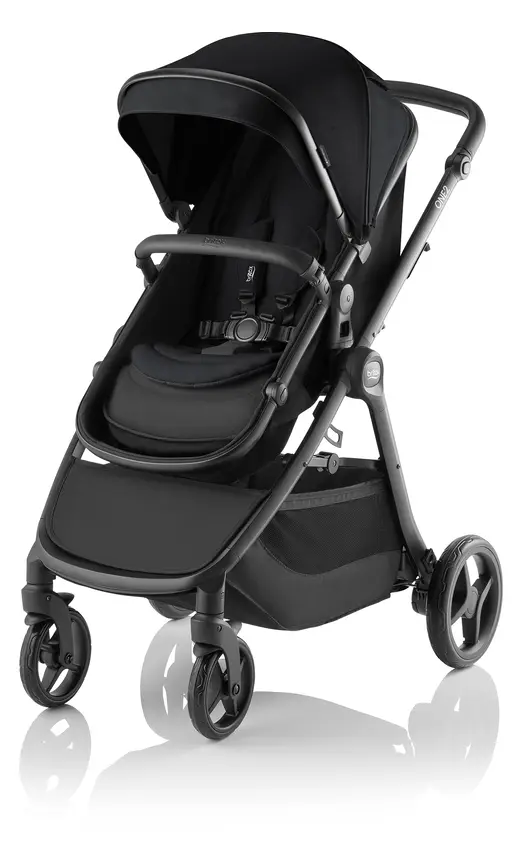
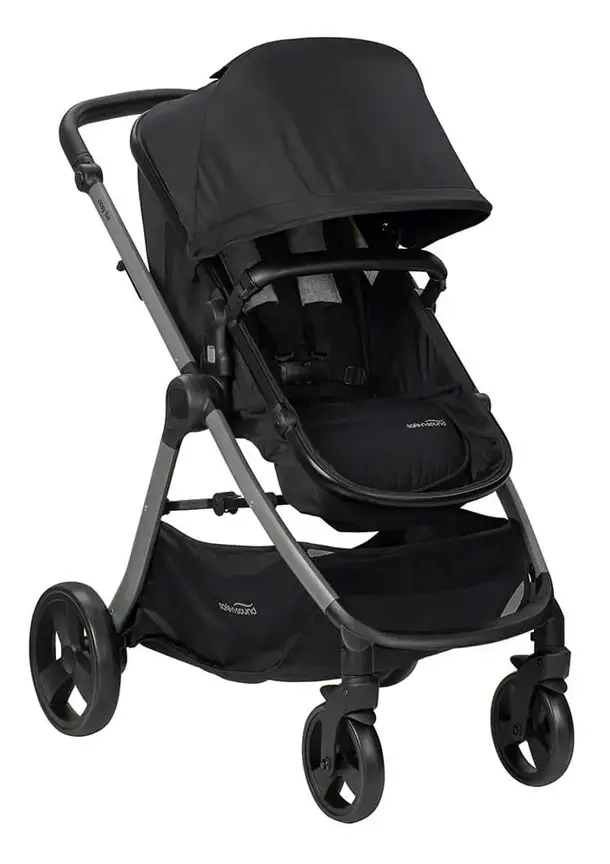
Real products from our catalogue. We don't show star ratings or review counts; check the current price, stock and reviews on Amazon before you buy.

Frequently asked questions
Can a handlebar hand drum brake replace a foot parking brake?
Usually no. Most hand drum brakes are slowing brakes, not parking locks. Some have a small latch on the lever to hold the brake while parked, while many still come with a foot pedal for parking. Always check the pram manual so you know which part locks the wheels when you stop.
Are flip-flop friendly foot brakes safe on steep hills when parked?
Yes, when fully locked, a flip-flop friendly parking brake holds just as well as a hook-up pedal. Safety rules in Australia, the UK, the US and Canada all test parking brakes on a sloped surface. Just give the pram a gentle push after locking to make sure both back wheels clicked in, and face the pram sideways on very steep slopes if needed.
Why does my stroller foot brake stick after the beach?
Fine sand and dried salt get wedged around the locking pins and springs near the back axle. Brush out dry sand, rinse gently with fresh water, take off the back wheels to wipe the axles, and let everything dry. Avoid thick grease, because grease traps more sand.
Do handlebar hand brakes break or stretch over time?
The metal cable inside a hand brake can stretch slightly with regular use, just like a bicycle brake cable. Most hand brakes have a small barrel adjuster near the lever or wheel hub so you can tighten the slack in a minute. Check your manual for how to adjust it, or ask a bike or pram repair shop.
Are disc brakes better than drum brakes on a stroller?
Disc brakes offer strong stopping power for fast running, because they pinch a larger metal rotor. However, the open rotor sits on the outside of the wheel, where sand, mud and knocks from kerbs or car boots can hit it. Drum brakes sit sealed inside the wheel hub, which protects them better from sand, grit and knocks during everyday family use.
What should I do if one back wheel locks and the other still rolls?
Stop using the pram on slopes right away. When only one wheel locks, the pram can pivot and swing into a road or tip sideways. Check if sand or a small stone is blocking the locking pin on the rolling wheel. If cleaning does not fix it, contact the maker or a repairer before using it again.
Sources
- Product Safety Australia – Prams and strollers mandatory standard
- Product Safety Australia – Prams and strollers guide
- Kidsafe Australia – Falls
- Raising Children Network – Falls prevention: babies and young children
- UK Office for Product Safety and Standards
- RoSPA – Child safety at home
- HealthyChildren.org (American Academy of Pediatrics) – Home safety: tips for families with young children
- Health Canada – Recalls and safety alerts
Related guides
More Prams & Strollers →
Stroller Hand Muffs and Handlebar Gloves: How to Choose a Safe, Warm Pair

Stroller Handlebar Organisers and Tipping: Why Heavy Bags Flip Compact Strollers
Stroller Parking Brakes: Linked and Independent Brakes, Safety Checks, and Standards
