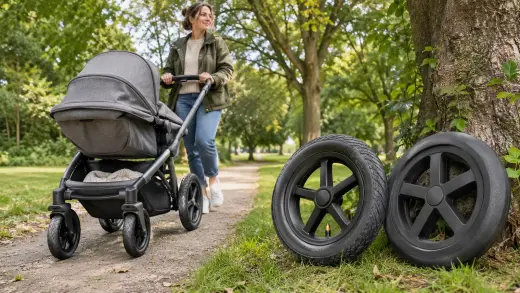
Stroller Footmuff vs Snowsuit in a Pram: Why Zip-Top Footmuffs Work Better for Warm Shops
Compare stroller footmuffs and snowsuits for your pram. See why zip-top footmuffs prevent overheating in warm shops and keep harnesses safe.

On this page
- Key points
- What is a stroller footmuff and what is a snowsuit?
- Why going from cold streets to warm shops is tricky
- Footmuff vs snowsuit: side-by-side comparison
- How a zip-top footmuff works in daily life
- Safety rules for prams, harnesses, and sleep
- What to wear by age and stage
- How to dress your baby under a footmuff or snowsuit
- Official advice and standards in Australia, the UK, the US and Canada
- How to choose and care for a zip-top footmuff
- Common mistakes parents make
- Frequently asked questions
- Sources
Short answer: A zip-top stroller footmuff is usually better than a puffy snowsuit for trips between cold streets and warm shops. You can unzip the front in seconds as soon as you step indoors. Your baby cools down without waking up, and the pram harness stays snug against their normal clothes. A snowsuit traps heat indoors, is hard to take off in a pram, and should never go under a car seat harness.
Health groups in Australia (Red Nose), the UK (The Lullaby Trust and NHS), the US (American Academy of Pediatrics) and Canada (Canadian Paediatric Society) all give the same core advice. Babies must not get too hot, and their face and head must stay clear.
Key points
- Quick cooling: A zip-top footmuff opens wide when you enter a heated shop, cafe, or bus.
- Safe harness fit: A footmuff goes around the straps, while a puffy snowsuit adds bulk under them.
- Less waking: You do not need to unbuckle and undress a sleeping baby when you go inside.
- Car seat rule: Never put a baby in a bulky snowsuit inside a car seat or travel capsule.
- Temperature check: Feel your baby's chest or the back of their neck, not their hands or feet.
- Hats off indoors: Always remove beanies and hoods as soon as you step inside.
What is a stroller footmuff and what is a snowsuit?
Both items keep babies warm in cool weather. They work in very different ways.
What a stroller footmuff is
A stroller footmuff is a lined sleeping bag made to fit a pram seat. Some brands call it a cosy toes or a bunting bag. It has slots in the back so the pram harness straps pass right through.
Your baby sits on the warm back layer. The straps clip over their normal clothes. Then you zip the front cover up over their legs and tummy.
A zip-top footmuff has zips down both sides or down the middle. Many also let you fold the top edge down or take the whole front lid off. That design is what makes indoor stops so easy.
What a snowsuit is
A snowsuit is a padded all-in-one suit that your baby wears like a coat with legs. In the UK, people often call it a pramsuit. It covers the arms, body, and legs, and often has a hood and fold-over mitts.
Snowsuits are made for cold air outdoors. They are great when you carry a baby outside or play in the snow. Inside a warm building, though, that thick padding holds heat around your baby's whole body.
Why going from cold streets to warm shops is tricky
On a chilly morning, you bundle up before leaving home. You step outside, walk to the shops, and push the pram through the sliding doors. Suddenly the air is warm. Heaters are blowing near the entrance.
As an adult, you unzip your jacket or take off your scarf right away. A baby in a pram cannot do that. They cannot tell you they feel sweaty or too warm.
Babies also handle heat differently from older children and adults. Their bodies heat up fast when wrapped in thick layers. Health bodies like Red Nose in Australia and The Lullaby Trust in the UK warn that overheating is a risk factor for sudden infant death. This risk matters most when a baby falls asleep in the pram.
With a snowsuit, your baby is wrapped from neck to toe in thick wadding. To cool them down, you have two choices:
- Leave the suit on and hope they do not get too hot.
- Unbuckle the pram harness, lift your baby out, pull off the sleeves and legs, and put them back in.
If your baby just fell asleep on the walk over, undressing them will almost always wake them up. A zip-top footmuff solves this problem in two seconds. You pull the side zips down, fold the front panel back, and let cool air reach your baby's chest and legs.
Prams & Strollers worth a look
Real products from our catalogue. We don't show star ratings or review counts; check the current price, stock and reviews on Amazon before you buy.
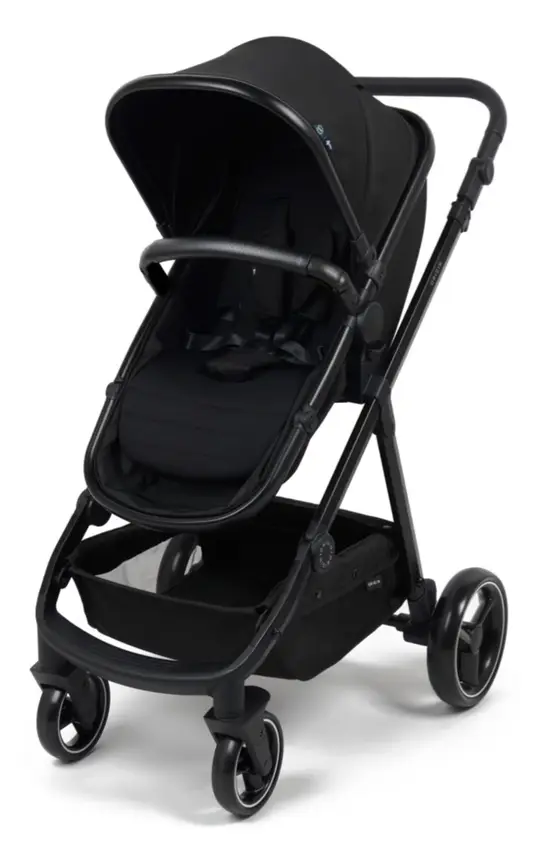
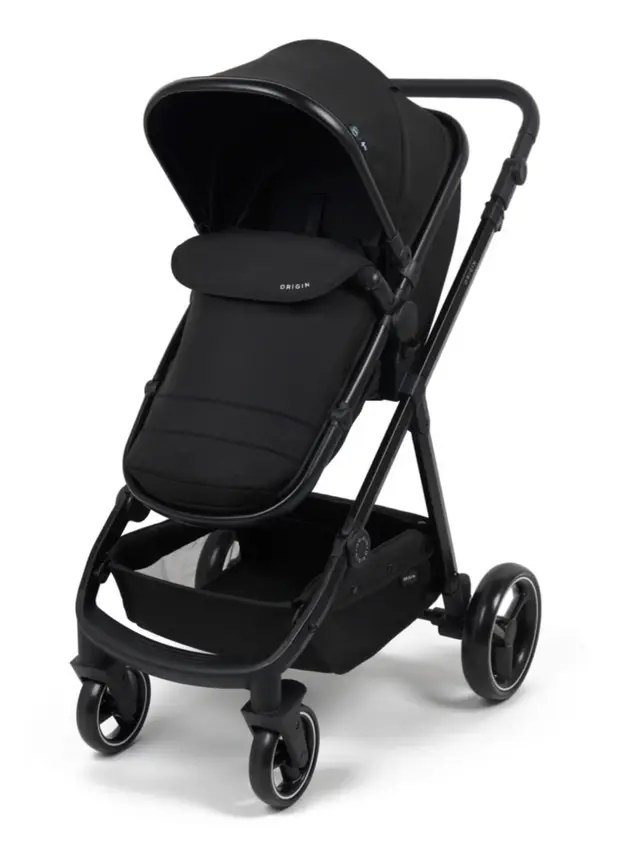
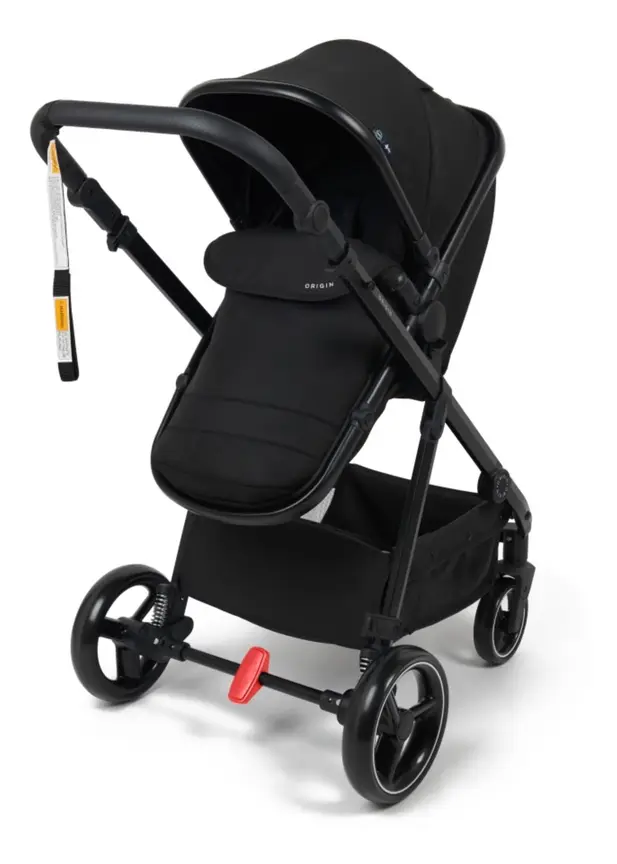
4baby Origin Stroller
A budget pram whose seat turns into a bassinet. The seat can face you or face the world.
Read our full review →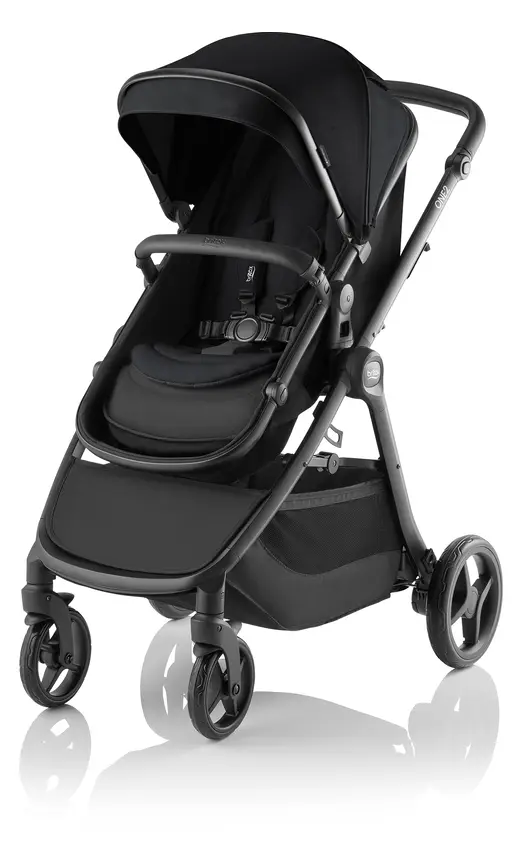
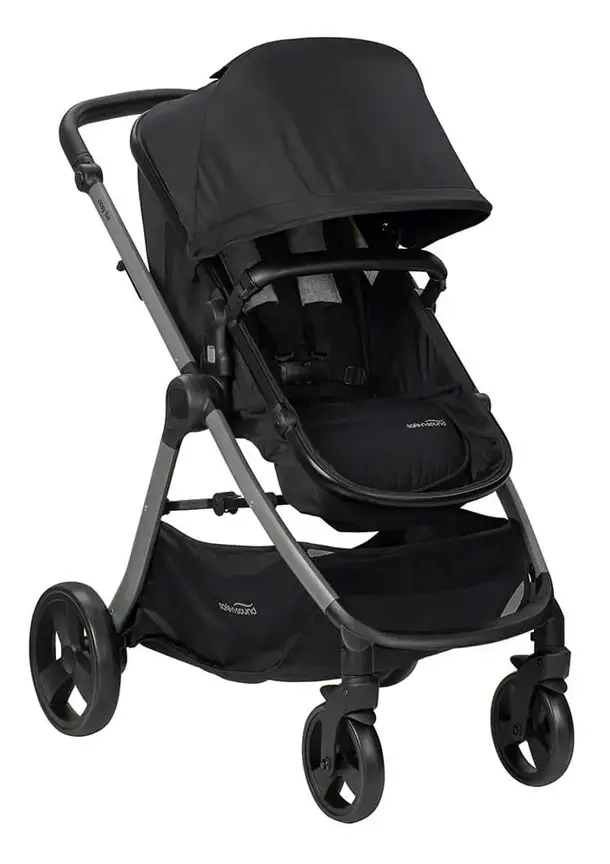

Joie Nitro Stroller
A light, low-cost umbrella stroller with a flat recline, so it works from birth.
Footmuff vs snowsuit: side-by-side comparison
The table below compares a zip-top stroller footmuff and a padded snowsuit for everyday errands.
| Feature | Zip-top stroller footmuff | Padded snowsuit |
|---|---|---|
| Cooling down in warm shops | Very fast. Unzip the front or take the lid off in seconds. | Slow and awkward. You must unbuckle and pull arms out. |
| Waking a sleeping baby | Rarely wakes baby if you unzip gently. | Almost always wakes baby during undressing. |
| Pram harness fit | Straps sit close to baby's indoor clothes. | Thick padding sits under straps and makes them looser. |
| Car seat safety | Safe when baby wears normal indoor clothes underneath. | Unsafe in car seats because puffy padding squashes in a crash. |
| Nappy changes out and about | Easy. Unzip the front and access clothes quickly. | Harder. You must peel off the whole suit first. |
| Toddler walking stops | Toddlers stay strapped in, or step out in normal shoes and coat. | Toddlers can walk right away, though bulky suits restrict movement. |
| Use in mild weather | Zip off the front and use the back as a seat liner. | Too hot for mild days. |
| Cleaning | Easy to spot-clean or machine wash. Many have wipe-clean foot areas. | Needs full washing if muddy or after a nappy leak. |
How a zip-top footmuff works in daily life
Not all footmuffs work the same way. Some only have one zip down the centre, which leaves fabric folded over your baby's sides even when open. A good zip-top footmuff gives you much better airflow control.
Look for two-way side zips
Two-way zips run up both the left and right edges of the footmuff. This lets you do three useful things:
- Vent the chest: Pull both zips halfway down and fold the top flap over the bumper bar.
- Open the bottom only: Unzip from the feet up so muddy toddler shoes poke out without dirtying the inside.
- Remove the front completely: Take the top lid off and tuck it in the pram basket when the sun comes out.
Check how it attaches to the pram
A footmuff should never slide down into a heap at the bottom of the seat. Look for a top pocket or elastic strap that loops over the backrest of the pram. Check that the harness slots line up with your pram's shoulder, waist, and crotch straps.
Most universal footmuffs have vertical hook-and-loop slots so you can adjust strap height as your child grows. Make sure the slot covers close firmly around the straps so cold air does not leak through the back.
Use the seat liner mode
When you zip the front cover off, the back part works as a soft pram liner. That is handy in spring and autumn when mornings are crisp and afternoons turn warm. You get more months of use from one item.
Safety rules for prams, harnesses, and sleep
Warmth should never come at the cost of safe breathing or safe straps. Follow these basic rules every time you go out.
Keep the pram harness snug
Product safety guides from the ACCC in Australia and the CPSC in the US stress using a five-point harness in a pram seat. Thick, puffy snowsuits sit between the straps and your baby's body. That bulk makes it hard to tell if the straps are tight enough.
With a footmuff, your baby wears light indoor layers against their skin. You tighten the harness over those thin clothes first. Then you zip the warm layer over the top.
Do not use bulky snowsuits in car seats
This rule catches many parents off guard. The American Academy of Pediatrics (AAP), Transport Canada, The Lullaby Trust, and Australian road safety groups all warn against bulky coats and snowsuits in car seats.
Here is why. You tighten the harness over a puffy suit. In a sudden stop or crash, the soft filling squashes flat. That leaves a big gap under the straps, and your child can slip out or move too far forward.
Instead, dress your baby in thin, warm layers in the car. Place a blanket or car-seat-safe cover over the buckled straps, never under them. If you click a baby capsule from the car onto a pram frame, a zip-top footmuff or a tucked blanket lets you keep the car harness safe the whole time.
Keep the face and airway clear
Whether you use a footmuff or a snowsuit, your baby's face must stay completely uncovered:
- Watch the top edge: The top of the footmuff should sit below your baby's chin and shoulders. Never pull it up over their mouth or nose.
- Skip loose toggles and cords: Avoid footmuffs with long drawstrings near the head.
- Avoid draped covers: Do not drape a thick blanket or muslin cloth tightly over the pram hood in warm or still air. Studies show this can make the air inside the pram much hotter.
- Stay with sleeping babies: Prams are great for walks and naps on the go, as long as you can see your baby. When you get home, move a sleeping baby to a flat, firm cot or bassinet.
How to check if your baby is too hot
Many new parents touch their baby's hands or feet, feel that they are cool, and add more layers. That is a common mistake. Babies often have cool hands and feet even when their body is perfectly warm.
To check your baby's real temperature, slide two fingers onto their chest or the back of their neck. The skin should feel warm and dry. If it feels hot, damp, or sweaty, your baby is too warm. Remove a layer right away.
Other signs of overheating include:
- Damp or sweaty hair
- Red, flushed cheeks
- Heat rash on the neck or chest
- Fast breathing or restlessness
What to wear by age and stage
Your baby's needs change fast during their first two years. A setup that works for a newborn in a bassinet is not right for a walking toddler.
| Age and stage | Pram setup | Best cold-weather choice |
|---|---|---|
| Newborn (0 to 3 months) | Lie-flat bassinet or fully reclined seat | Light indoor layers plus a tucked cellular blanket, or a newborn bassinet insert. No loose duvets. |
| Young baby (3 to 6 months) | Reclined seat with five-point harness | Zip-top footmuff over normal cotton clothes and a cardigan. |
| Sitting baby (6 to 12 months) | Upright or semi-reclined seat | Zip-top footmuff with easy shoulder vents for indoor stops. |
| Toddler (1 to 3 years) | Upright seat, often hopping in and out | Zip-top footmuff with wipe-clean boot area, plus a jacket for walking. |
Newborns in a bassinet
Young newborns should lie flat on their back, not slumped upright. If you use a pram bassinet, check whether a full seat footmuff fits safely. Many seat footmuffs are too long and bunch up inside a bassinet.
A bunched-up footmuff can push up around a newborn's face. For a bassinet, a flat fitted sheet and a light blanket tucked firmly below the chest is often safer. Make sure the blanket cannot ride up over your baby's head.
Sitting babies and older infants
Once your baby sits in the main pram seat with a five-point harness, a zip-top footmuff shines. You can strap them in securely, zip up for the cold walk, and unzip as soon as you reach the shops or library.
Toddlers who walk and ride
Toddlers often want to climb out, walk for five minutes, and climb back in. A full padded snowsuit makes climbing hard and gets dirty fast on wet pavements. A zip-top footmuff with a waterproof foot section pairs well with a warm jacket. Unzip the footmuff so muddy boots hang out or wipe the inside clean when you get home.
Side by side: more prams & strollers to compare
Real products from our catalogue. We don't show star ratings or review counts; check the current price, stock and reviews on Amazon before you buy.

Baby Jogger City Mini GT2
Long-running, lighter all-terrain stroller with a famously simple one-hand strap fold.
 Reviewed
Baby Jogger City Tour 2
A 6.5 kg stroller with a near-flat recline. It folds small and comes with a carry bag.
Read our full review →
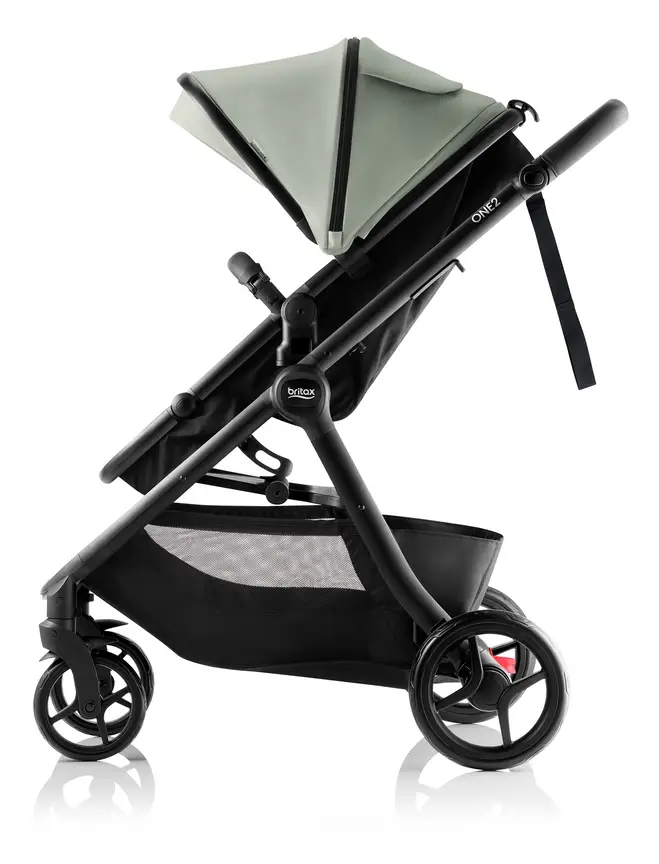
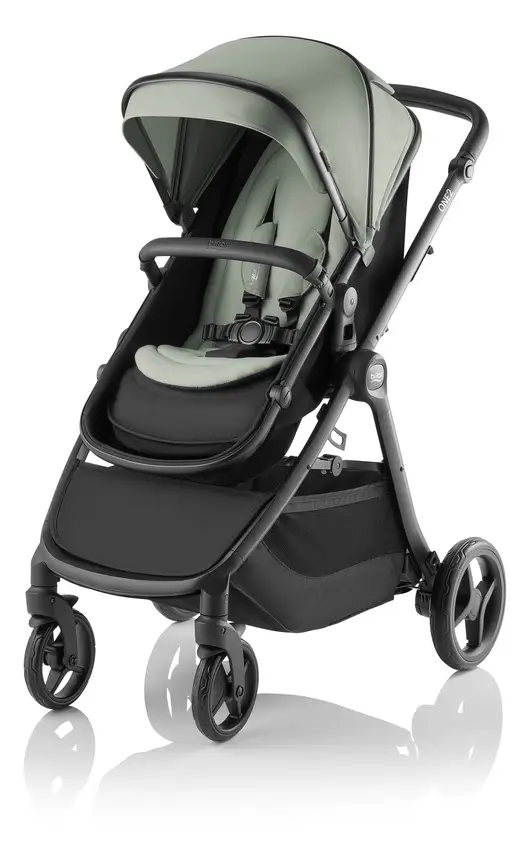


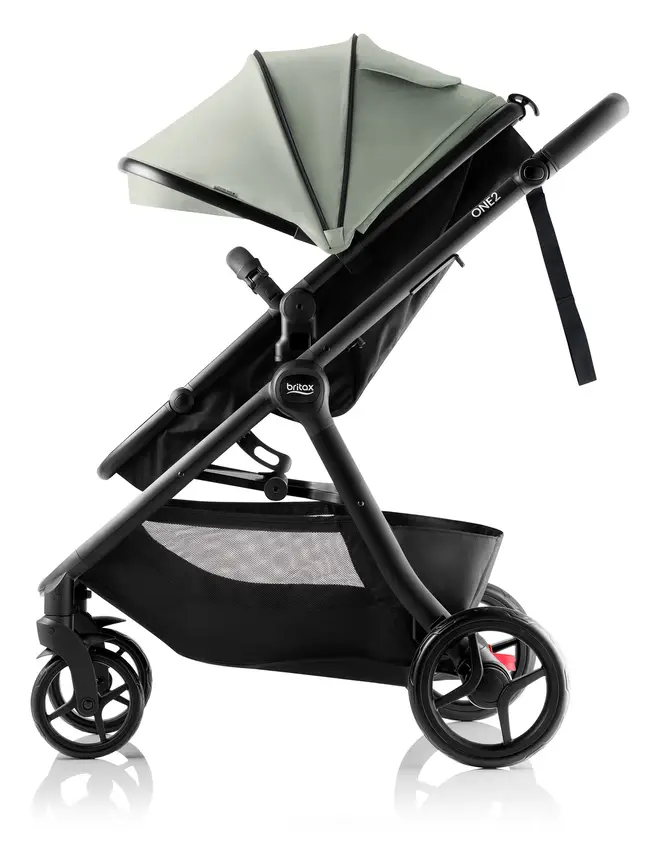


Britax One2
A pram that starts as a single and can take a second child. The seat turns into a lie-flat bassinet.
Read our full review →How to dress your baby under a footmuff or snowsuit
The secret to keeping a baby comfortable is thin, breathable layers. Natural fibres like cotton or fine merino wool feel soft on the skin and breathe well.
A simple layering guide
- Mild cool day (around 15 to 18°C): Long-sleeve cotton bodysuit, pants, socks, and a light cardigan. Open the footmuff or leave the front lid off, and add a light blanket if windy.
- Chilly day (around 8 to 14°C): Cotton singlet, long-sleeve top, pants, socks, and a fleece or knit jumper. Zip the footmuff up outdoors. Add a beanie outside, then take it off indoors.
- Very cold day (below 8°C): Cotton base layer, warm mid-layer, socks or booties, mittens, and a beanie outside. Zip the footmuff to the chest. Unzip and remove the beanie as soon as you enter a heated space.
Think of a thick footmuff like a warm coat or doona. If your baby is wearing a heavy jumper AND a padded snowsuit AND sitting inside a zipped footmuff, they have three thick heat traps on at once. Even on a freezing day, that is too much once you step inside a train or shop.
Why hats must come off inside
Babies lose a lot of body heat through their head. A soft beanie is great in cold wind outside. As soon as you step into a heated shop, cafe, or car, take the hat off. Leaving a hat on indoors is one of the fastest ways for a sleeping baby to overheat.
Official advice and standards in Australia, the UK, the US and Canada
Rules for prams, car seats, and safe baby sleep are very similar across all four countries. The table below lists the official safety bodies and standards to look for.
| Country | Pram and stroller rules | Car seat rules (no puffy suits) | Safe temperature and sleep advice |
|---|---|---|---|
| Australia | Product Safety Australia (ACCC) enforces mandatory standard AS/NZS 2088. | AS/NZS 1754. Raising Children Network and Kidsafe advise snug harness fit. | Red Nose and Pregnancy, Birth and Baby warn against overheating and loose bedding. |
| UK | Office for Product Safety and Standards (OPSS) and BS EN 1888. | R129 (i-Size) and ECE R44. RoSPA and The Lullaby Trust advise against bulky coats. | The Lullaby Trust and NHS recommend keeping babies cool enough, face clear, hats off indoors. |
| US | Consumer Product Safety Commission (CPSC) and ASTM F833. | FMVSS 213. American Academy of Pediatrics (AAP) warns against puffy coats under straps. | AAP and Safe to Sleep (NICHD) advise against overheating and loose blankets. |
| Canada | Health Canada enforces stroller safety rules and recalls. | Transport Canada and CMVSS 213. Canadian Paediatric Society warns on winter coats. | Caring for Kids (CPS) and Health Canada advise light layers and bare sleep spaces. |
Footmuffs and snowsuits themselves do not carry a single pram safety standard code like a stroller frame does. Still, you should check that any footmuff you buy does not block your pram's harness or brake, and meets general clothing and toy safety rules in your country.
Also watch for product recalls. You can check active recall lists on the Product Safety Australia site, GOV.UK, the US CPSC website, and Health Canada's recalls portal. Recalls on baby clothes and sleep bags often happen because of loose buttons, choking hazards, or cords around the neck.
How to choose and care for a zip-top footmuff
You do not need the dearest brand on the shelf. Focus on fit, fabric, and easy washing.
1. Match the harness slots to your pram
Before buying, check how your pram's shoulder straps attach. On some prams, the shoulder straps clip off the waist straps. On others, all five straps are sewn together in one loop.
If your straps do not unclip at the back, you need a footmuff with vertical hook-and-loop openings so the whole buckle can pass through. If you buy a footmuff with small closed buttonholes, the straps may not fit through at all.
2. Pick breathable linings
Look for cotton, bamboo-blend, or soft breathable fleece on the inside, and a wind-resistant outer shell. Avoid heavy synthetic linings that trap sweat if your baby gets warm quickly. If you live somewhere wet, a water-resistant outer fabric helps in light drizzle.
3. Check the length and shape
Some footmuffs are sized for newborns up to one year, while longer ones fit children up to three years. Measure the length of your pram seat and footrest. Make sure the bottom of the footmuff will not drag on the front wheels when the seat is upright.
4. Look for an anti-slip back and wipe-clean boot area
An anti-slip backing keeps the footmuff from bunching under your baby's bottom. For toddlers, a wipe-clean nylon panel inside the bottom foot area saves you from washing the whole bag after muddy park walks.
5. Wash and check before first use
Wash a new footmuff or snowsuit before your baby uses it, following the care label. After washing, check every zip pull, button, and seam. Tug gently on any snaps or trims to make sure nothing is loose.
Common mistakes parents make
Even careful parents slip up on busy errands. Watch out for these everyday habits:
- Keeping the footmuff zipped inside warm shops: Remember to unzip as soon as you pass through the doors, even if you only plan to grab milk and bread.
- Leaving a beanie on indoors: Take hats and hoods off right away when stepping out of the cold.
- Using a snowsuit in a car seat: Always remove puffy suits before buckling a car harness.
- Relying on cold hands as a guide: Cold fingers do not mean a cold core. Feel the chest or neck instead.
- Covering the pram with a thick blanket: A blanket draped over the hood blocks airflow and traps heat fast. Use the pram's built-in ventilated sun canopy or a vented rain cover only when it is actually raining.
- Buying a footmuff with loose drawstrings: Cords and toggles near a baby's face can pose a strangulation or choking risk.
- Over-layering under a thick footmuff: A baby in a snowsuit inside a zipped winter footmuff will overheat quickly.
More options, from budget to premium
Real products from our catalogue. We don't show star ratings or review counts; check the current price, stock and reviews on Amazon before you buy.

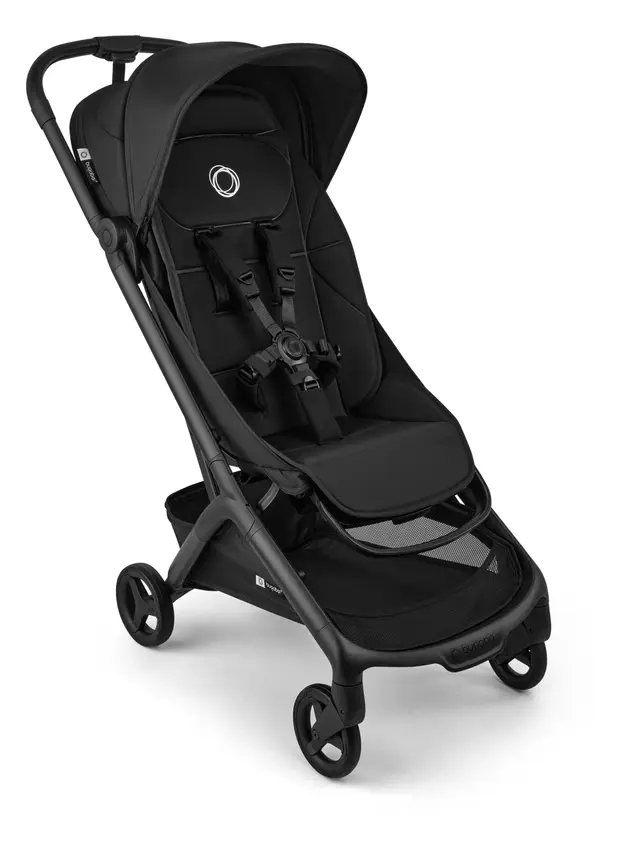
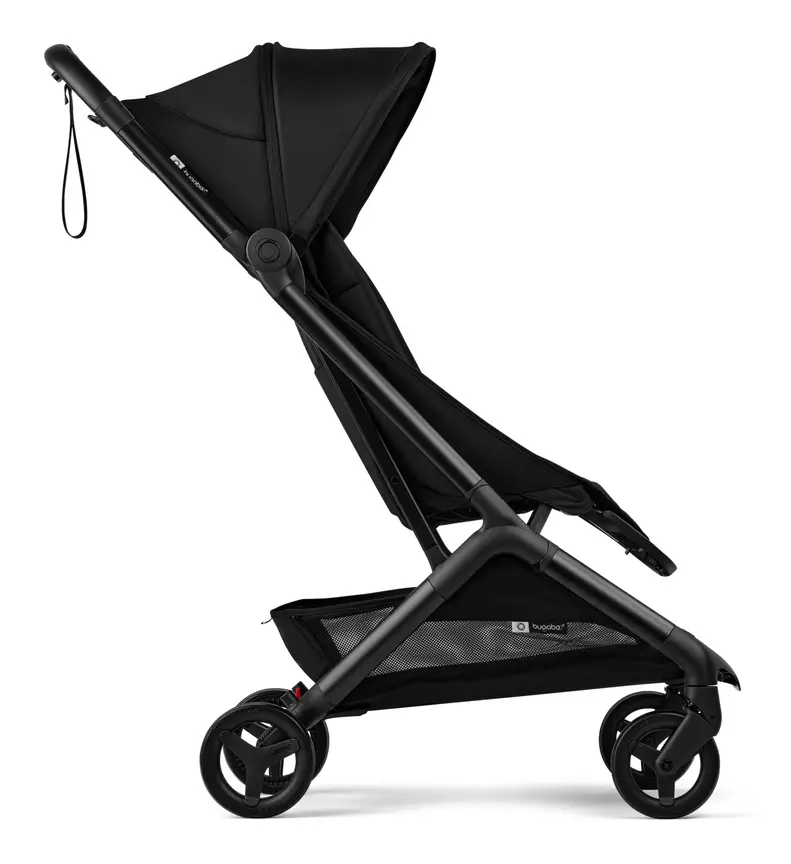


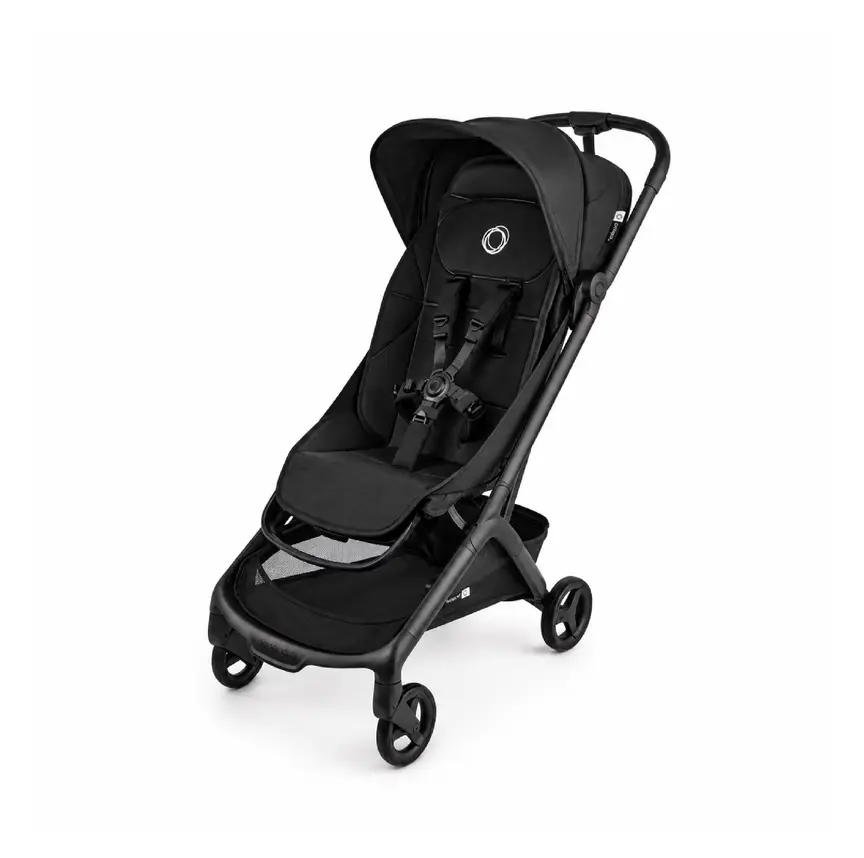
Bugaboo Butterfly
Bugaboo's cabin-friendly compact stroller with a one-second fold — the travel partner to a Fox, not a replacement for it.
Bugaboo Butterfly 2
The newer Butterfly. It folds in about one second, has a lay-flat seat and a bigger basket with a back pocket.
Read our full review →
Bugaboo Donkey 5
Converts from single to side-by-side double (siblings or twins) by widening the frame.
Frequently asked questions
Can my baby sleep in a zip-top footmuff?
Your baby can nap in a footmuff during a supervised pram walk if their face is clear and they are not too hot. Unzip the footmuff if you go indoors. Never use a stroller footmuff inside a cot or bassinet at home.
Is a snowsuit ever better than a footmuff?
Yes, a snowsuit is better when your baby is out of the pram for long stretches in freezing weather. It works well for outdoor babywearing on your chest (with a clear airway), sledding, or playing in snow. For shopping trips and pram walks, a zip-top footmuff is easier and safer.
Should my baby wear a jacket inside a footmuff?
Usually, no. A padded jacket makes the pram harness sit loosely, just like a snowsuit does. Dress your baby in a warm cardigan or knit jumper under the harness, then zip the footmuff over the top.
How do I use a footmuff with a car seat capsule on a pram?
Never put a thick pram footmuff under a car seat harness, unless it is an approved over-the-harness cover made by the car seat brand. The safest way is to buckle your baby in normal clothes, then tuck a light blanket over the buckled straps.
What if my baby kicks off blankets in the pram?
A zip-top footmuff stays put even when babies kick. Because it fastens onto the pram seat and zips up around the legs, it will not fall onto the ground or drag under the wheels.
How many layers should my baby wear in winter?
A helpful rule from health groups like The Lullaby Trust is to dress your baby in one more thin layer than you are wearing yourself. If you wear a T-shirt and jumper inside a heated shop, your baby needs their indoor layers plus maybe a light cardigan, with the footmuff unzipped.
Sources
- Product Safety Australia – Prams and strollers guide
- The Lullaby Trust – How to dress your baby for sleep
- The Lullaby Trust (UK) – Room temperature
- AAP HealthyChildren.org – Winter car seat safety tips
- NHS (UK) – Reduce the risk of sudden infant death syndrome
- Caring for Kids (Canadian Paediatric Society) – Safe sleep for babies
- Red Nose Australia – What is a safe sleeping environment
- UK Office for Product Safety and Standards
Related guides
More Prams & Strollers →
Stroller Snow Ski Kits vs Big-Wheel Jogging Prams: Which Is Better for Snowy Footpaths?

Wall-Mounted Stroller Hooks and Over-the-Door Hangers: How to Store a Pram Safely
Stroller Rockers and Pram Shakers: Safe Use, Features and Buying Guide