













How to Measure a Compact Stroller for a Small Hatchback
Measure your hatchback’s boot and a stroller’s folded size, then check lifting, storage and safety before you buy a compact pram.

On this page
- What makes a stroller compact?
- Measure the car before you shop
- Measure the stroller when folded
- How to test the fold and standing latch
- Compare what matters for your car and home
- Think about weight and lifting
- Keep the boot load safe
- Check the stroller’s age and safety instructions
- Safety guidance in Australia, the UK, the US and Canada
- Choose for your child’s age and daily trips
- Common measuring mistakes
- A simple shop and boot test
- Frequently asked questions
- Sources and official guidance
- Sources
Short answer: Measure your car before choosing a compact stroller. Check the boot opening, the space inside, and the room left for your other things. Compare those measurements with the stroller when folded. Allow room for your hand and for easy lifting. Then try the fold and latch in person, if possible.
A small folded size can help, but it does not guarantee a good fit. The stroller must pass through the opening and sit safely in the boot. You also need to lift it, fold it, and secure it without rushing. A simple measuring check can prevent an expensive mismatch.
What makes a stroller compact?
A compact stroller folds into a smaller shape than many full-size prams. It may suit a small car, a narrow hallway, or a home with little storage space. Some models fold in one piece. Others need the seat or wheels removed first.
There is no single folded size that suits every hatchback. A stroller can be short but wide. It can be narrow but deep. The shape matters as much as the total volume. A tall folded stroller may not fit below a parcel shelf. A wide one may not pass through the boot opening.
Compact models also differ in how they stand after folding. Some stay upright by themselves. Some need to lie flat or lean against a wall. Some have a latch that keeps the frame closed. These features can help with storage, but they do not replace careful handling.
Measure the car before you shop
Use a tape measure. Write down each number and label it. Measure the car with the boot floor and parcel shelf in their usual positions. Check the owner's manual before removing or moving any car part.
Measure the boot opening
The opening is often narrower or lower than the space inside. Measure its width at the narrowest point. Measure its height from the boot floor to the lowest part of the opening. Include any trim, latch or raised edge that could catch the stroller.
Check whether the folded stroller needs to enter at an angle. A wide frame may fit through diagonally, but it may be awkward or heavy to turn. Do not assume it will fit because the boot looks roomy.
Measure the space inside
Measure the usable width between the wheel arches. Measure from the back of the rear seats to the inside edge of the boot. Measure the height to the parcel shelf or closed boot lid. If you often carry bags, measure the space you can spare after those items are in place.
Some rear seats recline or slide. Measure with the seats set as you normally use them. If the stroller will share the boot with groceries, a mobility aid or luggage, include those items in your plan.
Check the loading path
Think about how the stroller will move from your home to the boot. Measure tight doorways, hallways, lifts and stairs if they affect daily use. Check whether the folded stroller can be carried through them without scraping walls or blocking the path.
In a small home, a stroller may need to stand beside a door or inside a cupboard. Measure that storage spot too. Check the shelf height, doorway width and floor space. A stroller that fits the car may still be hard to store at home.
Measure the stroller when folded
Ask for the folded height, width and depth. Confirm how the maker measured it. Check whether those numbers include the wheels, seat, handle, bumper bar or basket. If any part must be removed, measure the stroller both with and without that part.
Compare each stroller measurement with the matching car measurement. A stroller’s folded depth should be compared with the car’s available front-to-back space. Its width should be compared with the boot’s usable width and opening. Its height should be compared with the opening and closed boot space.
Leave some spare room. Real objects do not always sit in a perfect box. Fabric can bulge. Wheels can turn. A handle can stick out. A tight fit can also make lifting harder. Give yourself room to grip the frame and remove it without trapping your fingers.
Do not rely on folded volume alone
Some listings show a folded volume. That number can help compare models, but it does not show the shape. Two strollers with a similar volume may fit very differently. A long, narrow fold may suit one boot. A short, wide fold may suit another.
Ask for a photo of the stroller folded beside a tape measure, or measure one in a shop. If possible, take your car measurements with you. Test the real stroller in your vehicle before buying. Do not force it into place.
Prams & Strollers worth a look
Real products from our catalogue. We don't show star ratings or review counts; check the current price, stock and reviews on Amazon before you buy.
 Reviewed
Baby Jogger City Tour 2
A 6.5 kg stroller with a near-flat recline. It folds small and comes with a carry bag.
Read our full review →

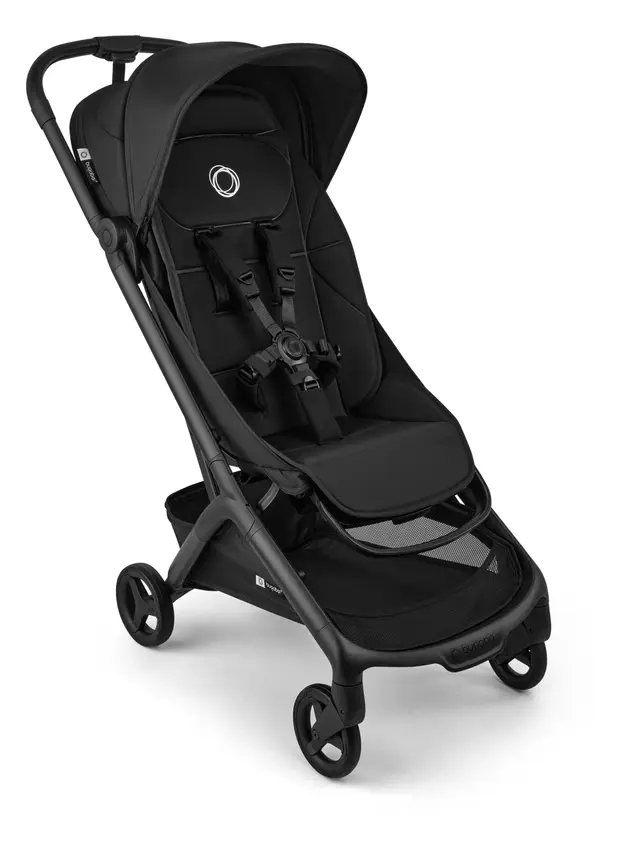
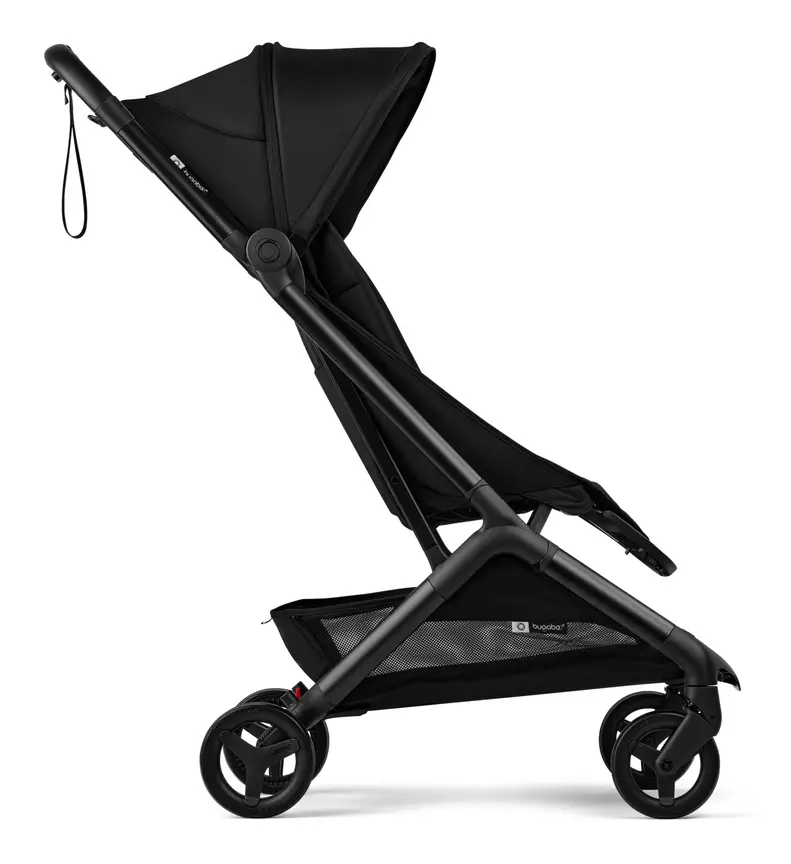


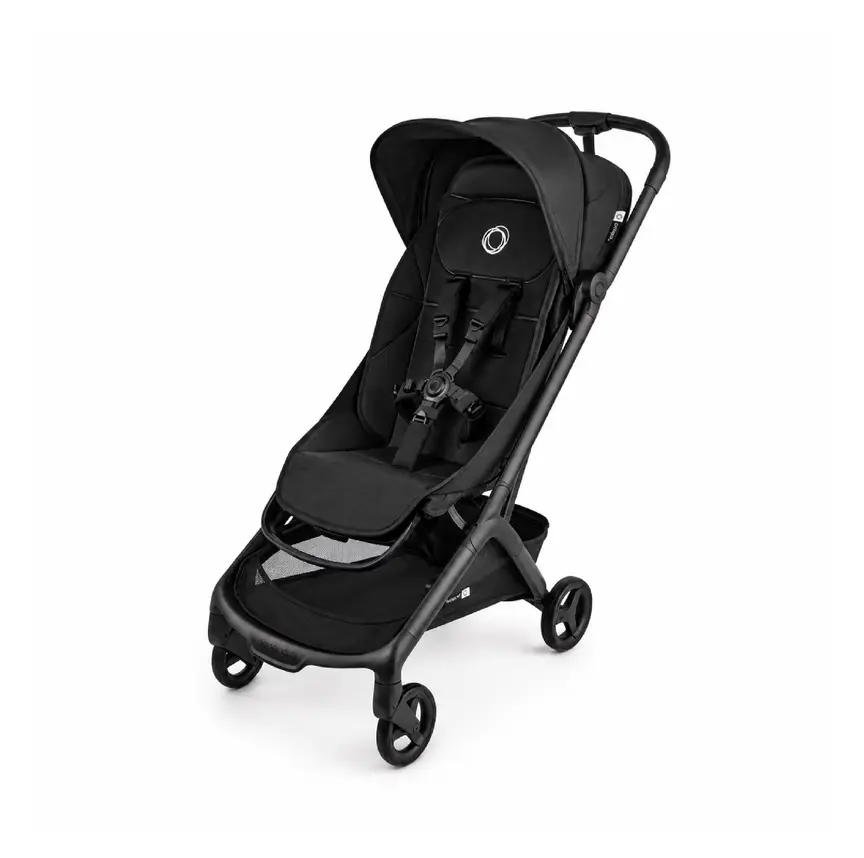
Bugaboo Butterfly
Bugaboo's cabin-friendly compact stroller with a one-second fold — the travel partner to a Fox, not a replacement for it.
Bugaboo Butterfly 2
The newer Butterfly. It folds in about one second, has a lay-flat seat and a bigger basket with a back pocket.
Read our full review →How to test the fold and standing latch
Read the instructions before folding. Keep your child away from moving parts. Use the stroller’s handles and release points as shown by the maker. Do not put fingers into hinges or joints while the frame moves.
Some strollers have a latch that holds the folded frame closed. This can stop it opening during carrying or storage. A standing feature can keep the folded stroller upright on a flat surface. These features are useful only when they work as intended and are used correctly.
Try the fold several times in the shop. Check whether you can reach the controls and hold the frame safely. See whether the latch catches fully. Lift the closed stroller using the intended grip. If it opens, twists or feels unstable, stop and ask the retailer to show the correct steps.
After folding, check that the frame is secure before carrying it. Keep hands clear of joints. Hold the stroller by a stable part of the frame, not by a loose strap or accessory unless the instructions say that is the carrying point. Never carry a child in a stroller that is folded or partly folded.
Compare what matters for your car and home
Use this table to compare features. Fill in measurements from the maker and your own car. Do not rely on a product name or the word “compact”.
| Check | Stroller A | Stroller B | Why it matters |
|---|---|---|---|
| Folded height | Measure or confirm | Measure or confirm | Must clear the opening and closed boot space. |
| Folded width | Measure or confirm | Measure or confirm | Must fit between wheel arches and through the opening. |
| Folded depth | Measure or confirm | Measure or confirm | Must fit front to back with your usual boot items. |
| Parts removed to fold | List each part | List each part | Loose parts need space and can be easy to misplace. |
| Fold latch | Try it | Try it | It should hold the frame closed as the instructions show. |
| Stands when folded | Test on a flat floor | Test on a flat floor | Helpful for storage, but not needed for every home. |
| Lift into boot | Try with help if needed | Try with help if needed | Weight and grip affect daily use. |
| Room for other items | Check your usual load | Check your usual load | A stroller should not take all useful boot space. |
Think about weight and lifting
A compact stroller still needs to be lifted. Check its weight in the maker’s instructions. Consider who will lift it and how often. A few steps from the footpath to the boot can feel different from lifting it several times each day.
Try lifting the folded stroller from the floor to the boot edge. Keep your back comfortable and use both hands if that feels safer. Do not lift while holding a child. Ask another adult to hold the child in a safe place during loading.
Look for a handle or grip that feels secure. A shoulder strap may help some people, but it can swing or catch. Follow the maker’s carrying advice. Avoid carrying the stroller by a detachable part unless the instructions allow it.
Keep the boot load safe
Place the folded stroller so it cannot slide into the passenger area during a sudden stop. Use the car’s storage points or cargo restraint system as the vehicle manual directs. Keep heavy items low and secure. Do not stack loose objects on top of the stroller.
Check that the boot closes fully and does not press hard on the frame. The boot lid should not force the stroller into a different shape. Check that the stroller does not block your view through the rear window when the boot is open or when you carry items on a rear seat.
Keep the child in the correct car seat for the journey. The stroller is not a car seat. Do not attach a car seat to a stroller unless the maker says the parts are compatible and gives safe instructions. Never let a baby sleep in a stroller as a substitute for a safe sleep space.
Check the stroller’s age and safety instructions
Read the age, weight and use limits from the stroller maker. Some strollers are not suitable for newborns unless used with a particular approved seat or carrycot. A seat that reclines may still have limits for a young baby. Follow the instructions for your exact model.
Use the harness whenever the child rides. Set it as the maker directs. Lock the brakes before placing a child in or taking a child out. Keep the child clear while folding or unfolding. Check that the frame locks open before each use.
Inspect the wheels, brakes, straps and frame from time to time. Stop using the stroller if a latch fails, a part is cracked, or a strap is damaged. Contact the maker or retailer for advice. Check official recall notices in your country.
Side by side: more prams & strollers to compare
Real products from our catalogue. We don't show star ratings or review counts; check the current price, stock and reviews on Amazon before you buy.

Bugaboo Dragonfly
Bugaboo's city pram: smaller footprint and lighter than the Fox, built for footpaths, lifts and car boots rather than bush tracks.


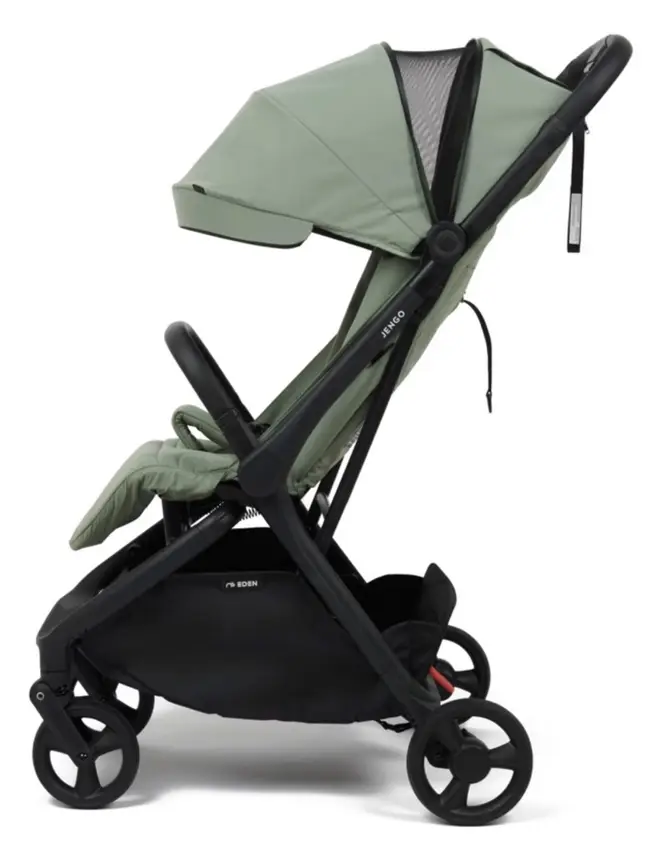
Jengo Eden Compact Stroller
A budget compact stroller from birth to 22 kg. It folds with one hand and has a big basket.
Read our full review →
Joie Pact Pro
A 6.3 kg travel stroller from birth to 22 kg. You can clip a Joie Gemm or i-Gemm capsule on top.
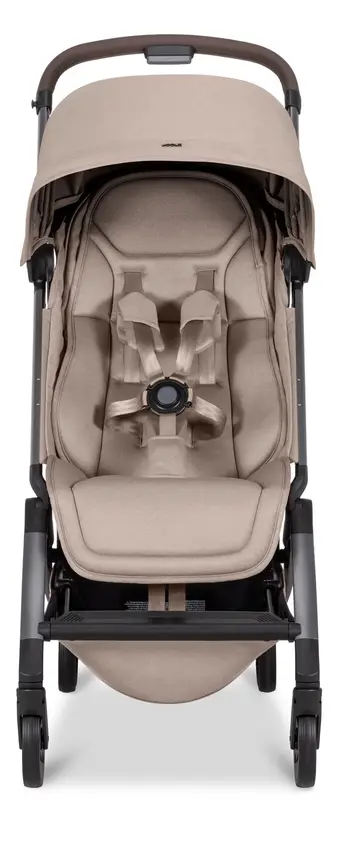


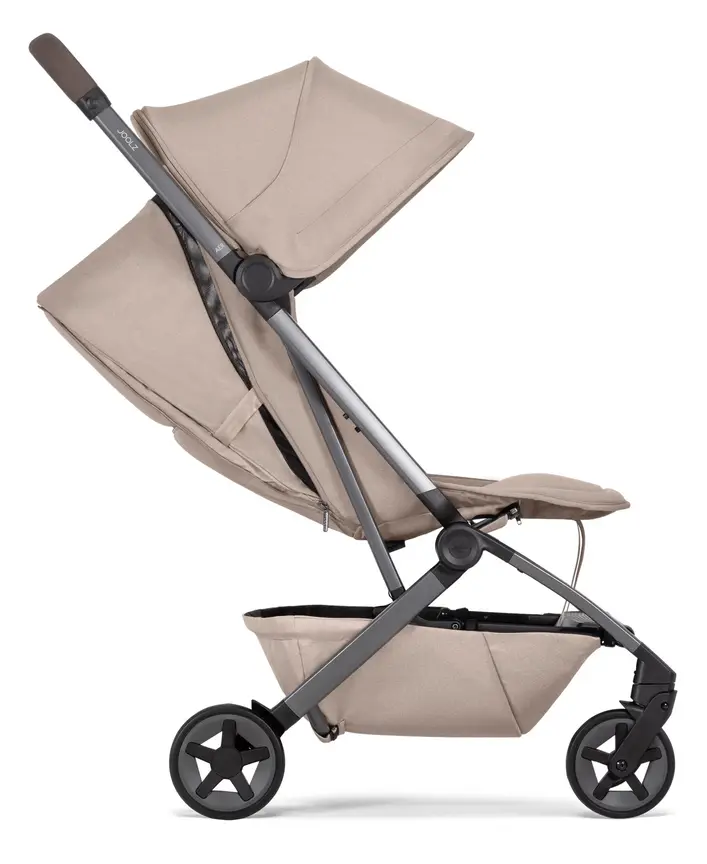


Joolz Aer2
A 6.5 kg stroller with a fast one-hand fold, deep recline from newborn and a UPF50+ sun hood.
Read our full review →Safety guidance in Australia, the UK, the US and Canada
Rules and product standards can differ between countries. Check the label and instructions on the exact stroller. Ask the maker which safety rules apply where you live. A standard name alone does not prove that a stroller fits your car or suits your child.
| Place | Official bodies and useful guidance | What to check |
|---|---|---|
| Australia | Product Safety Australia and the ACCC | Read the prams and strollers safety guide. Check recalls and follow the maker’s instructions. |
| United Kingdom | Office for Product Safety and Standards (OPSS) | Buy from a trusted seller. Check safety details and follow the product instructions. |
| United States | Consumer Product Safety Commission (CPSC) | Check current recalls and the stroller’s instructions for use and care. |
| Canada | Health Canada | Check recalls and safety alerts. Follow the instructions for the model sold in Canada. |
Official bodies can help with product safety. They cannot tell you whether a particular folded stroller fits your hatchback. That depends on your car, the stroller and the things you carry.
Choose for your child’s age and daily trips
For a newborn, check whether the stroller is approved for use from birth. Some models need a separate carrycot or seat insert. Do not add a cushion or pad that the maker has not approved. It may change how the harness fits.
As a baby grows, keep using the harness and follow the seat’s recline instructions. A toddler may climb in or out, but the stroller can still move. Keep the brake on while helping them. Do not let a child play with the fold latch.
Think about where you walk. Small wheels can be easier to store, but may feel less suitable on rough ground. A very compact frame may have less room for bags. Check the path from your home to the car, not just the boot measurement.
Common measuring mistakes
- Measuring only the inside of the boot: the opening may be smaller. Measure both.
- Checking only one folded dimension: height, width and depth all matter.
- Forgetting wheels and handles: confirm what the maker includes in the measurement.
- Ignoring the parcel shelf: measure with it in place if you plan to use it.
- Filling the whole boot on paper: leave room for hands, lifting and other items.
- Assuming a standing fold is stable everywhere: test it on a flat surface and follow the instructions.
- Forcing a tight fit: pressure can damage the stroller or the car trim.
- Trying the fold while holding a baby: put the child in a safe place first.
- Buying from a photo alone: test the real model if you can.
A simple shop and boot test
- Write down the boot opening, usable width, depth and height.
- Bring those numbers and note your parcel shelf position.
- Ask the seller for the stroller’s folded measurements and weight.
- Confirm which parts must come off before folding.
- Fold and unfold the stroller by following its instructions.
- Check the latch and any standing feature on a flat floor.
- Lift it using the intended grip, with no child in your arms.
- Try it in your car, if the seller allows this.
- Check that the boot closes without pressing on the frame.
- Make sure there is still room for the items you usually carry.
Frequently asked questions
How much spare room should I leave?
There is no one spare measurement for every car and stroller. Leave enough room to grip, lift and remove the stroller without forcing it. Allow for fabric, wheels and handles that may stick out. Test the actual stroller in your boot when possible.
Is folded depth the most important measurement?
No. Depth matters, but the width and height matter too. The boot opening can also be the limiting point. Compare all three folded measurements with the matching space in your car.
What does a standing fold latch do?
A latch can keep a stroller folded while you carry or store it. A standing fold can help it stay upright on a flat floor. These features do not make the stroller safe to leave where a child can pull it over. Follow the maker’s directions.
Can I put the folded stroller on the back seat?
Only if it can be secured safely and does not block the driver’s view or interfere with a passenger. Follow your vehicle manual. Loose items can move during a sudden stop, so secure the stroller and other loads.
Can my baby sleep in the stroller?
A stroller is for travel and supervised outings. It is not a replacement for a cot or other safe sleep space. If your baby falls asleep, follow local safe sleep advice and move them to a suitable sleep space when practical.
Should I choose the smallest folded stroller?
Not automatically. It also needs to suit your child, your trips and the person who folds and lifts it. Check the age guidance, harness, brakes, wheels, storage and boot fit together.
What if the stroller fits only when I remove a wheel?
Check the instructions. If the maker allows wheel removal, see how easy it is and where the loose wheel will go. Do not remove a part unless the instructions permit it. Try the full routine before buying.
What should I do if the fold latch will not stay shut?
Do not carry the stroller as if it were secure. Check the instructions and contact the maker or seller. Do not tie, tape or modify the latch. Stop using the stroller if you cannot close it safely.
More options, from budget to premium
Real products from our catalogue. We don't show star ratings or review counts; check the current price, stock and reviews on Amazon before you buy.


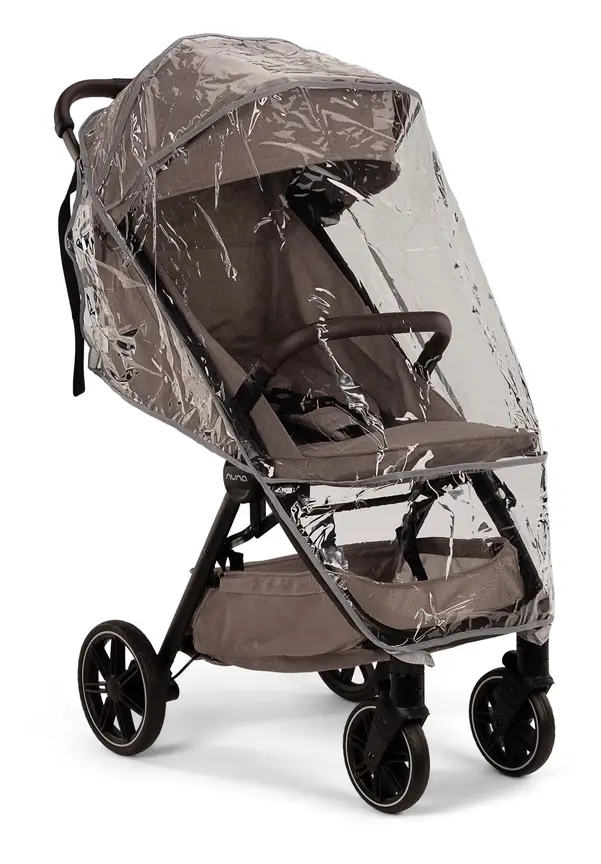

Nuna TRVL LX
A premium compact stroller with a lie-flat seat. It takes the Nuna KLIK Plus capsule on the armbar.
Read our full review →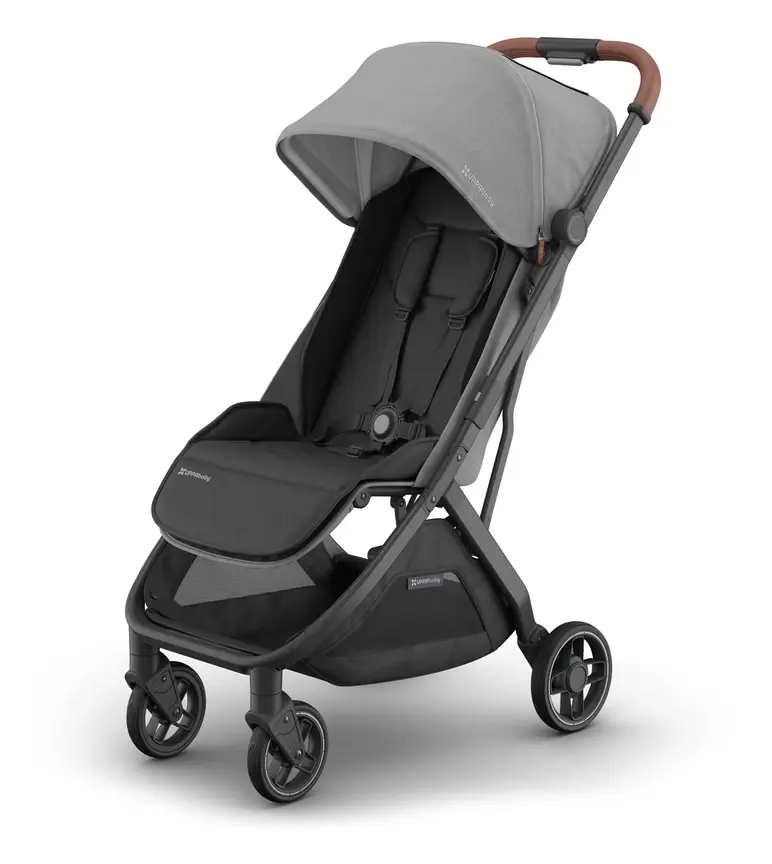


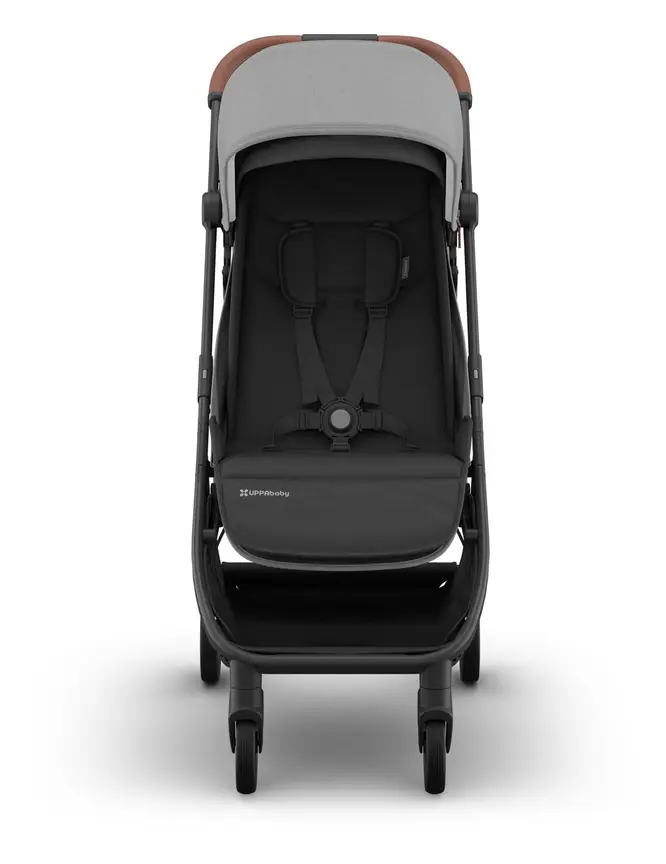


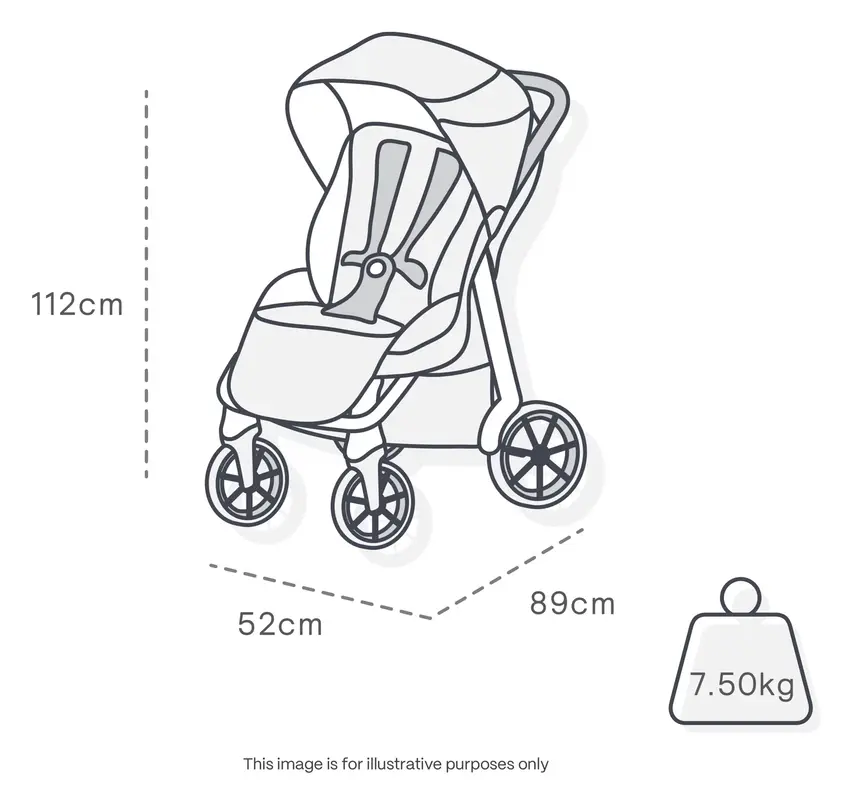
UPPAbaby Minu V3
A slim travel stroller that folds with one hand, stands on its own and is sized for plane overhead lockers.
Read our full review →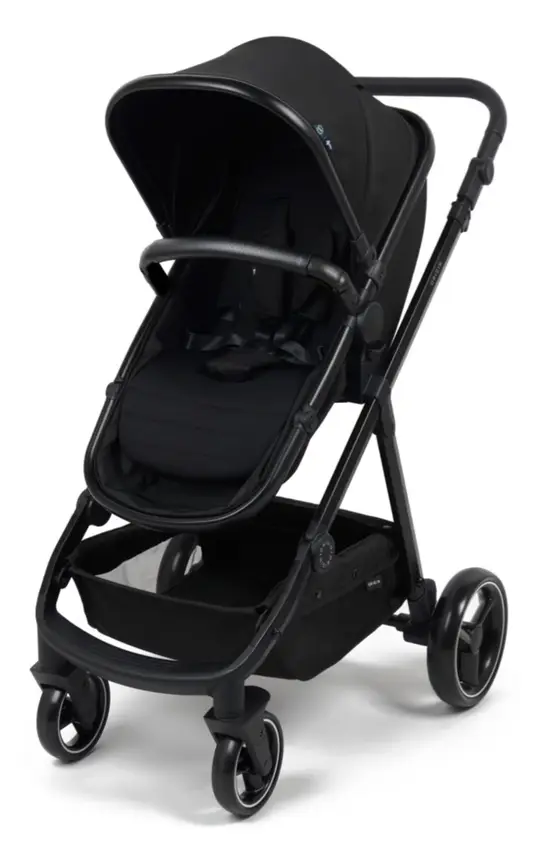
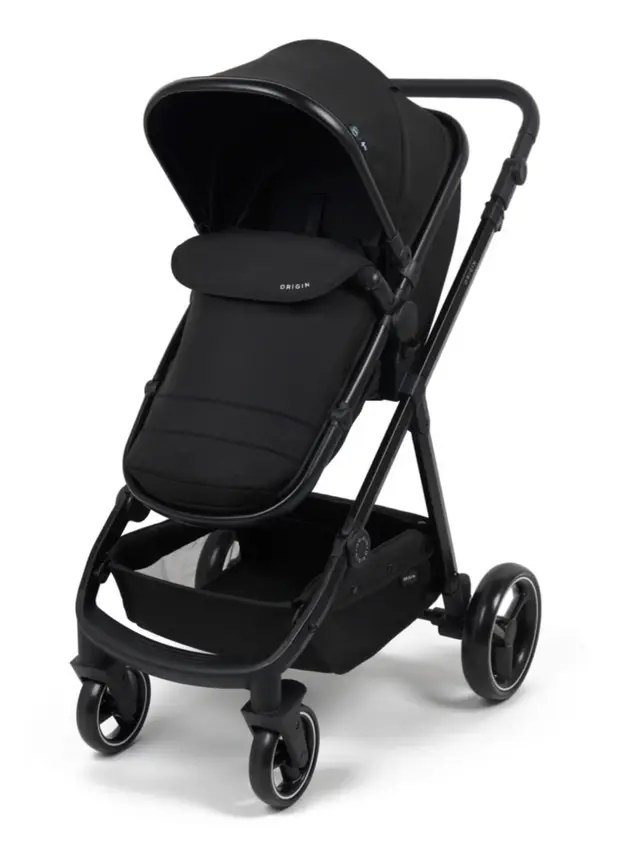
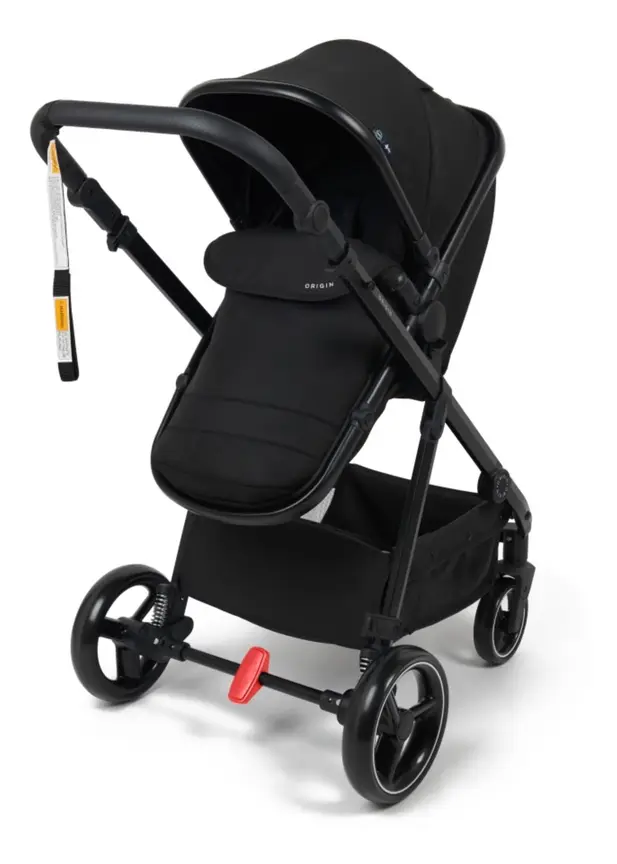
4baby Origin Stroller
A budget pram whose seat turns into a bassinet. The seat can face you or face the world.
Read our full review →Sources and official guidance
- Australia: Product Safety Australia, Prams and strollers guide.
- United Kingdom: Office for Product Safety and Standards.
- United States: CPSC, Safe sleep and infant product information.
- Canada: Health Canada, Recalls and safety alerts.
Disclaimer: This guide is general information, not medical or legal advice. Check the stroller and car manuals, local rules, and current safety advice. If you use affiliate links on this site, we may earn a commission. This does not change the price you pay.
Sources
Related guides
More Prams & Strollers →
Stroller Handlebar Organisers and Tipping: Why Heavy Bags Flip Compact Strollers

Stroller Weight Limits and Tall Toddler Headroom: How to Measure Seat-Back Height and Canopy Space

Taking a Stroller on Public Transport: Buses, Trains and Stations
