














Smart Rocking Bassinets vs Manual Swivel Sleepers: Safety, Sound and Moving to a Cot
Compare smart rocking bassinets and manual swivel sleepers. Learn safe sleep rules, sound limits, age limits and how to move your baby to a cot.

On this page
- What these sleep products do
- Safe sleep rules apply to both types
- How smart rocking and manual swivel models compare
- Choosing a product that fits your home
- Cry sensors and monitors: what they can and cannot do
- Sound, decibels and a calm sleep space
- Age, development and product limits
- Moving from a bassinet to a cot
- Cleaning, power and daily checks
- Official guidance in four countries
- Common mistakes to avoid
- Frequently asked questions
- Sources
Short answer: A smart rocking bassinet moves by itself. It may respond to a baby's cry or movement. A manual swivel sleeper moves only when an adult turns or rocks it. Neither type replaces a safe, flat sleep space. Choose a product made for infant sleep in your country. Follow its instructions and stop using it at the stated limit. Put your baby on their back, on a firm, flat mattress, in an empty sleep space. Do not rely on rocking, sensors or sound to keep a baby safe.
The key safety advice is shared across Australia, the UK, the US and Canada. In Australia, check Product Safety Australia, Red Nose and the ACCC. In the UK, check the Office for Product Safety and Standards (OPSS), NHS and The Lullaby Trust. In the US, check the Consumer Product Safety Commission (CPSC) and American Academy of Pediatrics (AAP). In Canada, check Health Canada and the Canadian Paediatric Society (CPS).
What these sleep products do
A bassinet is a small sleep space for a young baby. Some bassinets rock from side to side or back and forth. A smart model may use a motor, microphone, app or other sensor. It might start moving when it detects crying. Features vary by model. Check the maker's manual for what yours actually does.
A manual swivel sleeper usually turns on a base or rocks when an adult moves it. It does not need a motor to move. Some products sold as sleepers are designed for rest or soothing, not for sleep. The name on the box does not tell you whether the product is safe for sleep.
Check the product's label, instructions and official safety information. Look for clear wording that says it is intended for infant sleep. If the maker says it is only for supervised soothing, do not leave your baby sleeping in it. Move a sleeping baby to a suitable cot or bassinet as soon as you can.
Rocking is a comfort feature
Movement may soothe some babies. It does not treat a health problem or prevent sudden infant death. A baby can still need feeding, changing, comfort or medical care while the product rocks. A sensor cannot tell you why your baby is crying.
Some babies settle with movement. Others do not. A baby may wake when the movement stops or when someone lifts them. That does not mean you have chosen the wrong product. Babies often wake and need care. Use the sleep space only within its stated limits.
Safe sleep rules apply to both types
For every sleep, place your baby on their back. Use a firm, flat, level mattress made for that product. Keep the sleep space clear. Remove pillows, loose blankets, toys, bumpers and positioners. Keep your baby's face and head uncovered.
Put the sleep space in the room where an adult sleeps, if possible. Keep it close enough to reach safely. Do not add a mattress topper or extra padding. Do not prop one end up. Do not use a product with a sloping or hammock-shaped surface for routine sleep.
Read the full instructions before use. Set up the base on a level floor. Lock wheels or swivel parts as directed. Check that all parts are fitted tightly. Use only the mattress and sheets approved for that exact model. Keep cords, straps and power leads away from the baby.
- Use the product only for the age, weight and development limits in its manual.
- Stop when your baby reaches any stated limit, including rolling or pushing up.
- Do not leave a baby unattended in a product meant only for supervised soothing.
- Do not attach extra toys, padding, blankets or accessories.
- Never place the product on a bed, table, sofa or other raised surface.
- Check recalls and safety notices before buying or using a second-hand product.
Product rules differ by country and product type. Australia has mandatory requirements for certain infant sleep products and bassinets. The US has federal rules for covered infant sleep products. A product sold in one country may not meet the rules in another. Check with your country's product safety body before importing one.
How smart rocking and manual swivel models compare
| Feature | Smart auto-rocking bassinet | Manual swivel sleeper |
|---|---|---|
| How it moves | A motor moves the product. Some models respond to sound or movement. | An adult moves or turns it by hand. |
| Adult action | May reduce the need to rock by hand, but still needs adult care. | Needs an adult to start and stop movement. |
| Power | May need mains power, batteries or both. Check the manual. | May work without power. Check the manual. |
| Sound features | May have built-in sounds or a phone connection. Features differ. | May have no sound features or sensors. |
| What a sensor can tell you | It may detect sound or movement. It cannot diagnose a problem. | Usually no sensor. An adult checks the baby directly. |
| Sleep safety | Depends on the exact product and its intended use. Rocking does not make an unsafe surface safe. | Depends on the exact product and its intended use. Swivelling does not make it a safe sleep space. |
| Limits | Follow the maker's age, weight and movement limits. | Follow the maker's age, weight and movement limits. |
| Best fit | For families who want powered movement and can manage its setup. | For families who prefer a simpler product and can move it by hand. |
| Ongoing checks | Check the frame, motor, cords, app and product notices. | Check the frame, locks, swivel parts and product notices. |
Use this table to compare features, not to decide that one type is safer. Safety depends on the individual product, its condition and how it is used. A simple product used as directed may suit your home better than a feature-rich one.
Cots, Bassinets & Bedside Sleepers worth a look
Real products from our catalogue. We don't show star ratings or review counts; check the current price, stock and reviews on Amazon before you buy.
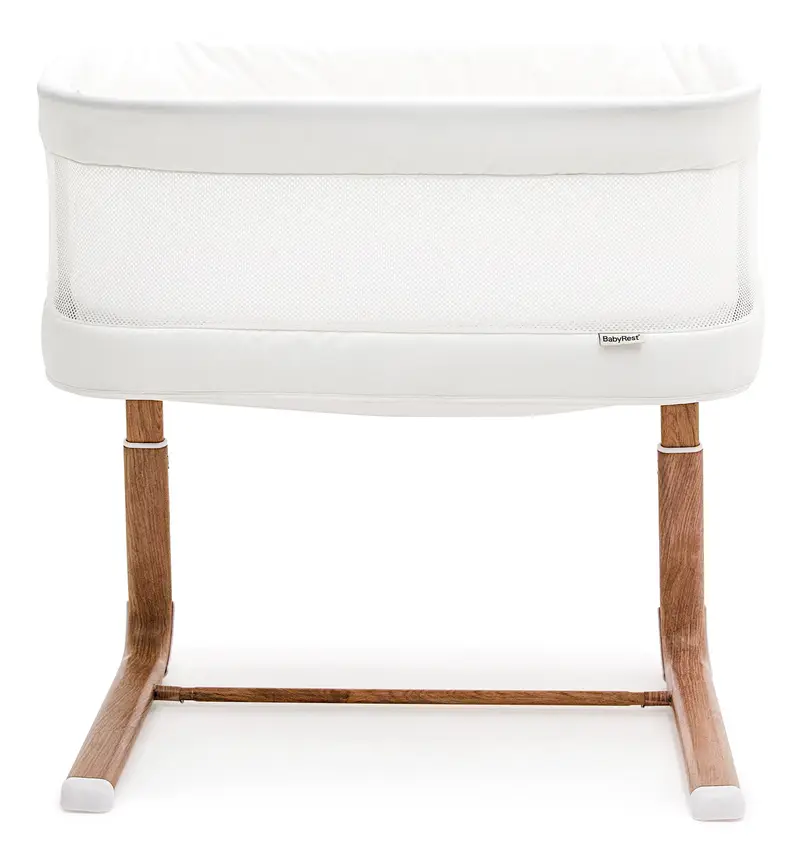
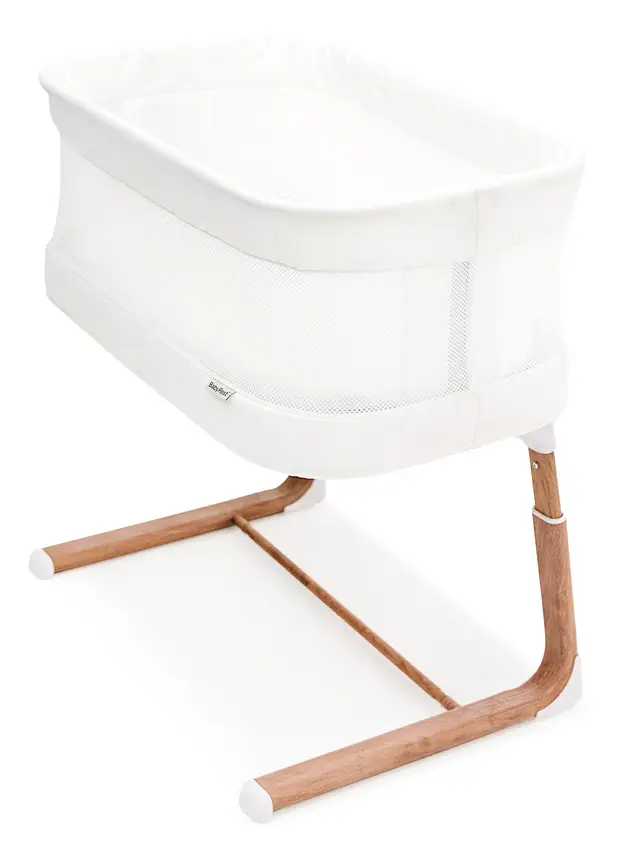
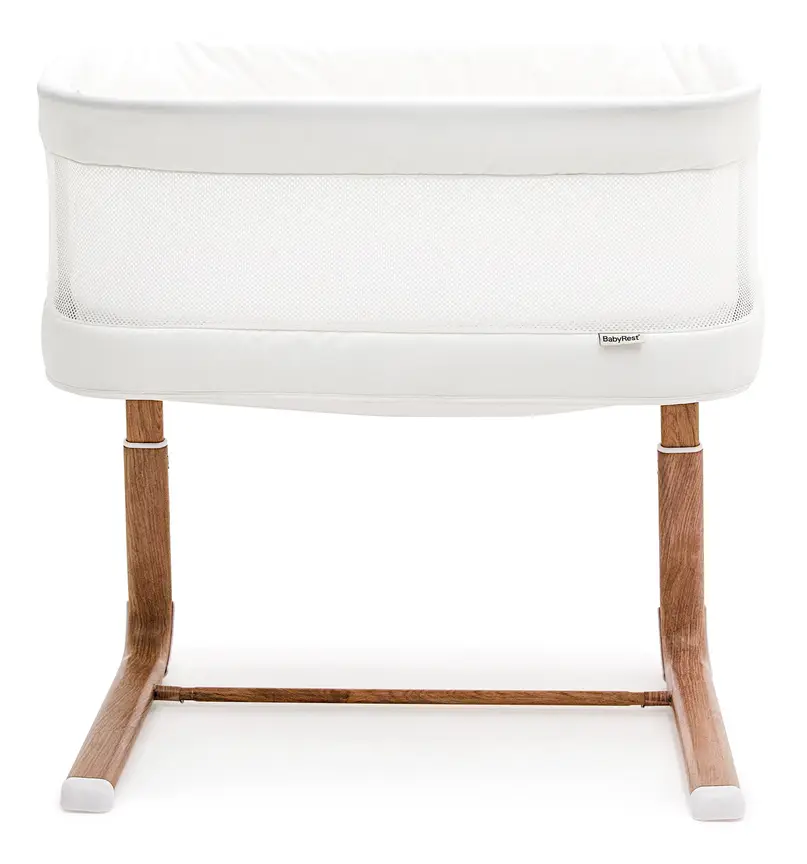


BabyRest Swan Smart Bassinet
A bassinet that rocks by itself when baby stirs, with 3 rocking levels, lullabies and a remote.
Read our full review →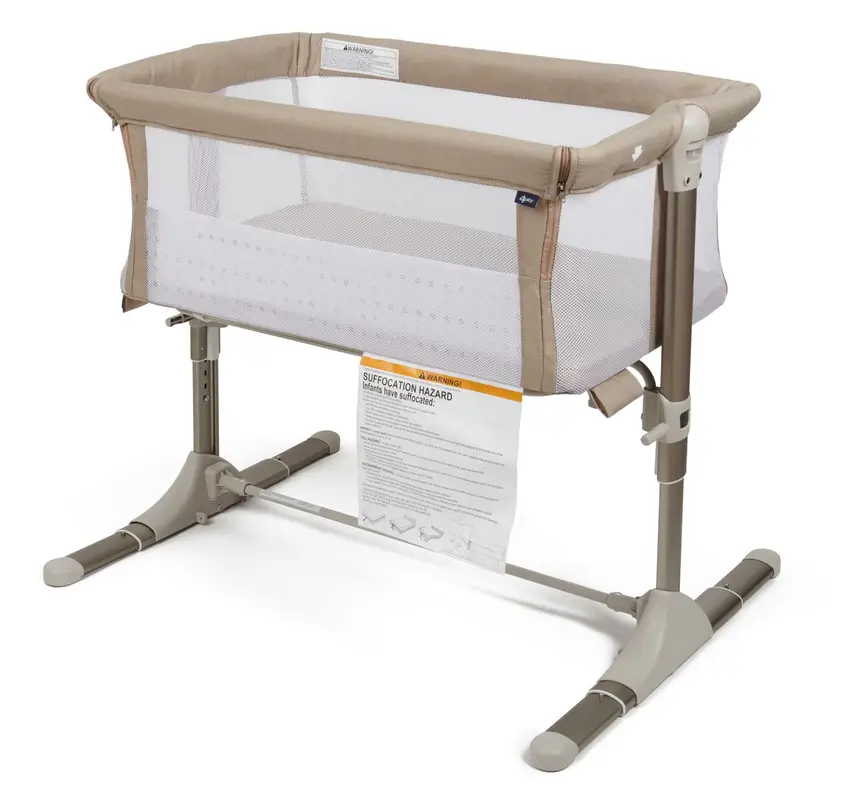
4baby Snuggle Cuddle Bedside Sleeper
A low-cost bassinet that turns into a bedside sleeper, with 4 heights and mesh sides.
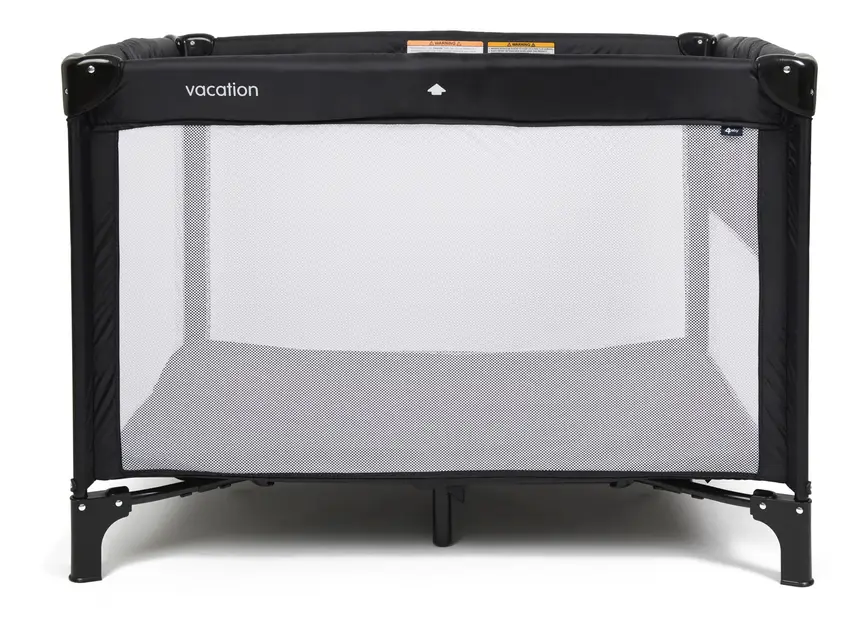
4baby Vacation Portacot
A low-cost portacot with a padded mattress and mesh sides.
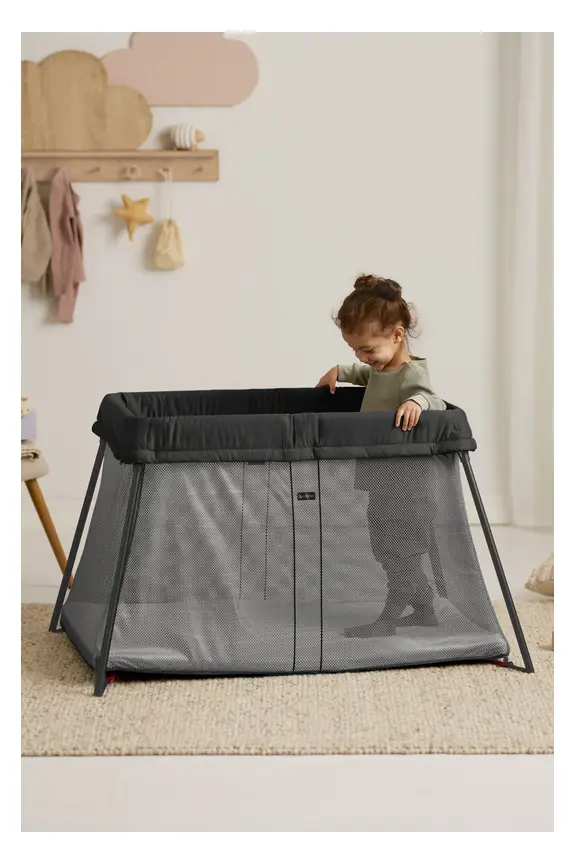
Compare all cots, bassinets & bedside sleepers in our reviews →
Choosing a product that fits your home
Start with the sleep space, not the app. Confirm the product is intended for infant sleep. Read the safety label and instructions. Check the product rules where you live. If the sleep purpose or limits are unclear, ask the maker or choose another product.
Measure the place where you plan to use it. Leave room to reach your baby and move around the bed. Keep the product away from curtains, blind cords, heaters and other hazards. Check that the base sits flat and does not wobble on your floor.
Think about everyday care. Ask whether you can remove and wash the fitted sheet. Check how the cover should be cleaned. Find out whether replacement parts are available. A product is harder to use if cleaning or setup takes more effort than your household can manage.
For a motorised model, check its power needs and what happens during a power cut. Know whether the product stops moving safely if power fails. Keep the lead out of reach. Do not use a damaged cord or an unapproved power supply. If it uses an app, check which functions need internet access and whether basic use still works without a connection.
For a manual swivel model, check whether it locks in place. See if the base stays stable when the product turns. Learn how to stop the swivel before lifting your baby. Keep fingers away from moving joints and pinch points.
Second-hand products need extra checks
Ask for the model name, manual and purchase details. Inspect the frame, mattress, fasteners, locks and power parts. Look for cracks, missing pieces, stains, mould or signs of repair. Confirm the product has not been recalled. Do not use it if its history or instructions are unknown.
Do not accept extra mattresses or homemade inserts unless the maker lists them for that model. A mattress that seems to fit can still leave gaps or change the sleep surface. Check that the original mattress is firm, flat and undamaged.
Cry sensors and monitors: what they can and cannot do
A cry sensor listens for sound. It may start movement after it detects a sound that matches its settings. Background noise, a television or another person may affect what it detects. A sensor may also fail to respond as you expect. Read the manual and try the settings while you are present.
A cry sensor does not know whether a baby is hungry, uncomfortable or unwell. It cannot replace an adult checking the baby. It does not measure breathing or prove that a baby is safe. Do not delay care because an app shows no alert.
Some products connect to a phone or home network. Use a strong, unique password. Install updates from the maker. Check who can access the account and camera, if fitted. Keep account details private. Disconnect a product you no longer use and remove its app access.
Do not treat consumer monitors as medical devices unless the product has the right approval for that use. A monitor may give false alarms or miss a change. If your baby has a health condition, ask your health professional what monitoring is needed. Use medical equipment only as prescribed.
Sound, decibels and a calm sleep space
Some bassinets play music, white noise or other sounds. A decibel is a way to describe sound level. The sound reaching your baby's ears can change with volume, distance and room surfaces. A phone app may not measure it accurately.
Keep sound low and place the sound source away from your baby's head. Follow the product's volume and distance instructions. Do not put a speaker inside the sleep space. Do not use loud sound to cover every household noise. Turn it off if it seems to bother your baby.
Research has raised concerns about some infant sleep machines reaching high sound levels when placed close to a baby's head. That does not mean every sound machine is harmful. It means distance and volume matter. Use the lowest setting that helps, and do not rely on sound as a safety feature.
The Lullaby Trust, Red Nose and the AAP each offer safe sleep guidance. Their advice centres on the baby's sleep position and sleep space. Sound does not replace these steps. A quiet room is not required, but a loud device near the baby is not a good choice.
Age, development and product limits
There is no single age when every baby must stop using a bassinet. Product limits vary. Some limits relate to weight. Others relate to rolling, pushing up or other movement. Follow whichever limit comes first in the product manual.
| Stage | What to watch for | What to do |
|---|---|---|
| Newborn days | Your baby needs frequent feeds and close care. | Use only a sleep product approved for the baby's age and size. Keep the sleep space clear. |
| Early weeks | Your baby may wake often and need help settling. | Respond to needs. Do not expect a sensor to identify the cause of crying. |
| As movement grows | Your baby may roll, push up or reach the product limit. | Stop using the bassinet when any stated limit is reached. |
| Moving to a cot | Your baby needs a larger sleep space for ongoing use. | Set up a suitable cot with a firm, flat mattress and clear space. |
Do not wait for a planned date if your baby reaches a limit early. Do not keep using a product because your baby still seems small. The manual's limits are specific to that model. If the manual is missing, seek it from the maker before use.
Side by side: more cots, bassinets & bedside sleepers to compare
Real products from our catalogue. We don't show star ratings or review counts; check the current price, stock and reviews on Amazon before you buy.
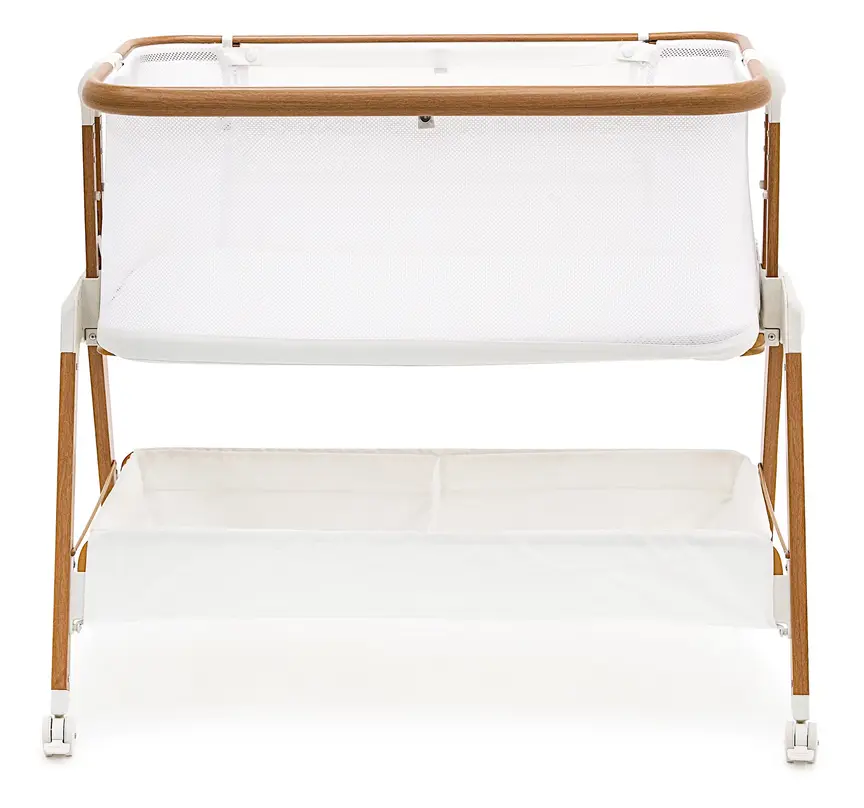
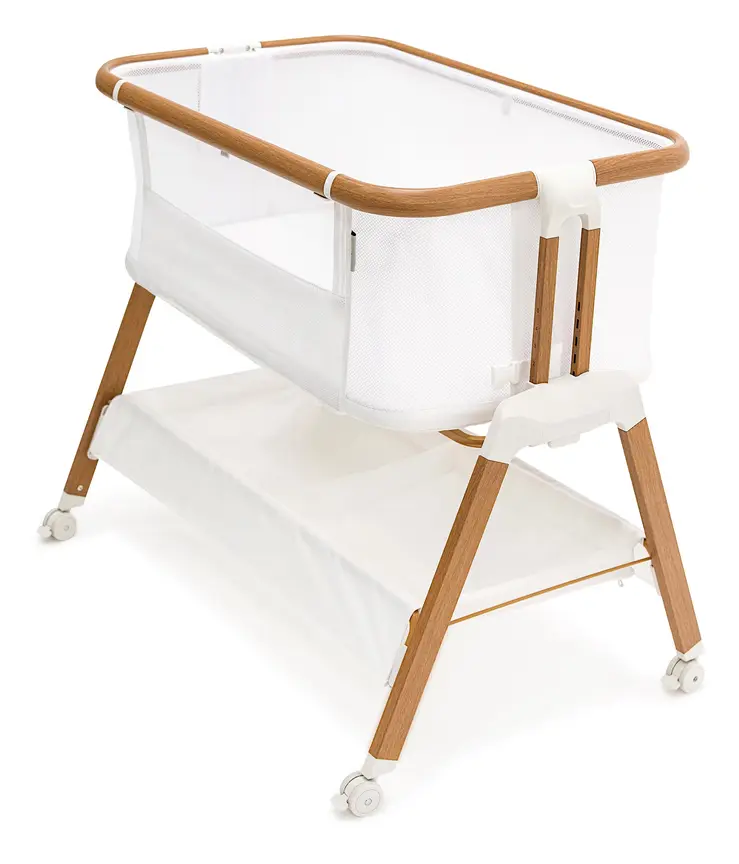
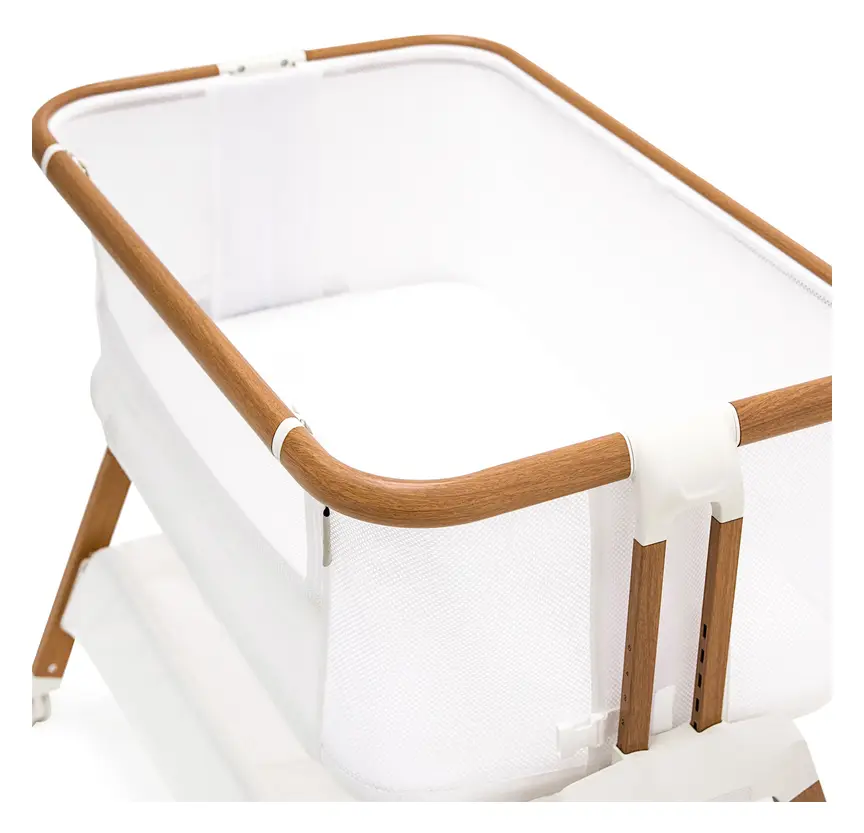
BabyRest Alfie2 Bedside Bassinet
A bedside bassinet with 5 heights, a drop-down side, wheels and an insect net.
Read our full review →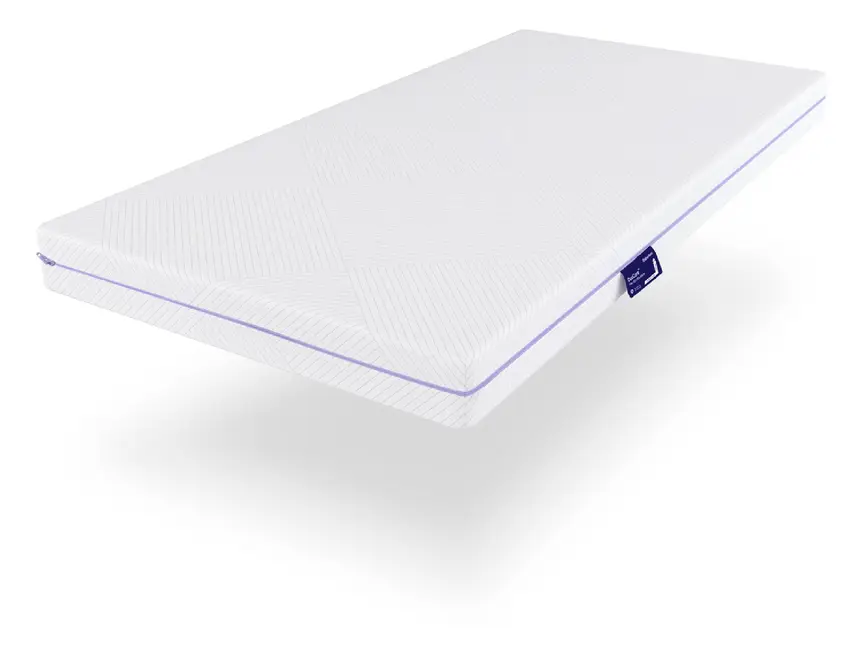
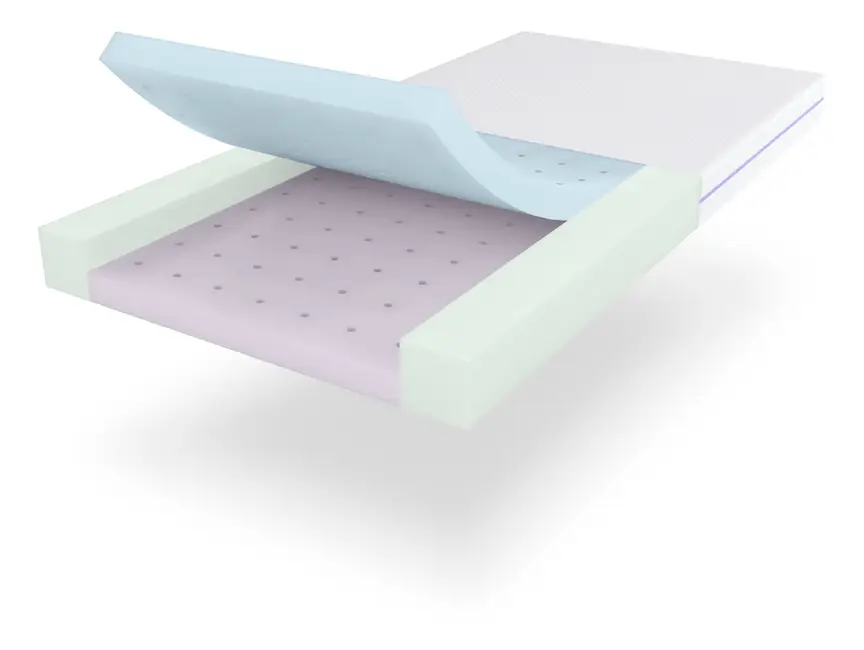

BabyRest Duocore Bamboo Cot Mattress
A two-sided mattress: a baby side to 12 kg and a toddler side from 12 kg to about 4 years.
Read our full review →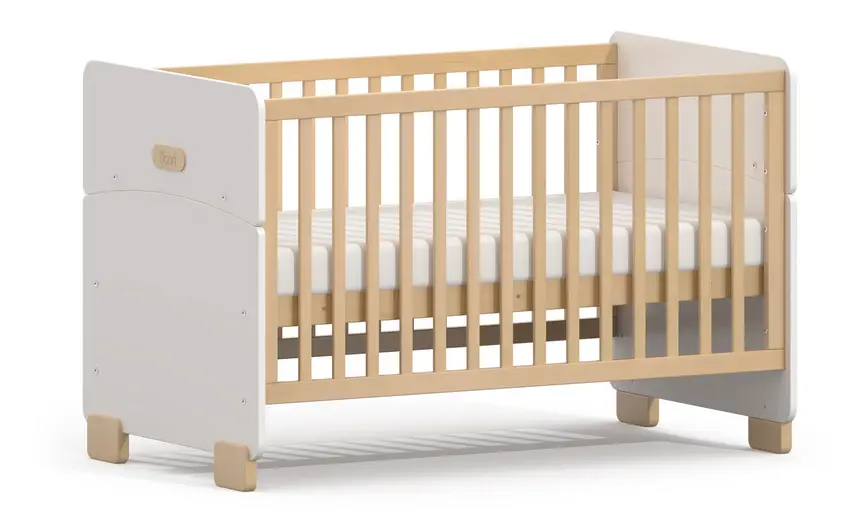

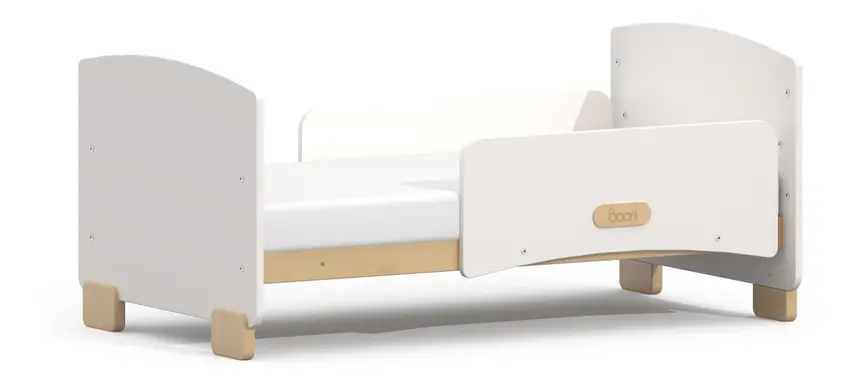

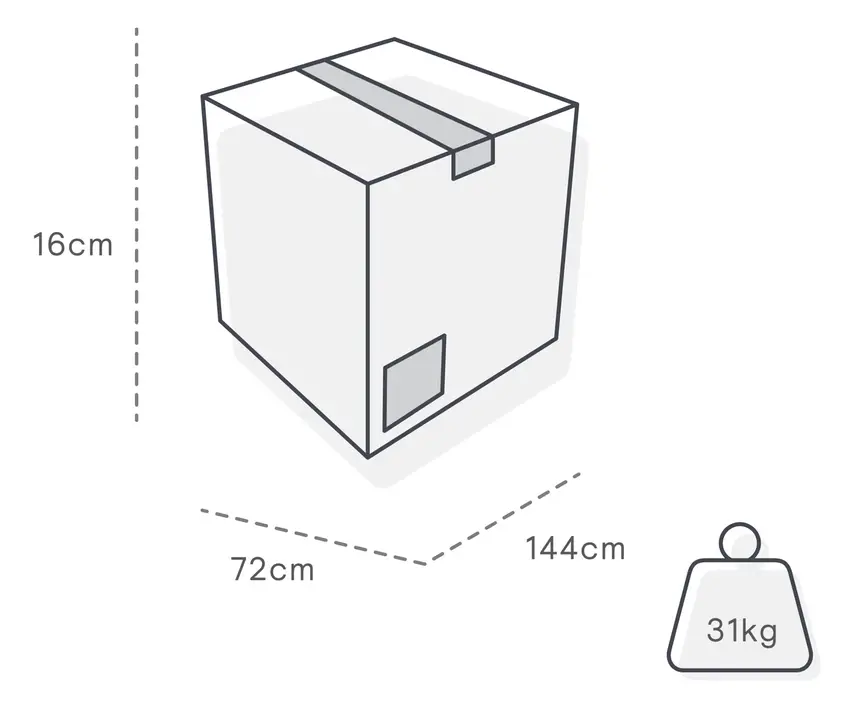
Boori Matilda Cot Bed
A cot that turns into a toddler bed using its own end panels. No extra kit needed.
Read our full review →
Boori Oasis Oval Cot
A curved solid beech cot on lockable wheels, with two base heights.
Compare all cots, bassinets & bedside sleepers in our reviews →
Moving from a bassinet to a cot
Plan the move before your baby reaches the bassinet's limit. Set up the cot in the same room, if that works for your home. Make sure the mattress fits well and is firm and flat. Keep the cot empty except for the fitted sheet and your baby.
Use the same simple bedtime steps where possible. For example, feed, change, cuddle and place your baby on their back. A familiar routine can help the change feel less sudden. Your baby may take time to adjust. Comfort them as needed.
You do not need to make the cot rock or add extra padding. Do not use rolled towels, wedges or positioners. Do not place the bassinet inside the cot. Keep the cot away from cords and loose window coverings.
If your baby falls asleep in a stroller, car seat, swing or product not made for sleep, move them to a suitable flat sleep space when practical. Keep following the product's limits and safe sleep advice. Ask your health professional for tailored advice if your baby was born early or has a medical need.
Cleaning, power and daily checks
Follow the cleaning directions for the exact model. Wash removable fabric as directed and let it dry fully before use. Do not use harsh cleaners unless the maker approves them. Check seams and fasteners after washing. A loose or damaged part can affect fit and use.
Before each sleep, check that the product is assembled correctly. Make sure locks are engaged when needed. Look for loose screws, broken stitching or a tilted mattress. Stop using the product if it is damaged. Contact the maker for an approved repair or replacement part.
Keep batteries secured as the manual directs. If the product uses button batteries, keep spare batteries and battery covers away from children. Stop using the product if a battery compartment is damaged or cannot close securely.
For a powered model, route cords where adults can reach them but babies cannot. Keep cords away from the mattress and baby's hands. Unplug the unit before cleaning. Do not use it near water or with a frayed cable.
Official guidance in four countries
| Country | Useful official bodies | What to check |
|---|---|---|
| Australia | Product Safety Australia, ACCC and Red Nose | Infant sleep product and bassinet rules, recalls and safe sleep advice. |
| United Kingdom | OPSS, NHS and The Lullaby Trust | Product safety notices and advice to keep the sleep space clear and level. |
| United States | CPSC and American Academy of Pediatrics | Product rules, recalls and safe sleep advice for babies. |
| Canada | Health Canada and Canadian Paediatric Society | Product safety alerts and advice for a firm, flat sleep surface. |
Names and product rules differ across countries. Check the current advice for your location. When buying across borders, confirm that the product meets the rules where you will use it. A label from another country may not be enough.
Common mistakes to avoid
- Assuming all sleepers are sleep spaces. Check the stated use. Some are only for supervised soothing.
- Trusting a sensor to watch your baby. Sensors can miss sounds or respond to other noise.
- Adding soft items. Pillows, loose blankets and positioners can cover a baby's face.
- Using the product past its limit. Stop when your baby reaches any age, weight or movement limit.
- Turning up sound to mask crying. First check what your baby needs. Keep sound low and away from the head.
- Ignoring a recall. Search the official recall database before buying or borrowing a product.
- Assuming a connected product is private by default. Set a strong password and review account access.
- Using an unknown mattress or insert. Use only parts approved for the exact model.
More options, from budget to premium
Real products from our catalogue. We don't show star ratings or review counts; check the current price, stock and reviews on Amazon before you buy.
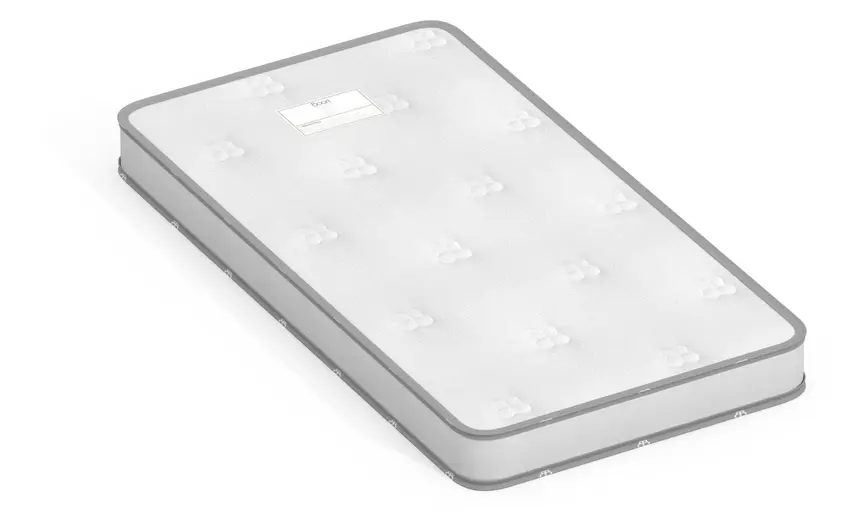
Boori Pocket Spring Mattress (standard cot)
A pocket spring cot mattress that comes rolled. Let it expand for up to 24 hours.


Bugaboo Stardust Plus
A pop-up portacot with a bassinet, for naps at home or away.
Read our full review →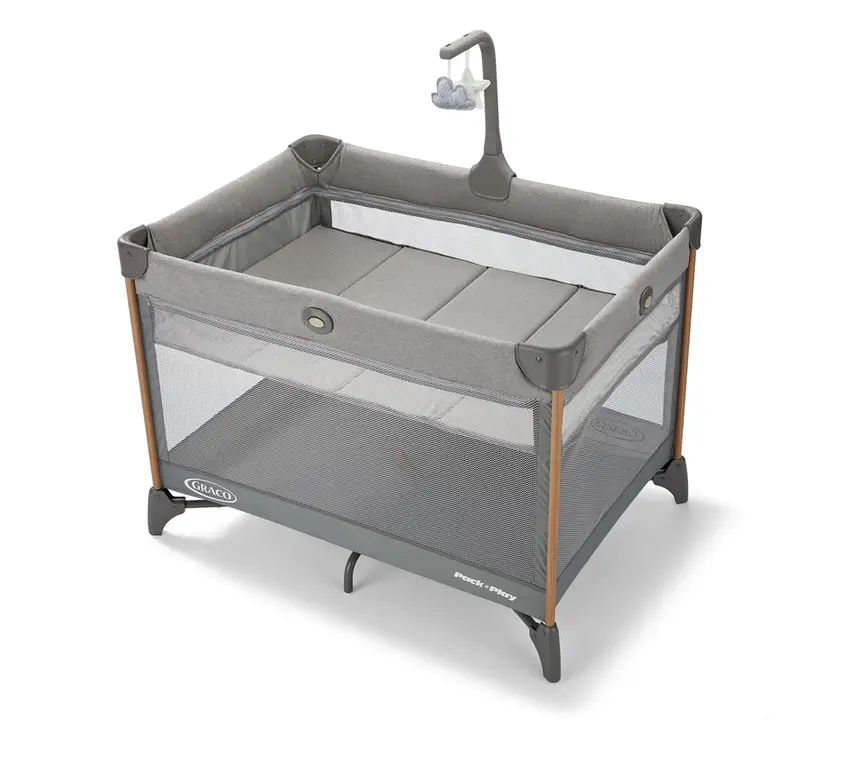
Compare all cots, bassinets & bedside sleepers in our reviews →
Frequently asked questions
Are smart rocking bassinets safe for overnight sleep?
Some are made for infant sleep, and some are not. Check the exact model's instructions and local product rules. Use it only as directed, with your baby on their back and the sleep space clear. Rocking does not make an unsuitable product safe.
Can a cry sensor tell why my baby is crying?
No. It may detect a sound and trigger movement. It cannot tell if your baby needs food, a change, comfort or medical help. Check your baby yourself.
Do I need to stop rocking after a set age?
Follow the model's stated limits. Stop when your baby reaches any age, weight or movement limit. If the product gives no clear limit, ask the maker before continuing to use it.
What sound level is safe for my baby?
There is no single setting that fits every device and room. Keep sound low, place the source away from your baby's head and follow the manual. Do not put a speaker in the sleep space.
Is a manual swivel sleeper safer than a powered bassinet?
Not by type alone. Safety depends on the product's design, condition, intended use and setup. Check its instructions and recalls. Use a firm, flat sleep surface and keep it clear.
When should I move my baby to a cot?
Move before your baby reaches any bassinet limit. These limits vary by model. Set up a suitable cot with a firm, flat mattress and a clear sleep space.
Can my baby sleep in a rocker if I watch closely?
Only if the product is made for sleep and used as directed. Watching does not change the product's design or make an unsuitable sleep surface safe. Move a sleeping baby from a soothing seat to a suitable sleep space.
What should I do if the power goes out?
Follow the product manual. If movement stops, check your baby and move them to a safe sleep space if needed. Do not use a damaged battery or an unapproved power source.
Remember: Choose a product with clear sleep instructions. Follow its limits. For every sleep, place your baby on their back in a firm, flat, clear sleep space. Ask your health professional if your baby has a health need or you are unsure what advice applies.
Sources
- Product Safety Australia – Bassinets and cradles guide
- Red Nose Australia – What is a safe sleeping environment
- UK Office for Product Safety and Standards
- The Lullaby Trust (UK) – Sleeping products
- CPSC (US) – Infant sleep products business guidance
- American Academy of Pediatrics (US) – A parent's guide to safe sleep
- Caring for Kids (Canadian Paediatric Society) – Safe sleep for babies
Related guides
More Sleep & Nursery →
Bedside Sleepers and Co-Sleeper Bassinets: Safety Rules, Set-Up and What to Check

Smart Bassinets: How They Work, Safety Rules, and Whether You Need One
Smart Bassinets: How They Work, Safety Rules, and How to Choose One
