














Moving Your Baby to Their Own Room at 6 Months: Naps, Cot Setup, and Monitor Safety
How to move your baby from room-sharing to their own nursery at 6 months: safe cot setup, gradual naps, monitor cord safety, and what to avoid.

On this page
- Key points
- Why 6 months is the key milestone
- Official safe sleep rules in Australia, the UK, the US and Canada
- How to get the nursery ready before night one
- Gradual crib naps and moving step by step
- Scented sheets, comfort items, and what is safe
- Baby monitor placement and cord safety
- Room-sharing vs own nursery: side-by-side comparison
- Common mistakes to avoid
- Frequently asked questions
- Sources
Short answer: Most health groups say your baby should sleep in your room for at least the first 6 months. After 6 months, many families move their baby to a safe cot in their own nursery. Start with daytime naps in the new room first. Keep the cot completely clear, dress your baby in a safe sleeping bag, and place all monitor cords well out of reach.
This guide follows safe sleep advice from Australia (Red Nose), the UK (The Lullaby Trust and the NHS), the US (American Academy of Pediatrics), and Canada (Health Canada and the Canadian Paediatric Society). In this article, the word "cot" also means "crib" for readers in the US and Canada.
Key points
- Wait until at least 6 months: Room-sharing for the first 6 months lowers the risk of sudden infant death syndrome (SIDS). SIDS is the sudden, unexplained death of a healthy baby during sleep.
- Start with day naps: Let your baby practise sleeping in the new room during the day before trying a full night.
- Keep the cot clear: Use only a firm, flat mattress with a tight-fitting sheet. Keep pillows, bumpers, toys, and loose blankets out.
- Skip scented sprays and loose cloths: Do not use perfumes, essential oils, or strong fabric softeners on baby sheets. Never leave a worn T-shirt or cloth loose in the cot.
- Watch the monitor cords: Place any baby monitor and its power cable at least 1 metre (about 3 feet) away from the cot.
- Monitors do not prevent SIDS: A baby monitor lets you hear or see your baby, but it cannot replace safe sleep habits.
Why 6 months is the key milestone
In the first 6 months, babies wake often to feed and need close care. Sleeping in a separate cot in your bedroom lets you hear and check your baby fast. Health bodies in Australia, the UK, the US, and Canada all agree that room-sharing lowers the risk of SIDS.
The highest risk period for SIDS is in the first few months of life. By 6 months, that risk drops a lot. Your baby is also usually stronger, can roll both ways, and may be starting solid foods.
Six months is a minimum, not a deadline. You do not have to move your baby on their half-birthday. If everyone is sleeping well in your room, you can keep room-sharing for longer.
How the four countries differ on timing
Red Nose in Australia, The Lullaby Trust in the UK, and the Canadian Paediatric Society all recommend room-sharing for at least the first 6 months. The American Academy of Pediatrics (AAP) also says to room-share for at least 6 months, and notes that doing so for up to 1 year is ideal if it works for your family.
If your baby was born early or had a low birth weight, ask your doctor or child health nurse before moving them. They may suggest room-sharing for a little longer.
Signs your family may be ready to move
- Your baby is at least 6 months old and healthy.
- Your baby is outgrowing their bassinet or bedside sleeper, or can push up on hands and knees.
- You and your baby are waking each other up with normal night noises, snoring, or tossing and turning.
- The new nursery is set up with a safe cot, clear floor space, and safe window coverings.
Baby Monitors worth a look
Real products from our catalogue. We don't show star ratings or review counts; check the current price, stock and reviews on Amazon before you buy.

VTech BM2220 Digital Audio Baby Monitor
A low-cost sound-only monitor with two-way talk, a room temperature sensor and a night light.

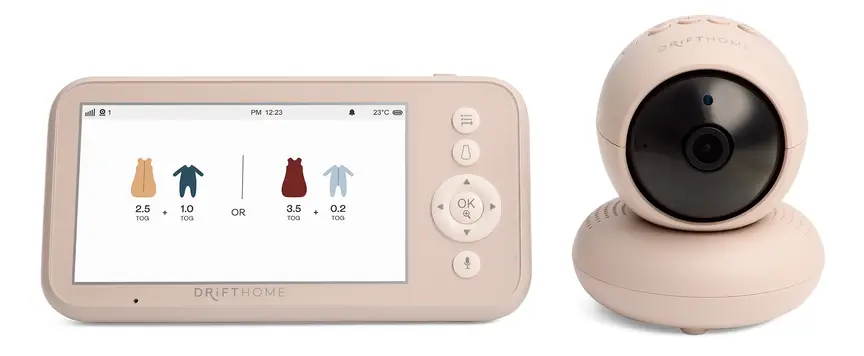
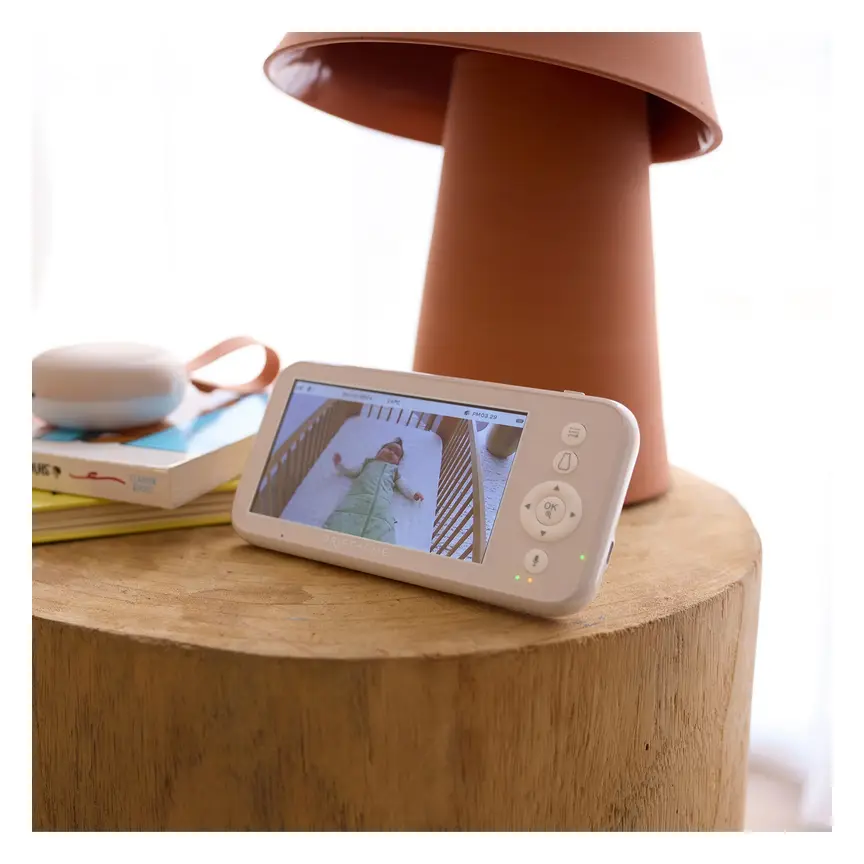
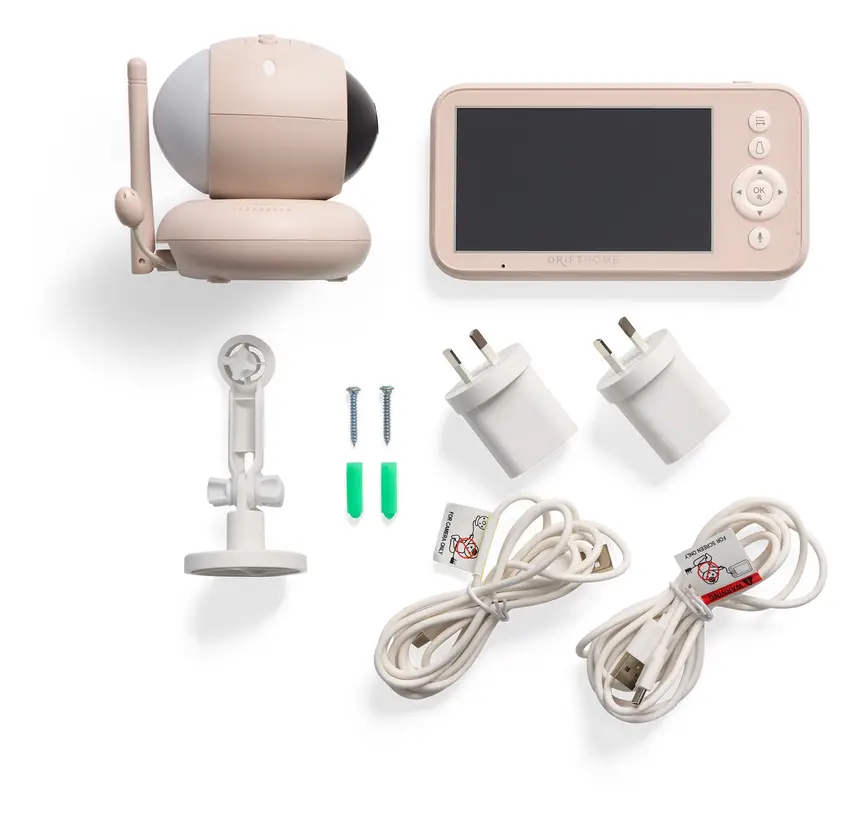
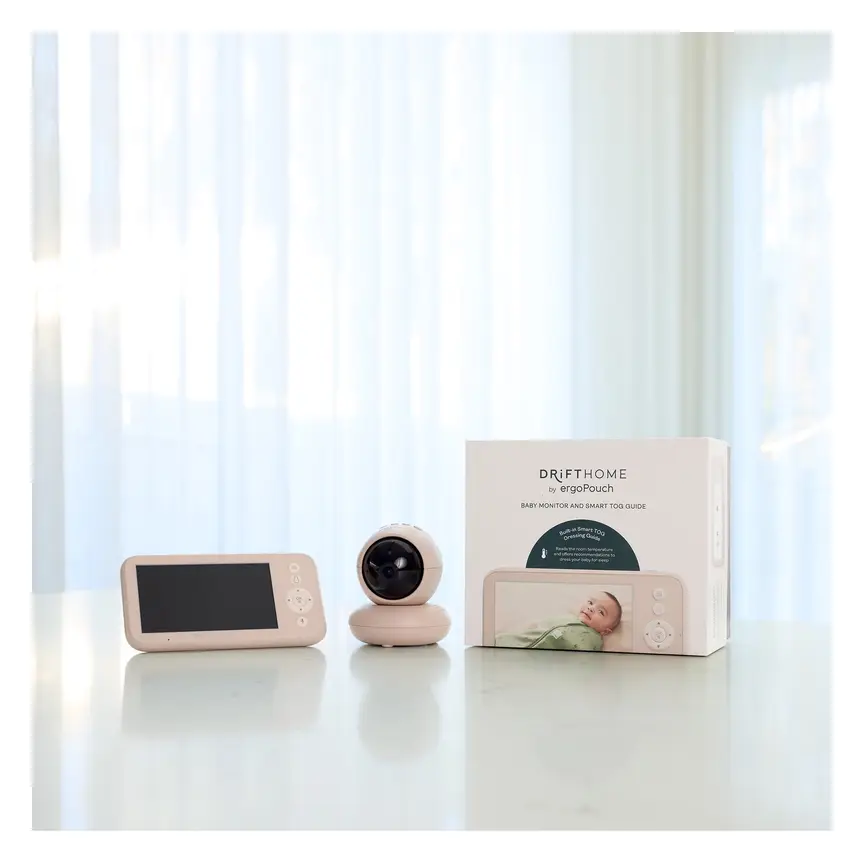

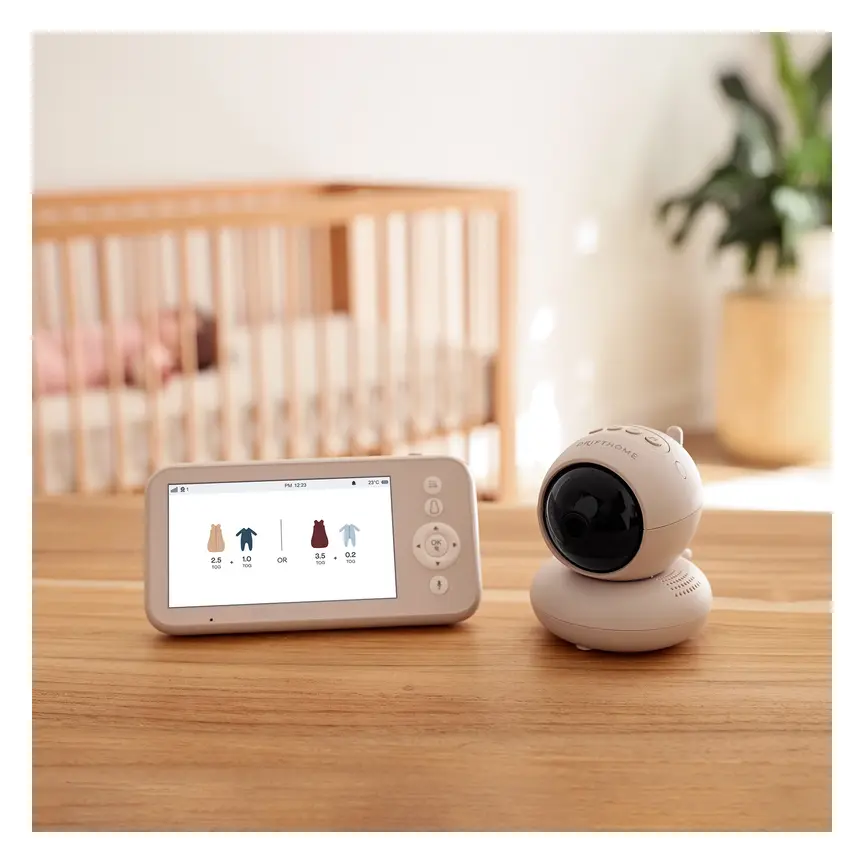
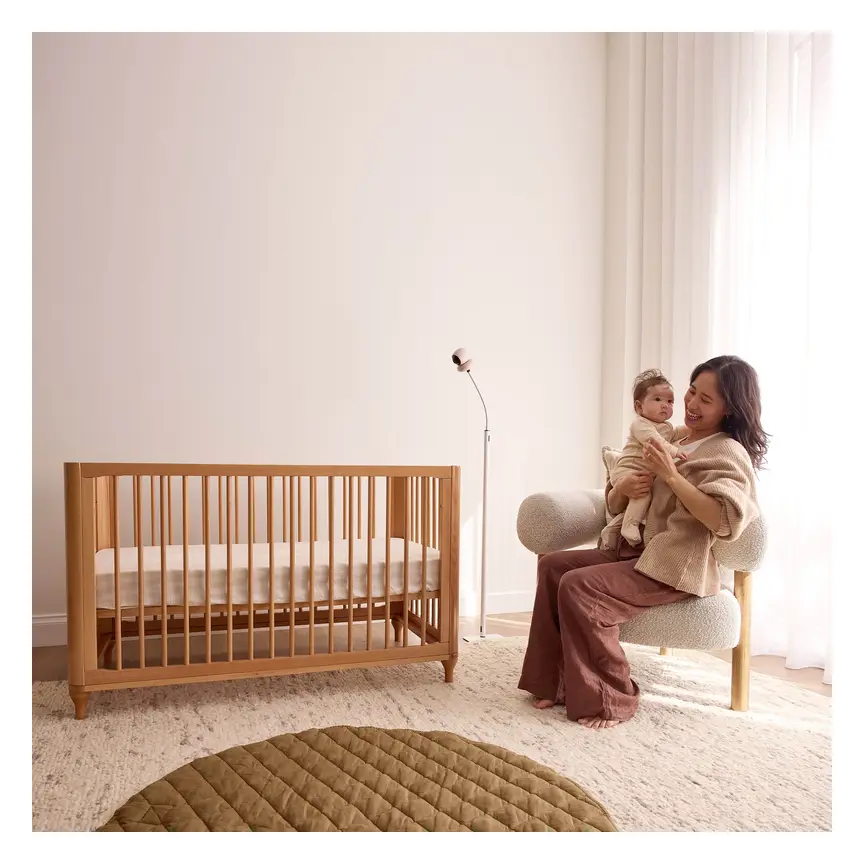

ergoPouch Drifthome Baby Monitor
A non-Wi-Fi monitor with a built-in TOG dressing guide and up to 300 m range.
Read our full review →

Eufy Baby Monitor E20
A monitor that works with or without Wi-Fi. You can share the app with up to 5 family members.
Read our full review →Official safe sleep rules in Australia, the UK, the US and Canada
Parenting words differ across countries. People say "cot" in Australia and the UK, and "crib" in the US and Canada. Even so, the core safety rules are almost the same everywhere.
| Topic | Australia (Red Nose / ACCC) | UK (Lullaby Trust / NHS) | US (AAP / CPSC) | Canada (Health Canada / CPS) |
|---|---|---|---|---|
| Room-sharing age | At least 6 months, ideally 6 to 12 months | At least the first 6 months | At least 6 months, ideally up to 1 year | At least the first 6 months |
| Sleep position | Always on the back | Always on the back | Always on the back | Always on the back |
| Cot / crib standard | AS/NZS 2172 | BS EN 716 (and BS EN 1130 for cribs) | ASTM F1169 (and federal crib rules) | Canadian crib and cradle safety rules |
| Mattress fit | Firm, flat, clean; tested to AS/NZS 8811.1 | Firm, flat, waterproof; BS EN 16890 | Firm, flat, tight fit with no gaps | Firm, flat, tight fit with no gaps |
| Clear cot rule | No pillows, bumpers, quilts, or soft toys | No pillows, duvets, bumpers, or loose toys | No bumpers, pillows, blankets, or toys | No bumpers, pillows, quilts, or toys |
| Baby monitors | Cannot prevent SIDS; keep cords away | Cannot prevent SIDS; check cords and Wi-Fi | Do not rely on breathing monitors for SIDS | Keep cords well away from the crib |
Always check that your cot meets the current safety standard in your country. Avoid very old second-hand cots, especially drop-side cots or cots with wide gaps between the bars. If a standard is not listed in the table with a code, check your national product safety website for the latest wording.
How to get the nursery ready before night one
Before your baby sleeps a single nap in their own room, do a full safety check. At 6 months, babies start rolling, reaching, and pulling up. A safe room protects them both now and when they start standing.
1. Check the cot and mattress
Place the cot on a flat floor away from windows, heaters, fans, and lamps. Set the mattress base to the lowest height if your baby can sit up, or drop it before they learn to pull to stand. Most cots have two base heights, so check your manual.
Test the mattress firmness. In Australia, AS/NZS 8811.1 sets a firmness test for infant mattresses. A safe mattress stays flat and does not sag when your baby lies on it. Make sure there is no gap larger than two fingers between the mattress edge and the cot frame.
Cover the mattress with one tight-fitting sheet only. Do not use sheepskins, soft mattress toppers, or loose waterproof pads on top of the sheet.
2. Dress your baby for the room
A baby sleeping bag with the arms out is safer than loose blankets. Pick one with a fitted neck and armholes so your baby cannot slip down inside. Avoid bags with hoods. In the UK and Europe, BS EN 16781 covers safety rules for baby sleeping bags.
Check the room temperature so your baby does not get too hot or too cold. The Lullaby Trust suggests a room temperature of about 16°C to 20°C as a helpful guide. Feel your baby's chest or the back of their neck to check warmth. Hands and feet often feel cool and are not a good guide.
3. Clear blind cords and wall hazards
Blind and curtain cords are a serious strangulation hazard for babies and toddlers. Keep the cot well away from any window. Fit cord cleats high up on the wall, or use cordless blinds. In Australia, Product Safety Australia warns parents to secure all loose blind cords. In the UK, BS EN 13120 covers internal blind cord safety.
Do not hang heavy frames, shelves, or mirrors on the wall directly above the cot. If something falls, it could land on your baby.
4. Anchor heavy furniture
Your 6-month-old is not climbing drawers yet, but they will be soon. Bolt tall dressers, bookshelves, and change tables to the wall with anti-tip straps. Keep the floor around the cot clear of bags, nappy sacks, and small objects.
5. Keep the room smoke-free and calm
Never allow smoking or vaping in the nursery or anywhere inside the home. Keep the room dark or very dim for sleep. Bright white or blue light at night can make it harder for babies and parents to fall back asleep.
Gradual crib naps and moving step by step
Moving straight from your bedroom to a new room at midnight can feel hard for both of you. A slow, daytime-first plan helps your baby learn the new space while you are awake and calm.
Step 1: Play in the nursery during the day
For a few days before the move, spend short, happy wake windows in the nursery. Do nappy changes there. Read a board book or sing a song on a floor mat next to the cot. This helps the room feel normal and safe.
Step 2: Start with the first morning nap
Once the room feels familiar, put your baby down in the nursery cot for their first nap of the day. The first morning nap is often the easiest one because sleep pressure is steady and you are rested. Use the same sleep cues you already use, such as closing the blinds and putting on their sleeping bag.
Step 3: Move the rest of the day naps
After two or three days of morning naps, do all daytime naps in the nursery cot. Keep nighttime sleep in your bedroom for a few more days if you like. There is no rush.
Step 4: Keep your bedtime routine the same
On the first night in the nursery, change only the room. Keep everything else the same. Give the last milk feed, put on clean pyjamas and the sleeping bag, read a short story, and place your baby on their back in the cot.
Step 5: Expect a few extra wakes at first
Your baby may wake more for two or three nights in a new room. That is normal. Go in, comfort them calmly, and settle them back in their cot. Try not to move them back and forth between rooms every few hours, as that can confuse them.
When to pause the move
If your baby is sick, has a fever, or is teething badly, wait a few days before moving rooms. A sick baby is easier to care for close to you. Wait until they are well again, then restart your plan.
Scented sheets, comfort items, and what is safe
Many parents hear tips online about "scented sheets" to help a baby settle in a new room. Some tips are safe, and some are risky. Know the difference before you try anything.
Why perfumed scents and oils are unsafe
Never spray perfume, room mist, lavender spray, or essential oils onto your baby's cot sheet or sleeping bag. Babies have sensitive skin and airways. Strong scents can irritate their nose, throat, and skin.
Wash cot sheets with a mild, fragrance-free detergent. Skip heavily scented fabric softeners and dryer sheets. A clean, plain cotton sheet is best.
What about a parent's natural scent?
Some parents wear a clean cot sheet under their shirt for an hour, or sleep on it for one night, so it smells faintly like them. If you try this, make sure the sheet is completely dry, clean, and stretched tightly over the mattress. Never spray anything on it.
Do not put your own T-shirt, pillowcase, or muslin cloth loose inside the cot. Loose fabric in the cot can cover your baby's face and block their breathing. Red Nose, The Lullaby Trust, the AAP, and Health Canada all say to keep loose items out of the cot.
When are soft toys and comforters allowed?
At 6 months, keep soft toys, comforters, and loveys out of the cot for sleep. Red Nose recommends waiting until at least 7 months before introducing a small, safe comforter, and many groups such as the AAP advise waiting until 12 months before adding any soft objects to the sleep space. When in doubt, keep the cot empty for the whole first year.
Side by side: more baby monitors to compare
Real products from our catalogue. We don't show star ratings or review counts; check the current price, stock and reviews on Amazon before you buy.

Eufy Baby Monitor E21
The step-up Eufy monitor. It works with or without Wi-Fi and shares with up to 5 people.
 Reviewed
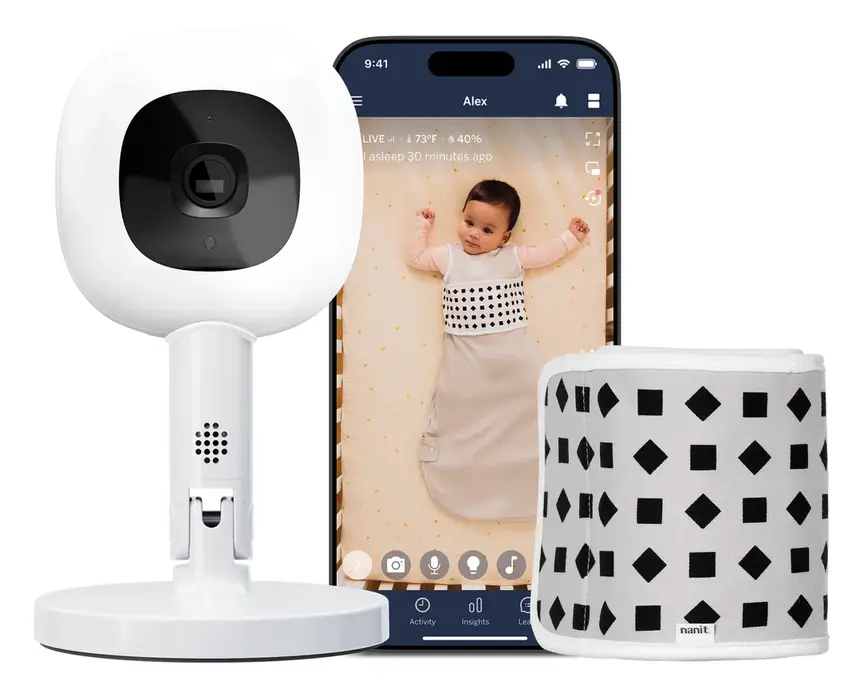
Nanit Pro Camera
Overhead 1080p Wi-Fi camera that tracks sleep and — with patterned Breathing Wear — breathing motion, without any electronics on the baby.
Read our full review →
Oricom Babysense7 Breathing & Movement Monitor
A sensor pad listed as a medical device on the Australian Register of Therapeutic Goods. It sounds an alarm if it stops sensing breathing movement.

Baby monitor placement and cord safety
Once your baby moves down the hall, a baby monitor gives you peace of mind. You can hear when your baby wakes or needs a feed. Still, placement matters a lot for safety.
What a monitor can and cannot do
Health groups in all four countries stress one clear point: baby monitors do not prevent SIDS. Red Nose and The Lullaby Trust both state that there is no proof a monitor lowers the risk of sudden infant death. A study by researchers at the Children's Hospital of Philadelphia, published in JAMA, also found that consumer pulse-oximetry monitors can give false alarms or miss real drops in oxygen.
The AAP advises against relying on home breathing or heart-rate monitors to prevent SIDS. Use a monitor to hear or see your baby, and always follow safe sleep rules first.
Safe cord and camera placement
Monitor cords are a real strangulation danger. The US Consumer Product Safety Commission (CPSC) has warned parents for years after children strangled on baby monitor cords placed too close to a crib. Babies grow fast, and a 6-month-old will soon stand and grab anything within reach.
- Keep cords at least 1 metre (3 feet) away: Place the camera and every part of its power cord at least 1 metre from every side of the cot.
- Never drape cords over the cot rail: Do not clip a monitor or route a wire along the cot bars.
- Use cord covers if wall-mounting: If you mount a camera on the wall, run the cable inside a rigid plastic cord cover screwed to the wall.
- Check battery covers: Make sure the parent unit and any sensor pads have screw-fastened battery doors, especially if they use button batteries.
Audio, video, or Wi-Fi monitors
An audio-only monitor is simple, low-cost, and works well in most homes. A non-Wi-Fi video monitor lets you check if your baby is just stirring or truly awake, without walking in and turning on a hall light.
If you choose a Wi-Fi monitor that connects to your phone, protect your home network. Change the default password right away, turn on two-step sign-in if the app offers it, and keep the app updated. Government cyber-safety agencies in Australia, the UK, and Canada all recommend strong, unique passwords on smart baby gear.
Room-sharing vs own nursery: side-by-side comparison
Not sure whether to move at 6 months or wait a bit longer? This table compares both options for a 6-month-old baby.
| Factor | Staying in your room (room-sharing) | Moving to their own nursery |
|---|---|---|
| Safety guidance | Recommended for at least 6 months (up to 12 months in US guidance) | Safe from 6 months if safe sleep rules and monitor cord rules are followed |
| Night feeds | Very quick to reach your baby | Short walk to the nursery; easier if one partner takes turns |
| Light sleepers | Parents and baby often wake each other with small noises | Everyone may sleep more soundly between feeds |
| Space and cot fit | May feel cramped if a full-size cot does not fit your bedroom | Full-size cot fits easily with room around it |
| Monitor needed? | Usually not needed at night | Helpful if you cannot hear your baby clearly with doors shut |
Common mistakes to avoid
Most problems during a room move come from trying to do too much at once, or adding unsafe extras to help a baby sleep. Watch out for these common traps.
- Moving before 6 months without medical advice: Even if your baby sleeps long stretches, keep them in your room until at least 6 months.
- Putting bumpers or nests in the cot: Padded cot bumpers, sleep positioners, and baby nests are linked to suffocation risks. Keep the cot bare.
- Placing the monitor on the cot rail: It gives a great camera angle, but the cord sits right next to your baby. Mount it across the room instead.
- Changing everything on one night: Do not move rooms, drop a night feed, and stop a dummy all on the same day. Make one change at a time.
- Using essential oils or scented sprays: Lavender sprays and plug-in air fresheners can irritate a baby's lungs. Fresh air is safer.
- Leaving the nursery too warm: Overheating raises the risk of SIDS. Dress your baby in light layers and check their chest, not their hands.
- Skipping wall anchors: A 6-month-old may not climb today, but they can pull on drawers within a few months. Anchor furniture before the move.
More options, from budget to premium
Real products from our catalogue. We don't show star ratings or review counts; check the current price, stock and reviews on Amazon before you buy.
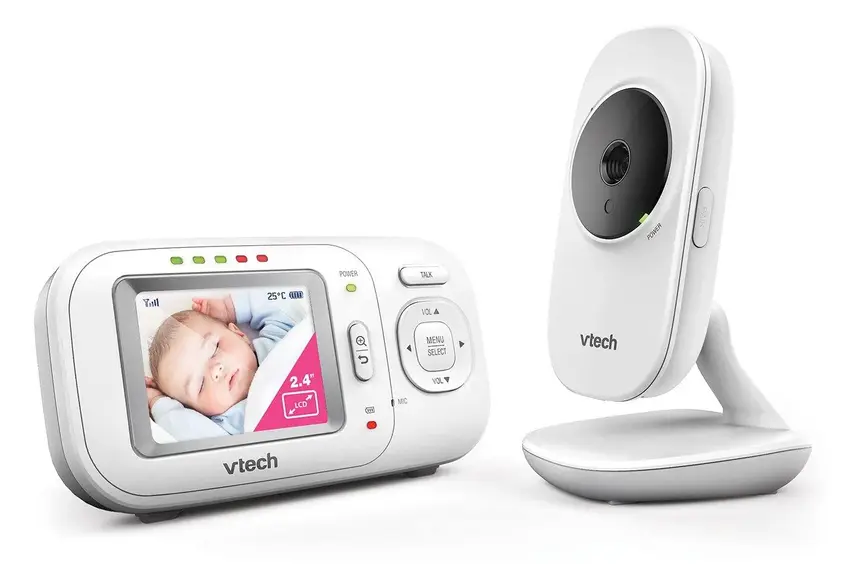
VTech BM2700 Video and Audio Baby Monitor
Non-wifi video monitor

VTech BM3350N Video Baby Monitor
Non-wifi video monitor

Frequently asked questions
Is 6 months the exact age every baby must move?
No. Six months is the earliest age recommended for moving out of your bedroom, not a rule that you must move then. Many families keep room-sharing until 9 or 12 months, especially if the baby still feeds often at night. Do what feels safe and practical for your home.
Do I need a video monitor when my baby moves rooms?
No, you do not need a video monitor. If your bedroom is right next to the nursery and you can hear your baby clearly with the doors open, you may not need a monitor at all. If the rooms are far apart, a basic audio monitor is enough for most families. A video screen is optional.
Can I put a comfort toy or my T-shirt in the cot to help them settle?
No. At 6 months, keep all loose items out of the cot, including soft toys, blankets, and your own clothes. Loose fabric can cover your baby's nose and mouth. If you want your scent in the cot, wear the fitted cot sheet under your shirt for a short time before putting it tightly on the mattress.
What if my baby wakes more often in their own room?
Extra waking for a few nights is very common. Your baby is noticing new sounds, shadows, and smells. Go in calmly, reassure them, and keep your bedtime and night-feed routine steady. Most babies adjust within one to two weeks.
Should I use a nightlight in the new nursery?
A dark room is best for sleep. If you need light for night feeds or nappy changes, use a very dim, warm-toned red or amber nightlight, and turn it off when you leave. Avoid bright blue or cool-white LED lights, as they can signal the brain to wake up.
How warm should the nursery be?
Aim for a comfortable room temperature, not too hot and not freezing. The Lullaby Trust suggests about 16°C to 20°C as a guide. In warm weather, dress your baby in fewer layers and use a lighter sleeping bag. Always keep the baby's head uncovered with no hats or beanies indoors.
Sources
- Red Nose Australia – Six safe sleep recommendations
- Red Nose Australia – Baby monitors
- The Lullaby Trust (UK) – Room sharing
- The Lullaby Trust (UK) – Baby monitors
- American Academy of Pediatrics (US) – A parent's guide to safe sleep
- Caring for Kids (Canadian Paediatric Society) – Safe sleep for babies
- U.S. Consumer Product Safety Commission – Infants and toddlers can strangle in baby monitor cords (Publication 5066)
- ACCC – ACCC warns of dangers of loose blind and curtain cords
Related guides
More Parental Tips →
Moving Your Baby from Bassinet to Cot: When to Switch, Room Sharing and Gentle Settling

Moving from 2 Naps to 1 (13 to 18 Months): Shifting Lunchtime and Bedtime

Moving From 3 Naps to 2 Naps (6 to 8 Months): Stretching Awake Times Without Tears
