














Baby Rolling Onto Their Tummy in the Cot: What to Do, and When You Can Stop Turning Them Back
Baby rolling onto their tummy in the cot? Keep putting them down on their back, stop wrapping, and once they roll both ways, let them find their own position.

On this page
- Key points
- Why back sleeping still matters once your baby can roll
- What to do, stage by stage
- When do babies learn to roll? A rough timeline
- Stop wrapping as soon as you see signs of rolling
- Move from a bassinet to a cot
- Make the whole cot safe for a baby who moves
- Do I need to keep checking all night?
- Help your baby learn to roll back: tummy time
- What the four countries say
- Safe sleep checklist for a baby who rolls
- What comes after rolling: sitting, crawling and standing
- When to talk to a doctor or nurse
- Common mistakes to avoid
- Night-time situations
- FAQ
- Sources
Short answer: Always put your baby down on their back. If they roll onto their tummy but cannot roll back yet, gently turn them onto their back when you notice. Once your baby can roll both ways on their own (tummy to back and back to tummy), you can still put them down on their back and then let them find their own position. As soon as you see signs of rolling, stop wrapping with arms in, and move your baby from a bassinet to a cot.
Health groups in Australia (Red Nose), the UK (Lullaby Trust and NHS), the US (American Academy of Pediatrics) and Canada (Health Canada) all give this same advice.
Key points
- Back to sleep, every sleep. Start every sleep on the back, day and night, from birth.
- Rolls one way only: gently roll them back when you see they have turned. You do not need to stay up all night watching.
- Rolls both ways: put them down on their back, then let them choose their position.
- Stop wrapping at the first signs of rolling. Use a sleeping bag with the arms out.
- No wedges, positioners, rolled towels or pillows to stop a baby rolling. These are not safe.
- Lots of tummy time when awake helps your baby get strong enough to roll back.
Why back sleeping still matters once your baby can roll
Sleeping on the tummy raises the risk of sudden unexpected death in infancy (SUDI). SUDI includes SIDS (sudden infant death syndrome) and sleep accidents. That is why every major health group says to put babies on their back to sleep.
Rolling is a normal and exciting step. Many babies start rolling at around 4 to 6 months. Some start earlier. The worry is a baby who has rolled onto their tummy but is not yet strong enough to lift their head, turn it, or roll back. If their face presses into the mattress, they may not be able to move it.
A baby who can roll easily both ways has those skills. They can move out of a bad position by themselves. That is why the advice changes once your baby rolls both ways.
What to do, stage by stage
| Stage | What it looks like | What to do |
|---|---|---|
| Not rolling yet | Your baby stays where you put them | Put them on their back to sleep. Wrapping is fine if they like it. |
| First signs of rolling | Rocking onto their side, rolling during play | Stop wrapping arms in. Use a sleeping bag with free arms. Move from bassinet to cot. |
| Rolls back to tummy only | Ends up on the tummy, gets upset or stuck | Keep putting them on their back. Gently roll them back when you see them on their tummy or side. |
| Rolls both ways easily | Rolls over and back again by themselves | Put them down on their back, then let them find their own position. |
When do babies learn to roll? A rough timeline
Every baby grows at their own pace. These ages are only a rough guide.
- Birth to 2 months: babies lift their head for a moment during tummy time. Most do not roll yet.
- 2 to 4 months: some babies rock onto their side. A few roll from tummy to back, often by accident at first.
- 4 to 6 months: many babies roll tummy to back, then back to tummy.
- 6 months and older: most babies roll both ways. Many start to sit, creep and crawl.
If your baby is not rolling by about 6 months, or you have any worries about how they move, talk to your child health nurse or doctor.
Cots, Bassinets & Bedside Sleepers worth a look
Real products from our catalogue. We don't show star ratings or review counts; check the current price, stock and reviews on Amazon before you buy.
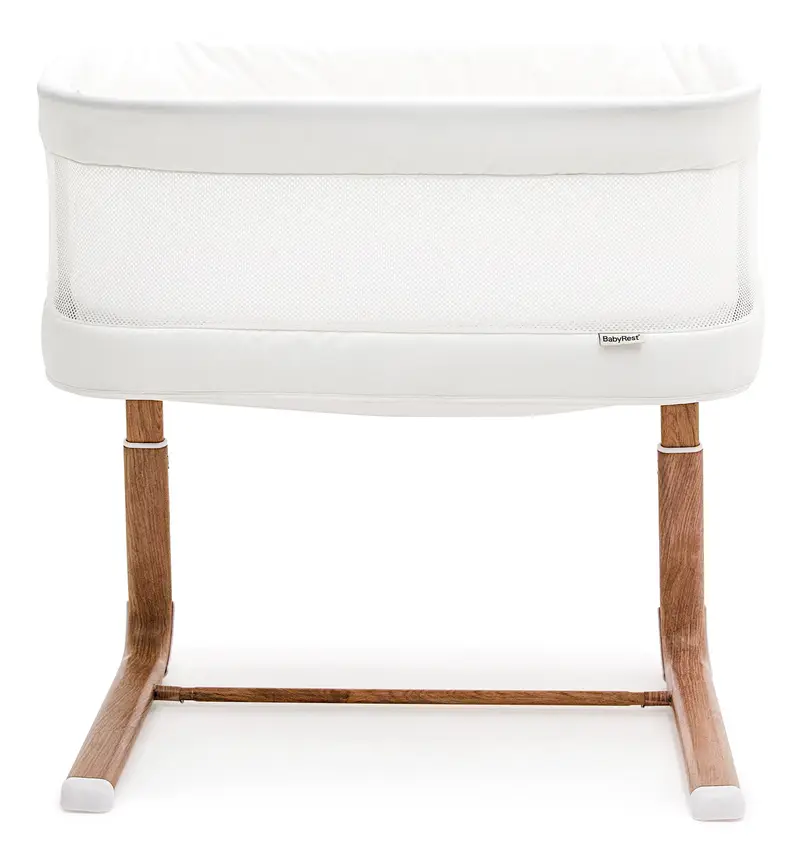
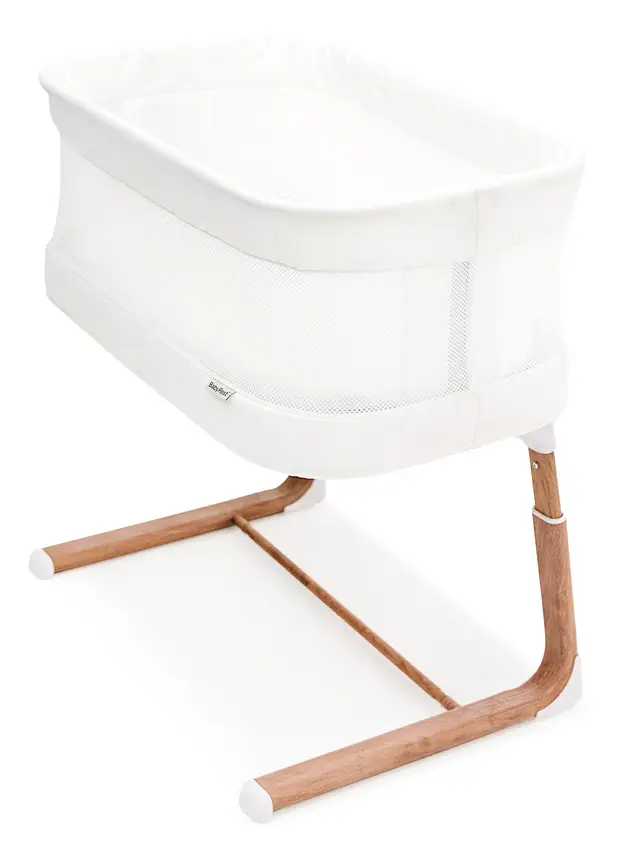
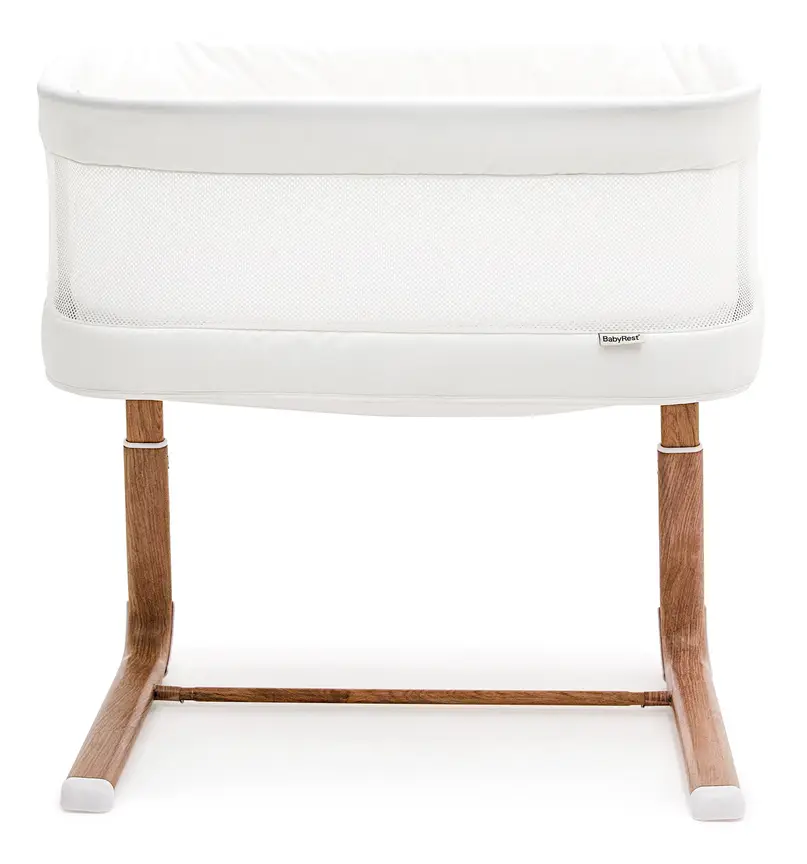


BabyRest Swan Smart Bassinet
A bassinet that rocks by itself when baby stirs, with 3 rocking levels, lullabies and a remote.
Read our full review →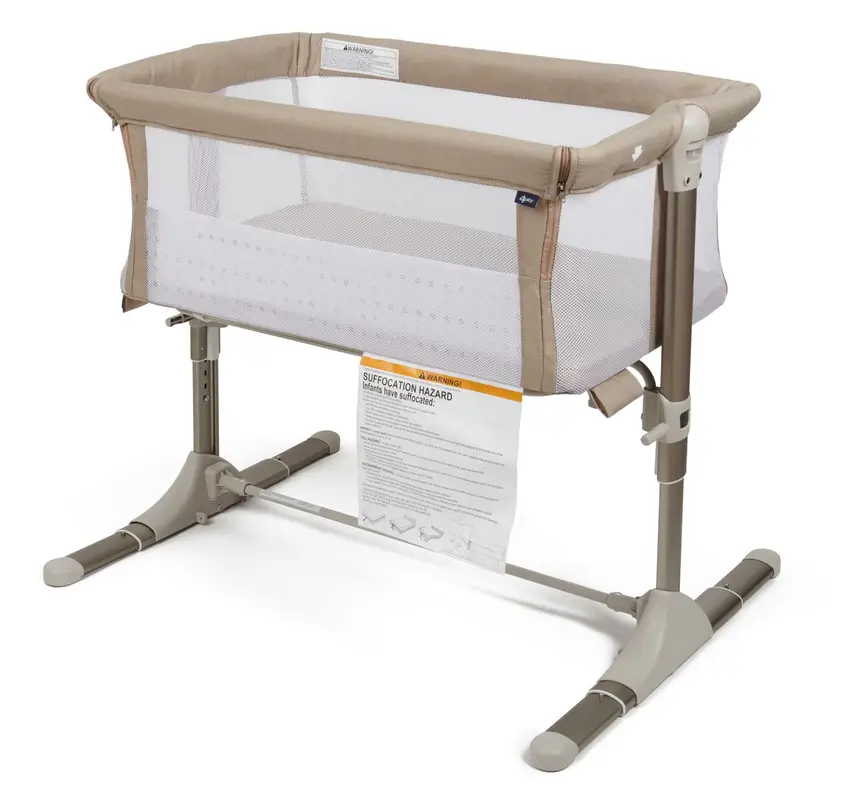
4baby Snuggle Cuddle Bedside Sleeper
A low-cost bassinet that turns into a bedside sleeper, with 4 heights and mesh sides.

4baby Vacation Portacot
A low-cost portacot with a padded mattress and mesh sides.
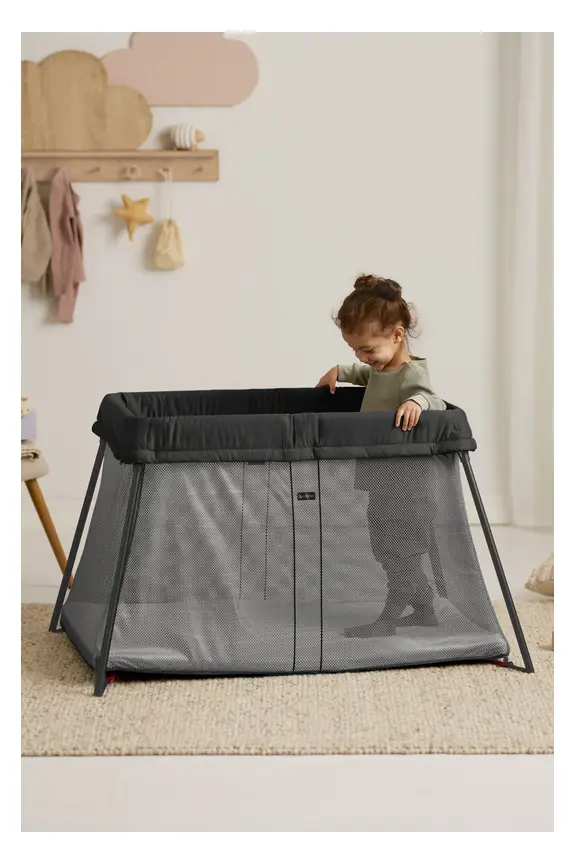
Compare all cots, bassinets & bedside sleepers in our reviews →
Stop wrapping as soon as you see signs of rolling
A wrapped baby who rolls onto their tummy cannot use their arms. They cannot lift their head or push back over. Red Nose warns that a baby who is wrapped and lying on their tummy is at higher risk of overheating and suffocation.
Red Nose says to stop wrapping as soon as your baby shows signs of starting to roll, or at 3 months, whichever comes first. The American Academy of Pediatrics (AAP) says to stop swaddling when a baby starts trying to roll.
Instead, use a baby sleeping bag with:
- a fitted neck;
- armholes or sleeves, so the arms are free;
- no hood;
- the right size for your baby's weight.
Do not wrap a baby inside a sleeping bag. Avoid "swaddle bags" that keep the arms inside. Our guide to safe swaddling and moving to arms-free sleep explains how to make the change.
Move from a bassinet to a cot
Bassinets are small. Some have soft or mesh sides. A baby who rolls can end up pressed against the side. Red Nose says to move your baby into a cot as soon as they show signs of rolling. Also move them if they reach the bassinet's weight or size limit, which is printed on the label.
A cot gives your baby room to move. Choose one that meets your country's safety rules:
- Australia: the mandatory cot standard AS/NZS 2172.
- UK: cots made to BS EN 716.
- US: cribs that meet federal rules from the Consumer Product Safety Commission (CPSC).
- Canada: cribs that meet Health Canada's Cribs, Cradles and Bassinets Regulations.
Keep the cot in your room. Health groups in all four countries say babies should sleep in their own space, in the same room as a parent or carer, for at least the first 6 months.
Make the whole cot safe for a baby who moves
A baby who rolls will soon wriggle all over the cot. So the whole cot must be safe, not just the spot where you put them down.
- Mattress: firm, flat and a snug fit, with a fitted sheet. No gaps at the sides or ends where a baby could get stuck.
- Nothing soft or loose: no pillows, quilts, bumpers, sheepskins, soft toys or loose blankets.
- No positioners or wedges: Red Nose advises against products that hold a baby in one position. In the US, inclined sleepers are banned from sale. In Australia, inclined sleep products are also banned.
- Face and head clear: no hats or beanies for sleep. A sleeping bag with no hood.
- Away from danger: keep the cot away from blind and curtain cords, heaters and lamps.
- Lower the base later: once your baby can sit or pull up, lower the cot base so they cannot climb out.
Do I need to keep checking all night?
No. If your baby rolls only one way, turn them onto their back when you happen to see it. For example, when you check on them before your own bedtime, or when they wake for a feed. You do not need to stay awake to watch. You do not need to set alarms.
A safe sleep space is what protects a baby who rolls while you are not looking. That is why the bare cot and sleeping bag matter so much.
A breathing or movement monitor does not replace safe sleep habits. Health groups say these monitors have not been shown to prevent SIDS.
Help your baby learn to roll back: tummy time
Tummy time means putting your baby on their tummy to play while they are awake and you are watching. It builds the neck, shoulder and arm strength they need to lift their head and roll back over. The AAP sums it up as "back to sleep, tummy to play".
How to do tummy time
- Start from the first days at home. A few minutes at a time is enough at first.
- Do it a few times a day, when your baby is awake and happy. After a nappy change is a good time.
- Get down on the floor at their level. Talk, sing and make faces.
- Use a baby-safe mirror or a few toys to keep them interested.
- Try tummy time on your chest if your baby is unhappy on the floor.
- Build up the time as your baby gets stronger.
- Stop when they get tired or upset. Never leave them alone on their tummy.
Tummy time by age
| Age | What it can look like |
|---|---|
| Newborn | A minute or two on your chest or lap, a few times a day |
| 1 to 3 months | Short sessions on a mat. Baby starts lifting their head |
| 3 to 6 months | Longer play. Baby pushes up on their arms and may roll |
| 6 months and up | Lots of floor play, rolling, reaching, getting ready to crawl |
Tummy time is only for awake, supervised play. It is never for sleep.
Side by side: more cots, bassinets & bedside sleepers to compare
Real products from our catalogue. We don't show star ratings or review counts; check the current price, stock and reviews on Amazon before you buy.
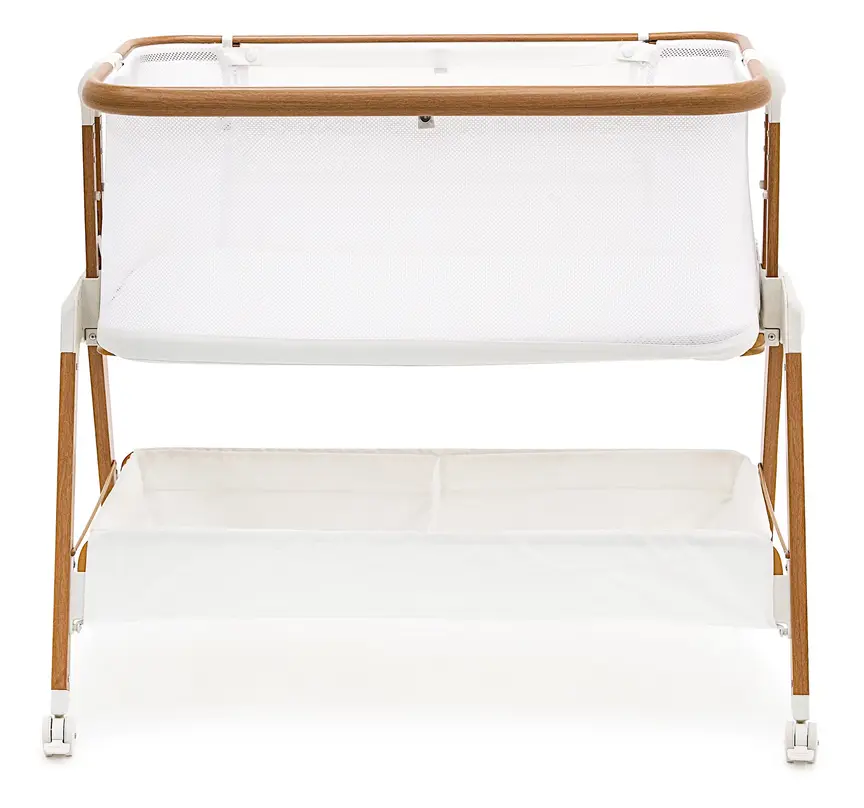
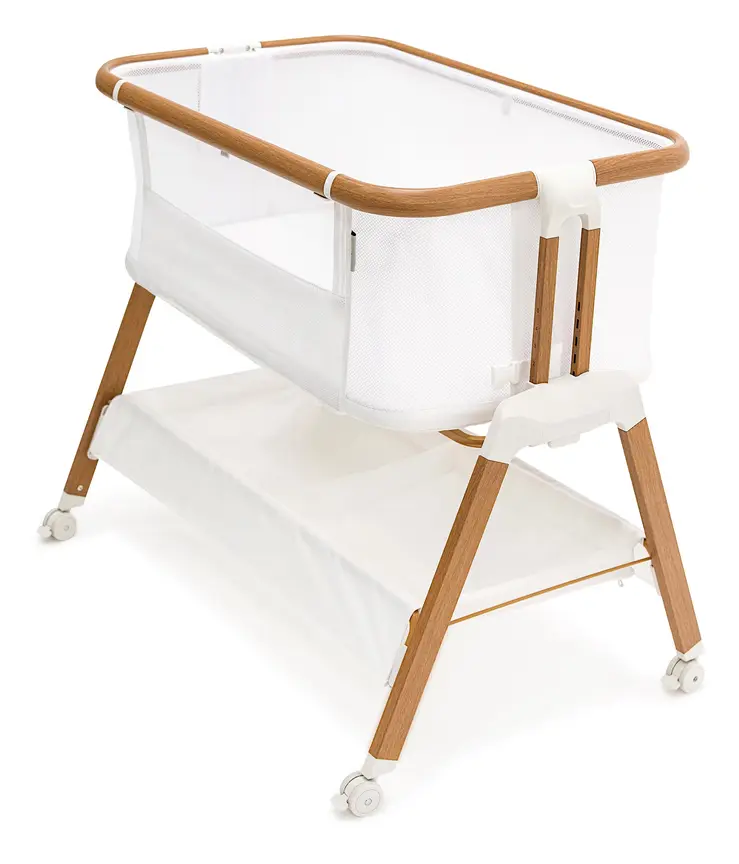
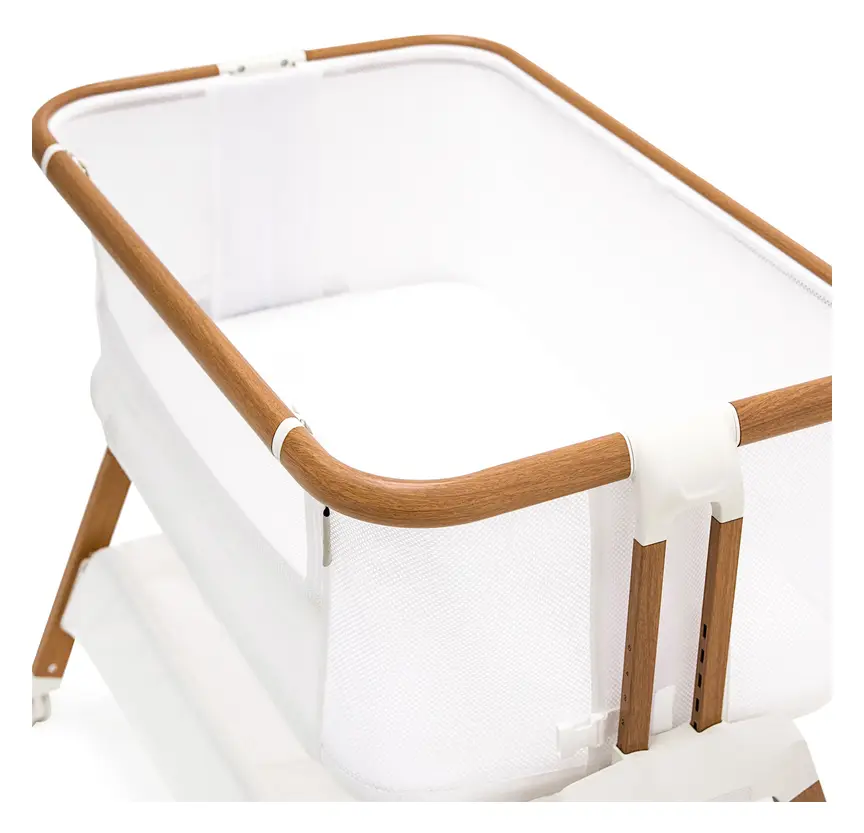
BabyRest Alfie2 Bedside Bassinet
A bedside bassinet with 5 heights, a drop-down side, wheels and an insect net.
Read our full review →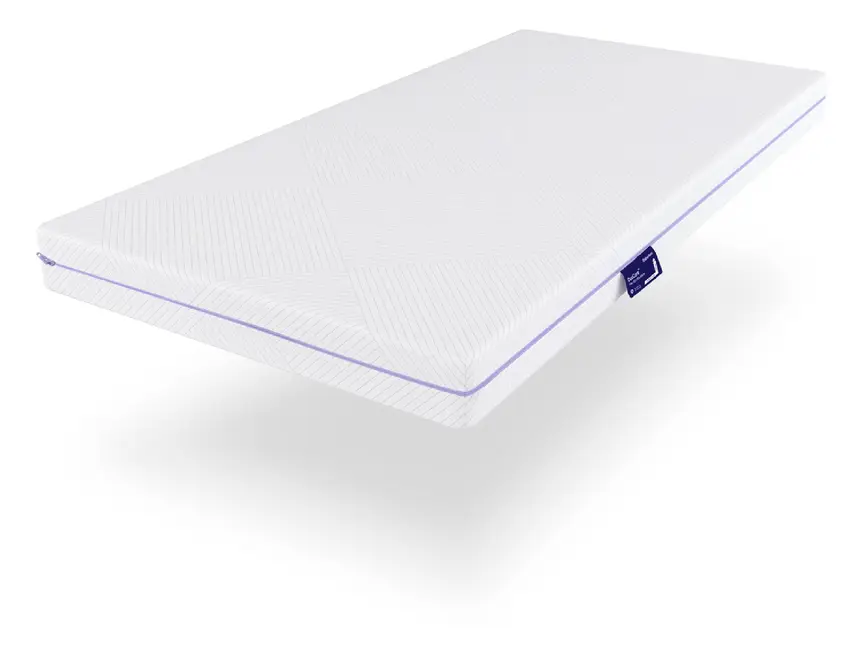
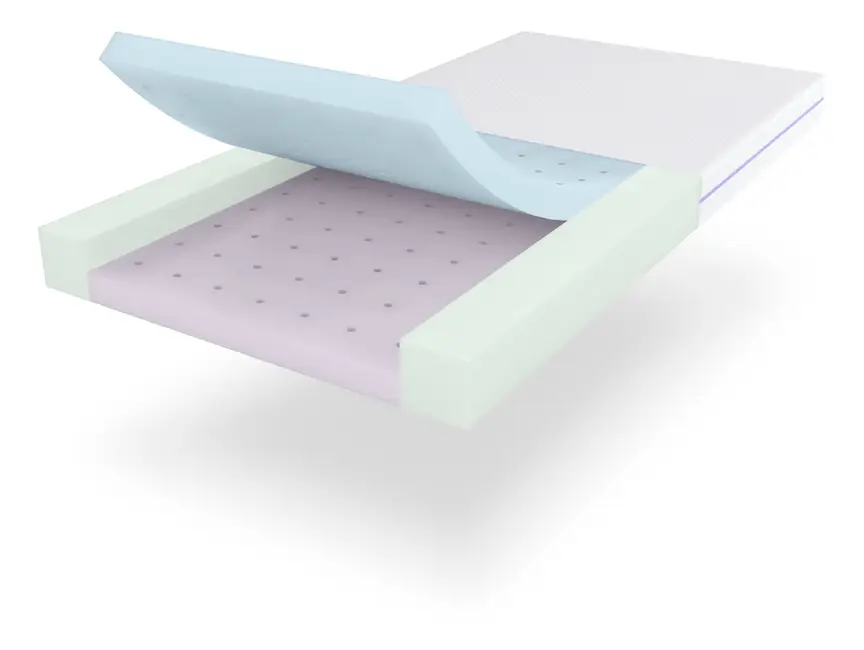

BabyRest Duocore Bamboo Cot Mattress
A two-sided mattress: a baby side to 12 kg and a toddler side from 12 kg to about 4 years.
Read our full review →
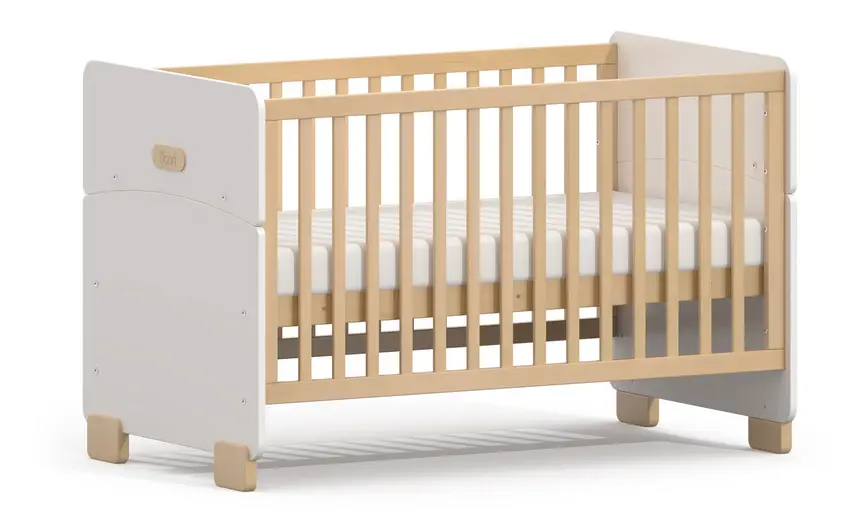

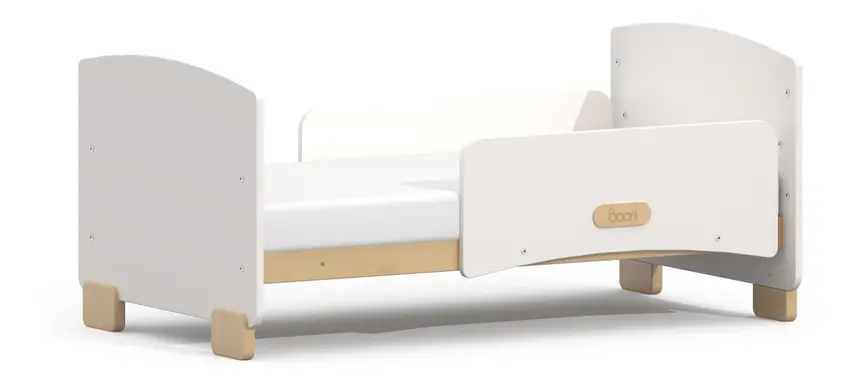

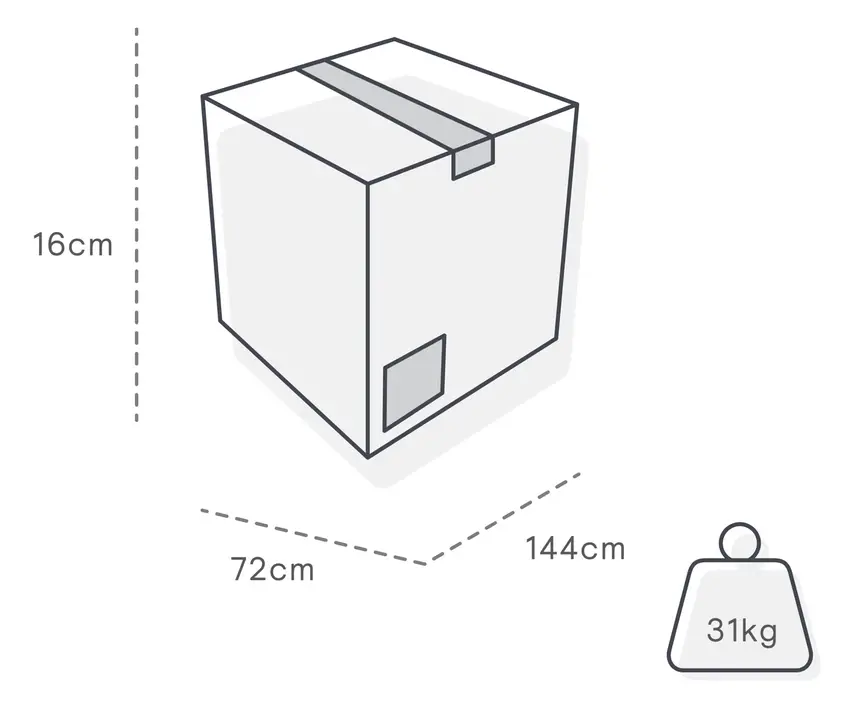
Boori Matilda Cot Bed
A cot that turns into a toddler bed using its own end panels. No extra kit needed.
Read our full review →Compare all cots, bassinets & bedside sleepers in our reviews →
What the four countries say
| Question | Australia | UK | US | Canada |
|---|---|---|---|---|
| How to put baby down | On the back, every sleep | On the back, every sleep | On the back, every sleep | On the back, every sleep |
| Baby rolls one way only | Gently roll them back | Gently roll them back | Return them to the back | Return them to the back |
| Baby rolls both ways | Let them find their position | Let them stay in their position | Let them stay in their position | Let them stay in their position |
| Wrapping once rolling | Stop | Stop | Stop | Stop |
| Positioners and wedges | Not safe | Not safe | Not safe | Not safe |
Safe sleep checklist for a baby who rolls
| Check | What "yes" looks like |
|---|---|
| Starting position | Put down on their back, feet near the bottom of the cot |
| Arms | Free. No arms-in wrap or swaddle bag |
| Sleeping bag | Right size, fitted neck, armholes, no hood |
| Bed | A full-size cot, not a bassinet |
| Mattress | Firm, flat, snug fit, one fitted sheet |
| Inside the cot | Nothing else. No toys, pillows, bumpers or wedges |
| Room | Your room for at least 6 months. Away from cords and heaters |
| Daytime | Plenty of supervised tummy time |
What comes after rolling: sitting, crawling and standing
Rolling is the first of many moves. Each new skill brings a small change to how you set up the cot.
- Sitting (often around 6 to 8 months): your baby may sit up in the cot when they wake. Lower the cot base to its middle or lowest setting, following the cot's instructions.
- Crawling and creeping: your baby may move to the corners of the cot. A snug mattress with no gaps matters even more now.
- Pulling up to stand (often around 8 to 10 months): move the base to the lowest setting. Take out anything they could stand on, like a large toy.
- Climbing: when your child tries to climb out, or the top rail is lower than their chest when standing, it may be time to think about a toddler bed.
The sleep rules stay the same through all of this. Put them down on their back, keep the cot bare, and use a sleeping bag instead of loose blankets.
When to talk to a doctor or nurse
Most rolling worries are a normal part of growing. But talk to your child health nurse, family doctor or paediatrician if:
- your baby is not rolling at all by about 6 months;
- your baby always rolls the same way, or seems to use one side of their body much more than the other;
- your baby seems very floppy or very stiff;
- your baby cannot lift their head during tummy time by around 3 to 4 months;
- your baby has trouble breathing, or you see any colour change in their face or lips. In this case, call your emergency number straight away.
Babies born early may reach rolling later. Your doctor can tell you what to expect for your baby.
Common mistakes to avoid
- Using a rolled towel or wedge to keep baby on their back. These can block breathing if your baby rolls into them.
- Keeping the wrap on "just a bit longer". Stop at the first rolling signs, even if your baby sleeps worse for a few nights.
- Putting baby down on their side to stop the rolling. Side sleeping is not stable. Babies roll from side to tummy easily.
- Adding soft bedding because baby moves around. A baby who moves needs a bare cot even more.
- Skipping tummy time because baby cries. Keep sessions short and fun. Try on your chest. A little often is best.
- Using the bassinet too long. Move to a cot when rolling starts or at the size limit, whichever comes first.
- Relying on a monitor. A monitor is not a safety device. A safe cot is.
More options, from budget to premium
Real products from our catalogue. We don't show star ratings or review counts; check the current price, stock and reviews on Amazon before you buy.

Boori Oasis Oval Cot
A curved solid beech cot on lockable wheels, with two base heights.
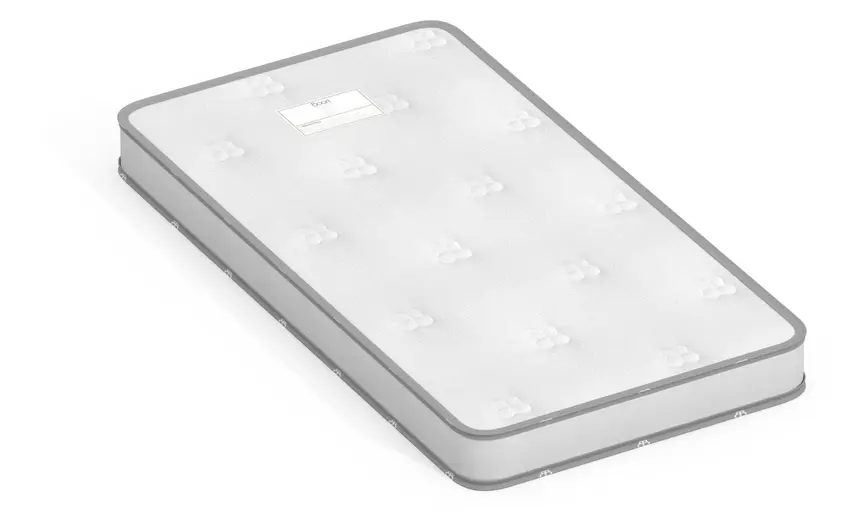
Boori Pocket Spring Mattress (standard cot)
A pocket spring cot mattress that comes rolled. Let it expand for up to 24 hours.


Bugaboo Stardust Plus
A pop-up portacot with a bassinet, for naps at home or away.
Read our full review →Compare all cots, bassinets & bedside sleepers in our reviews →
Night-time situations
Your baby wakes up crying on their tummy
This is common when they first learn to roll one way. Gently roll them onto their back, settle them, and leave them. It is a phase. Daytime tummy time helps them learn to roll back.
Your baby rolls and then gets stuck against the side
Check that the mattress fits snugly with no gaps. If your baby is in a bassinet, it is time to move to a cot.
Your baby only sleeps on their tummy
Keep putting them down on their back. If they can roll both ways by themselves, they may then roll to their tummy. That is okay once they can roll back. If they cannot roll back yet, turn them when you see them.
At childcare or with grandparents
Tell carers what stage your baby is at. Ask them to put your baby down on their back, in a bare cot, with no wrap once rolling has started.
FAQ
My baby rolls onto their tummy every time I put them down. What should I do?
Keep putting them down on their back. Gently turn them back if they roll and cannot roll back yet. Make sure they are not wrapped and the cot is clear. Give plenty of tummy time during the day. Once they can roll back by themselves, let them stay where they choose.
Can I use a wedge or positioner to stop my baby rolling?
No. Health groups in all four countries advise against these. They can become a suffocation risk.
At what age do babies roll?
Many babies roll at around 4 to 6 months. Some roll earlier. Watch for signs like rocking onto their side, rather than going by age.
Is it safe for my baby to sleep on their side?
No. Side sleeping is not stable. A baby can easily roll from their side onto their tummy. Always put your baby down on their back.
Should I stop wrapping before my baby can roll?
Yes. Stop wrapping arms in as soon as you see any sign of rolling. Red Nose says stop then, or at 3 months, whichever comes first. Switch to a sleeping bag with free arms.
My baby can roll but sleeps on their tummy with their face down. Is that safe?
If your baby can roll both ways easily, they can lift and turn their head. Health groups say you can let them stay in that position, as long as the cot is bare and the mattress is firm and flat. Always start each sleep on the back.
My baby rolled for the first time at 2 months. Is that too early?
Some babies roll early, often from tummy to back by accident at first. It is not usually a problem. But it does mean you should stop wrapping now and keep the cot bare. Mention it at your next check-up if you are unsure.
Should I use a sleeping bag or blankets once my baby rolls?
A sleeping bag is the easier and safer choice. A rolling baby can kick off blankets or wriggle under them. A well-fitted sleeping bag stays in place and keeps the face clear.
Does a firmer mattress help a rolling baby?
Yes. A firm, flat mattress lets your baby lift and turn their head more easily. A soft mattress can let their face sink in. Never add a soft topper.
Sources
- Red Nose Australia – Baby rolling over: what to do next
- Red Nose Australia – What do we do now that our baby has started to roll over?
- Red Nose Australia – When should we stop wrapping?
- Red Nose Australia – Six safe sleep recommendations
- Sydney Children's Hospitals Network – Safe sleep practices for newborns
- The Lullaby Trust (UK) – Sleeping position
- NHS (UK) – Reduce the risk of sudden infant death syndrome
- American Academy of Pediatrics (US) – Back to sleep, tummy to play
- American Academy of Pediatrics (US) – A parent's guide to safe sleep
- CPSC (US) – Safe sleep: cribs and infant products
- Health Canada – Safe sleep tips
- Caring for Kids, Canadian Paediatric Society – Safe sleep for babies
Related guides
More Parental Tips →
Safe Swaddling: How to Wrap a Baby, When to Free Their Arms, and When to Stop

Moving Out of the Swaddle Safely: When to Stop Wrapping and How to Switch Your Rolling Baby to a Sleeping Bag

Swaddling Your Baby: Possible Benefits, Safe Steps, and When to Stop
