














Vaccination Reminder Apps: How to Keep Your Child’s Immunisations on Track
Learn how vaccination reminder apps can help track appointments and records, what to check before choosing one, and how to confirm dates with your health…
On this page
- What a vaccination reminder app can do
- Why reminders may help busy families
- Choose an app that fits your needs
- App, phone calendar or paper record?
- Set up reminders carefully
- What to do if a dose or appointment was missed
- Privacy and family information
- Official guidance in Australia, the UK, the US and Canada
- Age stages and changing family needs
- Common mistakes to avoid
- Frequently asked questions
- A simple plan that works
- Sources
Short answer: A vaccination reminder app can help you keep dates and records in one place. It may send alerts before an appointment or when a dose is due. It cannot decide which vaccines your child needs. Schedules differ by country and can change. Check every date with your doctor, nurse, clinic or official health service. Keep the official record too.
Parents can feel overwhelmed by appointments, messages and paper records. A simple reminder may make planning easier. The app is only a memory aid. Your child’s health professional remains the right person to confirm the schedule and answer medical questions.
What a vaccination reminder app can do
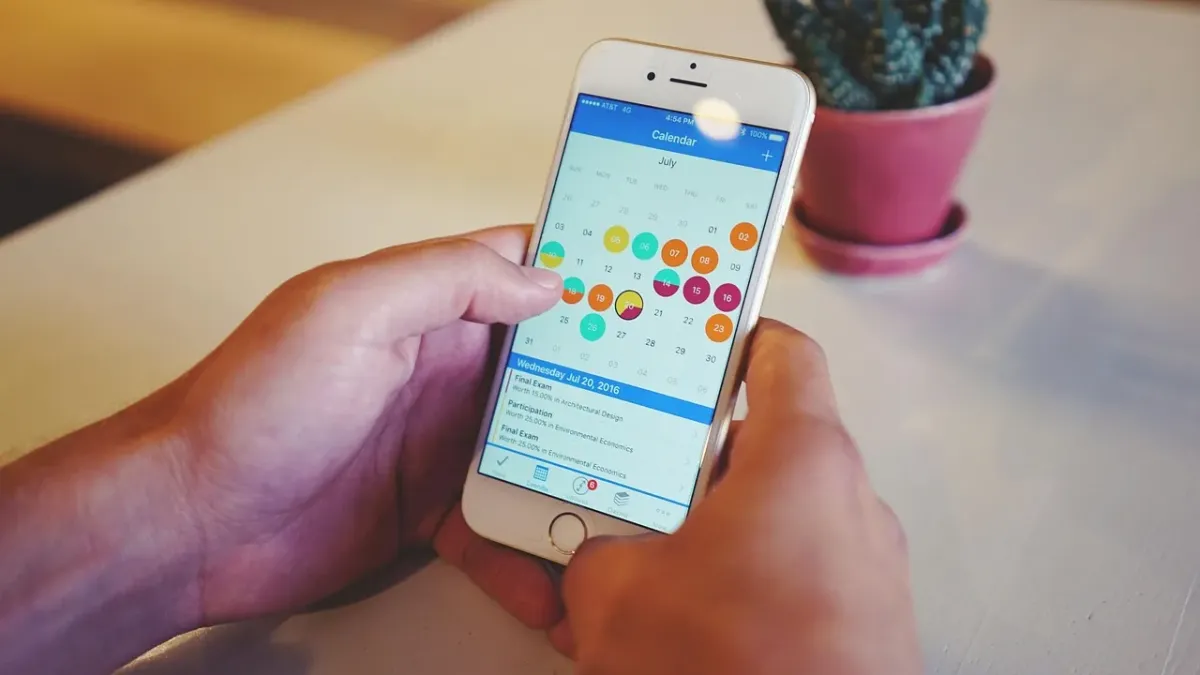
These apps usually help store dates, set reminders and record doses. Some let you add more than one child. Others can save clinic details or notes. The features vary, so check what an app actually offers before relying on it.
A useful app may help you:
- write down an upcoming appointment;
- set a reminder for a date you choose;
- keep a note of a vaccine date or clinic visit;
- store questions to ask the health professional;
- share a schedule with another parent or carer, if the app supports it;
- find a saved note when you need to check your own records.
Some apps use a schedule built into the app. Treat that as a prompt to check, not as the final answer. A dose may be delayed, brought forward, or given at a different age for a child’s health or travel needs. A health professional can check what applies.
An app cannot give a vaccine, book every appointment automatically, or prove that a dose was given. It also cannot replace a child’s official immunisation record. Use the record or health service system accepted where you live.
Why reminders may help busy families
Children have health visits at different ages. Parents may also care for more than one child, move house, travel, or share care with another adult. It is easy to forget an appointment while handling daily tasks.
A reminder can put a date back in view. It can also help you plan transport, time away from work, childcare for siblings, or a list of questions. These are practical uses. An app does not make a vaccine more effective, and a notification does not replace health advice.
Some parents prefer a paper calendar. Others use a phone calendar or a clinic’s own reminder service. The best choice is the one you can keep updated and check when needed. You do not need a special app if another method works for your family.
Choose an app that fits your needs
Start with the task you want help with. If you only need appointment alerts, your phone calendar may be enough. If you want to keep notes for several children, look for an app that handles separate profiles clearly.
Before entering personal details, check who made the app and what it says it does. Read its privacy information. Look at what data it collects, where it stores data, whether it shares data, and how you can delete your account or records. If these details are unclear, do not add sensitive information.
Consider these points:
- Schedule source: Does it name the health authority behind its schedule? Can you tell when the schedule was last updated?
- Country setting: Does it support the country or region where your child receives care?
- Manual changes: Can you enter dates given by your clinic instead of following an automatic schedule?
- Record export: Can you save or print your notes if you change phones or stop using the app?
- Privacy: Does it explain how it handles your child’s and family’s information?
- Access: Can another trusted carer see the reminders, and can you control that access?
- Cost: Is there a charge, a subscription, or a paid feature you need?
- Alerts: Can you choose how early reminders arrive and how they appear?
- Ease of use: Are the words clear? Can you quickly find a child’s dates?
Do not assume that a high app-store rating proves medical accuracy or privacy. Ratings are opinions from users. They do not show that a health authority has checked the schedule.
App, phone calendar or paper record?
Each option has strengths and limits. You can use more than one. For example, keep the official record and use a phone alert for the next visit.
| Option | Can help with | Things to check |
|---|---|---|
| Vaccination reminder app | Dates, alerts, child profiles and notes, depending on its features. | Schedule source, update date, privacy, costs and record export. |
| Phone calendar | Simple appointment alerts that you enter yourself. | Use a clear title and check that alerts are on for the right calendar. |
| Paper calendar or diary | A visible reminder at home, with no app account needed. | It can be lost, and it may not travel with you. |
| Clinic or government record | An official place to check doses recorded by a provider or service. | Ask how to access it and how long updates take to appear. |
| Paper immunisation record | A portable record of doses and dates, when your service uses one. | Keep it safe and take it to appointments when asked. |
No single reminder method is perfect. A phone can be lost or replaced. Paper can be misplaced. An online record may need time to update. Keep the official record and use a second reminder if that helps.
Set up reminders carefully
Enter the date your clinic gave you. Do not guess a date from an online chart or another child’s schedule. If you are unsure, contact the clinic or health service before setting a dose reminder.
- Add the right child. Check the spelling of the name and date of birth.
- Choose the right region. Schedules can differ across countries and sometimes within them.
- Enter confirmed dates. Use the date from your health professional or official record.
- Set an alert you will notice. Pick a time that gives you room to plan.
- Add the appointment details. Include the clinic name, address or phone number if useful.
- Check the alert. Make sure your phone allows notifications from the app or calendar.
- Update after the visit. Record what happened, then confirm the official record is updated.
If a reminder appears to conflict with a letter, health record or clinic message, do not choose between them on your own. Contact the provider and ask which date is correct.
What to do if a dose or appointment was missed
Contact your child’s doctor, nurse, clinic or local health service. Tell them which doses you believe your child has had and when. Bring the official record if you have it. If you do not have the record, say so. The health professional can advise what to do next.
Do not restart or change a schedule based only on an app notification. Do not give a dose yourself unless a qualified health professional has told you how and where to receive it. The right next step depends on the child’s record and local guidance.
If you moved between countries, tell the provider. They may need to compare the old record with the local schedule. If a dose was given overseas, bring any written proof you have. A clinician or immunisation service can explain whether more information is needed.
Privacy and family information
Vaccination records contain personal health information. A child’s name, birth date, appointments and health notes should be handled with care. Before using an app, read its privacy notice in plain view. You should be able to understand what it collects and why.
Ask yourself:
- Does the app need an account, or can it work without one?
- Does it ask for details that are not needed for reminders?
- Does it say who can see the information?
- Can you remove a shared carer later?
- Can you delete the child’s data or close the account?
- Can you access your records if the app stops working?
Use a strong phone lock and keep your app login private. Do not share a password by text. If another carer needs access, use the app’s own sharing controls when available. Check the access list from time to time.
Be careful with public or shared devices. Log out when you finish. Avoid putting a child’s health details into a shared calendar that many people can see. If you are unsure about an app’s data use, ask your health service for another reminder option.
Official guidance in Australia, the UK, the US and Canada
Immunisation schedules are set for each country and may change. The official source matters more than a general app schedule. Ask a local health professional to confirm what applies to your child.
| Country | Official bodies and services | How to use them |
|---|---|---|
| Australia | Australian Government Department of Health and Aged Care; state and territory health departments; Medicare and the Australian Immunisation Register. | Check the national schedule and your child’s record through the official service. Ask your doctor, nurse or immunisation provider about a missed or changed dose. |
| United Kingdom | UK Health Security Agency; NHS; and the relevant health service in England, Scotland, Wales or Northern Ireland. | Use NHS or local health service information for the child’s area. Ask the GP practice or health visitor to confirm dates and records. |
| United States | Centers for Disease Control and Prevention; state and local health departments; and the child’s healthcare provider. | Check current CDC information and local records. Ask the provider or health department about the schedule and any missed doses. |
| Canada | Public Health Agency of Canada; provincial and territorial health departments; and the child’s healthcare provider. | Check the province or territory schedule. Ask the local provider how to access the child’s immunisation record. |
These bodies provide country-specific guidance. The schedule and the way records are stored can vary. A family moving between regions should ask both the old and new providers how to transfer records.
Age stages and changing family needs
There is no single app setup for every age. The key dates come from the current local schedule and your child’s own record. These ideas can help you organise reminders without trying to set a medical schedule yourself.
Before birth
Expecting parents can ask their maternity team or family doctor how local childhood records work. You can choose a calendar or app before the baby arrives. Avoid adding guessed vaccine dates. Wait for advice from the care team or official record.
Newborn months
New parents often have many appointments and little sleep. Keep the reminder simple. Add the confirmed date after a provider gives it. Write down questions while you remember them. Take the official record to visits when asked.
Later infancy
There may be several health visits during the first year. Check alerts against messages from the clinic. If plans change, update your own calendar and ask how the official record will show the visit.
Toddler and preschool years
Family calendars may now include childcare, work and other health visits. Use separate labels for each child. Check that a reminder belongs to the right child before you act on it.
School age and beyond
School or community services may help deliver or record some vaccines, depending on where you live. Ask how you will receive confirmation. Keep the record with other health documents and tell the provider if your contact details change.
Common mistakes to avoid
- Trusting an old schedule. App content may not reflect current local advice. Check the date and confirm with an official service.
- Using the wrong country setting. A schedule from another country may not fit your child’s care.
- Assuming a reminder means a dose was given. Only record a dose after the appointment or provider confirms it.
- Ignoring a changed appointment. Update your calendar and ask how the official record will be corrected.
- Using another child’s dates. Children can have different records and needs. Confirm each child’s dates separately.
- Entering too much personal information. Share only what the app needs, and check its privacy terms.
- Keeping only a phone record. Phones can be lost or replaced. Keep the official record too.
- Missing notifications. Check phone settings and use a backup reminder if needed.
- Trying to catch up without advice. Ask a health professional to review the record and explain next steps.
Frequently asked questions
Can a vaccination app tell me which vaccines my child needs?
It may show a schedule, but it cannot confirm what applies to your child. Schedules vary by country and may change. Ask your child’s doctor, nurse or immunisation service to check the official record.
Is a phone calendar enough?
It can be enough for appointment alerts if you enter dates carefully. Keep the official immunisation record as well. A calendar reminder is not proof that a dose was given.
What if my child missed an appointment?
Contact the clinic or health service. Share the record and ask what to do next. Do not change the schedule based only on an app.
Can I use the same app after moving countries?
You can keep using an app for notes if it suits you. Change the region only after checking the new local schedule with a provider. Ask how to transfer the official record.
Should both parents or carers use the app?
That may help if care is shared. Check the app’s sharing controls and privacy terms first. Give access only to trusted people, and remove it when it is no longer needed.
Are app reminders always accurate?
No reminder system is perfect. Dates may be entered incorrectly, alerts may be switched off, or the schedule may be out of date. Confirm dates with the clinic and check your phone settings.
What should I do if the app and clinic disagree?
Contact the clinic and ask them to check your child’s record. Follow the health professional’s advice. Update the app only after the correct date is clear.
Can an app replace the paper or official record?
Do not assume that it can. Use the record recognised by your health service. An app can be an extra place for reminders and notes.
What if I do not want to store health details in an app?
Use a paper diary, phone calendar or reminder service offered by your clinic. You can still keep the official record without using a separate app.
A simple plan that works
Choose one reminder method you can check. Save the date given by your health professional. Keep the official record. Check the alert settings and update your notes after each visit. If a date is unclear or a dose was missed, contact the clinic.
Vaccination reminders can make planning easier. They work best as a prompt to check in with your health service. Your child’s record and the advice of a qualified provider guide the next step.
Disclaimer: This article is general information only. It is not medical advice and does not replace advice from a doctor, nurse or other qualified health professional. Vaccination schedules vary by country and can change. Confirm your child’s schedule and record with an official health service or healthcare provider. BabyGearFinder may earn a commission from qualifying affiliate links, at no extra cost to you.
Sources
Related guides
More Gadgets & Electronics →
How to Track Your Child's Vaccinations Using Apps and Official Records

Baby Health Tracking Apps: What to Record and How to Choose

How to Store and Share Your Baby’s Photos Safely
