



Portable Stroller Toys: How to Choose and Use Them Safely
Choose portable stroller toys by age, fit and cleaning needs. Learn safe ways to attach, check and use toys on walks at every stage.
On this page
- What stroller toys can do
- Start with the stroller and your baby
- Types of portable stroller toys
- Compare the main options
- Choose for age and stage
- Check toy safety before use
- Attach the toy without creating a hazard
- Use toys while staying close
- Cleaning and storage
- Safety advice in four countries
- Common mistakes to avoid
- A simple shopping checklist
- Frequently asked questions
- Sources
Short answer: A stroller toy can give your baby something safe to look at, touch or grasp during an awake walk. Pick a toy made for your baby's age. Check that it fits the stroller and stays clear of the face, neck, wheels and straps. Attach it as the maker directs. Check it often for loose parts or damage. Remove it when your baby sleeps or when it gets in the way. A toy can make a walk more interesting. It cannot keep a baby safe while you stop watching.
Safety advice comes from different bodies in each country. In Australia, check Product Safety Australia, the ACCC's consumer product safety service. In the UK, check the Office for Product Safety and Standards (OPSS). In the US, check the Consumer Product Safety Commission (CPSC). In Canada, check Health Canada's recalls and safety alerts, and advice from the Canadian Paediatric Society. A toy sold in one country may have different labels or rules elsewhere.
What stroller toys can do
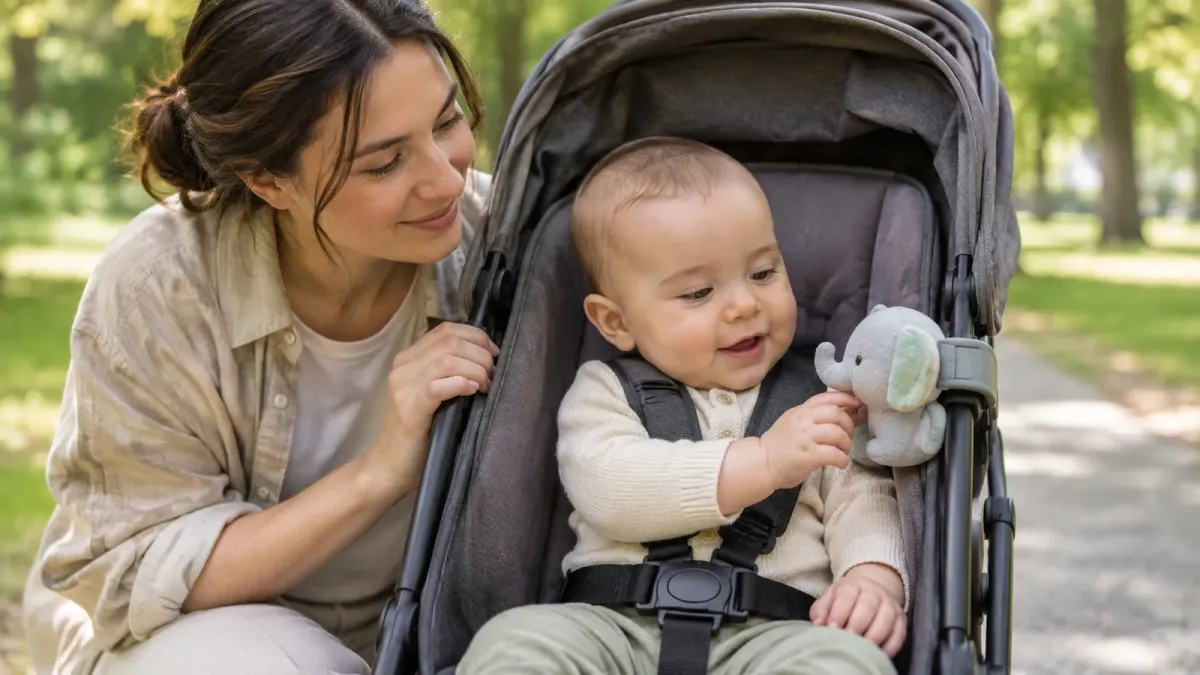
A stroller toy is a small play item attached to a pram or stroller. Common types include soft fabric toys, textured rings, teething toys, rattles and activity bars. Some hang from a clip. Others attach across the stroller with two fasteners.
A toy may give a baby something new to see or reach for. Bright colours, gentle sounds and different textures can invite a baby to look, listen and touch. A baby may practise bringing a hand towards an object. Later, they may hold it, turn it or pass it between hands. These are ordinary play experiences. They do not mean a toy will speed up development.
Every baby responds in their own way. One baby may enjoy a soft toy. Another may prefer watching trees or hearing a caregiver talk. Some babies become tired or upset when there is too much sound or movement. You do not need to keep a baby entertained through every walk.
Stroller toys are optional. They do not replace talking, cuddling, floor play or time to watch the world. They do not guarantee that a baby will stay calm. A toy should make an outing easier for your family. It should not add a safety concern or become one more item to manage.
Start with the stroller and your baby
Check the stroller instructions before buying an accessory. Some makers explain where toys can attach, or whether a bar is suitable. A toy may fit one stroller and sit badly on another. A universal label does not prove it will stay in place on your model.
Look at where your baby sits and how the harness works. The toy must not cover a buckle, block a strap, or stop you from tightening the harness. It must not catch in the folding parts or hang near the wheels. Check that your baby can still see out and move their arms without being trapped by the toy.
Think about your baby's current skills. A newborn may look at a toy but cannot reach for it reliably. A baby who can grasp may pull, twist and mouth it. An older baby may tug hard or try to take it off. Choose for the skills your baby has now, while checking the age guidance on the packaging.
Also consider where and how you walk. A toy that stays still on a smooth pavement may swing on a bumpy path. Rain, dust, food and drool can make cleaning harder. A busy day may call for one simple toy that is easy to remove. You may not need a toy for every trip.
Types of portable stroller toys
Soft hanging toys are often light and easy to pack. They may have fabric shapes, crinkle panels or small mirrors. Check all seams and labels. Avoid long loops or ties that can wrap around a hand or neck. A soft toy still needs a safe attachment and regular checks.
Textured rings and grasp toys give babies a shape to hold and explore. Choose a size and shape that suits the age label. The toy should not have small pieces that can come away. Check that the surface is easy to clean and has no cracks where dirt can collect.
Teething toys may be useful when a baby wants to chew. Use only an item made for that purpose, and follow its cleaning instructions. Do not hang a teething toy from a long cord. Do not attach it to the baby's clothing with a clip while they are unattended. Remove it if it cracks, tears or becomes sticky.
Rattles and sound toys can make gentle noises when moved. Consider whether the sound is comfortable at close range. You should be able to talk with your baby without competing with a loud toy. Remove a sound toy if it disturbs your baby or other people nearby.
Activity bars stretch across part of the stroller and may hold several objects. They can be harder to clean and may fit only certain models. Check that the bar cannot press against the baby's face or interfere with the harness. Remove it before folding the stroller unless the stroller instructions say otherwise.
Clips and links can connect a toy to a stroller. They are not all suitable for every purpose. Use only the attachment supplied with the toy or allowed by the stroller maker. Do not improvise with string, ribbon, elastic or a chain. A loose or long attachment can create a strangling or entanglement risk.
Prams & Strollers worth a look
Real products from our catalogue. We don't show star ratings or review counts; check the current price, stock and reviews on Amazon before you buy.
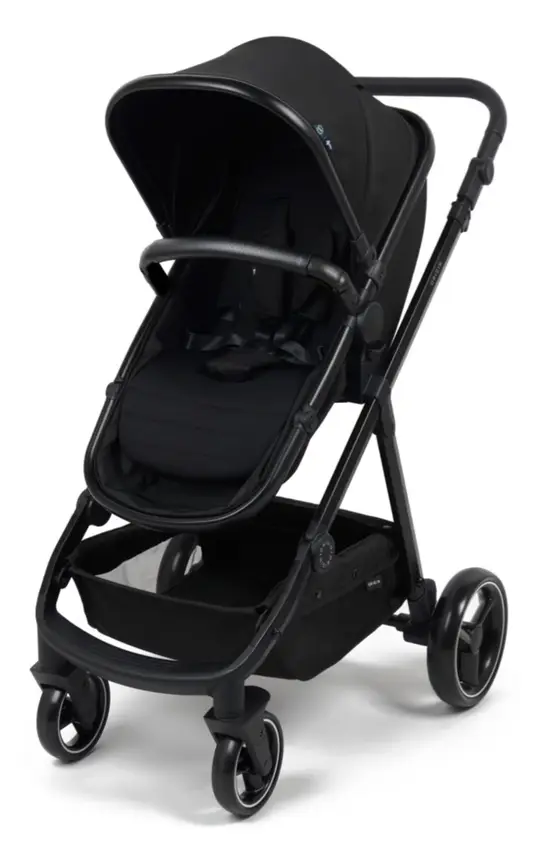
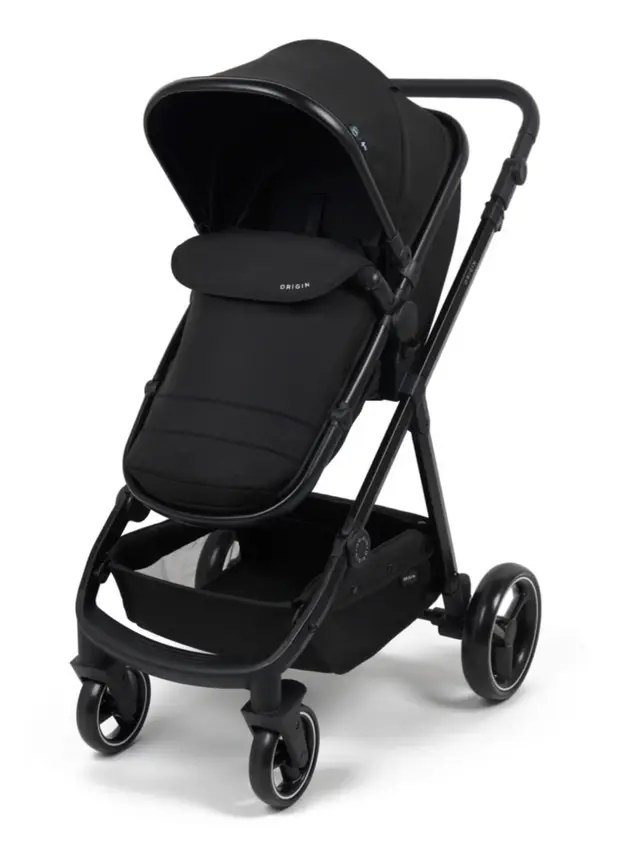
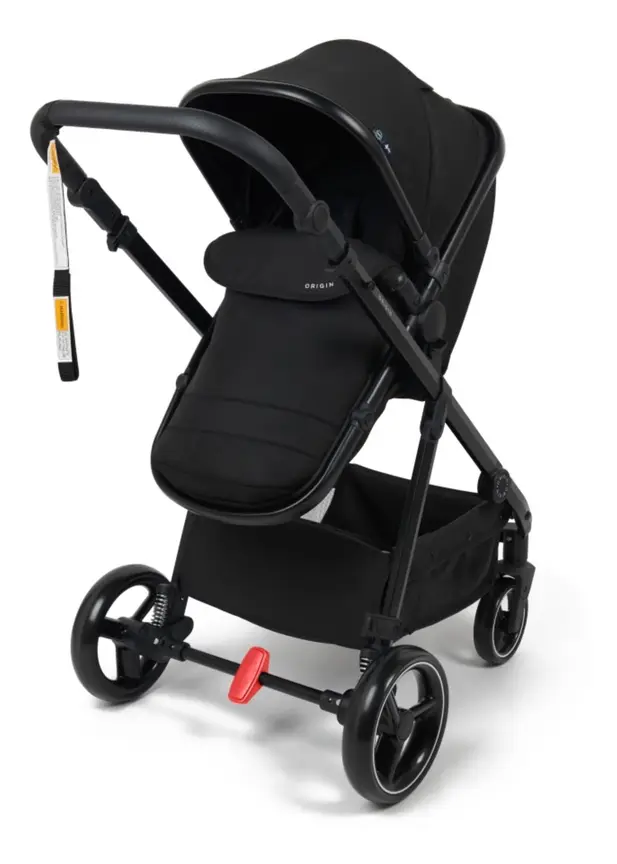
4baby Origin Stroller
A budget pram whose seat turns into a bassinet. The seat can face you or face the world.
Read our full review →
Baby Jogger City Mini GT2
Long-running, lighter all-terrain stroller with a famously simple one-hand strap fold.
 Reviewed
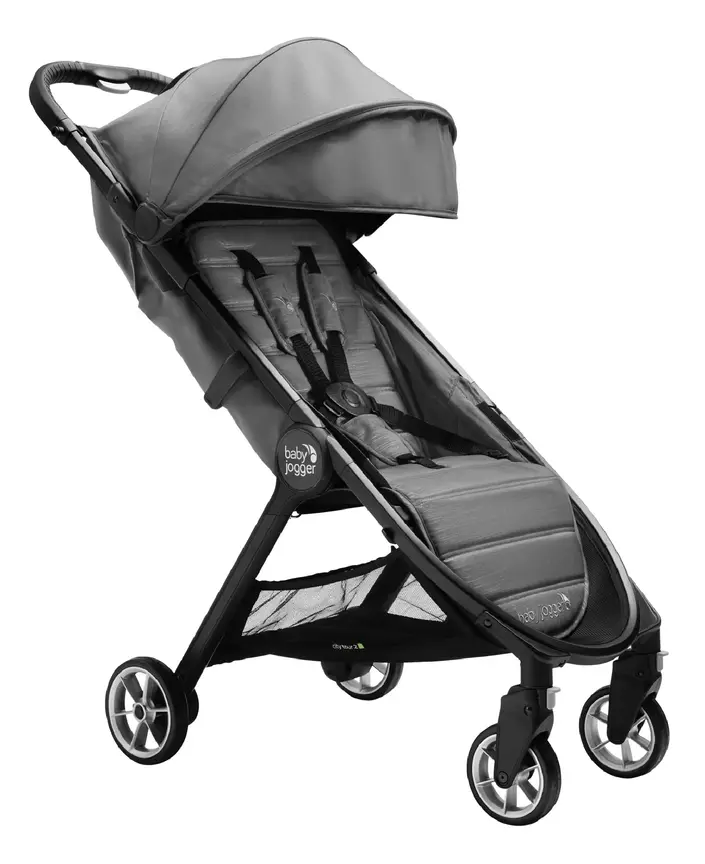
Baby Jogger City Tour 2
A 6.5 kg stroller with a near-flat recline. It folds small and comes with a carry bag.
Read our full review →
Compare the main options
There is no single best toy for every baby or stroller. Use the table to compare practical features. Always check the exact toy's age label, instructions and condition.
| Type | What it offers | What to check | May suit |
|---|---|---|---|
| Soft hanging toy | Lightweight shapes and fabric textures | Seams, loops, loose parts and wash instructions | Babies who enjoy looking or gentle reaching |
| Textured grasp toy | A shape to hold, turn and explore | Age label, size, cracks and cleanability | Babies who can reach and grasp |
| Teething toy | A surface made for chewing | Damage, cleaning directions and secure fit | Babies who mouth objects and meet its age guidance |
| Rattle or sound toy | Gentle sound with movement | Sound level, loose parts and whether it bothers baby | Babies who respond calmly to sound |
| Activity bar | Several objects in one attachment | Stroller fit, harness access, folding and cleaning | Families whose stroller maker permits the bar |
Choose the simplest option that works for your outing. A toy with many features can also have more seams, parts or surfaces to inspect. A basic toy that stays clean and secure may be more useful than a complicated one.
Choose for age and stage
Newborns and young babies have limited control over their head and arms. They may enjoy looking at a simple toy placed in their view. Keep the toy well away from the face. Do not prop a toy against the baby or place it where it can fall onto them. Follow the stroller's instructions for newborn use and recline.
A stroller is for transport, not a safe sleep space. If your baby falls asleep, follow the stroller maker's instructions and keep watching. When practical, move the baby to a firm, flat sleep space intended for sleep. Red Nose Australia warns about infants sleeping in car seats; that advice concerns car seats specifically. For sleep guidance, use your country's safe sleep advice and the stroller maker's directions.
Babies beginning to reach may swipe at a toy or grasp it briefly. Keep the toy close enough to see, but not so close that it touches the eyes or mouth without control. Check that the toy cannot swing into the face when the stroller moves. Remove it if your baby becomes frustrated or tired.
Babies who grasp and mouth will pull and chew more. This makes attachment and condition checks especially important. A baby may loosen a clip or expose a small part. Inspect the item before each use. Replace it if a seam opens, a piece comes loose, or the surface changes.
Older babies and toddlers may pull hard, throw objects or try to climb. Keep the harness fastened as directed, even when the toy is in use. Do not let a toy become a handle for standing or climbing. Remove dangling toys when they obstruct the baby's movement or your view.
Age labels are a starting point, not a guarantee that a toy suits your child. A child may have skills or needs that differ from the label. Ask a health professional if you have a specific concern about your baby's development or ability to use a toy safely.
Check toy safety before use
Read the label and instructions before attaching a toy. Look for the maker's name, age guidance, cleaning directions and warnings. Keep the instructions until you know how to fit and care for it. If key information is missing, contact the maker or choose another item.
Check the toy from end to end. Look for torn fabric, open seams, sharp edges, cracks, loose stitching or parts that move when they should not. Pull gently on attached pieces. Do not use a toy that has been damaged or changed by chewing, washing or wear.
Small parts can be a choking risk. Check whether any piece could detach and fit into your baby's mouth. Keep the toy away from other small objects in the stroller basket. Do not add beads, bells, buttons or homemade decorations.
Be careful with batteries. Avoid toys with accessible button batteries or battery covers that can open. If a battery compartment is loose, damaged or missing a screw, stop using the toy. Button batteries can cause severe injury if swallowed. Keep loose batteries away from children and follow local urgent-care advice if one may have been swallowed.
Do not assume a product is safe because it is sold online, looks well made or has a safety logo. Search official recall notices in your country. Product Safety Australia has recall information. The UK OPSS publishes product safety notices. The US CPSC lists recalls. Health Canada shares recalls and safety alerts. Check the exact product name and model, not just the brand.
Attach the toy without creating a hazard
Use the attachment made for that toy and follow its instructions. Attach it only to a part of the stroller the maker permits. Give the toy a gentle tug before putting the baby in. It should not slip, swing freely or come loose when the stroller moves.
Keep cords, straps and loops short and secured as directed. Never use a long cord around a baby. Do not tie a toy to the stroller handle where it could pull the stroller over. Do not attach items to the harness unless both makers say that use is allowed.
Keep the toy away from the baby's neck, face and hands when not in use. It should not cover the airway or press on the chest. It should not block your view of the baby. Make sure it cannot catch in a wheel, brake, hinge or folding joint.
After attachment, check the harness again. The shoulder straps and buckle should work as the stroller instructions describe. The toy must not sit between the baby and the harness or change the fit. If you cannot secure the baby correctly, remove the toy.
Do not hang heavy bags or several toys from the stroller handles. Extra weight can affect balance. Follow the stroller's load limits and storage advice. Keep the path to the brake and handle clear so you can steer and stop the stroller.
Side by side: more prams & strollers to compare
Real products from our catalogue. We don't show star ratings or review counts; check the current price, stock and reviews on Amazon before you buy.
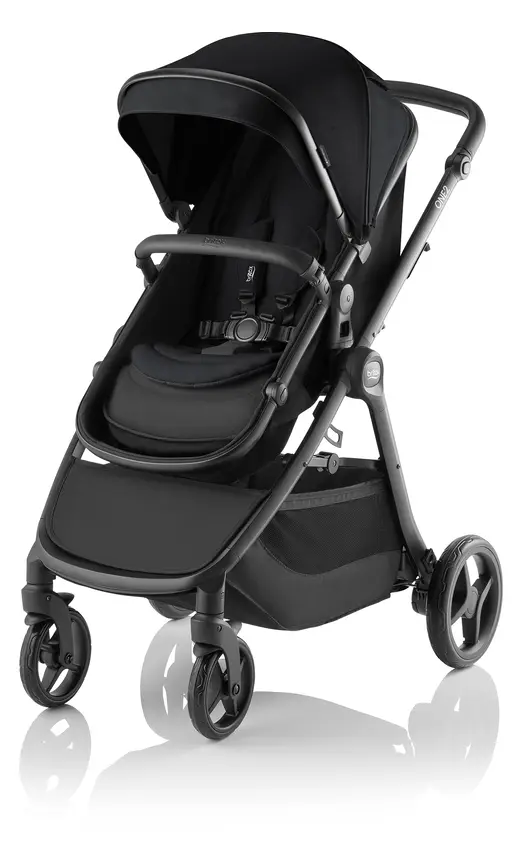

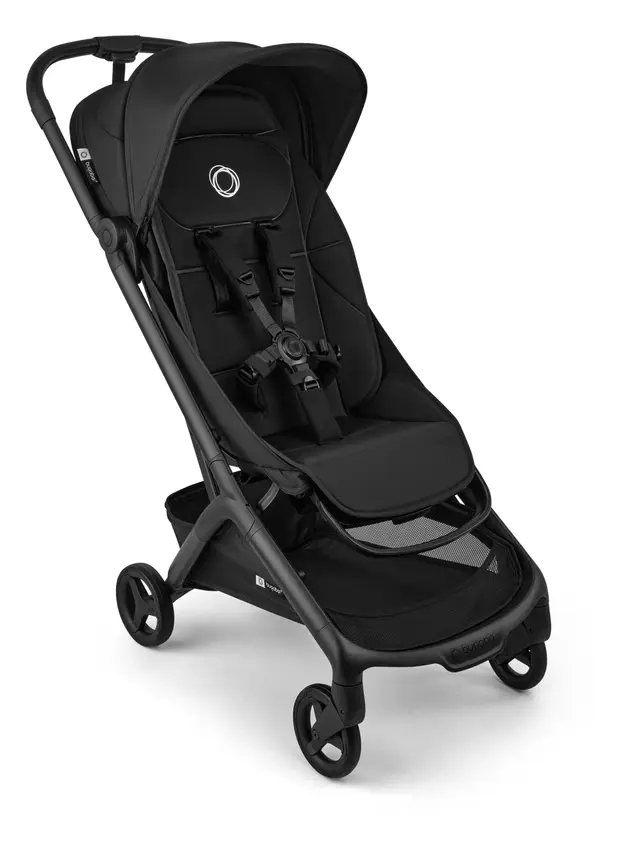


Bugaboo Butterfly
Bugaboo's cabin-friendly compact stroller with a one-second fold — the travel partner to a Fox, not a replacement for it.
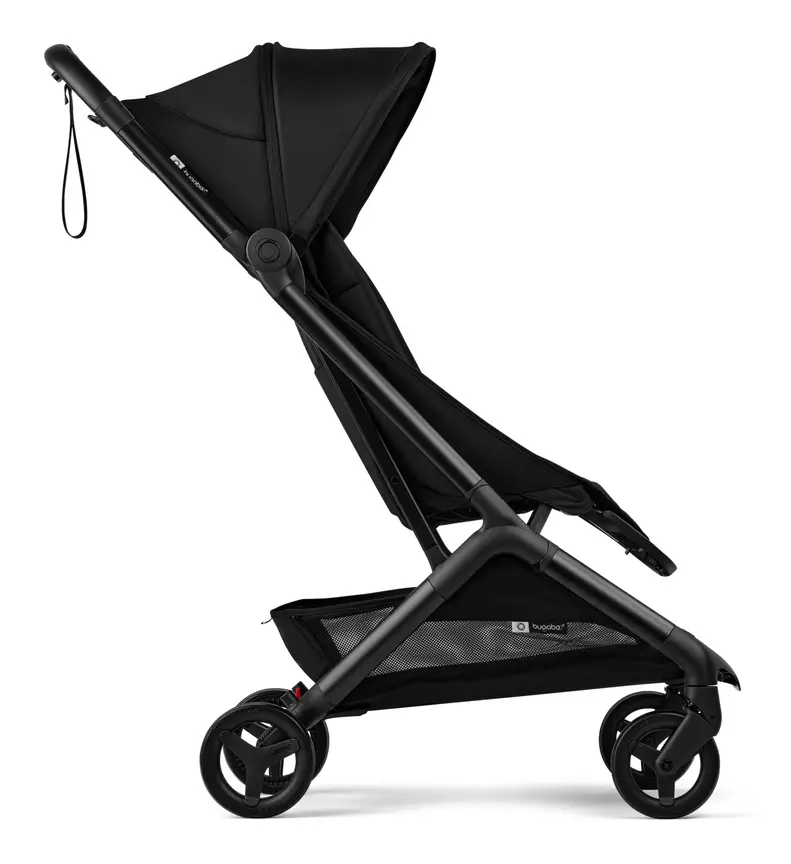
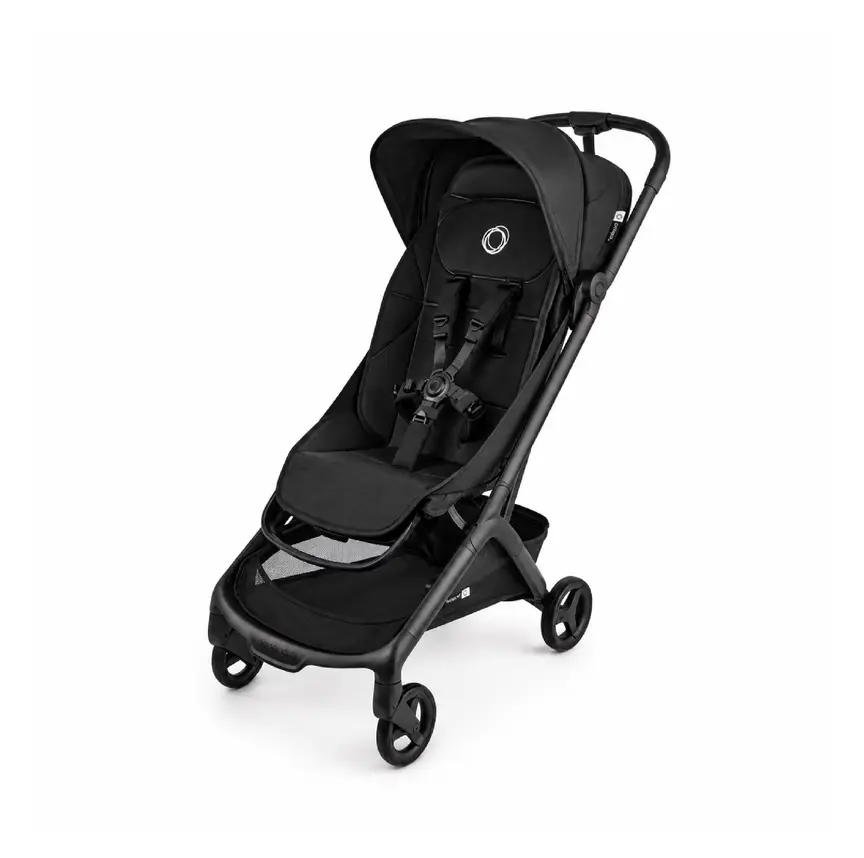
Bugaboo Butterfly 2
The newer Butterfly. It folds in about one second, has a lay-flat seat and a bigger basket with a back pocket.
Read our full review →Use toys while staying close
Keep your baby in view during the walk. A toy can distract a baby, but it can also hide a problem if you stop checking. Watch for changes in breathing, colour, comfort and body position. Check that clothing, blankets and the toy do not cover the face.
Pause if your baby is upset, too warm, cold or tired. Take the toy away if it makes them more unsettled. Offer a quiet voice, a feed or a rest when needed. Do not shake, bounce or move the stroller to make a toy more exciting.
When crossing a road, entering a lift or navigating a crowded place, focus on steering and the surroundings. Put the toy away if it distracts you or blocks your grip. Never leave a baby alone in a stroller, even for a short time.
If you stop for a break, use the brake as the stroller instructions say. Keep the stroller on a level place where it cannot roll. Do not leave a baby on a raised surface or beside steps. Check that the toy has not shifted during the walk.
Cleaning and storage
Babies drool and mouth toys, so clean them as the maker directs. Some fabric toys can be washed. Some plastic toys need a wipe. Some items cannot be soaked or put in a dishwasher. Follow the care label instead of guessing.
Use a mild cleaning method that the instructions allow. Rinse or dry the toy fully when required. Do not use harsh cleaners unless the maker says they are safe for that item. A damp toy stored in a bag can grow mould or smell.
Clean a toy after it falls on a dirty surface, gets food on it or is shared with another child. Check it after washing. Heat, water and repeated cleaning can weaken seams, coatings or attachments. Stop using the toy if it changes shape or becomes damaged.
Store toys in a clean, dry place out of reach. Keep them separate from loose batteries and small parts. Do not leave a toy attached when folding or storing the stroller unless the stroller instructions permit it. A trapped clip or bar may break or make the stroller hard to open next time.
Safety advice in four countries
Stroller toy rules can vary by country and product type. A toy may fall under toy safety rules, while the stroller has separate requirements. Do not assume one country's approval applies everywhere. Use the local product safety body for recalls and current advice.
| Country | Official bodies to check | Useful action |
|---|---|---|
| Australia | Product Safety Australia and the Australian Competition and Consumer Commission (ACCC) | Check pram and stroller guidance, toy recalls and button battery advice. |
| United Kingdom | Office for Product Safety and Standards (OPSS) | Check product safety notices and buy from a seller that gives clear maker details. |
| United States | Consumer Product Safety Commission (CPSC) | Search the product and model in CPSC recall notices. Follow age labels and warnings. |
| Canada | Health Canada and the Canadian Paediatric Society | Check recalls and safety alerts. Seek child health advice from trusted Canadian sources. |
Australia has a mandatory safety standard for prams and strollers. It concerns the stroller itself. It does not mean every toy attached to a stroller has been checked for your exact setup. Read both sets of instructions.
In the UK, the OPSS is the government body for product safety and standards. In the US, the CPSC oversees consumer product safety and publishes recalls. In Canada, Health Canada shares product recalls and safety alerts. These bodies help families find official information. They do not replace the instructions for a specific product.
For advice about a child's health or development, use a qualified health professional. The Canadian Paediatric Society offers family health guidance. In Australia, families can also use Healthdirect. In the UK, the NHS provides health advice. In the US, families can ask their child's clinician or consult the American Academy of Pediatrics.
Common mistakes to avoid
- Using a long string or ribbon: It can wrap around a baby or catch on the stroller. Use only the intended short attachment.
- Attaching a toy to the harness: It may change how the harness fits. Follow both makers' directions.
- Leaving the toy near the face: A moving stroller can shift it. Keep it clear and check often.
- Ignoring damage: A loose seam or cracked part can worsen. Stop using damaged toys.
- Assuming every baby likes sound: Loud or busy toys may upset some babies. Choose calm play and watch your baby's response.
- Believing a toy guarantees quiet: Babies can still need a feed, comfort or rest. Keep meeting their cues.
- Using a toy as a sleep aid: Remove toys from the baby's sleep space. Follow safe sleep advice.
- Leaving the baby unattended: A toy does not supervise a child. Stay close and keep the stroller stable.
- Forgetting recalls: Check the exact model if you hear about a safety notice.
- Buying by looks alone: A cute toy may not fit your stroller or suit your baby's stage. Check practical details first.
A simple shopping checklist
Before buying, ask yourself these questions:
- Does the toy have clear maker details and age guidance?
- Can I attach it as the instructions show?
- Will it stay away from the face, neck, harness, wheels and folding parts?
- Can I clean it in a way that suits our routine?
- Are there small parts, long loops, loose cords or accessible batteries?
- Can I check the item for recalls in my country?
- Will this toy suit the way my baby plays today?
- Would one simple toy meet our needs?
After buying, keep the packaging or write down the model name. That makes recall checks easier. Read the fitting and cleaning directions before the first walk. Check the toy each time you attach it.
More options, from budget to premium
Real products from our catalogue. We don't show star ratings or review counts; check the current price, stock and reviews on Amazon before you buy.


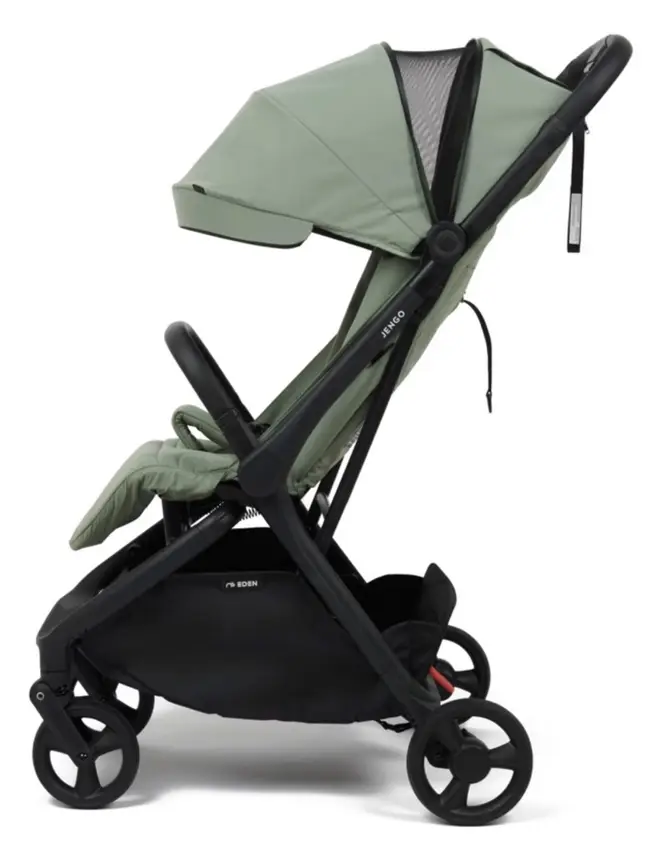
Jengo Eden Compact Stroller
A budget compact stroller from birth to 22 kg. It folds with one hand and has a big basket.
Read our full review →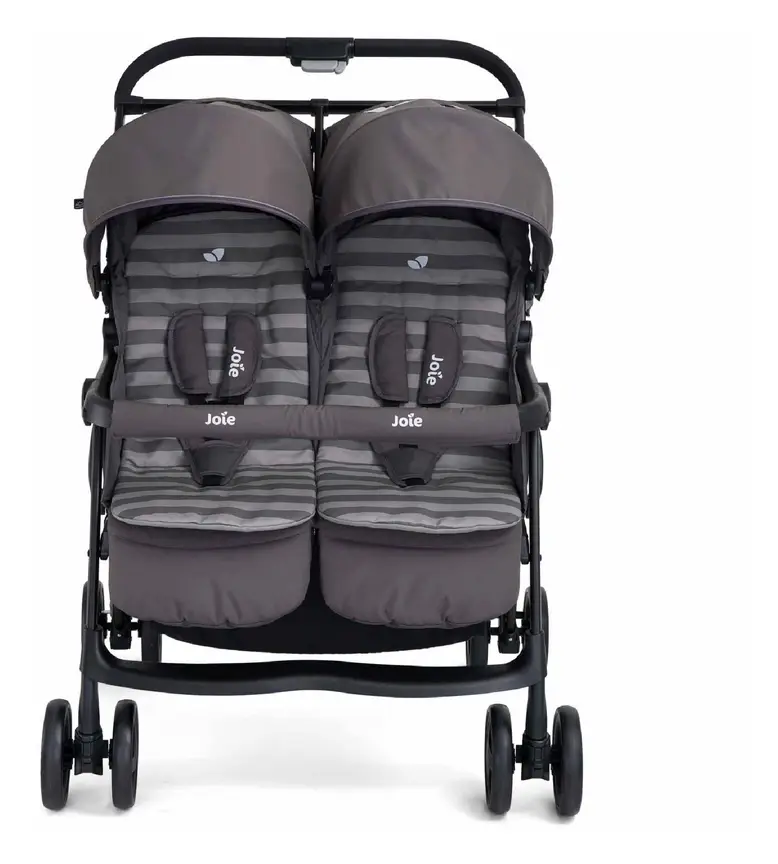
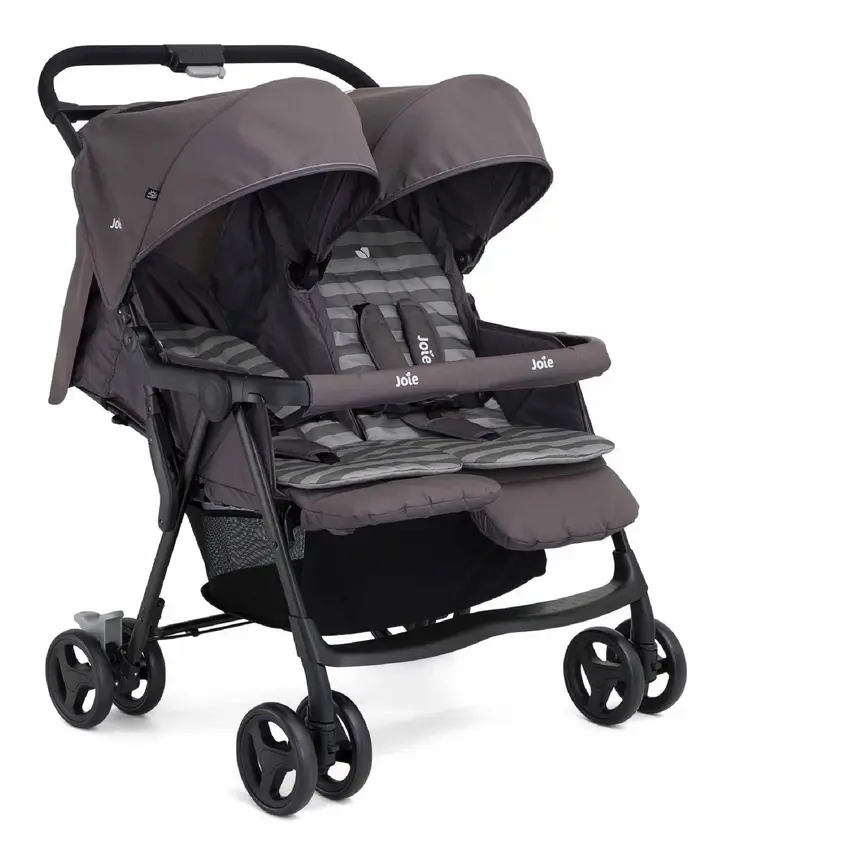

Joie Aire Twin
A lower-cost side-by-side double. Each seat lies flat and reclines on its own.
Read our full review →
Joie Nitro Stroller
A light, low-cost umbrella stroller with a flat recline, so it works from birth.
Frequently asked questions
Are stroller toys necessary?
No. They are optional. Some babies enjoy a toy during a walk. Others prefer watching people, trees or light. A caregiver's voice and a safe view of the world can be enough. Buy one only if it helps your family.
Can I attach a stroller toy to a car seat?
Only if the car seat maker allows that exact use. A toy can interfere with the harness or become a loose object in a crash. Do not assume an attachment that works on a stroller is safe in a car. Follow the car seat manual.
Can my baby sleep with a stroller toy?
Remove the toy when your baby is sleeping. Keep the sleep space clear and follow local safe sleep advice. A stroller is designed for travel. Use the maker's instructions if your baby falls asleep during a walk, and move them to a suitable sleep space when practical.
What age can a baby use a stroller toy?
It depends on the toy and your baby's skills. Check the age label and instructions. A young baby may only look at a toy. A baby who grasps or mouths objects needs closer checks for loose parts and damage. The age label does not replace supervision.
Are stroller toys with clips safe?
They can be used when the clip is made for the toy and attached as directed. Check that it is secure and cannot reach the baby's neck or face. Do not improvise with string, ribbon or elastic. Remove a clip if it breaks or slips.
How often should I check a stroller toy?
Check it before each outing and after cleaning. Look for cracks, torn seams, loose pieces and a weak attachment. Check it again if your baby has pulled or chewed it. Stop using it if anything looks damaged.
What if my baby keeps throwing the toy?
Your baby may be exploring, or may be finished playing. You can put the toy away and offer it later. Do not tie it to the baby or add a long cord to stop it falling. Keep the area around the stroller clear of small items.
Do toys help babies develop faster?
A toy can offer chances to look, listen, reach and touch. It cannot promise a faster skill or a certain result. Babies learn through many everyday experiences, including face-to-face play and floor time. Choose toys for safe, enjoyable play.
Where can I check if a toy has been recalled?
Use the official body for your country: Product Safety Australia and the ACCC in Australia, OPSS in the UK, CPSC in the US, and Health Canada in Canada. Search the exact product name and model number. Stop using a recalled product and follow the recall notice.
Sources:
- Product Safety Australia – Prams and strollers guide
- Product Safety Australia – Recalls
- UK Office for Product Safety and Standards
- U.S. CPSC – Safe sleep: cribs and infant products
- Health Canada – Recalls and safety alerts
- Canadian Paediatric Society – Safe sleep for babies
This article provides general information, not medical advice. Always follow the instructions for your stroller and toy, and ask a health professional about your baby's needs. Some links may be affiliate links. If you buy through them, BabyGearFinder may earn a commission at no extra cost to you.
Sources
Related guides
More Prams & Strollers →
Stroller Cup Holders and Phone Bags: How to Choose and Use Them Safely

Stroller Clips: How to Use Them Safely and Choose the Right Type

Stroller Snack Trays and Bumper Bars: How to Choose and Use Them Safely