














Pneumatic vs PU Pram Wheels: Which Handles Kerbs, Paths and Sand Better?
Compare air-filled and solid PU pram wheels for kerbs, paths and sand. Learn what suspension can do, how to check safety, and what to maintain.
On this page
- What pneumatic and PU wheels are
- How wheel size, tread and suspension affect the ride
- Kerbs, rough paths and sand
- Side-by-side comparison
- Choosing for your routes and routine
- What to check when trying a pram
- Tyre care and wheel checks
- Safety rules and official guidance
- Age stages and pram setup
- Common mistakes to avoid
- Frequently asked questions
- Sources and further guidance
- Sources
Short answer: Pneumatic wheels contain air, much like bicycle tyres. They can cushion bumps, but they can puncture and need air checks. PU wheels are made from solid polyurethane. They cannot go flat, and they need less care. Neither type guarantees an easy ride. Wheel size, tread, frame design, suspension, load and the ground all matter.
Try a pram on the surfaces you use most. Push it over a kerb only where it is safe, and follow the maker's instructions. Check the brake, harness and frame before each outing. A smoother ride does not make a pram safe for sleep on the move. Follow the pram manual and your local safe-sleep advice.
What pneumatic and PU wheels are
A pneumatic wheel has a tyre with air inside. Some models have an inner tube. Others use a tubeless tyre. Air helps the tyre change shape when it meets a bump. That can soften some shocks before they reach the frame.
A PU wheel is made from polyurethane. It is solid, so it has no air chamber. The wheel cannot get a puncture. It can still wear, crack or become damaged. Check it as part of regular pram care.
Names can be confusing. “All-terrain” often describes how a pram is meant to handle varied ground. It does not tell you exactly what the wheel is made from. A pram labelled all-terrain may use air tyres, solid tyres or another design. Read the product details and manual.
There is no wheel type that works best for every family. A wide, firm path is different from loose sand, gravel or a steep footpath. A full shopping basket also changes how the pram feels. Your own push test is more useful than a broad marketing label.
How wheel size, tread and suspension affect the ride
Wheel material is only one part of a pram's ride. Larger wheels can roll over some cracks and bumps more easily than small wheels. They may also make a pram wider or harder to store. Check the total pram size, not only the wheels.
Tread is the pattern on the tyre surface. More grip may help on loose or damp ground. Deep tread can also collect mud and be harder to clean. Smooth wheels can roll well on firm indoor floors and paved paths. The best tread depends on where you go.
Suspension is a set of parts that lets wheels or the frame move when the ground changes. It may reduce some bumps. It cannot remove every jolt, and it cannot make rough ground smooth. Some prams have suspension on certain wheels only. Ask the seller or check the manual to see where it is fitted.
Handle height and frame stiffness also affect pushing. So do the pram's weight, wheel alignment and how the load sits. A pram that tracks straight on a shop floor may feel different on a sloped footpath. Test it with the seat and basket set up as you will use them.
Kerbs, rough paths and sand
To cross a kerb, use a dropped kerb or ramp when available. Keep both hands on the handle. Follow the pram maker's directions for lifting or tipping the frame. Do not pull hard on the handle or hang bags from it. Added weight can make the pram tip.
Large wheels may help roll over a small change in height. They do not make every kerb safe to cross. A sharp edge, steep kerb or narrow space can catch a wheel. Stop and choose another route if the pram feels unstable or you cannot see a clear path.
On gravel or uneven paths, wider wheels and useful tread may help the pram move forward. Air tyres may soften some bumps. A solid wheel may still be comfortable if the wheel and frame design suit the route. Walk slowly, keep a firm grip and watch for holes and loose stones.
Sand is difficult for most prams. A narrow wheel can sink into soft sand. Wider wheels may spread the load over more ground, but they do not turn a pram into a beach vehicle. Firm, damp sand near the water may be easier than deep, dry sand. Avoid slopes and soft ground if you cannot steer and stop with control.
Do not assume a pram is suited to running, jogging or cycling because it has large wheels. Use it only for the activities named in its manual. Keep your baby secured in the harness, and use the brake whenever you stop.
Prams & Strollers worth a look
Real products from our catalogue. We don't show star ratings or review counts; check the current price, stock and reviews on Amazon before you buy.

Bugaboo Dragonfly
Bugaboo's city pram: smaller footprint and lighter than the Fox, built for footpaths, lifts and car boots rather than bush tracks.
4baby Origin Stroller
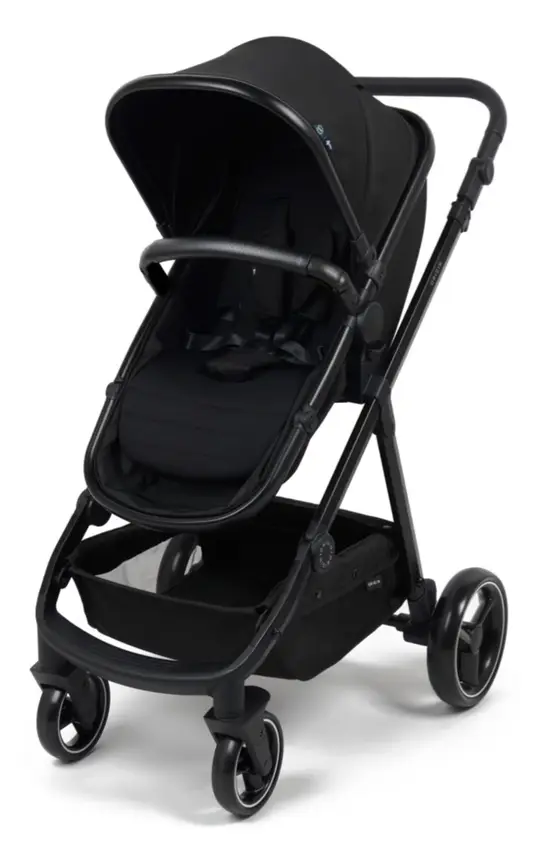
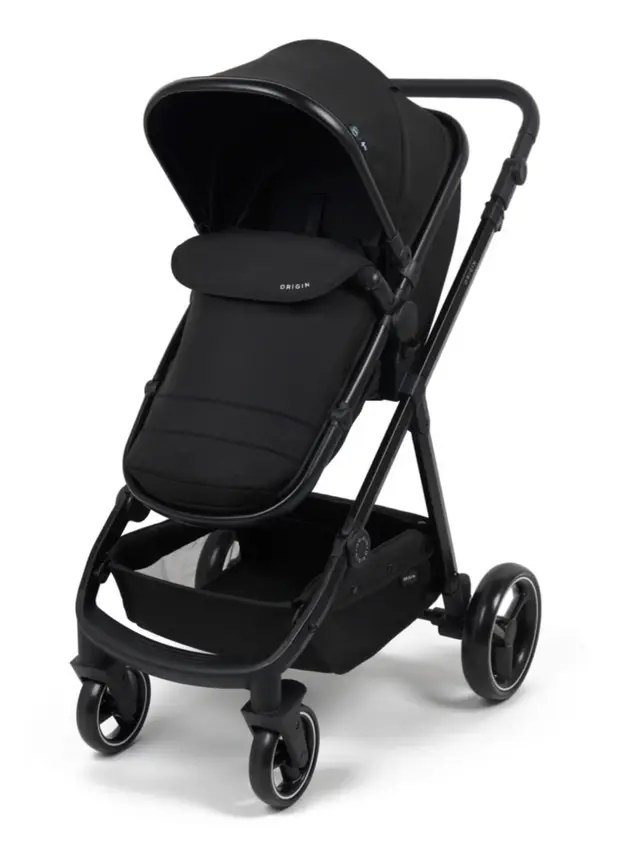
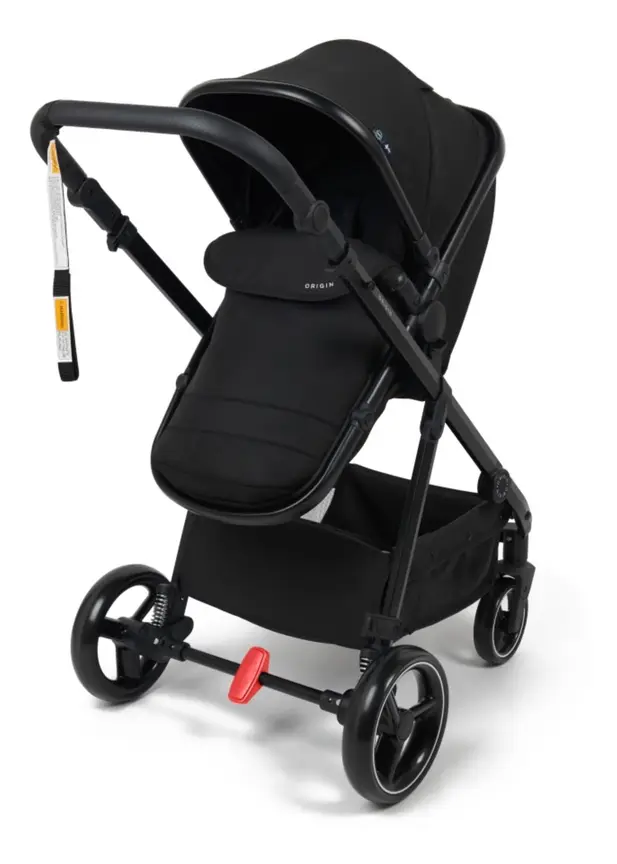
A budget pram whose seat turns into a bassinet. The seat can face you or face the world.
Read our full review →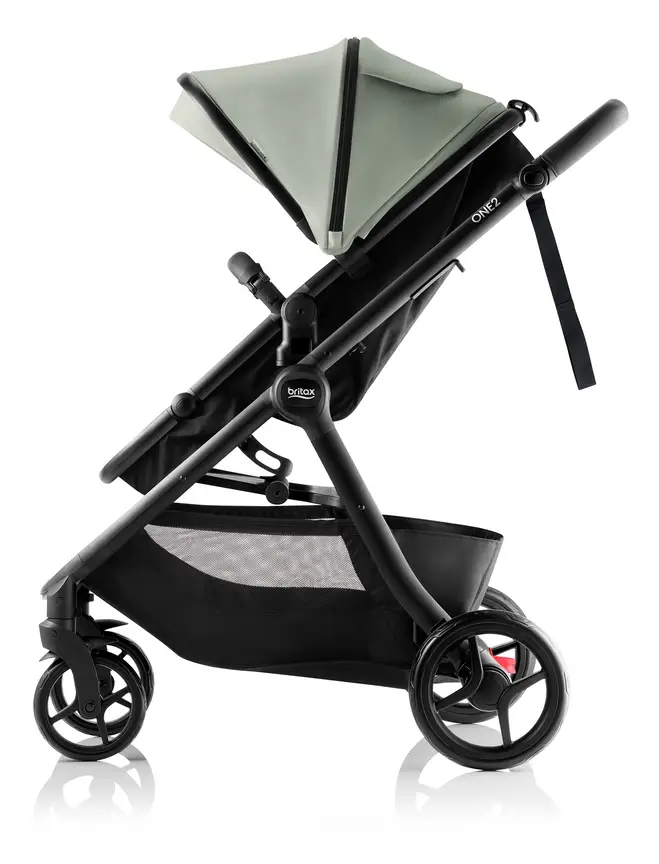
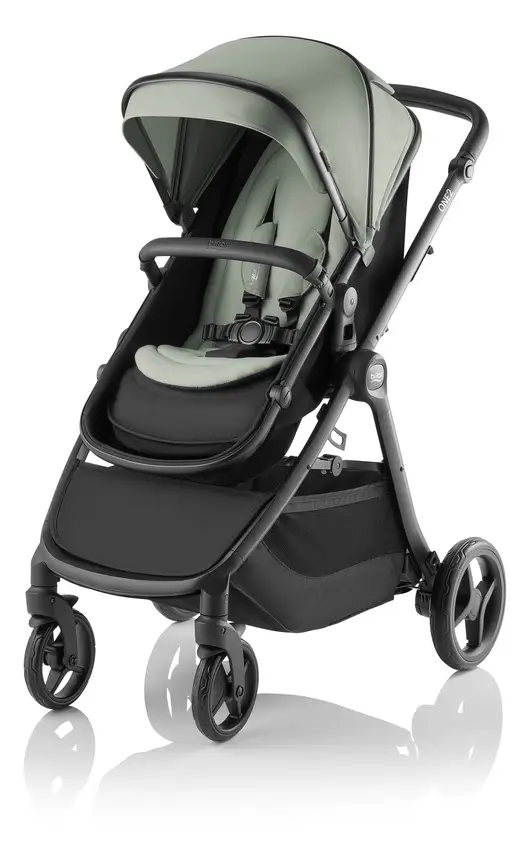


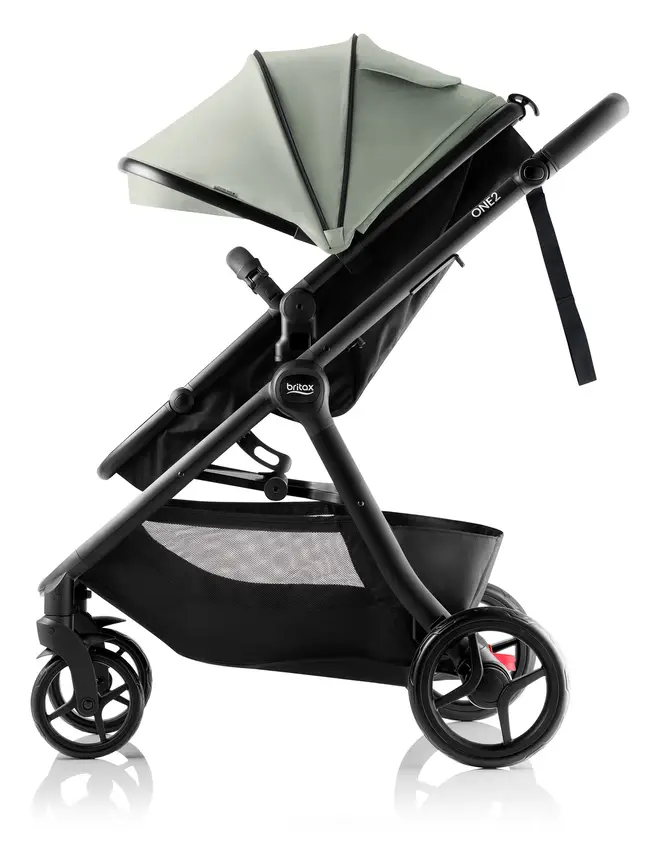


Britax One2
A pram that starts as a single and can take a second child. The seat turns into a lie-flat bassinet.
Read our full review →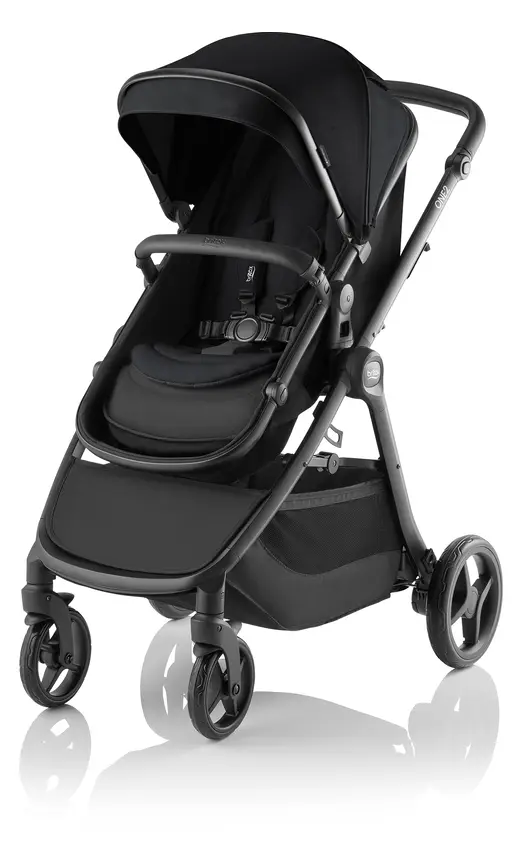
Side-by-side comparison
| Feature | Pneumatic wheels | Solid PU wheels |
|---|---|---|
| What they are | Tyres filled with air | Solid polyurethane material |
| Bumps | Air may cushion some bumps | Ride depends on wheel and frame design |
| Punctures | Can puncture or lose air | Cannot puncture or go flat |
| Regular care | Check pressure and tyre condition | Check for wear, cracks and trapped dirt |
| Loose ground | Grip and width depend on tyre design | Grip and width depend on wheel design |
| Sand | May sink in soft sand; width matters | May sink in soft sand; width matters |
| Best fit | Families willing to check and maintain tyres | Families who want to avoid air checks |
This table describes common design differences. It does not rank every pram. Models vary, and a test on your usual route is the best way to compare them.
Choosing for your routes and routine
Start by listing the ground you use in a normal week. Think about pavements, paths, shops, public transport, parks and car trips. Include the places you visit often, not just the one big outing you hope to take.
- Mostly smooth paths: either wheel type may work. Check steering, fold size and storage.
- Cracked paths and gravel: try larger wheels and any suspension on the pram. See if you can steer without fighting the frame.
- Soft sand: consider whether a pram is practical there at all. Wider wheels may help, but soft sand can still stop it.
- Long walks: try the pram for comfort and control. Check whether you are willing to maintain air tyres.
- Small car boot or stairs: check the full pram weight, folded size and whether you can lift it safely.
Think about the people who will push the pram. A handle that suits one adult may feel too high or low for another. If possible, ask each regular carer to try it. Check that everyone can reach the brake and fold controls.
Think about storage at home. A wide pram may be hard to move through a narrow hall or doorway. Large wheels may take up more room in a car boot. Measure the storage space and compare it with the maker's folded size.
Then try the pram with the basket empty and with a realistic load. The load must stay within the maker's limit. Ask another adult to supervise your baby while you test the brake and steering. Do not leave a baby unattended in a pram.
What to check when trying a pram
Ask the shop if you can test the pram on different floor surfaces. Check that it turns, rolls straight and stops as you expect. Try folding and unfolding it, then check that its locks engage. Follow the manual during every step.
- Look for wheel wobble, rubbing or a tyre that looks uneven.
- Push at a steady pace. See whether the handle feels comfortable to you.
- Turn around a corner and steer with one hand only if the maker says this is suitable.
- Test the brake on a level surface. Do not leave the pram on a slope.
- Check how the pram fits through your doorway and into your car.
- Ask about spare tyres, tubes, replacement wheels and repair options.
- Read the age, weight and position limits for the seat and any bassinet.
Do not judge comfort by bouncing an empty pram in a shop. A baby changes the load and balance. Ask whether the shop has a safe way to demonstrate the pram with weight. Never place a child in a display pram without staff approval and close supervision.
Pay attention to the effort needed to turn the pram. Walk a short loop and make several turns. A pram that feels easy to push straight ahead may be harder to steer in a crowd. Check whether the front wheels swivel or lock, and learn how to change that setting.
Check the footrest and seat adjustment too. A child's position affects how the pram balances. Make sure the harness is easy for you to use, but not easy for your child to undo. Read the manual before changing any part of the setup.
Tyre care and wheel checks
For pneumatic tyres, use the pressure range stated in the manual or printed on the tyre. A tyre that is too soft can steer poorly or get damaged. A tyre that is too firm may feel harsher. Use a suitable pump and check pressure when the tyres look low or the ride changes.
Look for cuts, worn tread, loose spokes if fitted, and objects stuck in the tyre. If a tyre loses air repeatedly, stop using the pram until you find and fix the problem. Use the maker's parts or a repair shop that understands the wheel design. Do not guess at a repair.
PU wheels need fewer checks, but they are not maintenance-free. Remove mud and hair that wrap around the axle. Check for cracks, flat spots, loose fittings or a wheel that no longer turns freely. If a wheel is damaged, ask the maker about replacement parts.
For either type, check the frame, brake, harness and folding locks as the manual directs. Stop using the pram if a key part is broken or loose. Contact the maker or seller for help. Do not modify the frame or wheel assembly.
Clean wheels after muddy or sandy trips. Use the method in the manual. Sand and grit can collect near moving parts. Wipe the frame and check that each wheel turns freely before the next outing. Avoid oils or cleaners unless the maker approves them.
Keep a record of any repair and the part used. This helps you track repeat problems. If the pram is under warranty, contact the seller or maker before arranging work. A repair that changes the wheel or frame may affect safe use.
Side by side: more prams & strollers to compare
Real products from our catalogue. We don't show star ratings or review counts; check the current price, stock and reviews on Amazon before you buy.
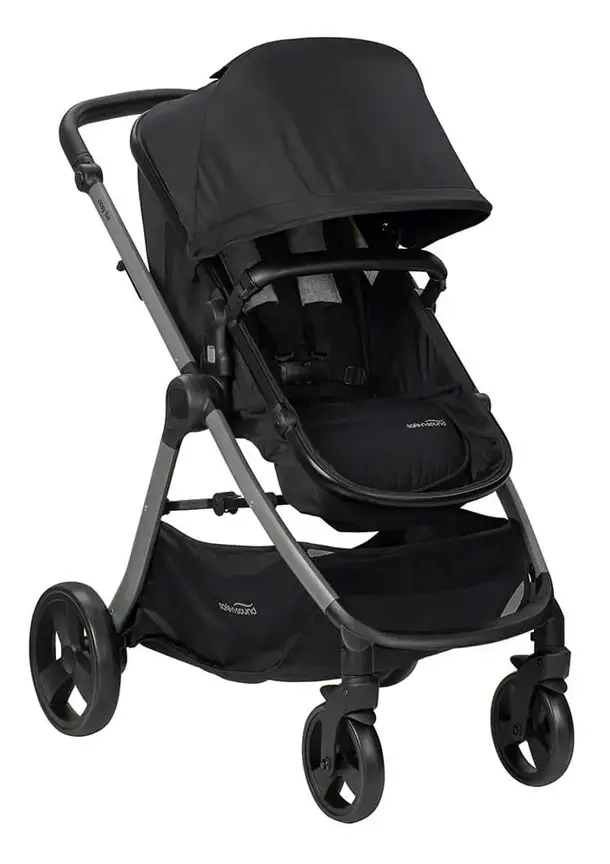

Bugaboo Donkey 5
Converts from single to side-by-side double (siblings or twins) by widening the frame.
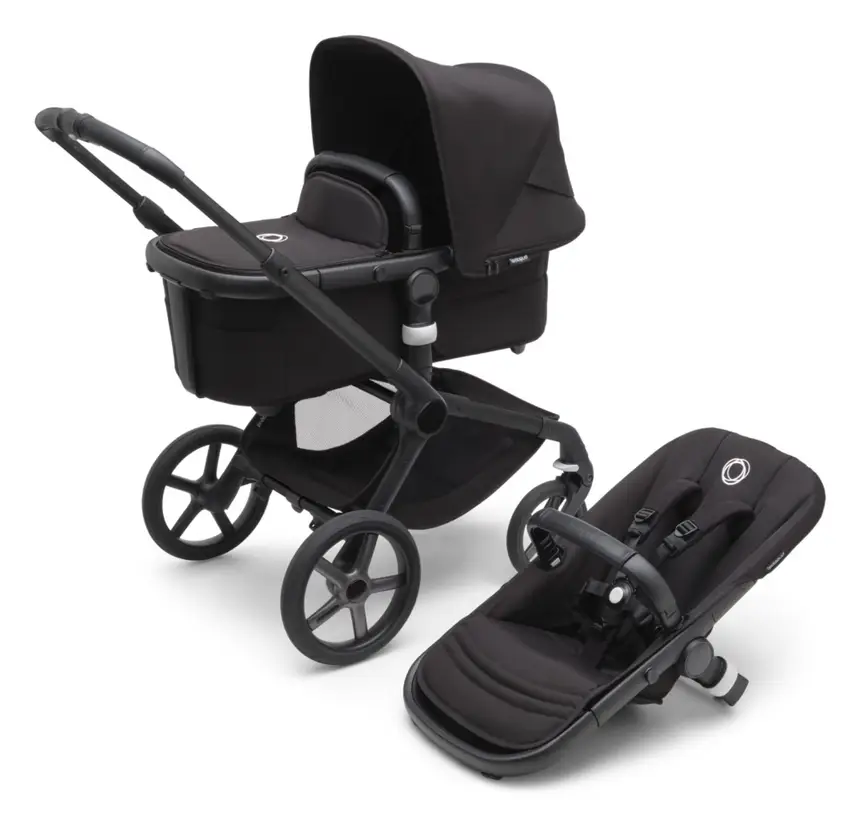 Reviewed
Bugaboo Fox 5
Bugaboo's flagship all-terrain pram: big-wheel suspension ride, one-piece fold, bassinet from birth and a seat rated to 22 kg.
Read our full review →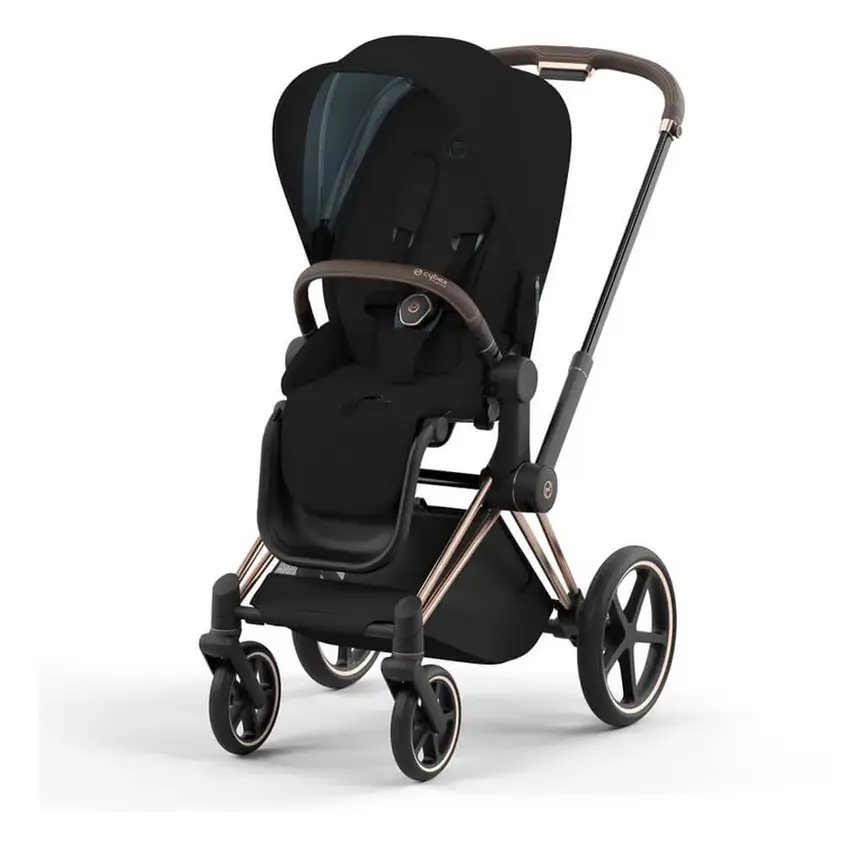
Cybex Priam
Fashion-forward luxury pram with interchangeable seat/bassinet units and an all-terrain option.
Safety rules and official guidance
Prams are regulated differently across countries. A wheel material alone does not show whether a pram meets local requirements. Buy from a seller who can explain the product's safety information for your country. Keep the manual, and check the model for recalls.
| Market | Official body and practical step |
|---|---|
| Australia | Product Safety Australia, part of the ACCC, publishes pram and stroller guidance. Check its guide and recall list. |
| UK | The Office for Product Safety and Standards (OPSS) oversees product safety guidance. Check the pram's instructions and seller information. |
| US | The U.S. Consumer Product Safety Commission (CPSC) handles consumer product safety and recalls. Search for the model if you are buying used. |
| Canada | Health Canada publishes product safety alerts and recalls. Check the model and follow the maker's instructions. |
In Australia, the mandatory pram and stroller standard is listed by Product Safety Australia. The standard concerns the product as a whole. It does not mean a particular wheel material is safer or better. Ask the seller how the exact model meets the rules where you live.
In every country, use the harness as directed. Keep fingers away from folding joints. Use the brake when stopped. Do not overload the basket or hang heavy bags on the handle. Keep your child within the maker's height and weight limits.
A pram seat is not a substitute for a safe cot or bassinet. If your baby falls asleep while travelling, follow local safe-sleep advice and the pram maker's guidance. Keep the face clear and check your baby often. Do not add pillows, loose bedding or unapproved accessories.
Use the pram only for the number of children it was designed to carry. Keep small children clear while you fold or unfold it. Check that the frame locks before placing your child inside. If the frame does not lock as expected, do not use it until the problem is fixed.
Before each trip, check that the wheels are attached and the brake works. Keep the harness fastened, even for a short walk. Do not leave a child alone in the pram. When you stop, park on level ground when possible and apply the brake.
Age stages and pram setup
Newborn stage: use only a seat or bassinet approved by the maker for a newborn. Some seats need a fully flat position. Others require a separate bassinet. Check the age and size limits before use. Do not place a newborn in an upright seat that lacks the required support.
When your baby grows: adjust the harness and seat only as the manual explains. Check that straps lie flat and fit snugly. Recheck the fit as your baby grows. Do not add padding or head supports unless the maker approves them for that model.
Toddler stage: continue using the harness and brake. A child may lean, reach or try to climb out. Keep one hand on the pram when stopped. Stay within the seat's limits, even if your child seems comfortable.
Age labels are not a replacement for the maker's instructions. Children grow at different rates, and prams differ. If the manual is missing, ask the maker for a copy before use.
Check the seat recline before each outing, especially after changing accessories. A newborn may need a different position from an older child. The maker's guide explains which positions suit each stage. Do not guess based on how another pram works.
When using a bassinet, check that it attaches securely to the frame. Use only the matching parts listed by the maker. Do not place extra padding inside it. Keep the baby's face clear and follow the instructions for carrying or removing the bassinet.
Common mistakes to avoid
- Buying by the label alone. “All-terrain” does not promise easy travel on every surface. Check the actual wheel size, width, tread and suspension.
- Assuming air tyres are always softer. Pressure, frame design and load change the ride. Try the model yourself.
- Assuming PU wheels never wear. Solid wheels can still crack or wear. Check them often.
- Taking a pram onto deep sand. Even wide wheels may sink. Choose a firm route or leave the pram behind.
- Skipping the brake check. Test it before each outing and use it when stopped.
- Hanging a heavy bag from the handle. This can affect balance and may tip the pram.
- Ignoring the manual. Limits and care steps differ by model. Use the instructions for your exact pram.
- Using a broken wheel. Stop using the pram and arrange a proper repair.
- Assuming suspension makes every path safe. It may soften some bumps, but it cannot prevent all jolts or falls.
- Testing on a dangerous kerb. Do not risk a fall to compare wheels. Use a safe ramp or choose another route.
- Forgetting the folded size. A pram can push well but still be too large for your car or home.
Frequently asked questions
Are pneumatic wheels better for a baby?
Not by themselves. Air tyres may soften some bumps, but the whole pram design matters. Keep your baby secured and follow the manual.
Can PU wheels get a puncture?
No. Solid PU wheels have no air chamber to puncture. They can still wear, crack or become damaged.
Which wheels work best on sand?
No pram wheel works well on every kind of sand. Wider wheels may sink less, but deep, soft sand can be hard to cross. Test only where you can keep control.
Do air tyres need a special pump?
Use a pump that fits the valve and follow the pressure guidance in the manual. If you are unsure, ask the maker or a repair shop.
Does suspension mean a pram is all-terrain?
No. Suspension is one feature. Wheel size, width, tread, frame and steering also affect how a pram handles rough ground.
How often should I check the wheels?
Check them as the maker recommends and before long outings. Look for low pressure, damage, wobble or anything caught near the axle.
Can I use a pram with a flat tyre?
Do not use it until the tyre is repaired or replaced. A flat tyre can affect steering and control.
Can I jog with a pram that has large wheels?
Only if the maker says that exact model is designed for jogging. Large wheels alone do not make a pram suitable for running.
Are wider wheels always better on rough ground?
Not always. Wider wheels may help on some loose ground, but they can make a pram harder to store or move through narrow spaces. Try the pram on routes you use.
Can I replace PU wheels with air tyres?
Only if the maker lists that wheel as an approved part for your model. A different wheel can affect fit, balance and safe use. Ask the maker before changing parts.
What should I do if a wheel wobbles?
Stop using the pram until you know why it wobbles. Check the manual and contact the seller or maker. Do not tighten or alter parts without their instructions.
Will air tyres make kerbs easy to cross?
No. Tyres may soften some bumps, but kerb height, wheel size and pram balance matter too. Use a ramp or dropped kerb when you can.
More options, from budget to premium
Real products from our catalogue. We don't show star ratings or review counts; check the current price, stock and reviews on Amazon before you buy.

Maxi-Cosi Zelia 3
A mid-price pram with a carrycot that changes into a seat, so one frame covers birth to toddler.

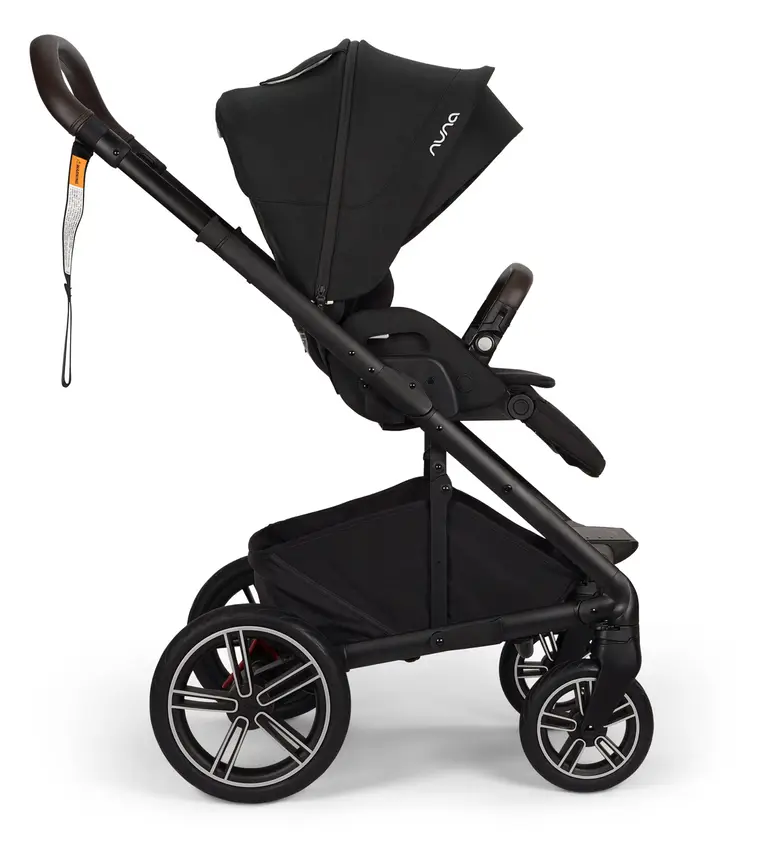
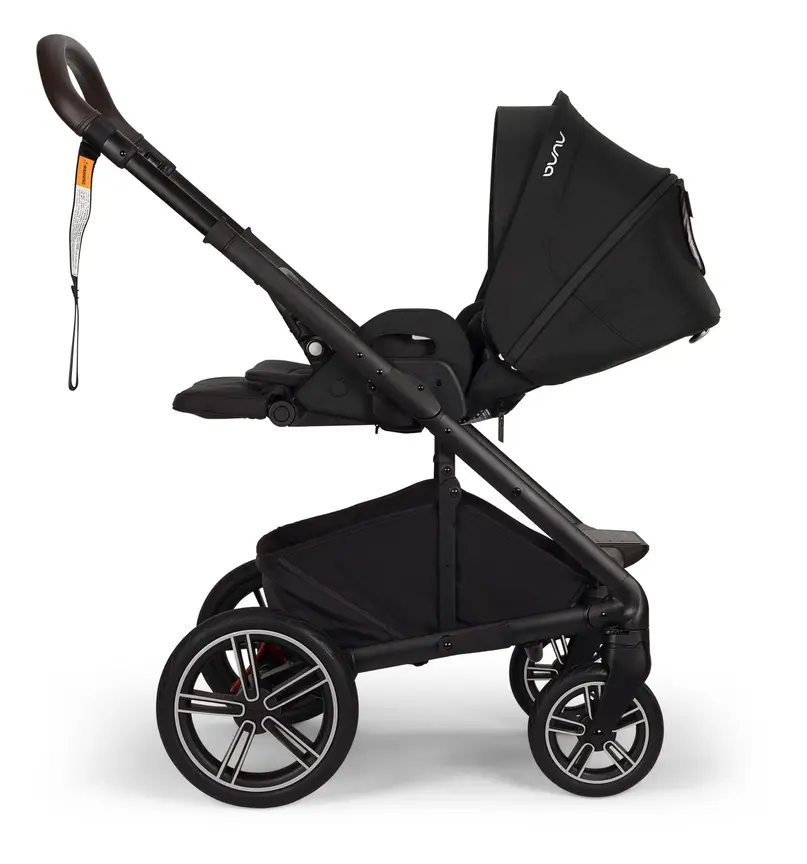
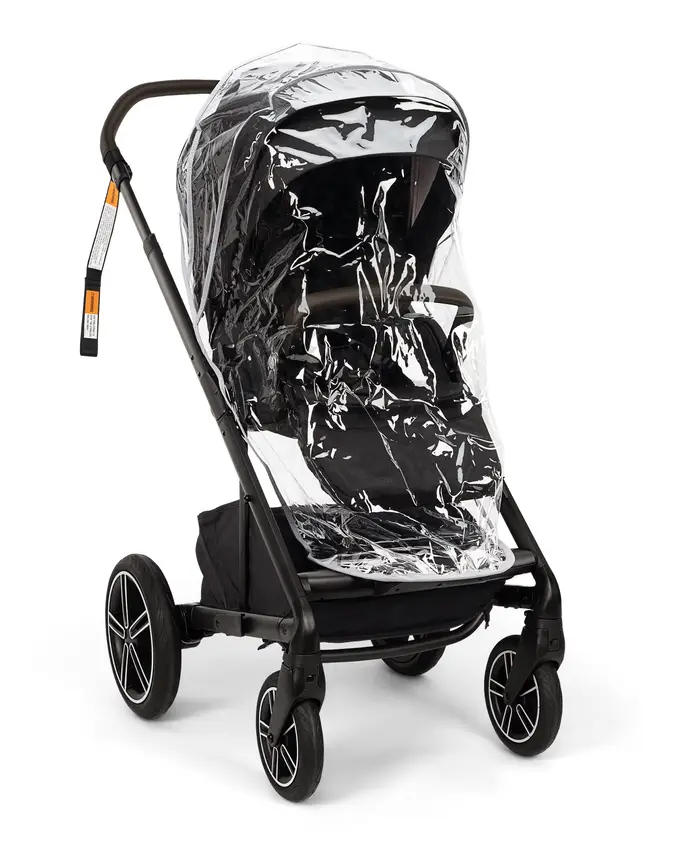

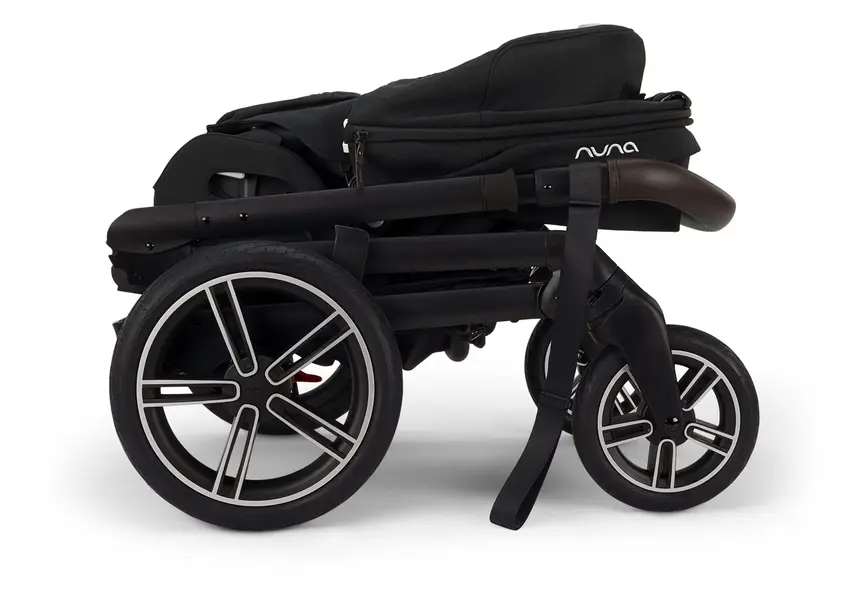

Nuna MIXX Next
A full-size pram with four ways to ride: capsule, bassinet, parent-facing seat or world-facing seat.
Read our full review →
Baby Jogger City Mini GT2
Long-running, lighter all-terrain stroller with a famously simple one-hand strap fold.
Sources and further guidance
- Product Safety Australia – Prams and strollers guide
- Product Safety Australia – Prams and strollers mandatory standard
- UK Office for Product Safety and Standards
- U.S. Consumer Product Safety Commission – Safe sleep and product safety
- Health Canada – Recalls and safety alerts
- The Lullaby Trust – Safer sleep overview
Disclaimer: This article gives general information, not personal medical or product advice. Always follow the instructions for your exact pram and ask a qualified professional when you need help. BabyGearFinder may earn a commission from qualifying purchases. This does not affect the information we provide.
Sources
Related guides
More Prams & Strollers →
Pram Care After Beach Trips: Cleaning Sand, Salt and Wheels
Stroller Footmuff vs Snowsuit in a Pram: Why Zip-Top Footmuffs Work Better for Warm Shops
Stroller Snow Ski Kits vs Big-Wheel Jogging Prams: Which Is Better for Snowy Footpaths?
