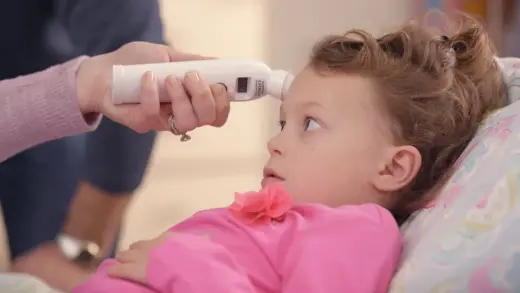
How to Choose and Use a Non-Contact Forehead Thermometer
Learn how non-contact forehead thermometers work, how to use them, what readings can miss, and when to seek medical advice for your child.
On this page
- What a non-contact forehead thermometer does
- Is it useful to keep one at home?
- How to choose a thermometer
- How to take a forehead reading
- Why readings can differ
- How it compares with other thermometers
- Babies and age stages
- When to seek medical advice
- Common mistakes to avoid
- Keeping the thermometer clean and safe
- Advice across Australia, the UK, the US, and Canada
- Frequently asked questions
- Sources and further guidance
- Sources
Short answer: A non-contact forehead thermometer can give you a quick temperature reading without touching your child. It can be handy when your child is asleep or upset. But one reading cannot tell you how seriously ill your child is. Follow the thermometer instructions, repeat an unexpected reading, and seek medical advice when your child’s age or symptoms concern you.
A thermometer is a useful tool. It does not replace a health professional’s advice. A child’s breathing, alertness, drinking, and general behaviour matter too. If your child seems very unwell, do not wait for another reading before getting help.
What a non-contact forehead thermometer does
A non-contact thermometer reads heat from the skin on the forehead. It uses infrared light to do this. You point it towards the forehead and press a button. The screen then shows a number.
The device does not need to touch the skin. That can make a check easier when a child is sleeping, moving, or unhappy about being touched. It can also help when you need to check more than one person. Follow the maker’s cleaning advice, even if the thermometer does not touch skin.
These devices read skin heat. They do not measure heat inside the body directly. Sweat, hair, room temperature, sunlight, and distance can affect the result. A wrong angle or a quick movement can also change a reading. That is why the instructions matter.
What the number can and cannot tell you
A thermometer can help you notice a raised temperature. It can also help you share a reading with a nurse or doctor. Write down the number, time, and where you measured it. Say which type of thermometer you used.
A temperature reading cannot show the cause of illness. It cannot tell you by itself whether your child needs treatment. Look at your child, not only the screen. Take note of how they breathe, respond, drink, and pass urine.
Is it useful to keep one at home?
Many families find a thermometer useful. A non-contact model may suit a family that wants a quick forehead check. It can be easier to use than a device that needs contact with a child who is restless.
It is a choice, not a need for every family. A simple digital thermometer may meet your needs. The best choice is one you can use correctly and read clearly. Ask a health professional which method suits your child, especially for a young baby.
Do not buy a device because an advert promises perfect accuracy or peace of mind. All thermometers can give a misleading result if used poorly. A high price does not prove a device is right for your family. Read the instructions and check that the product is meant for people.
How to choose a thermometer
Choose a thermometer with clear instructions and a screen you can read. Check which body area it measures. Some devices measure forehead temperature only. Others have several modes for body, room, or object readings. A room or bath reading is not a body temperature.
- Simple controls: You should be able to find the right mode without guessing.
- Clear display: The number and any unit symbols should be easy to see.
- Instructions you understand: Check the required distance and forehead position.
- Unit choice: Some devices show Celsius, Fahrenheit, or both. Learn how to change the setting.
- Cleaning guidance: The manual should explain how to clean the sensor and body.
- Battery access: Choose a model with a secure battery cover. Keep loose batteries away from children.
- Support: Check that you can contact the seller or maker if instructions are unclear.
Keep the receipt and manual. Save the manual online if the maker offers one. Do not rely on a product page alone for safe use. Instructions may differ between models, even when they look alike.
Check before you buy
Look for a clear statement that the device measures human body temperature. A thermometer sold for cooking, rooms, or objects may not be suitable for checking a person. Read the box and manual carefully.
Check whether the display can show the temperature unit you know. Some families use Celsius. Others may be used to Fahrenheit. Learn how to change the setting before you need the device.
Think about who will use it. A small display may be hard to read in a dim room. A complicated menu may lead to the wrong setting. Choose a device that the adults in your home can use after reading its instructions.
Do not assume that extra modes make a thermometer better. A device with more settings can be confusing. Make sure you can tell body mode from room or object mode. If the manual is unclear, ask the seller or maker before relying on it.
Health & Safety Gates worth a look
Real products from our catalogue. We don't show star ratings or review counts; check the current price, stock and reviews on Amazon before you buy.

Braun Touchless and Forehead Thermometer
A forehead thermometer you can use with or without touching. It has a colour screen that changes with age.

Cherub Baby 4-in-1 Ear and Forehead Thermometer
2-in-1 thermometer

Cherub Baby Ear & Forehead Thermometer
Reads the ear or forehead in about 1 second, with a colour fever light and a fever alarm.
 Reviewed
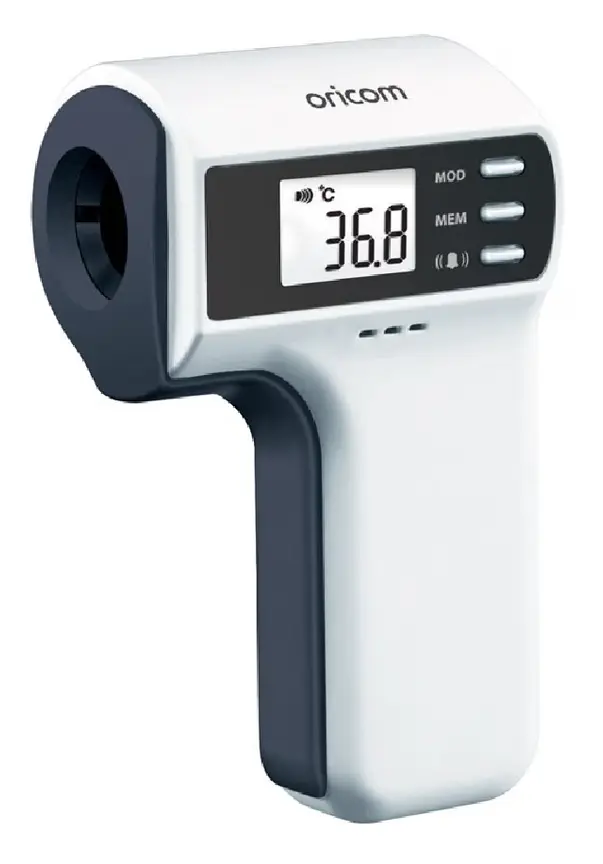
Oricom Non-Contact Thermometer
A no-touch thermometer that reads in under 2 seconds and stores 32 readings.
Read our full review →How to take a forehead reading
Read the manual before your child becomes unwell. Learn the button, mode, and distance while you have time. The steps below are a general guide. Your model’s instructions take priority.
- Check the device. Make sure it is clean, dry, and set to body temperature.
- Let it adjust. If the device or child has just come in from outdoors, wait as the manual advises.
- Prepare the forehead. Move hair aside. Wipe away sweat, then allow the skin to dry.
- Position your child. Keep them still if possible. A calm voice or a familiar toy may help.
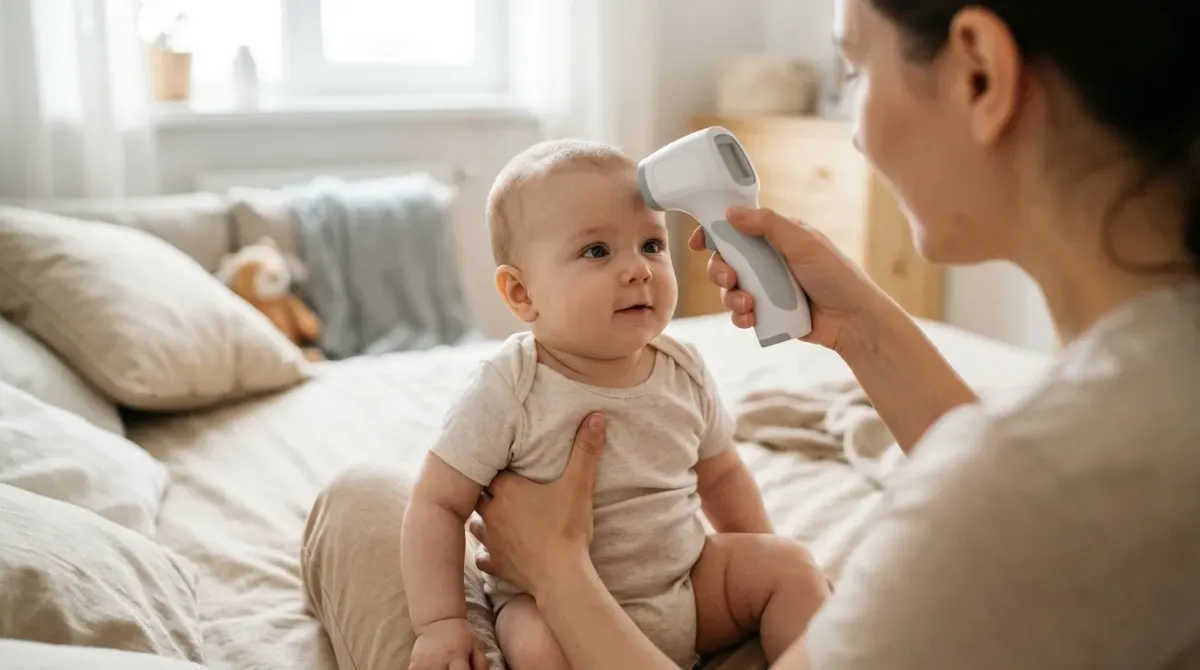
- Hold the thermometer correctly. Aim at the place shown in the manual. Keep the stated distance.
- Take the reading. Press the button once and wait for the result.
- Repeat if needed. If the number seems unexpected, follow the manual for another reading.
- Record the details. Note the reading, time, and method if you contact a health service.
- Clean and store it. Follow the manual, then put it somewhere children cannot reach.
Do not scan across the forehead unless your manual says to. Do not measure through a hat, hair, or a wet patch. Do not compare readings from different body areas as if they were the same method.
Make the check calm and simple
Choose a place with enough light to read the screen. Explain the check in simple words. Let an older child see the thermometer first. A child may feel less worried when they know what will happen.
For a sleeping child, move slowly and avoid touching their face. Keep the thermometer at the distance in the manual. If the child wakes or turns away, pause and try again when they are settled.
Do not hold a child down just to get a reading. If you cannot use the device correctly, ask a health professional what other method to use. A calm, accurate check is more helpful than a rushed number.
Why readings can differ
A forehead reading can change with the skin’s condition and the room around you. That does not always mean your child’s body temperature changed. Check how and where you took the reading before acting on a surprising number.
- Sweat or damp skin: Dry the forehead and wait for the skin to settle.
- Recent outdoor time: Cold air, warm sun, or wind may affect the skin.
- Room changes: A hot room or a cold room can affect a forehead reading.
- Wrong distance: Use the distance in the manual.
- Movement: A moving child can make it hard to aim at the same spot.
- Low battery: Replace the battery if the manual or screen signals a problem.
- Wrong mode: Check that you are using body mode, not an object setting.
If a reading does not fit how your child looks, repeat it after checking your method. If you remain unsure, call a health service for advice. Do not keep taking readings for a long time while a child gets worse.
What to do with an unexpected result
First, check that the thermometer is in body mode. Make sure the forehead is dry and clear of hair. Check the distance and aim described in the manual. Then repeat the reading once, as the maker advises.
If the second number is very different, do not keep measuring over and over. Use another method only if a clinician or the manual tells you how. Tell the health professional both readings and how you took them.
If your child appears seriously unwell, seek help right away. Do this even when the number looks normal. A thermometer is only one part of checking a child.
How it compares with other thermometers
Different thermometers measure different places. A reading from one place may not match a reading from another. Use the method recommended by your child’s health professional. Follow that method consistently when you are watching a change.
| Type | Where it measures | Possible benefit | Things to consider |
|---|---|---|---|
| Non-contact forehead | Skin on the forehead | Quick check without touching | Distance, sweat, room conditions, and aiming can affect results. |
| Contact forehead | Skin on the forehead | Simple to position on the skin | Needs skin contact and cleaning between users. |
| Ear thermometer | Inside the ear | Can be quick for some children | Correct placement matters. It may not suit every age. |
| Digital oral thermometer | Under the tongue | Can be useful for a child who can hold it safely | A young child may not keep it in place or follow directions. |
| Digital armpit thermometer | Under the arm | Can be used with a child who cannot use an oral device | Needs the arm held in the right position for the full time. |
The table is a general comparison. Age guidance and preferred methods can differ. Ask a doctor, nurse, or pharmacist which method to use for your child.
Using one method over time
If you are watching a fever, use the same type of thermometer each time when possible. Write down the method with each reading. This helps a clinician understand what the numbers mean.
Do not add or subtract a fixed amount to make one method match another. The difference can vary between people and devices. Ask a clinician if you need help comparing readings.
Follow the manual for each device. An ear thermometer, forehead thermometer, and armpit thermometer have different steps. Correct use matters more than comparing their numbers directly.
Babies and age stages
How you check a baby’s temperature can depend on age and local health advice. A non-contact reading may be convenient, but do not assume it is enough for a young baby. Ask your health professional what to do if your baby feels hot or seems unwell.
Newborns and young babies
Young babies can become unwell quickly. If a baby under three months has a temperature of 38°C or higher using a reliable method, get prompt medical advice. Follow your local health service’s instructions about how to measure it. Do not let a normal forehead reading reassure you if your baby looks ill.
Call urgently if your baby is hard to wake, breathing with effort, unusually floppy, or not feeding. Also seek prompt advice if you are worried. Tell the clinician your baby’s age and how you measured the temperature.
Have the number, time, and method ready when you call. Also say when your baby last fed and had a wet nappy, if you know. These details can help the health professional guide you.
Older babies and toddlers
Older babies and toddlers may pull away from a thermometer. A forehead device can make a quick check easier. Still, hold it correctly and repeat a reading that seems wrong. Notice whether your child can drink, respond, and settle.
Offer fluids as advised for your child’s age. Do not give medicine only to make a number lower. Ask a health professional or follow trusted local guidance about medicines and doses. A child’s weight and age can matter.
Children may be tired or clingy when unwell. Watch for changes from their usual behaviour. A child who is hard to wake, cannot keep fluids down, or seems to be getting worse needs medical advice.
Preschool and school-age children
Older children may be able to cooperate with an oral thermometer. Explain what you are doing in simple words. Use one method consistently if you are tracking a fever. Let your child rest and drink as they are able.
Encourage your child to tell you how they feel. Ask if they have pain, chills, or trouble breathing. A clear description can help when you call a health service.
Side by side: more health & safety gates to compare
Real products from our catalogue. We don't show star ratings or review counts; check the current price, stock and reviews on Amazon before you buy.
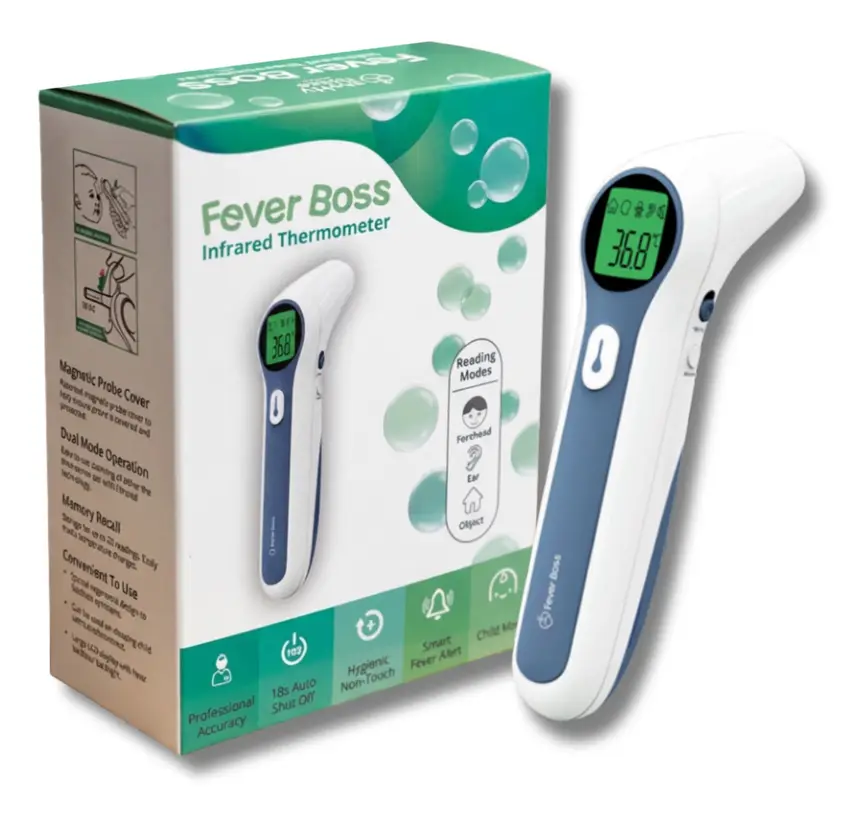
Snotty Noses Fever Boss 5-in-1 Thermometer
A no-touch thermometer that reads forehead, ear, room, object and liquid in about half a second.
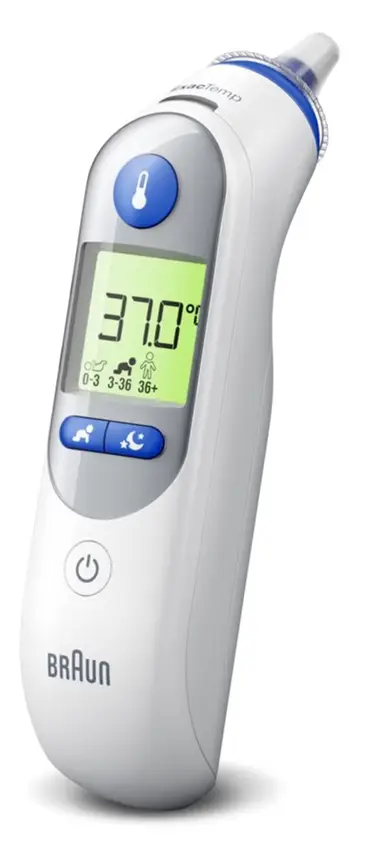
Braun ThermoScan 7+
An ear thermometer with a pre-warmed tip, a colour screen that changes with age, and 9 memories.

Dreambaby Rapid Response Digital Baby Thermometer
Digital thermometer
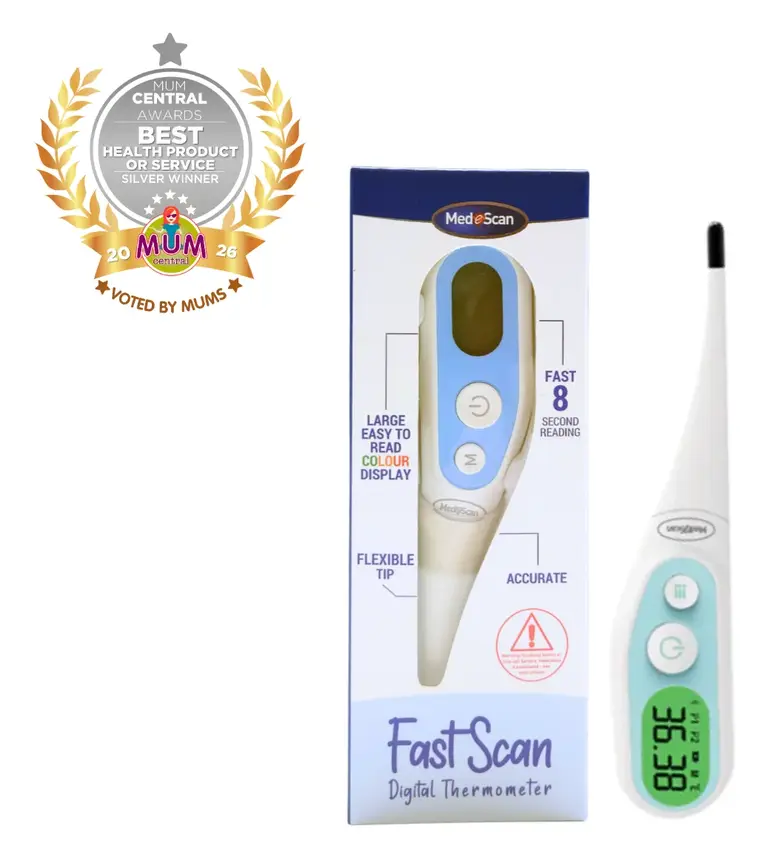
Medescan FastScan Digital Thermometer
Digital thermometer
When to seek medical advice
Use your local health service when you need advice. Seek urgent care for severe symptoms, whatever the temperature reading says. Warning signs include difficulty breathing, blue or grey lips, a seizure, severe drowsiness, or a child who is hard to wake.
Get prompt advice for a very young baby with a high temperature. Contact a clinician if a fever persists, gets worse, or comes with a rash that does not fade when pressed. Also ask for help if your child is drinking very little or passing much less urine than usual.
Trust your concern. If your child seems much less well than usual, contact a health professional. A thermometer cannot assess breathing, hydration, pain, or alertness. Do not delay care to collect more readings.
Get emergency help for severe signs
Call your local emergency number if your child is struggling to breathe, turns blue or grey, has a seizure, or cannot be woken. Follow the dispatcher’s instructions. Do not spend time trying different thermometers first.
For less urgent concerns, contact your doctor, nurse line, or local health service. Tell them your child’s age, symptoms, temperature, and measurement method. Ask where your child should be seen if an in-person check is needed.
Health services use different phone numbers and pathways in each country. Learn the right number where you live. Keep it with your family’s emergency contacts.
Common mistakes to avoid
- Using the wrong mode: Check that the device is set for a person, not a room or object.
- Guessing the distance: Hold the device as the manual directs.
- Measuring over hair or sweat: Prepare the forehead first.
- Taking a reading right after outdoor play: Let your child and device adjust as instructed.
- Comparing different methods: Forehead, ear, and armpit readings can differ.
- Focusing only on the number: Watch your child’s behaviour and breathing too.
- Assuming no fever means no illness: A child can be unwell without a raised reading.
- Giving medicine based only on the screen: Ask for guidance on medicine and dose.
- Leaving the device or batteries within reach: Store them securely.
Do not treat a reading as a diagnosis
A raised temperature can happen for many reasons. The thermometer cannot tell you what caused it. It also cannot show whether a child needs medicine or another treatment.
Do not use a reading alone to decide that your child can return to childcare or school. Follow local health advice and the rules of your child’s school or care service. Keep your child home when they are too unwell to take part.
Do not compare your child with another child. Their ages, health, and symptoms may differ. If you are unsure what to do, ask a health professional.
Keeping the thermometer clean and safe
Follow the cleaning instructions for your exact model. Some parts may be wiped, while others must stay dry. Do not use strong cleaners unless the manual allows them. Do not put the thermometer in water unless its instructions say it is safe.
Keep the sensor free of dust and marks. A dirty sensor can affect use. Store the device in its case or a clean drawer. Keep it away from direct sun, heaters, and damp places.
Check the battery cover from time to time. Button batteries can cause severe harm if swallowed. Keep spare batteries locked away. If a child may have swallowed a battery, seek emergency help immediately.
Battery and storage checks
Check the battery type in the manual. Use only the type the maker lists. Put used batteries somewhere children cannot reach until you can dispose of them safely.
Do not leave the thermometer on a cot, change table, or other place where it could fall. Store it after each use. Keep the case and instructions together so another caregiver can find them.
If the device is dropped, cracked, or wet, check the manual before using it again. Contact the maker if you are unsure whether it still works. Do not rely on a damaged device for a health decision.
Advice across Australia, the UK, the US, and Canada
Health advice comes from different services in each country. The shared message is to use a thermometer as one part of checking a child. Ask a clinician which method and age guidance apply where you live.
| Country | Official bodies and health services | Practical step |
|---|---|---|
| Australia | Healthdirect Australia and Pregnancy, Birth and Baby | Use their child health advice or contact a local clinician for urgent concerns. |
| United Kingdom | NHS and the UK Office for Product Safety and Standards | Use NHS fever guidance and ask a pharmacist or clinician about your thermometer. |
| United States | American Academy of Pediatrics and the U.S. Food and Drug Administration | Contact your child’s clinician for age-specific advice and suitable measurement methods. |
| Canada | Canadian Paediatric Society and Health Canada | Use local health advice and contact a clinician if your child is very young or unwell. |
Product rules and health guidance can change. Check current advice from the official body in your country. If you travel, keep your thermometer instructions with the device and learn the local urgent care number.
Where to find local help
In Australia, Healthdirect offers health information and advice. Pregnancy, Birth and Baby shares information for parents and carers. Contact your doctor or emergency service when symptoms need urgent care.
In the UK, use NHS guidance for childhood fever. NHS 111 can direct people to care when the problem is urgent but not life-threatening. Call emergency services for severe signs.
In the US, contact your child’s health professional for advice. The American Academy of Pediatrics shares family health information. For a serious emergency, call 911.
In Canada, the Canadian Paediatric Society shares advice through Caring for Kids. Provincial and territorial health services can guide families to local care. For an emergency, call 911 where available.
Frequently asked questions
Is a non-contact forehead thermometer accurate?
It can give a useful reading when used as directed. Sweat, room conditions, distance, and movement can affect it. Repeat a surprising reading and seek advice if your child seems unwell.
Can I use one while my baby sleeps?
Often, a non-contact device can check a forehead without waking a child. Follow the device instructions. Do not let a quiet reading replace medical advice for a young or unwell baby.
What temperature counts as a fever?
Fever guidance depends on a child’s age and how the temperature was measured. For babies under three months, a temperature of 38°C or higher needs prompt medical advice. Ask your local health service what method to use.
Should I take several readings?
If a number seems unexpected, check the method and repeat it as the manual advises. Several quick readings taken in different places may confuse matters. Keep a note of the method and time.
Can a forehead thermometer replace an ear or digital thermometer?
That depends on your child’s age, health needs, and local advice. Ask a clinician which method they prefer. Use the same method when you are tracking a change.
Do I need to clean a non-contact thermometer?
Yes. Follow the maker’s cleaning instructions. The device may still collect dust or get touched during use. Clean it before storing it.
What if the reading is normal but my child looks sick?
Trust what you see. A normal reading does not rule out illness. Seek medical advice for worrying symptoms, and urgent care for breathing trouble, severe drowsiness, seizures, or a child who is hard to wake.
Where should I store the thermometer?
Keep it clean, dry, and away from heat. Store it and spare batteries where children cannot reach them. Keep the instructions nearby.
Can I use the thermometer to check bath water or a room?
Only if the device has that mode and its manual explains how to use it. A room or object reading is not a body temperature. Check the display setting before taking a reading.
Should I buy a thermometer before my baby arrives?
Some families like to have one ready. Others buy one when they need it. Choose a device you understand, and ask your midwife, nurse, doctor, or pharmacist about the best way to check a young baby.
What information should I give a doctor?
Share your child’s age, symptoms, temperature, the time, and the kind of thermometer used. Say how you took the reading. Also describe changes in breathing, drinking, alertness, or wet nappies.
More options, from budget to premium
Real products from our catalogue. We don't show star ratings or review counts; check the current price, stock and reviews on Amazon before you buy.
 Reviewed
Tommee Tippee Flexipen Thermometer
A low-cost digital stick thermometer with a bendy tip.
Read our full review →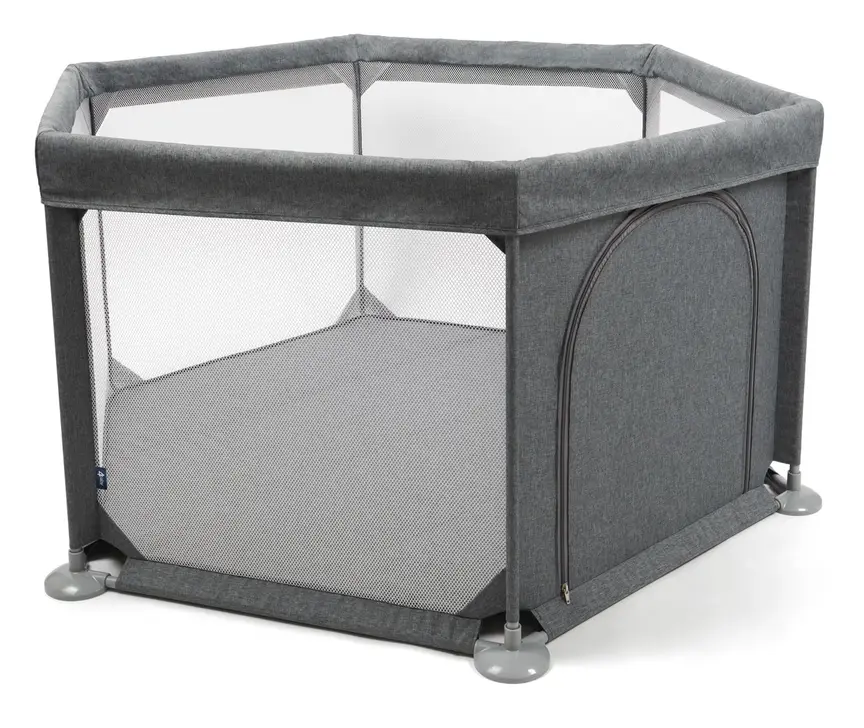
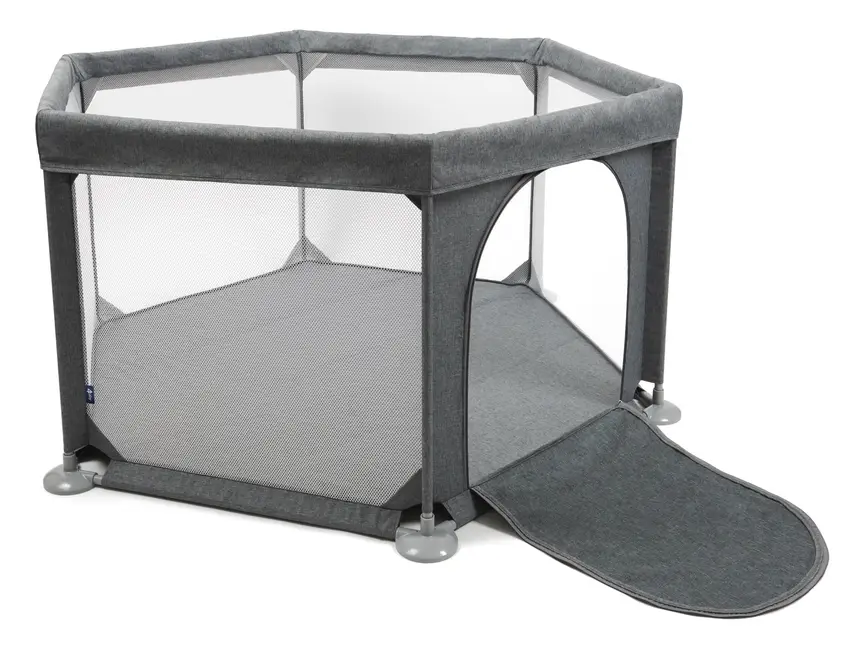
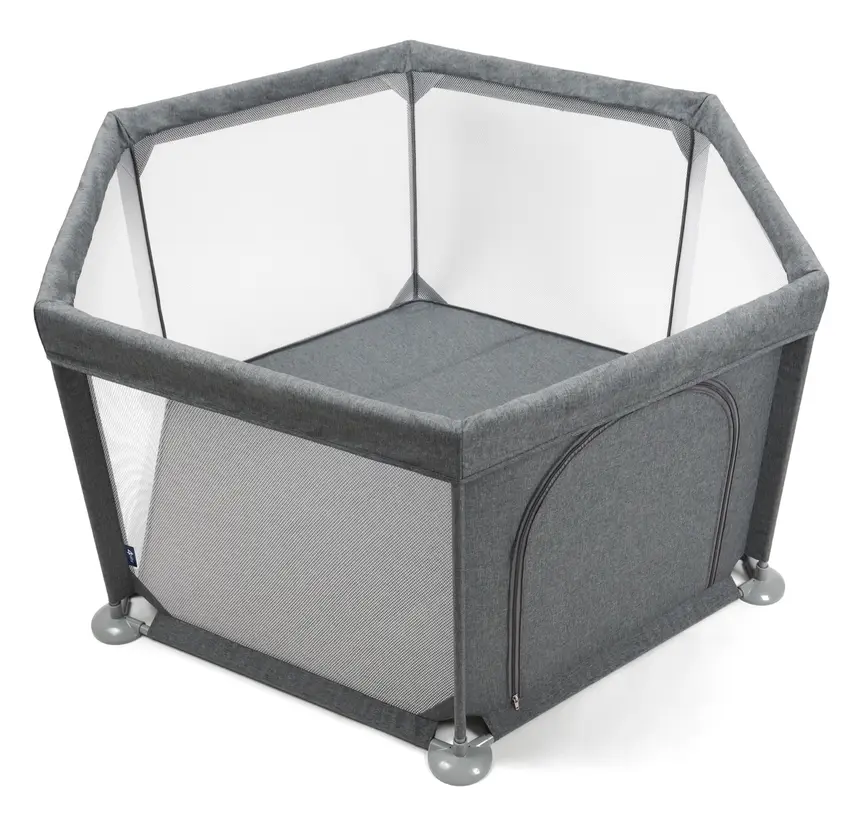
4baby Hex Playpen
A six-sided mesh playpen with a zip door. It packs into a carry bag.
Read our full review →
4baby Safety Gate
A low-cost pressure-mounted gate with a double lock. It opens both ways with one hand.
Sources and further guidance
- Healthdirect Australia
- Pregnancy, Birth and Baby (Australia)
- NHS (UK) – Fever in children
- UK Office for Product Safety and Standards
- American Academy of Pediatrics – HealthyChildren.org
- U.S. Food and Drug Administration
- Canadian Paediatric Society – Caring for Kids
- Health Canada – Recalls and safety alerts
This article is general information, not medical advice. Contact a qualified health professional about your child’s health. Some links may be affiliate links. If you buy through them, BabyGearFinder may earn a commission at no extra cost to you.
Sources
Related guides
More Health & Safety Gear →
Non-Contact Forehead and Ear Thermometers: How to Take a Baby's Temperature Safely

Baby Nail Care: How to Choose Safe Clippers, Scissors and Files
Baby Gear Safety Apps: What Helps, What Does Not, and How to Choose