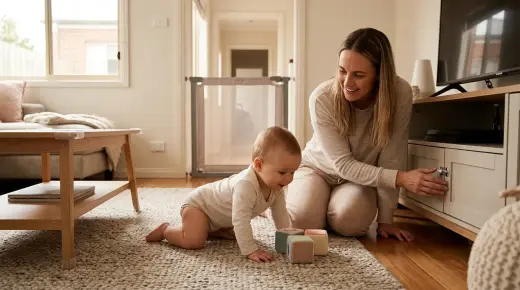
Nursery Thermometers and Hygrometers: Keeping Your Baby's Room Safe and Cool
How nursery thermometers and hygrometers work, what room temperature is safe for babies, and how to prevent overheating using AU, UK, US and Canada guidance.
On this page
- Key points
- What are nursery thermometers and hygrometers?
- Why room temperature matters for baby sleep
- What health bodies say in Australia, the UK, the US and Canada
- How to check if your baby is too hot or too cold
- What humidity does in a nursery
- Comparing your options
- How to choose the right thermometer or hygrometer
- Where to put the sensor in the nursery
- Battery, cord and smart-device safety
- How to dress your baby for different room temperatures
- What changes as your baby grows
- Common mistakes to avoid
- Frequently asked questions
- Sources
Short answer: A nursery thermometer measures how warm or cool your baby's room is. A hygrometer measures how damp or dry the air is. Smart models send these numbers and alerts to your phone. These tools help you dress your baby for the room and avoid overheating. Overheating raises the risk of sudden infant death syndrome (SIDS). Still, a sensor never replaces checking your baby's neck or tummy with your hand.
Health groups in Australia (Red Nose), the UK (The Lullaby Trust and the NHS), the US (American Academy of Pediatrics) and Canada (Canadian Paediatric Society and Health Canada) all warn against letting a sleeping baby get too hot.
Key points
- What they measure: a thermometer tracks air temperature, and a hygrometer tracks air moisture (humidity).
- Best check: feel the back of your baby's neck or their tummy. Hands and feet often feel cool even when a baby is warm enough.
- Safe sleep basics: always lay your baby on their back, on a firm flat mattress, with their head and face uncovered.
- Sensor placement: put the device near the cot at mattress height, away from windows, heaters and air vents.
- Cord and battery safety: keep cords out of reach and choose screw-secured battery doors if the device uses button batteries.
- No hats indoors: babies lose heat through their head, so take off beanies and hats for indoor sleep.
What are nursery thermometers and hygrometers?
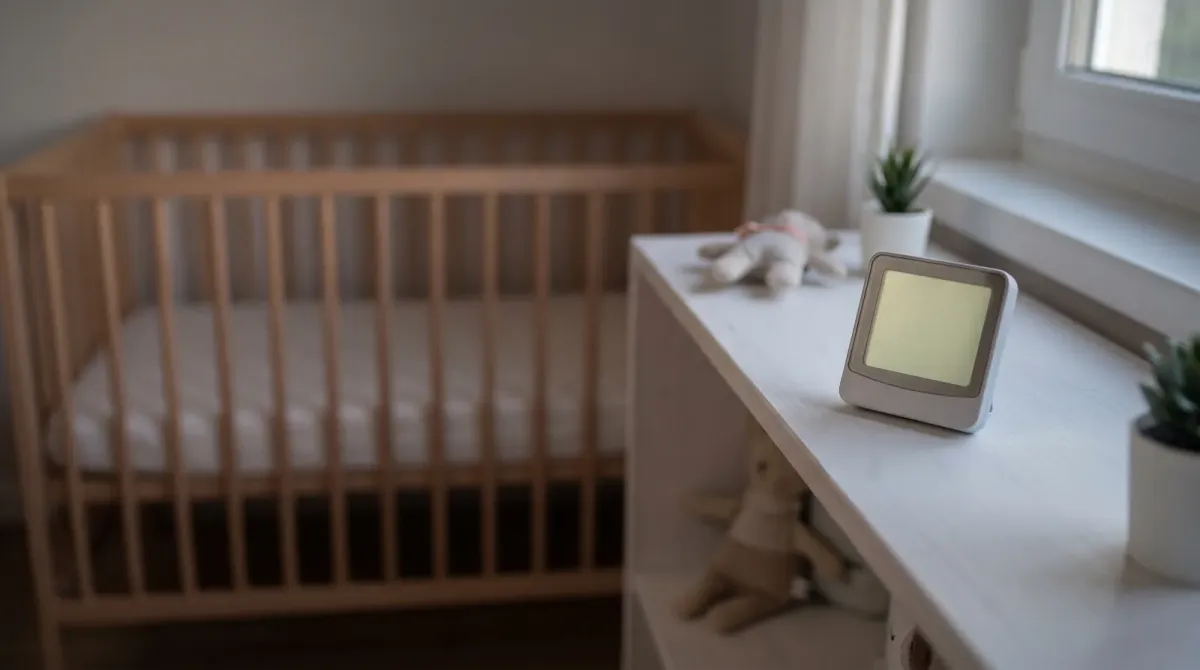
A nursery thermometer is a small device that tells you the air temperature in your baby's room. Most show degrees Celsius, and many let you switch to Fahrenheit. You can buy a simple screen that sits on a shelf, or use a baby monitor with a sensor built in.
A hygrometer measures humidity. Humidity means how much water vapour is in the air. Many nursery gadgets combine both a thermometer and a hygrometer in one small unit.
A smart thermometer or hygrometer connects to your phone through Bluetooth or Wi-Fi. It shows live readings in an app. It can also track changes over the night and send an alert if the room gets too hot or too cold. Some smart sensors can link to a smart plug, fan or air conditioner.
Why parents use them
A room can feel fine to an adult at 9 pm, then grow much hotter or colder by 3 am. In summer, brick walls and roofs hold daytime heat well into the night. In winter, a closed bedroom with a heater running can quickly become stuffy and hot. A quick look at a screen tells you what the air is doing before you add or remove a layer.
Why room temperature matters for baby sleep
Hyperthermia is the medical word for overheating. It happens when a baby's body takes in or traps more heat than it can let go. Babies are much more likely to overheat than adults.
A newborn cannot kick off a heavy blanket. They cannot tell you they feel sweaty or unwell. Their bodies also heat up faster than ours, and they do not sweat as well as older children and adults. Babies lose much of their extra heat through their face and head. If their head is covered, or if they wear too many layers, heat builds up fast.
Research and official safe-sleep reviews across Australia, the UK, the US and Canada link overheating with a higher risk of SIDS. Overheating can also cause heat rash, poor sleep and dehydration. Keeping the room comfortable and dressing your baby lightly lowers this risk.
Health & Safety Gates worth a look
Real products from our catalogue. We don't show star ratings or review counts; check the current price, stock and reviews on Amazon before you buy.

4baby Safety Gate
A low-cost pressure-mounted gate with a double lock. It opens both ways with one hand.

Dreambaby Cosmopolitan Security Gate
A metal-and-timber pressure-fit gate that opens both ways and can stay open.
 Reviewed
Dreambaby Freedom Security Gate
A low-cost metal gate that opens both ways. A stopper can make it open one way only, for stairs.
Read our full review →
Dreambaby Freedom Xtra-Wide Hallway Gate
A wide metal gate for hallways. It opens both ways and can stay open.
What health bodies say in Australia, the UK, the US and Canada
Parents often look for one magic number on a thermometer. In fact, health bodies give slightly different advice depending on local homes and climates. The core rule is the same everywhere: do not let your baby get too hot, and keep their head and face clear.
| Country | Main health bodies | Room temperature advice | Key sleep-clothing advice |
|---|---|---|---|
| Australia | Red Nose; Pregnancy, Birth and Baby | No single fixed number. Keep the room comfortable and dress your baby to match it. | Light layers, face and head uncovered, no hats indoors, firm flat cot mattress. |
| UK | The Lullaby Trust; NHS | Aim for a room temperature of about 16 to 20°C. | Light bedding or a lightweight, well-fitting baby sleeping bag. No hats indoors. |
| US | American Academy of Pediatrics (AAP) | Keep the room comfortable for a lightly clothed adult. | Dress baby in no more than one extra layer than an adult would wear. No loose blankets. |
| Canada | Canadian Paediatric Society; Health Canada | Keep the room comfortable for a lightly dressed adult. | Use a fitted sleep sack or light sleeper. No heavy blankets, quilts or indoor hats. |
Why does Red Nose Australia not name a single number like the UK does? Homes in warm parts of Australia often sit well above 20°C in summer, even with fans running. Parents in hot climates do not need to panic if the room reads 24°C or 26°C. Instead, Red Nose tells parents to strip back layers, use a fan to move air around, and check the baby's neck and tummy.
In the UK, 16 to 20°C is a helpful target for cool and mild climates. Even there, The Lullaby Trust notes that summer heatwaves can push rooms warmer, so parents should adjust clothing and bedding rather than worry about hitting an exact number.
How to check if your baby is too hot or too cold
A room thermometer tells you about the air. It does not tell you how warm your baby's body actually is. Two babies in the same room can feel different, depending on what they wear, whether they are unwell, or how close the cot sits to a wall.
Always check your baby directly with your hand. Slide two fingers gently onto the back of their neck, or onto their tummy or chest.
- Feels warm and dry: your baby is comfortable.
- Feels hot, damp or sweaty: your baby is too warm. Take off a layer right away.
- Feels cool on the chest or back: your baby may need one light extra layer, or a slightly warmer sleeping bag.
Why hands and feet fool parents
It is very common for a baby's hands and feet to feel cool. Newborns are still building normal blood flow to their fingers and toes. Cool hands alone do not mean your baby is cold. If you add extra blankets just because their feet feel cool, you can easily make them overheat. Always judge by the tummy or the back of the neck.
Warning signs of overheating
Check your baby closely if you notice any of these signs:
- Sweating or damp hair around the head and neck.
- Red, flushed cheeks or skin that feels hot to touch.
- Small red bumps on the neck, chest or folds of skin (heat rash).
- Fast breathing or looking unusually restless or floppy.
If your baby is hot and also seems unwell, refuses feeds, or has a fever, seek medical advice right away. A room thermometer cannot tell you if your baby has a fever. You need a body thermometer for that.
What humidity does in a nursery
Temperature is only half the story. Moisture in the air changes how hot or cool a room feels, and it affects breathing and skin.
When the air is too damp
High humidity makes a warm room feel hotter and stickier. Sweat does not dry off the skin as easily, so your baby cannot cool down well. Damp air also encourages mould on walls, curtains and mattresses, plus dust mites in carpets and bedding. Mould and dust mites can trigger coughing, wheezing and blocked noses.
If your hygrometer shows the room stays very damp, try these simple steps:
- Open windows during dry parts of the day to let fresh air move through.
- Keep wet washing and drying racks out of the baby's bedroom.
- Use an exhaust fan after showers if a bathroom opens onto the nursery.
- Run a dehumidifier or dry-mode air conditioner if your climate stays humid.
When the air is too dry
Very dry air often happens in winter when heaters run for hours, or in dry inland climates. Dry air can leave a baby with a dry nose, cracked lips or itchy skin. It can also make a cold feel worse at night.
If a hygrometer shows very dry air and your baby has a stuffy nose, a cool-mist humidifier can help add gentle moisture. Health groups such as the Mayo Clinic advise choosing a cool-mist humidifier rather than a warm-mist or steam model for children's rooms. Warm-mist units boil water and can cause bad burns if knocked over.
Clean any humidifier every day or two following the maker's instructions. Dirty water tanks grow mould and bacteria, which the mist can blow into the air. Also keep the humidifier well away from the cot so the mist does not dampen the mattress or bedding.
Comparing your options
You do not need the most expensive gadget to track a nursery. The best choice depends on whether you want a quick glance in the room, alerts on your phone, or one device that also watches your baby.
| Feature | Basic digital meter | Colour-glow thermometer | Baby monitor with sensor | Smart Wi-Fi / Bluetooth sensor |
|---|---|---|---|---|
| What it shows | Room temperature and often humidity on a small screen. | Temperature on a screen, plus a coloured light for cool, good or warm. | Room temperature on the parent screen or app. | Temperature, humidity, history graphs and phone alerts. |
| Accuracy | Usually steady when placed away from vents and windows. | Usually steady, though the glowing casing can warm up slightly if plugged in. | Often reads a little high because the camera unit itself gives off heat. | Usually accurate if kept out of direct sun and away from walls. |
| Alerts | None, or a simple screen icon. | Visual colour change you notice when you walk in. | Sound or screen alert on the parent unit. | Push alerts to your phone when set limits are crossed. |
| Night light effect | Usually none, or dim backlight on button press. | Stays lit all night; pick a dim or warm-toned model. | Some cameras have bright status lights you may need to cover. | Often has no bright light on the sensor itself. |
| Best for | Parents who want a cheap, simple, offline tool. | Night feeds when you want to see comfort at a glance without glasses. | Parents already buying a video or audio monitor. | Tracking overnight trends or getting alerts in another room. |
Watch out for one common trap with baby monitors. Many video cameras get warm when they run all night. Because the temperature sensor sits inside or right next to the warm camera, it can read one or two degrees higher than the real room temperature. A separate small thermometer near the cot often gives a truer reading.
How to choose the right thermometer or hygrometer
Before you buy, check these practical details. They matter far more than extra app features.
1. Clear, easy-to-read screen
You will often check the device in the dark at 2 am. Choose a screen with large numbers and good contrast. If it has a backlight, a gentle button-press light is better than a bright blue or white screen that shines all night. Bright light at night can wake your baby and make it harder for them to settle back to sleep.
2. Both temperature and humidity
A unit that shows both temperature and humidity costs very little more than a thermometer alone. Having both readings helps you spot whether a room feels chilly because it is cold, or stuffy because it is damp.
3. Safe power and battery design
Many small digital screens use coin-shaped button batteries. Button batteries are a deadly hazard if a baby or toddler swallows one. They can burn through a child's throat or gut in a couple of hours. Product Safety Australia, the UK Office for Product Safety and Standards, the US Consumer Product Safety Commission and Health Canada all warn parents to keep button batteries out of homes or locked behind screw-down covers.
Look for a device that uses AA or AAA batteries, or a sealed rechargeable battery, rather than loose button cells. If a product does use a button battery, make sure the battery door needs a screwdriver to open, and keep the device out of reach.
4. Custom alerts that fit your home
If you buy a smart sensor or colour-glow thermometer, check if you can change the alert range. Some preset thermometers turn red at 21°C. In a warm summer home, that red warning can stress parents out even when the baby is dressed lightly and doing fine. Being able to set your own alert levels stops false alarms.
5. Honest claims only
No thermometer, hygrometer or smart baby monitor can prevent SIDS. Health bodies in all four countries state clearly that consumer monitors and sensors are not medical devices. Buy a thermometer to help you manage the room, not as a safety net for unsafe sleep habits.
Side by side: more health & safety gates to compare
Real products from our catalogue. We don't show star ratings or review counts; check the current price, stock and reviews on Amazon before you buy.
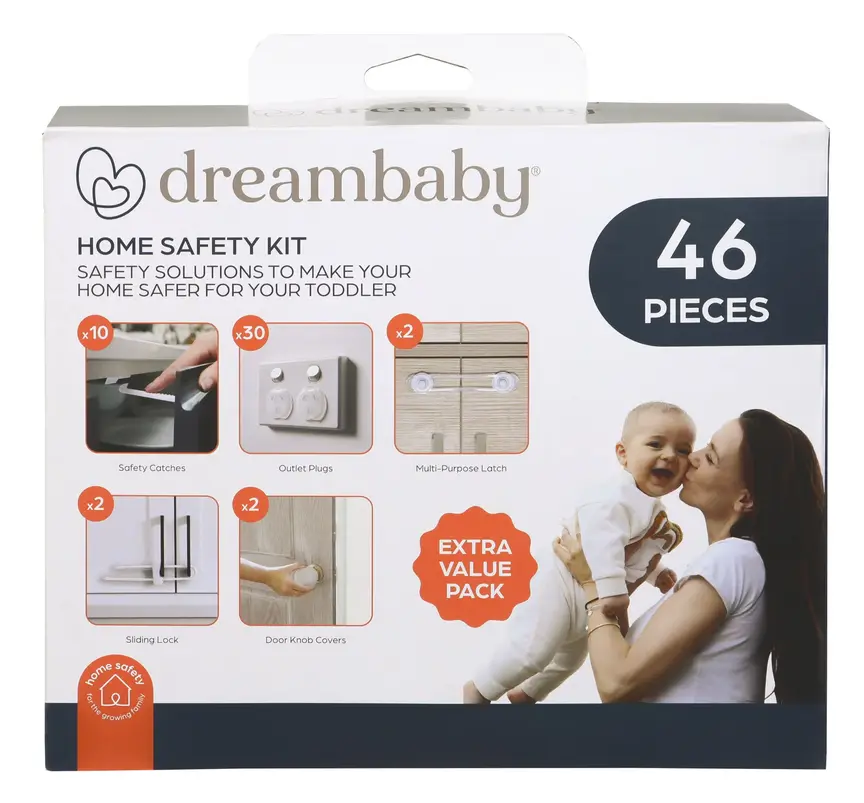
Dreambaby Home Safety Essentials Kit (46 pieces)
A 46-piece starter kit of latches, socket covers and corner guards for baby-proofing a home.


Frida Baby NoseFrida (with travel case)
A suction tube for clearing a blocked baby nose. A filter sits between the tube and your mouth.
Read our full review →
Perma Child Safety Easy Fit Timber Baby Gate
Wall-mounted safety gate
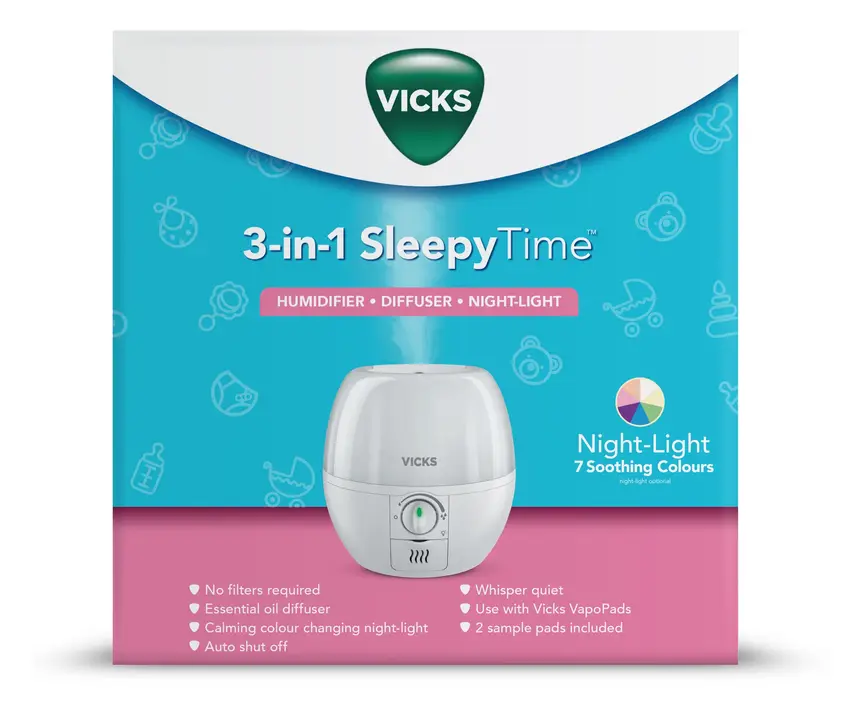

Vicks 3-in-1 SleepyTime Humidifier
A cool mist humidifier for small rooms. It runs up to 24 hours on low and turns off when empty.
Read our full review →Where to put the sensor in the nursery
Even a very accurate thermometer will show the wrong number if you put it in the wrong spot. Follow these simple rules:
- Match cot height: hot air rises and cool air sinks. Place the sensor at roughly the height of the cot mattress, not on a high shelf near the ceiling or down on the floor.
- Stay away from windows: glass gets hot in afternoon sun and cold at night. Keep the sensor off window sills.
- Avoid heaters and vents: do not place it above a heater, near a fan, or in the direct path of an air conditioner.
- Keep away from humidifiers: mist blowing onto a sensor can make the humidity reading spike and may damage the electronics.
- Never put it inside the cot: nothing loose belongs in the cot. Keep the device on a dresser or wall mount outside the cot.
Battery, cord and smart-device safety
A small gadget near a baby's sleep space brings three physical and digital risks you need to manage from day one.
Cord strangulation risk
Power cords and sensor wires can wrap around a baby's neck. The US Consumer Product Safety Commission and Red Nose Australia warn that babies and toddlers can reach cords through cot bars or pull devices down into the cot. Keep any corded thermometer, monitor or humidifier at least 1 metre (about 3 feet) away from the cot. Tuck extra cord length neatly behind furniture or inside a rigid cord cover screwed to the wall.
Button battery safety
If your thermometer uses a coin battery, check the battery door every time you dust or change batteries. If the door feels loose or cracked, stop using the device right away. Store spare batteries in a locked cupboard high up, and tape over flat batteries before putting them in recycling.
Wi-Fi and app privacy
Smart sensors and Wi-Fi baby monitors connect to your home network. Government cyber-security agencies—including the Australian Department of Home Affairs, the UK Government, and Get Cyber Safe in Canada—advise a few quick steps for any smart nursery gear:
- Change the default password as soon as you set up the device.
- Use a strong, unique password for both the app and your home Wi-Fi.
- Turn on two-factor sign-in if the app offers it.
- Install app and firmware updates when they arrive, as these fix security holes.
- Turn off remote internet viewing if you only need readings while you are at home.
How to dress your baby for different room temperatures
Once your thermometer gives you a reliable room reading, use it to pick your baby's sleep clothes. Keep in mind that every baby is slightly different. Always check the back of their neck or tummy after they have been asleep for a little while.
Many baby sleeping bags use a TOG rating. TOG stands for Thermal Overall Grade. It is just a simple number that tells you how warm the fabric is. A low TOG like 0.2 or 0.5 is thin and airy for hot rooms. A higher TOG like 2.5 or 3.5 is padded for cold rooms.
| Room feel | Rough temperature | Suggested sleep clothes | Sleeping bag TOG |
|---|---|---|---|
| Hot | 24°C and above | Nappy and a short-sleeve cotton singlet or bodysuit. | 0.2 to 0.5 TOG, or just a light cotton sheet tucked tightly below the chest if baby is not rolling (or a 0.2 TOG bag). |
| Warm | 21 to 23°C | Short-sleeve bodysuit or light cotton romper. | 0.5 to 1.0 TOG. |
| Mild / comfortable | 16 to 20°C | Long-sleeve cotton bodysuit plus a light cotton sleepsuit. | 1.0 to 2.5 TOG (check the brand's label guide). |
| Cool | Below 16°C | Singlet, long-sleeve cotton sleepsuit, and socks if feet are chilly. | 2.5 to 3.5 TOG. Keep the room comfortably heated if very cold, and never use hats or loose quilts. |
If you use a sheet or light blanket instead of a sleeping bag, tuck it firmly under the mattress so it cannot ride up over your baby's face. Lay your baby with their feet near the bottom end of the cot, so they cannot wriggle down under the covers. Once your baby starts rolling, a well-fitting sleeping bag with the arms out is safer than loose blankets.
What changes as your baby grows
Your thermometer stays useful for years, but the way you set up the room changes as your baby learns new skills.
Newborn to 3 months
Newborns cannot move away from a warm wall or kick off heavy layers. Check their neck or tummy at feeds. Keep the cot completely bare: firm flat mattress, fitted sheet, and your baby on their back. If you wrap (swaddle) your baby in thin cotton or muslin, dress them lightly underneath so they do not overheat inside the wrap.
3 to 6 months
Many babies start showing signs of rolling between 2 and 4 months. Stop swaddling with arms in as soon as your baby tries to roll. Move to a sleeping bag with both arms free. Also check that your thermometer is still well out of reach as your baby's arms grow longer.
6 to 12 months
Babies at this stage can sit up, lean over the cot rails and grab nearby objects. Move any thermometer, monitor or cord away from the cot edges. Check that bedside tables or shelves are not close enough for your baby to reach through the bars.
12 months and older
Toddlers can stand, climb and pull things off low furniture. Wall-mount sensors high up, or put them on a tall shelf that cannot be reached from the cot or bed. If your toddler moves into a toddler bed, check every cord and battery cover in the whole bedroom, because they can now walk around at night.
Common mistakes to avoid
- Putting a beanie or hat on for sleep: babies let out heat through their head. Hats indoors can make a baby overheat fast, and can slip over their face.
- Overheating the room in winter: setting a heater to 24°C and also dressing your baby in fleece pyjamas and a thick sleeping bag traps far too much heat.
- Checking only hands and feet: cool hands are normal for babies and do not mean they are cold.
- Trusting a monitor's built-in sensor blindly: cameras warm up and often read higher than the true room air.
- Leaving the sensor in direct sun or next to a vent: this gives false spikes or drops.
- Using loose blankets, doonas or cot bumpers: soft or loose bedding traps heat and blocks airflow around your baby's face.
- Covering a pram with a thick cloth in hot weather: even a thin cloth draped over a pram traps hot air inside and stops airflow. Use a clip-on shade or stay in natural shade instead.
- Placing the cot against a hot sunny wall or radiator: the wall itself radiates heat onto your baby even if the room air looks fine on a screen.
- Relying on a gadget instead of safe sleep rules: no smart sensor replaces back-to-sleep, a clear cot, and a smoke-free home.
More options, from budget to premium
Real products from our catalogue. We don't show star ratings or review counts; check the current price, stock and reviews on Amazon before you buy.
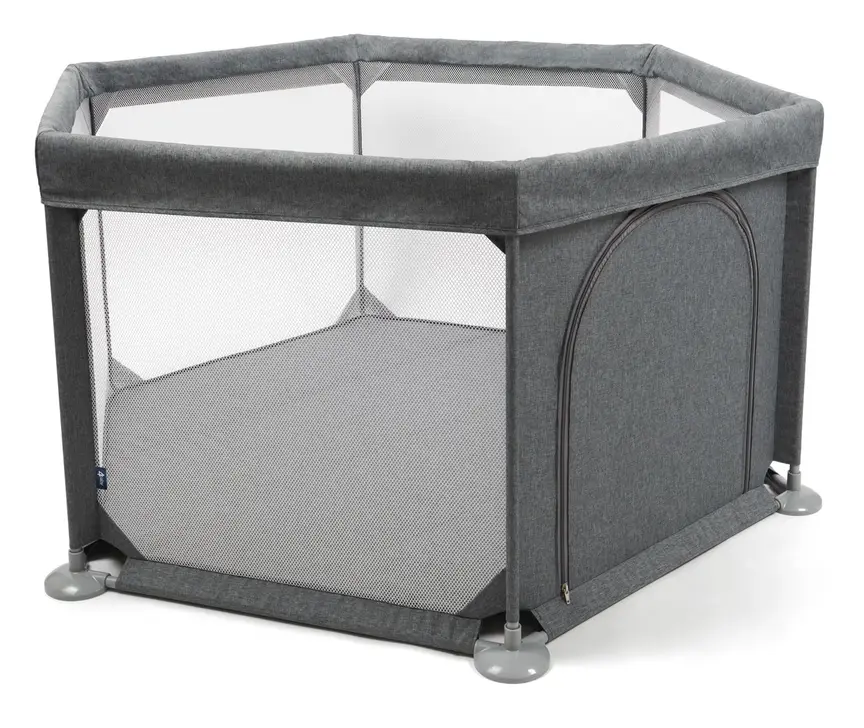
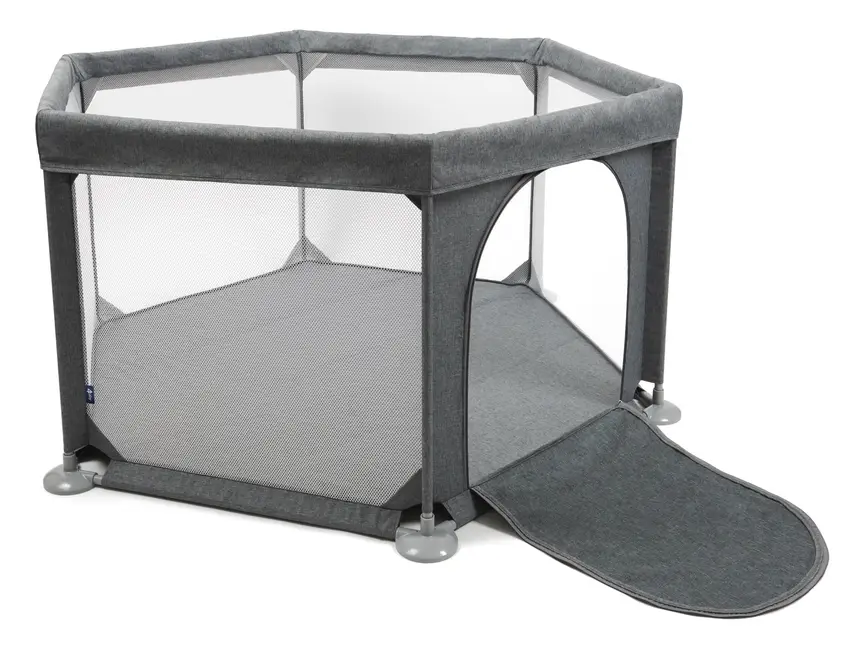
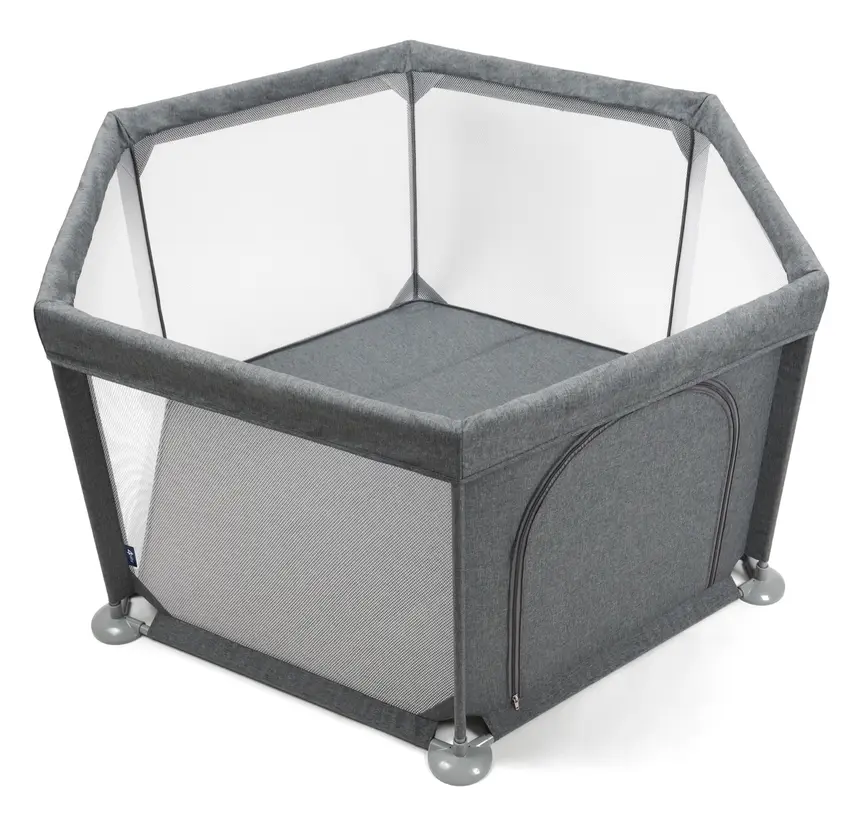
4baby Hex Playpen
A six-sided mesh playpen with a zip door. It packs into a carry bag.
Read our full review →
Cherub Baby 4-in-1 Ear and Forehead Thermometer
2-in-1 thermometer

Cherub Baby Ear & Forehead Thermometer
Reads the ear or forehead in about 1 second, with a colour fever light and a fever alarm.
Frequently asked questions
What is the safest room temperature for a sleeping baby?
In the UK, The Lullaby Trust and the NHS suggest about 16 to 20°C. In Australia, Red Nose does not set one fixed number and instead advises dressing your baby to suit the room. In the US and Canada, health bodies say to keep the room comfortable for a lightly dressed adult. In every country, the main goal is to avoid overheating and keep your baby's head uncovered.
Do I really need a smart Wi-Fi thermometer, or is a basic one enough?
A basic digital thermometer and hygrometer is enough for most families. It shows the room temperature and humidity clearly, needs no app, and has no Wi-Fi security risks. A smart model is helpful if you want phone alerts while you are in another room, or if you want to see how cold the room gets at 4 am.
Why does my baby monitor show a different temperature from my room thermometer?
Baby monitor cameras create their own warmth when switched on all night. Because the sensor sits inside or near the camera body, it often reads one or two degrees warmer than the air near the cot. Place a separate digital thermometer at cot-mattress height for a truer reading.
Can a room thermometer or smart sensor prevent SIDS?
No. Health bodies in Australia, the UK, the US and Canada agree that no consumer monitor or sensor can prevent SIDS. A thermometer is a helpful guide for choosing layers and managing the room. Safe sleep comes from putting your baby on their back, keeping the cot clear, avoiding overheating, and keeping the home smoke-free.
How should I cool a baby's room without air conditioning?
Close blinds and curtains during the hottest part of the day to block sun. Open windows on opposite sides of the house once the outside air cools down. Use a fan to move air around the room, but do not point it straight at your baby's face, and keep it out of reach. Dress your baby in just a nappy and a light singlet, and offer extra breastfeeds or formula feeds in hot weather to keep them hydrated.
Is a hygrometer necessary if my baby has a cold?
A hygrometer is not essential, but it helps you see if indoor heaters have made the air very dry or if a room is too damp. If the air is very dry and your baby sounds congested, a clean cool-mist humidifier placed away from the cot may help them feel more comfortable. Always clean the tank often so mould does not grow.
Should I wake my baby if the room gets warmer than 20°C?
Not always. Gently feel the back of your baby's neck or their tummy first. If their skin feels comfortable and dry, and they are dressed lightly with their face uncovered, you do not need to wake them. If they feel hot or sweaty, remove a layer quietly or cool the room down.
Sources
- Red Nose Australia – What is a safe sleeping environment
- Pregnancy, Birth and Baby – Babies in hot weather
- Product Safety Australia – Button batteries guide
- The Lullaby Trust – Room temperature
- NHS (UK) – Reduce the risk of sudden infant death syndrome
- American Academy of Pediatrics (US) – A parent's guide to safe sleep
- Caring for Kids (Canadian Paediatric Society) – Safe sleep for babies
- Get Cyber Safe (Government of Canada) – Cyber security tips for your baby gear
Related guides
More Health & Safety Gear →
Baby Bath Tubs with Thermometers and Newborn Slings: A Safe Bath Time Guide

Childproof Outlet Box Covers vs Sliding Outlet Plates: Keeping Nursery Plugs Safe
Battery Backup (UPS) for the Nursery: Keeping Baby Monitors, Sound Machines and Nebulisers Running in a Power Cut