












High Chair Posture: Footrests, the 90-90-90 Position and Safer Eating
A good high chair lets your baby sit upright with feet supported. Why footrests and the 90-90-90 position help, how to set one up and how to lower choking…

On this page
- Why posture matters for eating
- What "90-90-90" means
- Setting up a high chair for good posture
- Types of high chairs
- High chair safety: falls and tip-overs
- Lowering the risk of choking
- Good position vs poor position at a glance
- Starting solids: the basics
- When is my baby ready for a high chair?
- Cleaning without losing your settings
- Bringing your baby to the family table
- Babies who need extra support
- Eating away from home
- Standards by country
- How to choose a high chair for good posture: checklist
- Buying a second-hand high chair
- By age and stage
- Common mistakes
- FAQ
- Sources
Short answer: Babies eat best and most safely when they sit upright and steady. A high chair with an adjustable footrest helps your baby sit with their hips, knees and ankles bent at roughly right angles, often called the "90-90-90" position, with feet flat on a support. Feeding therapists use this idea because a stable body makes it easier to control chewing and swallowing. A footrest won't prevent choking on its own. Sitting upright, a snug 5-point harness, the right foods and an adult watching every mouthful matter most.
Key points
- Start solids when your baby is ready, at around 6 months. Health services in all four countries agree.
- Your baby should be able to sit up and hold their head steady before using a high chair. Health Canada says to use one only once your child can sit upright on their own.
- Product Safety Australia says the 5-point harness is the safest high chair restraint. Falls are the most common high chair injury.
- Adjust the footrest so feet rest flat, and the tray or table at about elbow height.
- Always sit with your baby while they eat. Choking is often silent.
- Learn baby first aid for choking before you start solids.
Why posture matters for eating
Eating is harder than it looks. Babies have to use their lips, tongue, jaw and throat together to move food around, chew and swallow. That's easier when the rest of the body is steady.
Think about trying to eat while sitting on a bar stool with your feet dangling and no back support. You'd spend effort just staying balanced. Babies are the same. If they slump to one side, slide down, or their legs hang free, they use their energy to stay upright instead of on eating. Slumping can also tip the head back or forward, which is not a good position for swallowing.
A well-fitted high chair gives:
- A firm back so the spine is upright, not reclined.
- Support at the sides so your baby doesn't lean.
- A footrest so feet are planted, which helps the trunk stay stable.
- A tray or table at the right height so your baby can reach food without stretching or hunching.
What "90-90-90" means
The "90-90-90" position is a simple guide used by many feeding therapists and occupational therapists:
- Hips at about 90 degrees: bottom right at the back of the seat, back upright.
- Knees at about 90 degrees: thighs flat on the seat, lower legs hanging straight down.
- Ankles at about 90 degrees: feet flat on a footrest.
It's a guide, not a rule. You don't need a protractor. Just look from the side: does your baby look like they're sitting in a small chair at a table, with their feet resting on something solid? If yes, you're close. Babies with health conditions that affect muscle tone may need a different set-up. Ask your child health nurse, doctor, speech pathologist or occupational therapist.
Setting up a high chair for good posture
- Seat upright. Use the most upright seat position for eating. Reclined positions are for younger babies resting, not for eating.
- Seat depth. Your baby's bottom should touch the back of the seat, with their knees just past the front edge. Some chairs have a seat pad or insert for small babies; use only those made for the chair.
- Footrest height. Raise or lower it until your baby's feet sit flat with knees bent at about a right angle. If the footrest only has a few settings, choose the one closest to flat feet.
- Tray height. The tray should be about level with your baby's elbows or just below, so they can rest their forearms and reach food.
- Harness. Fasten the waist strap, crotch strap and shoulder straps (5-point), snug but comfortable.
- Check from the side. Is the back straight? Are the feet flat? Can they reach the tray?
- Readjust often. Babies grow fast. Check the footrest and tray every few weeks.
Types of high chairs
| Type | Footrest | Posture support | Pros | Cons |
|---|---|---|---|---|
| Adjustable "grow with me" wooden chair | Adjustable height and depth | Very good once set up | Lasts years; sits at the family table | Needs adjusting; may need an infant insert |
| Classic high chair with tray | Often fixed or limited | Fair to good | Easy to clean; tray included | Footrest may be too low for small babies |
| Reclining multi-position chair | Varies | Good when upright | Height adjusts; folds | Bulky; must be upright for eating |
| Hook-on table chair | Usually none | Fair | Portable; saves space | Only on suitable tables; feet dangle |
| Dining booster seat | Rarely | Fair | Cheap; portable | For toddlers who sit well; feet often dangle |
If your chair has no footrest, or it's too low, a small, stable box or a footrest made for the chair can help. It must not slide, tip or let your baby push the chair over.
Highchairs & Booster Seats worth a look
Real products from our catalogue. We don't show star ratings or review counts; check the current price, stock and reviews on Amazon before you buy.
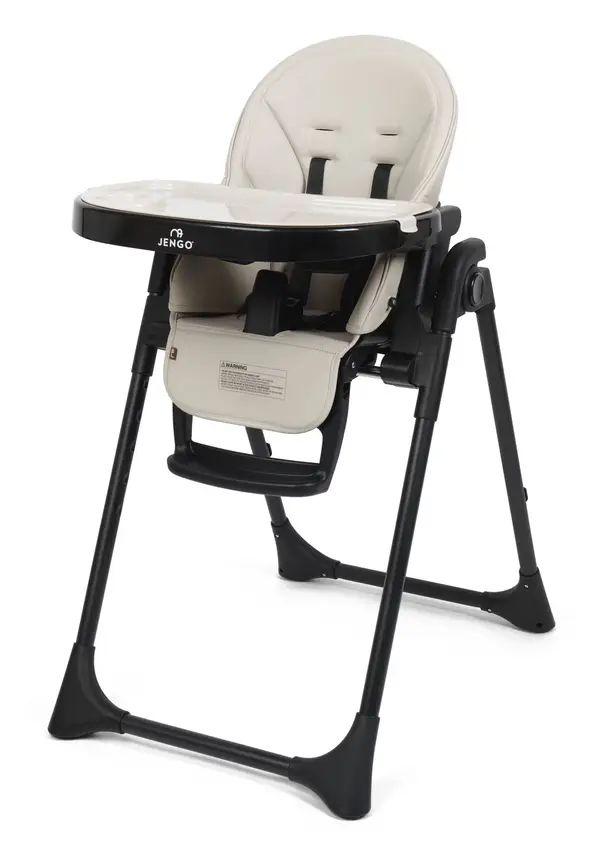
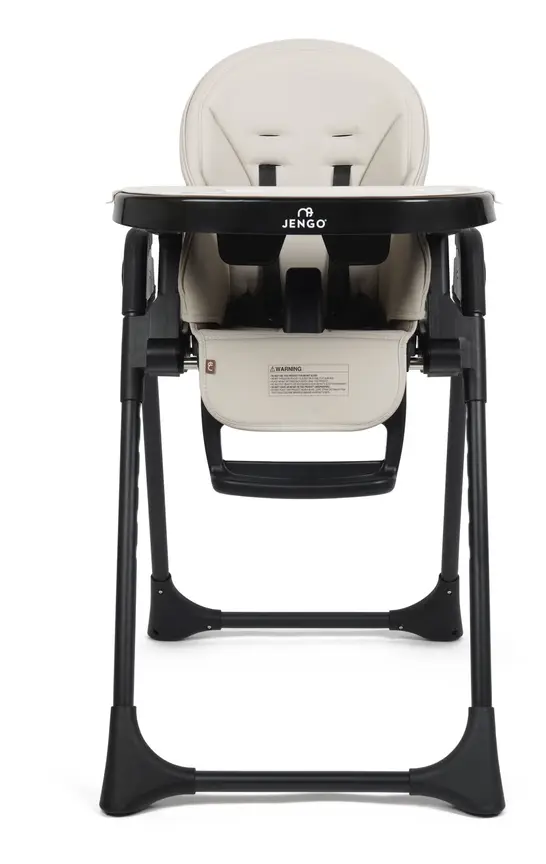

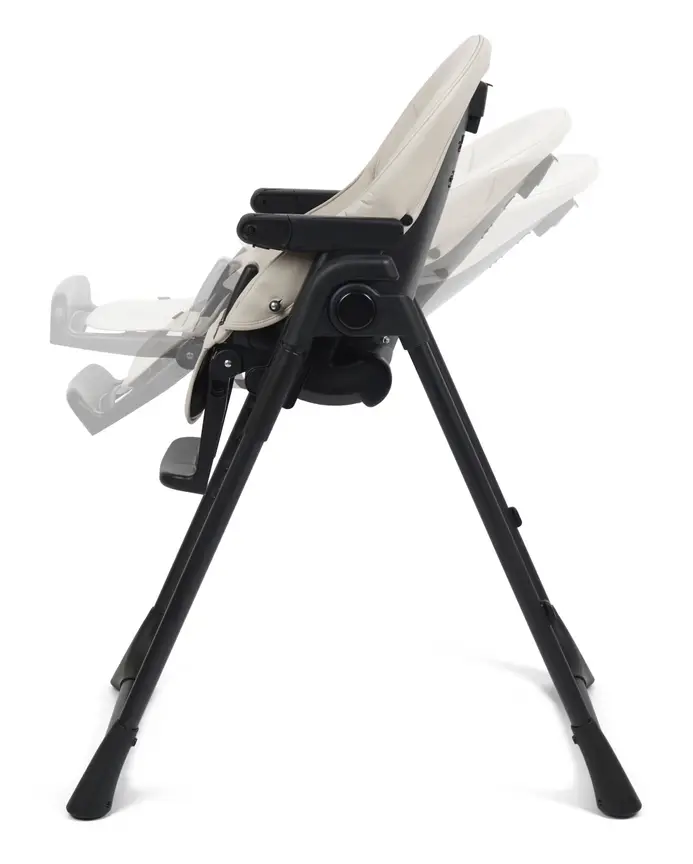
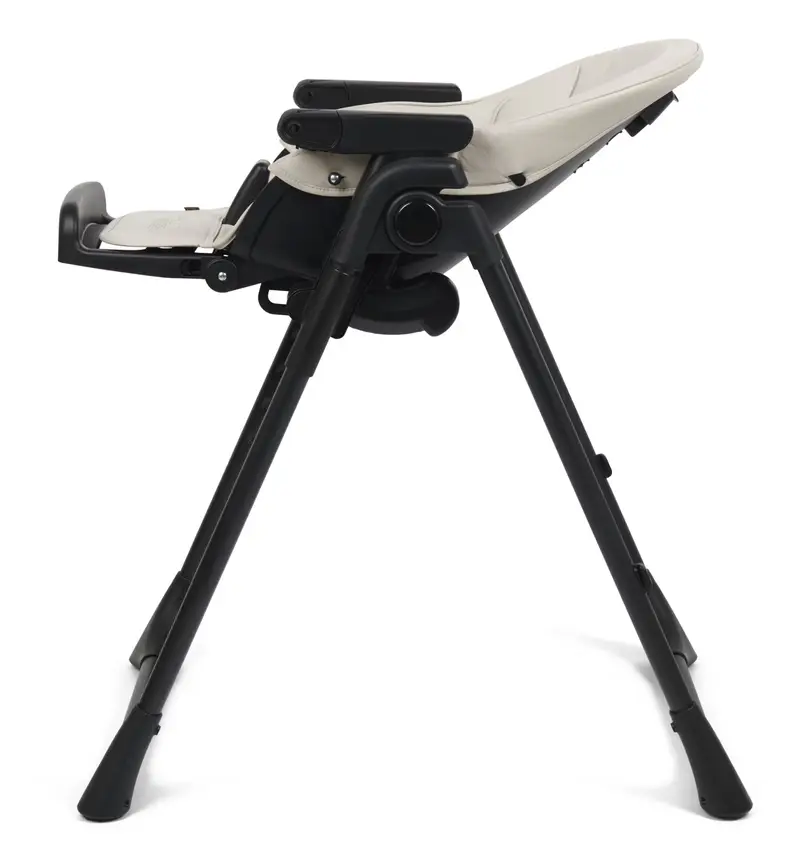
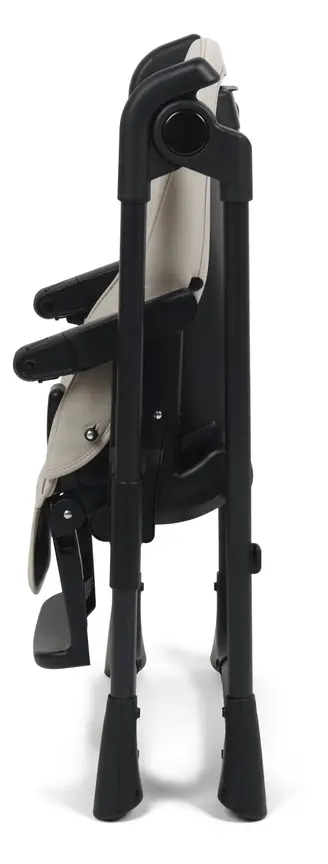
Jengo Nosh Highchair
A highchair from birth to toddler with 7 heights and 3 seat positions.
Read our full review →
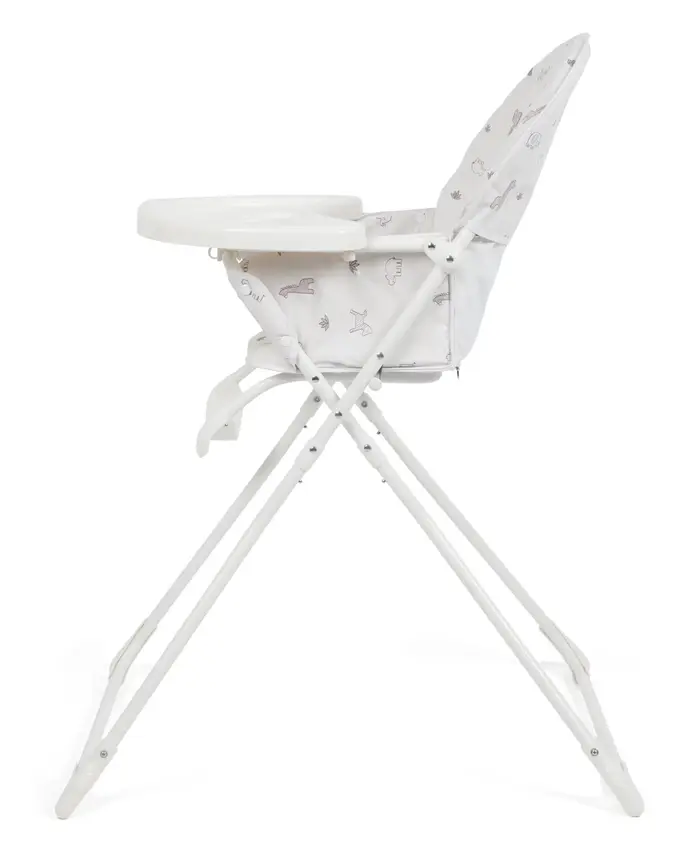
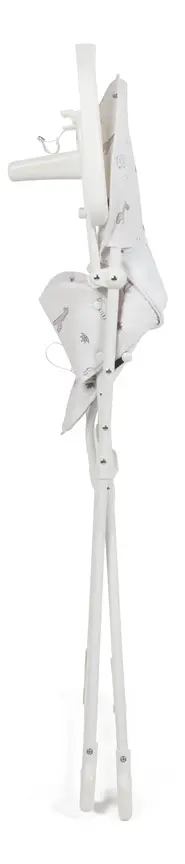
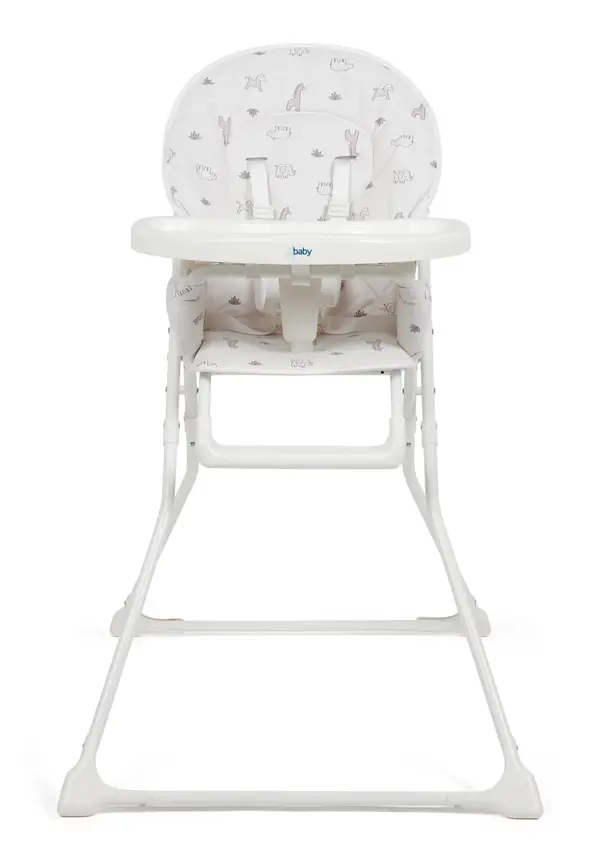
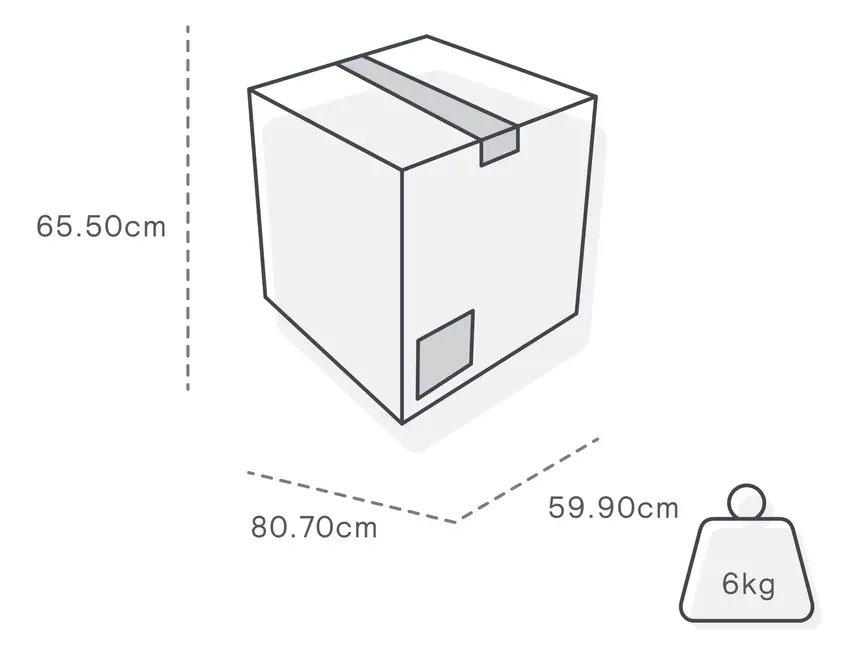
4baby Flat Fold Highchair
A very low-cost highchair that folds flat, with a wipe-clean seat.
Read our full review →

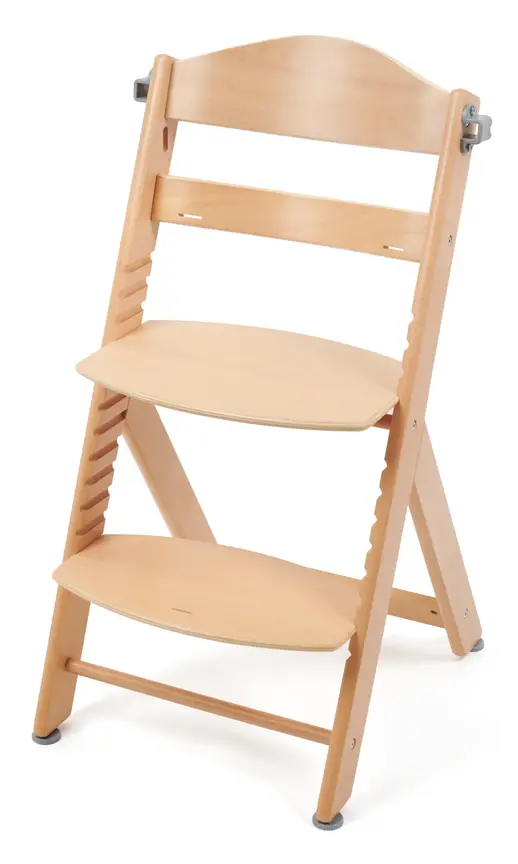
4baby Grow With Me Wooden Highchair
A low-cost wooden highchair that turns into a junior chair, with 4 seat heights and 8 footrest spots.
Read our full review →
Bugaboo Giraffe
Bugaboo's answer to the Tripp Trapp, with notably quick, tool-free height adjustment.
High chair safety: falls and tip-overs
Product Safety Australia says falls are the most common high chair injury, usually when children try to stand up or climb in or out. Health Canada gives similar advice. Key safety steps:
- Use the 5-point harness every time. The tray is not a restraint.
- Lift your child in and out. Don't let them climb.
- Never leave your child alone in the chair.
- Wide, stable base. Health Canada says a wide base improves stability.
- Away from walls and benches. Children can push off with their feet and tip the chair. Keep the chair a little away from tables, walls and cupboards.
- Away from hazards. Keep it clear of the stove, hot drinks, windows and cords.
- Locks on. Make sure folding locks are engaged and wheels are locked.
Note that a footrest can also be used by a toddler to push up and stand. A snug harness with shoulder straps is the answer, not removing the footrest.
Lowering the risk of choking
Gagging and choking are different. Gagging is noisy and common when babies learn to eat; it's a reflex that pushes food forward. Choking is when the airway is blocked, and it is often quiet. healthdirect explains the signs of choking and what to do.
- Sit upright. Always feed your baby sitting upright, never lying down or reclined.
- Stay with them. Watch your baby the whole time they're eating.
- Calm meals. No eating while walking, crawling, playing or in the car.
- Right textures. Pregnancy, Birth and Baby and other health services advise soft foods that can be squashed between your finger and thumb when starting out, and moving to different textures over time.
- Avoid high-risk foods for young children: whole nuts, hard raw vegetables and fruit pieces (such as raw carrot or apple chunks), popcorn and hard lollies. Cut round foods such as grapes and cherry tomatoes into quarters.
- Small amounts at a time. Let your baby finish one mouthful before the next.
- Learn first aid. A course that covers baby and child choking and CPR is one of the best things you can do.
Good position vs poor position at a glance
| Body part | Good position | Needs adjusting |
|---|---|---|
| Back | Upright against the seat back | Leaning back, slumped or leaning to one side |
| Hips | Bottom at the back of the seat | Sliding forward under the tray |
| Knees | Bent at about a right angle at the seat edge | Legs stuck straight out, or seat edge digging in behind the knees |
| Feet | Flat on the footrest | Dangling or tiptoeing |
| Arms | Forearms resting on the tray at elbow height | Shoulders hunched up, or reaching down |
| Head | Upright, chin level | Tipped back or dropping forward |
Starting solids: the basics
Health services in Australia, the UK, the US and Canada all recommend starting solid foods at around 6 months, when your baby shows signs of being ready, while continuing breast milk or formula. Pregnancy, Birth and Baby suggests starting with iron-rich foods and offering a range of textures. Allergy experts in Australia also advise introducing common allergy foods, such as well-cooked egg and smooth peanut butter, in the first year when your baby is ready, rather than delaying them. Some babies start with smooth purées, and some families use baby-led weaning with soft finger foods. Either way, a good sitting position and an adult watching every meal are the same.
When is my baby ready for a high chair?
Most babies are ready for solids around 6 months, and that's when most families start using a high chair. Signs of readiness include:
- sitting up with little or no support;
- good head and neck control;
- showing interest in food and opening their mouth when food comes near;
- no longer pushing food straight back out with their tongue.
If your baby still slumps in the chair, use a small insert made for that chair, or wait a little longer and keep checking.
Cleaning without losing your settings
High chairs get messy, and many parents take them apart to clean. If you remove the footrest or tray, take a photo or mark the setting first, so you put it back in the right place. Wipe the harness straps and buckles after meals, because food in buckles stops them clicking shut. Wash removable seat covers as the label says. Once a week, check that all screws are tight, the footrest is firmly locked in place, and the harness isn't frayed.
Bringing your baby to the family table
Many families like their baby to eat with everyone else. Babies learn by watching others eat, and shared meals are good for the whole family. An adjustable chair that pulls up to the table, or a high chair with the tray removed, lets your baby join in. Keep these points in mind:
- Keep the chair slightly away from the table edge so your child can't push off with their feet.
- Move hot drinks, hot dishes, knives and glassware out of reach.
- Offer your baby their own soft foods, rather than hard pieces from adult plates.
- Turn off screens at mealtimes so everyone, including the adults watching your baby, can focus on eating.
- Keep meals relaxed. Babies may eat very little at first; that's normal.
Side by side: more highchairs & booster seats to compare
Real products from our catalogue. We don't show star ratings or review counts; check the current price, stock and reviews on Amazon before you buy.
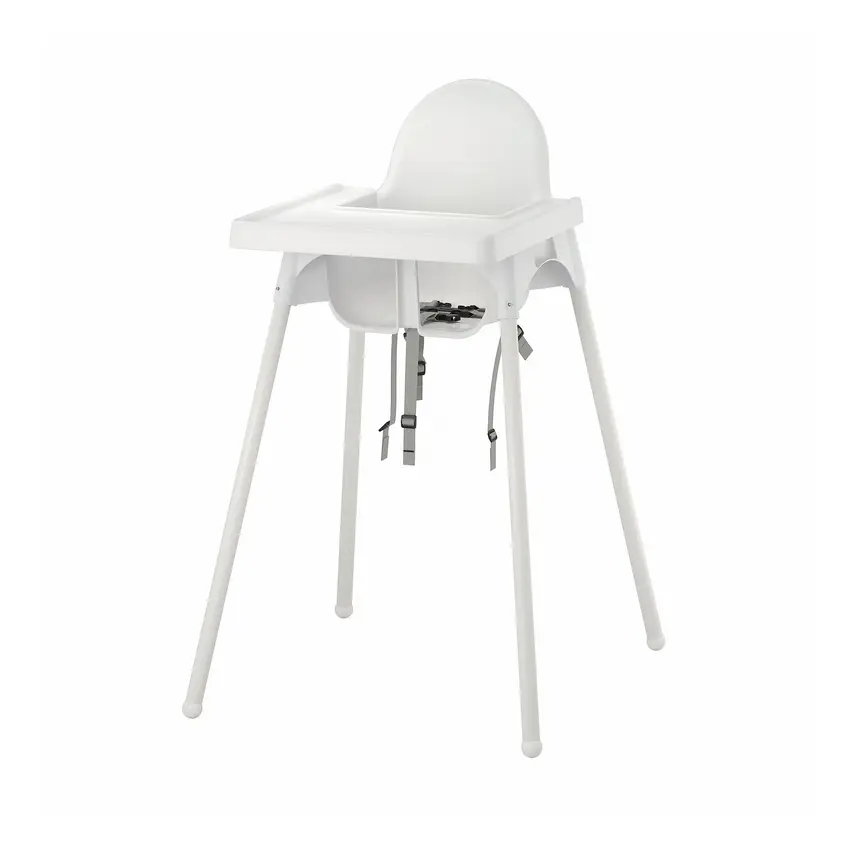
IKEA Antilop Highchair
The cheap, wipe-down classic many daycares use. No footrest, no adjustment — but almost nothing to clean.
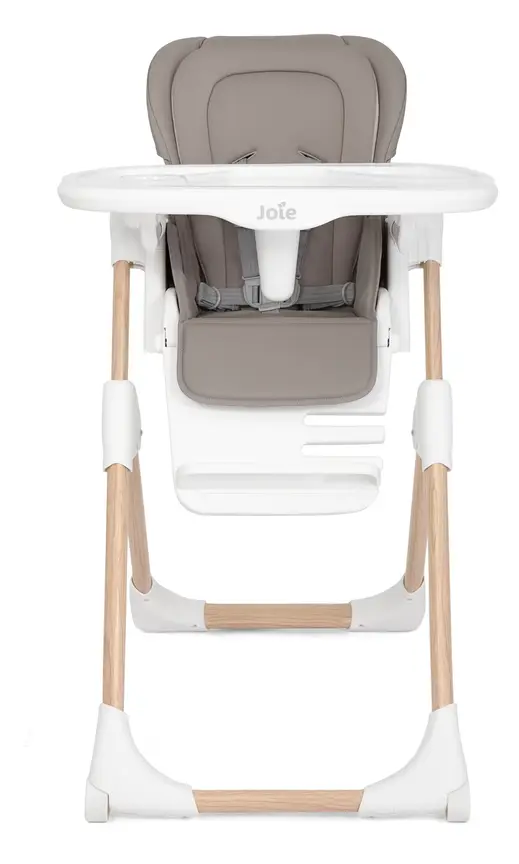

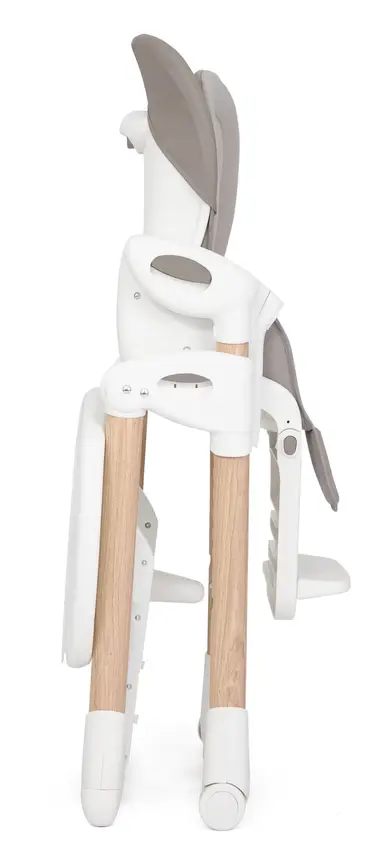
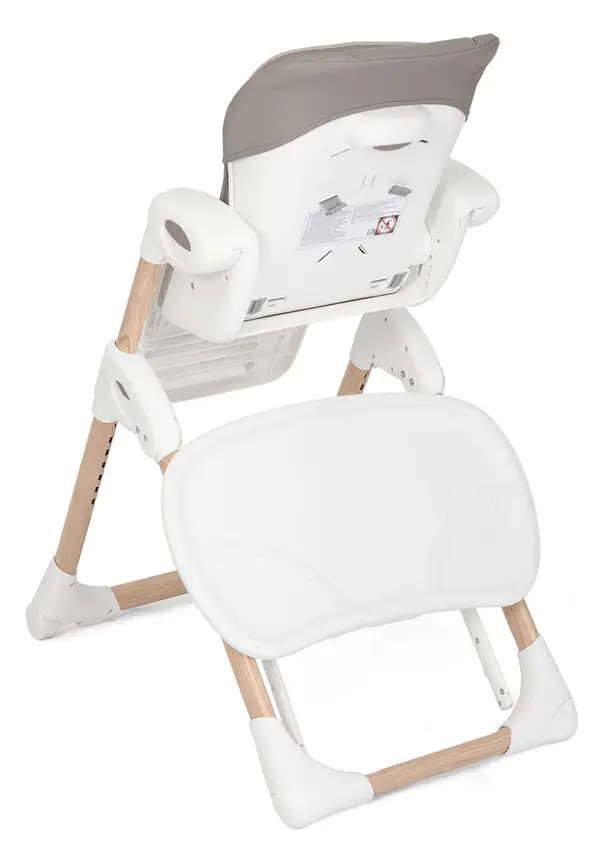
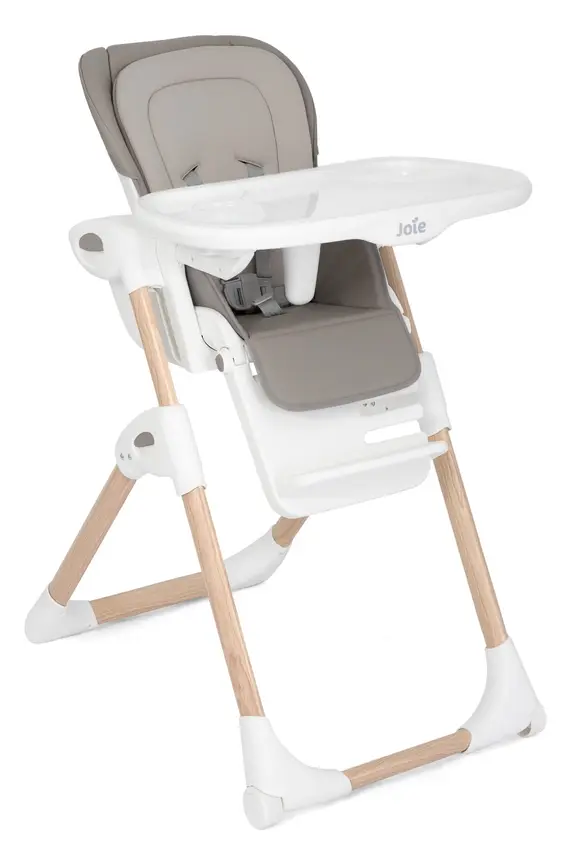
Joie Mimzy Recline 2.0
A highchair from newborn with 5 recline spots and 7 heights. It folds standing up.
Read our full review →
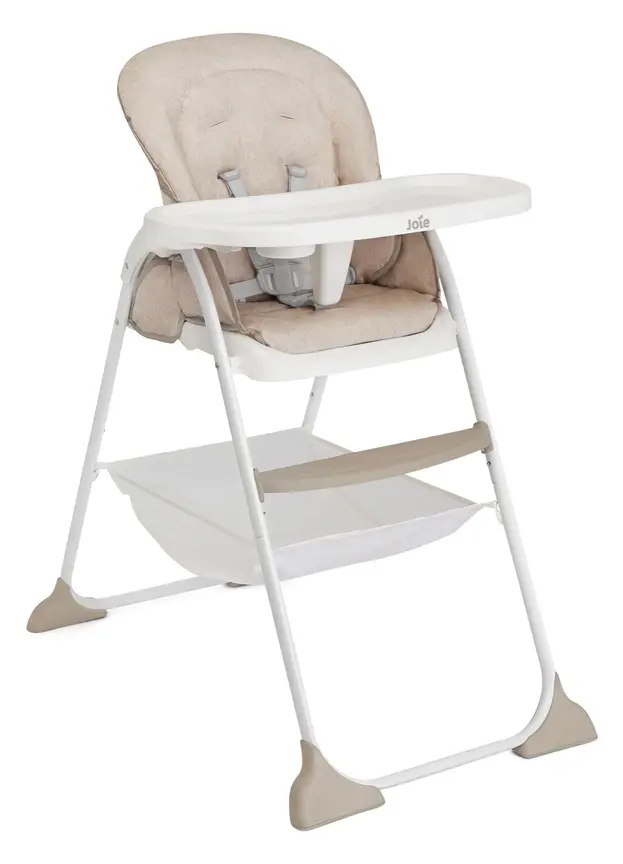
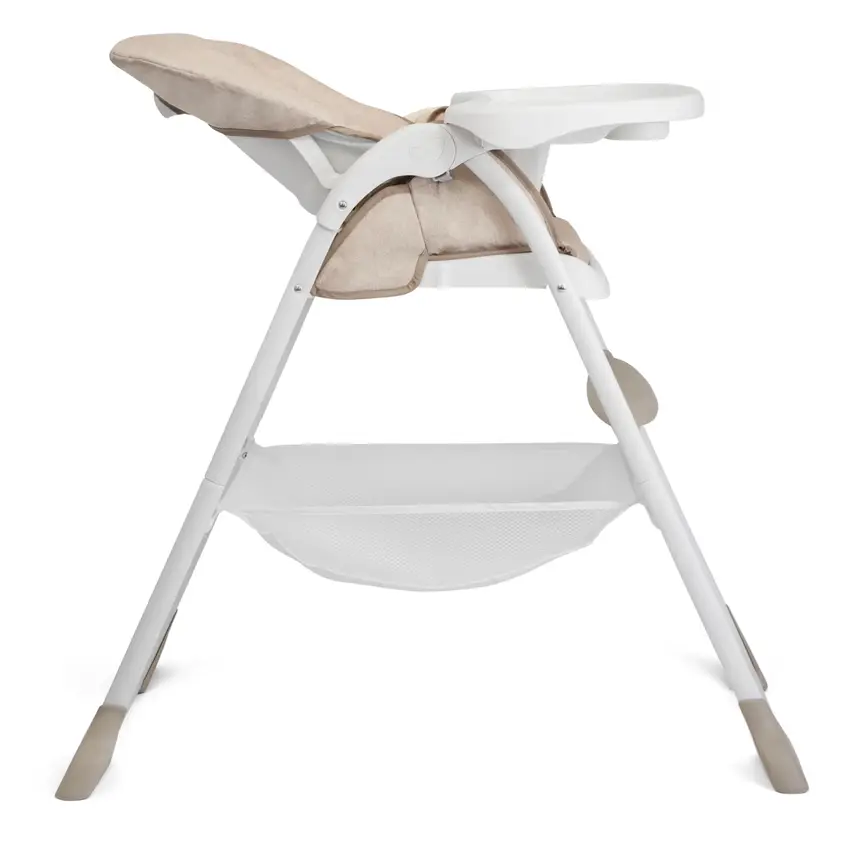

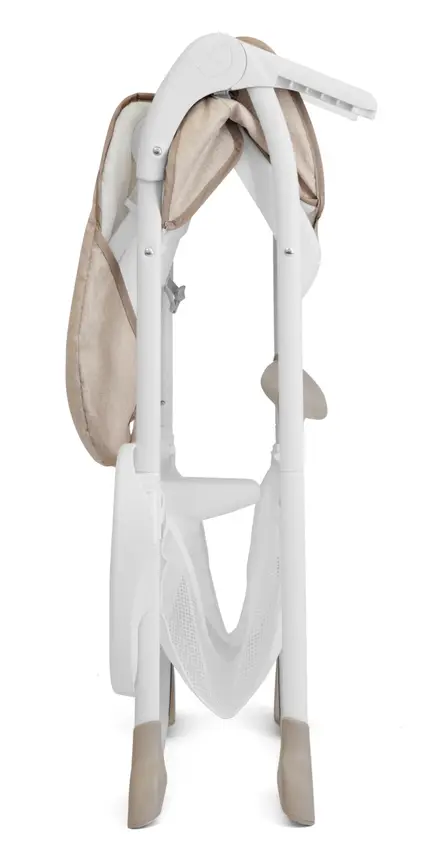
Joie Mimzy Snacker
A low-cost folding highchair from 6 months. It stands up when folded.
Read our full review →

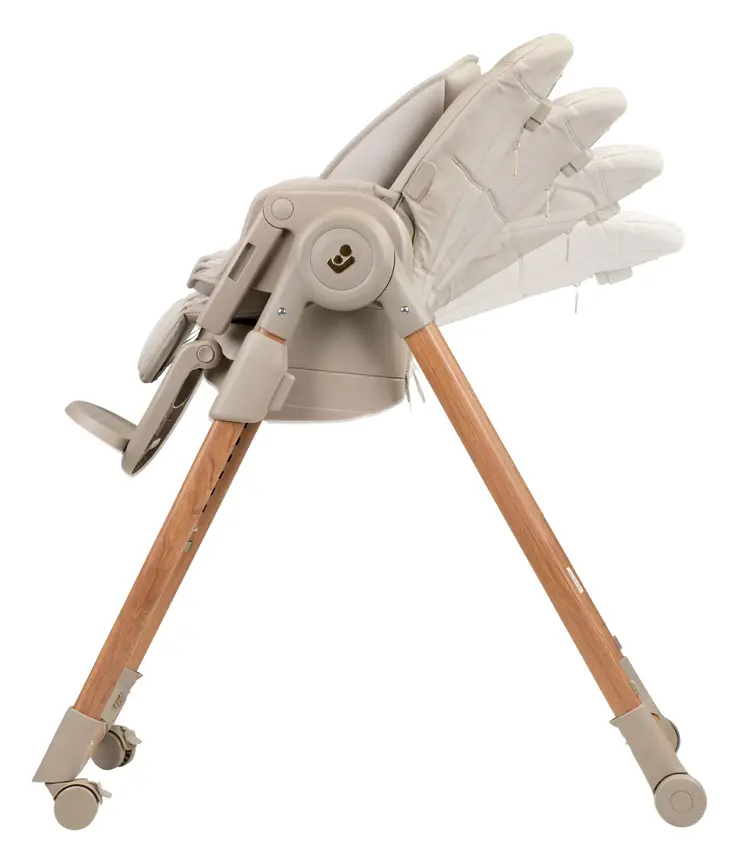
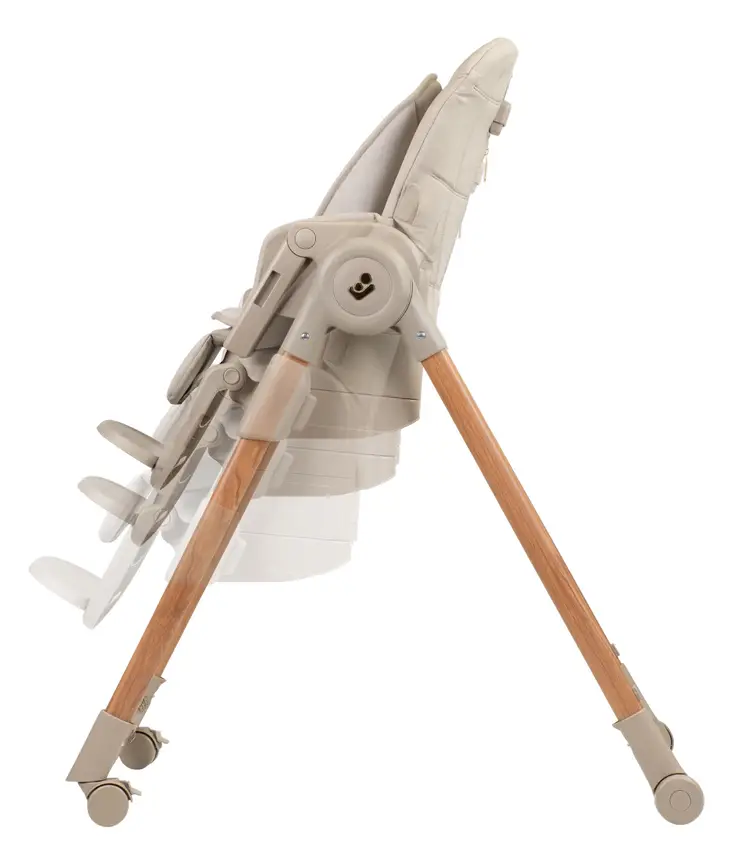

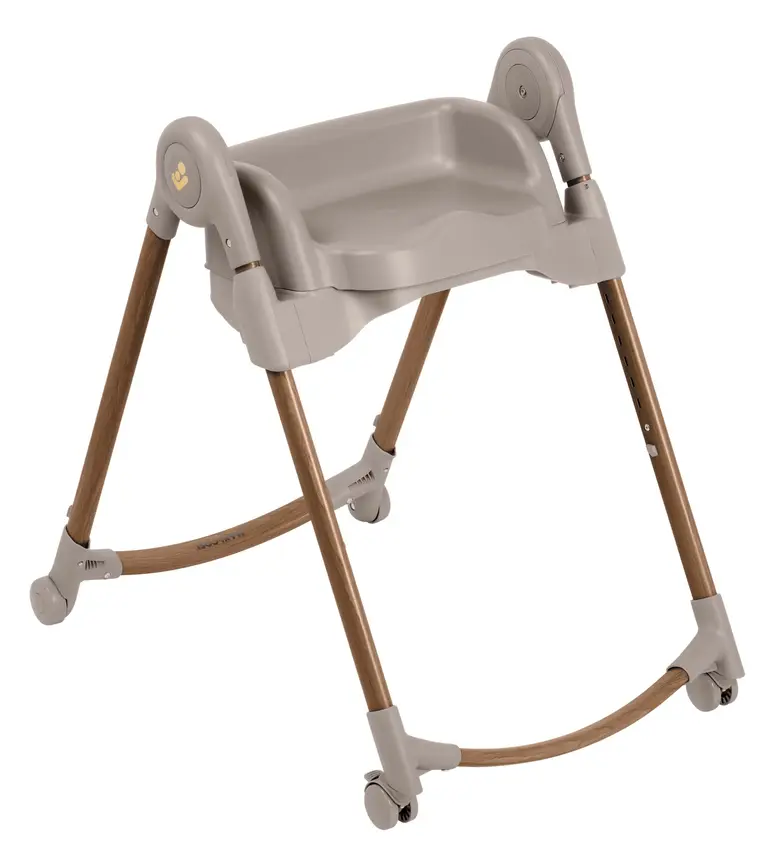

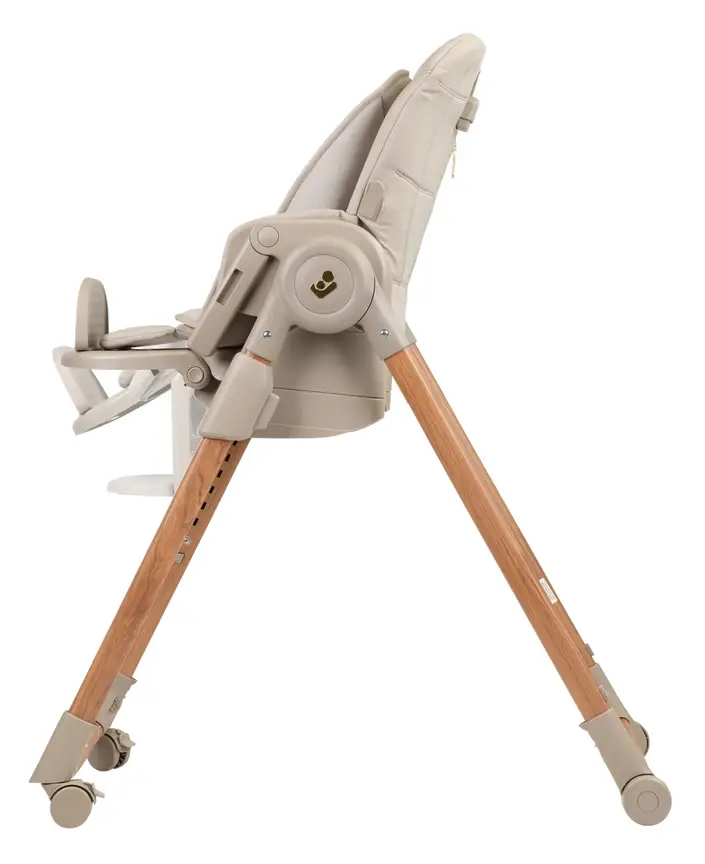
Maxi-Cosi Minla Plus
Lies flat from birth, then works as a highchair and booster, and later a kid chair.
Read our full review →Babies who need extra support
Some babies, such as those born early or with conditions that affect muscle tone, find sitting up harder. They may need extra side supports, a more supportive seat or a specialised feeding chair. Don't add pillows, rolled towels or cushions to a high chair yourself, as these can change how the harness fits and may let your baby slip. Ask your child health nurse, doctor, occupational therapist or speech pathologist for advice about seating that suits your baby.
Eating away from home
Restaurant high chairs vary a lot. Many have only a waist strap and no footrest. Check the chair is stable and clean, use whatever straps it has, and keep your hand nearby. A portable seat or booster with its own harness can be more reliable. At a friend's or grandparent's home, check the chair before your baby goes in: are the locks on, is the harness there, are the legs steady?
Standards by country
| Country | High chair rules |
|---|---|
| Australia | No mandatory standard; Product Safety Australia safety guide; voluntary standard AS 4684 |
| United Kingdom | General product safety law; the European standard BS EN 14988 for high chairs |
| United States | Mandatory CPSC high chair standard since 2019 |
| Canada | General product safety law; Health Canada high chair guidance |
How to choose a high chair for good posture: checklist
- Adjustable footrest (height, and ideally depth).
- Upright seat with a firm back.
- 5-point harness that's easy to tighten.
- Tray or table at elbow height, or a chair that fits your family table.
- Wide, stable base; locking wheels if it has wheels.
- Seat insert for small babies, made by the chair maker.
- Easy to clean, with few crevices.
- Meets your country's standard or a recognised standard; not on a recall list.
Buying a second-hand high chair
High chairs are often passed on between families. Product Safety Australia's high chair guide says to check that a second-hand chair hasn't been recalled, comes with its instructions, has all its parts in good working order, and has a proper harness. If the harness is missing, buy one made for the chair and attach it securely. Check that the footrest still locks firmly at each height, the tray clicks on and off properly, the legs and joints don't wobble, and there are no cracks in the plastic or splits in the timber. Search the brand and model on your country's recall site before you use it.
By age and stage
About 6 to 9 months
Babies are new to eating and to sitting. Use an insert if needed, a high footrest, and the 5-point harness. Meals are short and messy.
About 9 to 18 months
Babies feed themselves more, pick up small pieces and drink from a cup. Lower the footrest as legs grow. Watch for standing up in the chair.
18 months and up
Many toddlers move to the family table in an adjustable chair or a booster. Keep feet supported, and keep using a harness while your child might climb or stand.
More options, from budget to premium
Real products from our catalogue. We don't show star ratings or review counts; check the current price, stock and reviews on Amazon before you buy.

Mocka Original Highchair
Australian/NZ online brand's wooden adjustable chair — the Tripp Trapp idea at a fraction of the price, with simpler finishes.
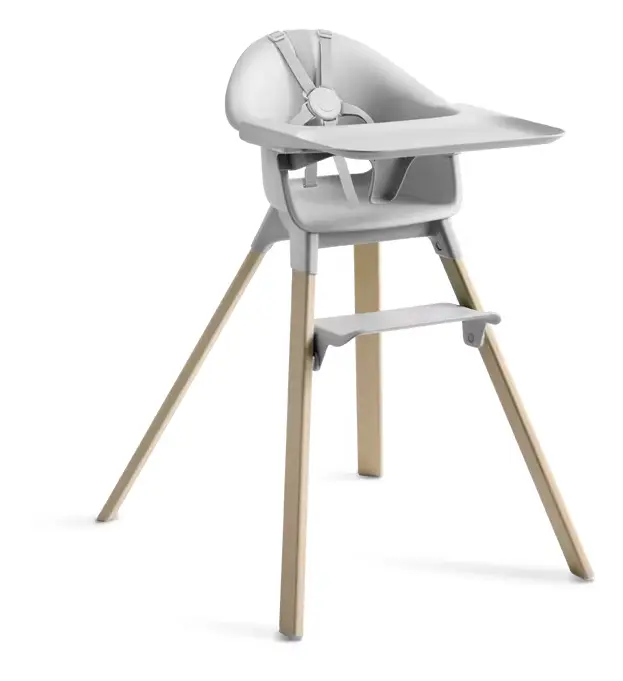
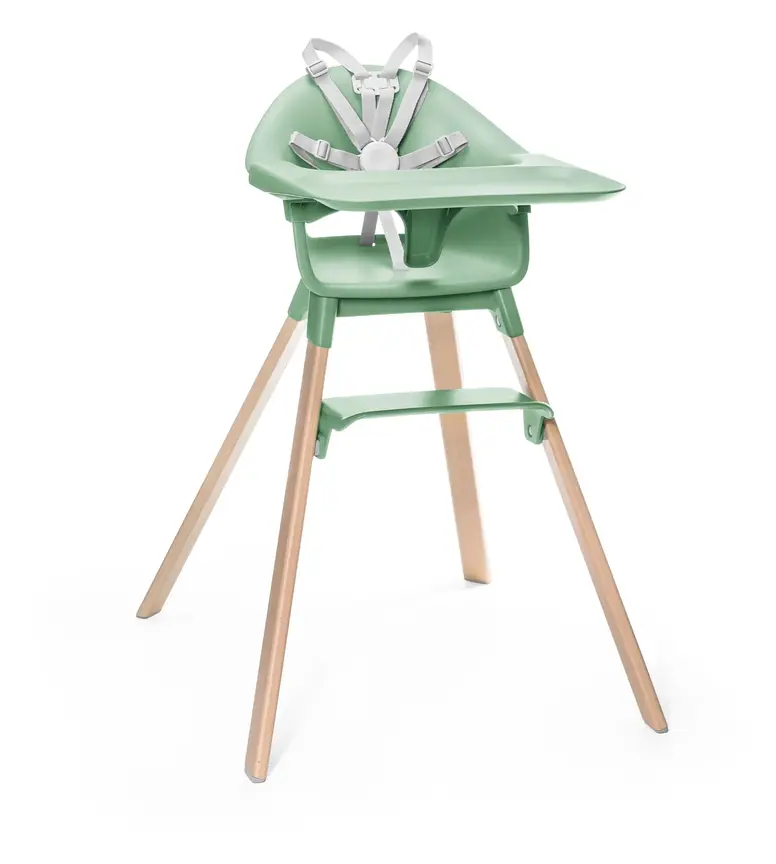
Stokke Clikk
Stokke's lighter, tool-free, fold-flat highchair with a built-in tray — the travel/rental-friendly sibling of the Tripp Trapp.
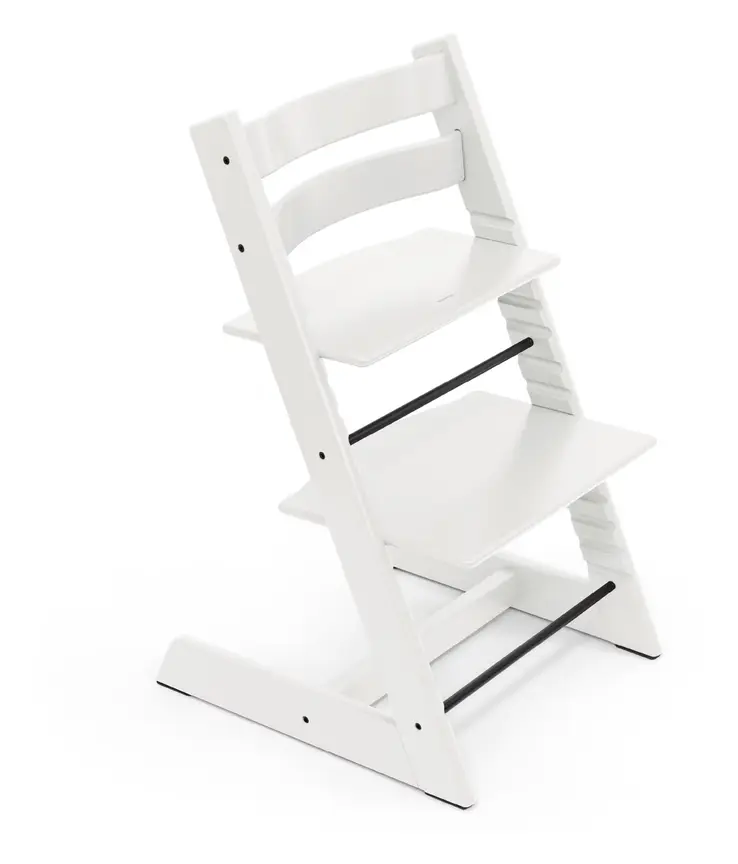


Stokke Tripp Trapp
The 1972 Peter Opsvik design: an adjustable beech chair that goes from newborn (with Newborn Set) to adult, pulled up to your own table.
Read our full review →Common mistakes
- Feeding in a reclined position.
- Leaving the footrest too low so feet dangle.
- Skipping the harness and relying on the tray.
- Pushing the chair right up against the table or wall.
- Walking away during meals.
- Offering hard, round or crunchy foods too early.
- Not adjusting the chair as your baby grows.
FAQ
Does my baby really need a footrest?
It's not essential for safety, but it helps many babies sit more steadily, which can make eating easier. Most adjustable chairs include one.
What is the 90-90-90 position?
Hips, knees and ankles each bent at about a right angle, with feet flat on a support. It's a simple guide for a stable sitting position.
Can good posture stop choking?
No single thing stops choking. Sitting upright helps, but you also need the right foods, a calm meal and an adult watching.
Can my baby eat in a bouncer or reclined seat?
No. Babies should always sit upright to eat.
Is a 3-point harness enough?
Product Safety Australia says the 5-point harness is the safest, because it stops children standing up or slipping down.
When should I stop using the high chair?
When your child can sit safely at the table in a booster or an adjustable chair, usually in the toddler years. Follow the chair's age and weight limits.
My baby keeps sliding down in the chair. What can I do?
Check the seat is fully upright, the crotch strap is fastened, and the harness is snug. A seat insert made for the chair can fill extra space. If the footrest is too low, raise it so your baby can push down through their feet.
How high should the tray be?
About level with your baby's elbows, or just below. Your baby should be able to rest their forearms on it without shrugging their shoulders.
Should my baby wear shoes in the high chair?
No need. Bare feet or socks are fine. What matters is that their feet can rest flat on the footrest.
Can I use the high chair for play time?
Short, supervised play at the tray is fine, but don't leave your baby in the chair for long periods or alone. When they're done, lift them out.
Can twins share one high chair set-up?
No. Each baby needs their own chair with its own harness and footrest set to their size. Place the chairs far enough apart that the babies can't push off each other or grab each other's food.
Sources
- Product Safety Australia – High chairs guide
- Health Canada – High chairs
- HealthLink BC (Canada) – Safe chairs for babies in the first year
- U.S. Consumer Product Safety Commission – New federal standard to improve safety of high chairs
- healthdirect – Choking
- Pregnancy, Birth and Baby – Introducing solid food
- ASCIA – How to introduce solid foods to babies for allergy prevention
- NHS – Baby and toddler safety
Related guides
More Feeding & Baby Food →
Ergonomic Wooden Highchairs with Adjustable Footrests: Posture and Safe Swallowing
High Chair Footrest Retrofits: How to Add Safe Foot Support

Shopping Cart and High Chair Covers: Safety, Comfort, and What to Check