Splat Mats for Under High Chairs: Washable Polyester vs. Wipe-Clean Silicone
Compare washable polyester and wipe-clean silicone splat mats for under high chairs. Plain-English guide to floor types, safety, sizing and easy cleaning.

On this page
- Key points
- What a highchair splat mat does
- Washable polyester vs. wipe-clean silicone: side-by-side
- How to choose the right mat for your floor
- Size, shape and non-slip backing
- Materials and chemical safety
- Safety rules in Australia, the UK, the US and Canada
- Splat mats by age and feeding stage
- How to clean and care for your splat mat
- Common mistakes parents make
- Frequently asked questions
- Sources
Short answer: A splat mat sits under a highchair to catch dropped food and spilled drinks. Washable polyester mats are light, fold small, and work best on hard floors or travel. Wipe-clean silicone mats stay flat, grip hard floors well, and wipe clean in seconds. On thick carpet, neither soft mat stays completely flat, so a firm mat or easy-clean rug works better.
This guide uses plain, practical advice that applies in Australia, the UK, the US and Canada.
Key points
- What it does: It protects timber, tiles, grout and carpet from food stains and water damage.
- Polyester mats: Light, machine washable, and easy to fold into a nappy bag.
- Silicone mats: Heavy, flat, and easy to wipe after every meal, with no laundry needed.
- Floor grip: Silicone grips hard floors best. Polyester needs a dotted non-slip underside.
- Safety first: Never put a thick or squishy mat under a highchair if it makes the chair wobble.
- Materials: Look for mats free from PVC, phthalates and PFAS stain coatings.
What a highchair splat mat does
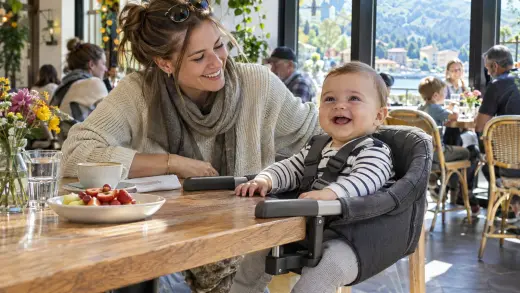
Babies are messy eaters. When babies start solid food around 6 months, they are still learning how to move food to their mouths. They squish food, drop spoons, and tip cups over.
Between 8 and 12 months, many babies drop food on purpose. They are learning about gravity and watching how you react. This is normal, even when it feels frustrating.
All that dropped food lands on your floor. Yoghurt, berries, pasta sauce and water can stain rugs or soak into timber floorboards. Food also gets stuck in tile grout.
A splat mat sits right under the highchair legs. It catches the mess before it hits your floor. After the meal, you shake the crumbs into the bin and wipe or wash the mat.
Other ways families use a splat mat
A good splat mat stays useful long after the highchair stage ends.
- Messy play: Put it under a toddler table for painting, glue or playdough.
- Picnics and travel: Fold a polyester mat into your bag for parks or relatives' homes.
- Potty training: Place it under a potty chair on carpet to catch spills.
- Pet feeding: Some families reuse an old silicone mat under dog or cat bowls.
Highchairs & Booster Seats worth a look
Real products from our catalogue. We don't show star ratings or review counts; check the current price, stock and reviews on Amazon before you buy.

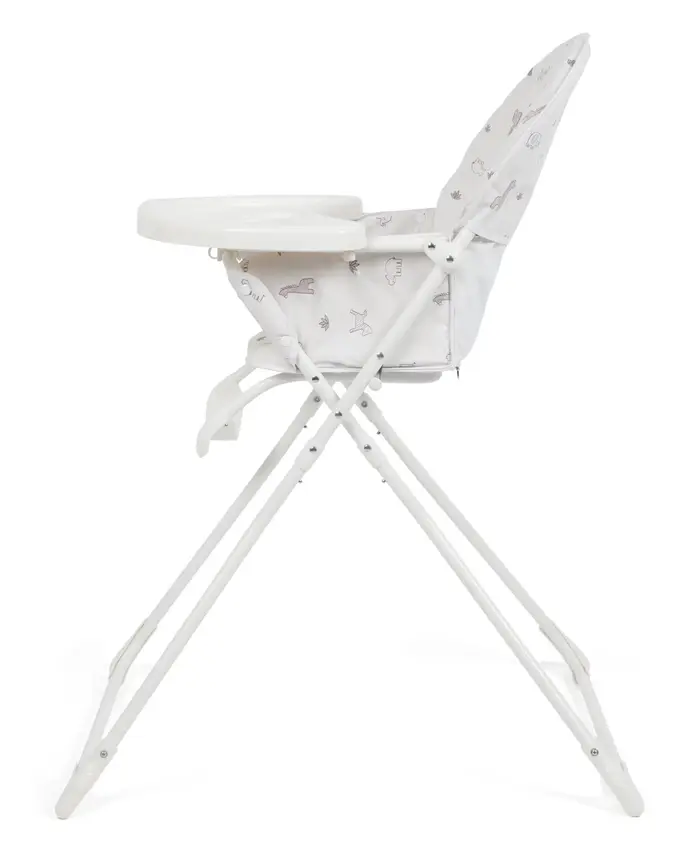
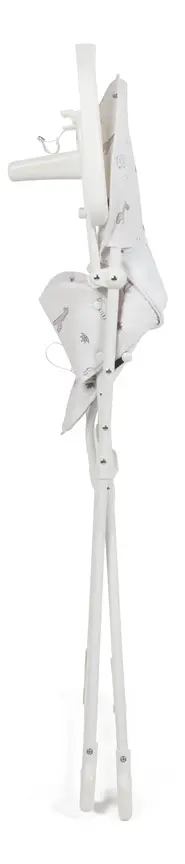
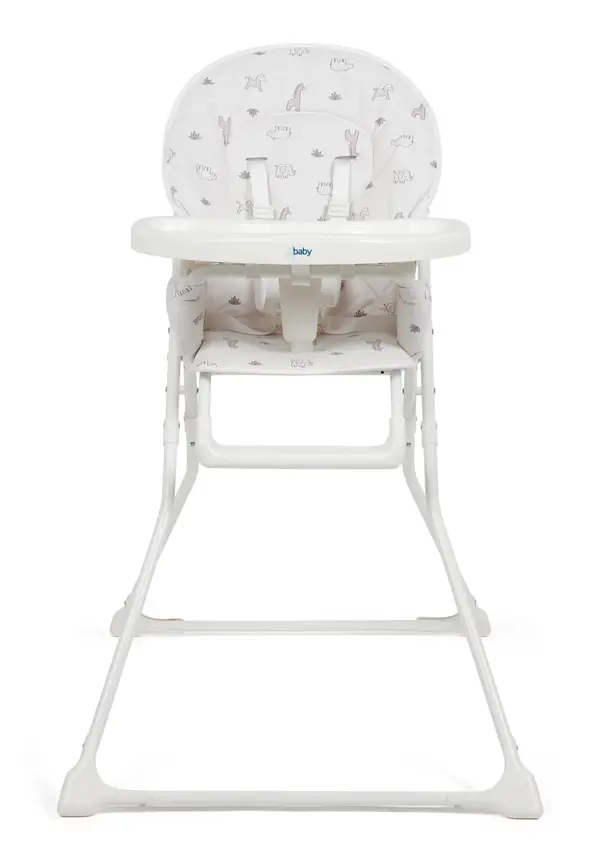
4baby Flat Fold Highchair
A very low-cost highchair that folds flat, with a wipe-clean seat.
Read our full review →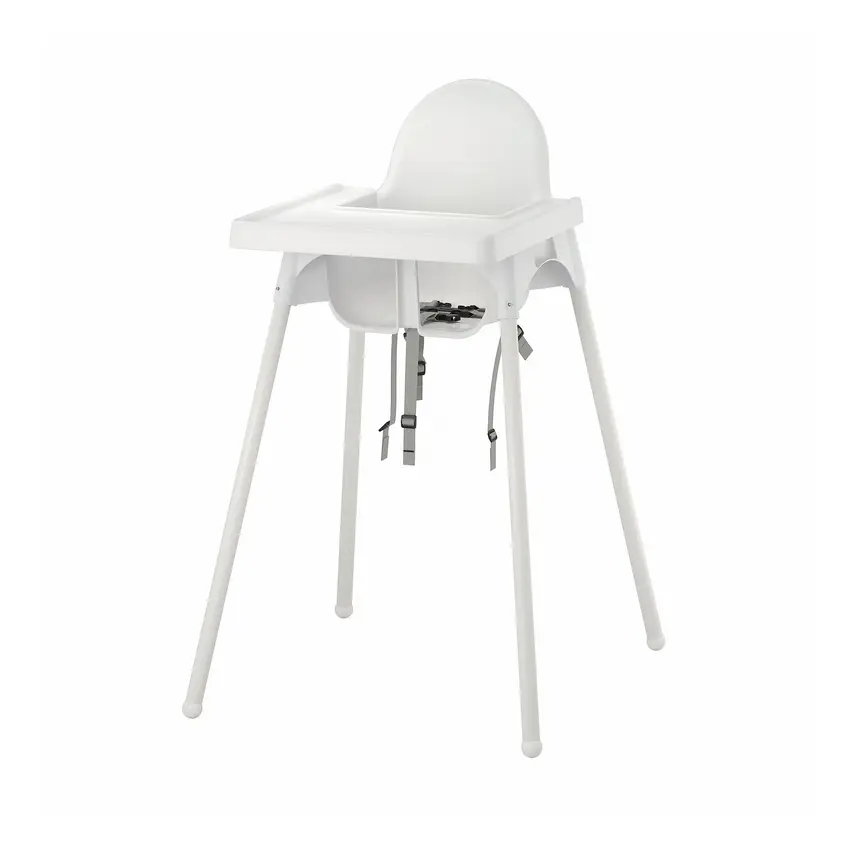
IKEA Antilop Highchair
The cheap, wipe-down classic many daycares use. No footrest, no adjustment — but almost nothing to clean.


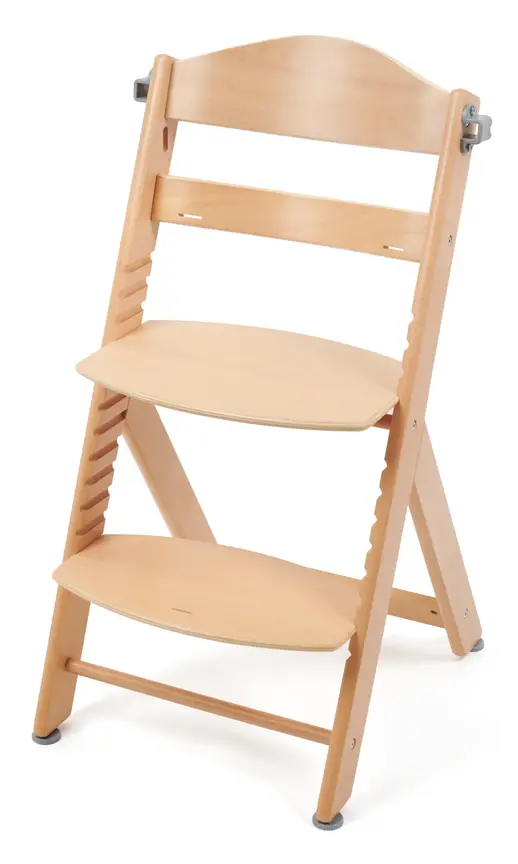
4baby Grow With Me Wooden Highchair
A low-cost wooden highchair that turns into a junior chair, with 4 seat heights and 8 footrest spots.
Read our full review →
Bugaboo Giraffe
Bugaboo's answer to the Tripp Trapp, with notably quick, tool-free height adjustment.
Washable polyester vs. wipe-clean silicone: side-by-side
Most highchair splat mats are made from either waterproof polyester fabric or flexible silicone. Each material suits a different home routine.
Washable polyester splat mats
Polyester splat mats feel like a thick, coated tablecloth or picnic rug. They usually have a smooth top layer and a waterproof backing like TPU or PUL. Many also have tiny rubber dots on the bottom to stop sliding.
Their biggest strength is convenience for laundry-friendly homes. You can shake crumbs outside, rinse off sauce, and put the mat in the washing machine. Because they are light and thin, they fold up small for travel or dining out.
The downside is bunching. If a highchair has heavy legs or you drag the chair across the mat, thin fabric can crease. Crumbs can also roll off the flat edges if there is no raised lip.
Wipe-clean silicone splat mats
Silicone splat mats are heavier, thicker sheets of food-grade silicone. Many have a slightly raised rim around the edge to hold spilled milk or soup.
Their biggest strength is speed. You do not need to wait for laundry day. You wipe the mat with warm soapy water and a cloth right after dinner. Silicone clings naturally to timber, tiles and vinyl, so it rarely slides around.
The downside is bulk and weight. A large silicone mat is heavier to lift and shake over a bin. It does not fold into a pocket-sized pouch, though you can roll it up. On soft carpet, a heavy silicone mat can still bend under chair legs.
| Feature | Washable polyester mat | Wipe-clean silicone mat |
|---|---|---|
| Feel and thickness | Thin, soft fabric with waterproof backing | Thick, rubbery sheet, often with a raised lip |
| Quick clean after meals | Shake off and wipe with a damp cloth | Wipe with soapy cloth or rinse in the sink |
| Deep cleaning | Machine wash on gentle cycle, line dry | Wash by hand in sink or bath |
| Grip on hard floors | Needs non-slip dots; edges can still curl | Clings well to timber, tiles and vinyl |
| Use on low carpet | Can bunch when chair legs move | Stays flatter, though chair legs still press in |
| Folding and storage | Folds flat into a drawer or nappy bag | Rolls up; takes more cupboard space |
| Stains and smells | Can hold food smells if left damp | Resists smells; tomato sauce can tint pale colours |
| Travel use | Easy to pack for cafes and holidays | Too heavy and bulky for most day bags |
How to choose the right mat for your floor
Your floor type matters more than the pattern on the mat. A mat that works great in a tiled kitchen might slide or bunch in a carpeted dining room.
Hardwood, laminate and vinyl floors
Hardwood and laminate floors can swell or warp if wet food and milk sit on them. A waterproof mat protects the finish from scratches and spills.
On smooth hard floors, silicone mats grip best. They lie flat and do not slide when you pull the highchair out. If you pick polyester, check that the underside has plenty of silicone grip dots. Also check that the waterproof backing is sealed so moisture does not seep through to the wood.
Never leave a wet mat sitting on timber for days. Trapped water under any mat can leave cloudy marks on wood polish.
Tiles and grout
Tiles are easy to wipe, but grout lines trap yoghurt, porridge and mashed banana. A splat mat covers the grout so you do not have to scrub it with a brush every night.
Both polyester and silicone work well on tiles. Silicone is especially good if your toddler throws full cups of water, because a raised edge keeps liquid from running into the grout.
Carpet and rugs
Carpet is the hardest surface for a highchair. Soft polyester mats bunch up easily when chair legs sink into the pile. Even silicone mats can flex and wrinkle on plush carpet.
If your dining area is carpeted, look for a wider, firmer mat. Some parents use a rigid plastic chair mat (like an office floor protector) with a thin washable mat on top. Another option is moving the highchair onto hard flooring for messy meals if your home layout allows it.
Size, shape and non-slip backing
Many parents buy a mat that looks big in photos, only to find it barely fits the highchair legs.
Before you buy, measure your highchair's footprint. Measure from the outside of the front legs to the outside of the back legs. Then add at least 30 centimetres on the front and both sides. Babies throw food sideways and forward, not straight down.
Round, square and rectangular mats all work. Here is how to pick:
- Square or rectangular mats: Best for corners or pushing a highchair close to the family dining table.
- Round mats: Good for open spaces and tripod-style highchairs with wide-splayed legs.
- Large rectangular mats: Helpful if you have twins or two young children eating side by side.
Look closely at the backing. A good polyester mat has raised grip dots across the whole underside, not just in the corners. A silicone mat should have a matte, slightly tacky underside that hugs the floor without leaving sticky marks.
Materials and chemical safety
Babies touch everything, and dropped food often ends up back in their mouths. That means the material on your floor should be safe for food contact and skin contact.
Coatings to look for and avoid
Waterproof polyester mats get their water resistance from a thin backing or coating. Look for TPU (thermoplastic polyurethane) or PUL (polyurethane laminate). These are flexible, waterproof and do not rely on harmful softeners.
Try to avoid cheap PVC (vinyl) mats unless the maker clearly states they are free from phthalates. Phthalates are chemicals used to make hard plastic soft. The U.S. Consumer Product Safety Commission (CPSC) restricts several phthalates in children's toys and child care articles because they can harm health.
Also watch out for stain-resistant fabric treatments. Some stain-repellent sprays use PFAS, a group of man-made chemicals that stay in the environment for a long time. Look for mats labelled PFAS-free, or choose plain silicone.
Checking silicone quality
Real food-grade silicone does not have a strong chemical smell. It feels smooth and springs back when you twist it.
You can do a simple pinch test when the mat arrives. Pinch and twist a small corner of the silicone. If the crease turns bright white, the mat likely contains cheap plastic fillers. Pure silicone stays the same colour when twisted.
Trip and choking hazards
Check the edges of any floor mat before you use it. Curled corners can trip adults carrying hot food or a baby.
If a polyester mat starts to fray or peel at the seams, trim loose threads or replace the mat. Babies who crawl near the highchair may pull at peeling plastic backing and put bits in their mouth.
Side by side: more highchairs & booster seats to compare
Real products from our catalogue. We don't show star ratings or review counts; check the current price, stock and reviews on Amazon before you buy.
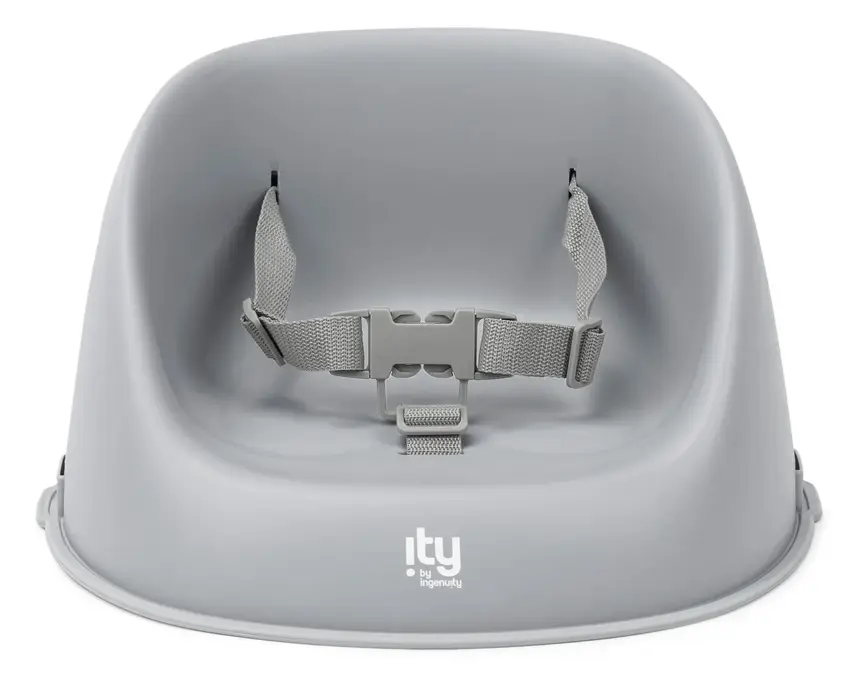
Ingenuity My Spot Easy-Clean Booster Seat
Booster seat for table

Ingenuity SmartClean Toddler Booster Seat
Booster seat for table
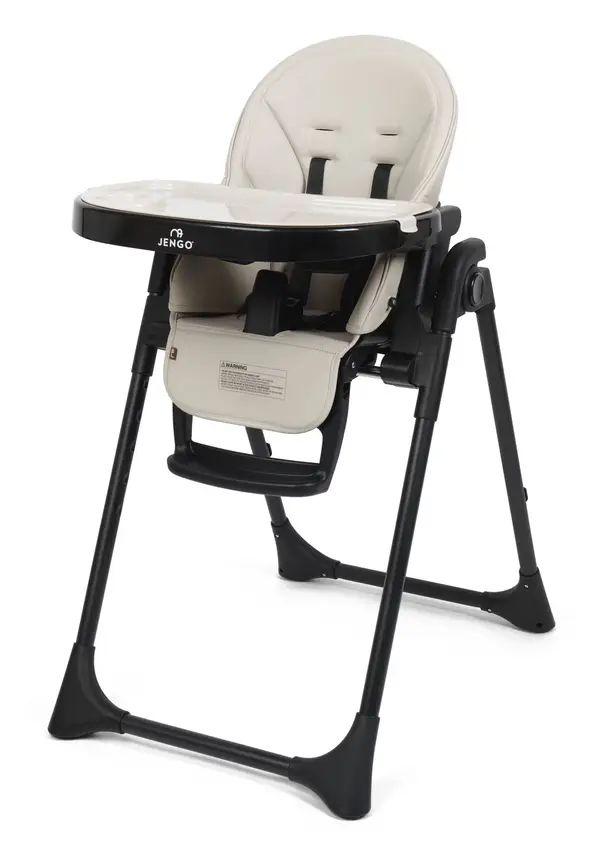
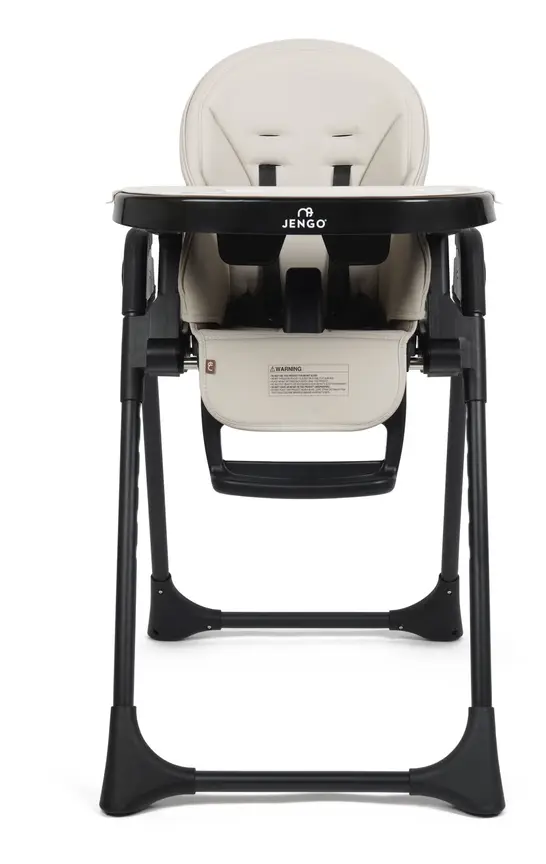

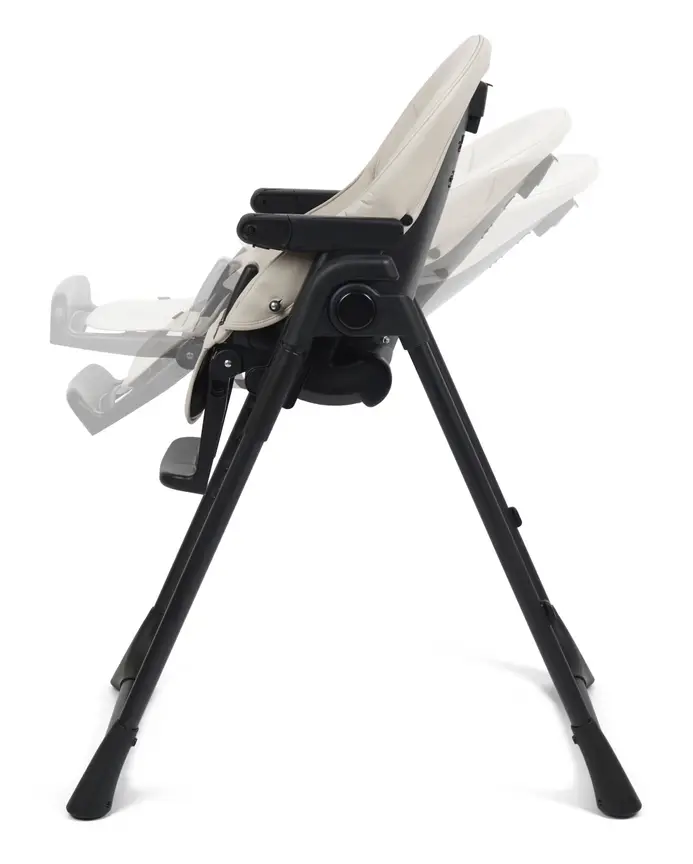
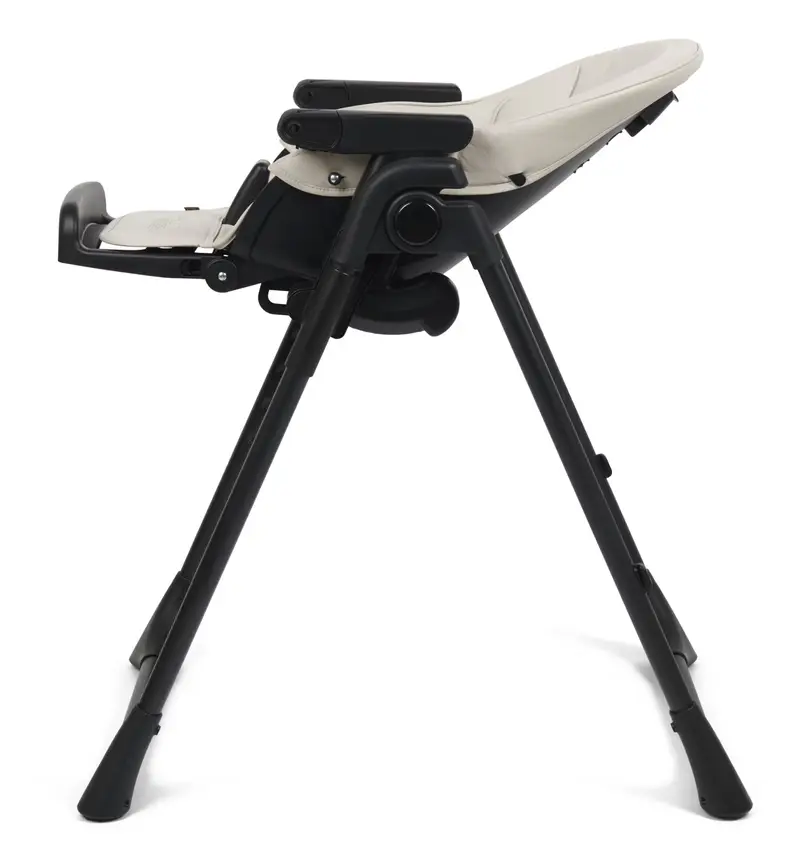
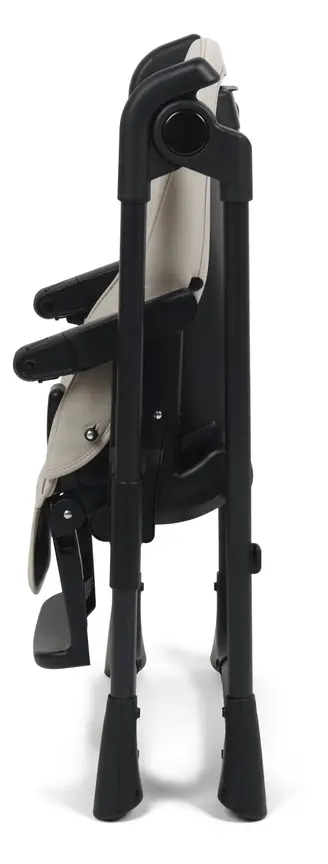
Jengo Nosh Highchair
A highchair from birth to toddler with 7 heights and 3 seat positions.
Read our full review →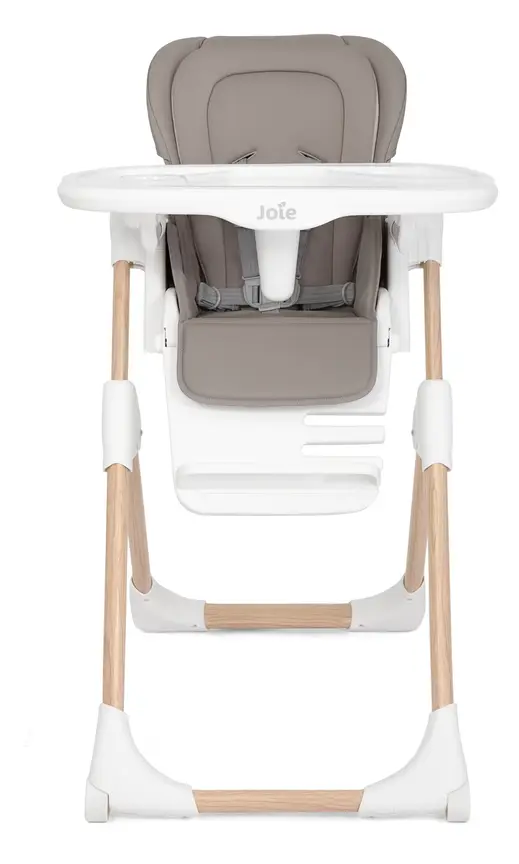

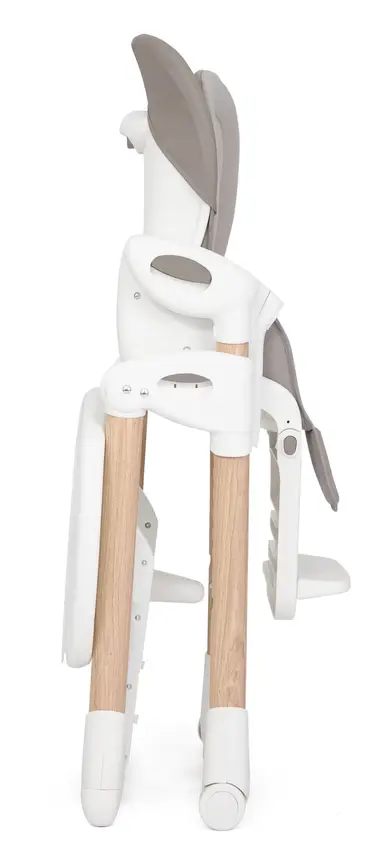
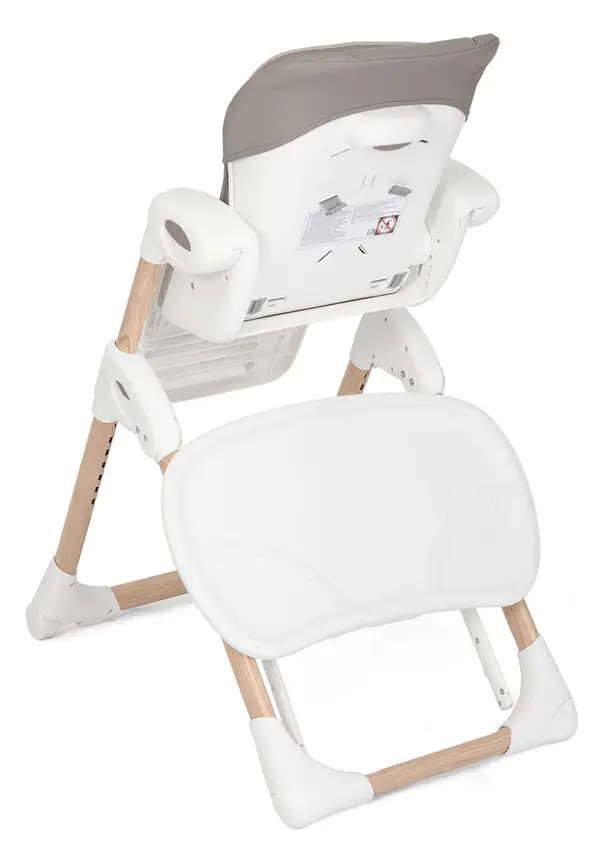
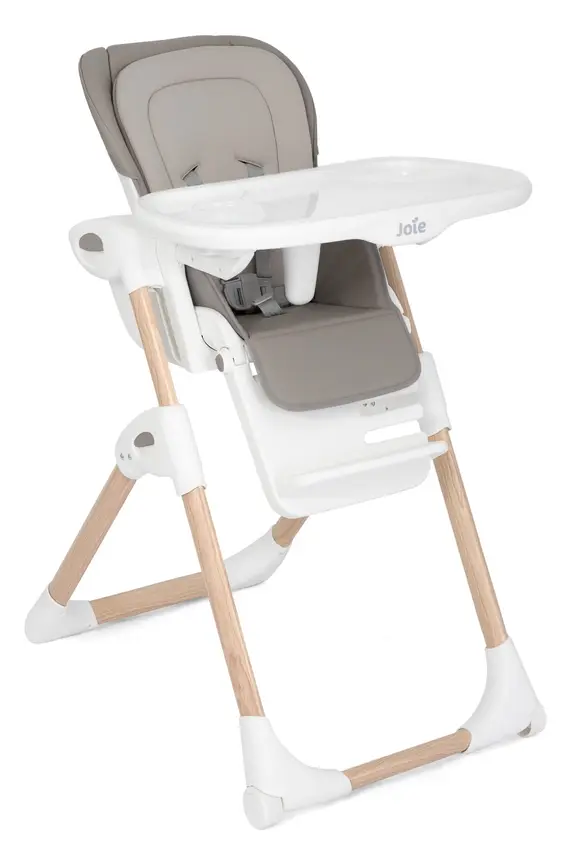
Joie Mimzy Recline 2.0
A highchair from newborn with 5 recline spots and 7 heights. It folds standing up.
Read our full review →Safety rules in Australia, the UK, the US and Canada
There is no single mandatory safety standard just for highchair splat mats in Australia, the UK, the US or Canada. Because splat mats are floor covers, they are not tested like cots or car seats.
However, highchairs themselves have strict safety rules and guidance in all four countries. A splat mat must never get in the way of your highchair's safety.
| Country | Main safety bodies | Highchair and feeding guidance |
|---|---|---|
| Australia | ACCC / Product Safety Australia, Raising Children Network | Check for a 5-point harness, wide stable base, and lockable wheels. Place the highchair on a flat, steady surface away from benches and walls. |
| United Kingdom | Office for Product Safety and Standards (OPSS), RoSPA, NHS | Look for highchairs meeting BS EN 14988. Always use the harness and keep the chair clear of hazards a child can grab or push against. |
| United States | U.S. CPSC, American Academy of Pediatrics (AAP) | Highchairs must meet the federal rule based on ASTM F404. CPSC also limits phthalates and lead in children's products. |
| Canada | Health Canada, Canadian Paediatric Society, HealthLink BC | Use a sturdy, wide-based chair with a crotch strap and safety belt. Never leave a baby alone in a highchair. |
How this affects your splat mat choice:
- Keep the highchair level: If one leg sits on a thick mat edge and three legs sit on the floor, the chair can rock or tip. Make sure all four legs sit fully on the mat or fully off it.
- Do not use spongy foam mats under highchairs: Soft puzzle foam mats compress unevenly under weight. That can make a tall chair unsteady.
- Watch for sliding: If a highchair with smooth plastic feet slides on a slick mat, test it before putting your baby in. A child pushing their feet against the dining table can tip a sliding chair backwards.
Splat mats by age and feeding stage
Your mess changes as your child grows. Here is what to expect at each stage and how a mat helps.
| Age stage | What usually happens | What works best on the floor |
|---|---|---|
| 6 to 8 months | Starting solids. Purees, soft mashed veg and first finger foods. | Any waterproof mat catches drips and fallen spoons. |
| 8 to 12 months | Dropping food on purpose. Practising open cups and straw cups. | A large mat with good water resistance. Raised edges help catch spilled water. |
| 12 to 24 months | Using spoons and forks. Tipping bowls and throwing food when full. | Easy-wipe silicone saves time if you have three messy meals a day. |
| 2 years and up | Moving to a booster seat or regular chair. Craft and messy play. | Move the mat under a craft table or keep it for painting days. |
How to clean and care for your splat mat
A splat mat only saves you work if it is quick to clean. Good habits also stop mould and bad smells.
Daily clean-up
- Pick up large pieces of food with a cloth or paper towel and put them in the bin.
- If the mat is light enough, lift the four corners together so crumbs fall into the centre, then tip them out.
- Wipe the surface with warm water and a drop of mild dish soap.
- Let the mat dry before rolling or folding it away.
Deep cleaning polyester mats
Check the care label first. Most polyester splat mats wash well in a cold or warm gentle machine cycle.
- Use mild laundry detergent.
- Skip fabric softener and bleach, as both can break down the waterproof backing.
- Hang the mat on a washing line or over a chair to air dry.
- Never put a waterproof mat in a hot tumble dryer unless the label says it is safe. Heat can melt or crack the waterproof layer.
Deep cleaning silicone mats
Silicone mats rarely need a washing machine, and large ones may be too heavy for a drum anyway.
- Wash the mat in the kitchen sink or bath with warm soapy water.
- If tomato sauce or curry stains the silicone, rub a paste of baking soda and water onto the spot. Leave it for an hour, then rinse.
- Sunlight can also fade food stains on silicone, though do not leave it outside for days in harsh heat.
- Always dry both sides of the mat and wipe the floor underneath before putting it back down.
Common mistakes parents make
Avoid these simple traps when setting up your feeding spot.
- Buying a mat that is too small: Babies do not drop food neatly beneath their tray. A small mat leaves sticky food just outside the border.
- Leaving wet spills underneath: Water or milk can run over the edge and pool under the mat. Lift the mat once a day to check that the floor underneath is dry.
- Using harsh cleaners or dryers: Bleach, boiling water and tumble dryers ruin waterproof coatings quickly.
- Ignoring curled edges: If a mat edge curls up, it becomes a trip hazard for anyone carrying a baby or hot tea.
- Forgetting the dining chairs nearby: Push adult chairs back a little so food does not land on fabric seat cushions.
More options, from budget to premium
Real products from our catalogue. We don't show star ratings or review counts; check the current price, stock and reviews on Amazon before you buy.

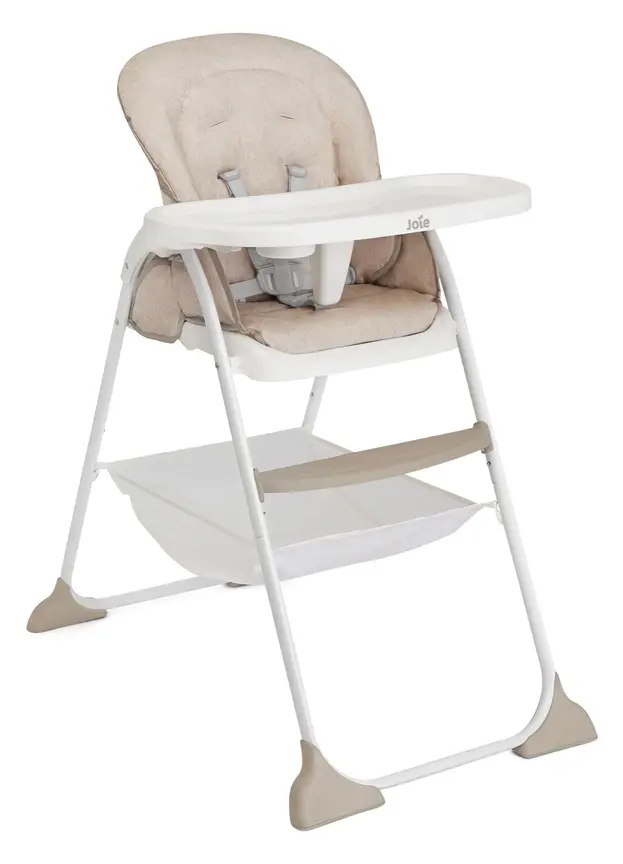
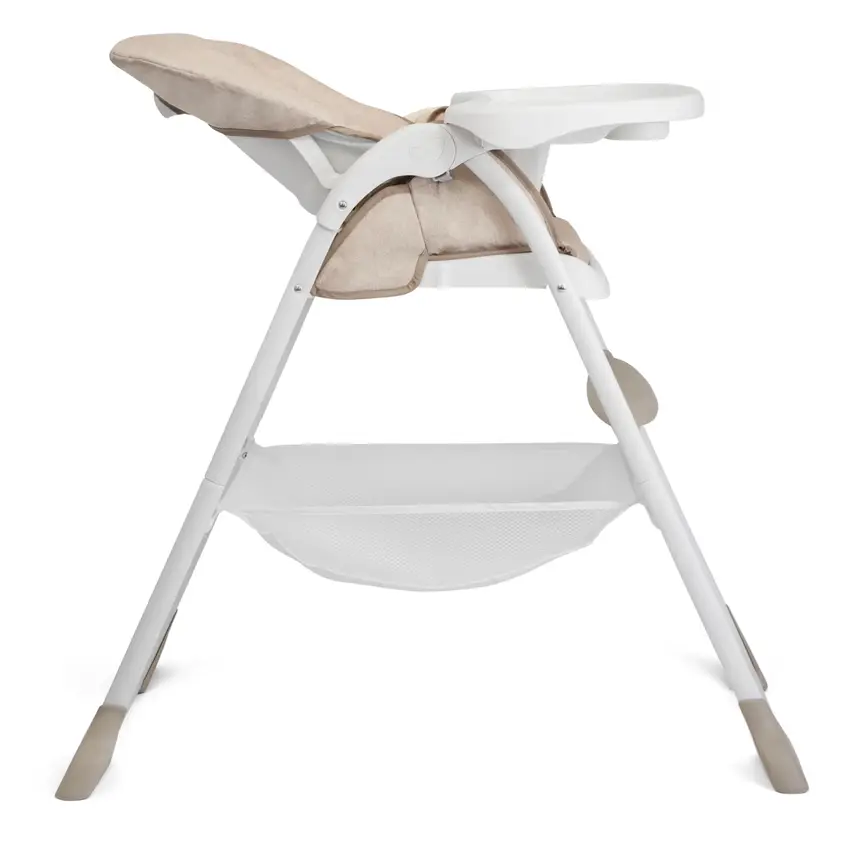

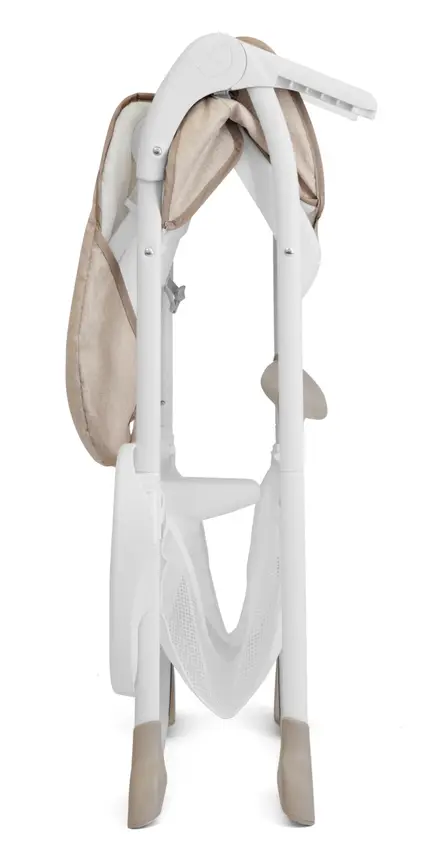
Joie Mimzy Snacker
A low-cost folding highchair from 6 months. It stands up when folded.
Read our full review →

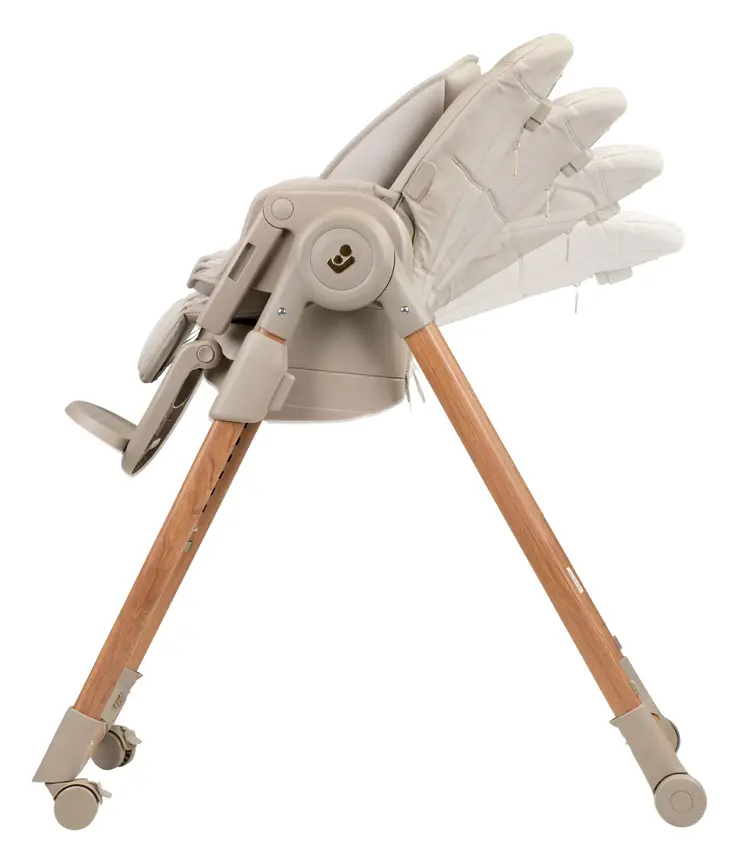
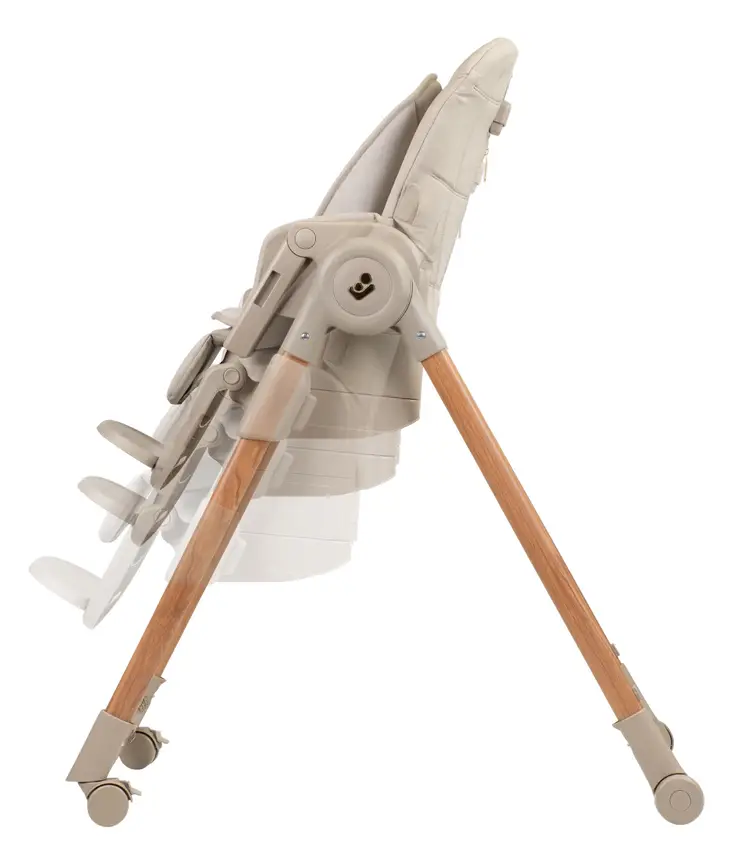

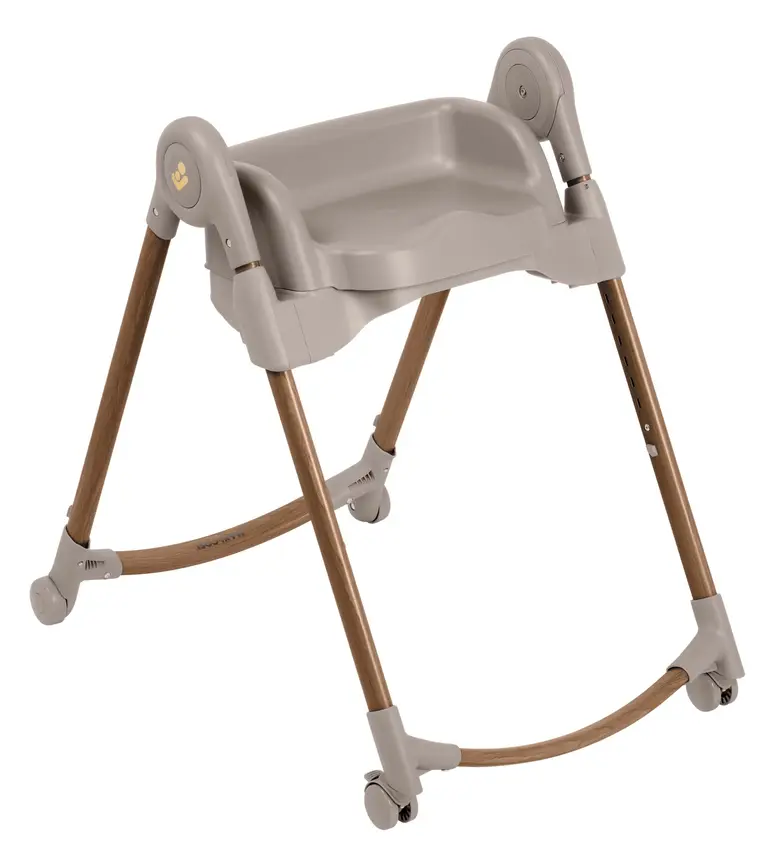

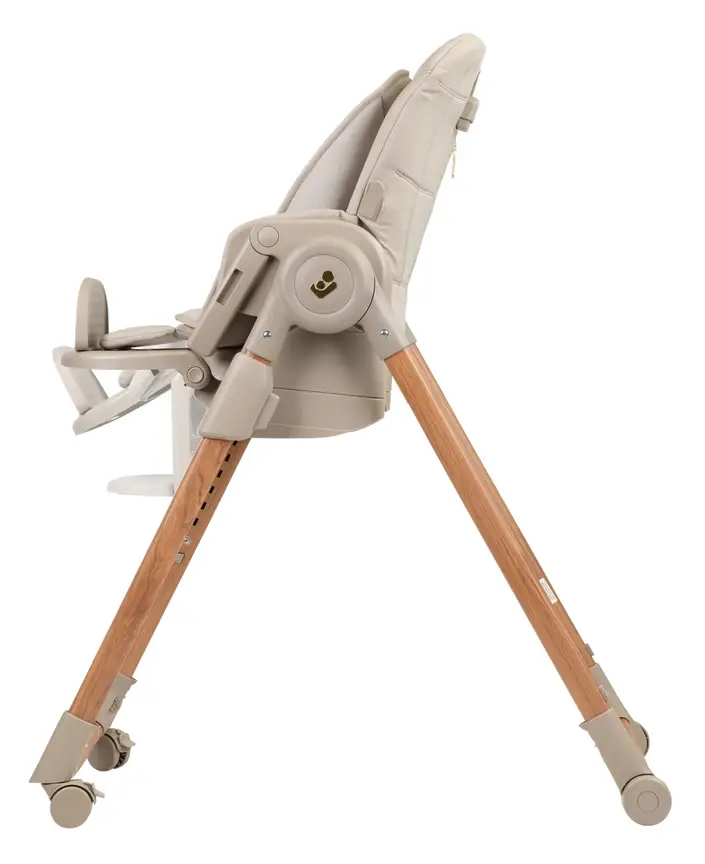
Maxi-Cosi Minla Plus
Lies flat from birth, then works as a highchair and booster, and later a kid chair.
Read our full review →
Mocka Original Highchair
Australian/NZ online brand's wooden adjustable chair — the Tripp Trapp idea at a fraction of the price, with simpler finishes.
Frequently asked questions
Do I really need a splat mat under a highchair?
No, you do not have to buy one. If you have tiled floors and do not mind sweeping and mopping after every meal, you can skip it. A splat mat is most helpful if you have timber floors, carpet, rugs, or tile grout that stains easily.
Can I use a splat mat on carpet?
Yes, though soft polyester mats tend to bunch up on thick carpet. A heavier silicone mat stays flatter, or you can place a firm plastic office floor mat underneath to give the highchair a steady base. Always check that the highchair does not wobble.
Is a silicone or polyester splat mat easier to clean?
Silicone is faster for quick wipes after every meal because food sits on top and nothing soaks in. Polyester is easier if you prefer to shake off the mess and let a washing machine do the deep cleaning.
Will a splat mat make my baby's highchair tip over?
A thin, flat mat should not cause tipping on a hard floor if all four chair legs sit flat on the mat. Never place a highchair half on and half off a mat, and never put a highchair on a thick, squishy foam mat. Always fasten your baby's harness and keep the chair away from walls or tables they can kick against.
Can I put a polyester splat mat in the washing machine and dryer?
Most polyester splat mats are machine washable on a gentle cold or warm cycle. However, most should be air dried. Tumble dryers use high heat that can peel or melt the waterproof backing.
How big should a highchair splat mat be?
Measure the width and depth of your highchair legs, then add at least 30 centimetres on the front and both sides. For most standard highchairs, a mat around 110 centimetres to 130 centimetres wide gives good coverage without taking over the whole room.
Can I use an old shower curtain or tablecloth instead?
You can use a wipe-clean cloth in a pinch, but be careful. Many cheap plastic shower curtains and vinyl tablecloths are made from PVC with phthalates, and they tear or slide easily on hard floors. A proper splat mat with non-slip backing is safer to walk on and made for children's spaces.
Sources
- Raising Children Network – Choosing safe baby furniture: highchairs and more
- Product Safety Australia – High chairs guide
- NHS – Your baby's first solid foods
- RoSPA – Child safety at home
- U.S. Consumer Product Safety Commission – New federal standard to improve safety of high chairs
- U.S. CPSC – Phthalates business guidance
- Caring for Kids, Canadian Paediatric Society – Feeding your baby in the first year
- HealthLink BC (Canada) – Safe chairs for babies in the first year
Related guides
More Feeding & Baby Food →
Pacifier Holder Pods and Silicone Steriliser Cases: Keeping Spare Soothers Clean

Food-Grade Silicone Bibs with Crumb Catchers: How to Choose, Use, and Clean Them

How to Choose a Safe, Easy-to-Clean High Chair for Your Baby