Glass vs Stainless Steel Baby Food Jars: Freezing, Lids and Safe Storage
Compare glass and stainless steel jars for baby food. Learn about freezer space, leaks, cleaning, safe cooling and storage in four countries.

On this page
- What these containers are for
- Glass and stainless steel compared
- How to choose a jar
- Freezing food and leaving room to expand
- Cooling, thawing and reheating
- Lids, silicone seals and leak checks
- Silicone sleeves: what they can and cannot do
- Cleaning and checking for wear
- Food safety and feeding stages
- Common mistakes to avoid
- Official guidance in Australia, the UK, the US and Canada
- Frequently asked questions
- Sources
- Sources
Short answer: Both glass and stainless steel can store baby food. Choose a food-safe container with a lid that closes well. Leave room for food to expand when frozen. Let hot food cool before placing it in the freezer. Check each container for damage before use.
Glass lets you see the food inside. It can break if dropped or if temperatures change too quickly. Stainless steel is opaque and may dent. Neither material removes the need for safe food handling. Clean hands, clean utensils, prompt cooling and safe storage matter more than the jar material.
Official advice comes from Food Standards Australia New Zealand and Food Safety Information Council in Australia; the NHS and Food Standards Agency in the UK; the US Food and Drug Administration and Centers for Disease Control and Prevention in the US; and Health Canada and the Canadian Paediatric Society in Canada. Follow the current guidance where you live.
What these containers are for
Small jars can hold a portion of purée, mashed food or a soft meal. Parents may use them in the fridge, freezer or lunch bag. A jar can also hold expressed milk, if its maker says it suits that use. The right choice depends on what you plan to store and how you will handle it.
Food containers do not make food safe by themselves. They do not sterilise food, keep it cold for hours, or prevent all germs from growing. A lid can limit spills, but it cannot make a jar safe to carry in every bag. A freezer label does not mean the jar can go straight from freezer to boiling water.
Check the maker's instructions before buying. Look for clear advice about food contact, freezer use, heating, washing and lid care. If the instructions are missing, unclear or conflict with your intended use, choose another container.
Use containers made for food. Do not reuse a jar that held a non-food product. Avoid damaged containers, rusty parts, cracked glass, chipped rims and lids that no longer close properly.
Glass and stainless steel compared
The material affects visibility, weight, breakage and how you can use the jar. The lid, seal and size also matter. A well-made jar can still leak if its seal is damaged or its lid is loose.
| Feature | Glass | Stainless steel |
|---|---|---|
| See the food | Usually clear, so contents and fill level are easy to see. | Opaque, so label the contents and date. |
| Breakage | Can crack, chip or shatter if dropped or stressed. | Does not shatter like glass, but can dent or deform. |
| Weight | Often heavier than a similar steel container. | Often lighter, though size and construction change the weight. |
| Freezer use | Only if the maker says it is freezer safe. Leave room for expansion. | Only if the maker says it is freezer safe. Leave room for expansion. |
| Heating | Some jars tolerate heating, but sudden temperature change can break them. | Metal should not go in a microwave. Transfer food to a suitable dish. |
| Cleaning | Check whether the jar and lid are dishwasher safe. | Check care instructions. Seals and lids may need separate cleaning. |
| Checking damage | Look for cracks, chips and rough edges. | Look for dents, sharp edges, rust and damaged seams. |
| Leak risk | Depends on the lid and seal, not the glass alone. | Depends on the lid and seal, not the steel alone. |
| Best fit | Home storage where visibility matters and breakage can be managed. | Travel or packed meals where lower breakage risk is useful. |
These are general points. A particular jar may differ. Read its label and maker's care guide, including instructions for the lid and seal.
How to choose a jar
Start with how you will use it. A jar for a home freezer has different needs from one carried in a nappy bag. Make a short list before shopping.
- Food contact: Choose a container sold for food storage. Check the maker's details.
- Freezer use: Confirm the jar, lid and seal are all approved for freezing.
- Capacity: Pick a size that suits the portion. Leave headroom when freezing.
- Opening: A wide opening can make filling, serving and cleaning easier.
- Lid: Check that it closes evenly and has no loose or damaged parts.
- Cleaning: Read whether each part can go in the dishwasher or needs hand washing.
- Heating: Check the exact method allowed. Do not assume microwave use is safe.
- Travel: Consider weight, breakage risk and whether you can keep food cold.
- Labels: Make sure you can mark the food and date clearly.
- Care: Keep the instructions so every caregiver can follow them.
Do not choose based only on claims such as “non-toxic” or “leakproof”. Ask what material touches the food, what the maker tested, and what care limits apply. Avoid claims that promise more than the instructions can support.
Baby Food Makers & Steamers worth a look
Real products from our catalogue. We don't show star ratings or review counts; check the current price, stock and reviews on Amazon before you buy.

Beaba Babycook Neo
Steam-and-blend baby food maker with a glass bowl and stainless steel steam basket.

Little Rawr Glass Food Jars (3 pack)
Three glass jars with silicone sleeves for storing baby food in the fridge or freezer.
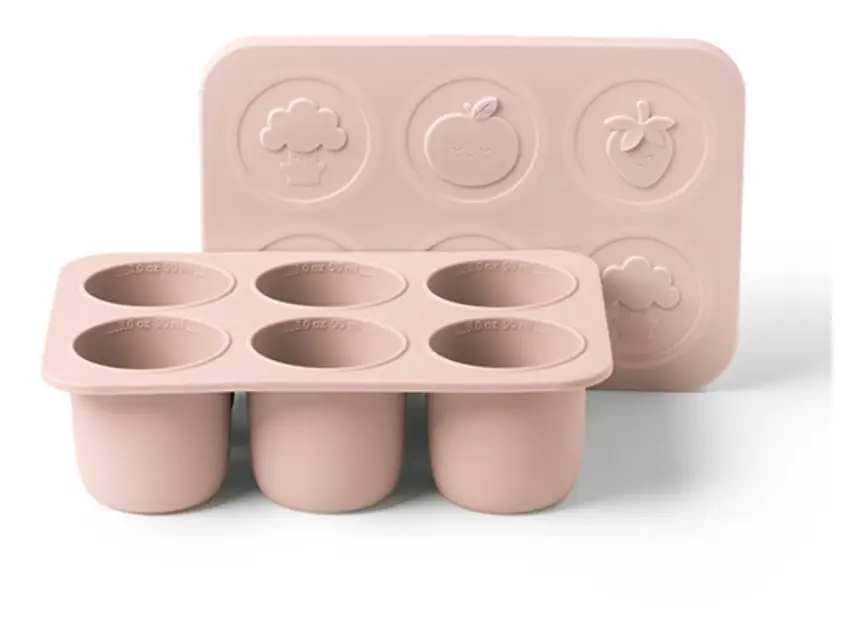
Annabel Karmel Silicone Freezer Food Tray
A silicone tray for freezing small portions of home-made baby food.

Cherub Baby Pouch Filling Station
A 700 mL glass jug with a plunger to fill reusable food pouches with less mess.
Freezing food and leaving room to expand
Food that contains water expands as it freezes. If a container is filled to the rim, pressure may crack glass, push the lid out or damage a seal. Leave empty space between the food and the top. Follow the maker's fill line if one is shown.
There is no single fill amount that suits every jar. The shape, size, food and maker's design differ. Do not treat a marked expansion line as universal unless it belongs to that exact container.
Cool freshly cooked food safely before freezing it. Divide larger amounts into small portions so they cool more quickly. Do not leave food at room temperature for a long time. Use clean hands and clean tools, and cover the food while it cools.
Once the food is cool, close the container as instructed and place it in the freezer promptly. Keep it upright until frozen if the maker recommends that. A tray can help keep small jars steady. Do not stack jars in a way that could crush or tip them.
Glass needs extra care around temperature change. Do not pour boiling food into a cold jar unless the maker specifically permits it. Do not move a frozen glass jar straight into hot water or a hot oven. It may break from the sudden change.
Steel can also have limits. A freezer-safe label does not mean it can be heated in any way. Check whether the lid, seal and body have different instructions. Remove parts only as the maker directs.
Cooling, thawing and reheating
Thaw frozen baby food safely. Use a method recommended by your local food safety authority or the food's maker. A refrigerator is a common safe option when there is enough time. If you use another method, follow official instructions and serve the food promptly.
Do not thaw food on a bench for hours. Warm conditions let germs grow. Do not refreeze food unless local guidance and the food's instructions say it is safe. When in doubt about time or temperature, discard the food.
Before reheating, transfer food out of a stainless steel container. Metal must not go in a microwave. For glass, use a microwave only when the maker clearly says the jar is safe for that use. Remove or loosen lids as directed. A sealed container can build pressure.
Stir heated food well. Microwaves can make hot spots that burn a baby's mouth. Let the food stand briefly, stir again and check its temperature before serving. Do not judge warmth by touching the outside of the jar alone.
Reheat only the portion you need. Food touched by a used spoon or your baby's mouth should not be saved for another meal. Follow local advice for leftovers and storage times. Different foods and feeding situations may have different rules.
Lids, silicone seals and leak checks
A lid may use a silicone ring or another seal. The seal helps close the gap between lid and jar. It can collect food, stretch, tear or come loose. Check it each time you wash the jar.
Remove a seal for cleaning only if the maker says it is removable. Wash around the groove and let all parts dry fully before reassembling. A seal that is twisted, split, sticky or stretched may no longer close well. Replace it only with a part made for that jar.
To check for leaks, first make sure the jar is clean and dry. Add cool water, close the lid as directed, then hold it over a sink and gently turn it. Do not shake it hard or use hot liquid. If water escapes, check the seal and lid position. Stop using it for transport if it still leaks.
This simple check does not prove that a jar is sterile or safe for every food. It also does not test how the container behaves under pressure, heat or long storage. Follow the maker's instructions and local food safety advice.
Do not carry a full jar loose beside clothes, medicines or electronics. Use a separate sealed bag or a container designed for transport. Keep perishable food cold. If you cannot keep it at a safe temperature, take a fresh portion when you need it.
Silicone sleeves: what they can and cannot do
A sleeve can make a glass jar easier to grip. It may soften small knocks and help protect the jar from light contact. It cannot make glass unbreakable. A hard fall can still crack or shatter the jar.
A sleeve can also hide damage. Remove it regularly and inspect the glass. Clean under the sleeve as the maker directs. Food, moisture or residue trapped there can make cleaning harder.
Check that the sleeve fits the jar and does not cover its lid or prevent a full closure. Do not use a loose sleeve that slips during handling. Keep sleeves away from direct heat unless their instructions allow it.
Do not assume every silicone part has the same heat limits. Follow the product's instructions for washing, heating and freezing. If the sleeve becomes torn, sticky, misshapen or hard to clean, stop using it.
Side by side: more baby food makers & steamers to compare
Real products from our catalogue. We don't show star ratings or review counts; check the current price, stock and reviews on Amazon before you buy.

Baby Brezza One Step Baby Food Maker Deluxe
Steam-and-blend baby food maker

Babymoov Nutribaby(+) 6-in-1 Baby Food Processor
Steamer blender
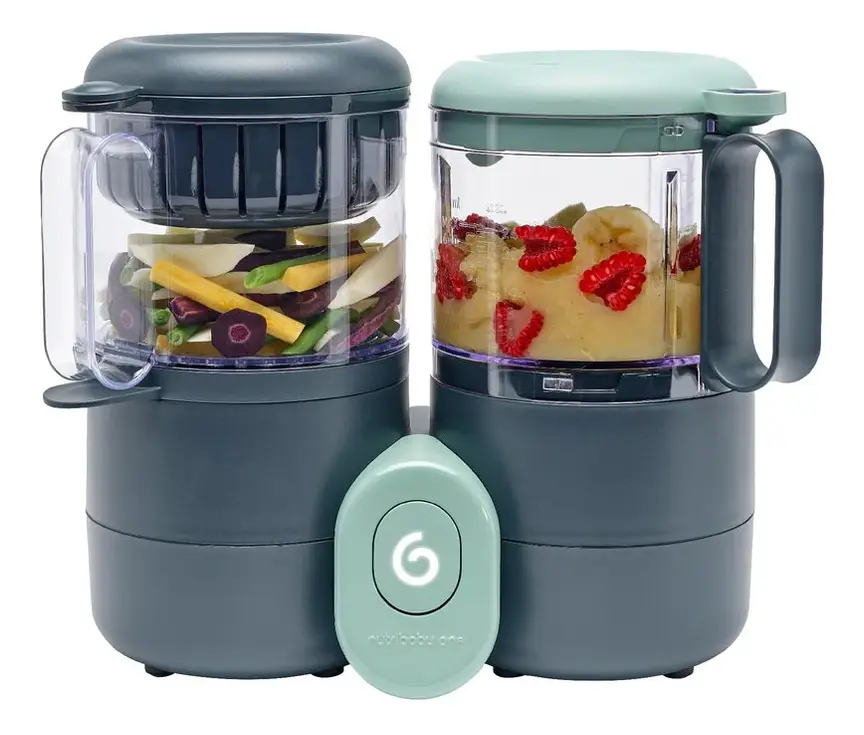
Babymoov Nutribaby One 4-in-1 Baby Food Maker
Steamer blender
Cleaning and checking for wear
Wash jars, lids and seals after each use. Use hot soapy water or a dishwasher only as the maker allows. Pay close attention to threads, grooves and corners where food can remain.
Rinse away soap and let the parts dry fully. Damp seals can hold water in hidden spaces. Store clean parts in a dry place. Keep lids separate if that helps them dry.
Do not use a jar with a crack, chip or sharp edge. Small damage can worsen during washing or temperature changes. A cracked jar may leak or break without warning. Discard it safely so nobody gets cut.
For steel, check the inside and outside for dents, rough seams, rust or peeling material. A dent may affect how the lid fits. If a part is damaged or its food-contact surface changes, stop using it and ask the maker for advice.
Check the lid after repeated washing. If it no longer closes evenly, the seal comes loose or food sticks in a damaged groove, replace the part or container. Do not repair it with glue or household tape.
Food safety and feeding stages
Babies usually begin solid foods when they are ready, often around six months. Read guidance from your local health service. A jar is only a storage tool. It does not decide what food is right for your baby or when to offer it.
For early tastes, caregivers may store small amounts of smooth food. As babies learn to eat, texture and portion needs change. Offer foods in a form that suits your baby's development. Follow advice from a health professional if your baby has feeding or swallowing needs.
As children grow, they may eat larger portions and more varied meals. Use clean containers and age-appropriate food preparation. Avoid packing choking hazards for babies and young children. Ask a health professional for advice about allergies, special diets or food safety concerns.
Label frozen portions with the food and date. Use older portions first, within the storage time recommended by your local authority. Do not rely on colour or smell alone to judge whether food is safe. If storage history is uncertain, throw it away.
Common mistakes to avoid
- Filling to the top: Frozen food needs room to expand. Leave headroom.
- Assuming all glass is freezer safe: Check the exact jar instructions.
- Heating steel in a microwave: Transfer food to a suitable dish.
- Pouring hot food into cold glass: Sudden temperature change can break it.
- Trusting a sleeve to prevent breakage: It may cushion small knocks, but glass can still shatter.
- Testing with hot liquid: Use cool water for a basic leak check.
- Ignoring the seal: Inspect it, clean it and replace damaged parts.
- Leaving food out too long: Cool and store it promptly using local guidance.
- Saving food after a used spoon touched it: Discard leftovers from the feeding bowl.
- Assuming a closed lid keeps food cold: Use a suitable cold bag or another safe method.
- Keeping a damaged jar: Cracks, chips, dents or rust can make it unsafe.
- Using a jar for a purpose not listed: Follow the maker's stated use and care limits.
Official guidance in Australia, the UK, the US and Canada
Food safety advice can differ by food, age and local rules. Use the official source for your country. The sources below offer practical guidance on infant feeding, food handling or storage.
| Country | Official bodies and useful guidance | What to check |
|---|---|---|
| Australia | Food Standards Australia New Zealand; Food Safety Information Council; NHMRC; Pregnancy, Birth and Baby. | Safe food handling, infant feeding and advice for preparing food at home. |
| United Kingdom | NHS; UK Food Standards Agency. | Hygiene for children's food, storage and reheating guidance. |
| United States | US Food and Drug Administration; Centers for Disease Control and Prevention; FoodSafety.gov. | Food contact, infant feeding and safe food handling for young children. |
| Canada | Health Canada; Canadian Paediatric Society through Caring for Kids. | Infant feeding guidance and advice for food safety at home. |
These agencies do not make a single rule that says every baby food jar must be glass or steel. Check the product label and local guidance. If a container makes a safety claim, ask the maker for evidence and instructions.
Frequently asked questions
Is glass safer than stainless steel for baby food?
Neither is automatically safer in every situation. Both must be made for food storage and used as directed. Glass can break. Steel can dent, and its lid or seams can be damaged. Choose a container you can clean, inspect and use properly.
Can I freeze baby food in any glass jar?
No. Use only jars whose maker says they are suitable for freezing. Leave room for food to expand. Avoid sudden temperature changes, which can break glass. Check the lid and seal instructions too.
How much space should I leave at the top?
Follow the maker's fill line or directions. If there are none, choose a freezer container that gives room for expansion. There is no one amount that suits every jar shape and size.
Can I microwave a stainless steel jar?
No. Metal should not go in a microwave. Move the food to a suitable dish. Heat it safely, stir well and check the temperature before feeding.
Can I microwave a glass baby food jar?
Only if the maker says that exact jar is microwave safe. Follow its directions about lids and heating. Stir food well because some spots can become much hotter than others.
Does a silicone sleeve make glass unbreakable?
No. It may soften small knocks, but it cannot prevent every crack or break. Remove it often to inspect and clean the glass underneath.
How can I check whether a jar leaks?
Use cool water. Close the lid as directed, then gently turn the jar over a sink. If it leaks, check the seal and lid. Do not carry it with food until the leak is fixed.
Can I store expressed breast milk in these jars?
Use a container that the maker approves for breast milk. Follow your local breastfeeding or health service guidance for clean handling, storage times and thawing. The Australian Breastfeeding Association has guidance on preparing expressed breast milk.
Can I keep leftovers after my baby has eaten from the jar?
Do not save food that has been in contact with a used spoon or your baby's mouth. Take a small portion into a separate bowl, then keep the untouched food covered and chilled as local guidance advises.
Which material is better for travel?
Steel may suit travel if you want to avoid glass breakage. It still needs a sound lid and a way to keep food cold. A glass jar can travel only if it is protected and kept at a safe temperature.
When should I replace a jar?
Stop using glass with a crack, chip or sharp edge. Stop using steel with rust, sharp damage, a poor fit or a damaged food-contact surface. Replace seals that are torn or stretched.
More options, from budget to premium
Real products from our catalogue. We don't show star ratings or review counts; check the current price, stock and reviews on Amazon before you buy.
 Reviewed
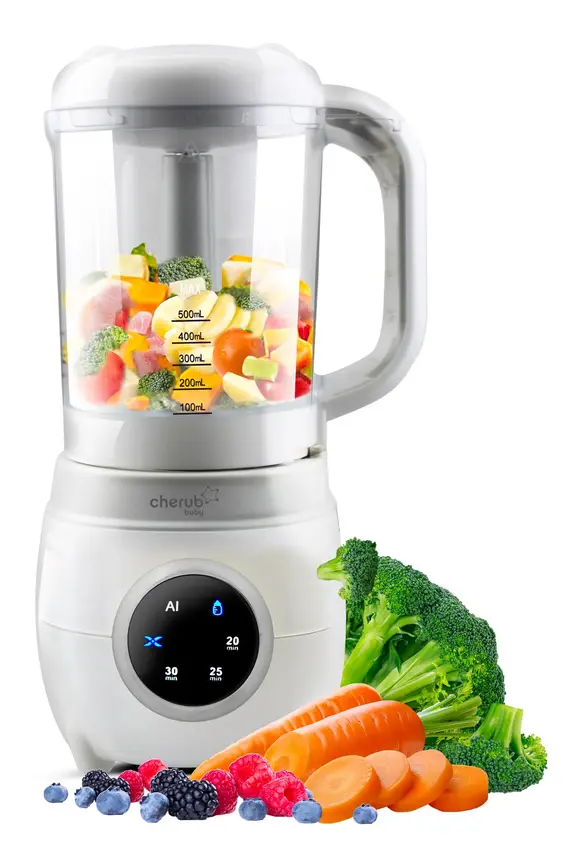
Cherub Baby Food Maker & Steriliser
Steams then blends food. It can also defrost, warm bottles and sterilise.
Read our full review →
Cherub Baby Food Pouch Spoons (2 pack)
Spoon tops that screw onto food pouches, so you can spoon-feed on the go.
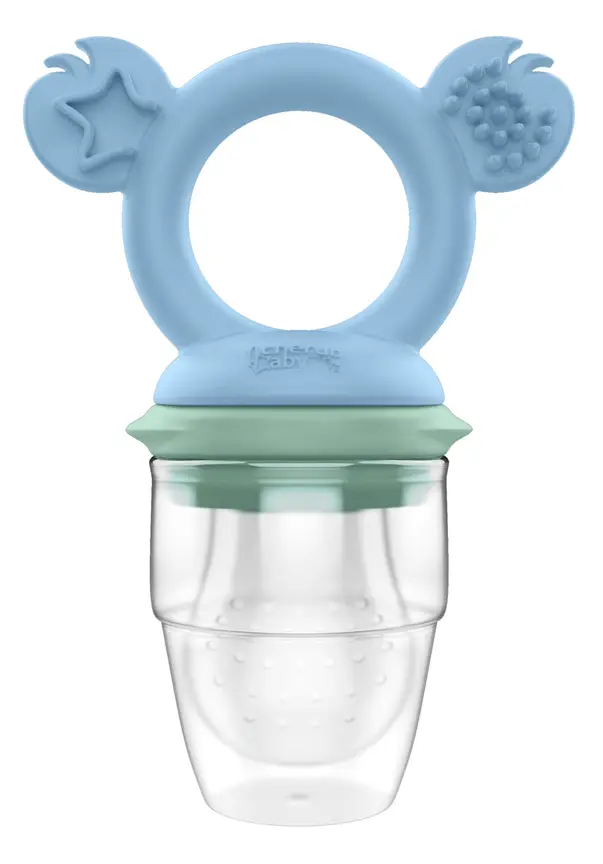


Cherub Baby Silicone Fresh Food Feeder
A silicone teat-style feeder. Babies can chew soft fruit or frozen breast milk through it.
Read our full review →Sources
- FoodSafety.gov – Food safety for children under five
- Food Safety Information Council (Australia) – Infants and young children
- NHS – Children's food: safety and hygiene
- NHS Best Start in Life (UK) – Storing and reheating food
- CDC – Infant formula preparation and storage
- Caring for Kids (Canadian Paediatric Society) – Feeding your baby in the first year
- Australian Breastfeeding Association – Preparing expressed breastmilk
Disclaimer: This article gives general information. It is not medical advice. Ask your doctor, child health nurse or dietitian about your baby's needs. Always follow the container maker's instructions and local food safety guidance.
Affiliate disclosure: BabyGearFinder may earn a commission from qualifying purchases. This does not change the price you pay. We only include products that fit the topic.
Sources
- FoodSafety.gov (US) – Food safety for children under five
- Food Safety Information Council (Australia) – Infants and young children
- NHS – Children's food: safety and hygiene
- NHS Best Start in Life (UK) – Storing and reheating food
- CDC – Infant formula preparation and storage
- Caring for Kids (Canadian Paediatric Society) – Feeding your baby in the first year
- Australian Breastfeeding Association – Preparing expressed breastmilk
Related guides
More Feeding & Baby Food →
Glass vs Plastic vs Stainless Steel Baby Bottles: Pros, Cons and Safety
How to Pre-Heat a Stainless Steel Food Jar for Your Toddler’s Lunch

Bento-Style Stainless Steel Lunchboxes for Daycare: Seals, Latches and Food Safety