Glass-Bowl vs. Tritan Baby Food Steamer-Blenders: How to Avoid Heated Plastic
Compare glass-bowl and Tritan baby food steamer-blenders. Learn how to avoid heated plastic contact and prepare safe meals for your baby.

On this page
- Key points
- What these two baby food makers are
- Why heated plastic matters during steaming
- Glass bowl vs. Tritan plastic: side-by-side comparison
- How to choose the right maker for your kitchen
- Baby food textures by age
- Food safety, steaming and storing baby food
- Official advice in Australia, the UK, the US and Canada
- Common mistakes to avoid
- Frequently asked questions
- Sources
Short answer: A glass-bowl steamer-blender with a stainless steel steam basket keeps hot food away from plastic. A Tritan (tough, BPA-free plastic) bowl is lighter and will not shatter if dropped, though hot steam still touches plastic. Food safety bodies say approved food-grade plastics are safe, yet many parents still prefer glass and steel for hot cooking.
This guide uses advice from official health and food safety bodies in Australia (FSANZ, NHMRC, Raising Children Network), the UK (NHS, OPSS), the US (FDA, AAP, CPSC) and Canada (Health Canada, Canadian Paediatric Society).
Key points
- Less plastic in heat: Glass bowls and metal baskets do not release plastic bits when steamed.
- Check every part: Many glass-bowl makers still use a plastic lid, steam vent or blade collar.
- Tritan pros: Tritan is clear, light and BPA-free. It will not smash on a tiled kitchen floor.
- Tritan cons: Hot tomato, carrot and berry purées can stain plastic over time. Scratches can trap smells.
- Water tanks need care: Mould and mineral scale grow fast in sealed water tanks. Pick a tank you can open and scrub.
- Simple alternative: A standard saucepan, a metal steamer basket and a fork or stick blender do the same job.
What these two baby food makers are
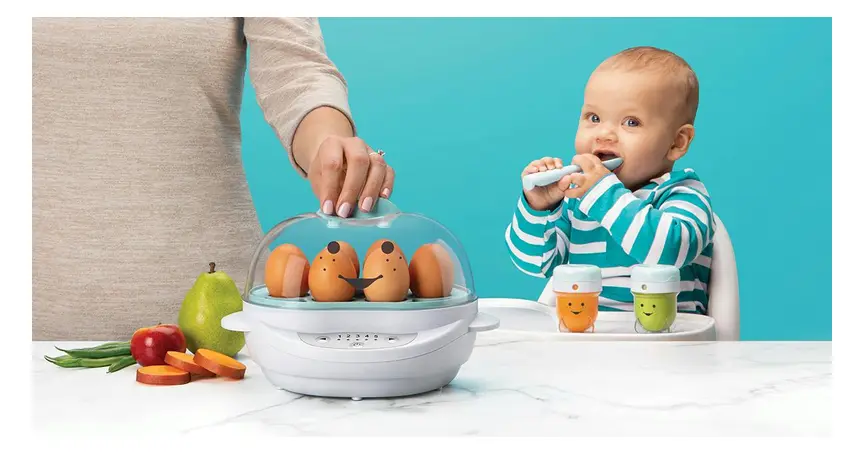
An all-in-one baby food maker does two jobs in one machine. First, it steams raw fruit, veg, meat or fish. Then, it blends the cooked food into a smooth purée or soft mash.
Most machines have a base with a heater and a motor. A water tank sits inside or beside the base. A jug or bowl locks onto the base above the blades.
The main difference between the two styles is what the bowl and steam basket are made from.
Glass-bowl steamer-blenders
These models use a thick glass jug, often borosilicate glass (heat-safe glass that handles fast temperature changes). Inside the glass jug, many brands place a stainless steel basket to hold food above the water or steam vent.
Because the bowl is glass, it is heavier to lift with one hand. If it slips onto a hard floor, it can crack or break.
Tritan all-in-one purée makers
Tritan is a clear, hard plastic made without Bisphenol A (BPA). Many popular all-in-one baby food makers use a Tritan bowl and a matching plastic steam basket.
Tritan looks almost like glass when it is new. It is much lighter than glass and resists drops well. Over months of steaming and blending, though, the clear plastic can turn cloudy or pick up orange stains.
Baby Food Makers & Steamers worth a look
Real products from our catalogue. We don't show star ratings or review counts; check the current price, stock and reviews on Amazon before you buy.

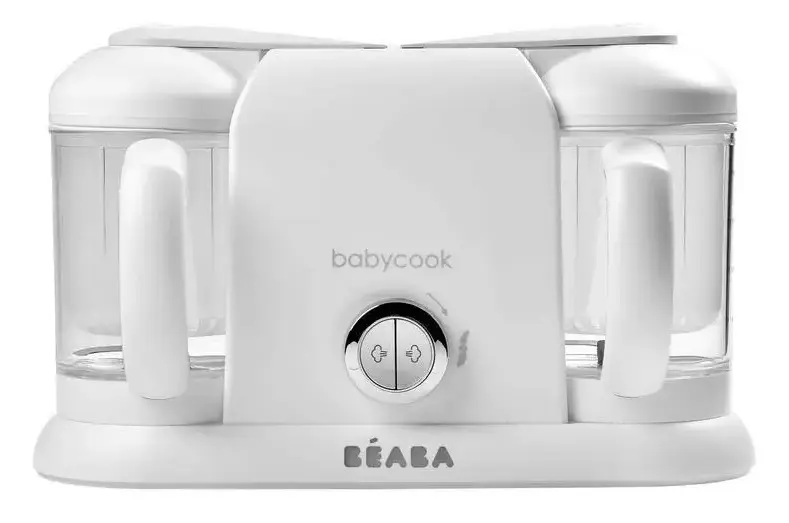
Beaba Babycook Neo
Steam-and-blend baby food maker with a glass bowl and stainless steel steam basket.

Babymoov Nutribaby(+) 6-in-1 Baby Food Processor
Steamer blender
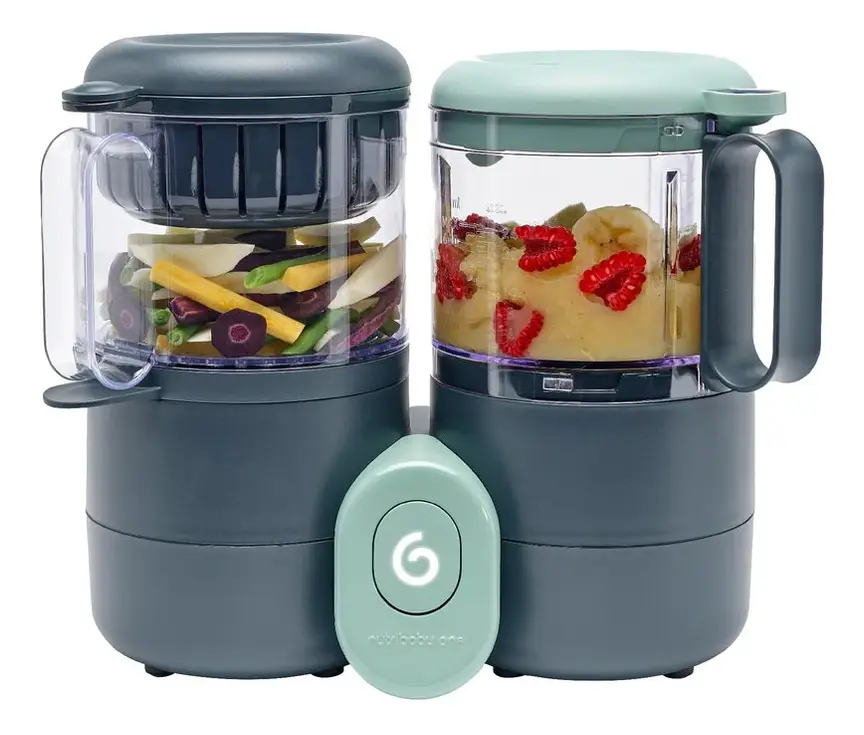
Babymoov Nutribaby One 4-in-1 Baby Food Maker
Steamer blender
 Reviewed
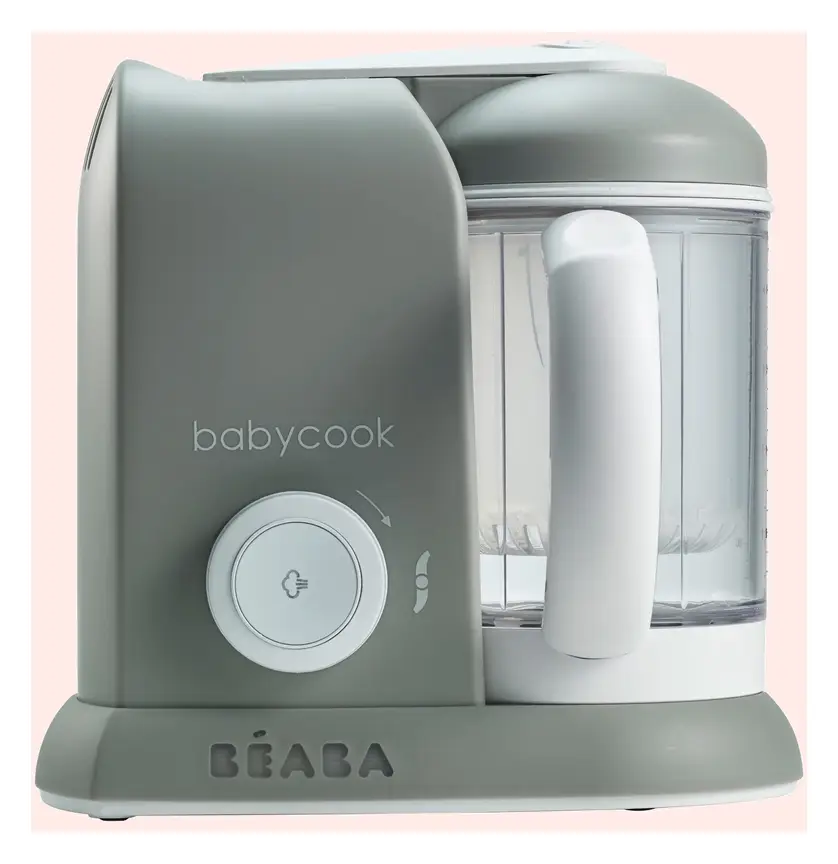
Beaba Babycook Solo
A compact steamer blender with a 1.1 L bowl. It steams, blends, defrosts and reheats.
Read our full review →Why heated plastic matters during steaming
Many parents worry about chemicals or tiny plastic pieces getting into baby food. Heat is the main reason this concern comes up.
When plastic gets very hot, it wears down faster than cold plastic. Steaming pushes hot water vapour around the bowl for 10 to 25 minutes at a time. Acidic foods like tomatoes and berries, or fatty foods like salmon and olive oil, can also wear plastic surfaces faster when hot.
What BPA and BPA-free mean
BPA (Bisphenol A) is a chemical once used to make hard, clear plastics. Many countries banned BPA in baby bottles years ago. Tritan was made to replace polycarbonate plastic without using BPA.
Food Standards Australia New Zealand (FSANZ) and the U.S. Food and Drug Administration (FDA) both state that approved food-contact plastics are safe for normal use. They note that chemical migration from approved plastics is kept at very low levels.
Microplastics and heat
Microplastics are tiny pieces of plastic that are too small to see easily. FSANZ notes that scientists are still studying how microplastics affect human health. Research on plastic baby bottles has shown that high heat and shaking can shed more tiny plastic particles into liquid.
Even when a plastic is BPA-free, hot steam and spinning blades still create friction and heat. Choosing glass and stainless steel is a simple, practical way to cut down how much hot plastic touches your baby's food.
Hidden plastic in glass-bowl makers
Do not assume a glass-bowl machine has zero plastic. Look closely at the parts before you buy:
- The lid: Most glass bowls still have a plastic lid that traps hot steam. Condensation drips off that lid back onto the food.
- The steam pipe or vent: Steam often travels from the water tank through a plastic nozzle.
- The blade ring: The metal blade usually sits in a plastic base with a silicone seal.
- The steam basket: Some glass-bowl models still include a plastic basket instead of stainless steel.
A glass bowl with a stainless steel basket removes the biggest areas of food-to-plastic contact. Still, a small amount of plastic usually remains in the lid or vent.
Glass bowl vs. Tritan plastic: side-by-side comparison
Both styles can make safe, fresh meals for your baby. This table shows how they compare in daily kitchen use.
| Feature | Glass-bowl steamer-blender | Tritan all-in-one maker |
|---|---|---|
| Bowl material | Heat-safe glass | BPA-free clear plastic (Tritan) |
| Steam basket | Usually stainless steel (check before buying) | Usually plastic |
| Heated plastic contact | Very low if basket is steel; lid is often still plastic | High; hot steam and food touch plastic bowl and basket |
| Weight | Heavy, especially when full of food and water | Light and easy to lift with one hand |
| Drop risk | Can crack or shatter on tile or stone floors | Tough; rarely breaks if dropped |
| Stains and smells | Does not stain from carrot or tomato; holds no smells | Can stain orange and hold onion or fish smells over time |
| Scratches from blades | Glass resists scratches from food and washing | Plastic clouds and scratches with use and hard scrubbing |
| Cleaning | Easy to wipe clean; most bowls are dishwasher safe | Wash gently by hand or top rack; avoid harsh scourers |
How to choose the right maker for your kitchen
Before you spend money on a machine, check how it works in real life. A machine that is hard to clean will end up at the back of the cupboard.
1. Check the water tank opening
This is the most overlooked part of any steamer-blender. Every time you steam, water heats up inside the tank. Tap water leaves mineral scale behind. Warm, damp tanks can also grow dark mould if water sits inside.
Pick a machine with a wide tank lid you can open fully. You should be able to fit your hand or a bottle brush inside to wipe it dry. Avoid closed tanks with only a tiny pour hole.
2. Check how the blade comes apart
Food purée gets pushed under the spinning blade and around the rubber seal. If you cannot pop the blade out easily, old food stays trapped there. Old meat or dairy residue can make your baby sick.
Look for a blade that twists or clicks out without tools. Check that the silicone gasket (ring seal) can also be pulled off, washed and dried.
3. Check the steam basket and cooking liquid
When food steams, some vitamins drip into the water at the bottom of the bowl. In many machines, the steam basket lifts out so you can pour out that liquid, or blend some of it back in to thin the purée.
If avoiding heated plastic is your main goal, check that the basket is stainless steel, not plastic. Also check if you can steam food directly in the glass bowl without a plastic insert.
4. Match the bowl size to your routine
Small bowls make one or two fresh meals at a time. Larger bowls let you steam a bigger batch to freeze in ice cube trays for the week. Think about whether you like cooking fresh each day or batch-cooking on Sundays.
5. Ask if you even need an all-in-one machine
You do not need a special baby food maker to feed your baby well. The Raising Children Network (Australia) and the NHS (UK) both show that simple kitchen tools work great.
A normal stainless steel pot with a metal steamer basket heats zero plastic. You can mash soft food with a fork, or blend it with a stainless steel stick blender. A dedicated baby machine mainly saves you from watching a pot on the stove, because it turns off on its own.
Baby food textures by age
A steamer-blender is most useful in the first few months of starting solids. Official health groups in Australia, the UK, the US and Canada all recommend starting solids at around 6 months, when your baby shows signs of readiness.
Signs of readiness include holding their head steady, sitting with little support, reaching for food and no longer pushing food straight back out with their tongue.
| Age stage | Food texture | How a steamer-blender helps |
|---|---|---|
| Around 6 months | Smooth purées, soft mashes, or very soft finger foods | Steams hard veg like carrot, sweet potato and apple fast, then blends smooth. |
| 7 to 9 months | Thicker mashes, minced meat and soft lumps | Pulse the blender for a few seconds instead of blending completely smooth. |
| 9 to 12 months | Chopped family foods and soft finger foods | Use only the steam function for veg sticks, or switch to normal family pots. |
| 12 months and up | Same healthy meals as the rest of the family | Most families pack the machine away and use normal cookware. |
Do not keep your baby on smooth purées for too long. Moving to lumpy textures and soft finger foods helps your baby learn to chew and swallow safely.
Side by side: more baby food makers & steamers to compare
Real products from our catalogue. We don't show star ratings or review counts; check the current price, stock and reviews on Amazon before you buy.
 Reviewed
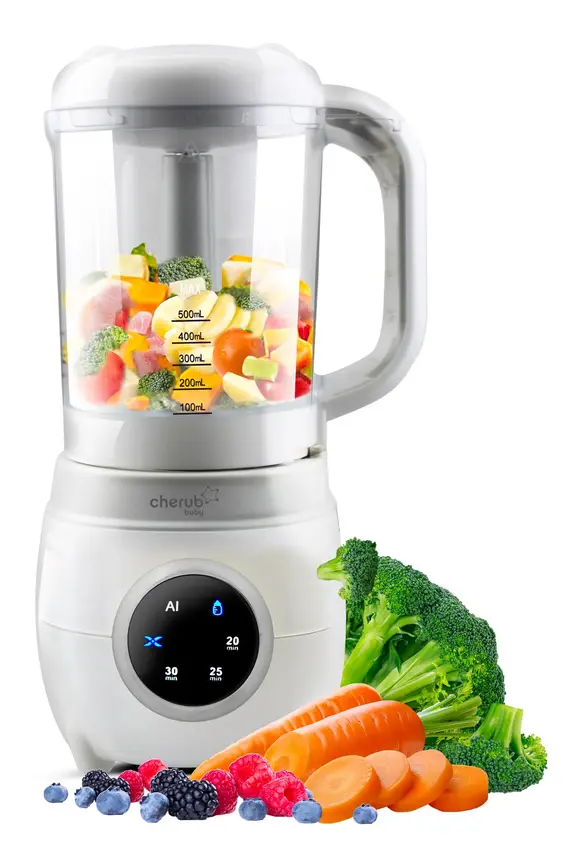
Cherub Baby Food Maker & Steriliser
Steams then blends food. It can also defrost, warm bottles and sterilise.
Read our full review →
Cherub Baby Pouch Filling Station
A 700 mL glass jug with a plunger to fill reusable food pouches with less mess.

Little Rawr Glass Food Jars (3 pack)
Three glass jars with silicone sleeves for storing baby food in the fridge or freezer.
Food safety, steaming and storing baby food
Babies have young immune systems, so clean food prep matters just as much as the bowl material. Good food habits keep your baby safe from tummy bugs.
Why steaming works well
Steaming cooks food using hot vapour instead of sitting it in a pot of boiling water. A 2018 study in Food Science and Biotechnology found that steaming keeps more vitamin C and other water-soluble vitamins in vegetables than boiling does. Those vitamins stay in the food instead of washing out into cooking water.
Clean prep rules
- Wash your hands with soap and warm water before you touch baby food.
- Wash all fruit and vegetables under clean running water, even if you plan to peel them.
- Use separate chopping boards for raw meat and fresh fruit or veg.
- Cook meat, chicken, fish and eggs until steaming hot all the way through, with no pink meat left.
- Never put honey in baby food before 12 months of age. Honey can contain spores that cause infant botulism, a rare but serious illness.
Cooling, storing and reheating safely
Follow these rules from the NHS Best Start in Life and FoodSafety.gov:
- Cool cooked purée quickly. Put it in clean, lidded containers and place it in the fridge within two hours.
- Use fridge-stored baby food within 1 to 2 days. Throw away any leftovers your baby did not eat from their spoon or bowl, because saliva adds bacteria.
- Freeze extra portions in clean ice cube trays or small pots, then label them with the date.
- When reheating food, heat it until piping hot all the way through. Stir well to remove hot spots, then let it cool to lukewarm before testing it on the back of your hand or a clean spoon.
- Never reheat baby food more than once.
Avoiding steam burns
Steamer-blenders get very hot inside. Keep the machine pushed back on the kitchen bench, well away from curious toddler hands and dangling cords. Wait a minute or two after steaming ends before lifting the lid, and point the lid away from your face so rising steam does not scald you.
Official advice in Australia, the UK, the US and Canada
No country bans Tritan baby food makers, and no country requires you to use a glass bowl. Instead, all four countries regulate food-contact plastics and electrical safety, and share similar advice on starting solids.
| Country | Food & chemical safety body | Baby feeding & product safety bodies | Key guidance |
|---|---|---|---|
| Australia | Food Standards Australia New Zealand (FSANZ) | NHMRC, Raising Children Network, ACCC (Product Safety Australia) | Approved food-contact plastics are safe; microplastics are under study. Start solids around 6 months. Check Product Safety Australia for electrical recalls. |
| UK | Food Standards Agency (FSA) | NHS (Best Start in Life), Office for Product Safety and Standards (OPSS) | Wash and cook food well, cool fast, reheat once until piping hot. Buy appliances from trusted sellers that meet UK electrical rules. |
| US | U.S. Food and Drug Administration (FDA) | American Academy of Pediatrics (AAP), U.S. Consumer Product Safety Commission (CPSC) | FDA checks food-contact plastics for safety. AAP recommends starting solids around 6 months and moving past purées to varied textures. Check CPSC for recalls. |
| Canada | Health Canada | Canadian Paediatric Society (Caring for Kids) | Health Canada oversees food-contact materials and recalls. Caring for Kids advises iron-rich first foods from around 6 months and moving to lumpy textures soon after. |
Whichever country you live in, buy electrical kitchen gear from a trusted local store rather than an unknown overseas seller. Genuine local models are built for your country's power voltage and safety plugs.
Common mistakes to avoid
Even great kitchen gadgets can cause trouble if used the wrong way. Watch out for these six common slip-ups.
- Blending boiling food in a sealed jug: Hot steam builds pressure fast when blades spin. Let food cool for a few minutes first, or check that the lid vent is clear.
- Leaving old water in the tank: Tip out leftover water after every use and leave the tank lid open to air-dry.
- Forgetting the silicone seal: Pull off the rubber ring around the blade and lid after each wash. Milk, meat juice and fruit pulp hide underneath it.
- Scrubbing Tritan with rough pads: Steel wool or rough green scourers scratch plastic. Scratches trap orange stains, food smells and germs.
- Skipping the temperature check: Blended purée holds heat in the middle while the top feels cool. Always stir and test before offering a spoonful.
- Buying a giant machine for a tiny kitchen: A steamer-blender is often used for only 4 to 6 months. Make sure it fits your bench space or cupboard before buying.
More options, from budget to premium
Real products from our catalogue. We don't show star ratings or review counts; check the current price, stock and reviews on Amazon before you buy.
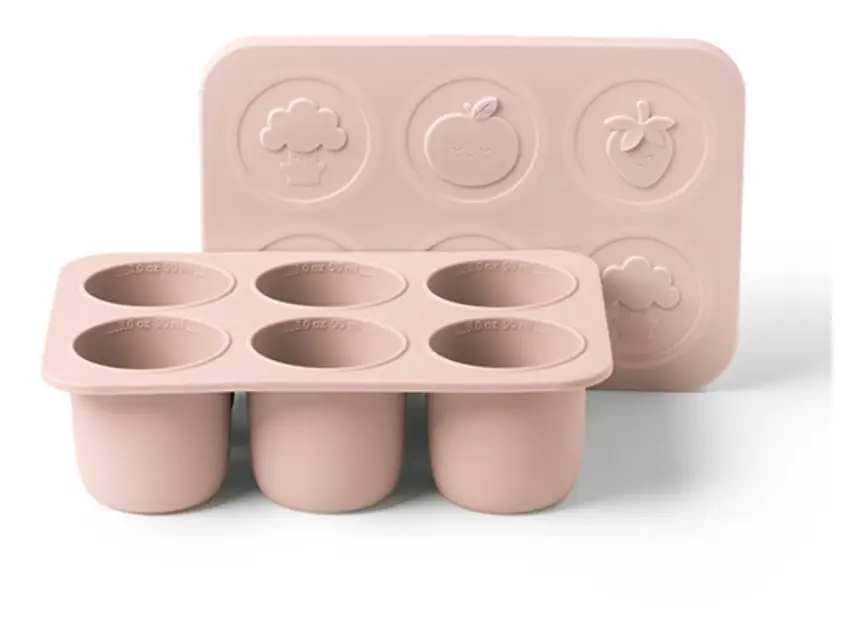
Annabel Karmel Silicone Freezer Food Tray
A silicone tray for freezing small portions of home-made baby food.

Baby Brezza One Step Baby Food Maker Deluxe
Steam-and-blend baby food maker
Frequently asked questions
Is Tritan plastic safe for steaming baby food?
Yes, food safety agencies like the FDA and FSANZ approve Tritan for food contact and hot use, and it does not contain BPA. Still, some parents choose glass and stainless steel because heat and wear can cause plastic to shed tiny particles over time.
Do glass-bowl baby food makers have any plastic parts?
Almost all of them do. While the jug is glass and the basket may be stainless steel, the lid, steam nozzle and blade housing are usually made from heat-resistant plastic and silicone. Check product photos carefully to see how much plastic touches the food.
Do I need a special baby food maker, or is a pot and steamer enough?
A normal pot with a metal steamer basket and a fork or stick blender works just as well. You also avoid plastic completely with a metal pot and metal blender shaft. A baby food maker simply saves you time and effort because it steams and blends in one bowl and switches off on its own.
Can I steam and blend meat, fish and eggs in these machines?
Yes, most steamer-blenders can cook small diced pieces of chicken, beef, fish and egg. Cut meat into small, even cubes so it cooks all the way through. Always check that meat has no pink inside before you blend it.
How do I clean the water tank so mould does not grow?
Empty the tank after every use and wipe it dry with a clean cloth. If mineral scale builds up from tap water, run a descaling cycle using white vinegar and water or citric acid, as listed in your manual. Then run one or two cycles with plain water to rinse it well.
How long will we actually use a baby food steamer-blender?
Most families use a steamer-blender heavily between 6 and 10 months of age. Once your baby moves on to chopped family meals around 10 to 12 months, you will likely stop needing purées. Many parents keep using the steam function for veg, or pass the machine on to another family.
Sources
- Raising Children Network – How to make baby food: in pictures
- Food Standards Australia New Zealand – Bisphenol A (BPA)
- Food Standards Australia New Zealand – Microplastics in food
- NHS Best Start in Life (UK) – Storing and reheating food
- NHS – Children's food: safety and hygiene
- U.S. FDA – Bisphenol A (BPA): use in food contact application
- Caring for Kids, Canadian Paediatric Society – Feeding your baby in the first year
- Lee et al. (2018), Food Science and Biotechnology – Effect of cooking methods on vitamin retention in vegetables (PubMed)
Related guides
More Feeding & Baby Food →
All-in-One Baby Food Steamers and Blenders: Even Cooking, Keeping Nutrients and Safe Use

Glass vs Stainless Steel Baby Food Jars: Freezing, Lids and Safe Storage
Glass vs Plastic vs Stainless Steel Baby Bottles: Pros, Cons and Safety