Travelling with Kids: How to Choose and Use a Travel Stroller
Choose a travel stroller for your child’s age, your route and your luggage. Learn what to check, how to use it safely, and what to ask before flying.
On this page
- What makes a stroller useful for travel?
- Start with your child’s age and stage
- Choose for your route, not just the fold
- Travel stroller options compared
- Safety checks before you set off
- Sun, heat, rain and cold
- Sleep while travelling
- Air travel and public transport
- Pack and practise before the trip
- Clean and care for the stroller
- Common travel stroller mistakes
- Official guidance in Australia, the UK, the US and Canada
- A simple checklist before you buy
- Frequently asked questions
- Sources and further guidance
- Sources
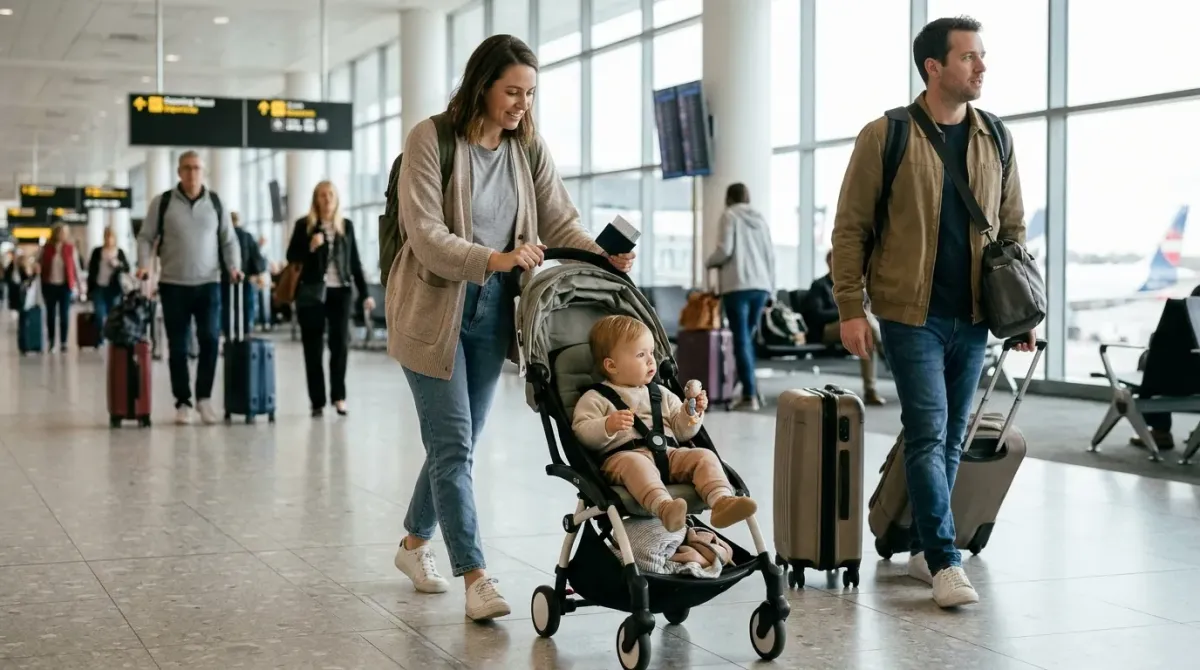
Short answer: A travel stroller can make family trips easier. It may be lighter or smaller than your everyday stroller. That can help on trains, in airports and along busy streets. The right choice depends on your child’s age, your route and the places you will visit. Check the stroller’s age and weight limits. Learn how it folds before you leave home. Keep your child buckled whenever they ride. A stroller seat is not a safe sleep space. If your baby falls asleep, move them to a suitable, flat sleep space as soon as you can.
Travel rules vary by airline, airport and country. Check them directly before your trip. A stroller that fits one airline’s cabin rules may not fit another’s. Some airlines let you use a stroller to the gate. Others ask you to check it earlier. Do not assume that a compact fold means cabin approval.
What makes a stroller useful for travel?
A travel stroller is a pram or stroller chosen for trips away from home. It may be compact when folded, light enough to lift, or easy to steer in tight spaces. There is no single design that suits every family. Some small models have firm seats and small wheels. Some larger models handle rough paths better but take more room.
A stroller can give a tired child a place to sit. It can also make it easier for an adult to carry bags or guide another child. But it does not remove the work of travel. You still need to lift it, fold it and manage it around people. A stroller can also be awkward on stairs, sand, cobbles or packed buses.
Think about the whole trip. The walk from the car park may be short. The airport may involve long corridors, queues and lifts. A city break may include narrow pavements and old buildings. A beach trip may have soft sand. Your usual stroller may already suit some journeys better than a separate travel model.
Start with your child’s age and stage
Do not choose by the words “from birth” alone. Read the manual for the exact model. Check the age, size and weight rules. Some seats are made for children who can sit upright without help. Others may be used with a specific newborn insert or carrycot. The maker’s instructions explain what is allowed.
For a newborn, look for a model with a suitable flat carrycot or a seat that the maker says is safe for newborn use. Check that the baby’s head and body have support. Make sure the child’s face stays clear. Do not add a pillow, loose blanket or unapproved cushion. Extra padding can change how the harness fits.
For a baby who can sit, check the seat recline and harness. The shoulder straps should fit the child as the child grows. The seat should support the child without slumping. If your baby cannot sit safely in that model, choose another option.
For a toddler, consider leg room, seat width and the child’s patience. A child may walk part of the route and ride for the rest. A footrest can help on longer walks. Check whether the child can climb in or out safely. Do not let a child stand on the seat or footrest.
For two children, check the full load limit. Include both children and any items placed in the basket. A double stroller may be heavier and wider. It may not fit through every doorway or lift. Measure your most likely narrow spaces before you buy.
Choose for your route, not just the fold
A small fold is useful when space is tight. It is only one part of the choice. You may need to lift the stroller onto a bus, carry it up steps or push it for hours. Try those actions in a shop, if possible. If you cannot test it, read the manual and check the folded measurements.
Think about the surfaces you will meet. Small wheels can be handy indoors and on smooth paths. Larger wheels may cope better with uneven paths. No stroller is easy on every surface. Deep sand, gravel, snow and broken paving can still be hard to cross.
Check how the handle feels in your hands. If two adults will share pushing, see whether both can reach it comfortably. Check that the brakes are easy to use. Look for a clear way to lock the stroller before you lift or fold it. Keep fingers away from hinges and moving joints.
Storage also matters. A small basket may hold little more than a light bag. Heavy bags should not hang from the handle. They can make a stroller tip backwards. Put items in the maker’s approved storage area. Stay within its stated load limit.
Prams & Strollers worth a look
Real products from our catalogue. We don't show star ratings or review counts; check the current price, stock and reviews on Amazon before you buy.
 Reviewed
Baby Jogger City Tour 2
A 6.5 kg stroller with a near-flat recline. It folds small and comes with a carry bag.
Read our full review →
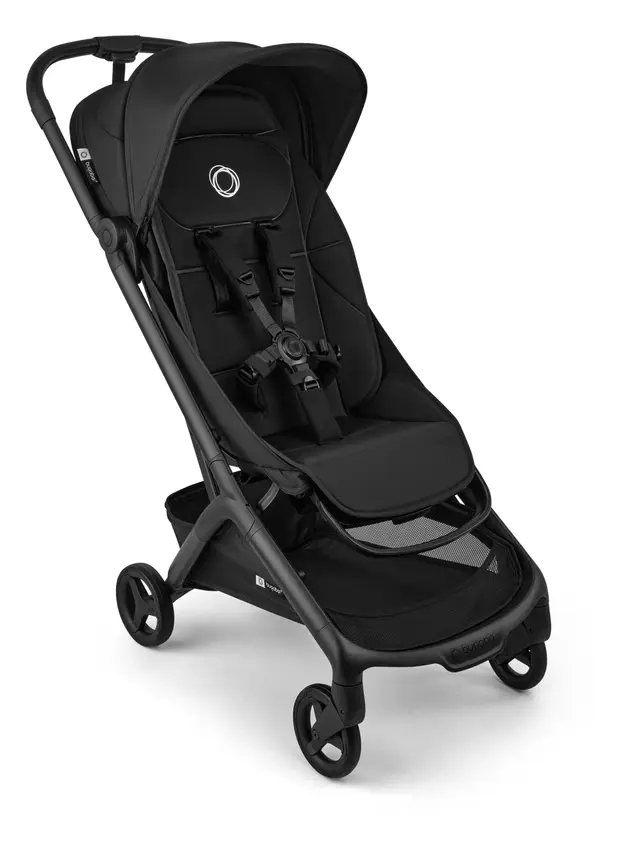
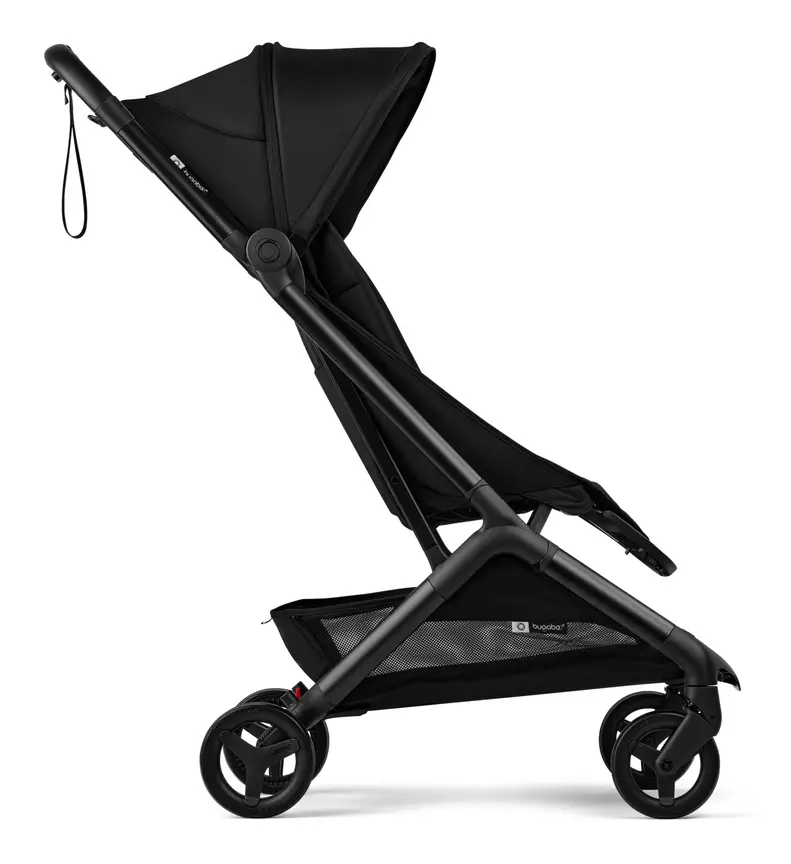


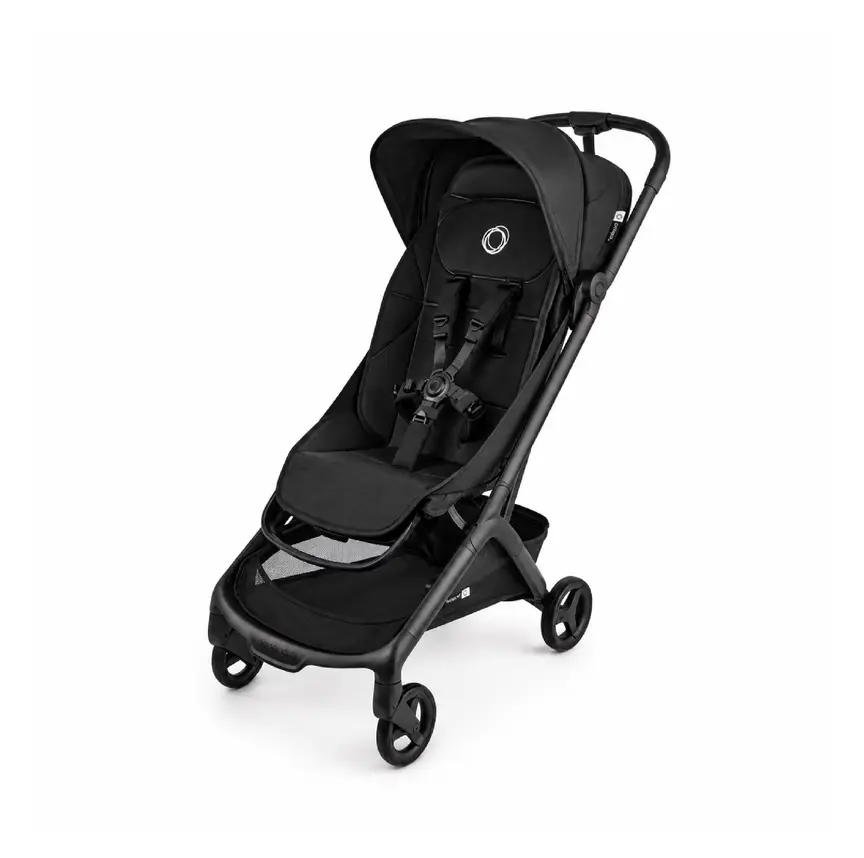
Bugaboo Butterfly
Bugaboo's cabin-friendly compact stroller with a one-second fold — the travel partner to a Fox, not a replacement for it.
Bugaboo Butterfly 2
The newer Butterfly. It folds in about one second, has a lay-flat seat and a bigger basket with a back pocket.
Read our full review →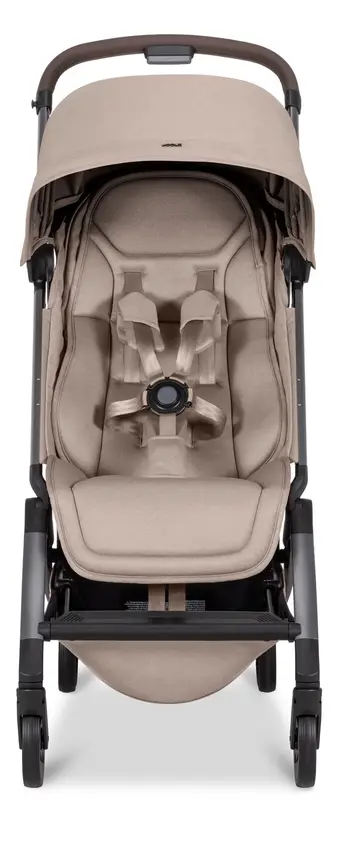


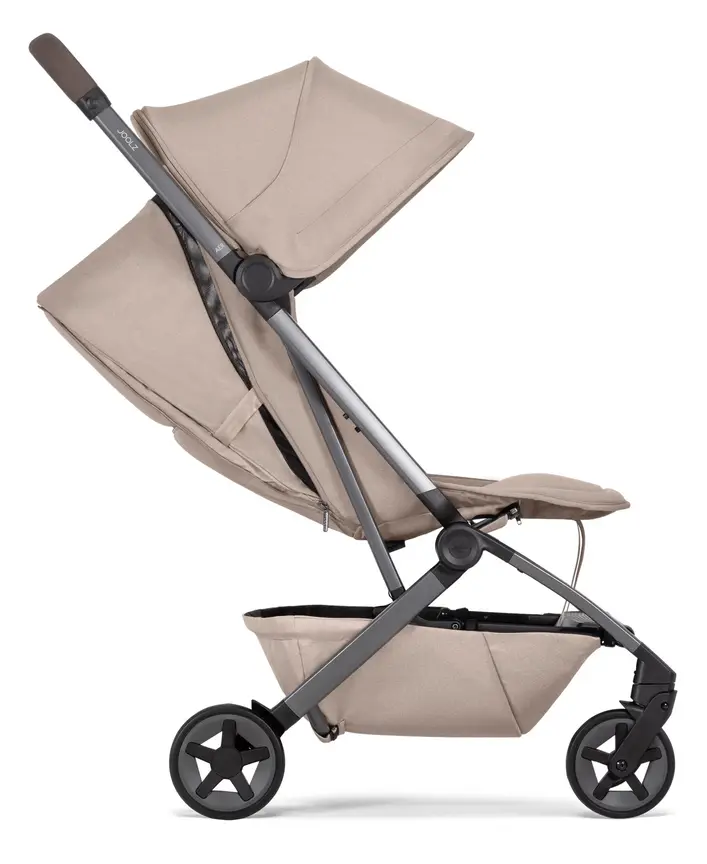


Joolz Aer2
A 6.5 kg stroller with a fast one-hand fold, deep recline from newborn and a UPF50+ sun hood.
Read our full review →Travel stroller options compared
The table compares common choices. These are general types, not promises about every model. Always check the instructions for the stroller you plan to use.
| Choice | May suit | Things to check | Possible drawback |
|---|---|---|---|
| Compact travel stroller | Trips with little storage space and smooth routes | Age limit, seat support, fold, carry weight and basket limit | Small wheels or a short seat may feel less suited to rough paths or long days |
| Everyday full-size stroller | Families who already own one and have room to transport it | Folded size, weight, travel handling and airline rules | May be harder to lift or store in a small vehicle |
| Travel system with a car seat | Some journeys that include a car and a compatible stroller | Approved fit, correct installation and each item’s instructions | A car seat is for travel in a vehicle. It is not a cot or routine sleep space |
| Stroller with a carrycot | Newborns, when the exact carrycot is approved for that model | Age and weight limits, locking points, flat base and safe sleep guidance | It can take more room than a compact seat stroller |
| Double stroller | Two children who need a ride during the trip | Width, weight, each child’s limit and total load | It may not fit through narrow doors or busy spaces |
| Baby carrier with no stroller | Short routes where the adult can carry the child safely | Fit, airway position, weather and the carrier’s instructions | It can tire the adult and may not suit every child or outing |
A carrier can be useful as a second option. It does not suit every adult or child. Follow the carrier instructions and keep the child’s face visible. Do not use a carrier as a reason to skip breaks.
Safety checks before you set off
In Australia, Product Safety Australia explains how to use prams and strollers safely. It also lists the mandatory standard for these products. Check current guidance and recalls before buying or using a stroller. The product should have clear instructions and details about its maker or importer.
Check the stroller before each trip. Look over the frame, wheels, brakes, straps and buckles. Make sure the folding locks engage as described in the manual. Stop using it if a part is cracked, loose or missing. Contact the maker or seller for advice. Do not tie or tape a broken part as a repair.
Use the harness every time your child rides. Fasten it as the manual shows. It should be snug, with no slack that lets the child slip out. Do not add a strap cover or accessory unless the maker allows it. Keep the child’s hands, feet and clothing away from the wheels and folding joints.
Set the brake when you stop. This matters on slopes, near roads and while you adjust a bag. Keep hold of the handle. A stroller can roll if the brake is not on or does not work well.
Never leave a child alone in a stroller. Stay close, even when the child is asleep. Do not let an older child push a baby without an adult right beside them. Take care near stairs, escalators, road edges and platform gaps. Use lifts when available. Carrying a stroller on stairs can be difficult and unsafe. Ask another adult for help when needed.
Do not hang heavy bags from the handle. Do not let a child climb on the footrest. Keep the stroller within the maker’s weight limits. Do not use it as a shopping trolley. A stroller loaded with bags can tip or become hard to steer.
Sun, heat, rain and cold
A canopy can give shade, but it does not block all sunlight. Use shade where possible. Dress your child for the weather. Check the child often, especially in hot conditions. Babies and young children can become too warm. A covered stroller may also trap heat.
Do not cover the stroller with a blanket or cloth to make shade. It can reduce airflow and make the space warmer. Use only a shade accessory that the stroller maker approves. Keep the child’s face clear and check for fresh air.
In strong sun, plan breaks indoors or in shade. Follow advice from your local health service about sun protection. Keep drinking water available when suitable for your child’s age. Never leave a child in a parked car, even for a short time.
Rain covers can reduce airflow if fitted poorly. Use the cover only as its instructions allow. Remove it when it is no longer needed. Check that the child is not hot or damp. In cold weather, use layers that do not interfere with the harness. The buckle should close as designed.
Sleep while travelling
Children may fall asleep while being pushed. A stroller seat is not a safe place for routine sleep. Keep watching your child. When you reach a suitable place, move the baby to a safe, flat sleep space as soon as you can. Follow your country’s safe sleep advice.
Do not use a car seat, stroller seat or inclined seat as a cot. If your child falls asleep in a car seat during a journey, the seat must be used as the car maker and seat maker instruct. When the journey ends, move the child to a suitable sleep space. Do not leave a sleeping baby unattended in a stroller.
Plan naps around the trip where possible. Carry the usual sleep items only if they are safe and allowed. Keep loose items away from a baby’s face. Ask your health professional if your baby has special sleep or breathing needs.
Air travel and public transport
Ask the airline about its stroller rules before travel. Check the permitted size and weight. Ask whether the stroller can go to the gate or must be checked at the desk. Confirm how it will be returned after landing. Rules can differ between airlines and routes.
Write down the stroller’s model and contact details. Remove loose items before handing it over. If the airline offers a bag, use it. A travel bag may protect the stroller from dirt and scratches. It does not guarantee that no damage will happen.
Keep any required travel items with you. This might include a baby carrier, spare clothes, nappies and food. Do not pack medicines or important documents in a stroller bag. If the stroller is delayed, you may need those items before it returns.
On buses and trains, follow staff instructions. Fold the stroller if asked. Use a wheelchair or stroller space only as the transport operator allows. Keep the aisle and doors clear. Hold the stroller securely while the vehicle moves. Do not leave a child alone in it.
For airport security, check the official rules for your departure country. Baby food and liquids may have special rules. Do not rely on an old post or another traveller’s experience. Requirements can change.
Side by side: more prams & strollers to compare
Real products from our catalogue. We don't show star ratings or review counts; check the current price, stock and reviews on Amazon before you buy.


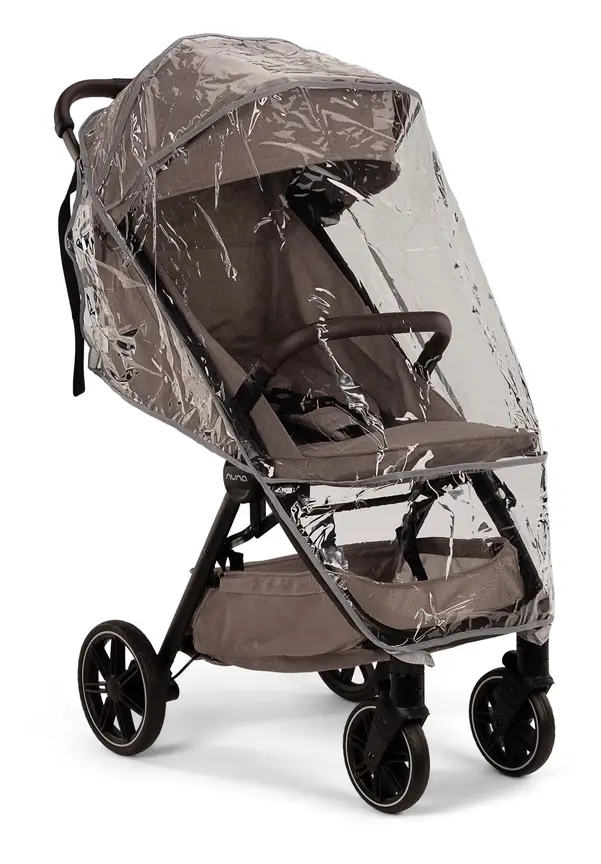

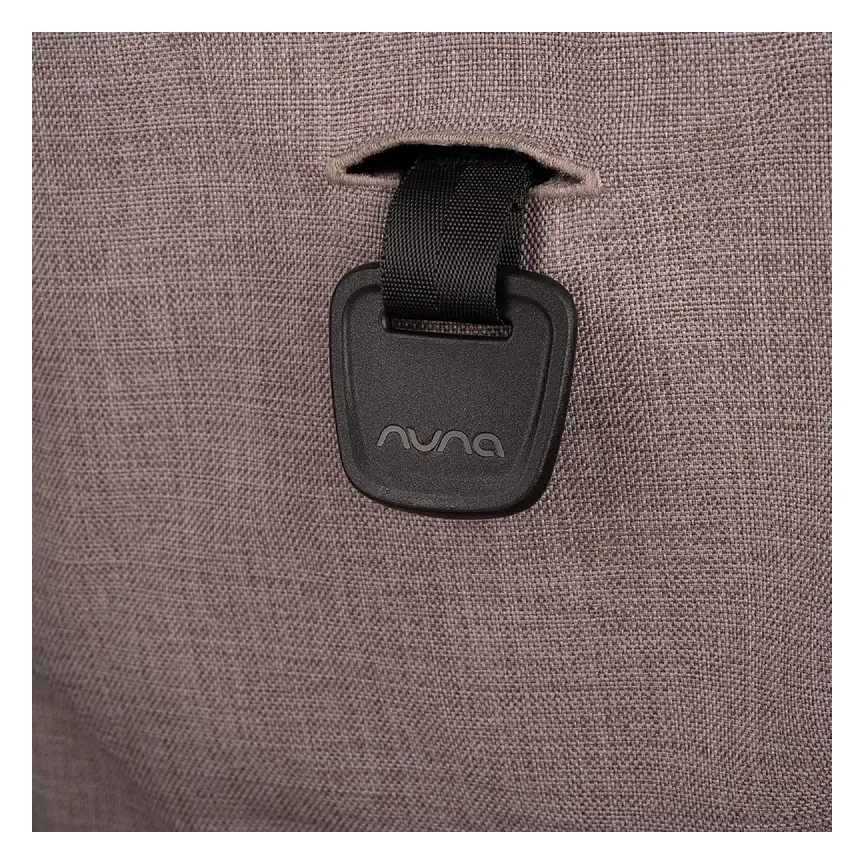
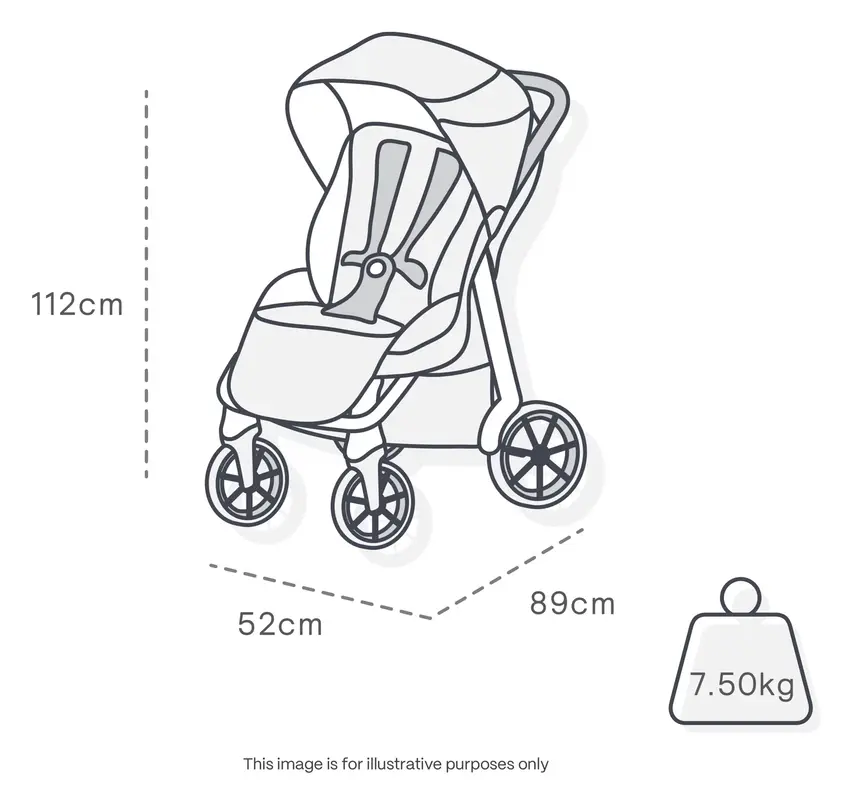
Nuna TRVL LX
A premium compact stroller with a lie-flat seat. It takes the Nuna KLIK Plus capsule on the armbar.
Read our full review →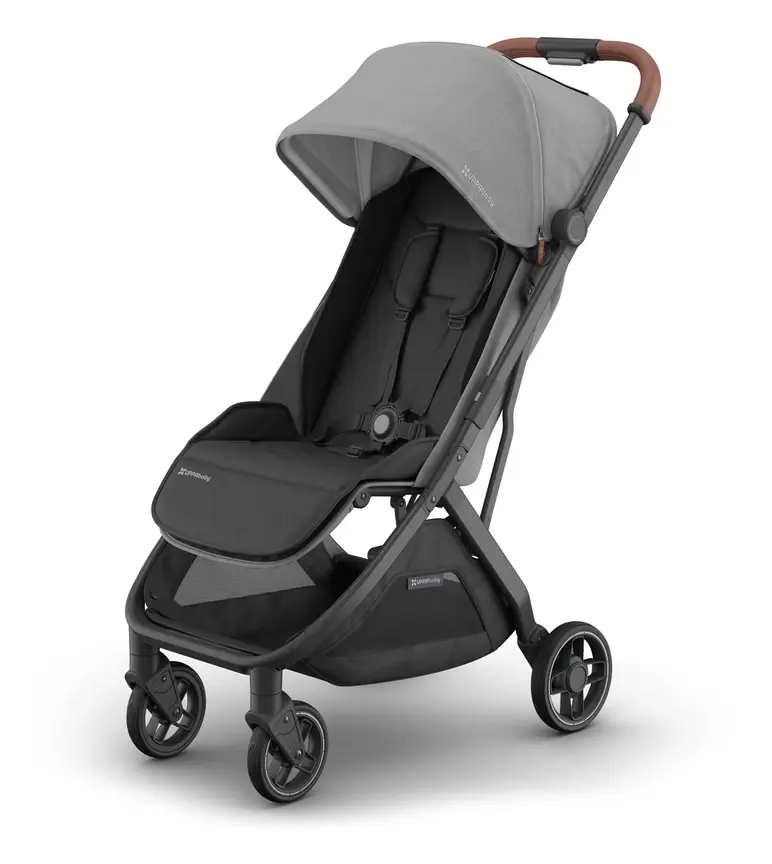


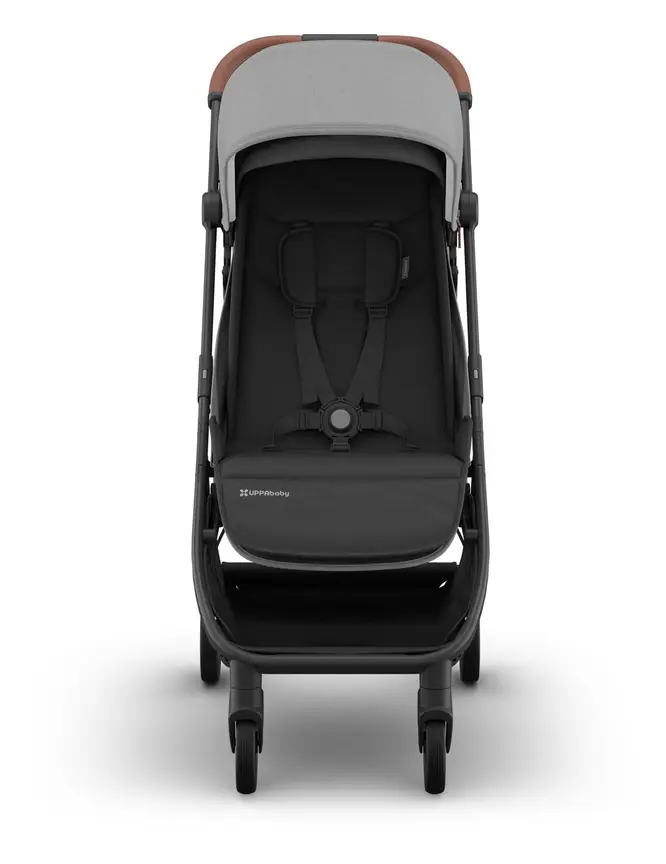


UPPAbaby Minu V3
A slim travel stroller that folds with one hand, stands on its own and is sized for plane overhead lockers.
Read our full review →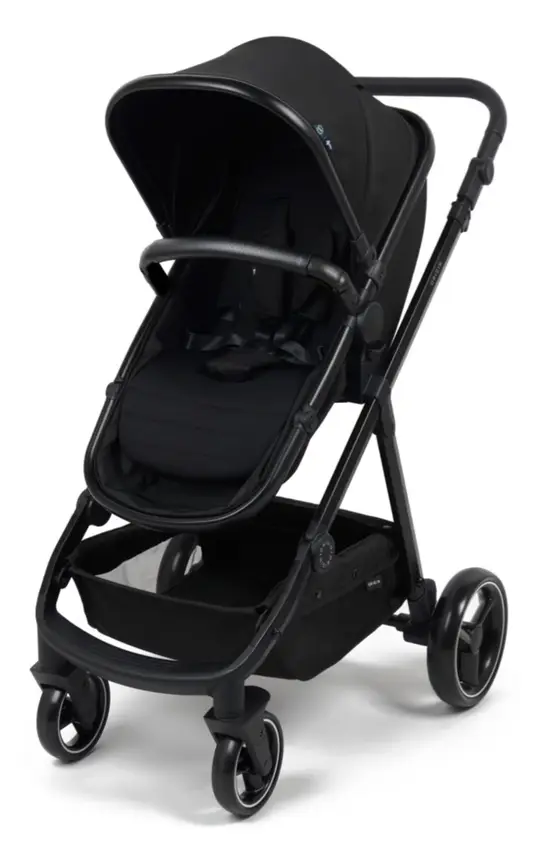
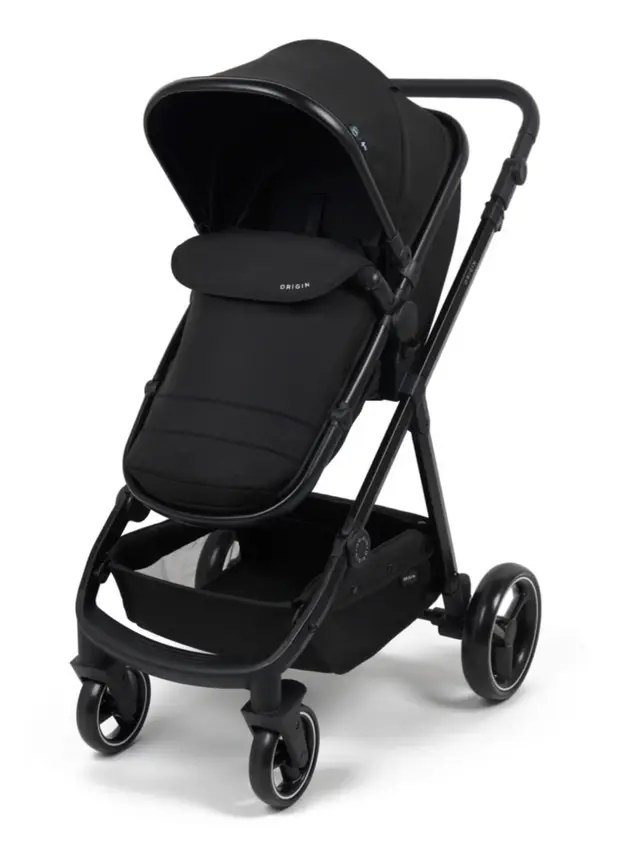
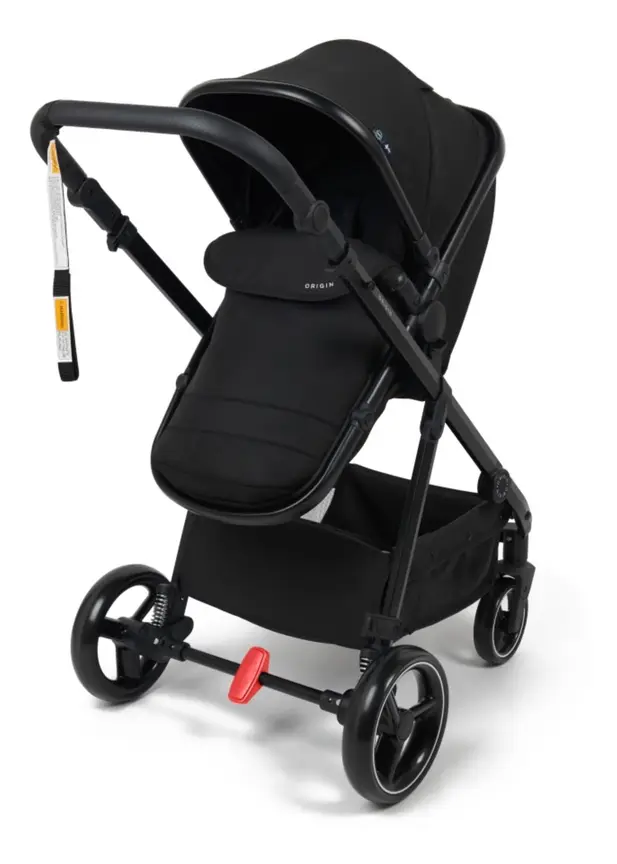
4baby Origin Stroller
A budget pram whose seat turns into a bassinet. The seat can face you or face the world.
Read our full review →
Baby Jogger City Mini GT2
Long-running, lighter all-terrain stroller with a famously simple one-hand strap fold.
Pack and practise before the trip
Try folding and unfolding the stroller at home. Use the manual. Practise without rushing. Learn where the locks are and how they sound or feel when engaged. Ask another adult to check your steps. Do not let a child stand nearby during folding.
Measure the folded stroller. Compare it with your car boot, cupboard or travel bag. Check its weight before you plan to lift it. Try lifting it from the floor to a safe height. If it feels too heavy, choose another plan or arrange help.
Pack only what you need for the outing. Keep the basket within its limit. Put heavy items low and centred, if the manual allows them there. Keep small objects away from the child. Check that nothing can drag near the wheels.
Keep the manual or a photo of the instructions on your phone. Add the maker’s contact details. This can help if you need to check the fold, clean the fabric or find a missing part away from home.
Clean and care for the stroller
Travel can bring dust, food spills and wet clothing. Clean the stroller using the maker’s instructions. Some fabrics can be removed. Others need a damp cloth. Do not use harsh cleaners unless the manual says they are safe for the material.
Dry the stroller fully before storing it. Check that the brakes still work after cleaning. Keep crumbs out of buckles and moving parts. Do not oil a hinge unless the maker tells you to do so. The wrong product can damage parts or affect how they lock.
Check wheels and fasteners after trips. Follow the maker’s service advice. If the frame or harness is damaged, stop using the stroller until it is repaired or replaced. Do not pass on a stroller with a known fault.
Common travel stroller mistakes
- Buying for the fold alone. A small fold may not suit your child’s age or your route. Check the seat and wheels too.
- Assuming cabin approval. Airline rules differ. Ask the airline about your exact stroller.
- Using an unsuitable seat for a newborn. Follow the model’s age and use instructions.
- Skipping the harness. Buckle your child every ride. Check the fit after clothing changes.
- Hanging heavy bags on the handle. This can make the stroller tip. Use approved storage.
- Covering the stroller with cloth. It can reduce airflow. Use approved shade and check your child.
- Letting a baby sleep in the stroller for a long time. Move them to a suitable flat sleep space as soon as you can.
- Forgetting the brake. Set it whenever you stop. Keep a hand on the stroller.
- Using an old or damaged model without checks. Check the instructions, condition and recall notices.
- Packing too much. A heavy stroller can be hard to steer and may exceed its load limit.
Official guidance in Australia, the UK, the US and Canada
Product rules and travel advice differ by country. Check local guidance when you buy or travel. In Australia, Product Safety Australia is part of the Australian Competition and Consumer Commission’s consumer safety system. Its pram and stroller guide covers safe use and product checks.
In the UK, the Office for Product Safety and Standards oversees product safety policy. The Lullaby Trust gives safer sleep advice for babies. In the US, the Consumer Product Safety Commission handles consumer product safety. The American Academy of Pediatrics gives child health advice. In Canada, Health Canada oversees consumer product safety. The Canadian Paediatric Society shares child health guidance through Caring for Kids.
| Place | Official or peak body | What to check |
|---|---|---|
| Australia | Product Safety Australia (ACCC); Red Nose for safe sleep advice | Pram and stroller safety guidance, recalls and local safe sleep advice |
| UK | Office for Product Safety and Standards; The Lullaby Trust | Product safety information and safer sleep guidance |
| US | U.S. Consumer Product Safety Commission; American Academy of Pediatrics | Product safety notices and child health guidance |
| Canada | Health Canada; Canadian Paediatric Society | Product recalls, travel rules and child health guidance |
Do not treat another country’s mark or label as proof that a stroller meets your local rules. Ask the local product safety body or seller if you are unsure. Check recalls in the country where you use the stroller. Keep proof of purchase and the model details.
A simple checklist before you buy
- Does the model suit your child’s age and size?
- Can you fold it and lift it safely?
- Will it fit your car, home and likely travel spaces?
- Can you steer it on the paths you expect to use?
- Does the harness fit your child and fasten as shown?
- Can you reach and use the brake easily?
- Does it have enough approved storage for your needs?
- Have you checked the airline or transport rules?
- Have you read the manual and checked current recall notices?
- Do you have a plan for naps and safe sleep?
More options, from budget to premium
Real products from our catalogue. We don't show star ratings or review counts; check the current price, stock and reviews on Amazon before you buy.


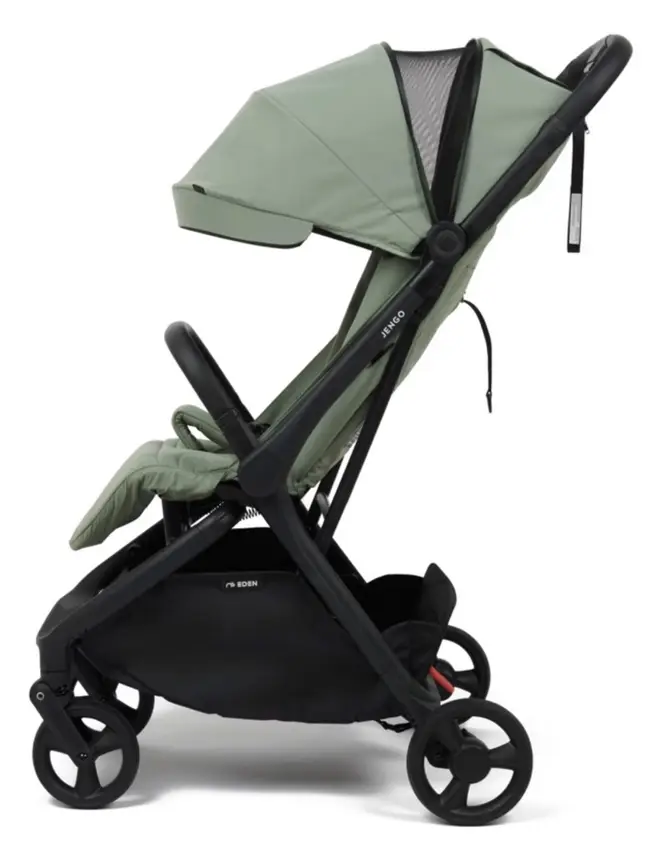
Jengo Eden Compact Stroller
A budget compact stroller from birth to 22 kg. It folds with one hand and has a big basket.
Read our full review →
Joie Nitro Stroller
A light, low-cost umbrella stroller with a flat recline, so it works from birth.
Frequently asked questions
Do I need a separate travel stroller?
No. Some families travel with their everyday stroller. Others choose a smaller model for trips. Think about your route, storage and lifting needs. A new stroller is not essential if your current one works well.
Can a newborn use a travel stroller?
Only if the exact model is approved for newborn use. Check the manual for age, size and setup rules. Some models need a matching carrycot or newborn insert. Do not guess from the seat’s recline alone.
Can my baby sleep in the stroller?
A stroller is not a routine sleep space. Watch your baby and move them to a suitable, flat sleep space as soon as you can. Follow local safe sleep advice and the stroller instructions.
Can I take a travel stroller into the plane cabin?
Maybe. The airline decides what can go into the cabin. Ask about your stroller’s folded size and weight before you travel. A compact design does not guarantee cabin approval.
Should I gate-check my stroller?
Ask the airline what options it offers. Some let families use a stroller to the gate. Others ask for it earlier. Confirm where to collect it after landing.
Are small wheels unsafe?
Small wheels are not automatically unsafe. Their comfort and handling depend on the model and surface. Try the stroller on routes like yours. Follow its instructions and keep its parts in good condition.
Can I hang a bag from the stroller handle?
Do not hang a heavy bag from the handle. It can affect balance and may tip the stroller. Use the approved basket and stay within the stated load limit.
What should I do if my stroller is recalled?
Stop using it if the recall notice says to stop. Follow the maker’s and product safety body’s instructions. Keep the model number and proof of purchase. Do not try an unapproved repair.
Is a baby carrier better than a stroller for travel?
It depends on the child, adult and route. A carrier may help on stairs or narrow paths. A stroller may give the child a place to sit. Some families take both. Use each one as its instructions require.
How do I choose between a compact stroller and a full-size one?
Compare the routes and storage you expect. A compact model may be easier to carry. A full-size model may suit longer walks or rougher paths. Check the child’s fit, wheel handling, fold and weight before deciding.
Sources and further guidance
- Product Safety Australia – Prams and strollers guide
- Product Safety Australia – Prams and strollers mandatory standard
- UK Office for Product Safety and Standards
- U.S. Consumer Product Safety Commission – Safe sleep: cribs and infant products
- Health Canada – Recalls and safety alerts
- Canadian Paediatric Society – Safe sleep for babies
Disclaimer: This article gives general information. It does not replace advice from a health professional, product maker or local safety authority. Always follow the stroller instructions and local rules.
Affiliate disclosure: BabyGearFinder may earn a commission when you buy through links on this site. This does not change the price you pay.
Sources
- Product Safety Australia – Prams and strollers guide
- Product Safety Australia – Prams and strollers mandatory standard
- UK Office for Product Safety and Standards
- The Lullaby Trust (UK) – Safer sleep on holiday
- CPSC (US) – Safe sleep: cribs and infant products
- Health Canada – Recalls and safety alerts
- Caring for Kids (Canadian Paediatric Society) – Safe sleep for babies
Related guides
More Car Seats & Travel →
Travelling with Kids: How to Choose and Use a Convertible Travel Car Seat

Travelling with a Toddler? How to Choose and Use a Portable Potty Seat
Stroller and Car Seat Combos: Benefits, Risks, and How to Choose