













Wall-Mounted Stroller Hooks and Over-the-Door Hangers: How to Store a Pram Safely
Compare wall hooks, door hangers and floor stands for storing a stroller. Learn how to check the wall, protect your door and keep children safe.
On this page
- What these storage options do
- Start with the stroller maker’s instructions
- Choose a storage spot that works
- Wall hooks: check the wall and fixing
- Over-the-door hangers: check the door and hinges
- Compare the main storage choices
- How to fit and check a storage hook
- Keep children safe around stored strollers
- Clean and store the stroller well
- Common mistakes to avoid
- Official guidance in Australia, the UK, the US and Canada
- When floor storage is the better choice
- Frequently asked questions
- Sources and further guidance
- Sources
Short answer: A wall hook or door hanger can keep a stroller off the floor. First, check the stroller maker’s storage advice. Check the hook’s load limit and the wall or door. Use fixings that suit the surface. Keep the stored stroller secure and out of children’s reach. If you cannot confirm that the surface and fixing can hold it, choose floor storage instead.
This guide covers storage only. It does not test or rate hooks, hangers or strollers. There is no single baby product standard for a household stroller hook. A hook’s safe load depends on its design, fixing, wall or door, and the way it is fitted.
What these storage options do
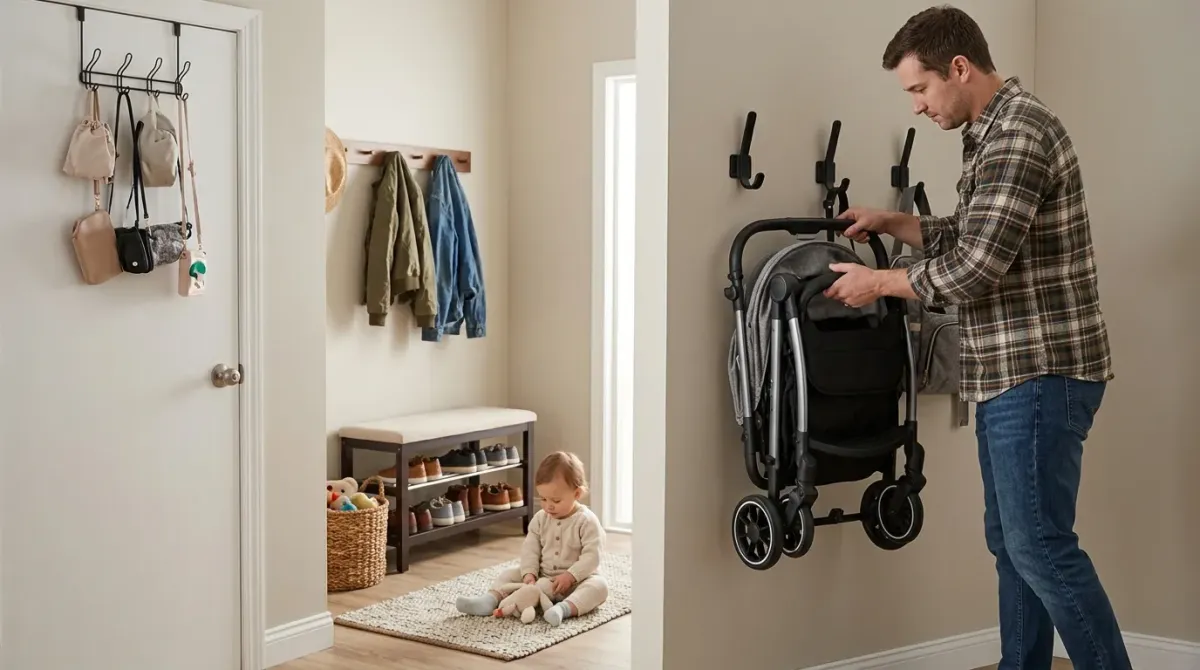
A wall-mounted hook is fixed to a wall. The stroller hangs from the hook or from a strap attached to it. Some designs use two hooks. Others use one hook and a loop.
An over-the-door hanger fits over the top edge of a door. It may have one or more hooks. It avoids drilling, but it still puts weight on the door and its hinges.
A floor stand or a marked parking space keeps the stroller on its wheels. It needs floor space, but it avoids hanging weight from a wall or door.
These options solve a storage problem. They do not make a hallway wider or remove a trip hazard by themselves. Measure the area first. Make sure people can still pass and open doors fully.
Start with the stroller maker’s instructions
Check the manual for folding, lifting and storage instructions. Some strollers should be stored folded. Some can stand when folded. The manual may show where to hold the frame. Follow that guidance.
Do not assume a stroller can hang safely from any part of its frame. A handle, footrest, canopy bar or basket may not be made to carry the stroller’s full weight. A strap may press on fabric or a moving part. If the manual does not name a suitable lifting point, ask the maker or use floor storage.
Before lifting, remove bags and loose items. Empty the basket. Check that the stroller is fully folded and locked as directed. A loose frame can open or shift while you lift it.
Use a lifting method that suits your body. Strollers can be awkward to hold. Keep the load close to your body. Avoid twisting while carrying it. If it feels too heavy or unstable, ask for help or choose another storage method.
Choose a storage spot that works
Look for a dry place that does not block a walkway, exit, cupboard or door. Keep the stroller away from heaters, cooktops and other hot surfaces. Do not store it where it could fall onto a cot, bed or play area.
Think about how the room is used. A hallway hook may be in the way when the stroller is hanging. A door hanger may stop the door from closing. A hook beside a frequently used door may make people bump into the frame.
Check the full space around the stroller. Include its wheels, handles and any parts that stick out. Open nearby doors and drawers. Walk through the area as you normally would. If anything catches, blocks access or creates a trip risk, choose another spot.
Keep a stored stroller away from blind and curtain cords. Children can be hurt by loose cords. Product Safety Australia and the ACCC give advice about cord hazards. Their guidance is useful when choosing where to place furniture and baby gear.
Prams & Strollers worth a look
Real products from our catalogue. We don't show star ratings or review counts; check the current price, stock and reviews on Amazon before you buy.
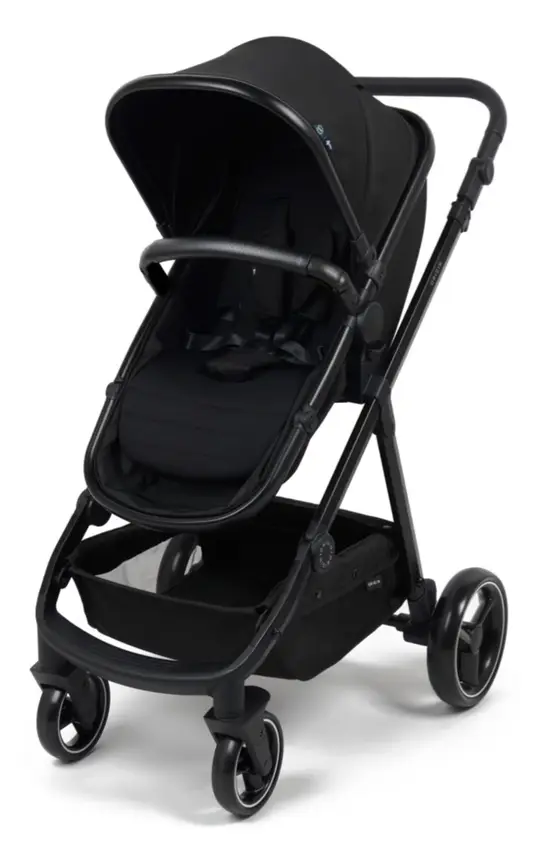
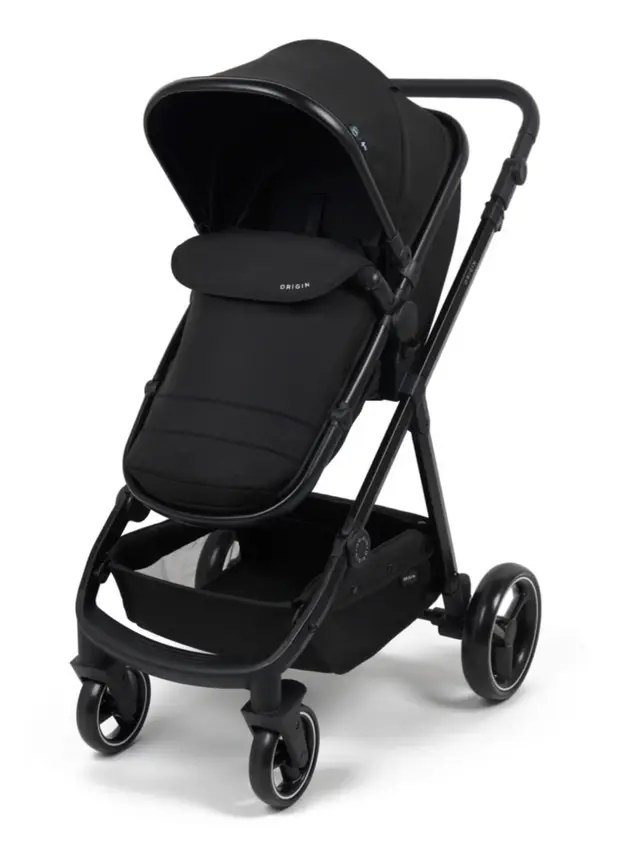
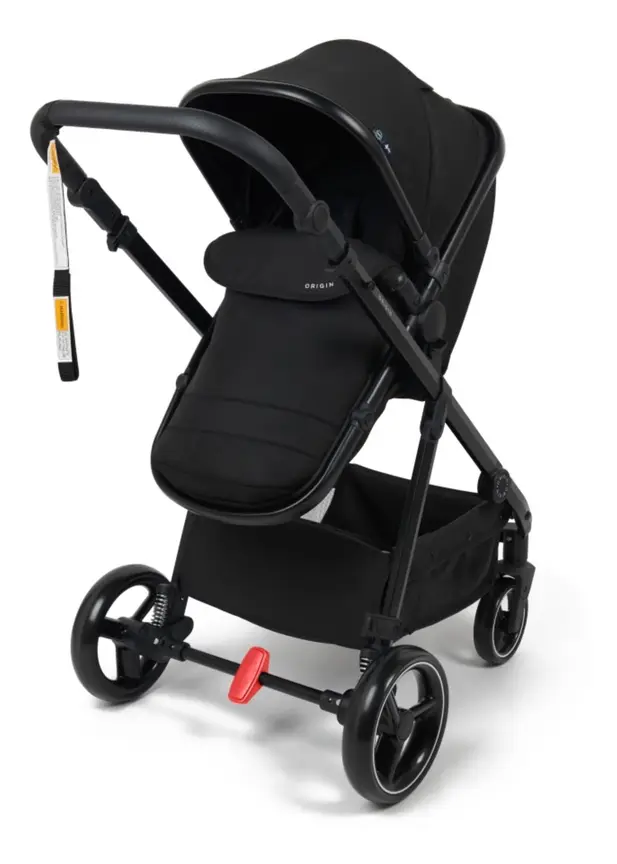
4baby Origin Stroller
A budget pram whose seat turns into a bassinet. The seat can face you or face the world.
Read our full review →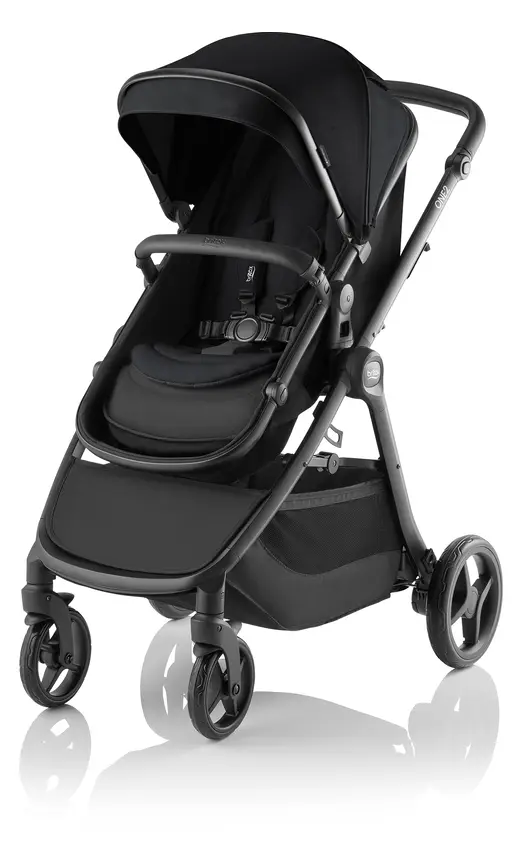
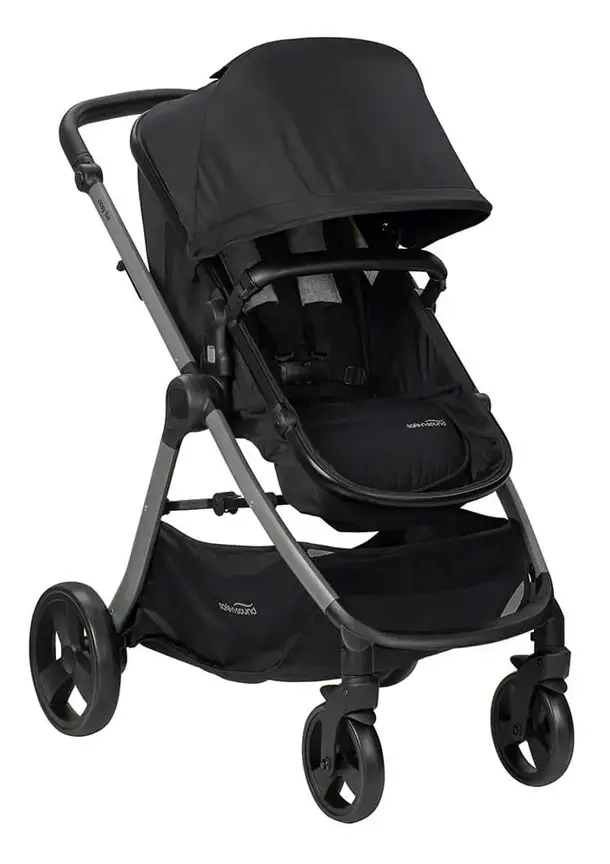

Maxi-Cosi Zelia 3
A mid-price pram with a carrycot that changes into a seat, so one frame covers birth to toddler.
Wall hooks: check the wall and fixing
A wall hook is only as secure as its fixing and the part of the wall behind it. A hook attached to weak plaster may pull out. A fixing meant for one wall type may not suit another.
Identify the wall before buying or fitting a hook. Common surfaces include timber framing, masonry and plasterboard. If you do not know what is behind the wall, do not guess. Ask a qualified installer or choose another storage method.
Follow the hook maker’s instructions. Use the stated fixing type and fitting method. Do not replace screws or anchors with parts that merely look similar. Check whether the stated load limit applies to one hook, a pair of hooks or the full system.
The load limit is not a promise that every wall can hold that amount. It usually depends on a suitable surface and correct fitting. A weak wall, unsuitable screw or poor installation can lower the safe load.
Do not use an adhesive hook unless its maker clearly allows that use and load. Paint, dust, moisture and wall texture can affect how well adhesive holds. A stroller is a heavy, awkward load. A hook that works for a light coat may not suit a stroller.
Over-the-door hangers: check the door and hinges
A door hanger can seem simple because it does not need drilling. But the door now carries extra weight. The hanger also needs to fit the door’s thickness and shape.
Read the hanger instructions before use. Check its load limit and the kinds of doors it suits. Check that the door closes and latches with the hanger in place. Do not force a door that catches or no longer shuts properly.
Look at the top edge of the door. A tight fit may damage the finish. A loose fit may let the hanger move. Check that the hanger does not press on a seal, wiring or another part of the door.
Inspect the hinges and door frame. Do not use a hanger if the door sags, sticks, rattles or has loose hinges. If you are unsure whether they can carry the added weight, ask a qualified installer or use floor storage.
Keep the stroller away from the door’s swing path. A sudden door movement could make the stroller swing or fall. Do not hang the stroller on a door that children may open or close without warning.
Compare the main storage choices
| Option | Space used | What to check | Good fit when |
|---|---|---|---|
| Wall-mounted hook | Uses wall space; keeps floor clear | Wall type, fixing, load limit, stroller lifting point | You can confirm the wall and fixing suit the load |
| Over-the-door hanger | Uses door space; may affect door use | Door fit, hinges, closing, load limit, swing path | The door and hanger maker allow the intended use |
| Floor stand | Uses floor space | Stable base, stroller fit, clear walkway | You want to avoid drilling or loading a door |
| Folded parking space | Uses a clear patch of floor | Fold lock, nearby traffic, access to exits | The stroller can stand safely as its maker describes |
| Storage cupboard or room | Uses enclosed space | Door clearance, damp, access, risk of items falling | You have a dry, clear area with enough room |
No option is right for every home. Choose the one you can install, use and check safely. If you cannot confirm a hook or hanger is suitable, store the stroller on the floor.
How to fit and check a storage hook
Use the instructions supplied with the hook or hanger. If fitting needs tools or work you are not comfortable doing, get help from a qualified person.
- Measure the space. Check the stroller’s folded size and the room around it. Leave clear access to doors and walkways.
- Read both manuals. Check the stroller maker’s storage guidance and the hook maker’s fitting and load instructions.
- Check the surface. Confirm the wall or door suits the fixing. Do not guess what is behind a wall.
- Choose the stated fixing. Use the right parts and follow the fitting steps. Do not exceed the stated load limit.
- Test the empty fitting. Check that it feels secure and does not move or loosen. Follow any test method in the instructions.
- Hang the folded stroller carefully. Use only a lifting point allowed by the stroller maker. Keep your fingers clear of hinges and pinch points.
- Check the result. Make sure the stroller is secure and does not swing into a person, door or object.
Never stand under a hanging stroller while fitting or adjusting it. Keep children away during installation. If a fixing shifts, cracks the surface or comes loose, take the stroller down. Do not use the hook again until the cause has been addressed.
Keep children safe around stored strollers
A stored stroller is still heavy gear. A child pulling on it may make it move or fall. Store it where children cannot climb on it or reach a hanging strap.
Keep straps, loops and accessories tidy. A dangling strap can catch on a child or another object. Remove loose toys and bags before storage. They can fall or make the stroller harder to lift.
Do not let children play beneath or around a suspended stroller. Do not use the stroller hook as a place for coats, shopping bags or other items unless its maker allows them. Extra weight can overload the fixing.
Do not leave the stroller hanging above a cot, bed, change area or place where a child sits. If it falls, it could cause serious harm. Choose a storage spot away from places where people spend time.
Check the hook, fixing, door and stroller from time to time. Look for movement, cracks, rust, wear or damage. Check more often after a bump or if the hook is used every day. Stop using it if anything seems loose or damaged.
Side by side: more prams & strollers to compare
Real products from our catalogue. We don't show star ratings or review counts; check the current price, stock and reviews on Amazon before you buy.
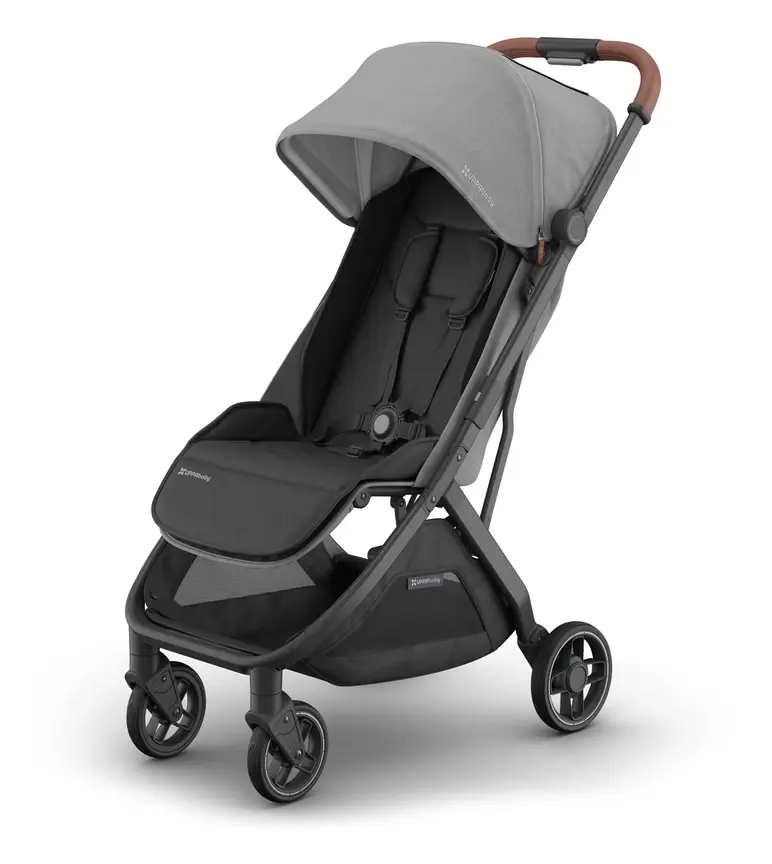


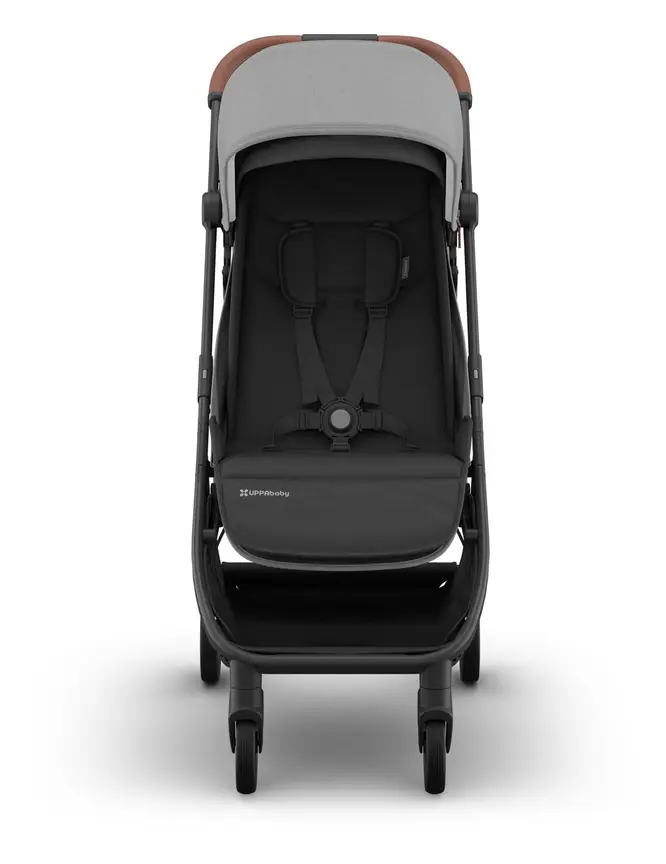


UPPAbaby Minu V3
A slim travel stroller that folds with one hand, stands on its own and is sized for plane overhead lockers.
Read our full review →
Baby Jogger City Mini GT2
Long-running, lighter all-terrain stroller with a famously simple one-hand strap fold.
 Reviewed
Baby Jogger City Tour 2
A 6.5 kg stroller with a near-flat recline. It folds small and comes with a carry bag.
Read our full review →
Clean and store the stroller well
Follow the stroller maker’s cleaning advice. Remove dirt and moisture before storage when possible. Dry wet fabric and wheels before placing the stroller in a cupboard or against a wall.
Do not use strong cleaners unless the maker says they are suitable. Some products can damage fabric, plastic or metal. Avoid getting water into moving parts or locks.
Check wheels and the frame for grit, mud and small objects. Clean them as directed. A clean stroller is less likely to mark a wall or door. It is also easier to inspect for damage.
Do not store a damp stroller in a sealed space. Air it out first. If you see mould or smell a persistent musty odour, follow the maker’s cleaning advice before using it again.
Common mistakes to avoid
- Assuming all hooks carry the same load. Check the actual instructions for your hook and surface.
- Using the wrong wall fixing. A fixing suited to one wall may fail in another.
- Hanging from an unapproved part. A stroller handle or canopy may not be a lifting point.
- Ignoring a door that catches. The hanger may affect the door or put extra strain on its hinges.
- Leaving the stroller partly unfolded. It may open or shift. Fold and lock it as its maker directs.
- Overloading the hook. Do not add bags or coats unless the maker says the system can hold them.
- Putting it over a cot or bed. A falling stroller could injure someone.
- Using a damaged fitting. Stop if you see cracks, movement, rust or loose parts.
- Blocking a walkway or exit. Check the space with doors open and people moving through it.
- Trusting a safety badge that does not apply. A stroller standard does not certify a separate storage hook.
Official guidance in Australia, the UK, the US and Canada
There is no single product standard in this source set for household stroller hooks or door hangers. Stroller rules cover the stroller itself. They do not prove that a separate hook, wall or door can hold it.
| Country | Relevant official body | Useful guidance |
|---|---|---|
| Australia | Product Safety Australia and the ACCC | Advice covers safe stroller use, recalls, furniture and household hazards. |
| United Kingdom | Office for Product Safety and Standards (OPSS) | OPSS provides consumer product safety information. Check product alerts and seller details. |
| United States | Consumer Product Safety Commission (CPSC) | CPSC shares product safety advice and recall information. Its Anchor It! campaign covers furniture tip-over risks. |
| Canada | Health Canada | Health Canada publishes recalls and safety alerts for consumer products. |
For a stroller, check the relevant guidance and recall service in your country. Australia’s Product Safety Australia has a stroller guide. The UK has the OPSS. The US CPSC and Canada’s Health Canada publish product safety information and alerts.
These sources do not confirm that a particular wall hook or door hanger is safe for your home. Check the product instructions and the building surface. Seek help from a qualified person if the fitting is unclear.
When floor storage is the better choice
Floor storage may suit your home better. Choose it if you rent and cannot fit a wall hook. Choose it if you do not know the wall construction. It may also help when the door or hinges are not strong or steady.
Keep the stroller folded and parked as its maker directs. Place it where it cannot roll, tip or block a path. If it does not stand securely when folded, lay it down only as the manual allows.
A simple marked space can help keep the entry clear. Use a mat if the stroller is often wet or muddy. Do not put the mat where it can slide or create a trip hazard.
Frequently asked questions
Can I hang any stroller from its handle?
No. Check the stroller manual first. The handle may not be made to carry the folded stroller’s full weight. Use only a lifting point that the maker allows. If the manual gives no guidance, ask the maker or store it on the floor.
Are over-the-door stroller hangers safe?
They can only be used when the hanger maker allows the load and door type. Check the door, hinges and closing action. Do not use one if the door sags, catches or cannot close as intended.
Can I use adhesive hooks?
Do not assume an adhesive hook can hold a stroller. Use it only if the maker clearly states that it suits the load and surface. Follow its instructions. If that information is missing, choose floor storage.
How high should I place the hook?
There is no height that suits every home. You need to lift the stroller without strain. It must also hang clear of people, doors, beds and cots. If you cannot lift it steadily, use another storage method.
Can I leave bags in the stroller basket?
Remove bags and loose items before hanging the stroller. They add weight and can fall. They may also change how the stroller hangs. Follow the stroller and hook instructions.
How often should I check the hook?
Follow the hook maker’s advice. Also check it from time to time for movement, cracks, rust or loose parts. Check after a bump or if the stroller swings. Stop using it if anything looks damaged.
Does a stroller safety standard cover the hook?
No. A stroller standard applies to the stroller. It does not show that a separate hook, fixing, wall or door can hold it. Check each part and its instructions separately.
What if I cannot identify my wall type?
Do not guess or fit the hook anyway. Ask a qualified installer to check the wall and fixing. Until then, use a safe floor storage spot.
Can I hang the stroller above a cot or bed?
No. Keep a heavy stroller away from places where a child sleeps or rests. A hook or fixing could fail. Store it where it cannot fall onto a person.
More options, from budget to premium
Real products from our catalogue. We don't show star ratings or review counts; check the current price, stock and reviews on Amazon before you buy.
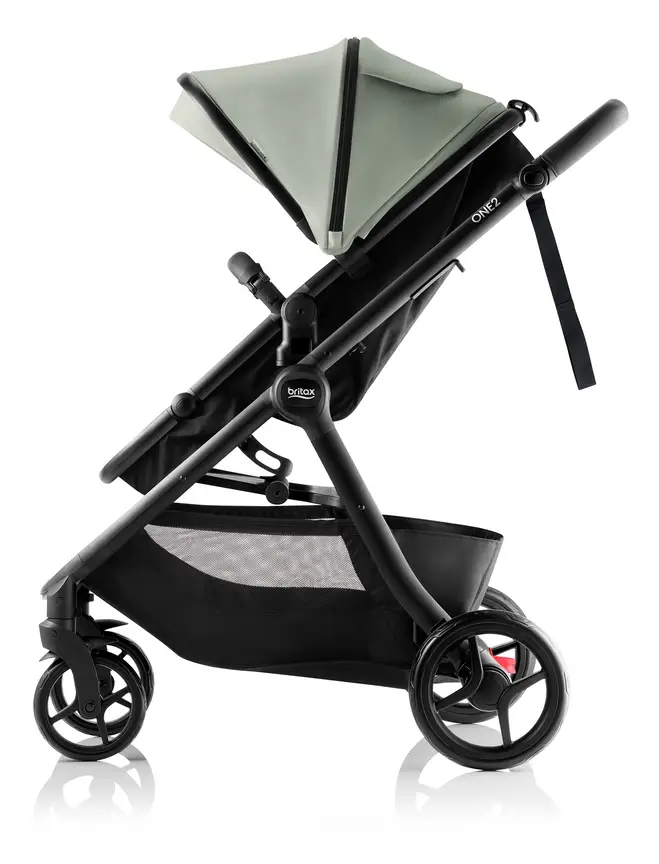
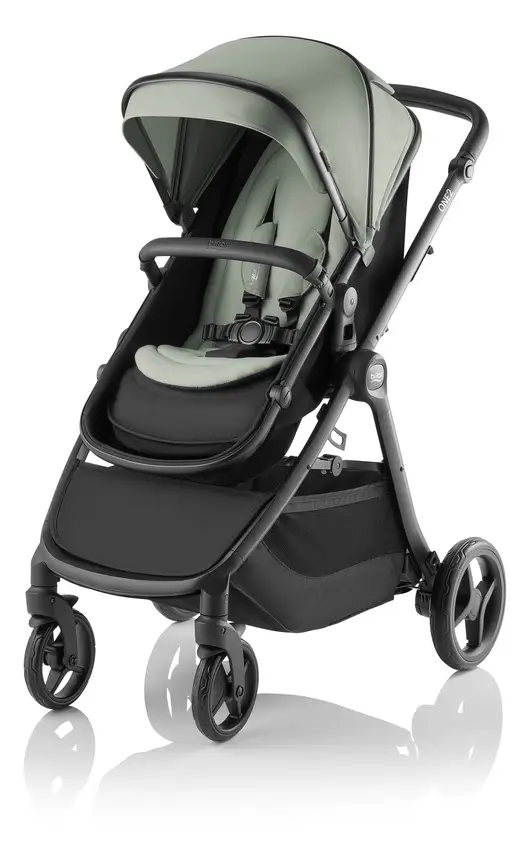


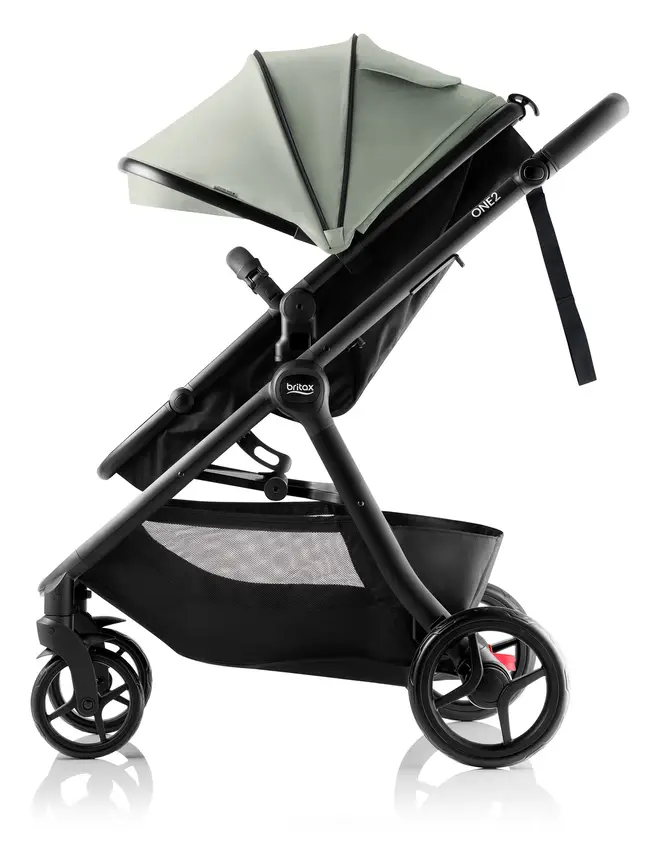


Britax One2
A pram that starts as a single and can take a second child. The seat turns into a lie-flat bassinet.
Read our full review →
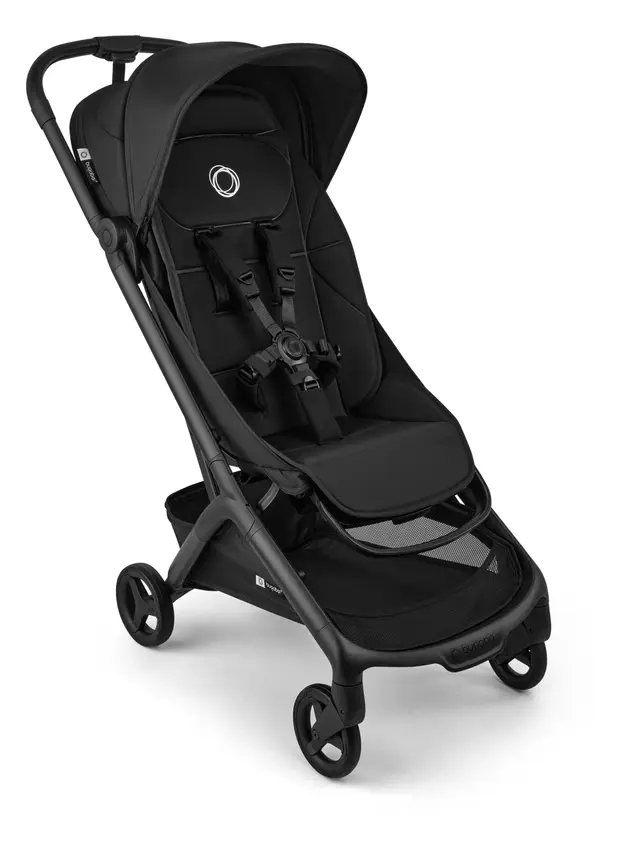
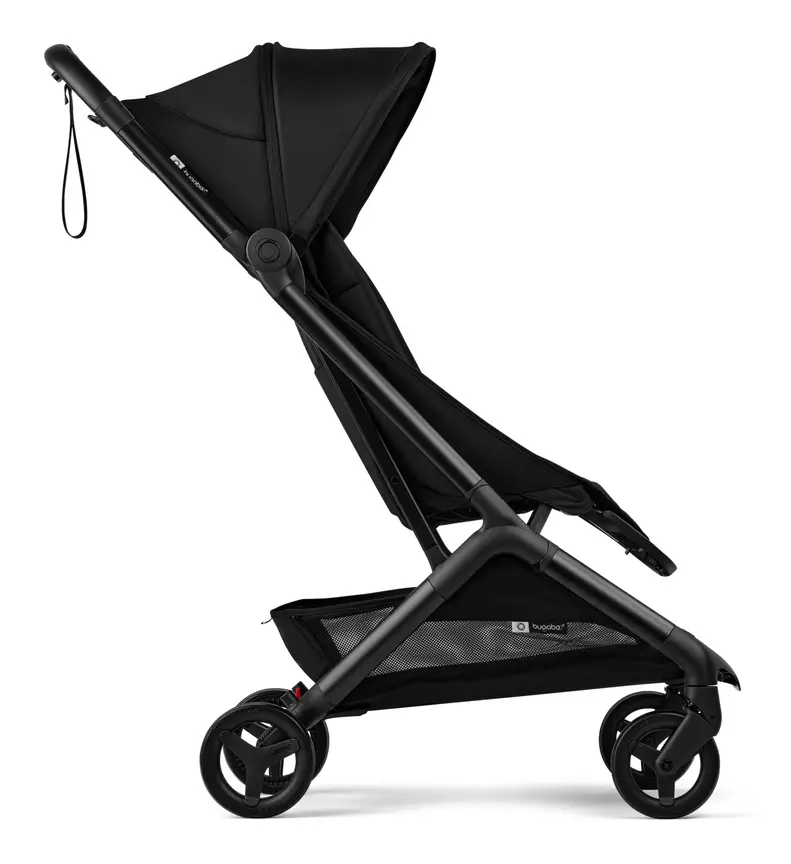


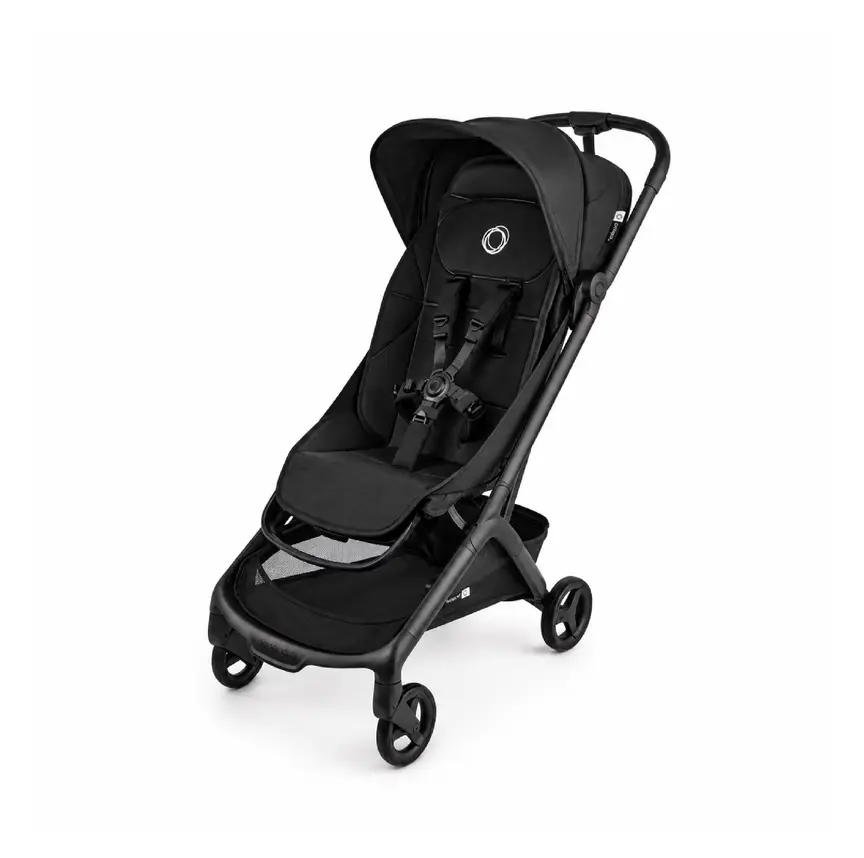
Bugaboo Butterfly
Bugaboo's cabin-friendly compact stroller with a one-second fold — the travel partner to a Fox, not a replacement for it.
Bugaboo Butterfly 2
The newer Butterfly. It folds in about one second, has a lay-flat seat and a bigger basket with a back pocket.
Read our full review →Sources and further guidance
These official sources explain stroller safety, household hazards, product alerts and consumer product safety. They do not approve a particular stroller hook or hanger.
- Product Safety Australia – Prams and strollers guide
- Product Safety Australia – Recalls
- UK Office for Product Safety and Standards
- U.S. CPSC – Product safety information
- U.S. CPSC – Anchor It! furniture tip-over prevention
- Health Canada – Recalls and safety alerts
- Product Safety Australia – Toppling furniture and televisions guide
Disclaimer: This article gives general information, not personal safety or installation advice. Follow the stroller, hook and hanger instructions. Ask a qualified installer if you are unsure about a wall, door or fixing. BabyGearFinder may earn a commission from links on this site. This does not change the price you pay.
Sources
Related guides
More Prams & Strollers →
Stroller Snack Trays and Bumper Bars: How to Choose and Use Them Safely
Stroller Footmuff vs Snowsuit in a Pram: Why Zip-Top Footmuffs Work Better for Warm Shops
Air-Filled vs Foam-Filled Pram and Stroller Tyres: Comfort, Punctures and How to Choose