













Buying Second-Hand Baby Gear: What Is Safe, What to Skip, and How to Check It
Which second-hand baby gear is safe to buy, what to skip, and how to check prams, cots, swings, and car seats using AU, UK, US, and Canada safety rules.

On this page
- Key points
- Why second-hand baby gear can be a smart choice
- What second-hand baby gear is safe to buy
- What you should never buy second-hand
- Side-by-side guide: buy used, check closely, or buy new
- How to check a second-hand pram or stroller
- How to check cots, swings, high chairs, and carriers
- Safety rules in Australia, the UK, the US, and Canada
- Where to find good second-hand gear and check for recalls
- How to clean and test used gear before baby uses it
- Common mistakes parents make with used baby gear
- Frequently asked questions
- Sources
Short answer: Many second-hand baby items are safe and save a lot of money. Prams, strollers, solid wooden cots, high chairs, swings, and baby clothes are often great buys. Always check them for damage, missing parts, and safety recalls first. Two items need extra care: avoid second-hand car seats with an unknown history, and buy a brand-new mattress for a cot or bassinet.
This advice follows official safety rules in Australia (ACCC and Red Nose), the UK (OPSS and The Lullaby Trust), the US (CPSC and the American Academy of Pediatrics), and Canada (Health Canada and Transport Canada).
Key points
- Great second-hand buys: prams, strollers, high chairs, wooden cots that meet current rules, swings, bouncers, play mats, and clothes.
- Items to skip: old drop-side cots, inclined baby sleepers, used bike helmets, and car seats with no known history.
- Always buy new if you can: cot mattresses, bassinet mattresses, and bottle teats.
- Check recalls first: search the brand and model name on your national recall website before you pay.
- Check the labels: look for a clear safety label, a model number, and a date of manufacture.
- Clean and test at home: wash all fabric parts, dry them fully, and test every lock before your baby uses the gear.
Why second-hand baby gear can be a smart choice
Babies grow out of things very fast. A newborn bassinet may only be used for three or four months. A baby swing or bouncer often sits in a corner after six months. Because babies use these items for a short time, many used pieces are still in great shape.
Buying used gear helps your budget. It also cuts down on waste. With a few simple checks, you can get sturdy, well-known gear for much less than shop prices. The key is knowing which items hold up well and which ones carry hidden risks.
New safety rules also change over time. An item that seemed fine ten years ago might not meet today's rules. That is why you should inspect every piece with fresh eyes, even if it comes from a friend or family member.
What second-hand baby gear is safe to buy
Some baby items are built to last for years. They have strong frames and parts you can see and test with your hands. Here are the safest things to buy used.
Prams and strollers
A good pram or stroller is one of the best second-hand finds. Frames are usually made of aluminium or steel. Wheels, brakes, and folding locks are easy to inspect in person. If a part is worn out, many big brands still sell spare wheels, brake cables, or seat fabrics.
Before you buy, push the stroller around. Fold it and open it a few times. Check the harness straps and the wrist tether strap. If everything locks firmly and rolls straight, a used stroller can serve your family well.
High chairs
High chairs are easy to clean and easy to check. Look for a wide, stable base that will not tip over. Check that the chair has a five-point harness and a fixed post between the legs. The post stops a baby from sliding down under the tray.
Plastic and wooden high chairs wipe clean quickly. Avoid chairs with cracked plastic, loose screws, or torn vinyl padding where food and mould can hide.
Baby swings, bouncers, and activity mats
Babies often prefer one type of swing or bouncer over another. Buying a used one lets you try it out without spending a lot of money. Check that the frame sits flat on the floor. Make sure the straps click shut tightly and the motor runs smoothly.
One vital rule applies to all swings and bouncers. They are for awake, supervised time only. Never let your baby sleep in a swing or bouncer, whether it is new or used. If your baby falls asleep in one, move them onto a firm, flat cot or bassinet mattress on their back.
Change tables
A sturdy wooden or metal change table is safe to buy used if it is solid and has raised sides. Check every joint and screw. Make sure it does not wobble when you lean on it. Buy a new waterproof change mat if the old foam is cracked or split.
Keep one hand on your baby at all times on a change table. A roll-off fall can happen in a split second, even with raised sides.
Clothes, wraps, and washable toys
Baby clothes, cotton wraps, and sleeping bags are great second-hand buys. Wash them in warm water with mild detergent before use. Check that all zips, buttons, and press studs are firmly attached so they cannot come off and become a choking hazard.
Hard plastic and solid wooden toys are also easy to sanitise. Skip old painted toys with flaking paint, toys with weak battery doors, and any toy with small loose parts or strong magnets.
Prams & Strollers worth a look
Real products from our catalogue. We don't show star ratings or review counts; check the current price, stock and reviews on Amazon before you buy.

Baby Jogger City Mini GT2
Long-running, lighter all-terrain stroller with a famously simple one-hand strap fold.
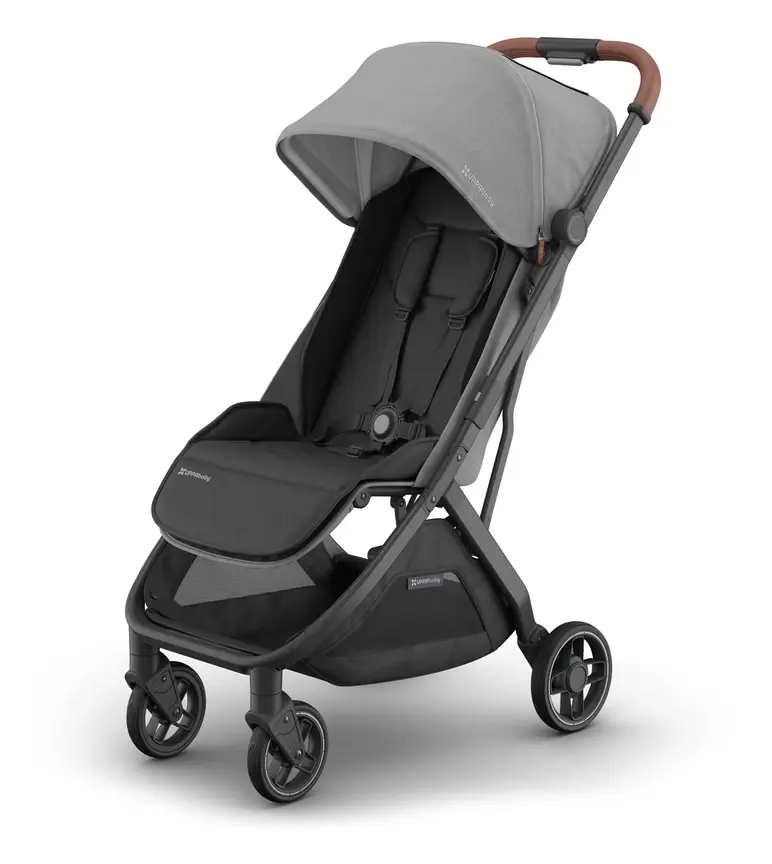


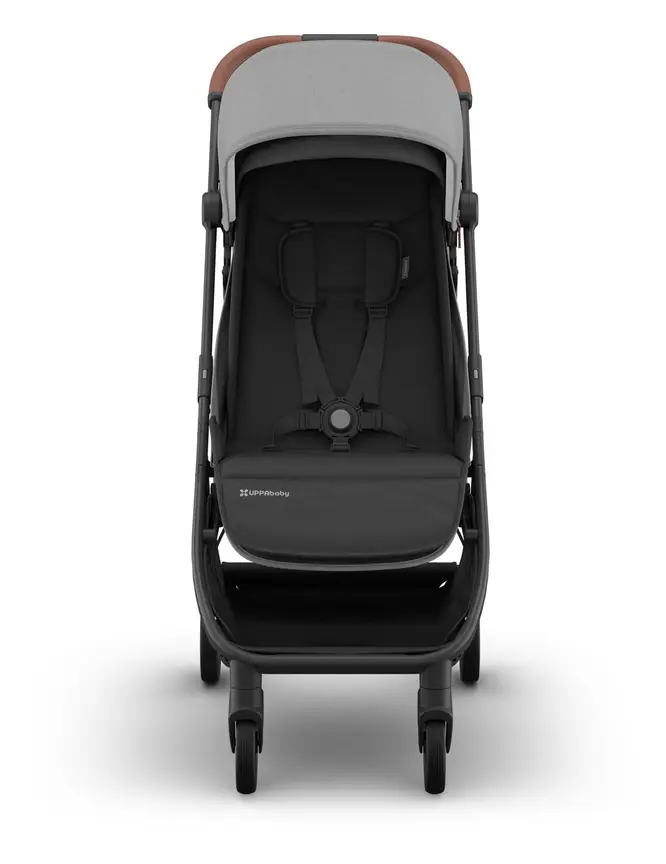


UPPAbaby Minu V3
A slim travel stroller that folds with one hand, stands on its own and is sized for plane overhead lockers.
Read our full review →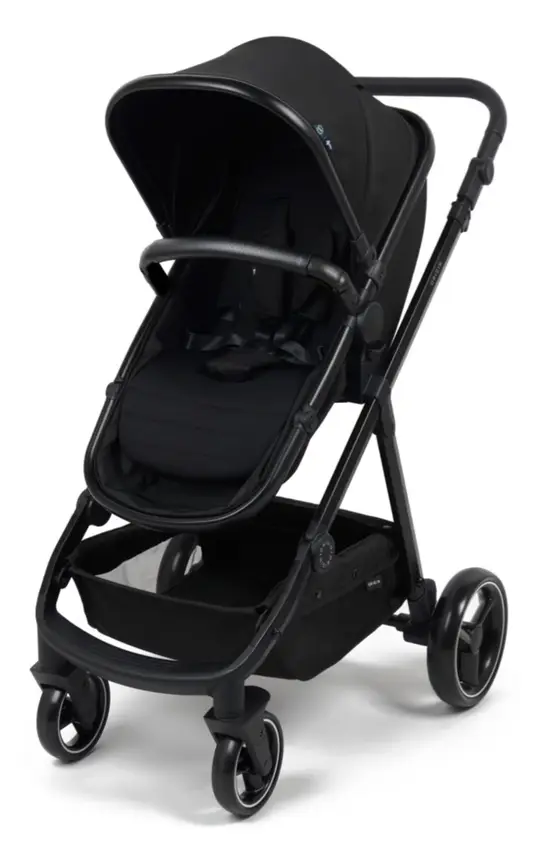
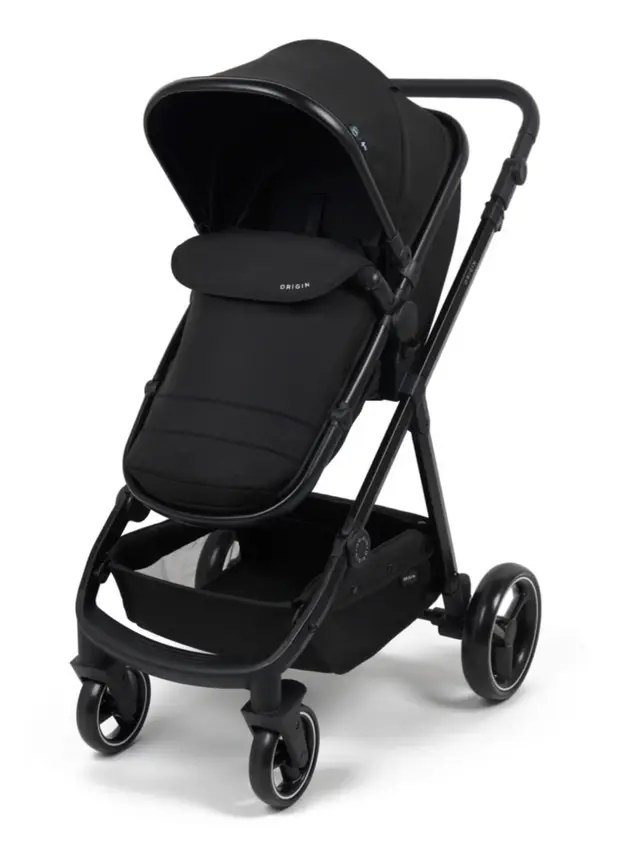
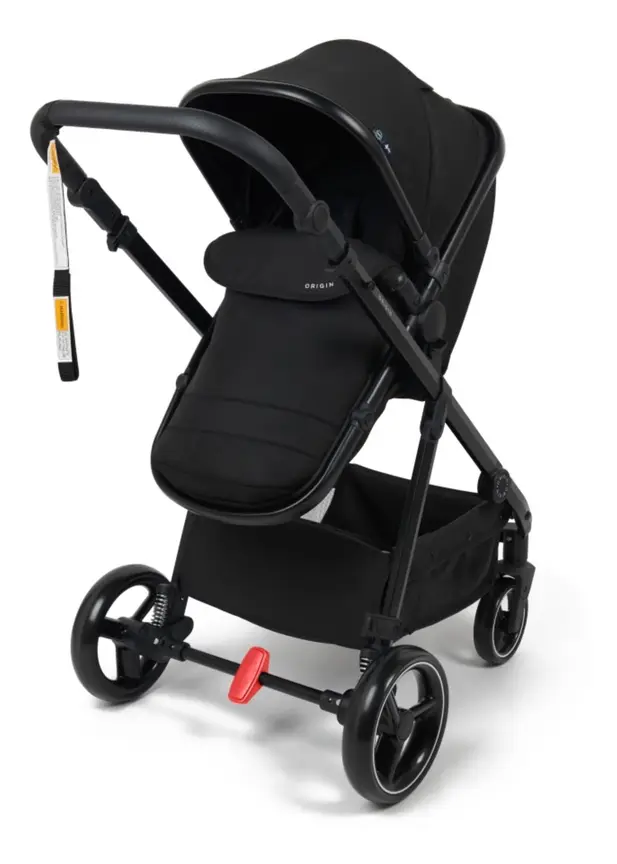
4baby Origin Stroller
A budget pram whose seat turns into a bassinet. The seat can face you or face the world.
Read our full review → Reviewed
Baby Jogger City Tour 2
A 6.5 kg stroller with a near-flat recline. It folds small and comes with a carry bag.
Read our full review →What you should never buy second-hand
Some baby items wear out in ways you cannot see. Others follow strict rules that change often. Safety groups across Australia, the UK, the US, and Canada warn parents to avoid or be extra careful with the items below.
Car seats and baby capsules
Car seats save lives, so they must work properly in a crash. Safety bodies like Transport Canada, Child Car Seats Australia, RoSPA in the UK, and the American Academy of Pediatrics all warn against buying a used car seat if you do not know its full history.
Here is why a used car seat is risky:
- Hidden crash damage: A seat that has been in even a minor car crash can have tiny hairline cracks inside the plastic shell. You cannot see these cracks, yet the seat may fail in another crash.
- Expiry dates: Plastic gets brittle over time from heat, sun, and cold. Most car seats have an expiry date stamped on the shell, often six to ten years from the date it was made.
- Missing parts or manuals: Without the instruction manual, you may thread the seatbelt or top tether wrong. Missing chest clips, tether straps, or newborn inserts make the seat unsafe.
- Old rules: Laws and crash standards update over time. An old seat may not meet today's rules in your country.
If a close friend or family member offers you a car seat, only take it if you are certain it has never been in any crash, is well inside its expiry date, has never been recalled, and comes with all parts and the manual. If you have any doubt, buy a new seat. Even a budget new car seat must pass the same mandatory crash tests as an expensive one.
Cot and bassinet mattresses
Safe sleep charities, including Red Nose in Australia and The Lullaby Trust in the UK, advise using a brand-new mattress for each baby when you can. A second-hand mattress can be softer in the middle from past use. A soft or sagging mattress raises the risk of sudden infant death syndrome (SIDS) and suffocation.
Used mattresses can also hold dust, mould, or bacteria inside the foam where you cannot wash it out. If you have no choice but to reuse a mattress from an older sibling, check it carefully:
- It must be firm, flat, and clean, with no dips or sags.
- The waterproof cover must have no tears or cracks.
- It must fit the cot frame snugly with no large gaps around the edges.
Old drop-side cots and recalled sleep items
Never buy a cot with a drop-down side unless you check that it meets current safety rules. In the US and Canada, drop-side cots are banned for sale because faulty latches let the side pull away and trap babies. In Australia and the UK, older cots may also have bar gaps that are too wide or corner posts that catch clothes.
Also skip inclined sleepers, sleep positioners, cot bumpers, and wedges. Regulators in Australia, the US, the UK, and Canada warn that babies can roll or slump into these products and stop breathing.
Baby walkers with wheels
Health groups like the American Academy of Pediatrics and Product Safety Australia warn against wheeled baby walkers. They let babies move fast into stairs, hot stoves, pools, and dangling cords before a parent can react. Skip them new or used.
Bike helmets
Never buy a used child bike helmet. Foam inside a helmet crushes on impact to protect the skull. Once it takes a knock, it will not protect as well the next time, even if the outer shell looks fine.
Side-by-side guide: buy used, check closely, or buy new
Use this table as a quick guide before you message a seller or visit a local market.
| Gear type | Safe to buy used? | Main risk | Key check before you pay |
|---|---|---|---|
| Prams and strollers | Yes, with checks | Broken brakes, worn locks, frayed straps | Test both brakes, fold latches, five-point harness, and wrist strap |
| Wooden cots | Yes, if modern | Loose bolts, wide bar gaps, faulty drop sides | Check safety label, measure gaps, shake frame to test strength |
| Cot mattresses | Best to buy new | Sagging foam, soft spots, hidden mould | Press the centre for firmness and check for tears or smells |
| Car seats and capsules | No, unless history is 100% known | Invisible crash cracks, expired plastic, missing parts | Verify date stamp, full history, manual, and recall status |
| High chairs | Yes, with checks | Tipping, broken straps, missing crotch post | Check wide base, five-point harness, and tray lock |
| Swings and bouncers | Yes, for awake play | Slumping risk if baby sleeps, worn straps | Test harness buckles, frame stability, and never use for sleep |
| Carriers and slings | Yes, with checks | Torn stitching, cracked plastic buckles | Inspect all seams, velcro, and clips under strong light |
| Bike helmets | No, always buy new | Hidden foam damage from past drops | Skip used helmets completely |
How to check a second-hand pram or stroller
A pram or stroller gets more daily wear than almost any other item. Dirt, sand, rain, and folding take a toll on moving parts. Spend ten minutes testing these points in person before you hand over cash.
1. Brakes and parking locks
Press the parking brake down with your foot. Push the stroller forward and backward fairly hard. The locked wheels should not slip or roll. If it has a hand brake or foot bar, make sure it clicks cleanly into place on both sides.
2. Folding latches and hinges
Most safety standards require a stroller to have two separate locks or a two-step release so it cannot fold by accident while your baby is inside. Fold the stroller down and open it back up three times. Listen for a clear click when it locks open. Push down on the handle to make sure the frame does not collapse.
3. Harness and tether strap
A safe stroller needs a five-point harness that goes over both shoulders, around the waist, and between the legs. Pull on each strap to check that the stitching is tight and the webbing is not frayed. Click the buckle shut and tug it hard. It should stay locked until an adult presses the release button.
In Australia, strollers must also have a wrist tether strap attached to the handle. Check that this strap is still there and not torn.
4. Frame, wheels, and tyres
Look closely at the metal joints and plastic hubs for cracks, bends, or heavy rust. Spin each wheel to see if it wobbles. If the stroller has air-filled tyres, check the tread and pump them up to make sure there are no slow leaks.
5. Seat recline and newborn setup
Newborn babies cannot hold up their heavy heads. If you plan to use the stroller from birth, the seat must lie completely flat, or it must take a flat bassinet attachment. Check that the backrest does not sag in the middle and that the recline clip holds firmly under weight.
6. Sun hood and airflow
Open the sun canopy all the way. Check that it stays up on its own and has a peek-a-boo mesh window so you can see your baby and let warm air escape. Never drape a thick blanket or towel over a used stroller to block the sun, as heat builds up fast inside.
How to check cots, swings, high chairs, and carriers
Each type of gear has its own weak spots. Use these simple checks when you inspect items at a seller's house or a second-hand shop.
Cots and portable cots
- Check the label: Look for a permanent label with the brand, model, and safety standard. If the label is missing or painted over, walk away.
- Check the bars: All bars must be firm and evenly spaced. None should twist, bend, or feel loose.
- Check the joints: Shake the cot firmly. It should feel rock solid. Check that every bolt, nut, and corner bracket is original. Missing screws or home-made repairs are a red flag.
- Check portable cots: Open the folding cot and push down on the top rails. All four sides must lock rigid. Inspect the mesh sides for holes, rips, or loose threads where fingers could catch.
- Check the mattress fit: For a household cot, there should be no big gaps between the mattress and the cot sides where a baby's head or limbs could get stuck.
Baby swings and bouncers
- Test the base: Set the swing on a flat floor and rock it gently. The feet should grip the floor without tipping.
- Check the restraint: Make sure the harness straps work and have not been cut out by a past owner.
- Check batteries and cords: Open the battery compartment to check for white or green corrosion from old leaking batteries. If it plugs into the wall, check that the power cord has no cuts or exposed wires.
High chairs
- Test the stability: Push against the top of the seat back from the side and front. A safe high chair has a wide stance that resists tipping if a toddler pushes off a table.
- Check the tray: Click the tray on and pull it toward you. It should lock tightly on both sides so a child cannot push it off.
- Check pinch points: Fold and unfold the chair if it is a folding model. Keep an eye out for sharp edges or gaps that could trap small fingers.
Baby carriers and slings
- Inspect every seam: Hold the carrier up to a bright window. Look for pulled threads, thin fabric, or small rips near the shoulder straps and waist belt.
- Test the buckles: Click every plastic buckle shut and pull hard. Plastic gets weak after years in the sun or hot cars. If a buckle feels stiff, faded, or cracked, do not buy it.
- Follow the TICKS rule: When you try the carrier on, your baby should sit Tight, In view at all times, Close enough to kiss, with their Chin off their chest, and a Supported back.
Side by side: more prams & strollers to compare
Real products from our catalogue. We don't show star ratings or review counts; check the current price, stock and reviews on Amazon before you buy.
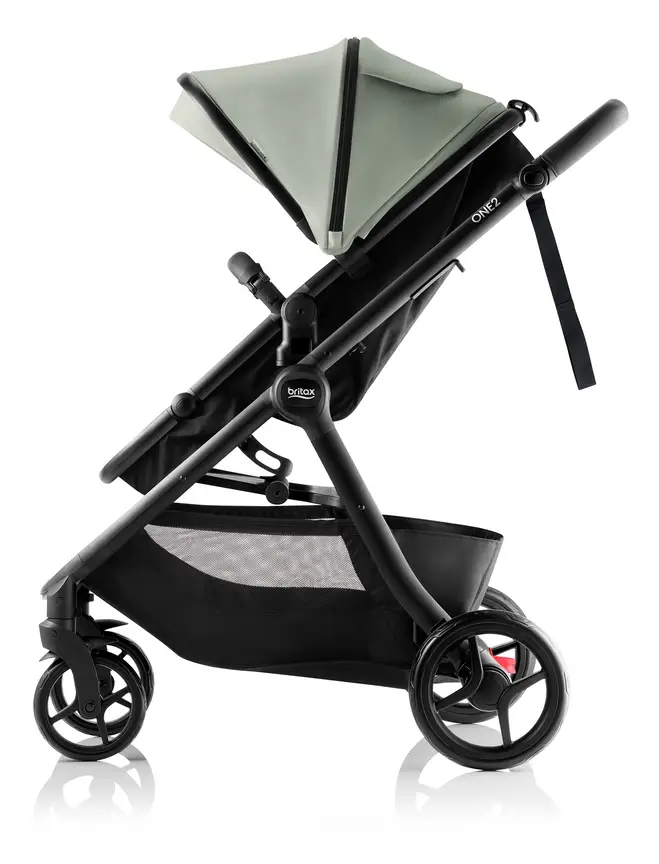
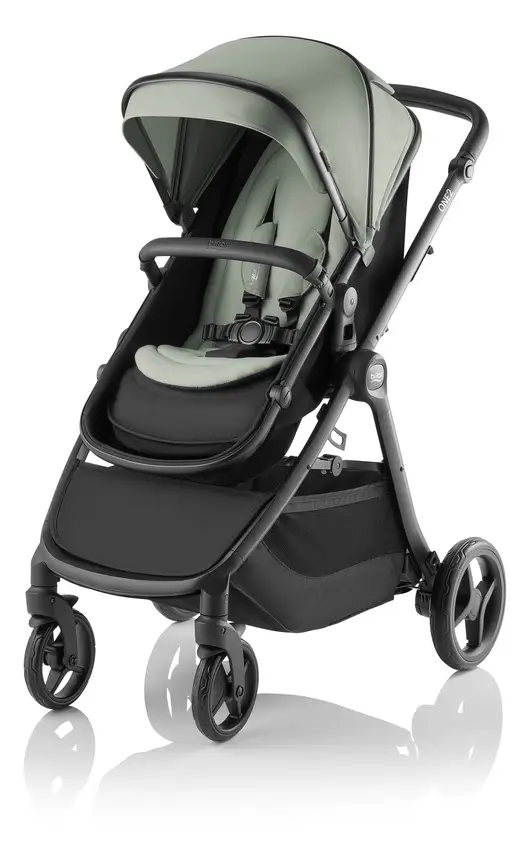


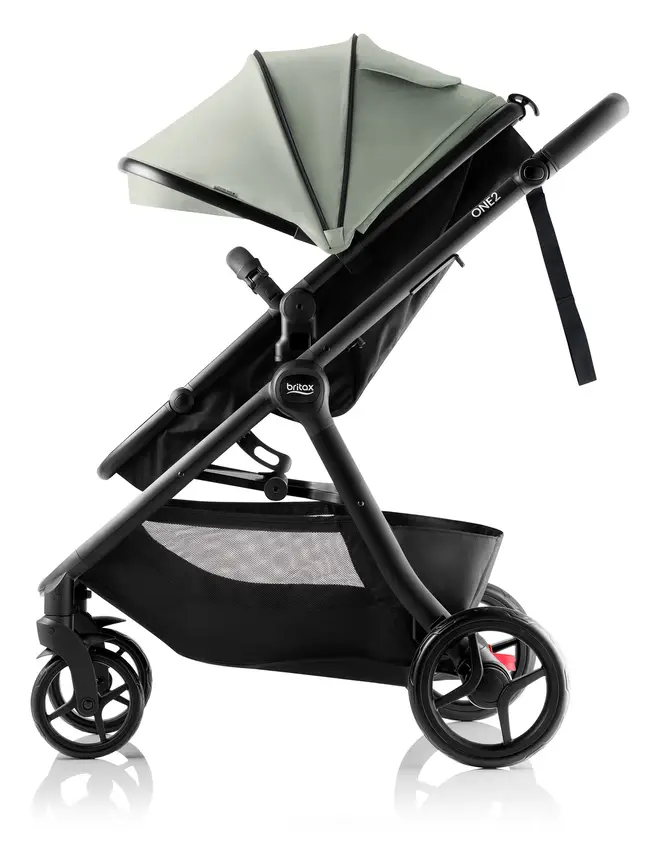


Britax One2
A pram that starts as a single and can take a second child. The seat turns into a lie-flat bassinet.
Read our full review →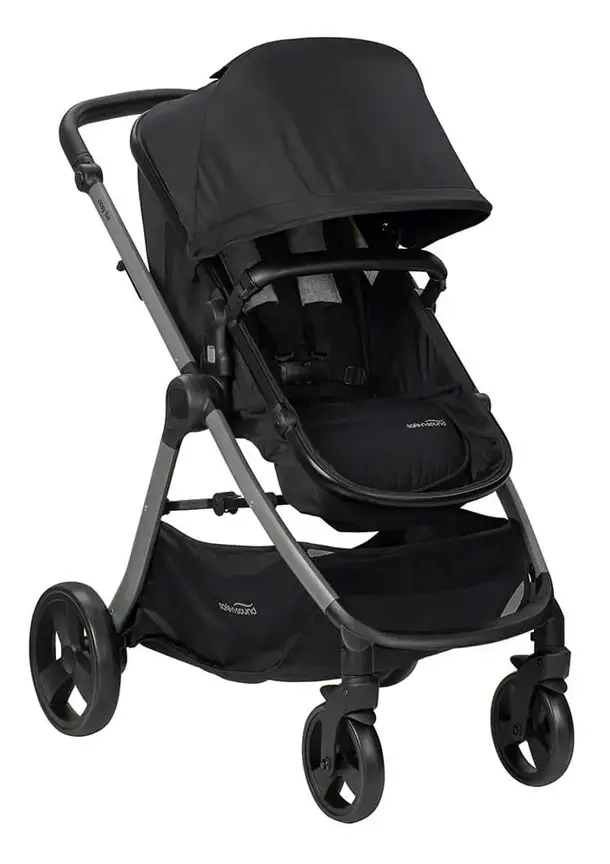



Bugaboo Butterfly
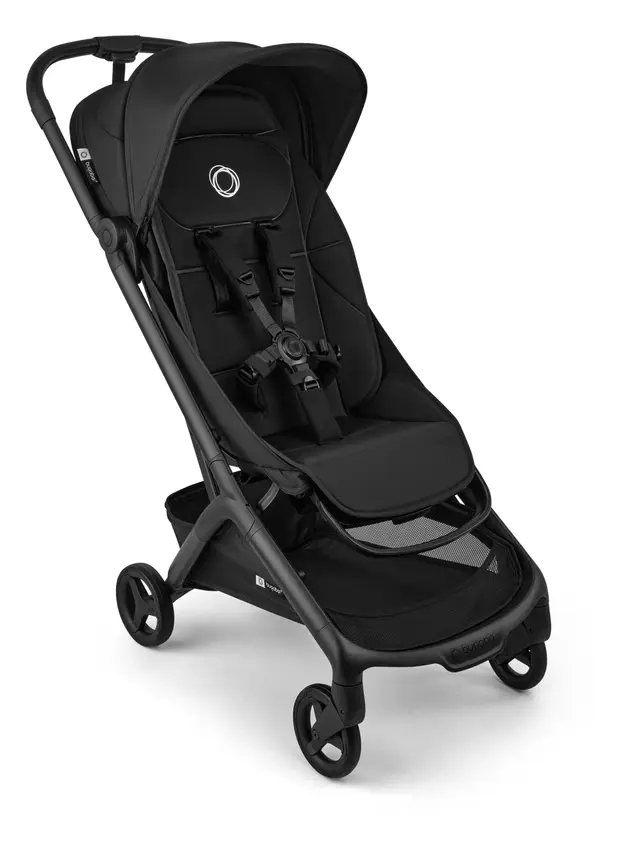
Bugaboo's cabin-friendly compact stroller with a one-second fold — the travel partner to a Fox, not a replacement for it.
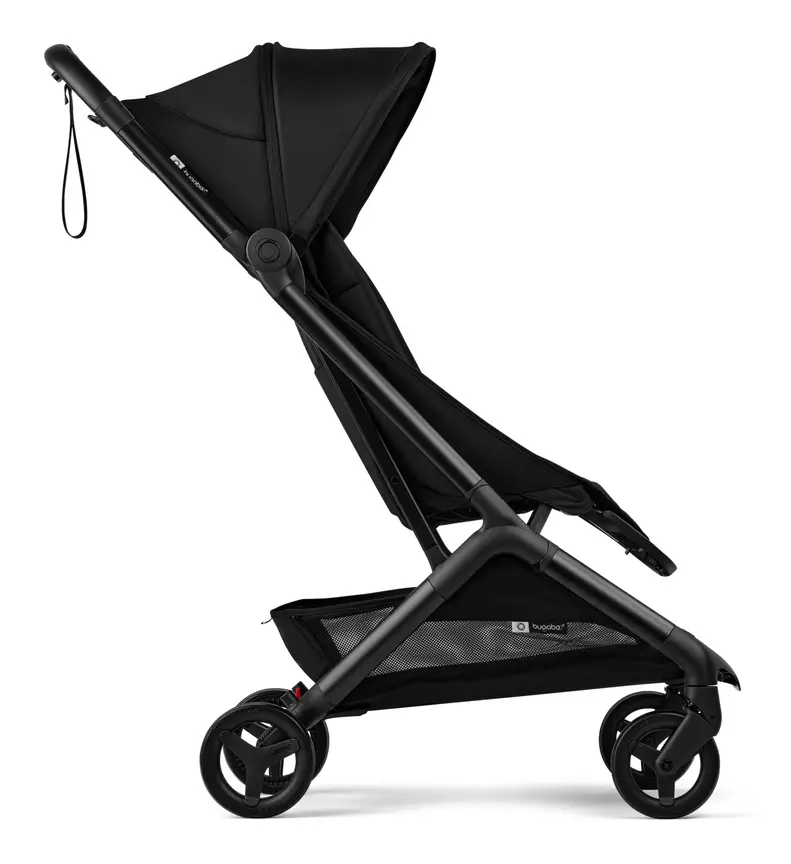
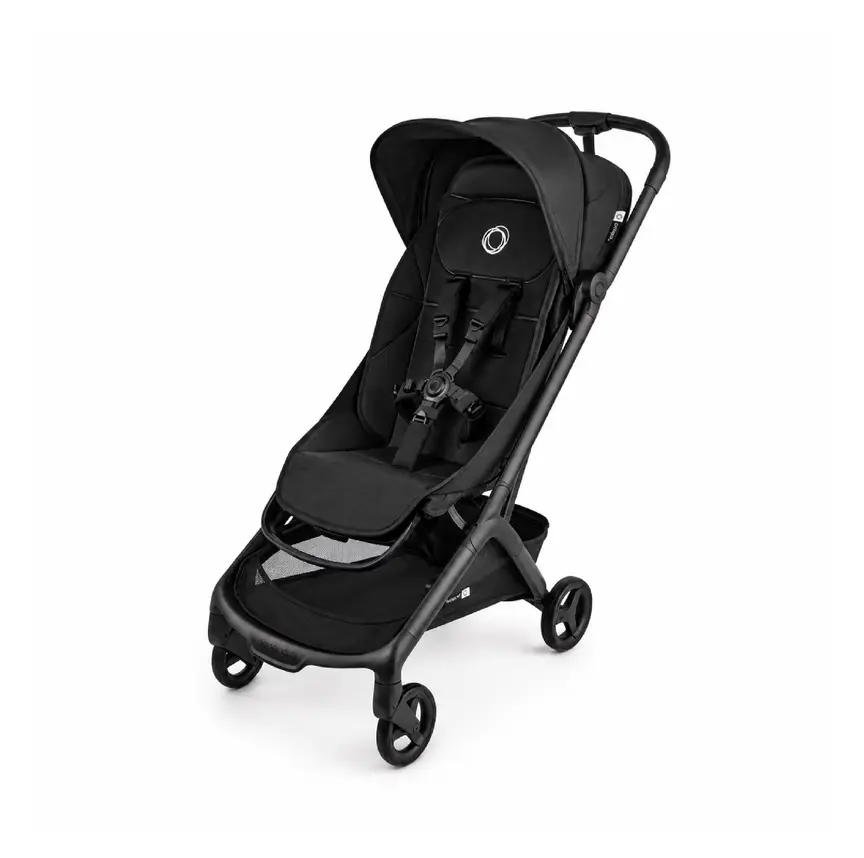
Bugaboo Butterfly 2
The newer Butterfly. It folds in about one second, has a lay-flat seat and a bigger basket with a back pocket.
Read our full review →Safety rules in Australia, the UK, the US, and Canada
Every major country sets its own product safety rules. If you buy gear imported from another country, or bought online from overseas, it may not match your local rules. Check the label on the product frame before you buy.
| Country | Main safety bodies | Where to check recalls | Common safety codes on labels |
|---|---|---|---|
| Australia | ACCC (Product Safety Australia), Red Nose, Kidsafe | Product Safety Australia recalls website | Prams: AS/NZS 2088. Cots: AS/NZS 2172. Car seats: AS/NZS 1754. Mattress firmness: AS/NZS 8811.1. Helmets: AS/NZS 2063. |
| United Kingdom | Office for Product Safety and Standards (OPSS), The Lullaby Trust, NHS, RoSPA | UK Government product recalls page | Prams: BS EN 1888. Cots: BS EN 716. High chairs: BS EN 14988. Bouncers: BS EN 12790. Mattresses: BS EN 16890. Car seats: ECE R44 or R129. Helmets: EN 1078. |
| United States | Consumer Product Safety Commission (CPSC), American Academy of Pediatrics (AAP), NHTSA | CPSC recalls website and NHTSA recall tool | Strollers: ASTM F833. Cribs: ASTM F1169. High chairs: ASTM F404. Car seats: FMVSS 213. |
| Canada | Health Canada, Transport Canada, Canadian Paediatric Society | Health Canada recalls and safety alerts | Car seats: CMVSS 213. Check Health Canada rules for cribs, strollers, and playpens. |
Note for travellers and expats: a car seat bought in the US, the UK, or Canada is usually illegal to use in Australia, and an Australian car seat is usually illegal to use in those countries. Always buy a car seat certified for the country where you live and drive.
Where to find good second-hand gear and check for recalls
You can find used baby gear on local online marketplaces, community parent groups, charity shops, and baby consignment stores. Charity shops and consignment stores often screen items for recalls and missing parts before putting them on the floor, though you should still do your own checks.
How to check a recall in two minutes
- Ask the seller for a clear photo of the sticker on the frame. This sticker usually lists the brand, model name, model number, and date it was made.
- Type the brand and model name into your national recall site: Product Safety Australia, the UK OPSS recall list, the US CPSC recall site, or Health Canada's recall portal.
- Read any recall notice carefully. Sometimes a recall only affects certain serial numbers or dates. Sometimes the maker offers a free repair kit, while other times the item must be thrown away.
Smart questions to ask the seller
- How old is the item, and how many children used it?
- Do you still have the instruction manual and all original inserts?
- Has it been stored inside the house, or in a damp shed or garage?
- Does the house have pets or smokers?
- Has any part been repaired, glued, or replaced?
Safe handover tips
Meet in a well-lit public place or take someone with you if you pick up from a home. Never pay a deposit to a stranger before you see the item in person. Take your time checking the locks, straps, and frame in daylight. A honest seller will not rush you.
How to clean and test used gear before baby uses it
Even clean-looking second-hand gear needs a proper wash before your baby touches it. Dust, pet hair, food crumbs, and germs hide in seams and wheel hubs.
Wash removable fabrics
Take off every zip-off cover, liner, and pad. Check the care tag first. Most cotton and polyester covers wash well in warm water with a gentle, fragrance-free baby detergent. Let them air-dry fully in the sun. Direct sunlight helps kill odour and surface germs.
Be gentle with harness straps
Never soak car seat or stroller harness webbing in bleach, strong stain removers, or hot machine washes. Harsh chemicals can weaken the nylon fibres and cause them to snap under strain. Wipe harness straps gently with a damp cloth and mild soap, then let them air-dry completely. Always check the maker's manual for exact cleaning steps.
Scrub hard frames and wheels
Use warm soapy water and a soft brush to clean plastic trays, metal tubes, and wheel axles. Use an old toothbrush to clear hair and grit out of stroller wheel bearings. Spray a tiny amount of silicone lubricant on squeaky axles if needed, and wipe off any excess.
Check for mould and smells
Items stored in garages or basements often grow mould in the foam padding. Look for black spots under fabric flaps and sniff the padding. If foam smells musty or shows mould spots, replace that pad or pass on the item.
Do a home weight test
Before you put your baby in a used stroller, swing, or high chair, put a heavy bag of flour or a stack of books in the seat. Leave it for ten minutes. Push the stroller over a kerb or bumpy path. Watch how the locks, straps, and wheels behave under real weight.
Common mistakes parents make with used baby gear
- Skipping the recall check: Millions of baby items have been recalled over the years for pinch hazards, weak straps, or sleep risks. A quick search takes one minute and can save a life.
- Using a friend's old car seat without checking the date: Even a free seat from a trusted sister or friend can be past its expiry date or missing an insert.
- Reusing a soft cot mattress: A hand-me-down mattress looks harmless, yet a dip in the middle puts a sleeping baby at risk.
- Adding aftermarket clips or pads: Extra strap pads, thick sheepskins, or heavy cup holders that did not come with the gear can unbalance a stroller or stop a harness from fitting snugly.
- Buying without the manual: Guessing how to fold a cot or route a strap leads to errors. Look up the PDF manual on the brand's website before you buy.
- Letting a baby sleep in a used swing: Swings and bouncers hold a baby at an angle. That angle can make a newborn's head flop forward and block their airway.
More options, from budget to premium
Real products from our catalogue. We don't show star ratings or review counts; check the current price, stock and reviews on Amazon before you buy.


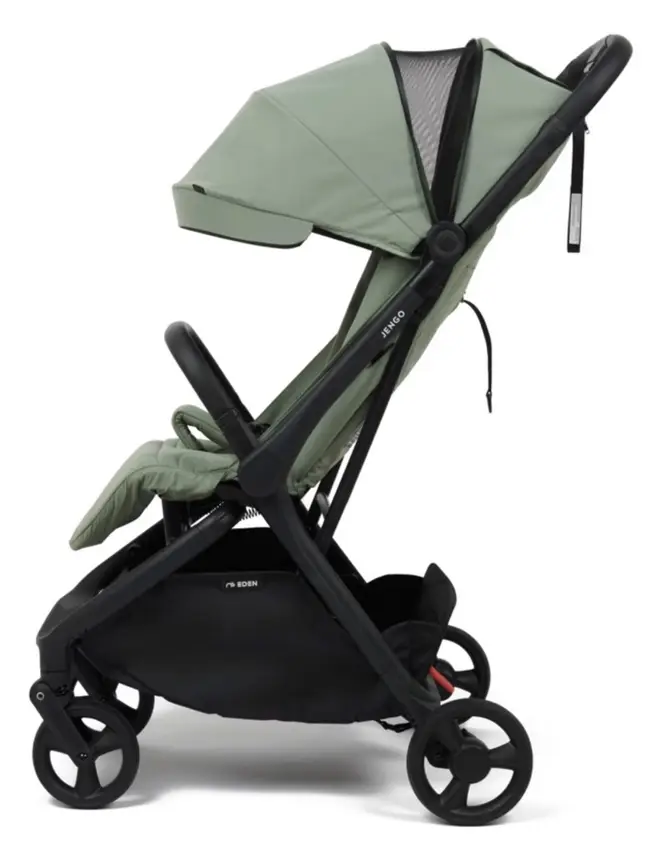
Jengo Eden Compact Stroller
A budget compact stroller from birth to 22 kg. It folds with one hand and has a big basket.
Read our full review →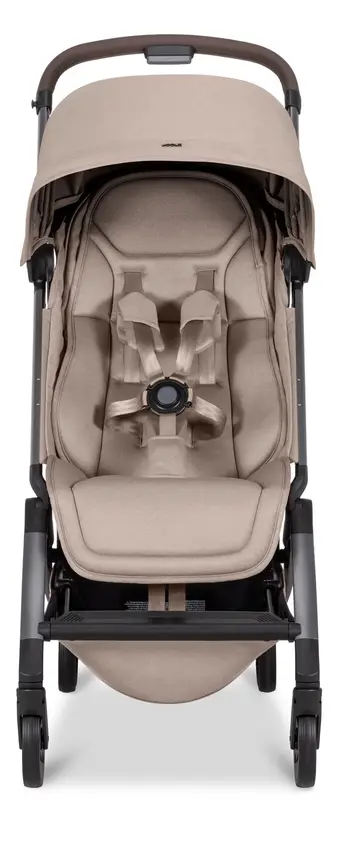


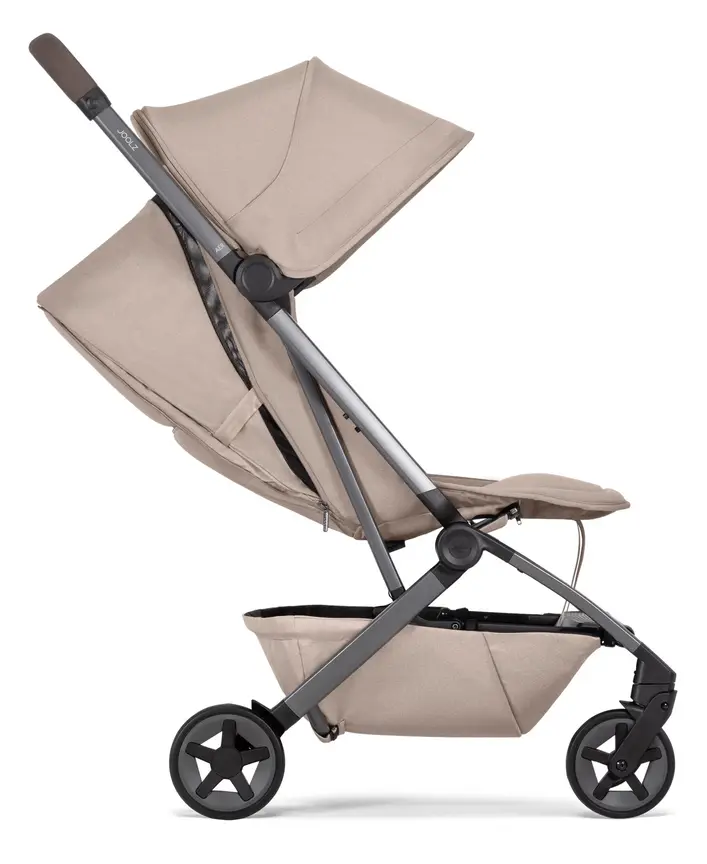


Joolz Aer2
A 6.5 kg stroller with a fast one-hand fold, deep recline from newborn and a UPF50+ sun hood.
Read our full review →
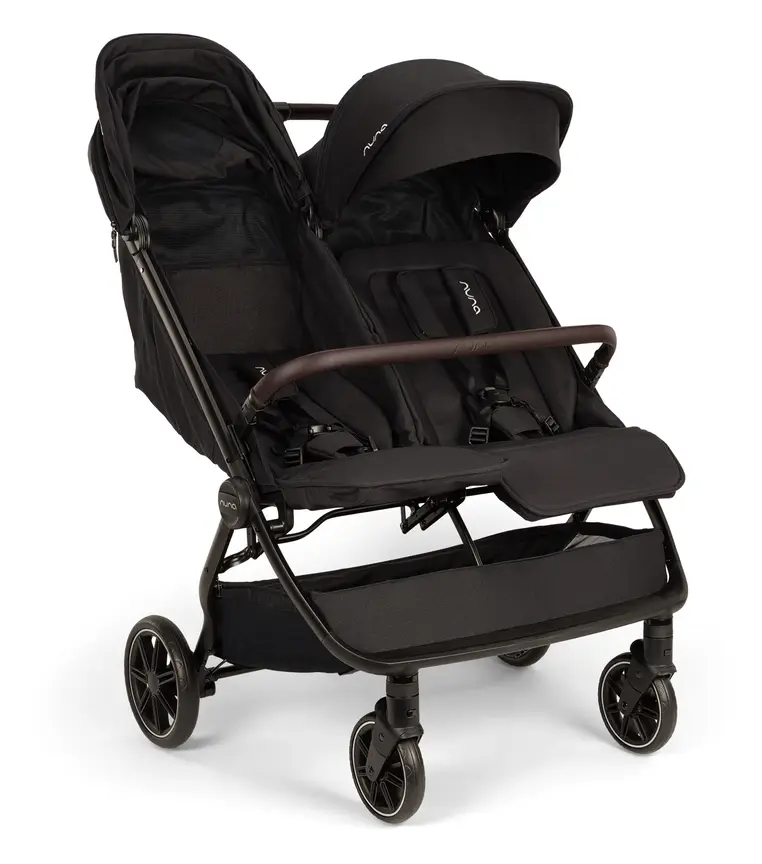
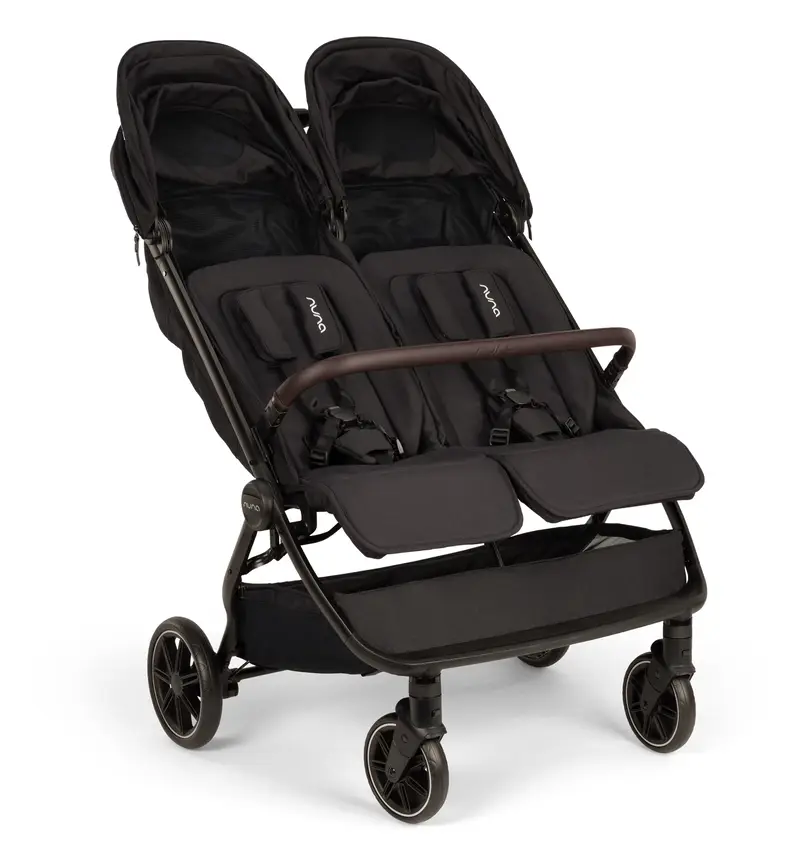
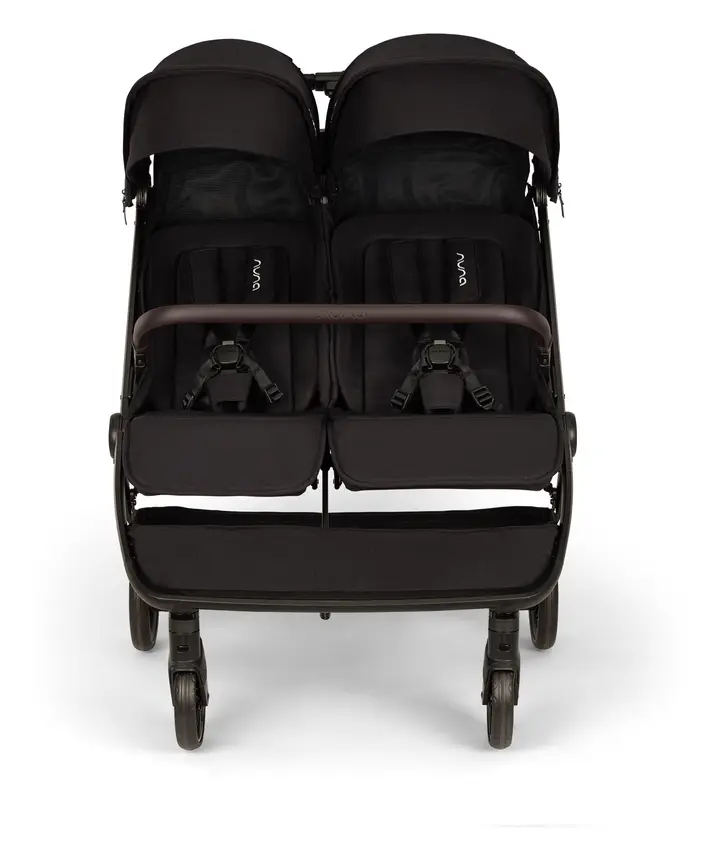
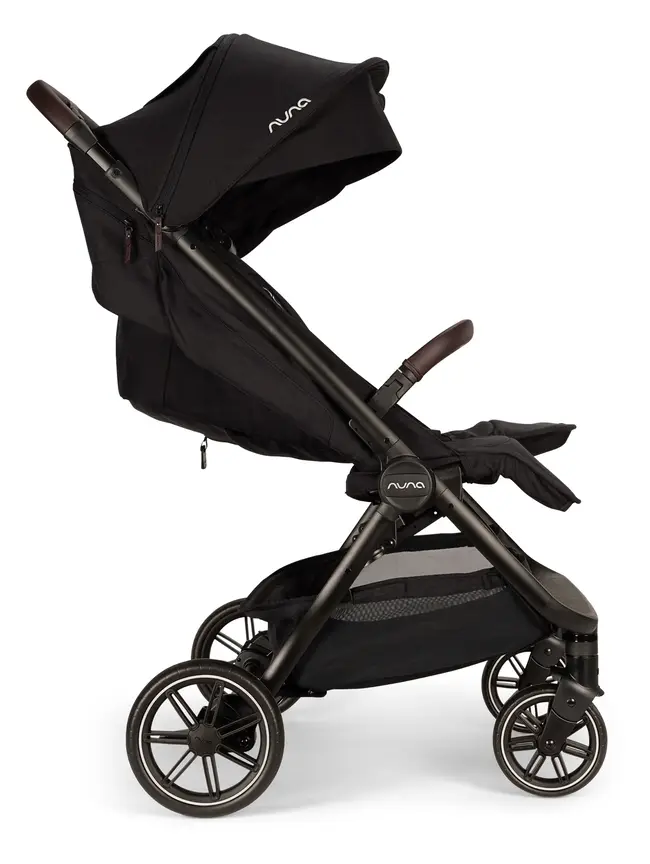
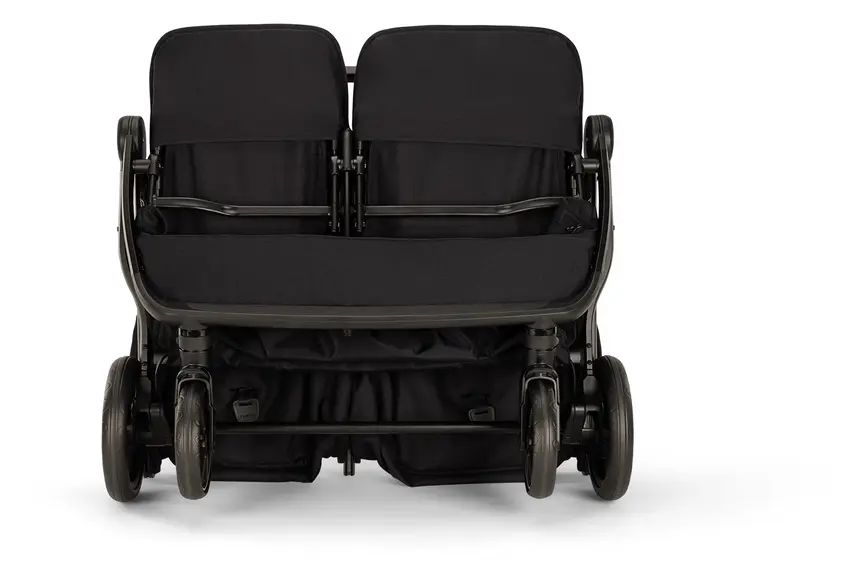
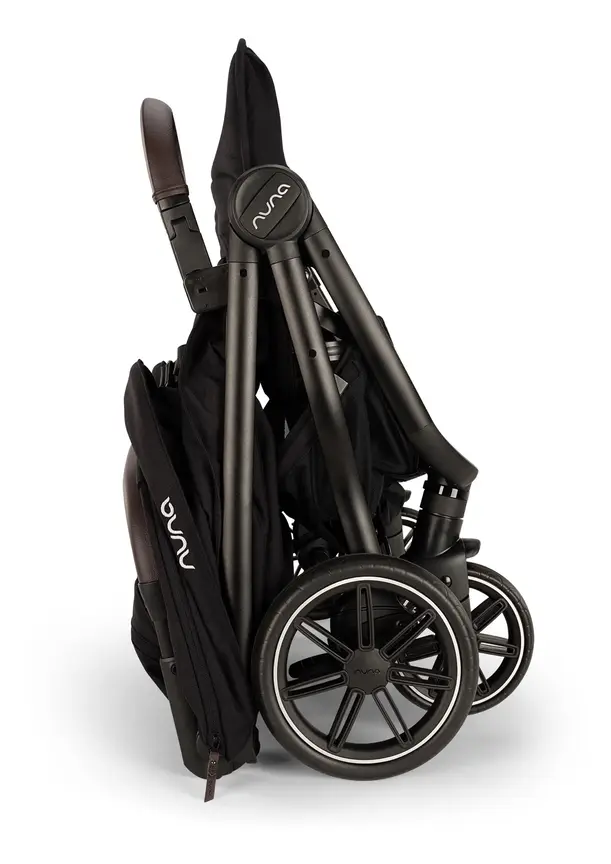
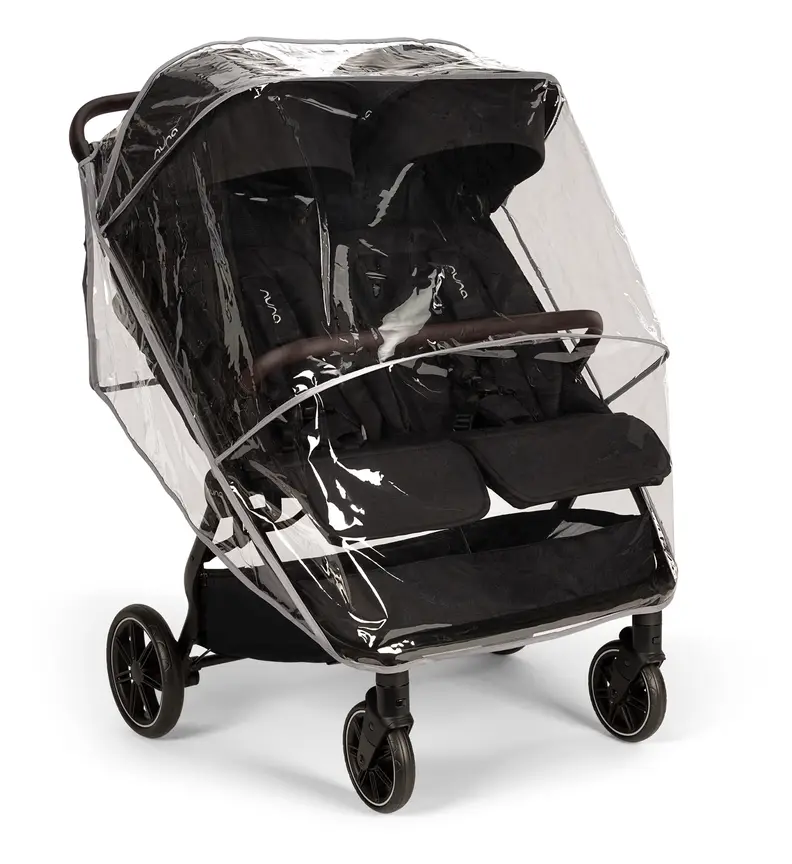
Nuna TRVL Dubl
A side-by-side double that folds with one hand and stands up. Each seat holds up to 22.7 kg.
Read our full review →Frequently asked questions
Is it safe to buy a second-hand pram or stroller?
Yes, a second-hand pram or stroller is usually very safe if you inspect it first. Check that both brakes lock, the folding latches click firmly, the five-point harness is intact, and the frame has no cracks. Also check your national recall website using the model number on the sticker.
Can I use a second-hand car seat if it looks fine?
No, unless you know its full history from day one. A car seat can have hidden internal cracks from a minor crash that you cannot see. It must also be within its expiry date, have all original parts and the manual, and not be on any recall list. If you are not 100% sure, buy a new seat.
Why do experts say to buy a new cot mattress?
Safe sleep groups like Red Nose and The Lullaby Trust recommend a new mattress because used mattresses can soften and sag over time. A soft or uneven surface raises the risk of SIDS and suffocation. Old foam can also trap mould and bacteria deep inside.
How do I check if a used baby item has been recalled?
Find the sticker on the product frame that shows the brand, model name, and manufacture date. Search those details on your country's official recall site: Product Safety Australia, the UK government recall page, the US CPSC website, or Health Canada's recall site.
Are second-hand baby swings and bouncers safe?
Yes, for awake, supervised play if the frame is sturdy and the straps work well. Always check the base for cracks and test the buckle. Never let your baby sleep in a swing or bouncer, as babies should always sleep flat on their back in a clear cot or bassinet.
How old is too old for second-hand baby gear?
Safety standards change every few years, so newer is almost always safer. Avoid cots, strollers, and high chairs that are more than five to ten years old, especially if they lack a modern safety label. For car seats, always check the expiry date stamped on the plastic shell.
Can I wash a second-hand stroller or high chair harness?
Yes, but wash straps gently by hand with mild soap and warm water. Do not use bleach, strong stain removers, or a washing machine, because harsh chemicals and heat can weaken the webbing. Let the straps air-dry completely before using them.
Sources
- Product Safety Australia – Prams and strollers guide
- Product Safety Australia – Recalls
- UK Government – Buy safe, be safe
- The Lullaby Trust (UK) – Mattresses and bedding
- CPSC (US) – Safe sleep: cribs and infant products
- HealthyChildren.org (AAP) – Car seats: information for families
- Health Canada – Recalls and safety alerts
- Transport Canada – Expiry dates on child car seats and booster seats
Related guides
More Prams & Strollers →
Second-Hand Stroller Safety Audit: 10 Checks Before Buying a Used Pram
From Strollers to Swaddles: Essential Baby Gear Tips for First-Time Parents
Stroller Hand Muffs and Handlebar Gloves: How to Choose a Safe, Warm Pair
