Reversible Stroller Seats: Parent-Facing vs World-Facing
Parent-facing vs world-facing stroller seats: when to turn the seat, how it helps bonding and wind protection, and safety rules for AU, UK, US and Canada.
On this page
- Key points
- What a reversible stroller seat is
- Why young babies do better facing you
- How facing you helps with wind, sun and noise
- When to switch to world-facing
- Parent-facing vs world-facing: side-by-side comparison
- How to choose a reversible stroller
- Age-by-age guide from newborn to toddler
- Safety standards in Australia, the UK, the US and Canada
- Common mistakes parents make with reversible seats
- Frequently asked questions
- Sources
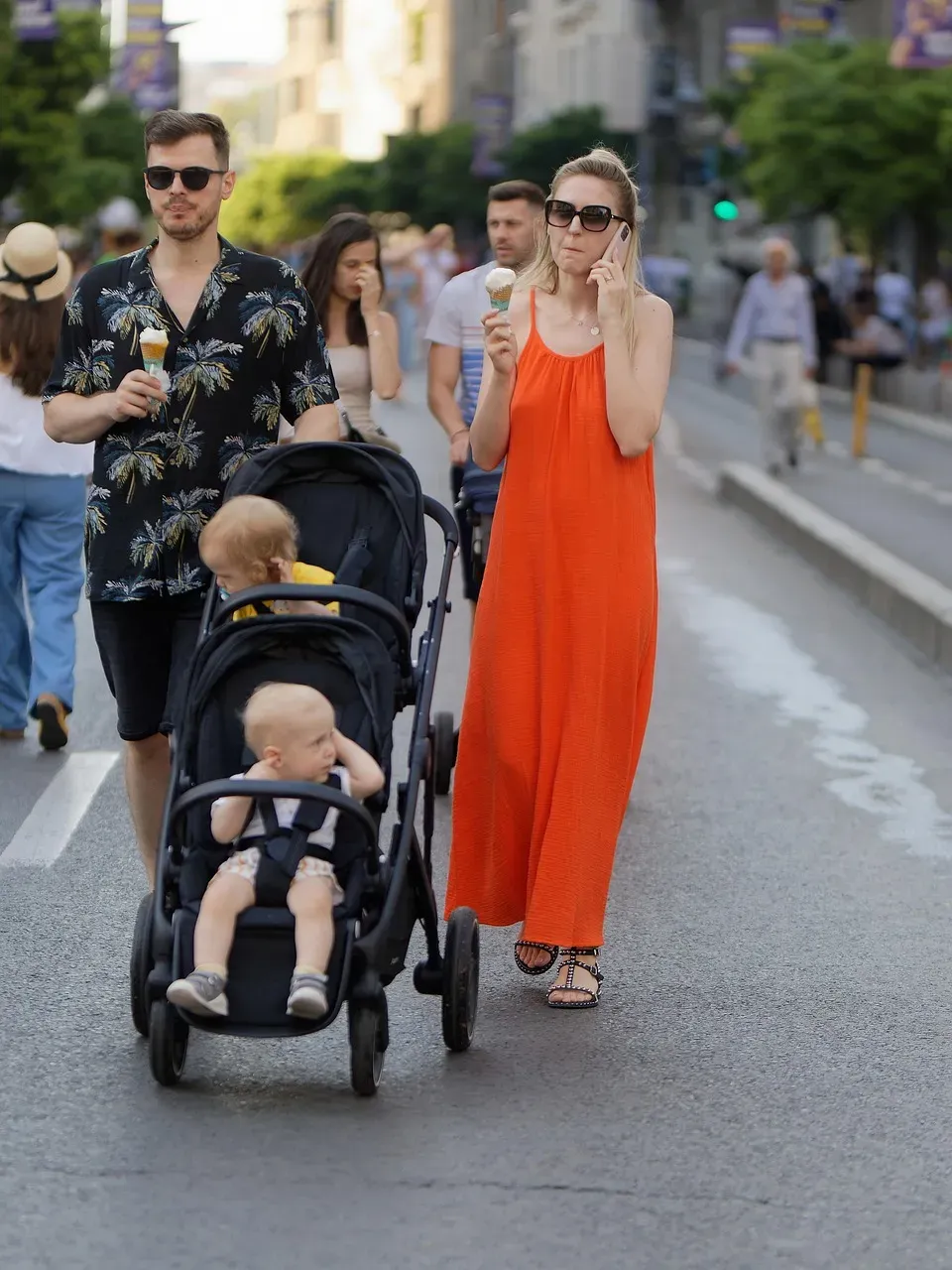
Short answer: Young babies do best facing you in a stroller. Facing you lets your baby see your face, hear your voice and stay out of strong wind. You can also check their breathing and temperature at a glance. Once your baby can sit up well and wants to look around, usually around 6 months or older, you can turn the seat to face the world. Even then, many toddlers still like facing you when they are tired or overwhelmed.
Safety groups in Australia, the UK, the US and Canada all stress the same core rules for stroller use. Keep your baby strapped in, keep the seat flat enough for young babies, and never cover the stroller with a blanket to block sun or wind.
Key points
- Newborns to 6 months: Use a flat bassinet or a fully reclined parent-facing seat. Young babies need head support and clear airways.
- Bonding and speech: Babies learn words and feel safe by watching your face. Facing you makes chatting easy on every walk.
- Social referencing: This means a baby looks at your face to check if something is safe. A parent-facing seat lets them do this right away.
- Wind and weather: Facing you shields your baby from headwinds, dust and flying grit. Your body and the hood work together as a windbreak.
- When to turn: Most babies are ready for world-facing from 6 to 9 months, once they hold their head steady and sit well.
- Never drape cloths: Do not hang a muslin wrap or blanket over the stroller hood. It traps heat and cuts off fresh air.
- Check standards: Look for AS/NZS 2088 in Australia, BS EN 1888 in the UK, ASTM F833 in the US, and Health Canada stroller rules in Canada.
What a reversible stroller seat is
A reversible stroller lets your baby face you or face the street ahead. Parents often call this parent-facing and world-facing. Some people also call it rear-facing and forward-facing.
Strollers do this in two main ways. Each design feels quite different to push and fold.
1. Lift-and-turn seat
Most reversible strollers have a seat unit that clicks off the frame. You press two buttons on the sides, lift the seat, turn it around, and click it back in. You should always take your baby out before you lift the seat.
This design keeps the big back wheels at the rear and the small swivel wheels at the front. The stroller steers the same way no matter which way your baby faces. The downside is that you have to stop, lift the seat and store your gear carefully while you flip it.
2. Reversible handlebar
Some strollers have a handle that swings over the top of the seat. You unlock the handle, swing it to the other end, and lock it in place. You can change direction in seconds, even with your baby still buckled in.
The catch is how it steers. When you flip the handle, the big back wheels end up in front. The small swivel wheels end up near your feet. Some strollers lock the front wheels or let all four wheels swivel to fix this. Even so, pushing a flipped-handle stroller over kerbs or rough paths can feel awkward.
Prams & Strollers worth a look
Real products from our catalogue. We don't show star ratings or review counts; check the current price, stock and reviews on Amazon before you buy.

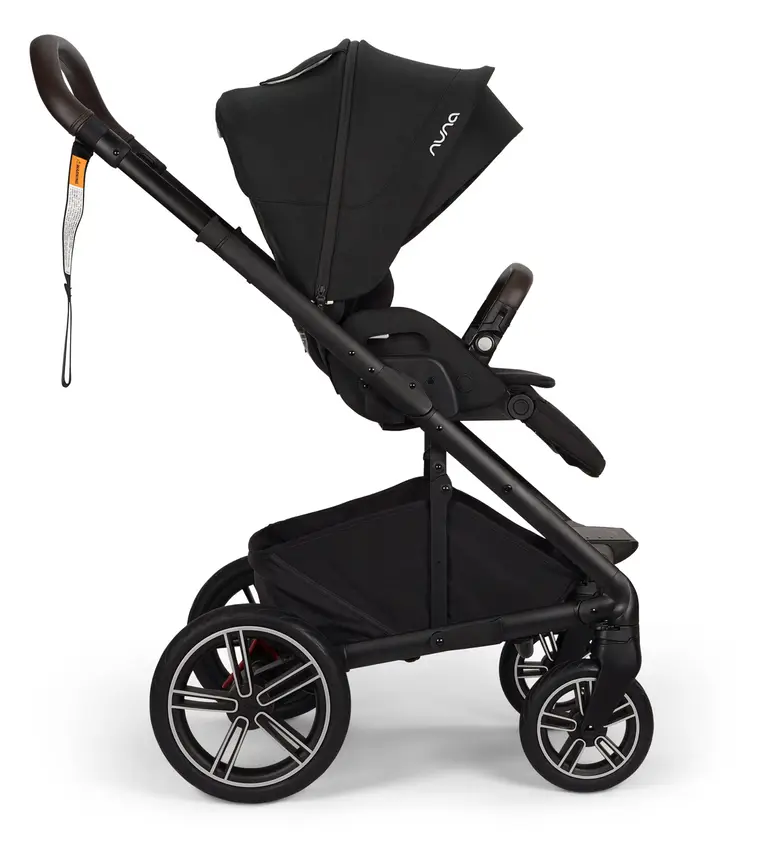
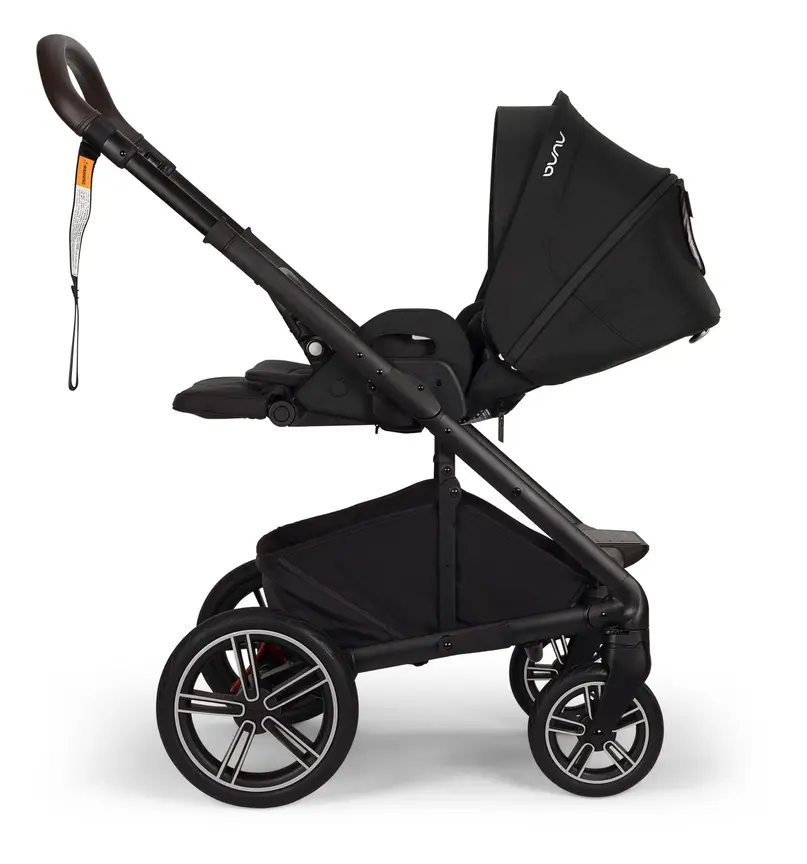
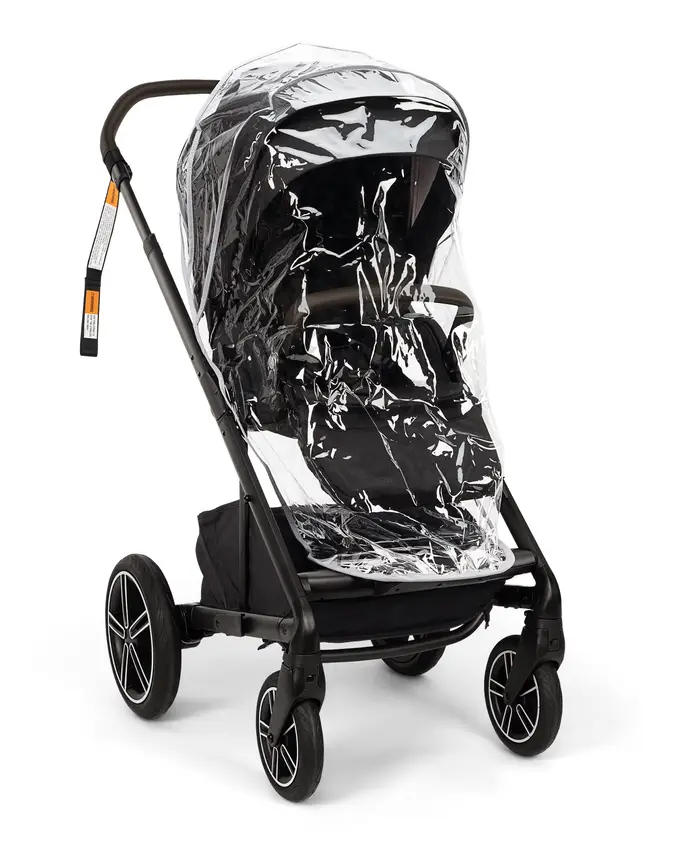

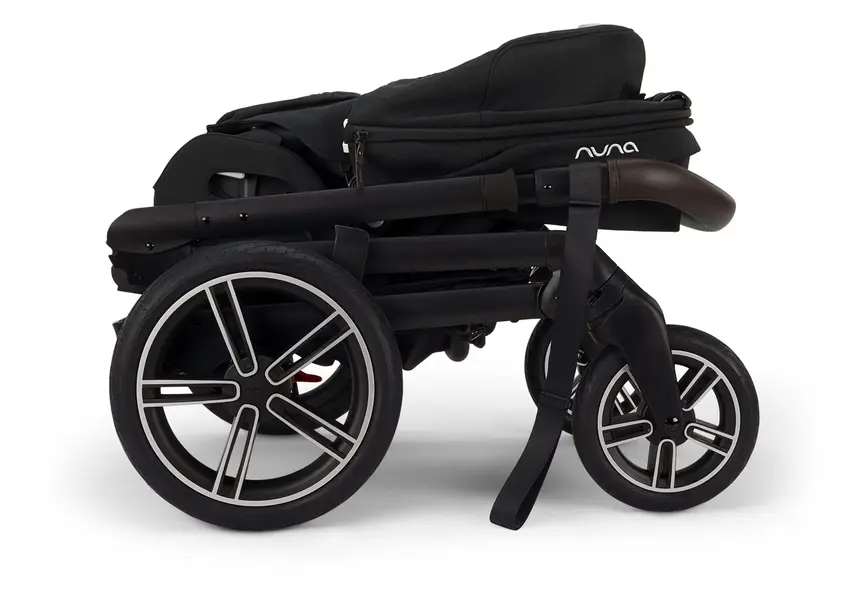

Nuna MIXX Next
A full-size pram with four ways to ride: capsule, bassinet, parent-facing seat or world-facing seat.
Read our full review →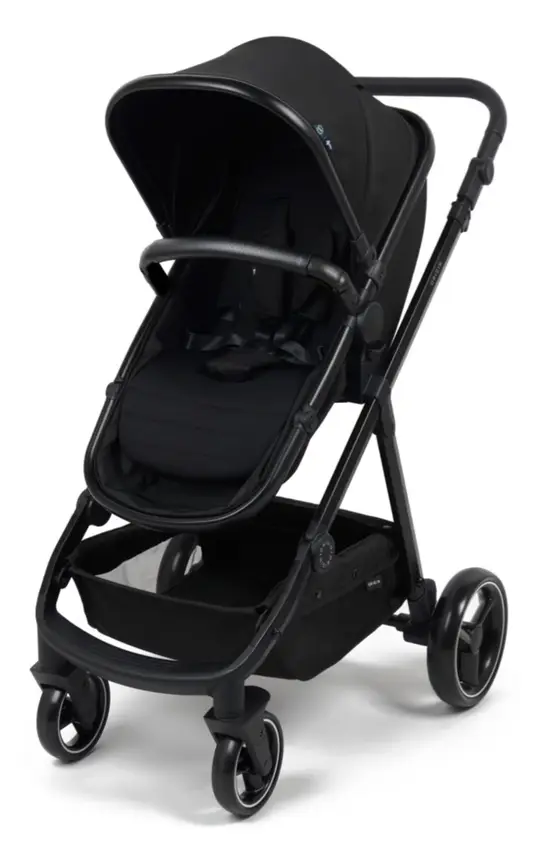
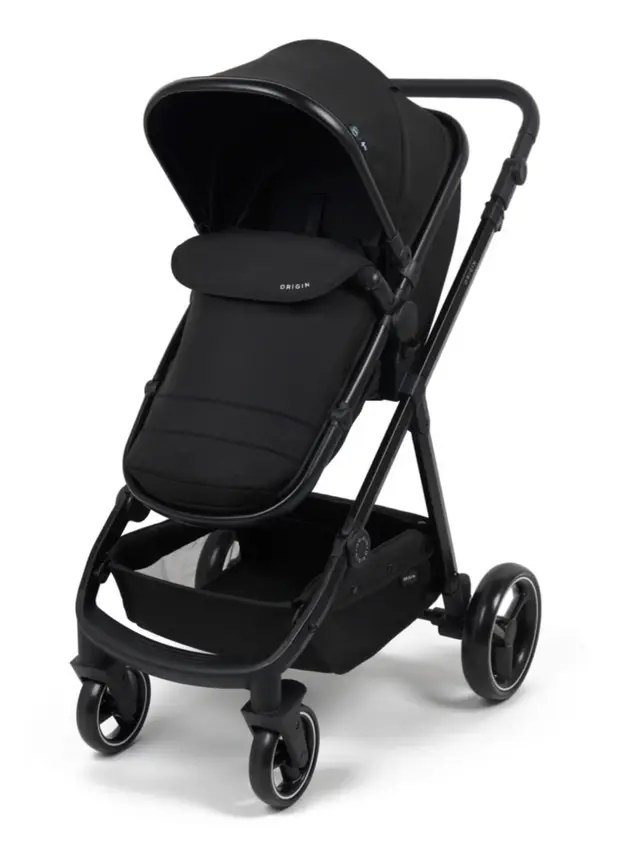
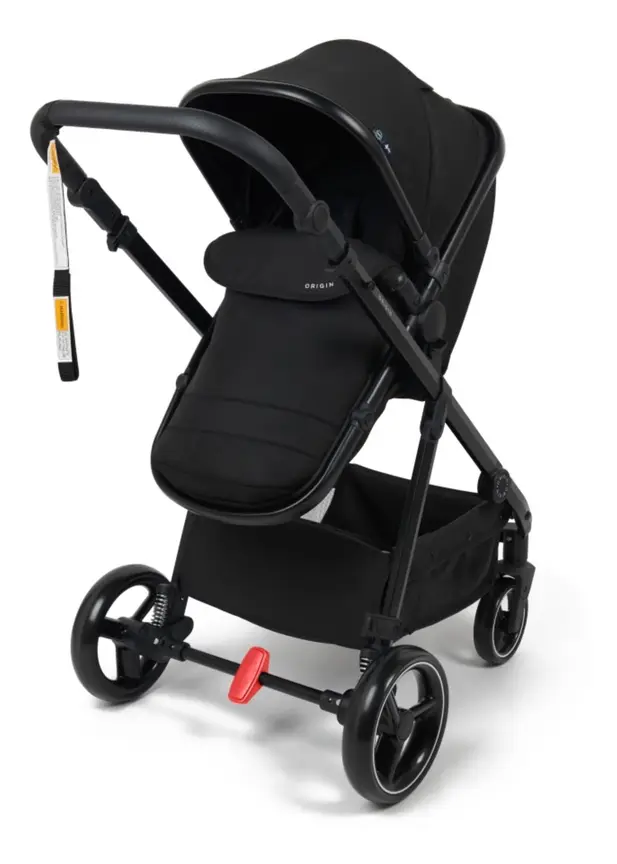
4baby Origin Stroller
A budget pram whose seat turns into a bassinet. The seat can face you or face the world.
Read our full review →
Baby Jogger City Mini GT2
Long-running, lighter all-terrain stroller with a famously simple one-hand strap fold.
 Reviewed
Baby Jogger City Tour 2
A 6.5 kg stroller with a near-flat recline. It folds small and comes with a carry bag.
Read our full review →Why young babies do better facing you
For the first six months, your baby's world is mostly you. Their eyes are still learning to focus. The American Optometric Association explains that newborns see best at close range, about the distance to a parent's face during a feed or cuddle.
When your baby faces the street too early, far-away trees, cars and signs are just a blur. When they face you, they see the one thing they can focus on clearly: your eyes and smile.
Talk and early language
Babies learn to talk by watching your mouth move and hearing your voice. On a walk, you naturally point out dogs, buses and birds. When your baby faces you, they see your expression as you speak. You can also hear their small coos and babbles over traffic noise.
If your baby faces away from you, your voice travels forward over their head. Traffic and wind drown out your words. It is much harder to have a back-and-forth chat.
Visual social referencing
Visual social referencing is a simple idea with a long name. It means a baby checks a trusted adult's face to see how to react to something new.
Picture a loud truck driving past, or a big dog barking across the road. A six-month-old baby does not know if that sound means danger. They look straight at your face. If you look calm and smile, your baby relaxes. If they cannot see you, they only hear the loud noise. That can make them cry or feel stressed.
Easy safety and comfort checks
Young babies cannot tell you when they are too hot, cold or slumped down. When your baby faces you, you see them the whole time.
- Airway check: You can see right away if their chin drops onto their chest. A slumped chin can block a young baby's airway.
- Sun check: You notice straight away if sunlight hits their eyes or bare legs.
- Blanket check: You can spot if a loose blanket slips up near their face.
- Sleep check: You see the moment they fall asleep, so you can recline the seat gently.
How facing you helps with wind, sun and noise
When you walk forward, you push into the air ahead of you. A baby in a world-facing seat takes that breeze straight in the face. On a cold or gusty day, that wind feels much sharper when you are sitting still.
In a parent-facing seat, the back of the seat shell and the raised hood face the wind. They act like a shield. Dust, pollen, dry leaves and chilly gusts hit the back of the hood instead of your baby's eyes and nose.
Protection from bright sun and glare
Babies have thin skin and sensitive eyes. Health groups in Australia, the UK, the US and Canada all advise keeping babies under 6 months out of direct sunlight.
When the sun sits low in the sky, you can turn a parent-facing seat so your own shadow or the stroller canopy blocks the glare. With a fixed world-facing seat, you may end up walking backwards or pulling the stroller behind you just to keep sun out of your baby's eyes.
Never drape a cloth over the stroller
Many parents hang a muslin wrap, towel or blanket over the stroller hood to block wind or sun. Do not do this. Even a thin cloth stops fresh air from moving through the seat.
In warm weather, the space inside a covered stroller heats up fast. Overheating raises the risk of heat stress and sudden infant death. Use a built-in mesh sun shade made for your stroller, or move into the shade instead. Always leave a clear gap so air flows freely and you can see your baby.
Noise and busy places
Shopping centres, train stations and crowded footpaths can overwhelm a young baby. Bright lights, loud voices and fast movement come at them all at once. Facing you cuts out half of that rush. Your baby sees a steady, familiar face instead of a wall of strangers.
When to switch to world-facing
There is no single birthday rule for turning the seat around. Watch your baby's body and behaviour instead.
Most babies are ready to try world-facing between 6 and 9 months. Look for these signs:
- Strong head control: Your baby holds their head steady without wobbling, even over bumps.
- Good sitting balance: They can sit up with little or no support without slumping to the side.
- Curious eyes: They twist around in a parent-facing seat to see what is behind them.
- Happy awake times: They stay alert and content during walks without needing your face every minute.
What happens if you turn too early
If you turn a young baby to face the world before they have strong neck control, two things often happen. First, they may slump forward or sideways when the stroller hits a kerb. Second, they may get fussy because they cannot see you when a loud noise startles them.
Switching back and forth
Turning the seat is not a one-way step. Many parents use world-facing for the morning walk to the park, when the baby is wide awake and curious. Then they turn the seat back to parent-facing for the walk home, when the baby is tired and ready to nap.
Some toddlers around 12 to 18 months go through a clingy phase. They may ask to face you again, especially in new or noisy places. Having a reversible seat lets you match their mood on the day.
Parent-facing vs world-facing: side-by-side comparison
Here is how the two seat directions compare across everyday use, comfort and safety.
| Feature | Parent-facing | World-facing |
|---|---|---|
| Best age | Birth to 6 months, and tired or fussy times up to 2 years | Around 6 to 9 months and up, once sitting well |
| Eye contact and talk | Easy face-to-face chat and smiles | Harder to see your baby's face and hear quiet sounds |
| Social referencing | Baby can check your face right away | Baby must twist around or wait for you to step beside them |
| Wind and dust shield | Seat back and hood block headwinds | Baby faces straight into wind, dust and glare |
| Airway and sleep check | You see breathing and head angle at a glance | You must stop and walk around the front to check |
| Stimulation level | Calm; shields baby from busy crowds | High; lots of sights, movement and street life |
| Folding the stroller | Some strollers only fold with the seat facing the world | Most reversible strollers fold cleanly this way |
| Storage basket access | Reclined parent-facing seats can block the basket | Usually leaves more room to reach the basket |
| Leg room for tall toddlers | Footrest can feel tight near the handle on some models | Often gives a bit more room as legs grow |
Side by side: more prams & strollers to compare
Real products from our catalogue. We don't show star ratings or review counts; check the current price, stock and reviews on Amazon before you buy.

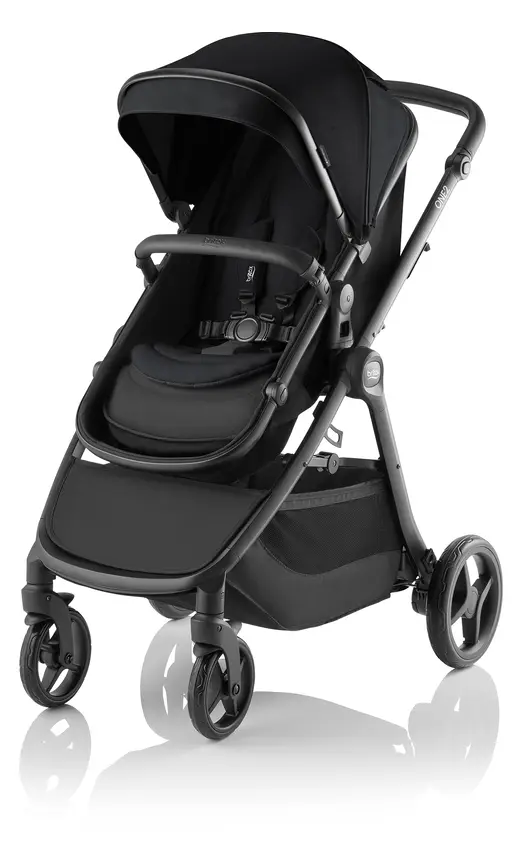
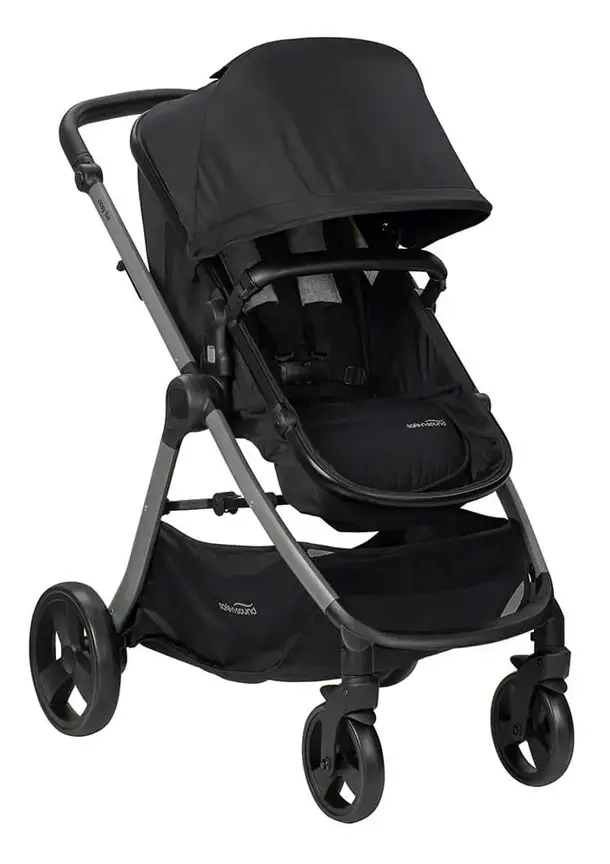

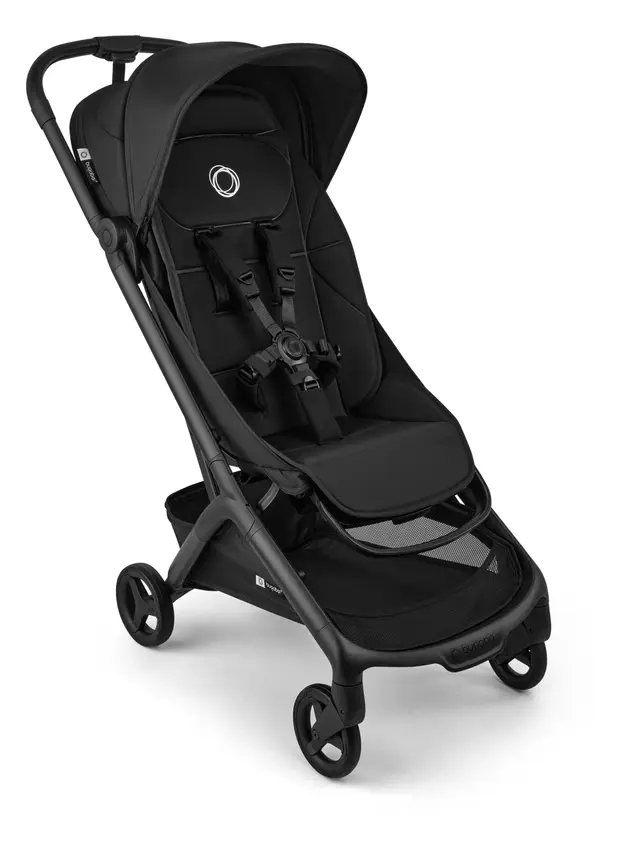
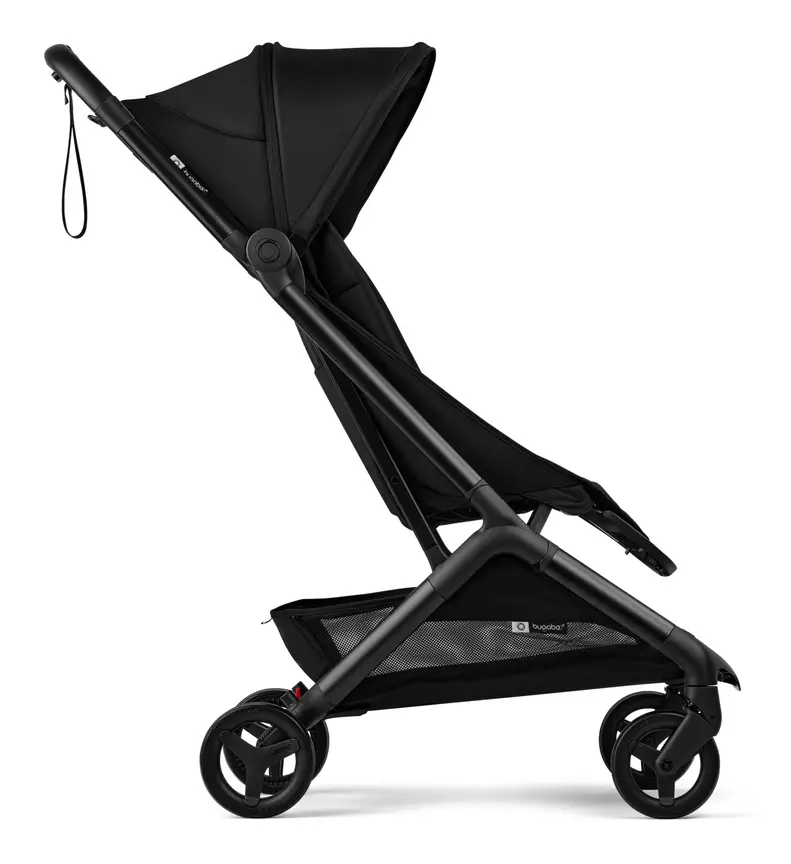


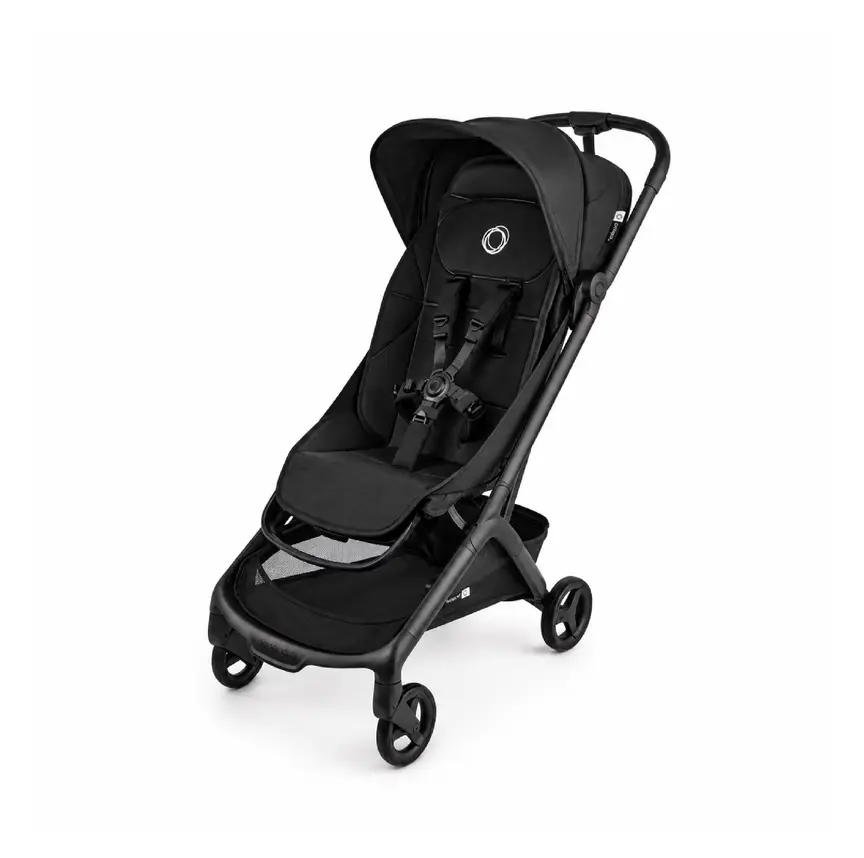
Bugaboo Butterfly
Bugaboo's cabin-friendly compact stroller with a one-second fold — the travel partner to a Fox, not a replacement for it.
How to choose a reversible stroller
Reversible seats add extra hinges and parts, so they are often heavier than single-direction strollers. Before you buy, check these practical points.
1. Check the newborn recline
Newborns must lie flat, or nearly flat, so their head does not flop forward onto their chest. Some reversible seats recline completely flat. Others are bucket-shaped and stay curved even when tilted back.
If a seat does not lie flat, check if the stroller takes a bassinet for the first few months. Never put a newborn in an upright seat.
2. Test the fold in both directions
Many reversible strollers only fold in one piece when the seat faces the world. When the seat faces you, you may have to take the seat off first before folding the frame.
Ask yourself how often you lift the stroller into a car boot. If you drive every day with a young baby, taking the seat off in the rain gets old fast. Practice folding it in the shop with the seat facing you.
3. Check weight and balance
A stroller can feel different to tip up a kerb depending on which way the seat faces. When a heavy toddler faces you, more weight sits closer to the handle. When they face the world, more weight sits over the front wheels.
Try pushing the stroller with a weight inside it in both directions. Make sure you can lift the front wheels onto a kerb without straining your wrists.
4. Look at the canopy and peek-a-boo window
A good canopy extends far enough to shade your baby's face and chest. Look for a mesh peek-a-boo window with a quiet flap, like a magnet rather than loud hook-and-loop tape. When your baby eventually faces the world, that window is how you check on them without waking them.
5. Check the five-point harness and tether strap
Product Safety Australia advises a five-point harness for every stroller. This straps over both shoulders, around the waist, and between the legs. Make sure the straps adjust smoothly as your baby grows.
In Australia, strollers must also have a wrist tether strap. This loops around your wrist so the stroller cannot roll away down a hill or onto a train track if you let go.
6. Test the brakes and basket
Press the brake with your normal shoes on. It should lock both back wheels firmly with one clear click. Then recline the seat fully in the parent-facing position and see if you can still slide a nappy bag into the basket underneath.
Age-by-age guide from newborn to toddler
Every baby grows at their own pace. Still, this simple guide helps you plan which way to face the seat as your child grows.
| Age stage | What your baby is doing | Best seat position |
|---|---|---|
| Newborn to 3 months | Weak neck muscles. Sleeps a lot. Needs flat support and calm surroundings. | Flat bassinet or fully flat parent-facing seat. |
| 3 to 6 months | Better head control, starting to reach and babble. Watches your face closely. | Parent-facing, slightly reclined when awake, flat for naps. |
| 6 to 9 months | Sitting up well. Curious about dogs, cars and trees. | Start short trips world-facing when rested; use parent-facing for naps or wind. |
| 9 to 18 months | Very alert. Points at things. May get shy or clingy in crowds. | Mostly world-facing for fun walks; parent-facing when tired or upset. |
| 18 months and up | Heavy toddler. Likes to climb in and out and see the street. | Usually world-facing for better balance and leg room. |
Safety standards in Australia, the UK, the US and Canada
Strollers sold in different countries must meet strict safety rules. These rules test frame strength, brakes, harness strength, finger traps and stability so the stroller does not tip over.
| Country | Official bodies | Stroller safety standard or rules |
|---|---|---|
| Australia | ACCC (Product Safety Australia), Red Nose, Raising Children Network, Kidsafe | Mandatory standard based on AS/NZS 2088. Checks brakes, five-point harness, tether strap and locking latches. |
| United Kingdom | Office for Product Safety and Standards (OPSS), The Lullaby Trust, NHS, RoSPA | Strollers follow BS EN 1888, which tests stability, brakes, harnesses and small parts. |
| United States | Consumer Product Safety Commission (CPSC), American Academy of Pediatrics (AAP) | Federal safety rule based on ASTM F833. Checks frame locks, harnesses, pinch points and tip resistance. |
| Canada | Health Canada, Canadian Paediatric Society (Caring for Kids) | Carriages and strollers regulations under Canadian law test brakes, stability, harnesses and small parts. |
Always buy a stroller that meets the safety rules where you live. Be careful with cheap imports from unknown online sellers. They may skip local testing and lack safe brakes or locks.
Safe sleep in a stroller
The Lullaby Trust in the UK, Red Nose in Australia, the AAP in the US and Health Canada all say the safest place for a baby to sleep is on their back, on a firm, flat surface in a clear cot or bassinet.
If your baby falls asleep during a walk, keep the seat as flat as your stroller allows, keep their face clear, and check on them often. Once you get home, move a sleeping newborn out of an upright or curved seat and onto a firm, flat sleep surface. Never leave a baby sleeping unattended in a stroller.
Common mistakes parents make with reversible seats
Even careful parents run into small traps with reversible strollers. Watch out for these six common ones.
- Flipping the seat with the baby inside: Always lift your baby out before you unclip and turn the seat. A clip can slip, or the seat can tilt and drop.
- Covering the hood with a blanket: Hanging a wrap or towel over the canopy blocks air and traps dangerous heat. Use a breathable sun shade made for your stroller or seek shade instead.
- Turning to world-facing too early: Wait until your baby holds their head steady and sits well. Turning too early leaves them slumped and over-tired.
- Forgetting to adjust the harness after flipping: Check the shoulder straps and crotch buckle every time you click the seat back in. Make sure the seat clicks firmly on both sides before you set off.
- Hanging heavy bags on the handle: A heavy nappy bag on the handlebar can tip the whole stroller backwards, especially when the seat faces you and the weight shifts back. Put bags in the bottom basket instead.
- Using a curved seat for a newborn: A seat that tilts back as one rigid shell does not flatten your baby's spine. Use a flat bassinet or a seat rated from birth that lies flat.
More options, from budget to premium
Real products from our catalogue. We don't show star ratings or review counts; check the current price, stock and reviews on Amazon before you buy.
Bugaboo Butterfly 2
The newer Butterfly. It folds in about one second, has a lay-flat seat and a bigger basket with a back pocket.
Read our full review →

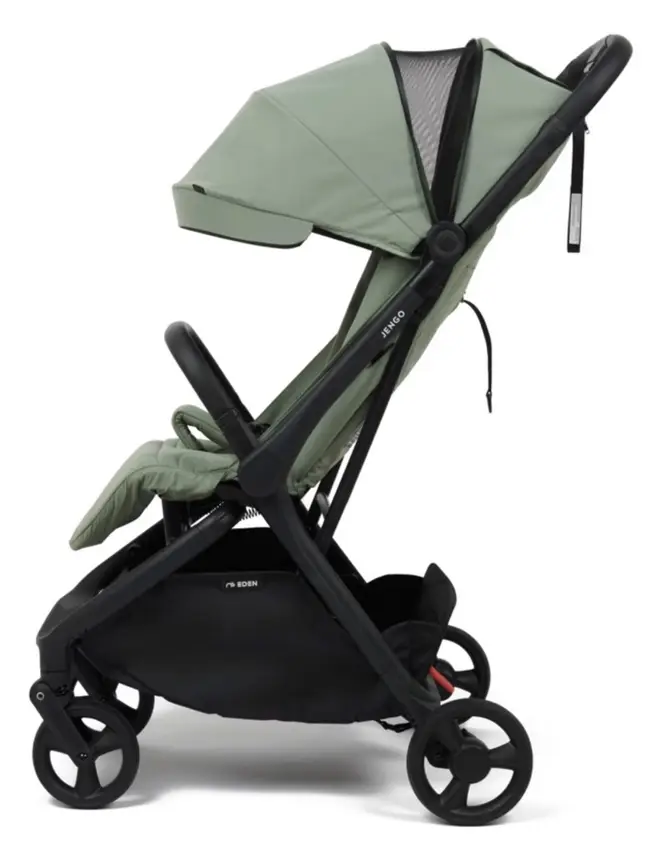
Jengo Eden Compact Stroller
A budget compact stroller from birth to 22 kg. It folds with one hand and has a big basket.
Read our full review →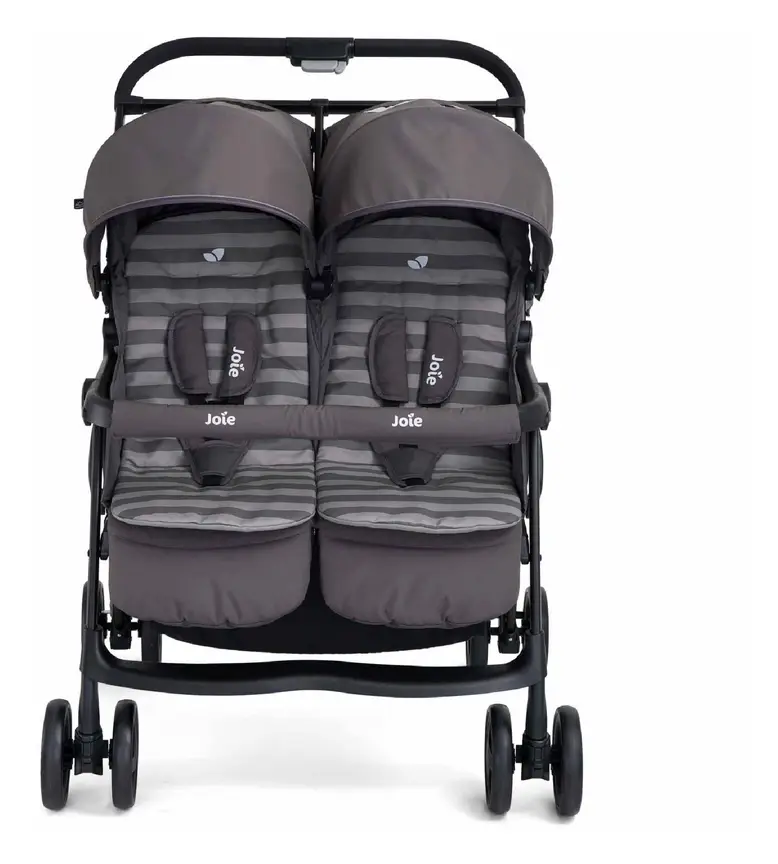
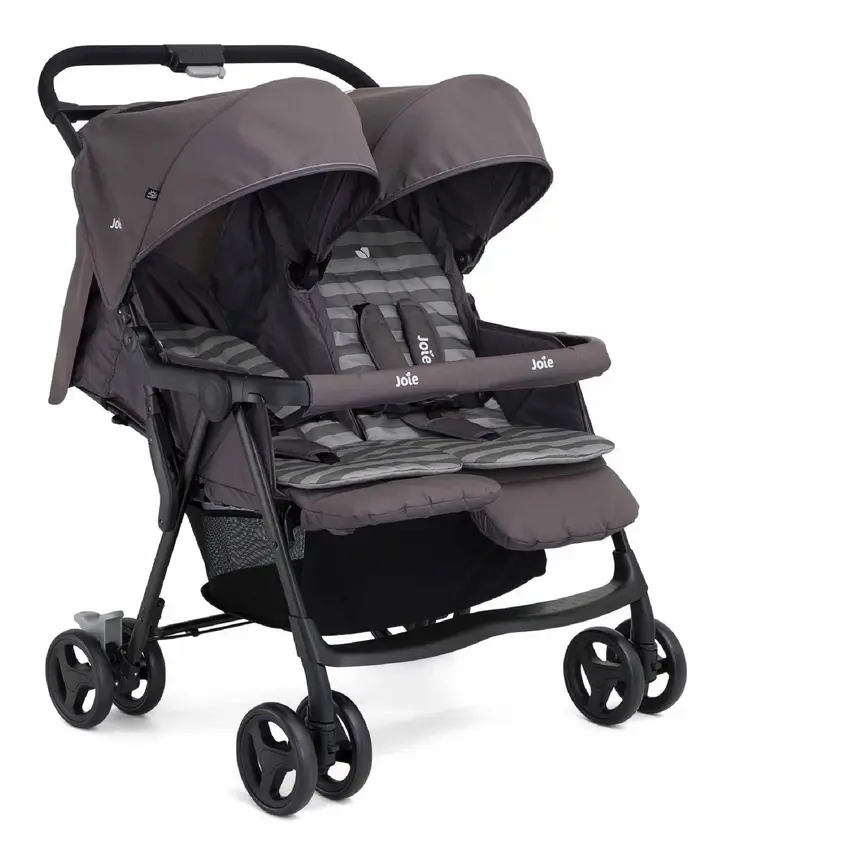

Joie Aire Twin
A lower-cost side-by-side double. Each seat lies flat and reclines on its own.
Read our full review →Frequently asked questions
Is parent-facing better for newborns?
Yes. Newborns need a flat surface, steady head support and close contact with you. Facing you lets you watch their breathing, talk to them and shield them from wind and bright glare.
At what age can a baby face the world in a stroller?
Most babies are ready between 6 and 9 months. Wait until your baby has steady head control and can sit up well without slumping sideways. Watch your baby's cues rather than rushing a date on the calendar.
Does facing away from parents harm a baby's development?
No, not once your baby is ready. Older babies and toddlers love watching trees, dogs and cars. Just remember to chat with them during the walk, stop to point things out, and turn the seat back to face you if they get tired or overwhelmed.
Can I use a blanket to block wind in a world-facing seat?
Never drape a blanket over the hood or front of the stroller. It blocks fresh air and can make the inside dangerously hot. Instead, turn the seat back to face you, dress your baby in warm layers, or use a clear rain cover with proper air vents when needed.
Are reversible handlebar strollers better than lift-and-turn seats?
Each style has trade-offs. A reversible handlebar lets you flip direction in seconds without waking your baby, but steering with big wheels in front can feel clunky. A lift-and-turn seat steers smoothly both ways, though you must take your baby out to turn it.
Why does my stroller only fold when the seat faces the world?
Many stroller frames are shaped so the seat backrest tucks neatly between the wheels only in the world-facing position. If you drive often and want a parent-facing seat, test the fold in the shop before you buy so you know what to expect.
Sources
- Product Safety Australia – Prams and strollers guide
- Red Nose Australia – What is a safe sleeping environment
- Pregnancy, Birth and Baby – Babies in hot weather
- UK Office for Product Safety and Standards
- The Lullaby Trust (UK) – Sleeping products
- American Optometric Association – Infant vision
- HealthyChildren.org (American Academy of Pediatrics) – Sun safety and protection tips
- Caring for Kids (Canadian Paediatric Society) – Sun safety
Related guides
More Prams & Strollers →
True Lie-Flat Stroller Seats vs. Bucket-Tilt Recline: Newborn Airway Safety

Triple and Quad Strollers and Stroller Wagons: Stadium Seats, Harnesses and Kerbs
Stroller Ride-On Boards: How to Choose a Safe Fit for Your Toddler