













Replacing a Flat Jogging Stroller Inner Tube: Tyre Levers, Sealant Tubes, and Tyre Pressure
How to fix a flat jogging stroller tyre: choosing the right inner tube, using plastic tyre levers, sealant tubes, and safe PSI pressure.
On this page
- Key points
- Why jogging strollers use air-filled tyres
- What tools you need before you start
- How to find the right inner tube size and valve
- Step-by-step: how to replace a punctured inner tube
- Standard tubes vs thorn-resistant vs sealant tubes vs solid tyres
- PSI pressure limits explained (20–30 PSI and beyond)
- Patching an old tube vs buying a new one
- Safety checks after changing a stroller wheel
- Baby age stages and jogging stroller safety
- Safety standards and official rules by country
- Common mistakes that cause repeat flat tyres
- Frequently asked questions
- Sources
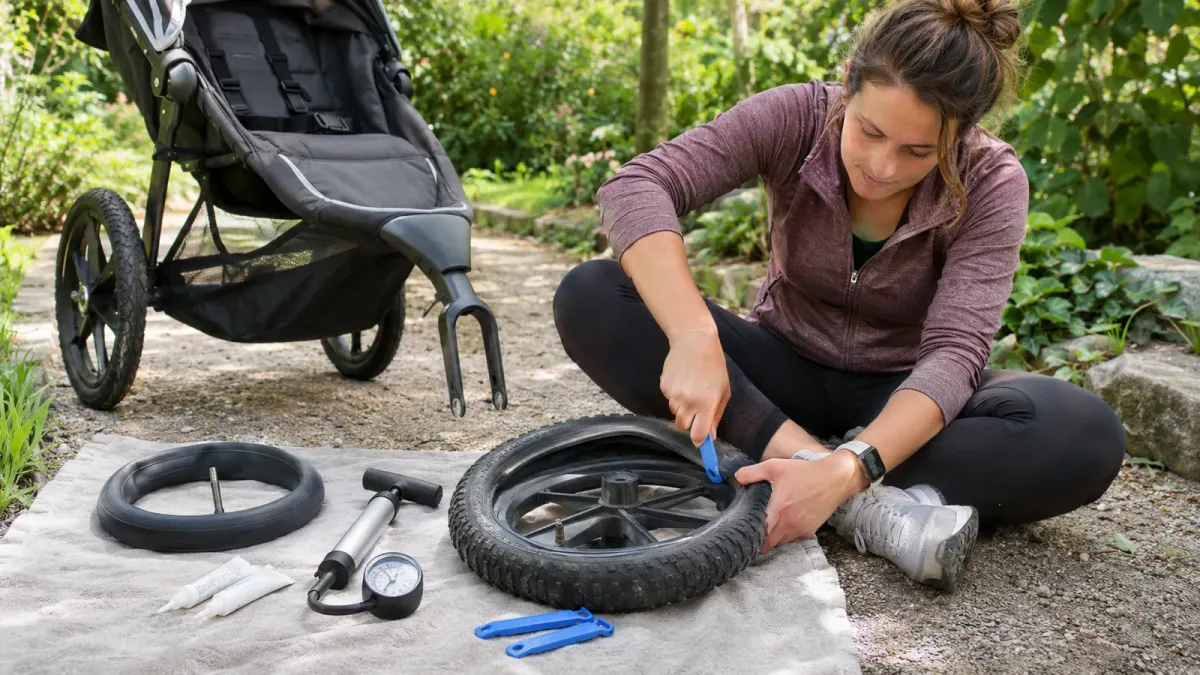
Short answer: To fix a flat jogging stroller tyre, take off the wheel and let out all the air. Use two plastic tyre levers to lift one edge of the tyre off the rim. Pull out the old tube and check inside the tyre for sharp thorns or glass. Fit a new tube of the exact same size, put the tyre back on, and pump it to the PSI number printed on the tyre side. Many jogging stroller tyres sit around 20 to 30 PSI, but always follow the label on your own tyre.
A flat tyre stops your walk or run right away. The good news is that changing a stroller inner tube is much like fixing a bike wheel. You do not need special shop tools. You only need a few simple items, a bit of patience, and the right safety checks before you put your child back in the seat.
Key points
- Check the sidewall: Read the size and max PSI numbers stamped on the rubber side of your tyre.
- Use plastic levers: Metal screwdrivers can scratch the wheel rim and poke holes in the new tube.
- Inspect the inside: Always run a cloth or gloved hand inside the tyre to remove hidden thorns.
- Mind the valve: Many small stroller wheels need an angled valve stem so a pump can fit.
- Use a hand pump: Petrol station air hoses fill too fast and can burst a small stroller tube.
- Watch small parts: Valve caps are a choking risk. Keep them away from babies and toddlers.
Why jogging strollers use air-filled tyres
Most city strollers have solid plastic or foam wheels. Those wheels never go flat, but they feel bumpy on rough paths. Jogging strollers are built for grass, gravel, park tracks, and uneven footpaths. They use rubber tyres with air-filled inner tubes inside, just like a bicycle.
Air inside the tube acts like a cushion. It soaks up bumps before they reach your baby's seat. It also makes the stroller lighter to push over hills and dirt paths. The trade-off is that sharp objects on the ground can poke through the rubber and cause a puncture.
How to tell if you have a real puncture
Before you take the wheel apart, check why the tyre is soft. Air slowly leaks out of rubber tubes over time, even with no hole. Pump the tyre up first and listen closely.
- Slow natural loss: If the tyre holds air for days after you pump it, there may be no hole at all.
- Loose valve core: Sometimes the tiny pin inside the air valve is loose or dirty.
- Torn stem: If the rubber around the metal valve is cracked, you need a new tube.
- Sharp object: You may see a thorn, nail, tack, or piece of glass stuck in the tread.
You can test for a leak with soapy water. Mix dish soap and water in a cup. Wipe the soapy mix over the tyre and around the valve. Tiny bubbles will grow wherever air is escaping.
What tools you need before you start
Set up on a clean mat, table, or driveway. Keep small parts in a bowl so your baby or toddler cannot pick them up.
- Two or three plastic tyre levers: These small curved tools slide under the tyre edge. Buy plastic ones from a bike shop. Never use metal knives, spoons, or screwdrivers.
- A replacement inner tube: Check the exact wheel size and valve shape first.
- A bike pump with a pressure gauge: A floor pump or a good hand pump with a clear dial works best.
- A clean cloth and soapy water: Use these to wipe dirt off the rim and find leaks.
- Work gloves (optional): Gloves protect your fingers when you feel inside the tyre for glass or thorns.
Prams & Strollers worth a look
Real products from our catalogue. We don't show star ratings or review counts; check the current price, stock and reviews on Amazon before you buy.
 Reviewed
Baby Jogger City Tour 2
A 6.5 kg stroller with a near-flat recline. It folds small and comes with a carry bag.
Read our full review →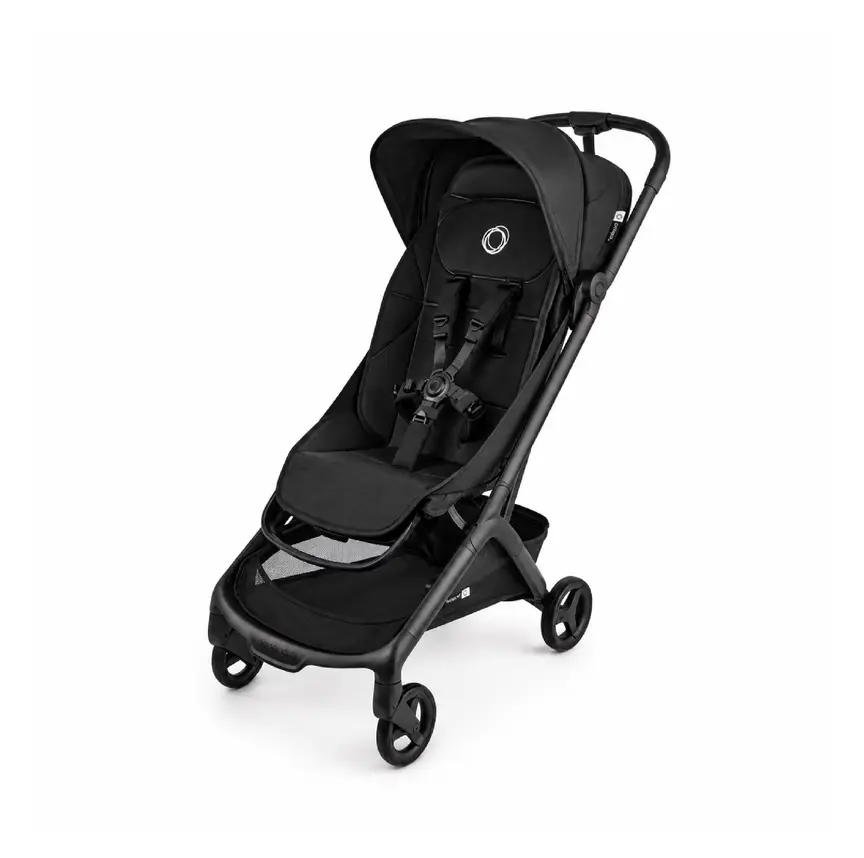


Bugaboo Butterfly 2
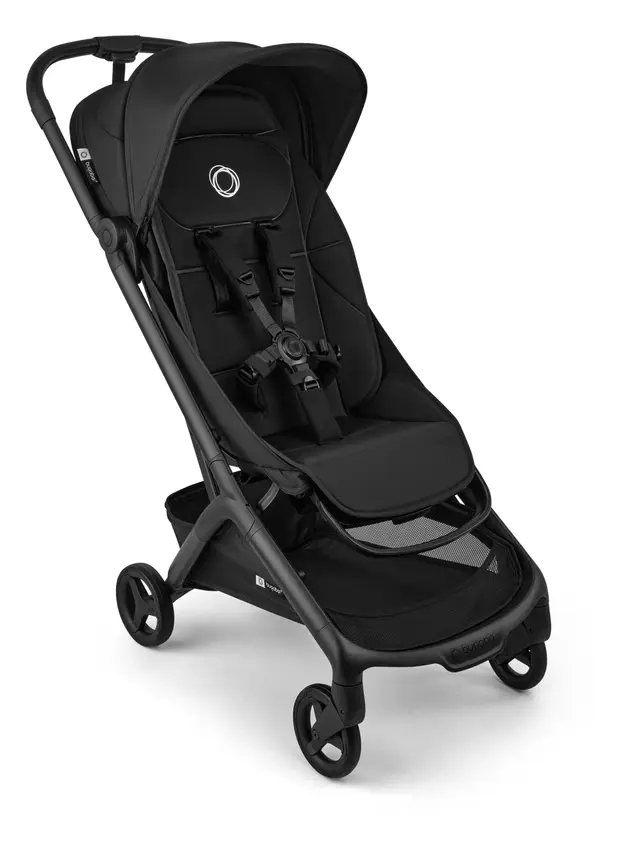
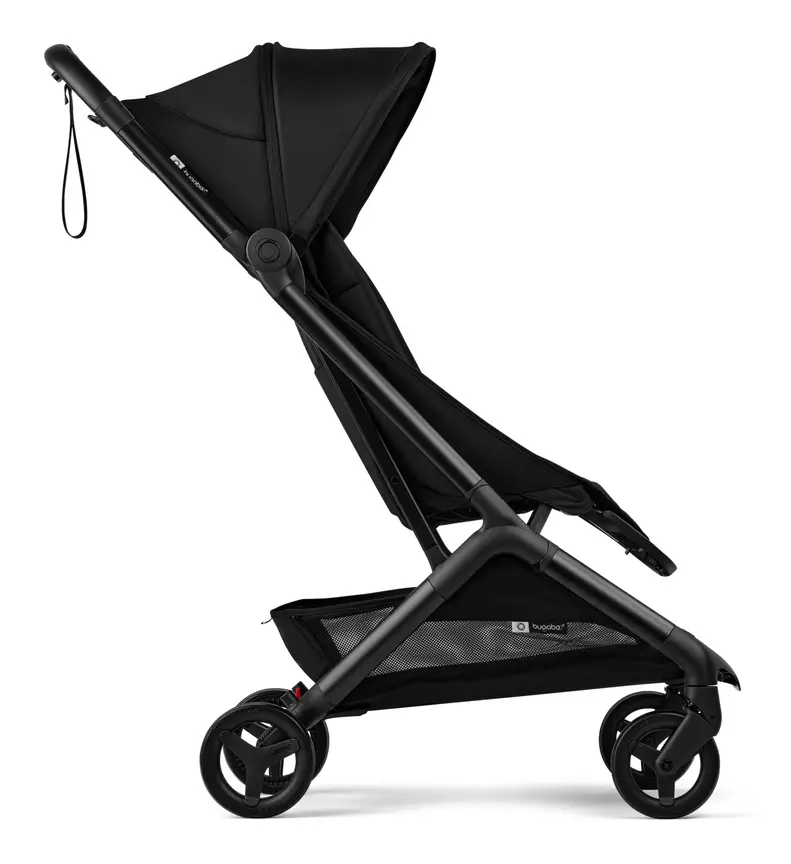
The newer Butterfly. It folds in about one second, has a lay-flat seat and a bigger basket with a back pocket.
Read our full review →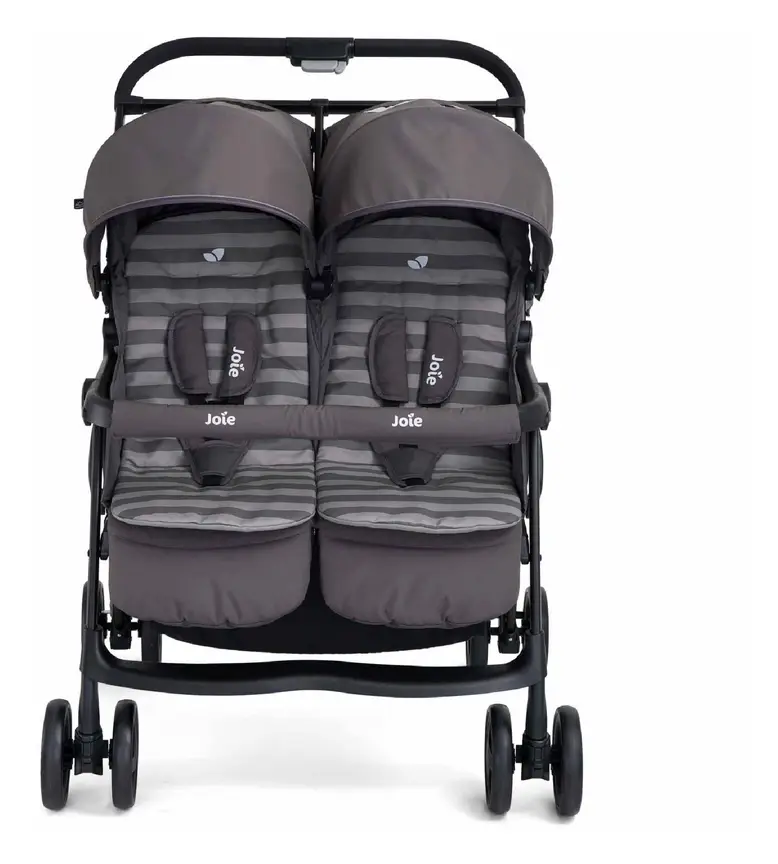
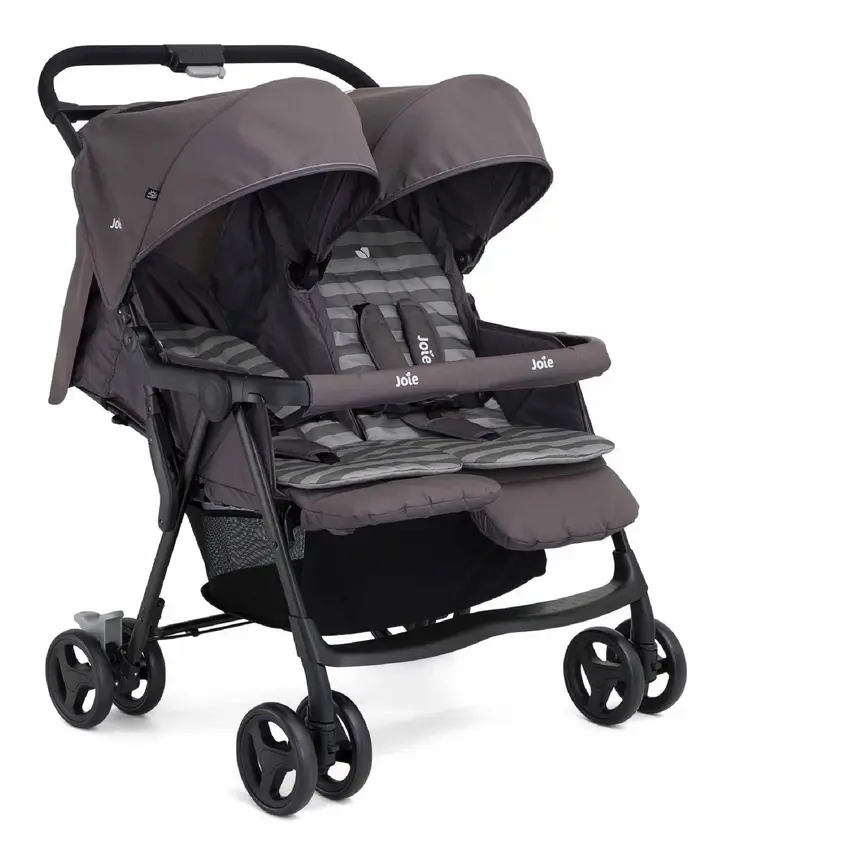

Joie Aire Twin
A lower-cost side-by-side double. Each seat lies flat and reclines on its own.
Read our full review →
Joie Nitro Stroller
A light, low-cost umbrella stroller with a flat recline, so it works from birth.
How to find the right inner tube size and valve
Buying the wrong tube is the most common mistake. Do not guess the wheel size by looking at it. Look at the side of the rubber tyre instead. You will see raised numbers moulded into the black rubber.
The numbers usually look like 12 x 1.75, 16 x 1.75, or 12 1/2 x 2 1/4. The first number is the wheel diameter in inches. The second number is the tyre width. Jogging strollers often have a smaller front wheel, like 12 inches, and larger rear wheels, like 16 inches. Check every wheel before you buy spare tubes.
A tube often fits a small range of widths. For example, a tube labelled 12 x 1.75 to 2.125 will fit a 12 x 1.75 tyre and a 12 x 2.0 tyre. The diameter must match, and the width must fall inside the range on the box.
Checking the valve type and angle
Look closely at the air valve sticking out of your wheel rim. Most jogging strollers use a Schrader valve. This is the same wide valve found on car tyres and kids' bikes. It has a tiny spring pin in the middle.
A few strollers use a Presta valve, which is thinner and has a tiny nut you unscrew at the tip. A Schrader tube will not fit through a Presta rim hole.
Also check if your valve stem is straight or bent. Small stroller wheels have tight space between the rim and the hub. A straight valve can be hard to reach with a pump head. Many stroller tubes use a 45-degree or 90-degree bent valve stem so the pump clips on easily. Look at your old tube before you order a new one.
Step-by-step: how to replace a punctured inner tube
Take your child out of the stroller first. Engage the main parking brake if you are working on one wheel at a time. Lay the stroller down safely, or prop the axle on a sturdy block so it cannot tip over.
- Remove the wheel. Most jogging stroller wheels have a quick-release lever or a push-button in the centre of the hub. Some older models use axle nuts that need a spanner. Put any nuts or washers in a safe bowl.
- Let all the air out. Take off the plastic valve cap. Press the tiny pin inside the valve with a pen tip or lever end until all air stops hissing.
- Push the tyre bead into the centre. Squeeze the tyre walls together all the way around the wheel. Pushing the edges into the deep middle channel of the rim gives you slack to lift the tyre off.
- Slide in the first tyre lever. Hook the curved tip of a plastic lever under one side of the tyre edge. Push the handle down toward the spokes. Hook the end onto a spoke if your lever has a spoke notch.
- Use the second lever. Slide the second lever under the tyre edge a few centimetres away. Lift that section over the rim, then glide the lever along the rim until one full side of the tyre pops free.
- Pull out the old tube. Reach under the loose tyre side and pull the tube out. Push the valve stem back through the rim hole last.
- Check inside the tyre. This step stops repeat flats. Wipe the inside of the tyre with a folded cloth or a gloved finger. Feel slowly all the way around for thorns, wire, sharp stones, or glass. Check the outside tread too, and pull out anything stuck in the rubber.
- Check the rim strip. Look at the inside of the metal rim. There should be a rubber or fabric tape covering the spoke holes. If it has slipped, slide it back into place so sharp spoke ends cannot poke the new tube.
- Add a tiny bit of air to the new tube. Pump just enough air so the new tube holds a round ring shape. Do not make it firm. A slightly round tube is much less likely to twist or get pinched.
- Fit the new tube. Push the valve stem through the rim hole first. Tuck the rest of the tube neatly inside the tyre all the way around.
- Seat the tyre back on the rim. Use your thumbs to push the loose tyre edge back over the rim. Start opposite the valve and work both hands toward the valve. Try to finish without using levers, as levers can pinch the new tube. If the last bit is very tight, gently nudge it with a plastic lever, being careful not to trap the tube.
- Check for pinched rubber. Walk your thumbs around both sides of the tyre. Push the edge inward slightly to make sure no bit of the inner tube is poking out between the tyre and the rim.
- Pump slowly to the right pressure. Inflate halfway first and check that the tyre sits evenly all around the rim. Then pump up to the recommended PSI. Put the valve cap back on tightly.
- Reinstall the wheel and test it. Lock the wheel back onto the stroller axle. Spin it to check for wobble, and test the brake before your child rides.
Standard tubes vs thorn-resistant vs sealant tubes vs solid tyres
When your tube pops, you have a few choices for what goes back on the wheel. Each option has clear pros and cons for pushing weight, comfort, and flat protection.
| Option | What it is | Flat protection | Ride feel and weight | Best for |
|---|---|---|---|---|
| Standard butyl tube | Thin rubber tube with air inside | Basic protection against thorns and glass | Lightest weight and softest ride | Paved footpaths and smooth park tracks |
| Thorn-resistant tube | Rubber tube with extra-thick outer wall | Better against small thorns and sharp grit | Slightly heavier; still smooth | Gravel trails, grass, and areas with prickles |
| Pre-filled sealant (slime) tube | Tube with liquid sealant inside | Seals small pinholes as the wheel spins | Heavier; can clog valves over time | Runners who cover rough paths often |
| Solid foam-filled tyre | Air-free foam or solid rubber tyre | Never goes flat from punctures | Heavier and firmer; less bump cushion | Parents who never want to carry a pump |
How thorn-resistant and sealant tubes work
A thorn-resistant tube simply uses thicker rubber on the side that faces the road. It takes a longer thorn to reach the air chamber. It is heavier, and it can still go flat from a nail, a large piece of glass, or a pinch flat.
A sealant tube (often called a slime tube) holds a thick liquid with tiny fibres inside. When a small thorn pokes a hole, air pushes the liquid into the hole. As the wheel turns, the fibres plug the small gap. Keep two limits in mind:
- Sealant only works on small holes in the tread area. It will not seal a large cut, a side tear, or a leak near the valve.
- Liquid sealant can gum up the valve core over time. Always keep the valve at the top (12 o'clock) or side when you let air out or pump it up, so liquid does not spray into the valve.
PSI pressure limits explained (20–30 PSI and beyond)
PSI stands for pounds per square inch. It tells you how much air pressure is inside the tyre. Many jogging stroller tyres have a suggested range around 20 to 30 PSI, though some models ask for slightly more or less. Never guess. Read the exact number stamped on your own tyre sidewall.
You will often see two numbers on the rubber, such as "MIN 20 PSI – MAX 30 PSI" or simply "INFLATE TO 25 PSI".
Why the right PSI matters so much
- Too little air (under-inflated): The tyre squishes flat over kerbs and tree roots. The rim can smash the tube against the ground, causing a "pinch flat" with two tiny slits that look like a snake bite. Low pressure also makes the stroller drag and pull to one side.
- Too much air (over-inflated): Pumping past the max PSI puts huge stress on the tyre bead and rim. The tyre can blow off the rim with a loud bang, or the tube can burst. Over-inflated tyres also give your baby a harsh, bouncy ride.
Never use petrol station air hoses
Car tyre compressors at service stations push a huge rush of air in one second. A jogging stroller wheel holds a tiny amount of air compared to a car tyre. One quick squeeze on a petrol station hose can blow a stroller tube right off the rim. Always use a manual bicycle floor pump, a hand pump, or a small tyre inflator where you can watch the gauge climb slowly.
How temperature changes tyre pressure
Air shrinks when it gets cold and expands when it gets hot. A tyre pumped to 25 PSI in a warm house can feel softer on a frosty morning walk. A tyre pumped to the very top limit in a cool garage can go over the limit if left in a hot car boot in summer. Keep your tyres near the middle of their printed PSI range, and check them with your thumb or a gauge once every week or two.
Side by side: more prams & strollers to compare
Real products from our catalogue. We don't show star ratings or review counts; check the current price, stock and reviews on Amazon before you buy.


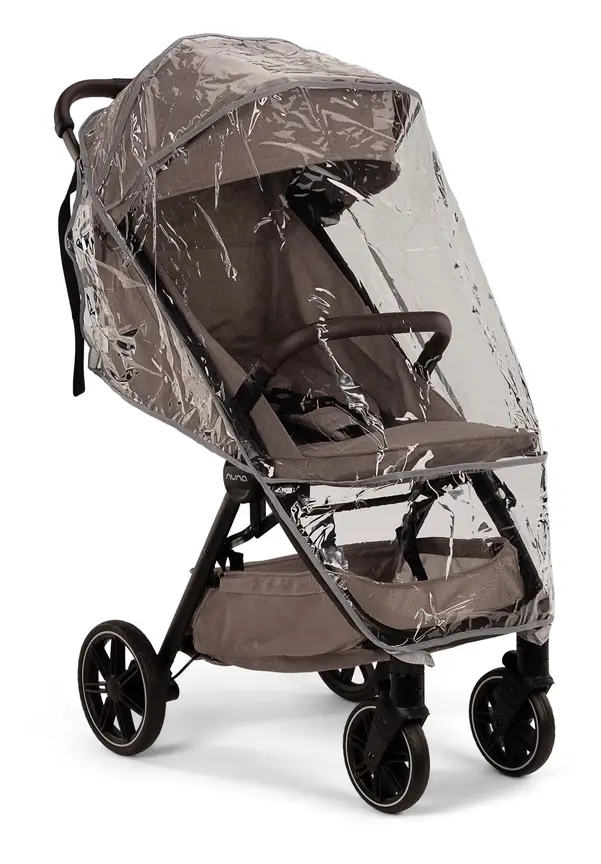

Nuna TRVL LX
A premium compact stroller with a lie-flat seat. It takes the Nuna KLIK Plus capsule on the armbar.
Read our full review →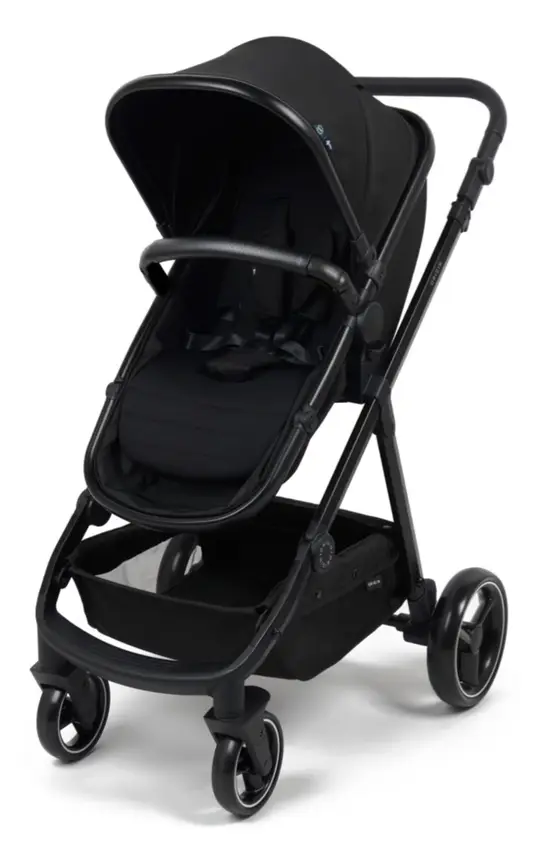
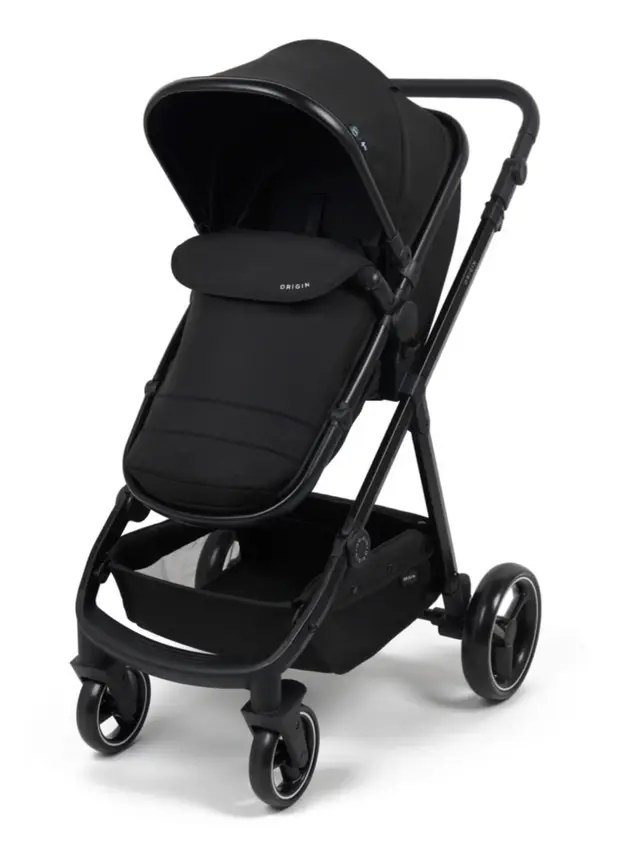
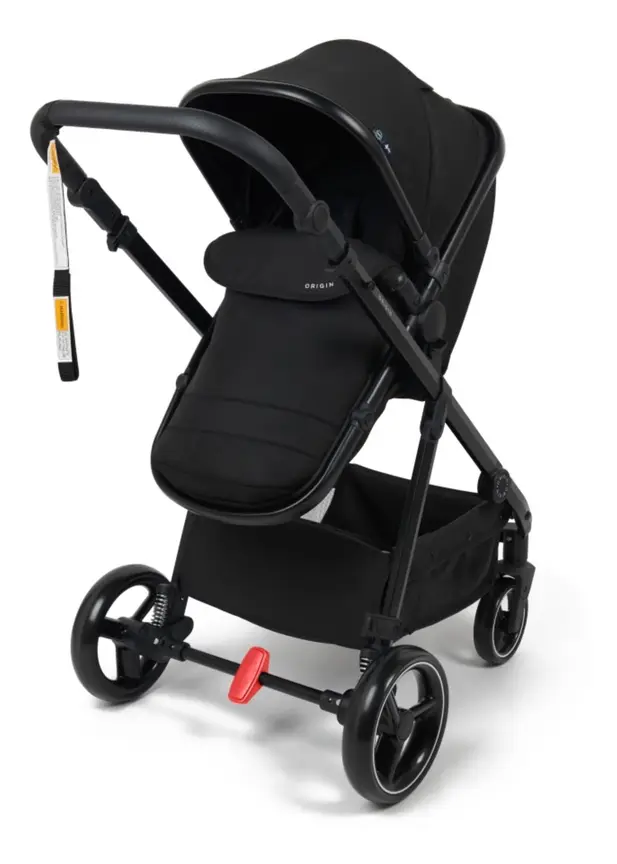
4baby Origin Stroller
A budget pram whose seat turns into a bassinet. The seat can face you or face the world.
Read our full review →
Baby Jogger City Mini GT2
Long-running, lighter all-terrain stroller with a famously simple one-hand strap fold.

Patching an old tube vs buying a new one
You do not always have to throw away a punctured tube. If the hole is a single small pinprick in the middle of the rubber, a standard bike patch kit works well.
However, some damage cannot be patched safely. Replace the tube with a brand new one if:
- the hole is right next to the metal valve stem;
- there is a long split or tear rather than a small hole;
- the rubber feels dry, cracked, or sticky with age;
- there is sealant leaking out around an old patch.
Even if you like to patch tubes, keep one spare new tube in your stroller bag or car. Swapping in a new tube takes less time than waiting for patch glue to dry when you have a restless baby.
Safety checks after changing a stroller wheel
A stroller wheel carries your child. Treat every wheel repair like a safety check before you roll.
- Tug the wheel firmly: Pull on the wheel from side to side. Make sure the quick-release button or axle lock has clicked all the way home. A loose wheel can come off while you cross a road.
- Check the wheel spin: Lift that corner of the stroller and spin the wheel. Watch for wobbles or rubbing against the frame or brake pads.
- Test the parking brake: Press the brake lever and try to push the stroller forward. Both rear wheels should lock tightly. If a tyre is too soft, some brake bars that press against the rubber may slip.
- Check the front wheel lock: Many jogging strollers let the front wheel swivel for walking or lock straight for running. Test that the lock pin clicks cleanly into place.
- Store small parts safely: Put valve caps back on, and pick up any dropped nuts, old patches, or broken valve bits. Small parts are a choking hazard for babies and toddlers.
Baby age stages and jogging stroller safety
Having healthy tyres is only one part of safe stroller use. Your baby's age and neck strength change how you should use a jogging stroller.
| Age stage | What your baby can do | Safe stroller setup |
|---|---|---|
| Newborn to around 6 months | Neck muscles are weak. Head control is still developing. | Walk only on smooth paths with a flat bassinet or approved newborn insert, if your stroller allows it. Do not jog or run yet. |
| Around 6 to 8 months | Sitting up with support and holding head steady. | Most stroller makers allow light jogging on smooth paths only once your child has strong head and neck control. Check your manual first. |
| 9 months to toddler | Stronger neck, back, and trunk control. | Use the full five-point harness on every trip. Keep the front wheel locked straight when running. |
Always check your own stroller manual for the exact age or weight when running is allowed. Use the wrist tether strap whenever you push a stroller near roads, slopes, or water. Never leave a baby to sleep unsupervised in a stroller, and never hang heavy shopping bags on the handle where they can tip the stroller backwards.
Safety standards and official rules by country
Prams and strollers are checked by safety laws in Australia, the UK, the US, and Canada. These rules cover brakes, frame locks, wheel strength, harnesses, and warnings. When you replace parts like wheels or tubes, make sure you keep the stroller true to its original design.
| Country | Main safety body | Stroller standard | What to check |
|---|---|---|---|
| Australia | Product Safety Australia (ACCC) and Standards Australia | AS/NZS 2088 | Mandatory safety rules for prams and strollers, including brakes, tether strap, and wheel security. Check Product Safety Australia for recalls. |
| United Kingdom | Office for Product Safety and Standards (OPSS) and RoSPA | BS EN 1888 | Covers structural strength, parking brakes, stability, and entrapment hazards for wheeled child conveyances. |
| United States | Consumer Product Safety Commission (CPSC) and AAP | ASTM F833 | Federal safety standard for carriages and strollers, testing brakes, wheel detachment, and harness strength. |
| Canada | Health Canada | Canadian carriages and strollers safety regulations | Sets rules for brakes, restraint systems, wheel locks, and warning labels. Check Health Canada's recall site before buying second-hand gear. |
In all four countries, always check official recall lists before you buy a used jogging stroller or second-hand replacement wheels. Never modify a wheel axle or drill wider holes in a rim, as that can weaken the metal and void safety compliance.
Common mistakes that cause repeat flat tyres
Many parents fix a flat tyre only to find it flat again the next morning. Almost all repeat flats come from one of these simple mistakes.
- Leaving the thorn inside the tyre: You put in a brand new tube, pump it up, and the same tiny thorn pokes a new hole right away. Always check inside the tyre tread with a cloth.
- Using metal tools as levers: Flathead screwdrivers or butter knives easily pinch and nick the soft rubber of the new tube while you force the tyre back on.
- Pinching the tube under the tyre bead: If a small fold of the new tube gets trapped between the tyre edge and the rim, it will pop as soon as you pump it up.
- Skipping the rim tape check: Exposed spoke holes or rough metal burrs on the rim will slice a tube from the inside.
- Over-tightening or twisting the valve: If the valve leans crooked through the rim hole, the metal edge can cut the rubber base of the valve over a few weeks.
- Riding on soft tyres: Pushing a stroller with low air pressure lets the rim crush the tube over every kerb and bump.
More options, from budget to premium
Real products from our catalogue. We don't show star ratings or review counts; check the current price, stock and reviews on Amazon before you buy.
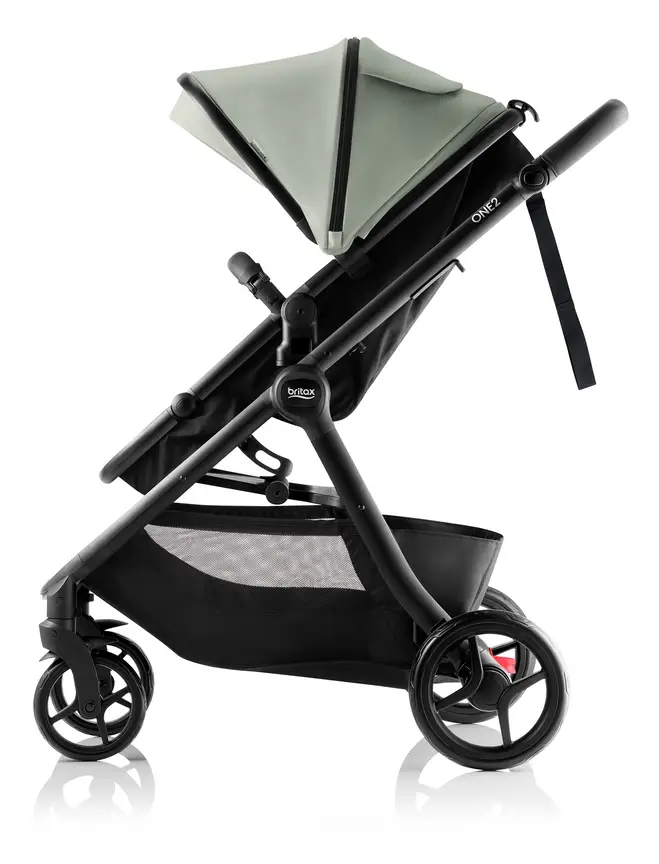
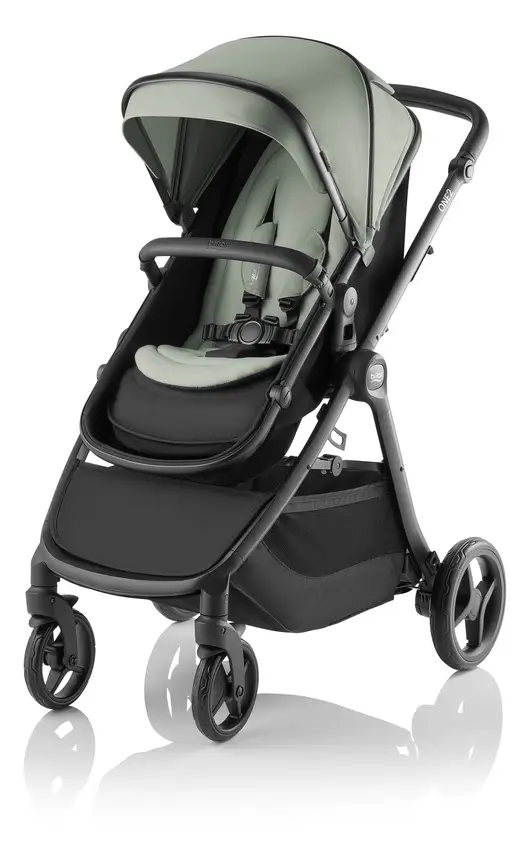




Britax One2
A pram that starts as a single and can take a second child. The seat turns into a lie-flat bassinet.
Read our full review →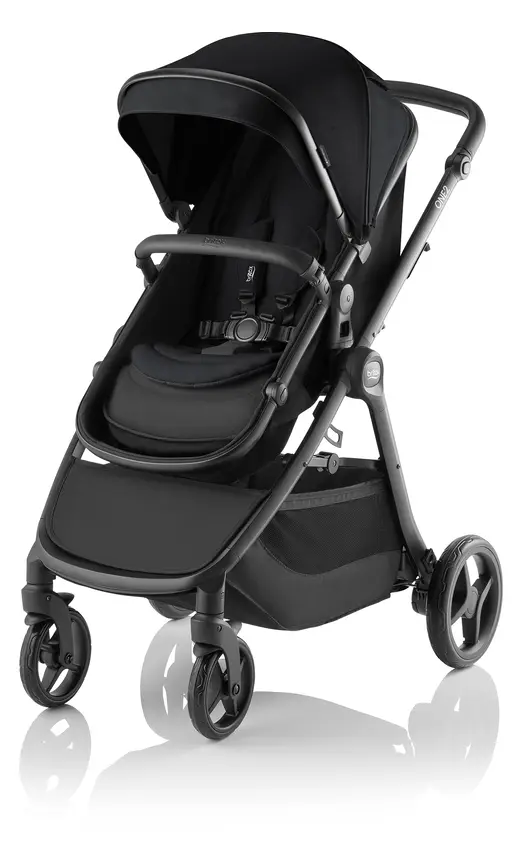
Frequently asked questions
Can I use bicycle inner tubes in my jogging stroller?
Yes, as long as the diameter, width, and valve type match what is printed on your stroller tyre. Many 12-inch and 16-inch jogging stroller wheels use the exact same tube size as kids' bicycles or BMX bikes. Just check whether your wheel needs an angled valve stem, because many standard bike tubes have straight stems that can be hard to reach with a pump.
Why does my jogging stroller tyre keep going flat with no visible hole?
There are three common reasons. First, air naturally escapes slowly through rubber over several weeks, so soft tyres are normal if you rarely pump them. Second, a tiny thorn or wire may still be hiding inside the tyre tread, poking small holes in each new tube. Third, the valve core inside the stem may be loose or dirty. Use soapy water around the valve to check for bubbles.
What PSI should I pump my jogging stroller tyres to?
Always check the PSI number stamped into the rubber side of your own tyre. Many jogging stroller tyres list a range around 20 to 30 PSI, while some ask for a slightly different number. Never go above the maximum PSI shown on the tyre, and check your stroller manual as well. Use a pump with a built-in pressure gauge rather than guessing by hand.
Are slime sealant tubes worth using on a jogging stroller?
Sealant tubes can help if you often walk or run on paths with small thorns or prickles. They seal tiny pinholes in the tread while the wheel rolls. However, they are heavier than standard tubes, they do not fix large cuts or valve leaks, and the liquid can clog the valve if you let air out with the valve at the bottom of the wheel.
Can I replace air-filled stroller tyres with solid foam tyres?
Some stroller brands sell solid foam-filled or airless wheels made for their frames, while others do not. Only fit solid wheels if they are made or approved by your stroller's manufacturer for your exact model. Keep in mind that solid wheels feel firmer on rough ground and pass more bumps through to the seat than air-filled tyres.
Is it safe to use a car tyre pump at a petrol station?
No, it is best to avoid petrol station air compressors. They push air out very fast for large car tyres. A small jogging stroller tube fills in a split second and can easily burst or blow the tyre off the rim. Use a hand bike pump or a bicycle floor pump with a gauge instead.
How often should I check my jogging stroller tyre pressure?
Give the tyres a quick squeeze before every run and check them with a pressure gauge every one to two weeks. Rubber tubes lose a little air even when the stroller sits in the garage. Keeping the tyres within their printed PSI range makes pushing easier, protects the rims, and prevents pinch flats.
Sources
- Product Safety Australia – Prams and strollers guide
- Product Safety Australia – Prams and strollers mandatory standard
- Product Safety Australia – Recalls
- UK Office for Product Safety and Standards
- RoSPA – Child safety at home
- HealthyChildren.org (American Academy of Pediatrics) – Home safety: tips for families with young children
- Health Canada – Recalls and safety alerts
- Raising Children Network – Falls prevention: babies and young children
Related guides
More Prams & Strollers →
Stroller Snow Ski Kits vs Big-Wheel Jogging Prams: Which Is Better for Snowy Footpaths?

Adjustable Stroller Calf Rests and Footwells: Stopping Dangling Legs and Extending Flat Nap Space

Faux-Leather Stroller Handlebar and Bumper Bar Covers: Replacing Peeling Foam Grips
