













Double Tandem vs Side-by-Side Prams for Twins: Weight Balance, Lifting, and Boot Fit
Tandem or side-by-side twin pram? Compare weight balance, kerb lifting, car boot fit, newborn stages, and safety rules in AU, UK, US and Canada.

On this page
- Key points
- What tandem and side-by-side prams are
- Weight balance: how each style steers and tips
- Lifting a twin pram without hurting your back
- Car boot fit and doorway checks
- Side-by-side comparison: tandem vs side-by-side
- Twin pram stages from newborn to toddler
- Safety standards in Australia, the UK, the US and Canada
- Common mistakes twin parents make
- How to test a twin pram before you buy
- Frequently asked questions
- Sources
Short answer: A side-by-side twin pram spreads weight evenly across the back wheels, so it is easier to steer and lift up kerbs. A tandem (in-line) pram fits through narrow doors and shop aisles, but feels heavier at the front when lifting. Always measure your car boot and main doorway before you buy.
This guide uses Australian English, and the safety advice applies across Australia (ACCC and Red Nose), the UK (OPSS and The Lullaby Trust), the US (CPSC and AAP) and Canada (Health Canada and Caring for Kids).
Key points
- Weight balance: Side-by-side prams keep both babies at the same distance from your hands. Tandems put one baby far out in front.
- Kerb lifting: Pushing down on the handle to lift the front wheels is much easier on a side-by-side pram.
- Doorways: Tandems are as narrow as a single pram. Side-by-sides are wider, so check your front door and local shops.
- Car boot fit: Tandems often fold longer or need seats taken off first. Side-by-sides fold wider and flatter.
- Newborn safety: Twin newborns need a flat, firm surface to sleep safely. Do not leave them sleeping in car capsules for long periods.
- Safety rules: Check for a 5-point harness, reliable brakes, strong frame locks, and a wrist tether strap.
What tandem and side-by-side prams are
A twin pram carries two babies at once. Most twin prams use one of two layouts.
A tandem pram (also called an in-line pram) places one seat in front of the other. It looks like a long single pram. Some tandems stack one seat slightly above the other.
A side-by-side pram places both seats next to each other. Both babies sit at the same level and face the same way, or face you. Some models let you flip each seat on its own.
Both styles can work well for twins. The big difference is how they handle weight, doorways, lifting, and car boots.
Prams & Strollers worth a look
Real products from our catalogue. We don't show star ratings or review counts; check the current price, stock and reviews on Amazon before you buy.

Bugaboo Donkey 5
Converts from single to side-by-side double (siblings or twins) by widening the frame.
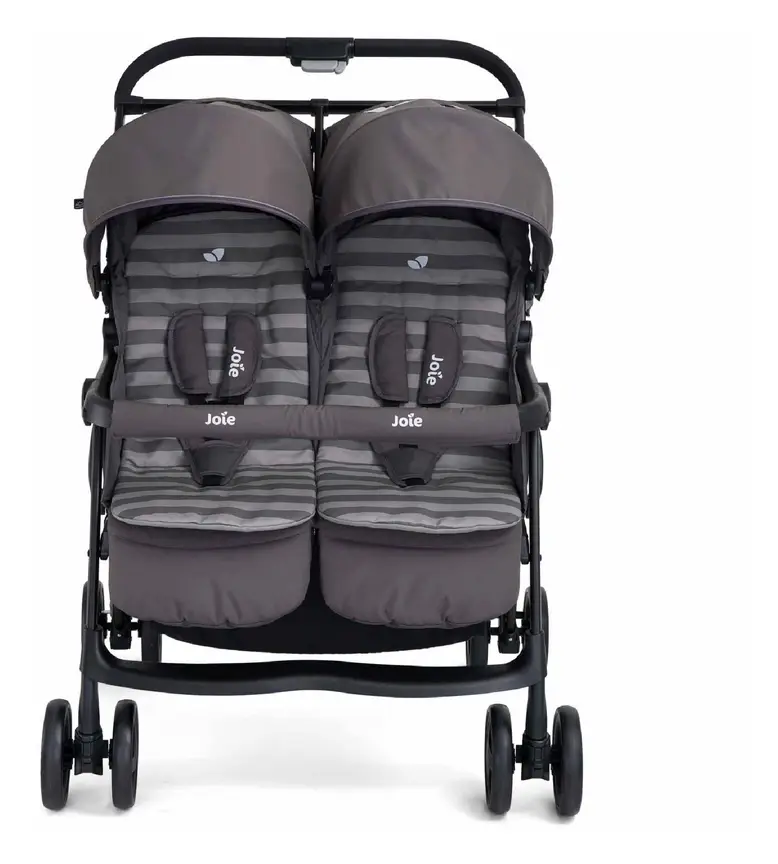
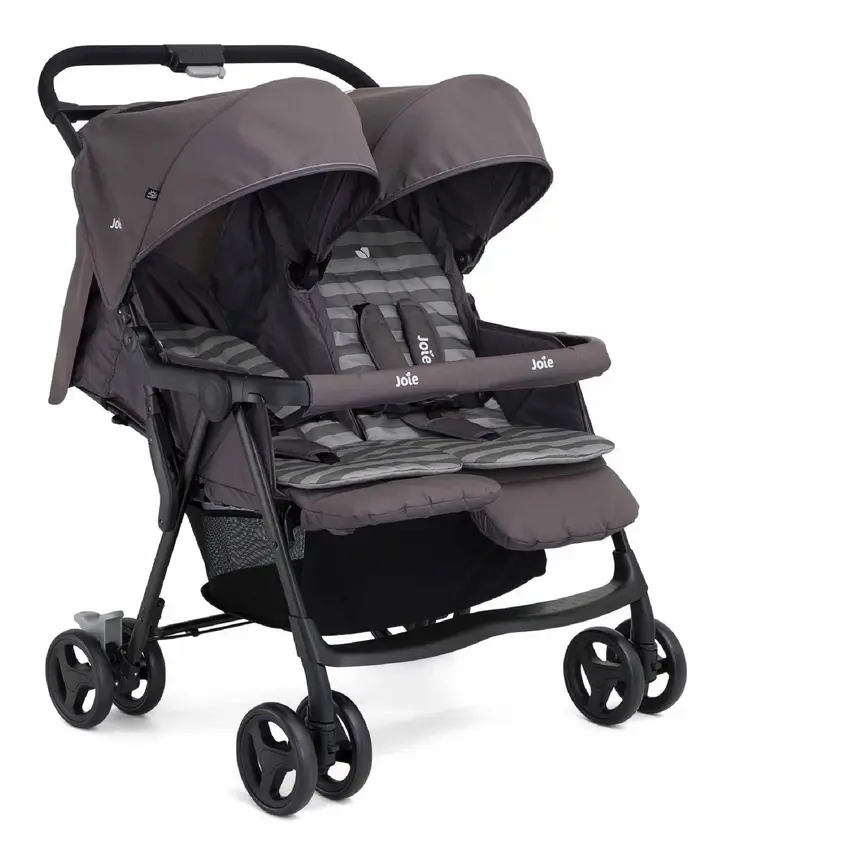

Joie Aire Twin
A lower-cost side-by-side double. Each seat lies flat and reclines on its own.
Read our full review →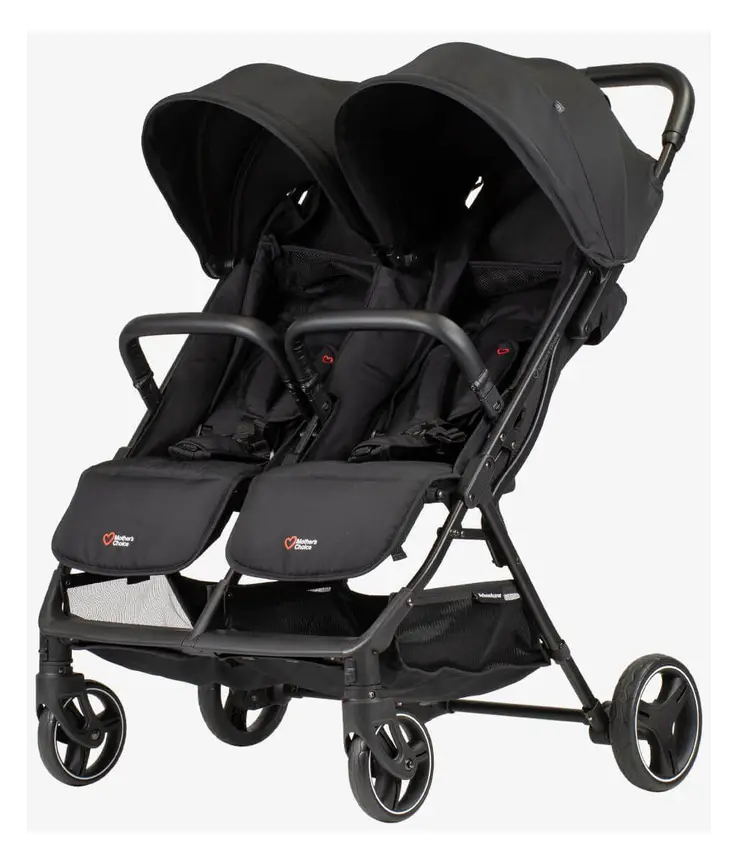
Mother's Choice Adventurer Side-by-Side Double Stroller
Side-by-side double stroller

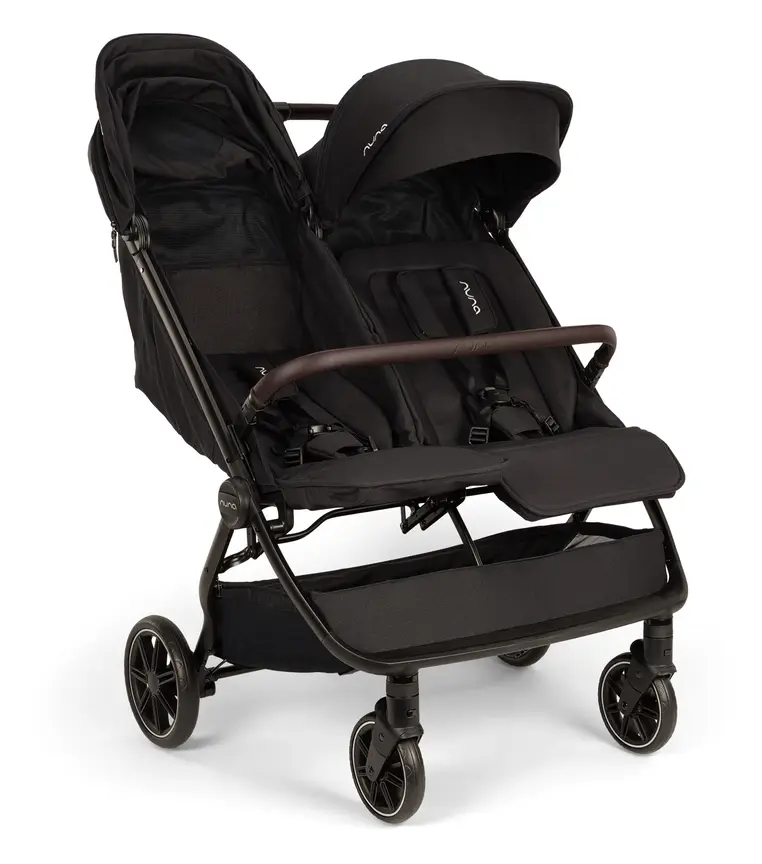
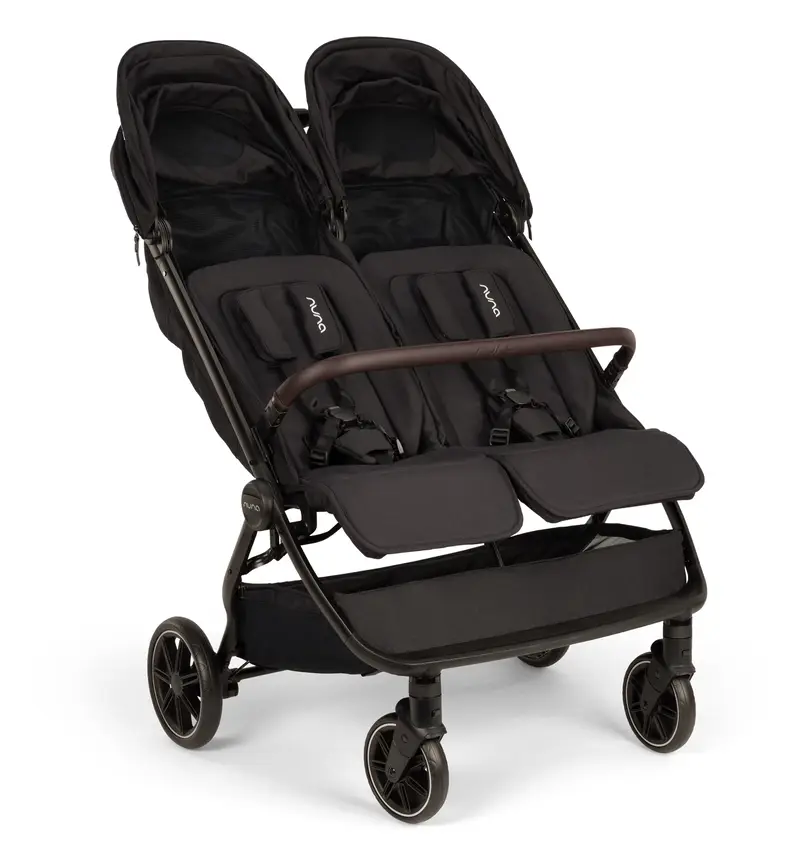
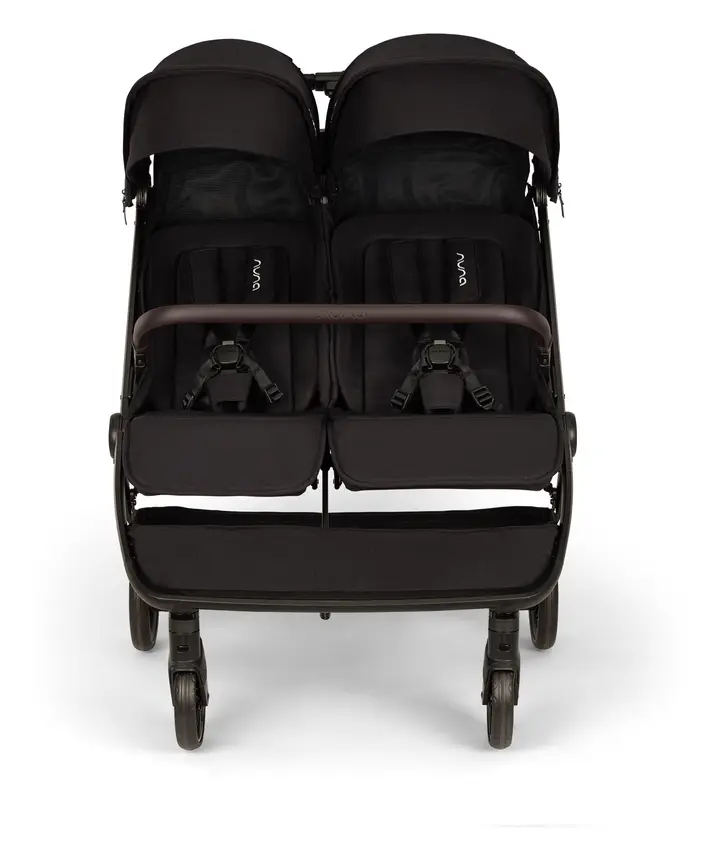
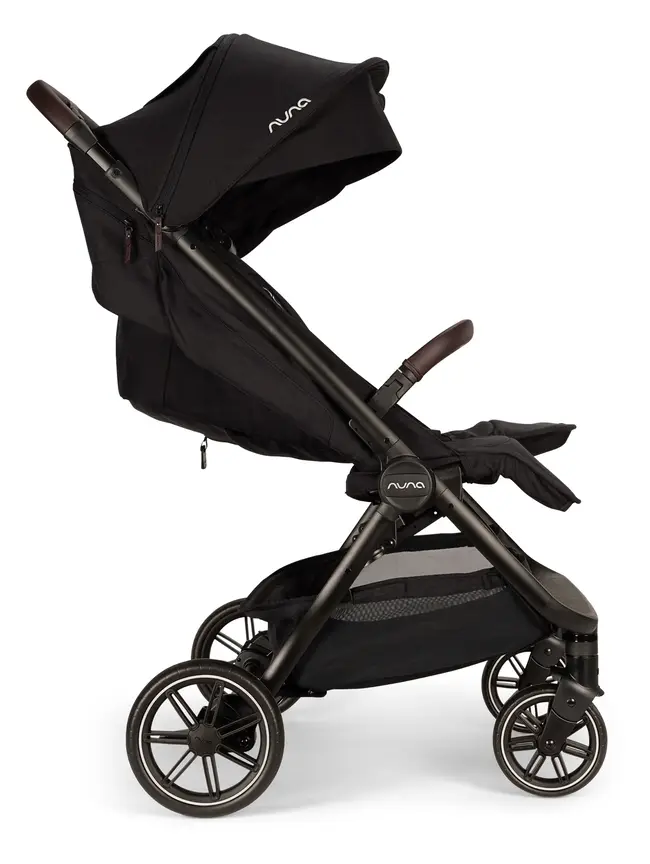
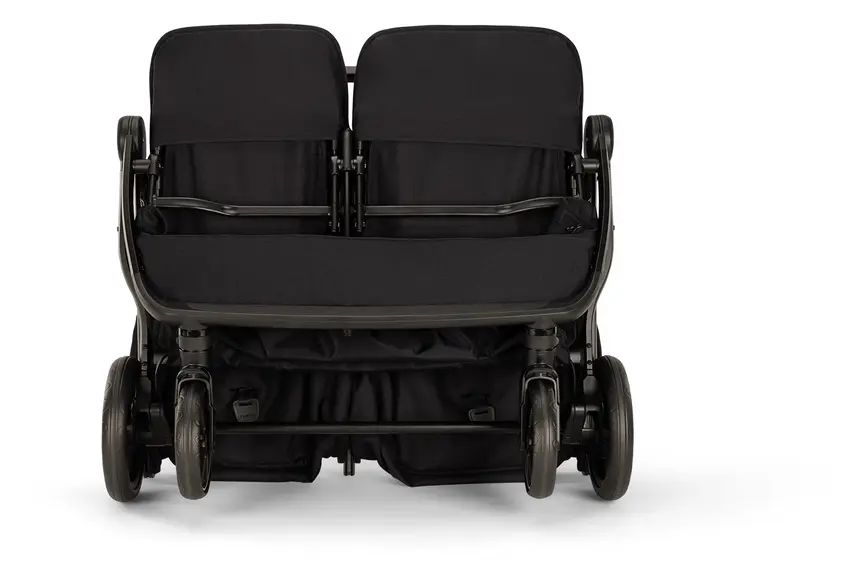
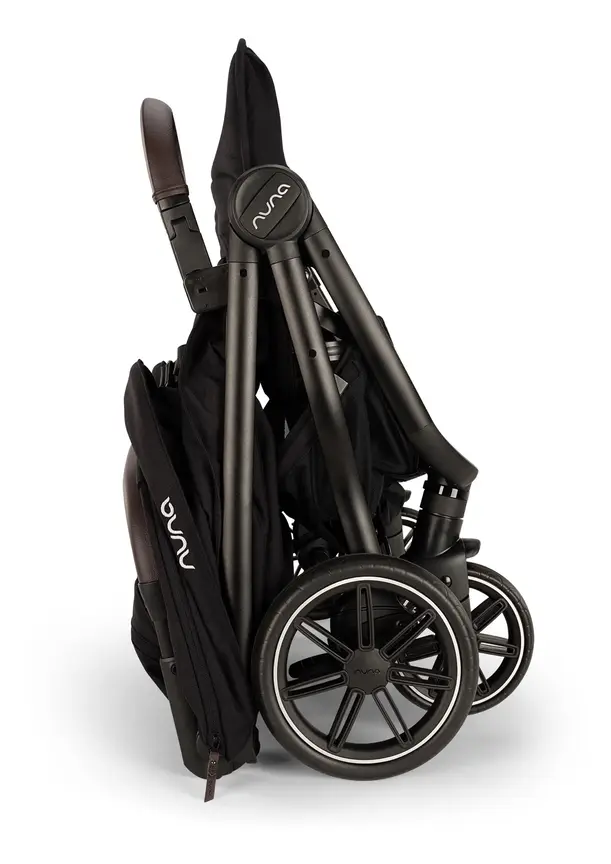
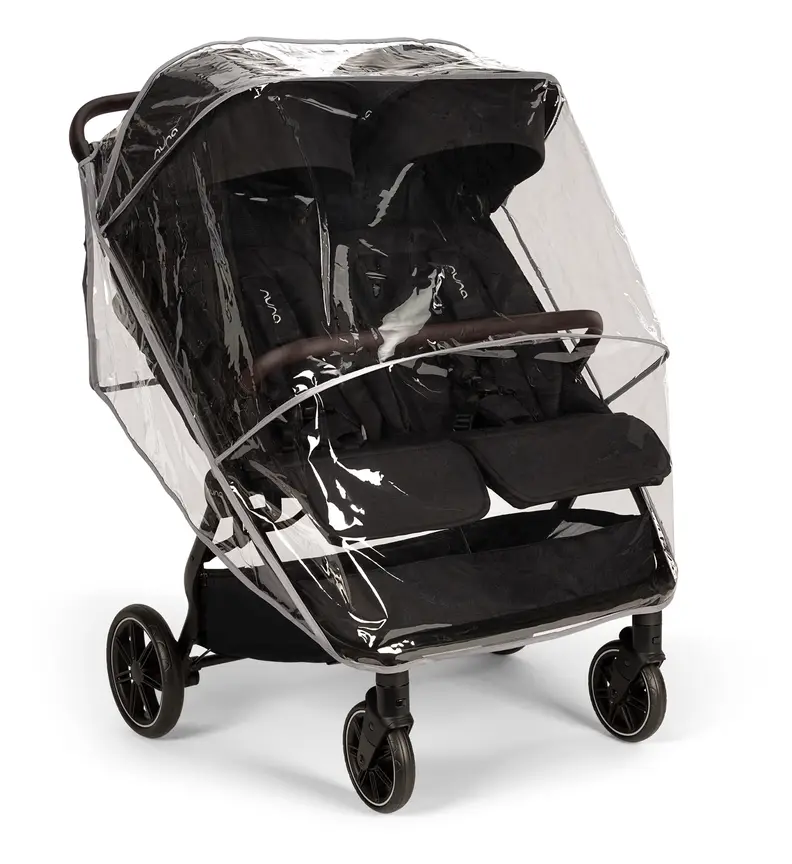
Nuna TRVL Dubl
A side-by-side double that folds with one hand and stands up. Each seat holds up to 22.7 kg.
Read our full review →Weight balance: how each style steers and tips
Weight balance changes how a pram feels in your hands every day. It matters even more when you push two growing toddlers instead of one.
How a tandem pram handles weight
In a tandem pram, one child sits close to you and one sits far out in front. That front seat sits ahead of the front axle (the bar between the front wheels).
When you want to climb a kerb, you push down on the handlebar to lift the front wheels. Because one child is far from your hands, the front feels very heavy. It works like a long lever working against you.
Turning a tandem also takes a wider arc. You have to swing the front end further around corners. When one twin is heavier than the other, putting the heavier child in the back seat helps balance the frame.
How a side-by-side pram handles weight
In a side-by-side pram, both babies sit over the rear axle and close to your hands. Neither child is pushed far out in front.
This makes lifting the front wheels up a kerb much easier. It also makes turning feel light and quick, even with two toddlers on board.
If one twin is much heavier than the other, a side-by-side pram can pull slightly to one side. Good steering alignment and pumped tyres help reduce that pull.
Tipping risks on both styles
Any twin pram can tip if weight is in the wrong place. Never hang heavy nappy bags or shopping bags on the handlebar. A heavy bag on the back handle can tip the whole pram backwards.
Store bags in the under-seat basket instead. Check the basket weight limit in the manual so you do not overload the frame.
Lifting a twin pram without hurting your back
You will lift your pram into and out of the car boot hundreds of times. After birth, your body is still healing. Core muscles and pelvic floor muscles need time to recover.
Even a light twin pram weighs more than a single pram. A heavy frame lifted the wrong way can strain your lower back, wrists, and shoulders.
One-piece fold vs two-piece fold
Before you buy, check how the pram folds:
- One-piece fold: The whole pram folds with both seats attached. You lift one heavy bundle into the boot. This is fast, but the bundle is heavy.
- Two-piece fold: You take one or both seats (or bassinets) off first, then fold the frame. Each lift is much lighter, though it takes two or three trips to the boot.
If you had a caesarean birth or have back pain, a two-piece fold can protect your body. You lift smaller parts instead of one bulky frame.
Safe lifting steps for parents
The American Physical Therapy Association (ChoosePT) shares simple tips to prevent parenting injuries:
- Stand close to the car boot before you lift.
- Bend your knees and hips, not your waist.
- Keep your back straight and pull your tummy muscles in gently.
- Hold the folded pram close to your body.
- Do not twist your spine while holding the pram. Move your feet to turn instead.
- If the pram is very heavy, ask another adult to help lift it, or take the seats off first.
Car boot fit and doorway checks
Many parents fall in love with a twin pram in the shop, then find it does not fit their car or front door. Five minutes with a tape measure saves a costly mistake.
How to measure your car boot
Measure the smallest part of your boot opening, not just the inside floor. Look at three numbers:
- Width: Measure between the wheel arches inside the boot.
- Length (depth): Measure from the back seat to the boot lip.
- Height: Measure from the boot floor to the top of the opening, or to the parcel shelf.
Compare those numbers against the folded size of the pram. Check whether the pram fits with the wheels on, or if you need to pop the back wheels off each time. Also check if there is room left for your nappy bag and groceries.
Doorways, lifts, and footpaths
Tandem prams are usually around the same width as a single pram. They roll through standard home doors, narrow café aisles, and small lifts with ease.
Side-by-side prams are wider. Some slim side-by-side models fit through standard doorways, while wider all-terrain models may not. Measure your front door, hallway, and any lifts you use often.
If a side-by-side pram is too wide for your front door, ask yourself where you will store it. Leaving a wet pram outside or folding it on the porch every day gets tiring fast.
Side-by-side comparison: tandem vs side-by-side
This table compares the two main twin pram styles across everyday tasks.
| Feature | Tandem (in-line) twin pram | Side-by-side twin pram |
|---|---|---|
| Width | Narrow, similar to a single pram | Wider, two seats across |
| Doorways and aisles | Fits through almost all doors and checkouts | Slim models fit standard doors; wide ones may struggle |
| Weight balance | Front-heavy; harder to lift up kerbs | Balanced over rear wheels; easy to lift up kerbs |
| Steering | Needs wider turns around corners | Turns easily on the spot |
| Car boot fit | Often long; may need seats removed to fit | Wide and flat; check boot width between wheel arches |
| Twin view | One baby sits behind the other | Both babies get the same view and sit side by side |
| Parent reach | Back baby is harder to reach in some setups | Both babies are easy to reach at once |
| Basket space | Often large, but front seat can limit access | Usually two smaller spaces or one wide shallow basket |
Side by side: more prams & strollers to compare
Real products from our catalogue. We don't show star ratings or review counts; check the current price, stock and reviews on Amazon before you buy.
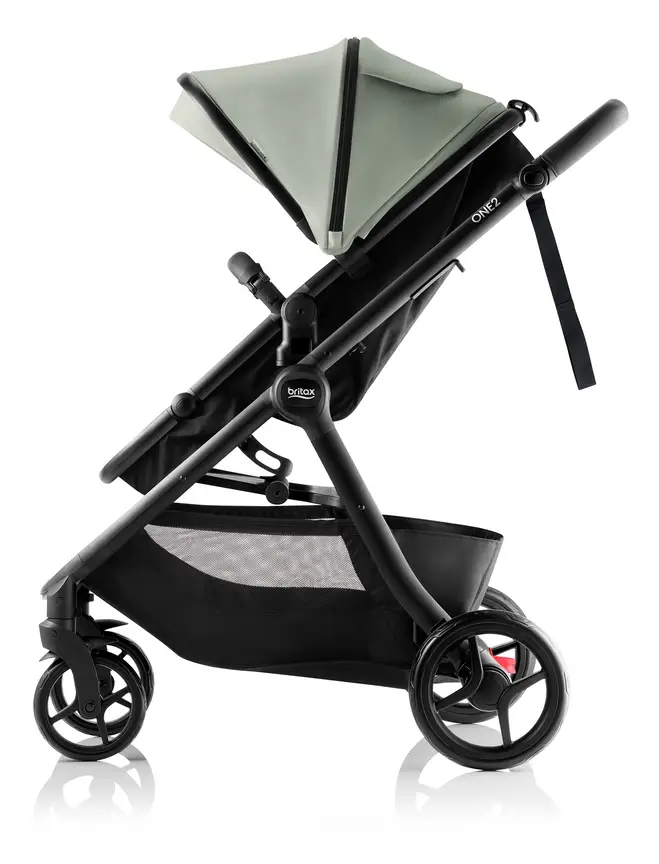
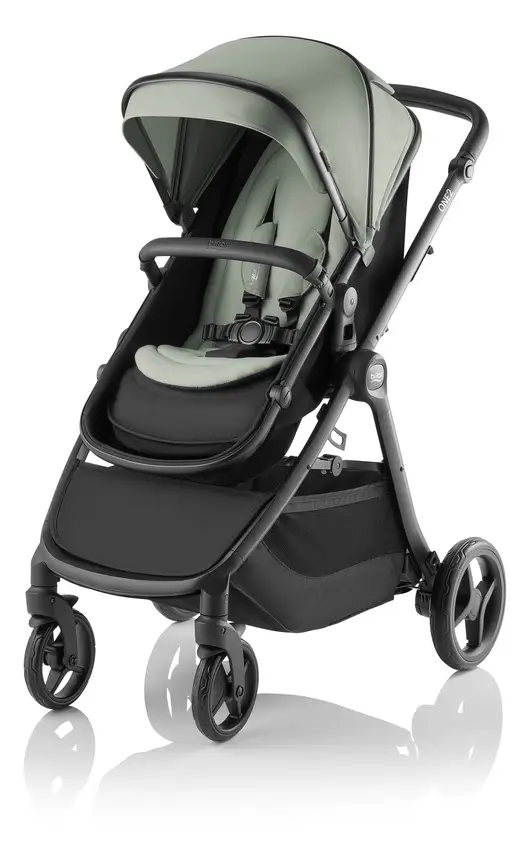


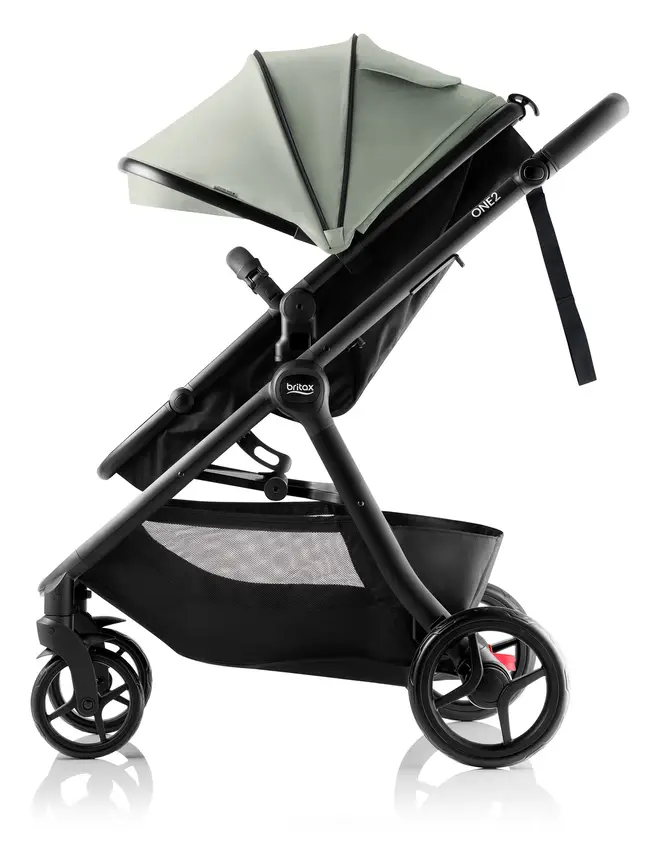


Britax One2
A pram that starts as a single and can take a second child. The seat turns into a lie-flat bassinet.
Read our full review →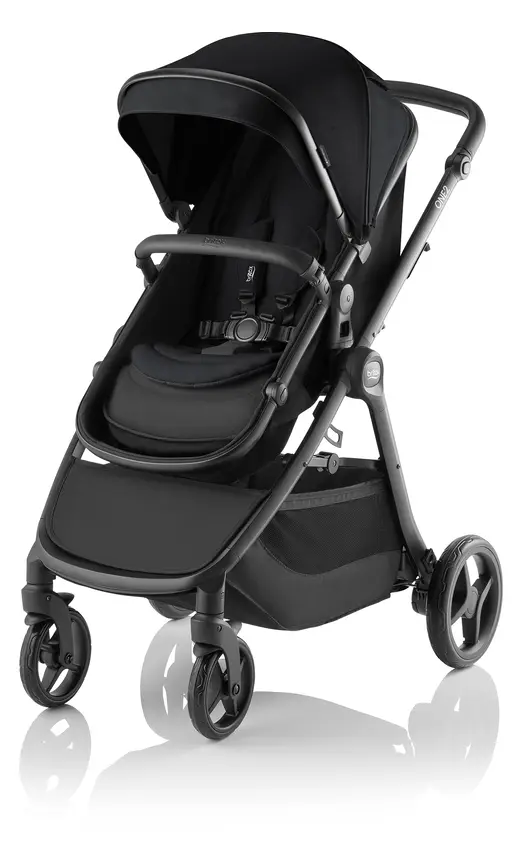

Bugaboo Dragonfly
Bugaboo's city pram: smaller footprint and lighter than the Fox, built for footpaths, lifts and car boots rather than bush tracks.
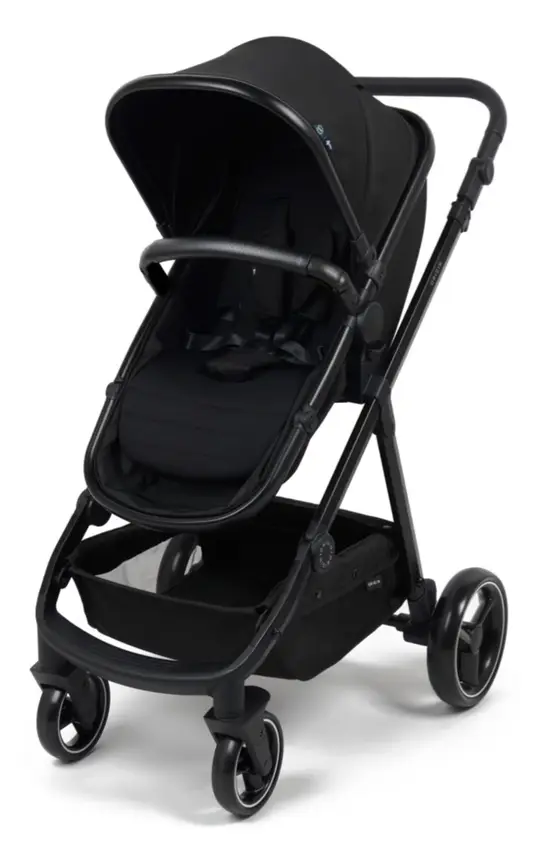
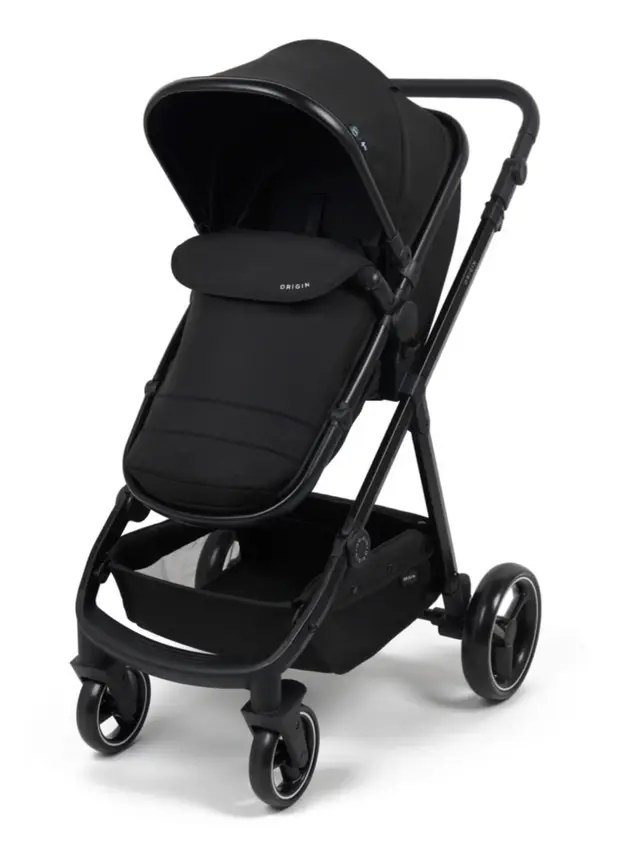
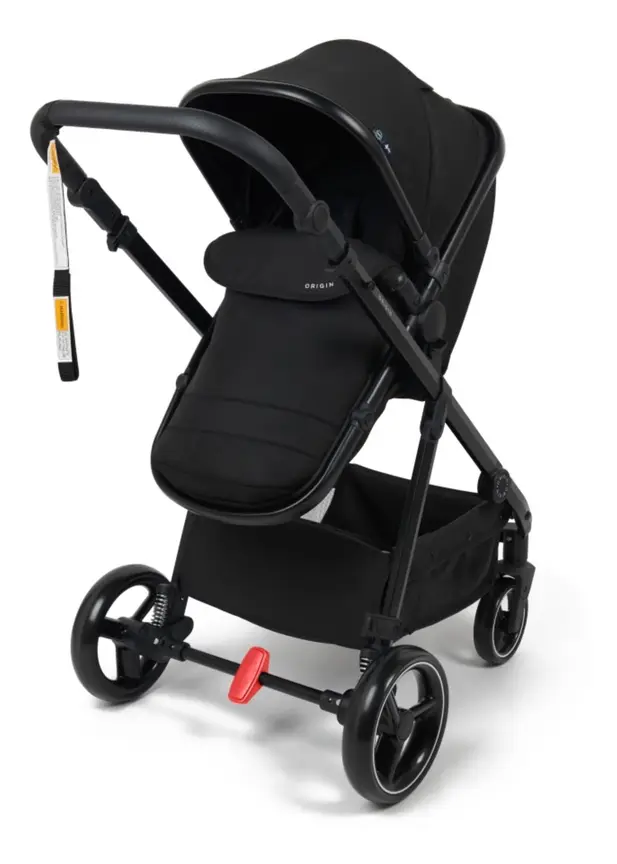
4baby Origin Stroller
A budget pram whose seat turns into a bassinet. The seat can face you or face the world.
Read our full review →Twin pram stages from newborn to toddler
Twins grow fast, and their needs change at each stage. A pram that works for newborns must also cope when both children are heavy toddlers.
| Stage | What twins need | Things to check |
|---|---|---|
| Newborn to 6 months | Flat, firm surface to protect airways and spine | Look for two bassinets or seats that recline flat. Check safe sleep rules. |
| 6 to 12 months | Supportive upright seats with a 5-point harness | Each seat should recline on its own so one twin can nap while the other sits up. |
| 1 to 3+ years | Strong frame, high seat weight limit, easy steering | Check the max weight per seat and legroom so knees do not hit the front bar or seat ahead. |
Newborns, bassinets, and car capsules
Newborn babies have weak neck muscles and heavy heads. If a newborn slumps forward in an upright seat, their chin can press on their chest. This can block their airway.
Red Nose Australia, The Lullaby Trust in the UK, the American Academy of Pediatrics (AAP), and Health Canada all say babies should sleep flat on their back on a firm surface. Do not use soft pillows, loose blankets, or thick liners inside a pram bassinet.
Many twin prams let you clip two car capsules onto the frame. This is handy for quick trips from the car into a shop. However, car capsules are for car travel, not long sleeps. Red Nose Australia and The Lullaby Trust warn parents to take babies out of car seats and capsules when they are not travelling, and never let them sleep in one for long stretches.
When twins sit up and want to see
Around 6 months, most babies have good head control and want to look around. Independent recline is very helpful here. One twin may be wide awake while the other wants a nap.
In a side-by-side pram, both twins get the same view and can see each other. In a tandem pram, one twin may kick the back of the front seat or pull their sibling's hair. Check how much space sits between the two seats before you choose a tandem.
Safety standards in Australia, the UK, the US and Canada
All four countries have strict rules for prams and strollers. Always buy a pram that meets the standard for your country. Avoid unverified imports sold online without safety labels.
| Country | Official bodies | Pram safety standard | Key things checked |
|---|---|---|---|
| Australia | ACCC (Product Safety Australia) and Red Nose Australia | AS/NZS 2088 | Frame locks, parking brakes, 5-point harness, tether strap, warning labels |
| United Kingdom | Office for Product Safety and Standards (OPSS) and The Lullaby Trust | BS EN 1888 | Stability, frame strength, locking clips, brakes, small parts, finger traps |
| United States | Consumer Product Safety Commission (CPSC) and AAP | ASTM F833 | Hinge pinch points, brake hold, frame folding locks, harness strength |
| Canada | Health Canada and Canadian Paediatric Society (Caring for Kids) | National carriages and strollers rules under Health Canada | Frame locks, brakes, restraint system, stability, small parts |
Essential safety parts on every twin pram
No matter where you live, check these safety parts before every walk:
- Five-point harness: It must have straps over both shoulders, both hips, and between the legs. Use it every single time, even for short walks.
- Dual locking mechanisms: The frame should have two clear locks so it cannot fold by accident while your twins are inside.
- Parking brake: The brake must lock firmly and hold the pram on a slope. In Australia, AS/NZS 2088 requires red brake pedals or clear colour marking so you can find the brake fast.
- Tether strap: In Australia, a wrist tether strap is required under AS/NZS 2088. Loop it around your wrist whenever you push the pram, especially near hills, driveways, and train platforms.
- No gaps or pinch points: Check that tiny fingers cannot get caught in folding hinges or under seat joints.
- Sun and airflow: Good canopies shade both babies from sun without trapping hot air inside. Never drape a thick blanket or towel over the hood, as heat builds up fast inside.
Before you buy a new or second-hand twin pram, check national recall lists. You can search recalls on Product Safety Australia, the UK OPSS, the US CPSC, or Health Canada.
Common mistakes twin parents make
Knowing what goes wrong helps you avoid wasting money or risking safety.
- Buying before measuring the car boot: A pram that needs you to drop the back seats every trip will drive you mad.
- Ignoring total lifted weight: A pram that feels fine on a smooth shop floor can feel very heavy when lifted into a high boot after a long day.
- Hanging heavy bags on the handle: This shifts the centre of gravity behind the rear wheels and can tip the pram backwards.
- Leaving twins to sleep in car capsules: Capsules are handy for quick transfers, not long naps. Move sleeping twins to a flat, firm cot or bassinet when you get home.
- Forgetting the wrist strap and brake: A heavy twin pram rolls fast on even a gentle slope.
- Skipping the seat weight limit check: Some tandem second seats hold less weight than the main seat. Check the limit on both seats so your twins do not outgrow the second seat too early.
- Covering the pram with a cloth in hot weather: Draping a wrap over the hood blocks airflow and makes the inside much hotter. Use a breathable sun cover made for the pram, and park in the shade.
How to test a twin pram before you buy
If you can visit a baby store, take your time and test the pram like you use it at home.
- Load it with weight: Put a heavy bag in each seat (around 10 to 12 kg per seat if allowed) to feel how it pushes when full.
- Test a kerb lift: Push down on the handle to lift the front wheels. Notice how much effort it takes in your wrists and shoulders.
- Push with one hand: You may need one hand to hold a coffee, answer a call, or open a door. See if the pram drifts or stays straight.
- Fold and lift it yourself: Fold the pram on your own, pick it up, and carry it a few steps. Do not let the salesperson do it for you.
- Put it in your car boot: Most baby shops let you take the display pram out to the car park with a staff member. Try putting it in your boot and closing the boot door.
- Check the brakes and harness: Lock and unlock the brake with your shoes on. Practice clipping and unclipping both harnesses quickly.
More options, from budget to premium
Real products from our catalogue. We don't show star ratings or review counts; check the current price, stock and reviews on Amazon before you buy.

Baby Jogger City Mini GT2
Long-running, lighter all-terrain stroller with a famously simple one-hand strap fold.
 Reviewed
Baby Jogger City Tour 2
A 6.5 kg stroller with a near-flat recline. It folds small and comes with a carry bag.
Read our full review →
Frequently asked questions
Is a tandem or side-by-side pram better for twins?
Neither is best for everyone. A side-by-side pram is easier to steer and lift up kerbs because the weight sits near your hands. A tandem pram is narrower and fits through tight doors and shop aisles much better. Pick the one that matches your front door, car boot, and daily walks.
Do side-by-side twin prams fit through standard doorways?
Many slim side-by-side twin prams are built to fit through standard home doorways. Wider all-terrain models with big tyres often do not. Always measure your own front door, hallway, and any lifts before you buy, then compare against the pram's listed width.
Can newborn twins share one bassinet?
No. Safe sleep groups including Red Nose Australia, The Lullaby Trust, the AAP, and Health Canada advise giving each baby their own separate sleep space. Twins should have two separate bassinets or two separate flat-recline seats, not one shared bassinet.
Are twin prams safe to buy second-hand?
Yes, if you check them carefully first. Check the model against current recall lists in your country. Inspect the frame for cracks, test the folding locks and brakes, check the 5-point harnesses for frayed straps, and make sure the wrist tether strap is still attached. Never use a second-hand pram with broken locks or weak brakes.
How long can twins stay in car capsules clipped onto a pram?
Keep capsule time short. Use capsules for car rides and quick transfers into a shop. Do not let babies sleep in a car capsule for long stretches outside the car, and move them to a flat, firm cot or bassinet as soon as you get home.
Which twin pram fits better in a small car boot?
A two-piece tandem or a compact umbrella-fold side-by-side often fits best in a small boot, because you can pack smaller shapes. However, every boot is different. Measure your boot width, depth, and height, and test-fit the folded pram in your car before buying.
Sources
- Product Safety Australia – Prams and strollers guide
- Product Safety Australia – Prams and strollers mandatory standard
- Red Nose Australia – Warning on social media hacks for baby capsules
- UK Office for Product Safety and Standards
- The Lullaby Trust (UK) – Car seats
- American Physical Therapy Association, ChoosePT – Tips to prevent new parenting injuries
- Health Canada – Recalls and safety alerts
Related guides
More Prams & Strollers →
Tandem vs Side-by-Side Double Prams: Choosing for Doorways and Shops

Side-by-Side vs Inline Tandem Double Prams: Doorways, Kerbs, and How to Choose

Twin Newborns: How to Choose Bassinets and a Double Stroller (Side-by-Side or Tandem)
