














Choosing a Baby Cot or Crib: What First-Time Parents Should Check
How first-time parents can choose a safe baby cot or crib. Learn what safety checks, mattress fit, cot types and room setup matter most.

On this page
- Key points
- Cot, crib or bassinet: what is the difference?
- Types of cots and cribs compared
- Safety features every cot or crib must have
- Choosing a safe mattress and bedding
- Safety standards in Australia, the UK, the US and Canada
- Age stages: from newborn to toddler bed
- Setting up the cot safely in the room
- Common mistakes first-time parents make
- First-time parent cot checklist
- Frequently asked questions
- Sources
Short answer: Pick a sturdy cot or crib that meets your country's current safety standard. Use a firm, flat mattress that fits tightly with no big gaps. Keep the cot completely clear of pillows, bumpers, loose blankets and toys. Place it in your bedroom for at least the first six months, away from windows, cords and heaters.
This core advice is shared by official health and safety bodies in Australia (ACCC, Product Safety Australia, Red Nose), the UK (OPSS, The Lullaby Trust, NHS), the US (CPSC, American Academy of Pediatrics) and Canada (Health Canada, Canadian Paediatric Society).
Key points
- Safety label first: Always check that the cot meets the official standard where you live.
- Fixed sides are simplest: Drop sides have moving parts that can wear out or trap a baby.
- Firm, tight mattress: Your baby needs a firm, flat surface with no gap around the edges.
- Clear cot only: No pillows, cot bumpers, quilts, sheepskins or soft toys.
- Adjustable base: Lower the mattress before your baby can sit up or pull up.
- Safe spot in the room: Keep the cot away from blind cords, curtains, heaters and shelves.
Cot, crib or bassinet: what is the difference?
Parents in different countries use different words for the same bed. In Australia and the UK, a full-size baby bed with bars is called a cot. In the US and Canada, it is called a crib. In this guide, we use both words to mean the same thing.
A bassinet is much smaller than a cot. It is made only for tiny newborns. Babies grow out of a bassinet fast, often by four to six months. A cot or crib is larger and lasts much longer, often until two or three years old.
You do not have to buy a bassinet first. Many parents put their newborn straight into a standard cot in their bedroom. Others like a bassinet because it fits beside the bed and saves space at first. Either choice is fine, as long as the bed meets safety rules and stays clear and flat.
Cots, Bassinets & Bedside Sleepers worth a look
Real products from our catalogue. We don't show star ratings or review counts; check the current price, stock and reviews on Amazon before you buy.
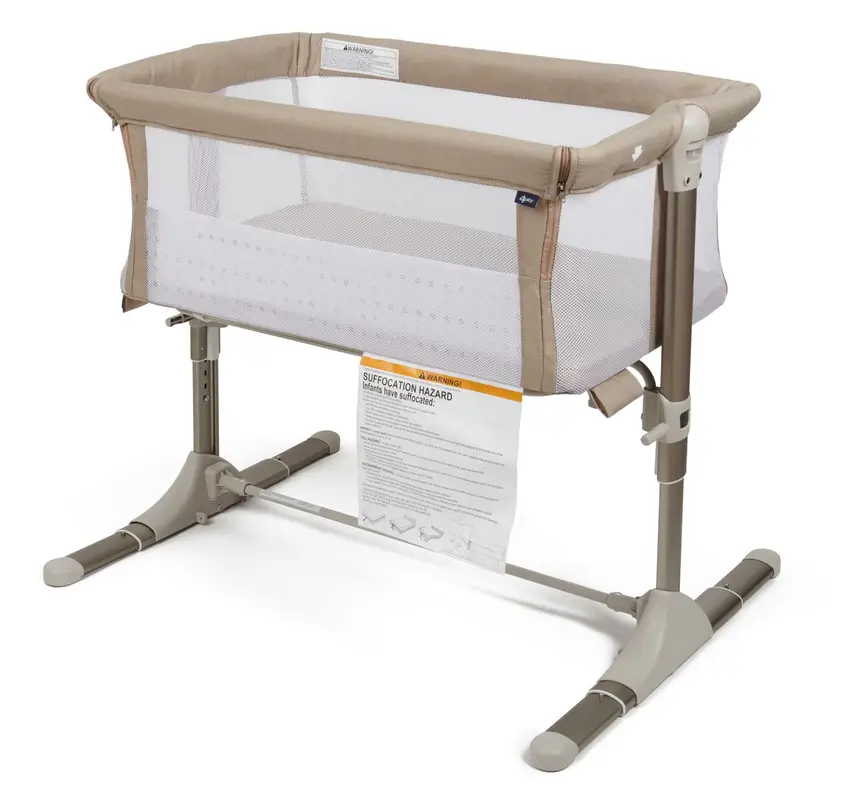
4baby Snuggle Cuddle Bedside Sleeper
A low-cost bassinet that turns into a bedside sleeper, with 4 heights and mesh sides.

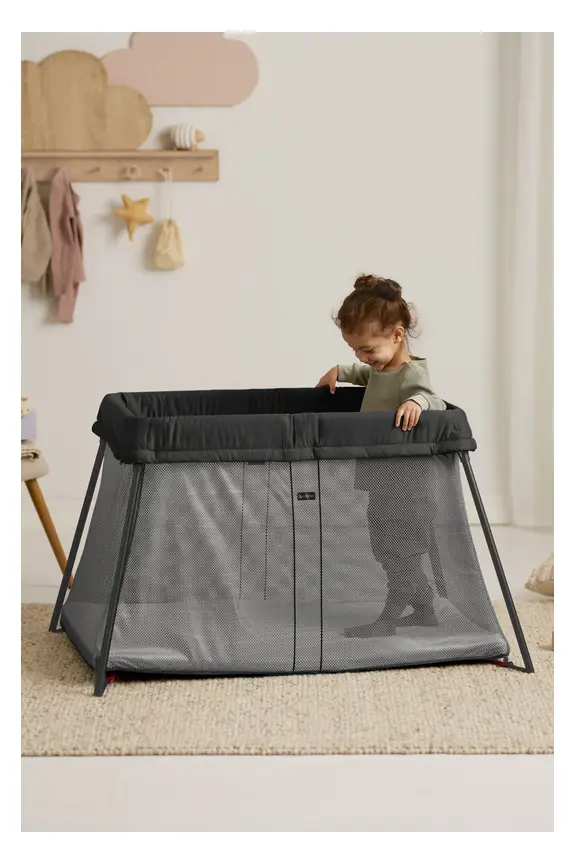
4baby Vacation Portacot
A low-cost portacot with a padded mattress and mesh sides.
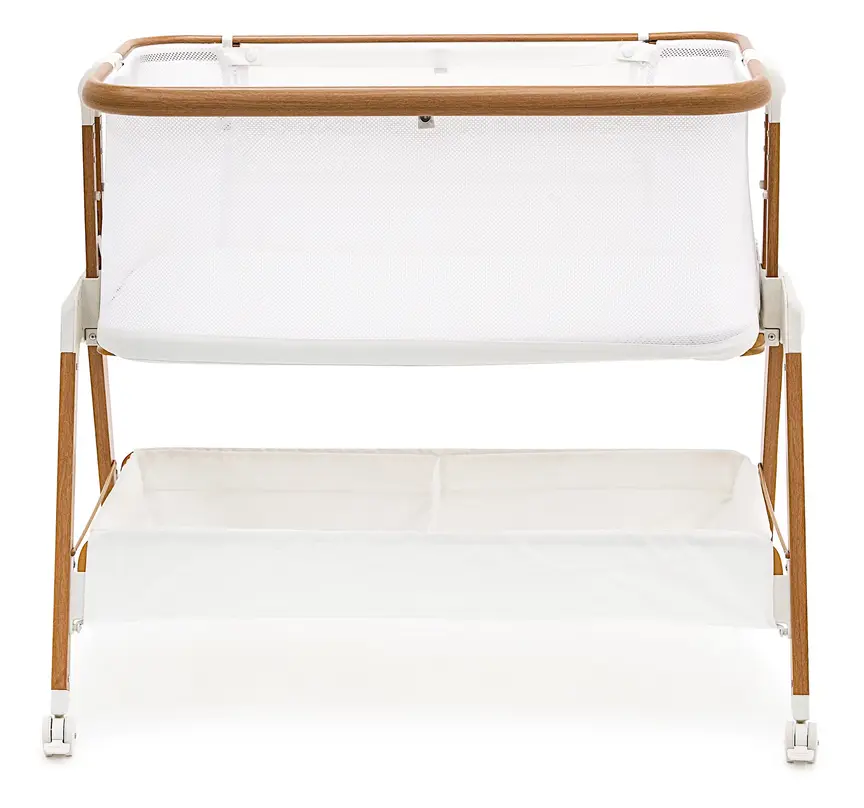
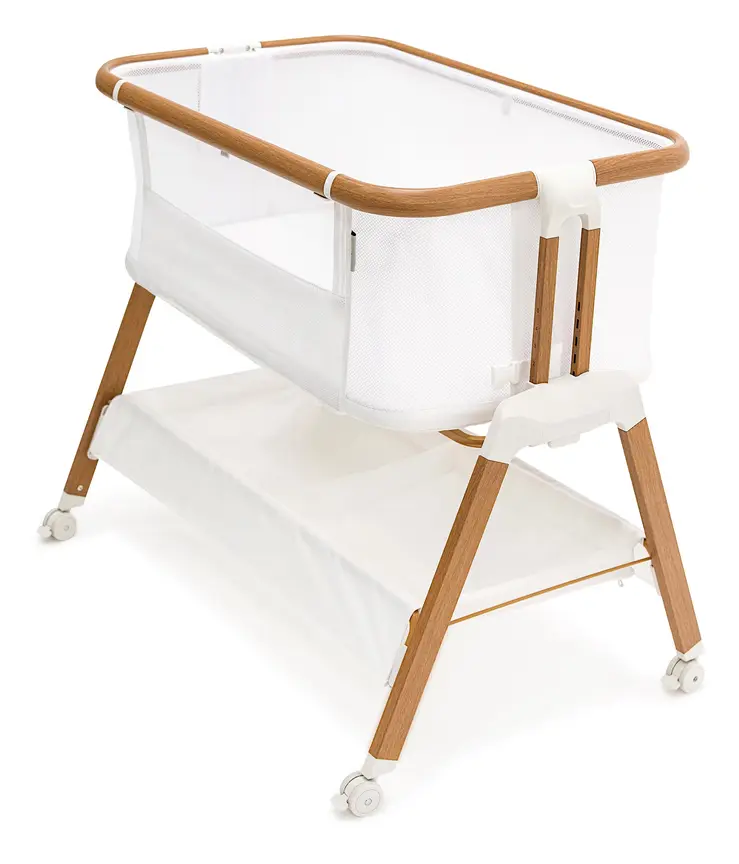
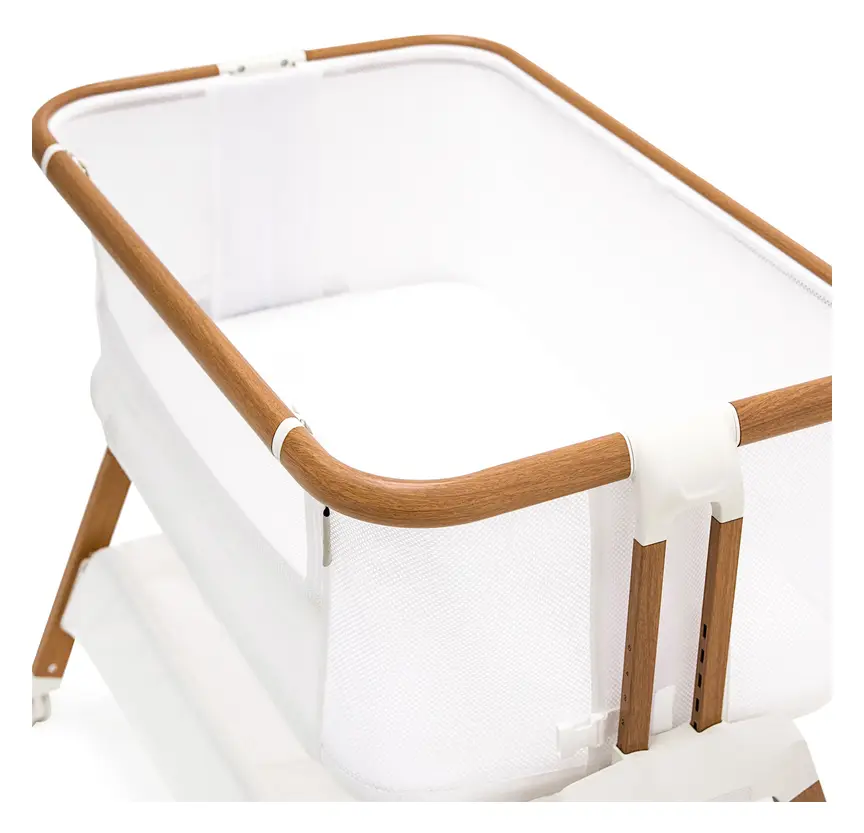
BabyRest Alfie2 Bedside Bassinet
A bedside bassinet with 5 heights, a drop-down side, wheels and an insect net.
Read our full review →Compare all cots, bassinets & bedside sleepers in our reviews →
Types of cots and cribs compared
Before you shop, measure your bedroom and your nursery. Check door widths too, so you know the bed can move between rooms if needed. Here is how the main types compare.
| Type | Best age and stage | Good points | Watch out for |
|---|---|---|---|
| Standard cot or crib | Birth to about 2 or 3 years | Strong, roomy, lasts a long time, easy to find sheets for | Takes up more floor space in a small bedroom |
| Convertible cot or crib | Birth to 3 or 4 years (as a toddler bed) | Turns into a toddler bed later; good long-term value | Conversion kits can cost extra or be sold separately |
| Compact or mini cot | Birth to about 12 or 18 months | Fits easily in a small bedroom | Needs a matching mini mattress; baby outgrows it sooner |
| Portable cot (travel crib) | Short stays and travel | Folds up for trips and visits | Thin base pad; not built as well for full-time daily sleep |
Standard cots and cribs
A standard cot has four fixed sides and an adjustable mattress base. It gives your baby plenty of room to stretch and roll. Because it is a common size, safe mattresses and fitted sheets are easy to buy.
Convertible cots and cribs
A convertible cot starts as a baby cot. Later, you remove one side rail to make a low toddler bed. Some also turn into a small sofa or single bed. Check whether the toddler guard rail comes in the box or costs extra.
Compact or mini cots
A compact cot is narrower and shorter than a standard cot. It works well if your bedroom is tight on space. Make sure you can buy a firm mattress made for that exact model. Never trim or squeeze a standard mattress to make it fit.
Portable cots and travel cribs
A portable cot (often called a portacot or play yard) folds down for travel. It is handy for holidays or grandparents' houses. Only use the thin, firm mattress that comes with it. Never add an extra foam pad or soft mattress on top, as a baby can slip between the pad and the mesh sides and suffocate.
Safety features every cot or crib must have
A cot does not need fancy carvings or extra gadgets to be safe. Simple, strong design is best. Look closely at these parts before you buy.
Fixed sides instead of drop sides
Drop-side cribs are banned for sale in the US and Canada because children got trapped when the moving rail broke or slipped. In Australia, drop-side cots must pass strict tests under AS/NZS 2172, while fixed-side cots are widely sold in all four countries. Fixed sides have no latches to break or jam. They are simpler, quieter and safer.
Safe bar spacing
The bars or slats on the sides must be close together. If the gap is too wide, a baby's body can slip through while their head gets stuck. In the US, the CPSC requires slats to be no more than 2 3/8 inches (about 6 cm) apart. Safety standards in Australia, the UK and Canada also set strict gap limits. Never buy an old or handmade cot with wide spaces between the bars.
Smooth corner posts and no cutouts
Corner posts should sit flush with the top rail, or be very short. Tall posts or knobs can catch a baby's clothing or dummy clip and pose a strangulation risk. Also avoid decorative cutouts in the headboard or footboard, as tiny heads or limbs can get wedged inside.
Strong frame and locked hardware
Give the cot a gentle shake in the shop. It should feel solid and steady, with no wobble. Check that all bolts, screws and brackets sit tight and do not stick out. Sharp edges or loose caps can scratch your baby or become a choking hazard if a child pulls them off.
Safe paint and finishes
Babies often chew on the top rail when they start teething. Look for smooth, non-toxic finishes that do not chip or flake. If you are looking at a painted wooden cot, check that the paint is intact and lead-free. Some parents fit a firm, snug teething rail cover, though you should make sure it cannot come loose.
Choosing a safe mattress and bedding
The mattress is just as important as the cot frame. A bad mattress can turn a safe cot into a hazard.
Firm and flat
Your baby's mattress must be firm and flat. A soft mattress can mould around a baby's face if they roll onto their tummy. This can block their breathing. Avoid memory foam toppers, soft pillow-top pads and inclined sleep surfaces.
In Australia, you can look for a mattress tested to AS/NZS 8811.1, which checks mattress firmness. In the UK, look for BS EN 16890. In the US, look for ASTM F2933. If you press your hand down in the middle of the mattress and lift it away, the surface should spring back flat right away and leave no dent.
A tight fit with no big gaps
Measure the inside of the cot and buy a mattress made for that exact size. Do not guess. Check the label on the cot for the exact mattress size the maker recommends.
When the mattress sits in the cot, push it firmly against one side. Try to slide your fingers between the mattress and the opposite cot rail. You should not be able to fit more than two fingers in the gap. A wider gap can trap a baby's head or face.
Simple, clear bedding
Keep the cot completely clear for sleep. Health bodies in Australia, the UK, the US and Canada all give the same core rule: bare is best.
- Use a tight fitted sheet: Make sure the elastic holds the sheet snugly so it cannot bunch up.
- Try a baby sleeping bag: A fitted sleeping bag with armholes keeps your baby warm without loose blankets. Choose the right size for your baby's weight and check that the neck hole is snug.
- If you use a blanket: Use only a thin, lightweight cotton or muslin blanket. Tuck it tightly under the mattress at the sides and bottom. Keep it no higher than your baby's chest, with your baby's feet near the foot of the cot so they cannot wriggle down under the cover.
- Keep everything else out: No pillows, doonas, duvets, quilts, cot bumpers, sleep positioners, sheepskins or soft toys. None of these are safe for a baby under 12 months.
Safety standards in Australia, the UK, the US and Canada
Every country has its own rules for baby cots and mattresses. A cot sold in one country may not meet the law in another. Always buy from a trusted local seller and check the safety label on the box or frame.
| Country | Main safety and health bodies | What to check |
|---|---|---|
| Australia | ACCC (Product Safety Australia), Red Nose, Raising Children Network | Mandatory standard AS/NZS 2172 for household cots; AS/NZS 8811.1 for mattress firmness. |
| United Kingdom | Office for Product Safety and Standards (OPSS), The Lullaby Trust, NHS | Safety standards BS EN 716 for cots and BS EN 16890 for cot mattresses. |
| United States | Consumer Product Safety Commission (CPSC), American Academy of Pediatrics (AAP) | Federal crib safety rules, ASTM F1169 for full-size cribs, and ASTM F2933 for crib mattresses. |
| Canada | Health Canada, Canadian Paediatric Society (Caring for Kids) | Health Canada's national crib, cradle and bassinet rules, which ban drop-side cribs. |
Be careful with cheap unbranded cots sold online from overseas warehouses. They often skip local safety tests. Check your national recall list before you buy any new or used cot.
Side by side: more cots, bassinets & bedside sleepers to compare
Real products from our catalogue. We don't show star ratings or review counts; check the current price, stock and reviews on Amazon before you buy.
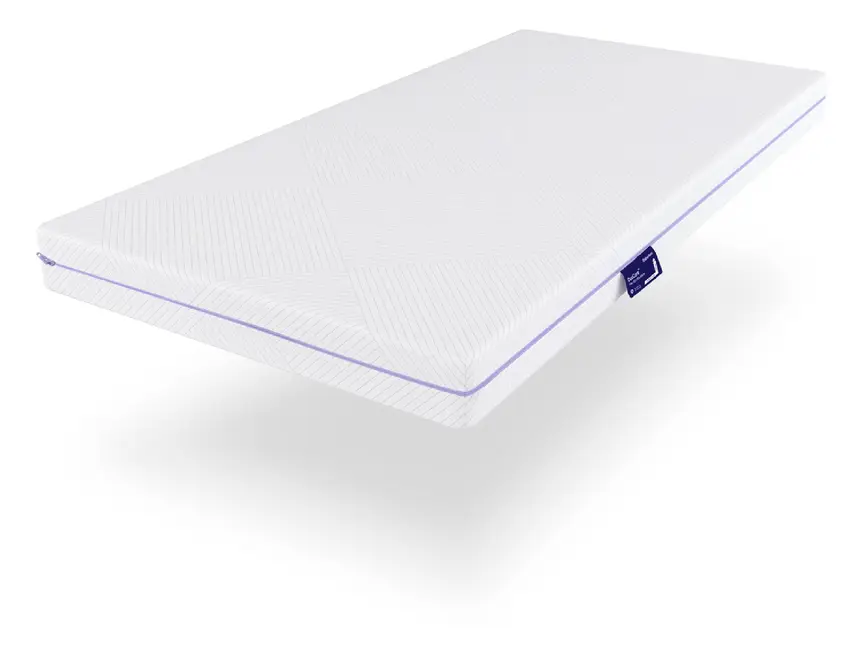
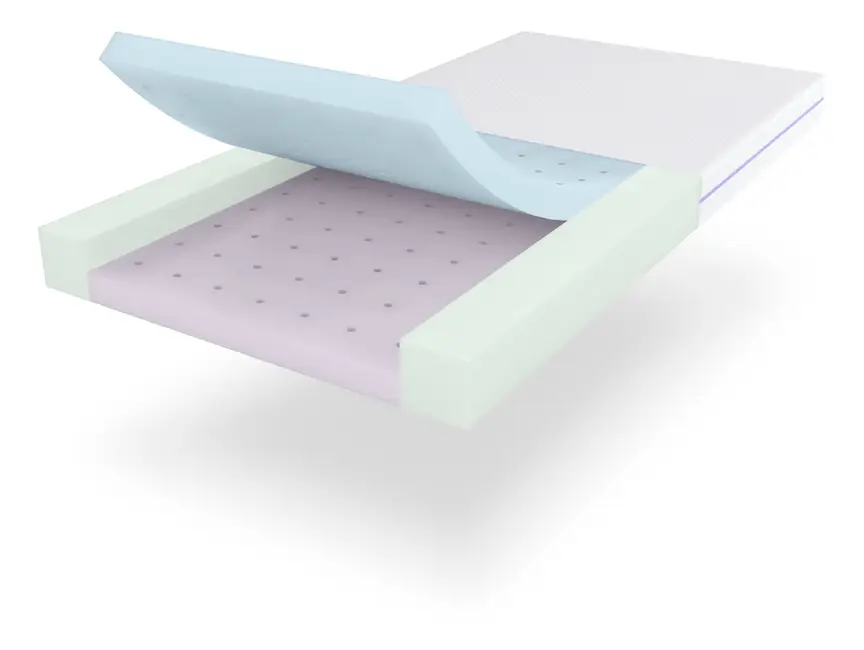

BabyRest Duocore Bamboo Cot Mattress
A two-sided mattress: a baby side to 12 kg and a toddler side from 12 kg to about 4 years.
Read our full review →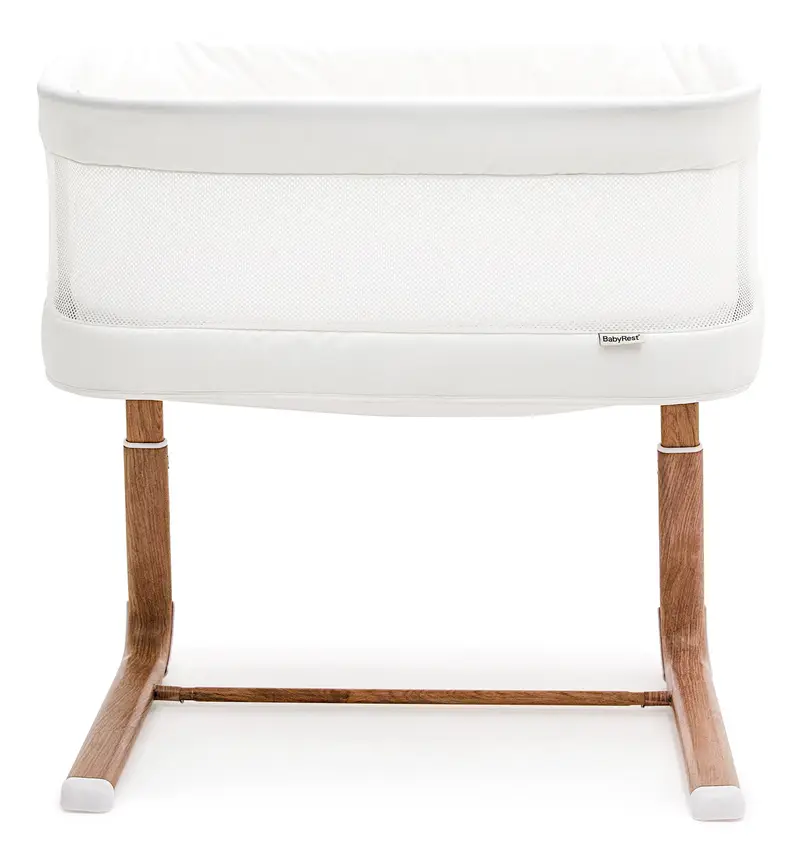
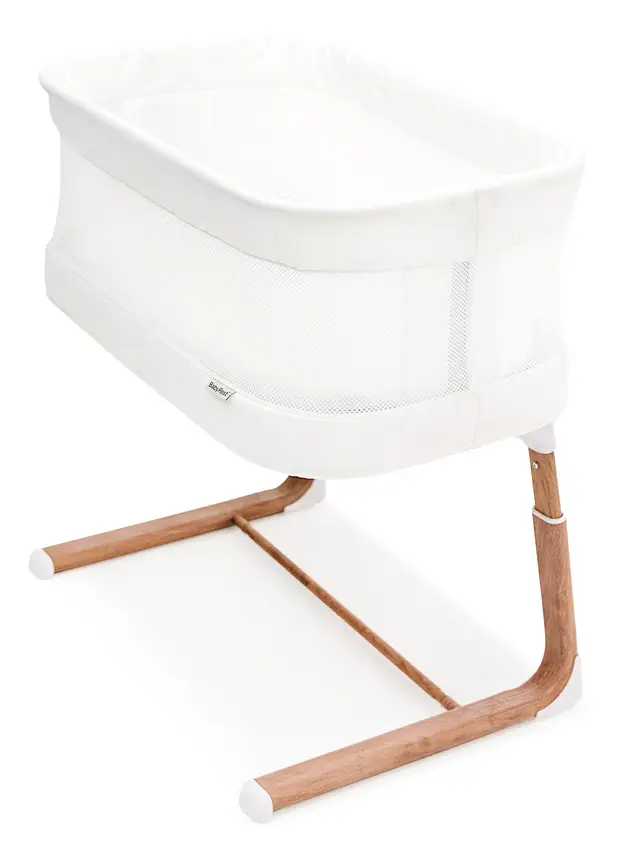
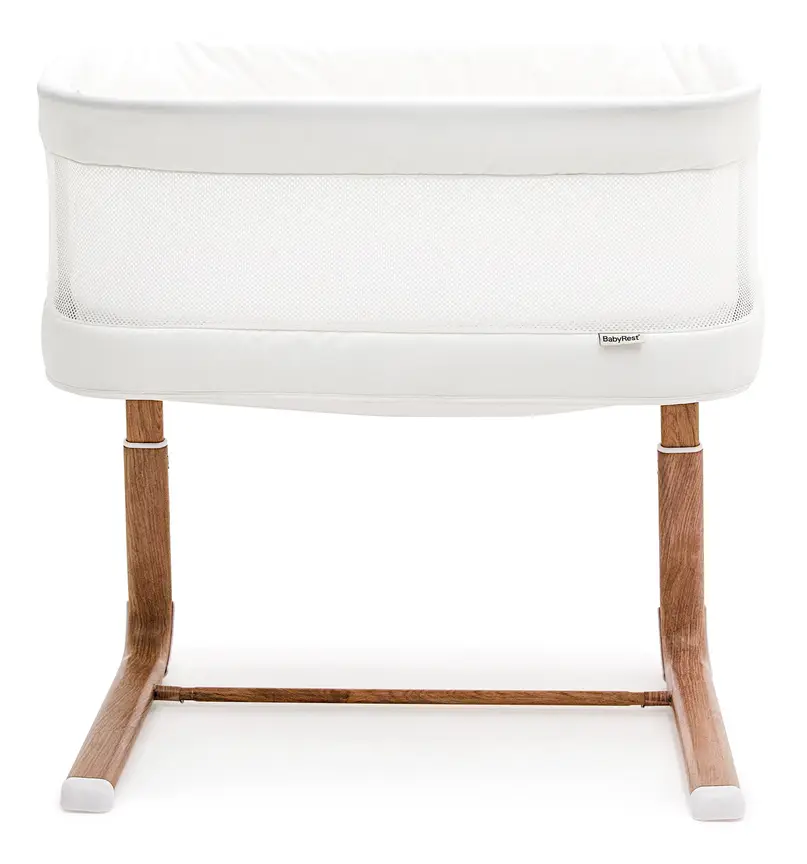


BabyRest Swan Smart Bassinet
A bassinet that rocks by itself when baby stirs, with 3 rocking levels, lullabies and a remote.
Read our full review →
 Reviewed
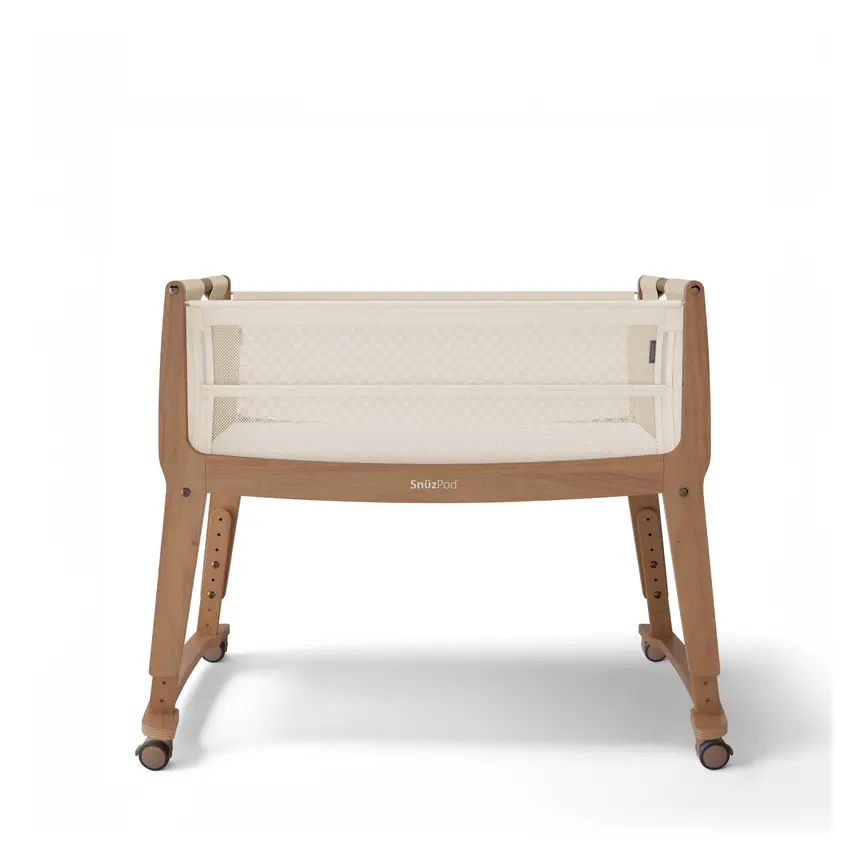
SnuzPod Studio
A bedside crib for night sleeps and naps, with panoramic mesh and a zip-down wall.
Read our full review →Compare all cots, bassinets & bedside sleepers in our reviews →
Age stages: from newborn to toddler bed
Your baby's needs change fast in the first two years. A good cot adjusts with them.
| Stage | What your baby is doing | What you should do |
|---|---|---|
| Newborn (0 to 6 months) | Sleeps on back; cannot roll or sit up yet | Keep the mattress base on the higher setting if your cot has one. Room-share with the cot next to your bed. |
| Rolling and sitting (around 4 to 9 months) | Starts rolling over and pushing up on hands and knees | Lower the mattress base before your baby can sit up. Stop wrapping or swaddling as soon as rolling starts. |
| Pulling up (around 7 to 12+ months) | Pulls up on the bars to stand | Use the lowest mattress setting. Keep toys and big bumpers out so your baby cannot step on them to climb. |
| Climbing or outgrowing (around 18 months to 3 years) | Tries to climb out, or shoulders reach near the top rail | Move your child to a toddler bed or floor mattress, and childproof the whole bedroom. |
Room-sharing for the first 6 to 12 months
Red Nose, The Lullaby Trust, the AAP and Health Canada all recommend keeping your baby's cot or bassinet in your own bedroom for at least the first six months. The AAP recommends room-sharing for ideally the first six months, and Red Nose suggests the first six to twelve months. Your baby sleeps in their own safe space, right beside you, never in your adult bed.
Lowering the mattress base on time
Many cots have two base heights. The higher setting saves your back when lifting a tiny newborn. Do not wait until your baby is already standing to lower it. Drop the base to the lowest level as soon as your baby starts trying to sit up.
Setting up the cot safely in the room
Even the safest cot can be risky if you put it in the wrong spot. Look around the whole room before you decide where the cot goes.
- Stay clear of windows: Never put a cot right under a window or next to curtains and blinds. Loose blind cords can strangle a child in seconds. Even cordless blinds are safest, and curtains should stay well out of reach.
- Check the walls above: Do not hang heavy picture frames, mirrors or shelves over the cot. They can fall if knocked or if the wall fixings fail.
- Keep cords away: Baby monitor cords, lamp cords and charger cables must stay well out of reach from the cot. Babies grab anything they can touch once they can sit or stand.
- Watch heaters and fans: Keep the cot away from radiators, space heaters, air vents and direct hot sun. Babies cannot cool down well and overheating raises sleep risks.
- Keep the air fresh and smoke-free: Never smoke or vape in the house or near your baby. Smoke in the room is a major risk factor for sudden infant death.
- Anchor tall furniture: Once your baby starts moving, dressers and bookcases in the nursery should be bolted to the wall so they cannot tip over.
Checking a second-hand or hand-me-down cot
Borrowing or buying a used cot can save money, but check it carefully first. Ask for the brand and model name, then search your country's recall site.
- Make sure it meets current safety standards and has a fixed-side design (or meets current rules where you live).
- Check that every screw, bolt and bracket is present and original. Never use makeshift hardware.
- Inspect the wood or metal for cracks, splinters, rust or peeling paint.
- Make sure the mattress is clean, firm and flat with no sagging. Health bodies such as The Lullaby Trust and Raising Children Network advise buying a brand-new mattress for each baby if you can, or checking very carefully that a used one is firm, clean, waterproof and fits snugly.
Common mistakes first-time parents make
Most cot mistakes happen when parents try to make the nursery look cosy or cute. Keep these traps in mind:
- Adding cot bumpers or mesh liners: Soft bumpers can block airflow, and ties can tangle. Even thin mesh liners can pose a tie or climbing risk once a baby pulls up. Leave the bars bare.
- Using pillows, quilts or nests: Babies do not need pillows. Soft nests, pods and sleep positioners are also unsafe for unsupervised sleep.
- Waiting too long to lower the base: Babies often sit up or pull to stand sooner than parents expect. Lower the mattress early.
- Putting the cot next to a window for the view: A sunny window looks lovely, but blind cords, drafts and glass make it unsafe.
- Leaving a baby in a bassinet too long: As soon as your baby starts rolling, pushes up on hands, or hits the weight limit on the label, move them to a cot.
- Buying an overseas cot online: A cot built for another market may fail your local safety laws. Always check for your local standard mark.
First-time parent cot checklist
Use this quick table when you shop or set up your nursery.
| Do | Don't |
|---|---|
| Check for your country's current safety standard label | Buy an old drop-side crib or uncertified import |
| Choose a firm, flat mattress made for your exact cot | Use a soft mattress, topper or wrong-sized pad |
| Check that no more than two fingers fit in any side gap | Leave gaps where a baby's head or limbs could wedge |
| Keep the cot clear of pillows, bumpers and toys | Add quilts, sheepskins, pods or soft toys |
| Place the cot in your bedroom for at least 6 months | Put the cot next to windows, blind cords or heaters |
| Lower the mattress base before baby sits or pulls up | Wait until baby tries to climb over the rail |
More options, from budget to premium
Real products from our catalogue. We don't show star ratings or review counts; check the current price, stock and reviews on Amazon before you buy.
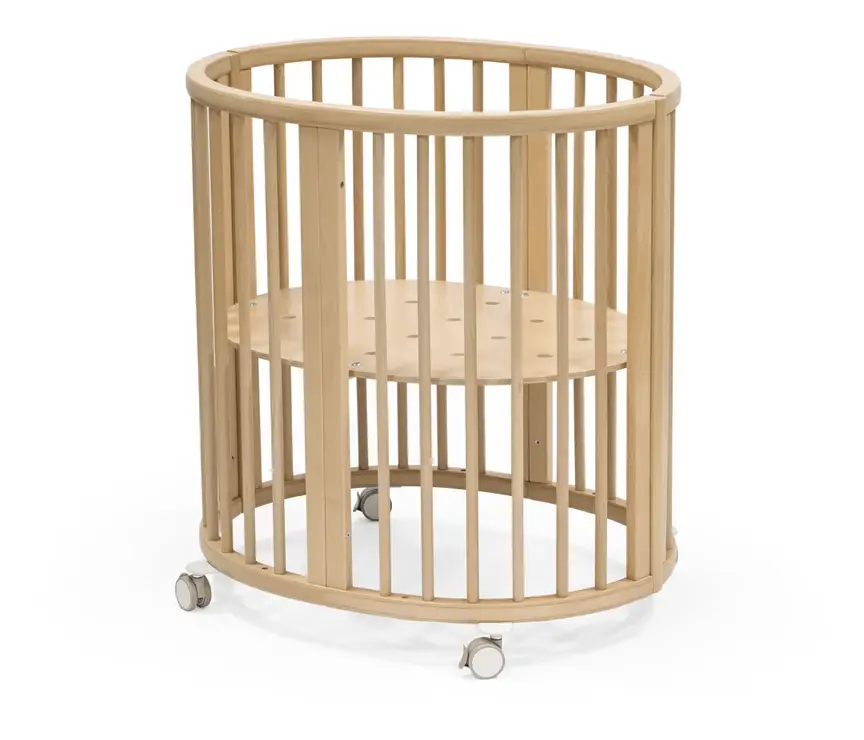


Stokke Sleepi Mini
A beech wood oval crib for newborns, with rods and a holed base for airflow.
Read our full review →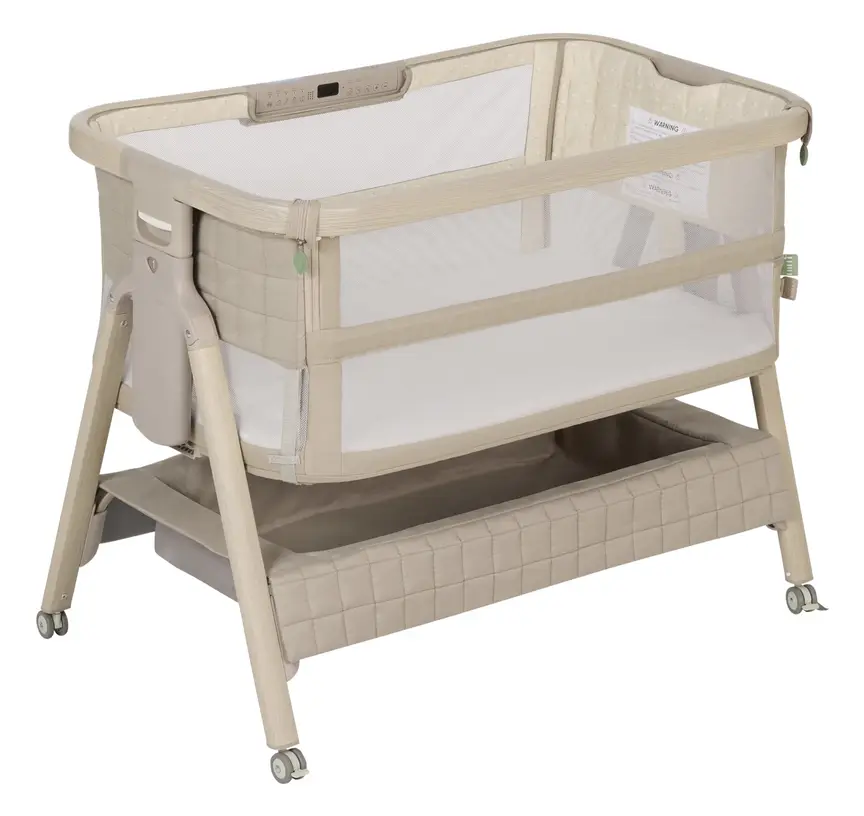
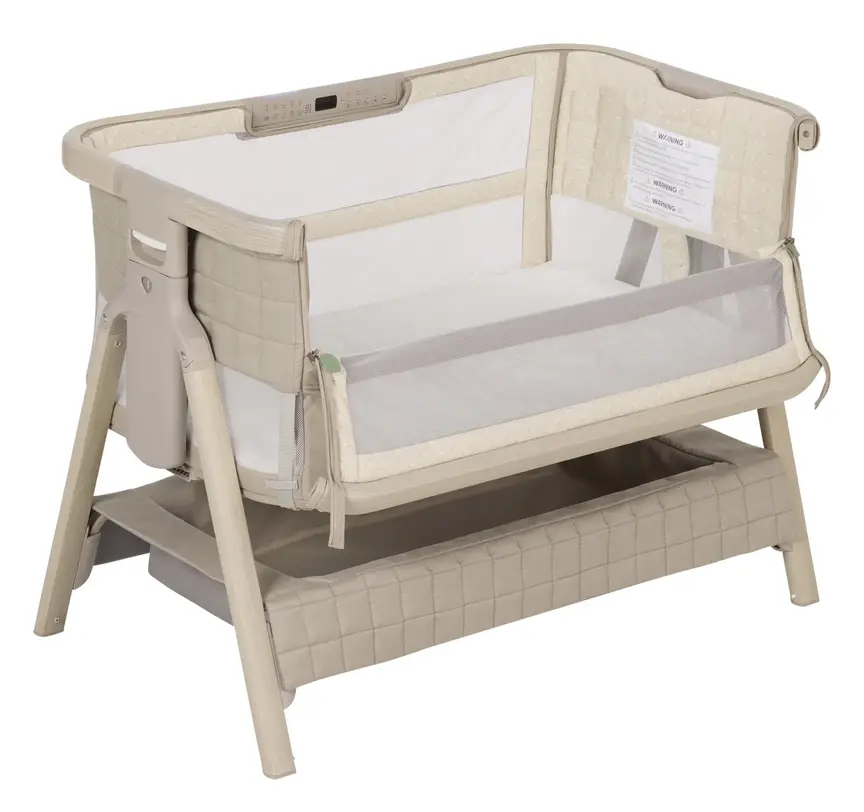


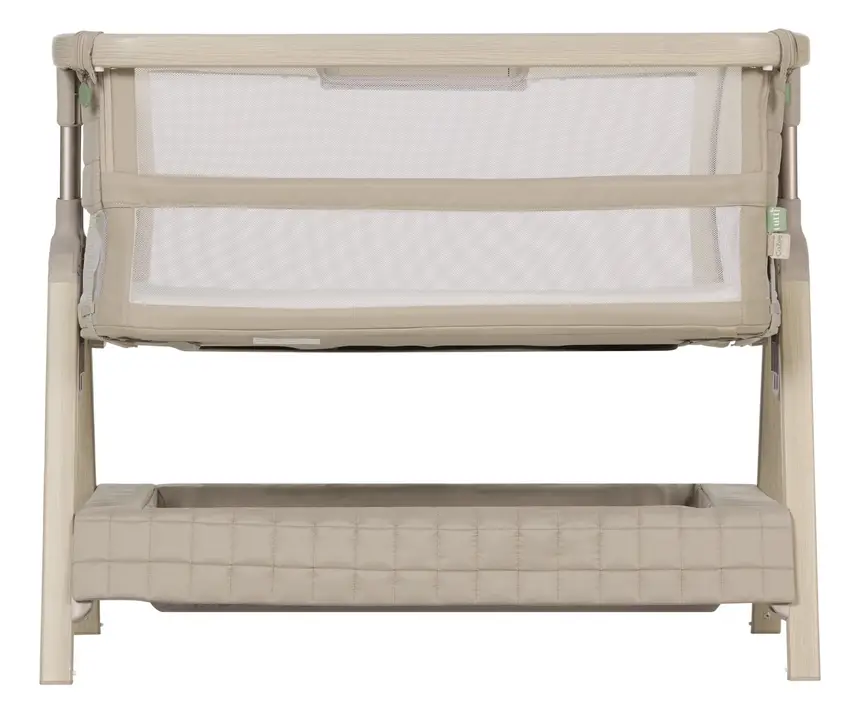


Tutti Bambini CoZee Sense
A bedside bassinet with a sensory bar for supervised awake time.
Read our full review →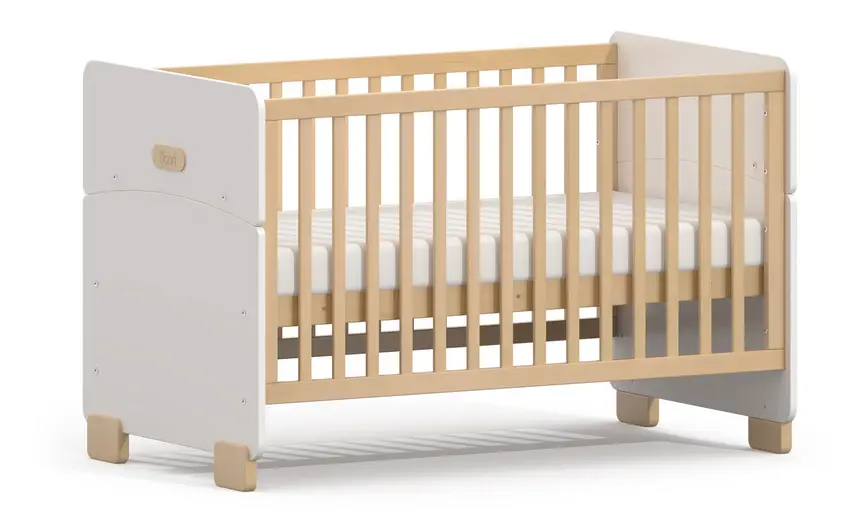

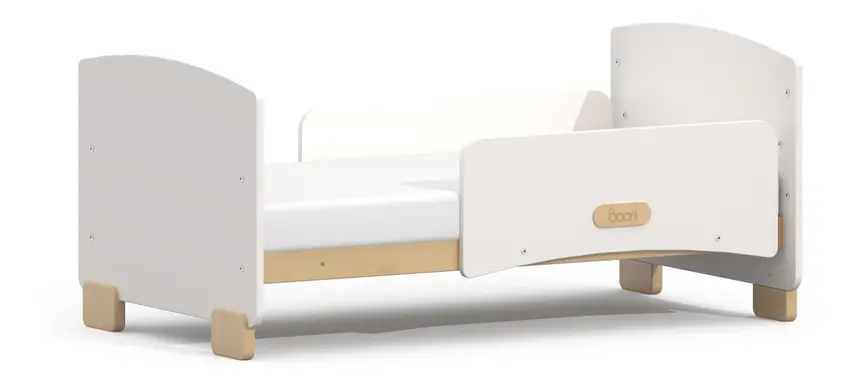

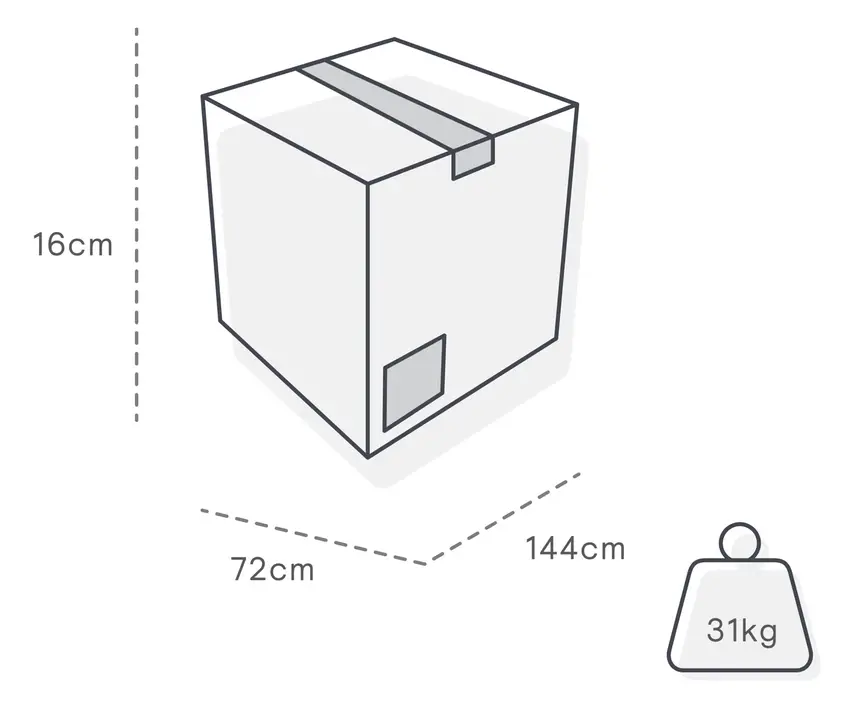
Boori Matilda Cot Bed
A cot that turns into a toddler bed using its own end panels. No extra kit needed.
Read our full review →Compare all cots, bassinets & bedside sleepers in our reviews →
Frequently asked questions
Should I buy a bassinet or go straight to a cot?
You can go straight to a cot if you have space in your bedroom. A cot lasts for years and saves you buying two beds. A bassinet is helpful if your bedroom is small or you want your newborn right beside your bed for the first few months. Just remember that you will still need a cot once your baby starts rolling or reaches the bassinet's weight limit.
Is a second-hand cot safe for a newborn?
Yes, a second-hand cot can be safe if it meets current safety standards, has not been recalled, and has all its original parts. Avoid very old cots, antique cribs and any cot with drop sides that feel loose or fail local rules. Check the frame for cracks, loose joints and peeling paint before you use it.
Can I reuse a cot mattress from an older sibling?
Health groups recommend a new, firm, clean mattress when possible. If you reuse a mattress from an older child, check that it is still completely firm and flat with no dips or sagging. It should have a clean, intact waterproof cover, no tears, no mould and no bad smells. It must still fit the cot tightly with no gaps.
Are cot bumpers or mesh liners safe?
No. Official safe-sleep bodies in Australia, the UK, the US and Canada all advise against cot bumpers. Padded bumpers can suffocate a baby or trap them. Thin mesh liners can also come loose, create tie hazards or give toddlers a foothold to climb out. Bare cot bars are the safest choice.
When should I lower the cot mattress?
Lower the mattress base before your baby can sit up on their own. For many babies, this is around four to six months, though some start earlier. Once your baby can pull up to stand, the base must be on its very lowest setting.
How long can a baby sleep in a cot or crib?
Most children stay in a standard cot until they are between 18 months and 3 years old. The time to move to a toddler bed is when your child tries to climb out, or when they grow too tall for the rail to keep them safe inside. If you have a convertible cot, you can switch it to toddler-bed mode then.
Can a baby sleep in a portable cot every night?
Portable cots are designed for travel and short stays. Their frames and thin mattresses are not built for years of everyday use. For full-time sleep at home, a standard fixed-side cot with a firm, well-fitting mattress is a stronger and better choice.
Sources
- Product Safety Australia – Household cots guide
- Product Safety Australia – Household cots mandatory standard
- Raising Children Network – Safe cots, portacots and mattresses
- Red Nose Australia – What is a safe mattress?
- The Lullaby Trust (UK) – Keeping a clear cot
- The Lullaby Trust (UK) – Mattresses and bedding
- CPSC (US) – Safe sleep: cribs and infant products
- Caring for Kids (Canadian Paediatric Society) – Safe sleep for babies
Related guides
More Sleep & Nursery →
Baby Pillows and Safe Sleep: What Parents Need to Know

Arms-Up Swaddle Pods vs Velcro Wing Swaddles: What Parents Should Know

Under-Crib Storage Drawers and Closet Dividers: Organising Outgrown Baby Gear by Size and Weight
