














Smart Bassinets: How They Work, Safety Rules, and How to Choose One
Smart bassinets rock, play white noise, and track sleep. Learn how they work, key safety rules, and how to pick a safe sleeper.

On this page
- Key points
- What is a smart bassinet?
- Do smart bassinets actually help babies sleep?
- Smart bassinet vs standard bassinet vs cot
- Safe sleep basics that never change
- What to check before you buy
- Smart features, noise, and digital safety
- Safety rules in Australia, the UK, the US and Canada
- Age stages: when to start and when to stop
- Common mistakes to avoid
- How to move from a smart bassinet to a cot
- Frequently asked questions
- Sources
Short answer: A smart bassinet is a baby bed with built-in tech. It can rock gently, play white noise, and track sleep in an app. These features may help some newborns settle faster. Yet a smart bassinet does not replace safe sleep habits or parent care. Your baby still needs a firm, flat mattress, a clear sleep space, and to sleep on their back.
Health groups in Australia (Red Nose), the UK (The Lullaby Trust and NHS), the US (American Academy of Pediatrics) and Canada (Health Canada and the Canadian Paediatric Society) all share the same core rule. No gadget or monitor can prevent sudden infant death. Safety comes from how the bed is made and how you put your baby down.
Key points
- What it is: A small newborn bed with motors, speakers, or sensors built in.
- What it can do: Sense crying or movement, rock gently, play soothing sounds, and log sleep times.
- What it cannot do: Feed a hungry baby, fix a wet nappy, or stop sudden infant death.
- Sleep surface: Must be firm, flat, and bare. Never add extra pads, pillows, or loose blankets.
- Noise limit: Keep white noise low and far from your baby's ears. Loud sound machines can hurt baby hearing.
- When to stop: Move to a cot as soon as your baby rolls, pushes up, or hits the weight limit.
- Digital safety: Use a strong password and two-step login for any Wi-Fi bassinet app.
What is a smart bassinet?
A normal bassinet is a small bed for a newborn. It sits beside your own bed for the first few months. A smart bassinet does the same job, but adds electronics.
Most smart bassinets include one or more of these tools:
- Auto-rocking or gliding: A quiet motor moves the bed from side to side or up and down.
- Built-in sound: A speaker plays white noise, shushing, rain, or soft lullabies.
- Cry and motion sensors: Microphones or movement pads notice when your baby wakes or fusses. The bassinet then turns up the rocking or sound for a short time.
- Phone app: You can change settings from your phone. Many apps also show a chart of when your baby slept and woke.
- Built-in swaddle clips: Some models come with a special sleep sack that clips to the sides of the bed. This keeps a baby on their back while the bed moves.
Not every smart bassinet has all of these features. Some only rock when you press a button. Others connect to home Wi-Fi and adjust on their own all night.
Do smart bassinets actually help babies sleep?
Newborns wake often. They have tiny tummies and need to feed every few hours. No bassinet can change a newborn's need for food, warmth, and comfort.
Still, gentle motion and steady sound feel a bit like the womb. For some fussy babies, a slow rock can turn a short nap into a longer stretch. It can also give tired parents a break from standing and rocking by hand.
Here is what a smart bassinet can realistically help with:
- Light stirrings: Babies often grunt, kick, or whimper between sleep cycles. Gentle motion may help them drift back to sleep without waking fully.
- Hands-free settling: Parents recovering from birth or C-section surgery may find it hard to lift and rock a baby all night.
- Tracking patterns: An app log can help you spot when your baby usually gets tired.
Here is what a smart bassinet will not do:
- Solve hunger or pain: If your baby is hungry, cold, hot, or has a dirty nappy, rocking will not help. You still need to pick them up and check on them.
- Guarantee full nights: Every baby has their own sleep rhythm. Some babies hate motion and prefer a still bed.
- Protect against sudden infant death: The American Academy of Pediatrics (AAP) and Red Nose both warn that no sleep product, sensor, or monitor prevents sudden infant death syndrome (SIDS).
Cots, Bassinets & Bedside Sleepers worth a look
Real products from our catalogue. We don't show star ratings or review counts; check the current price, stock and reviews on Amazon before you buy.
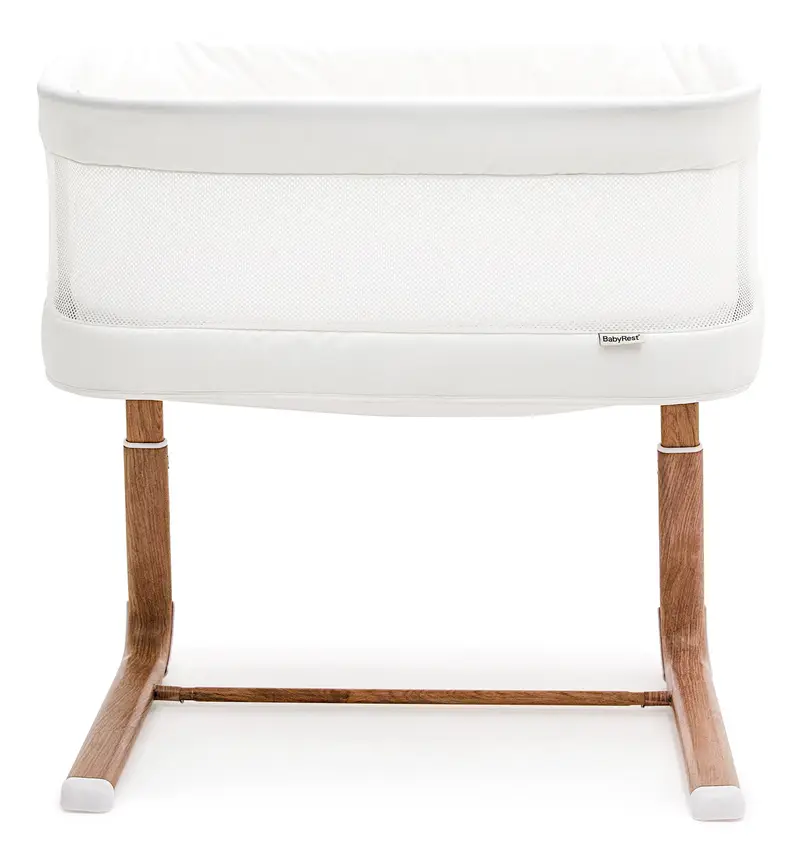
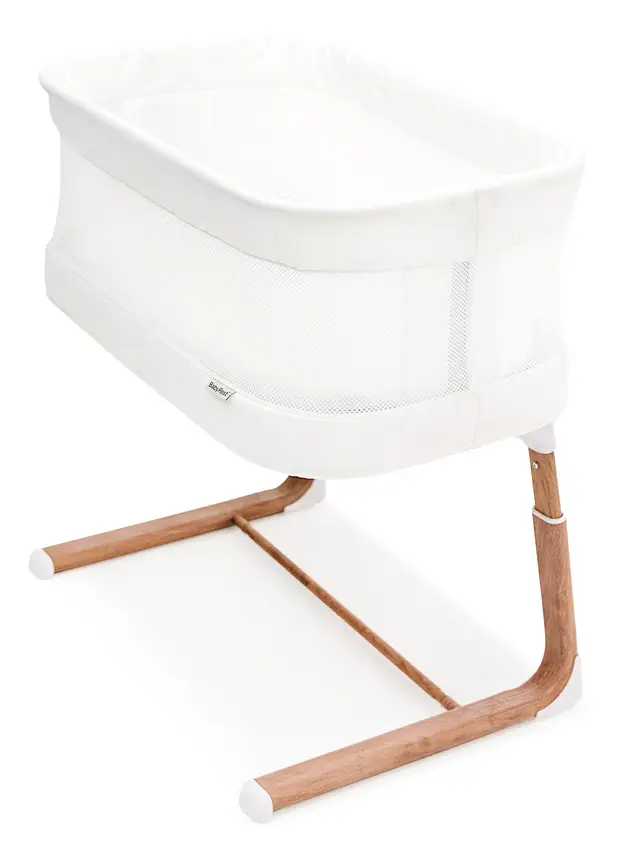
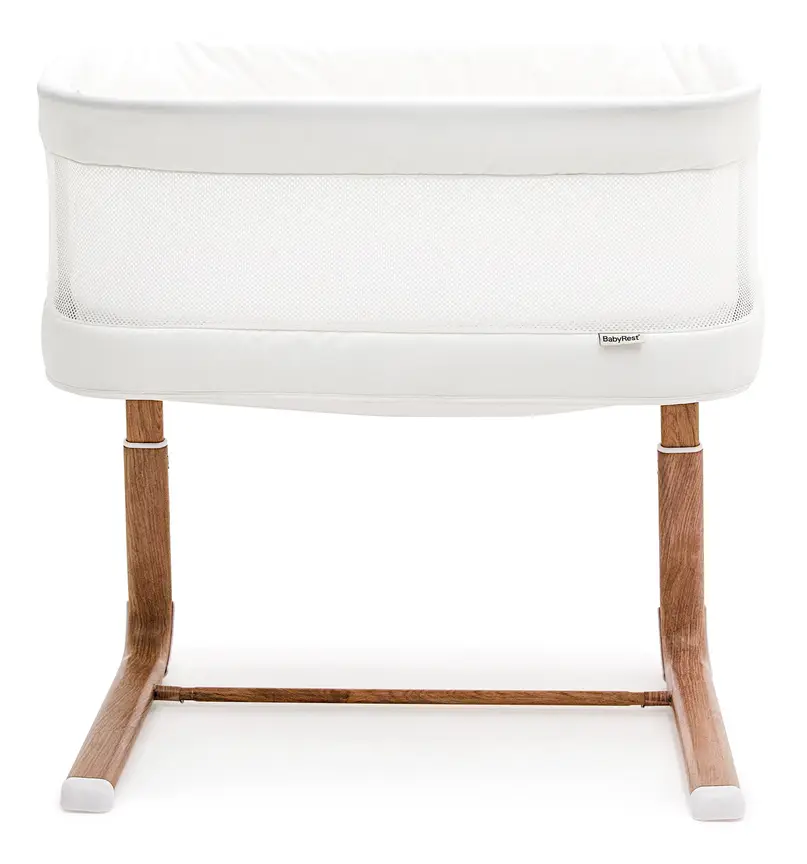


BabyRest Swan Smart Bassinet
A bassinet that rocks by itself when baby stirs, with 3 rocking levels, lullabies and a remote.
Read our full review →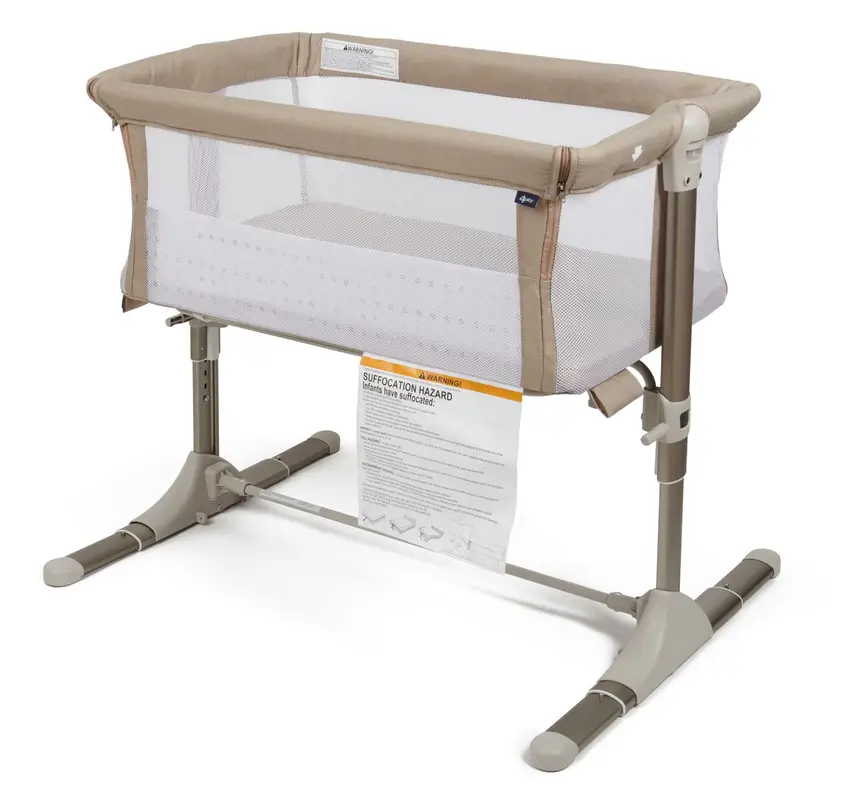
4baby Snuggle Cuddle Bedside Sleeper
A low-cost bassinet that turns into a bedside sleeper, with 4 heights and mesh sides.
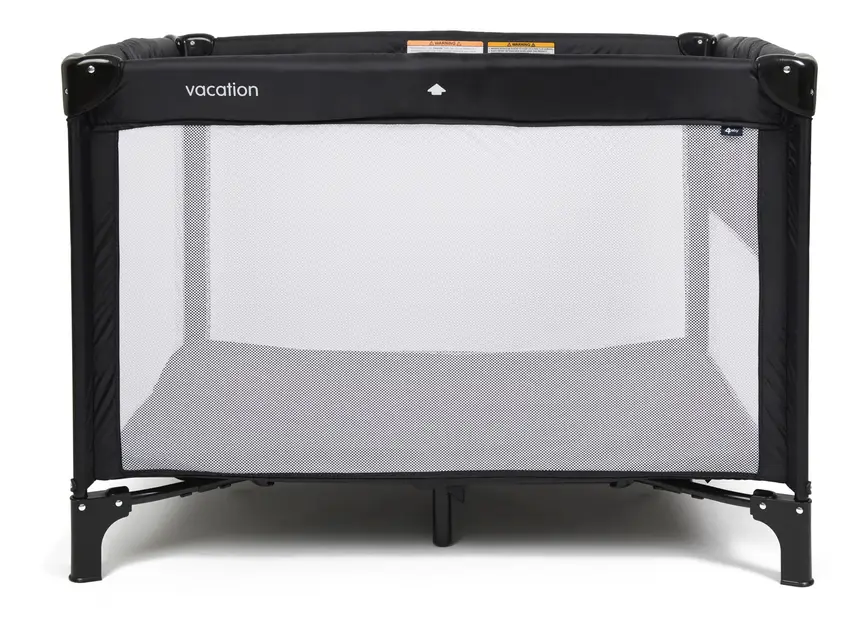
4baby Vacation Portacot
A low-cost portacot with a padded mattress and mesh sides.
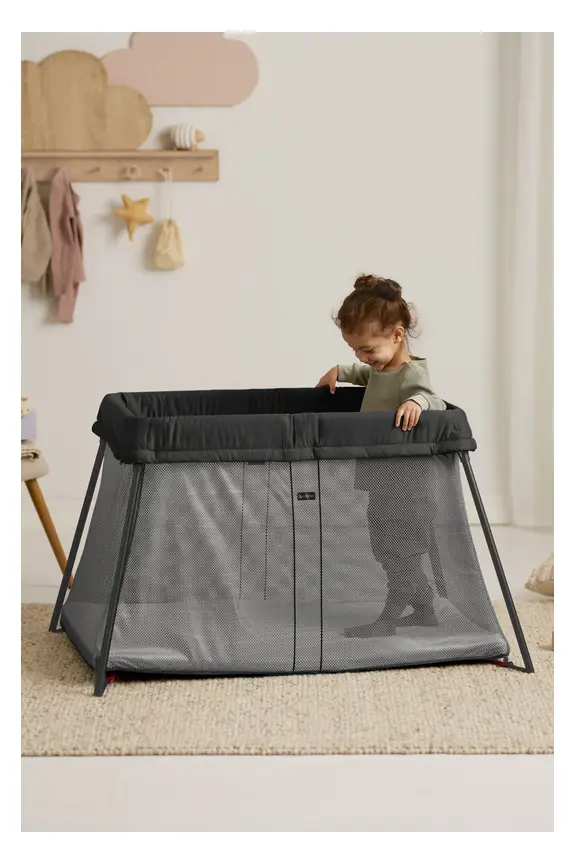
Compare all cots, bassinets & bedside sleepers in our reviews →
Smart bassinet vs standard bassinet vs cot
Before spending extra money, compare a smart bassinet with simpler choices. Many families skip a bassinet altogether and start with a cot in their room.
| Feature | Smart bassinet | Standard bassinet | Cot (crib) |
|---|---|---|---|
| How long it lasts | Usually 4 to 6 months, or until rolling | Usually 4 to 6 months, or until rolling | Birth up to 2 or 3 years |
| Power needed? | Yes, plugs into wall or uses batteries | No | No |
| Motion and sound | Built in, often automatic | Manual rock or none | None |
| Size in bedroom | Compact, easy to fit by your bed | Compact, easy to fit by your bed | Larger, takes more floor space |
| Easy to move? | Often heavy because of motors | Light, easy to move room to room | Heavy, stays in one room |
| Cleaning | Wipe frame; check if motor base can get wet | Simple wipe-down and wash sheet | Simple wipe-down and wash sheet |
| Cost level | High | Low to medium | Medium, but lasts for years |
If your bedroom is large enough for a cot, a cot is often the simplest and best-value choice. You do not need to buy two beds or move your baby to a new bed at four months. If space beside your bed is tight, a standard or smart bassinet can work well for the early months.
Safe sleep basics that never change
Tech features never override basic safe sleep rules. Health bodies across Australia, the UK, the US and Canada agree on these core steps for every sleep, day or night.
1. Always place baby on their back
Put your baby flat on their back from birth. Never lay a baby on their tummy or side to sleep. Side and tummy positions raise the risk of sudden infant death.
2. Keep the surface firm and flat
The mattress must be firm and flat. A soft mattress can mould around a baby's face and block their airway. Never use a bassinet that tilts or slopes.
In Australia, Standards Australia sets a firmness test under AS/NZS 8811.1. You can check if a mattress is firm enough at home. Press down in the middle and edges with your hand. It should feel solid and spring right back with no dent left behind.
3. Keep the bed completely clear
Your baby needs only a fitted sheet on the mattress. Leave out pillows, loose blankets, quilts, bumpers, sheepskins, and soft toys. Any soft item near a baby's face can cover their nose and mouth.
4. Share your room, not your bed
Red Nose, The Lullaby Trust, the AAP, and Health Canada all recommend room-sharing for at least the first six months. Keep the bassinet next to your bed, within arm's reach. Your baby sleeps in their own safe space, while you stay close by.
5. Avoid overheating
Dress your baby for the room temperature, not too warm. Keep their head and face uncovered. Skip hats and beanies indoors for sleep. A comfortable room is cool and steady, without direct sun or heater blasts on the bassinet.
6. Keep the home smoke-free
Do not let anyone smoke or vape near your baby, in the house, or in the car. Smoke around babies is a major risk factor for sudden infant death.
What to check before you buy
Smart bassinets look sleek, so it is easy to focus on the app and forget the basics. Check these physical safety points first.
Breathable mesh sides
Choose a bassinet with firm, breathable mesh on the sides, or open slats that meet safety spacing rules. Mesh lets air flow through. It also lowers the risk of suffocation if your baby wriggles against the wall. Avoid thick padded sides or solid fabric walls that trap stale air.
Tight mattress fit
Check the gap between the mattress and the inner wall of the bassinet. A baby's face or limbs can get trapped in wide gaps. You should not be able to fit more than two fingers between the mattress and the frame. Always use only the mattress made for that exact model. Never add a second mattress or folded towel on top.
Sturdy, wide base
A smart bassinet holds a motor, which makes the frame heavier. Push gently on the top rail to test if it wobbles. The legs should have a wide stance so it cannot tip over. If it has wheels, every wheel must have a strong lock that clicks firmly into place.
Wall height
The sides need to be tall enough to keep your baby safely inside as they grow. Look for deep sides that sit well above the mattress surface. If a bassinet has a drop-down side for bedside use, check how it locks. The lock must be sturdy and easy to raise back up when you step away.
Safe power cords
Smart bassinets plug into a wall socket. A dangling power cord is a strangulation risk once a baby can reach or roll. Look for a cord that clips neatly along the leg or runs under the frame. Place the bassinet so the cord stays well out of reach. Never run a cord across or inside the sleep area.
Easy to clean
Babies spit up and have nappy leaks. Check if the fabric liner zips off for washing. Make sure you can wipe down the frame without getting water into the motor or speaker. If a liquid spill can ruin the electronics, the bed will be hard to keep clean.
Smart features, noise, and digital safety
When you bring electronics into a baby's bed, new safety questions come up. Think about sound levels, sensors, power cuts, and privacy.
White noise volume and distance
White noise can help soothe a crying newborn. Yet loud sound machines placed right next to a baby's head can harm their hearing.
A study published in the journal Pediatrics tested infant sleep machines. Many could play louder than safe limits for adult workplaces. The researchers advised parents to place any sound machine well away from the cot, keep the volume low, and turn it off once the baby falls asleep.
If your smart bassinet has a speaker built into the bed frame, check how loud it gets. Use the lowest setting that works. Do not let loud white noise run non-stop all night right by your baby's ears.
Breathing and heart rate sensors
Some smart bassinets or add-on gadgets claim to track breathing, heart rate, or oxygen levels. Be cautious with these claims.
Red Nose Australia, The Lullaby Trust in the UK, and the AAP all state there is no proof that home breathing or heart monitors stop sudden infant death. False alarms can cause high stress for parents. Worse, a false "all clear" can stop parents from checking a sick baby. If you want a monitor to hear or see your baby from another room, a simple audio or video monitor is enough.
Power cuts and backups
Ask yourself what happens if the power goes out at 2:00 AM. Can you still use the bassinet safely without power? A good smart bassinet works as a normal, flat, safe bassinet even when unplugged. Do not rely on a bed that only feels safe when the motor or app is running.
Wi-Fi and app security
Any smart device linked to your home Wi-Fi can be a privacy risk if it is poorly protected. Get Cyber Safe (Government of Canada), the Australian Department of Home Affairs, and the UK Government all advise simple steps for smart baby gear:
- Change default passwords: Never keep the factory password. Use a long, unique passphrase.
- Turn on two-step login: Add a second check, like a phone code, if the app offers it.
- Install updates: Keep the app and bassinet software up to date to fix security bugs.
- Check what data is collected: Read what the company stores, especially if the bassinet has a camera or microphone.
- Avoid used tech without a reset: If you buy second-hand, do a full factory reset so past owners lose app access.
Side by side: more cots, bassinets & bedside sleepers to compare
Real products from our catalogue. We don't show star ratings or review counts; check the current price, stock and reviews on Amazon before you buy.
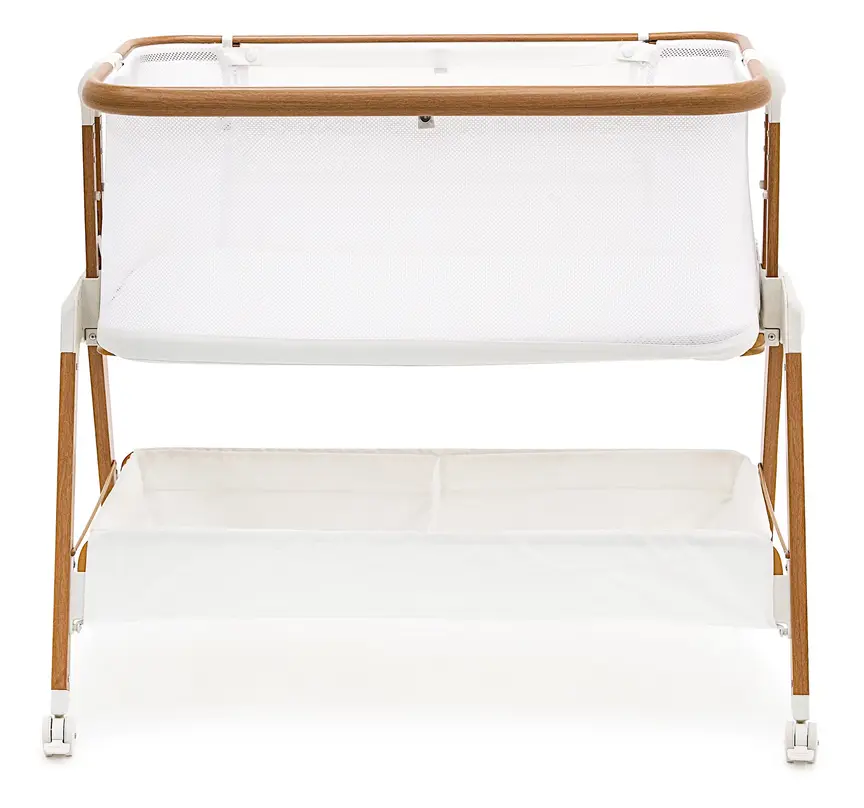
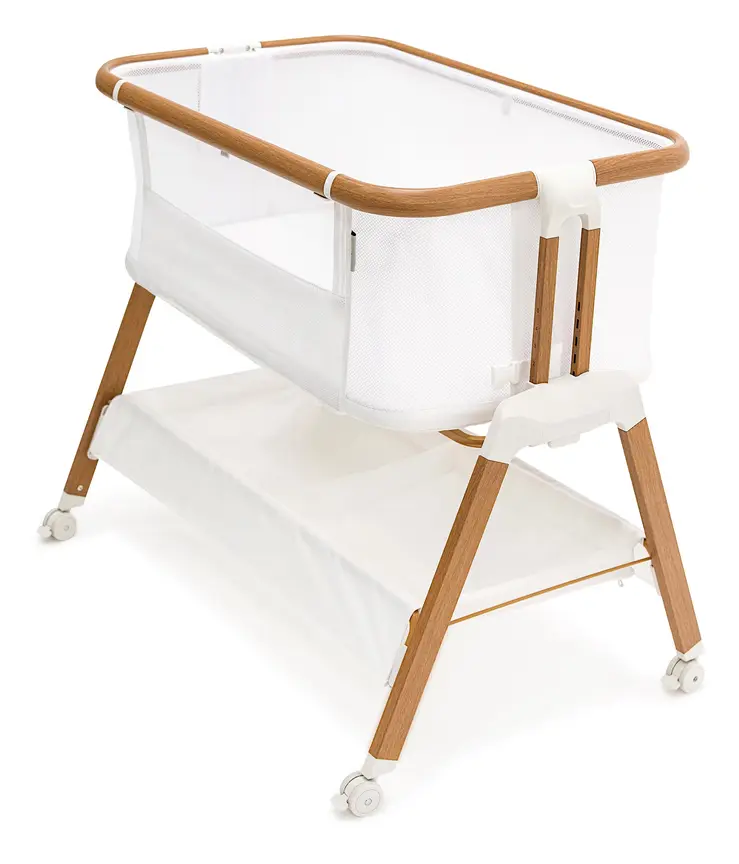
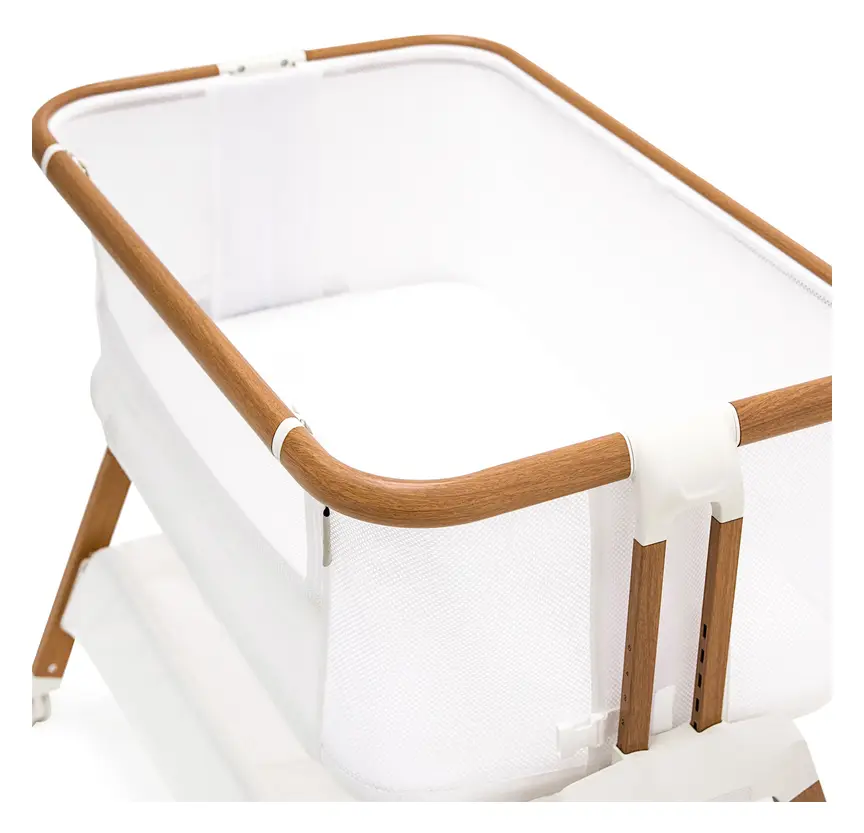
BabyRest Alfie2 Bedside Bassinet
A bedside bassinet with 5 heights, a drop-down side, wheels and an insect net.
Read our full review →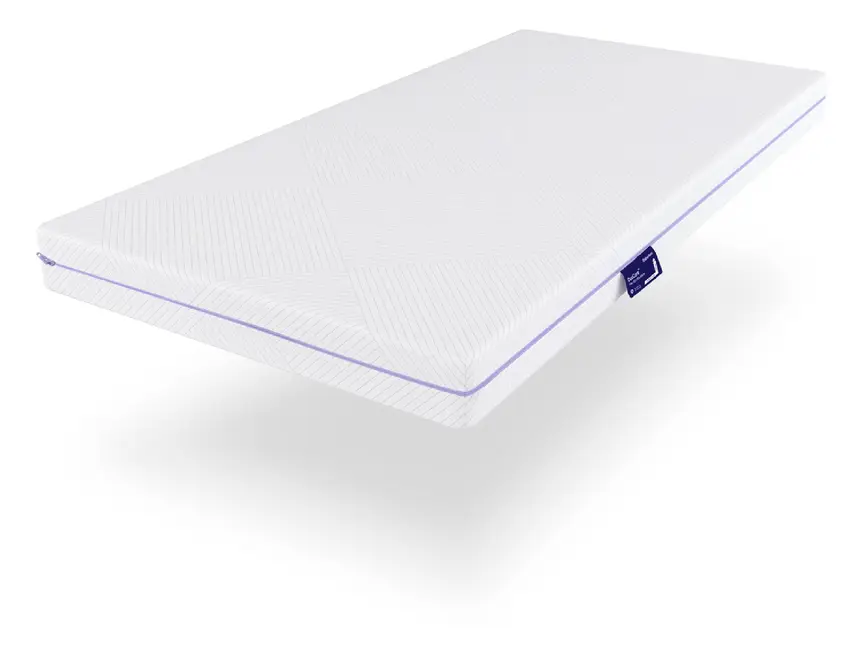
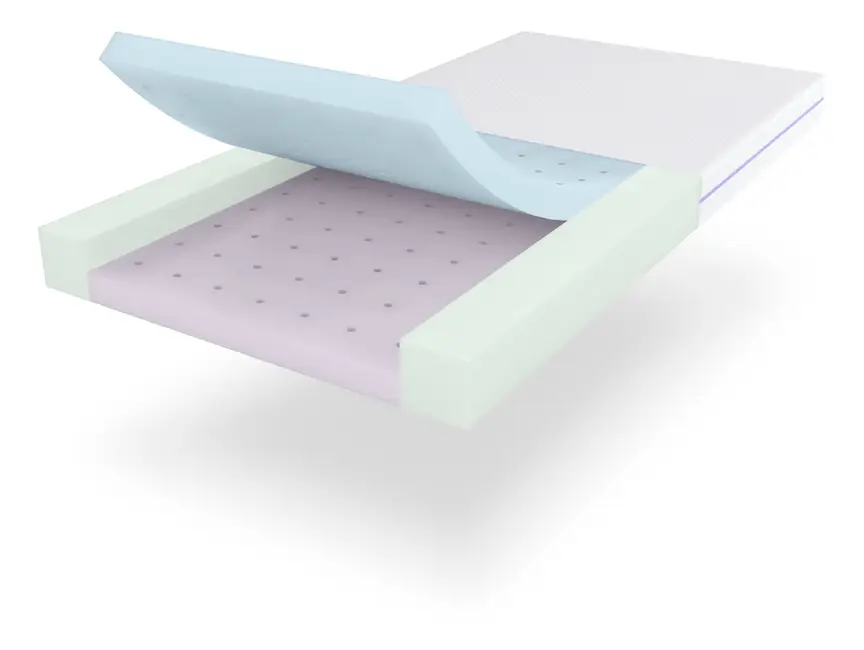

BabyRest Duocore Bamboo Cot Mattress
A two-sided mattress: a baby side to 12 kg and a toddler side from 12 kg to about 4 years.
Read our full review →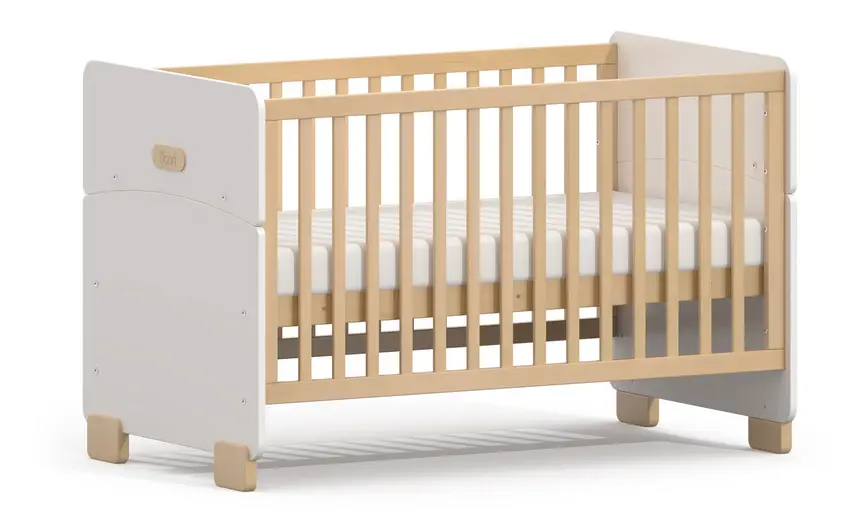

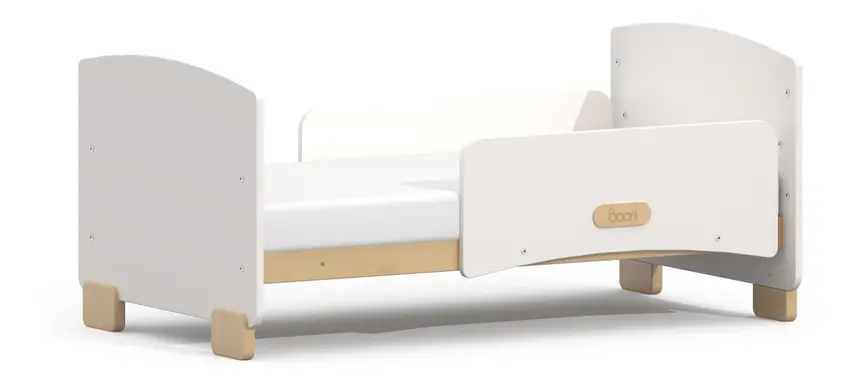

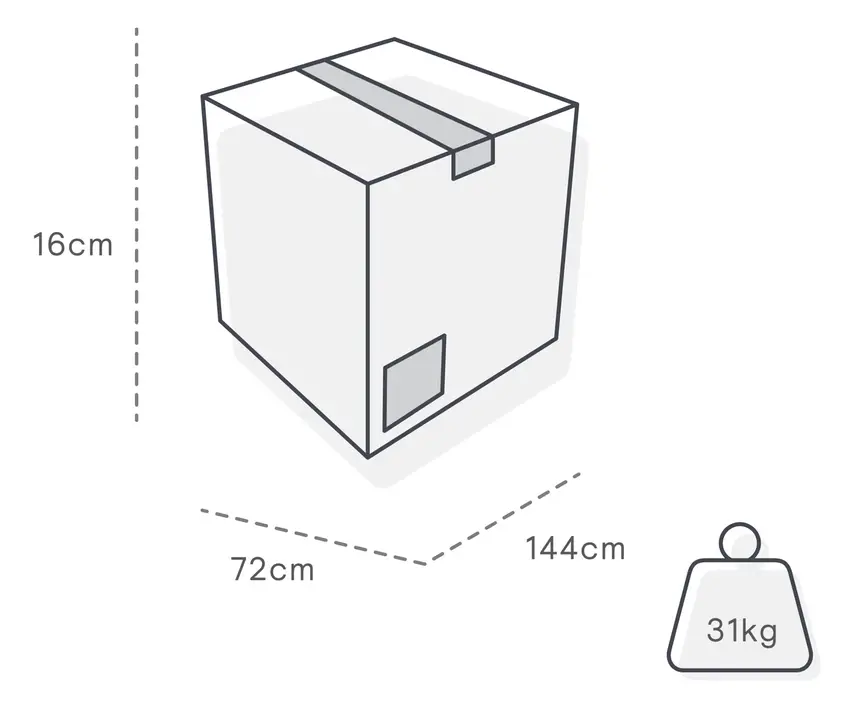
Boori Matilda Cot Bed
A cot that turns into a toddler bed using its own end panels. No extra kit needed.
Read our full review →
Boori Oasis Oval Cot
A curved solid beech cot on lockable wheels, with two base heights.
Compare all cots, bassinets & bedside sleepers in our reviews →
Safety rules in Australia, the UK, the US and Canada
Rules for bassinets and infant sleep products differ by country. Always buy from a trusted local seller so the bed meets the rules where you live.
| Country | Main safety bodies | Key rules and standards |
|---|---|---|
| Australia | ACCC (Product Safety Australia), Red Nose, Standards Australia | Australia has a mandatory national safety standard for infant sleep products. Mattresses must pass the AS/NZS 8811.1 firmness test. Cots must meet AS/NZS 2172. |
| United Kingdom | OPSS (Office for Product Safety and Standards), The Lullaby Trust, NHS | Cribs and cradles are tested to BS EN 1130. Mattresses follow BS EN 16890. Connected smart gear must also meet UK smart device security laws. |
| United States | CPSC (Consumer Product Safety Commission), AAP, NICHD Safe to Sleep | Bassinets and cradles must meet ASTM F2194 and federal rules. Under the US Safe Sleep for Babies Act, inclined sleepers are banned. |
| Canada | Health Canada, Canadian Paediatric Society (Caring for Kids) | Bassinets must meet Canada's strict rules on side height, stability, and gap limits. Sleep surfaces must be firm and flat. |
Watch out for cheap unbranded imports sold online. A bassinet bought from an overseas site may skip your country's safety checks. Before buying, check your national recall list on Product Safety Australia, GOV.UK, the US CPSC website, or Health Canada.
Age stages: when to start and when to stop
A bassinet is only for the first few months. Using one for too long is unsafe because babies grow fast and start moving.
| Stage | What baby is doing | What to do |
|---|---|---|
| Birth to 2 months | Sleeps often, strong startle reflex, cannot roll yet. | Safe to use a bassinet on a flat setting. Keep arms-in wrapping loose at the hips if used. |
| 2 to 4 months | Starting to kick harder, wiggle, or try to roll onto one side. | Watch closely for rolling signs. Stop wrapping arms in as soon as rolling starts. |
| When baby rolls or pushes up | Can roll over, push up on hands and knees, or reach the sides. | Stop using the bassinet right away. Move your baby to a safe cot on a firm mattress. |
| Weight or height limit reached | Baby reaches the maker's max weight or looks cramped. | Stop using the bassinet even if your baby is not rolling yet. |
Many smart bassinets have a special swaddle that clips to the bed frame. This holds the baby on their back. Even with clips, follow the maker's age and weight rules. Once your baby is ready to roll or outgrows the space, it is time to move to a cot. Do not keep a baby strapped down past the time they want to move and stretch.
Common mistakes to avoid
Even careful parents can slip into unsafe habits when they are tired. Watch out for these common mistakes.
1. Leaving baby in an inclined sleeper
Some seats and rockers tilt the baby's head up. If a baby falls asleep tilted forward, their heavy head can slump onto their chest. This can block their windpipe. Always move a sleeping baby to a flat, firm bassinet or cot.
2. Adding extra padding for comfort
A firm mattress can feel hard to an adult hand, so parents sometimes add a padded topper or folded blanket. Never do this. Babies need a firm surface to keep their airway open.
3. Relying on the bassinet instead of checking baby
If your baby is crying and the bassinet keeps rocking louder, do not let it run on and on. A baby who cries for more than a couple of minutes usually needs a feed, a burp, a nappy change, or a cuddle.
4. Buying a damaged second-hand smart bassinet
Second-hand bassinets can save money, but smart models have motors and cords that wear out. Check that the frame locks, the fabric has no tears, the mattress is firm, and the model has not been recalled. If the mattress is soft or saggy, replace it with a brand-new mattress made for that exact model.
5. Placing the bassinet near hazards
Keep the bassinet away from windows, blind cords, curtains, heaters, and wall lamps. Babies can grab cords or overheat near radiators as they grow.
6. Waiting too long to move to a cot
Some parents worry their baby will stop sleeping well without the rocking motion. So they try to stretch bassinet use past the limit. Once your baby can push up or roll, the low walls of a bassinet become a fall risk. Move to a cot as soon as your baby hits the milestone or weight limit.
How to move from a smart bassinet to a cot
Transitioning out of a rocking bed does not have to be hard. Most smart bassinets have a "weaning" mode or let you turn off motion while keeping the sound on.
- Turn off the motion first: Let your baby sleep in the still bassinet for a few nights so they get used to sleeping flat without rocking.
- Free their arms: If your baby was clipped in or wrapped, move to a regular baby sleeping bag with both arms out.
- Practise daytime naps in the cot: Put your baby in the cot for one or two naps during the day so the bigger space feels familiar.
- Keep the cot in your room: If your baby is under six months, keep the cot next to your bed for a smooth switch.
- Keep the rest of the routine steady: Use the same bath, feed, and bedtime song so your baby knows it is time to sleep.
More options, from budget to premium
Real products from our catalogue. We don't show star ratings or review counts; check the current price, stock and reviews on Amazon before you buy.
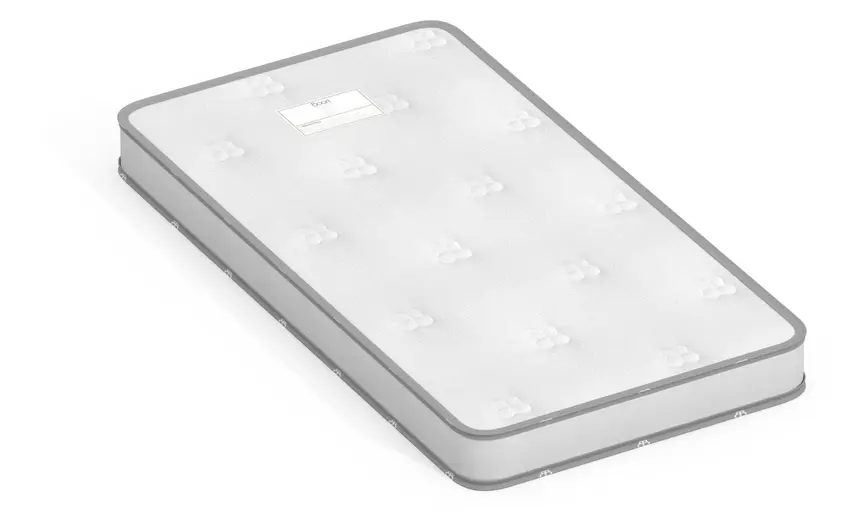
Boori Pocket Spring Mattress (standard cot)
A pocket spring cot mattress that comes rolled. Let it expand for up to 24 hours.


Bugaboo Stardust Plus
A pop-up portacot with a bassinet, for naps at home or away.
Read our full review →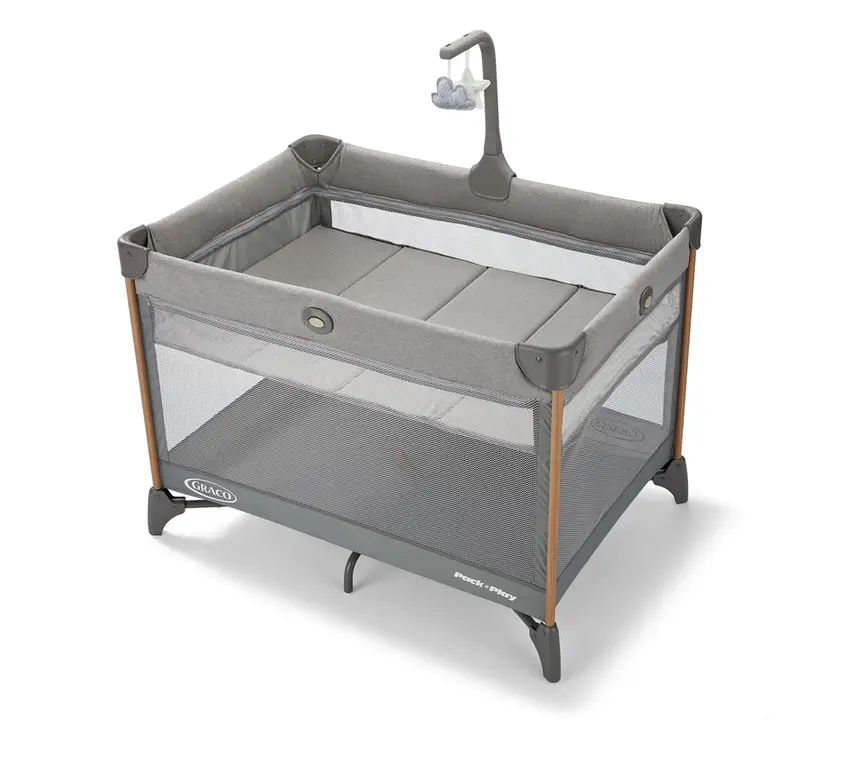
Compare all cots, bassinets & bedside sleepers in our reviews →
Frequently asked questions
Are smart bassinets safe for newborns?
Yes, a smart bassinet can be safe for a newborn if it meets your country's safety rules. The mattress must be firm and flat, the sides breathable, and the frame sturdy. Always lay your baby on their back in a bare bed with no pillows or loose blankets.
Can a smart bassinet prevent SIDS?
No. No bassinet, sensor, or baby monitor can prevent sudden infant death syndrome (SIDS). Safe sleep practices are what lower the risk. Always put your baby on their back, on a firm and flat surface, in a clear bed, in your room, and in a smoke-free home.
Do I need a smart bassinet if I already have a cot?
No, you do not need one. A standard cot that meets safety rules is safe from birth. Many parents prefer a bassinet only because it takes up less room beside their bed for the first few months. A smart bassinet is an optional extra, not a must-have.
Is it safe to leave white noise on all night in a smart bassinet?
Keep white noise quiet and use it with care. Studies show some baby sound machines can play loud enough to harm hearing. Set the volume to a soft, gentle level, like a quiet shower in the next room, and turn it down or off once your baby is settled.
When should I stop using a smart bassinet?
Stop using any bassinet as soon as your baby starts to roll over, pushes up on their hands and knees, or reaches the maker's weight or height limit. For most babies, this happens between four and six months of age. Move your baby to a safe cot right away.
Can I buy a second-hand smart bassinet?
You can, but check it carefully first. Look up the brand and model on your national recall list. Test the frame, locks, mesh, and power cord for wear. Check that the mattress is firm, flat, and fits tightly with no gaps. Also reset the app and Wi-Fi settings before using it.
Sources
- Product Safety Australia – Bassinets and cradles guide
- Red Nose Australia – Six safe sleep recommendations
- The Lullaby Trust (UK) – Sleeping products
- American Academy of Pediatrics (US) – A parent's guide to safe sleep
- CPSC (US) – Safe sleep: cribs and infant products
- Caring for Kids (Canadian Paediatric Society) – Safe sleep for babies
- Get Cyber Safe (Government of Canada) – Cyber security tips for your baby gear
- Hugh et al. – Infant sleep machines and hazardous sound pressure levels, Pediatrics 2014 (PubMed)
Related guides
More Sleep & Nursery →
Smart Bassinets: How They Work, Safety Rules, and Whether You Need One

Smart Cots and Connected Bassinets: What They Do, Safety Rules, and How to Choose
Merino Wool Baby Sleep Sacks: How They Work, How to Choose, and Safe Sleep Rules
