














Bassinet Rainshields: How to Keep Your Baby Dry, Cool, and Safe
A plain guide to bassinet rainshields: how to pick a vented cover, keep air moving, stop overheating, and follow AU, UK, US and Canada safety advice.
On this page
- Key points
- What a bassinet rainshield is and when to use it
- Why airflow and heat matter so much
- Types of bassinet rain covers compared
- How to choose a safe bassinet rainshield
- Bassinet rainshields by age and stage
- How to fit, use, and check a rainshield step by step
- Safety rules and official bodies in Australia, the UK, the US and Can…
- Common mistakes to avoid
- Cleaning, drying, and storage
- Frequently asked questions
- Sources
Short answer: A bassinet rainshield is a clear, waterproof cover for a pram bassinet. It keeps rain and cold wind off your baby. Always pick a cover with wide air vents on the sides. Never use a plastic rain cover in warm or sunny weather, because heat builds up fast inside. Take the cover off as soon as the rain stops or when you step indoors.
This safety approach matches official advice in Australia (Product Safety Australia, Red Nose, and Cancer Council Australia), the UK (OPSS, NHS, and The Lullaby Trust), the US (CPSC and the American Academy of Pediatrics), and Canada (Health Canada and the Canadian Paediatric Society).
Key points
- Weather only: Use a rainshield for rain, drizzle, sleet, and chilly wind. Never use it for sun or heat.
- Airflow first: Look for built-in side vents or mesh windows so fresh air flows through.
- Heat trap: Plastic covers trap warm air and moisture. Take the cover off when the sun comes out.
- Indoors: Remove the rainshield as soon as you enter a shop, cafe, bus, train, or home.
- Fit matters: A cover made for your pram model fits better and keeps vents in the right spot.
- Materials: Choose clear, non-toxic plastic free from phthalates (chemicals used to soften some plastics).
- Check often: Feel the back of your baby's neck or chest. They should feel warm, not sweaty or clammy.
What a bassinet rainshield is and when to use it
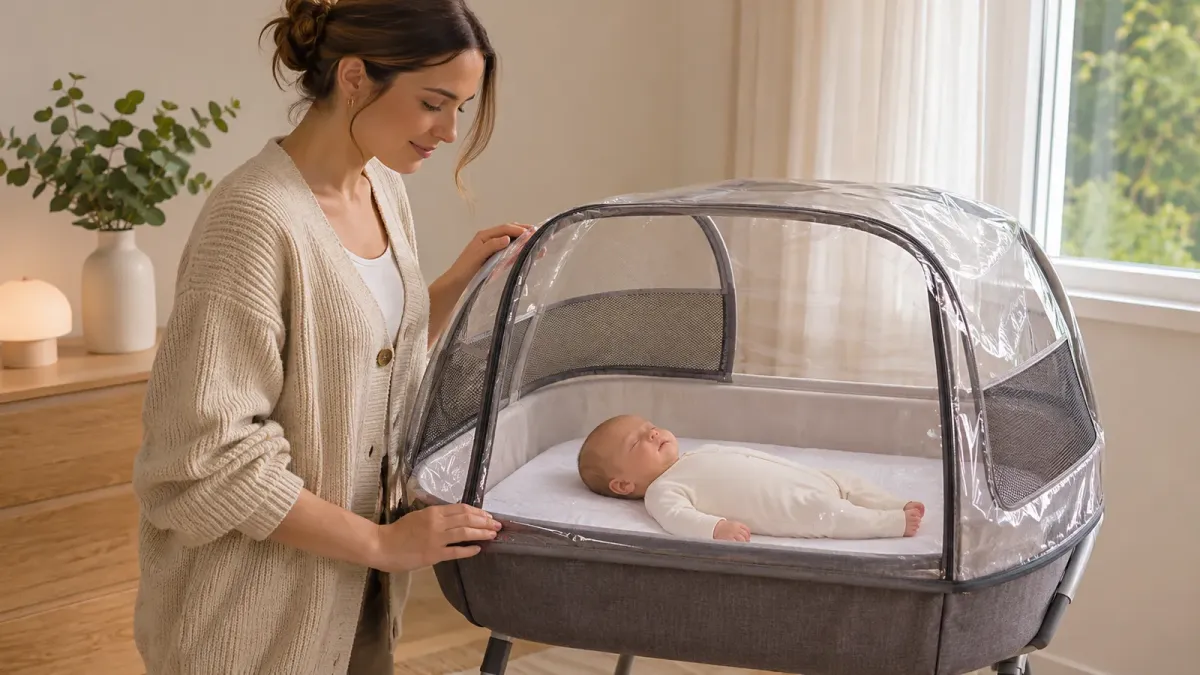
A bassinet rainshield is also called a pram bassinet rain cover. It is a clear plastic shell that stretches over the top of a pram carrycot or bassinet. Most prams for newborns come with a flat bassinet attachment. Babies lie flat on their backs inside it.
The rainshield sits over the bassinet hood and down around the edges. It blocks falling rain, light splashes from puddles, and cold gusts of wind. Because the plastic is clear, you can still see your baby at all times. Your baby can also look out at shapes and light.
When a rainshield helps
A rainshield is useful when you must walk outside in wet or windy weather. Maybe you are walking an older child to school. Maybe you are heading to a clinic, catching a bus, or walking the dog. A good cover keeps the bassinet mattress, sheets, and your baby's clothes dry.
It also blocks sharp, cold wind on winter mornings. Cold wind can chill a newborn quickly. Blocking the wind keeps the space inside the bassinet calmer and less drafty.
When NOT to use a rainshield
Despite the phrase "rain or shine", a plastic rainshield is not for sunny or warm days. Clear plastic acts like a tiny greenhouse. Sunlight passes straight through the plastic and warms the air inside. Because the plastic blocks wind, that hot air cannot escape.
Health groups in Australia, the UK, the US, and Canada all warn about covered prams in warm weather. Cancer Council Australia, Pregnancy, Birth and Baby, the NHS, the American Academy of Pediatrics (AAP), and the Canadian Paediatric Society all say babies overheat fast. Even on a mild day, direct sun on a plastic cover can make the bassinet too hot.
Do not use a rainshield as a sun shade, a privacy screen, or a sleep blackout cover. Use your pram's built-in sun canopy instead, and keep your baby in the shade.
Cots, Bassinets & Bedside Sleepers worth a look
Real products from our catalogue. We don't show star ratings or review counts; check the current price, stock and reviews on Amazon before you buy.
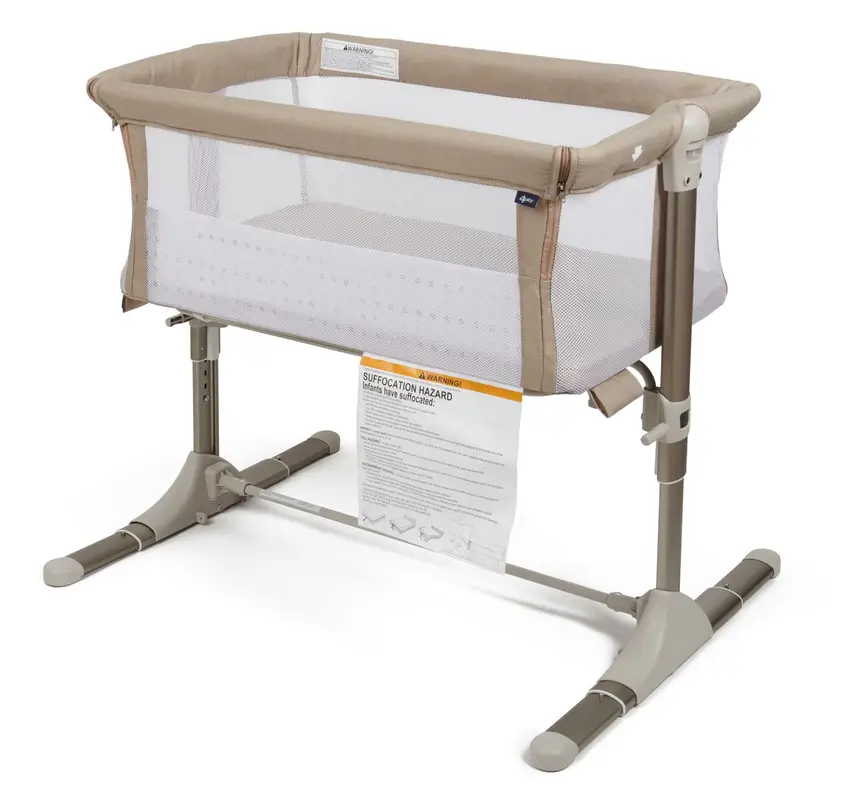
4baby Snuggle Cuddle Bedside Sleeper
A low-cost bassinet that turns into a bedside sleeper, with 4 heights and mesh sides.
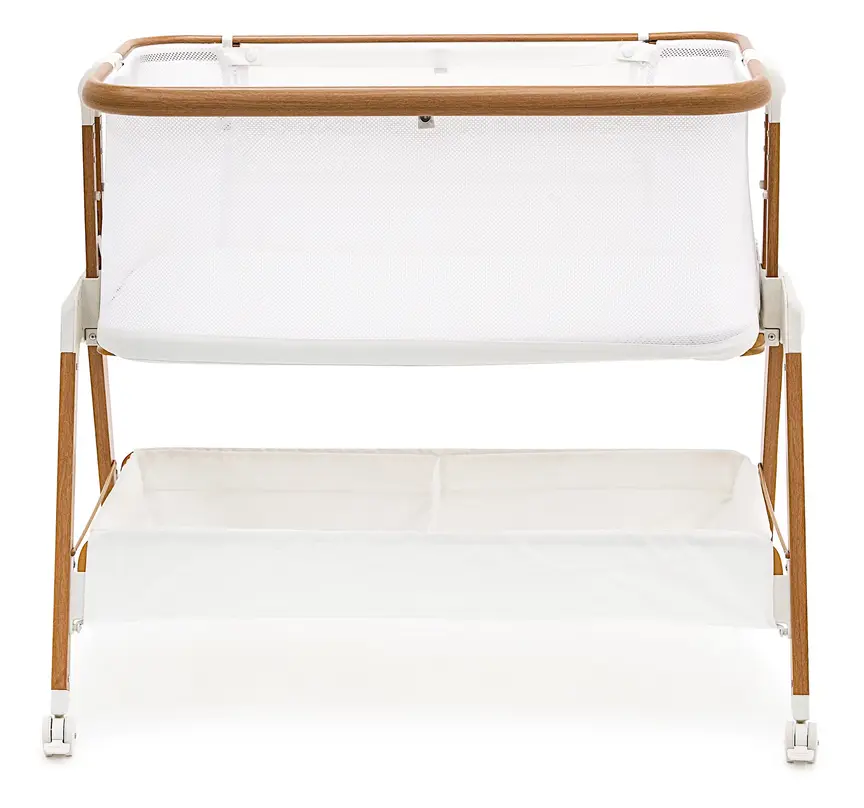
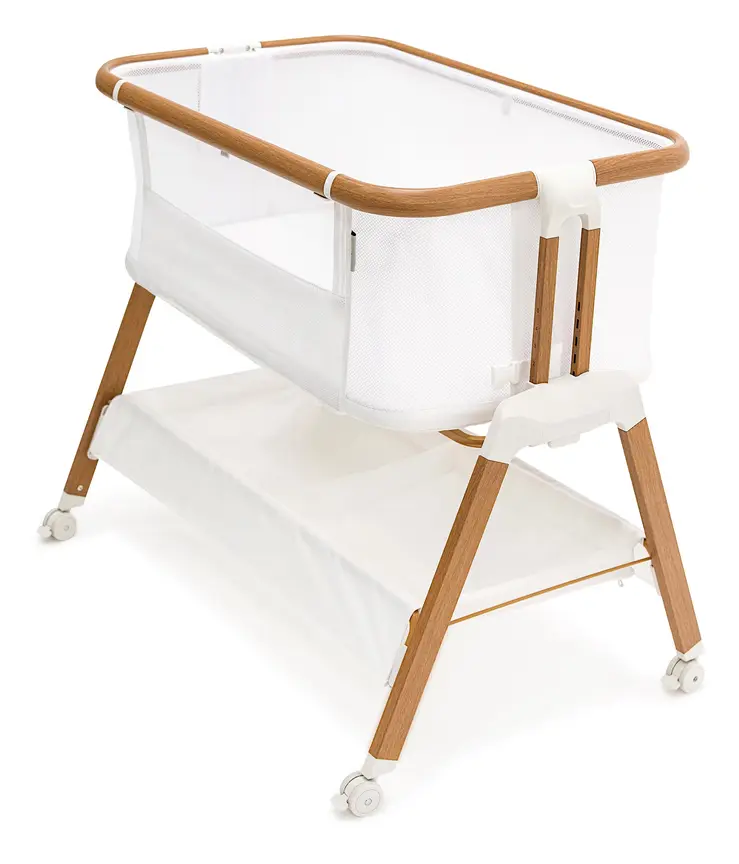
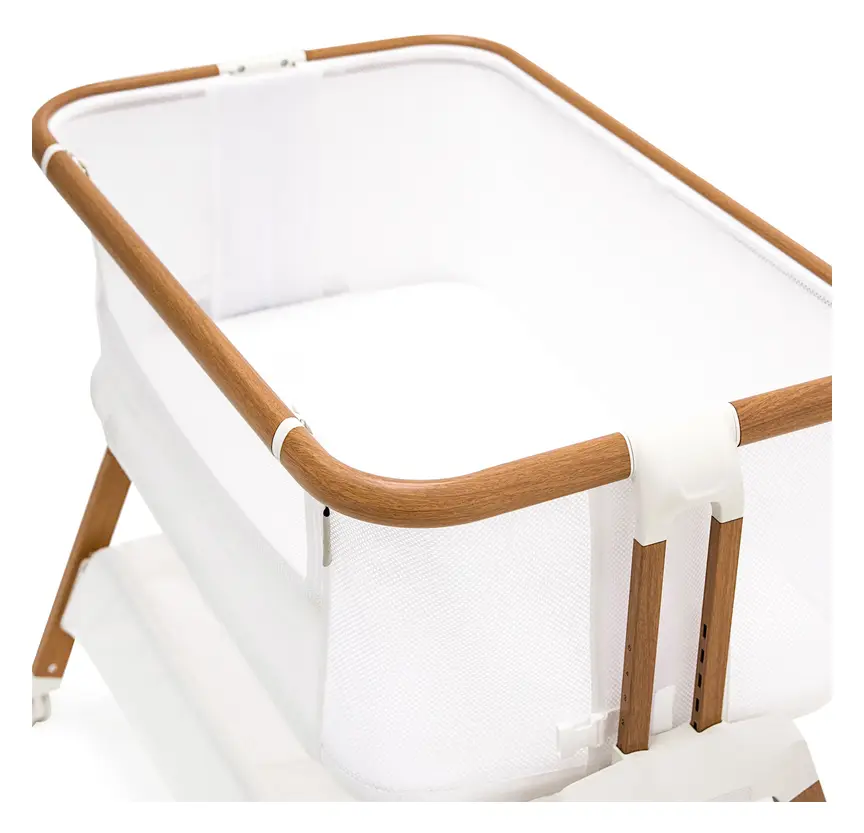
BabyRest Alfie2 Bedside Bassinet
A bedside bassinet with 5 heights, a drop-down side, wheels and an insect net.
Read our full review →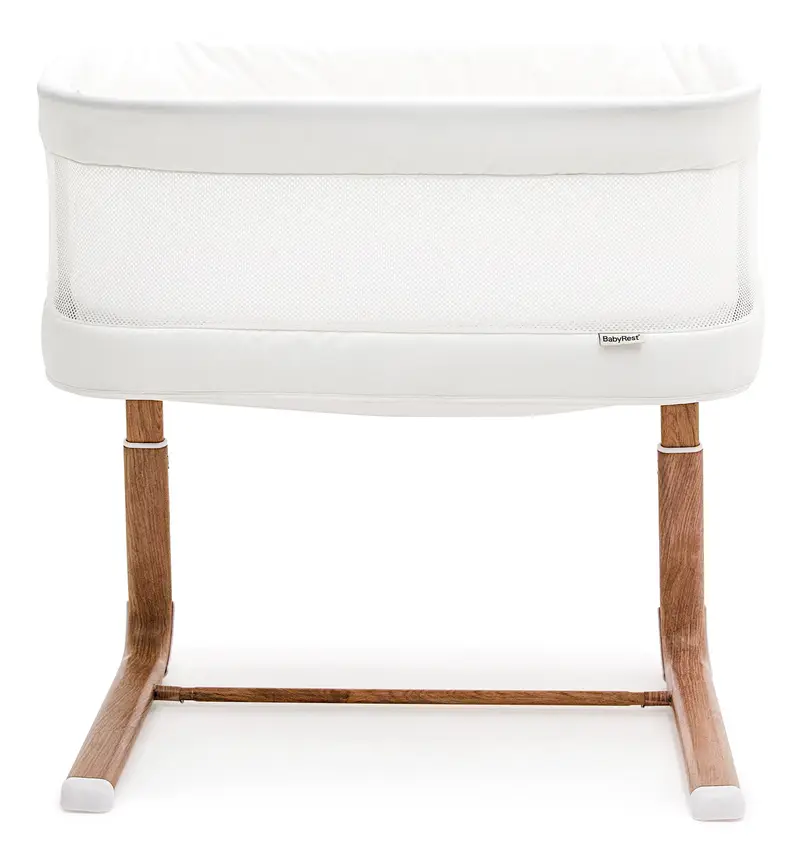
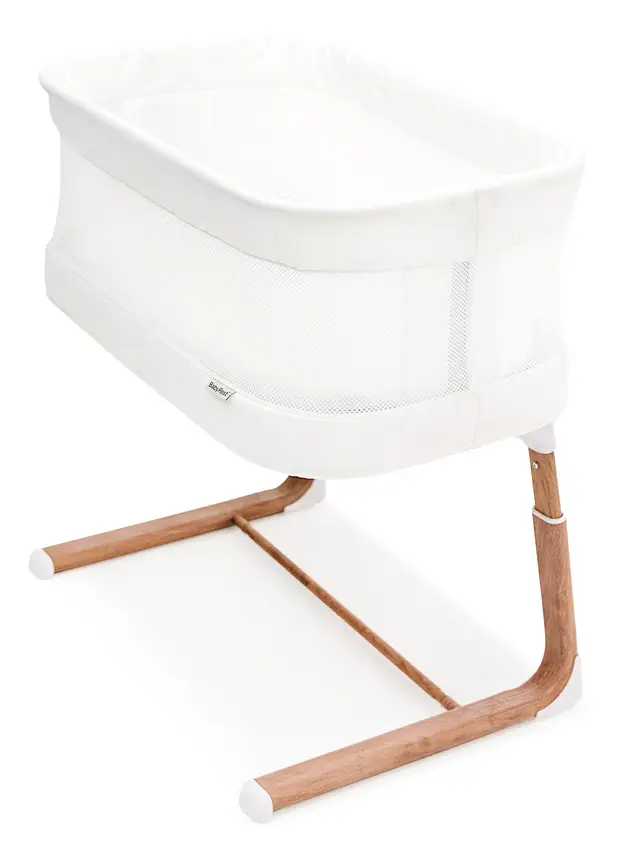
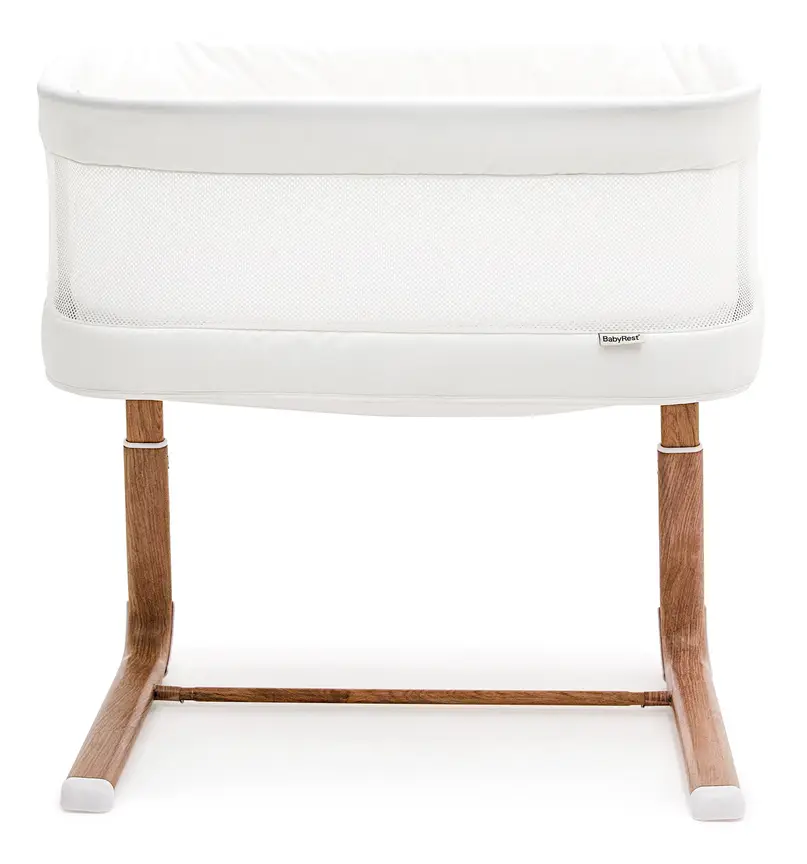


BabyRest Swan Smart Bassinet
A bassinet that rocks by itself when baby stirs, with 3 rocking levels, lullabies and a remote.
Read our full review →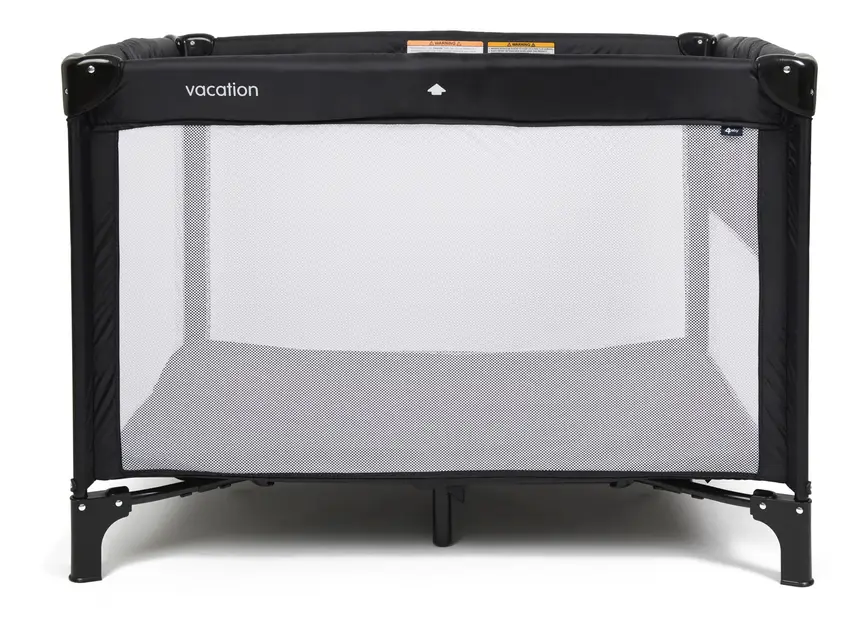
4baby Vacation Portacot
A low-cost portacot with a padded mattress and mesh sides.
Compare all cots, bassinets & bedside sleepers in our reviews →
Why airflow and heat matter so much
Babies cannot cool down as easily as adults. Newborns do not sweat well yet. Their bodies warm up much faster than yours. When a baby gets too hot, it raises the risk of heat stress and sudden infant death.
The Lullaby Trust in the UK and Red Nose in Australia both stress that babies must not overheat during sleep. When your baby sleeps in a pram bassinet, they are in a small, enclosed space. Adding a plastic cover cuts down air movement even more.
How condensation and heat build up
Your baby breathes out warm, damp air with every breath. Inside a closed plastic cover, that moisture hits the cooler plastic and turns into water drops. This is called condensation. You may see fog or mist on the inside of the shield.
Fog on the inside is a clear warning sign. It means stale, damp air is trapped inside with your baby. Fresh air is not moving through fast enough. When you see fogging, open the front flap or take the cover off right away.
Why you must take it off indoors
Many parents wheel a wet pram straight into a warm shop, mall, or cafe and leave the cover on. This is a common trap. Inside a heated building, the temperature is much higher than outside. There is no breeze at all.
Within a few minutes, the air inside the rainshield becomes hot and stuffy. Always pull back or remove the rainshield as soon as you step out of the rain. If your baby is sleeping, unclip or peel back the cover gently. A brief wake-up is safer than overheating.
Checking your baby's temperature
Do not judge your baby's warmth by touching their hands or feet. Babies often have cool hands and feet even when their body is warm. Instead, gently slide two fingers inside the collar to feel the back of your baby's neck or their chest.
Their skin should feel comfortably warm. If their neck or chest feels hot, damp, or sweaty, take the rainshield off at once. Remove a blanket or outer layer too, and move to a cooler spot.
Types of bassinet rain covers compared
Not all bassinet rain covers are built the same way. Some come in the box with your pram. Others are universal covers sold separately. Some have smart airflow features, while cheap ones are just a plain plastic bag.
Here is how the main types compare side by side.
| Feature | Brand-matched bassinet cover | Universal bassinet cover | Half-hood / storm shield | Mesh sun or insect net (not waterproof) |
|---|---|---|---|---|
| Fit | Tailored to your exact bassinet shape | Loose or baggy on some frames | Fits over the front opening only | Stretches over the open bassinet |
| Rain protection | Full top and side rain cover | Covers top; gaps possible in wind | Blocks light drizzle; sides stay open | None; lets rain straight through |
| Airflow | Vents placed to match pram hood | Vents may not line up with hood | High airflow from open back or sides | Maximum airflow |
| Water pooling | Rare if fitted tightly | Common if fabric sags in the middle | Rare | None |
| Access to baby | Many have a zip window | Often must unclip whole cover | Easy reach from open edges | Quick pull-back |
| Best use | Heavy rain and windy walks | Backup cover if brand cover is lost | Light drizzle or windy cool days | Warm, buggy days (dry weather) |
Brand-matched covers
Most major pram makers sell a rainshield shaped just for their bassinet. Many include one in the box. Because it is cut for that exact frame, it pulls tight without sagging. When a cover is taut, rainwater runs off the sides instead of forming a heavy puddle on top.
A brand-matched cover also places air vents where your pram already has mesh panels. That lets air pass cleanly from the hood vents into the bassinet.
Universal bassinet covers
Universal covers use stretchy elastic around the bottom edge to fit many brands. They cost less and are easy to find if you buy a second-hand pram without its cover. However, a one-size cover can be too loose on a small bassinet or too tight on a wide one.
If it is too loose, wind can lift it or rain can pool in the top dip. A heavy pool of water can weigh down the hood or drip inside. If it is too tight, it can squash the hood or pull off the rim.
Storm shields and zip-open fronts
Some covers have a zip-down front window. These are handy because you can reach your baby's dummy (pacifier), adjust a blanket, or check their neck without taking the whole cover off. When the rain eases to a light mist, you can unzip the window and roll it up for extra fresh air.
How to choose a safe bassinet rainshield
When shopping for a rainshield—or checking one that came with a second-hand pram—look closely at five things. You do not need fancy extras. Focus on airflow, safe plastic, visibility, fit, and secure fastenings.
1. Built-in ventilation
Never buy a cover that is completely sealed all the way around. Look for:
- perforated air holes along both sides;
- covered side mesh panels that let air in while keeping rain out; or
- an open gap at the lower back edge under the handlebar where rain cannot blow in.
Put your hand inside the fitted cover before your baby goes in. You should feel air moving, not a sealed plastic tent.
2. Safe, non-toxic plastic
Clear rain covers are usually made from one of three plastics:
- TPU (thermoplastic polyurethane): soft, clear, strong in cold weather, and free from chlorine and phthalates.
- EVA or PEVA (ethylene-vinyl acetate): lightweight, soft, and free from chlorine and phthalates.
- PVC (polyvinyl chloride): older or cheaper covers sometimes use soft PVC. Soft PVC can contain phthalates, which are chemicals used to make plastic bendy.
The U.S. Consumer Product Safety Commission (CPSC) restricts several phthalates in children's articles and toys because of health concerns. Australia, the UK, and Canada also restrict certain phthalates in baby products. Look for labels that clearly state "phthalate-free" and "BPA-free". If an old second-hand cover smells strongly of sharp plastic or feels sticky, replace it.
3. Clear sightlines
You need to see your baby's face and chest clearly from behind the handlebar. Avoid covers with dark tinting all over the top, heavy patterns, or blurry plastic. A clear panel lets you spot if a blanket has slipped, if your baby has spat up, or if the inside is fogging up.
4. Secure clips, Velcro, or elastic
Strong wind can catch a loose rainshield like a sail. If the cover blows loose, it could flap over your baby or blow off onto the road. Check how the cover attaches to the bassinet frame. Good covers use a mix of snug elastic hems and Velcro tabs or snap clips that wrap around the pram frame.
Make sure there are no long, loose cords or dangling straps that a baby or toddler could grab or tangle in.
5. Proper water runoff
Check the seams and binding around the edges. Bound fabric seams should sit neatly over the bassinet rim. When fitted, the top of the cover should slope down from the hood towards the foot end. That slope lets rain slide straight off instead of pooling above your baby's face.
Bassinet rainshields by age and stage
A pram bassinet is only used for the first few months of life. As your baby grows, their needs—and the right rain cover—change too.
| Stage | What your baby is doing | What cover to use | Key safety check |
|---|---|---|---|
| Newborn to 3 months | Lies flat on back. Cannot roll or push up. | Bassinet rainshield with side vents. | Keep face clear. Check neck warmth often. Never use in heat or sun. |
| 3 to 6 months | Starts kicking, lifting head, or rolling. | Bassinet rainshield until baby outgrows the bassinet. | Stop using the bassinet as soon as baby rolls or pushes up on hands and knees. |
| 6 months and up | Sits up with support in a stroller seat. | Switch to a stroller seat rain cover. | Always use the 5-point harness. Never put a bassinet cover on a toddler seat. |
When to stop using the bassinet
Most pram bassinets are safe only until your baby can roll over, push up on their hands and knees, or reach the weight or length limit in the manual. For many babies, this happens between 4 and 6 months of age. Once your baby starts rolling or pushing up, a flat bassinet without a harness is no longer safe. A baby could tip out over the low side wall.
When you swap from the bassinet to the upright stroller seat, you will also need to swap to a stroller seat rain cover. A bassinet cover will not fit the taller, angled shape of a stroller seat. It could block your older baby's legs or pull tight across their face.
Dressing your baby under a rainshield
Because the rainshield blocks wind and traps a little body heat, dress your baby slightly lighter than you might think. On a cool, rainy day, dress them in normal indoor layers plus a light cardigan or sleep sack, and add a light tucked-in blanket if needed. Keep the blanket below shoulder level and tucked firmly under the bassinet mattress edges so it cannot cover their face.
Avoid thick puffer snowsuits inside a covered bassinet on mild days. Puffy suits can make a baby overheat quickly once the rainshield goes on.
Side by side: more cots, bassinets & bedside sleepers to compare
Real products from our catalogue. We don't show star ratings or review counts; check the current price, stock and reviews on Amazon before you buy.
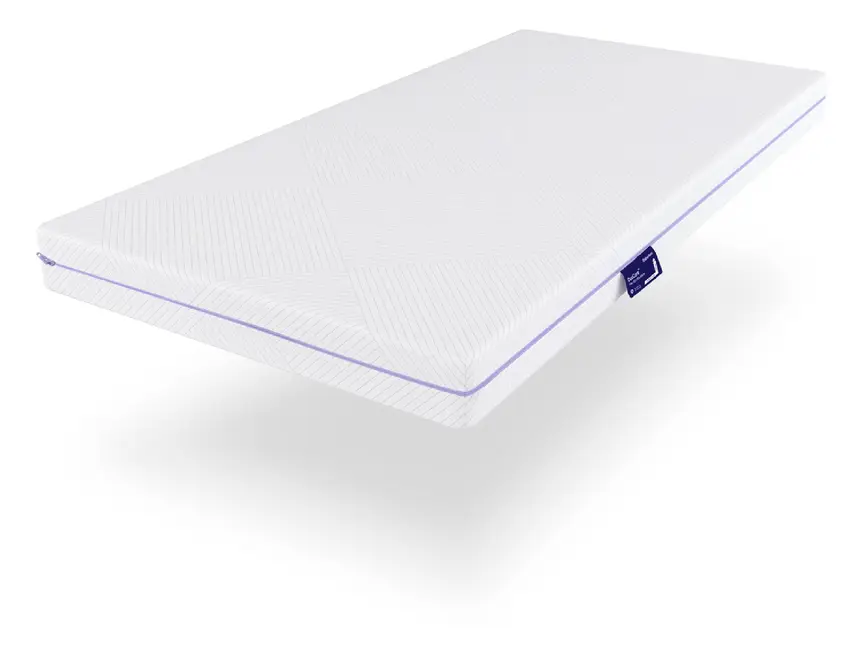
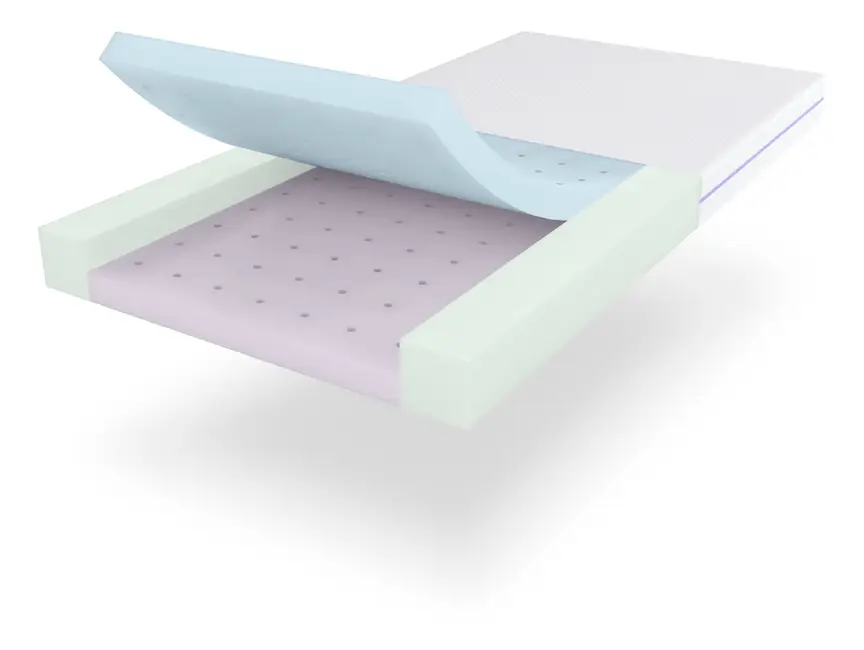

BabyRest Duocore Bamboo Cot Mattress
A two-sided mattress: a baby side to 12 kg and a toddler side from 12 kg to about 4 years.
Read our full review →


Bugaboo Stardust Plus
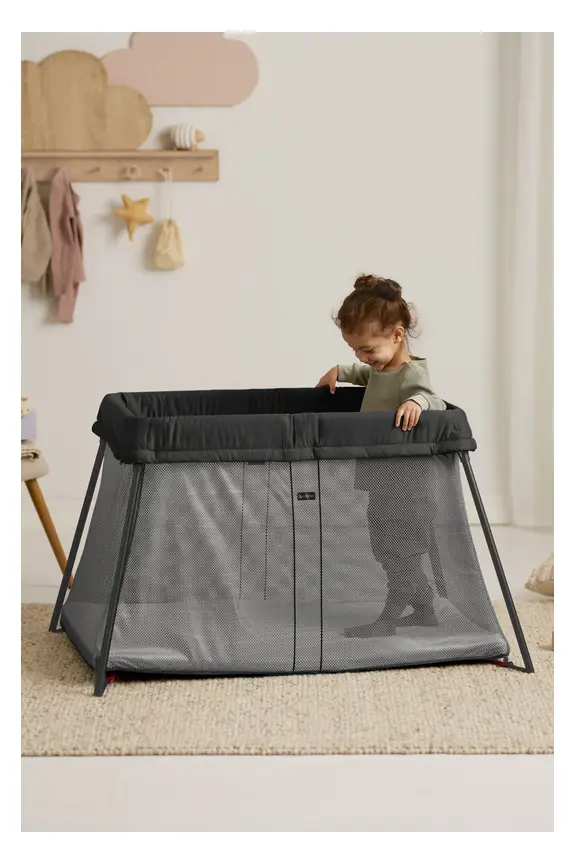
A pop-up portacot with a bassinet, for naps at home or away.
Read our full review →
Jengo Voyager 3-in-1 Portacot
A portacot with a newborn bassinet level and a changer on top.
Compare all cots, bassinets & bedside sleepers in our reviews →
How to fit, use, and check a rainshield step by step
Fitting a rainshield takes less than a minute once you know how. Practise fitting it at home in your living room before you get caught in a downpour.
- Set up the bassinet first. Lay your baby flat on their back on the firm, flat bassinet mattress. Keep the sleep space clear of pillows, loose toys, and puffy bumpers.
- Open the bassinet hood. Raise the pram's canopy or sun hood fully. The rainshield needs the hood frame to hold its shape above your baby's face.
- Open any hood vents. Many bassinets have a zip-open mesh vent at the back of the hood. Open it before putting the rain cover on, unless rain is blowing straight into it.
- Slip the cover over the hood. Find the top or hood end of the rainshield. Stretch it gently over the raised hood first.
- Pull down over the foot end. Bring the front of the cover down over the foot end of the bassinet.
- Fasten the straps or clips. Wrap any Velcro straps or snap hooks around the pram frame. Check that the elastic edge sits securely under the rim.
- Check the air vents. Look at both sides of the cover. Make sure the air holes or mesh vents are open and not folded shut or blocked by the hood fabric.
- Check the slope. Press gently on the plastic above your baby. It should sit firm and sloped, with plenty of room above your baby's head and no dipping pocket for water.
- Remove as soon as you can. When the rain stops, or when you step indoors, take the cover off right away.
Safety rules and official bodies in Australia, the UK, the US and Canada
A bassinet rainshield is an accessory, not a standalone pram. Still, your pram and bassinet must meet national safety rules, and health bodies in all four countries give clear advice on heat, airflow, and materials.
| Country | Product safety body | Pram / stroller standard | Health & safe sleep bodies | Key advice for covered prams |
|---|---|---|---|---|
| Australia | ACCC / Product Safety Australia | AS/NZS 2088 | Red Nose, Cancer Council Australia, Pregnancy, Birth and Baby | Do not drape covers over prams in heat or sun; keep airflow clear; stop baby overheating. |
| United Kingdom | Office for Product Safety and Standards (OPSS) | BS EN 1888 | NHS, The Lullaby Trust, RoSPA | Never cover a pram with blankets or plastic in warm weather; take rain covers off indoors. |
| United States | Consumer Product Safety Commission (CPSC) | ASTM F833 | American Academy of Pediatrics (AAP / HealthyChildren.org) | Keep air moving; avoid overheating; check plastic products are free from restricted phthalates. |
| Canada | Health Canada | Carriages and Strollers Regulations (Canada) | Canadian Paediatric Society (Caring for Kids) | Keep babies cool and shaded with open airflow; check Health Canada recalls before buying. |
In Australia, mandatory pram rules under AS/NZS 2088 focus on brakes, harnesses, frame locks, and warnings—including warnings about keeping babies cool and never leaving them unattended. In the UK, BS EN 1888 covers pram strength, stability, and ventilation. In the US, ASTM F833 sets safety rules for carriages and strollers, while the CPSC also enforces limits on phthalates and lead in children's gear. In Canada, Health Canada enforces national stroller safety rules and lists any recalled pram accessories on its recalls website.
All four countries agree on the big picture: keep your baby's airway clear, keep fresh air moving, never trap heat in the sun, and check official recall lists before using second-hand gear.
Common mistakes to avoid
Even careful parents can slip up with a rainshield, especially when rushing in bad weather or trying to keep a sleeping baby settled. Here are the most common mistakes and what to do instead.
| Do | Don't |
|---|---|
| Use a vented rainshield only in rain, sleet, or cold wind | Leave a plastic rainshield on in sunny, warm, or humid weather |
| Take the cover off as soon as you go inside a shop, cafe, or home | Leave a sleeping baby under a plastic cover inside a warm building |
| Use the pram's built-in sun hood and stay in the shade | Use a plastic rainshield or draped blanket to block the sun |
| Fit the rainshield over a fully raised pram hood | Drape a loose cover directly onto the bassinet rim without hood support |
| Check the back of your baby's neck or chest every 15 to 20 minutes | Guess your baby's warmth by touching cold hands or feet |
| Air-dry the cover fully before folding it into the pram basket | Stuff a wet cover into a closed bag where mould can grow |
| Replace covers that are torn, cloudy, brittle, or smell strongly of plastic | Keep using damaged covers with broken straps or blocked vents |
Drape-over blankets vs rainshields
Some parents put a muslin wrap over the pram to block sun or light rain, or put a blanket over the rainshield to make it dark for naps. Do not do either. Draping any cloth over a pram opening stops air from moving and traps heat inside. Adding a blanket on top of a plastic rainshield makes this even worse, because the plastic already slows down airflow.
Leaving the bassinet unattended
Never leave your baby asleep in a covered pram bassinet out of your sight, such as on a porch or in a hallway. A pram bassinet is great for walks, but for unsupervised naps at home, move your baby to a safe cot or bedside bassinet that meets cot safety rules.
Cleaning, drying, and storage
Rainshields pick up road spray, mud, pollen, and fingerprints fast. Looking after yours keeps the plastic clear so you can always see your baby, and stops mould from growing in the seams.
How to clean it
After a muddy walk, rinse the outside with lukewarm water or wipe it with a damp microfibre cloth. If it needs a deeper clean, use a tiny drop of mild dish soap in warm water. Rinse well with clean water.
Do not use bleach, window sprays, alcohol wipes, or rough scrubbers. Harsh cleaners can make clear TPU or EVA plastic turn cloudy, yellow, or brittle. Never put a plastic rainshield in a washing machine or tumble dryer.
Drying and folding
Never fold a wet rainshield and leave it in the bottom basket of your pram. Trapped water grows black mould along the stitched seams within days. Breathing mould spores is unhealthy for babies.
When you get home, hang the cover over a chair back, shower rail, or clothes airer in the shade until both sides are completely dry. Keep it away from heaters, radiators, and hot sun, which can warp or melt the plastic. Once dry, fold it loosely along its natural creases and pop it into a breathable pouch in your pram basket.
Inspecting for wear
Every few weeks, give the cover a quick check:
- Are the side air vents still open and clear?
- Is the plastic still clear enough to see your baby's face easily?
- Are any seams splitting or letting water drip onto the mattress?
- Do the Velcro tabs and elastic edges still hold tightly?
If the plastic has cracked in cold weather or turned milky so you cannot see inside, it is time for a new one.
More options, from budget to premium
Real products from our catalogue. We don't show star ratings or review counts; check the current price, stock and reviews on Amazon before you buy.
 Reviewed
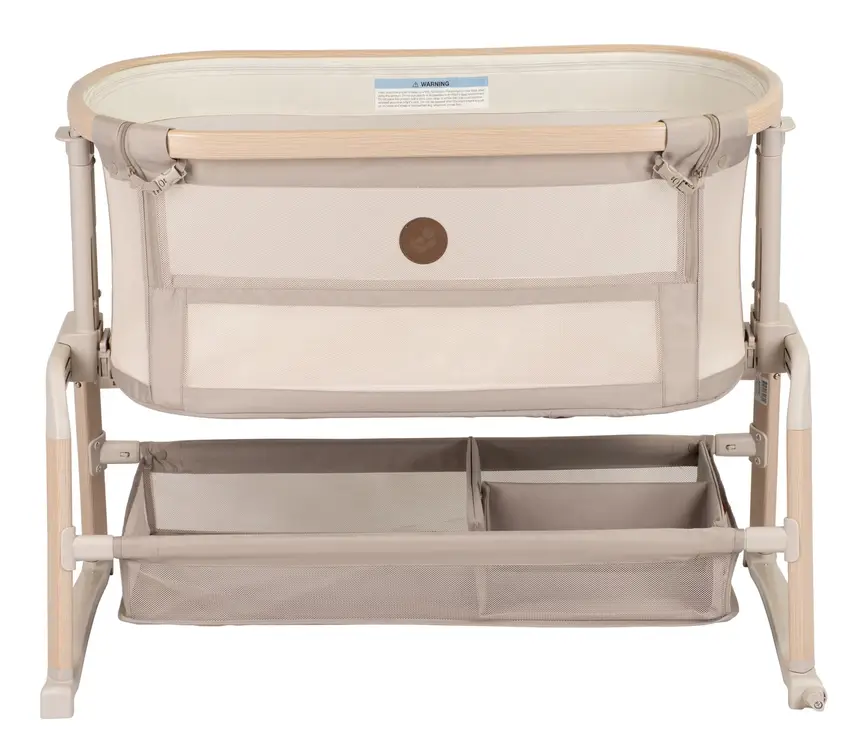
Maxi-Cosi Iora Lux
A bedside bassinet with 4 heights and 3 slide positions, with a 2-year warranty.
Read our full review →
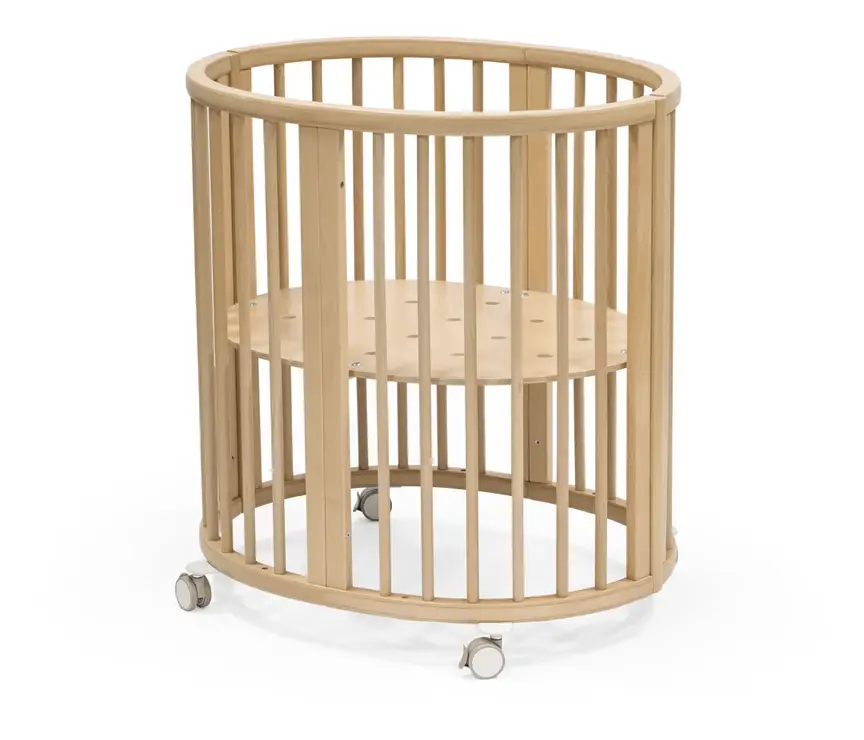


Stokke Sleepi Mini
A beech wood oval crib for newborns, with rods and a holed base for airflow.
Read our full review →Compare all cots, bassinets & bedside sleepers in our reviews →
Frequently asked questions
Can I use a bassinet rainshield to block the sun?
No. A clear plastic rainshield does not block UV rays, and it traps heat fast. Even on a cool sunny day, sunlight shining through clear plastic heats the air inside like a greenhouse. Use your pram's built-in sun hood, seek shade, and follow sun-safety advice from Cancer Council Australia, the NHS, the AAP, or the Canadian Paediatric Society.
Can my baby breathe safely under a bassinet rainshield?
Yes, as long as the rainshield is designed for a pram bassinet, has open air vents or mesh windows on the sides, and is fitted properly over a raised hood. Always take the cover off as soon as the rain stops or when you move indoors. Never seal a baby inside an unvented cover or a plastic cover with a blanket draped on top.
Should I leave the rainshield on if my baby falls asleep?
If you are still walking outside in the rain, yes, keep it on and keep checking your baby's neck warmth and the inside of the plastic for fogging. As soon as you step inside a warm building or the rain stops, gently take the rainshield off. Keeping your baby cool and safe matters more than keeping them asleep for a few extra minutes.
How do I stop my bassinet rainshield from fogging up?
Light misting can happen when warm breath meets cold rain-cooled plastic. Make sure all side vents on the rainshield and any back mesh vent on your pram hood are open. If your cover has a zip-down front window, unzip it slightly when the rain eases. If heavy fog builds up, take the cover off for a moment to let fresh air in.
Will a universal rain cover fit my bassinet?
Many universal bassinet covers fit standard oval or rectangular bassinets, because they have an elastic rim. Still, a brand-matched cover from your pram maker almost always fits better. It stays tighter in wind, sheds water without pooling, and lines up with your pram's built-in hood vents. If you buy a universal cover, test it on your bassinet at home before relying on it in heavy rain.
When do I switch from a bassinet rainshield to a stroller rain cover?
Switch as soon as your baby outgrows the bassinet. This is usually when they can roll over, push up on their hands and knees, or reach the bassinet's weight or length limit—often around 4 to 6 months. Once your baby moves into the upright stroller seat with a 5-point harness, use a stroller seat rain cover made for that seat shape.
Sources
- Product Safety Australia – Prams and strollers guide
- Pregnancy, Birth and Baby – Sun and heat protection for babies and kids
- Cancer Council Australia – Fact sheet: Sun protection and babies
- The Lullaby Trust (UK) – Room temperature
- NHS – Heatwave: how to cope in hot weather
- HealthyChildren.org (American Academy of Pediatrics) – Sun safety and protection tips
- U.S. CPSC – Phthalates business guidance
- Caring for Kids (Canadian Paediatric Society) – Sun safety
Related guides
More Sleep & Nursery →
Baby Bouncers and Rockers: How Long Is Safe, and How to Keep Your Baby's Airway Clear
How to Keep Your Baby Happy and Content in a Baby Swing

How to Set Up a Safe Bassinet Sleep Space for Your Newborn
