Convertible Cots as Full-Size Beds: Hidden Limits, Costs and Safety Rules
Thinking of buying a convertible cot that turns into a full-size bed? Learn the hidden rail costs, size limits, safety rules and when a standalone bed is…
On this page
- Key points at a glance
- What is a convertible cot, and how do the stages work?
- Why "full-size" means different things in different countries
- Ten real limitations of using a convertible cot as a full-size bed
- Side-by-side comparison: convertible cot vs standard cot vs cot bed
- Age and stage guide: from newborn to big-kid bed
- Safety standards and official rules: Australia, the UK, the US and Ca…
- Childproofing the bedroom before you take the cot side off
- How to decide: should you convert your cot or buy a separate bed?
- Common mistakes parents make with convertible cots
- Frequently asked questions
- Sources
Short answer: A convertible cot starts out as a baby cot. In the US and Canada, people call it a convertible crib. Later on, it turns into a toddler bed. Some models also turn into a full-size bed. On paper, buying one frame for all of childhood sounds clever. In real life, using a convertible cot as a full-size bed has big limits. The conversion rails usually cost extra. They often go out of stock before you need them. You still must buy a new mattress and base slats. Teething marks often spoil the wood early on. Also, the high baby cot back panel can look too young for an older child.
For many families, a standard cot is a much better buy. A simple two-stage cot bed is also a great choice. It goes from a cot to a toddler bed only. Later, you can pick a normal single or double bed. That way, the new bed actually fits your child's room and needs.
This guide explains how convertible cots work. It shows where the full-size bed stage falls short. It also explains how to keep your child safe at every sleep stage. We cover the rules and official advice in four countries. In Australia, this comes from the ACCC, Product Safety Australia, and Red Nose. In the UK, it comes from the Office for Product Safety and Standards, The Lullaby Trust, and the NHS. In the US, it comes from the Consumer Product Safety Commission and the American Academy of Pediatrics. In Canada, it comes from Health Canada and the Canadian Paediatric Society.
Key points at a glance
- Extra parts cost more: Most brands do not include the toddler rail in the main box. They do not include the full-size bed rails either. You must buy these kits separately.
- Parts get discontinued: Furniture models change very fast. Do not wait three years to buy the bed rails. By then, the brand may no longer make them.
- You still need a new mattress: Your cot mattress only fits the cot and toddler bed stages. A full-size bed needs a whole new adult mattress. It often needs a box spring or slat roll too.
- Room size matters: A baby cot takes up a small footprint. A full-size double bed takes up a huge part of a small bedroom.
- Wear and tear shows: Babies chew cot rails when teething. Toddlers scratch the paint with hard toys. By age five, the headboard may look quite battered.
- Safety comes first: Always follow safe sleep rules for every bed stage. You must also anchor all tall bedroom furniture to the wall.
What is a convertible cot, and how do the stages work?
In Australia and the UK, parents usually say "cot" or "cot bed". In the US and Canada, parents say "crib" or "convertible crib". They all do a similar job. Still, the exact mattress sizes differ by country.
A convertible cot is a wooden or metal baby bed. It is built with bolt-on panels. As your child grows, you unbolt some panels. Then you swap in new rails. Companies often sell them as "3-in-1", "4-in-1", or "5-in-1" beds.
Here is what those stages actually mean in everyday life.
Stage 1: The newborn and baby cot
You use this first stage from birth. Most children stay in it until around two or three years old. All four sides stay up. The mattress base usually has two height positions. You use the high position for a tiny newborn. This helps you lift your baby without straining your back. You must move the base to the low position later. Do this as soon as your baby can sit up or push up on hands and knees.
Stage 2: The toddler bed
One day, your toddler will try to climb out of the cot. At that point, the high sides are no longer safe. In this second stage, you take off the front cot wall. Some cots let you leave the front open. Others let you bolt on a short half-rail. That short rail stops your toddler from rolling out at night. This stage still uses the original cot mattress. Because the cot mattress is small, your child will outgrow it within a year or two.
Stage 3: The daybed
Brands count the "daybed" as a whole separate stage. This lets them print "4-in-1" on the box. In truth, a daybed is just the toddler bed without the short safety rail. It sits against a wall with three high sides and one open front. It still uses the same small cot mattress.
Stage 4: The full-size bed
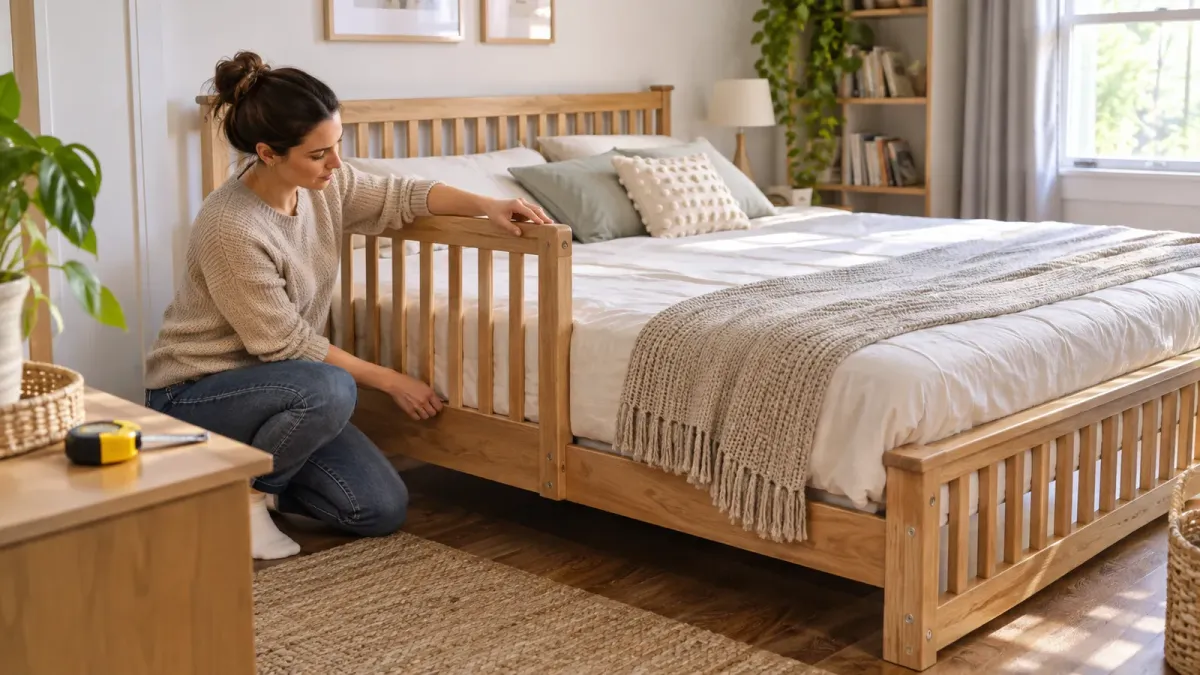
This is the final stage. You take the back panel of the baby cot. You use it as the headboard. On some models, the front panel of the cot becomes the footboard. Then you bolt long metal or wooden side rails between them. Finally, you place a full-size adult mattress on top. This is the stage where most parents run into trouble.
Cots, Bassinets & Bedside Sleepers worth a look
Real products from our catalogue. We don't show star ratings or review counts; check the current price, stock and reviews on Amazon before you buy.
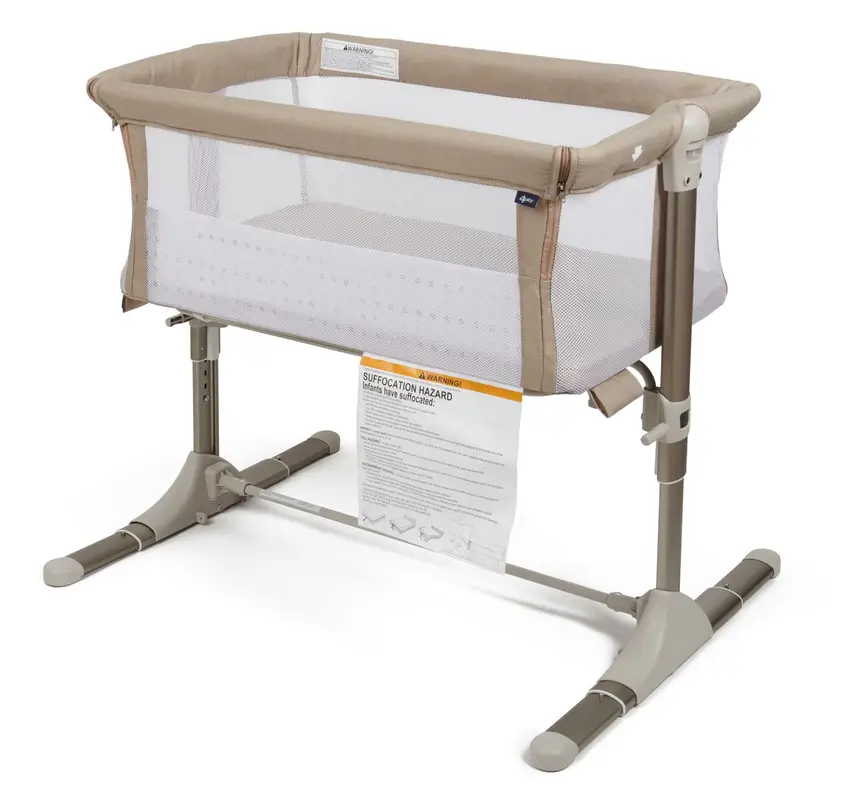
4baby Snuggle Cuddle Bedside Sleeper
A low-cost bassinet that turns into a bedside sleeper, with 4 heights and mesh sides.
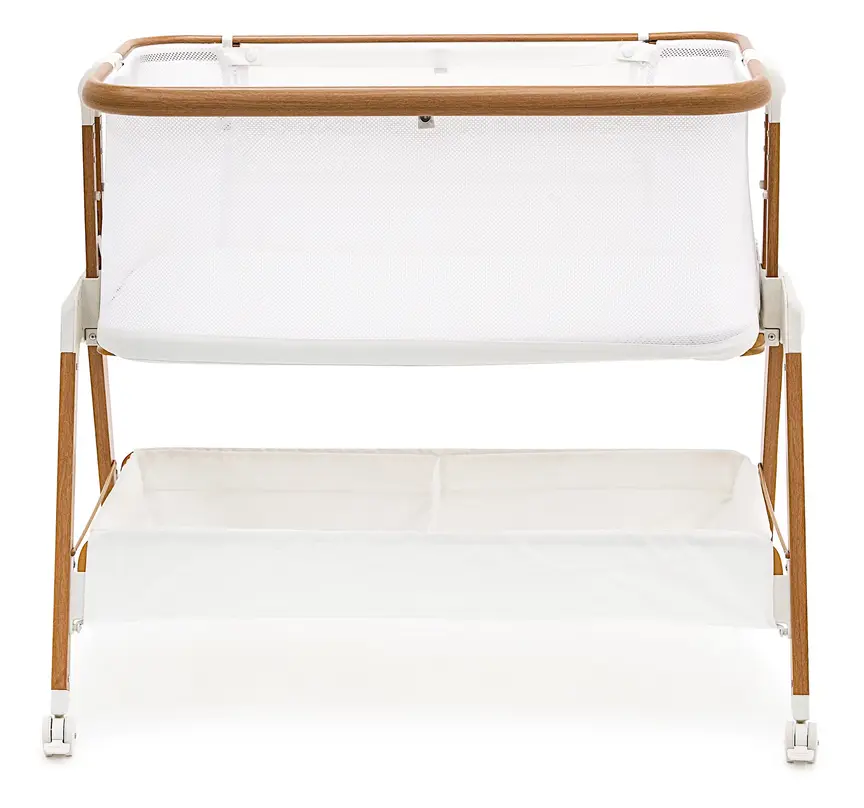
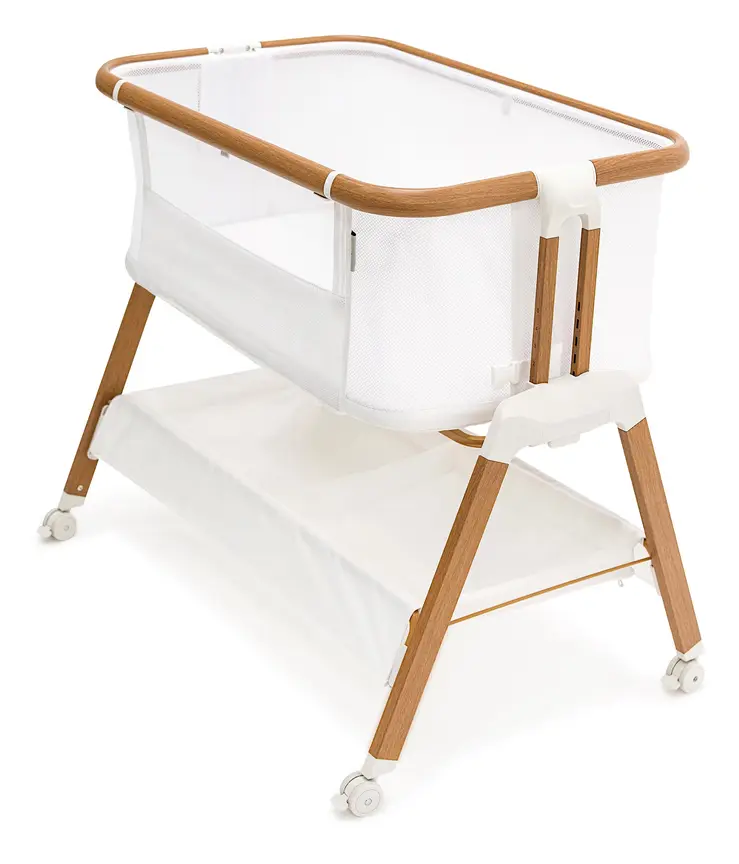
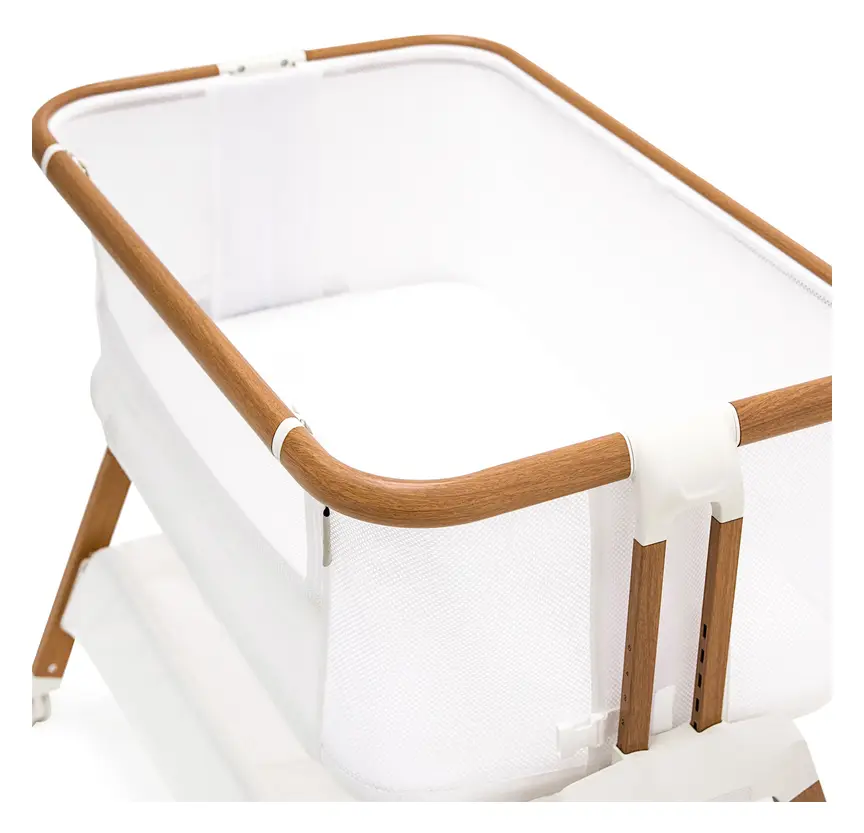
BabyRest Alfie2 Bedside Bassinet
A bedside bassinet with 5 heights, a drop-down side, wheels and an insect net.
Read our full review →

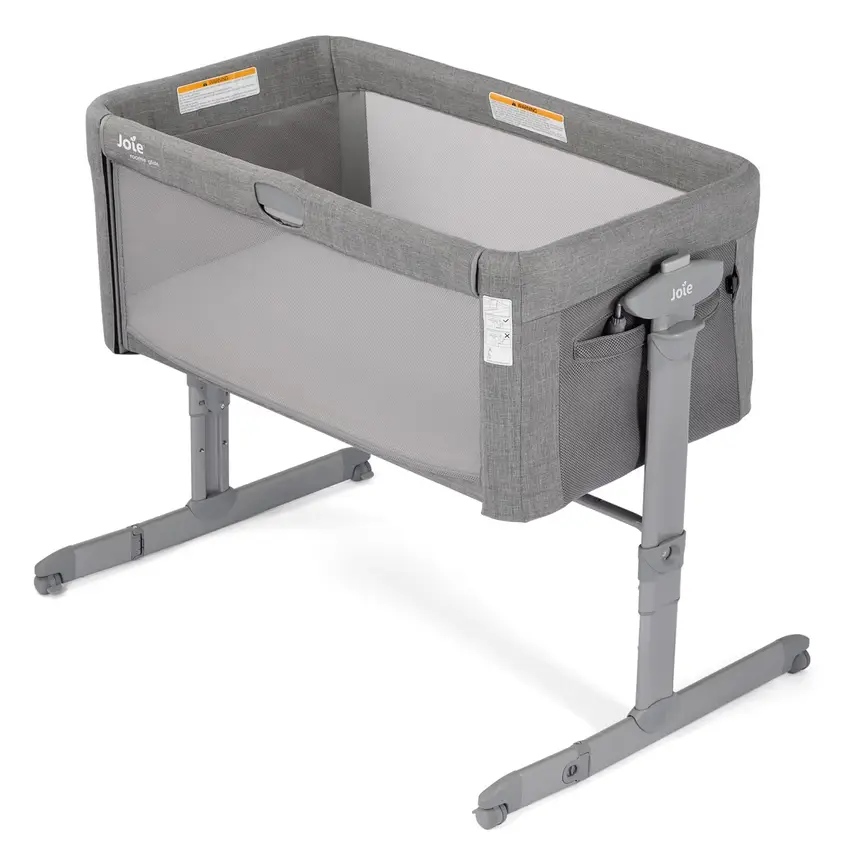
Joie Roomie Glide
A bedside sleeper that glides with one hand and has a gentle tilt.
Read our full review →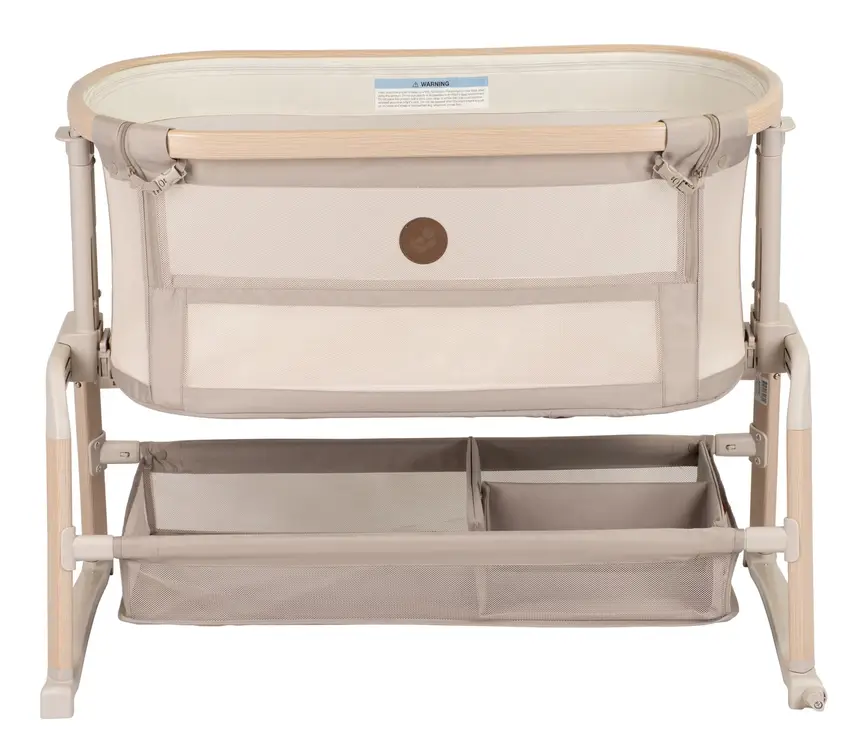 Reviewed
Maxi-Cosi Iora Lux
A bedside bassinet with 4 heights and 3 slide positions, with a 2-year warranty.
Read our full review →Compare all cots, bassinets & bedside sleepers in our reviews →
Why "full-size" means different things in different countries
Check what bed size a convertible cot actually makes before you buy it. Bed sizes and names are not the same across the English-speaking world.
- In the US and Canada: A "full-size bed" means a standard North American "Full" bed. People also call this a Double bed. This is a wide mattress meant for a larger room. It does not mean a Twin or single bed.
- In Australia and the UK: Most "cot beds" convert into a junior bed or toddler bed. They keep using the existing cot mattress. Only a few large convertible cots turn into a full single or double bed.
Always check the final footprint in centimetres or inches before you buy. Many parents assume a convertible cot turns into a neat little single bed. Instead, they find out it turns into a wide double bed. In a small room, that wide bed can block the wardrobe doors.
Ten real limitations of using a convertible cot as a full-size bed
Shop displays make convertible cots look like a smart way to save money. You buy one bed now. Your child sleeps in it until they leave school. That is the sales pitch. However, parents who actually go through all the stages often find hidden catches. Here are the ten biggest drawbacks to think about first.
1. Conversion kits are sold separately and add up fast
Read the fine print on the box when you buy a 4-in-1 cot. Almost every brand sells the cot frame alone. To turn it into a toddler bed, you often must buy a separate toddler guard rail. To turn it into a full-size bed, you almost always must buy a full-size rail kit.
Add the price of the cot, the toddler rail, and the full-size bed rails together. That total often costs much more than buying a plain cot now and a plain single bed later.
2. Conversion kits go out of stock or get discontinued
This is the number one complaint from parents. Most families buy the cot before the baby is born. They plan to buy the full-size bed rails in four years when they need them. Four years later, they look online. They find the cot model has been discontinued. The matching wood stain is gone. Even worse, the bolt holes on newer kits do not line up with their older cot frame.
Safety standards also update over time. When a country updates its cot standard, brands retire old frames. They stop making the old spare parts too. Do you really want to use the full-size bed stage? Then you must buy every rail kit on day one. You also have to store those long boxes in your garage or cupboard for years.
3. You still have to buy a new mattress and base
A convertible cot does not save you from buying a big-kid mattress. Your firm baby cot mattress only works for the cot and toddler bed stages. Once you bolt on the full-size rails, you have a wide empty frame. You must buy a new full-size mattress.
Many conversion kits only give you two thin side rails and a few narrow cross-bars. They cannot hold a heavy mattress on their own. You have to buy a separate bunkie board, a slat roll, or a low box spring. Without a proper base, the mattress will sag right through the frame.
4. Babies chew and scratch the wood
Babies start pulling up to stand in the cot around mid-infancy. That is the exact time their teeth are coming through. Teething babies love to chew on the top wooden rails. They also bang plastic rattles and wooden blocks against the slats. You can put fabric or silicone teething guards on the top rail. Even so, the side posts and back panel still get dented and scratched.
Later on, you convert the cot into a full-size bed. Those chewed and scratched cot panels become the permanent headboard and footboard. What looked lovely in the newborn nursery can look very worn out in a seven-year-old's bedroom.
5. A full-size bed takes up too much floor space
Children's bedrooms are often the smallest rooms in the house. A baby cot fits neatly in a corner. It leaves plenty of floor space for tummy time, toy baskets, and a nursing chair.
Converting a North American cot into a Full (Double) bed changes the room completely. The bed suddenly eats up most of the floor. A three-year-old or four-year-old rarely needs a wide double bed. They need open floor space to build blocks, read books, and play safely. A standard single or Twin bed hugs the wall. It leaves the middle of the room open for play.
6. Heavy, bulky frames are hard to move
Convertible cots that turn into full-size beds use thick, heavy wooden panels. Brands build them this way so they look like adult furniture. That extra weight makes the cot very hard to shift. You will notice this every time you vacuum underneath or reach for a dropped dummy.
Think about moving house too. Or think about moving the cot into your own bedroom for the first six months of room-sharing. A heavy convertible cot rarely fits through a standard doorway. You have to unbolt it and take it completely apart just to move it into the next room.
7. The high footboard makes changing sheets hard
On many convertible cots, the front rail of the cot becomes the footboard of the full-size bed. A cot side has to be tall to keep a standing baby safe inside. Because of this, it makes a very tall footboard on a bed.
A tall footboard stops your child from sitting on the end of the bed to put on their socks. It makes tucking in sheets and blankets awkward. It also gets in the way when a tall child or a parent stretches out on the bed.
8. You cannot reuse the cot for a second baby
Many families plan to have more than one child a few years apart. Think about what happens if your first child is still using the convertible cot as their bed. You will not have a cot ready for the new baby.
At that point, you still have to go out and buy a second bed. Most parents find another way much easier. They keep one sturdy standard cot for the new baby. Then they buy a fresh single bed for the older sibling.
9. Weight limits and frame wobble
A baby cot is built around the weight of a baby and a light toddler. In the full-size stage, you connect the front and back cot panels with two long bolt-on rails. All the weight rests on small corner brackets and bolts.
In real life, parents sit or lie on their child's bed every night. We sit there to read books or cuddle our kids to sleep. Some convertible frames creak or flex under two people. Others have strict weight limits in the full-size stage. A dedicated wooden or metal single bed frame is built from the start to hold both a child and a parent sitting together.
10. Your child's style and storage needs change
A nursery often has soft, babyish styling. Many cots have curved sleigh tops or pastel wood finishes. By the time your child is six or eight, their tastes change. They may want a plain modern bed. Or you may need a bed with pull-out toy drawers underneath to save space. Locking yourself into one style before your baby is born leaves no room to adapt later.
Side-by-side comparison: convertible cot vs standard cot vs cot bed
This table compares your three main choices. Use it to see which setup fits your home and budget best.
| Feature | 4-in-1 Convertible Cot (to Full Bed) | 2-in-1 Cot Bed (to Toddler Bed only) | Standard Cot + Separate Single Bed Later |
|---|---|---|---|
| Stages included | Cot, toddler bed, daybed, full-size bed | Cot and toddler bed (uses same mattress) | Cot first; standalone single bed later |
| Extra kits to buy | Toddler rail kit + full-size bed rail kit + bed base slats | Usually none (end panels split or side comes off) | None |
| Mattresses needed | Two (cot mattress first, full-size mattress later) | One (same cot mattress for both stages) | Two (cot mattress first, single mattress later) |
| Floor space in a small room | Takes up a lot of floor space in the final stage | Compact from start to finish (until around age 4) | Compact; single bed leaves floor room for play |
| Can a younger sibling use the cot? | No, if the older child is using the frame as their bed | Only after the older child moves to a single bed | Yes, the cot frees up as soon as the older child moves up |
| Room-sharing in parents' room | Often too wide and heavy to fit beside your bed | Medium footprint; check bedroom door width | Easier to fit; compact cots and bassinets fit best |
| Best for | Families with a large bedroom who buy all rail kits on day one | Families wanting an easy bridge from age 2 to age 4 | Most families, small homes, and parents planning two children |
Age and stage guide: from newborn to big-kid bed
Every child goes through the same physical milestones, whether they sleep in a convertible cot or a standard cot. Moving to the next bed stage too early is a common safety mistake. Here is what happens at each stage and what official health bodies advise.
Stage 1: Birth to around 6 months (room-sharing)
Health authorities across all four countries give the same advice for the first six months. This includes Red Nose in Australia, The Lullaby Trust and the NHS in the UK, the American Academy of Pediatrics in the US, and Health Canada and the Canadian Paediatric Society in Canada. Your baby should sleep in their own safe cot or bassinet in the same room as you.
Always keep the cot bare. Place your baby on their back on a firm, flat, well-fitting mattress. Do not put pillows, cot bumpers, positioning wedges, soft toys, or loose blankets in the cot. You can use the higher mattress base setting for a newborn. Only use it while your baby cannot roll or pull up.
Stage 2: Sitting and pulling to stand (around 5 to 9 months)
Drop the cot mattress base to its lowest setting before your baby can sit up alone. Do not wait until they pull themselves up on the slats. If you leave the mattress high, a baby can learn to pull up overnight. Then they can tip right over the top rail and fall onto the floor.
Check the space around the cot at this stage too. Move the cot away from windows, blind cords, heaters, lamps, baby monitor cords, and wall shelves. A standing baby can reach much further than you think.
Stage 3: Moving from cot to toddler bed (around 2 to 3.5 years)
Many parents rush to convert the cot into a toddler bed around their child's first birthday. Safety experts advise waiting longer if you can. A cot with high sides keeps a young toddler safely contained while you sleep.
Red Nose in Australia advises keeping your child in the cot until they try to climb out. This usually happens between two and three-and-a-half years old. In the US, the American Academy of Pediatrics and the Consumer Product Safety Commission give clear height markers. Move your child to a bed once they are 35 inches (89 cm) tall, when the top rail is below their chest (nipple line), or as soon as they try to climb out.
Stage 4: Moving to a single or full-size bed (around 3 to 5 years)
Eventually, your child will outgrow the length of the cot mattress. Or you may need the cot for a new baby. That is the time for a standard bed. If you use a low toddler bed or place the mattress low to the floor first, falls are tiny. This helps while your child learns where the edge of the bed is. You can add a removable bed guard rail if the bed sits off the floor. Make sure there is no gap between the guard rail and the mattress where a child could get trapped.
Side by side: more cots, bassinets & bedside sleepers to compare
Real products from our catalogue. We don't show star ratings or review counts; check the current price, stock and reviews on Amazon before you buy.
 Reviewed
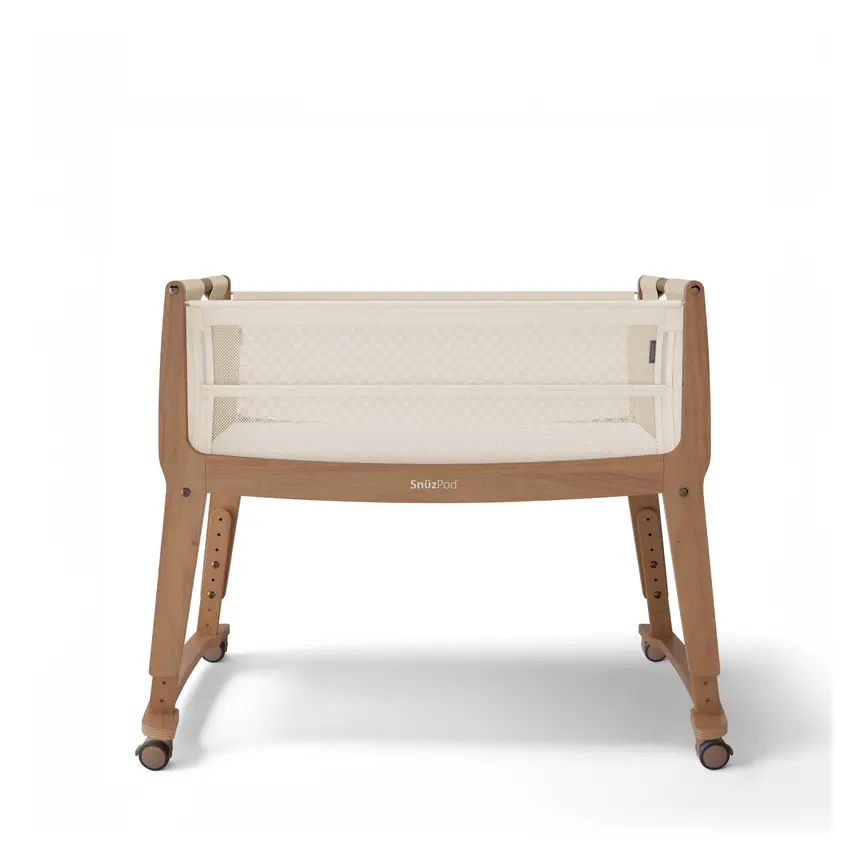
SnuzPod Studio
A bedside crib for night sleeps and naps, with panoramic mesh and a zip-down wall.
Read our full review →
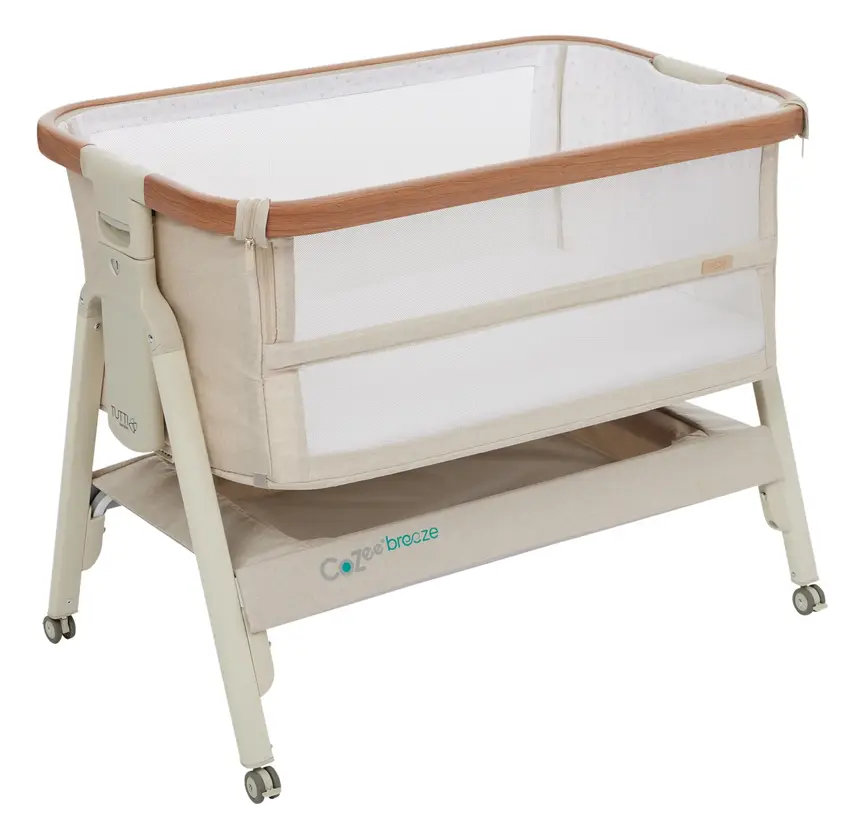
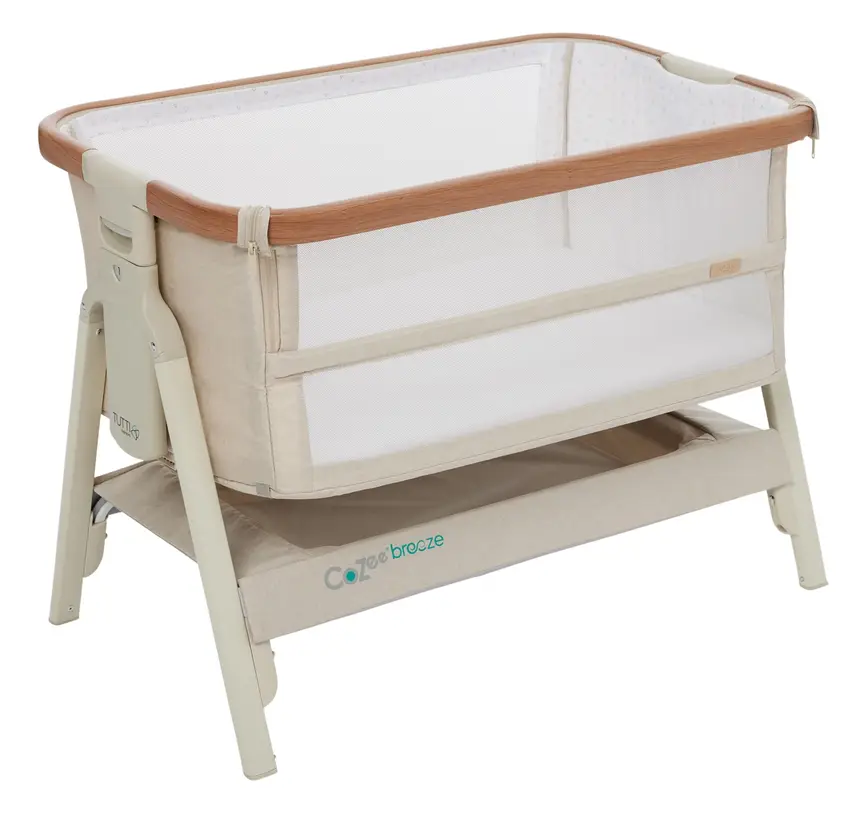
Tutti Bambini CoZee Breeze Lite
A bedside sleeper that opens or folds in about 30 seconds, with mesh sides and a travel bag.
Read our full review →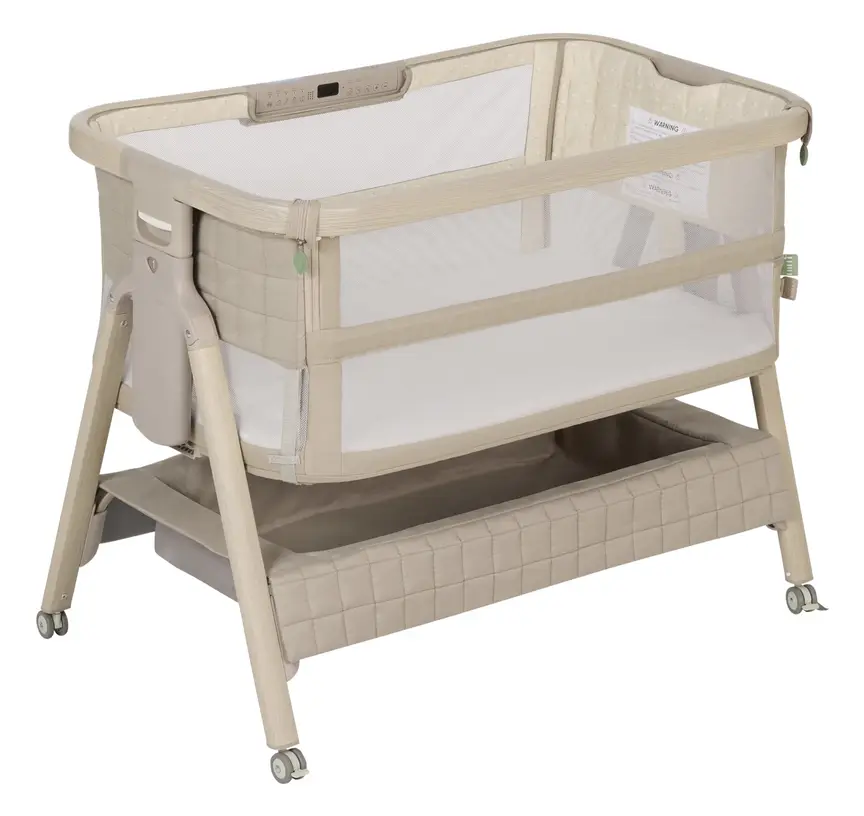
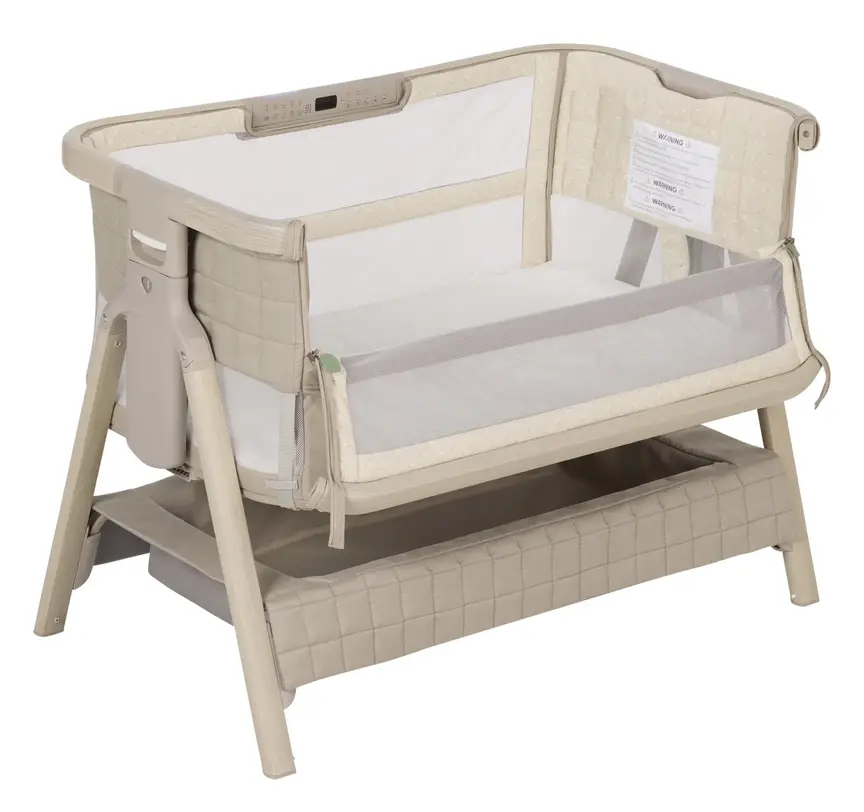


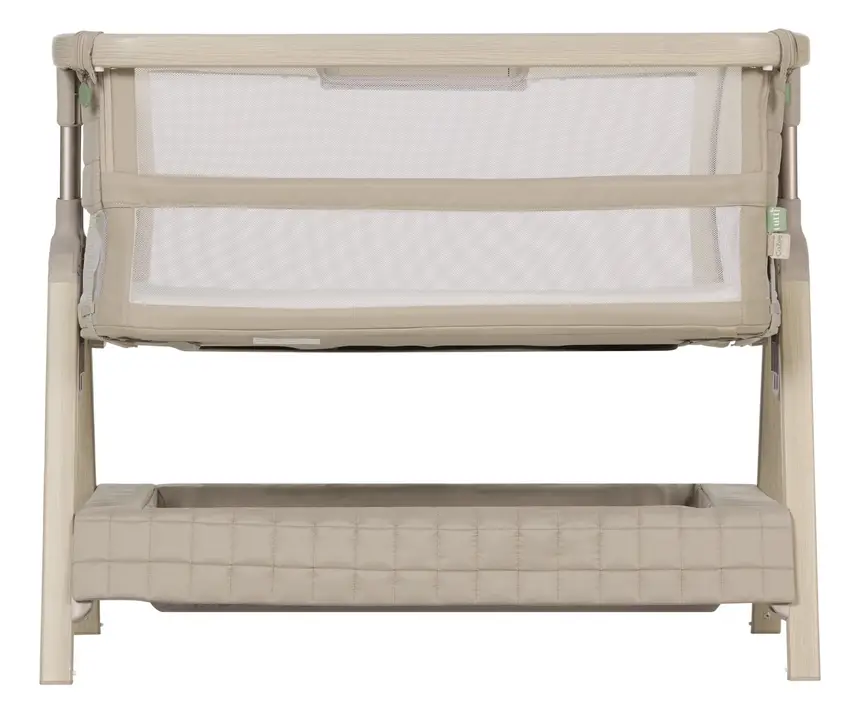


Tutti Bambini CoZee Sense
A bedside bassinet with a sensory bar for supervised awake time.
Read our full review →
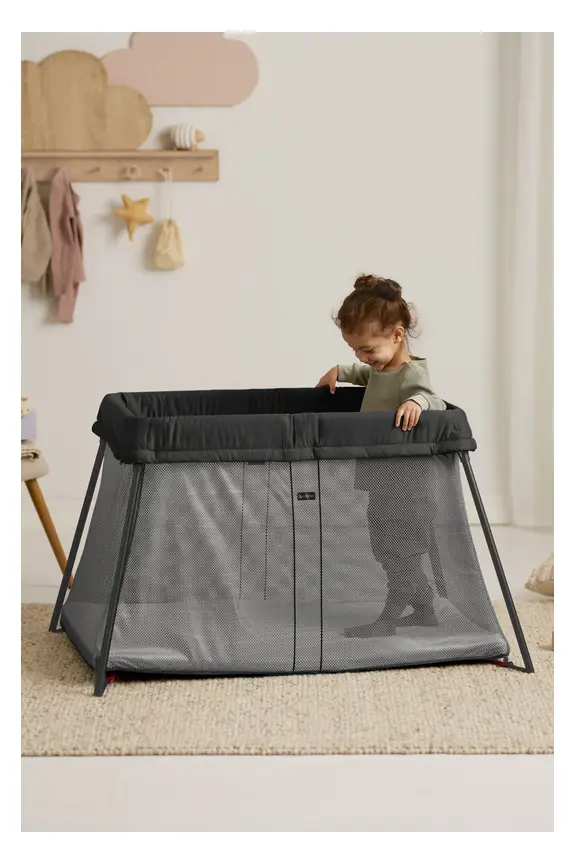
4baby Vacation Portacot
A low-cost portacot with a padded mattress and mesh sides.
Compare all cots, bassinets & bedside sleepers in our reviews →
Safety standards and official rules: Australia, the UK, the US and Canada
Cot safety rules are strict because babies spend many hours sleeping unattended. Every slat gap, corner post, lock, and mattress fit is tested. These rules prevent head entrapment, choking, strangulation, and falls.
Never use a drop-side cot where one side slides up and down. Drop-side hardware can wear out or unlatch. That creates a dangerous gap that can trap a baby. Drop-side cots are banned in the US and Canada. Safety agencies in Australia and the UK also strongly warn against them.
Here is how the mandatory standards and official bodies line up across the four countries:
| Country | Regulator & Safe Sleep Bodies | Mandatory Cot & Mattress Standards | Key Rules for Convertible Cots |
|---|---|---|---|
| Australia | ACCC (Product Safety Australia) and Red Nose | AS/NZS 2172 (household cots) and AS/NZS 8811.1 (voluntary mattress firmness test) | Must meet AS/NZS 2172 in cot mode. Slat gaps must be between 50 mm and 95 mm. No footholds or snag points inside the cot. |
| United Kingdom | Office for Product Safety and Standards (OPSS), The Lullaby Trust, and NHS | BS EN 716 (children's cots and folding cots) and BS EN 16890 (cot mattresses) | Cot beds must pass BS EN 716 for the cot stage. Distance between bars must be 45 mm to 65 mm. Mattress gap must not exceed 30 mm. |
| United States | U.S. Consumer Product Safety Commission (CPSC) and American Academy of Pediatrics (AAP) | ASTM F1169 (full-size baby cribs) and ASTM F2933 (crib mattresses) | All convertible cribs must pass ASTM F1169. Drop-sides are banned. Corner posts must not stick up more than 1/16 inch unless tall enough for a canopy. |
| Canada | Health Canada and Canadian Paediatric Society (Caring for Kids) | Canadian Cribs, Cradles and Bassinets Regulations | Strict rules on slat spacing (no more than 6 cm), mattress thickness (no more than 15 cm), and zero drop-sides. |
Important note on standard testing
A convertible cot may say it meets AS/NZS 2172, BS EN 716, or ASTM F1169. Keep in mind that this test chiefly covers the baby cot mode. Sometimes a related rule covers the toddler bed mode too. However, once you bolt on long rails to make an adult-size double bed, the bed is treated like general bedroom furniture. That is why you must check the corner brackets, centre support legs, and mattress fit carefully yourself.
Childproofing the bedroom before you take the cot side off
Converting a cot into a toddler bed or full-size bed brings one huge change. That change has nothing to do with the bed frame itself. Your child can now get out of bed in the dark while the rest of the house is asleep.
Safety groups in all four countries warn about this step. Red Nose Australia, Kidsafe, RoSPA in the UK, the CPSC in the US, and Health Canada all say the same thing. Once your child leaves a closed cot, the whole bedroom becomes their sleep space. Walk through the bedroom and complete this safety check before you remove the cot rail:
- Anchor all tall furniture to the wall: Toddlers climb open drawers like ladders. When drawers are pulled out, chests of drawers, bookshelves, and wardrobes can tip forward. A falling dresser can crush a child. Use wall straps or L-brackets screwed into wall studs. Product Safety Australia and the US CPSC "Anchor It!" campaign stress that every dresser and bookcase in a child's room must be anchored.
- Eliminate blind and curtain cords: Loose window cords can strangle a child in seconds. Toddlers often climb onto a converted bed to look out the window. Fit cordless blinds if you can. Otherwise, secure all cords high out of reach with a tension device fixed to the wall. Always keep the bed away from the window.
- Unplug and remove baby monitor cords: In a cot, you kept the camera cord at least one metre (three feet) away. Once a toddler can roam the room, they can reach wall sockets and pull cords down. Switch to a cordless ceiling-mounted monitor or remove corded cameras from reach.
- Lock away medicines, creams, and button batteries: Nappy rash tubes, vapour rubs, thermometer button batteries, and cleaning sprays are dangerous if swallowed. Do not leave them on a change table or low shelf. Clear the room of all small items and chemicals.
- Put a safety gate on the bedroom door or stairs: Fit a hardware-mounted safety gate meeting BS EN 1930 or your local home gate standard. Place it at the bedroom doorway or top of the stairs. This stops your child from wandering into the kitchen, bathroom, or down the stairs at night.
- Check the gap between the bed and the wall: Many parents push a converted bed against a wall so their child does not roll out. If you do this, push the frame tight against the skirting board. Leave zero gap where a child's head or body could slide between the mattress and the wall.
How to decide: should you convert your cot or buy a separate bed?
Are you still deciding whether to buy a convertible cot? Or are you wondering whether to buy the full-size rail kit for a cot you already own? Ask yourself these five simple questions:
- Can I buy the conversion rails right now? Check if the toddler rail and full-size rail kit are in stock today. If they are out of stock now, do not count on finding them in three years. Treat the cot as a normal cot only.
- What do the conversion rails and base slats cost? Add up the price of the rail kit plus a slat roll. Compare that total against the price of a basic wooden single bed frame. Often, a standalone single bed costs almost the same as the conversion rails alone.
- Will we have another baby within three years? If yes, your new baby will need the cot. Keep the cot as a cot. Buy your toddler a separate bed when the time comes.
- How big is the bedroom? Measure the floor with masking tape. Mark out the exact size of a full-size double bed. Check if you can still open the door, open the wardrobe drawers, and walk around the bed easily.
- Is the cot still in safe, solid condition? Check for split wood, stripped screw holes, missing bolts, or deep teething marks. Never convert a cot that has damaged hardware or loose joints.
Common mistakes parents make with convertible cots
Avoiding these common slip-ups will save you money and keep your child safer:
- Waiting until age three to look for the conversion kit: By then, the model or wood colour is often gone forever.
- Using random hardware from a hardware store: Did you lose the bolts that came with your cot? Order the exact spare parts from the manufacturer. Wrong bolt lengths can split the wood, leave sharp points sticking out, or let the frame collapse.
- Buying a soft pillow-top mattress for a young toddler: Young children still need a firm, supportive surface even in a bigger bed. Keep heavy quilts and lots of pillows off a young toddler's bed.
- Converting the cot too early after one bad night of sleep: A 14-month-old who wakes up crying does not need a toddler bed. Removing the cot side too early usually makes bedtime harder. A one-year-old cannot understand the rule to stay in bed. Wait until they are climbing out or ready around age two to three.
- Leaving the cot mattress on the high setting once baby can sit: Always drop the base before your baby learns to sit or pull up.
- Using portable bed rails that leave gaps: You might add a portable bed rail to a converted full-size bed. Make sure it straps tightly under the mattress. A loose bed rail can shift outward and trap a child between the rail and the mattress edge.
More options, from budget to premium
Real products from our catalogue. We don't show star ratings or review counts; check the current price, stock and reviews on Amazon before you buy.
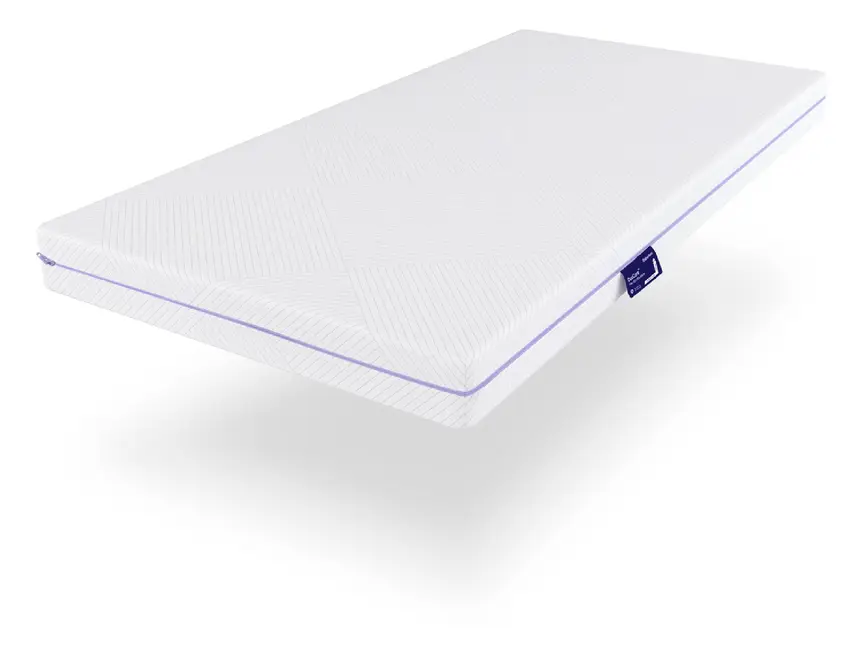
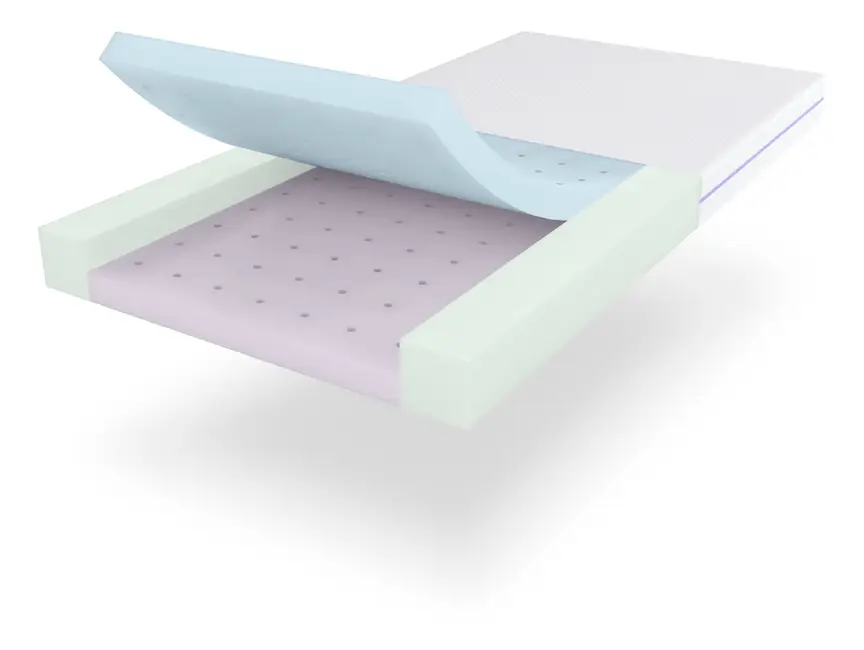

BabyRest Duocore Bamboo Cot Mattress
A two-sided mattress: a baby side to 12 kg and a toddler side from 12 kg to about 4 years.
Read our full review →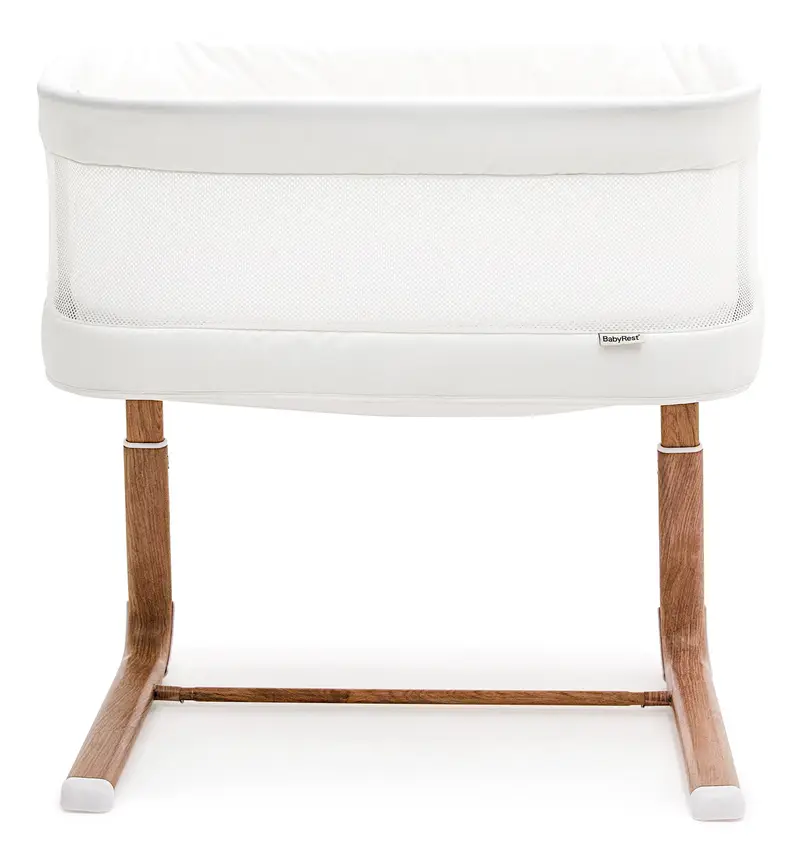
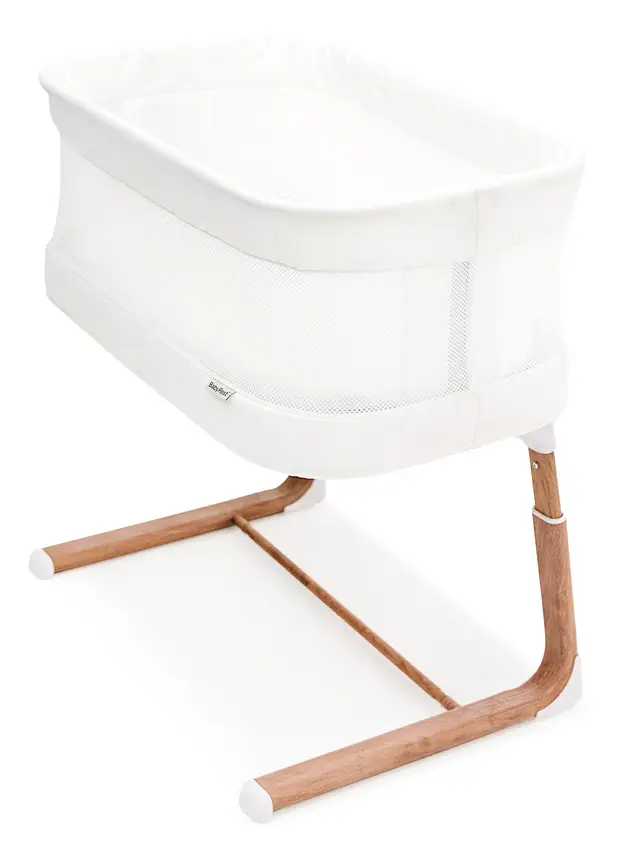


BabyRest Swan Smart Bassinet
A bassinet that rocks by itself when baby stirs, with 3 rocking levels, lullabies and a remote.
Read our full review →Compare all cots, bassinets & bedside sleepers in our reviews →
Frequently asked questions
Are 4-in-1 convertible cots actually worth the money?
For most families, a 2-in-1 cot bed is good value. It turns from a cot into a toddler bed using the same mattress and included parts. A 4-in-1 cot that turns into a full-size double bed is rarely worth the extra money. It only makes sense if you have a large bedroom, plan to use the frame for one child, and buy all the conversion rail kits on day one.
Can I use universal bed rails to convert my cot into a full-size bed?
Sometimes this works if your cot has standard front-to-back bolt holes on the headboard. A universal metal bed frame can sometimes bolt onto the headboard alone. However, universal frames often do not line up with both the headboard and footboard. They may also fail to hold heavy wooden cot panels safely. Always check with the cot manufacturer first.
What age should a child move from a cot to a bed?
There is no single magic birthday. Still, safety groups like Red Nose in Australia, The Lullaby Trust in the UK, the AAP in the US, and the Canadian Paediatric Society agree on the signs. Move your child out of the cot when they start trying to climb over the rail. Also move them when the top rail sits below their chest (around 89 cm or 35 inches tall). This usually happens between two and three-and-a-half years old.
Why do cot conversion kits cost so much?
Manufacturers often price the baby cot low to get parents to choose their brand. Then they charge a high price for the matching wooden toddler rail and full-size bed rails. Because the rails are long and heavy to ship, shipping costs also add to the price.
Can I skip the toddler bed stage and go straight from a cot to a single or full-size bed?
Yes. You do not have to use the toddler bed stage at all. Keep your child safely in their cot until around age three. Then they can move straight into a normal low single bed. You can even put the mattress on the floor for a few weeks while they get used to the change. Just make sure you childproof the entire bedroom first. Anchor all furniture to the wall and keep blind cords out of reach.
Is it safe to buy a second-hand convertible cot?
Be very cautious with second-hand cots. Only use a second-hand cot if it has its full instruction manual and all original bolts and brackets. Check that it has no missing or cracked slats and no drop-side rails. Look for a clear label showing it meets the current standard in your country. That is AS/NZS 2172 in Australia, BS EN 716 in the UK, or ASTM F1169 in the US. Always buy a brand-new, firm mattress that fits snugly with no gaps.
Sources
- Product Safety Australia – Household cots guide
- Red Nose Australia – When to move from cot to bed
- Red Nose Australia – Making your home safe before moving a child from a cot to a bed
- The Lullaby Trust (UK) – Sleeping products
- CPSC (US) – Safe sleep: cribs and infant products
- CPSC (US) – Anchor It! furniture tip-over prevention
- Caring for Kids (Canadian Paediatric Society) – Safe sleep for babies
Related guides
More Sleep & Nursery →
Convertible Cribs and Cots: How They Work and How to Turn One into a Full-Size Bed

Smart Cots and Connected Bassinets: What They Do, Safety Rules, and How to Choose

Mini Cots vs Full-Size Cots: Choosing Safely for a Small Home or Apartment