Cot Mobiles: Clamp Safety, Hanging Height and When to Take Them Down
Cot mobile safety: how to fix the clamp, how high to hang it, why it must come down once your baby can push up on hands and knees, and what each country…

On this page
- What a cot mobile is
- The main risks
- How to fix the clamp safely
- How high should it hang?
- When to take it down
- What each country says
- Types of mobile compared
- A safer idea: move the mobile out of the cot
- Month by month: what changes
- A quick safety check before every use
- If the mobile keeps falling or the clamp won't hold
- How to choose a mobile
- Common mistakes
- Setting up a safe sleep space around the cot
- FAQ
- Sources
Short answer: A cot mobile must be fixed firmly, hung well out of your baby's reach, and taken down as soon as your baby can push up on their hands and knees or sit up. Health Canada says this clearly: once your baby can sit upright or push up on hands and knees, remove mobiles and toy bars. In Australia, Red Nose and Product Safety Australia go further and suggest not hanging mobiles near the cot at all, because they can fall in or be pulled down. If you do use one, treat it as a short-term toy for a young baby who can't yet reach it, and check the clamp every time.
Key points
- Health Canada: remove mobiles and toy bars when your baby can sit up or push up on hands and knees.
- Product Safety Australia: don't set up a cot within reach of decorative mobiles, blinds, curtain cords, heaters or electrical items.
- Red Nose: avoid hanging mobiles, bunting or other items near the cot, as they can fall in.
- Strings, ribbons and cords on a mobile are a strangling risk. Small parts and button batteries are a choking risk.
- Nothing should hang down into the cot space or be reachable from it.
What a cot mobile is
A cot mobile (crib mobile in the US and Canada) is a hanging toy. It usually has an arm that clamps or screws onto the cot rail, with small figures hanging from it. Some spin, play music or project lights. Others hang from the ceiling instead of clamping to the cot.
Parents like mobiles because young babies enjoy looking at shapes, colours and slow movement. Watching things move is part of how babies learn to use their eyes. But a mobile is a toy, not a sleep aid, and the space where your baby sleeps should stay bare and safe.
The main risks
1. Strangling
Mobiles often have strings, ribbons or cords. If your baby can reach them, or if they hang low into the cot, they can wrap around your baby's neck. Health Canada says don't put your baby to sleep with any type of cord nearby, and reminds parents that cords and kids don't mix.
2. Falling into the cot
Clamps loosen. Arms crack. Ceiling hooks pull out. Red Nose warns that hanging items can fall into the cot. A heavy mobile landing on a baby can hurt them, and loose parts or strings in the cot add new dangers.
3. Pulling it down
Once a baby can reach up, roll, sit or push up, they can grab a mobile and pull it into the cot. This is why Health Canada sets "push up on hands and knees" or "sit upright" as the time to remove it.
4. Choking
Small figures, beads and decorations can break off. Mobiles with lights or music may use batteries. Product Safety Australia warns that button batteries can cause severe injuries if swallowed. Battery covers must be screwed shut and out of reach.
5. Climbing
Toddlers can use a clamp or arm as a foothold to climb out of the cot.
How to fix the clamp safely
If you use a clamp-on mobile, follow the maker's instructions exactly. These checks help:
- Use it only on the type of cot it's made for. Some clamps only fit rails of a certain thickness or shape.
- Fit it to the outside of the cot, where the instructions say. The arm should not stick into the cot space where your baby could grab it.
- Tighten it fully. Give the arm a firm shake. It shouldn't slip, tilt or turn.
- Check it every time you use it. Clamps loosen as the cot is bumped and the mobile spins.
- Don't add extra hooks, ties or tape to make it hold. If it won't stay tight, stop using it.
- Don't clamp it to a portacot or bassinet unless the maker says it's made for that product.
- Check for cracks in the arm and clamp, especially on second-hand mobiles.
Cots, Bassinets & Bedside Sleepers worth a look
Real products from our catalogue. We don't show star ratings or review counts; check the current price, stock and reviews on Amazon before you buy.
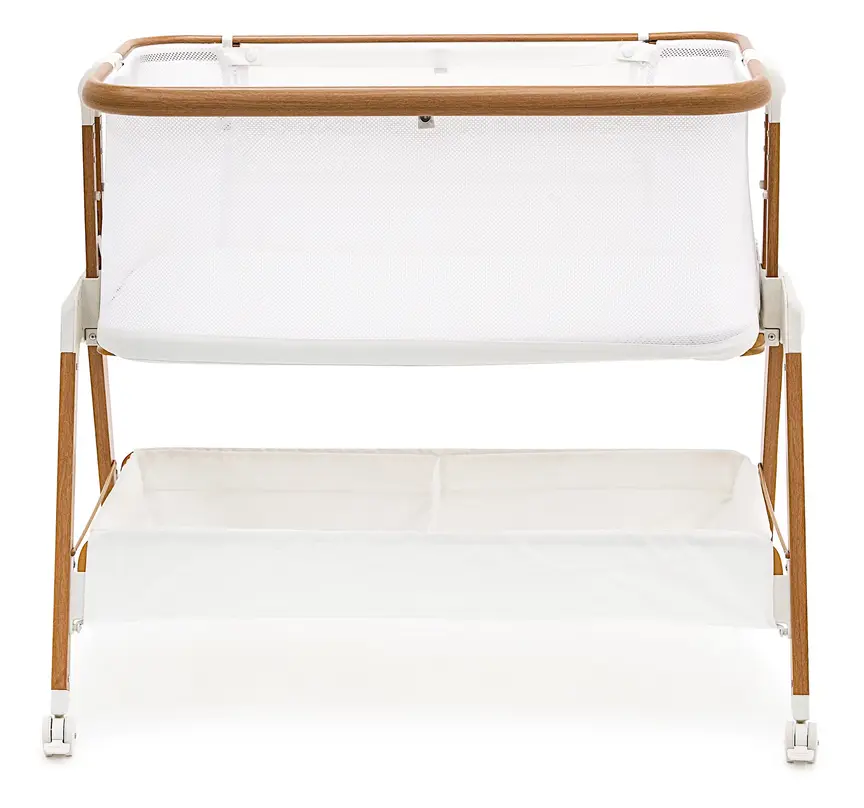
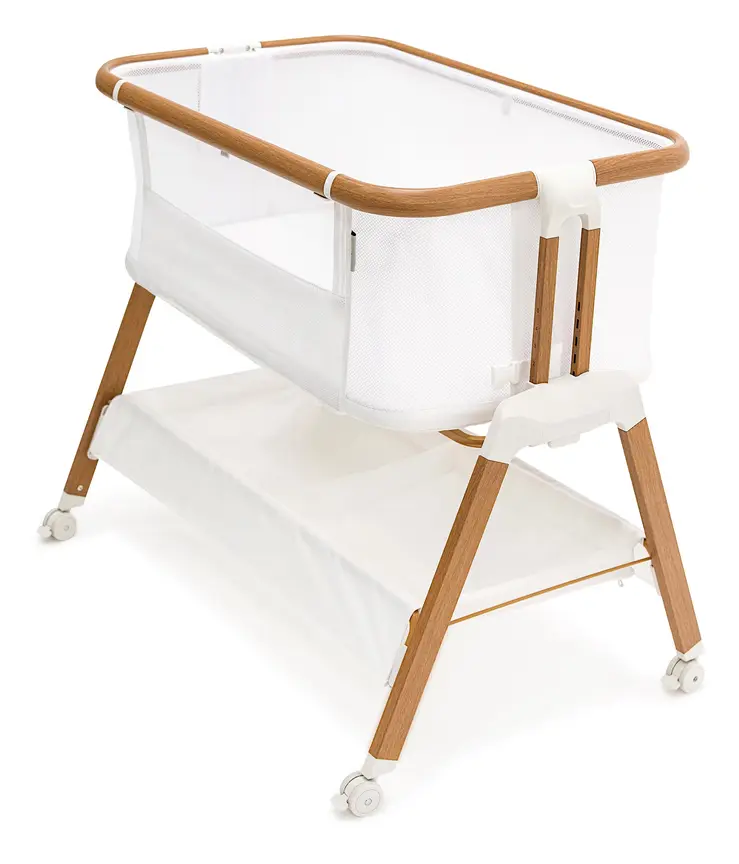
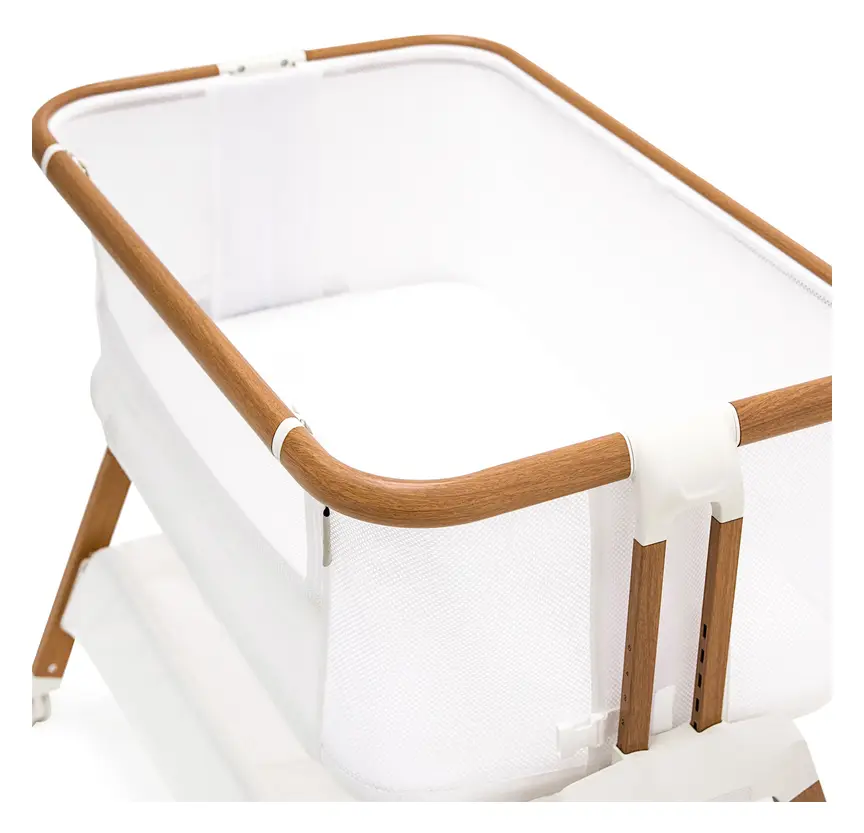
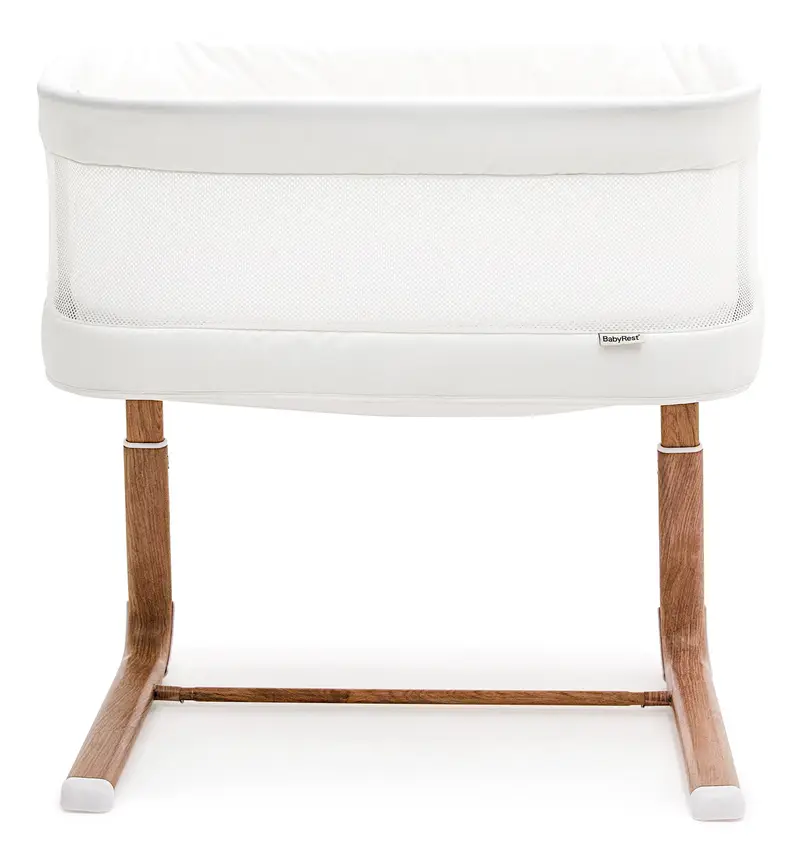
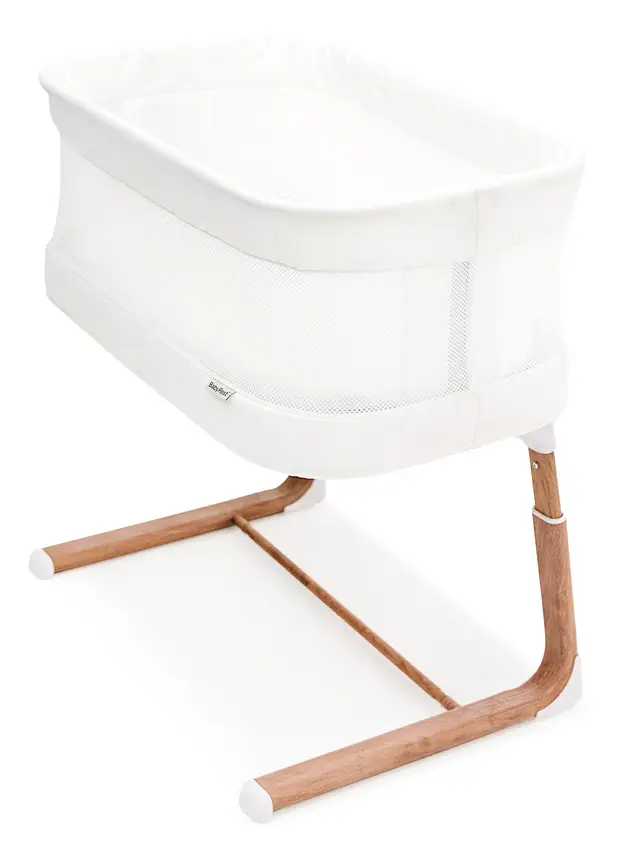
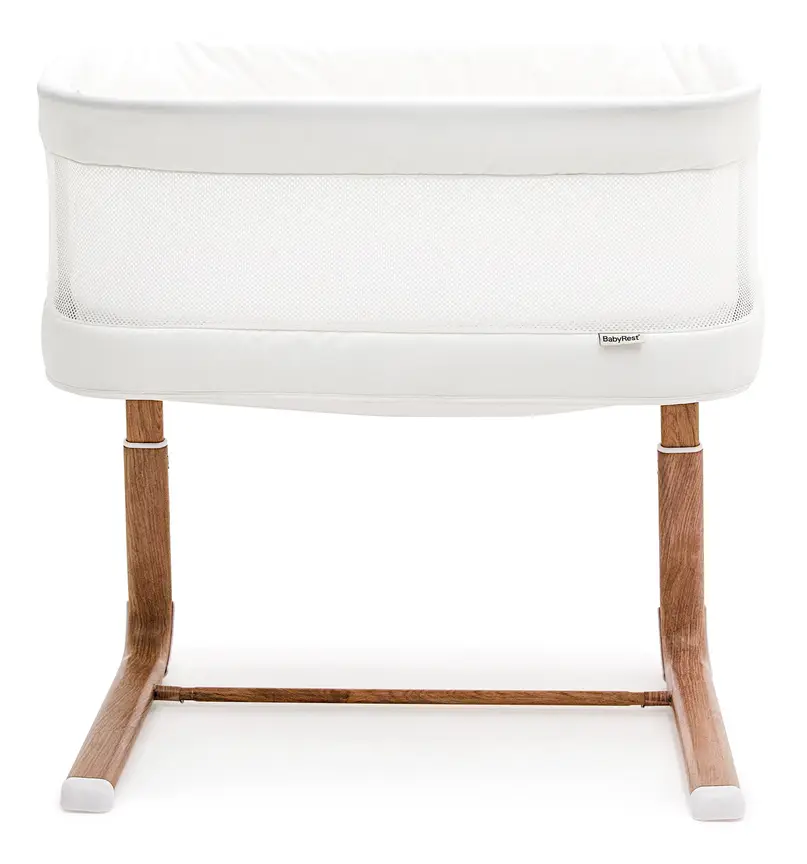
BabyRest Alfie2 Bedside Bassinet
A bedside bassinet with 5 heights, a drop-down side, wheels and an insect net.
Read our full review →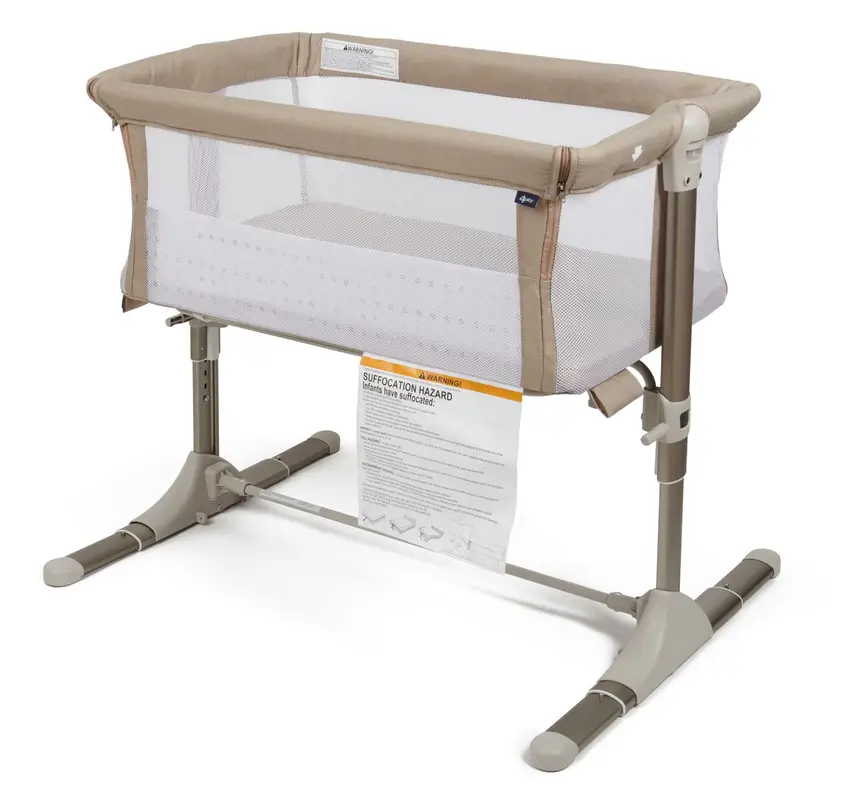
4baby Snuggle Cuddle Bedside Sleeper
A low-cost bassinet that turns into a bedside sleeper, with 4 heights and mesh sides.


BabyRest Swan Smart Bassinet
A bassinet that rocks by itself when baby stirs, with 3 rocking levels, lullabies and a remote.
Read our full review →
Boori Oasis Oval Cot
A curved solid beech cot on lockable wheels, with two base heights.
Compare all cots, bassinets & bedside sleepers in our reviews →
How high should it hang?
The rule that matters most is this: your baby must not be able to reach any part of it, and nothing should hang down into the cot space. Check the maker's instructions for the hanging height and string length.
Some practical points:
- Lie your baby down and look from their level. Their hands, when stretched up, should be well short of the lowest part.
- Remember that babies grow and stretch quickly. A mobile that's out of reach this week may not be next week.
- Many mobiles come with a fixed length. Don't add string to lower it, or tie knots to shorten it, unless the instructions allow.
- If you lower the cot base as your baby grows (which Health Canada advises once your baby can sit or push up), the mobile should already have been removed.
What about babies' eyesight?
New babies see best at short distances and like bold shapes and contrast. That doesn't mean a mobile needs to hang close. Babies can watch a mobile or picture from further away, and they also learn a lot from faces, which they see during feeds and play. You don't need to bring a toy close to the cot to help your baby's eyes develop.
When to take it down
Health Canada gives the clearest rule: remove mobiles and toy bars when your baby can sit upright or push up on their hands and knees. At the same time, lower the cot mattress base to its lowest setting.
Signs your baby is getting there:
- lifting their head and chest high during tummy time;
- rolling over;
- getting up on hands and knees and rocking;
- sitting with little support;
- reaching and grabbing at things above them.
Many babies reach these stages somewhere around 5 to 6 months, but every baby is different. Watch your baby, not the calendar. If in doubt, take it down early.
What each country says
| Country | Advice on mobiles and items near the cot | Source |
|---|---|---|
| Australia | Don't set up a cot within reach of decorative mobiles, blinds, curtain cords, heaters or electrical appliances. Red Nose suggests not hanging mobiles, bunting or other items near the cot, because they can fall in. | Product Safety Australia, Red Nose |
| United Kingdom | Place the cot away from radiators, direct sunlight, blind cords and any other hazards. Keep the cot clear of extra items. | The Lullaby Trust, NHS |
| United States | The crib should have nothing in it but a fitted sheet. Avoid anything that could cover the face or cause strangling, including items attached to crib slats or sides. | AAP, CPSC |
| Canada | Place cribs away from wall hangings, cords, lamps and windows. Remove mobiles and toy bars when baby can sit up or push up on hands and knees. | Health Canada, Caring for Kids |
Types of mobile compared
| Type | How it's fixed | Main risks | Safer use |
|---|---|---|---|
| Clamp-on cot mobile | Arm clamps to the cot rail | Clamp loosening; arm within reach; strings | Fit to the outside, check often, remove at hands-and-knees stage |
| Ceiling-hung mobile | Hook in the ceiling | Hook pulling out; falling into the cot | Hang it away from directly over the cot, over a play area instead |
| Musical or light-up mobile | Usually clamp-on | Batteries; cords for power; heavier unit | Battery cover screwed shut; no power cords near the cot |
| Play gym or activity arch | Stands on the floor | Tipping if pulled | For supervised floor play only, never in the cot |
| Wall art or pictures | On the wall | Falling if hung above the cot | Hang on a wall away from the cot, fixed securely |
A safer idea: move the mobile out of the cot
Because of the advice from Red Nose and Product Safety Australia, many parents decide to keep the cot completely bare and use a mobile somewhere else:
- Over the change table, hung from the ceiling well out of reach, to keep your baby interested during nappy changes.
- Over a play mat on the floor, during supervised awake time.
- A floor play gym, which is designed to be reached and batted at, but only while you are watching.
This way your baby still gets the fun of watching things move, and the cot stays a calm, safe sleep space.
Side by side: more cots, bassinets & bedside sleepers to compare
Real products from our catalogue. We don't show star ratings or review counts; check the current price, stock and reviews on Amazon before you buy.

Jengo Mila Cot
A timber cot with two base heights and teething rails.

Jengo Zuri Cot
A lower-cost timber cot with two base heights.
 Reviewed
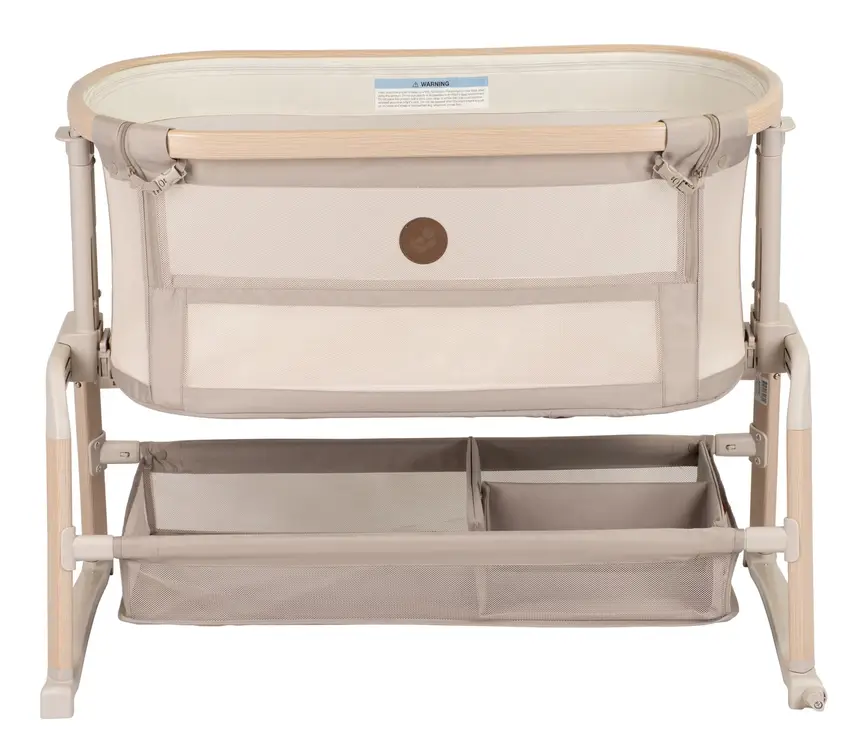
Maxi-Cosi Iora Lux
A bedside bassinet with 4 heights and 3 slide positions, with a 2-year warranty.
Read our full review →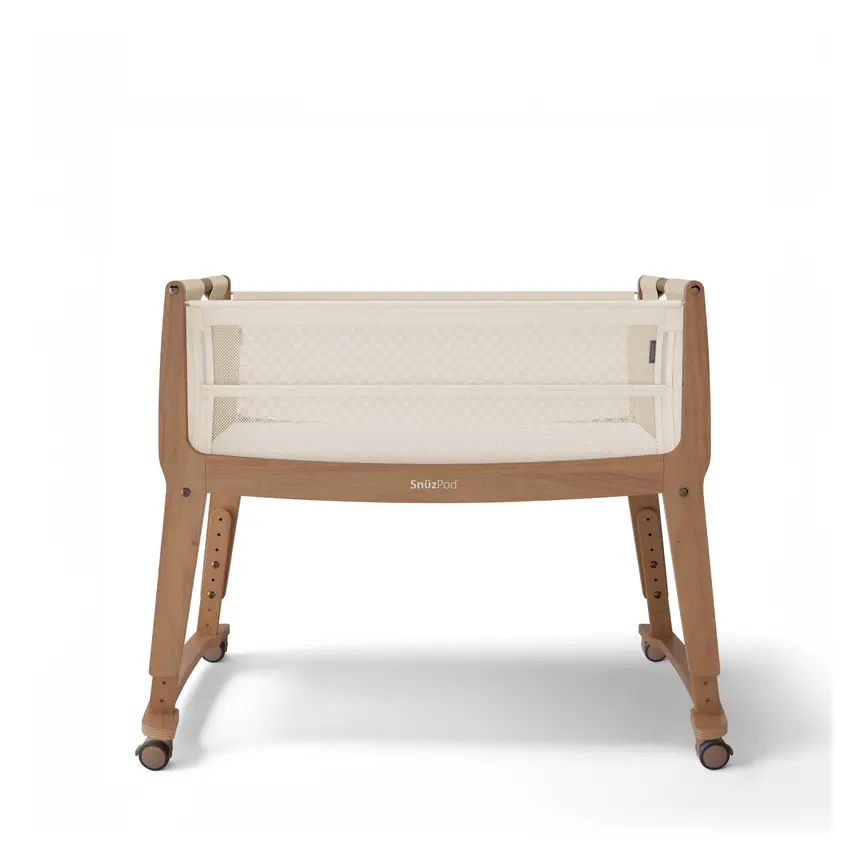 Reviewed
SnuzPod Studio
A bedside crib for night sleeps and naps, with panoramic mesh and a zip-down wall.
Read our full review →Compare all cots, bassinets & bedside sleepers in our reviews →
Month by month: what changes
Newborn to about 2 months
Your baby sleeps most of the day and can't reach for anything. A mobile does little at this stage. Babies this young prefer your face. If you hang a mobile, keep it well out of reach and don't use it to put your baby to sleep.
About 2 to 4 months
Babies start to follow moving things with their eyes and swipe at objects. A mobile over a play mat or change table can be fun now. Still keep it out of reach, and watch for the first signs of reaching.
About 4 to 6 months
This is the risky stage. Babies roll, push up on their arms and grab things. Many babies are ready for the mobile to come down. Health Canada says remove it when your baby can sit upright or push up on hands and knees. Don't wait for your baby to prove they can reach it.
6 months and older
No mobile in the cot. Move on to safe floor play: a play mat, soft books and toys, and supervised time with a play gym. Lower the cot mattress to its lowest setting, as Health Canada advises, and keep the cot bare.
A quick safety check before every use
- Look at the arm. No cracks, no loose joins.
- Shake the clamp. It should not move.
- Look at the strings. Short, firmly attached, not frayed.
- Look at the figures. Nothing loose or broken.
- Check the battery cover. Closed and screwed shut, if there is one.
- Lie down and look up from the cot. Can a hand reach any part of it? If yes, raise it or take it down.
This takes under a minute and catches most problems before they can hurt your baby.
If the mobile keeps falling or the clamp won't hold
- Don't improvise. Don't add tape, string, rubber bands or cable ties. They can come loose, and they add cords.
- Check the rail. Some cots have rails too thick, too thin or curved for the clamp. Check the maker's list of compatible cots.
- Contact the maker. They may sell a different clamp for your cot, or advise you to stop using the mobile.
- Stop using it. A mobile isn't essential. If it won't stay fixed, put it away.
- Check recalls. Search your national product safety recall website for the mobile's name and model.
How to choose a mobile
- Check the age range and warnings. Follow the maker's "remove when" advice.
- Short, strong attachments. No long strings or ribbons.
- Well-sewn or moulded figures, with no small parts that can come off.
- Safe batteries. If it uses batteries, the cover should need a screwdriver to open.
- No power cords near the cot. Choose battery or none, and keep any plugs well away.
- A clamp that fits your cot. Check the rail size it's made for.
- Buy from a trusted shop that sells products made for your country's safety rules.
- Handmade or second-hand? Check every part is firmly fixed, nothing is cracked, and strings are short and secure. If you're not sure, use it only over a play area, not the cot.
Common mistakes
- Leaving the mobile up too long. Take it down when your baby can sit up or push up on hands and knees.
- Hanging it low "so baby can see better". It must be out of reach.
- Clamping it on the inside of the rail. The arm should be outside the sleep space.
- Adding ribbons, bunting or toys to the cot rail. These add cords and things to grab.
- Placing the cot under shelves, wall hangings or a heavy picture. Health Canada lists wall hangings among things to keep the cot away from.
- Using a mobile instead of settling. A mobile can be fun while awake, but don't rely on it to put your baby to sleep.
- Running power cords to a light-up mobile. Health Canada says keep electrical cords, including baby monitor cords, away from the cot.
More options, from budget to premium
Real products from our catalogue. We don't show star ratings or review counts; check the current price, stock and reviews on Amazon before you buy.
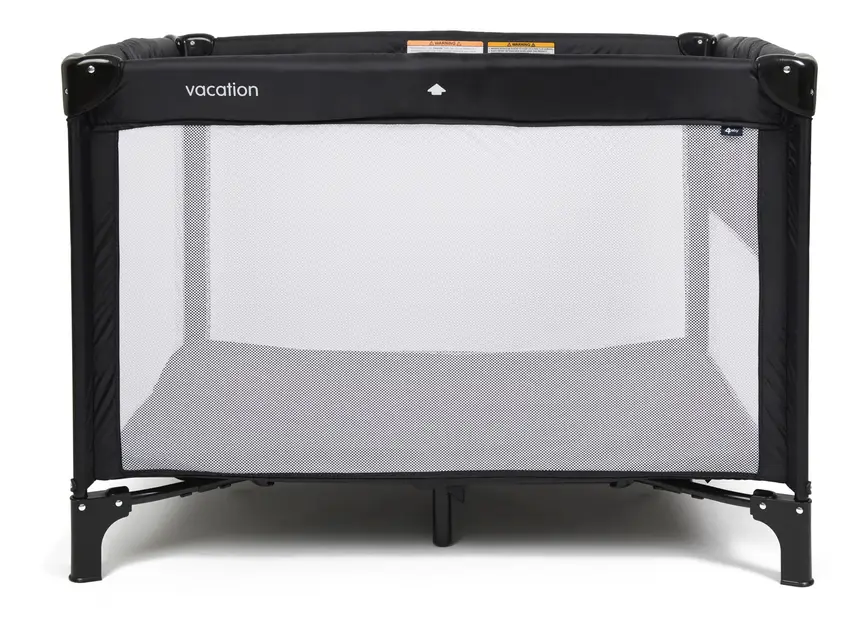
4baby Vacation Portacot
A low-cost portacot with a padded mattress and mesh sides.
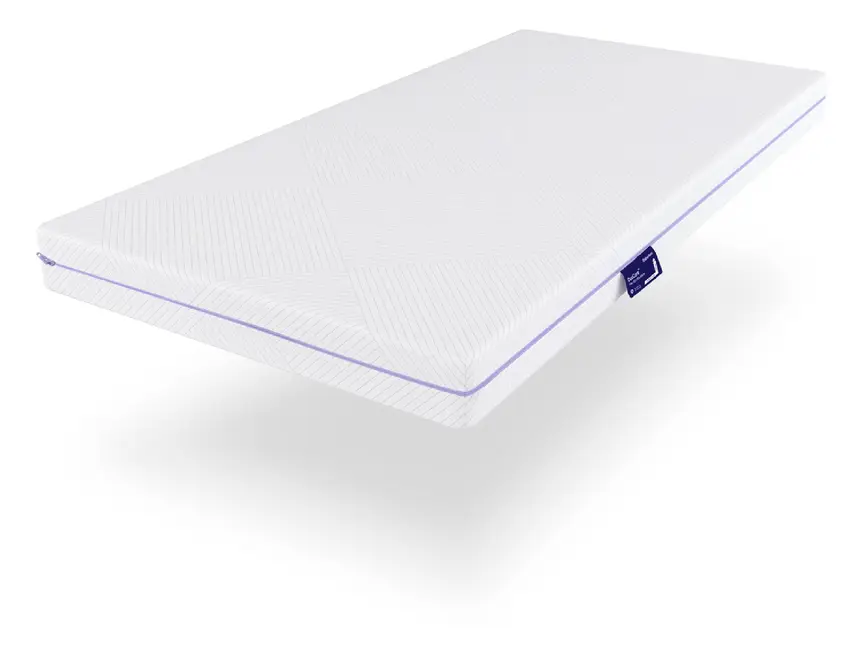
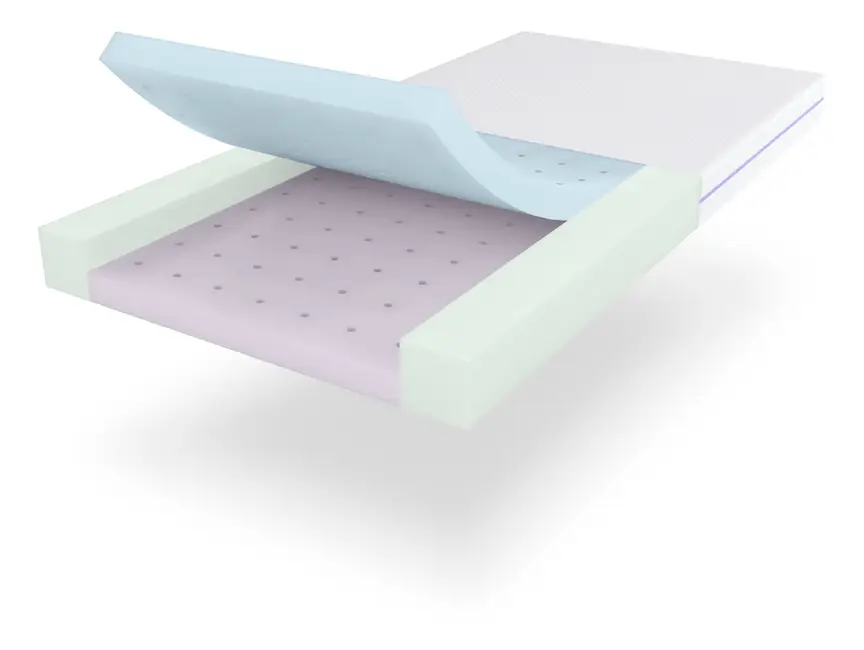

BabyRest Duocore Bamboo Cot Mattress
A two-sided mattress: a baby side to 12 kg and a toddler side from 12 kg to about 4 years.
Read our full review →Compare all cots, bassinets & bedside sleepers in our reviews →
Setting up a safe sleep space around the cot
A mobile is only one thing near the cot. While you're checking it, look at the whole area:
- No blind or curtain cords within reach. Tie them up high or use cordless blinds.
- No heaters close by. The Lullaby Trust says keep the cot away from radiators and direct sun.
- No shelves, pictures or wall hangings above the cot that could fall.
- No electrical cords within reach, including baby monitor and night-light cords.
- Furniture the baby could climb onto from the cot should be moved away.
- Inside the cot: a firm, flat, well-fitting mattress and a fitted sheet. Nothing else. Health Canada's phrase is "bare is best".
FAQ
Are cot mobiles safe?
They can be used safely for a short time if they are firmly fixed, out of reach, have no long strings, and are removed when your baby can push up on hands and knees or sit up. In Australia, Red Nose suggests not hanging them near the cot at all.
When should I take the mobile down?
Health Canada says when your baby can sit upright or push up on their hands and knees, whichever comes first. Many babies reach this around 5 to 6 months, but watch your own baby.
How high should a mobile hang?
High enough that your baby can't reach any part of it, with nothing hanging into the cot. Follow the maker's height and string length.
Can I hang a mobile from the ceiling over the cot?
It's safer over a change table or play area. If a ceiling hook pulls out, the mobile could fall into the cot. Red Nose notes that hanging items can fall in.
Can my baby fall asleep looking at the mobile?
That's fine if your baby is in a safe cot on their back. But a mobile isn't needed for sleep. Some babies get more awake watching it. Turn off music or lights once your baby is drowsy.
Are mobiles with lights or projectors OK?
Check that batteries are locked away behind a screwed cover, and that there are no power cords near the cot. Product Safety Australia warns about swallowed button batteries.
Is a play gym the same as a mobile?
No. A play gym sits on the floor for supervised awake play. Never put one in the cot.
Do mobiles help my baby's development?
Babies enjoy watching moving things, and it gives them something to look at while awake. But we found no official health body that says a mobile is needed for development. Talking, singing, eye contact, tummy time and floor play do more. Use a mobile as a small extra, not a must-have.
What should I do if my baby pulled the mobile down?
Take it away and don't put it back in the cot. Check your baby for bumps. Look for broken pieces or loose parts, and make sure none were swallowed. If your baby seems hurt, or you think they swallowed something, seek medical help straight away. In an emergency, call 000 in Australia, 999 in the UK, or 911 in the US and Canada.
Can I use a mobile on a portacot or bassinet?
Only if the maker says it's made for that product. Bassinets are small and low, so babies can reach things more easily.
Sources
- Health Canada – Cribs, cradles and bassinets
- Product Safety Australia – Household cots guide
- Red Nose Australia – What is a safe sleeping environment
- The Lullaby Trust (UK) – Mattresses and bedding (where to put the cot)
- AAP HealthyChildren.org – How to keep your sleeping baby safe
- Caring for Kids (Canadian Paediatric Society) – Safe sleep for babies
- Product Safety Australia – Button batteries guide
Related guides
More Sleep & Nursery →
Portable Nappy Changing Stations and Felt Caddies: How to Choose and Use Them Safely

Footed Sleep Bags and Walker Bags for Toddlers: Non-Slip Soles, TOG and Safety

Retractable Mesh Baby Gates vs Metal Swing Gates: Skirting Boards, Hallways and Stair Safety