














Pacifier Use and Weaning: SIDS Safety vs. Toddler Dental Health
How pacifiers may lower SIDS risk in babies, when they start to affect teeth, and gentle ways to wean your toddler off a dummy.
On this page
- Key points
- Why babies suck, and what a pacifier does
- Pacifiers and SIDS protection: what health groups say
- Advice in Australia, the UK, the US and Canada
- How to choose and use a pacifier safely
- Pacifiers, teeth and jaw growth
- SIDS protection vs. dental health: age-by-age timeline
- How to wean your child off a pacifier
- Common mistakes to avoid
- Frequently asked questions
- Sources
Short answer: Offering a pacifier (also called a dummy or soother) at sleep times may help lower the risk of sudden infant death syndrome (SIDS) in babies. Once breastfeeding is going well, you can offer one for naps and bedtime. Most health and dental groups suggest starting to cut back between 6 and 12 months, and stopping by age 2 to 3 so teeth and jaws grow well.
This guide brings together advice from leading health and safety groups in Australia (Red Nose, Product Safety Australia, and Healthdirect), the UK (The Lullaby Trust and the NHS), the US (the American Academy of Pediatrics), and Canada (the Canadian Paediatric Society and Health Canada).
Key points
- SIDS risk: A clean pacifier at sleep times is linked to a lower risk of SIDS in the first year.
- Breastfeeding first: If you breastfeed, wait until feeding is settled before offering a pacifier. This often takes 3 to 4 weeks.
- Never force it: If your baby spits the pacifier out during sleep, leave it out.
- Keep the cot clear: Never tie a pacifier to your baby, their clothes, or the cot with a cord or clip.
- Teeth and jaws: Stopping by age 2 gives baby teeth the best chance to line up on their own.
- Gentle weaning: Pick a calm week. Drop daytime use first, then naps, then bedtime.
Why babies suck, and what a pacifier does
Babies are born with a strong urge to suck. Sucking helps them feed. It also helps them calm down when they feel tired, upset, or overwhelmed.
Doctors call soothing sucking "non-nutritive sucking". That just means sucking for comfort rather than food. A baby might suck on a finger, a thumb, a parent's clean knuckle, or a pacifier.
In Australia and the UK, people usually call this a dummy. In the US, most people say pacifier. In Canada, you will hear both pacifier and soother. They all mean the same thing.
A pacifier does not replace a feed. Always check if your baby is hungry first. A tired or settled baby who has just fed may still want to suck to drift off to sleep.
Baby Food Makers & Steamers worth a look
Real products from our catalogue. We don't show star ratings or review counts; check the current price, stock and reviews on Amazon before you buy.

Annabel Karmel Silicone Weaning Plate
A silicone plate for starting solids.
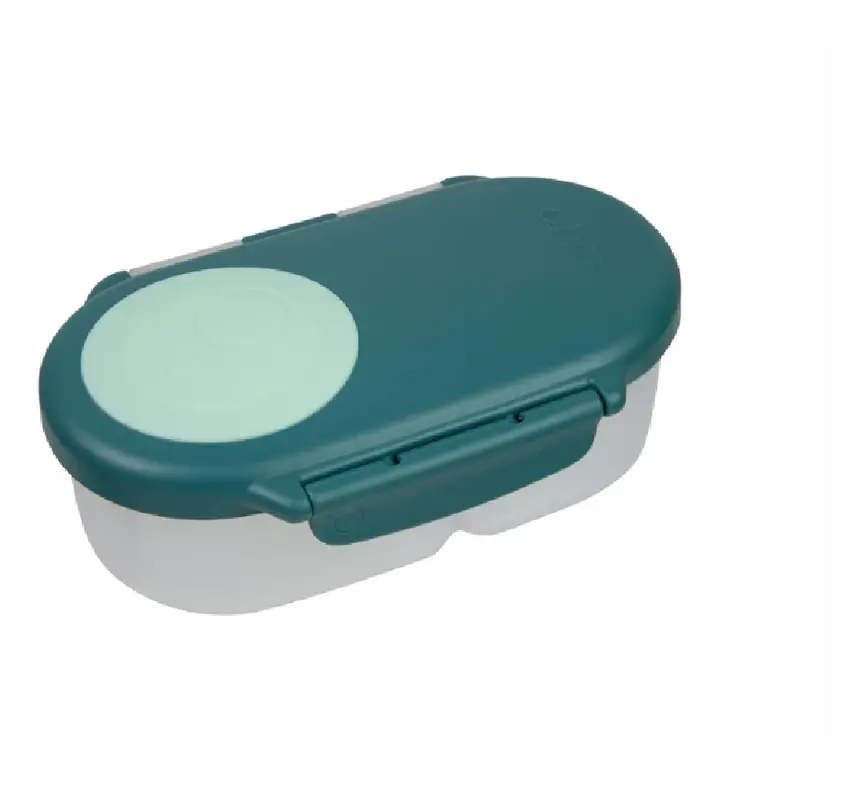
b.box Snack Box
A snack box toddlers can carry around.
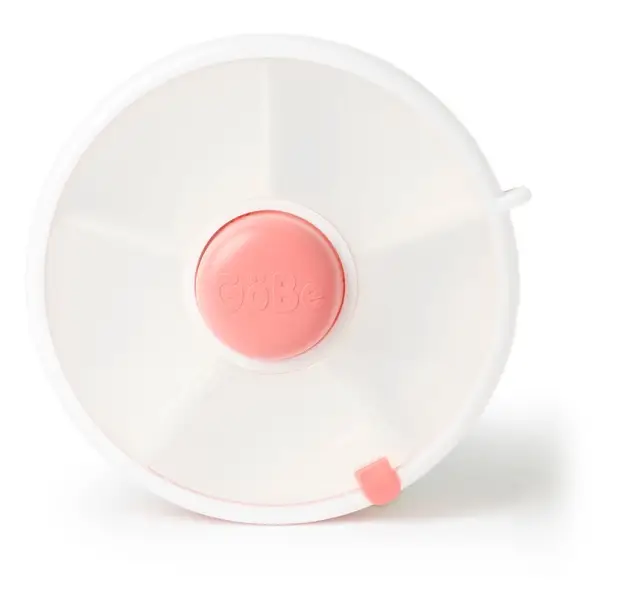


GOBE Snack Spinner
A spill-resistant snack container that toddlers can spin. It is free from BPA, PVC and phthalates.
Read our full review →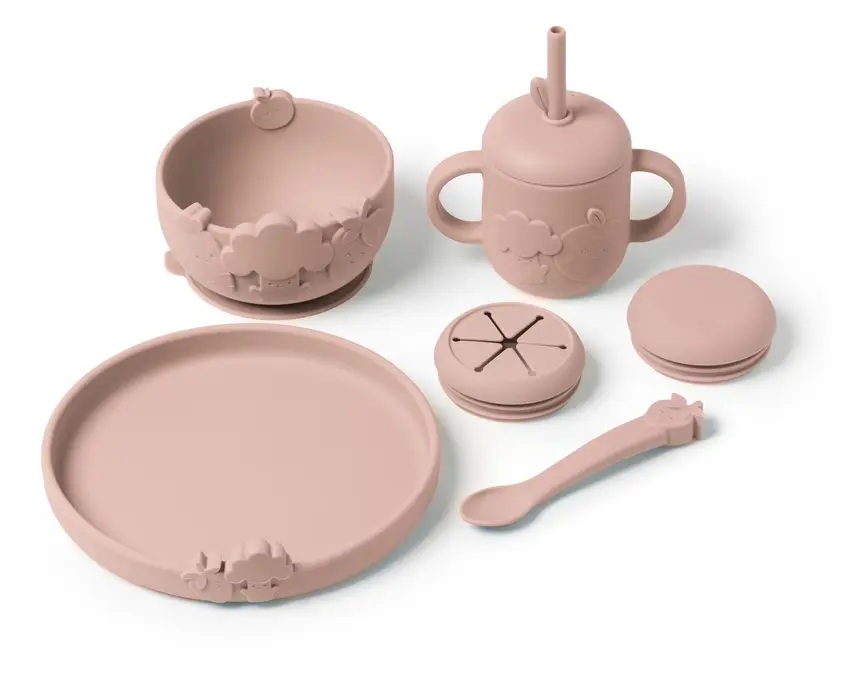
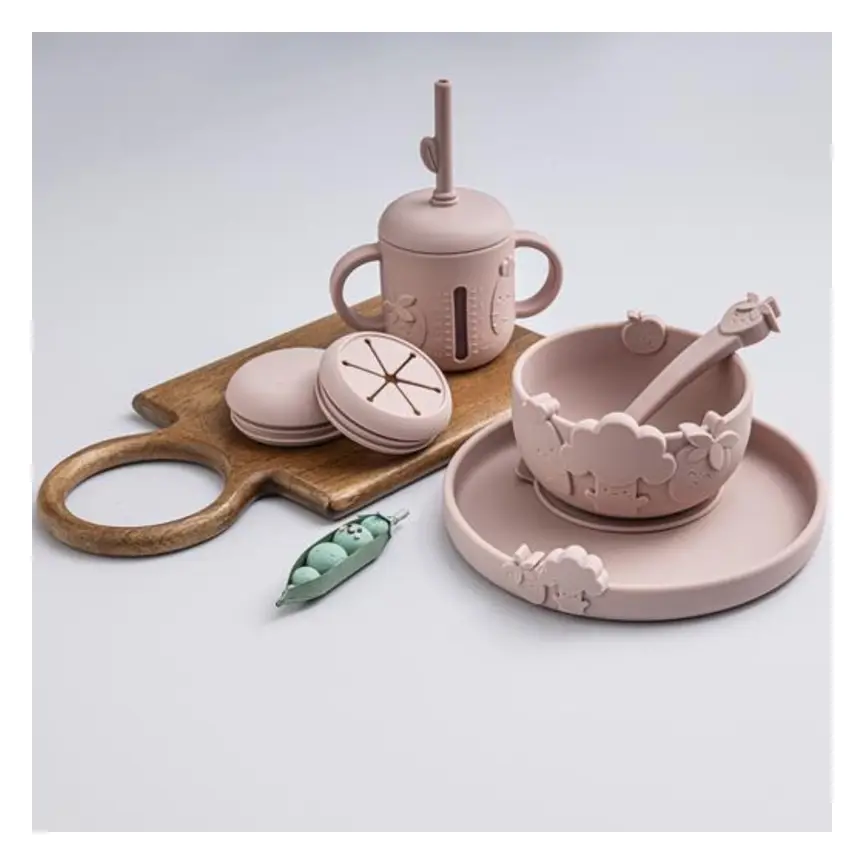
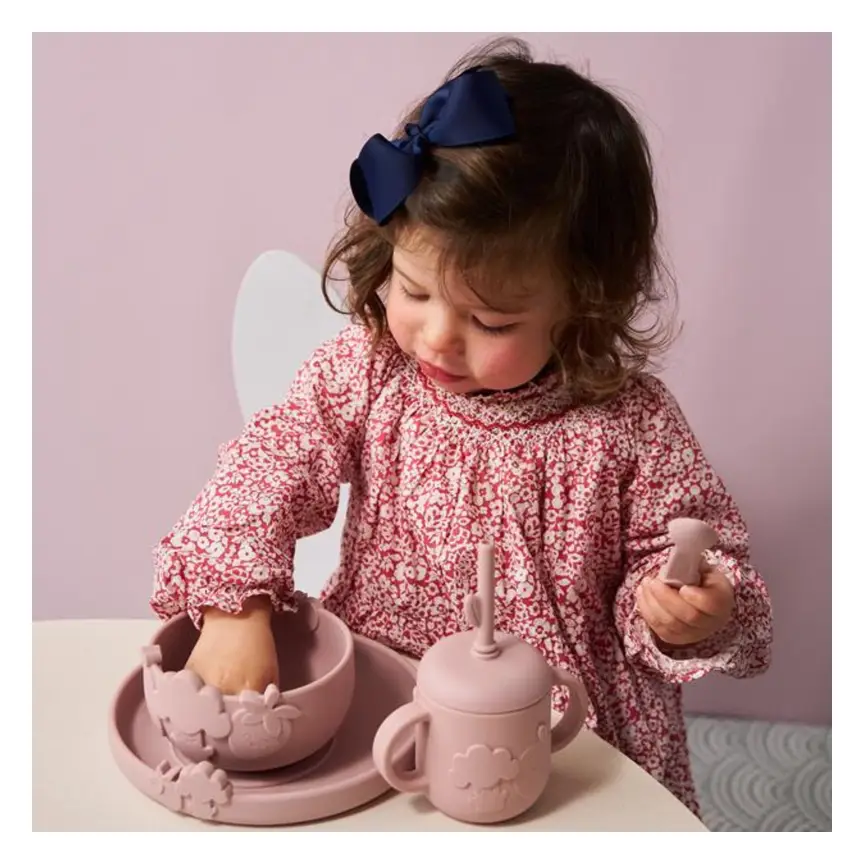
Annabel Karmel Silicone Feeding Set
A silicone set of plate, suction bowl and spoon. It is safe in the microwave, oven, freezer and dishwasher.
Read our full review →Pacifiers and SIDS protection: what health groups say
SIDS stands for sudden infant death syndrome. It is the sudden, unexplained death of a baby under 1 year old, usually during sleep. The risk is highest in the first 6 months.
Studies have found that babies who use a pacifier at sleep times have a lower risk of SIDS. Experts are not fully sure why this happens. One idea is that sucking keeps a baby's tongue forward, which helps keep the airway open. Another idea is that babies using a pacifier sleep a little more lightly, so they wake more easily if something is wrong.
Because of these findings, several national safe-sleep groups include pacifiers in their advice. Still, a pacifier is only one small step. The main ways to protect your baby during sleep always come first:
- Put your baby on their back for every sleep, day and night.
- Keep their head and face uncovered.
- Use a firm, flat mattress in a safe cot or bassinet with no loose blankets, pillows, or toys.
- Keep your baby smoke-free before and after birth.
- Share a room with your baby (in their own safe sleep space) for the first 6 to 12 months.
When to start offering a pacifier
If your baby is formula-fed, you can offer a pacifier from birth if you want to.
If you are breastfeeding, wait until feeding is going well. The American Academy of Pediatrics (AAP) suggests waiting until breastfeeding is well established, which is often around 3 to 4 weeks. Your baby should be latching well, feeding comfortably, and gaining steady weight. Wait until your milk supply feels steady too.
Offering a dummy too early can sometimes mask early hunger cues. A baby who sucks a dummy instead of feeding might miss a feed when your milk supply is still building.
What if it falls out during sleep?
Do not worry if the pacifier drops out after your baby falls asleep. You do not need to put it back in. Research suggests the protective effect lasts even after the pacifier falls out.
Never prop a pacifier in place with a blanket or toy. Never force your baby to take one if they turn away or spit it out.
Advice in Australia, the UK, the US and Canada
Health groups across all four countries agree on safe sleep basics. They differ slightly on how strongly they push pacifier use.
| Country | Main health and safety bodies | What they say about pacifiers and SIDS | What they say about teeth and stopping |
|---|---|---|---|
| Australia | Red Nose, Healthdirect, Product Safety Australia | Safe sleep rules come first. A dummy is fine once breastfeeding is settled, if parents choose to use one. Never use cords or clips in bed. | Try to stop around 12 months, or before age 2 to 3, to protect teeth and speech. |
| United Kingdom | The Lullaby Trust, NHS, Office for Product Safety and Standards | Using a dummy for sleeps may help reduce SIDS risk. Wait until breastfeeding is established. Offer it at every sleep if you use one. | The NHS suggests weaning off a dummy between 6 and 12 months to help teeth and speech. |
| United States | American Academy of Pediatrics (AAP), CPSC | Recommends offering a pacifier at nap time and bedtime once breastfeeding is going well, for the first year. | Suggests starting to phase out around 6 to 12 months, and stopping before age 2 to 4. |
| Canada | Canadian Paediatric Society (Caring for Kids), Health Canada | Notes pacifiers may help lower SIDS risk. Wait until breastfeeding is well established. Keep strings and clips off. | Suggests cutting back after 12 months and stopping well before permanent teeth come in. |
Notice one key detail from The Lullaby Trust in the UK. If you start using a dummy for sleep, try to offer it for every sleep in the first 6 months. Stopping suddenly in the middle of the high-risk months is not advised. Wait until your baby is past 6 months before weaning.
How to choose and use a pacifier safely
A pacifier sits in your baby's mouth for hours. Good design and daily checks keep it safe.
Pick a safe design
- One-piece build: A pacifier moulded from one solid piece of silicone is safest. Multi-piece dummies can break apart and become a choking hazard.
- Wide shield: The plastic or silicone shield must be wider than your baby's mouth. That stops the whole dummy slipping inside.
- Air holes: Look for at least two ventilation holes in the shield. If the shield presses against the mouth, air can still pass through, and saliva will not pool on the skin.
- No loose parts: Skip pacifiers with jewels, beads, stickers, or soft plush toys attached. Toys attached to a pacifier are unsafe inside a cot.
- Right size: Match the pacifier size to your baby's age. Too small can be a choking hazard. Too big can make a baby gag.
Silicone or latex?
Most modern pacifiers are made from silicone or natural rubber latex.
Silicone is firm, clear, and holds its shape well. It does not hold odours. It lasts longer when sterilised. A teething baby can still bite through silicone, so check it often.
Latex is softer and more flexible. Some babies prefer the soft feel. However, latex wears out faster, can get sticky over time, and can trigger a latex allergy in rare cases. Replace latex dummies more often.
Keep cords, ribbons and clips out of the cot
Never tie a pacifier around your baby's neck. Never pin it to their sleepwear with a ribbon, cord, or beaded clip when they sleep or when you are not watching closely.
Cords and strings can wrap around a baby's neck and cause strangulation. Beads on a clip can also break loose and choke a child. Keep all clips for awake, supervised time only, or skip them altogether.
Cleaning and checking for damage
In the first 6 months, a baby's immune system is still learning. Follow your national health rules for cleaning feeding gear:
- Wash new pacifiers before first use.
- Wash used dummies in hot soapy water after they drop on the floor.
- Sterilise them regularly for babies under 6 months (by boiling, steaming, or using a sterilising solution).
- Never "clean" a dummy by putting it in your own mouth. Adult mouths carry bacteria that cause tooth decay, and you can pass them to your baby.
- Squeeze the teat after washing to push out any trapped water.
Do a quick pull test before each use. Pull gently on the teat in all directions. Throw the pacifier away straight away if you see cracks, tears, holes, stickiness, or colour changes. Most brands suggest replacing pacifiers every 1 to 2 months, or sooner if worn.
Check product recall sites in your country now and then, such as Product Safety Australia or Health Canada's recall page, to make sure your brand has not been recalled.
Pacifiers, teeth and jaw growth
While a pacifier helps in the first months, keeping it too long can change how the mouth grows. A baby's jaw bones are soft and still shaping around the teeth.
When a child sucks a dummy for many hours a day, the teat presses up against the roof of the mouth and pushes against the front teeth. Over time, this pressure can cause three common dental changes:
- Open bite: The top and bottom front teeth do not meet when the back teeth bite together. There is a gap left where the dummy sits.
- Overjet (protruding top teeth): The top front teeth tip forward towards the lip.
- Crossbite: The roof of the mouth narrows. The upper back teeth end up biting inside the lower back teeth instead of outside them.
The good news is that early changes often fix themselves. If a child stops sucking a pacifier by age 2, the tongue and lips gently guide the baby teeth back towards their normal spots.
If heavy pacifier use goes on past age 3 or 4, the jaw bone shape is more set. Permanent teeth start forming under the gums. Changes after age 3 or 4 are much less likely to go away on their own and may need braces later.
What about ear infections and speech?
Dental alignment is not the only reason to taper off after 6 months.
Research links heavy pacifier use after 6 to 12 months with a higher chance of middle ear infections. Sucking changes the pressure in the tubes that link the back of the throat to the ears. That can make it easier for fluid and germs to sit in the middle ear.
Constant daytime pacifier use can also get in the way of speech practice. Toddlers learn to talk by babbling, copying sounds, and chatting with you. A dummy in the mouth all day makes it harder to form clear sounds and gives your child less reason to speak up.
If your child still uses a pacifier after age 1, try to keep it for naps and bedtime only. Take it out during playtime and chats.
Side by side: more baby food makers & steamers to compare
Real products from our catalogue. We don't show star ratings or review counts; check the current price, stock and reviews on Amazon before you buy.
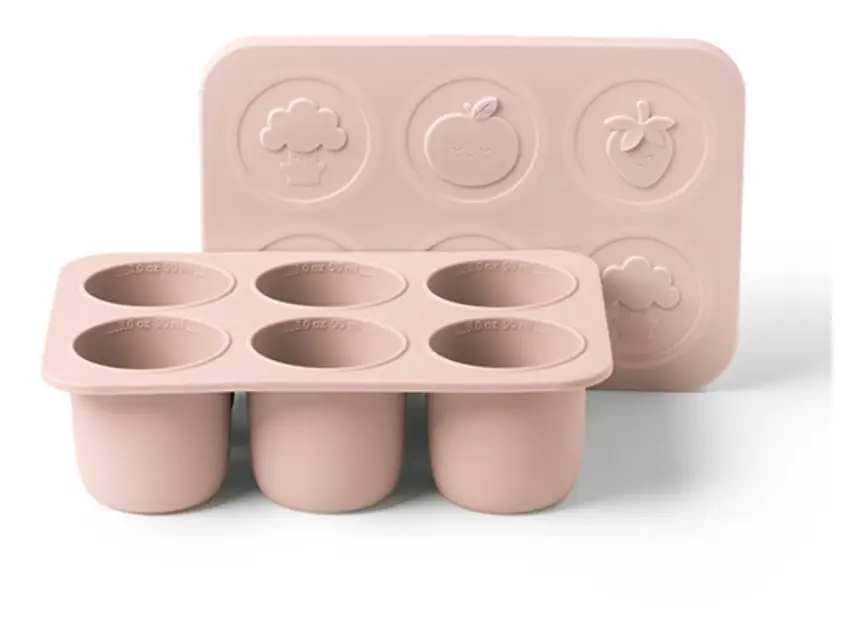
Annabel Karmel Silicone Freezer Food Tray
A silicone tray for freezing small portions of home-made baby food.

Baby Brezza One Step Baby Food Maker Deluxe
Steam-and-blend baby food maker

Babymoov Nutribaby(+) 6-in-1 Baby Food Processor
Steamer blender
SIDS protection vs. dental health: age-by-age timeline
The balance between SIDS safety and dental health shifts as your baby grows. Here is a simple guide by age.
| Age stage | Main focus | What to do |
|---|---|---|
| Birth to 4 weeks | Feeding and bonding | If formula-feeding, a dummy is fine now. If breastfeeding, wait until feeding and milk supply are settled. |
| 1 to 6 months | SIDS risk is highest | Offer a clean pacifier at naps and bedtime if your baby likes it. Do not force it or re-insert it if it falls out. |
| 6 to 12 months | SIDS risk drops; teeth appear | Good time to start limiting daytime use. Keep the dummy for sleep and upset moments, or begin gentle weaning after 6 months. |
| 12 to 24 months | Speech and baby teeth | Keep the pacifier for sleep only, or work on stopping completely. Most dental changes will still self-correct if you stop by age 2. |
| 2 to 3 years | Jaw shape and bite | Aim to be fully dummy-free. If stopping feels hard, ask your child health nurse, GP, or dentist for calm ideas. |
| Over 3 years | Permanent teeth forming | Seek help from a paediatric dentist or family doctor if your child cannot stop. Longer use raises the chance of lasting bite problems. |
Remember that every child is different. Some babies lose interest in their dummy by 6 months on their own. Others hold onto it tightly at age 2. Follow safe sleep rules in the first year, then move at a kind, steady pace.
How to wean your child off a pacifier
Weaning works best when life is calm. Do not try to take away a pacifier in the same week your child starts daycare, moves to a big bed, starts toilet training, or welcomes a new sibling. Pick a quiet stretch when everyone is well rested.
Method 1: Step-by-step (gentle fade)
This works well for babies from 6 to 18 months.
- Cut out daytime use first. Put the pacifier away in the morning. Keep it out of sight during play, car rides, and walks.
- Offer other comfort. When your toddler is upset during the day, offer a cuddle, a song, a sip of water, or a favourite book instead.
- Drop nap time next. Once daytime goes smoothly for a week or two, try naps without the dummy.
- Drop bedtime last. Bedtime is often the hardest part. Keep the rest of the bedtime routine (bath, story, cuddle) warm and steady so your child still feels safe.
Method 2: Stopping all at once
This often works better for older toddlers aged 2 to 3 who understand simple stories.
- Talk about it ahead of time. Tell your child in plain words that dummies are for babies, and they are growing big now.
- Pick a clear day. Mark a day on the calendar together so it is not a shock.
- Say goodbye together. Some families gather all the dummies in a bag and "donate" them to new babies, or leave them out for a "dummy fairy" who leaves a small book or soft toy in return.
- Stay firm and kind. Once the dummies are gone, do not bring them back two nights later. Bringing them back teaches your child that crying long enough brings the dummy back.
Helpful comfort swaps for toddlers
If your child is over 12 months old, a small soft toy or comfort blanket in the cot is now safe. (Never put loose toys or blankets in a cot for a baby under 12 months.) Letting a toddler pick a special bedtime teddy can help fill the gap left by the pacifier.
Plan for 3 to 5 rocky nights. Your child may take longer to settle or wake up crying for a few days. Stay calm, rub their back, and offer lots of hugs during the day. Most toddlers adjust within a week.
What not to do when weaning
- Do not cut the tip off the pacifier. A cut teat can break off in your child's mouth and cause choking. It also leaves sharp edges.
- Do not dip the dummy in bitter liquids, chilli, or lemon. This is unkind and can upset your child's stomach or hurt their mouth.
- Do not tease or shame your child. Calling a toddler a "baby" for wanting comfort makes them more anxious, not ready to stop.
- Do not switch to a bottle in bed. Falling asleep with a bottle of milk or juice causes severe tooth decay.
Common mistakes to avoid
Even careful parents slip into habits that seem helpful at 2:00 AM. Watch out for these common traps:
- Using sweet coatings: Never dip a pacifier in honey, sugar, or juice. Honey can cause infant botulism (a rare but serious illness) in babies under 12 months. Sweet coatings also rot baby teeth fast.
- Attaching clips at night: Clips and cords are a strangulation risk in the cot or pram when you are not watching.
- Keeping damaged dummies: Tiny cracks trap germs and can lead to pieces breaking off in the mouth. Throw away any worn pacifier right away.
- Sharing dummies: Do not share pacifiers between twins or siblings. Each baby needs their own clean set.
- Using a dummy to delay feeds: In the newborn months, always offer a feed first if your baby might be hungry.
- Leaving a dummy in all day: Constant use makes ear infections more likely and slows down early talking.
More options, from budget to premium
Real products from our catalogue. We don't show star ratings or review counts; check the current price, stock and reviews on Amazon before you buy.
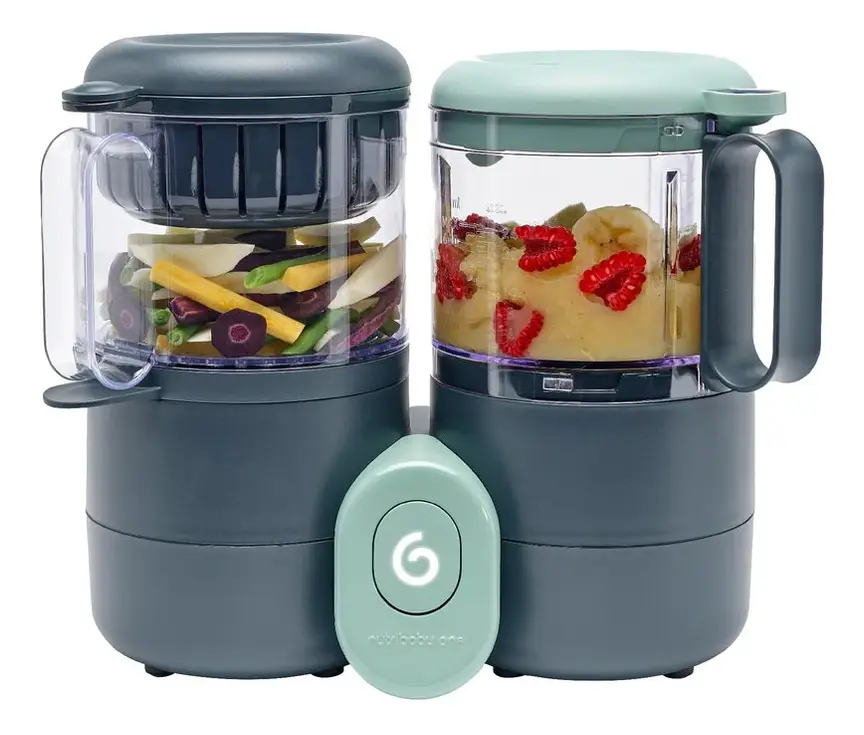
Babymoov Nutribaby One 4-in-1 Baby Food Maker
Steamer blender
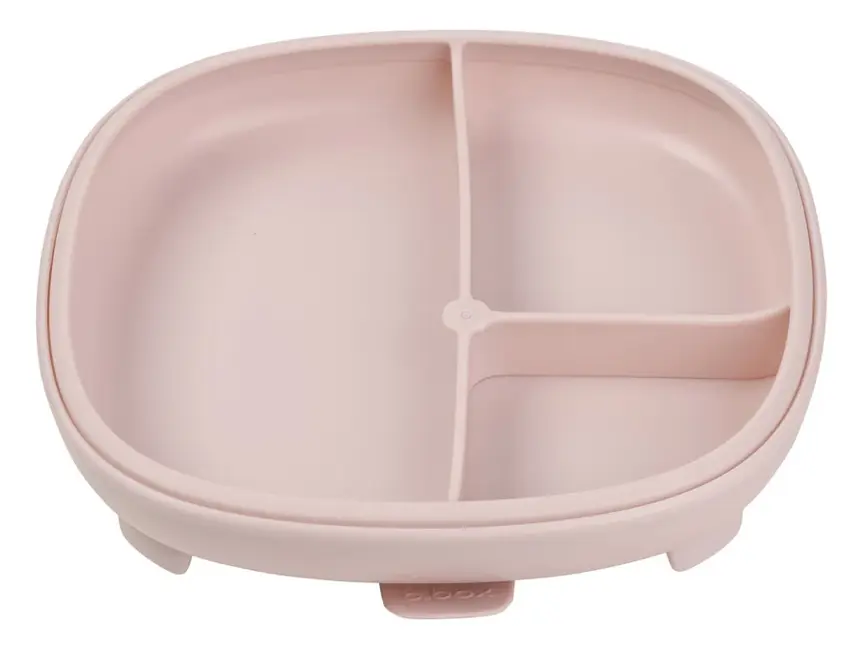
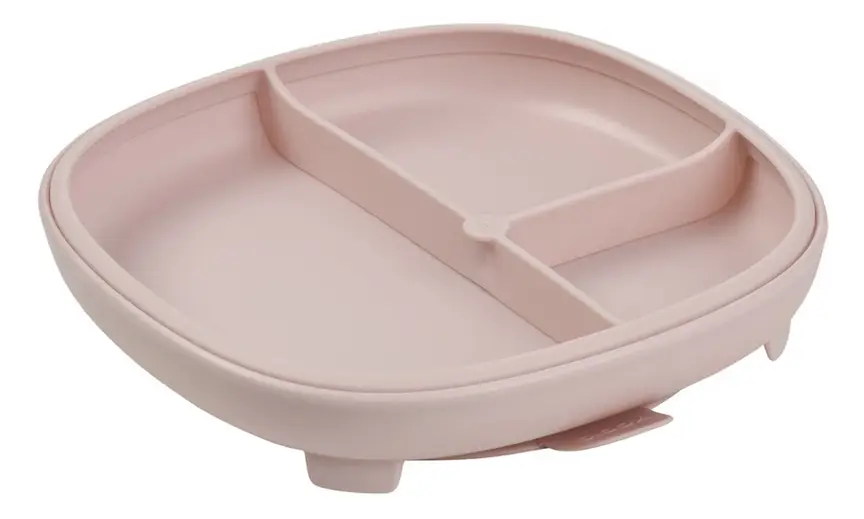
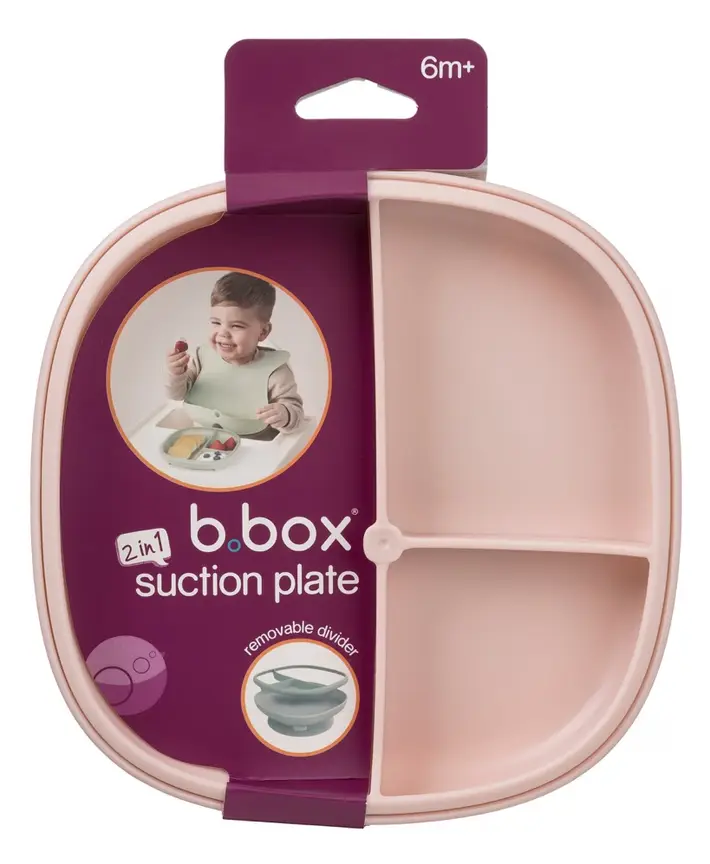
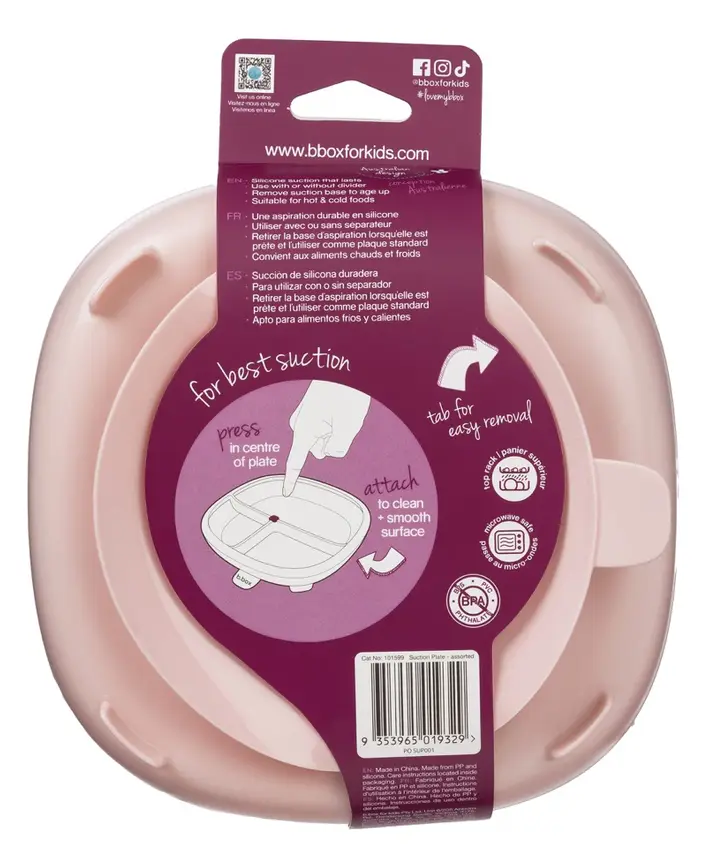
b.box 2-in-1 Divider Suction Plate
A divided suction plate for keeping foods apart.
Read our full review →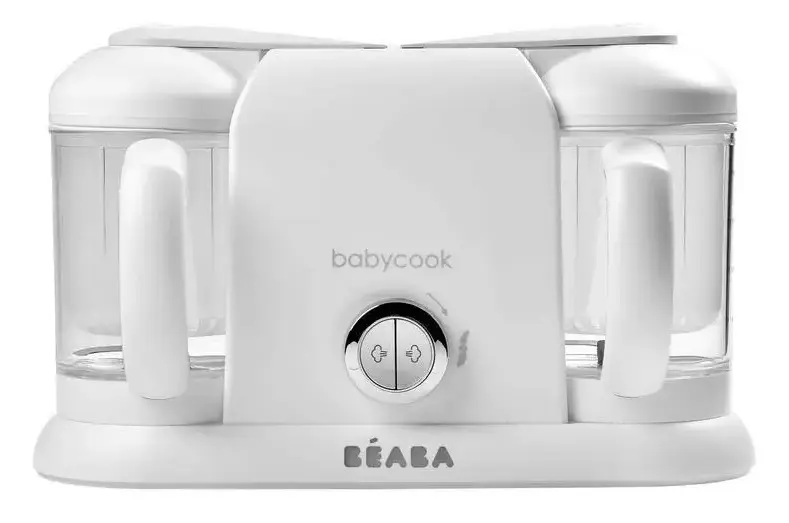
Frequently asked questions
Should I wake my baby to put the pacifier back in?
No. If your baby falls asleep with a pacifier and it drops out, leave them to sleep. Studies show the protective link with SIDS still applies even when the dummy falls out. You only need to offer it again if your baby wakes up and wants it.
Will a pacifier hurt breastfeeding?
Most babies can switch between breast and pacifier without trouble once breastfeeding is going well. Waiting 3 to 4 weeks until your baby latches easily and your milk supply is steady helps prevent feeding mix-ups. If you notice sore nipples, poor latch, or slow weight gain, pause the pacifier and talk to a lactation consultant or child health nurse.
What if my baby refuses a pacifier?
That is completely fine. Many healthy babies never take a pacifier. Never force one into your baby's mouth or hold it there. Follow the main safe sleep rules instead: back to sleep, clear cot, firm mattress, smoke-free home, and room-sharing.
Are orthodontic pacifiers better for teeth?
"Orthodontic" pacifiers have a flatter tip and a thinner neck than round, cherry-shaped ones. Some small studies suggest they may put slightly less pressure on the front teeth. Still, any pacifier used for many hours a day past age 2 can change how teeth sit. How long your child uses a dummy matters far more than the shape.
Can I attach a pacifier clip when my baby sleeps?
No. Never use a pacifier clip, ribbon, cord, or string while your baby is sleeping or out of your sight. Strings and cords can wrap around a baby's neck. Only use short, safe clips while your baby is awake and right next to you, or skip clips altogether.
What if my toddler still uses a pacifier after age three?
Stay calm and talk to your family dentist or doctor. A dentist can check your child's teeth and jaw and give simple, positive tips to help your child stop. Never punish or shame a child. With gentle support and a clear plan, almost every child can give up their dummy.
Is thumb sucking better or worse than a pacifier?
Both can affect teeth if a child keeps sucking past age 2 to 3. The big difference is control. You can take a pacifier away and throw it out when it is time to stop. You cannot take away a thumb. If your baby prefers a pacifier over their thumb, that often makes weaning easier later on.
Sources
- Red Nose Australia – Six safe sleep recommendations
- The Lullaby Trust (UK) – Safer sleep advice
- NHS (UK) – Reduce the risk of sudden infant death syndrome
- American Academy of Pediatrics (US) – A parent's guide to safe sleep
- Caring for Kids (Canadian Paediatric Society) – Safe sleep for babies
- Product Safety Australia – Recalls
- Health Canada – Recalls and safety alerts
- Healthdirect Australia
Related guides
More Parental Tips →
First Dental Visit by Age 1: How to Brush Baby and Toddler Teeth Safely

Moving From a Cot to a Toddler Bed: How to Keep Your Child Safe and Stop Bedtime Battles

Flying with a Baby or Toddler for the First Time: Ear Pressure, Gate-Checking Gear, and Airport Tips
