













How to Choose a Pram for City Life
Choose a city pram by checking its size, fold, wheels, brakes and child fit. Compare daily needs and safety advice across four countries.
On this page
- What makes a pram useful in a city?
- Measure your route and storage space
- Compare the main pram styles
- Check the wheels, handle and steering
- Choose a seat that fits your child's stage
- Make room for daily items
- Safety checks before and during use
- Prams, car seats and sleep
- Age stages and changing needs
- Common mistakes to avoid
- Buying new or second-hand
- Plan a comfortable city trip
- Frequently asked questions
- Sources and official guidance
- Sources
Short answer: A good city pram fits your child, your route and your home. Check its folded size before you buy. Try steering it through a narrow space. See whether you can lift it safely. Check the brake, harness and safety instructions. A small pram can help on buses, trains and busy footpaths. It still needs to suit your child and daily routine.
There is no single best pram for every city. A flat, smooth route calls for different wheels from a rough path. Stairs change what feels manageable. So does a small lift, a crowded bus or a car boot. This guide helps you compare prams using those real needs.
What makes a pram useful in a city?
A city pram is often compact and easy to steer. These features can help in shops, lifts and busy streets. They are not the only things that matter. The pram must also fit your child and carry the items you need.
Think about your usual week. Will you walk most places? Do you use public transport? Will you carry the pram up steps? Does it need to fit behind a car seat? Do you have somewhere safe to store it at home?
Write down your answers before visiting a shop. This can stop you paying for features you will rarely use. It can also help you notice a problem early. A pram may look compact, yet feel awkward to lift.
Think about who will use it each day. One parent may push it most often. Another adult may push it sometimes. A grandparent or childminder may use it too. Ask each person to try the handle, brake and fold. What feels easy to one person may feel hard to another.
Plan for more than the first few weeks. Your newborn will grow, and your trips may change. A pram that works for short errands may not suit long walks. A large pram may feel comfortable but take up too much space at home. Match the pram to the trips you make most often.
Measure your route and storage space
Measure the spaces that matter. Check your front door, hallway, lift and storage area. If you use a car, measure the boot opening and the space inside. Compare those measurements with the pram's open and folded size.
Ask a shop to let you fold and unfold the pram. Try this while holding a bag, if that reflects your day. Check whether the folded pram stands by itself. See if it needs a separate carry strap. A fold that seems simple on a display may feel harder on a crowded footpath.
For public transport, check local access rules and station layouts. Some stops have lifts. Others have stairs or narrow gates. Do not assume every bus or train has room for every pram. A compact fold may help when space is limited, but you may need to carry your child separately.
Think about where the pram goes when it is not in use. A large frame can block a narrow hallway. A damp pram may need a place to dry. Keep it clear of stairs and exits. Follow the maker's storage advice.
Measure the clear width of your doorway, not just the door panel. Handles, hinges and wall edges can make the opening narrower. Check the pram width with the wheels attached. If your lift has a small cabin, measure its door and inside space. Leave room for you to stand beside the pram.
For car use, check how the folded frame fits through the boot opening. A pram may fit inside once folded but still be hard to load. Try lifting it into the boot if possible. Consider whether you will also need space for shopping or bags.
Compare the main pram styles
Pram labels are not used in exactly the same way by every maker. Focus on what the frame and seat can do. Check the stated child age, size and weight limits. Follow the instructions for your exact model.
| Style | What it can suit | Check before choosing |
|---|---|---|
| Compact travel pram | Small homes, short trips and routes with tight spaces | Child fit, recline, fold size, carry weight and wheel comfort |
| Full-size pram | Long walks, larger storage needs and frequent daily use | Frame width, folded size, basket access and lifting weight |
| Pram with a flat newborn setup | Families who want a maker-approved flat space for a newborn | Which part is approved for newborn use and when to change it |
| Travel system | Families who want a compatible infant car seat to attach to a frame | Exact compatibility, fitting steps and time spent in the seat |
| All-terrain style | Routes with rough paths, parks or uneven ground | Bulk, turning space, fold size and whether it suits indoor trips |
| Two-child pram | Families who need space for two children | Width, weight, door access, child limits and storage |
A travel system can make transfers between car and pram easier. It does not make a car seat a cot. If your baby falls asleep in a car seat, move them to a firm, flat sleep space when you can. Follow advice from your local health service and the seat maker.
A compact travel pram often has smaller wheels and a smaller basket. That can help on packed trains and in small homes. It may feel less comfortable over broken paving. A full-size pram may handle longer walks well. It can take more space on a bus or in a hallway.
A flat newborn setup may be a carrycot or a seat that lies flat. Check whether the maker approves it for newborn use. Do not rely on a product name alone. A seat that looks deep or padded is not automatically right for a young baby.
A two-child pram can be wide or long. Try it through the doors and lifts you use. Check whether both children can get in and out safely. Look at how the pram handles when both seats are occupied. Follow the stated limits for every seat and accessory.
Prams & Strollers worth a look
Real products from our catalogue. We don't show star ratings or review counts; check the current price, stock and reviews on Amazon before you buy.

Bugaboo Dragonfly
Bugaboo's city pram: smaller footprint and lighter than the Fox, built for footpaths, lifts and car boots rather than bush tracks.
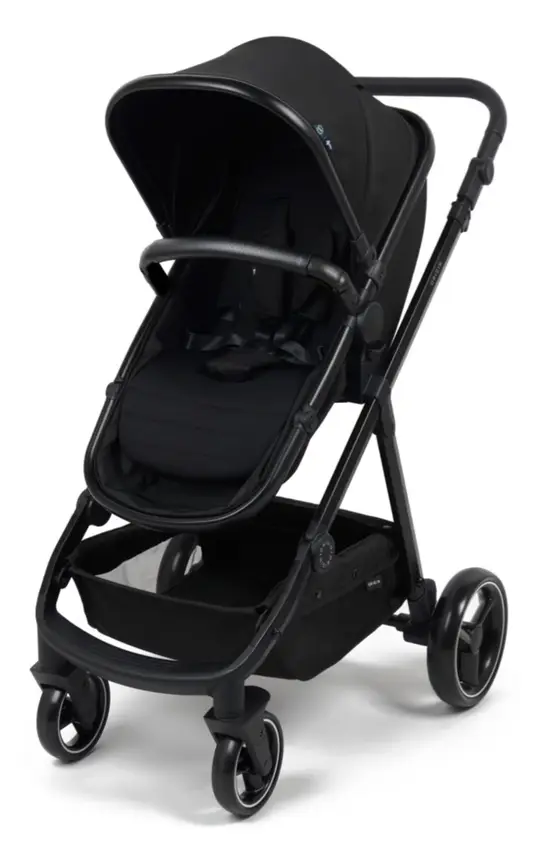
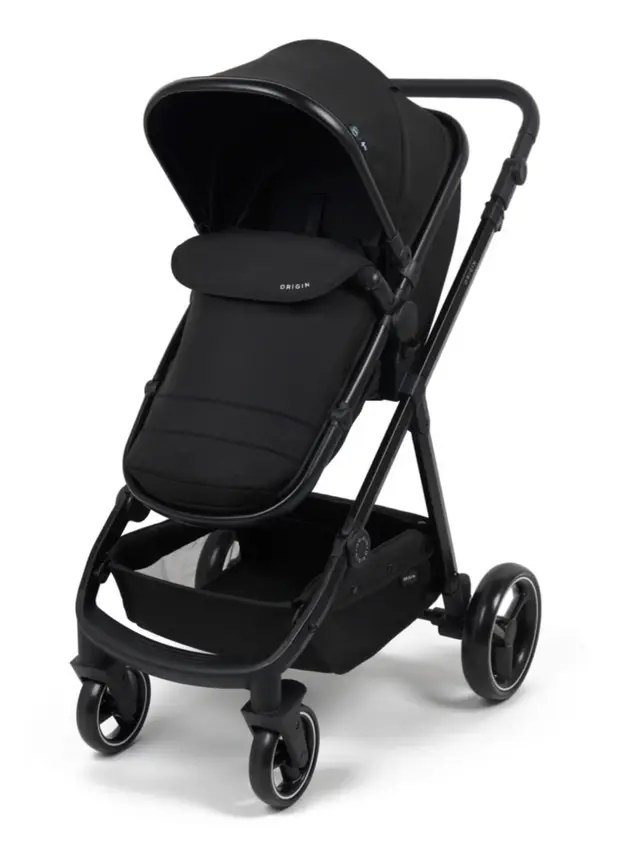
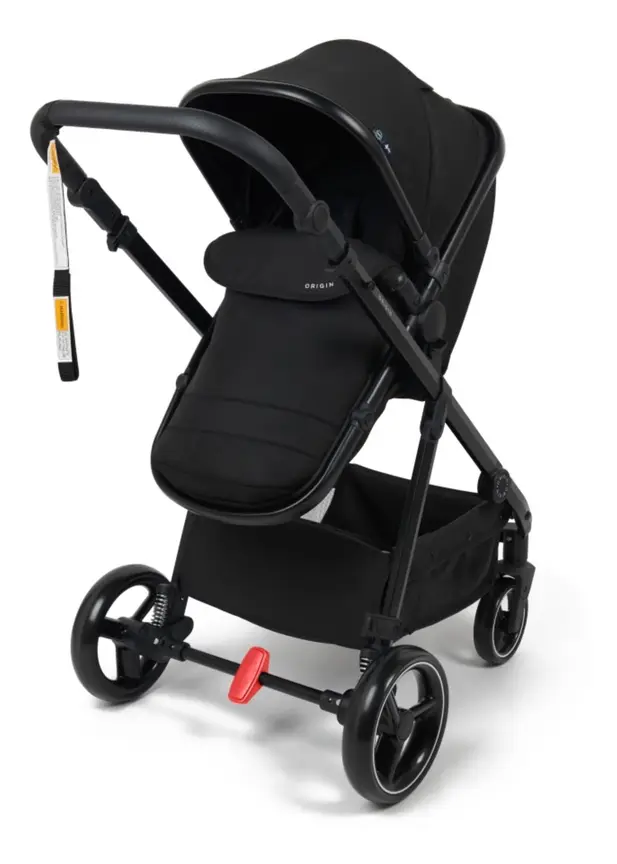
4baby Origin Stroller
A budget pram whose seat turns into a bassinet. The seat can face you or face the world.
Read our full review →
Baby Jogger City Mini GT2
Long-running, lighter all-terrain stroller with a famously simple one-hand strap fold.
 Reviewed
Baby Jogger City Tour 2
A 6.5 kg stroller with a near-flat recline. It folds small and comes with a carry bag.
Read our full review →Check the wheels, handle and steering
Wheel size and design affect how a pram feels. Small wheels can be easy to turn in shops. Larger wheels may roll more easily over rough ground. The frame, tyres and suspension also matter. A description alone cannot tell you how the pram will feel.
Try the pram on the kinds of surfaces you use. Walk it over a door strip or uneven paving, if the shop allows. Make a tight turn. Push it with one hand only if the maker allows this and it feels safe. Keep both hands available around traffic, crowds and steps.
Check the handle height. If more than one adult will push the pram, each person should try it. The handle should feel comfortable without forcing your shoulders up or your back forward. Some handles adjust. Others do not.
Test the brakes. Find out how they work and whether you can use them while wearing your usual shoes. Set the brake whenever you stop. Do not rely on a slope, wall or your hand to keep the pram still.
Check whether the front wheels swivel or lock straight. Swivel wheels can help with tight turns. Locking them may help on uneven paths. Learn how to change the setting before you go out. Make sure each wheel turns freely and stays attached.
Push the pram with the seat in the position you plan to use. A child facing you may change how much you can see. A seat facing forward may change how the pram turns. Try both positions if the model offers them.
Look at the handle covering and the frame joints. The handle should feel secure in your hands. Nothing should catch your clothes or bag. Ask how to clean and check moving parts. Dirt can make wheels and folding parts harder to use.
Choose a seat that fits your child's stage
For a newborn, use only a setup the maker says is suitable from birth. This may be a carrycot or a seat that lies flat. Check the exact model instructions. Do not guess from a seat's appearance.
Some pram seats are for older babies who can sit with control. The maker's age guidance is only part of the check. Read the full instructions for the child's height, weight and development. Change the setup when the maker says your child has outgrown it.
A seat that faces the adult can make it easier to see a young baby. A forward-facing seat lets an older child look around. Some prams allow both positions. Check that the seat locks into place each time you change it.
Use the harness every time. Check that it fits snugly and that its parts are not twisted. Do not add cushions, head supports or other items unless the maker approves them. Extra items can change how the harness fits.
Check that the harness adjusts as your child grows. The straps should sit where the instructions show. Do not leave the straps loose because the trip is short. A child can move quickly, even while the pram is stopped.
Ask the maker when to change from a carrycot or newborn setup to a seat. Follow the listed limits and signs that your child has outgrown it. Do not keep using a part just because your child still fits inside it. Check the limits for both weight and height.
If your child needs extra support, ask a health professional before adding equipment. Some babies have health or movement needs that affect how they sit. A shop fitting cannot replace advice for your child's needs. Use only parts approved for the model.
Make room for daily items
A storage basket can hold nappies, a change of clothes, water for an adult and small shopping items. Check its opening and where it sits. A basket can be hard to reach when the seat is reclined or a rain cover is fitted.
Use the basket within the maker's stated limit. Keep heavy items low and centred. Do not hang heavy bags on the handle. Extra weight there can make a pram tip. Keep bags and straps away from the wheels and child.
Look at the sun cover and rain cover. Check whether the cover gives useful shade without blocking airflow. Use only covers made for the pram or approved by its maker. Do not drape a blanket over the opening. This can trap heat and reduce airflow.
Check how the fabric can be cleaned. A removable cover may be easier to wash, but follow its care label. Wipe the frame as the maker directs. Keep the brakes, wheels and folding parts free of dirt.
Think about the things you truly carry. A change of clothes, nappies and a small bag may be enough for a short trip. A large basket can help on longer outings. Do not choose a pram only because its basket looks roomy. Check how easy it is to reach when the seat is in use.
Check the rain cover before you need it. Learn how it attaches and where it stores. After use, let it dry before putting it away. Follow the maker's advice about removing it indoors. Keep your child in view and allow air to move around them.
A sun cover should give shade without covering your child's face. Check the pram at different times of day. The sun moves, so one fixed position may not offer shade all day. Use suitable clothing and sun advice for your area as well.
Safety checks before and during use
In Australia, Product Safety Australia provides pram and stroller safety advice. Its guidance covers checks such as the harness, brakes, locking parts and warnings. Read the instructions for your pram and check for recalls. A safety mark or claim does not replace careful use.
In the UK, the Office for Product Safety and Standards (OPSS) oversees consumer product safety. In the US, the Consumer Product Safety Commission (CPSC) gives safety guidance and recall information. In Canada, Health Canada provides consumer product safety information and recall alerts. Check your country's official advice for products sold there.
Before each walk, check that the frame is locked open. Make sure the wheels are attached and turn freely. Test the brake. Check that the harness works and the seat is secured. Stop using the pram if a part is broken or loose. Contact the maker or seller for repair advice.
- Keep your child's hands away from folding joints.
- Use the brake when placing your child in or taking them out.
- Keep your child buckled in, even during a short stop.
- Do not leave a child alone in a pram.
- Keep children and pets clear while you fold or unfold it.
- Use only accessories approved for the exact model.
- Check the maker's weight and age limits.
Use the pram on level ground when placing your child in it. Set the brake first. Keep one hand on the pram if the ground is uneven. Do not leave the pram near stairs, a road edge or a platform edge.
Check for sharp edges, loose screws and worn straps. Look closely at the frame joints and seat attachment. Stop using the pram if it will not lock open. Do not try to repair a broken frame with tape or a part from another model.
Read the safety warnings before the first trip. Keep the instructions where you can find them. If you buy second-hand, ask for the model name and instructions. Check the maker's advice for replacement parts and care.
Prams, car seats and sleep
A pram seat, a carrycot and a car seat have different uses. Follow the instructions for each part. Do not assume that a reclined seat is a safe sleep space. If your baby falls asleep while travelling, keep watching them and move them to a firm, flat sleep surface when practical.
Never add pillows, loose blankets or soft toys around a sleeping baby in a pram. Keep the face clear. Do not cover the pram with a cloth to block sun or noise. Use a suitable shade made for the pram, and check that air can move freely.
For car journeys, use a car seat that is approved for your country and fits your child and vehicle. Install it as the maker directs. A pram frame attachment does not change how long a baby should remain in the car seat. Ask a health professional if your baby has special needs or was born early.
A car seat clips onto some pram frames. Check that the seat and frame are listed as compatible. Use the right attachment parts. Make sure the seat clicks into place and cannot lift off by mistake. Follow the car seat and pram instructions each time.
Move your baby to a firm, flat sleep space when you can. A car seat is made for travel in a vehicle. It is not a cot. A pram seat may also have a limit on how it can be used. Check your local safe sleep advice and the maker's instructions.
Side by side: more prams & strollers to compare
Real products from our catalogue. We don't show star ratings or review counts; check the current price, stock and reviews on Amazon before you buy.
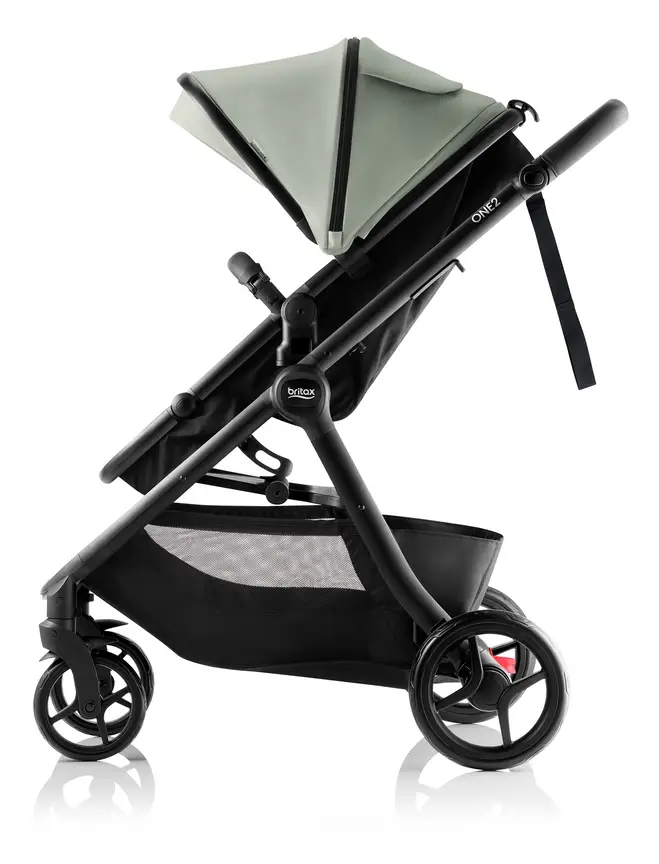
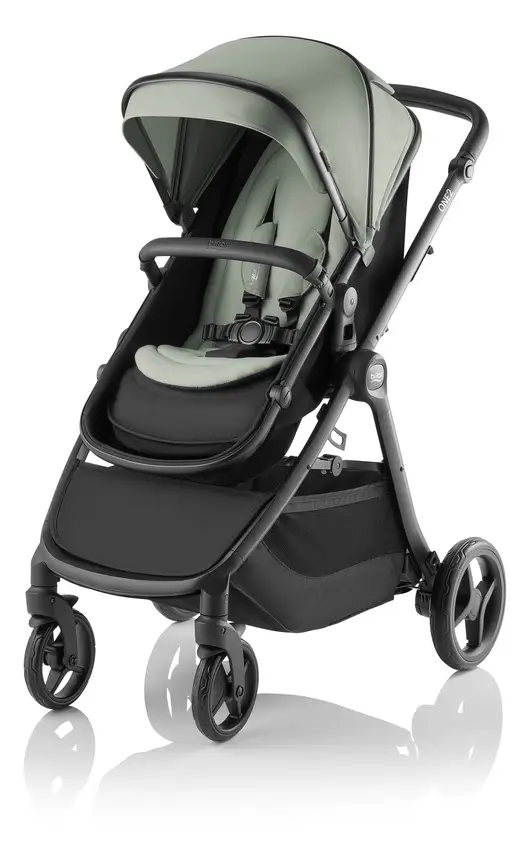


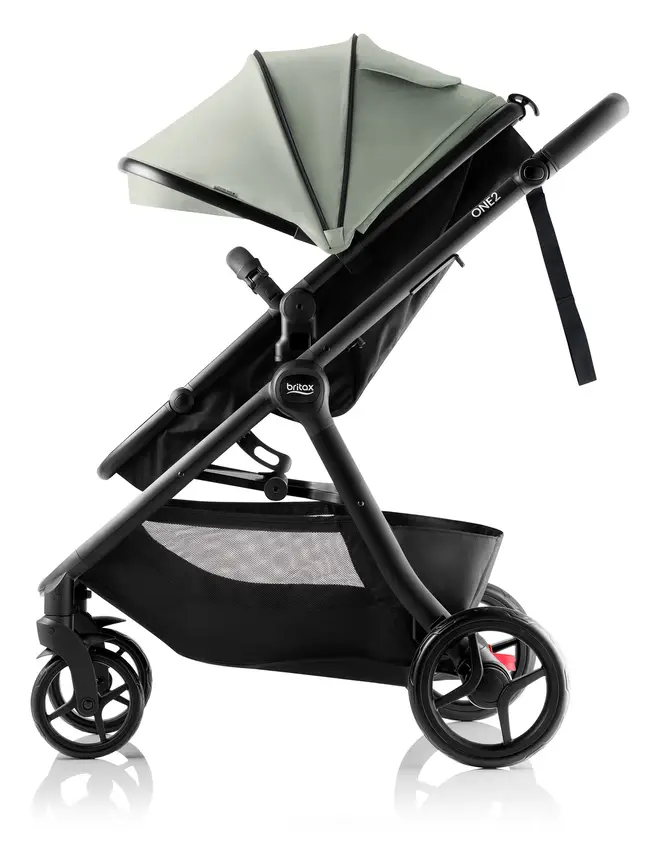


Britax One2
A pram that starts as a single and can take a second child. The seat turns into a lie-flat bassinet.
Read our full review →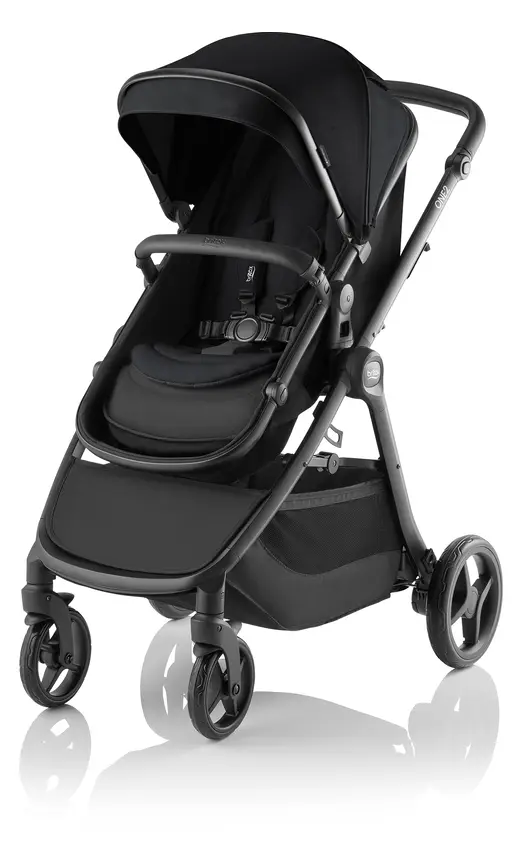
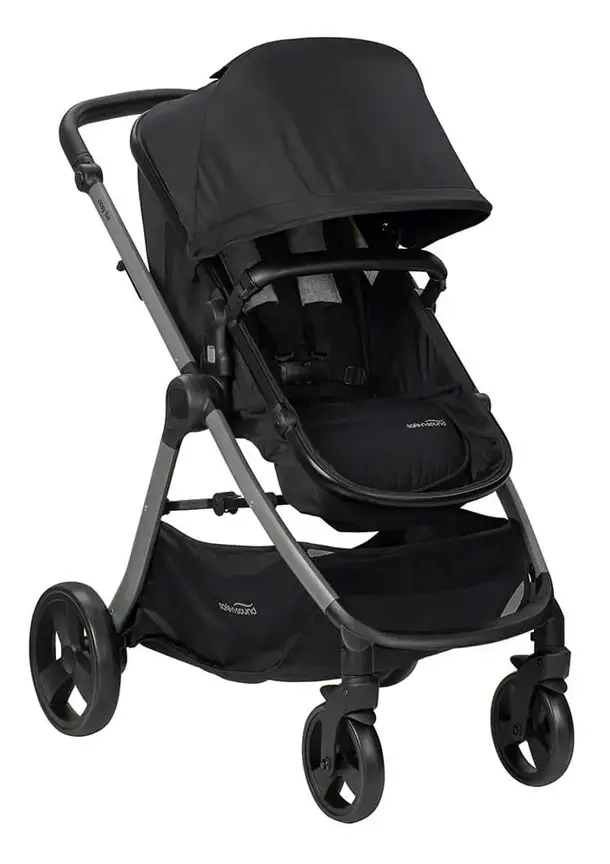

Bugaboo Donkey 5
Converts from single to side-by-side double (siblings or twins) by widening the frame.
Age stages and changing needs
Newborn stage: Choose a maker-approved newborn setup. Keep the baby secure and follow the instructions for recline and harness use. Plan shorter trips when you are still learning the pram.
Newborns need support that matches their age and body control. Check how to position your baby in the carrycot or seat. Keep the face uncovered. Make sure the harness is used as the maker directs for that setup.
Growing baby: As your child gains head and body control, the maker may allow a different seat position. Use only the positions listed for your model. Keep the harness adjusted as your child grows.
Check the seat position each time you change it. Some prams have several recline settings. Not every setting is suitable from birth. Read the instructions instead of guessing from the angle.
Toddler stage: Your child may want to climb in and out. Set the brake first. Keep a hand on the pram. Do not let a child stand on the footrest or ride on the frame unless the maker designed it for that use.
Give your toddler time to climb in only if the maker allows it. Keep the pram still and use the brake. Buckle your child before moving. Do not let them push the pram near traffic or stairs.
Two children: A second seat or board can change the pram's balance and handling. Use only parts approved for that model. Check the limits for each child. Try the loaded pram before relying on it in a crowded place.
Children can have different needs and sizes. Check that each seat gives the right support. Make sure both children can use the harness. Keep bags away from the wheels and from the children.
Common mistakes to avoid
- Buying by folded size alone. A tiny fold may have a seat that does not suit your child or route.
- Skipping the lift test. Lift the folded frame if you will carry it on stairs or public transport.
- Overloading the handle. Hang heavy bags only where the maker allows them.
- Leaving the brake off. Set it whenever you stop, even on level ground.
- Using an unapproved insert. Extra padding can affect fit and airflow.
- Assuming every seat suits a newborn. Check the instructions for the exact seat.
- Using a blanket as a sun cover. Choose a suitable cover that keeps air moving.
- Ignoring wear or recalls. Check the model and parts, especially when buying second-hand.
Another mistake is buying only for the first trip home. Think about the next few years of use. Your child's needs will change. Your daily routes may also change. Check that replacement parts and instructions are available for the model.
Do not assume that a high price means a better fit. Do not assume that a low price means a poor fit. Try the pram and compare the features you will use. Make your choice based on your child, route and home.
Do not use a pram with a broken wheel or missing harness part. A quick repair with a spare from another model may not work safely. Contact the maker or a repair service approved by the maker. Check whether the pram has been recalled before using it again.
Buying new or second-hand
A second-hand pram may cost less, but check it carefully. Find the model name and instructions. Look for recalls in your country. Ask whether the pram has been in a crash, even if it looks fine. A damaged frame can be hard to spot.
Check the frame, brakes, wheels, harness, seat locks and folding parts. Look for cracks, missing screws, frayed straps and sharp edges. Make sure the pram opens and locks as intended. Replace missing parts only with parts approved by the maker.
Ask whether the seller has the original accessories and instructions. Do not use a pram if you cannot confirm that it suits your child's size and age. If the maker cannot identify the model or provide safety information, choose another option.
Check the fabric for tears and mould. Look under the seat and around the basket. Test the brake on level ground. Make sure the harness buckles close and release as intended. Check that the seat stays attached when you lift it gently as the instructions describe.
Ask for a receipt or other proof of purchase if available. This may help identify the model and its age. Check the maker's website or customer service for parts and instructions. Avoid a pram with unknown repairs or missing labels.
Clean a used pram according to the maker's care instructions. Do not use strong cleaners that could damage straps or fabric. Let it dry fully before storage. Keep the instructions with the pram for every adult who uses it.
Plan a comfortable city trip
Pack only what you need for the trip. Put the bag in the basket and keep it within the stated limit. Check that nothing can fall near the wheels. Keep drinks sealed and away from the child.
Before leaving, check the weather and your route. Pick a path with safe crossings where possible. Leave extra time for lifts, steps and crowded areas. If a lift is out of order, find another route rather than carrying a loaded pram alone.
On public transport, follow local instructions. Keep the pram stable and use the brake when stopped. Hold the pram when the vehicle moves, if the service rules allow it. Be ready to fold it if staff ask and you can do so safely.
When crossing a road, stop well back from the edge. Keep your child buckled. Hold the handle firmly and look both ways. Do not let a child push the pram near moving traffic.
Take a short practice walk before a long outing. This helps you learn the brake, fold and steering. Try the route near home first. Adjust what you carry if the pram feels hard to handle.
Frequently asked questions
Is a lightweight pram always best for city use?
No. Low weight can help on stairs and buses. But the pram still needs a suitable seat, safe harness and stable frame. Try it on your route before deciding.
Can I take any pram on a bus or train?
No. Space and access vary by service and location. Check local rules and the stations or stops you use. A compact fold can help when you need to make room.
Can my newborn use a compact travel pram?
Only if the maker says that exact setup is suitable from birth. Some compact prams need a separate carrycot or approved newborn insert. Read the instructions before use.
Can my baby sleep in the pram?
Use the pram only as its maker directs. A pram seat is not automatically a safe sleep space. Move a sleeping baby to a firm, flat sleep surface when practical.
Do I need a travel system?
No. It may suit families who often move between car and pram. Check that the parts fit together and follow both makers' instructions. You can also carry your baby from the car seat to a separate pram setup.
How often should I check the pram?
Check it before use, especially after folding, transport or storage. Test the brake and frame lock. Look for loose or damaged parts. Follow the maker's care and service advice.
Is a second-hand pram safe?
It can be, if it is complete, works as intended and suits your child. Check for recalls and damage. Get the instructions and use only approved replacement parts. Do not use it if its history or model is unclear.
What should I carry in the pram basket?
Carry only what the maker allows. Keep heavy items low in the basket. Avoid heavy bags on the handle, as they can affect balance.
Should I buy a pram before my baby is born?
That is a personal choice. If you buy early, check the newborn setup and instructions before use. You can also wait until you know more about your home and daily trips.
What is the best wheel size for city streets?
There is no best size for every route. Small wheels can turn easily in shops. Larger wheels may roll better on rough paths. Try the pram on the surfaces you use.
Can I hang my shopping from the handle?
Only if the maker allows it and stays within its stated limit. Heavy bags can affect balance. A low basket is usually a better place for daily items.
How do I know if the pram fits my child?
Check the maker's age, height and weight limits. Use the harness as directed. Ask a health professional if your child has a health or movement need.
More options, from budget to premium
Real products from our catalogue. We don't show star ratings or review counts; check the current price, stock and reviews on Amazon before you buy.
 Reviewed
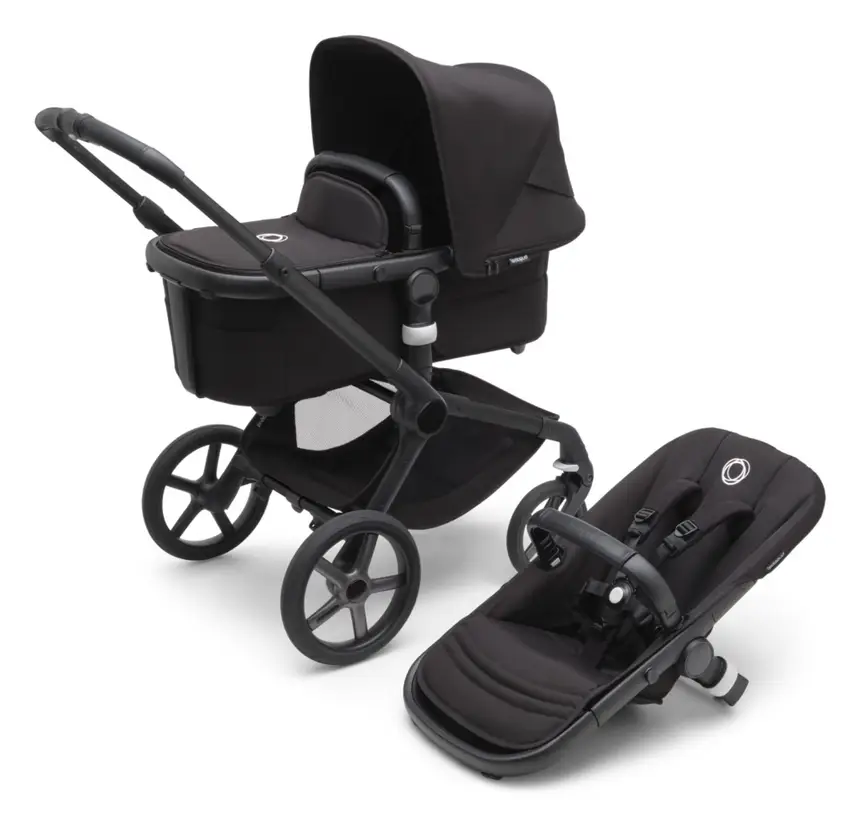
Bugaboo Fox 5
Bugaboo's flagship all-terrain pram: big-wheel suspension ride, one-piece fold, bassinet from birth and a seat rated to 22 kg.
Read our full review →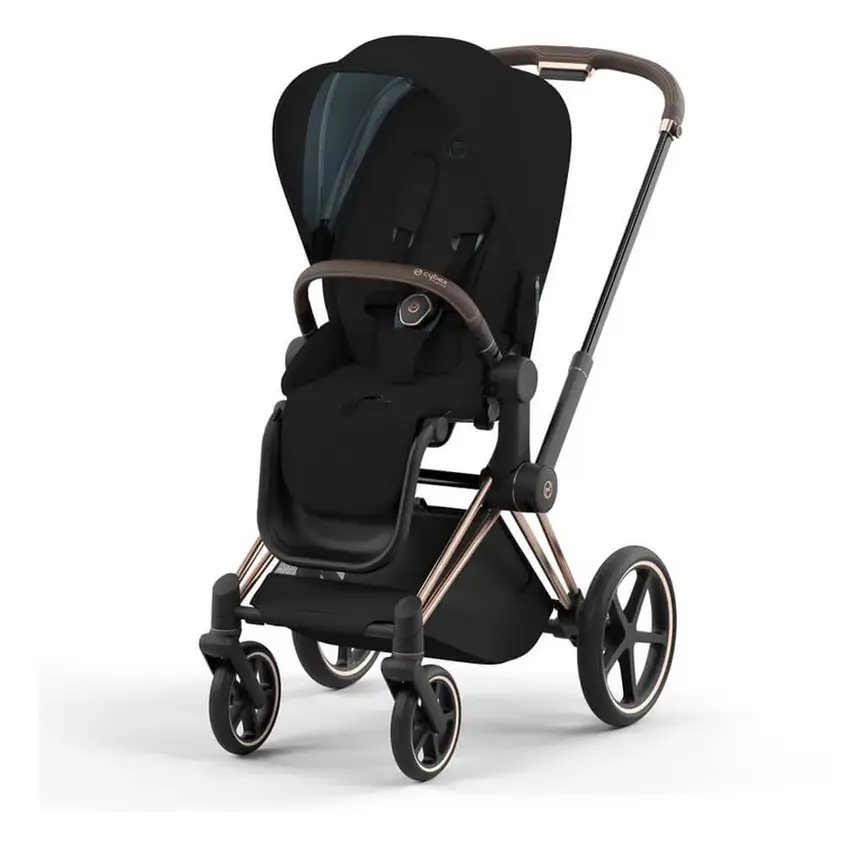
Cybex Priam
Fashion-forward luxury pram with interchangeable seat/bassinet units and an all-terrain option.

Maxi-Cosi Zelia 3
A mid-price pram with a carrycot that changes into a seat, so one frame covers birth to toddler.
Sources and official guidance
- Australia: Product Safety Australia, prams and strollers guide.
- Australia: Product Safety Australia, prams and strollers mandatory standard.
- UK: Office for Product Safety and Standards.
- US: Consumer Product Safety Commission, including product safety and recall information.
- Canada: Health Canada, recalls and safety alerts.
- Australia: Red Nose, infant sleep and car seats.
Disclaimer: This guide is general information, not medical or product-specific advice. Follow the pram maker's instructions and your local safety guidance. Ask a health professional about your child's needs. BabyGearFinder may earn a commission from qualifying purchases. This does not change our advice.
Sources
- Product Safety Australia – Prams and strollers guide
- Product Safety Australia – Prams and strollers mandatory standard
- UK Office for Product Safety and Standards
- CPSC (US) – Safe sleep: cribs and infant products
- Health Canada – Recalls and safety alerts
- Red Nose Australia – Research on risks of infants sleeping in car seats
Related guides
More Prams & Strollers →
How to Choose a Lightweight Pram for City Living

City vs Suburbs: How to Choose a Stroller That Fits Both
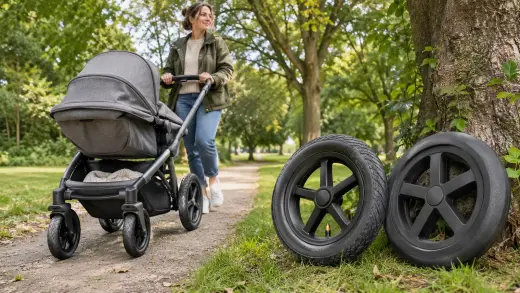
Air-Filled vs Foam-Filled Pram and Stroller Tyres: Comfort, Punctures and How to Choose
