Shopping Cart and High Chair Covers: Safety, Comfort, and What to Check
How to choose and safely use a shopping cart and restaurant high chair cover, with fit checks, cleaning tips, and safety rules for AU, UK, US and Canada.

On this page
- Key points
- What a cart and high chair cover is
- Safety comes before germs
- When your baby is ready to use one
- What to look for when buying a cover
- Comparing cover types and other options
- Safety rules in Australia, the UK, the US and Canada
- How to fit and use a cover safely
- Teething, chewing, and keeping the cover clean
- Common mistakes to avoid
- Frequently asked questions
- Sources
Short answer: A shopping cart and high chair cover is a washable fabric liner. It wraps around the seat, back, and front bar of a store trolley or restaurant high chair. It gives your baby a clean, soft place to sit and stops them from chewing bare metal or wood. However, a cover does not replace the seat belt. Only use one once your baby can sit up on their own, and always thread the seat's safety straps through the cover.
Health and safety bodies in Australia (Product Safety Australia, Raising Children Network, Kidsafe), the UK (Office for Product Safety and Standards, NHS, RoSPA), the US (CPSC, American Academy of Pediatrics) and Canada (Health Canada, HealthLink BC, Canadian Paediatric Society) all give the same core advice. Falls from trolleys and high chairs are a real risk. Proper straps and close supervision matter far more than extra padding.
Key points
- Wait until sitting: Only place your baby in a trolley seat or restaurant high chair when they can sit up without help and hold their head steady.
- Straps first: A cover must have clear slots so the seat's own waist and crotch straps pass through and buckle snugly around your baby.
- Never rely on the cover alone: Fabric padding cannot hold a wriggling baby in place.
- Check the fit: The cover must stay put with non-slip backing or elastic, without bunching over leg holes.
- Wash often: Babies drool and chew on the front bar. Pick a cover that goes straight in the washing machine.
- Stay within arm's reach: Never turn your back or walk away from a baby in a trolley or high chair, even for a second.
What a cart and high chair cover is
A shopping cart and high chair cover is a soft fabric wrap made for public seats. In Australia and the UK, most people call a shopping cart a shopping trolley. In the US and Canada, people call it a shopping cart. Both names mean the same wire or plastic basket on wheels with a fold-down child seat at the handle.
Most covers are called "360-degree" covers. This means the fabric wraps all the way around the seat. It covers the backrest, the seat base, the sides, and the front handle or tray bar. Some covers also drape over the sides of a wooden restaurant high chair.
Why parents use them
Public trolley seats and cafe high chairs see heavy daily use. They are often sticky, cold, or scratched. Many babies put their mouths on the trolley handle right in front of them, especially when teething.
A cover puts a clean layer between your baby and those shared surfaces. It also adds a little softness against hard plastic, wire, or wood. For a young baby who is still learning to sit steady, a bit of side padding can feel more comfortable than a bare wire frame.
What a cover cannot do
A fabric cover is not a safety device. It cannot stop a child from standing up, tipping a chair, or sliding out through a leg hole. It cannot make a broken high chair or a wobbly trolley safe to use.
If a trolley or high chair has a broken strap, a missing crotch post, or loose legs, do not put your baby in it. Putting a padded cover over a faulty seat hides the problem instead of fixing it.
Highchairs & Booster Seats worth a look
Real products from our catalogue. We don't show star ratings or review counts; check the current price, stock and reviews on Amazon before you buy.

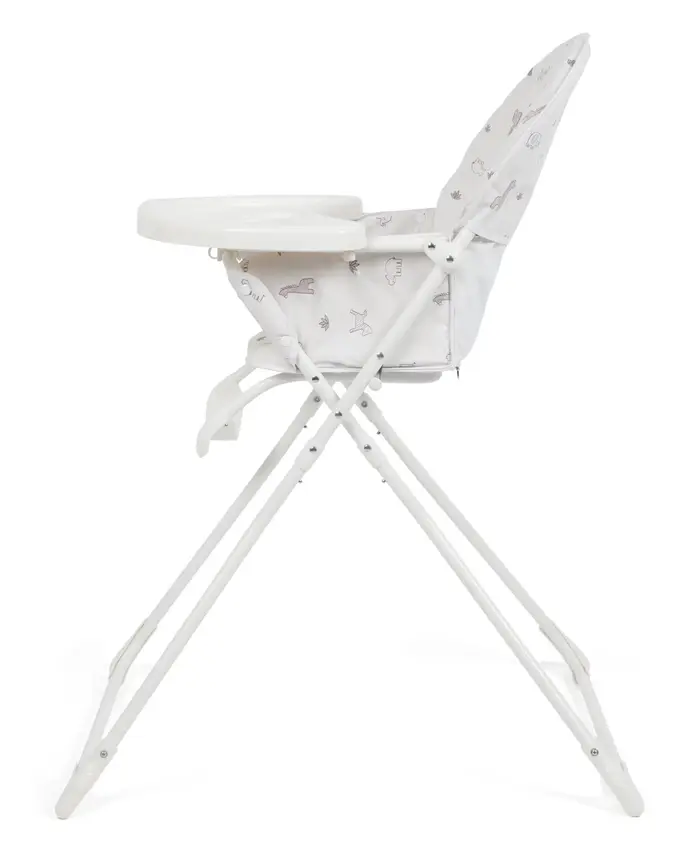
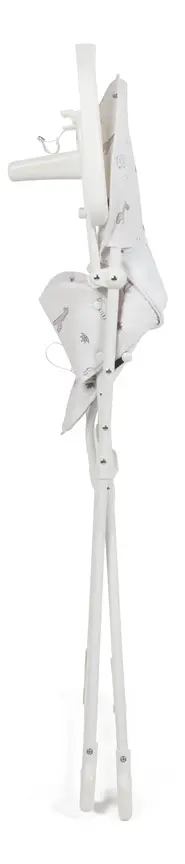
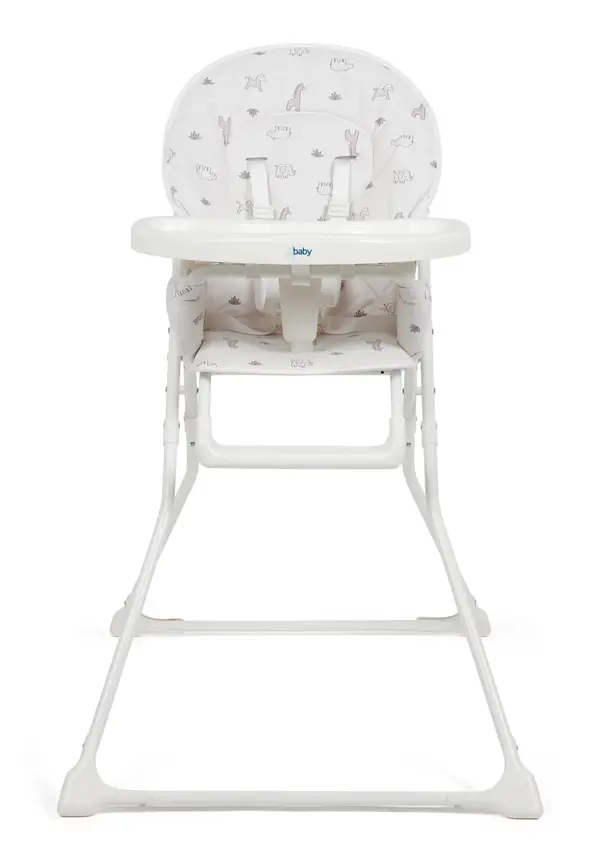
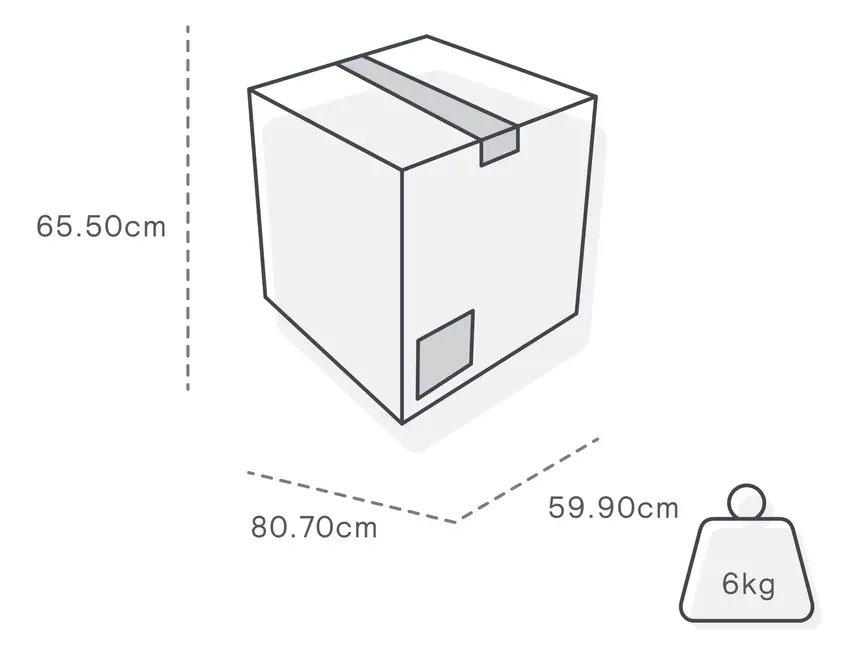
4baby Flat Fold Highchair
A very low-cost highchair that folds flat, with a wipe-clean seat.
Read our full review →

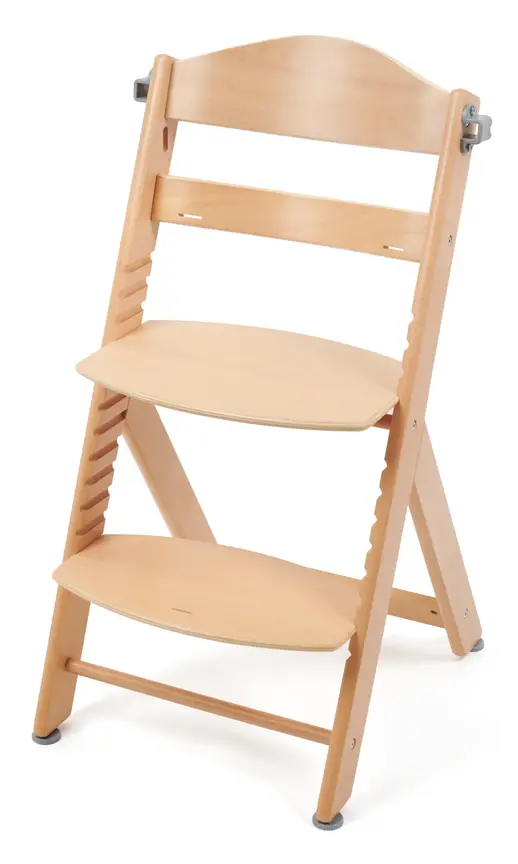
4baby Grow With Me Wooden Highchair
A low-cost wooden highchair that turns into a junior chair, with 4 seat heights and 8 footrest spots.
Read our full review →
Bugaboo Giraffe
Bugaboo's answer to the Tripp Trapp, with notably quick, tool-free height adjustment.
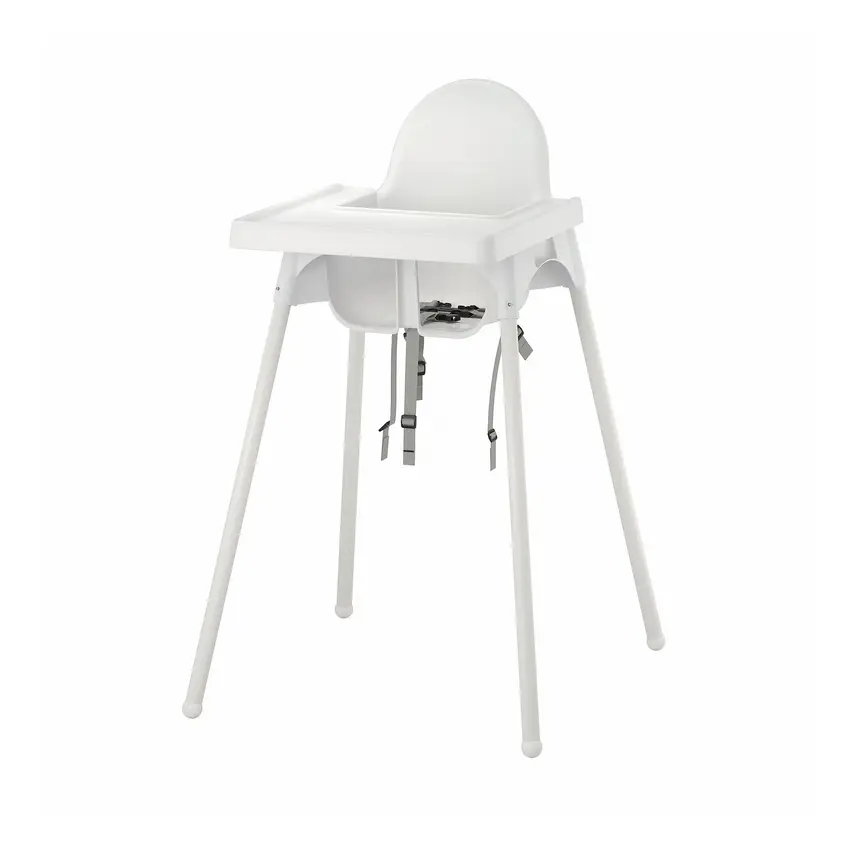
IKEA Antilop Highchair
The cheap, wipe-down classic many daycares use. No footrest, no adjustment — but almost nothing to clean.
Safety comes before germs
Many adverts focus on germs. They show scary pictures of dirty handles to sell thick, padded covers. Germs on shared surfaces are a fair concern, especially when babies touch everything and put their hands in their mouths. Simple hand washing and wiping down surfaces help with that.
In real life, falls are a much bigger danger than germs. Kidsafe Australia, RoSPA in the UK, the CPSC in the US, and HealthLink BC in Canada all warn about falls from high chairs and shopping trolleys. A baby sits high off the ground in both seats. Floors in supermarkets and cafes are usually hard tile or concrete.
Why falls happen
- No strap used: A child stands up, leans over the side to grab an item, and tumbles out headfirst.
- Blocked straps: A thick cover covers up the trolley's built-in belt, so the parent skips buckling it.
- Loose fit: A slippery cover slides forward, letting the child slip down through the leg opening.
- Tipping over: A heavy handbag hangs on the trolley handle or high chair back, pulling the whole seat backwards.
When you choose or use a cover, safety comes first every time. A thin cover that lets the harness work properly is much safer than a plush cover that gets in the way of the straps.
When your baby is ready to use one
A cover does not turn a trolley seat or high chair into a safe spot for a newborn. Your baby's neck and back muscles need to be strong enough first.
Signs your baby is ready
- Your baby can hold their head steady without it bobbing or slumping forward.
- Your baby can sit upright on the floor on their own for a short time without falling over.
- Your baby's legs fit comfortably through the leg holes without sliding out.
For most babies, this happens around six months of age. Some babies are ready a little later. Follow your baby's skills rather than a set calendar date.
Age and stage guide
| Age and stage | What your baby can do | Best choice for shopping and eating out |
|---|---|---|
| Newborn to around 4 months | Cannot sit up or hold head steady for long. | Do not use a trolley seat or restaurant high chair. Use a baby carrier, sling, or pram instead. |
| Around 4 to 6 months | Learning to sit with support. Still wobbles easily. | Wait if your baby slumps forward or sideways. Keep using a pram or carrier. |
| Around 6 to 12 months | Sits up unaided. Reaches, grabs, and chews on bars. | Good time for a cover with proper harness slots. Always use the waist and crotch straps. |
| 12 to 24 months | Active, curious, and tries to stand or climb. | A cover still helps with hygiene. Watch closely so they do not unbuckle or stand up. |
| 2 years and older | Walks well. Often too big for standard trolley leg holes. | Usually better walking beside you or sitting on a normal chair with help. Check weight limits. |
Remember that a baby who slumps forward in a seat can have trouble breathing. Keeping newborns in a proper pram or well-fitted baby carrier keeps their airway clear and their spine supported.
What to look for when buying a cover
Covers look simple, yet small design details make a big difference in daily use. Here is what to check before you buy.
Clear harness openings
Look for wide, reinforced slots in the backrest and seat base. You need to thread the trolley or high chair's own straps through these slots. Some covers only include a thin fabric strap sewn onto the cover itself. A strap sewn only to the cover is not strong enough on its own if the cover slips. You should always be able to use the seat's main belt.
A snug, non-slip fit
A good cover stays put when your baby wriggles. Look for:
- Elastic edges that hug the seat back and front bar tightly.
- Non-slip backing on the underside of the seat pad so it does not slide on smooth plastic or wood.
- Side flaps or ties that wrap cleanly around the frame without dangling down near the wheels.
Safe leg holes
Trolley seats have two cut-outs for your child's legs. The cover needs matching leg holes that sit in the right spot. The fabric around the leg holes should be smooth and soft so it does not rub bare skin. Avoid covers with huge, floppy openings that let a small baby slide down.
Safe, non-toxic materials
Teething babies chew straight on the front part of the cover. Check the care label and product details carefully. Avoid fabrics with strong chemical smells, flaky plastic coatings, or loose glitter. In the US, the Consumer Product Safety Commission (CPSC) restricts harmful softeners called phthalates in child care items. Look for plain cotton, soft polyester, or food-safe trims that are free from phthalates, lead, and bisphenol A (BPA).
No choking hazards
Some covers come with sewn-in toy loops, plastic rings, or pockets. Check that every button, snap, Velcro tab, and seam is stitched down tight. Do not buy a cover with small decorative buttons, loose ribbons, or long cords. Long ties can wrap around a child's neck or catch in trolley wheels.
Easy folding and carrying
You will often be holding a baby in one arm while fitting the cover with the other. Covers that fold into an attached pouch or roll up with a simple strap are much easier to carry in a nappy bag or car boot. Bulky covers that take up a whole shopping bag often end up left at home.
Comparing cover types and other options
A padded 360-degree cover is not your only choice. Here is how the main options compare for real-life errands and meals out.
| Feature | Padded 360-degree fabric cover | Compact wipe-clean cover | Wipes and a light cloth | Portable travel high chair or clip-on seat |
|---|---|---|---|---|
| Germ barrier | Covers seat, back, sides, and handle bar. | Covers seat, back, and handle bar with smooth fabric. | Kills or removes surface dirt where you wipe. | Your baby sits in your own clean seat. |
| Comfort for baby | Softest feel for new sitters against hard frames. | Thin padding, less cushion than quilted styles. | Hard seat underneath; light cloth adds little softness. | Supportive seat made for your baby's size. |
| Cleaning effort | Needs full machine wash and air dry after use. | Wipes down fast with a damp cloth; machine wash less often. | Zero washing; just toss used wipes in a bin. | Wipe-clean fabric or removable washable pad. |
| Bag space | Medium to bulky; takes up space in a nappy bag. | Folds small into a pocket or pouch. | Takes almost no space at all. | Largest option; stays in the car or under a pram. |
| Harness access | Must have wide slots so the seat belt works properly. | Usually lighter fabric, easier to thread straps through. | Straps stay completely clear and easy to buckle. | Has its own built-in five-point or three-point harness. |
| Best for | Frequent big grocery trips with a 6 to 12 month old. | Quick cafe stops, travel, and messy toddlers. | Short trips when you want to travel light. | Restaurants with no high chairs or worn-out seats. |
Many parents find that a compact, wipe-clean cover works better once their baby starts eating messy finger foods. Crumbs and mashed avocado wipe off coated fabric in seconds, while thick quilted cotton holds stains until wash day.
Side by side: more highchairs & booster seats to compare
Real products from our catalogue. We don't show star ratings or review counts; check the current price, stock and reviews on Amazon before you buy.
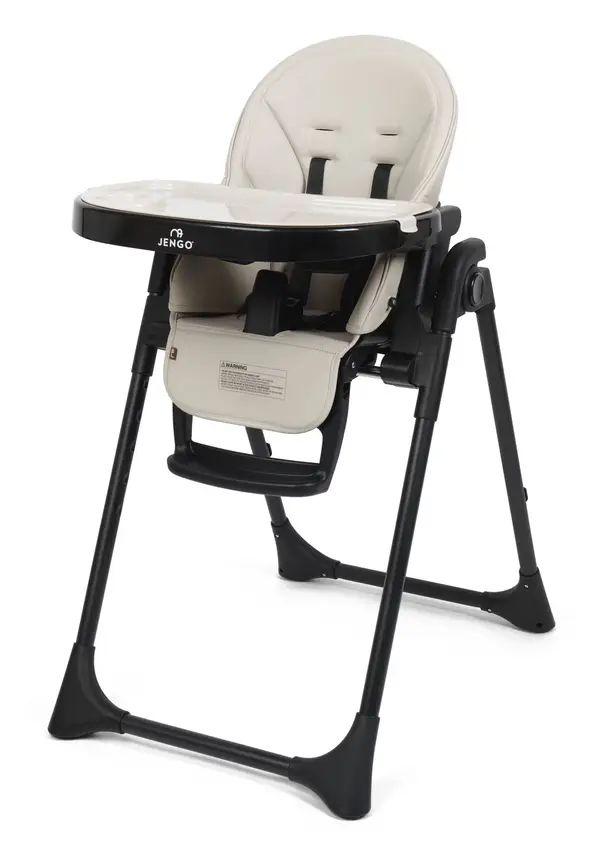
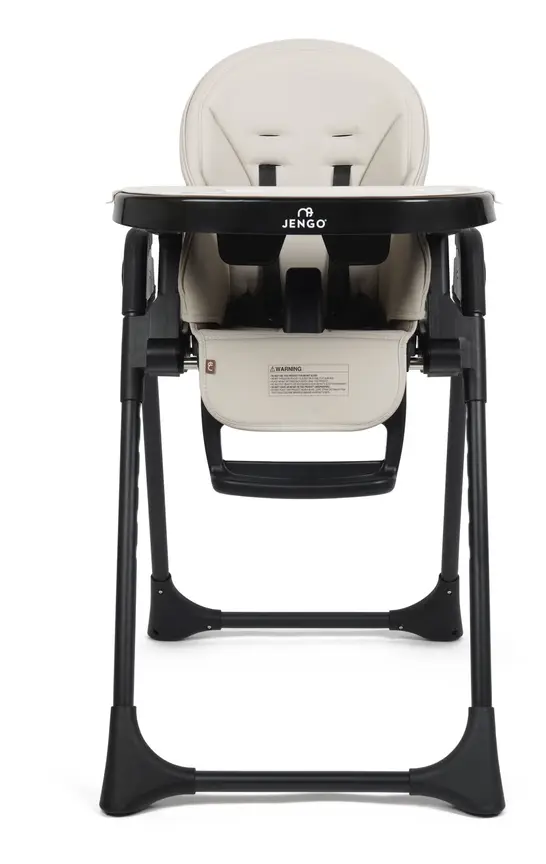

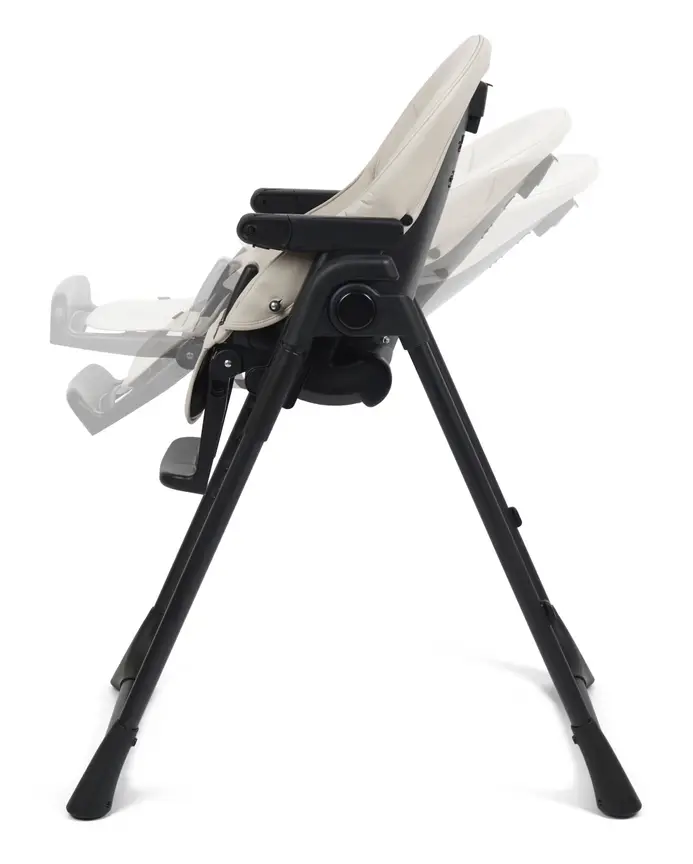
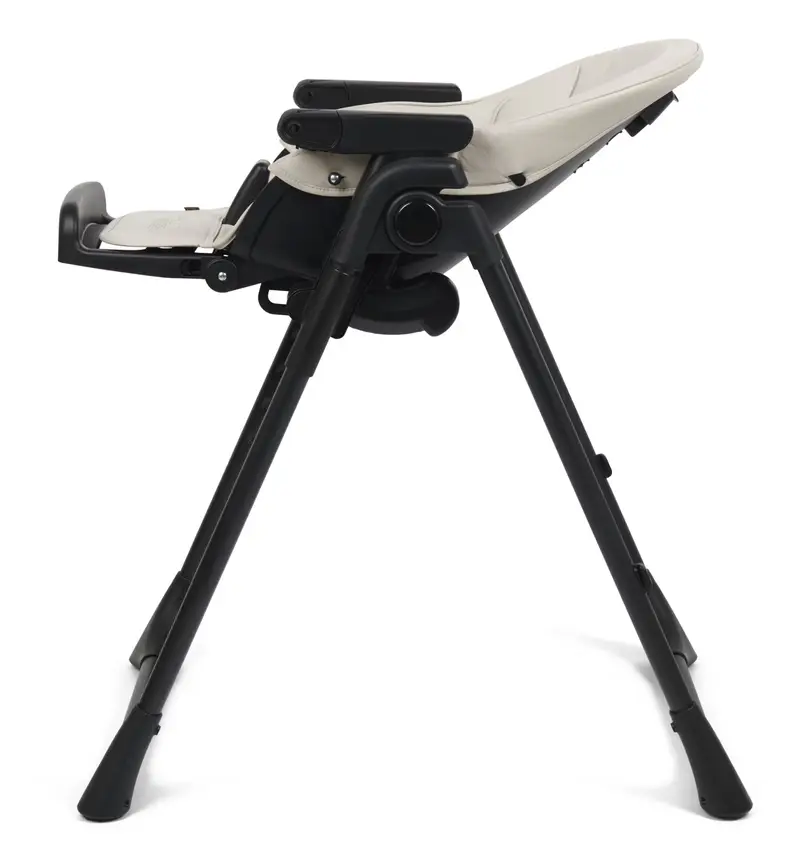
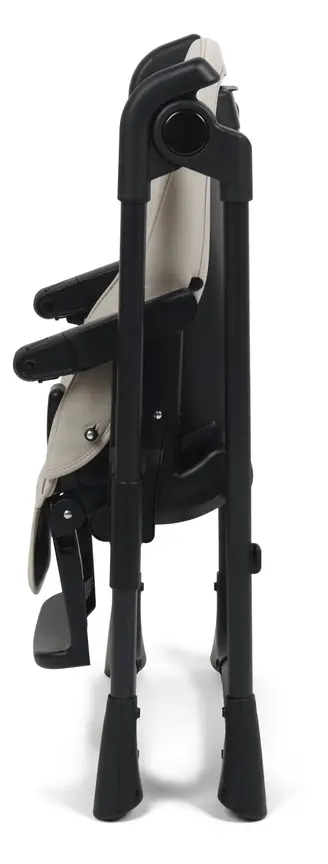
Jengo Nosh Highchair
A highchair from birth to toddler with 7 heights and 3 seat positions.
Read our full review →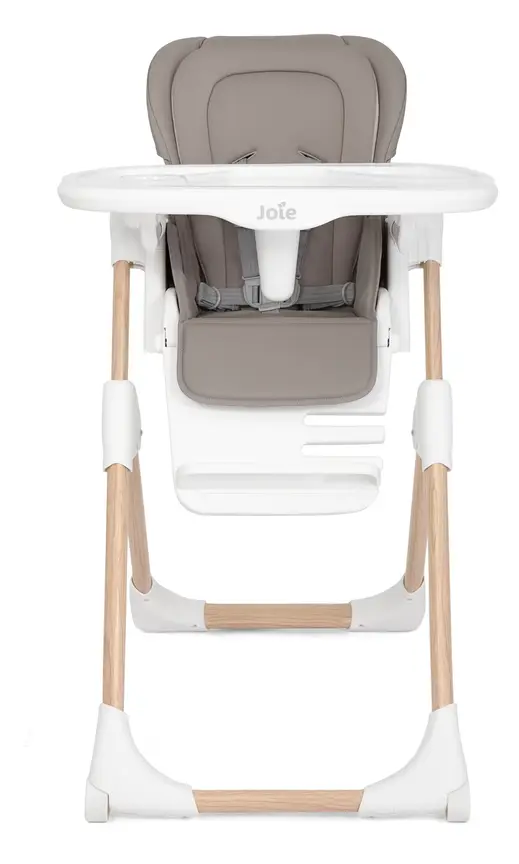

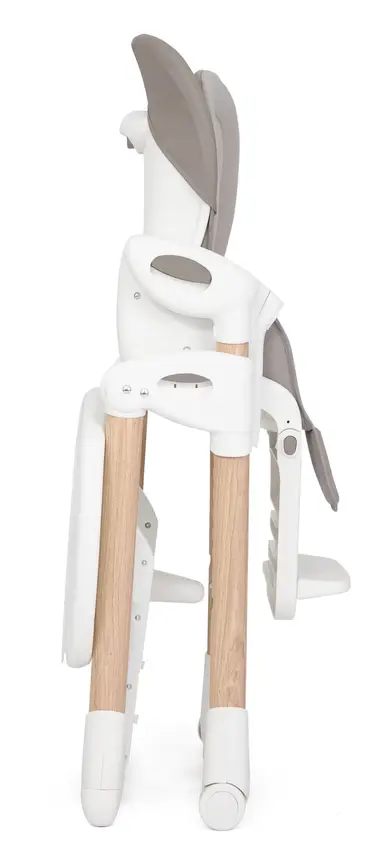
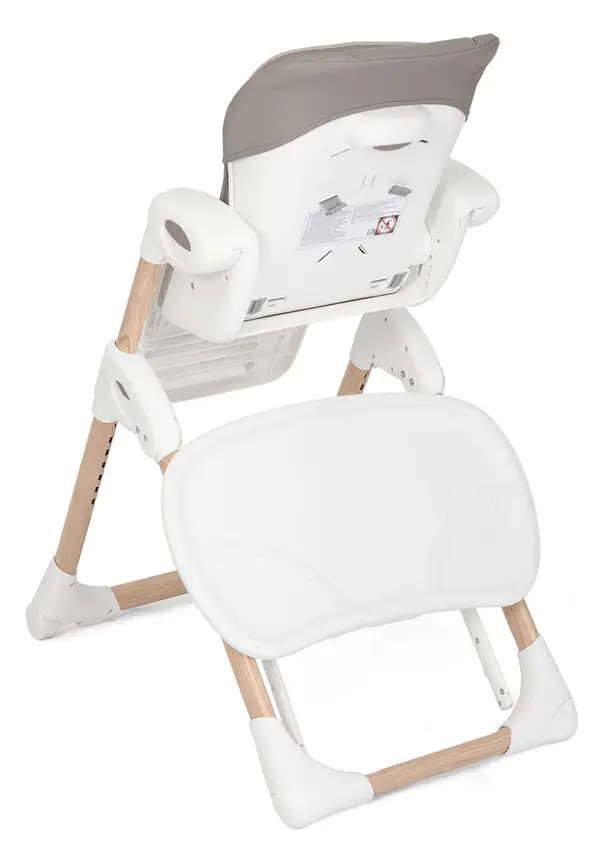
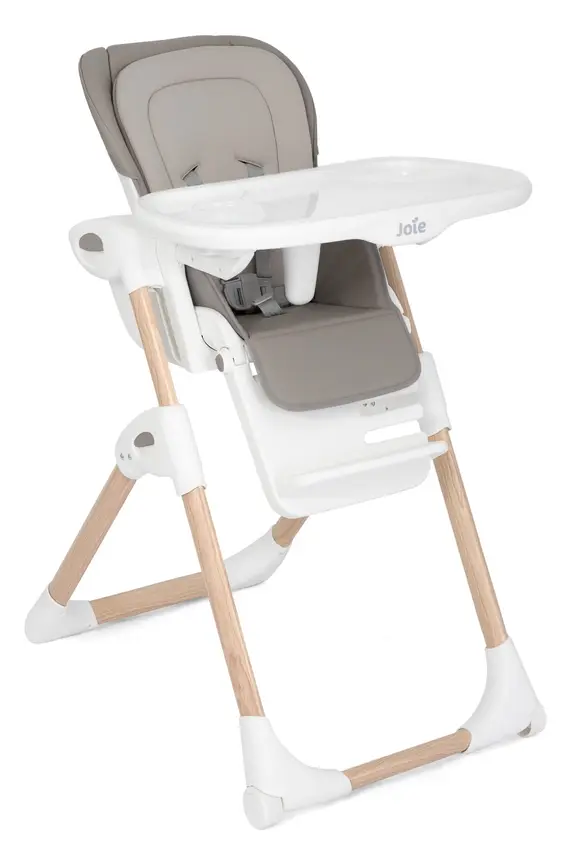
Joie Mimzy Recline 2.0
A highchair from newborn with 5 recline spots and 7 heights. It folds standing up.
Read our full review →
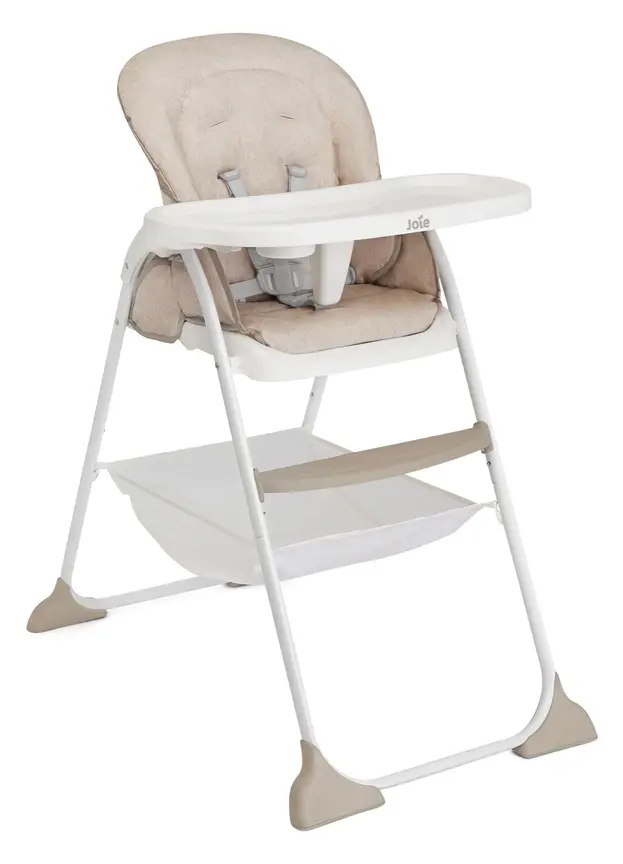
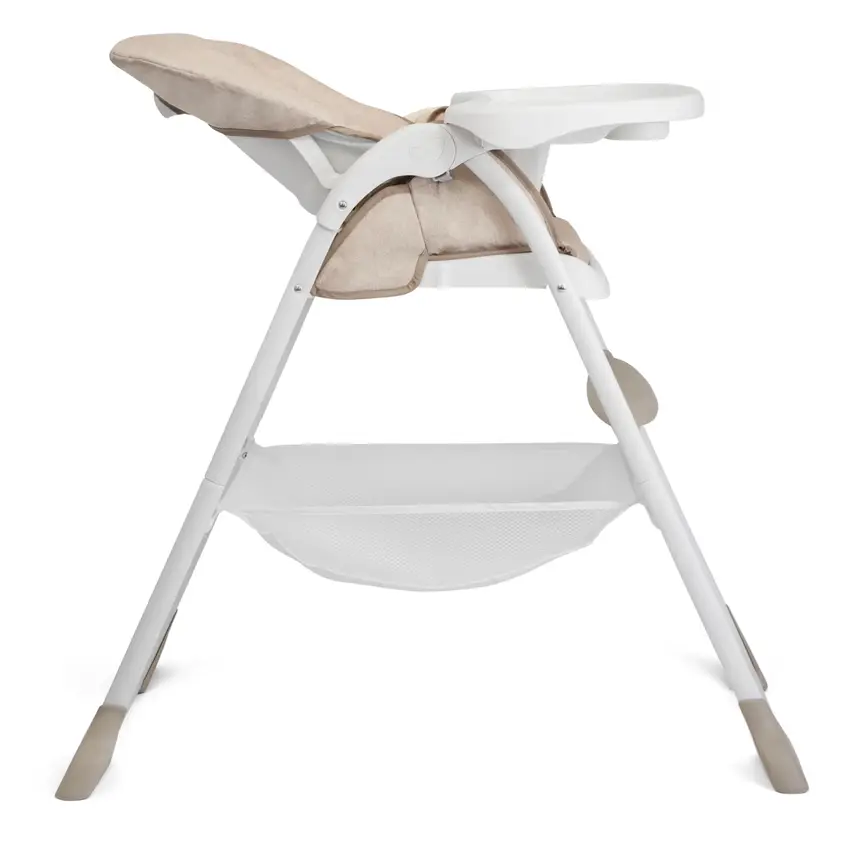

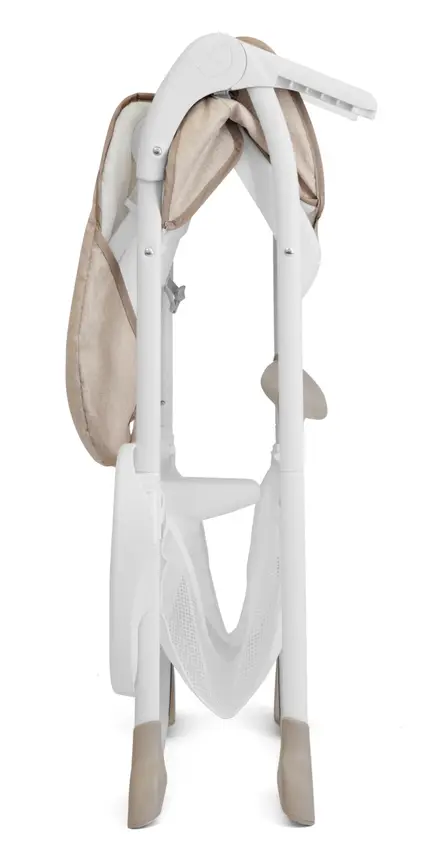
Joie Mimzy Snacker
A low-cost folding highchair from 6 months. It stands up when folded.
Read our full review →

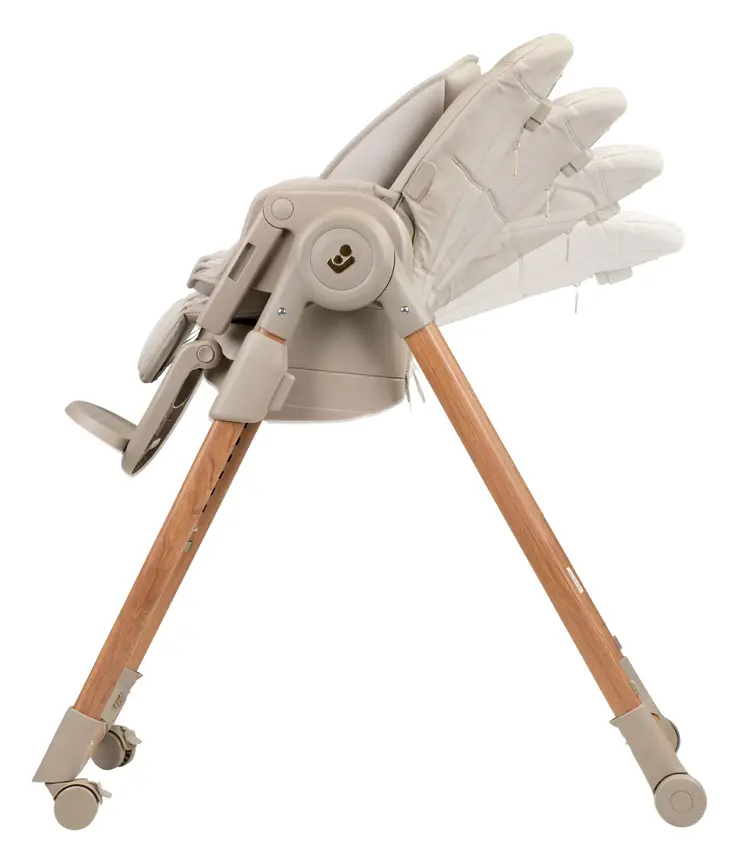
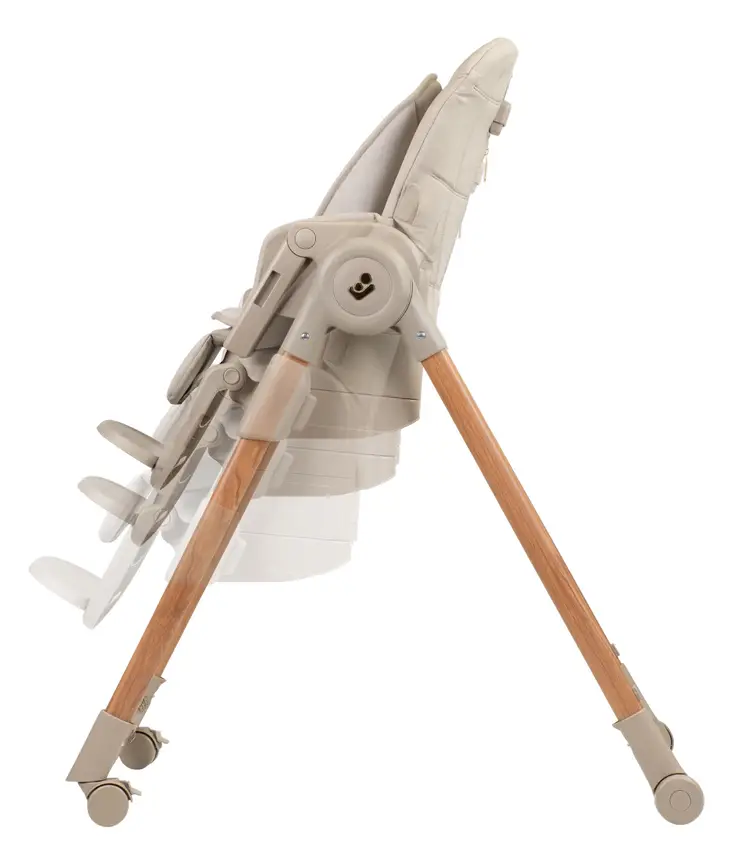

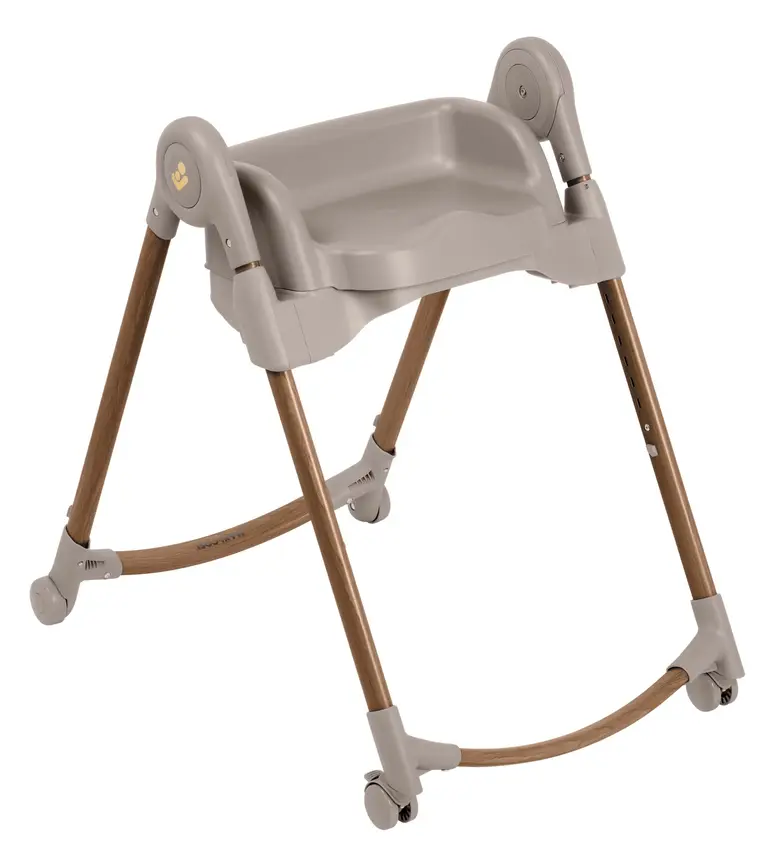

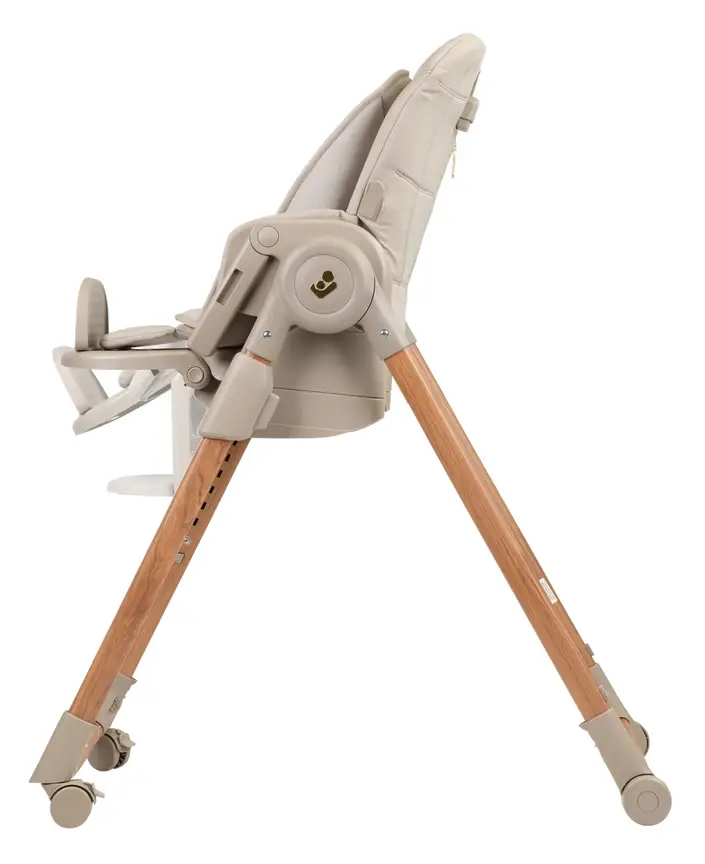
Maxi-Cosi Minla Plus
Lies flat from birth, then works as a highchair and booster, and later a kid chair.
Read our full review →Safety rules in Australia, the UK, the US and Canada
No country has a special safety standard just for fabric cart covers. Instead, safety rules focus on the high chairs and shopping trolleys themselves, plus general rules for safe materials and child products. Knowing what the official bodies say in each country helps you spot safe setups wherever you travel.
| Country | Main safety and health bodies | High chair and seating rules | Key advice for parents |
|---|---|---|---|
| Australia | ACCC (Product Safety Australia), Raising Children Network, Kidsafe Australia | Australia has a national high chair safety standard for frame strength, stability, and restraints. | Always use a five-point harness or crotch strap. Check for recalls on Product Safety Australia. |
| United Kingdom | Office for Product Safety and Standards (OPSS), NHS, RoSPA | High chairs must meet BS EN 14988 for stability, restraints, and safe gaps. | Never leave a child alone in a high chair or trolley. Keep chairs away from table edges they can push off. |
| United States | Consumer Product Safety Commission (CPSC), American Academy of Pediatrics (AAP) | High chairs must meet ASTM F404, which includes strict tip-over and restraint tests. | Always buckle the waist and crotch straps. Use non-toxic materials free from banned phthalates. |
| Canada | Health Canada, HealthLink BC, Canadian Paediatric Society (Caring for Kids) | High chairs follow national consumer safety laws for stability, latches, and safety straps. | Make sure your baby can sit up well before using a high chair. Check Health Canada for product recalls. |
Notice how every country agrees on the same basics. The seat needs a working restraint with a crotch strap. A waist belt on its own is not enough, because a baby can slide down under a waist-only belt. That is why Product Safety Australia, the NHS, the CPSC, and HealthLink BC all stress using a crotch strap or five-point harness every time.
What about chemical safety for teething babies?
Because babies chew on covers, material safety matters too. In Australia, toy and children's product rules such as AS/NZS 8124 limit harmful heavy metals and small parts. The UK and Europe use BS EN 71 for toys, and the US uses ASTM F963 alongside CPSC phthalate bans. While a cart cover is not classed as a toy, buying from trusted brands that state their fabrics are free from phthalates, lead, and BPA gives you extra peace of mind.
How to fit and use a cover safely
Fitting a cover takes a little practice. Try putting it on a dining chair at home first so you are not figuring it out in a busy car park.
Step-by-step for a shopping trolley
- Check the trolley first. Look at the wheels, the fold-out seat, and the strap. Make sure the belt clicks shut and is not frayed or broken.
- Unfold and drape the cover. Lay the cover over the seat with the padded front section wrapping over the handlebar.
- Secure the elastic or ties. Stretch the elastic edge around the back of the seat and under the front bar. Smooth out any big lumps.
- Pull the trolley belt through. Reach through the cover's harness slots and pull the trolley's straps out so they sit on top of the cover.
- Seat your baby gently. Guide both legs cleanly through the leg holes. Make sure the fabric is not twisted around their knees.
- Buckle and tighten. Fasten the belt snugly across your baby's hips. You should only fit one or two fingers between the strap and your baby.
- Keep one hand close. Stay right behind the trolley. Never let older siblings climb on the side or hang on the handle.
Step-by-step for a restaurant high chair
- Inspect the chair. Give the high chair a gentle shake. Check that the legs sit flat on the floor and do not wobble. Check that both the waist strap and crotch strap are intact.
- Check the chair position. Place the high chair away from table edges, walls, hot drinks, and walkways where servers carry hot food.
- Fit the cover without blocking legs or straps. Drape the cover over the backrest and seat. Tuck the side flaps in so they do not trip anyone walking past.
- Thread the straps through. Pull both the waist belt and the crotch strap through the cover's openings. If the cover blocks the crotch strap, do not use the cover on that chair.
- Buckle your baby in. Click the harness shut and pull it snug. A baby should not be able to stand up or slip out.
Teething, chewing, and keeping the cover clean
Teething babies love to chew on the padded front bar of a cart cover. It sits right at mouth height. Keeping that fabric clean takes a simple routine.
Washing after outings
Wash the cover after a trip if your baby chewed on it, spilled milk, or dropped food on it. Use a gentle, fragrance-free laundry detergent in a normal machine wash. Warm or hot water helps remove food oils and everyday germs. Always check the care tag first so you do not shrink the cotton or melt a waterproof backing.
Let the cover dry completely before folding it into its carry pouch. Putting a damp cover into a closed bag traps moisture and can grow mould.
Skip harsh sprays on fabric
Do not spray strong household disinfectants onto fabric that your baby will chew. Chemical residues stay in the cloth and can irritate your baby's mouth or skin. If you only have a wipe-clean cover, wipe it with mild soapy water or a baby-safe wipe, then dry it with a clean cloth.
What to do with chewable bars
Some covers include a removable silicone teether or a Velcro wrap just for the front bar. These are handy because you can unclip and wash just the front strip after every trip instead of washing the whole cover.
Check for wear and tear
Every few washes, look over the cover in good light:
- Check that harness slots have not ripped wider.
- Pull gently on Velcro tabs, snaps, and toy loops to make sure they are still sewn tight.
- Throw away or repair any cover with loose stuffing coming out of a seam.
Common mistakes to avoid
Even careful parents can slip into habits that raise the risk of an injury. Watch out for these common traps.
- Skipping the seat's built-in belt: A cover's thin Velcro loop is never a match for the trolley's real safety strap. Always buckle the main belt.
- Putting a car capsule on top of the trolley seat: Never balance a baby car seat on top of the fold-out child seat, with or without a cover. It makes the trolley top-heavy and easy to tip. Put the baby in a carrier or place a compatible capsule only in the lower main basket if your store allows it, or use a pram.
- Using a cover too early: Propping a four-month-old up with extra blankets and a thick cover does not make them safe in a trolley. Wait until they sit steadily on their own.
- Hanging heavy bags on the handle: A heavy nappy bag or backpack hanging off the back of a high chair or trolley handle can tip the whole seat backwards onto the floor.
- Leaving the high chair near a table edge: Toddlers love to push their feet against the dining table. That push can tip a light wooden restaurant high chair straight over backwards.
- Clipping small toys onto the cover: Extra toys on long clips can dangle into the aisle, pick up floor dirt, or pose a choking risk if a small part snaps off.
- Leaving your baby for "just one second": Reaching down the aisle for an item while your back is turned gives an active toddler plenty of time to stand up or wriggle free.
More options, from budget to premium
Real products from our catalogue. We don't show star ratings or review counts; check the current price, stock and reviews on Amazon before you buy.

Mocka Original Highchair
Australian/NZ online brand's wooden adjustable chair — the Tripp Trapp idea at a fraction of the price, with simpler finishes.
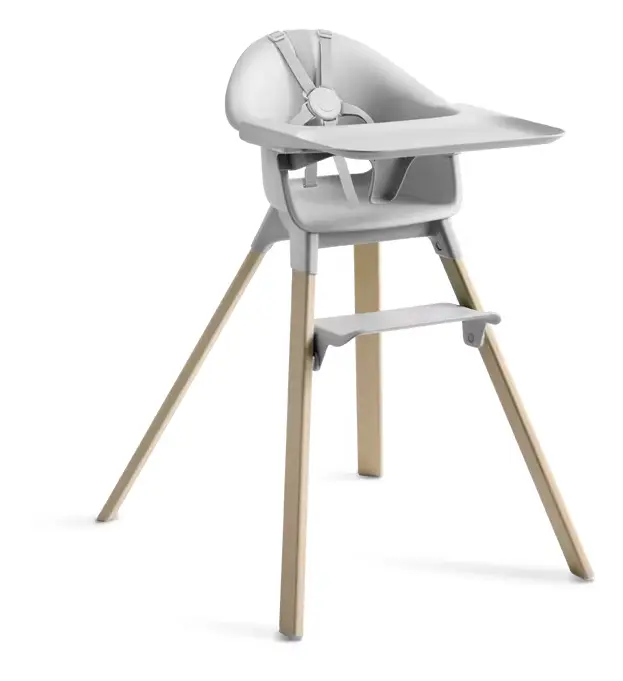
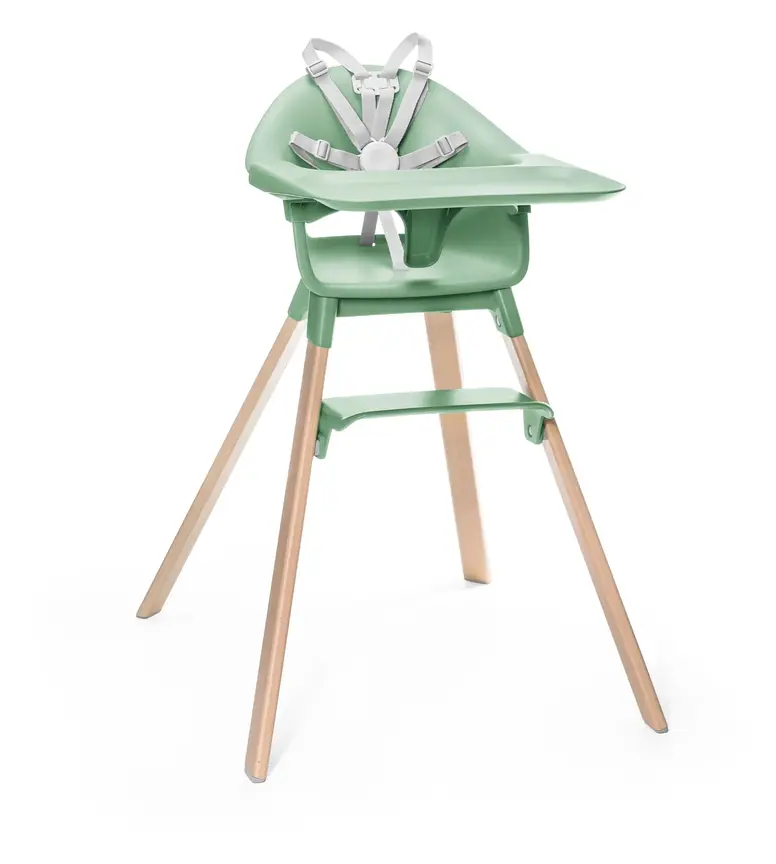
Stokke Clikk
Stokke's lighter, tool-free, fold-flat highchair with a built-in tray — the travel/rental-friendly sibling of the Tripp Trapp.
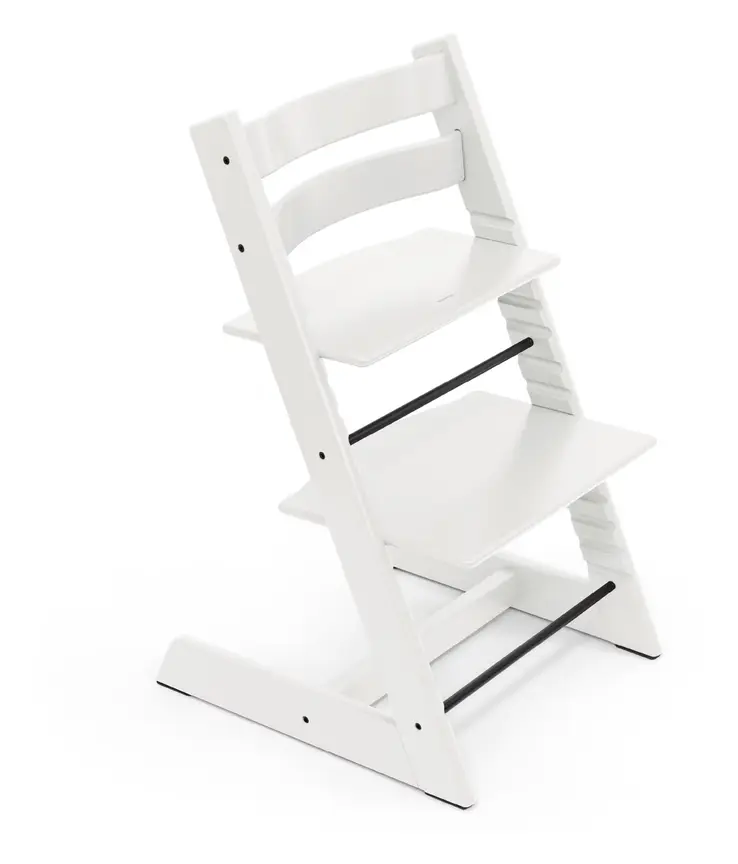


Stokke Tripp Trapp
The 1972 Peter Opsvik design: an adjustable beech chair that goes from newborn (with Newborn Set) to adult, pulled up to your own table.
Read our full review →Frequently asked questions
Are shopping cart and high chair covers really necessary?
No, they are optional. Many parents get by just fine using antibacterial wipes on the trolley handle and high chair tray, then washing their baby's hands afterwards. A cover is most helpful if you have a teething baby who chews the bar, or if you want a softer seat for a baby who has just learned to sit.
Can I use a cover if my baby cannot sit up on their own yet?
No. Babies who cannot sit upright without help should not ride in trolley seats or standard restaurant high chairs, even with a thick padded cover. Their neck and core muscles are not ready, and they can slump forward and block their breathing. Use a pram or a safe baby carrier instead.
Does a 360-degree cover work on every trolley and restaurant high chair?
Not always. Supermarkets use different trolley shapes, including double-seat trolleys and deep plastic seats. Some cafe high chairs have wide wooden arms or fixed trays that stop elastic covers from stretching all the way around. Look for a cover with stretchy elastic and adjustable straps, and check that the seat belt still threads through cleanly.
Is a padded cotton cover better than a wipe-clean cover?
It depends on how you use it. Thick cotton feels softer and absorbs drool from teething babies. However, it takes longer to wash and dry. Wipe-clean polyester or coated covers dry fast after food spills and fold up smaller in your bag, though they feel a little less cosy.
Can I use the strap sewn onto the cover instead of the trolley strap?
No, unless you have no other choice—and if the trolley's own strap is broken, ask staff for a different trolley. A strap sewn only to a fabric cover can pull the whole cover forward if your baby leans out. Always thread the trolley or high chair's own safety belt through the cover's slots.
How often should I wash a shopping cart cover?
Wash a fabric cover after any trip where your baby chewed the front bar, spilled food, or had a nappy leak. If you only used it for a quick dry errand and your baby kept their hands off the bar, you can wash it every few trips. Never store a damp cover inside a zipped pouch.
Sources
- Raising Children Network – Choosing safe baby furniture: highchairs and more
- Product Safety Australia – High chairs guide
- Kidsafe Australia – Falls
- NHS – Baby and toddler safety
- RoSPA – Preventing accidents to children
- U.S. Consumer Product Safety Commission – New federal standard to improve safety of high chairs
- U.S. CPSC – Phthalates business guidance
- HealthLink BC (Canada) – Safe chairs for babies in the first year
Related guides
More Feeding & Baby Food →
High Chair Footrest Retrofits: How to Add Safe Foot Support
How to Choose a Non-Toxic High Chair: Solid Beechwood vs. BPA-Free Polypropylene
App-Connected Breast Pumps: What to Check Before You Buy